
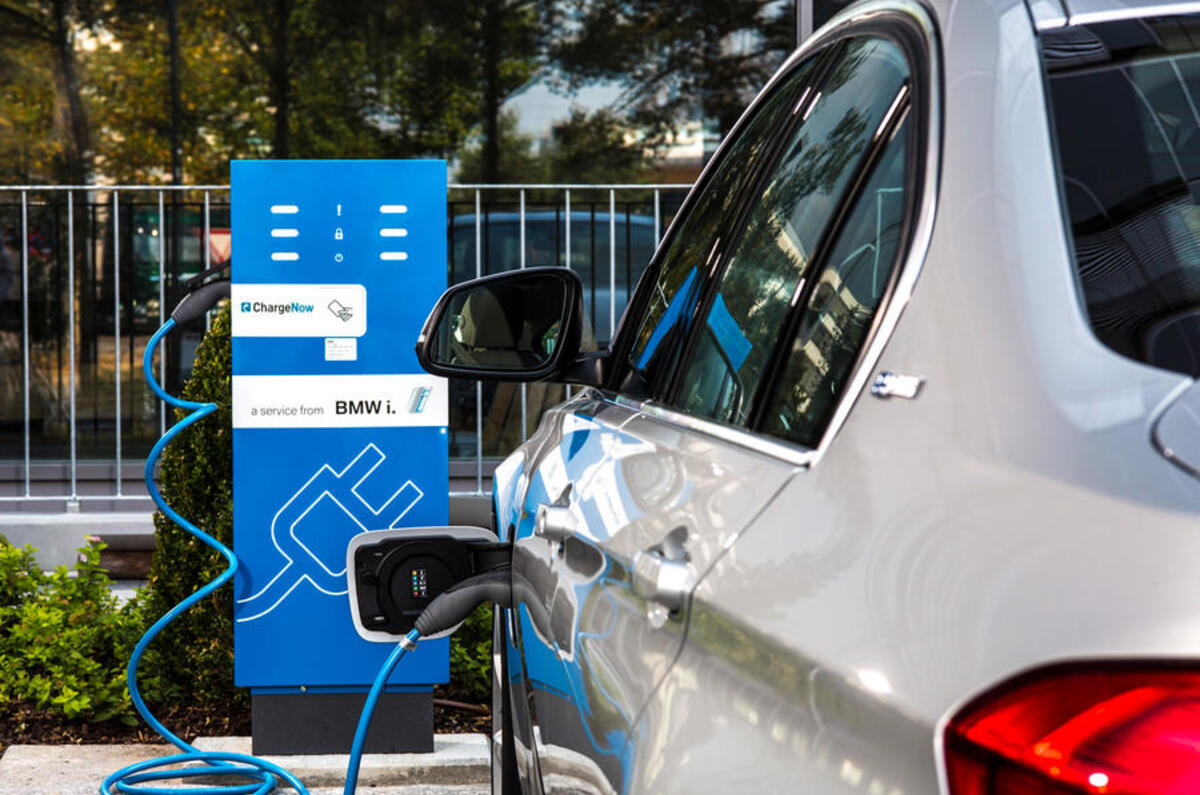


Charging time is a hot topic when it comes to electric cars. The onset of rapid charging means that being stranded for hours waiting for your car’s battery could soon be a distant memory. Yet these chargers are still relatively rare, so what are your options the rest of the time? Here we look at all the methods and what are the best approaches to keep you going.
Slow charging
As the name suggests, this method results in the longest charging times, with some larger EVs needing the best part of 36 hours to replenish their batteries when charged this way. Even something as humble as a Nissan Leaf with a 40kWh battery will require nearly 12 hours for a full battery. Normally running at about 3kW, these chargers are occasionally still found at public charging points but are more often than not the portable type that feature a three-pin plug for use with a domestic electricity supply. Most electric cars get one of these units as standard, but the ever increasing size of battery packs mean that most manufacturers recommend using them only when no other charging method is available. Of course, if you don’t cover many miles a day, then slow charging allows you an easy way to top-up the car’s cells overnight, while the slow rate of charge means less heat is generated in the battery, which can help prolong its useful life.
Fast charging
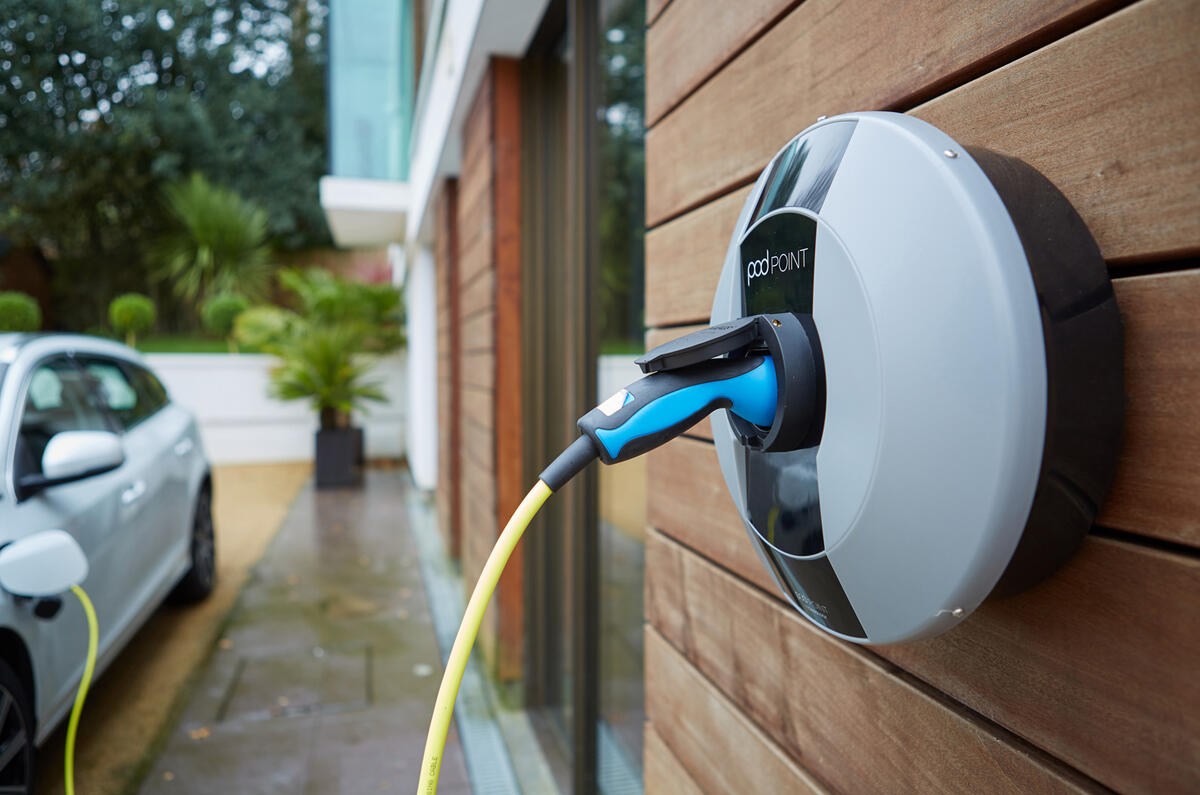
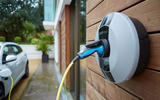
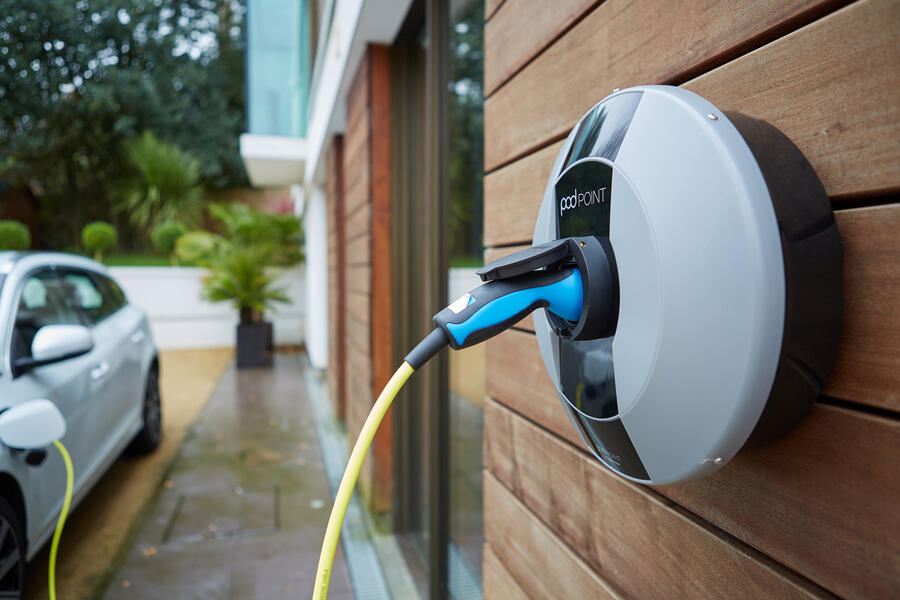
This is quickly becoming the most popular method of charging, particularly for domestic use. Fast charging normally uses an AC (Alternating Current) supply that runs at either 7kW or 22kW, with the latter usually being reserved for public charging points. Most dedicated domestic wallboxes, such as a Pod Point, run at the lower 7kW rate, which roughly halves the time it takes for a full charge compared to a slow charger. So for example, you can expect a Nissan Leaf with a 40kW battery to be fully recharged in about six hours, while a Tesla with a 75kW battery will require about 12 hours. 22kW requires a three-phase electricity supply, meaning they are a rare and expensive solution at home. If your car can accept this rate of charge, then expect charging times to be slashed by around half compared to the 7kW unit, so a 75kW Tesla will be charged in under six hours.
Rapid charging
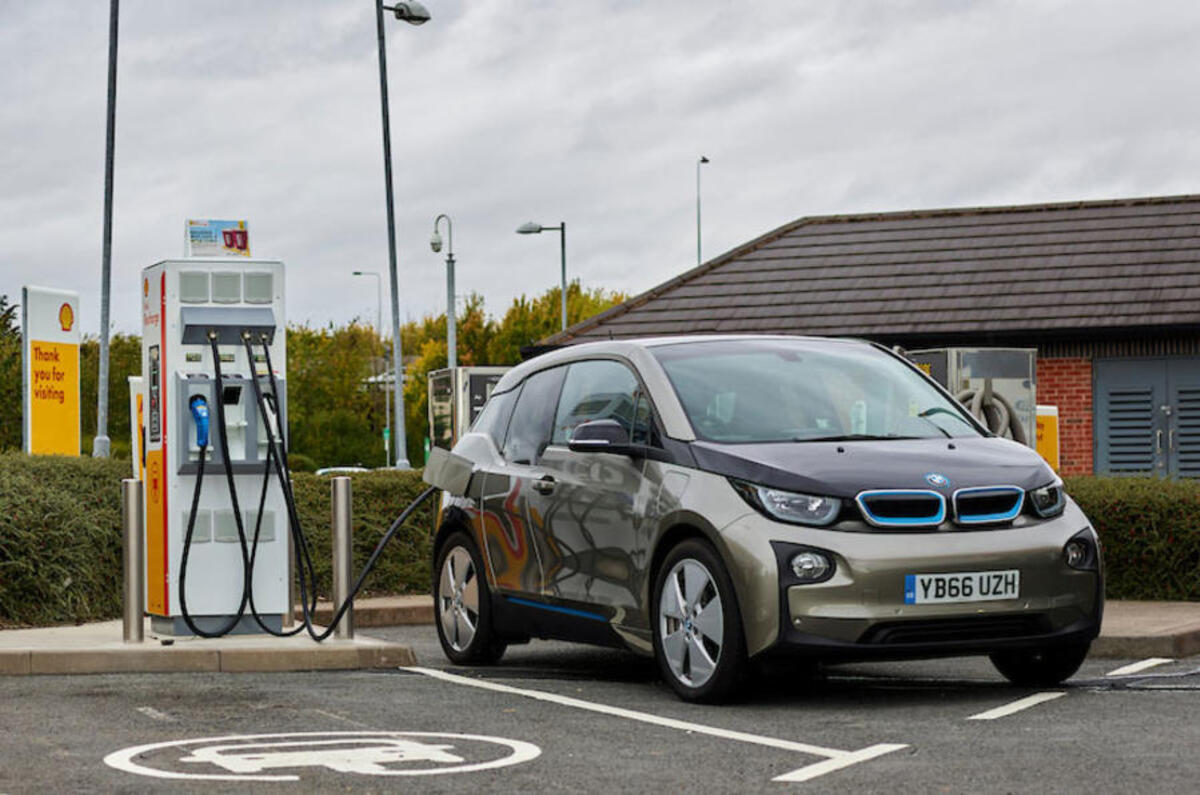
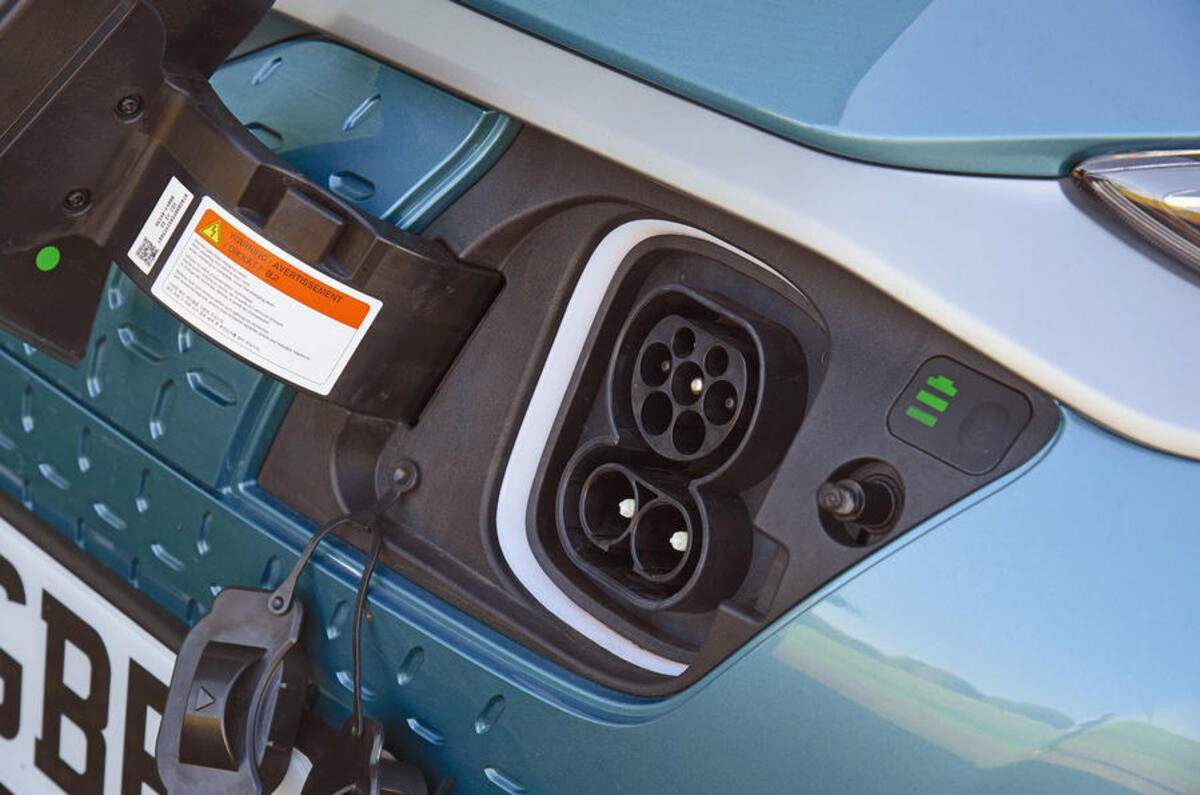
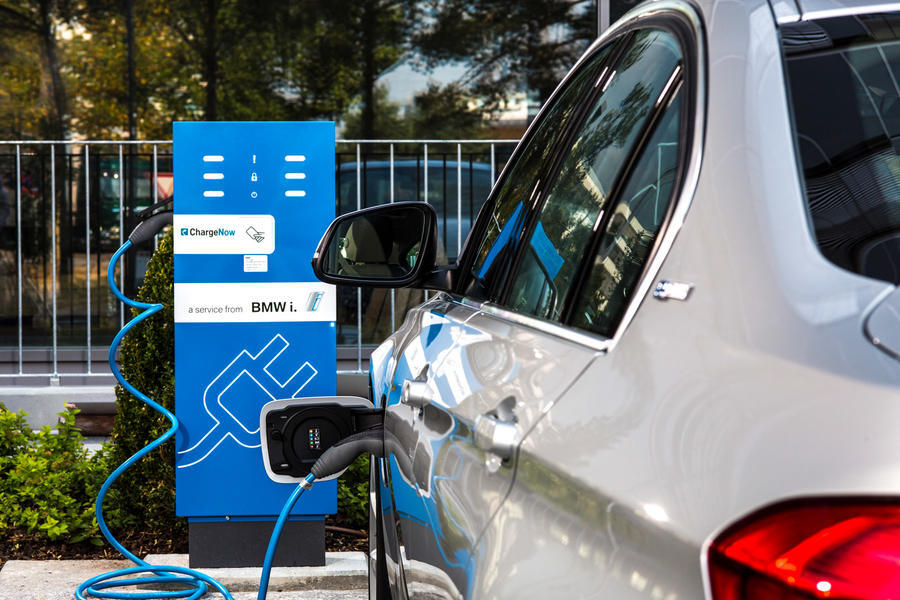
On paper, this is by far the fastest way of topping up the batteries in your EV, with some chargers able to deliver a significant injection of energy within just 20 minutes. Charging at anything from 50kW to up to 350kW, these units are usually found at motorway service stations and dedicated charging hubs. You’ll need a car that can handle this type of DC charging, and for best results you’ll only charge up to 80 percent of the battery’s capacity, because beyond this point the rate of charge slows significantly to protect the cells from the high temperatures involved in such high electrical currents.






Join the debate
Add your comment
Autocar writers manage dig a hole to lower the bar for journalists even lower. There seems to be more informative reporting on Youtube than there is in Autocar nowadays.
We hope you enjoyed this article next up "How Long Is a Piece Of String ?" by one of our leading columists.
Really, Autocar you are going downhill fast.