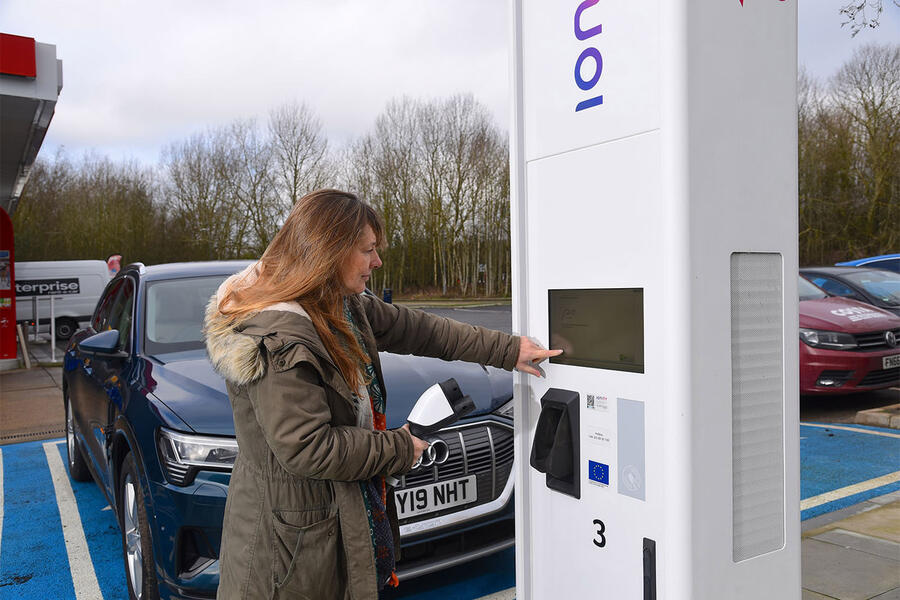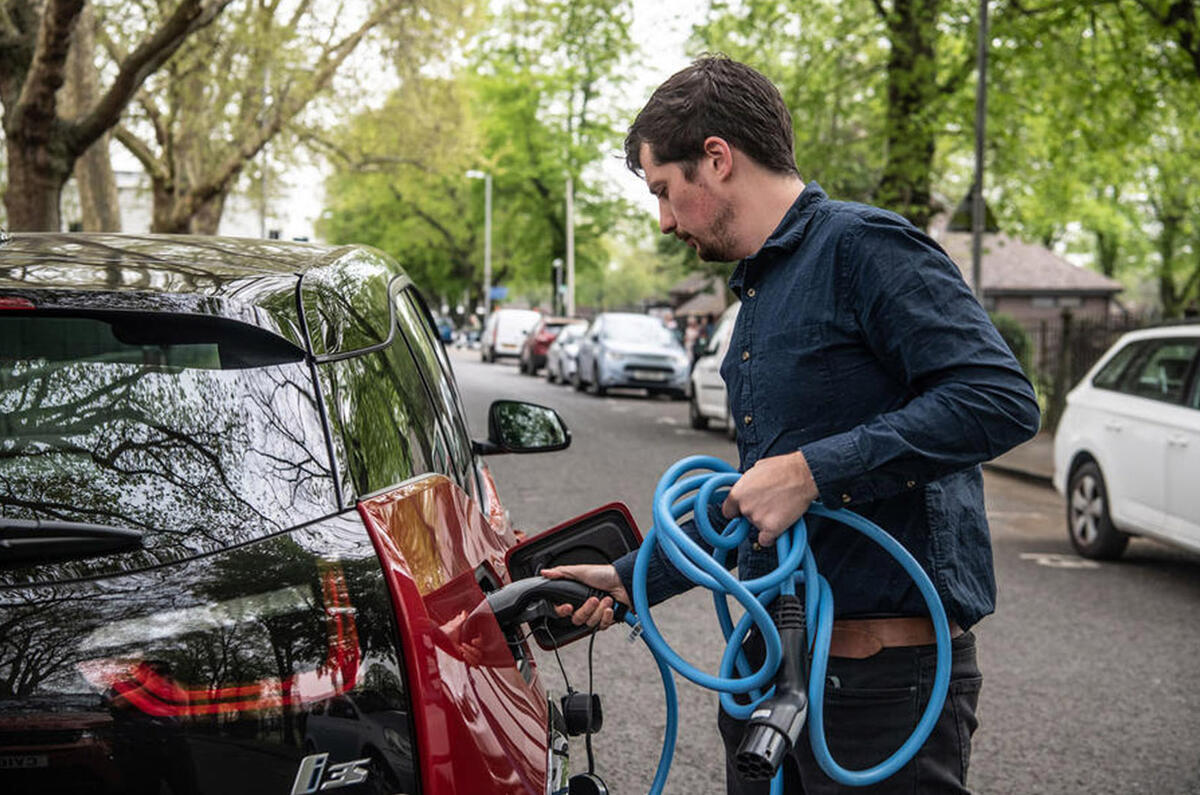


For many potential EV customers one of the biggest potential stumbling blocks before purchasing is ‘range anxiety’.
Yet with battery technology improving all the time, electric cars can travel further on a single charge than ever before.
Even so, there are ways you can eek out your electricity reserves even further, so here are our top 10 tips for extending your range.
1. Battery size
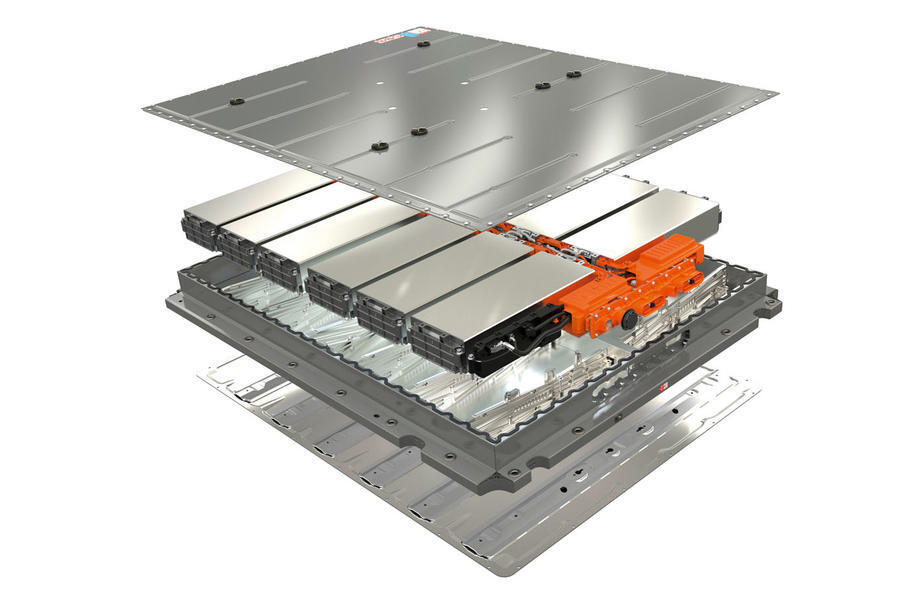
Okay, this might seem obvious, but the bigger the battery in your car the further it will go before needing to be recharged. Unlike some devices, such as laptops and phones, you can’t currently upgrade your EV’s cells once it’s been built, but you often get a choice when ordering a new car and when buying used.
For example, the Nissan Leaf is available with either a 40kWh or a 62kWh battery, the former giving a claimed 168 miles of range, while the latter delivers an impressive 239 miles. Obviously the larger the battery the higher your financial outlay, but if you can stand the cost then this is an example of bigger really meaning better.
2. Regenerative braking
All EVs feature regenerative braking, a system that uses the electric motor as a generator to send energy back into the battery every time you lift off the accelerator or brush the brakes. It’s usually only a small amount of electricity that’s generated, but use the set-up effectively to avoid engaging traditional friction brakes and you can add more miles to the range than you'd think.
This is particularly true of EVs that allow you to alter the level of resistance from the generator to deliver a stronger braking effect therefore releasing more energy to be ploughed back into the battery. Cars such as the Leaf, Mini Electric and Peugeot e-208 can effectively be driven in one pedal mode, allowing you to come to an almost complete stop without ever touching the traditional friction brakes.
3. Conditioning the car
Perhaps one of the neatest tricks you can perform with an EV is to pre-programme its charging and heating programmes from the comfort of your armchair. The air-conditioning system requires a fair amount of energy to run, especially when it is trying to warm or cool the cabin in extremes of temperature.
So it’s best to get this done when the car’s plugged in and charging, then all it has to do when you’re running is maintain a set temperature, which uses less energy. This feature is particularly useful when the weather is at its coldest, as you can pre-condition the cabin’s temperature, demist or defrost the windows and even set your heated seat while the car is still charging, helping to preserve the battery’s power for driving.