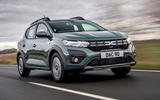
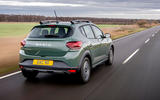
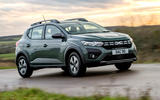
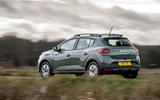
Does the law of diminishing returns apply anywhere more greatly than it does with car interiors?
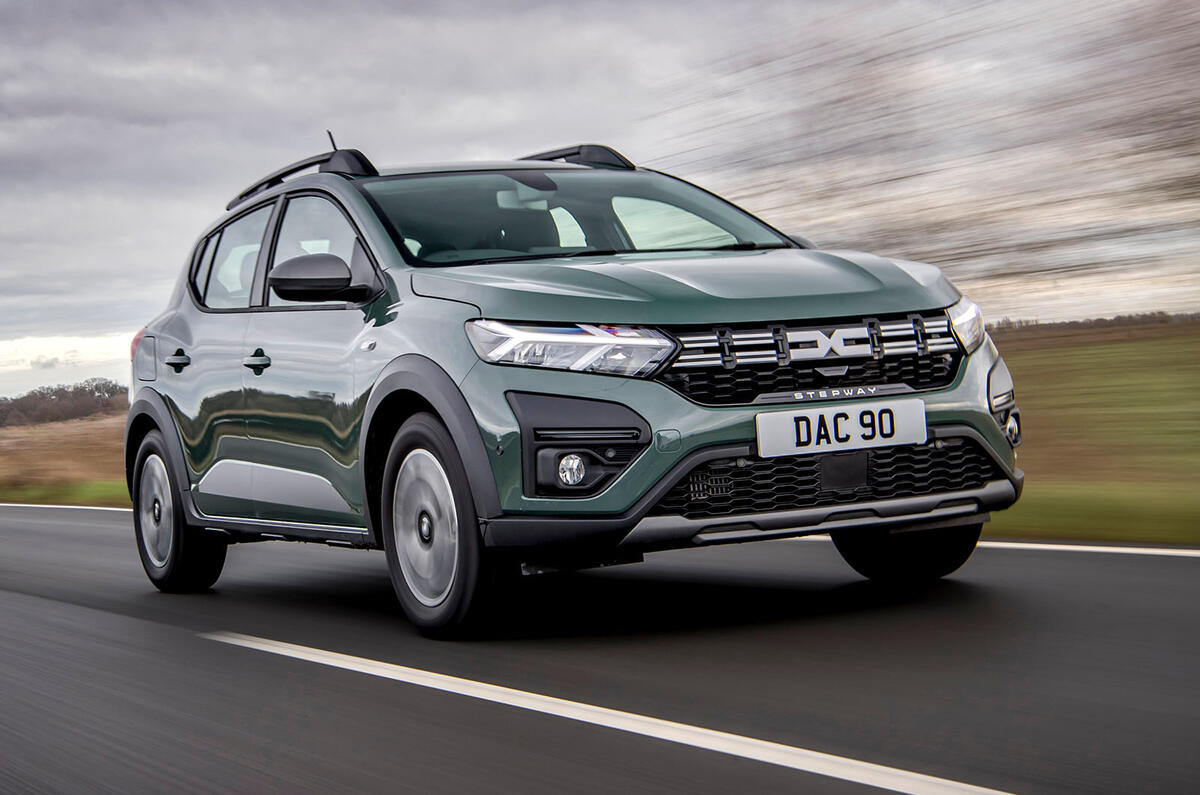
Spend a third of a million pounds on a car and it will keep the cabin at a pleasant temperature while linking with your smartphone to play some music and tell you where you’re going. For less than £9000, a Dacia Sandero will do the same thing. Perhaps the existence of cars like the Sandero is precisely what drives ‘premium’ manufacturers to offer infinitely variable ambient light settings.
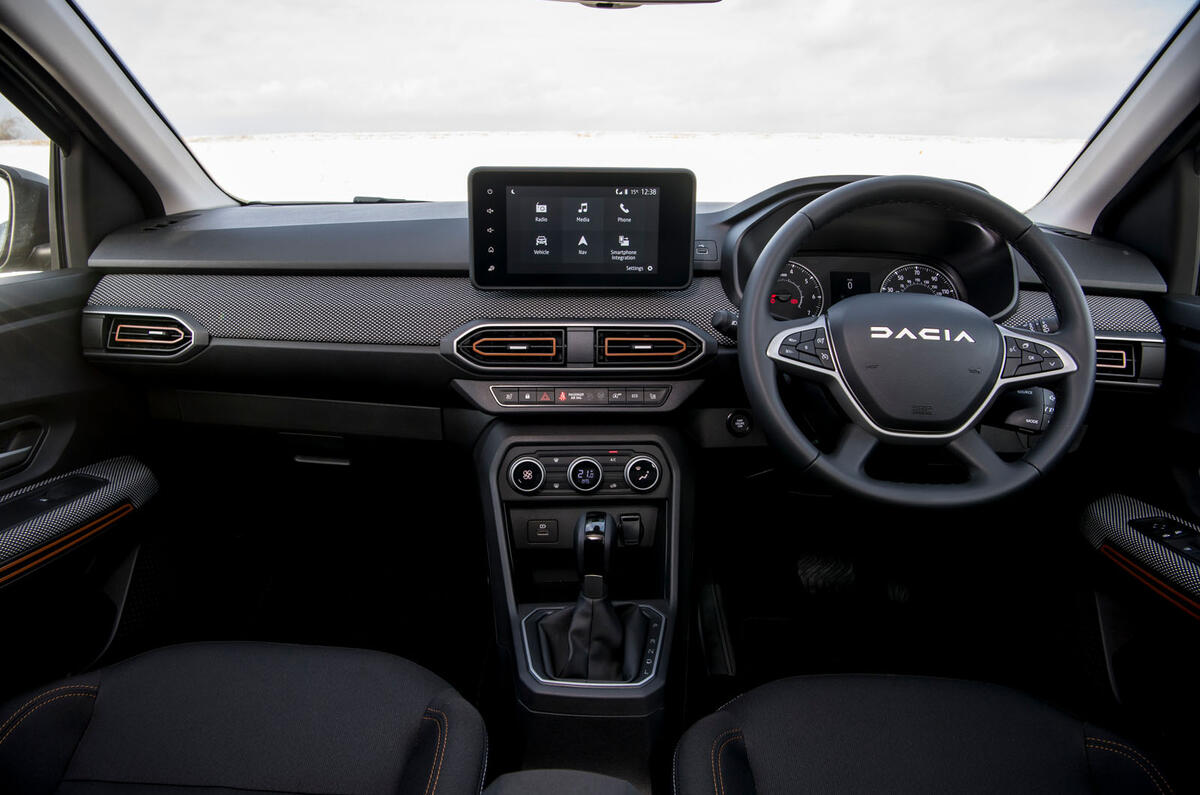
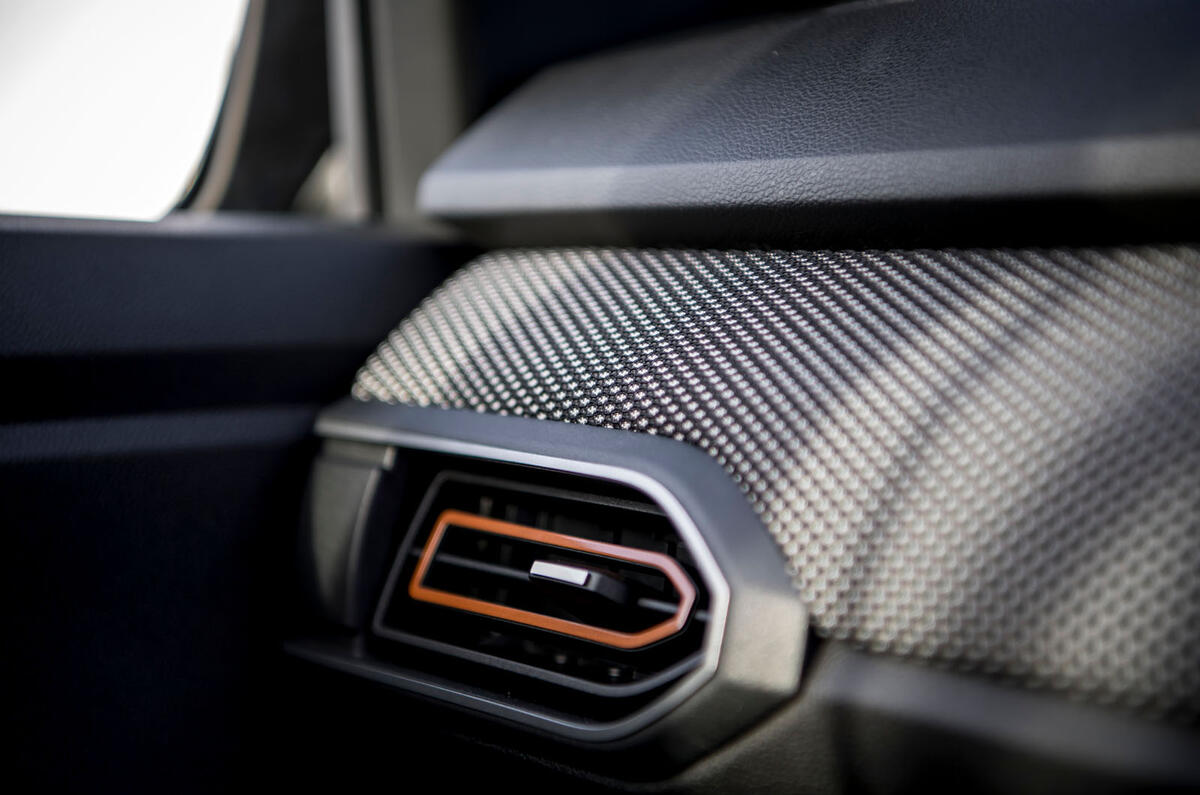
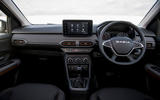
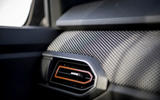
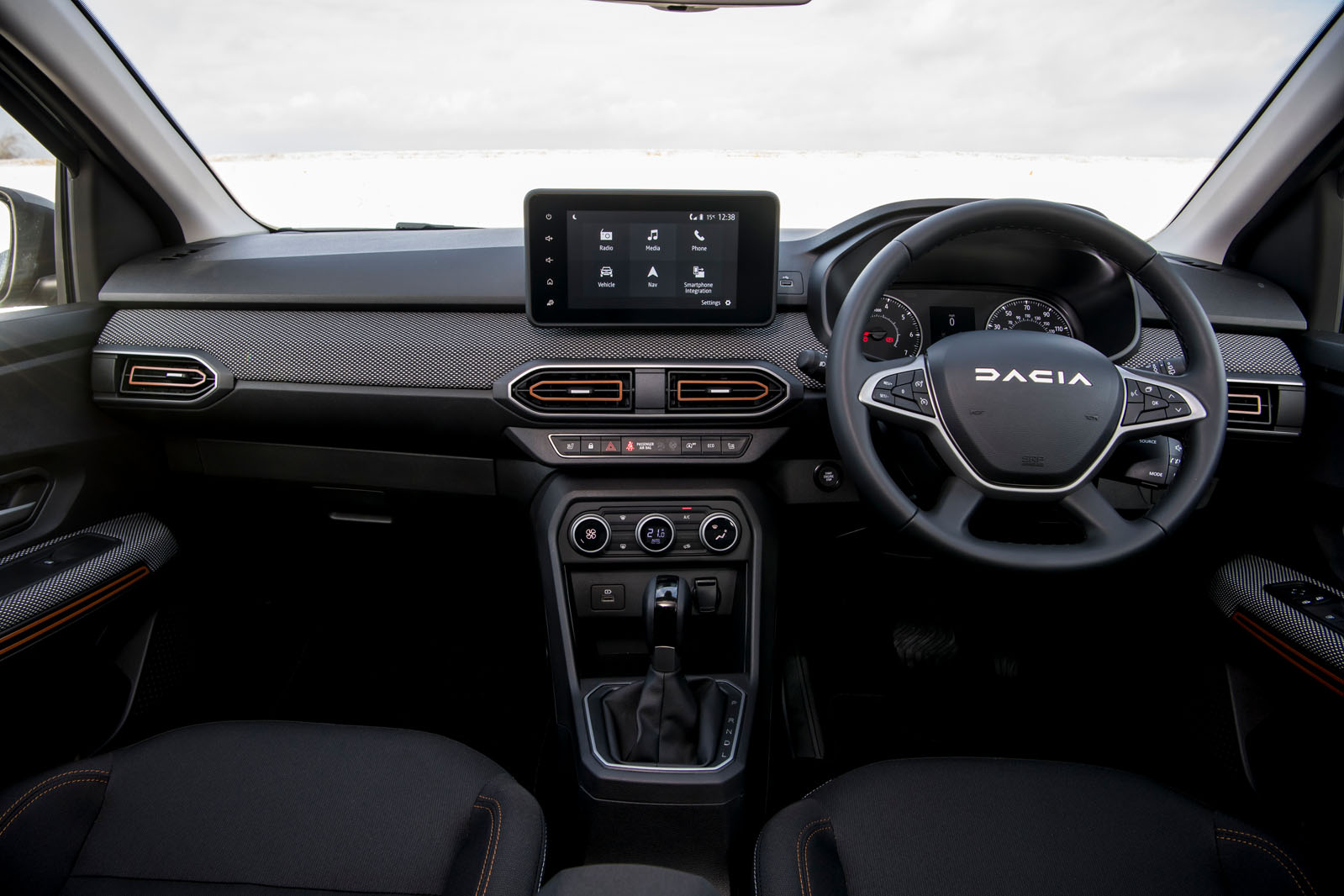
Obviously, it is not so well finished. Hard plastics abound – there aren’t really any soft ones – but there is a pleasing fabric finish around the edge of the dashboard and some brighter highlights on the air vents.
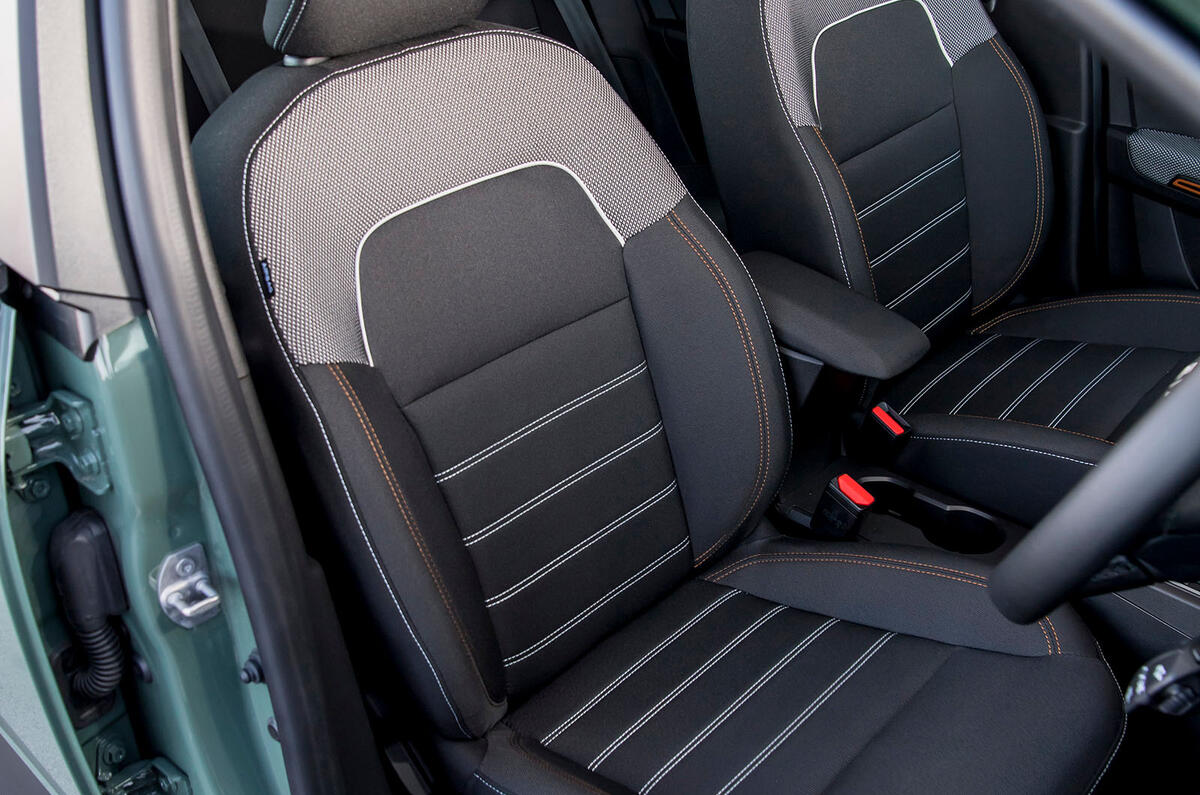
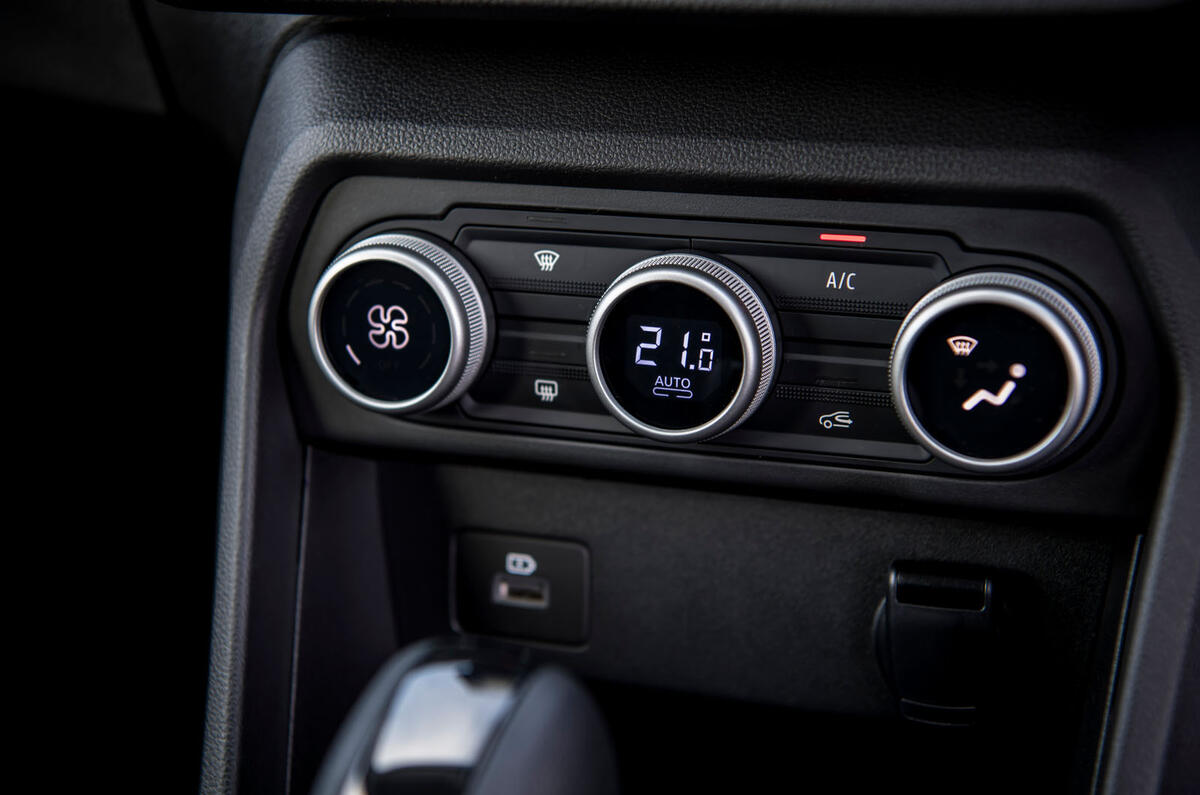
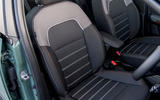
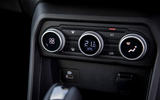
The seats are large and flat, the steering wheel is big, reach and rake are adjustable, and the pedals are pleasingly spaced. It’s a really sound driving position, with two clear dials ahead of you and, on this version, a relatively simple touchscreen plus a very neat phone holder, and easy integration between the two. Ergonomically, it’s pretty sound all around, partly as a result of its basicness. The heating and ventilation controls are big clear dials and, on lower versions, the handbrake is a conventional lever.
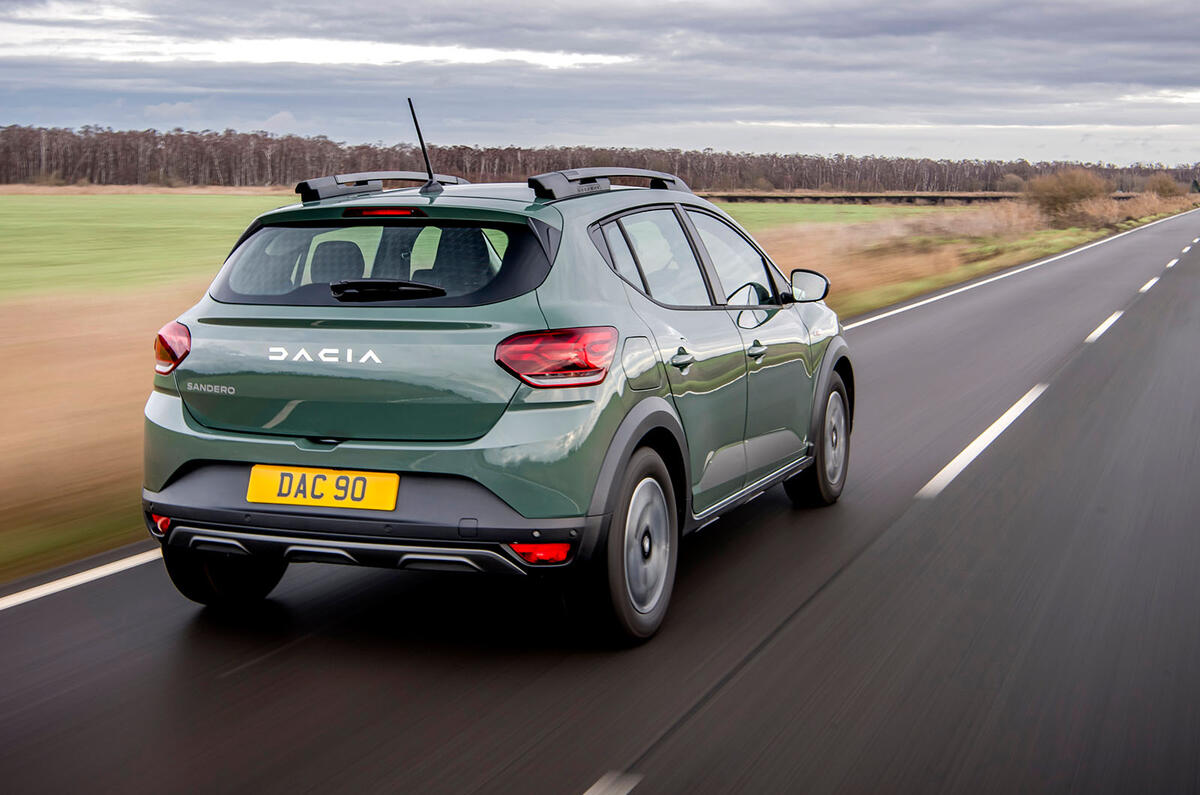
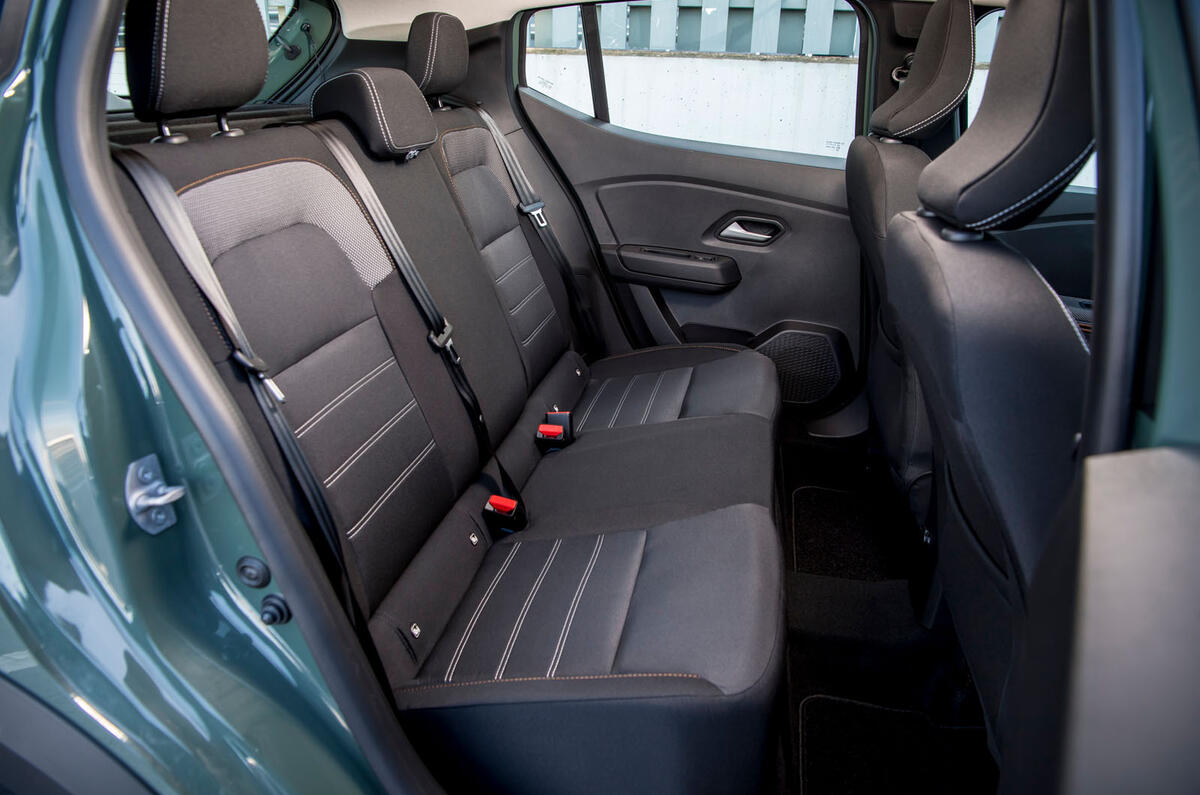
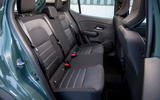
It’s spacious in the front and as big as you’d hope for a supermini-sized car in the rear, too. Adults can sit behind adults without trouble – even six-footers will find they have knee room – with good interior spaciousness for a car of just over four metres in length.
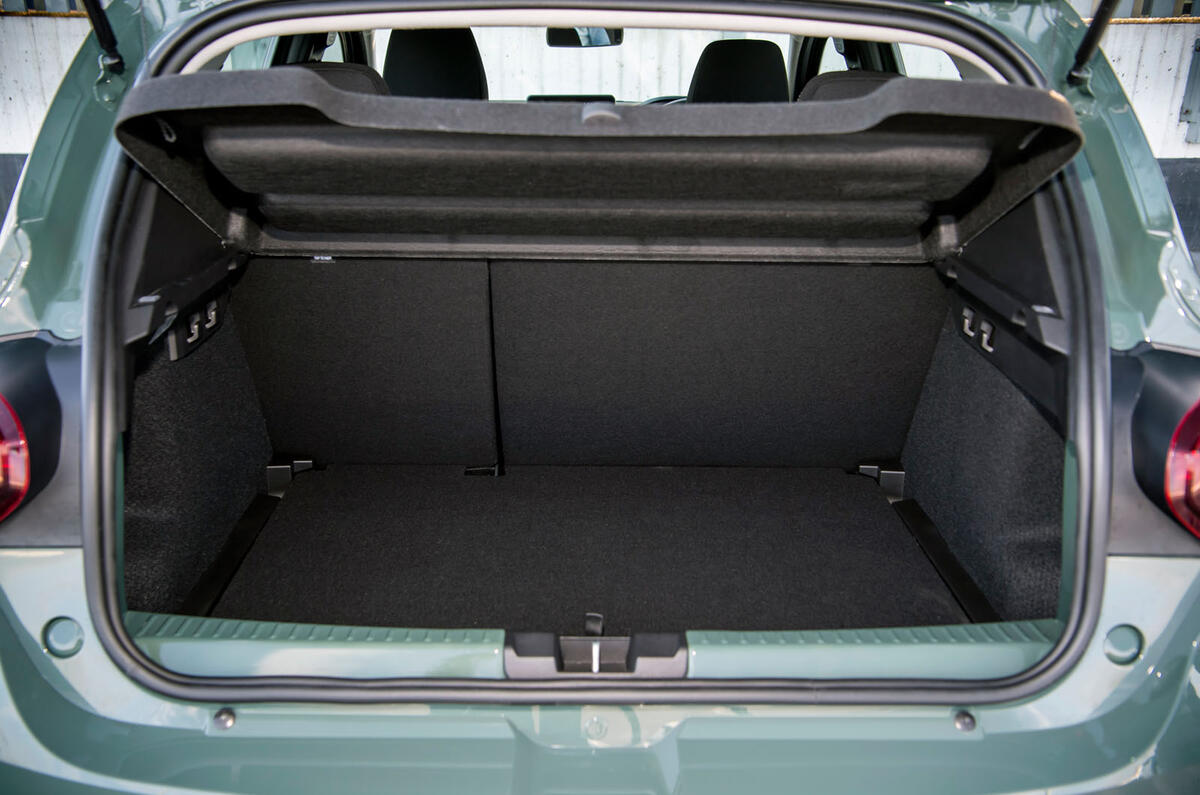
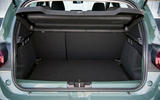
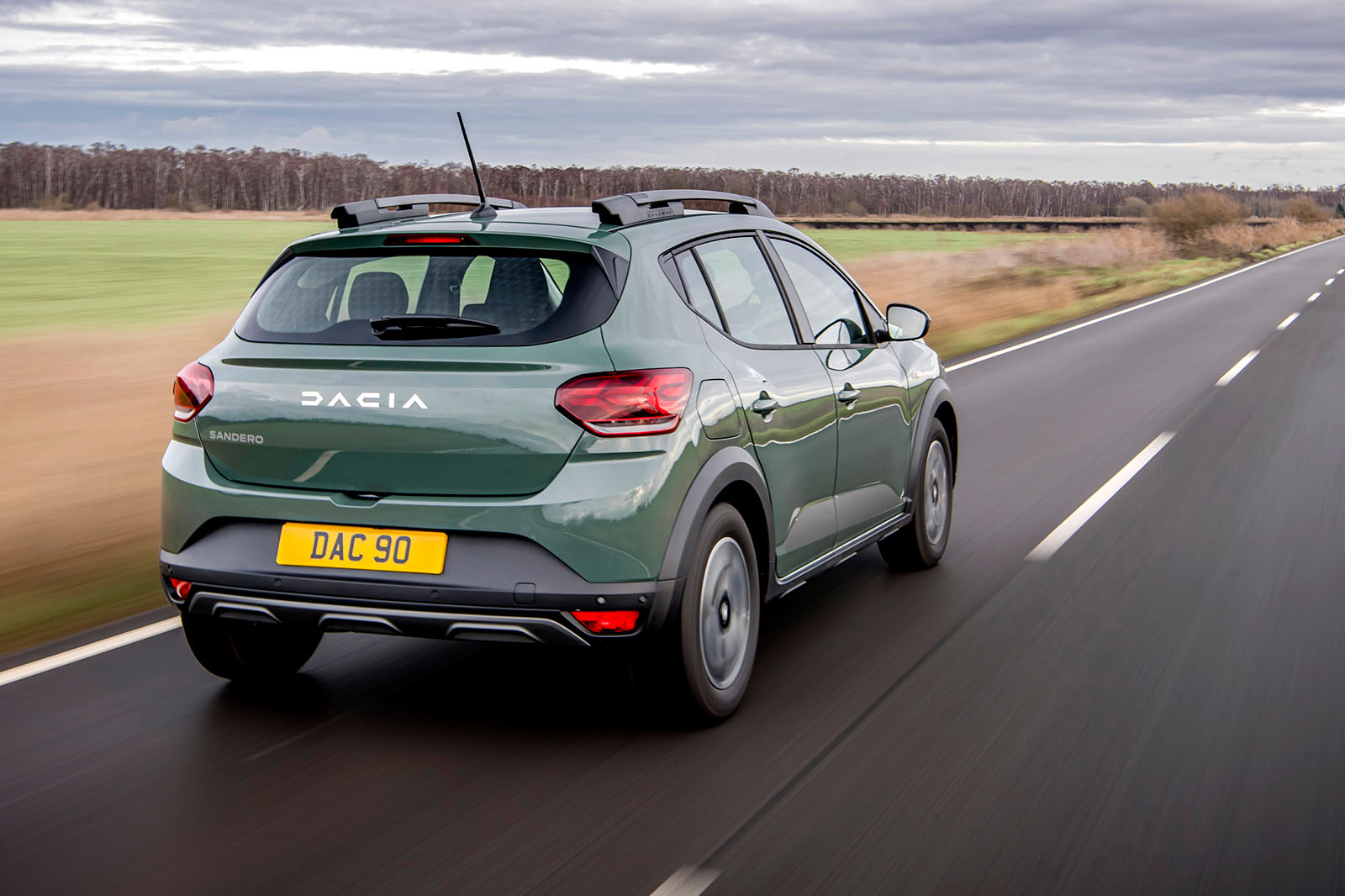
With 328 litres of space, the Sandero also has a bigger boot than most superminis. The minimum width of the boot opening is a generous 930mm, and at its widest it’s 1290mm. The rear seats split and fold easily, too, giving a load length of more than 1400mm. Beneath the boot floor is an optional spacesaver spare wheel, pleasingly; which, if you specify the Bi-Fuel version that can run on both petrol and LPG, gives way to make room for the additional LPG fuel tank.
Dacia Sandero Stepway infotainment and sat-nav
The base Sandero doesn’t have much in the way of an infotainment system but does get a phone holder (with a 12V USB socket behind it just as on this higher-spec car) that rotates freely and allows you to use features such as linking to the audio system.
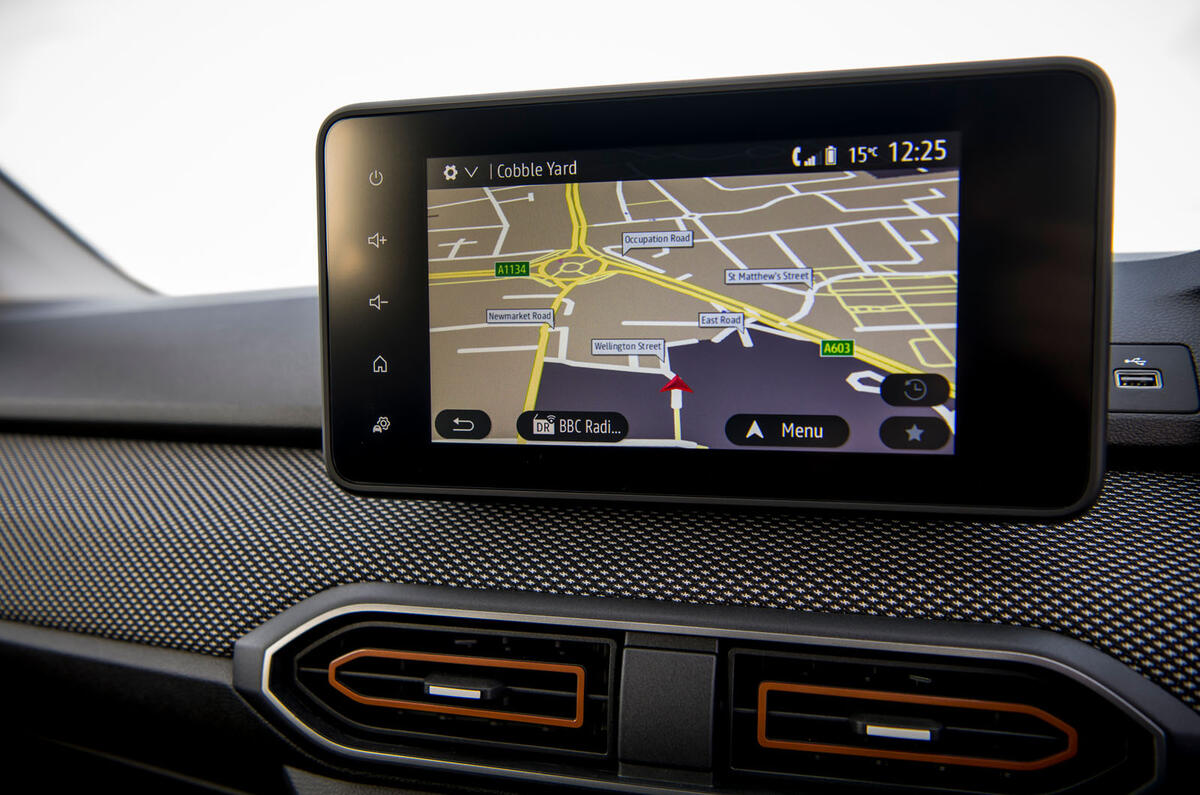
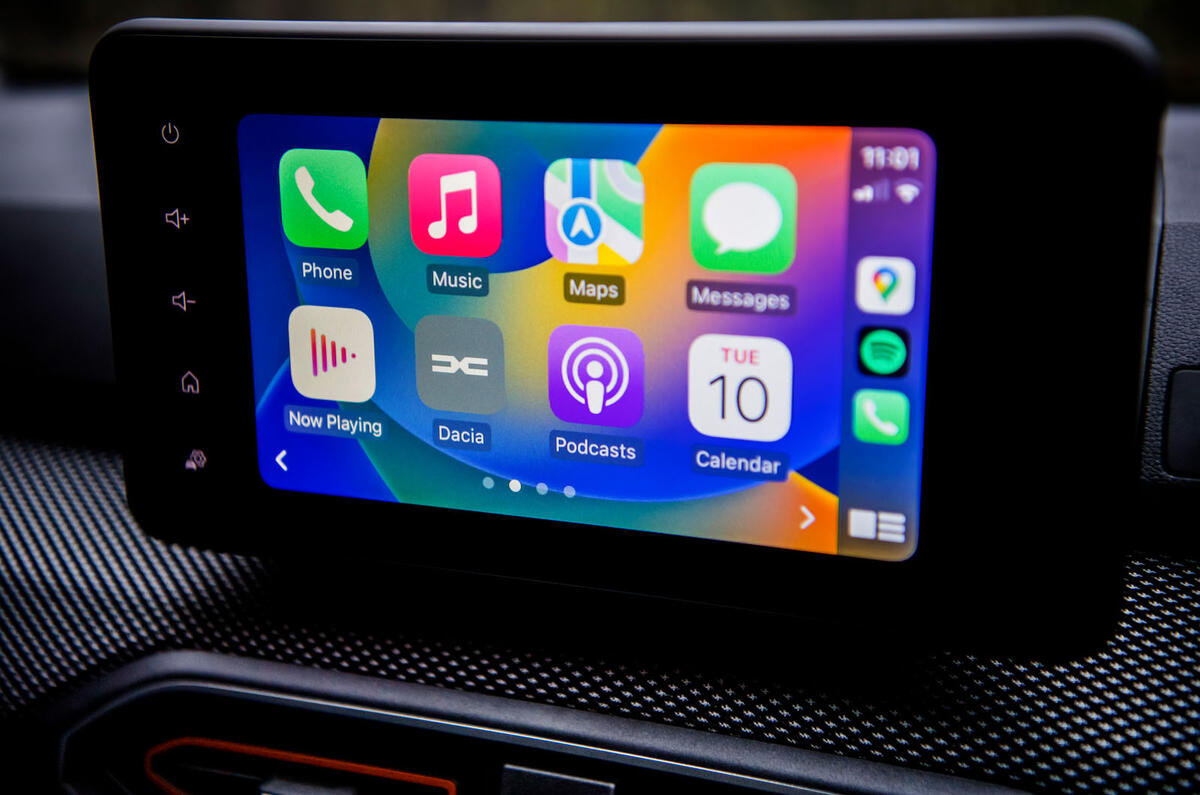
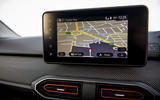
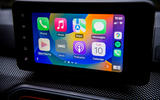
Things get (a little) more serious higher up the range, with a central touchscreen mounted alongside that phone holder, which has a set of reasonably basic functions up to and including satellite navigation on this model. They all work easily and sensibly enough – better than more complex touchscreens, in fact, because there’s only so much you can do while on the road and you’re meant to be driving, after all. There’s also Apple CarPlay and Android Auto phone mirroring, if you’d rather use that than the car’s systems. Only the USB behind the phone mount links to the infotainment – not the one by the gearlever.
There are remote controls for the audio behind the steering wheel; an old Renault system that’s easy to use.