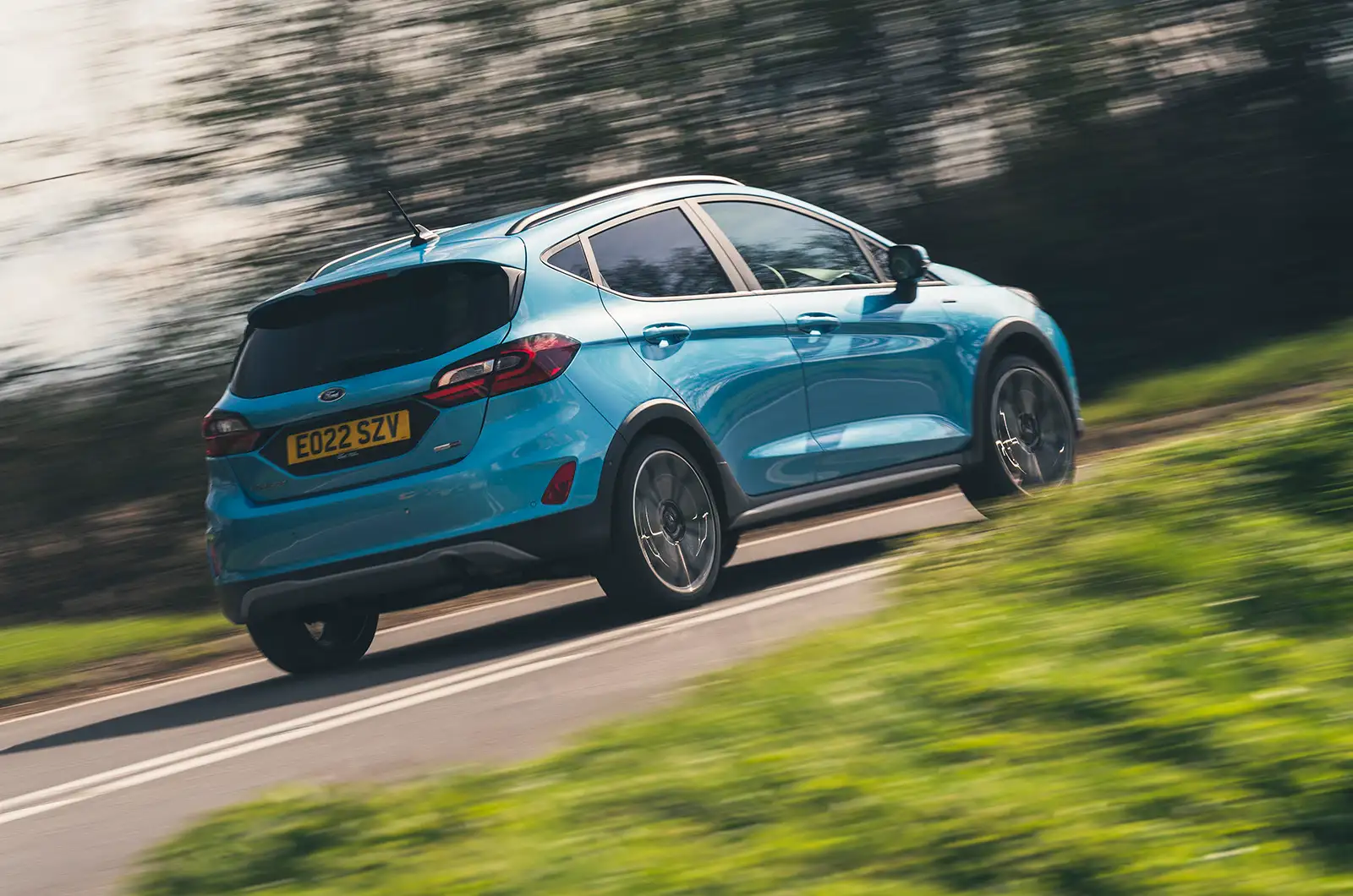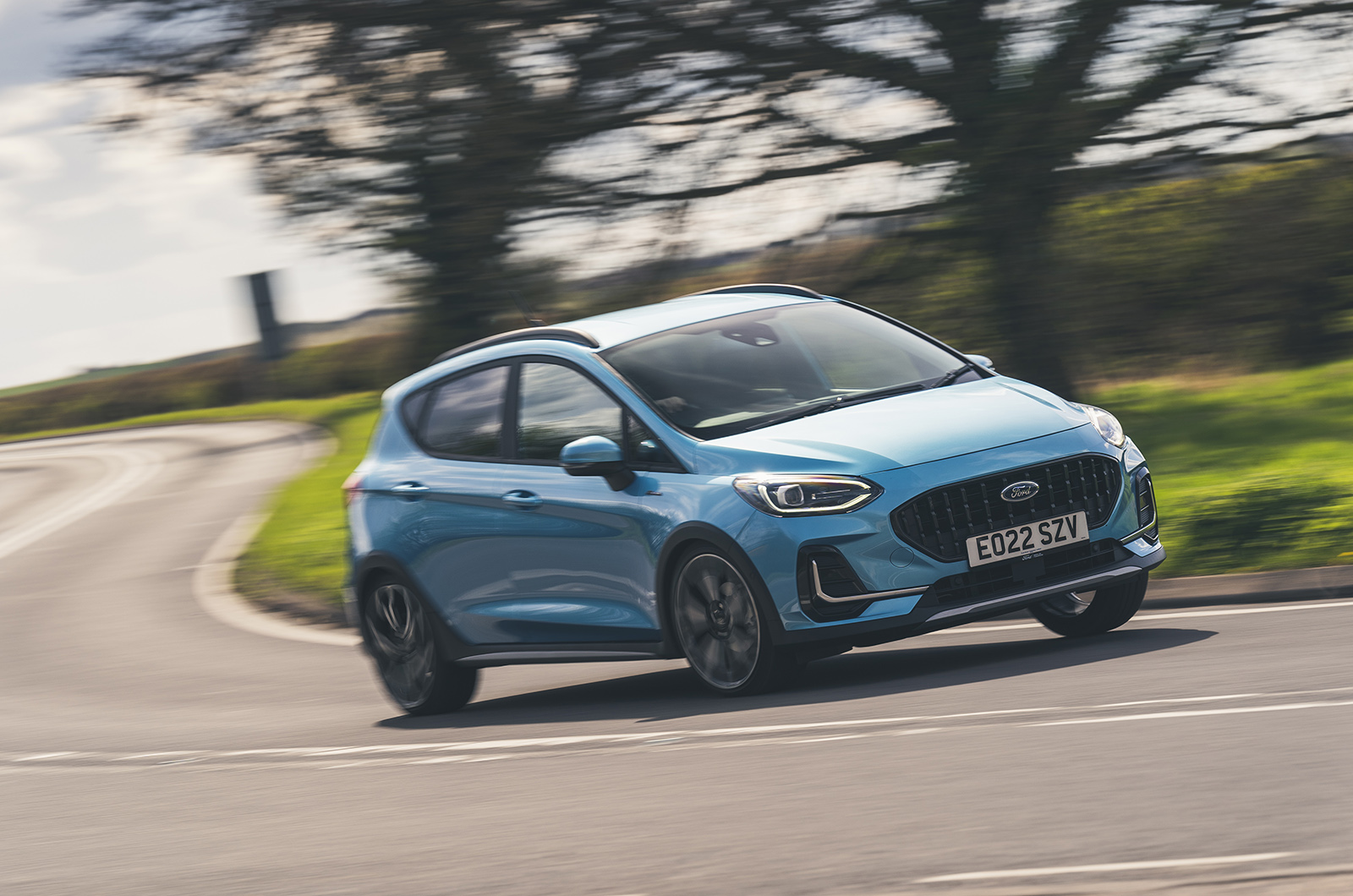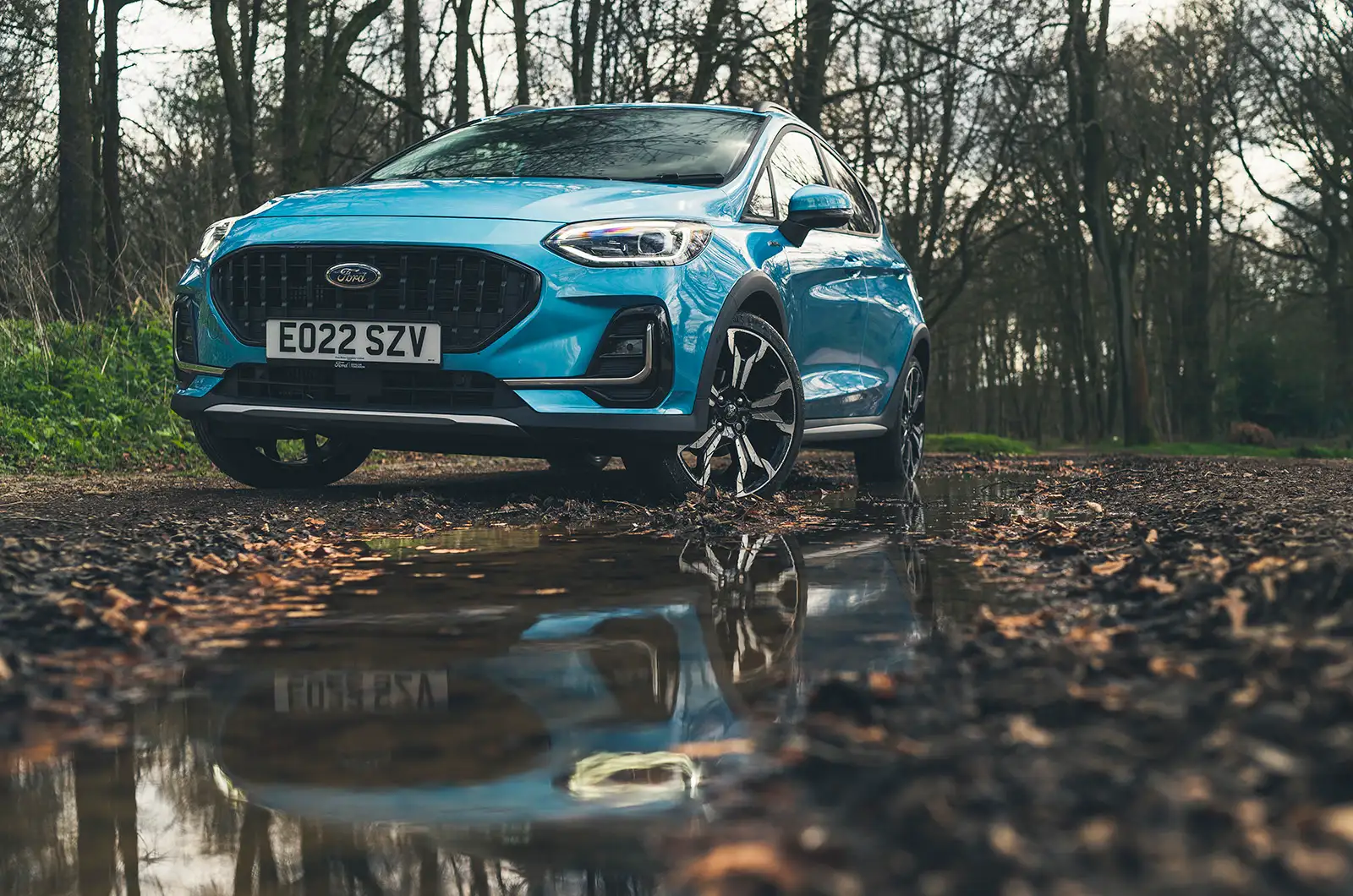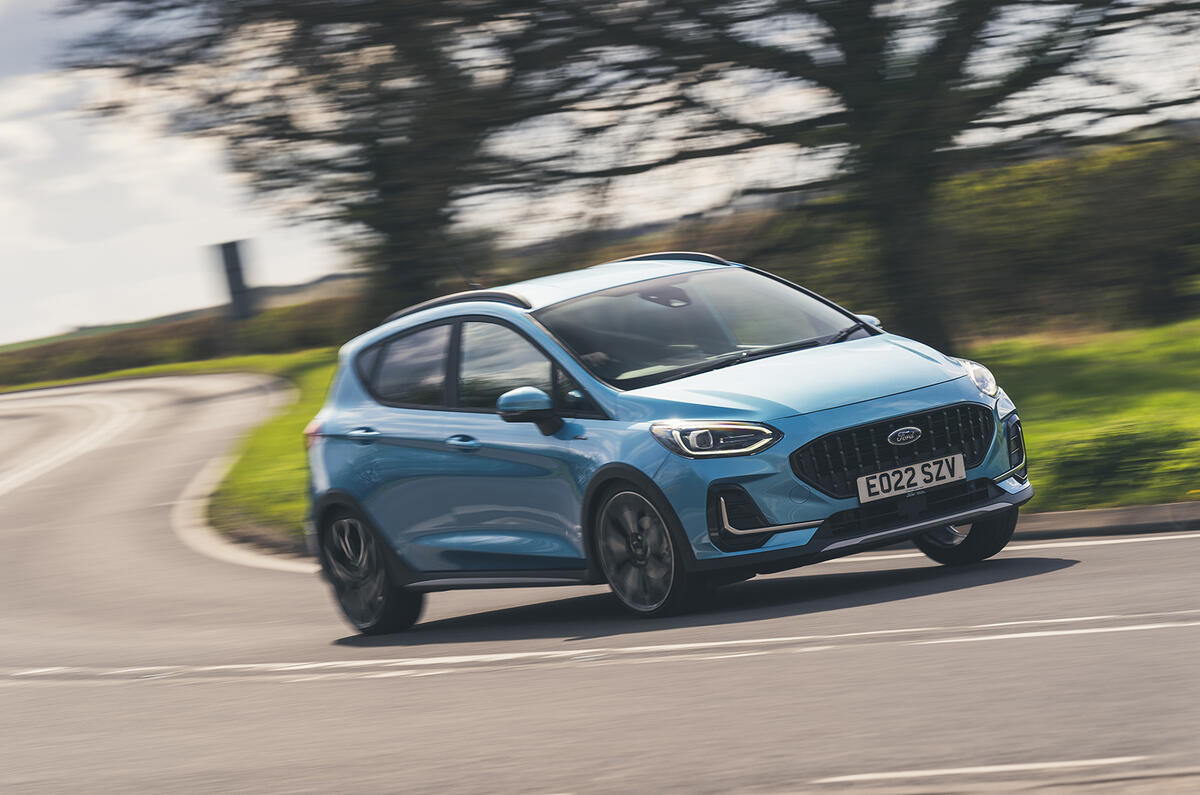
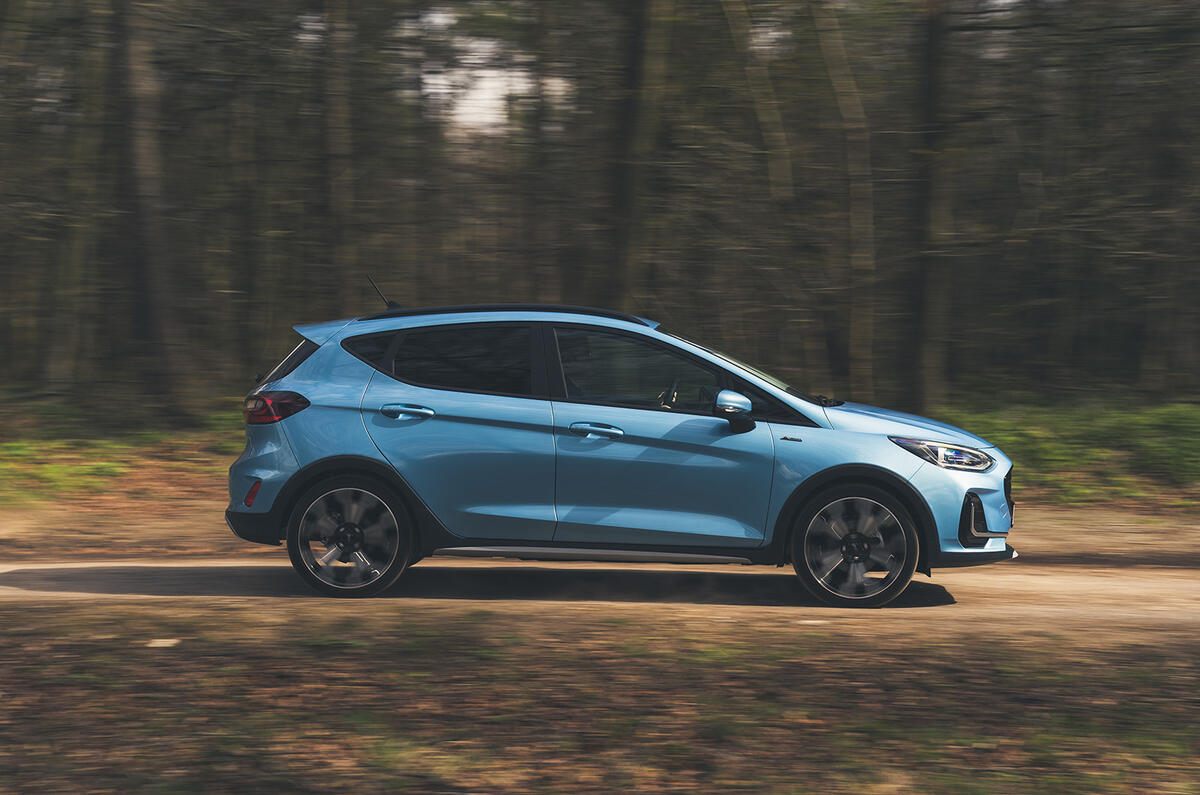
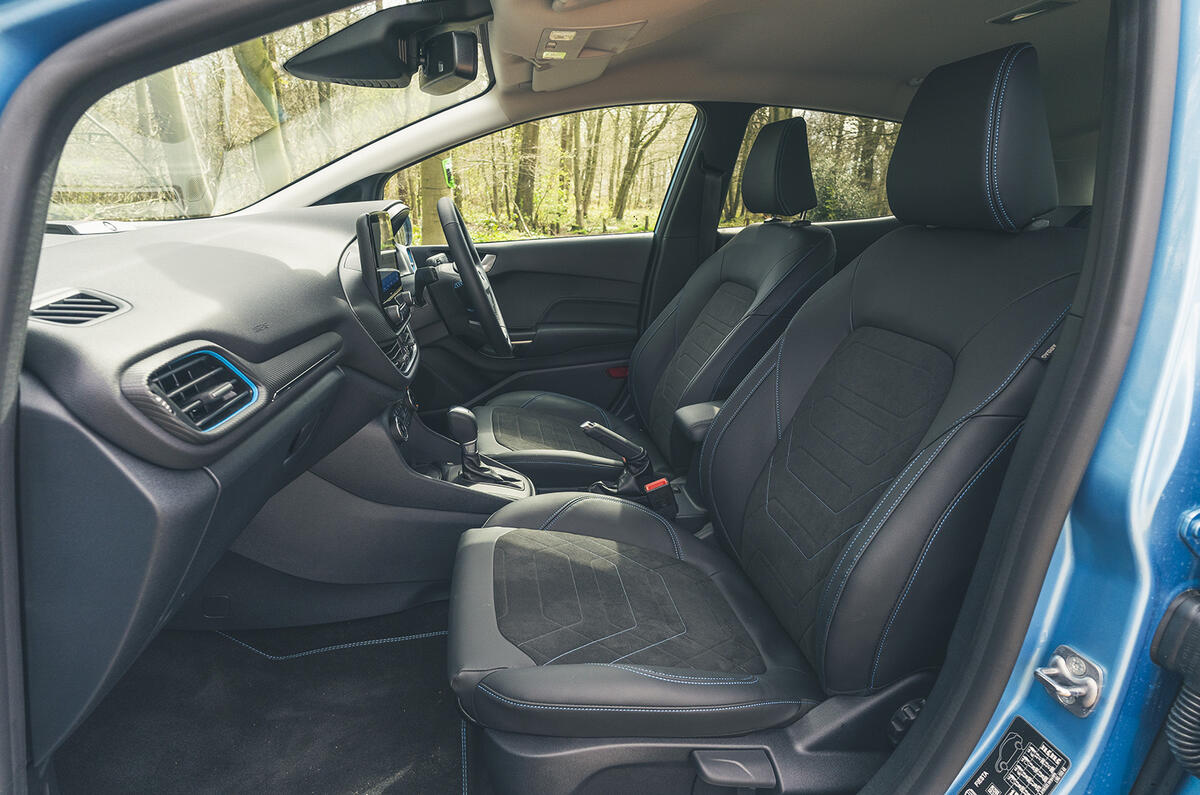
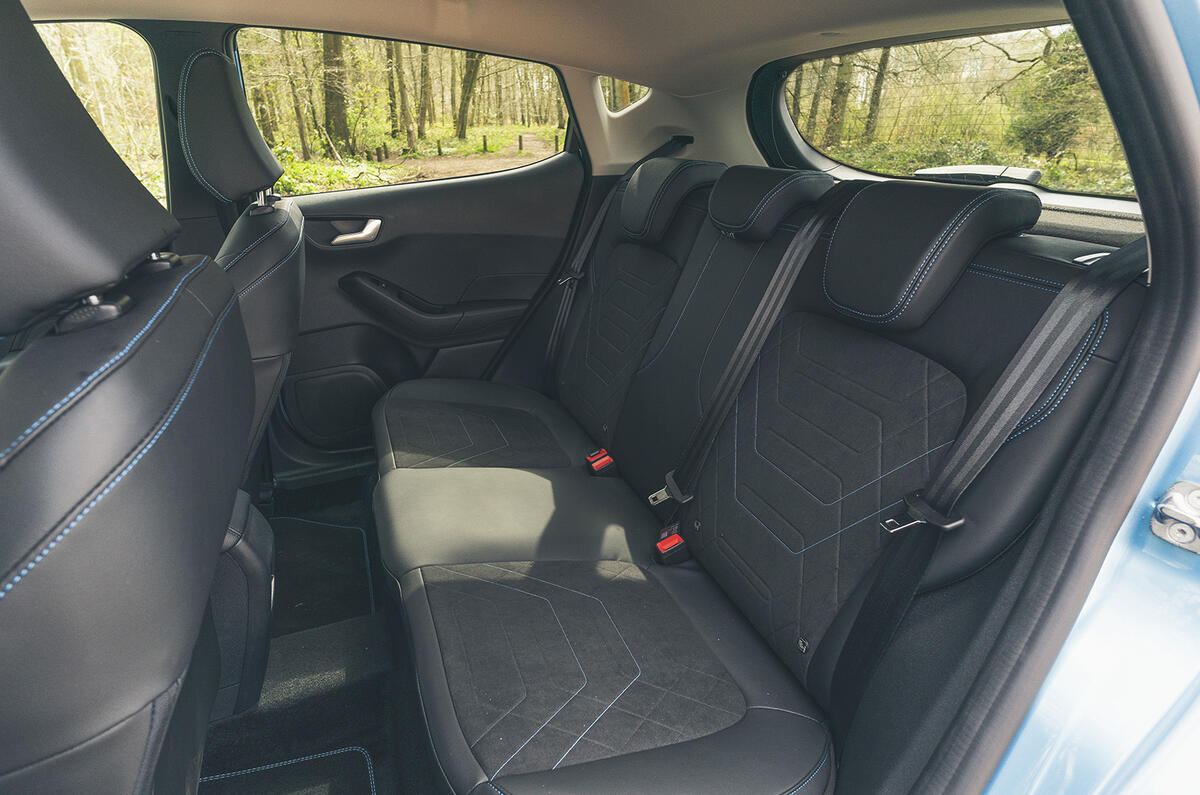
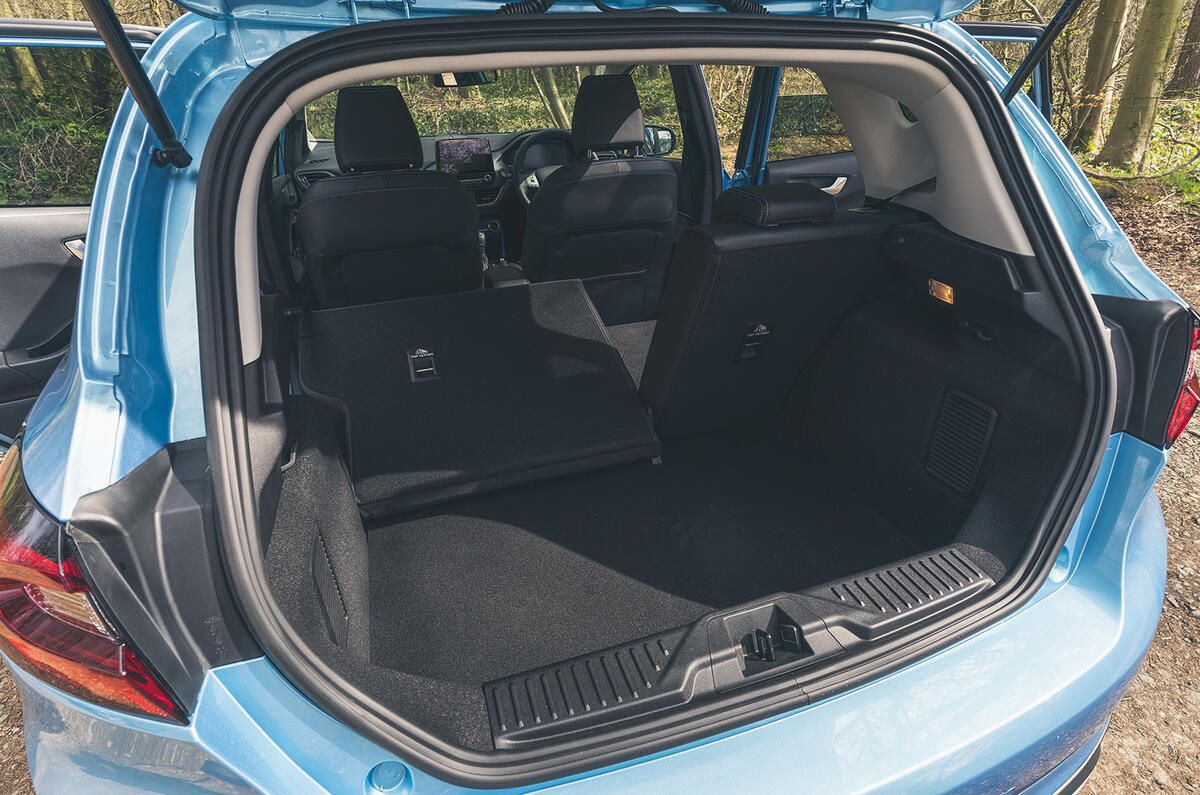
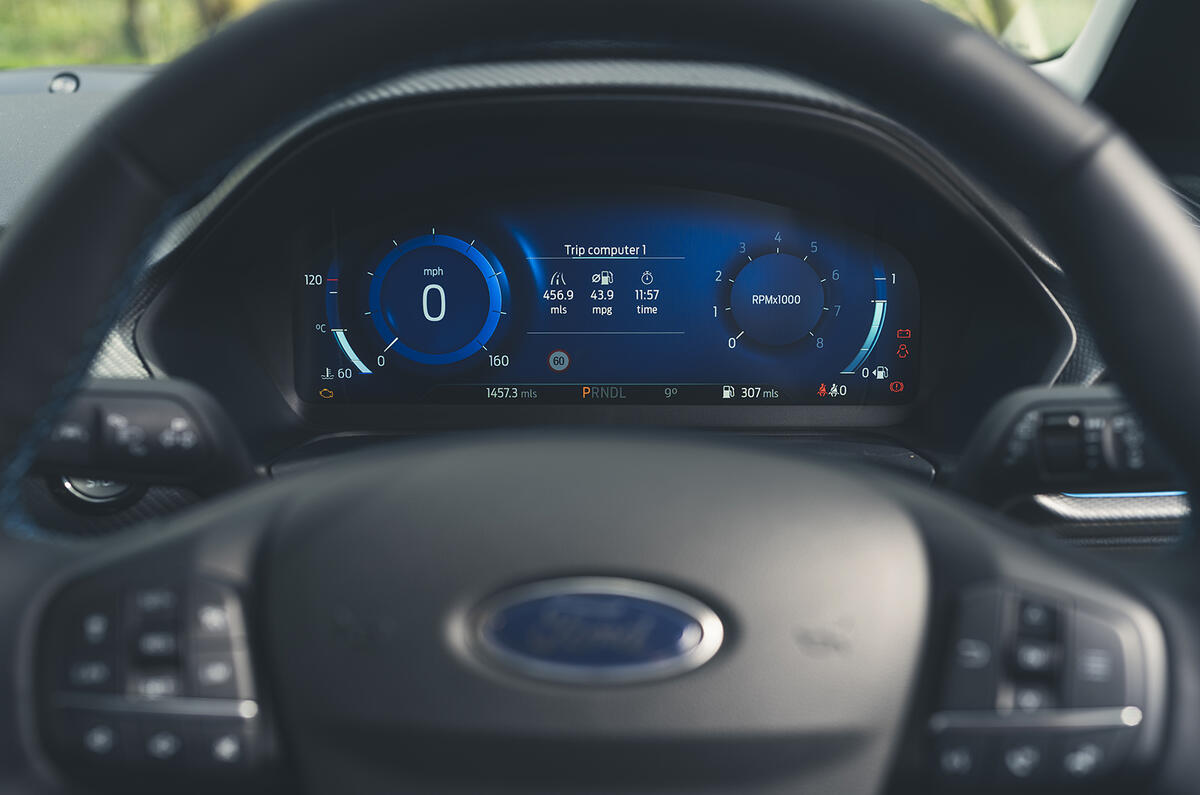
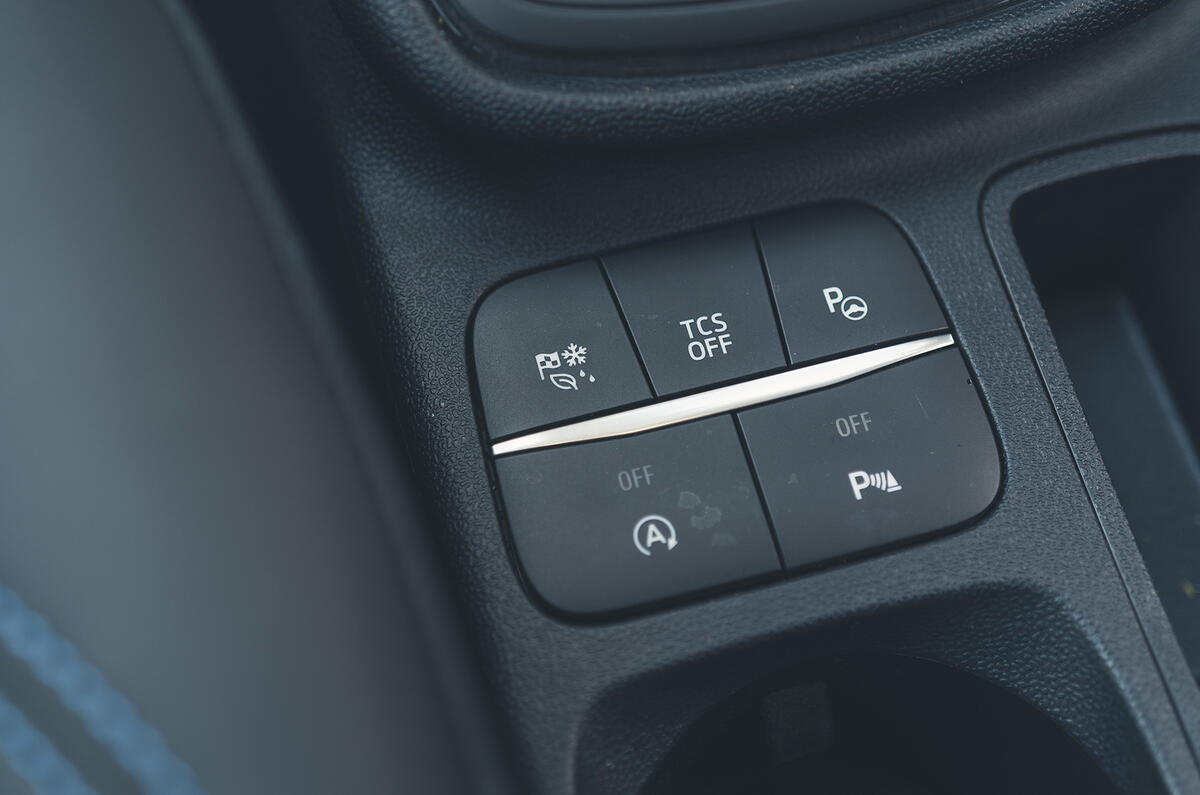
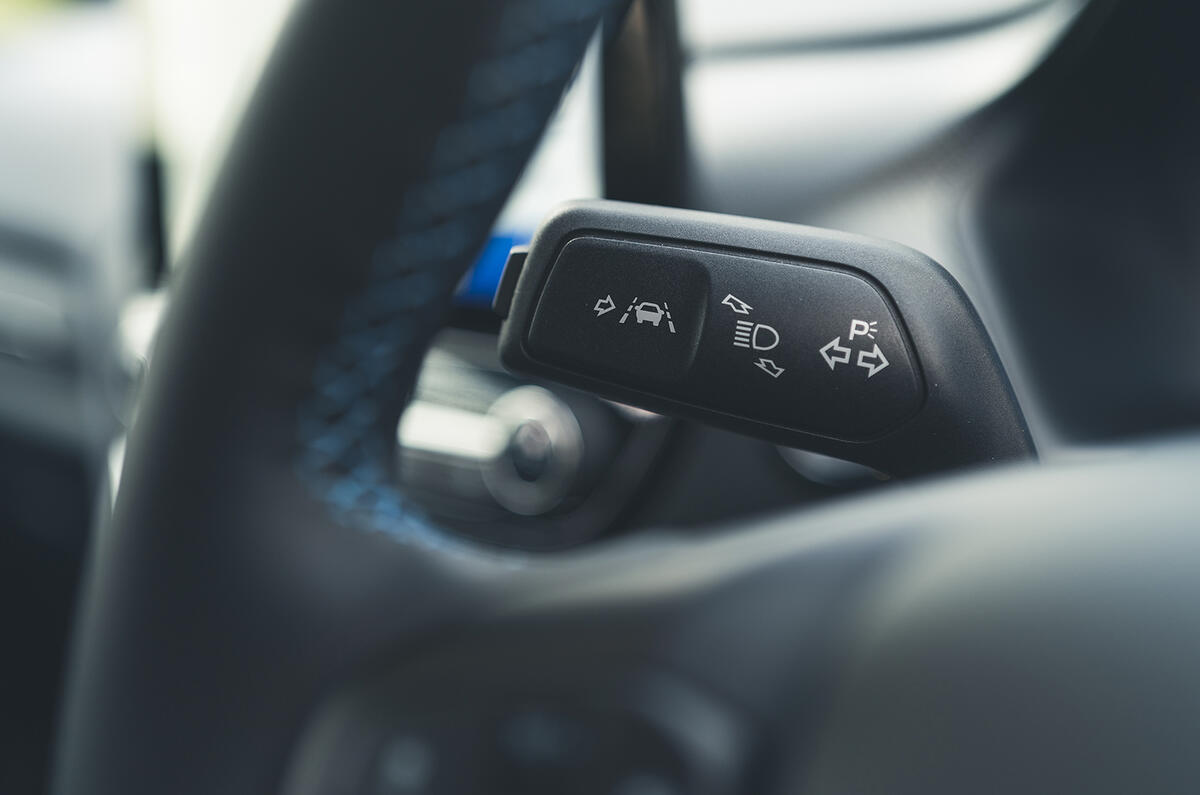

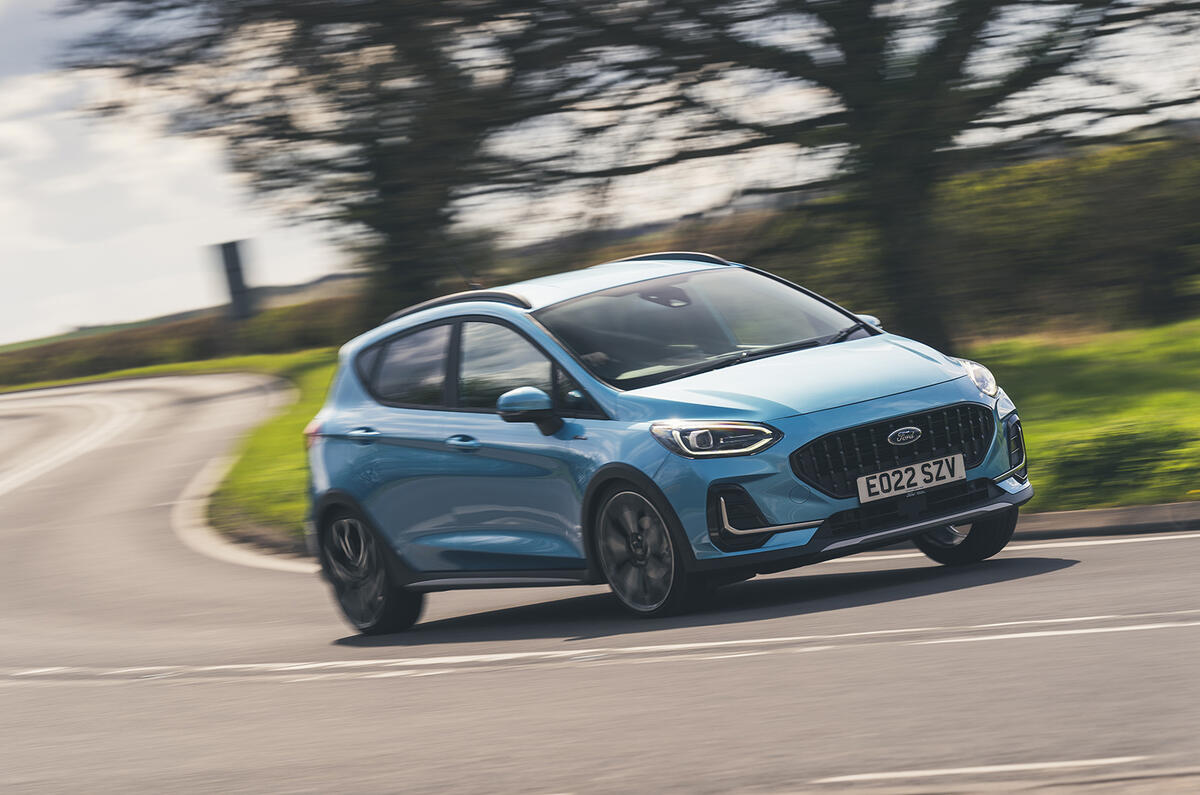
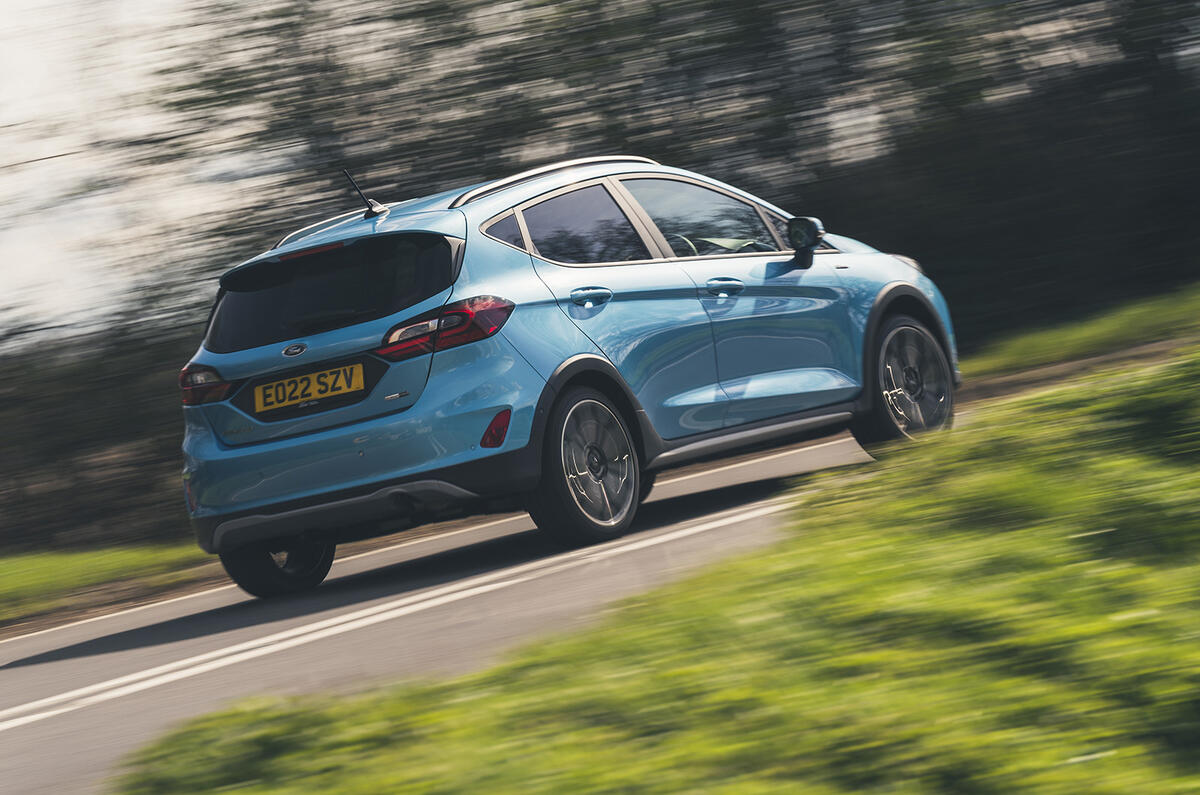
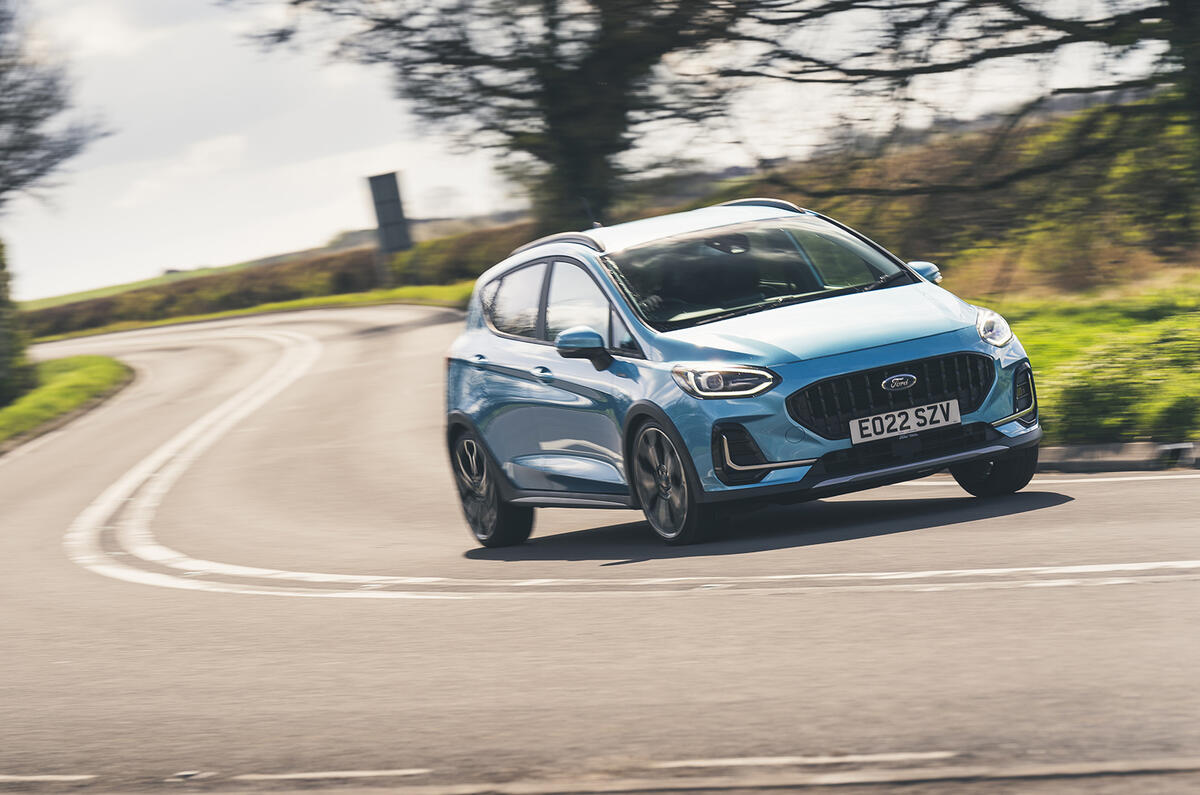
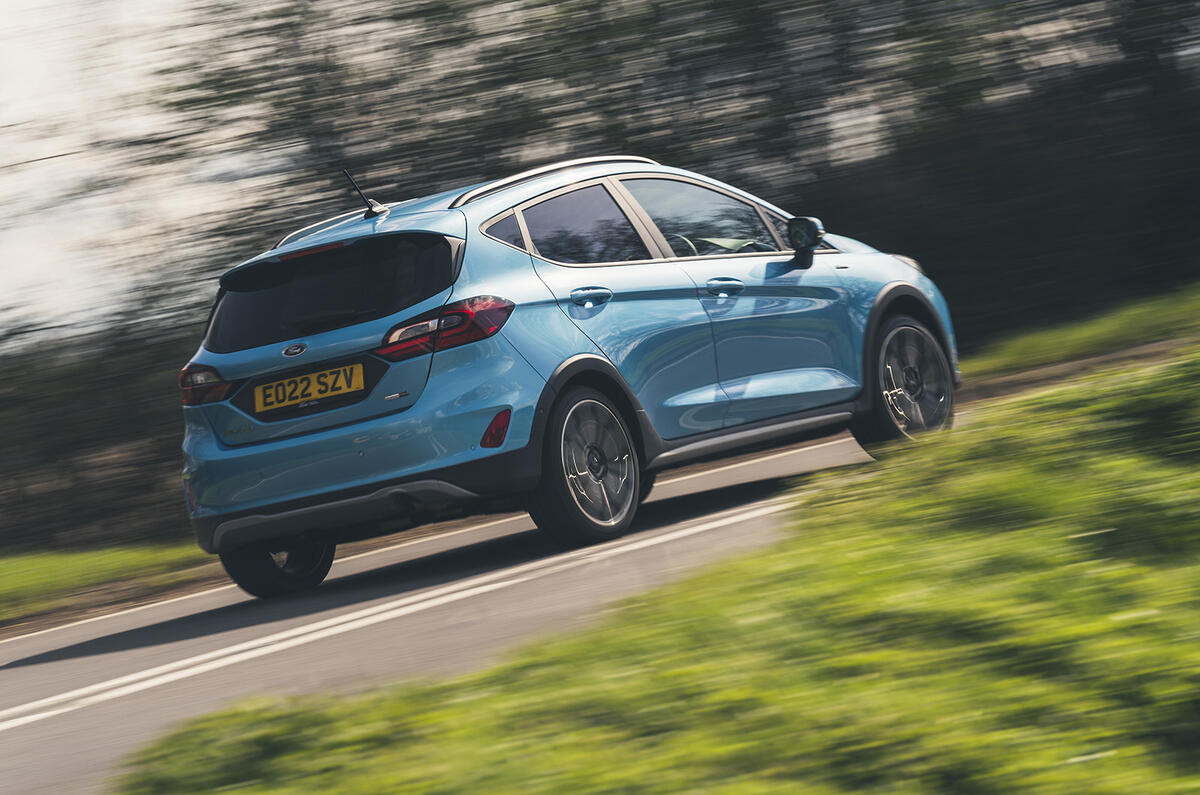
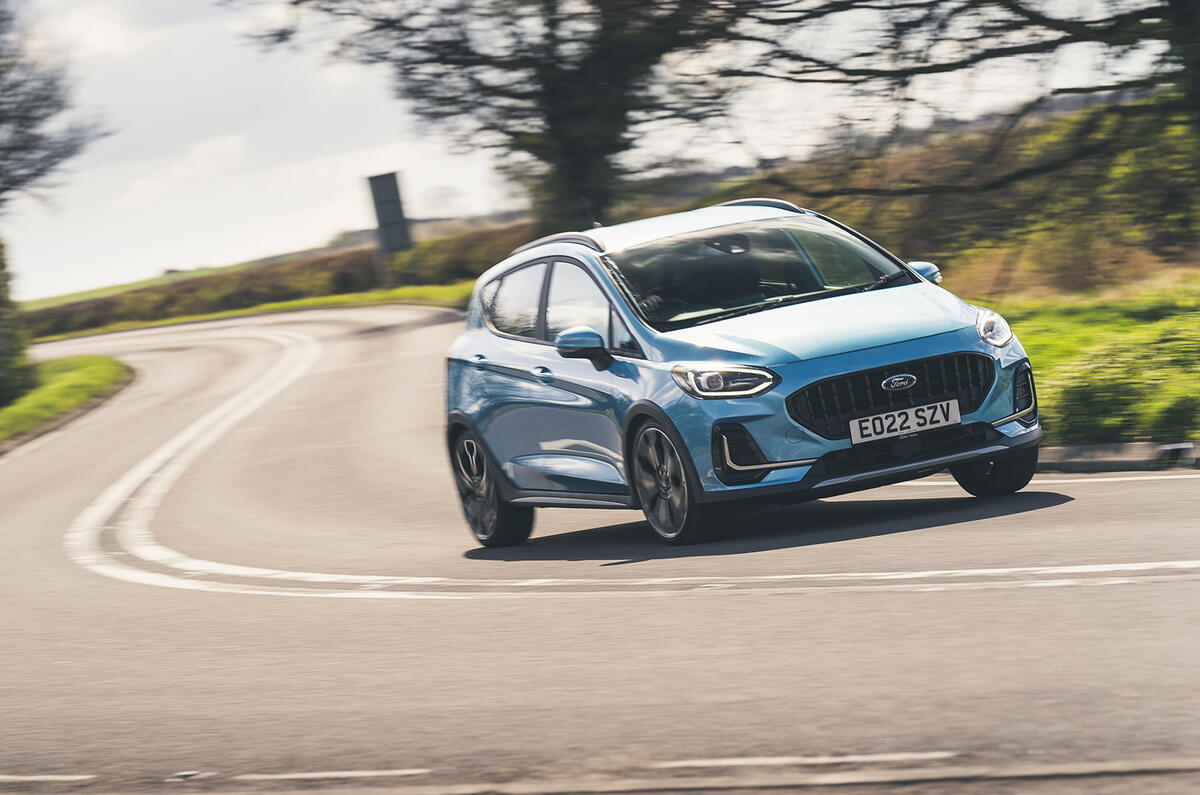
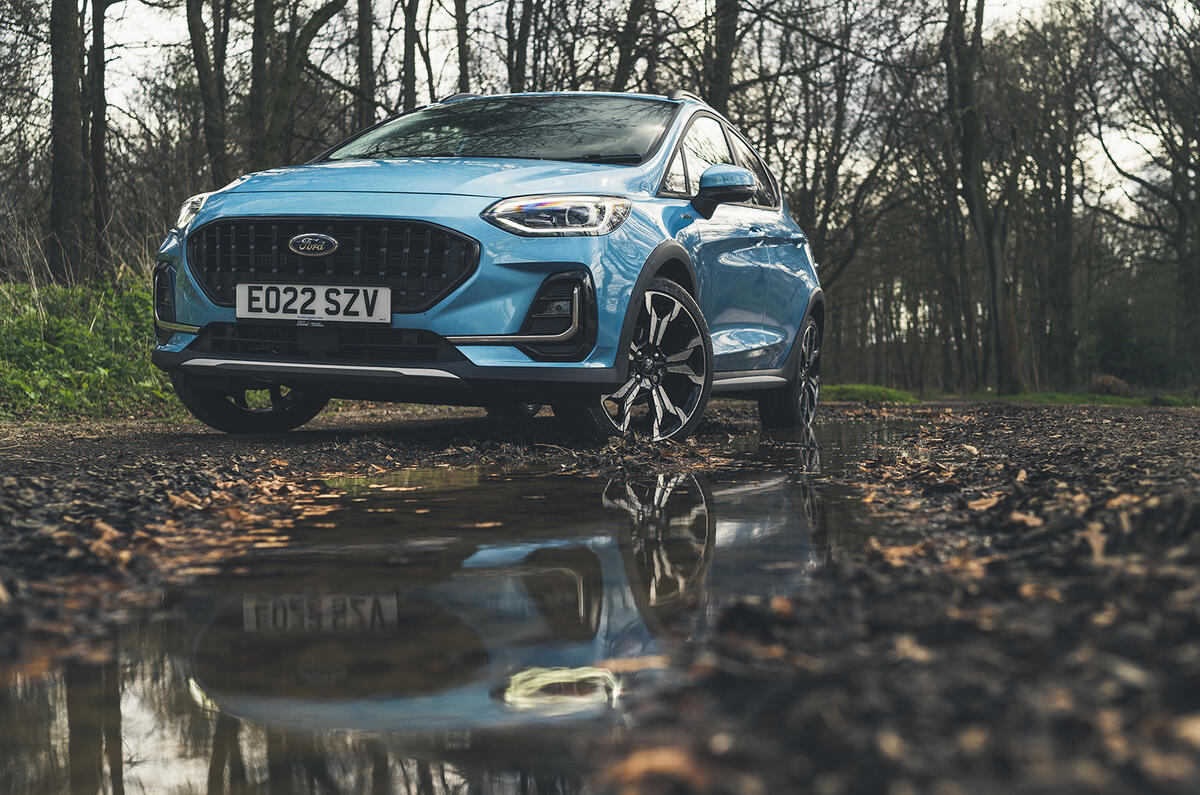




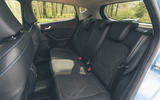





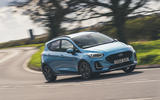

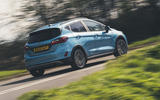
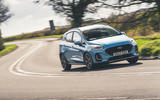

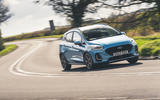
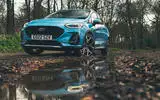


The Ford Fiesta has been laid to rest but it’s going out on a high. This final generation of the long and loved line is a peach: great to drive, refined and practical.
It’s also a really good buy as a used car, which is handy because that’s more or less your only way to get one now.
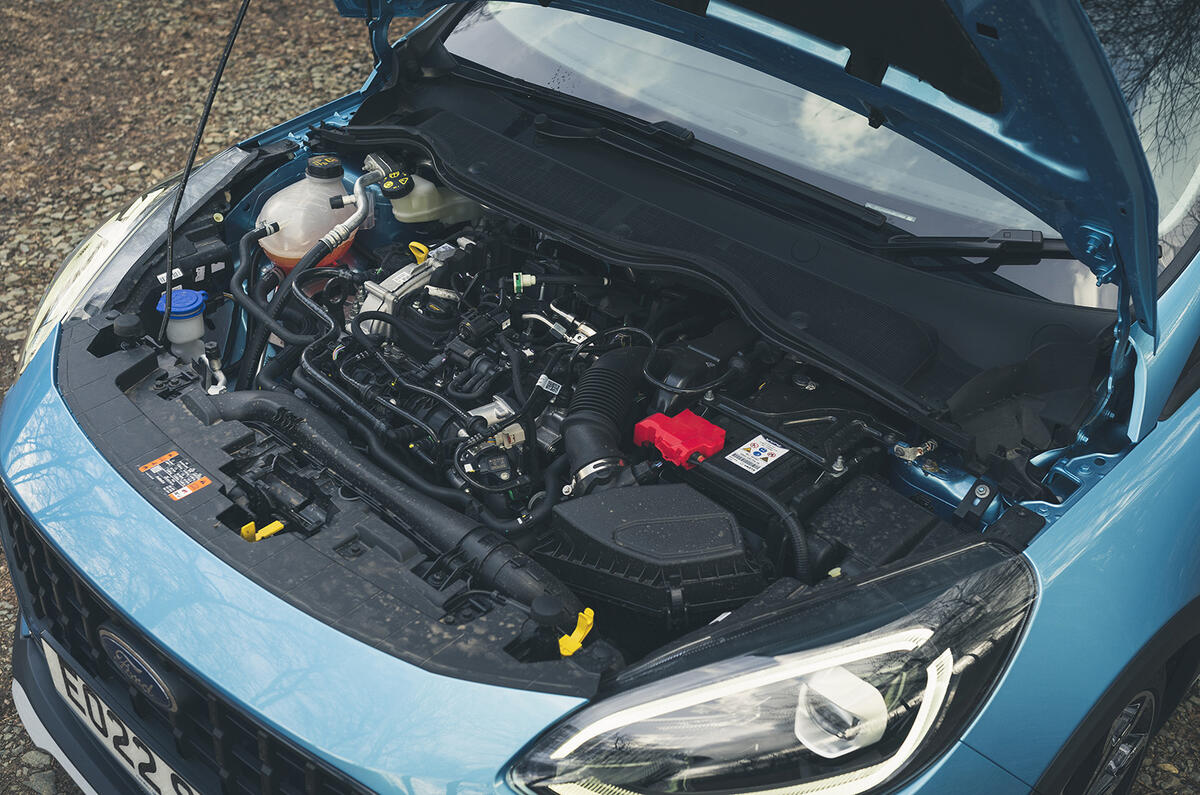
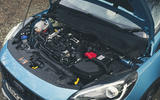
There’s plenty of choice in the Fiesta range – not just in the sheer numbers on sale but also in the breadth of the model range. Take the engine line-up. The petrols include a 1.1-litre with 69bhp and 84bhp and a turbocharged 1.0-litre three-cylinder Ecoboost in 94bhp, 99bhp, 123bhp and 138bhp states of tune.
There’s also a 1.5-litre diesel with 84bhp or 118bhp, which was withdrawn from sale in 2020. Later models incorporate mild-hybrid technology in 1.0 Ecoboost 125 and 155 versions.
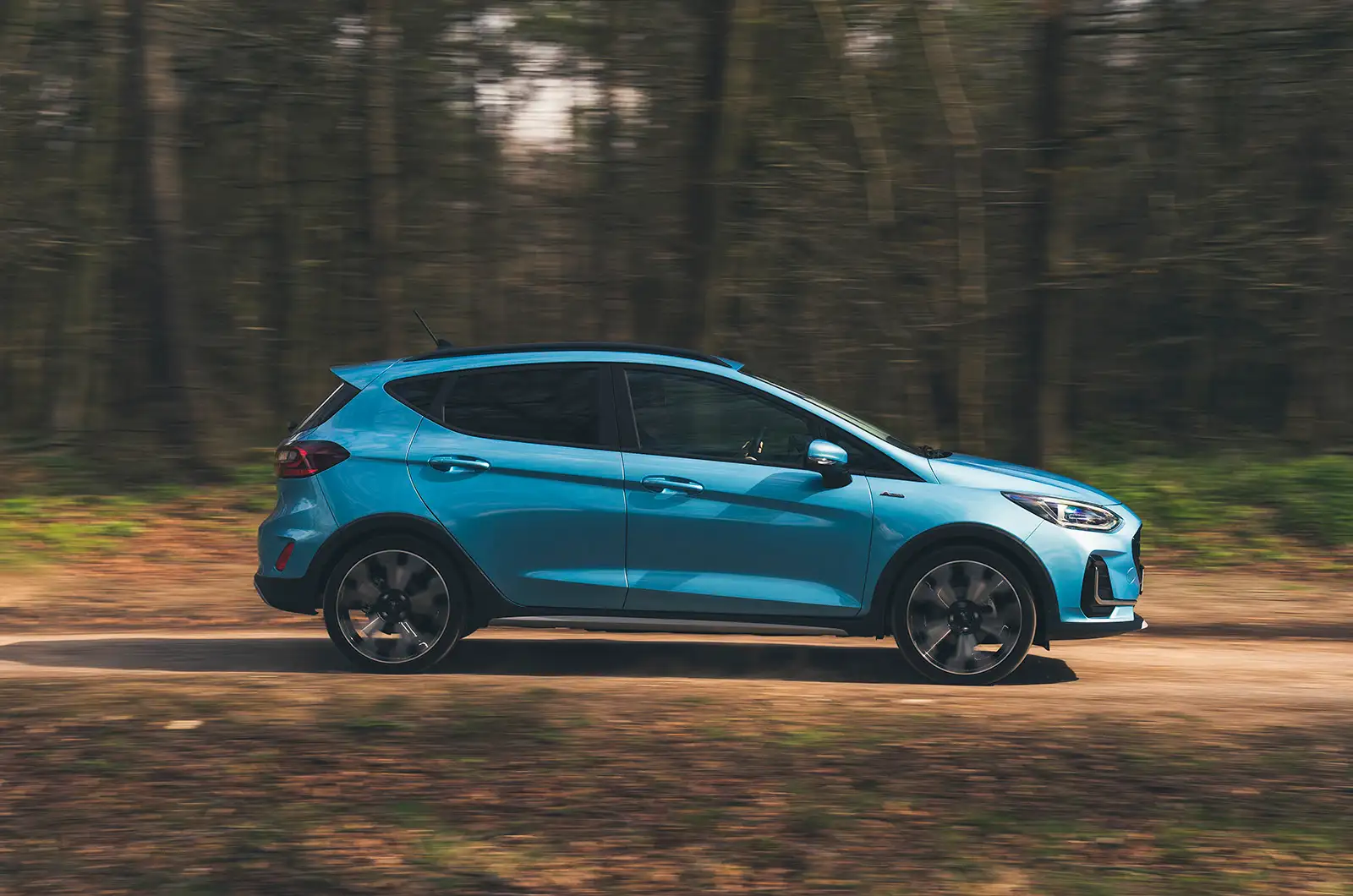
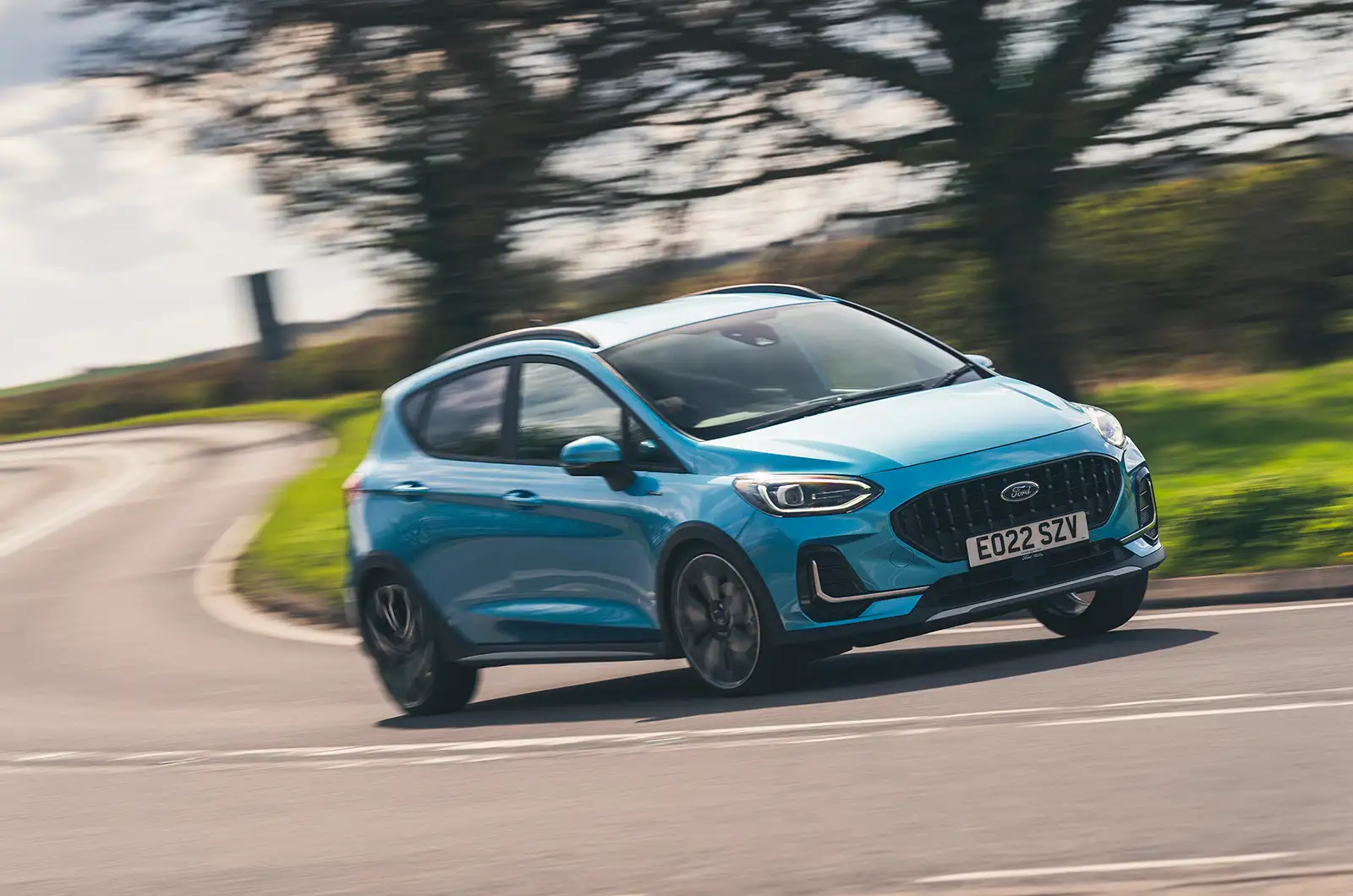
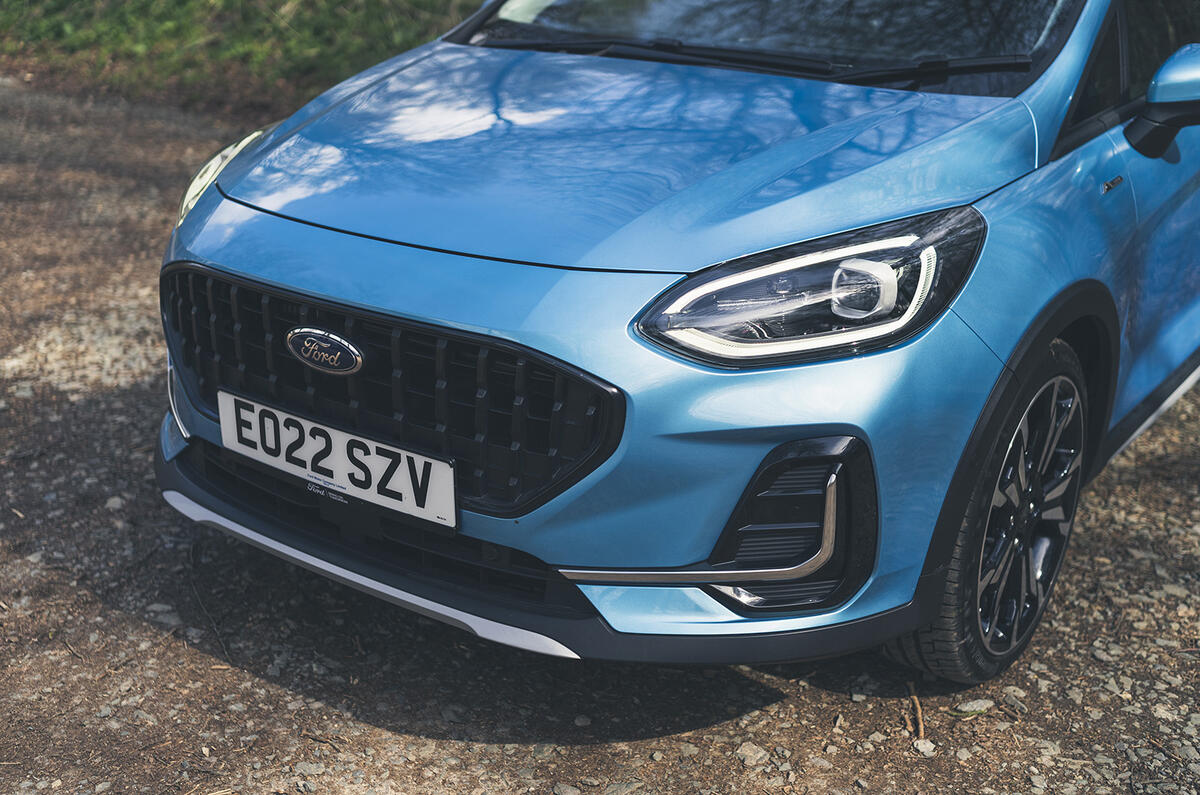
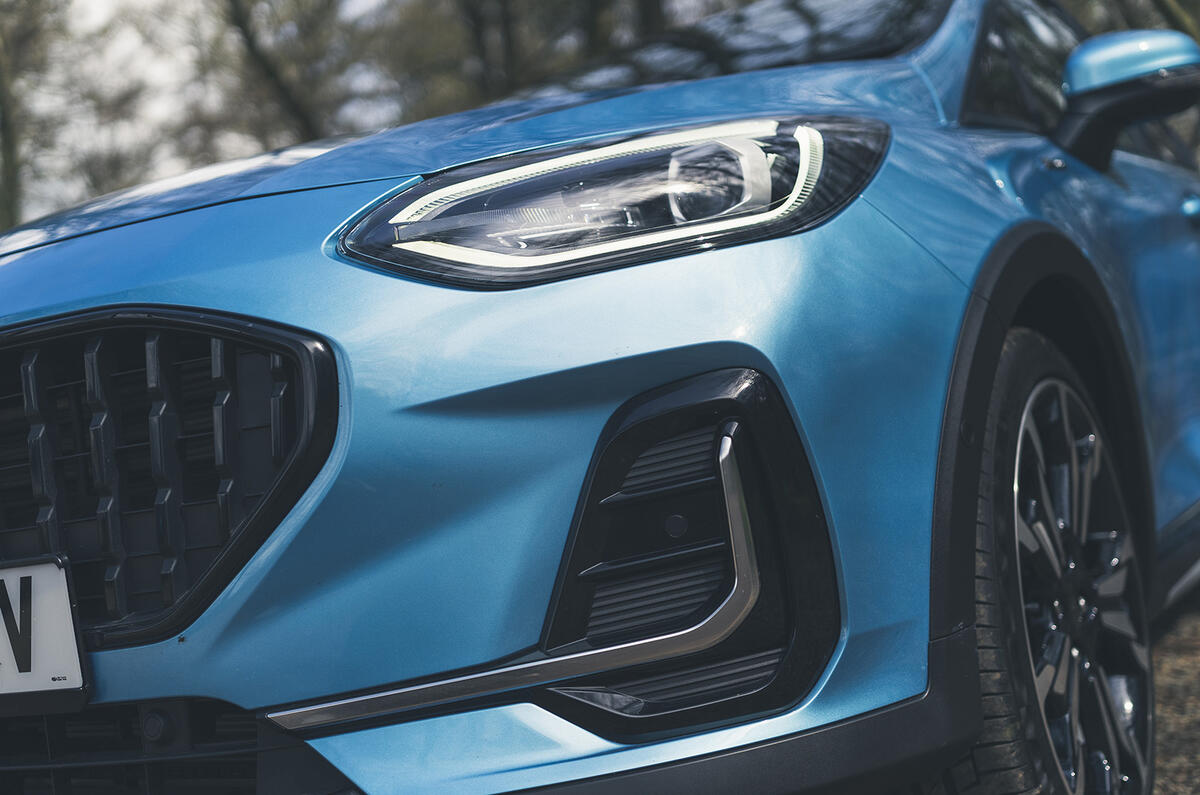
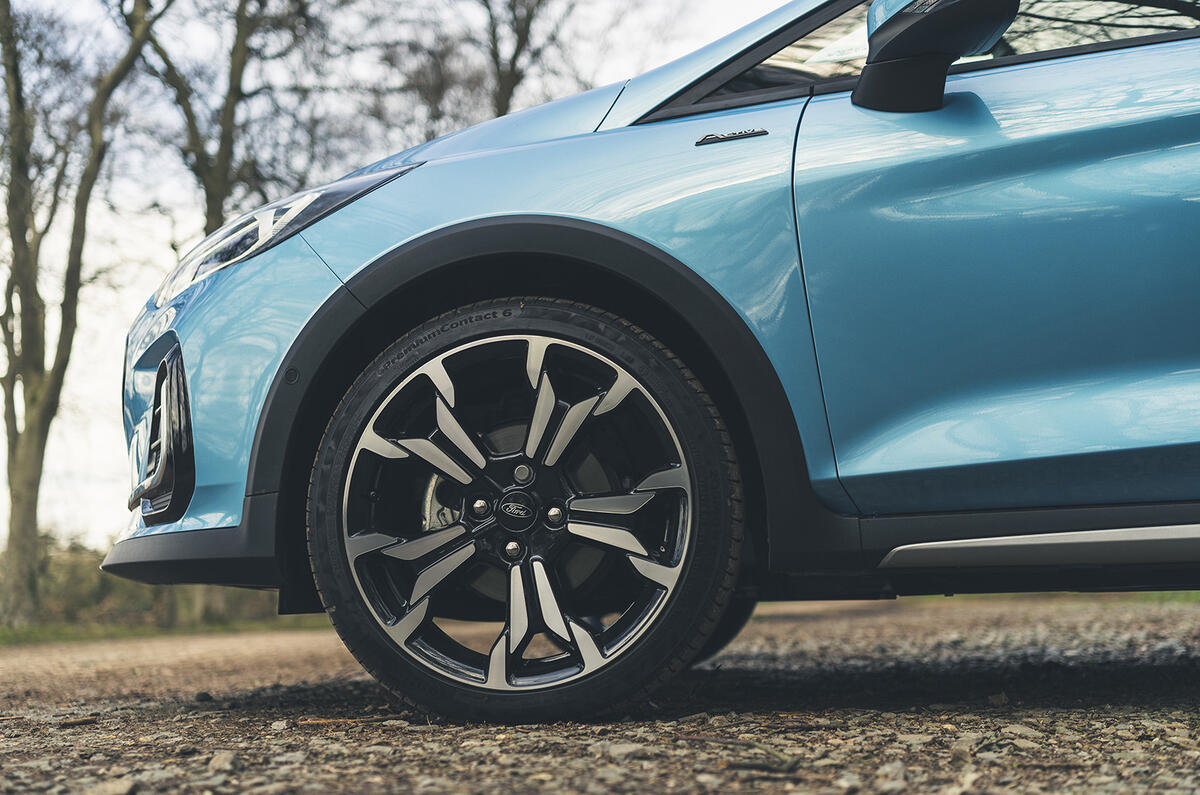
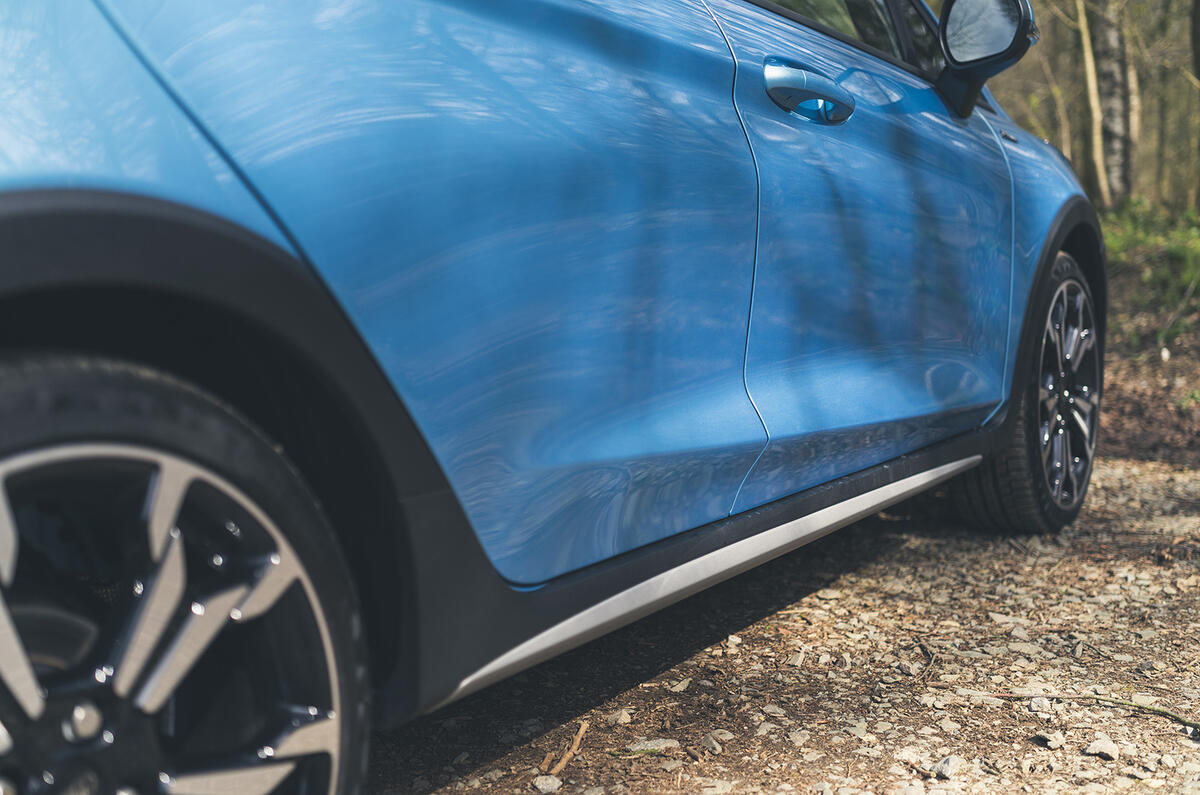
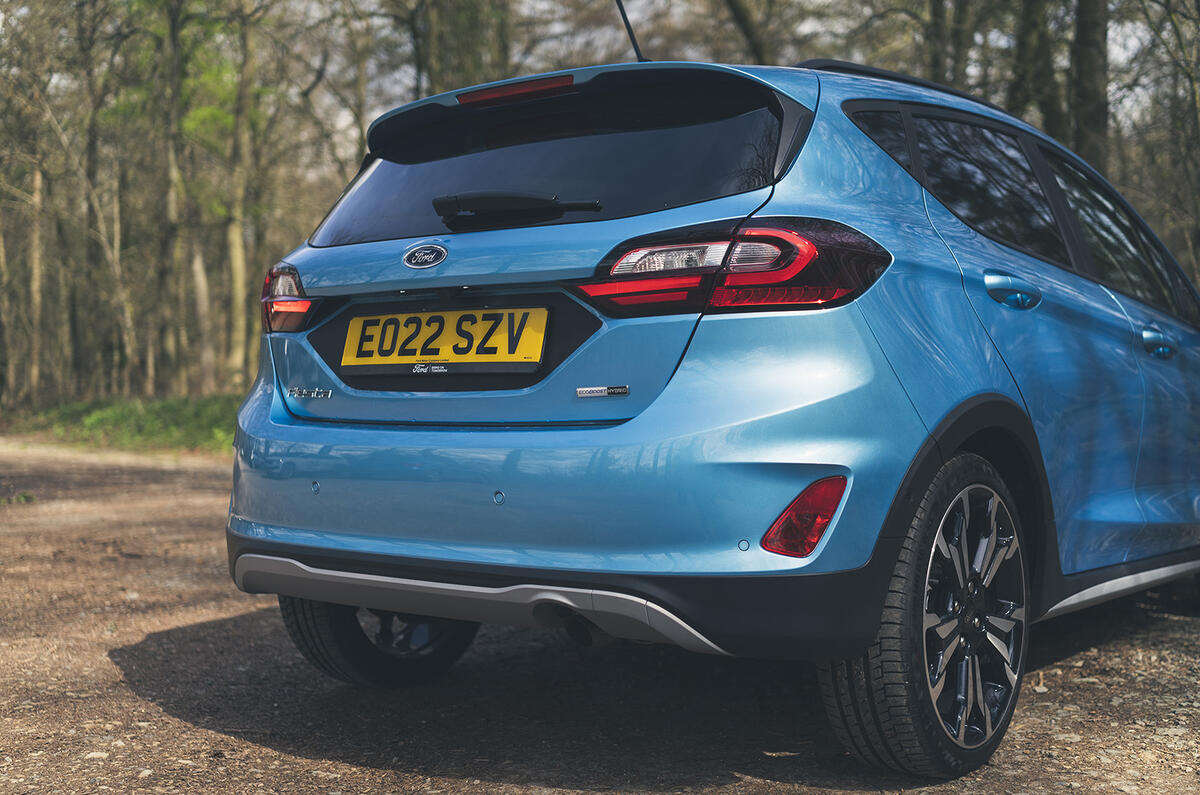
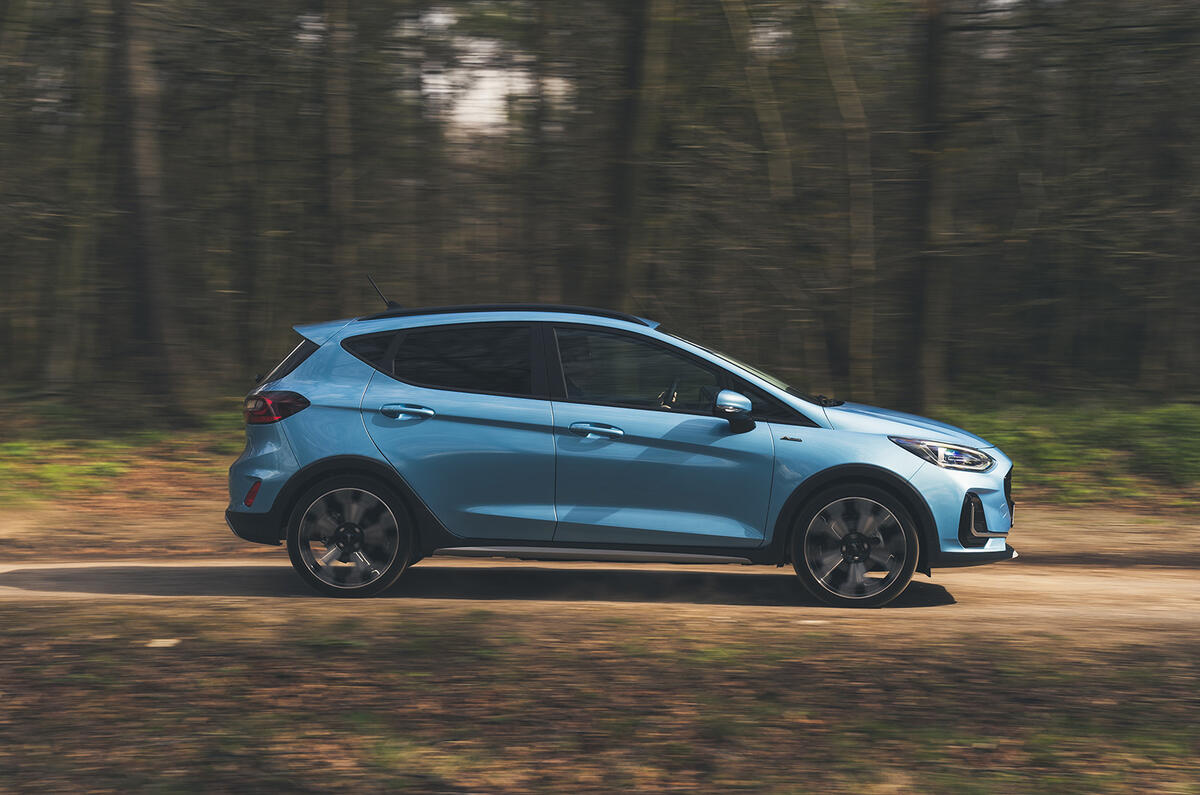
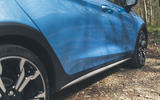
You can even have your seventh-generation Fiesta as a raised-up SUV called the Active, or as an impressively agile 197bhp ST hot hatch.
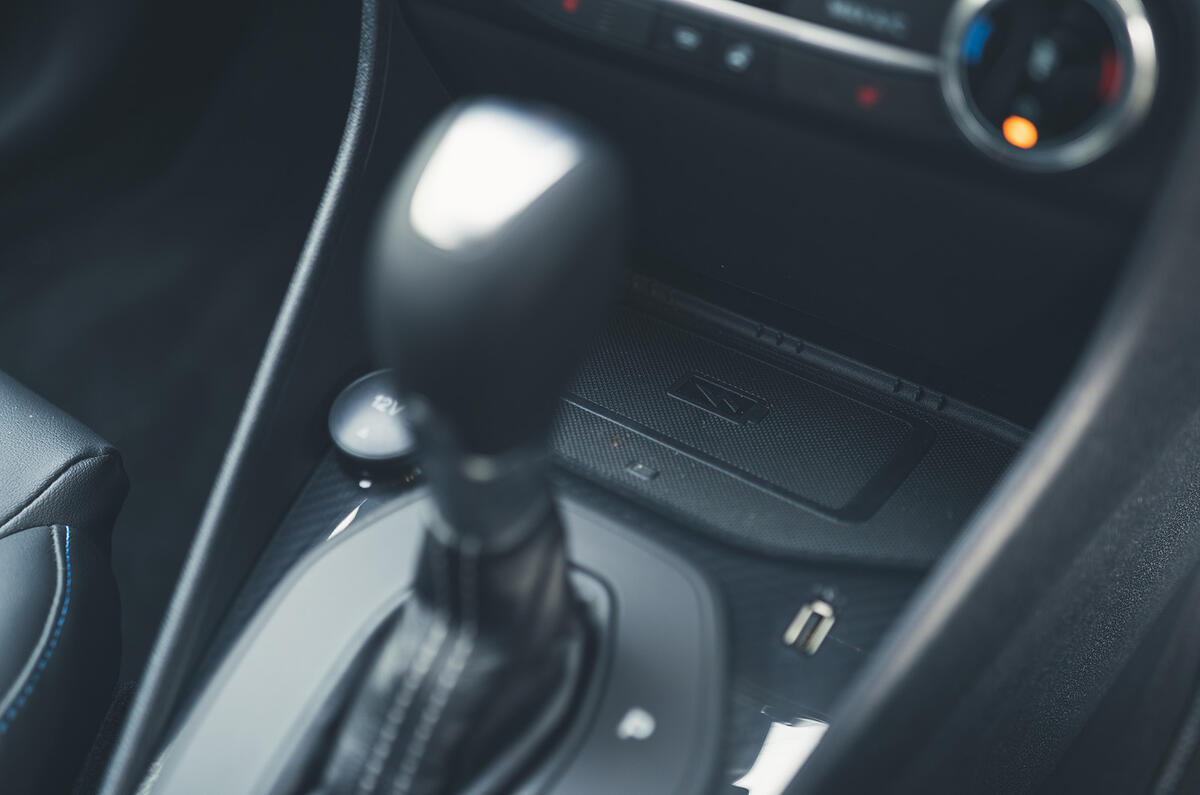
Trim choices are equally all-encompassing. Entry-level Style models have air-con and electric front windows, while Zetec adds 16in alloy wheels and a heated windscreen.
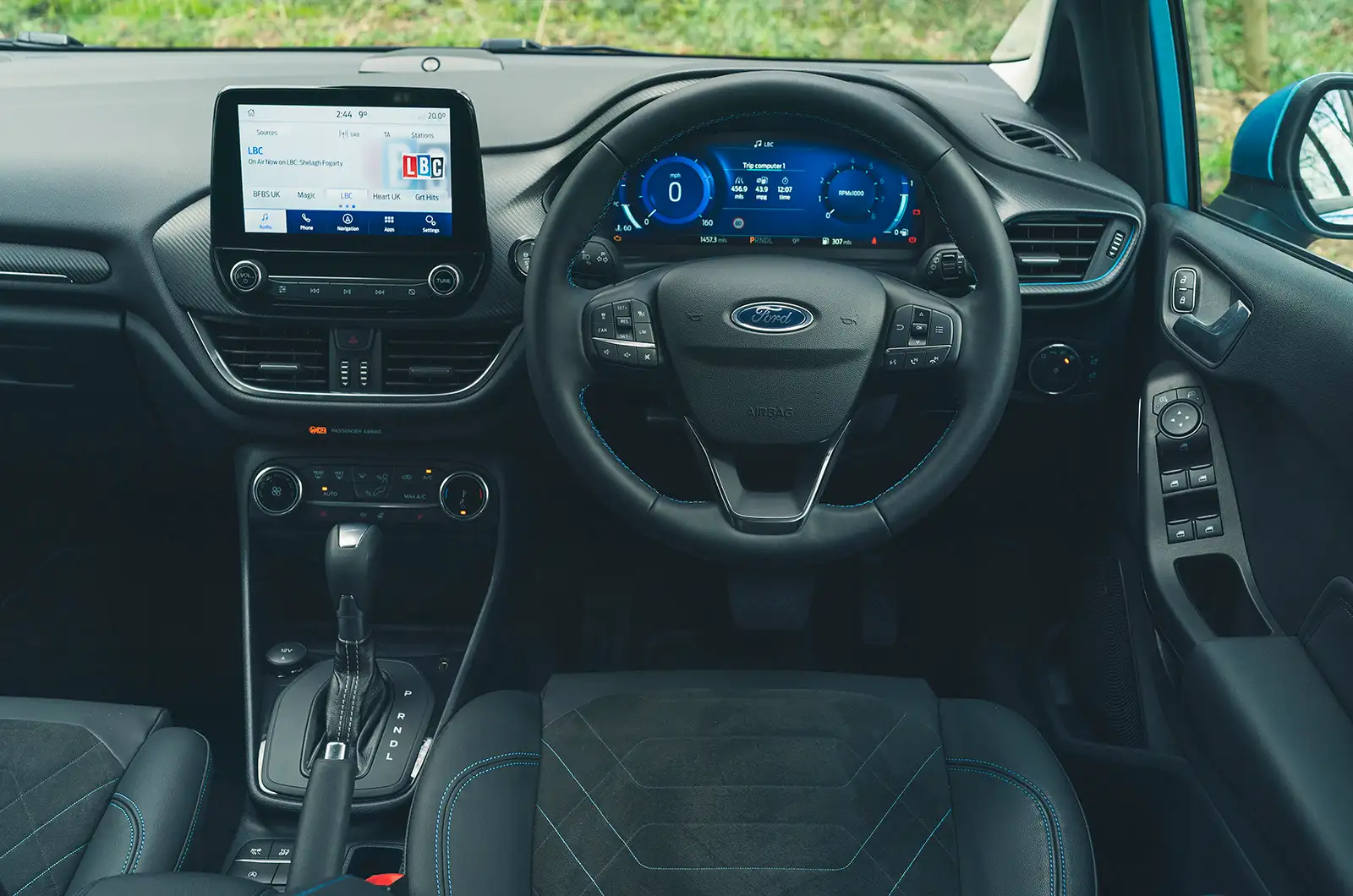
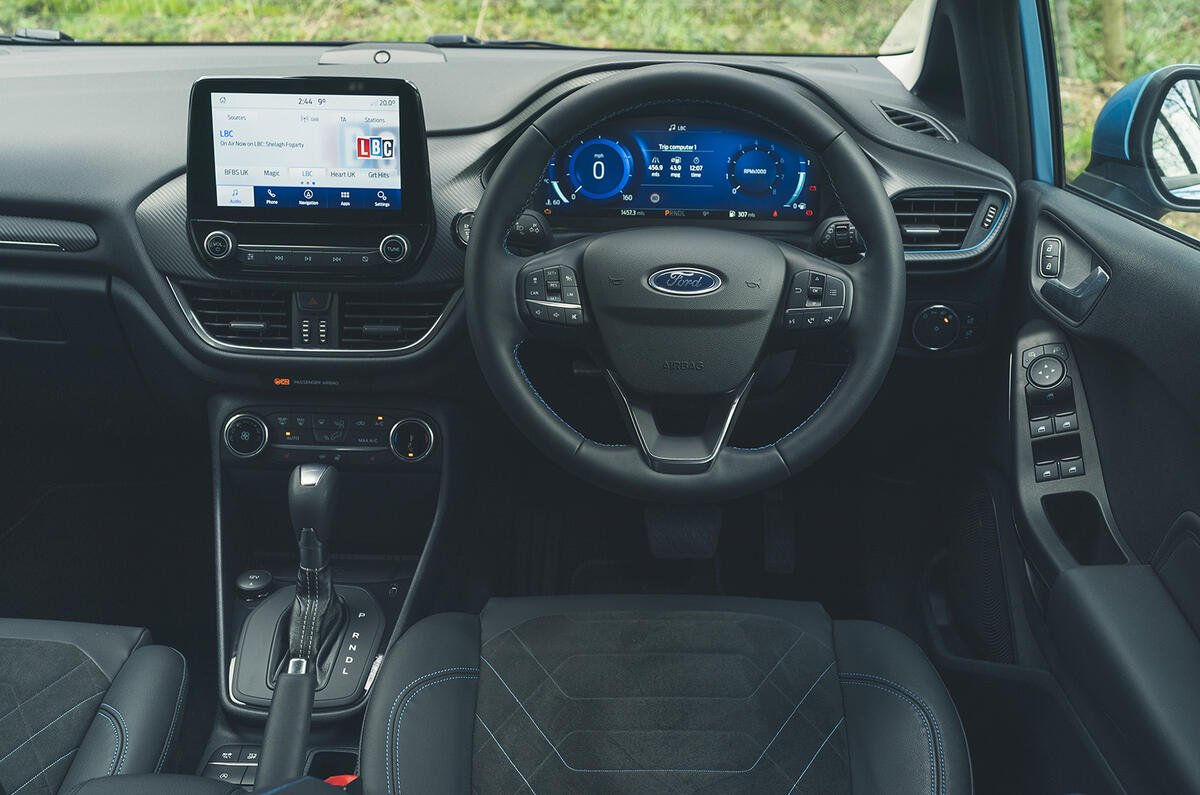
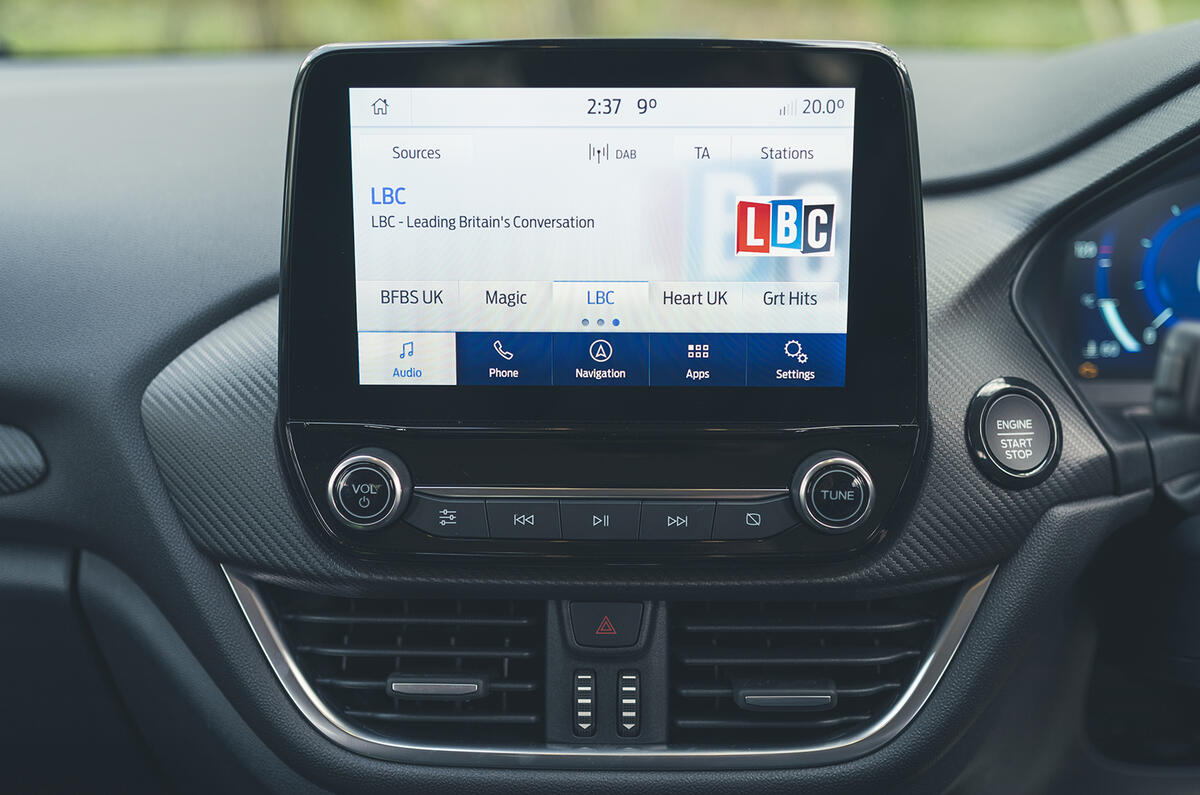
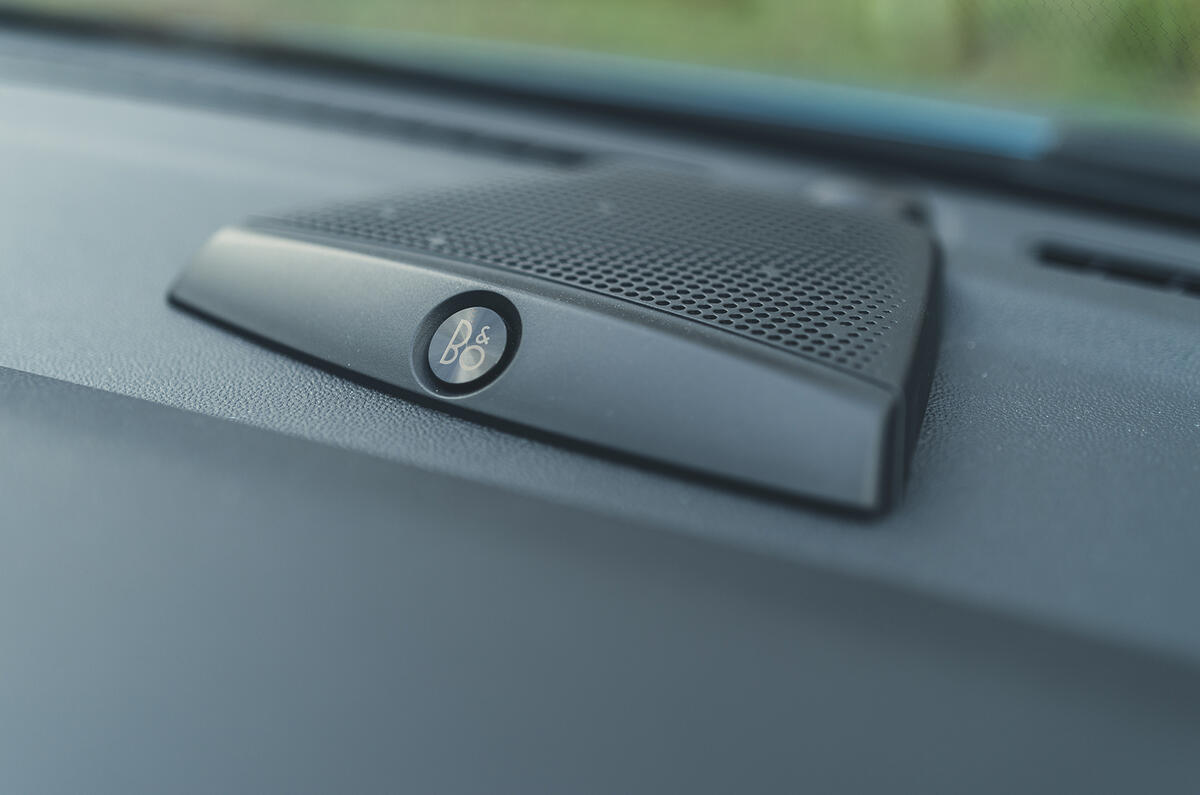
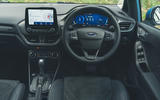
You also get an 8.0in touchscreen infotainment system, with Apple CarPlay and Android Auto, with Zetec and above. Titanium brings cruise control, automatic lights and wipers, and climate control, while B&O Titanium (there’s also a B&O Zetec) has an upgraded 10-speaker 675W sound system.
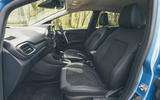
Titanium X gets the B&O sound system as standard along with heated front seats. ST-Line and ST-Line X gain sportier exterior and interior styling and firmer suspension.