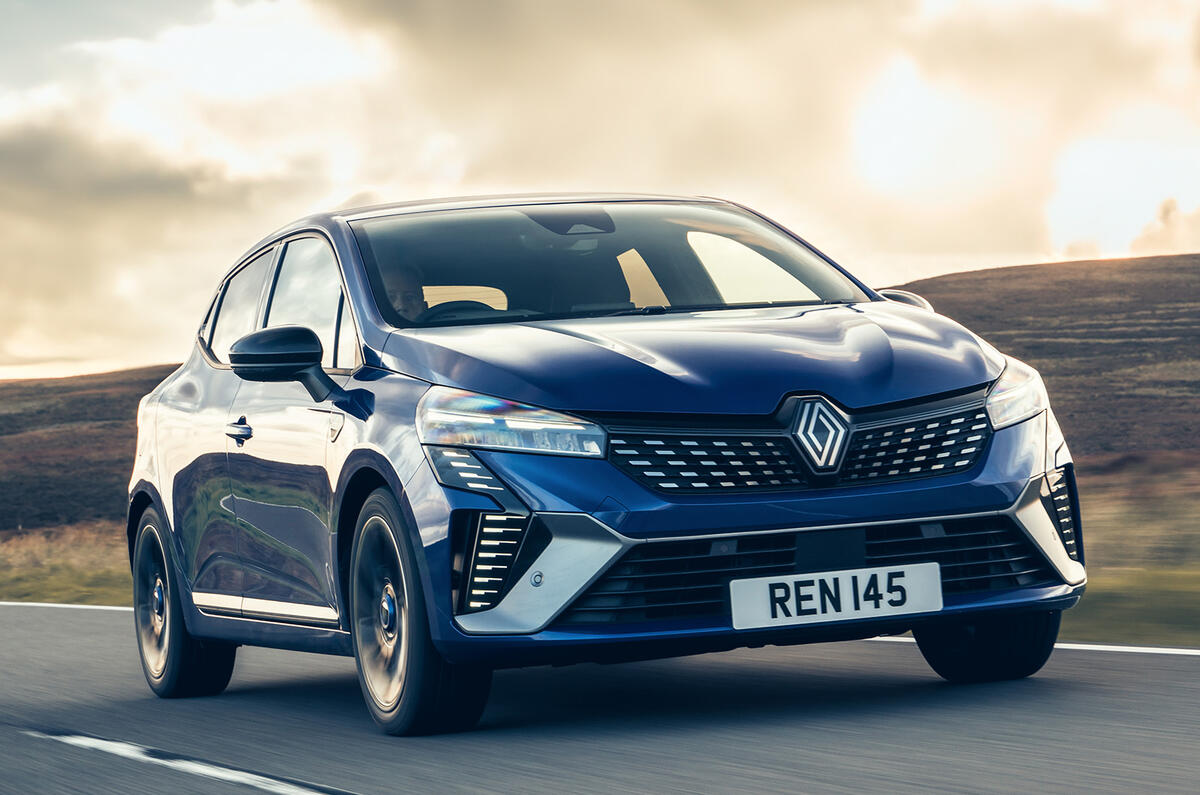
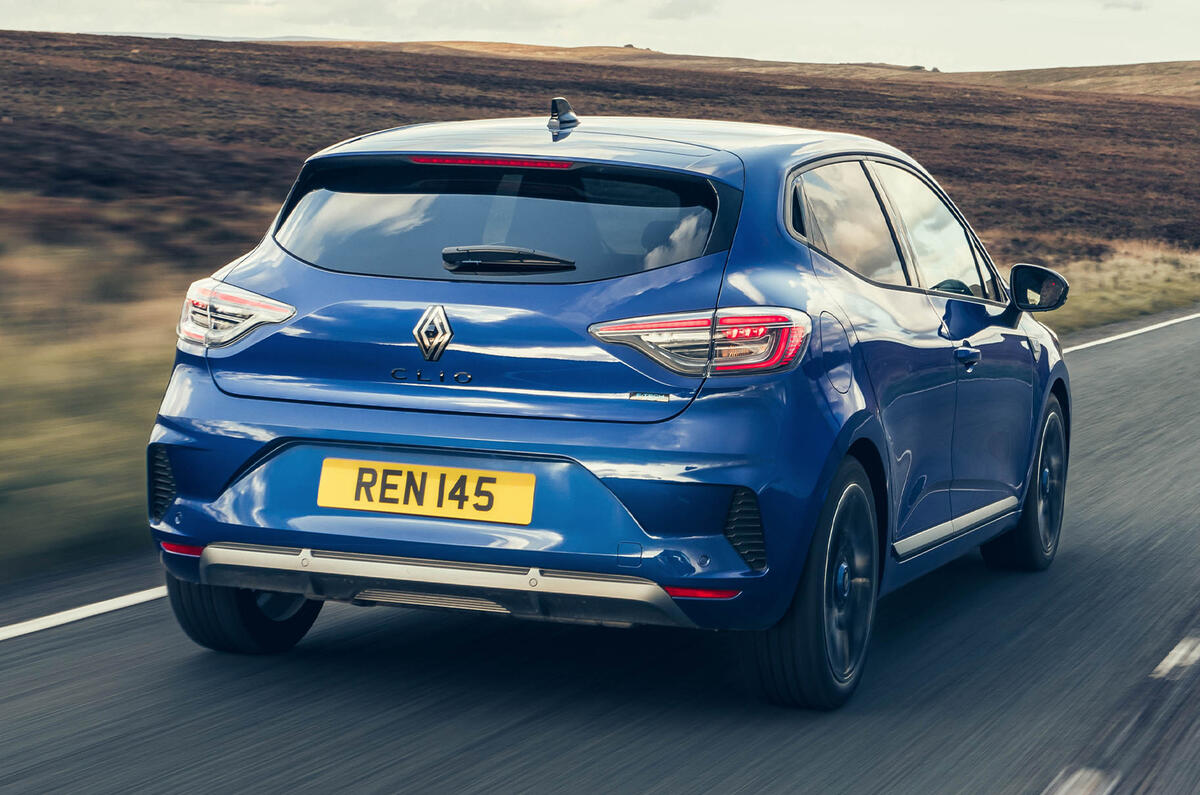
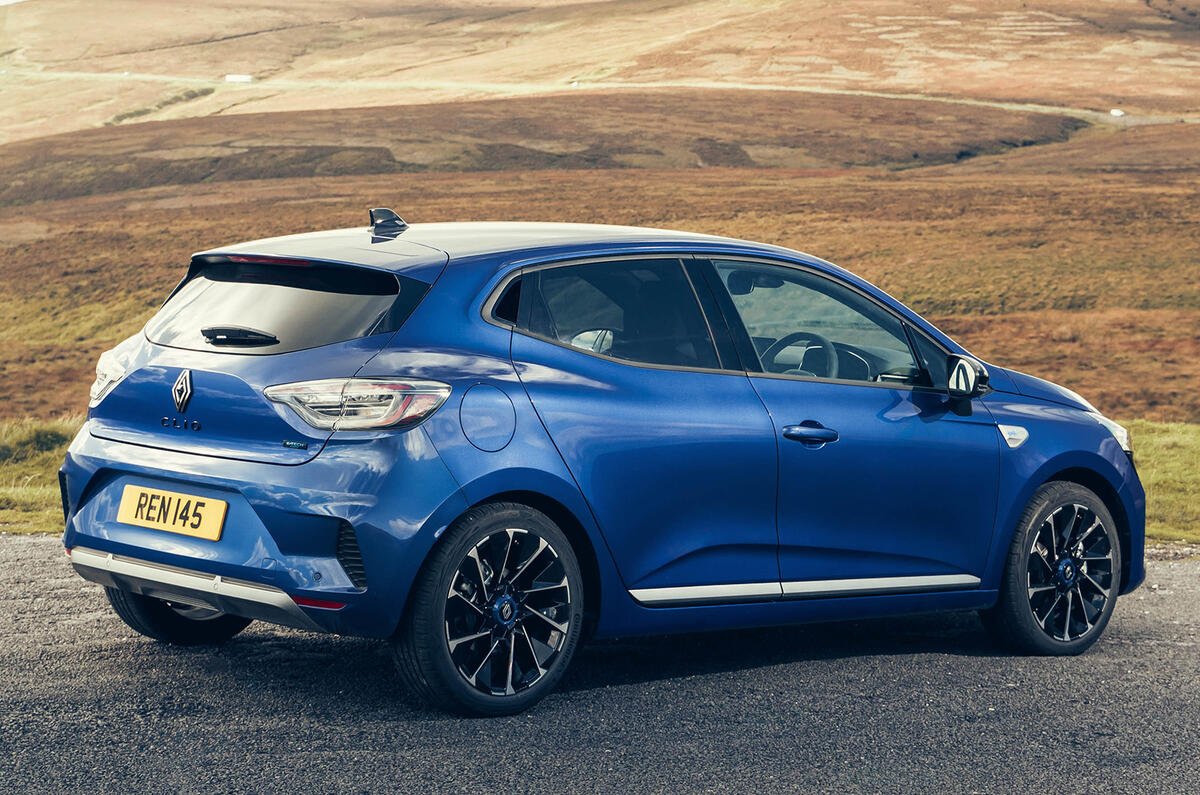
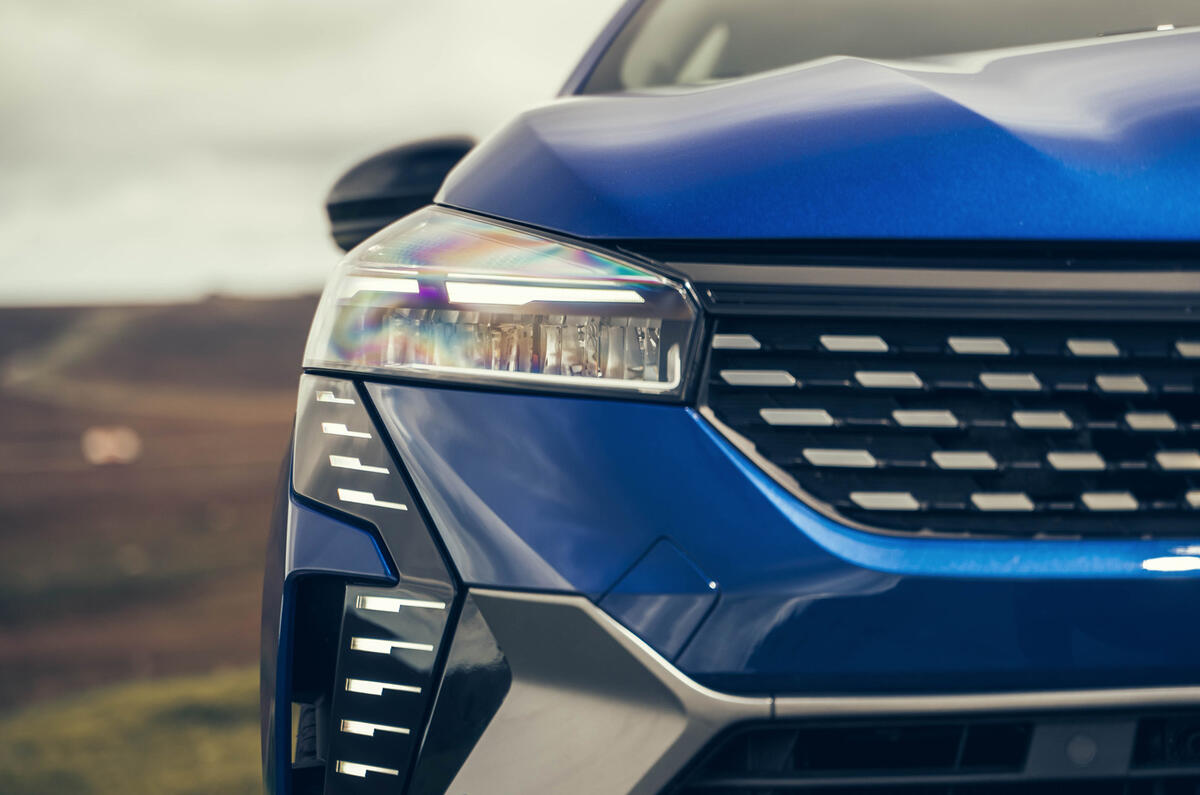
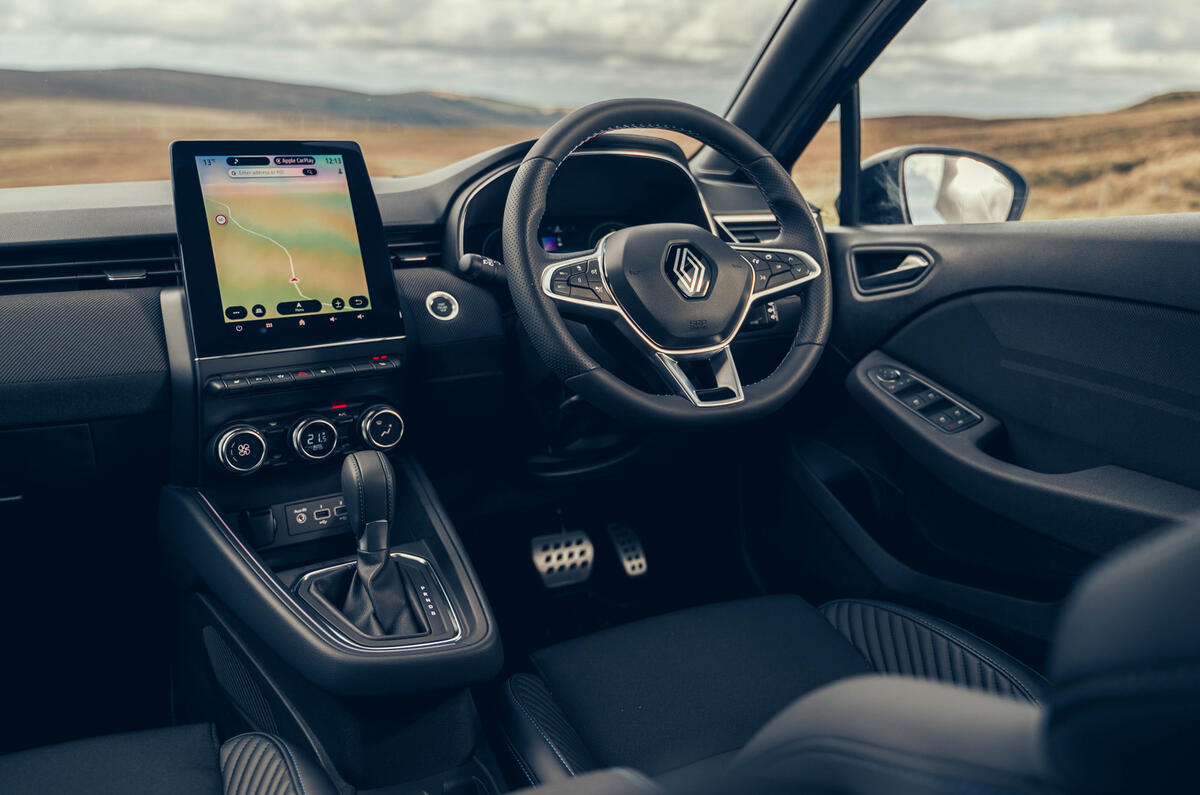
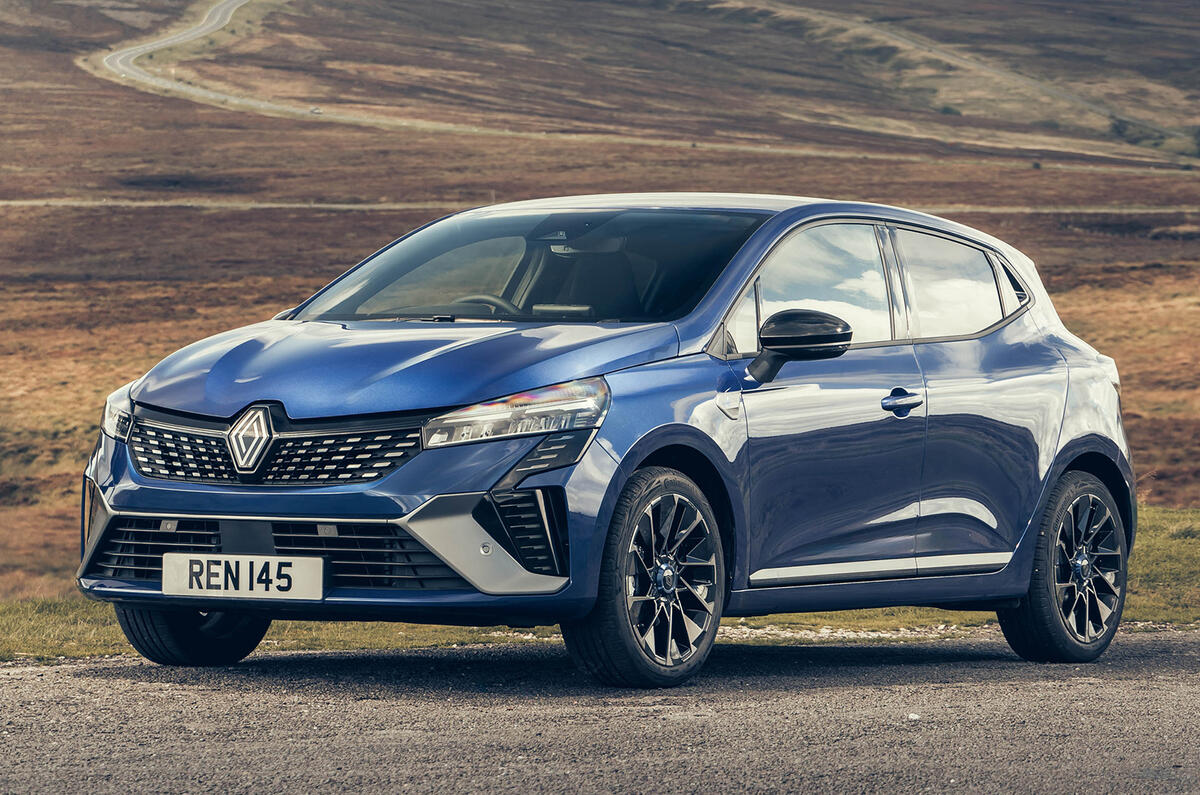
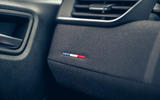
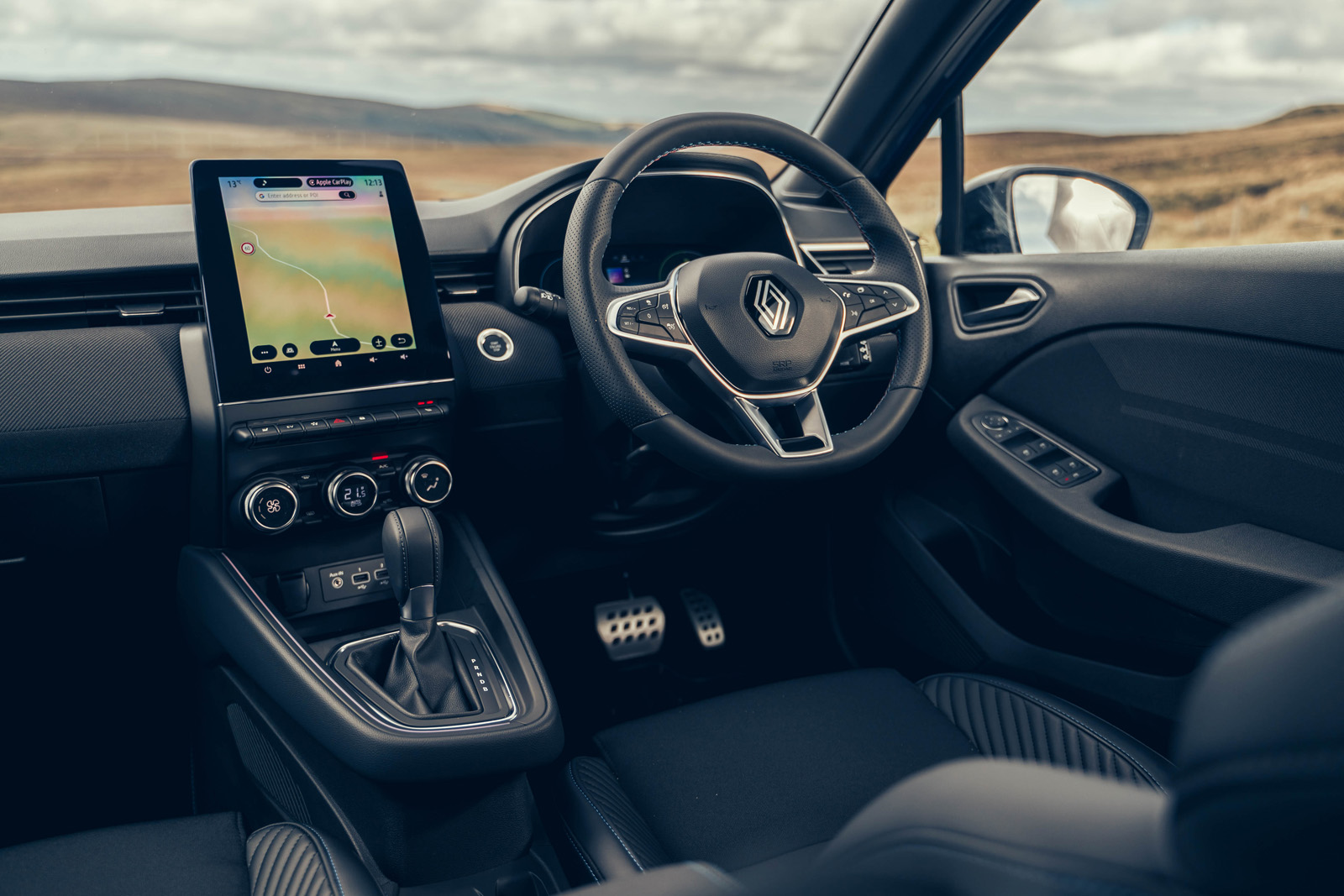
The conservatism that defined Renault’s approach to updating the Clio’s exterior is totally absent from its stylishly revamped cabin. As far as overhauls go, this is an extensive one – and the results, for the most part, are very positive indeed.
On a purely aesthetic level, the new Clio’s interior is now easily one of the more modern and visually appealing in its class – and a decidedly minimal approach to design is a central part of this success.
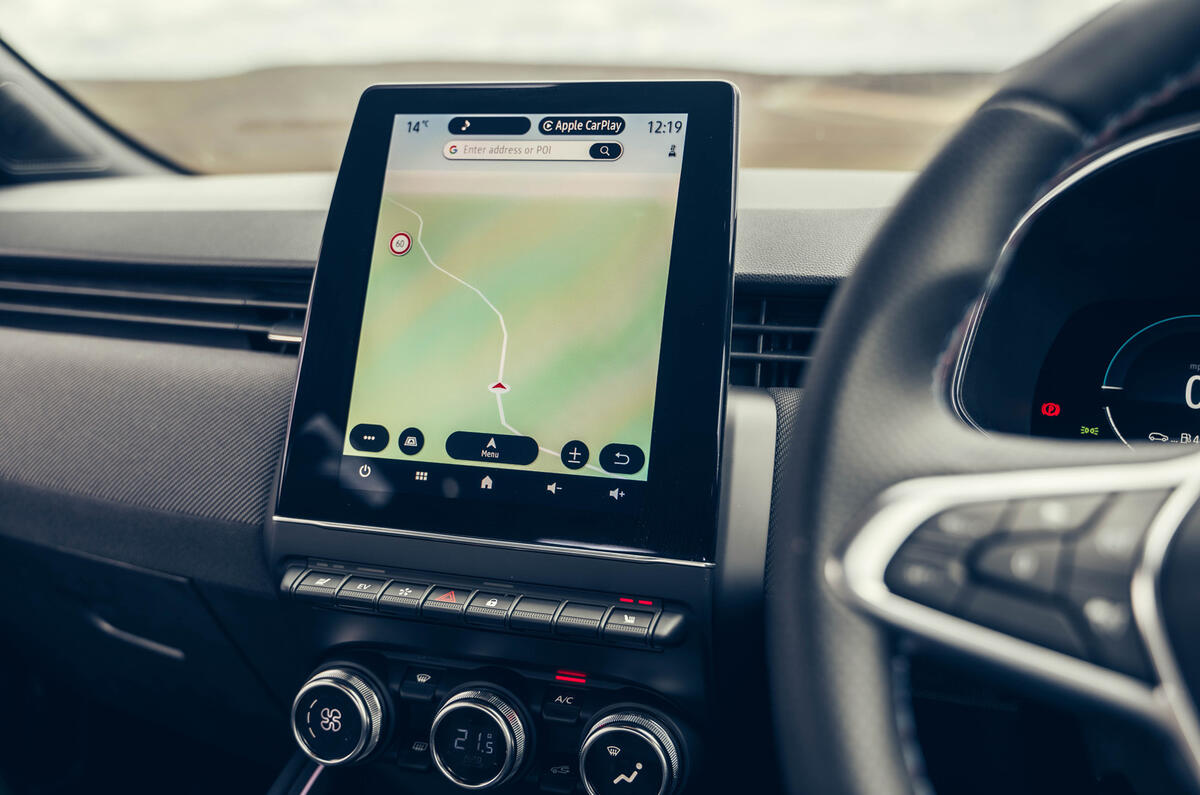
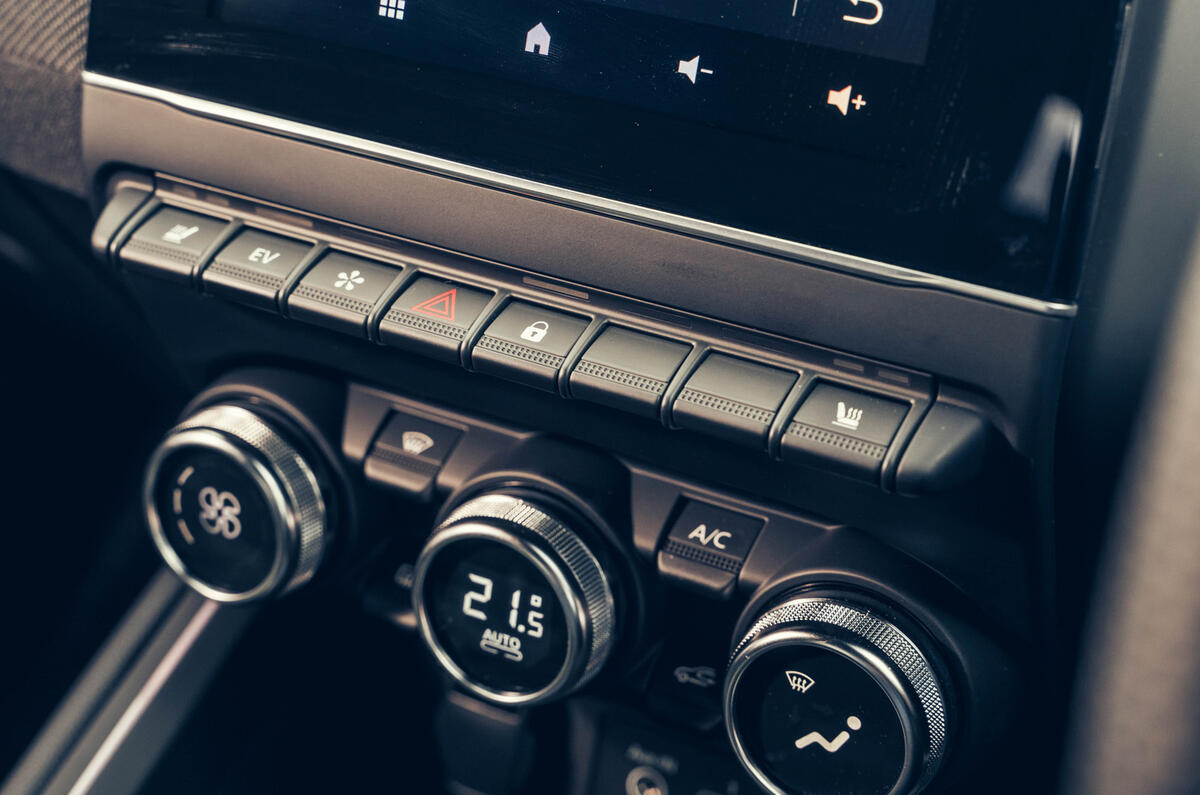
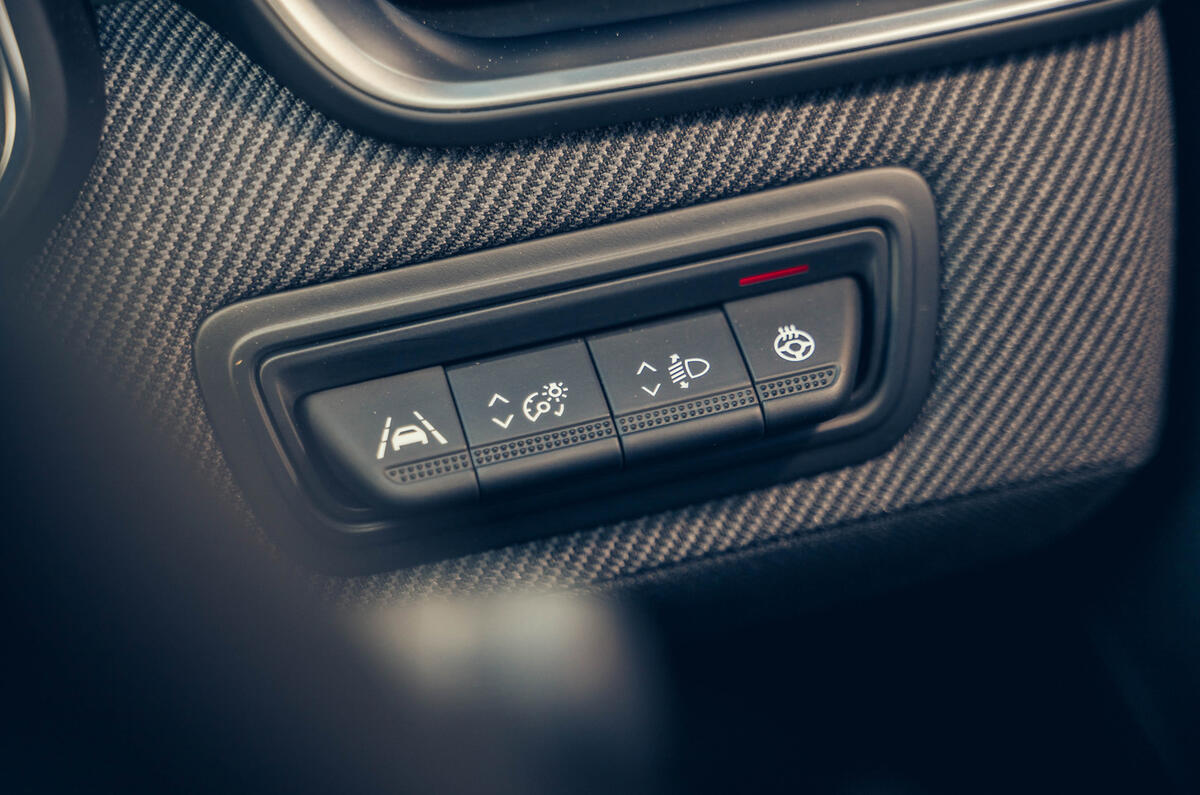
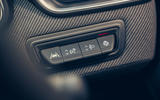
In particular, the clean horizontal lines of the air vents that flow across the dash top and the revamped centre stack with its tablet-style screen and minimal smattering of buttons both lend the interior a more mature and sophisticated air than its predecessor ever approached.
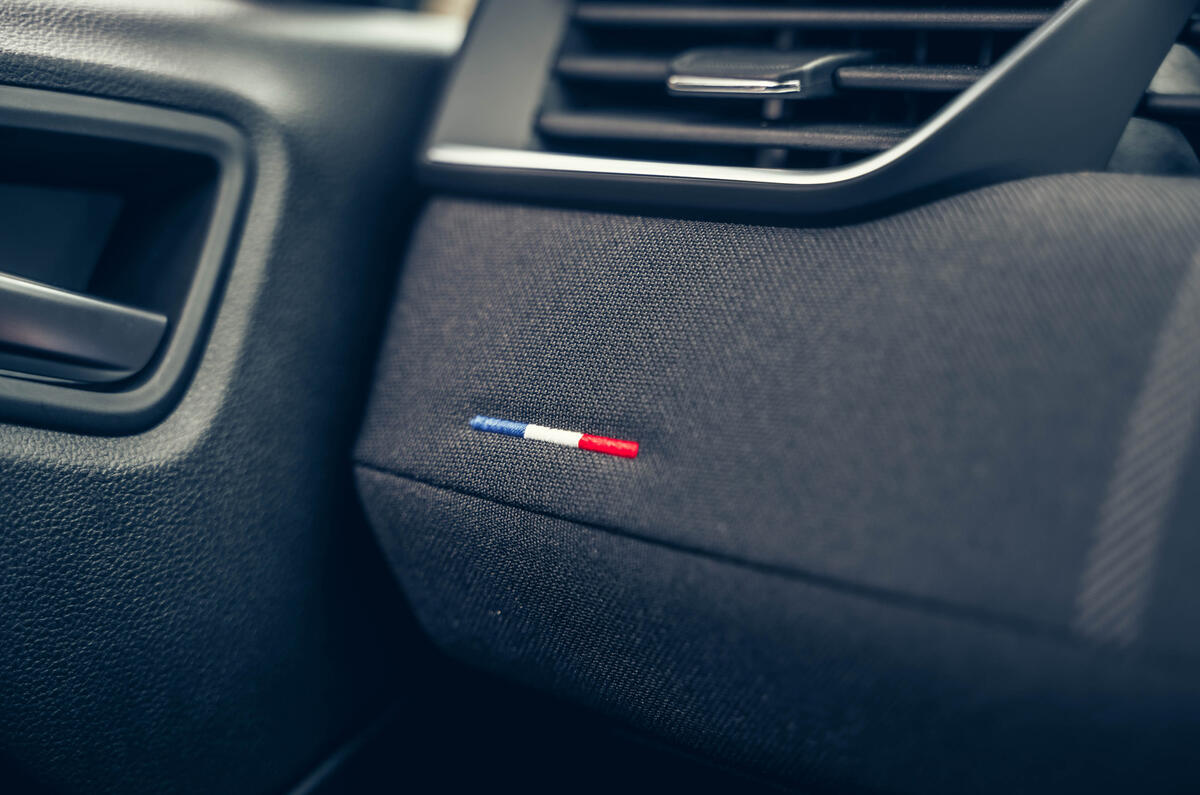
Higher-spec models make even greater play of this attractive new design language, courtesy of their more liberal use of colour and soft-touch plastics than our lower/midlevel test car had – particularly on the doors and dash top. By contrast, our Iconic test car had a more monochromatic seriousness about it but, in typically French fashion, it’s still leagues ahead of the likes of the Ford Fiesta or outgoing Vauxhall Corsa for outright style.
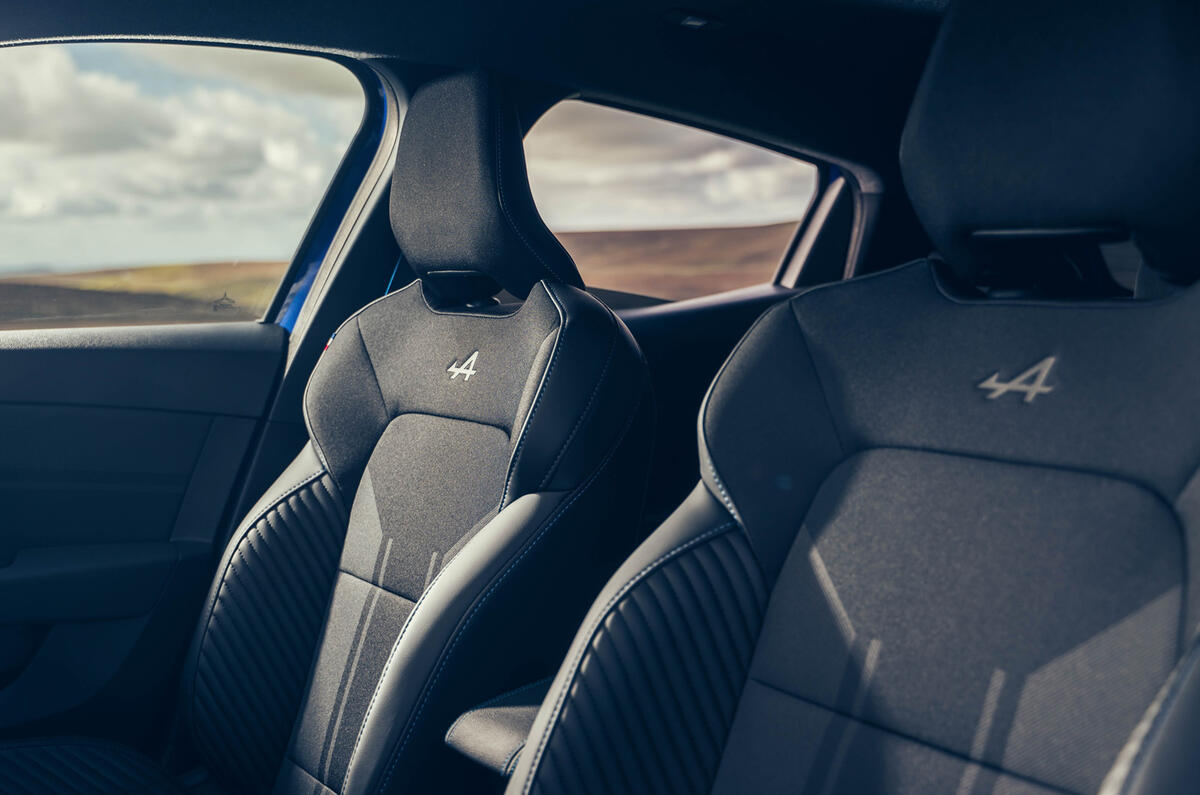
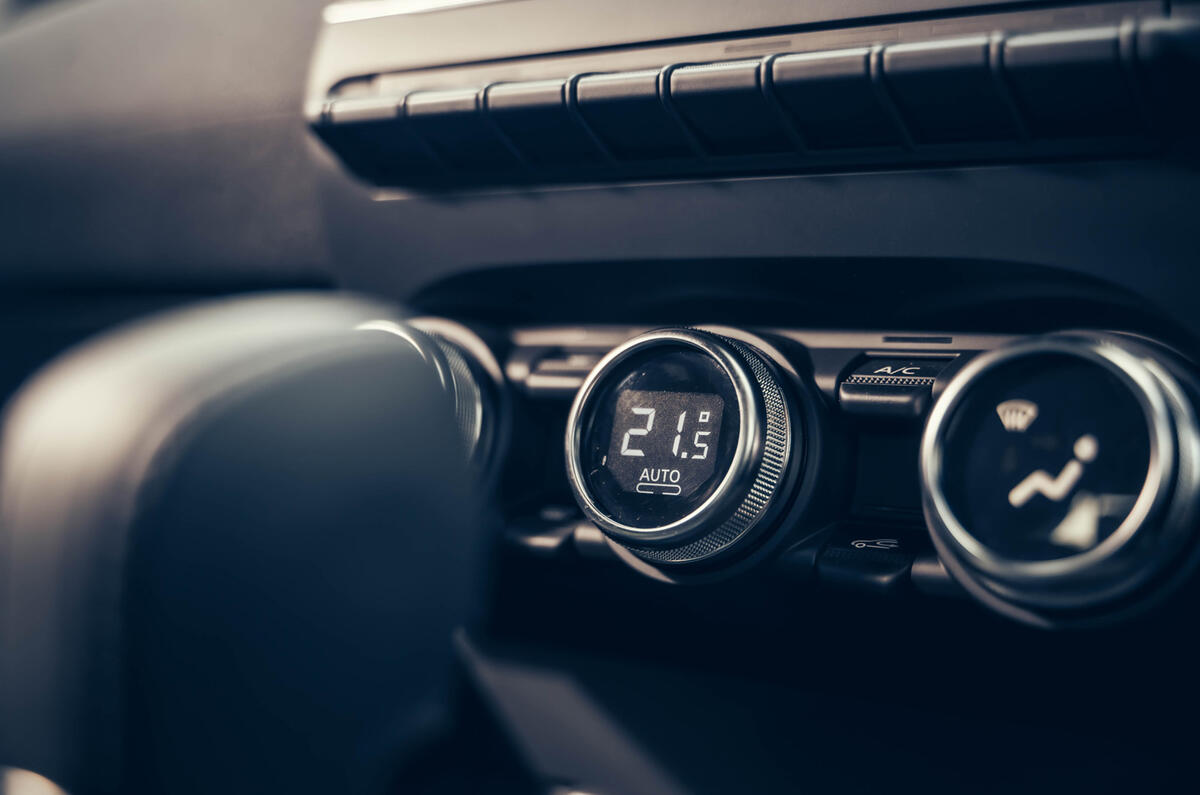
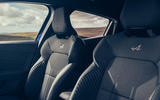
Even Evolution models look and feel nice, with a nice knurling to switchgear and nice light grey seat fabric too, which feels like a sportswear-style fabric.
Evolution models make do with a smaller 7in touchscreen but this is still a slick operator. The graphics seem quite old now compared to Renault’s own Google system offered in newer models such as the Renault Austral and Renault Scenic. Wireless Apple CarPlay functionality, even on the entry-level model, can help bypass that, though.
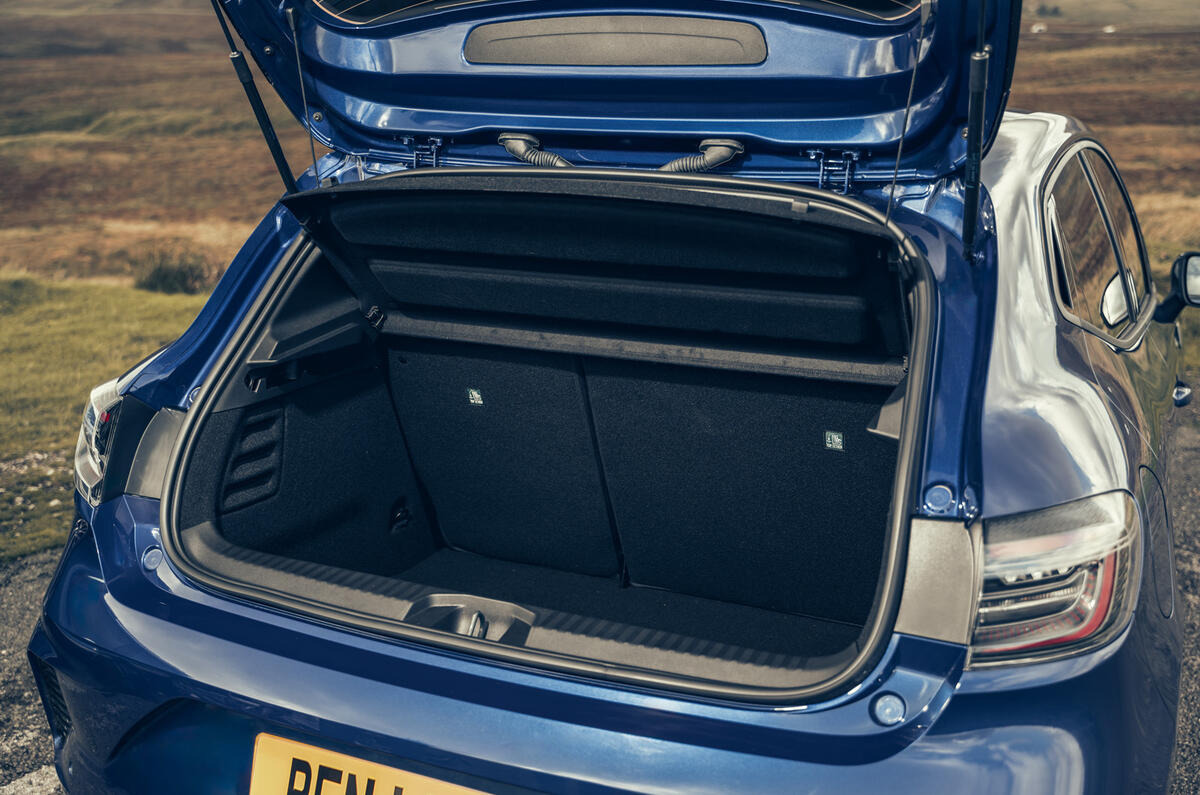
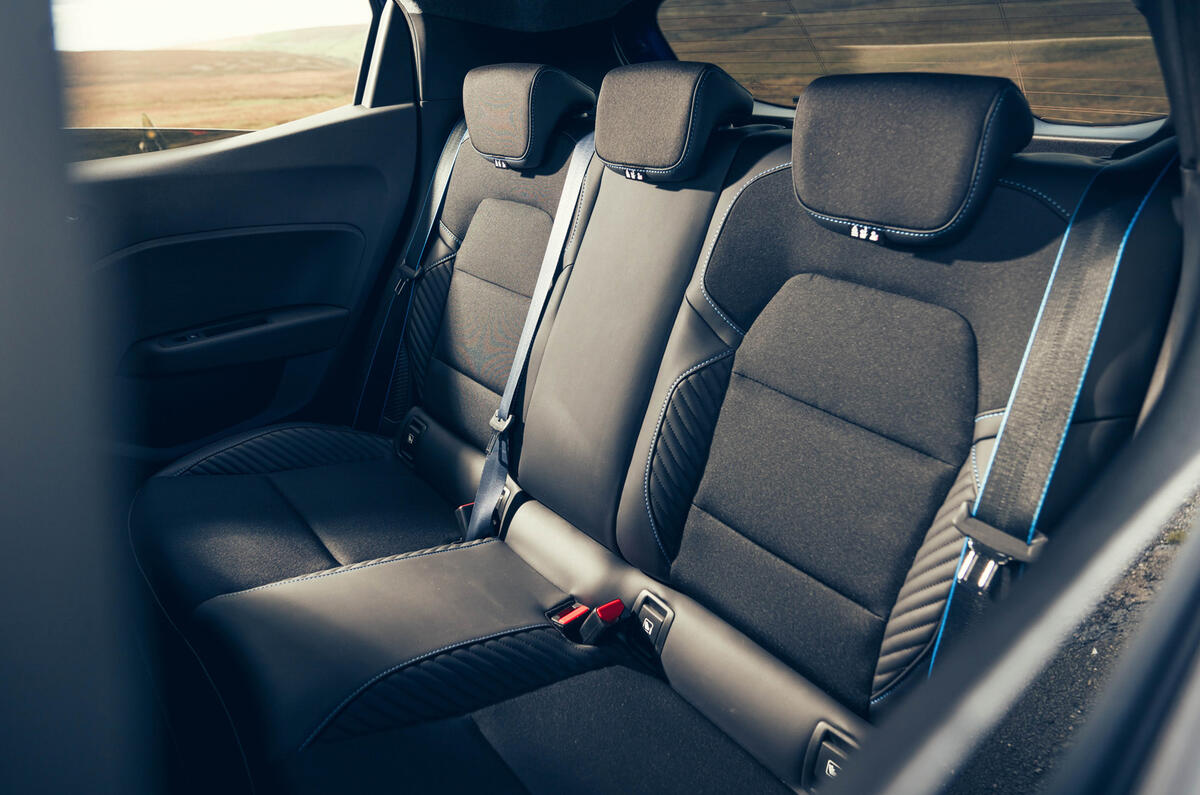
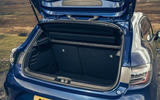
However, it does suffer from some shortcomings relating to practicality. It would seem that by opting to give the Clio one of the largest boots in its class (there’s 391 litres of seats-up storage capacity on offer here), Renault has compromised the amount of space available to occupants in the second row.
Our tape measure recorded typical rear leg room at a restrictive 620mm and rear head room came in at 910mm. By contrast, the Polo conjures 690mm of rear leg room and 950mm of head room, with a boot capacity of 351 litres.
No prizes for guessing which car a grown adult would sooner travel in the back of. Even those of average height would likely feel cramped in the back of the Clio. But Renault’s decision to sacrifice some rear practicality in the pursuit of greater boot space could well please owners who would rather take acceptable room for younger children and more space for buggies and baggage than have an adult-sized four-seater – and you’d imagine that describes plenty of supermini owners.
Despite running newer software than its predecessor, this infotainment system remains one of the more graphically basic suites on the market. That said, there’s still enough detail in the mapping software to easily make out where you’re travelling and the display itself is generally easy to read. It’s usefully customisable, too, allowing you to select which shortcuts you’d like displayed on the home screen. Although it’s simple enough to navigate, it could do with an additional level of responsiveness.
Standard equipment is good, though. Satellite navigation, DAB radio, Bluetooth connectivity and rear parking sensors are all included, as are Android Auto and Apple CarPlay. The quality of sound from the car’s four 20W speakers is sufficiently good without being excellent, ably providing enough in the way of volume to drown out road and wind noise without becoming distorted.