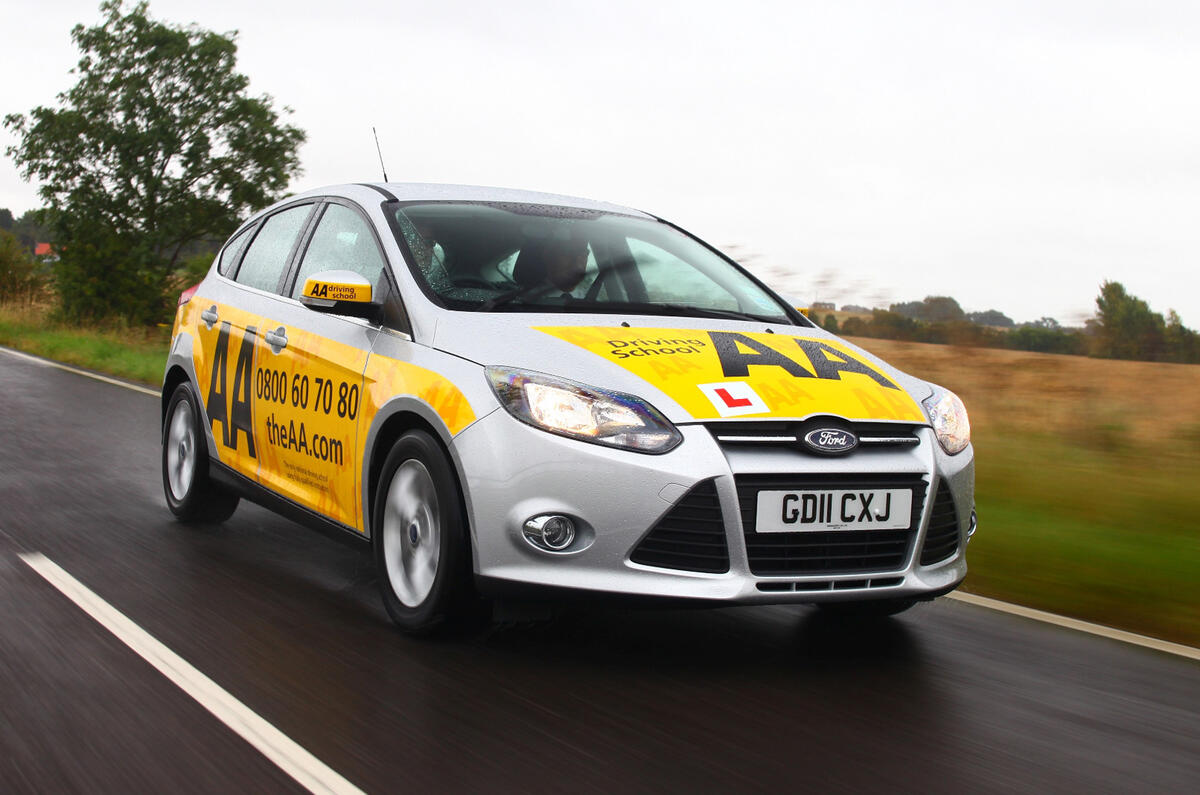
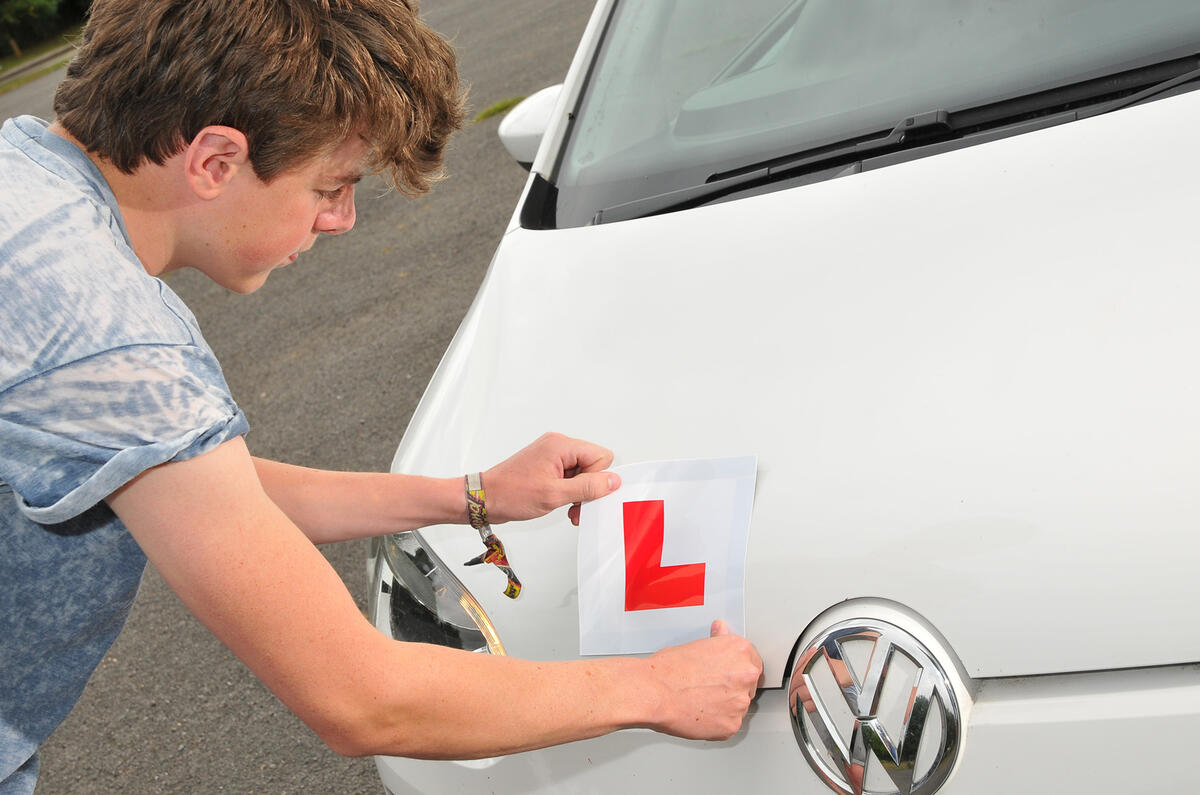



Possibly the greatest cinematic celebration of cars and youth, American Graffiti, celebrates its 40th anniversary this month.
The story of California teenagers’ lives revolving around their cars rang true once but would seem hopelessly contrived if made today. Nowadays, increasing numbers of teenagers across the developed world don’t even bother getting a driving licence, let alone a car.
Car manufacturers are starting to fret that young people - the car buyers of tomorrow - are falling out of love with their products. Given the ageing populations of developed countries, car companies are desperate to woo as many young buyers as possible, and the thought that the crucial youth market might dry up is giving bosses sleepless nights.
To see how bad things could get, just look at Japan, where the pheno menon was first noted. A stagnant economy for the past 20 years, serious congestion and a youth market focused on products with plugs, not petrol, has led to a collapse in the Japanese car market. It peaked in 1990 at 7.7 million, and then fell steadily to a low of 4.2 million in 2011, before recovering slightly to 5.0 million in 2012 (mainly because of government incentives).
However, the true picture is even worse. The proportion taken by mini cars up to 660cc has soared to 40 per cent of total sales - and they are the least profitable (and least aspirational) part of the market.
A survey of 1700 Japanese in their 20s and 30s by Nihon Shimbun, Japan’s biggest business newspaper, found that the proportion of Japanese men in their 20s who wanted a car fell from 48 per cent in 2000 to 25 per cent in 2007, and the proportion of Japanese drivers under 30 halved between 1993 and 2005.
One of the key factors identified in Japanese surveys was the rise of the internet. Young people can socialise and shop online so have less need to leave the house.
That may sound far-fetched, but a 2011 study by the University of Michigan Transportation Research Institute, which was part-funded by an anxious motor industry, found that this is a worldwide phenomenon.
Looking at 15 countries, the study found that there is a statistically significant correlation between the rise of the internet and the decline in the number of young drivers.
The fact that the decline has more to do with attitudes than economics is borne out by Germany, where recessions are what happen to other people. Despite being the centre of the European motor industry, the number of people under 25 holding a licence has also fallen significantly over the past 10 years.
Meanwhile, in the UK, Department for Transport figures show that the proportion of 17 to 20-year-olds with driving licences peaked at 48 per cent in 1993 and fell steadily to 31 per cent by 2011, and for 21 to 29-year-olds the proportion fell from 75 per cent to 63 per cent over the same period.
The later that people enter the car market, the fewer cars they will buy. Especially in big cities, they might decide never to buy a car. The rise of car clubs points to the growing popularity of ‘usage, not ownership’; increasing numbers of people want access to a car but not the hassle of owning one.
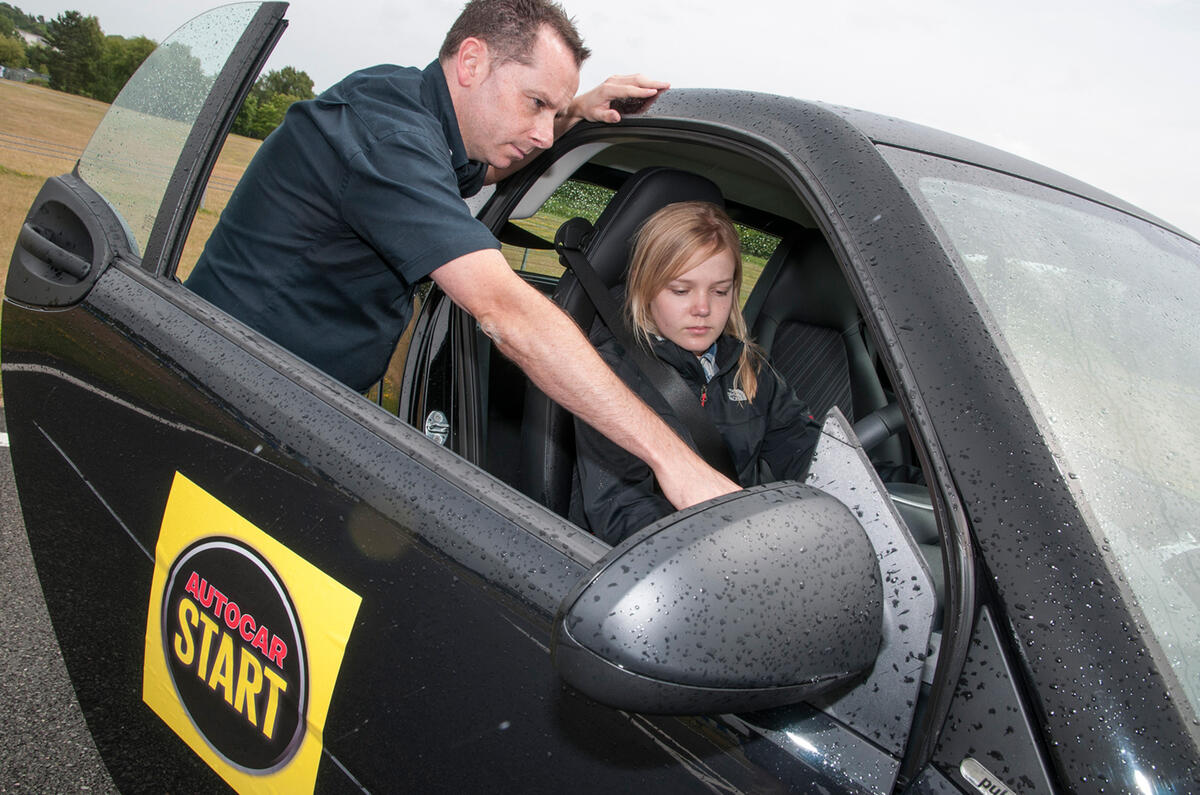
Forty years ago, the car was seen as the passport to freedom and a way of showing off to one’s friends. Indeed, schemes like our own Autocar Start are attempting to invoke that same sentiment, by giving learner drivers the right training and so improving driving standards.