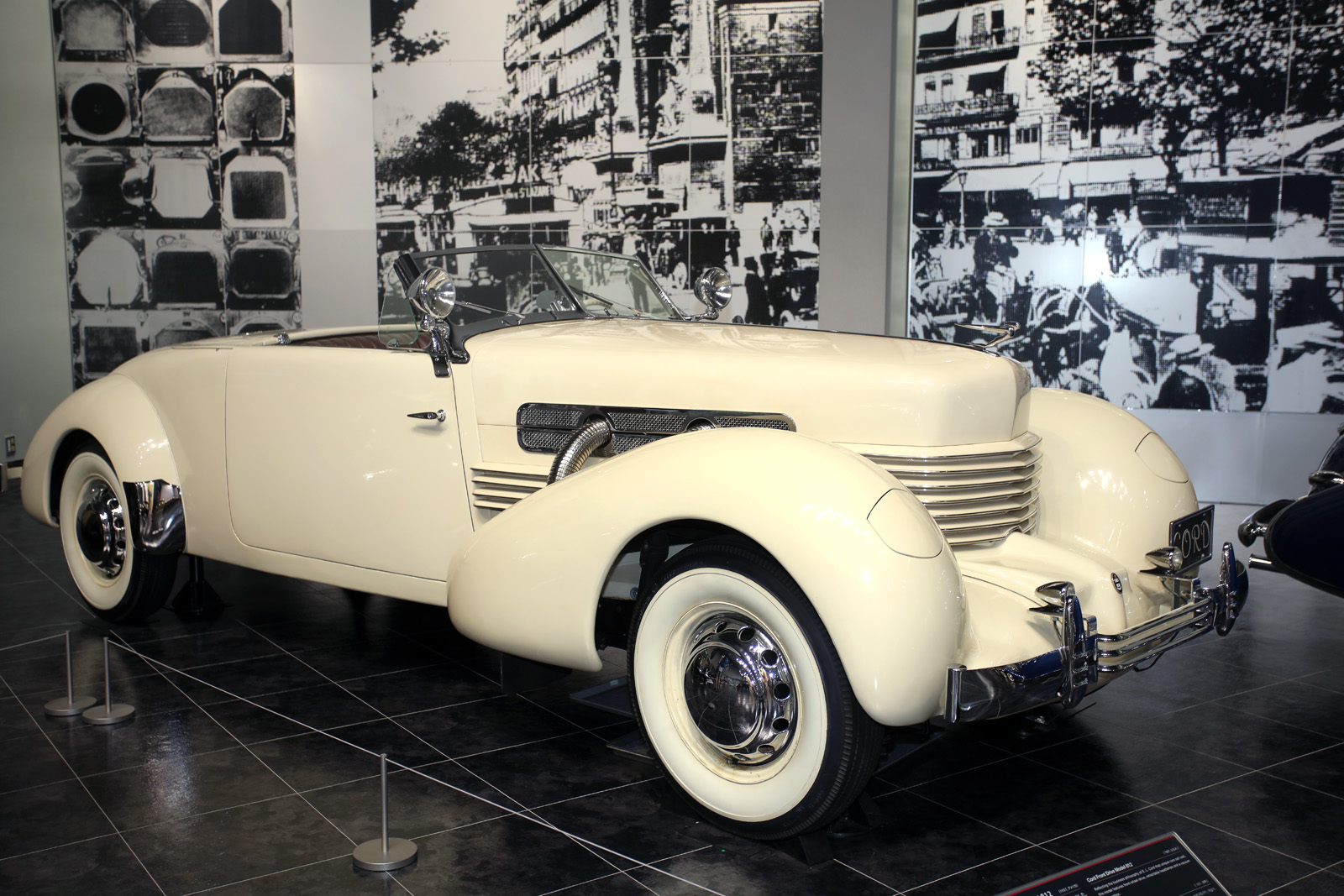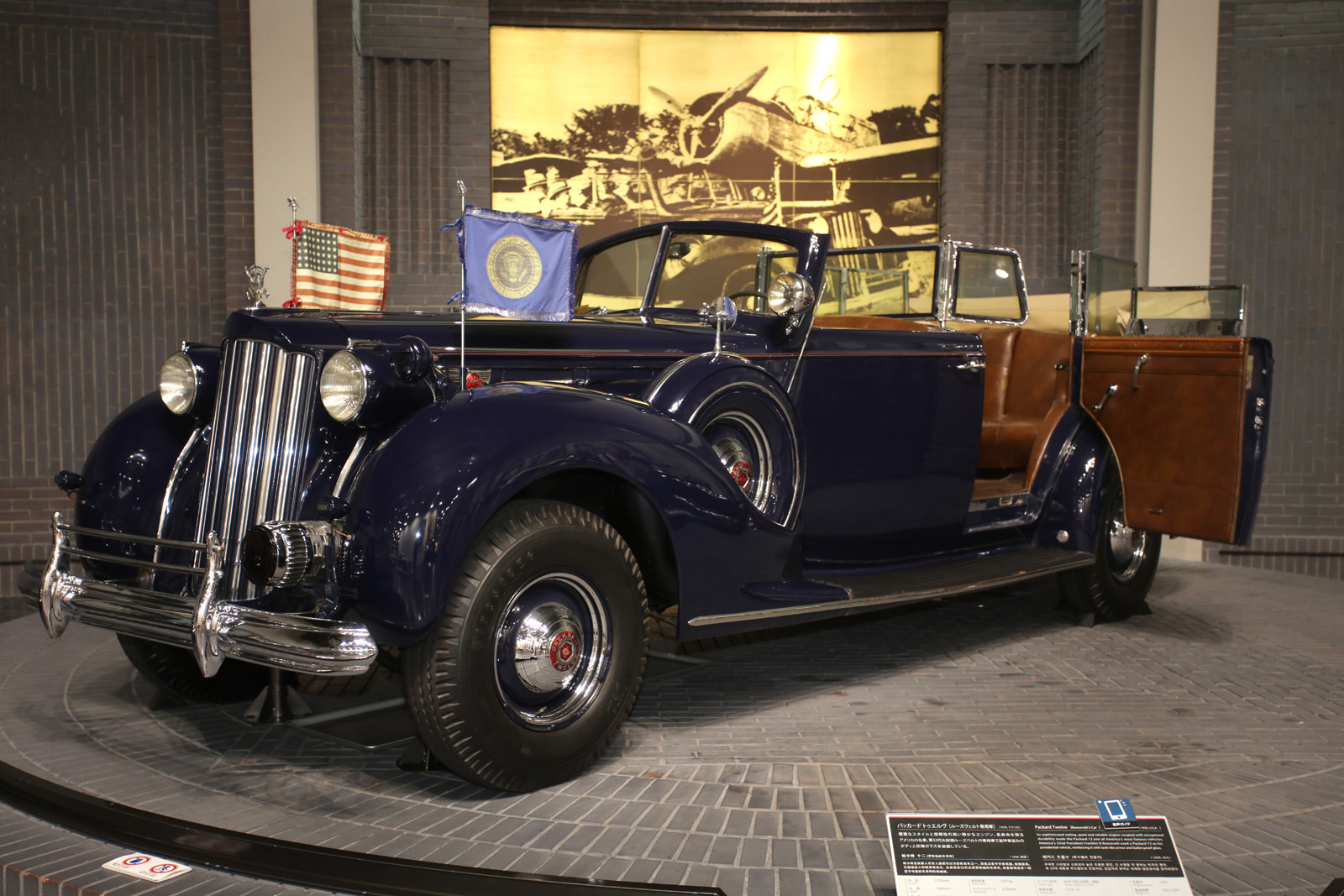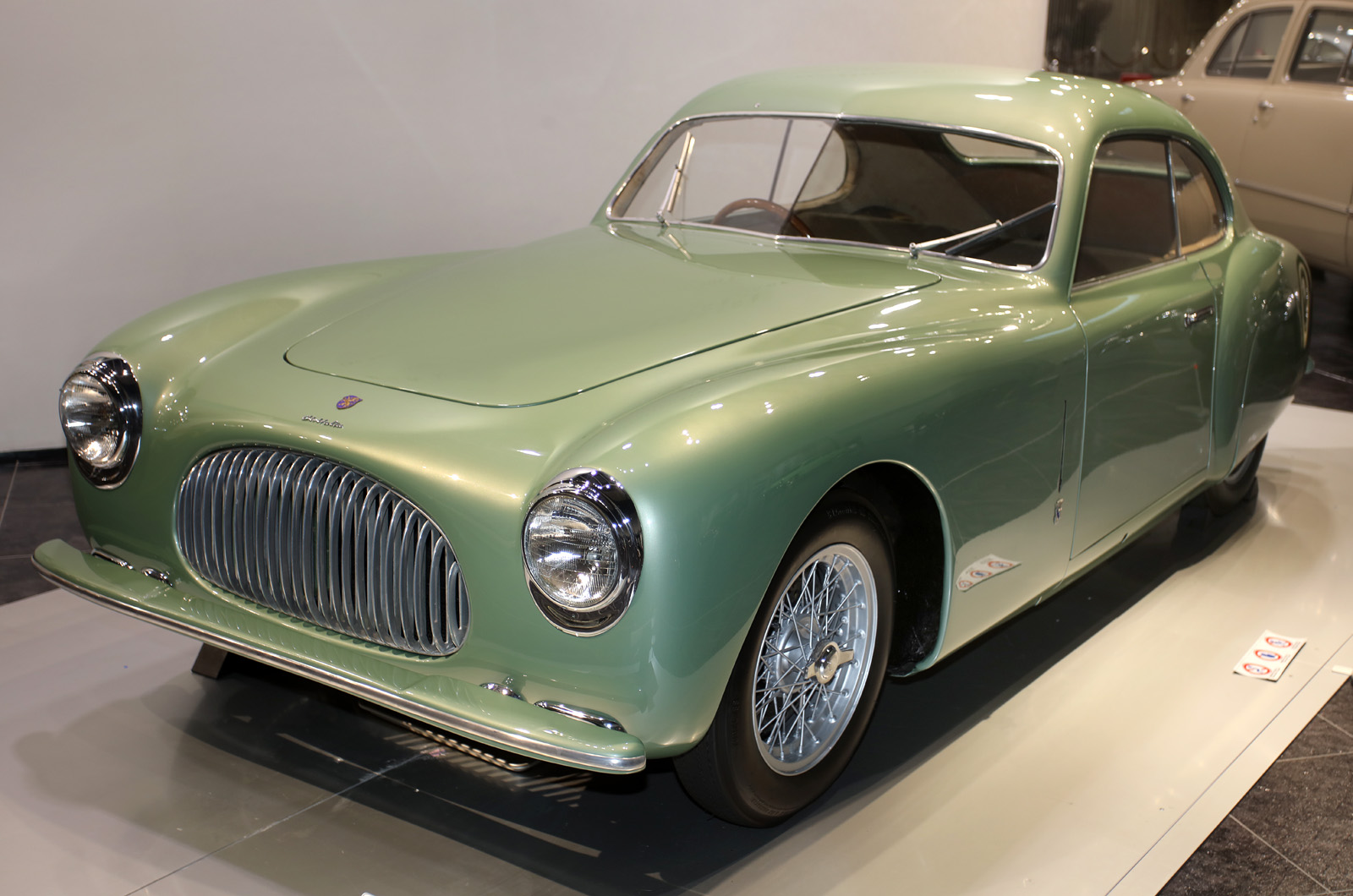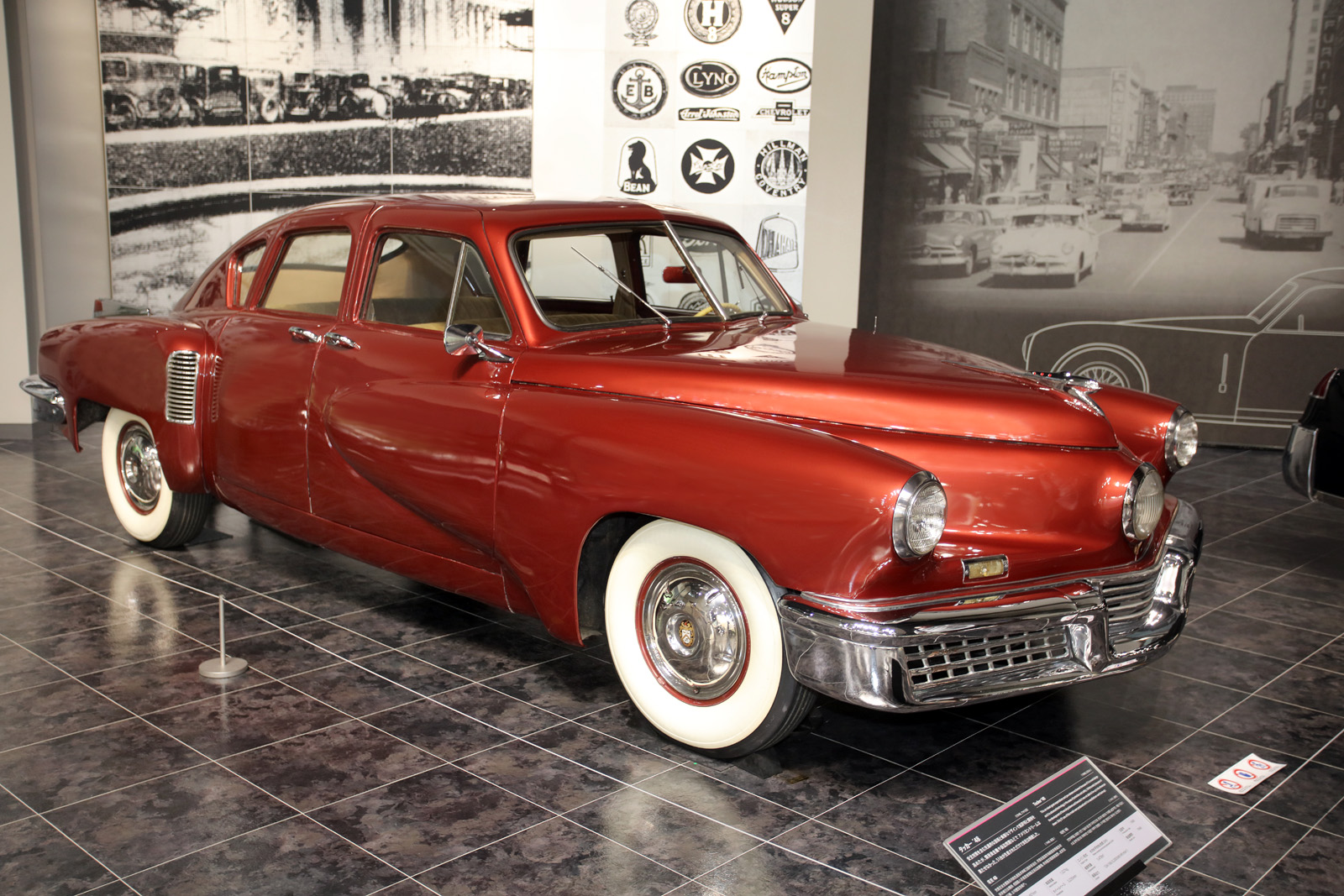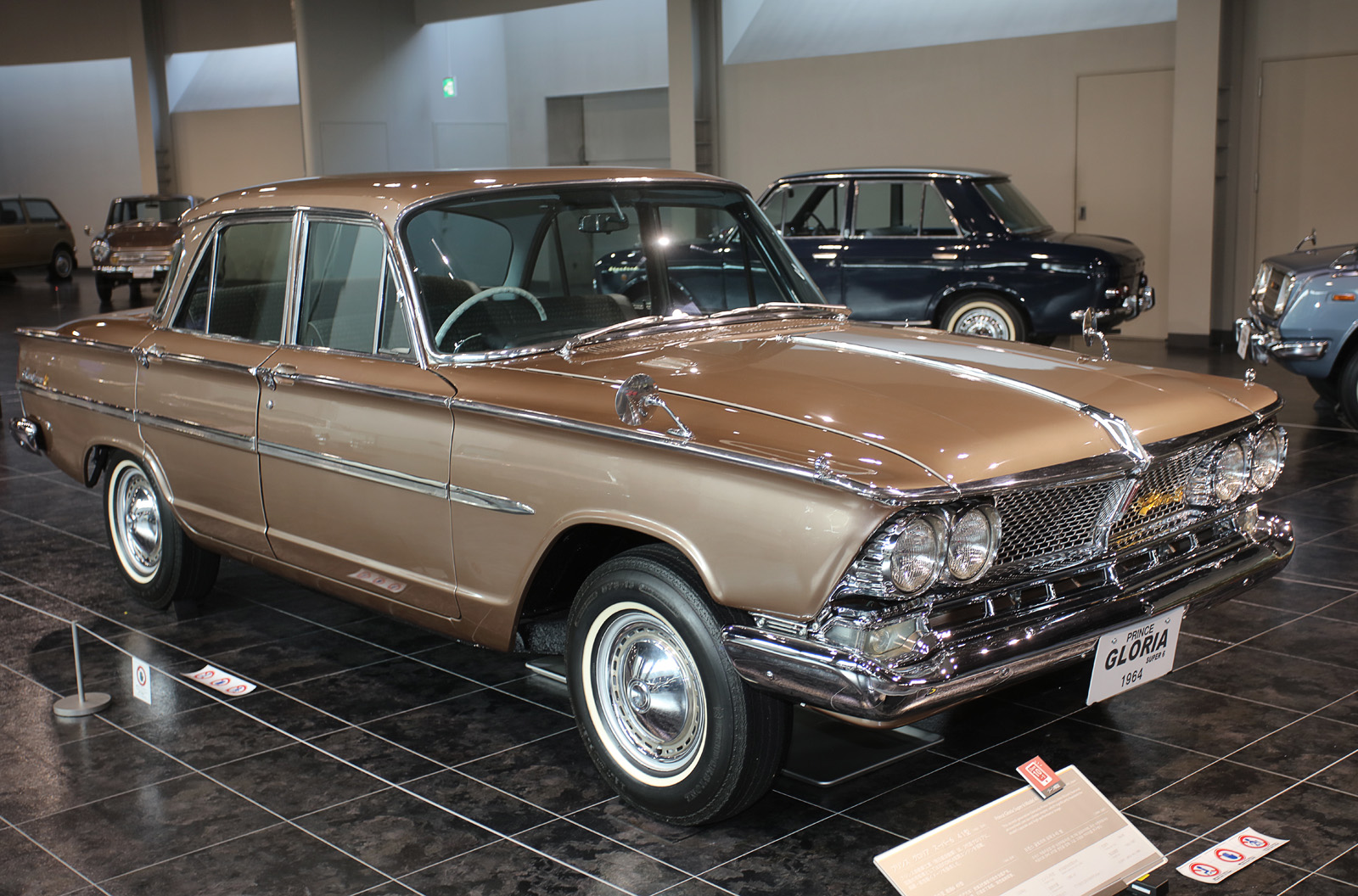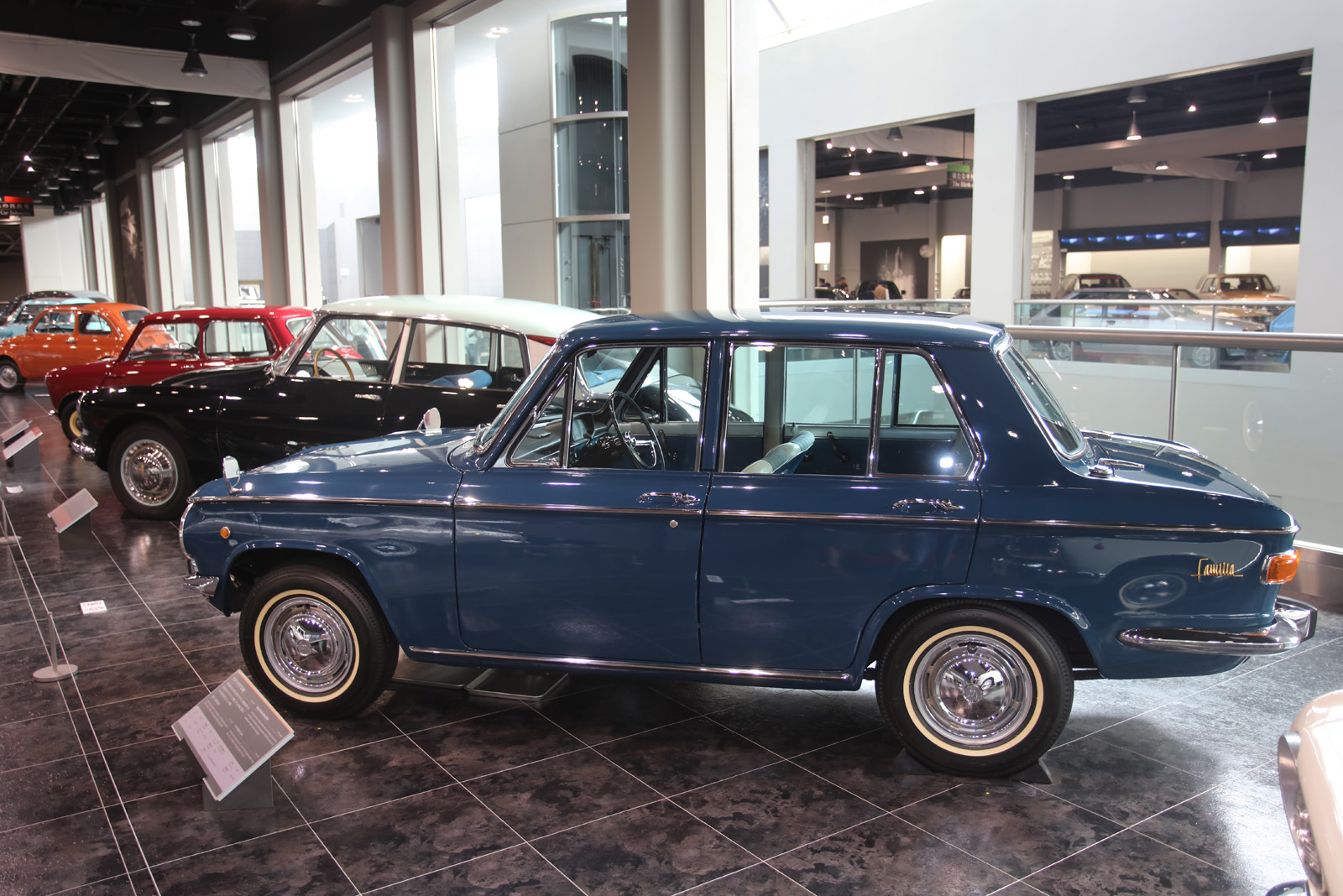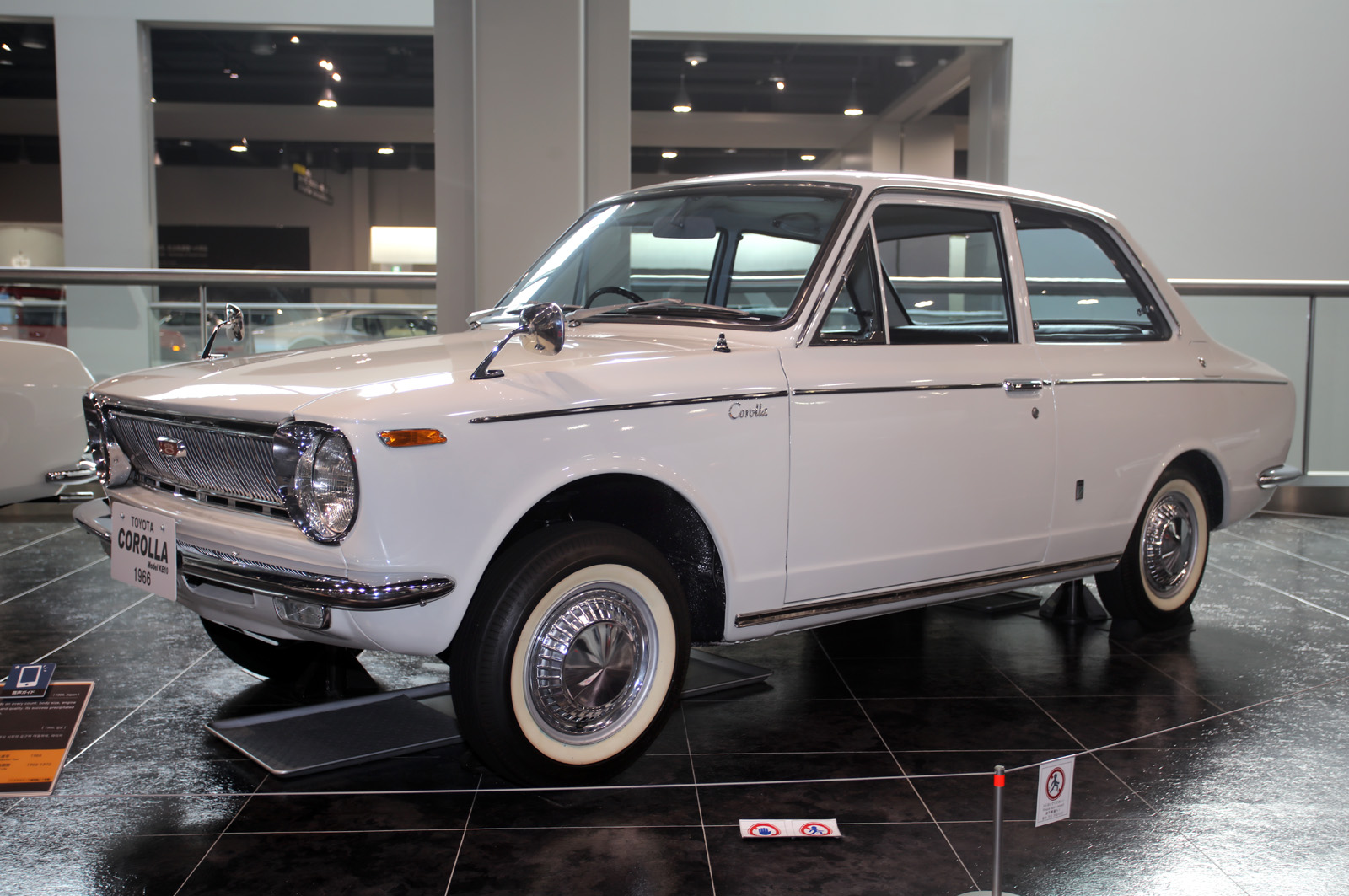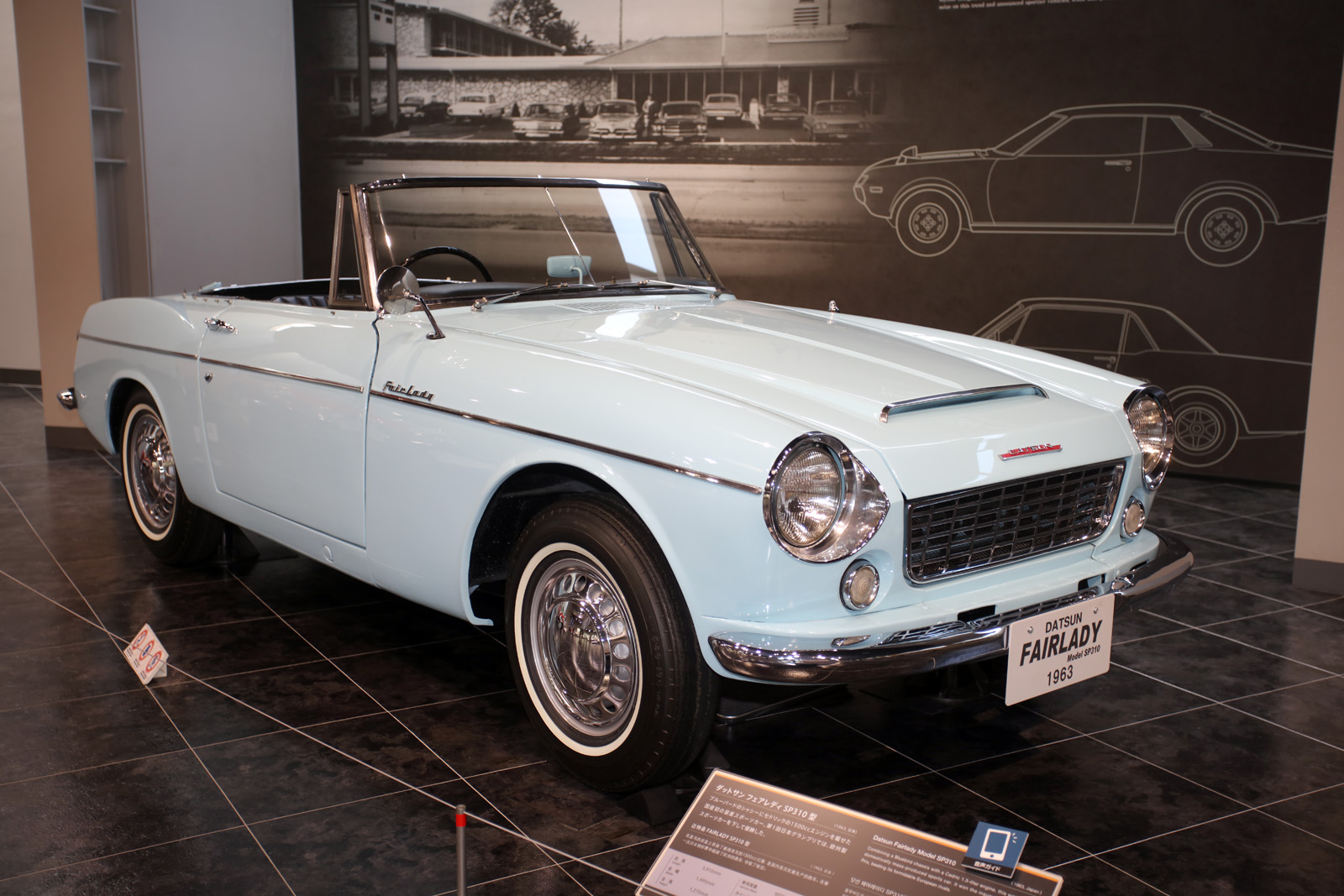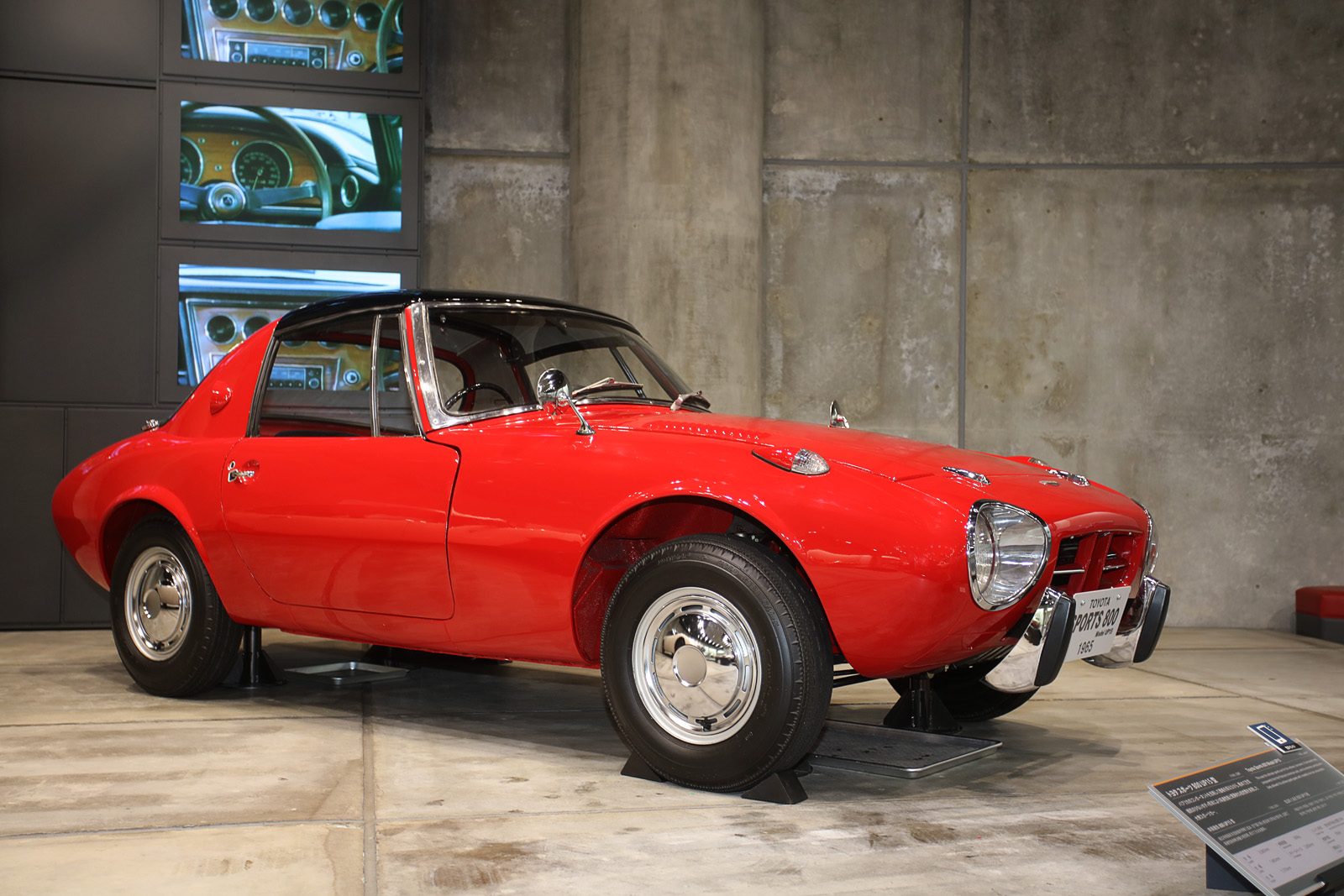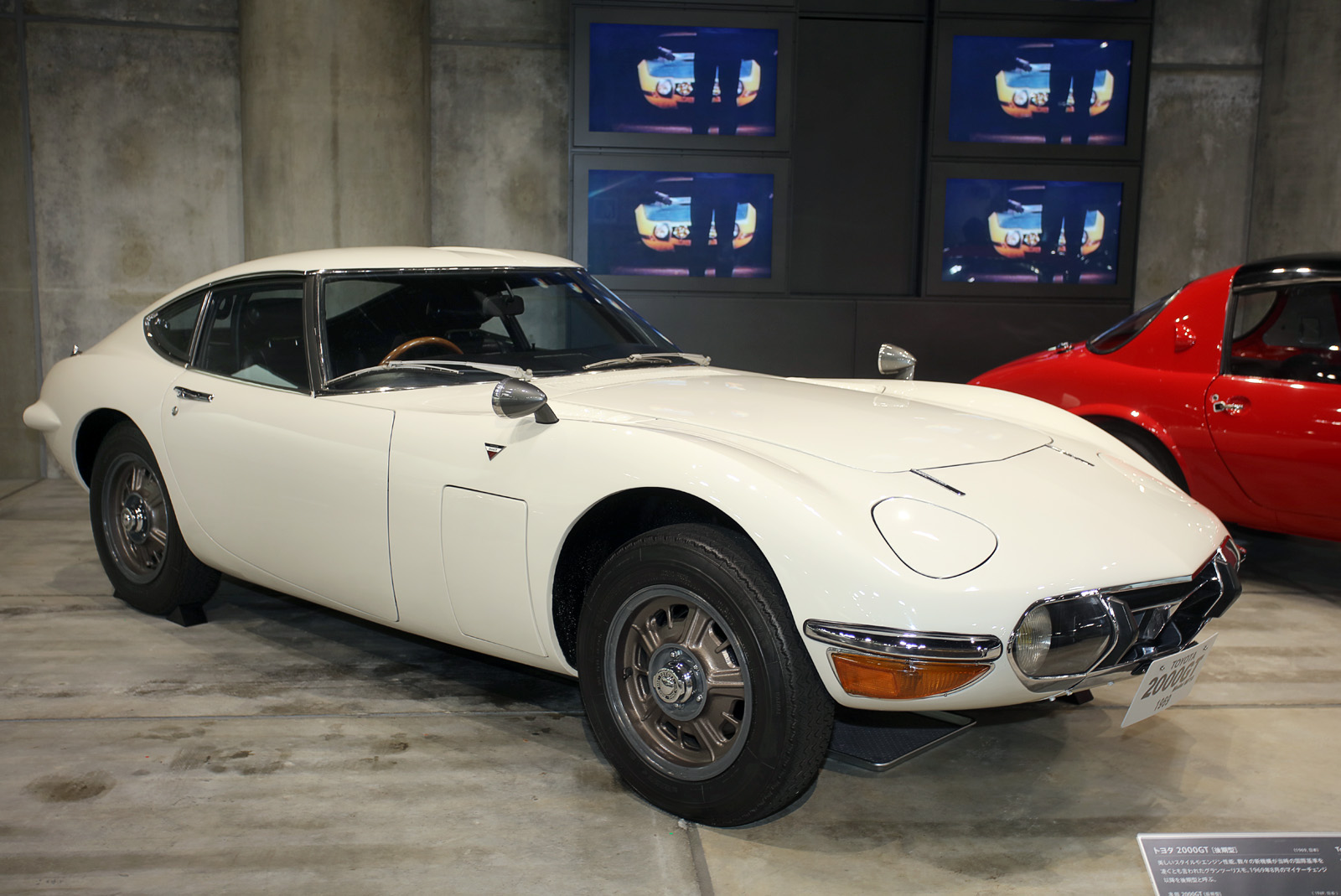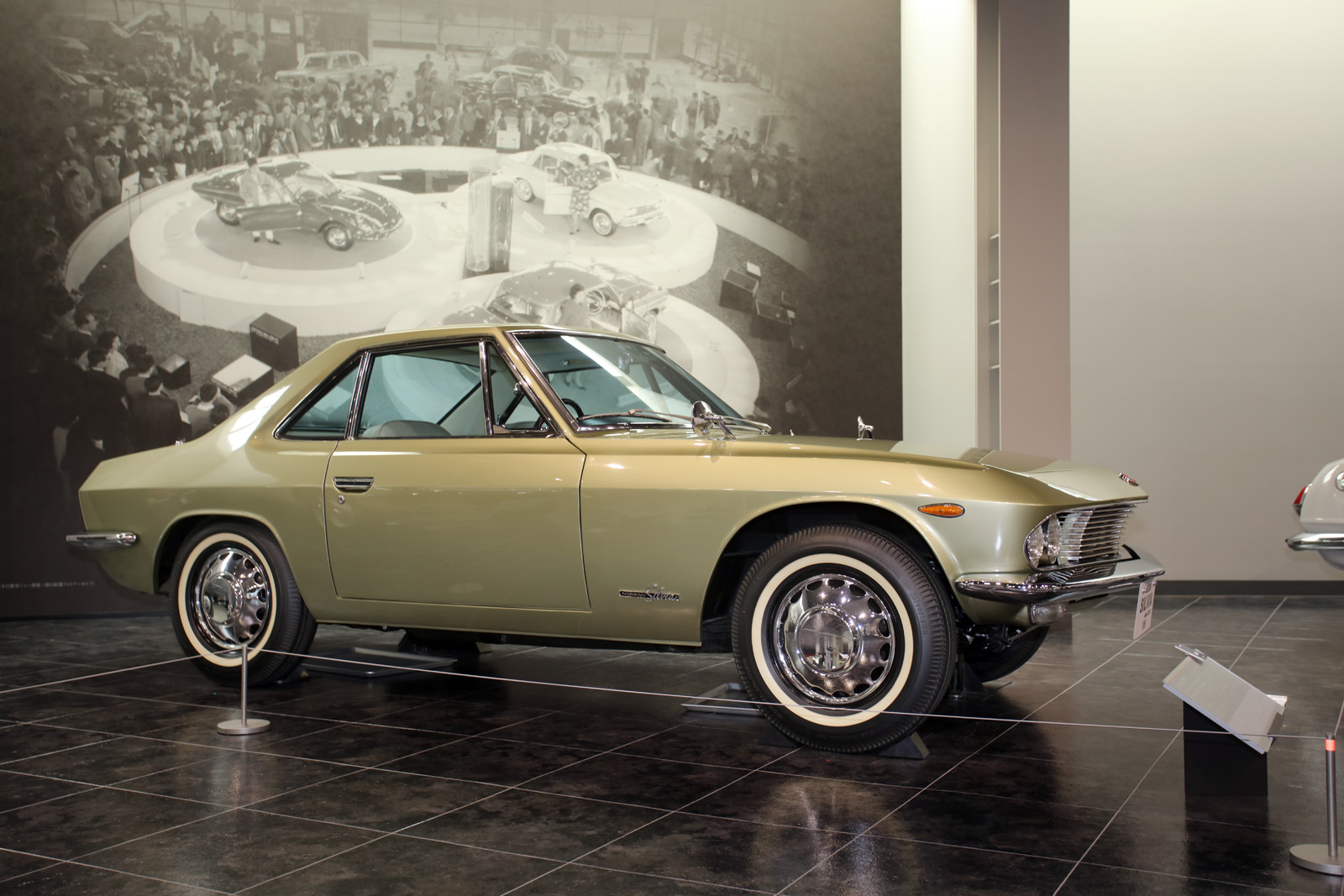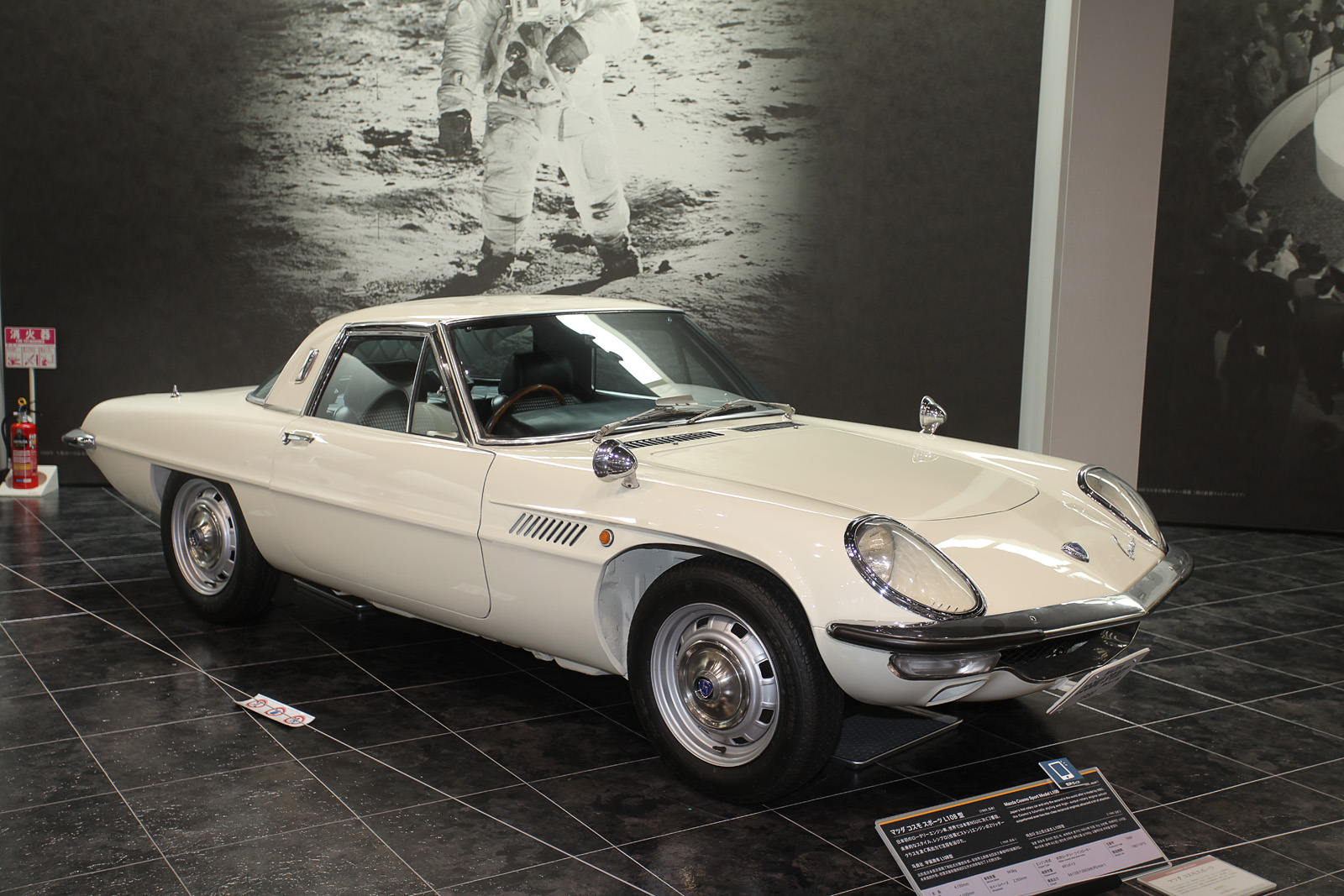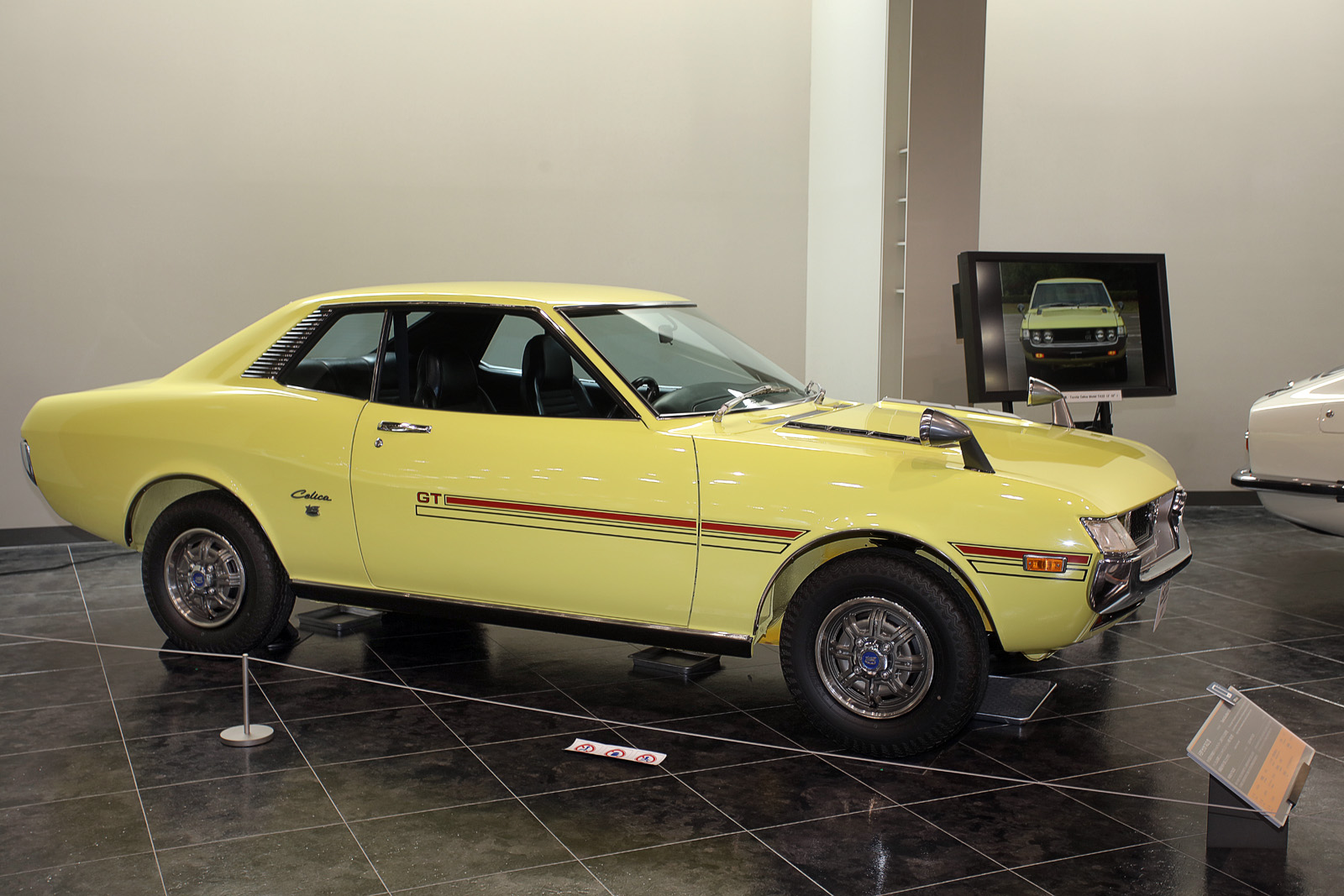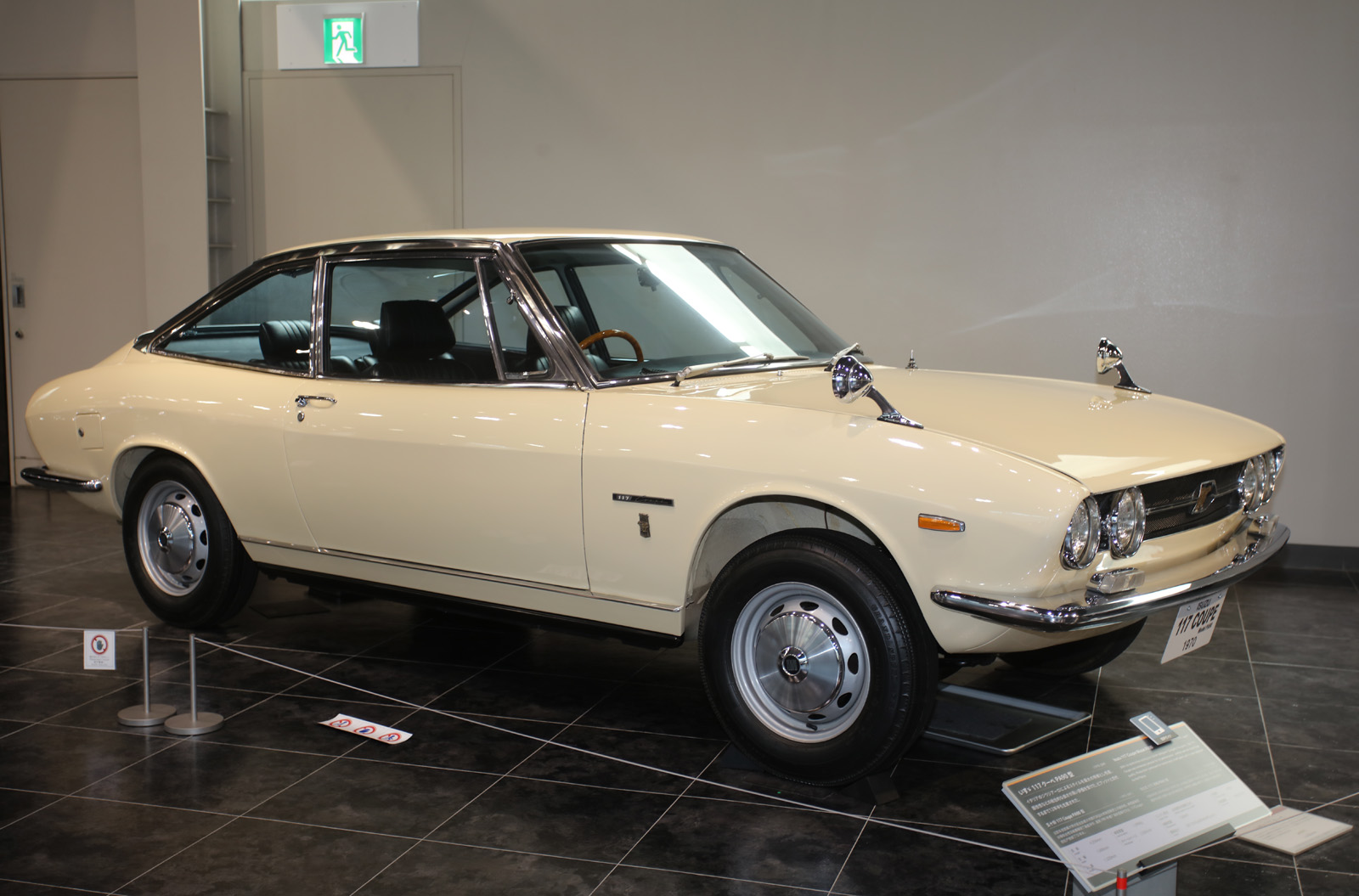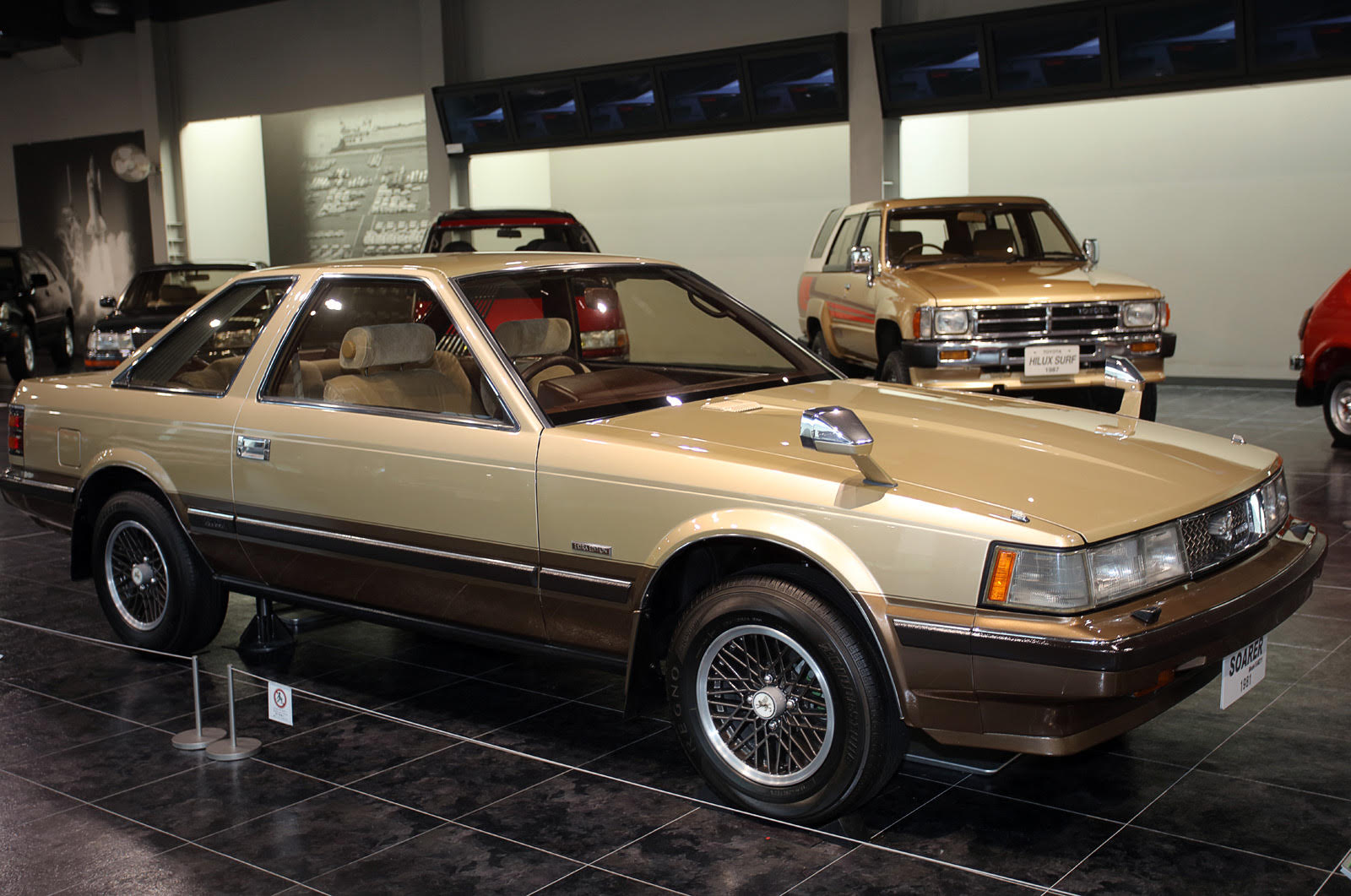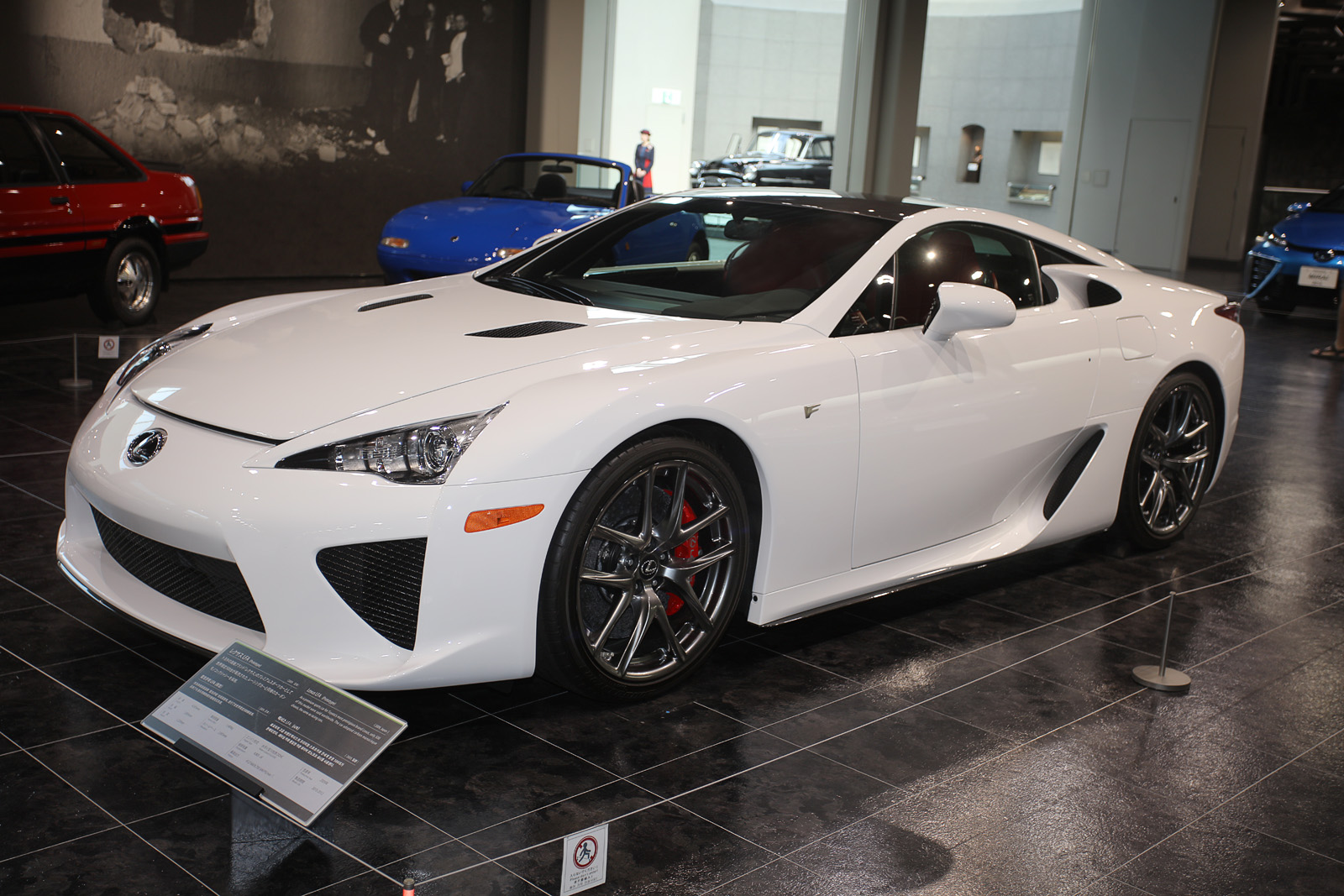

Scratch the surface of the Toyota Automobile Museum, and you'll find far more than just a collection of old Toyotas...
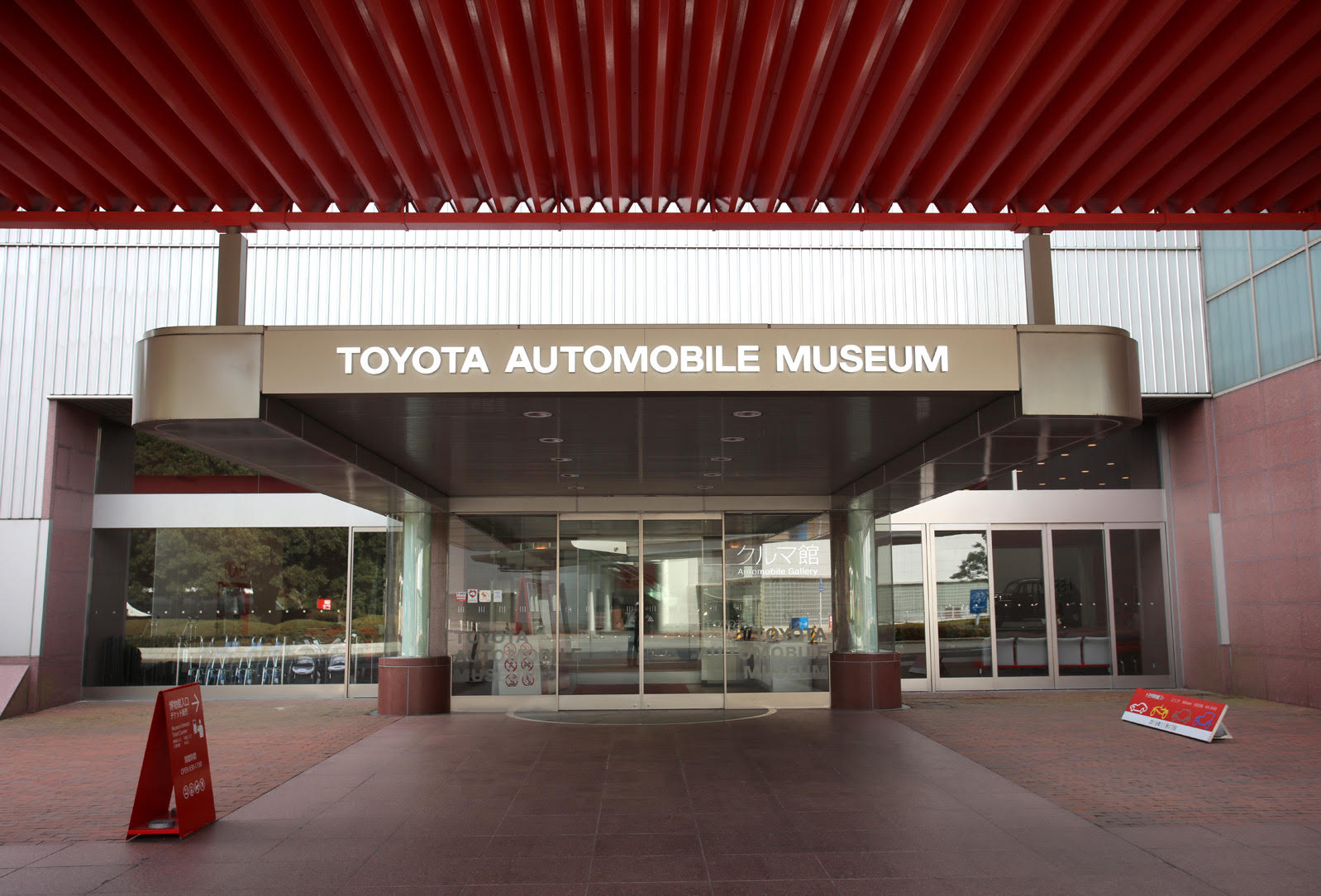
The museum, a few miles outside of the city of Nagoya and just 100 minutes by Shinkansen (Bullet Train) from Tokyo, celebrates the worldwide history of the automobile and its culture.
Featuring cars from Europe, the US and Japan, the attractions are displayed in a timeline demonstrating the diversification of ideas and engineering from different eras of development spanning from the Dawn of the Automobile through to the Search for a Sustainable Future.
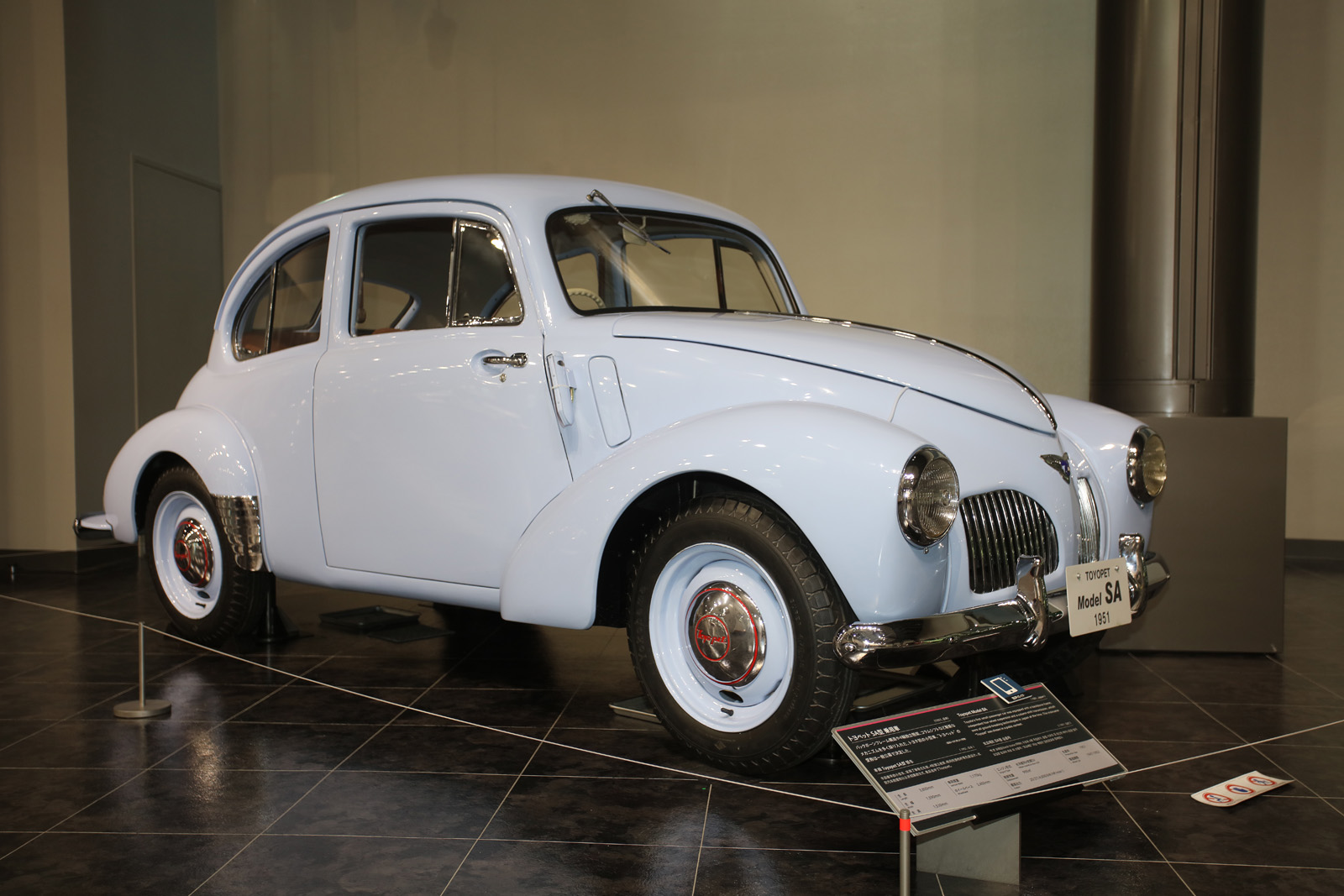
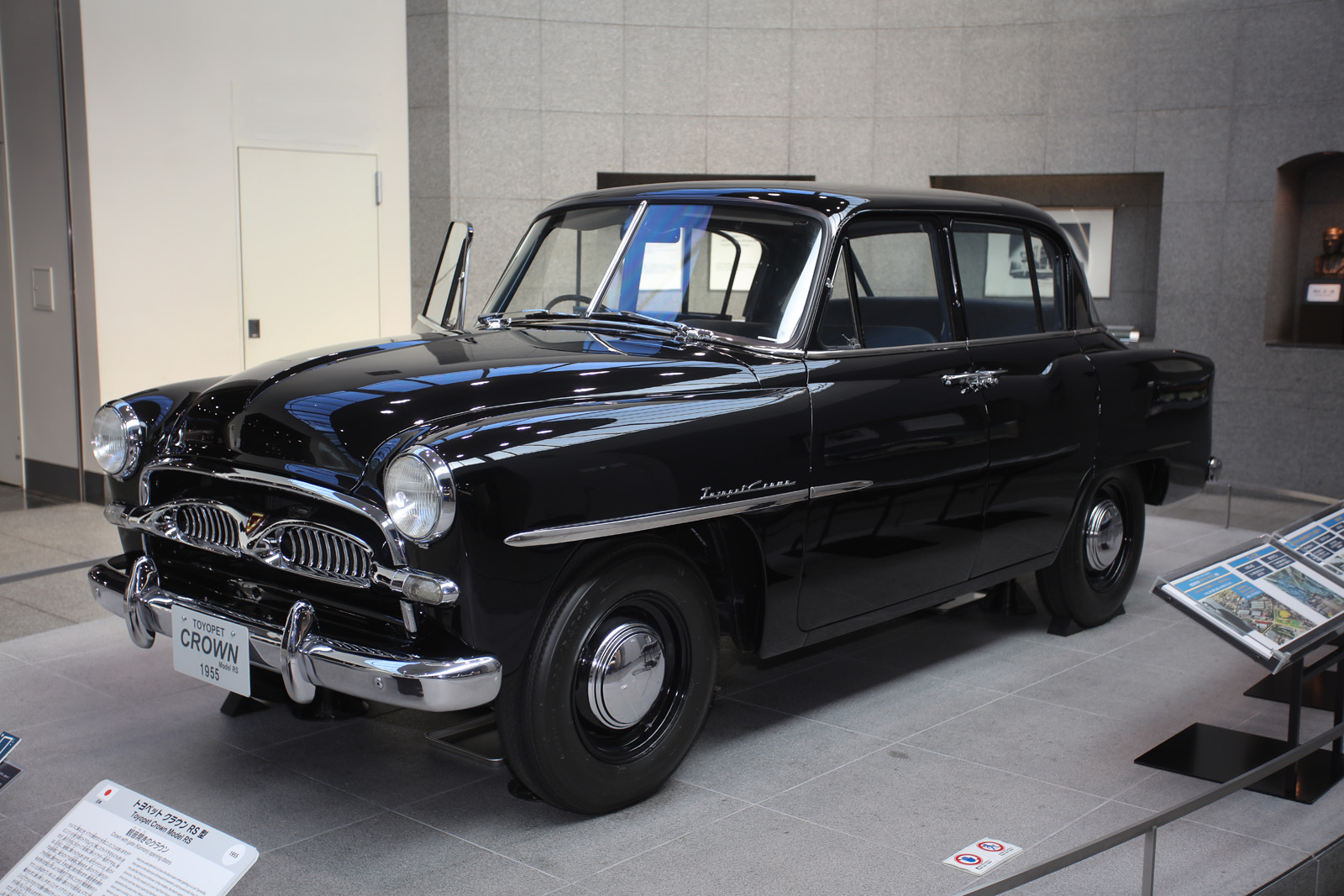
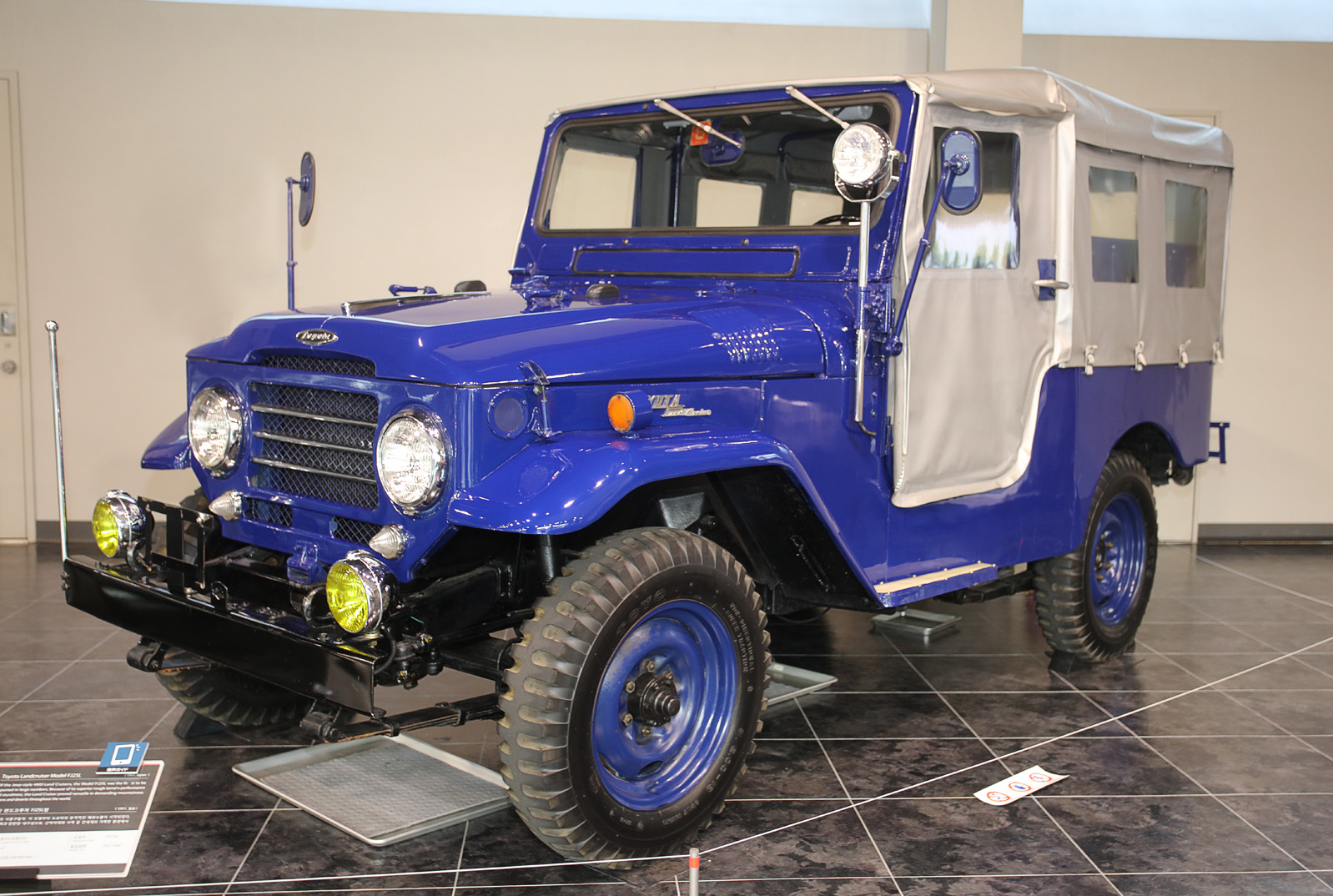
Nearly 150 vehicles adorn the building's two floors, with Toyota having recently added a superb Cultural Gallery with diverse artefacts like toy cars, period posters and brochures. Here’s a taster of the museum with some choice exhibits to whet your appetite:
Toyoda Model AA (1936)
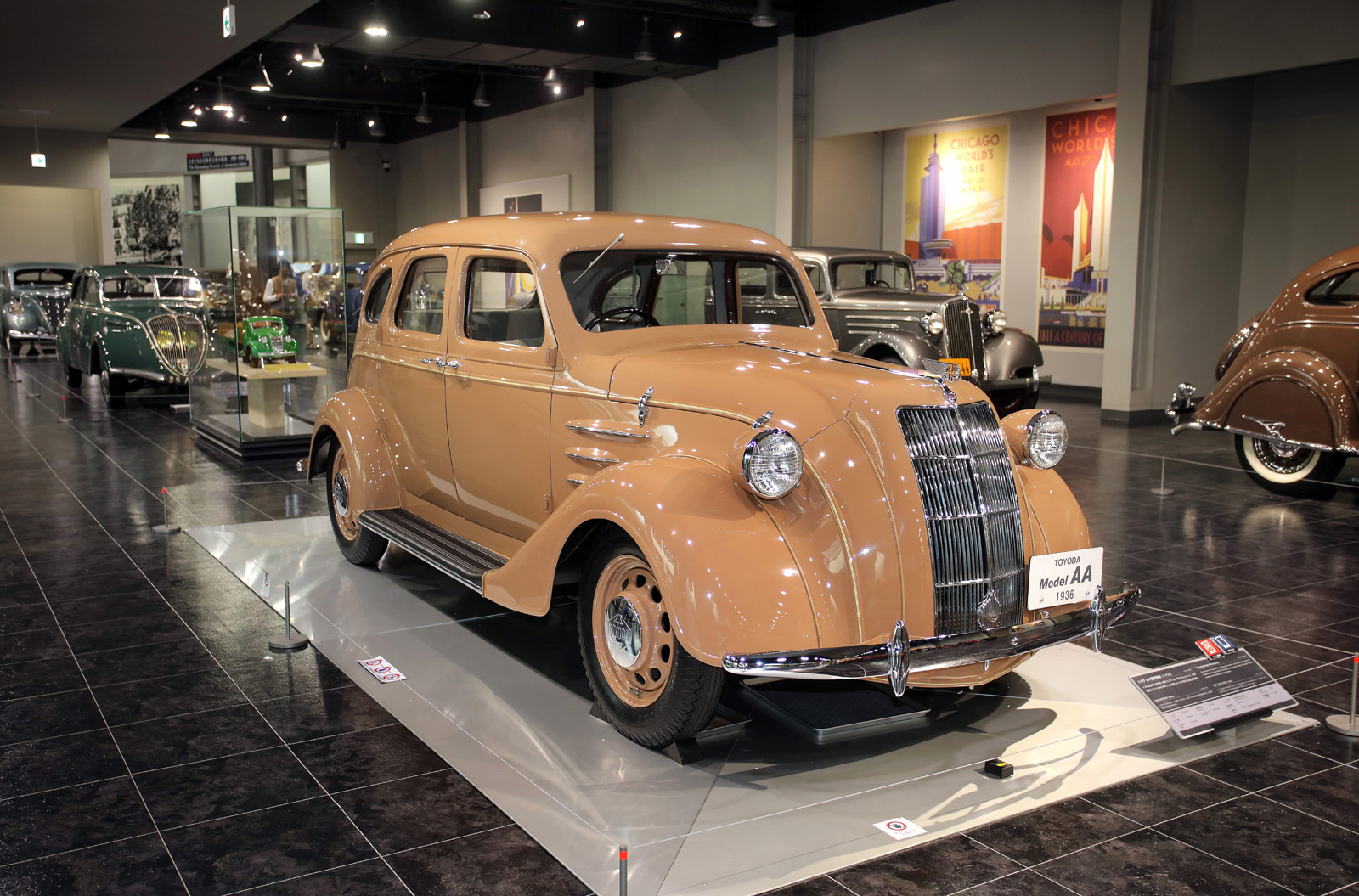
This is where it all began for Toyota, 1936's Model AA. Before this car the Toyota (known then as Toyoda) company made automatic weaving looms. Based on American cars of the day and bearing a striking resemblance to the aerodynamic styling of the DeSoto Airflow, the AA was developed under the leadership of the corporation’s founder Kiichiro Toyoda (1894-1952) and featured a 3.4-litre OHV straight six-cylinder engine.
This car is a replica, having been completely reverse engineered from surviving plans, as only one original example exists in a very poor state in the Louwman Museum in the Netherlands.
Panhard et Levassor Type B2 (1899)
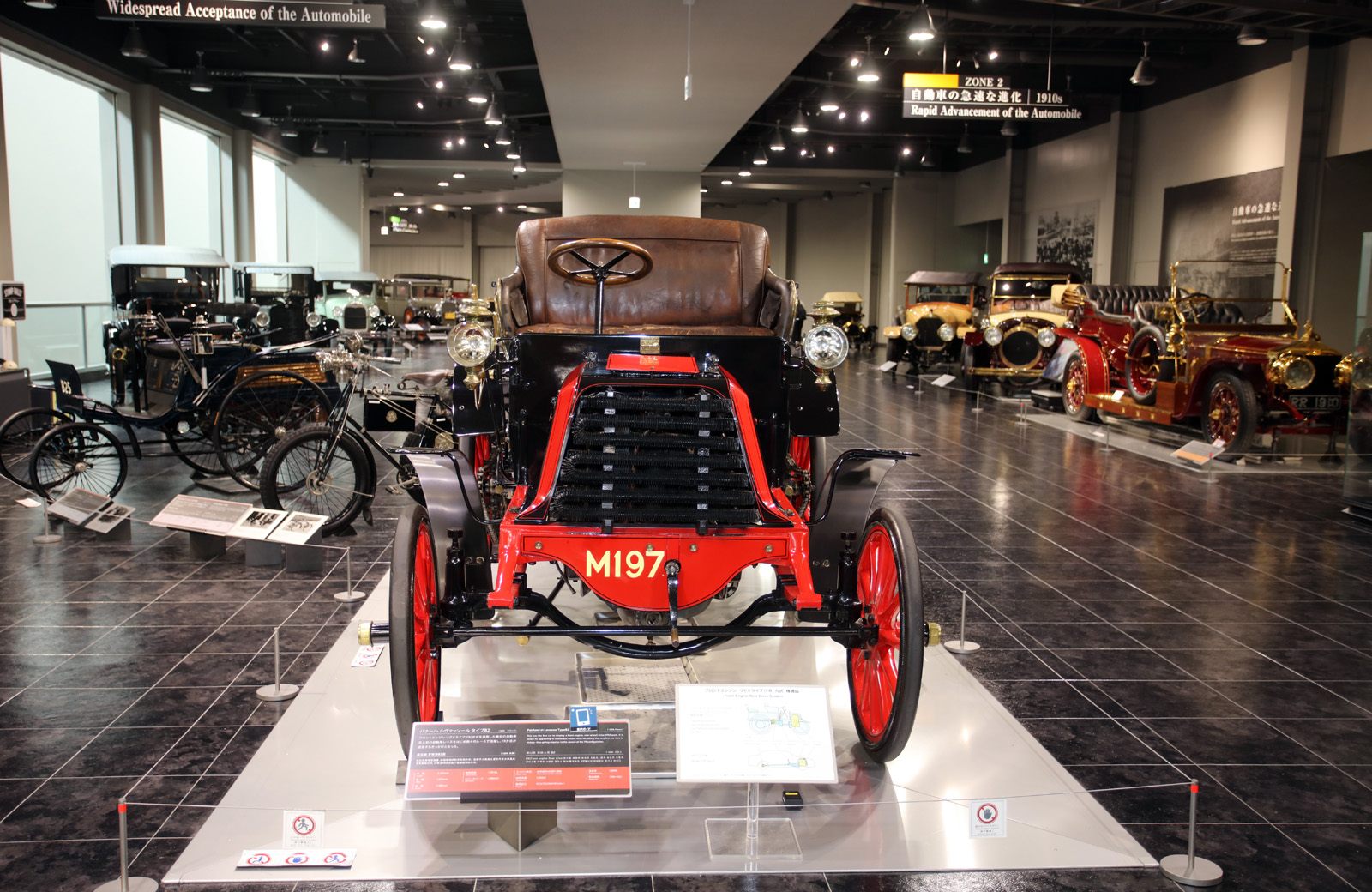
Featured in the Dawn of the Automobile gallery is this 1899 Panhard et Levassor Type B2, the first car to feature the front engine and rear-wheel drive configuration.
Panhard et Levassor also introduced the steering wheel in its 1894 4CV model which competed in the first ever motor race from Paris to Rouen that same year.
Stanley Steamer E2 (1909)
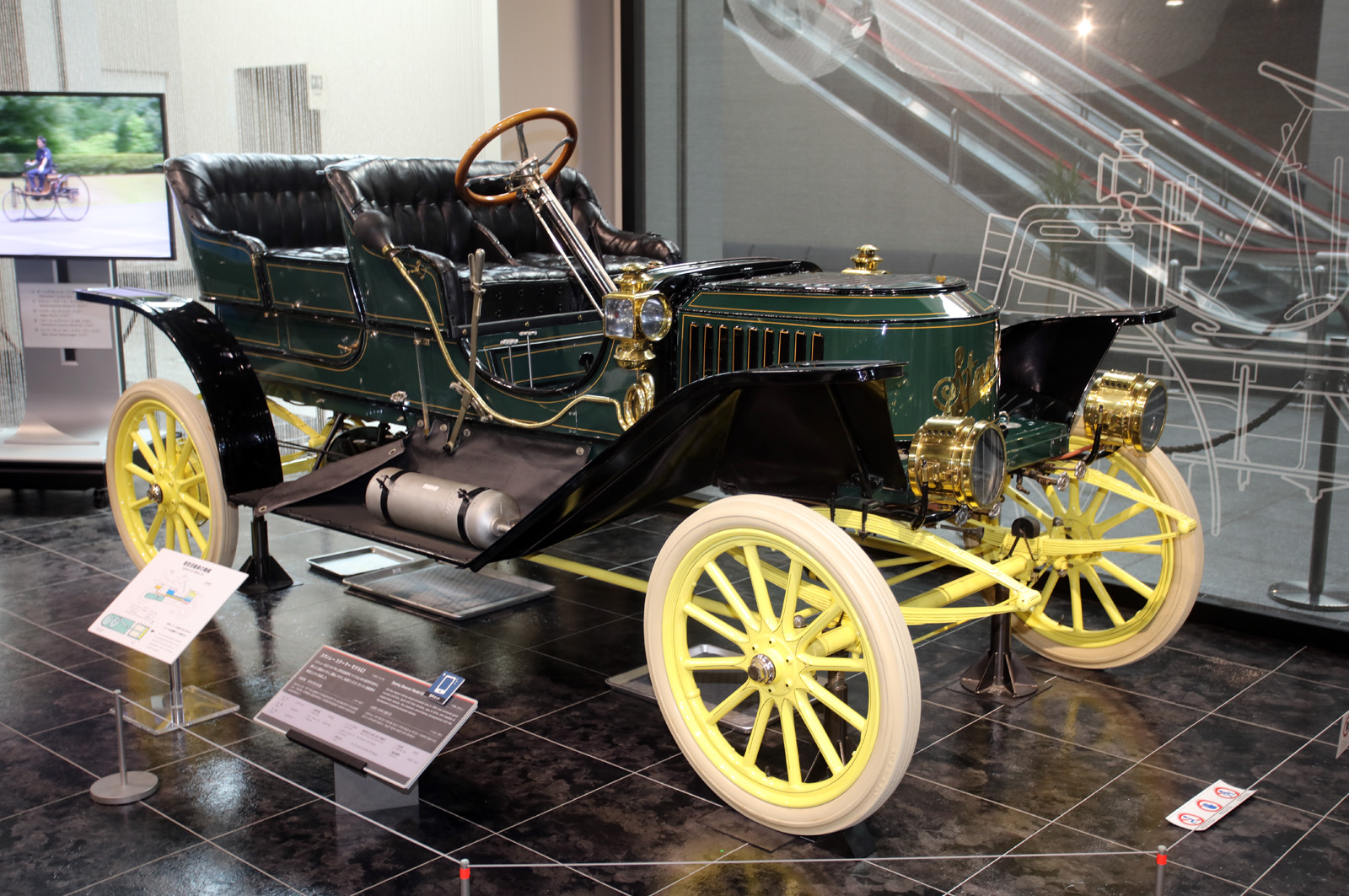
Also in this gallery is this Stanley Steamer E2 from 1909. Twin brothers Freelan and Francis Stanley from Massachusetts started out making photographic plates before selling out to Kodak and going into the steam car business.
One of their streamlined cars took the land speed record at 127mph in 1906, but steam-powered cars were soon forced to yield to the rapidly-improving combustion-engined variety and the Stanley company died in 1924.
Cadillac Model 30 (1912)
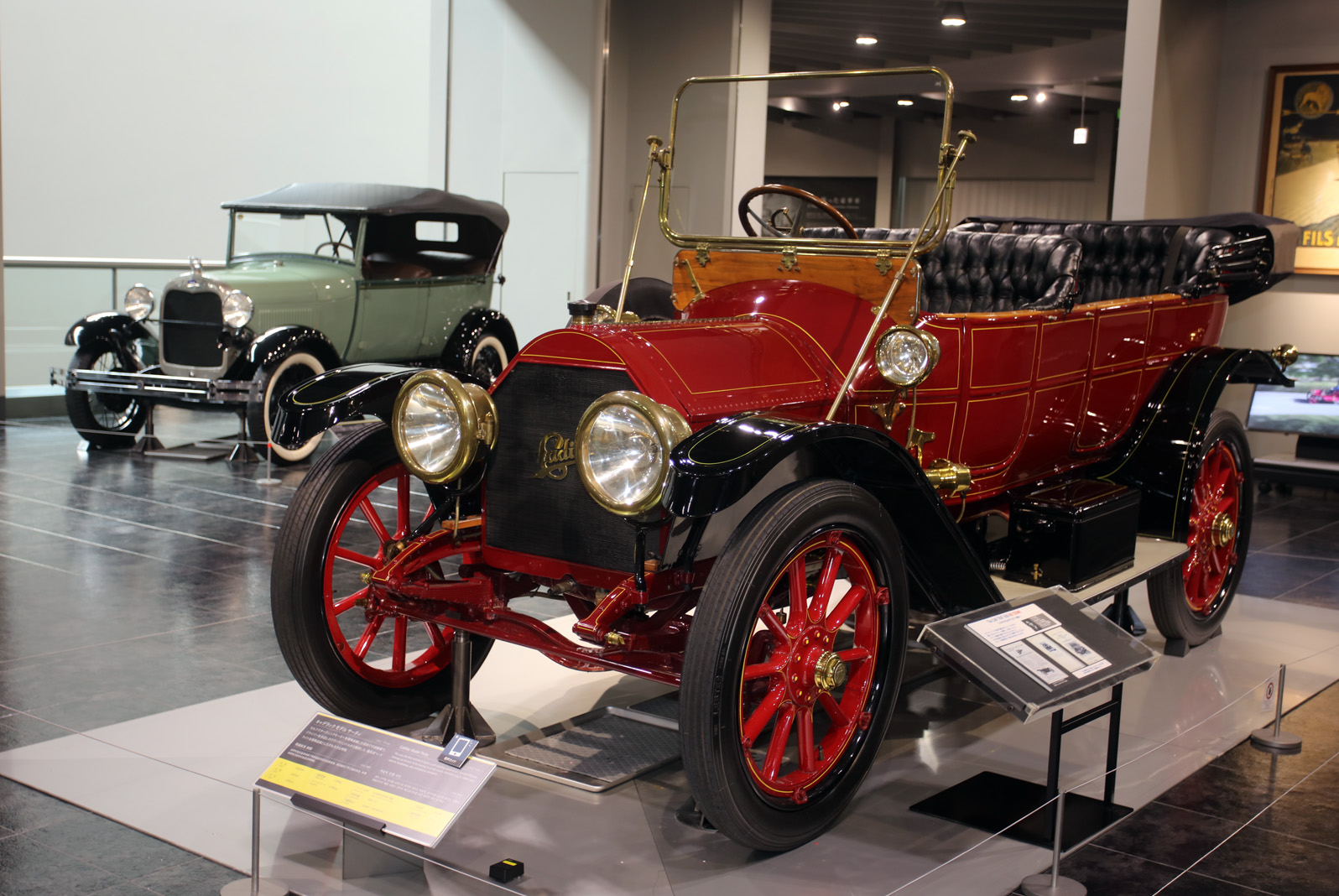
The Cadillac Model 30 from 1912 was another innovator, namely being the first car to feature an effective electric starter motor and electric headlamps as standard. The electrical system supplied by Delco provided 24 volts for starting and six volts for the lighting.
Hispano-Suiza 32CV H6b (1928)
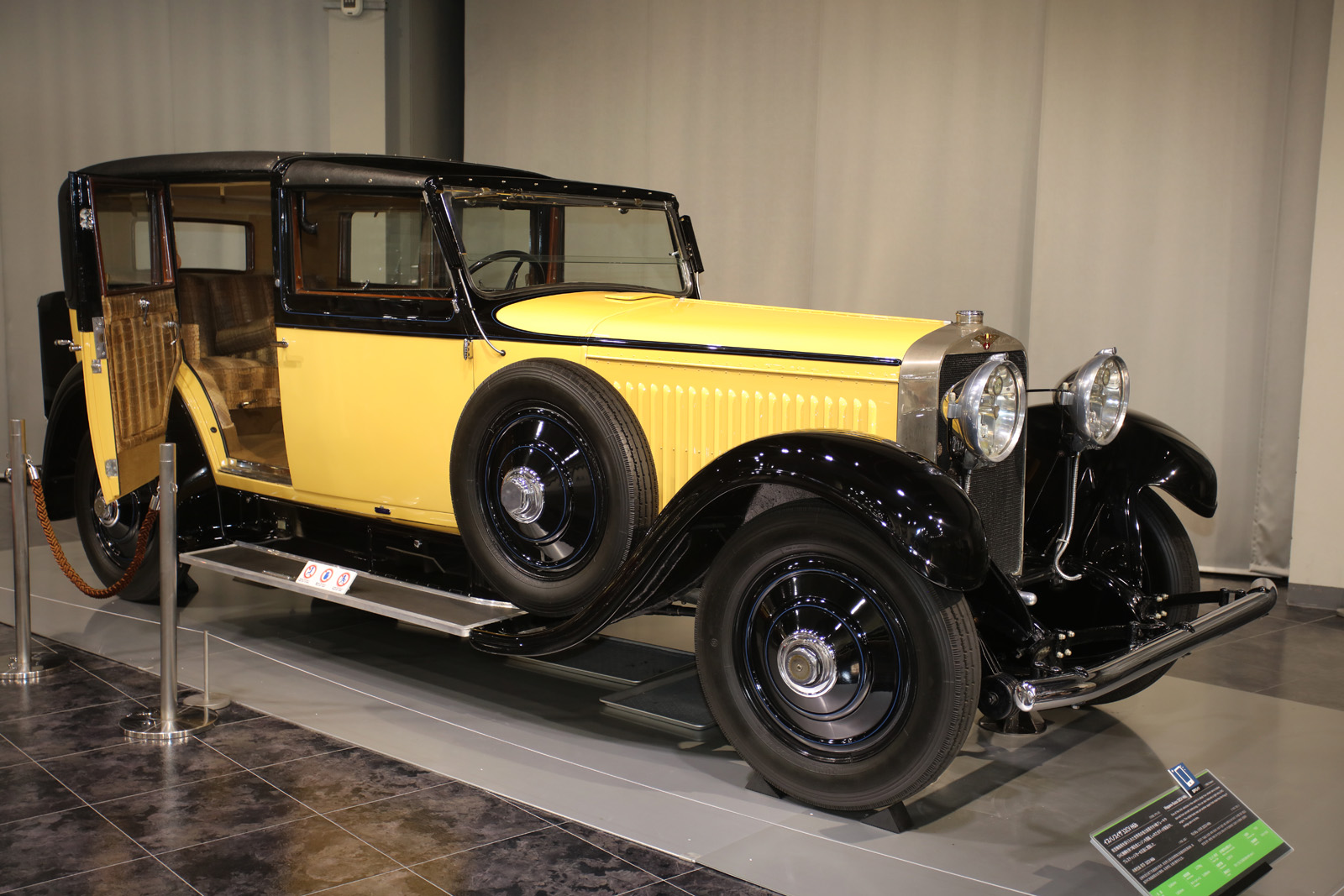
French manufacturer Hispano-Suiza was known for its luxury cars, and this 32CV H6b from 1928 was considered one of the finest cars in the world in its day thanks in part to four-wheel servo brakes (derived from aircraft technology) and an overhead cam all aluminium 6.6-litre engine.
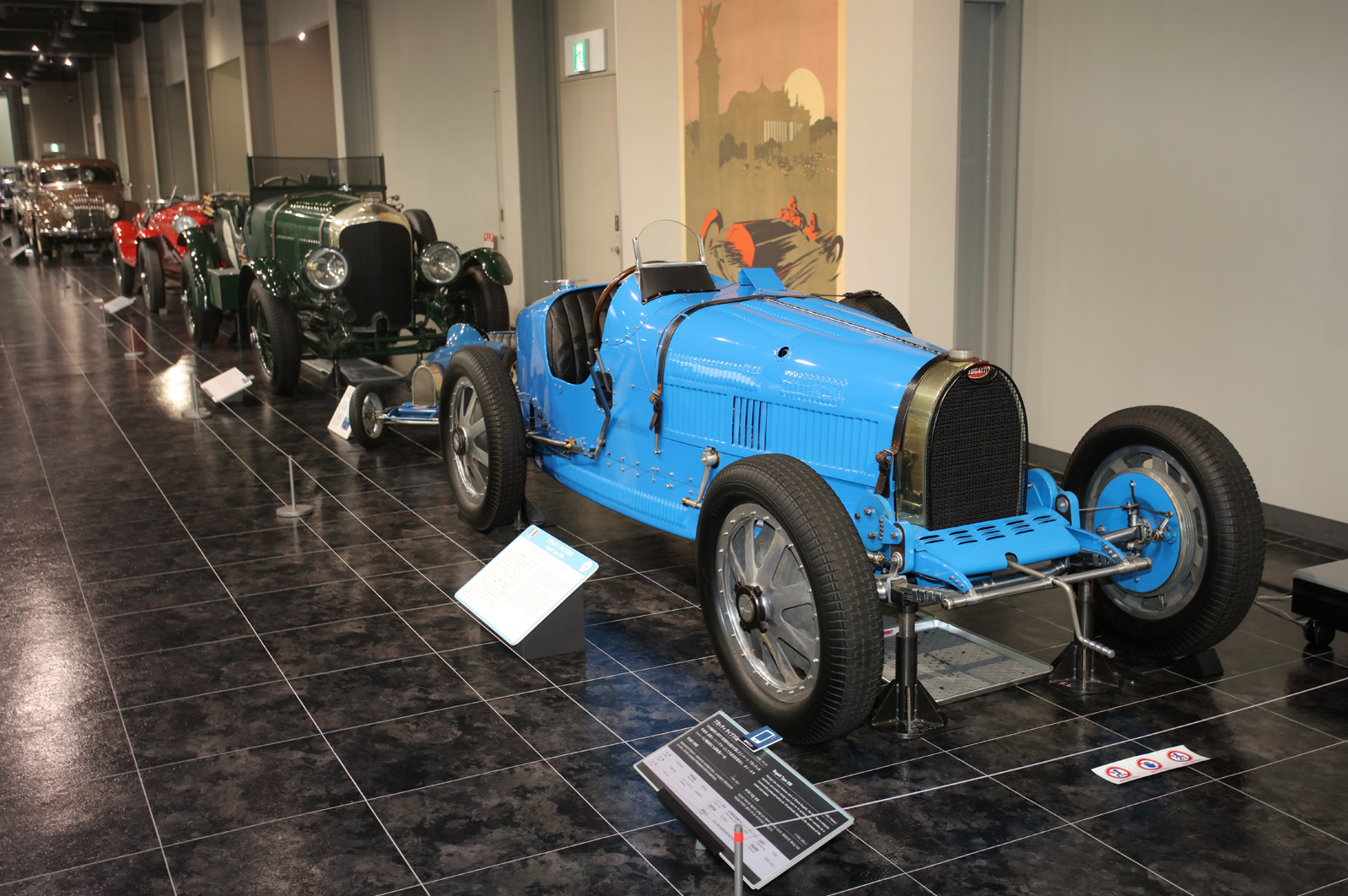
Bugatti Type 35B (1927)