
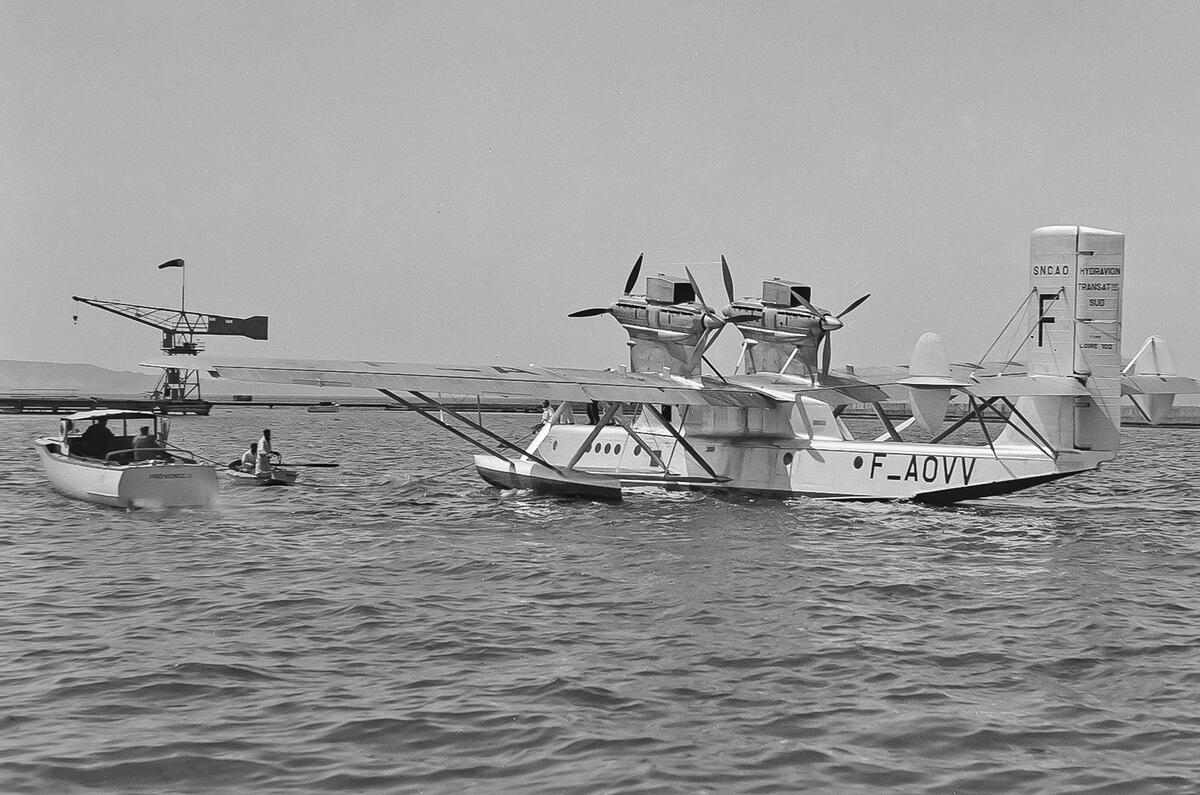

When compiling this list of terrible French aircraft, we ran up against an unexpected problem: France hasn’t made many terrible aeroplanes.
In creating features on the worst aircraft of other nations, our shortlist had to be whittled down from thirty apiece, but here we had to work a little harder. France certainly made some mediocre aeroplanes, and some flawed designs, though few compete with some of the truly nightmarish offerings of the 20th Century’s other great aviation nations. Don’t worry though, we found a bunch of wonderfully weird French losers.
10: Blériot 125
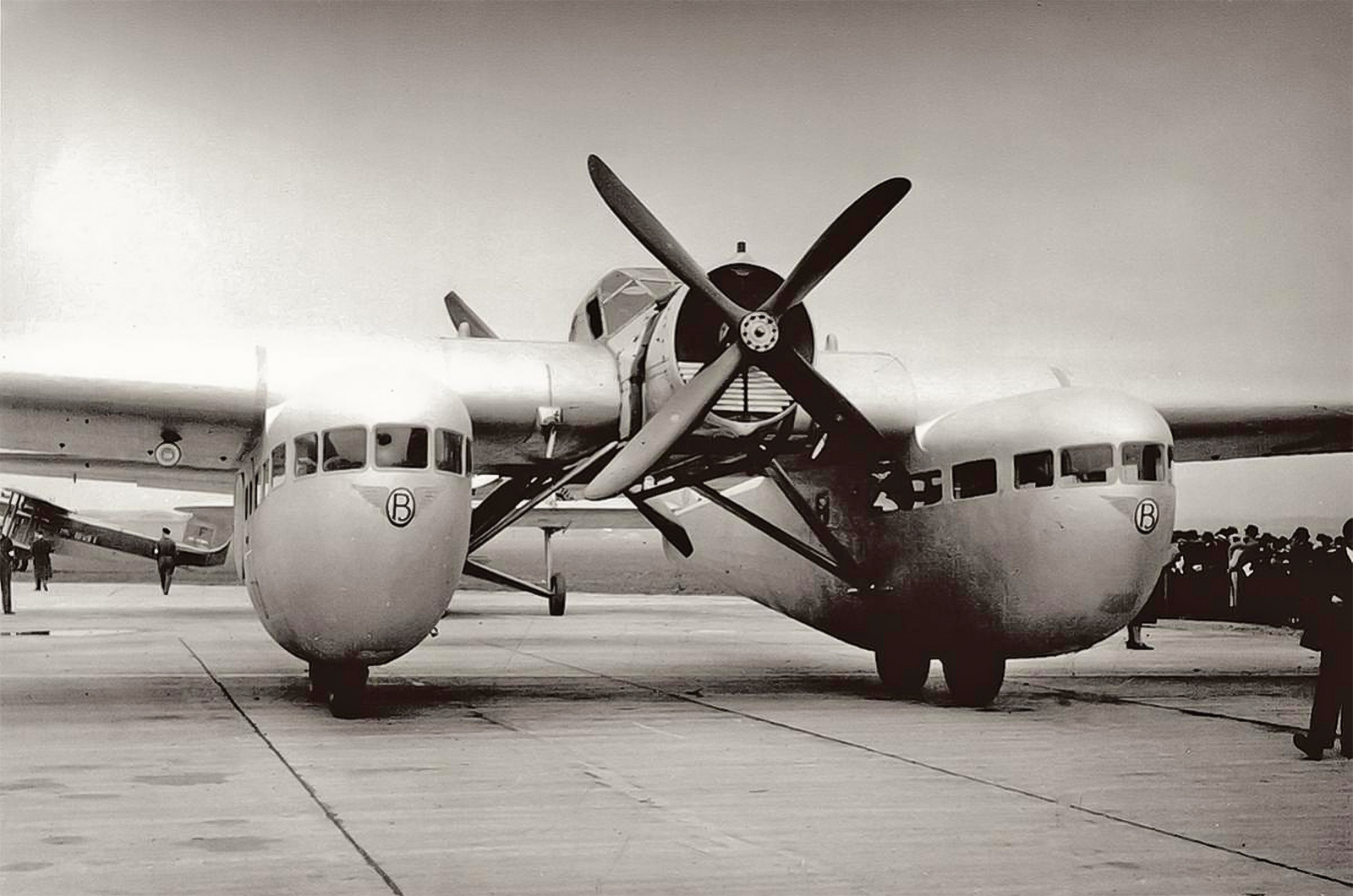
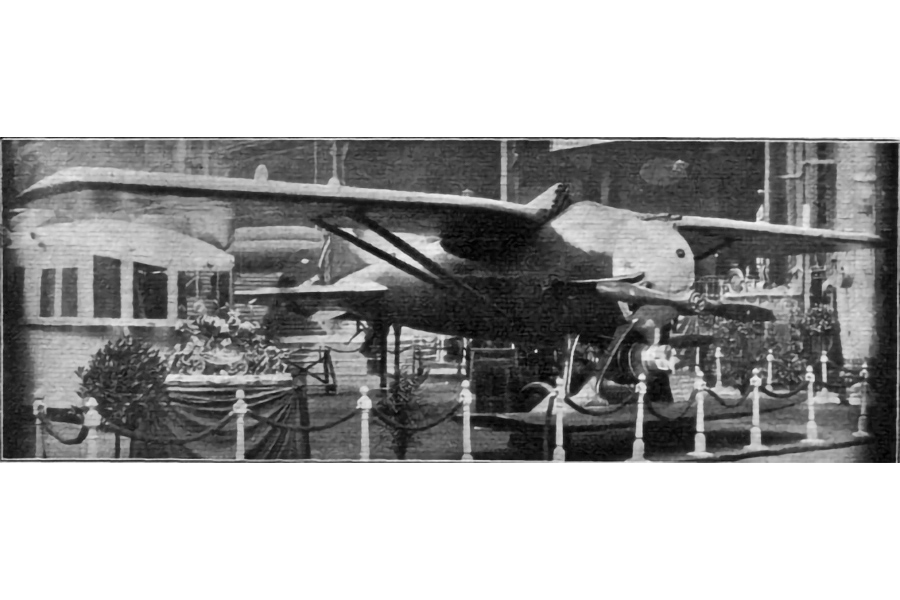
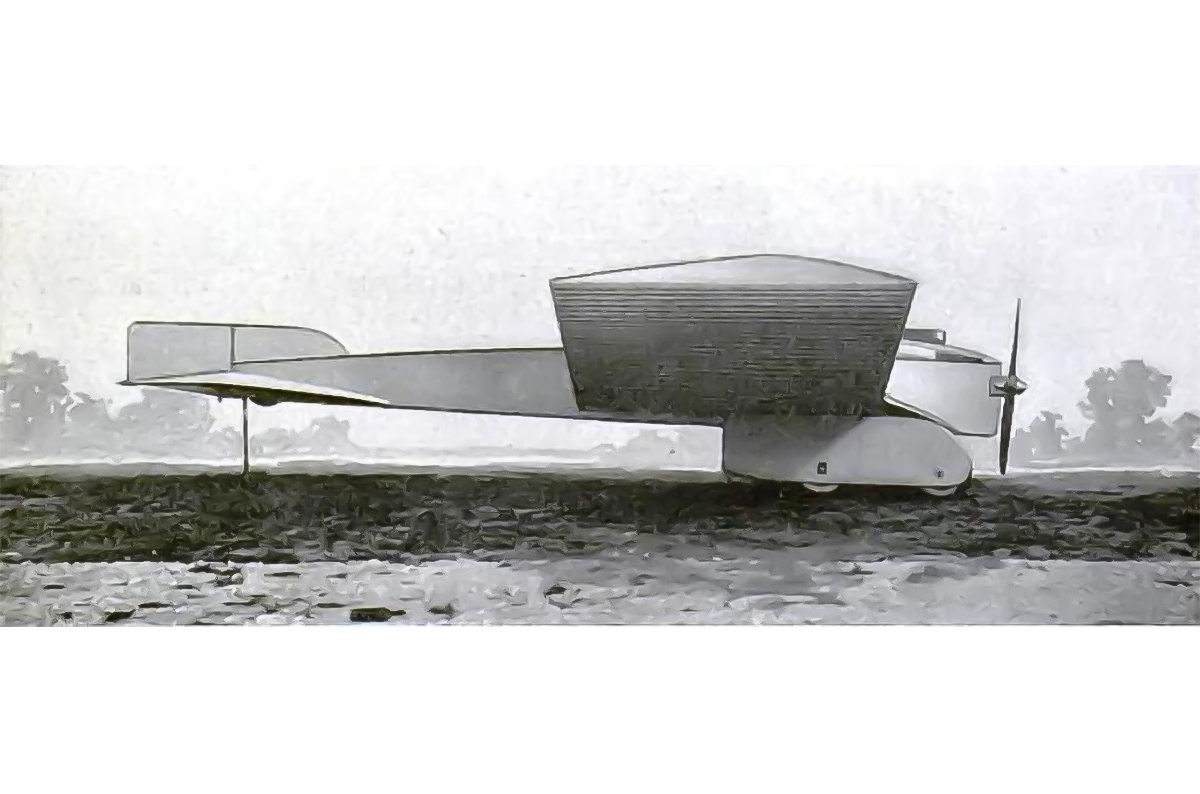
After flying across the English Channel in his excellent Type XI monoplane, Louis Blériot tried and often failed to follow up that achievement with his other aeroplanes. Nowhere is this more apparent than in the series of large aircraft his company built throughout the 1920s.
As it turned out, the Blériot 125 turned out to be underpowered and exhibited severe controllability issues and one can hardly be surprised given the encumbrance of those two draggy fuselages combined with the modest power available from its two Hispano-Suiza engines plus the sheer amount of aircraft optimistically expected to be directed about the sky by its two tiny rudders.
10: Blériot 125
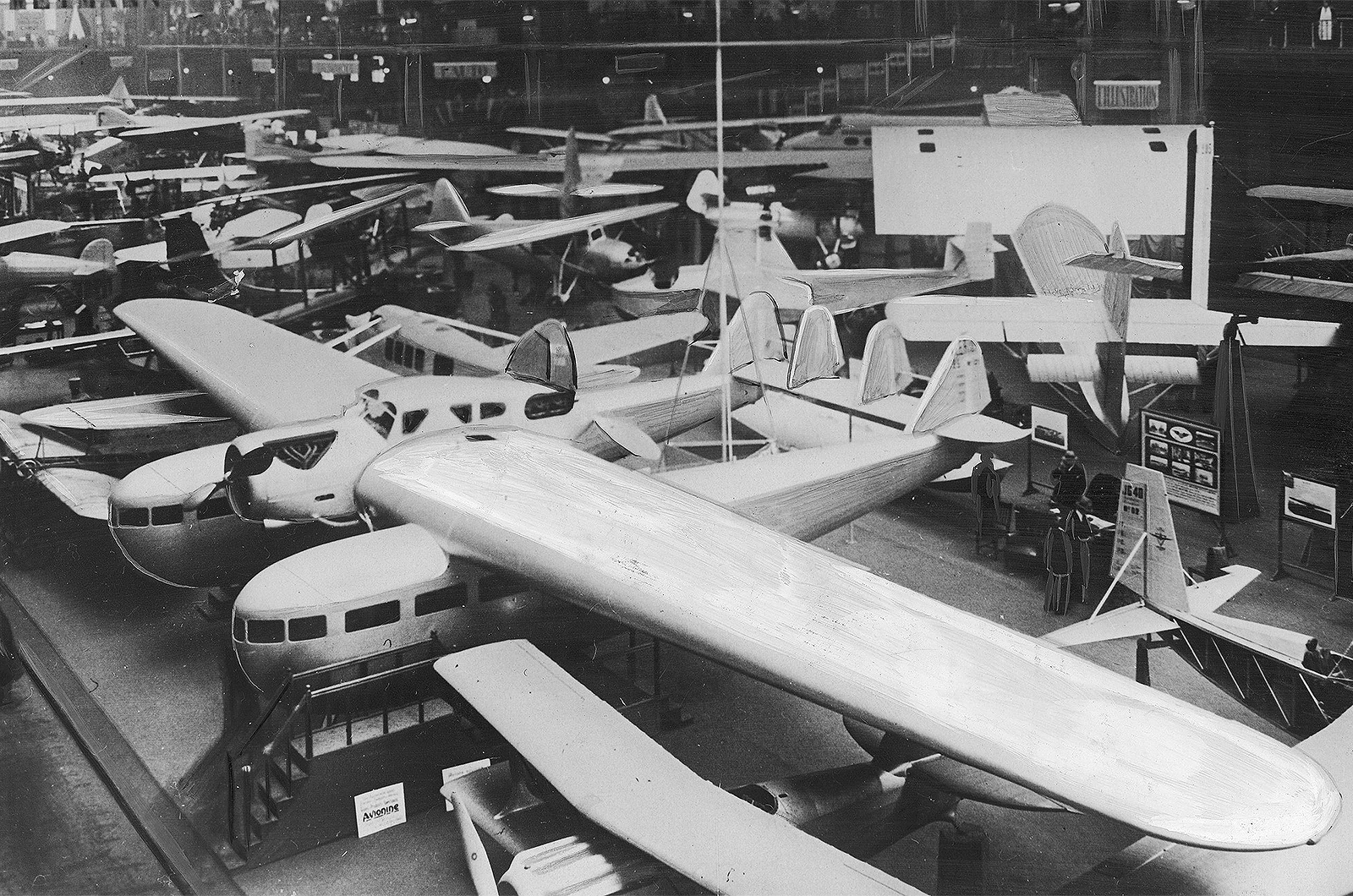
At least with the massive side area provided by its mighty fuselages, not to mention the engine and crew pod, the 125 must have possessed impressive directional stability. The problems ultimately proved insuperable and after three years of tinkering the 125 still wouldn’t fly properly and was ignominiously scrapped having never carried a fare paying passenger.
To be fair to Blériot Aéronautique S.A. they did produce a few relatively acceptable designs, unremarkable and largely forgotten now, but Blériot’s crazed failure from a beautiful alternative future that would never come to be remains far more fascinating.
PHOTO: Blériot 125 at the 1930 Paris air show
9: Mignet HM.14 Pou du Ciel (Flying Flea)
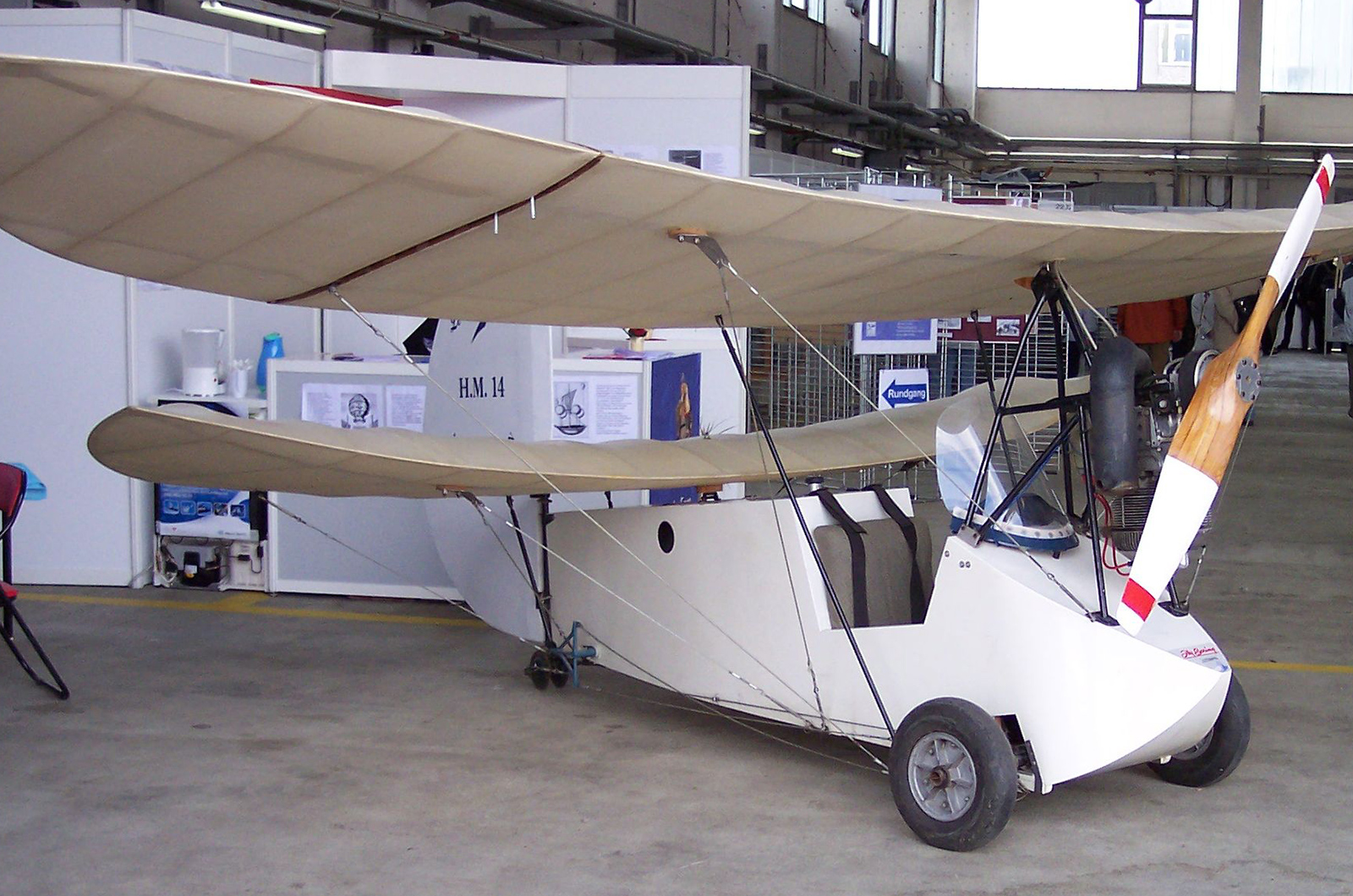
In designing an aircraft easy for non-pilots to fly, Henri Mignet’s aircraft was genuinely revolutionary. The Pou-de Ciel had no ailerons, lateral control deriving from the rudder and its interaction with the pivoting front wing. The only controls were the throttle and the stick, which operated the pivoting wing and rudder and flying the Pou proved easy and intuitive.
The future appeared bright for Mignet’s machine, especially after he and his wife flew their Pou-de-Ciel’s over the English channel to Britain (where it was dubbed the Flying Flea) and there began a short-lived craze for building and flying Mignet’s creation. Unfortunately, the phrase ‘short-lived’ would prove all too accurate in a rather more literal sense.
9: Mignet HM.14 Pou du Ciel (Flying Flea)
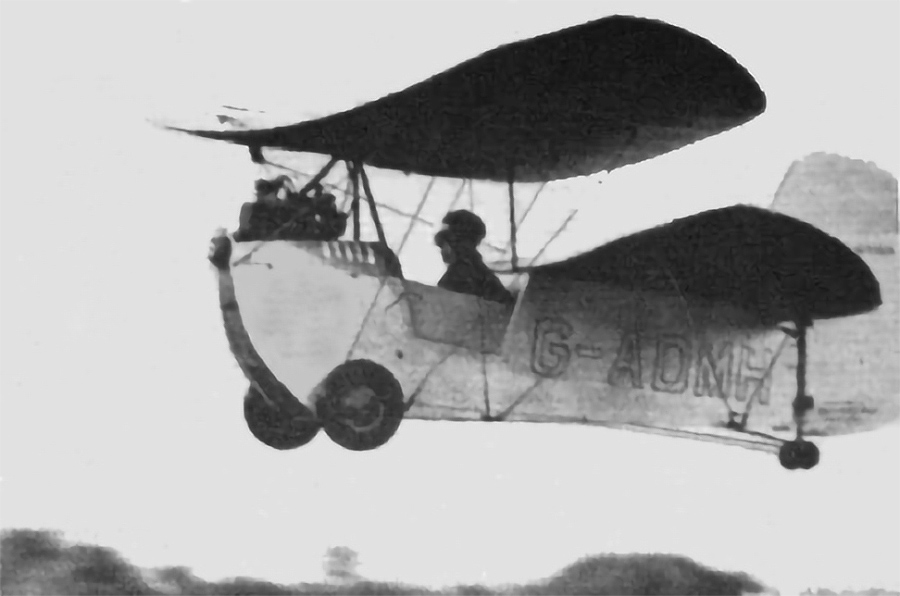
Between August 1935 and May 1936 seven H.M.14s were lost in inexplicable fatal accidents and the authorities in both France and the UK grounded all Flying Fleas. Wind tunnel tests were undertaken in both nations and it was discovered that the overall design of the machine made it very easy to stall – a situation that non-pilots were badly equipped to deal with.




Add your comment