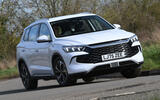
China's EV specialist wields all its experience to bring PHEV power to the family SUV buyer for an ICE price

You’d be forgiven for thinking that the UK car market needs another Chinese-export, mid-sized SUV right now in much the same way that Greenland is crying out for an explosion of Trump-branded, all-American fast food outlets. 

If you did, you’d certainly be surprised at how excited the people at BYD UK are about the arrival of this one: the BYD Sealion 5. From the outside looking in, it would seem to be just another four-point-something-metre-long, high-rise family holdall, from a company whose variously overlapping product lines already bring you the Atto 3 (4.5m long, electric), the Seal U (4.8m long, PHEV) and the Sealion 7 (4.8m long, electric).

And yet the Sealion 5 (4.7m long, PHEV) is expected to become one the brand’s best-selling cars by the end of 2026. That may be because it’s a straight-as-an-arrow rival for some of the UK's best-selling cars: the Nissan Qashqai, Kia Sportage, Volkswagen Tiguan and MG HS

In lieu of the ordinary combustion engine you’d be looking at in most entry-level versions of those rivals, however, BYD gives you plug-in hybrid power for a very reasonable price.

Advertisement

DESIGN & STYLING

BYD Sealion 5 review 2026 002

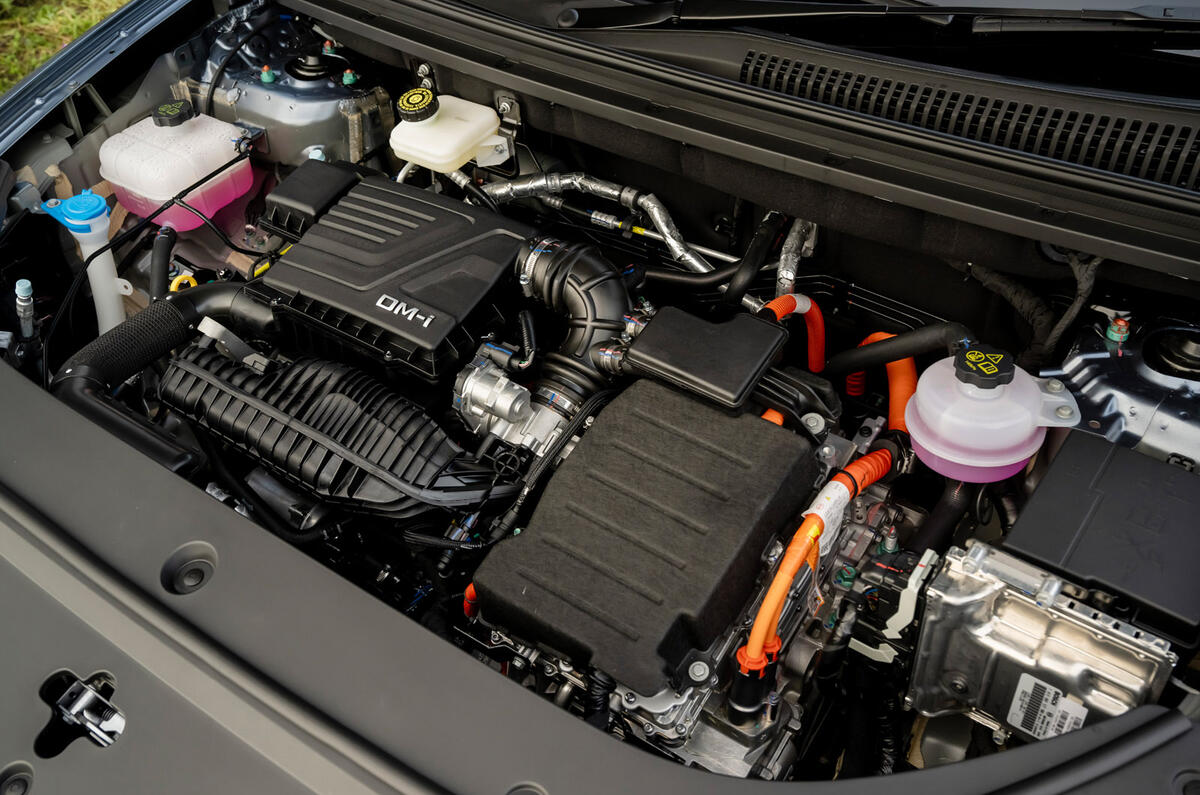
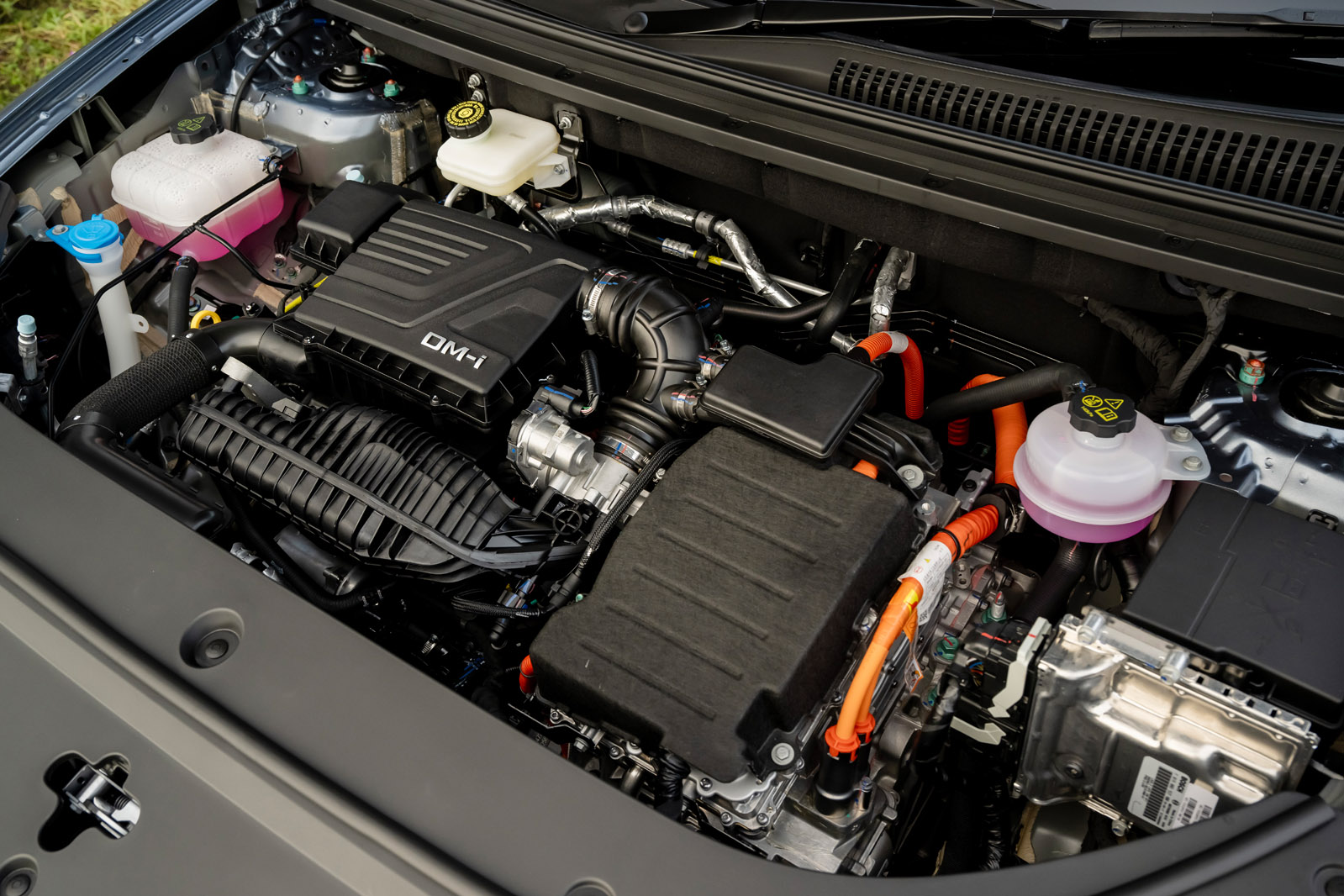
The Sealion 5’s DM-i powertrain comes in two flavours – the cheaper Comfort-spec one offering a little under 40 miles of electric range, and the pricier Design version with a little over 50 miles. The difference is battery capacity: while both cars use a lithium-iron-phosphate Blade-style battery pack, the Comfort model’s has just under 13kWh of capacity and the Design’s a little over 18kWh. BYD has yet to explain why the biggest drive battery on a Seal U or Seal 6 PHEV is the Comfort model – and yet here, on a Sealion 7, it’s the other way around.
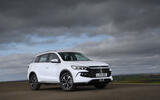
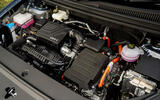
Both versions of the Sealion 5 have a healthy 209bhp of system output peak power, though. It comes mostly from a 194bhp electric motor, backed up only in high-load conditions by BYD’s ‘Xiaoyun’ 95bhp 1.5-litre Atkinson-cycle petrol engine. Drive goes direct to the front axle and suspension is all-independent.

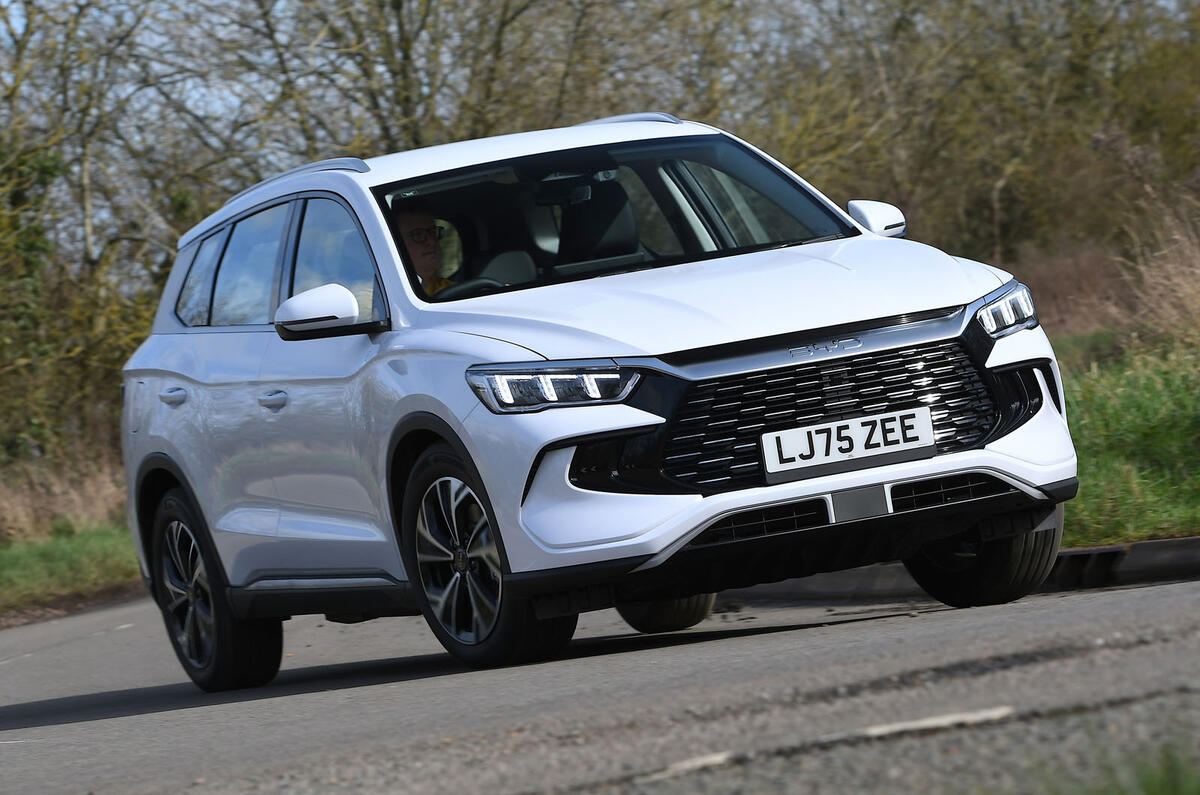
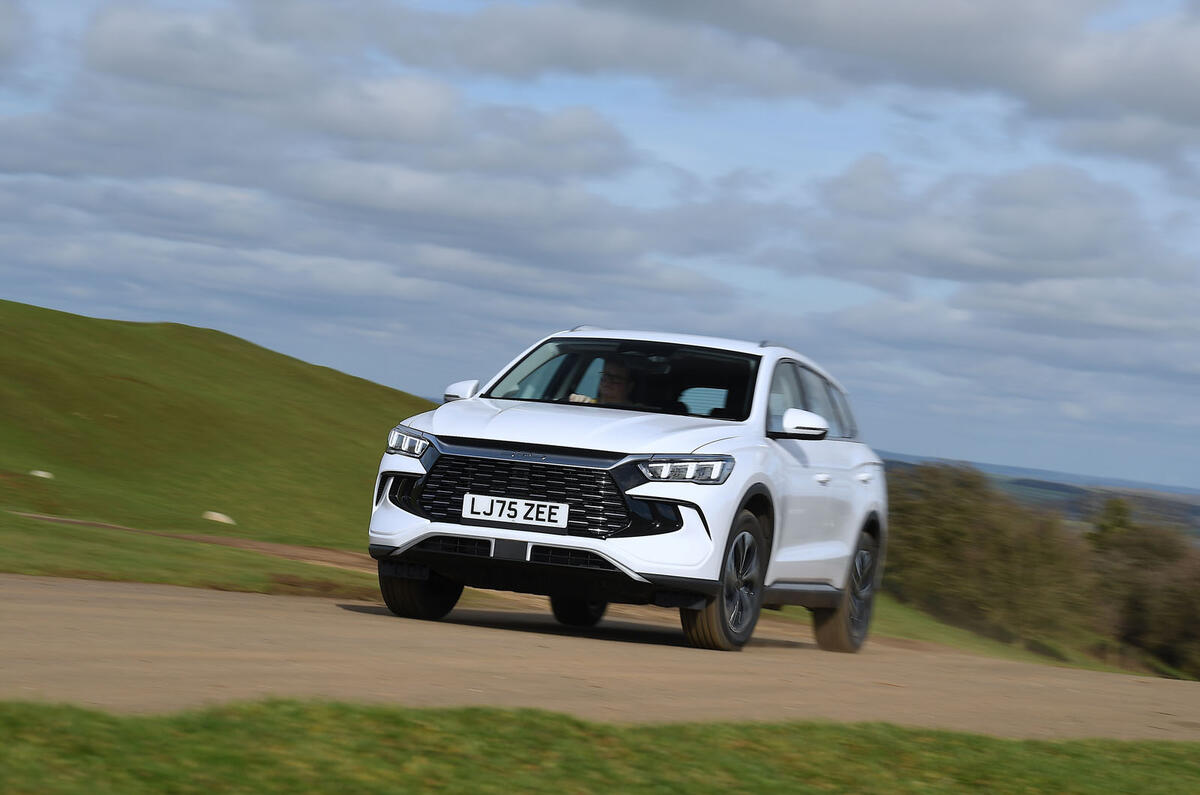
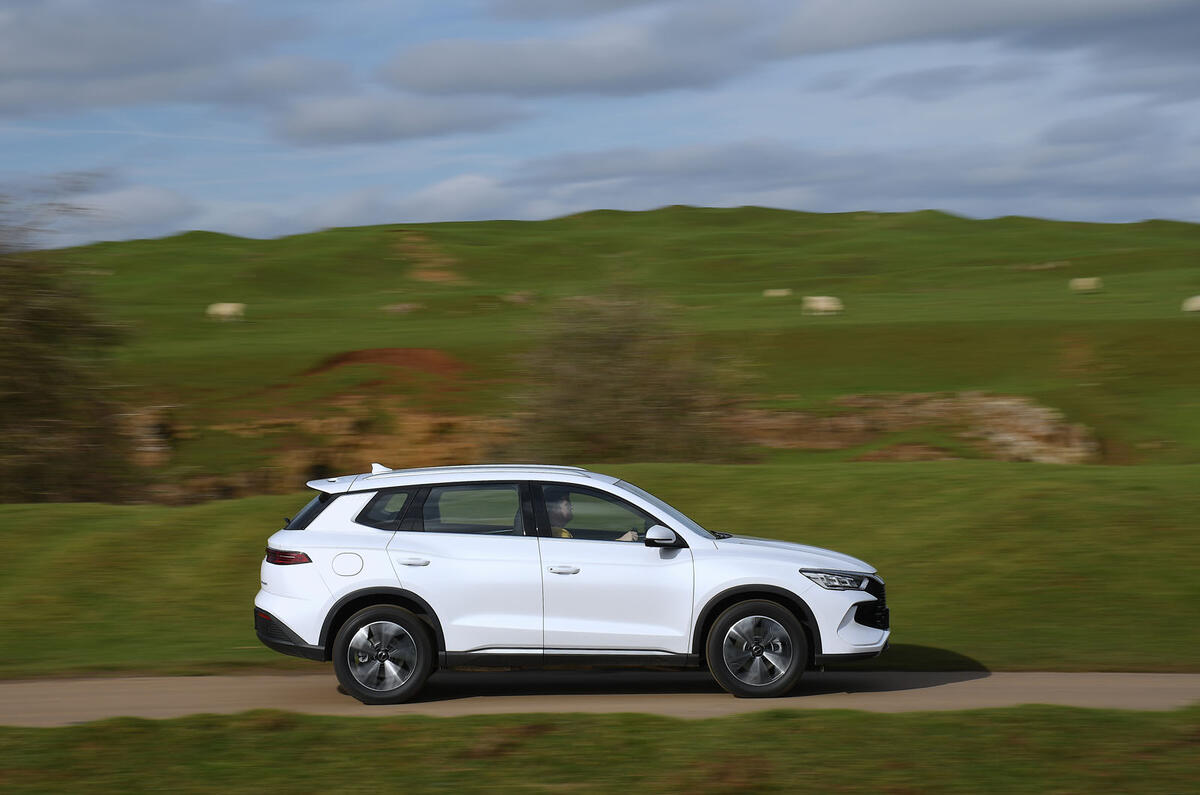
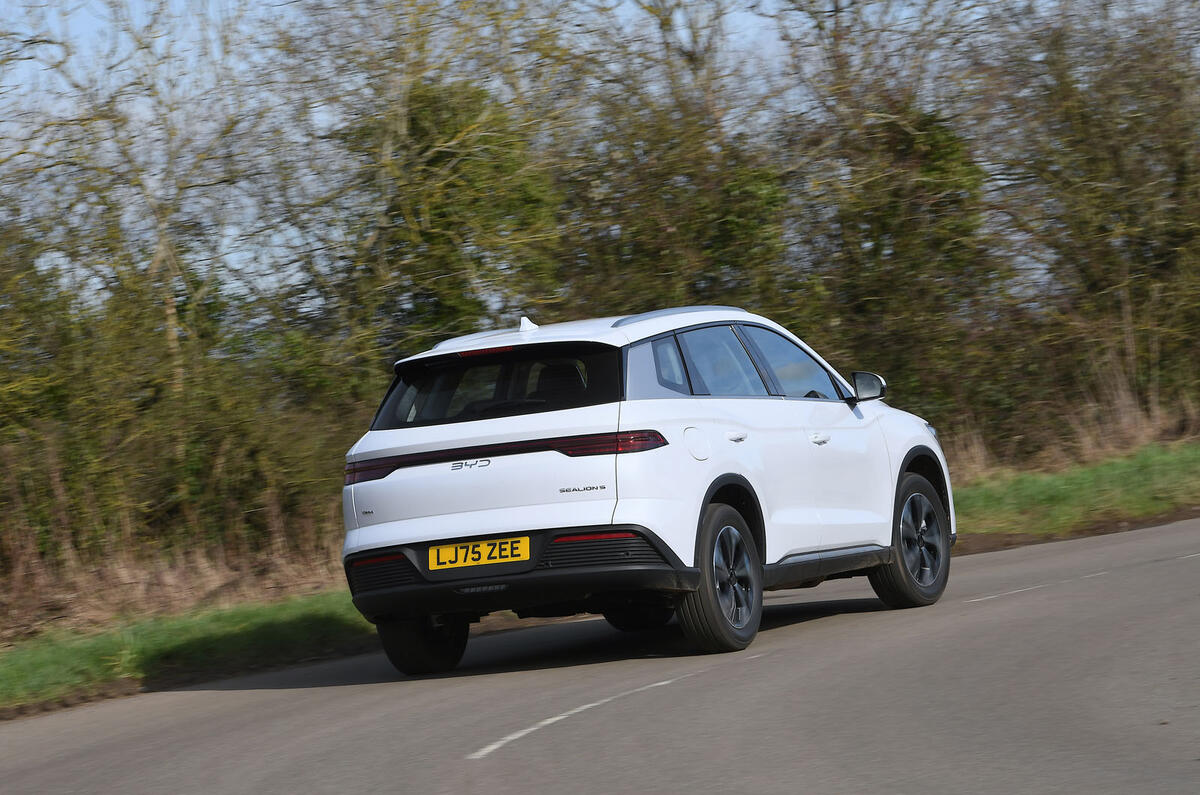
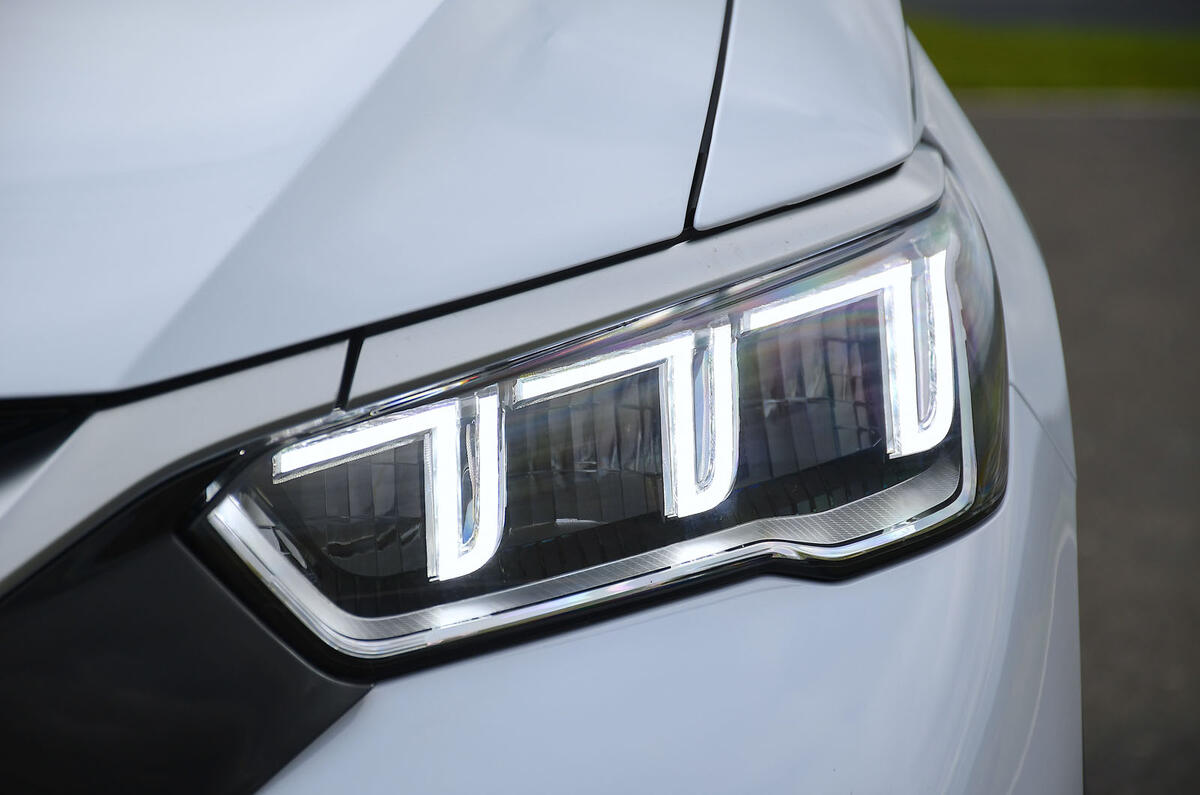
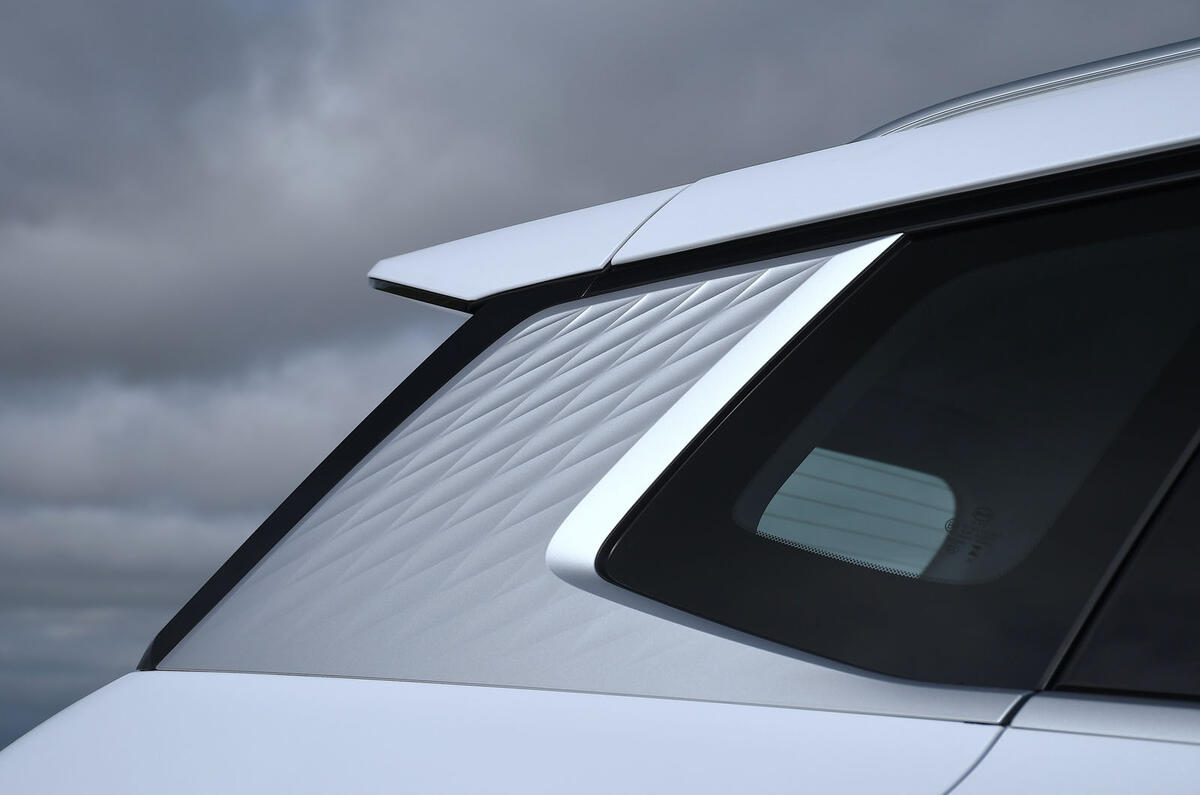
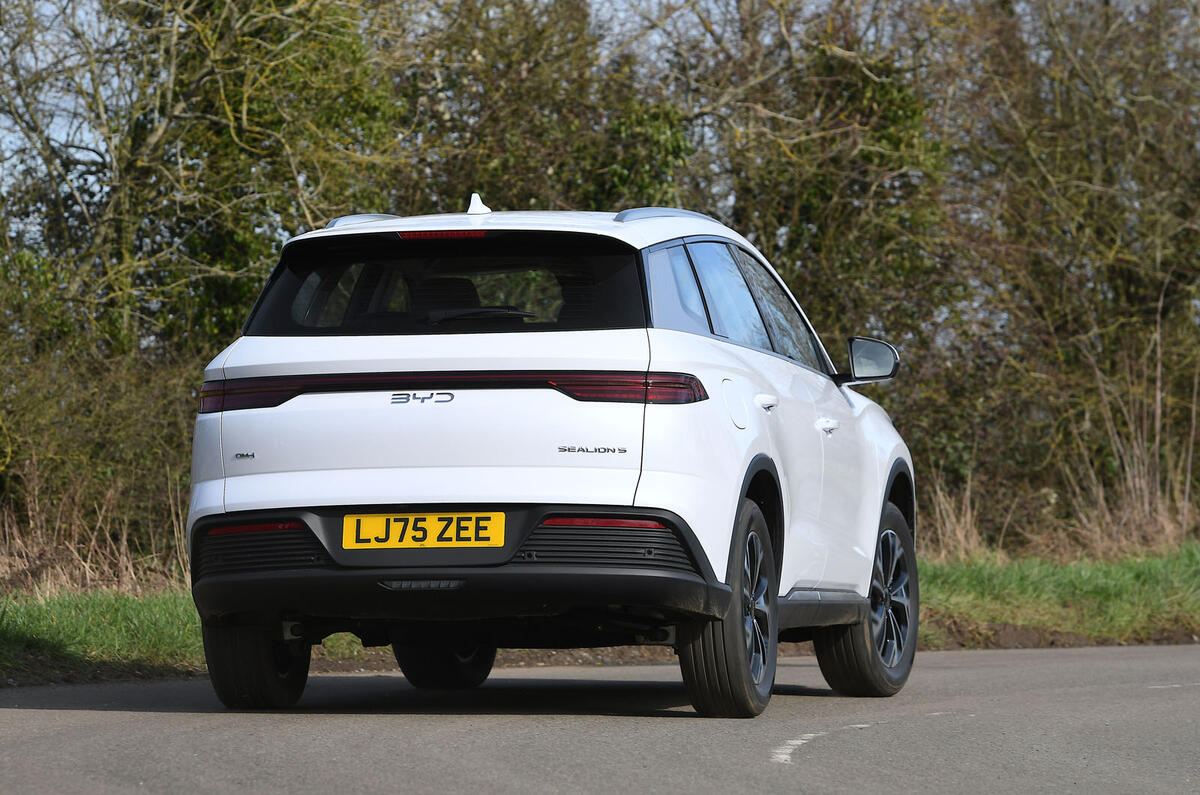
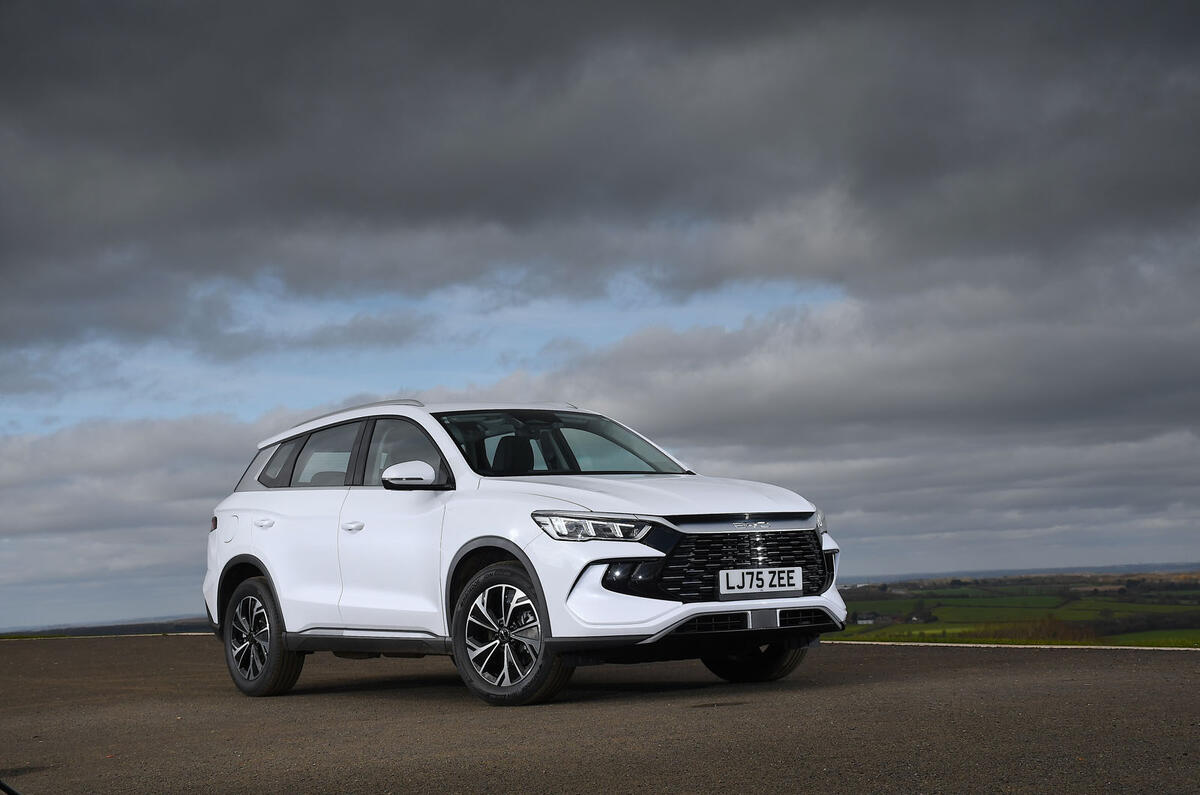
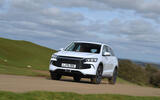
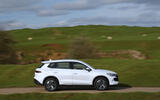
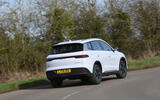
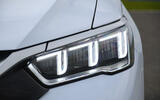
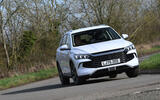
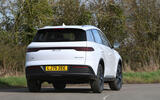
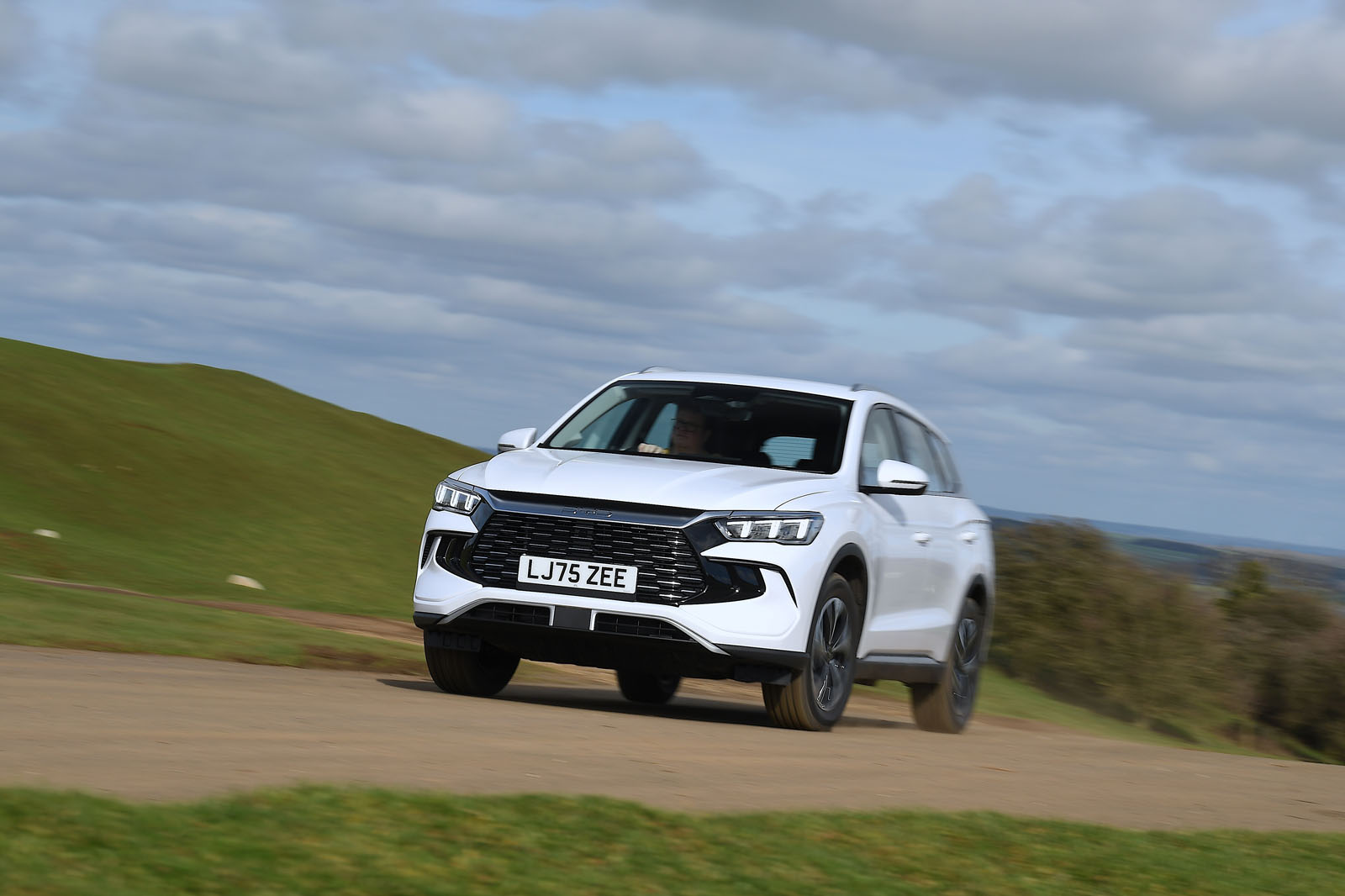
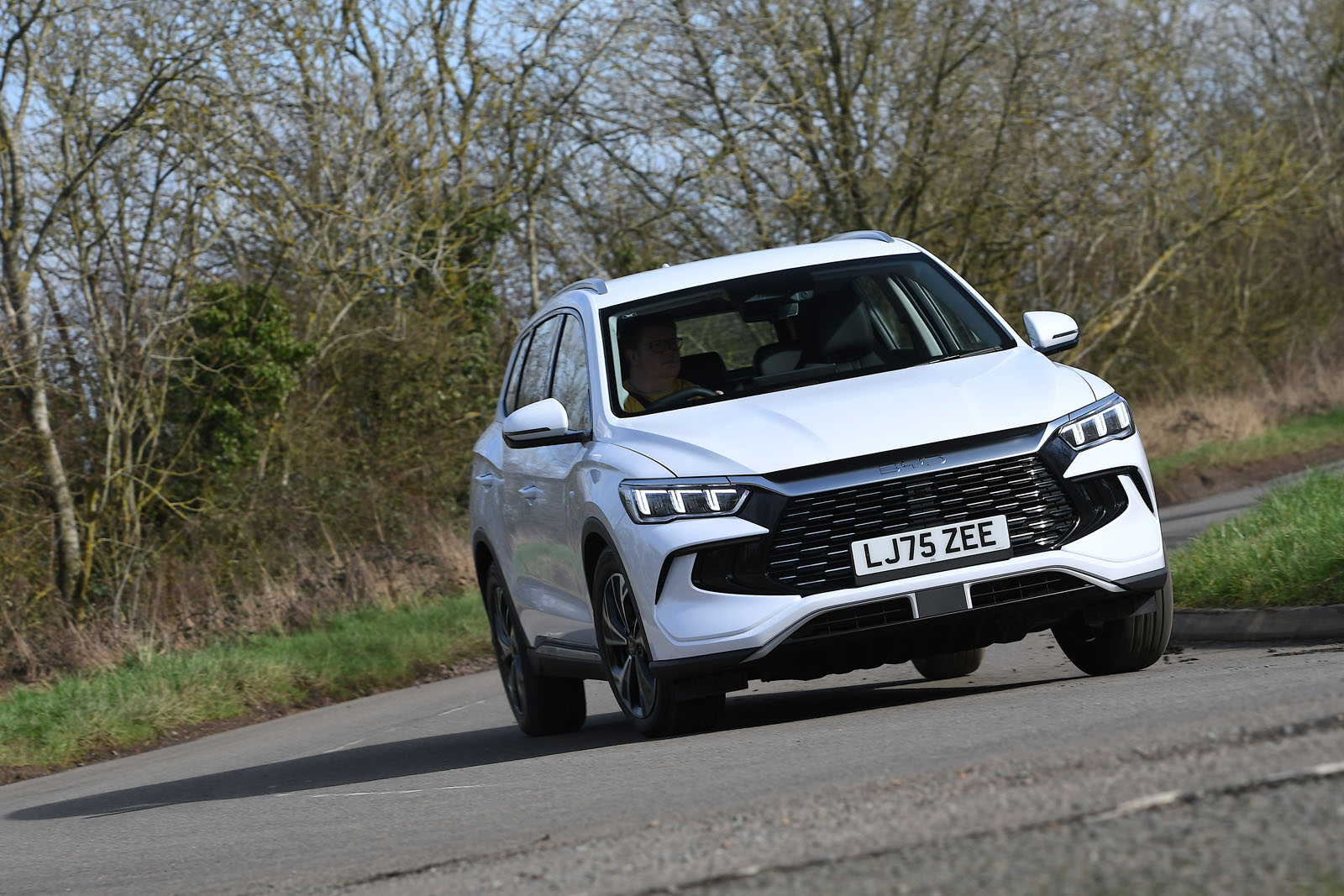
The car’s exterior design, meanwhile, seems little like the bigger, sleeker and swoopier-looking Sealion 7 and is fairly generic. There’s slightly more chunky visual presence than the Seal model-line cars have but, if anything, that makes the car more like the average mid-sized SUV.

INTERIOR

BYD Sealion 5 review 2026 011

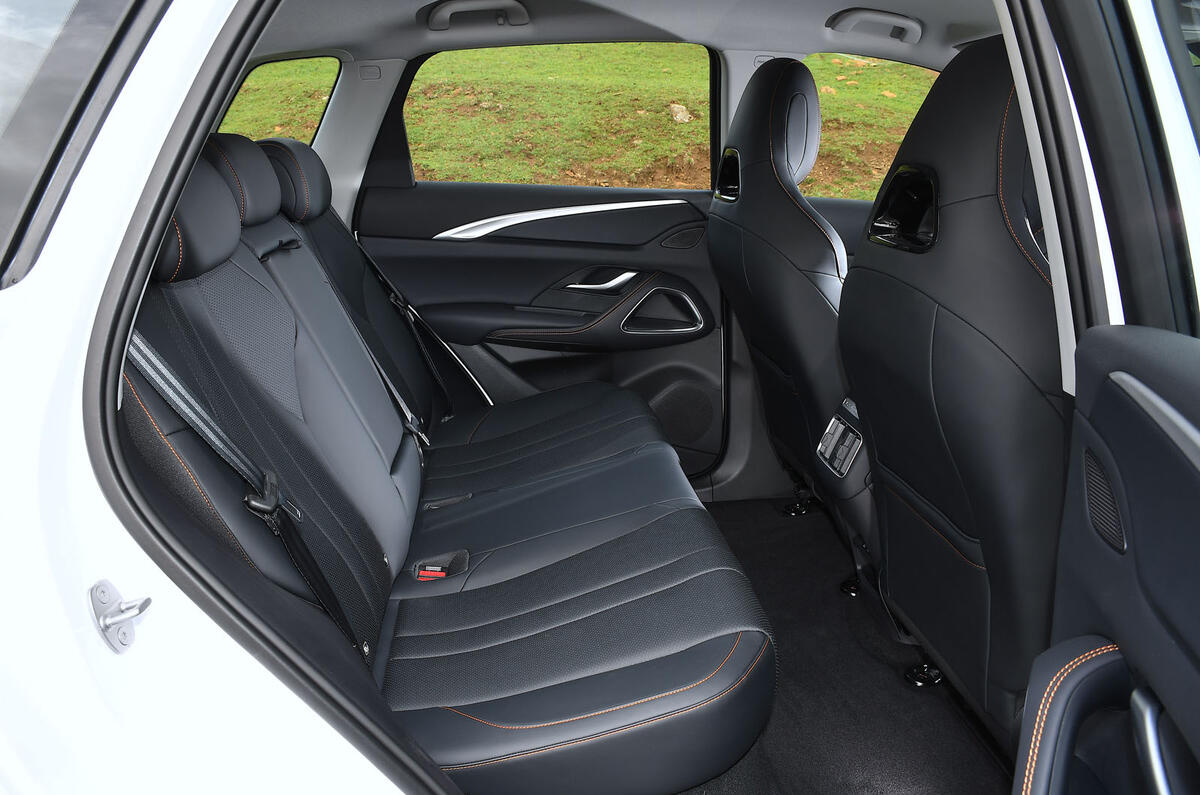
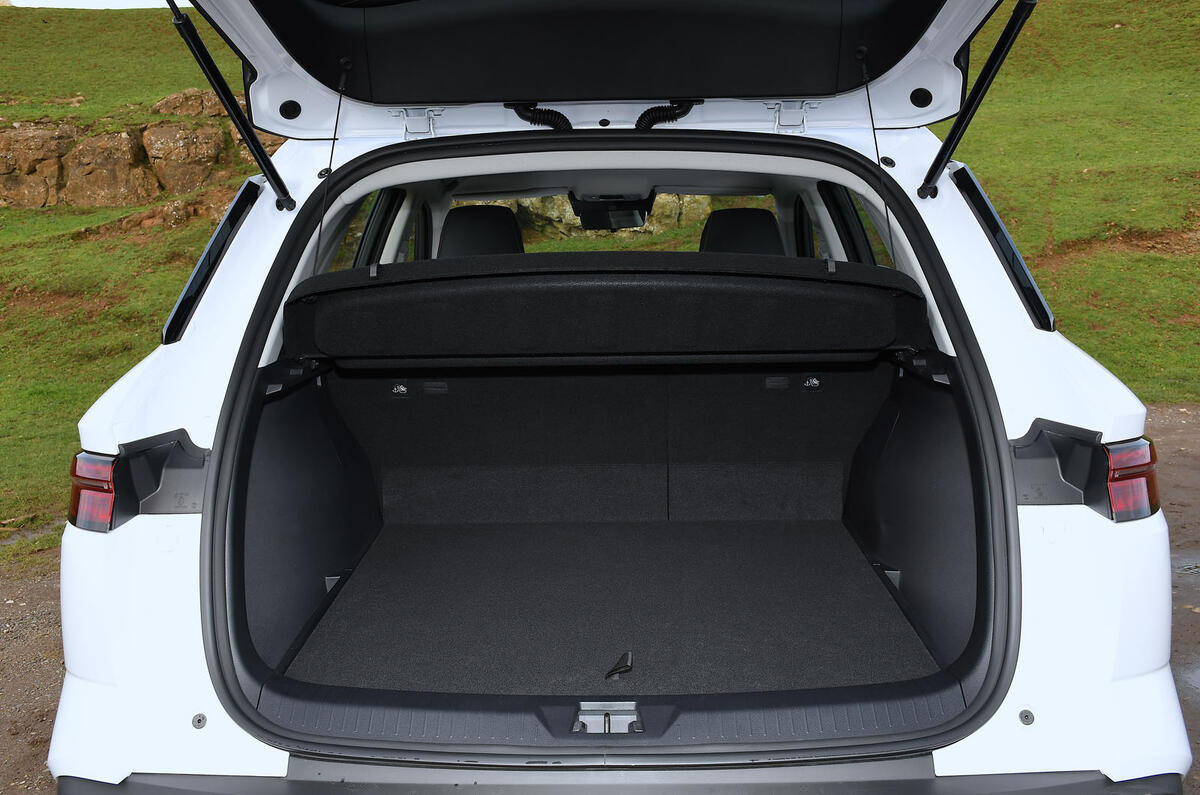
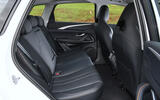
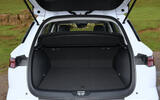
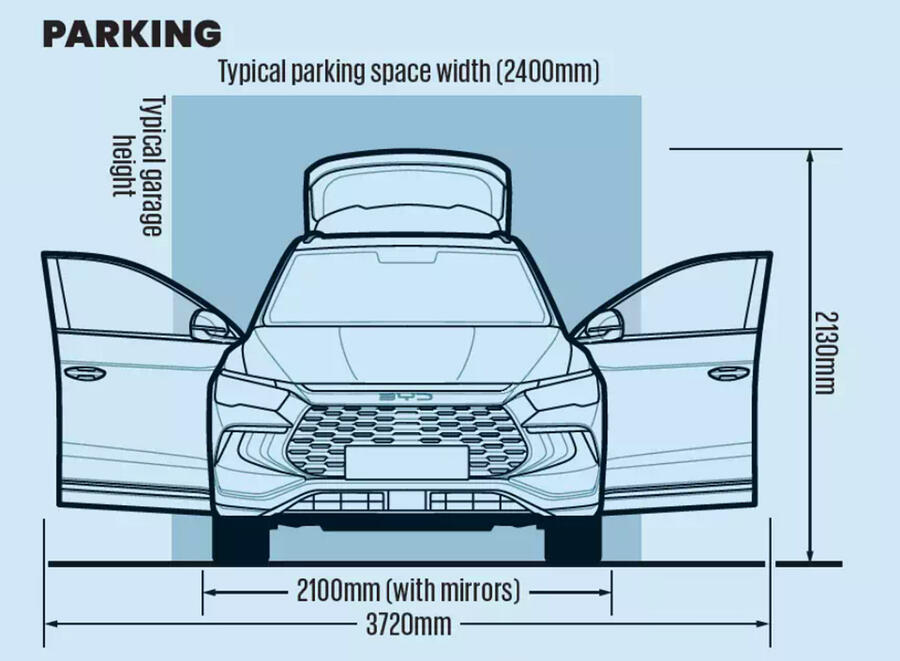
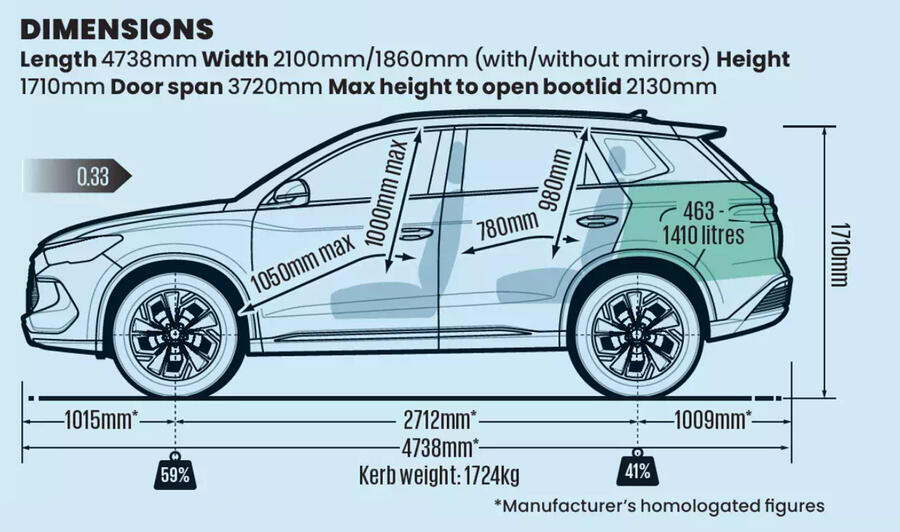
Potent value for money and the lure of low running costs are likely to endear this car to much of its customer base. Practicality should too, at least reasonably well. This is a big car for the C-SUV class, and while it has a complicated hybrid powertrain to carry, it still delivers plenty of second-row passenger space – enough for this 6ft 3in tester to be perfectly comfortable. The boot is a bit smaller than some rivals' – 463 litres, no matter which trim level and battery pack you go for, whereas some in the class go beyond 600 litres.

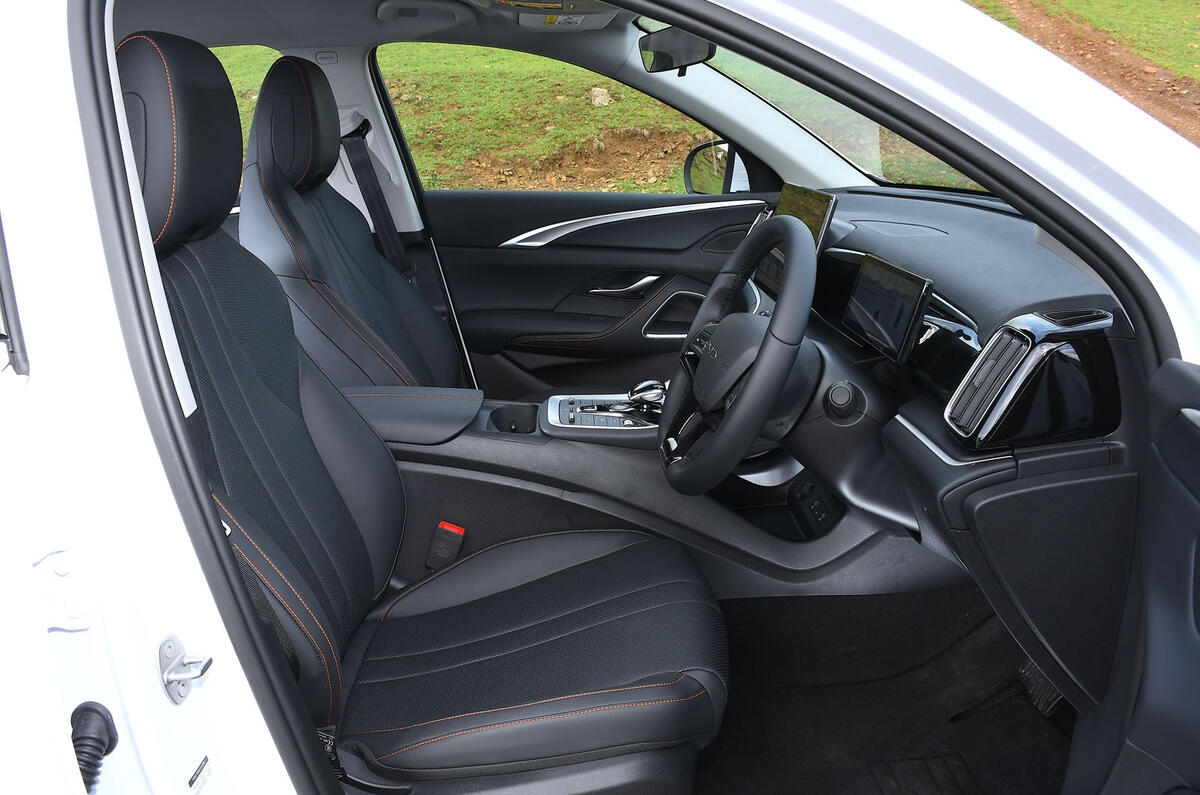
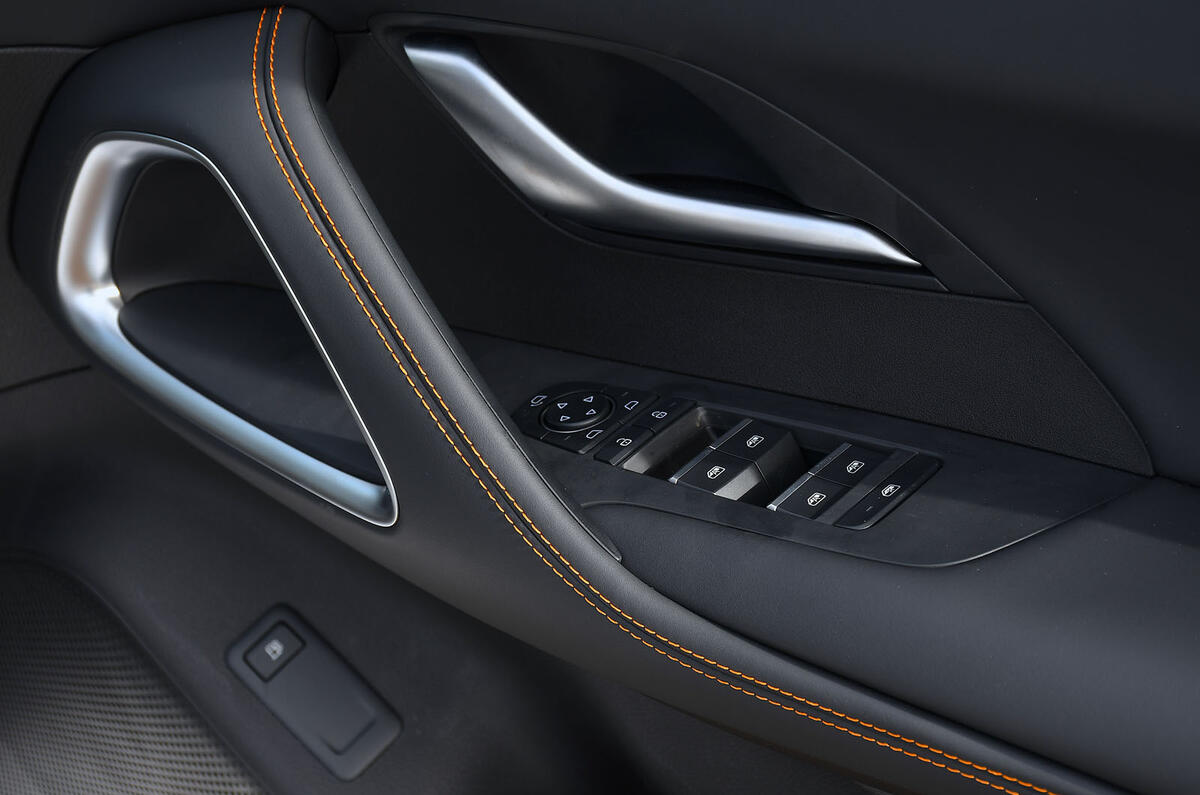
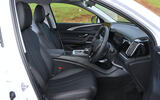
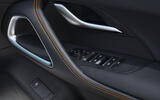
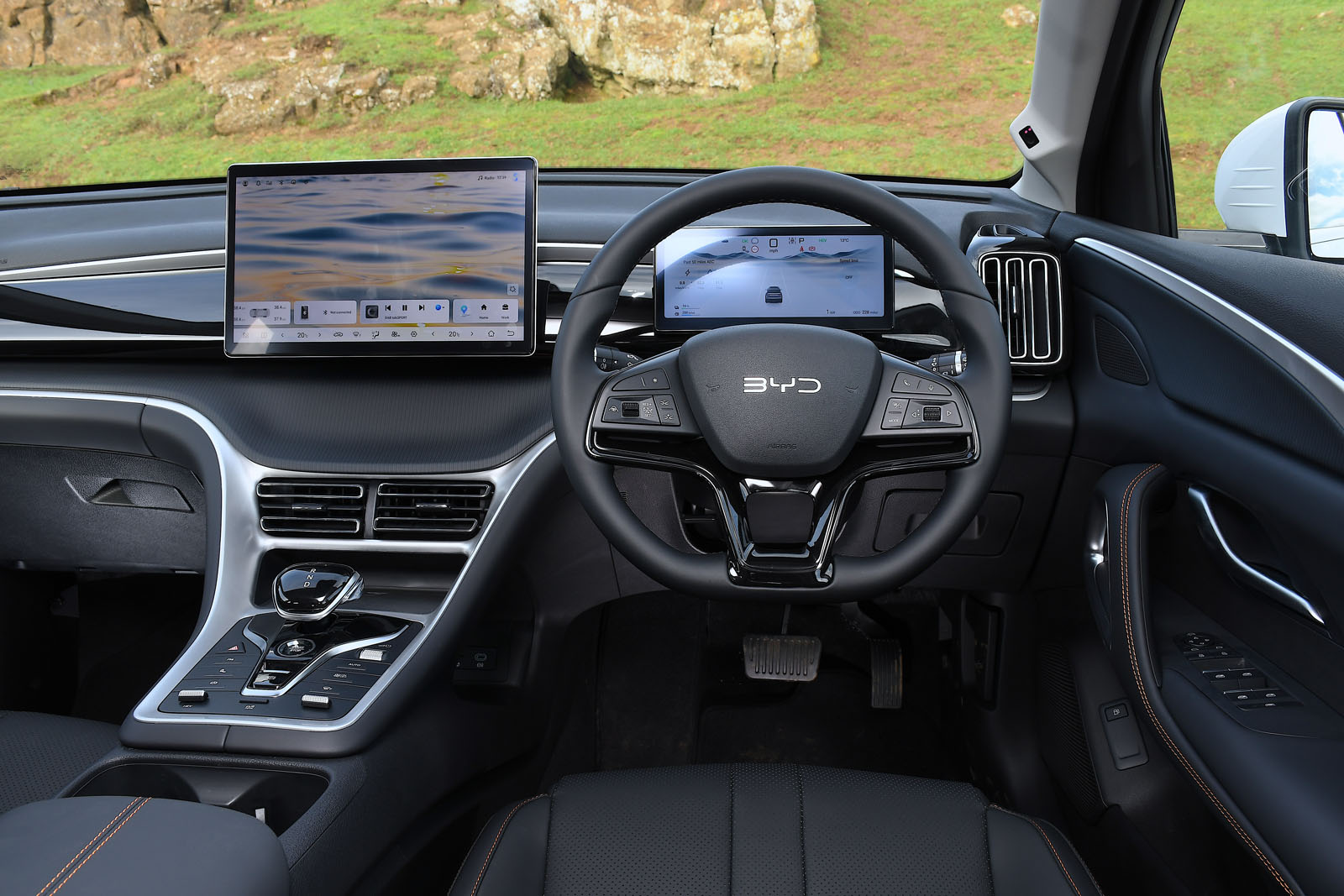
BYD’s original Sealion model, the 7, suggested that this could almost be the company’s idea of a pseudo-premium model line. The 5 doesn’t have nearly so many classy materials, or much of a sense of cabin quality about it, sadly. For the money, there’s certainly no reasonable basis to expect that, of course, and the car’s prevailing standards for material quality and solidity pass muster. But there’s just a suggestion of flimsy cheapness about some of the fittings (air vents, column stalks); a lack of adjustability, in some respects, in the front seats; and a faintly plasticky feel to the car’s ‘vegan leather’ upholstery. 

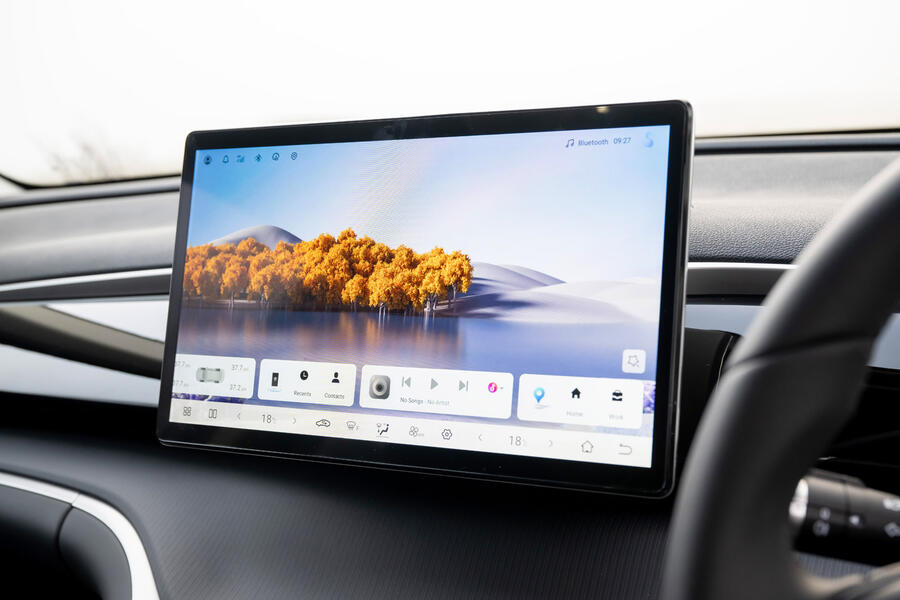
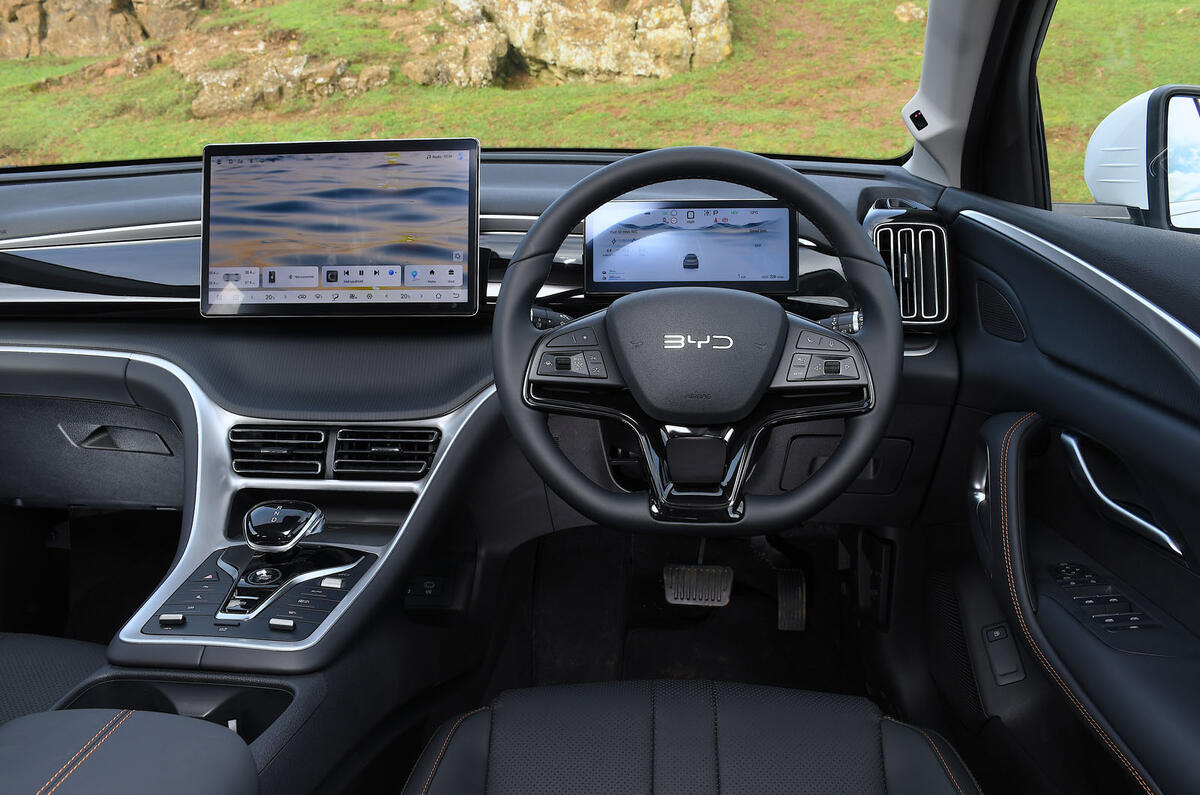
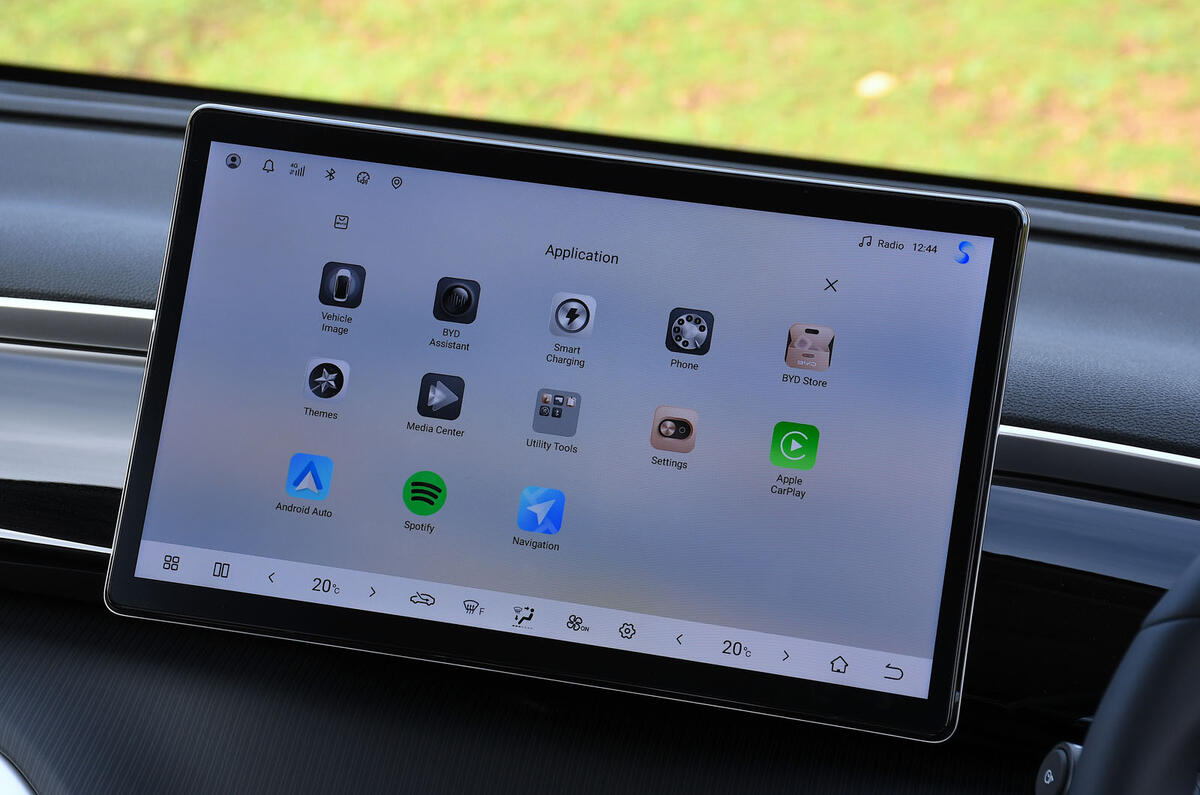
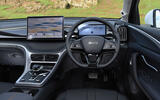
The latest usability refinement for the touchscreen infotainment system is a three-fingered swipe across the screen. Up or down to adjust HVAC temperature, left or right for fan speed. It's still not as convenient as a dedicated physical knob – but it all helps.

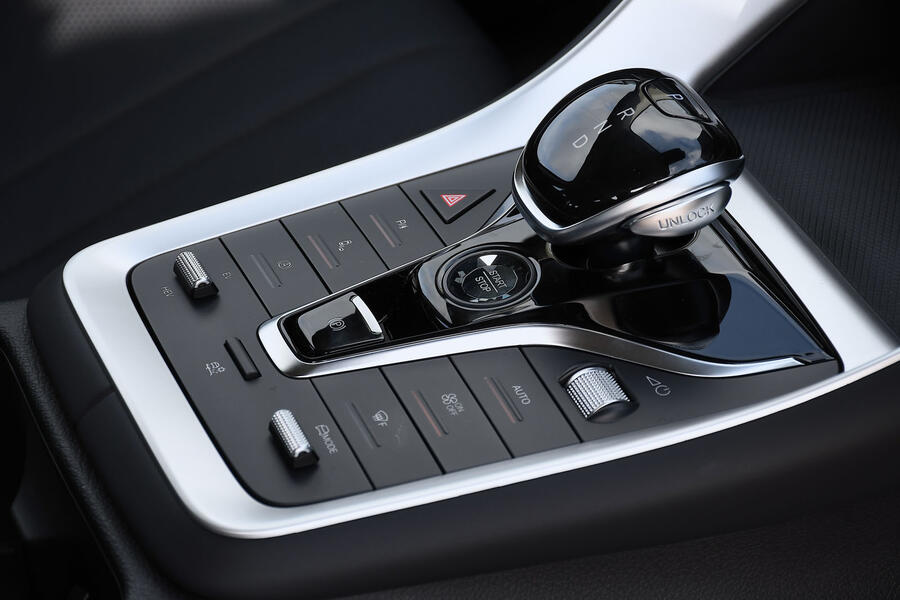
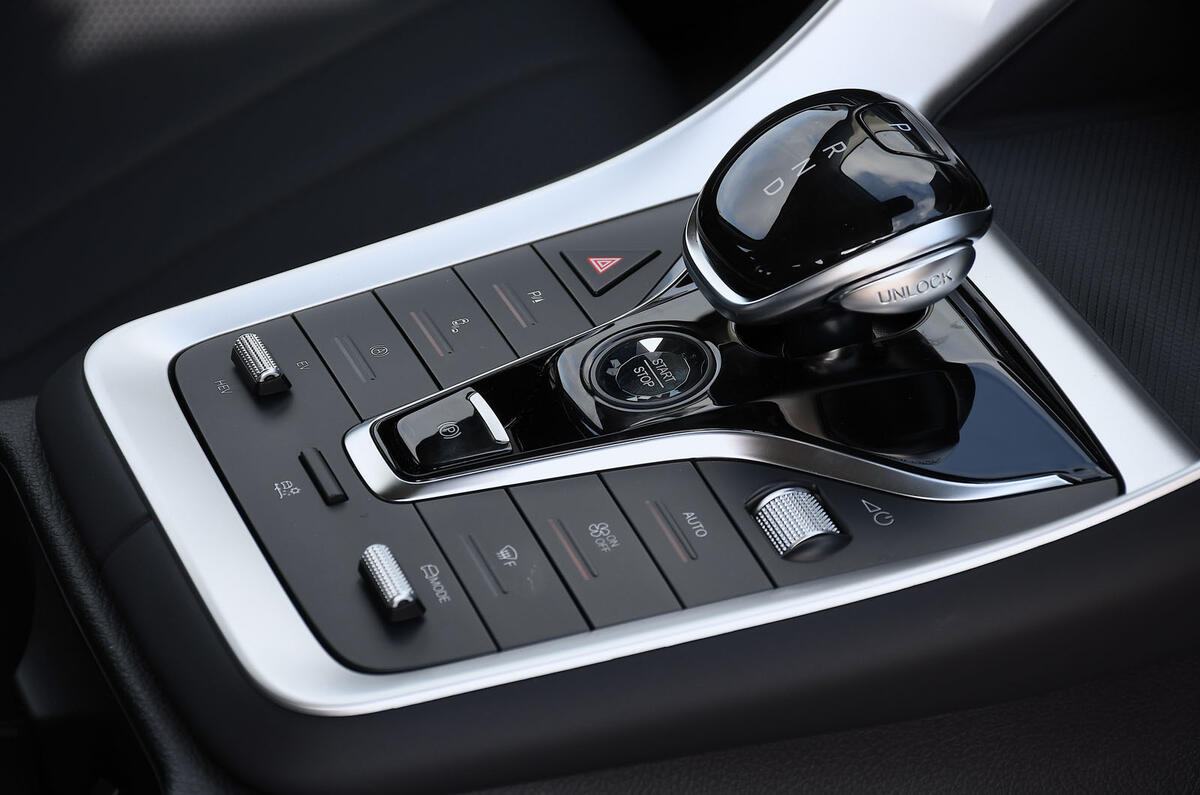
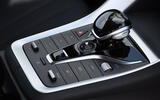
BYD does give you a really chunky drive selector rather than one of those fashionable thimble-sized shifter nubbins, though, and there are still plenty of physical buttons to make the driving experience simpler. BYD’s 12.8in touchscreen infotainment screen continues to have a few too many sub-menus for our liking and displays too many icons at a dismayingly small size. However, usability is certainly improving bit by bit with every new model introduction, even if a few digital quirks remain, such as the car’s baffling trip computer.

ENGINES & PERFORMANCE

BYD Sealion 5 review 2026 025

The Sealion 5’s driving experience is defined mostly by that hybrid system. Like the Seal 6 and Seal U, it’s a range-extender PHEV rather than a conventional parallel-hybrid-style one – and feels like it. 

The 95bhp 1.5-litre four-cylinder petrol engine - which runs very quietly indeed when it is needed and seems not to be needed at all much of the time – only ever raises its voice under big throttle loads, when it can physically connect to the driven front axle. 

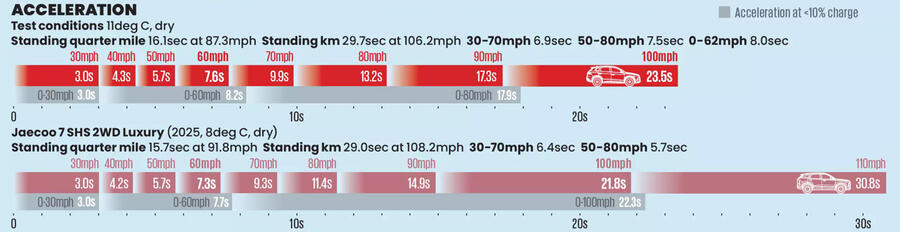
The electric motor is ready to supply the lion’s share of the oomph that the car ever deploys, then - 194bhp of the system's total of 209bhp. And while that isn’t ever made to feel like a lot, the car has plenty of smooth, accessible power up to typical A- and B-road speeds and only starts to feel slightly sluggish on the motorway. 

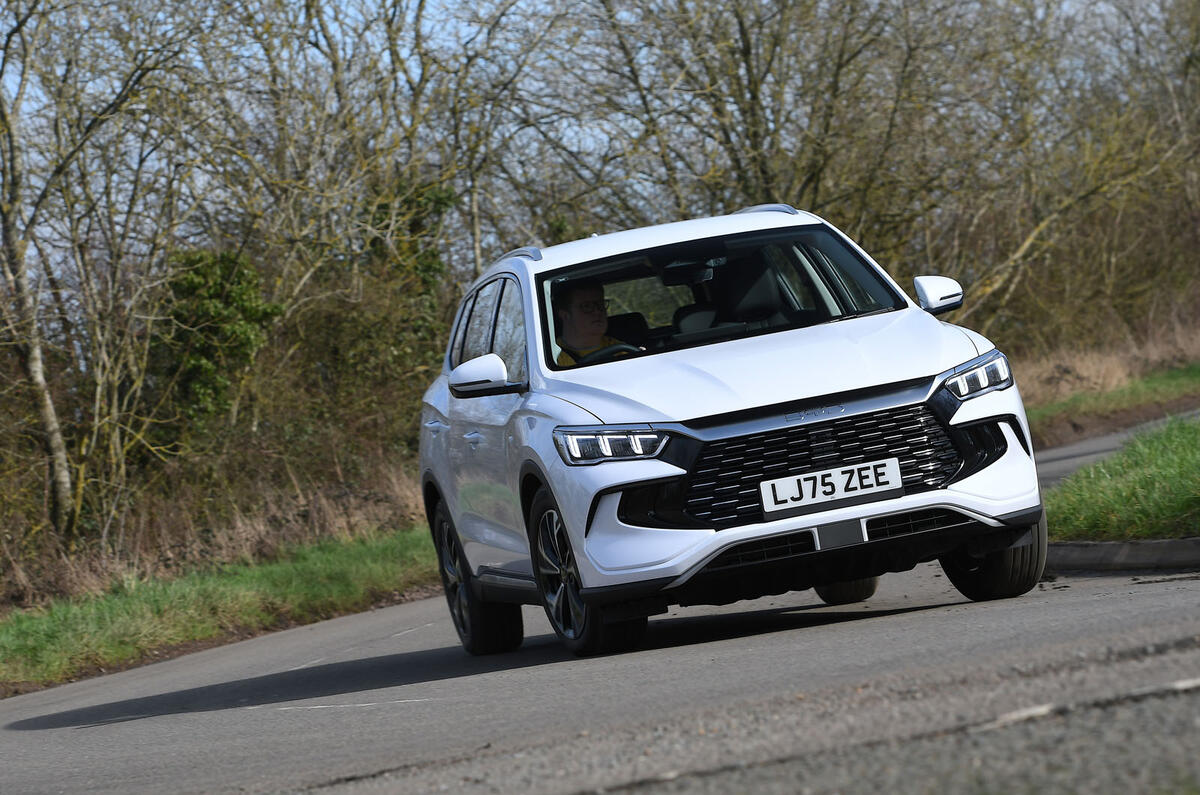
In other dynamic respects, the Sealion 5 seems pretty viceless (once you’ve figured out the best way to set its ADAS systems), with consistent if anodyne-feeling steering and a slightly firm but reasonably well-isolated low-speed ride, which remains a bit fiddly on country roads but settles down better on the motorway. 

It handles respectably, doing nothing well enough to raise your hopes, but nothing badly enough to raise your hackles, either.

MPG & RUNNING COSTS

BYD Sealion 5 review 2026 001

BYD’s pricing for the Sealion 5 means the cheaper version undercuts the equivalent MG HS and Jaecoo 7 PHEVs and meets the Cherry Tiggo 7 head on for value, while the pricier one is a good 15% to 20% cheaper than an equivalent PHEV from a better-established brand. If you want value from a family car that you can fuel from a three-pin power outlet more often than from the pump, there are very few clearer places to find it.

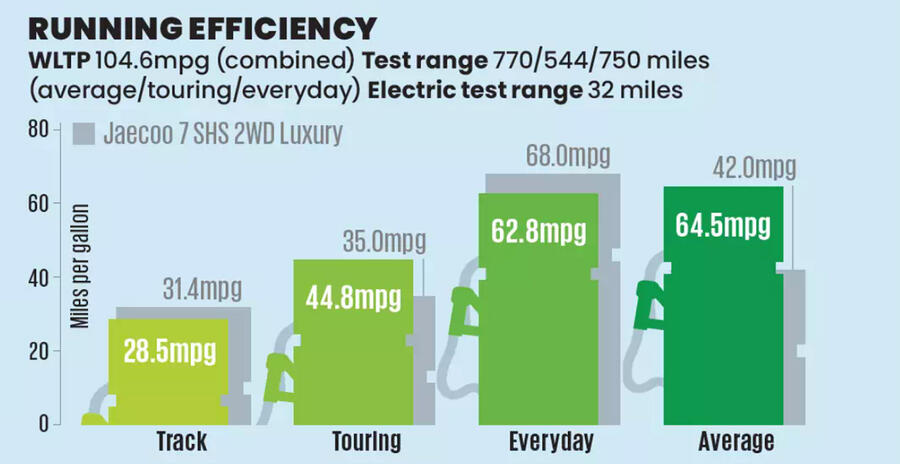
As for efficiency, in engine-on hybrid running, we saw between 50mpg and 60mpg from the Sealion 5. For real-world electric range, meanwhile, the Design-spec model seems good for about 40 to 45 miles (the car flicking into hybrid mode automatically at an indicated 25% state of charge, rather than when showing empty). We didn’t have occasion to test the Comfort model.

VERDICT

BYD Sealion 5 review 2026 029

The Sealion 5 looks a bit less distinctive than BYD's established groove and a bit more prosaic in its priorities. 

It doesn’t have unexpectedly rich cabin materials, or any quirky interior features, and nor does it have one of the firm’s old rotating multimedia screens. It’s just a normal, practical, economical, ordinary, mid-sized family SUV for an appealing price - which makes it precisely the kind of car that this company needs in order to prove that it can compete with so many other Chinese value brands.

Its main selling point is plug-in running efficiency, for a price that’ll get you mild-hybrid power at best almost anywhere else – and for drivers able to plug in regularly and cheaply, that should make a lot of sense. 

For the price and considering the Sealion 5’s package as a whole, adequate performance, ride and handling are probably about what owners will expect of this car - and that’s what they’ll get. 

Sure, it doesn’t look like much - but in the ways that really matter, I suspect the BYD Sealion 5 is likely to meet or surpass most realistic expectations of it.


Matt Saunders

Matt Saunders Autocar
Title: Road test editor

As Autocar’s chief car tester and reviewer, it’s Matt’s job to ensure the quality, objectivity, relevance and rigour of the entirety of Autocar’s reviews output, as well contributing a great many detailed road tests, group tests and drive reviews himself.

Matt has been an Autocar staffer since the autumn of 2003, and has been lucky enough to work alongside some of the magazine’s best-known writers and contributors over that time. He served as staff writer, features editor, assistant editor and digital editor, before joining the road test desk in 2011.

Since then he’s driven, measured, lap-timed, figured, and reported on cars as varied as the Bugatti Veyron, Rolls-Royce PhantomTesla RoadsterAriel Hipercar, Tata Nano, McLaren SennaRenault Twizy and Toyota Mirai. Among his wider personal highlights of the job have been covering Sebastien Loeb’s record-breaking run at Pikes Peak in 2013; doing 190mph on derestricted German autobahn in a Brabus Rocket; and driving McLaren’s legendary ‘XP5’ F1 prototype. His own car is a trusty Mazda CX-5.