
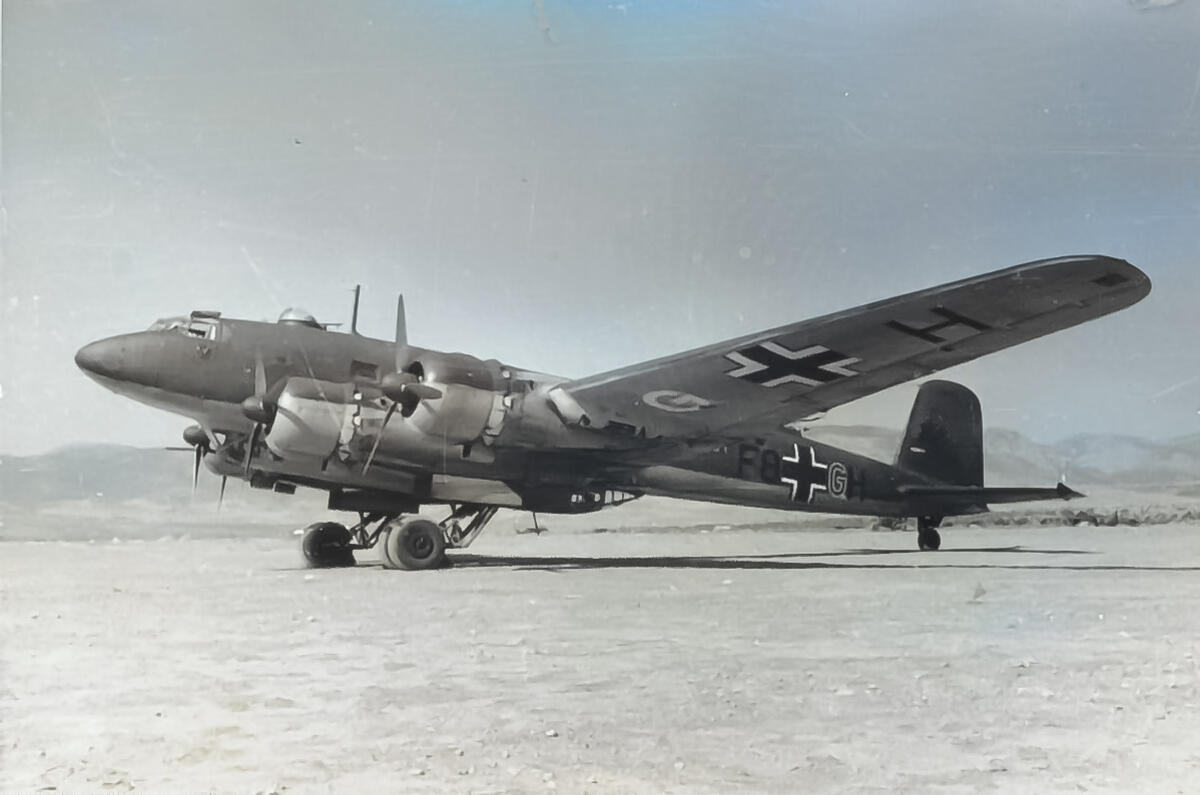

Alongside the famously brilliant warplanes, there was a gang of unlikely heroes.
These may not have been the fastest, the most advanced, or available in the greatest numbers, but somehow through clever tactics, sheer bravery or good luck achieved remarkable things. Some appeared totally obsolete yet took part in some actions of pivotal importance. Here are 10 World War 2 warplanes that punched well above their weight:
10: Polikarpov I-153
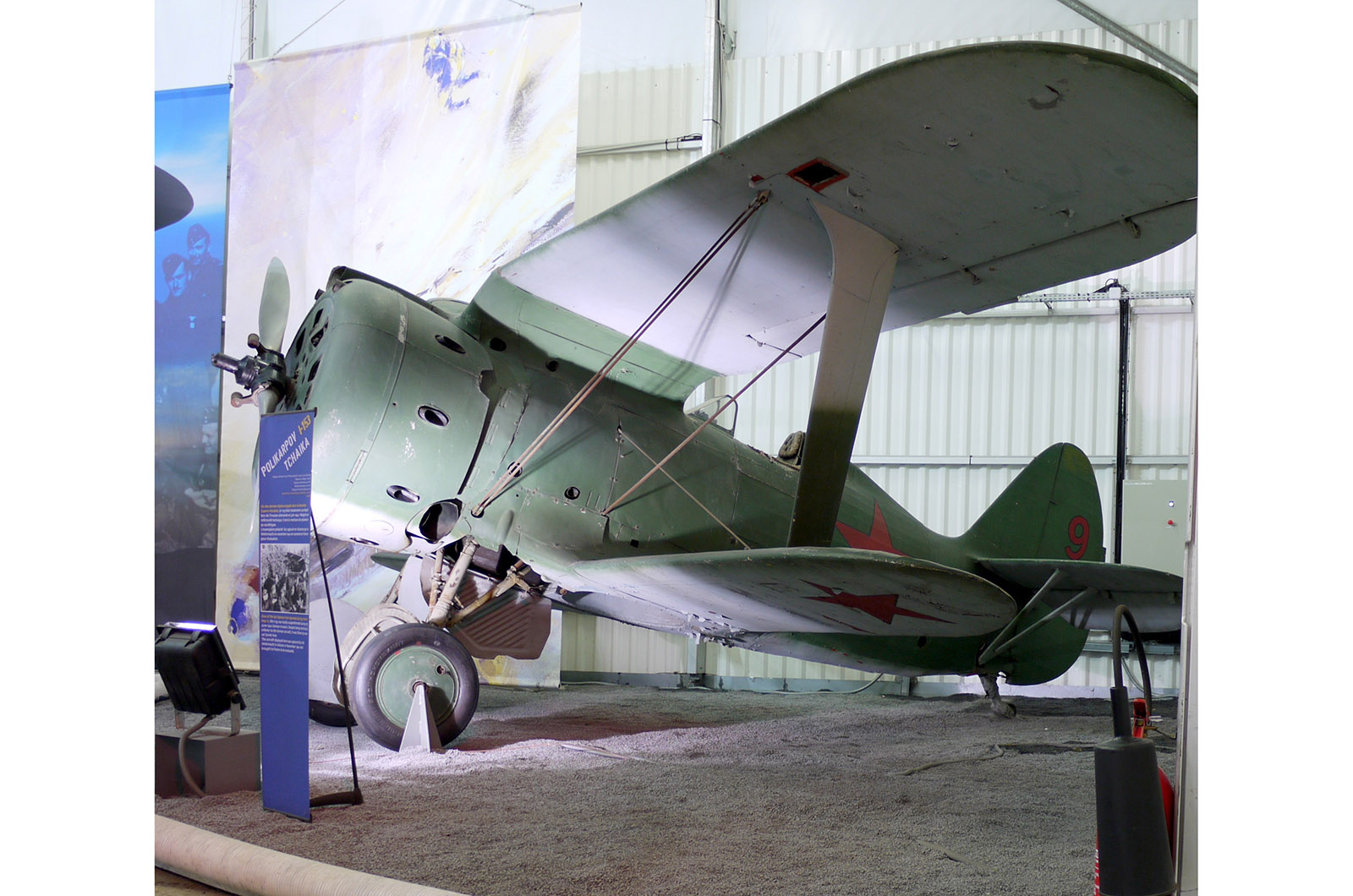
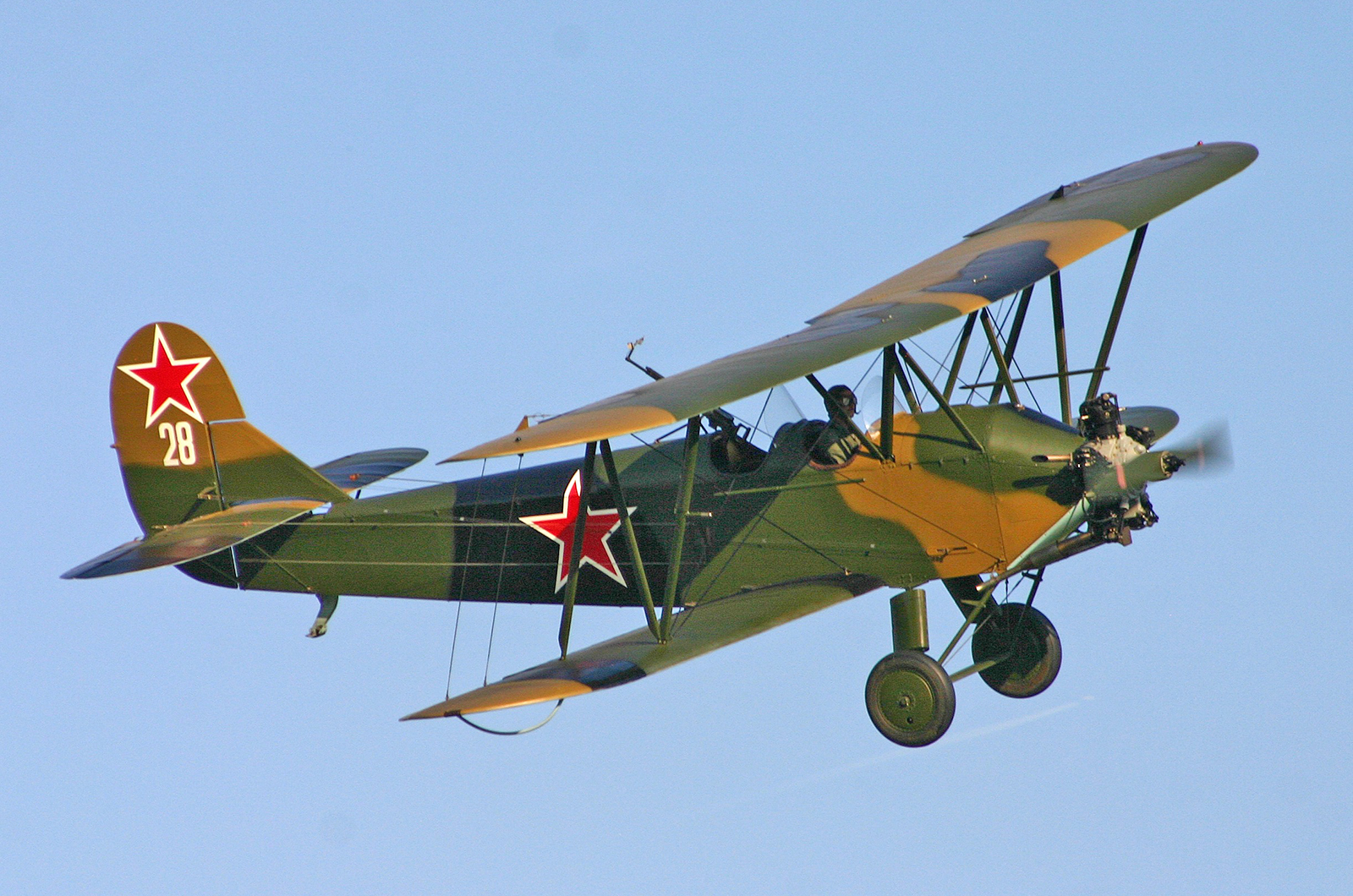
The Soviet I-153 was so good that even in the time of monoplanes, it persisted in frontline service until 1945. The Soviet Union was the first nation to introduce a modern monoplane fighter, but Soviet tactical thinking foresaw a combat situation wherein monoplane fighters would break up a force of incoming bombers, leaving the biplane I-153s to deal with them, and any escorts, individually.
In reality, this didn’t work. Nonetheless, 3437 I-153s were built and were heavily used, mostly in a desperate rearguard action against the invading Germans in 1941. What’s more, back in 1939, the brand-new I-153 was rushed to the Mongolian front to replace the I-16 monoplane.
10: Polikarpov I-153
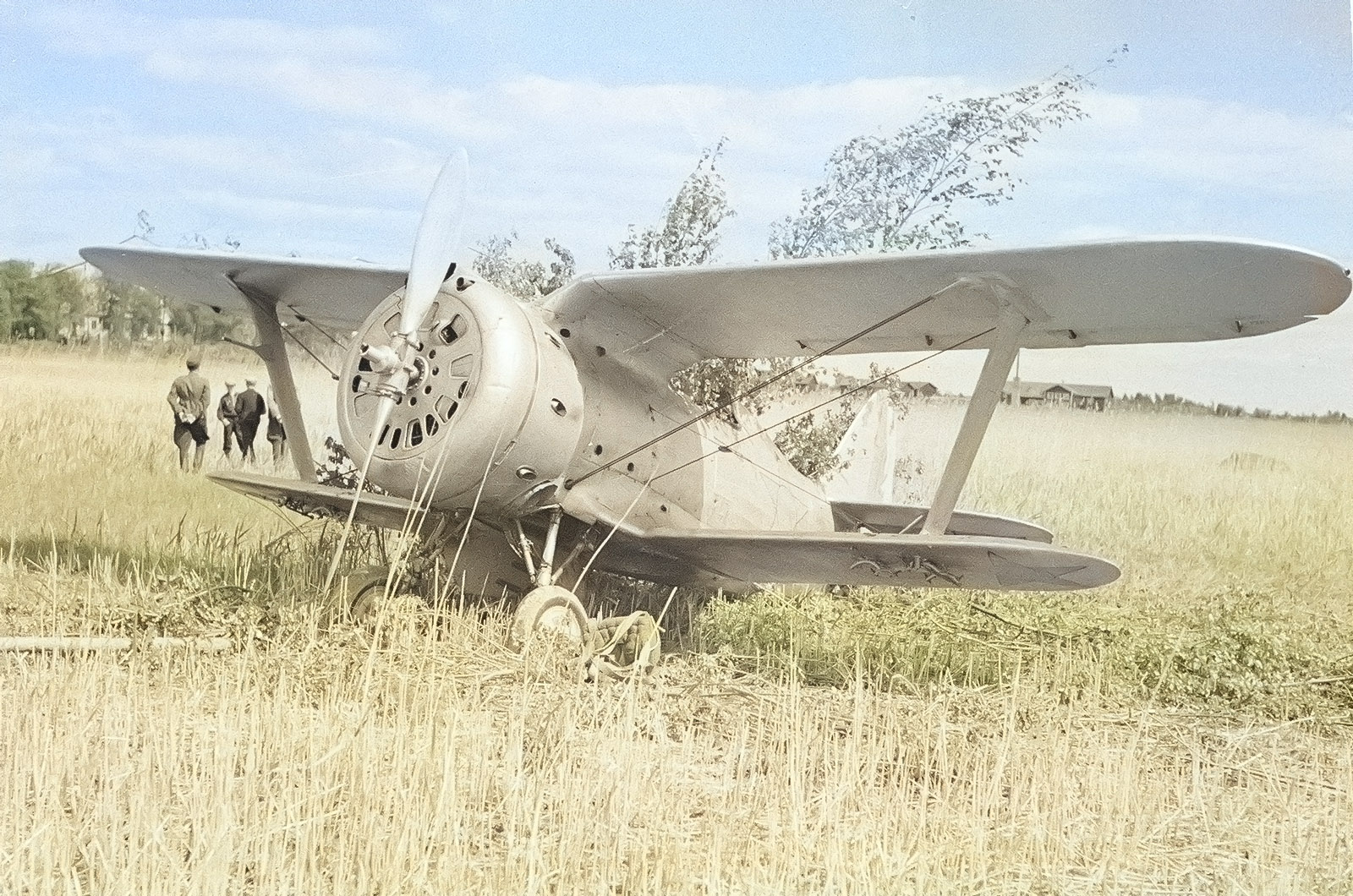
The Japanese were fielding the Nakajima Ki-27, which possessed the sparkling agility to outmanoeuvre the faster I-16. The I-153 offered near parity in performance and manoeuvrability terms, and combat performance against the Ki-27 quickly improved. Interestingly, the I-153 is also one of a handful of fighters that fought itself.
In March 1943, two Soviet I-153s clashed with three Finnish I-153s, with one aircraft forced to land after suffering damage in the ensuing mêlée. The Finns, never ones to ignore a decent aircraft, operated about a dozen captured I-153s against their former owners until February 1945. By then, the eight surviving aircraft were the last biplane fighters flying on operations anywhere in the world.
9: Fiat G.50 Freccia
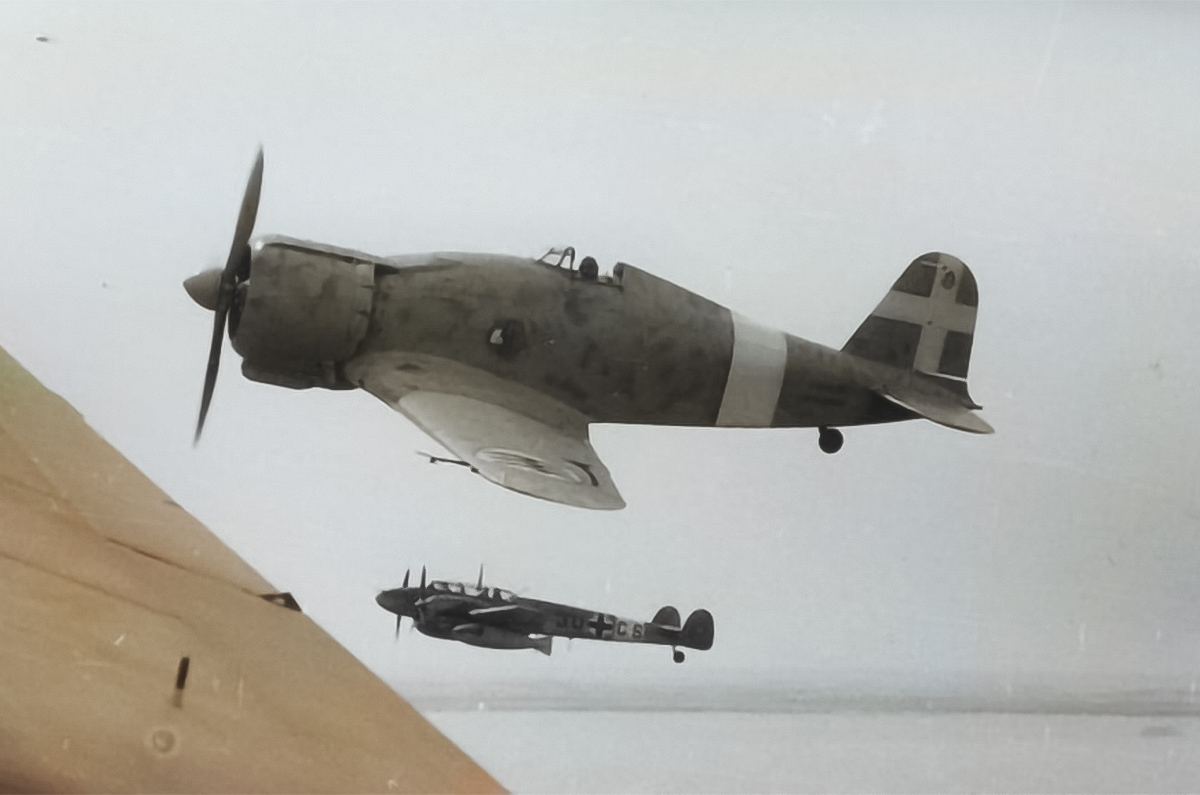
Which Italian fighters achieved a 33-1 victory-loss ratio? The Freccia achieved this in service with the Finns, who operated 33 G.50s from the end of the Winter War, through the Continuation War and on until 1944 when these now quite aged aircraft were withdrawn from the front line.
Finnish Fiat pilots shot down 99 Soviet aircraft for the loss of only three of their own, representing what may be the best ratio of victories to losses achieved by any single fighter type in the service of a specific air arm during the war.
9: Fiat G.50 Freccia
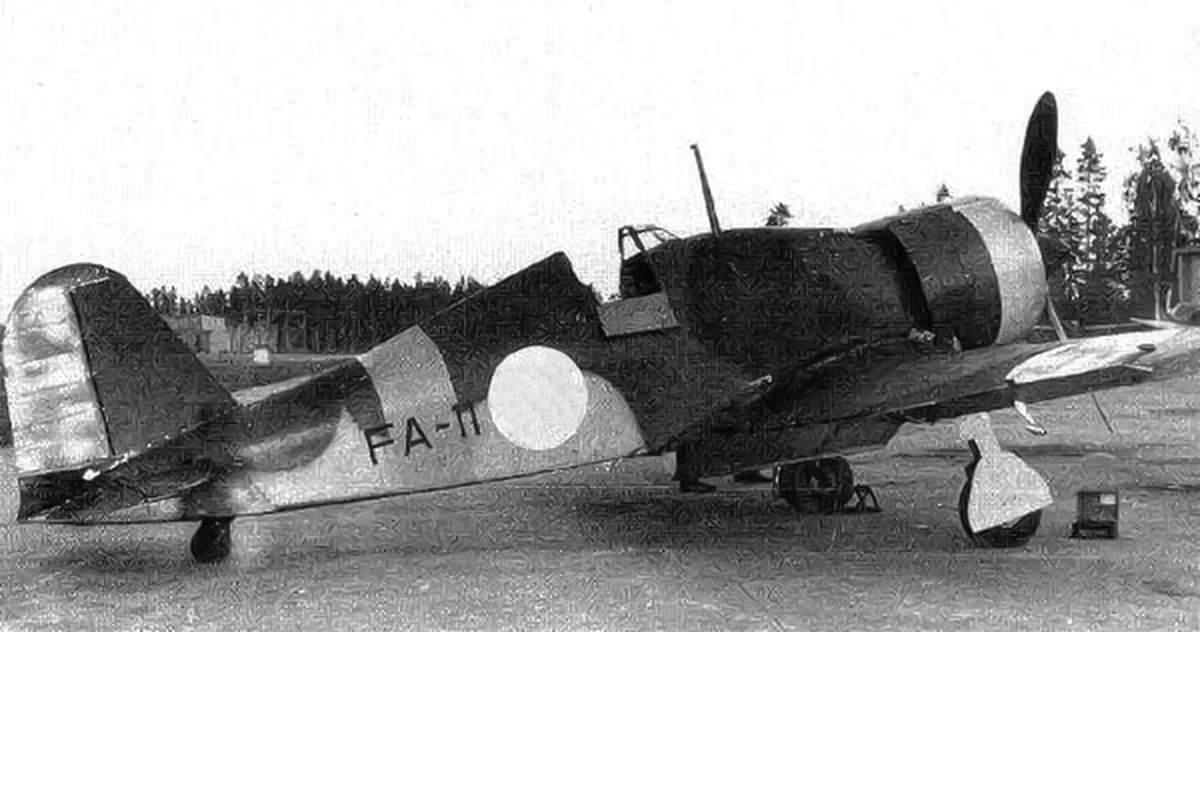
Despite this amazing achievement, Finnish pilots apparently still preferred the MS.406, Hurricane and Brewster Buffalo, not least as the open cockpit of the G.50, whilst pleasant on a Spring day over the Mediterranean was not a particularly attractive place to be in the depths of a Finnish winter – at least they didn’t have to worry about opening the canopy to bale out though.
After the G.50s were phased out of service, they remained operational as trainers until the end of 1946 when the spare parts supply ran out. The G.50 was, in fairness, a lacklustre aeroplane but who could reasonably ignore that insane 33 to 1 success rate?
8: Westland Lysander



Add your comment