8

Kia shows Ford, Renault et al that you can launch a rounded petrol hatchback in 2026

Where in the world a car manufacturer chooses to assemble its models can have enormous significance. With various tariffs, grants and popular opinion dependent on a car’s place of origin, it can really decide its fortunes. It also says something about the centre of gravity of a car maker’s model range.

Kia’s European factory in Zilina, Slovakia, was chosen to produce the Ceed (with and without apostrophe), the hatch designed specifically for Europe. But now Ceed production has come to an end, and replacing it in Slovakia is not another petrol-engined hatch but an electric one, the EV4.

That doesn’t mean Kia is giving up on the conventional hatch; it is simply turning it into a more global product. Kia is rolling the Ceed and its international siblings, the Forte and the Cerato, into one car, the new Kia K4, which is produced in Pesqueria, Mexico, for the whole world. But it does suggest that for Europe, at least, EVs are where it’s at.

Having said all that, Kia clearly isn’t planning on repeating Ford’s ill-fated ‘world car’ experiment, so it insists there’s strong market-specific tuning, and indeed there are some interesting technical differences to note, with different powertrain and bodystyle line-ups for each region.

That includes a refreshingly basic specification of a 1.0-litre engine with a manual gearbox, which we have put through the full road test procedure.

Advertisement

DESIGN & STYLING

9
Kia K4 review 2026 028

Kia contends that the K4 isn’t a direct replacement for the Ceed because the new car is bigger and more upmarket. That’s not unusual for a new model, though, and quite simply it occupies the same spot in Kia’s range, going up against the Volkswagen Golf, Honda Civic, Mazda 3 and many others. The C-segment hatchback class may not be as vibrant and important as it once was, but there are still around 15 different models in it, so the K4 has quite the job on its hands.

To make a success of it, Kia is offering a compact yet versatile engine and trim line-up. The K4 is being launched here as a five-door hatchback. Outside Europe there’s also a four-door saloon, but because Europeans tend to prefer hatchbacks, that won’t be offered here. Instead, we’re getting a ‘Sportswagon’ estate later in 2026.

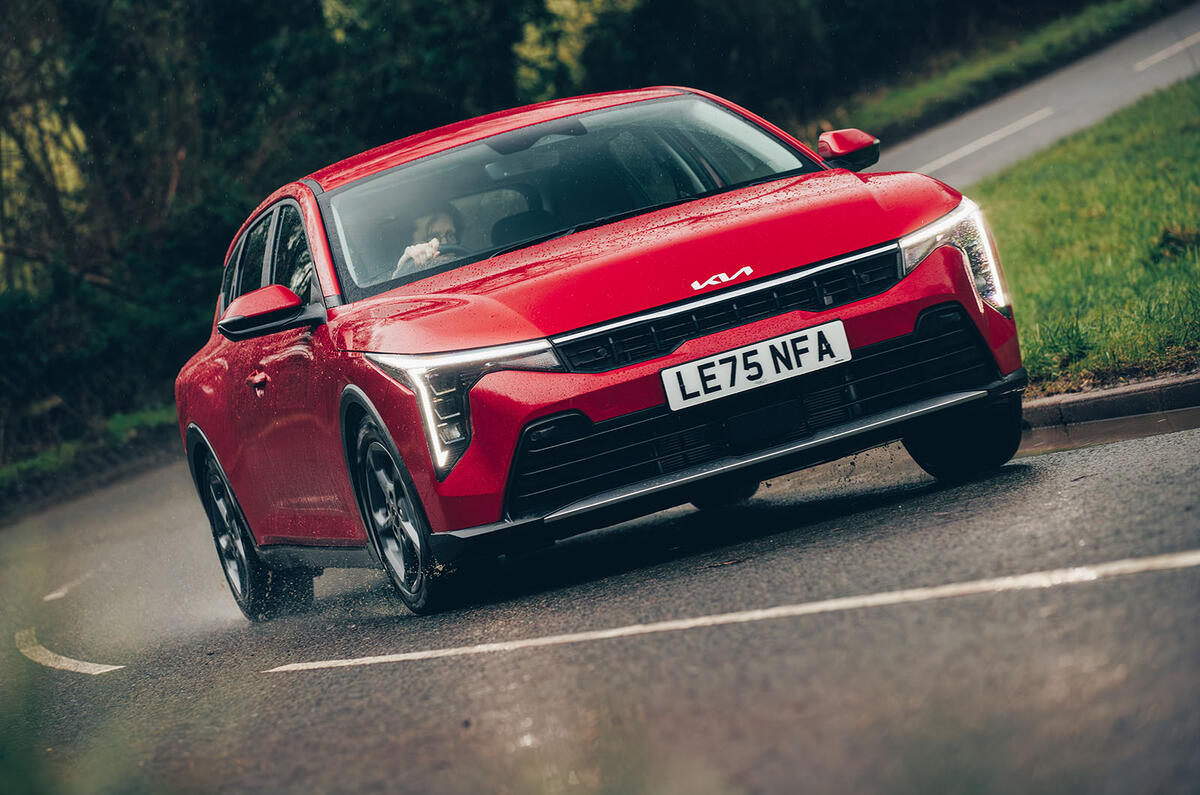
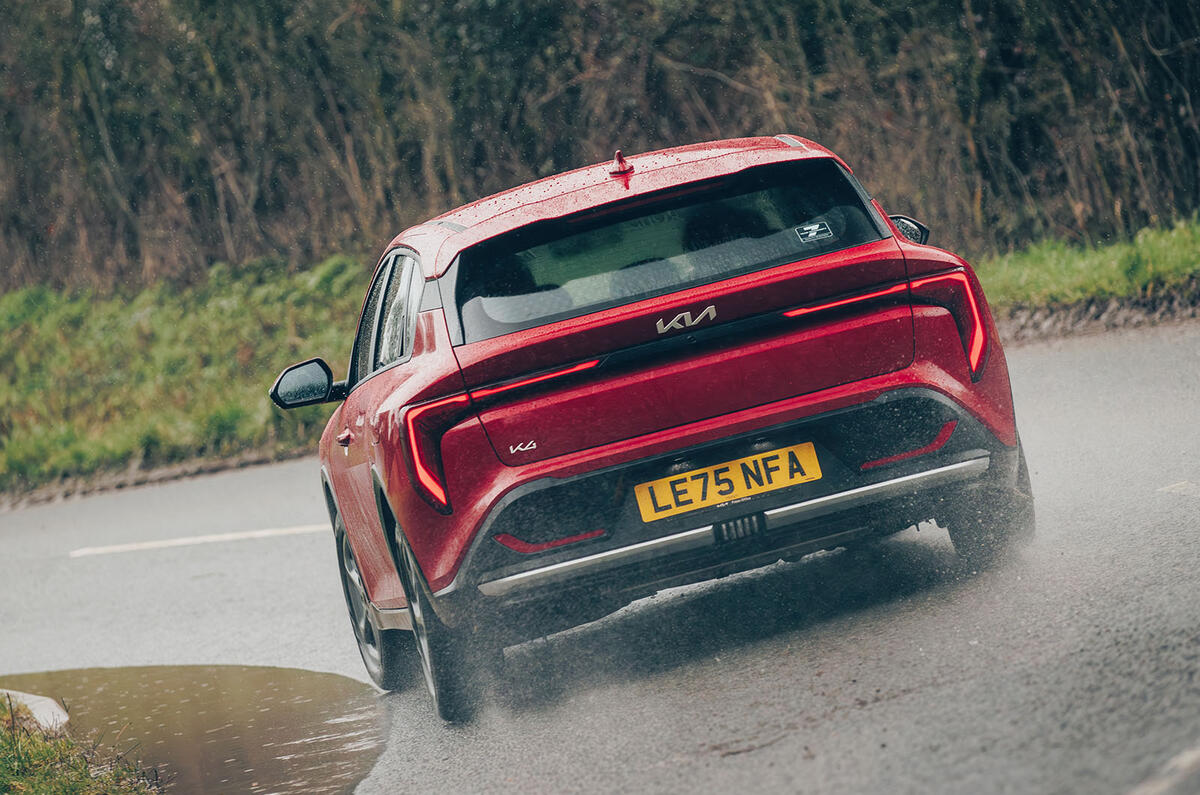
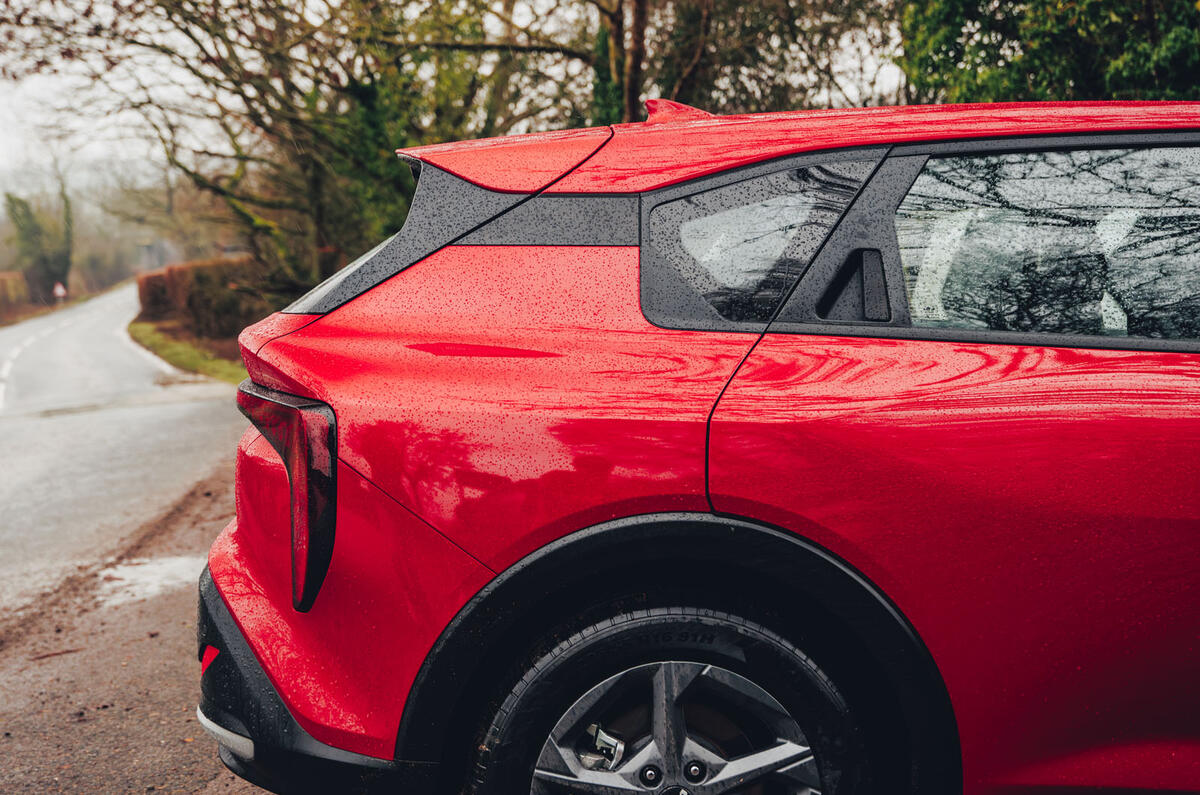
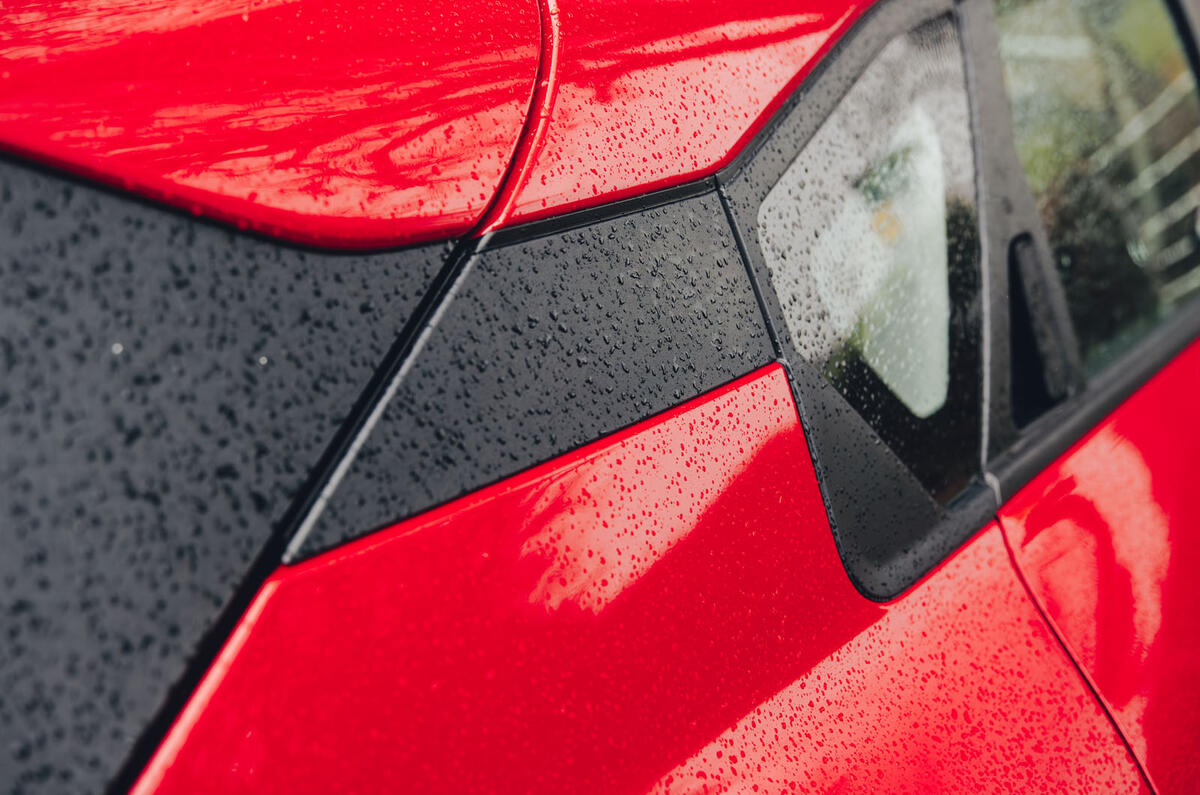
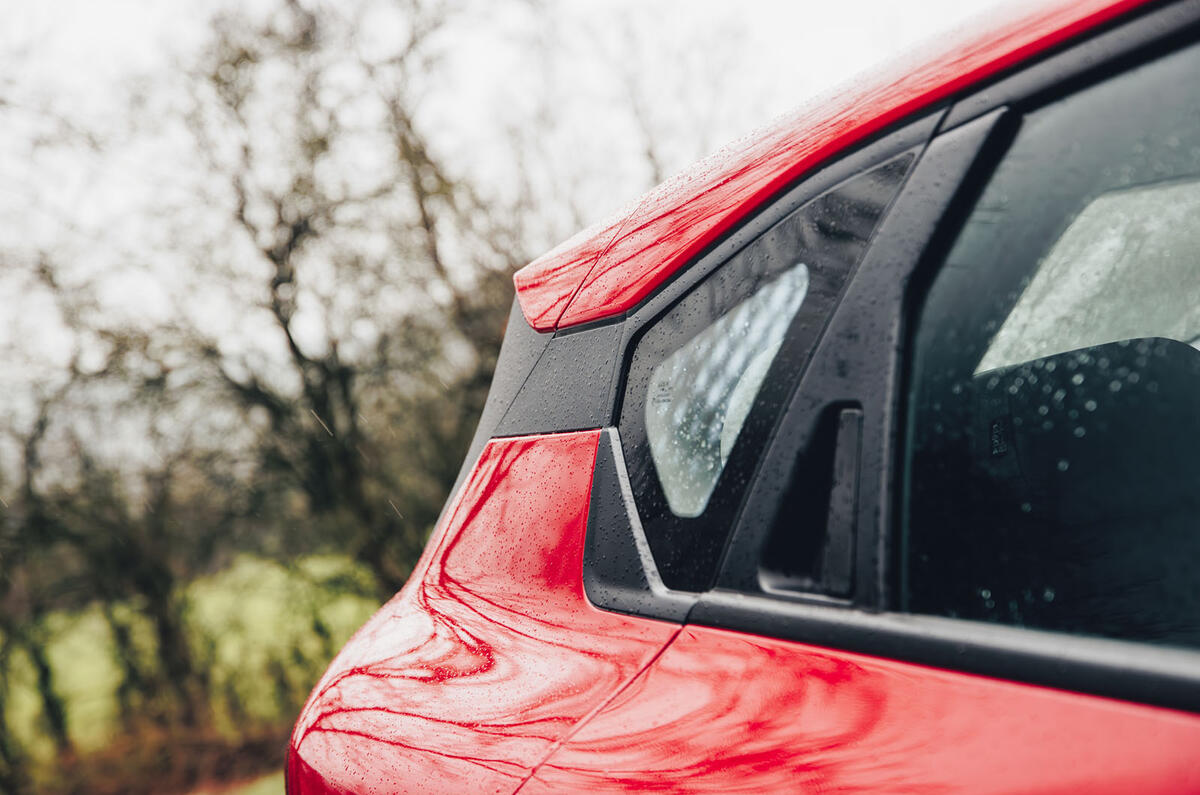
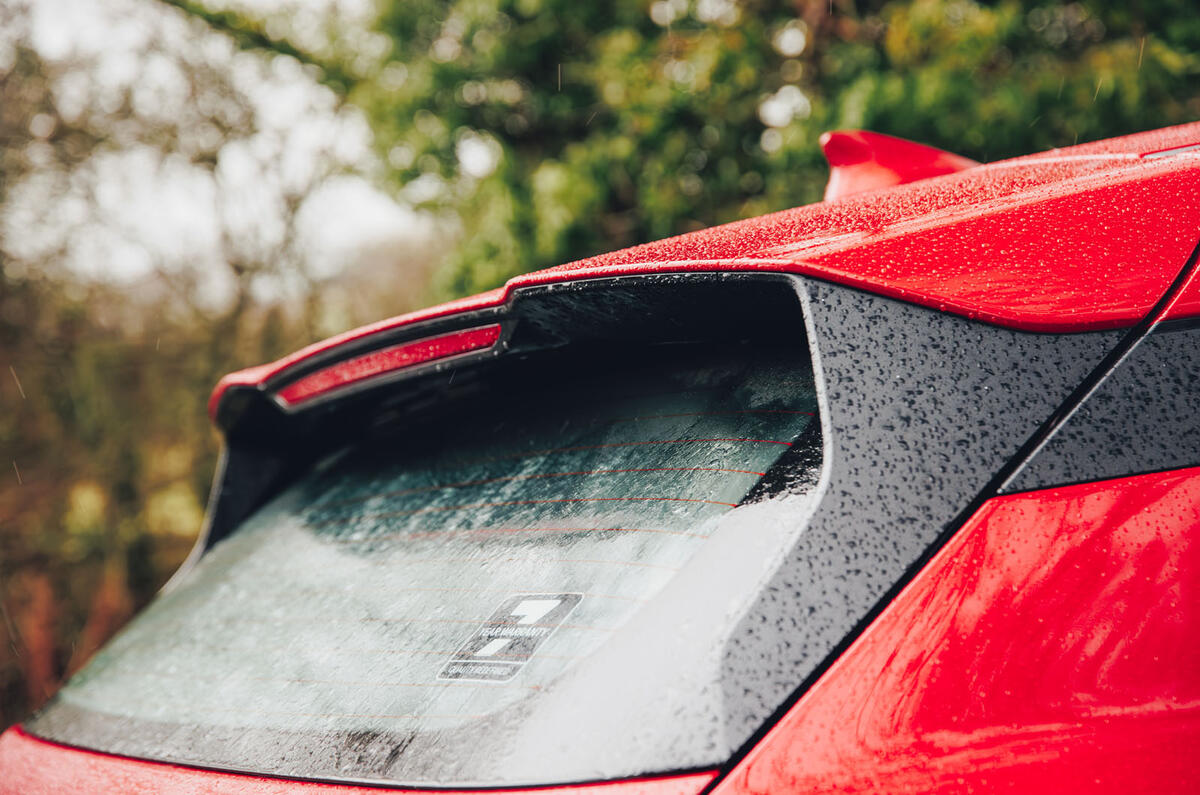
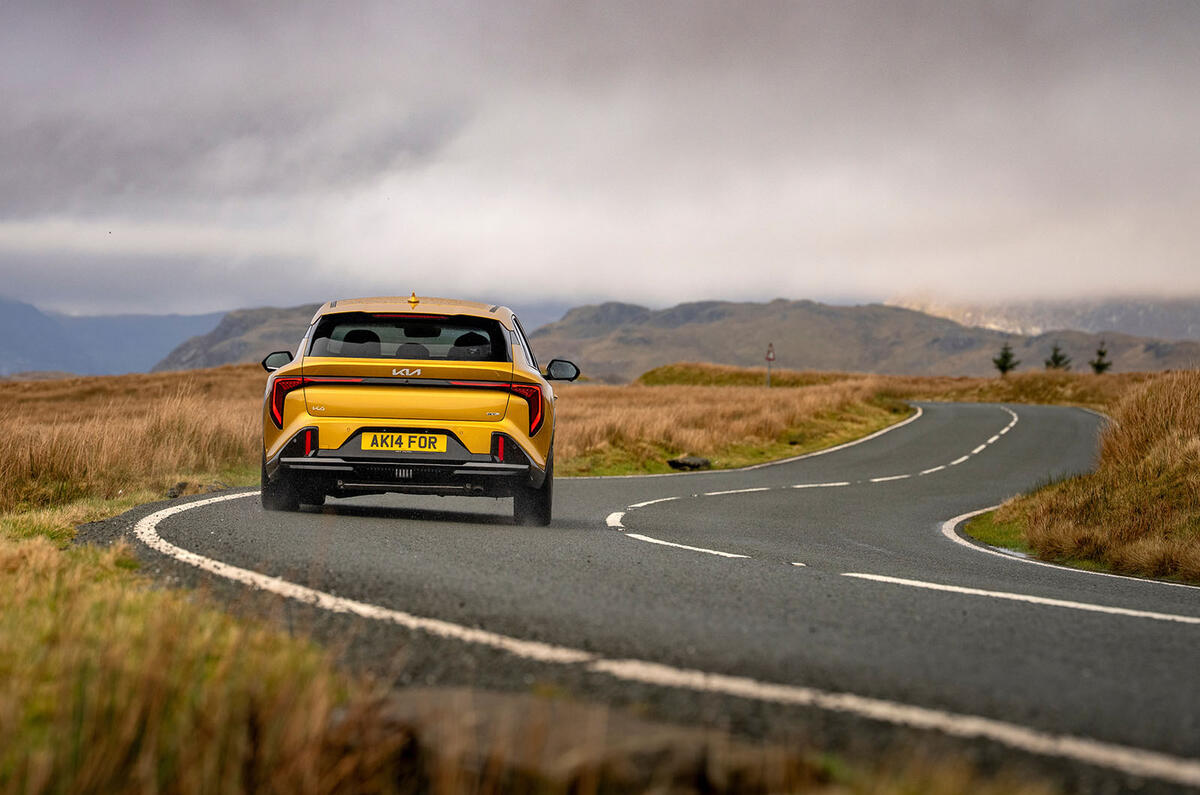
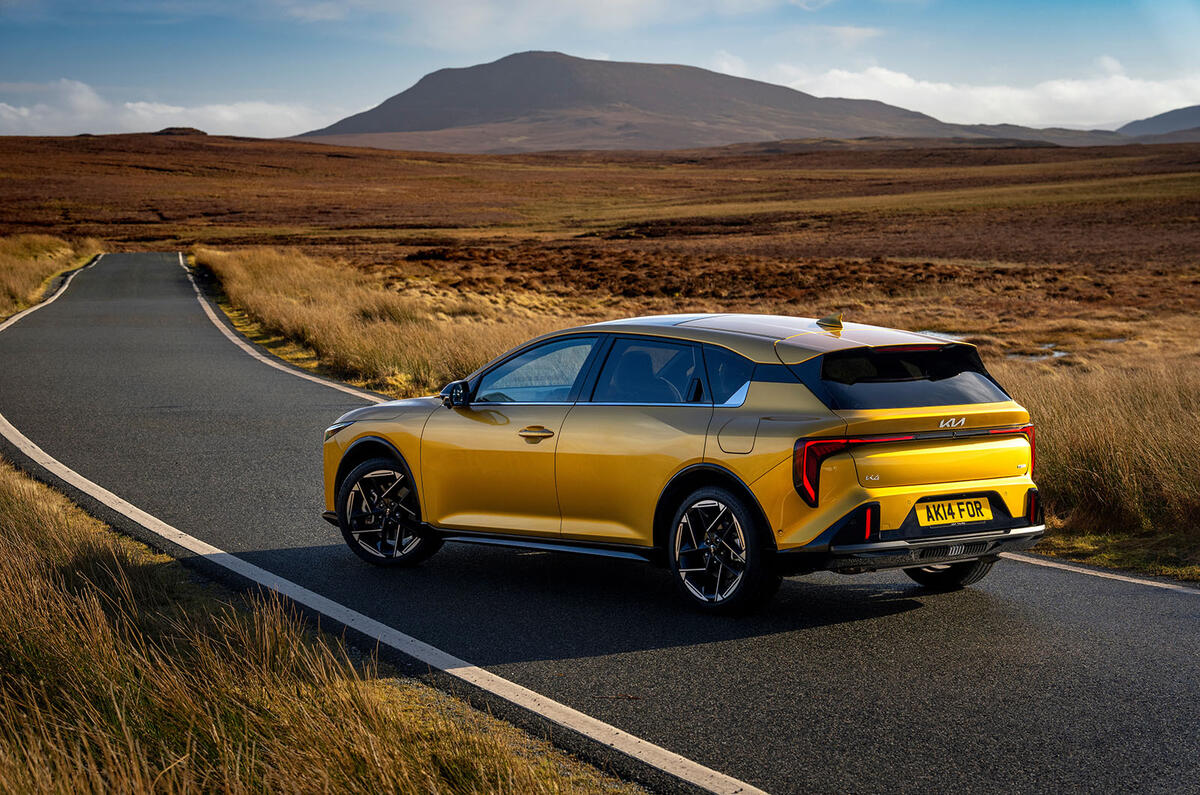
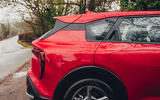
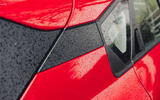
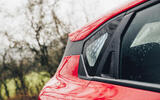
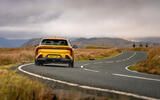
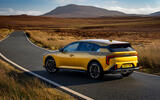
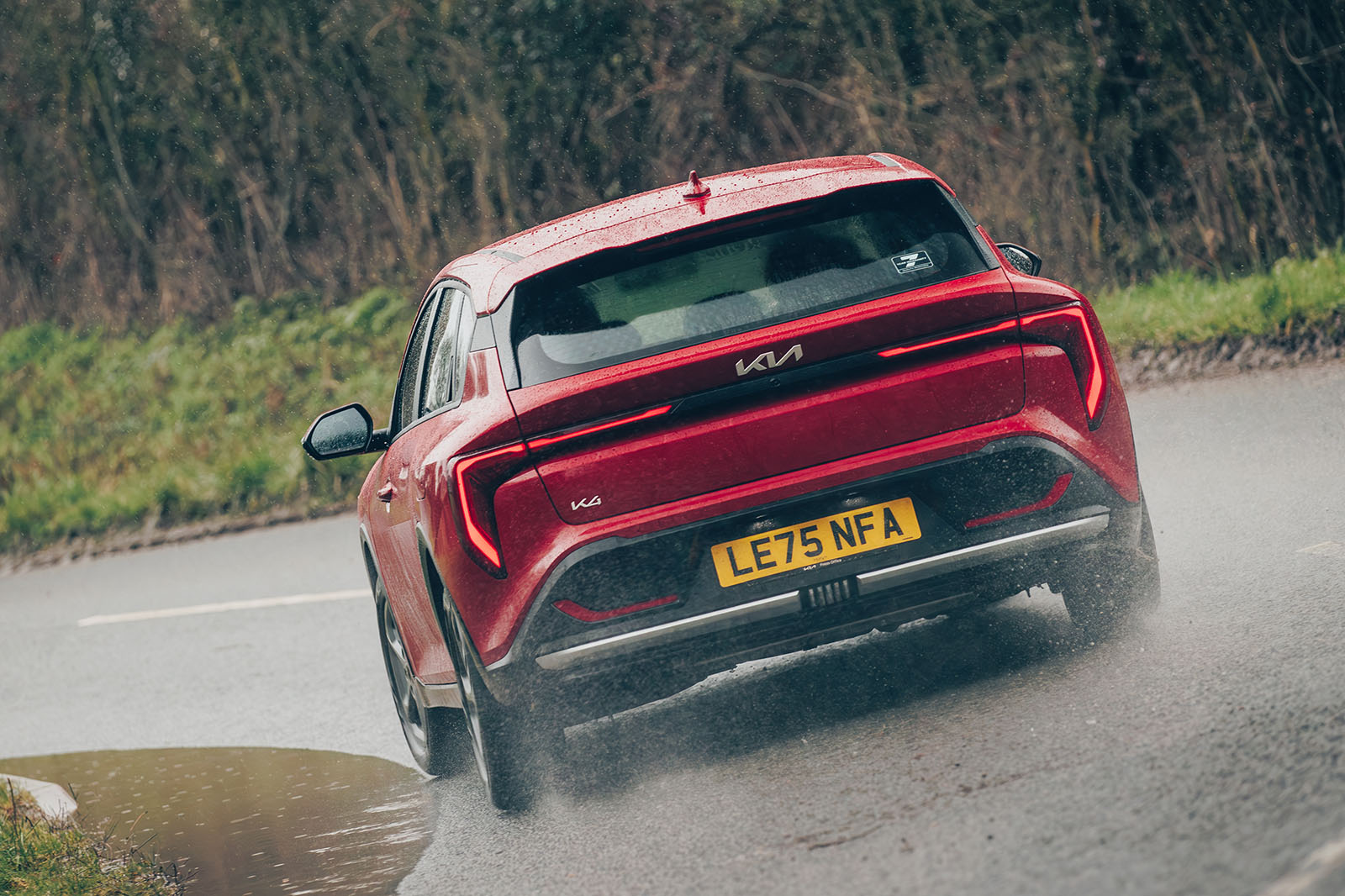
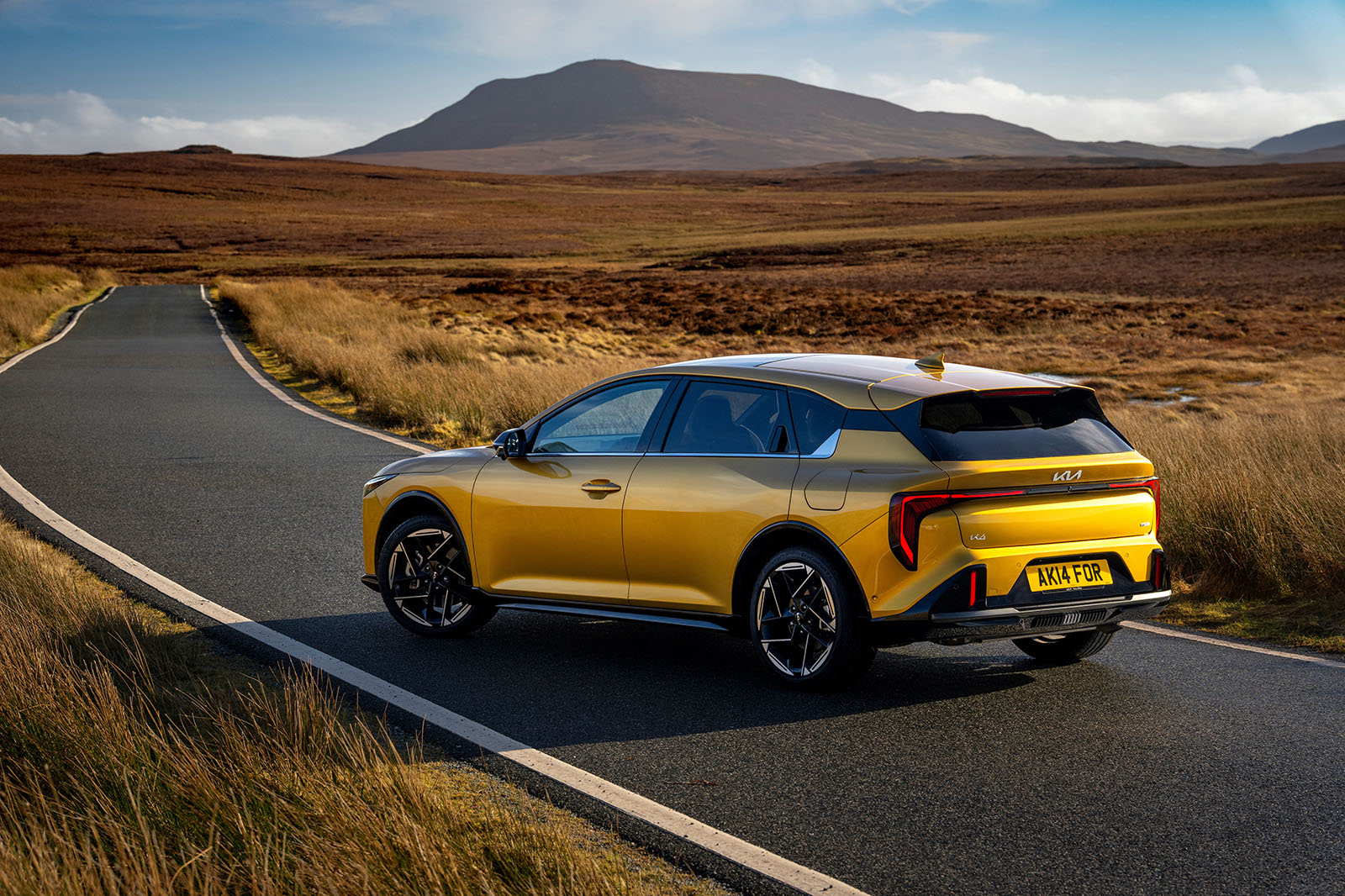
The K4 features some very pronounced rear wheel arches, with the door extending a long way back. This can make it tricky to open in tight spaces but does benefit the looks. Long roof gives it a hint of Vauxhall Signum and helps rear head room.

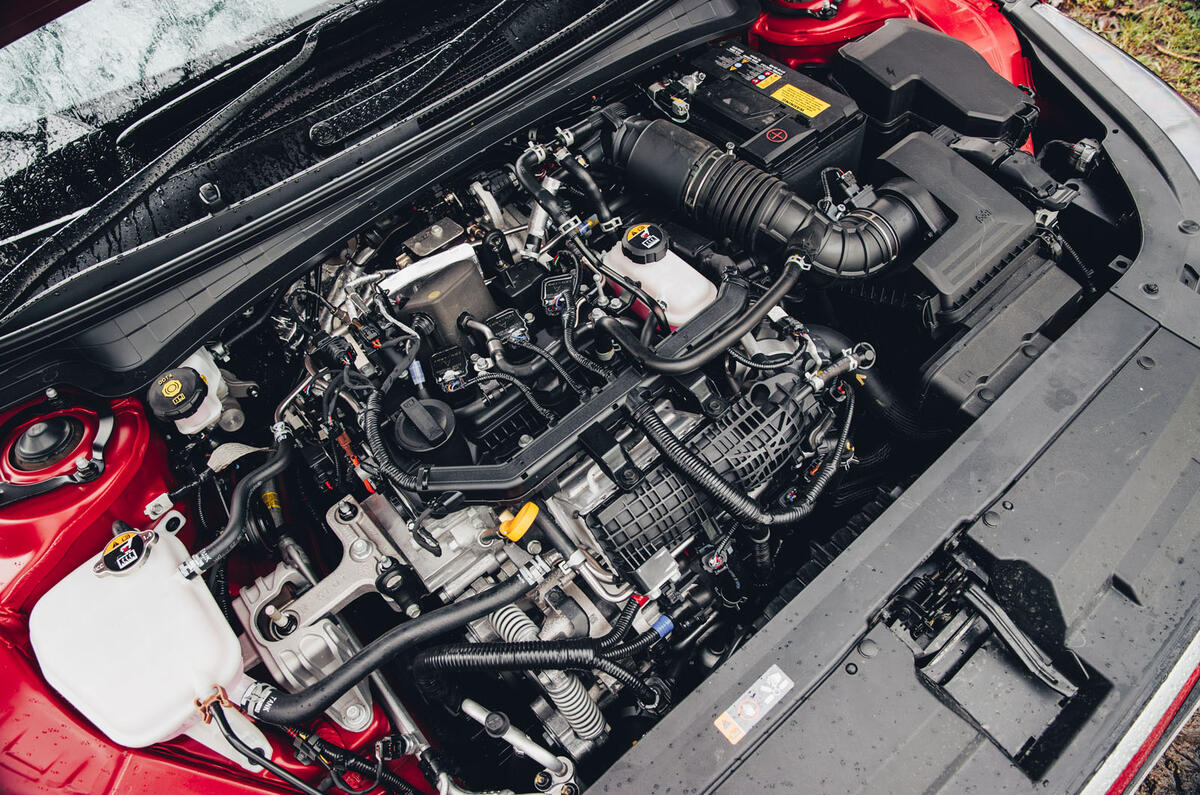
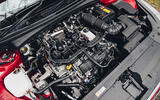
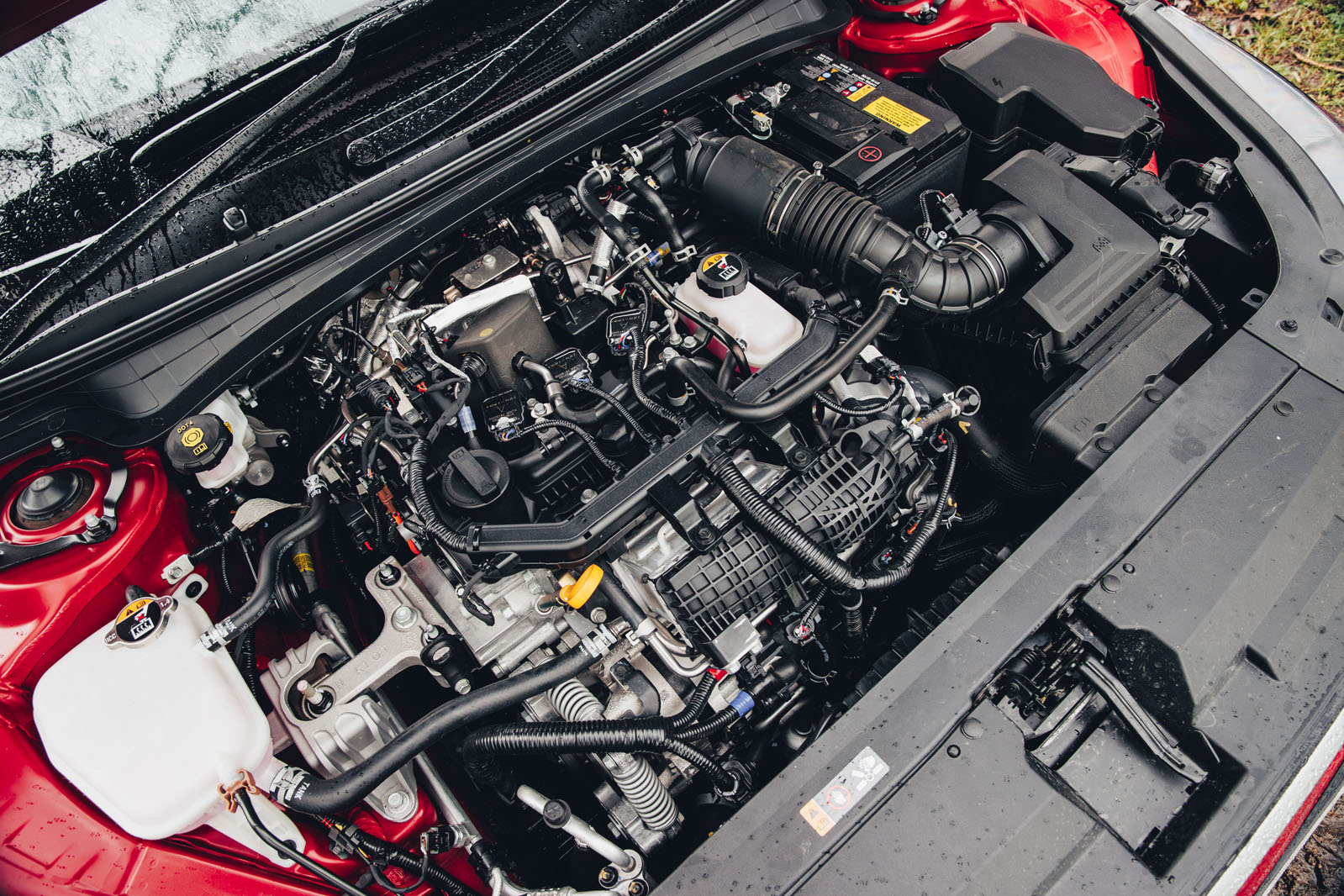
The K4 shares its platform with the Kia Niro and Hyundai Kona, so the powertrains are mostly familiar. The range opens with a 113bhp 1.0-litre three-cylinder, which in the UK is always a mild hybrid with a 0.44kWh battery in the boot and an integrated starter-generator. It can be paired with either a six-speed manual or a seven-speed dual-clutch automatic. Then there’s a 1.6-litre turbocharged four-cylinder with – depending on the trim level – 148bhp or 178bhp. It has no hybridisation of any kind and always comes with a seven-speed dual-clutch automatic.

Kia hasn’t announced any details about the full hybrid that will join the range later, but it will most likely adopt the set-up from the Niro, which uses a naturally aspirated version of the same 1.6 with a six-speed automatic and a 43bhp electric motor. The turbocharged version in the Sportage would make it more appealing, though.

Outside Europe, where emissions are less of a concern, the K4 also comes with a 2.0-litre naturally aspirated engine and a CVT, while the 1.6-litre turbo makes more power and is coupled to an eight-speed torque-converter automatic.

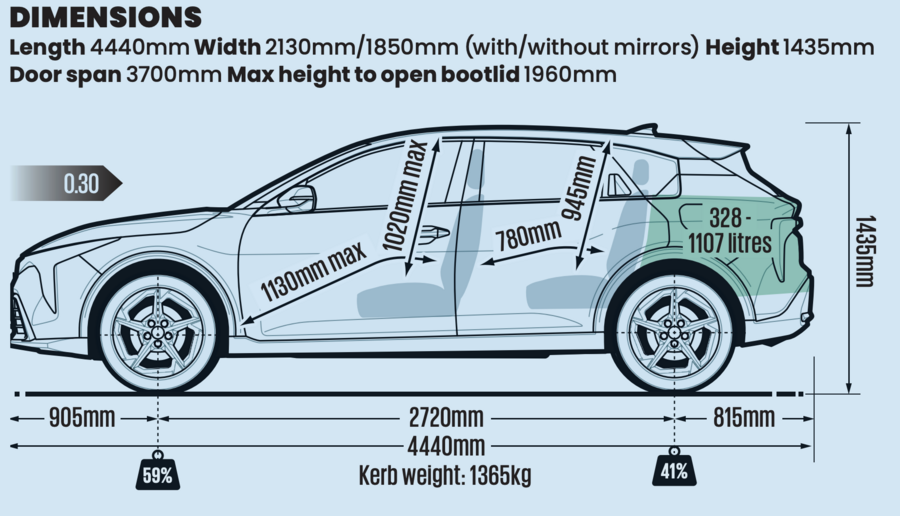
Compared with the Ceed, the K4 is 130mm longer and 50mm wider, which puts it about midway between the smaller Golf and the bigger Civic. Even so, it’s a little disappointing that, at 1388kg, our three-cylinder test car was heavier than the mild-hybrid four-cylinder Golf we weighed in 2020. According to Kia’s official figures, the 1.6 is 47kg heavier again.

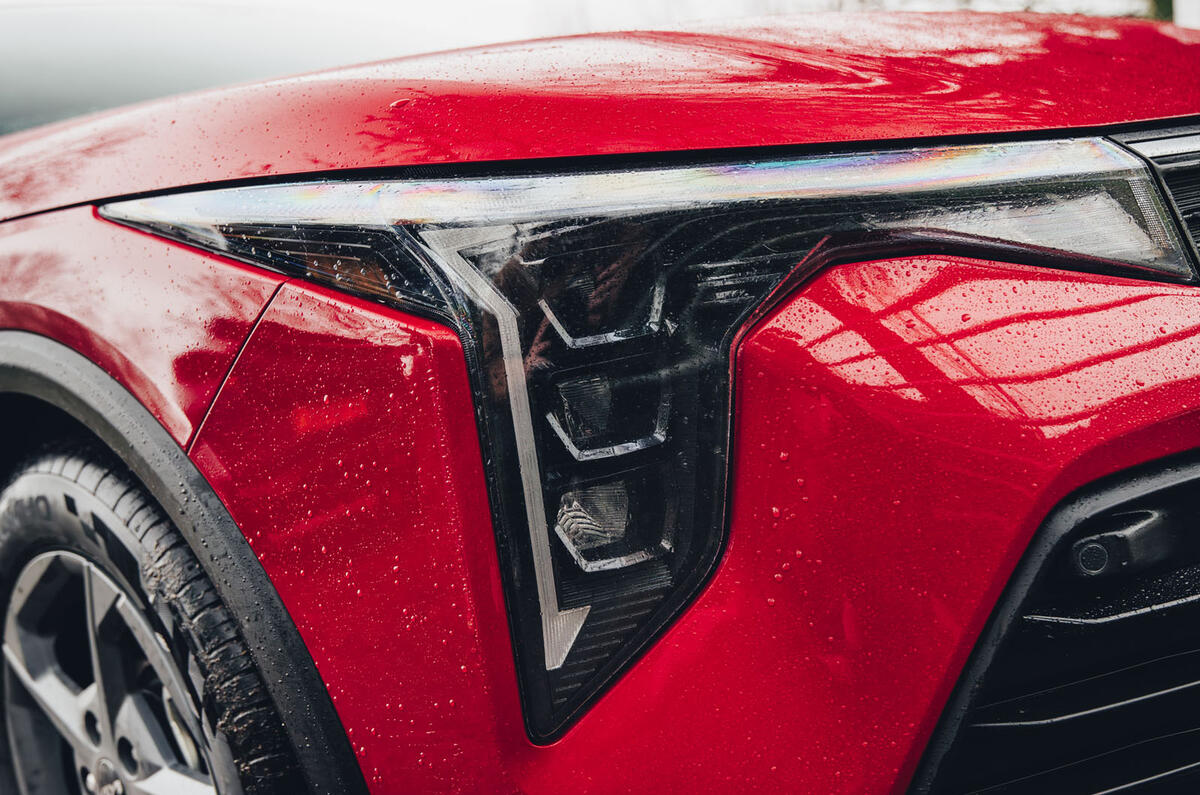
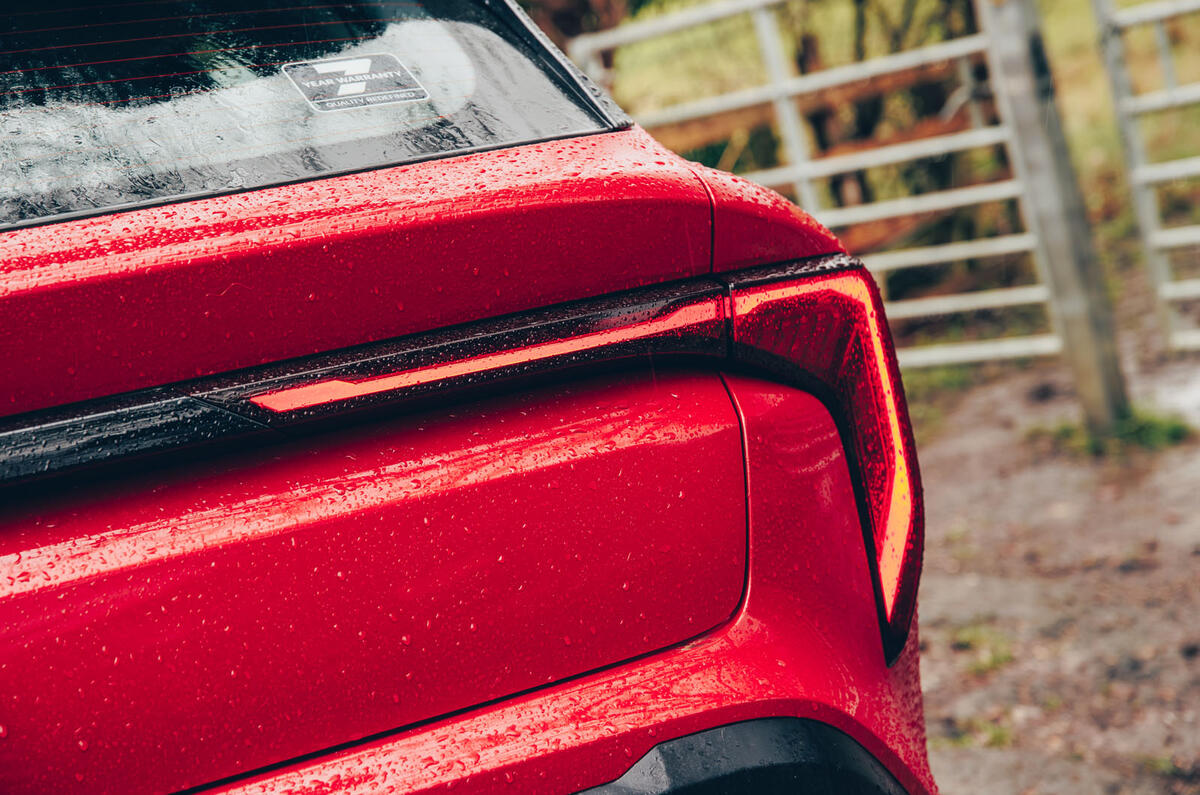
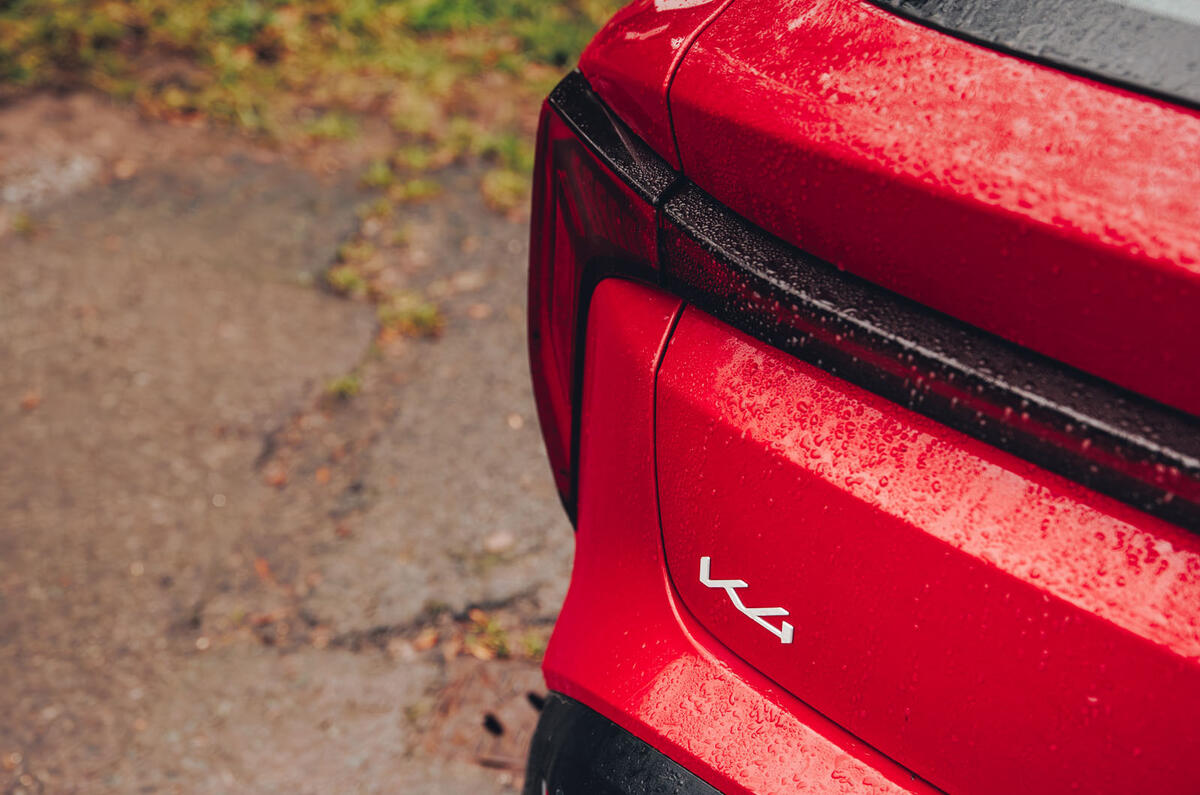
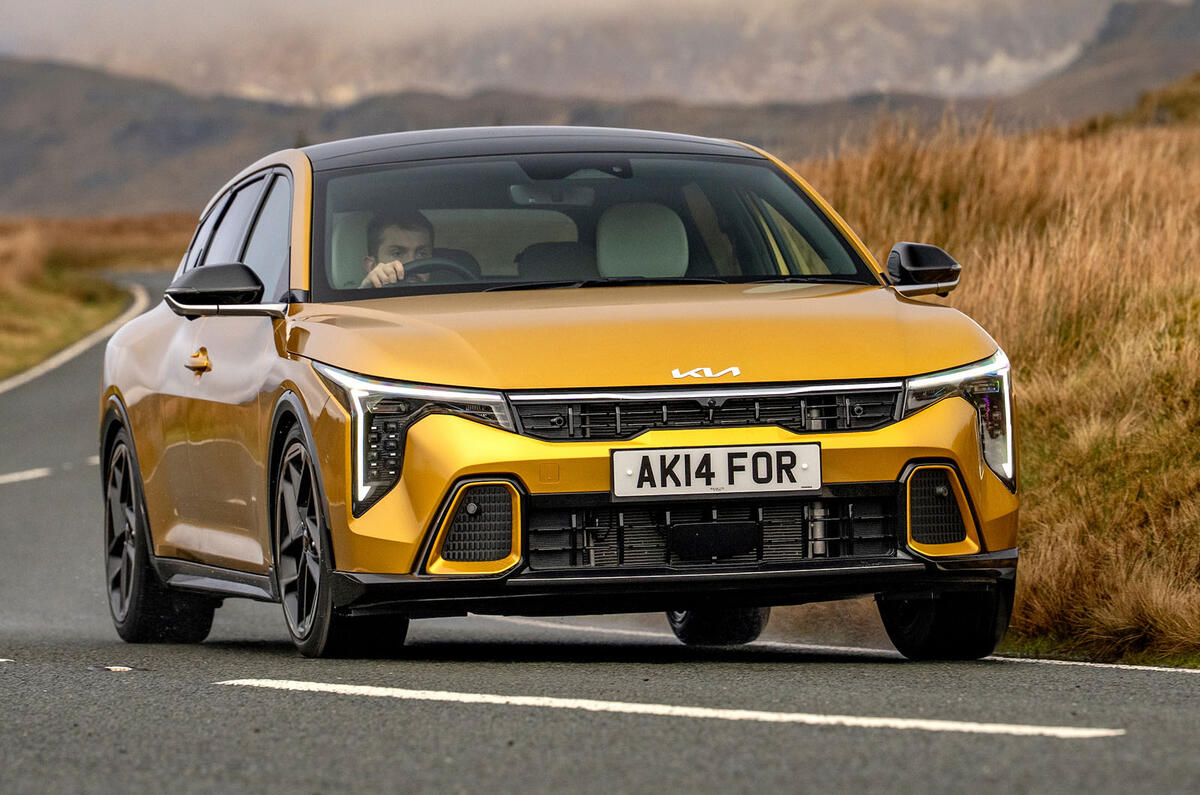
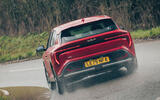
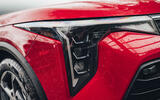
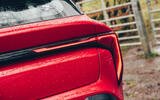
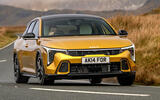
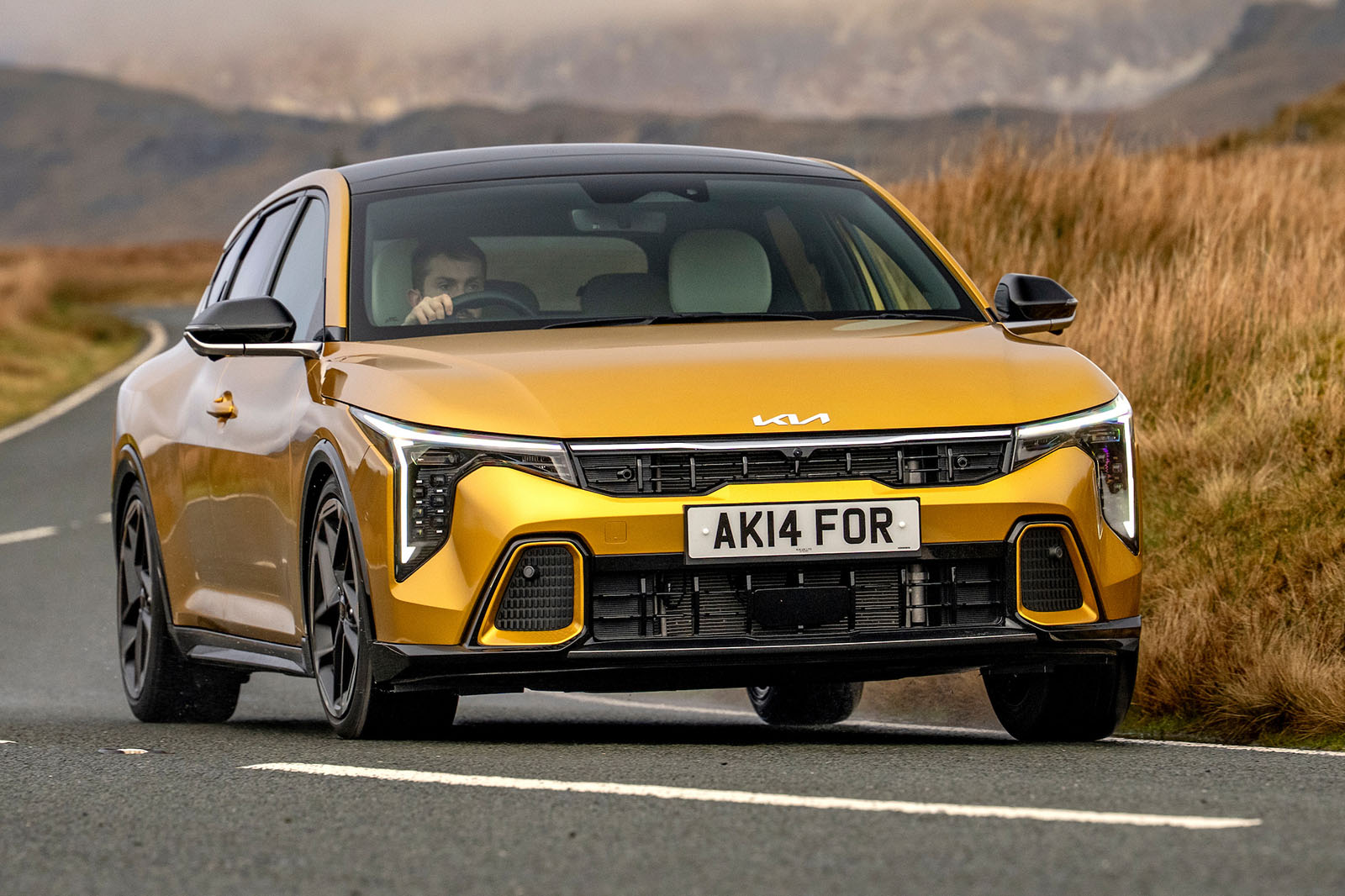
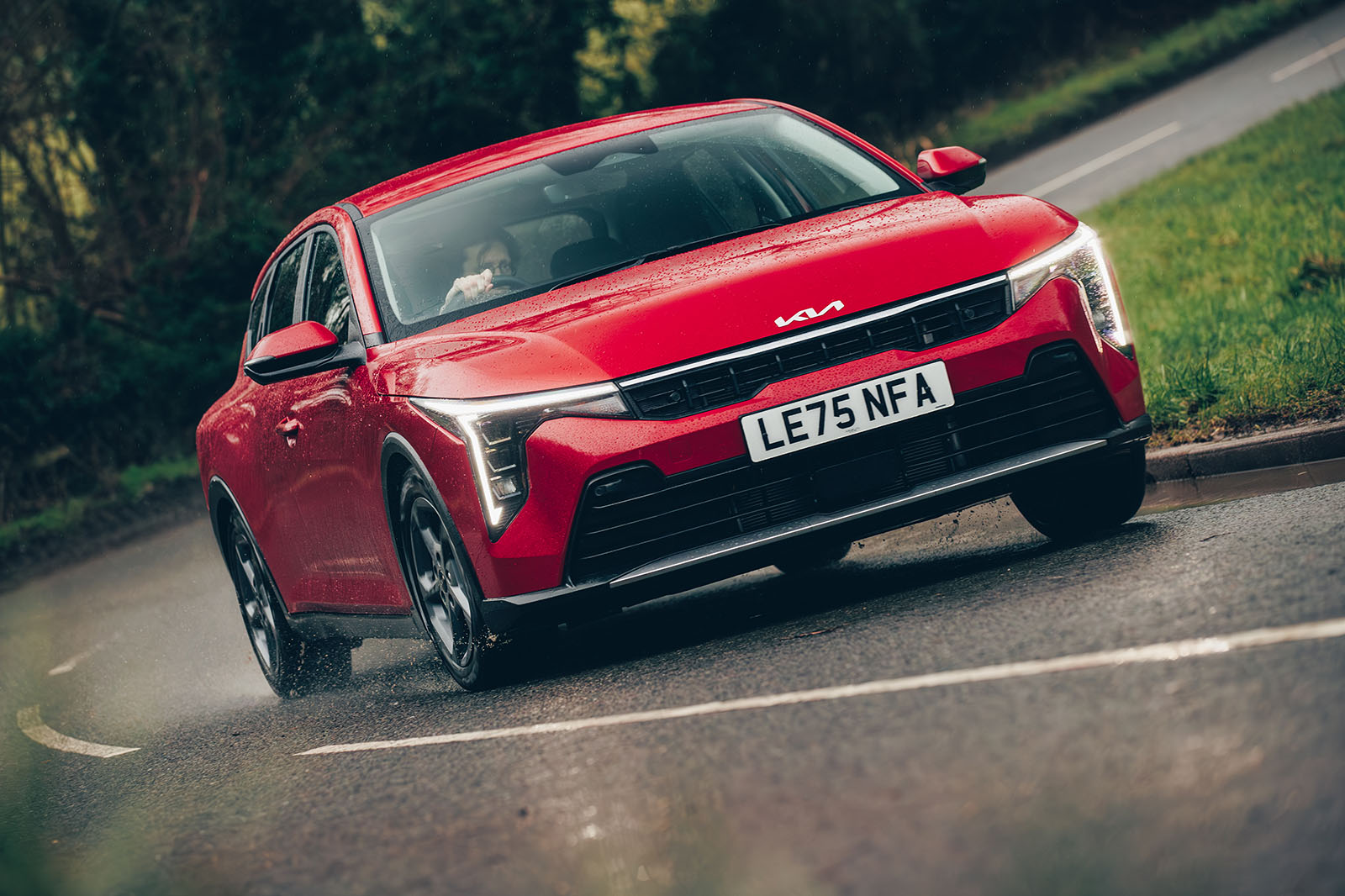
Like other recent Kias, the K4 adopts the Opposites United design language, which translates into a much blockier and busier style than the Ceed, albeit one that is proving much less controversial than other recent Kias, such as the K4’s electric counterpart, the EV4. The flat, wide and low bonnet and vertical lights give it quite a wide, hunkered-down stance that electric equivalents, and even most combustion-engined rivals, struggle to match.

INTERIOR

8
Kia K4 review 2026 038

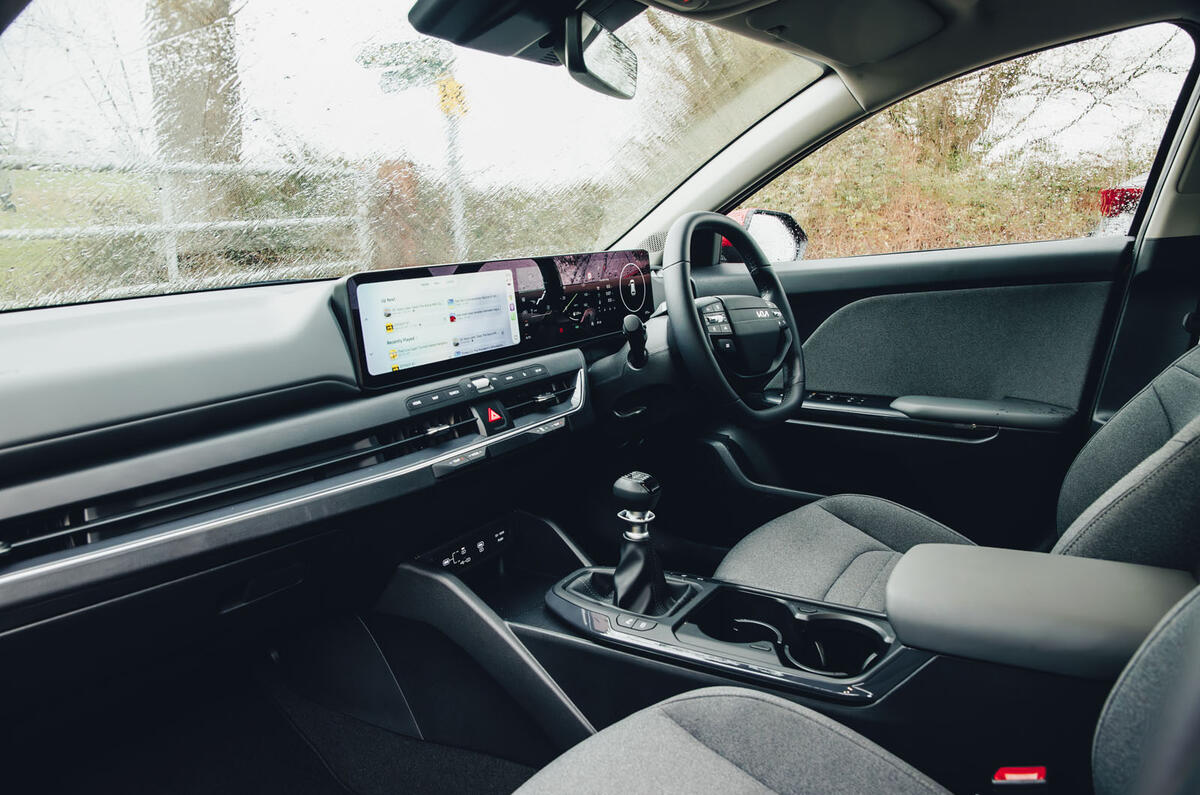
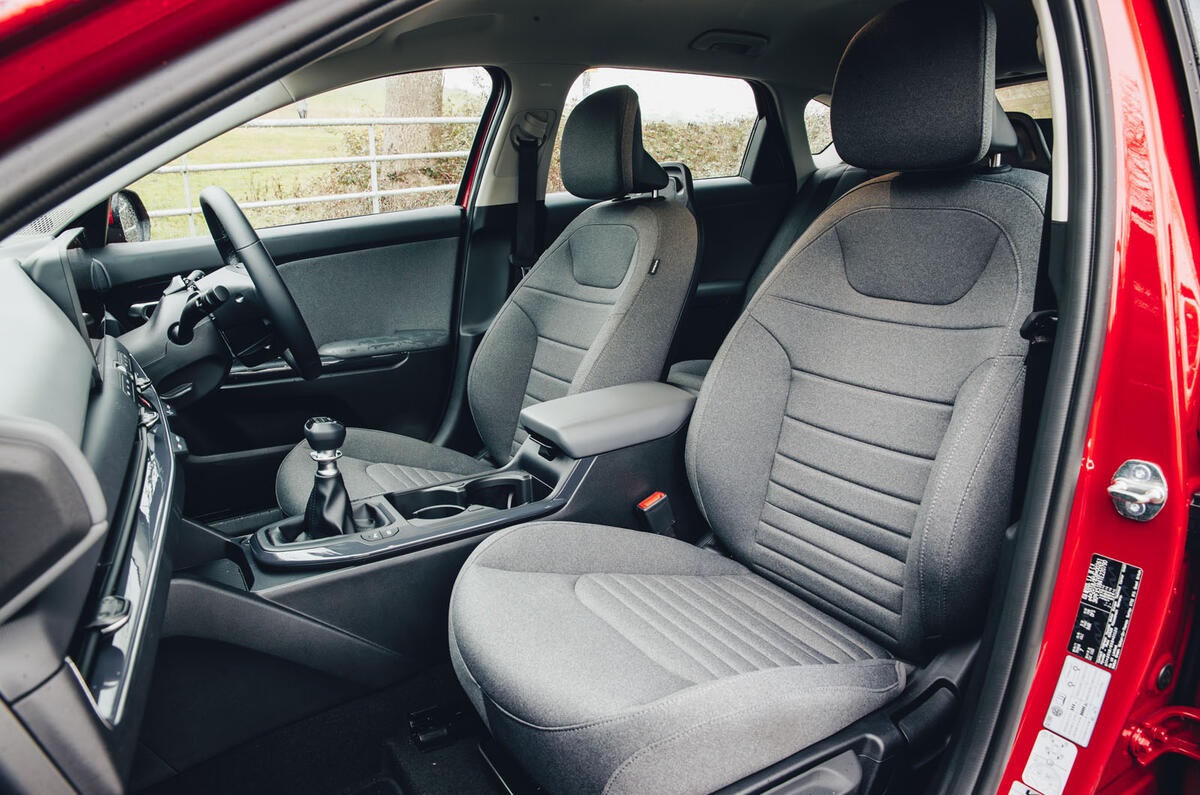
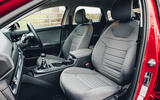
After testing a series of EVs and SUVs, it is comforting to open the door and sink down into a low-set driver’s seat, particularly one trimmed in an invitingly soft fabric.

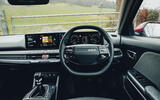
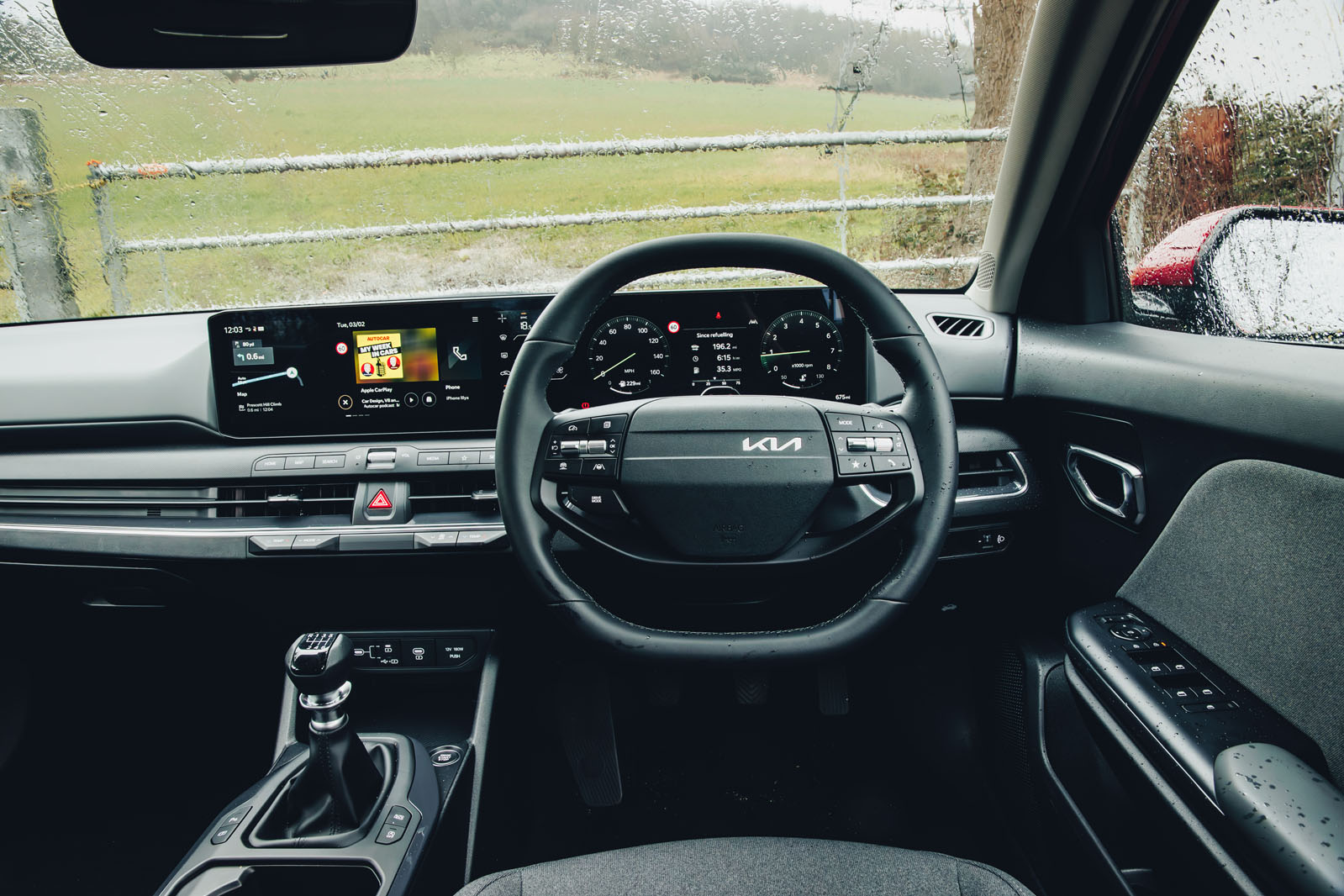
The K4 benefits from a very sound driving position, with three well-spaced pedals and ample (manual) adjustment in the seat and steering column. At least that is the case in the entry-level Pure model. We also spent some time in a middle-rung GT-Line car with the 1.6-litre engine, which gets electric seats as standard. The latter gain lumbar and tilt adjustment but sit you very slightly higher up, perched over the steering wheel a little.

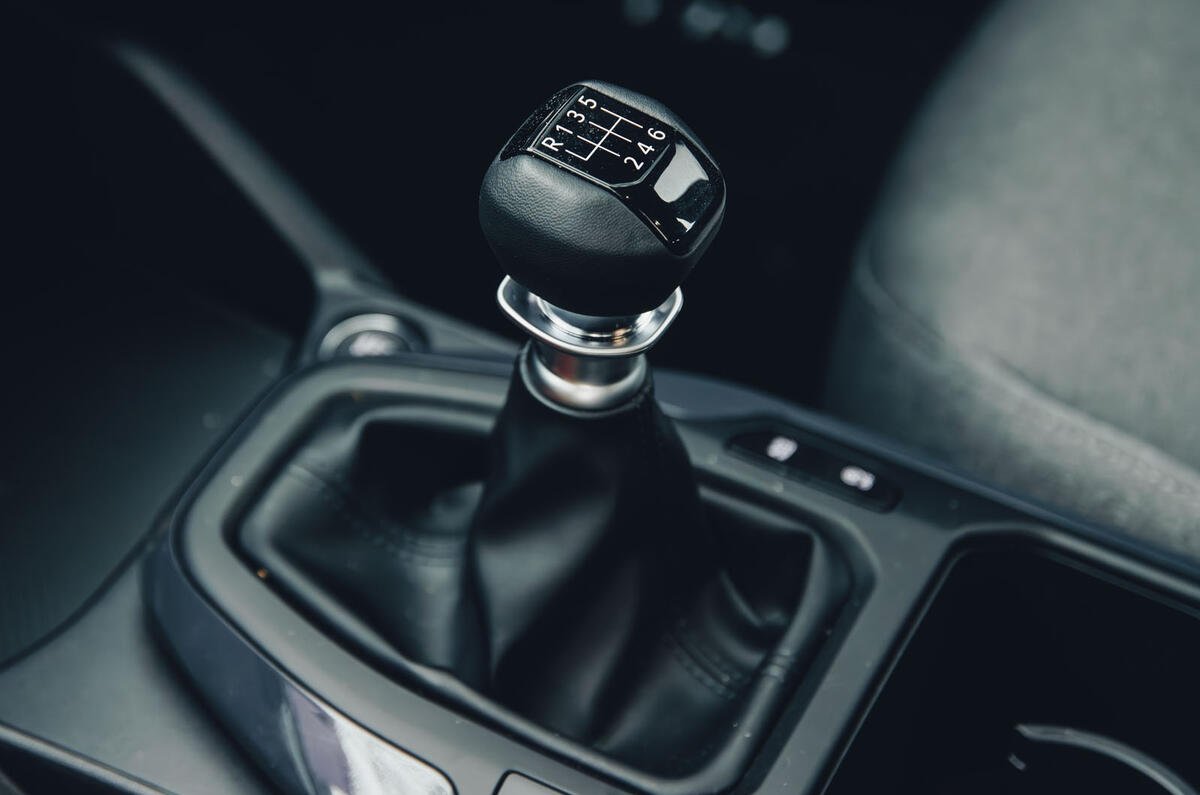
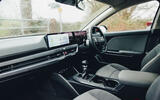
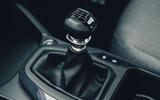
The manual gearbox has a pleasing action but the angular gearknob doesn’t fall as nicely to hand as a simple round one. Automatic versions get a big lever to select drive.

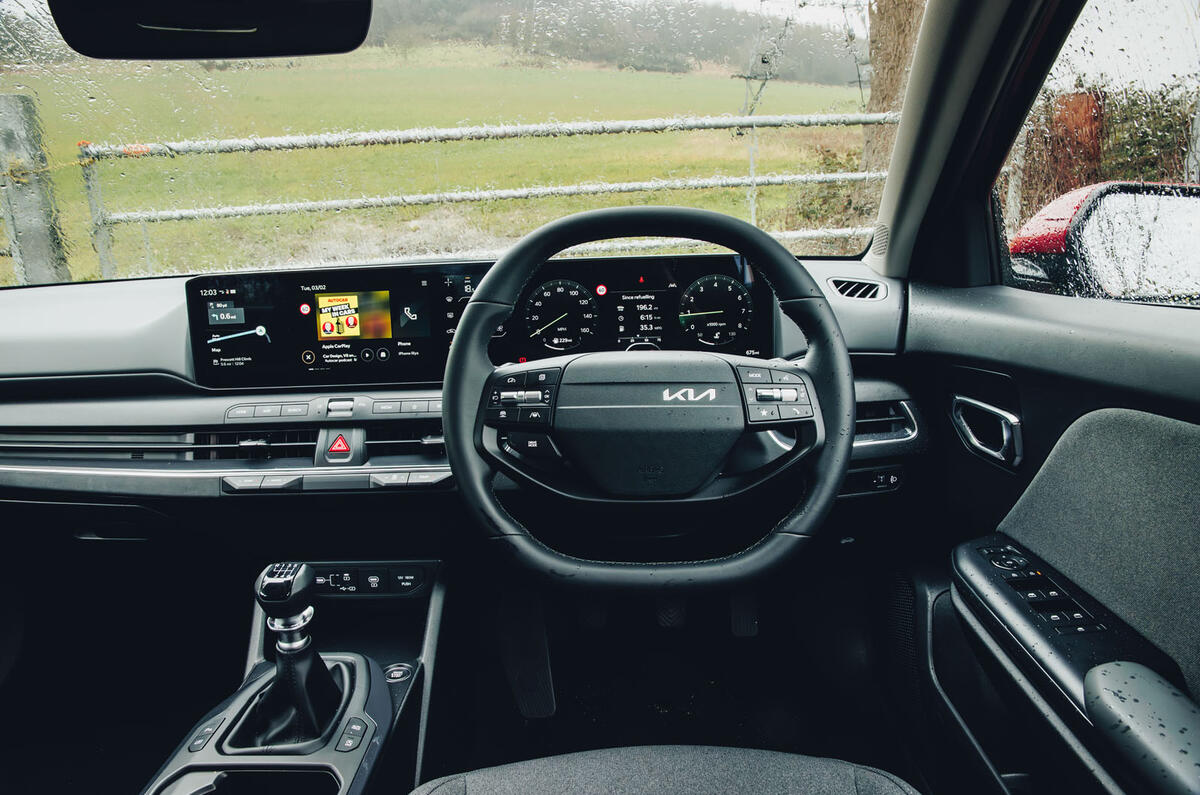
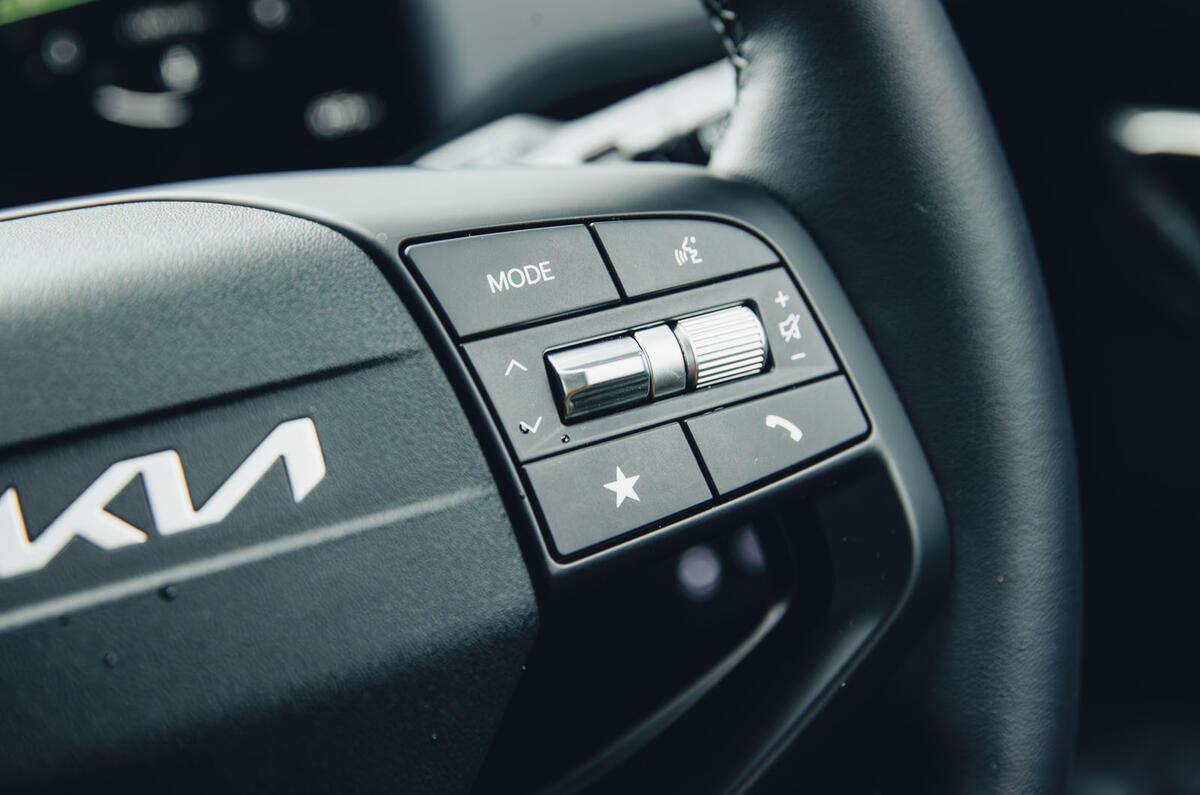
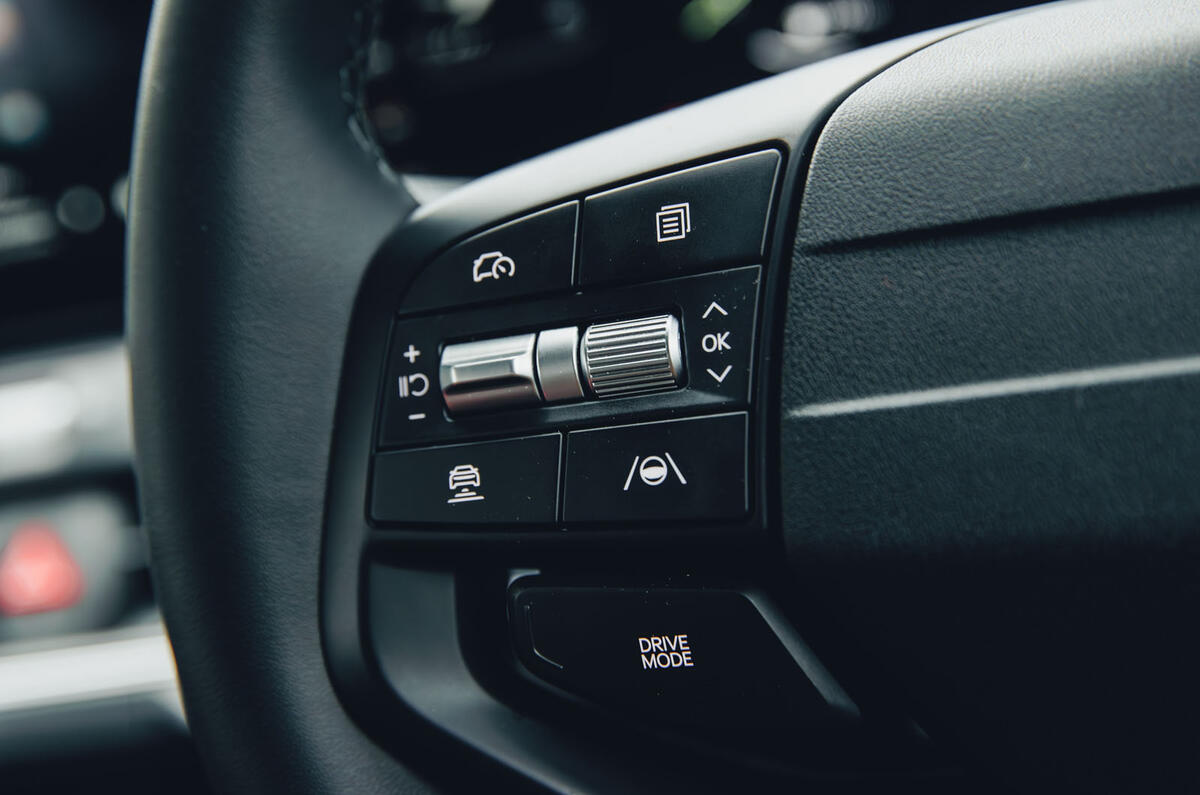
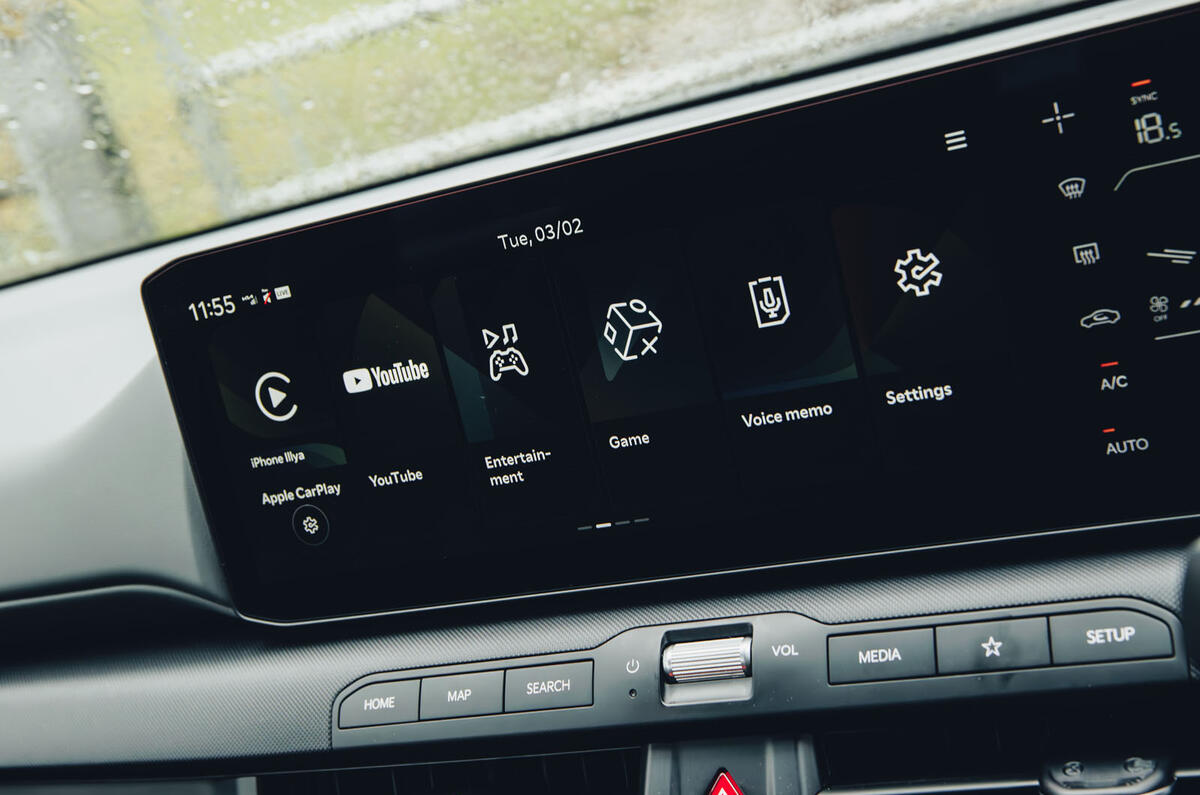
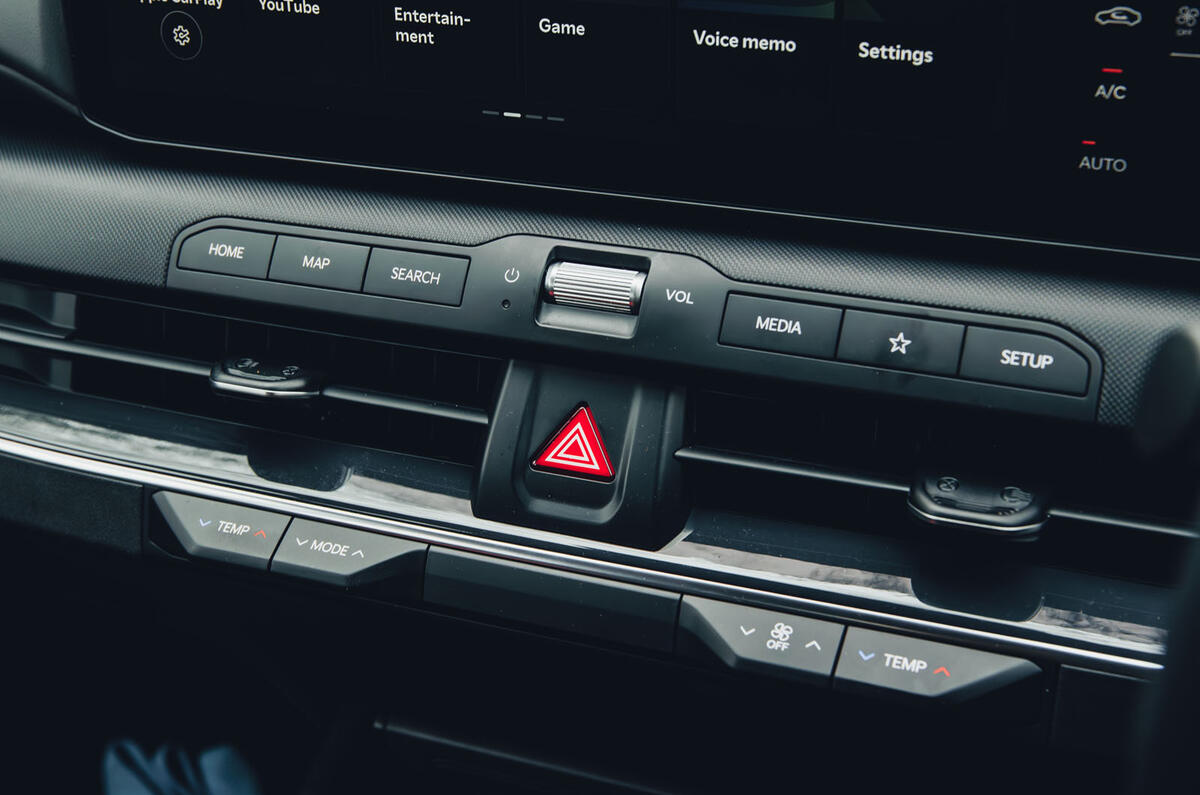
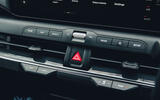
What all K4s share, though, is sensibly laid-out controls. Kia is well versed in this art by now, and if you have been in another modern-era Kia, everything will feel very familiar. Although the dashboard is hardly festooned with buttons, there is a higher-than-average number of them. Significantly, they all serve a clear and useful purpose. Switching to the navigation or phone mirroring, turning the heat up or temporarily silencing the parking sensors – all require just one button press. The car in these pictures didn’t have heated seats, but cars that do gain an extra button panel by the door handle.

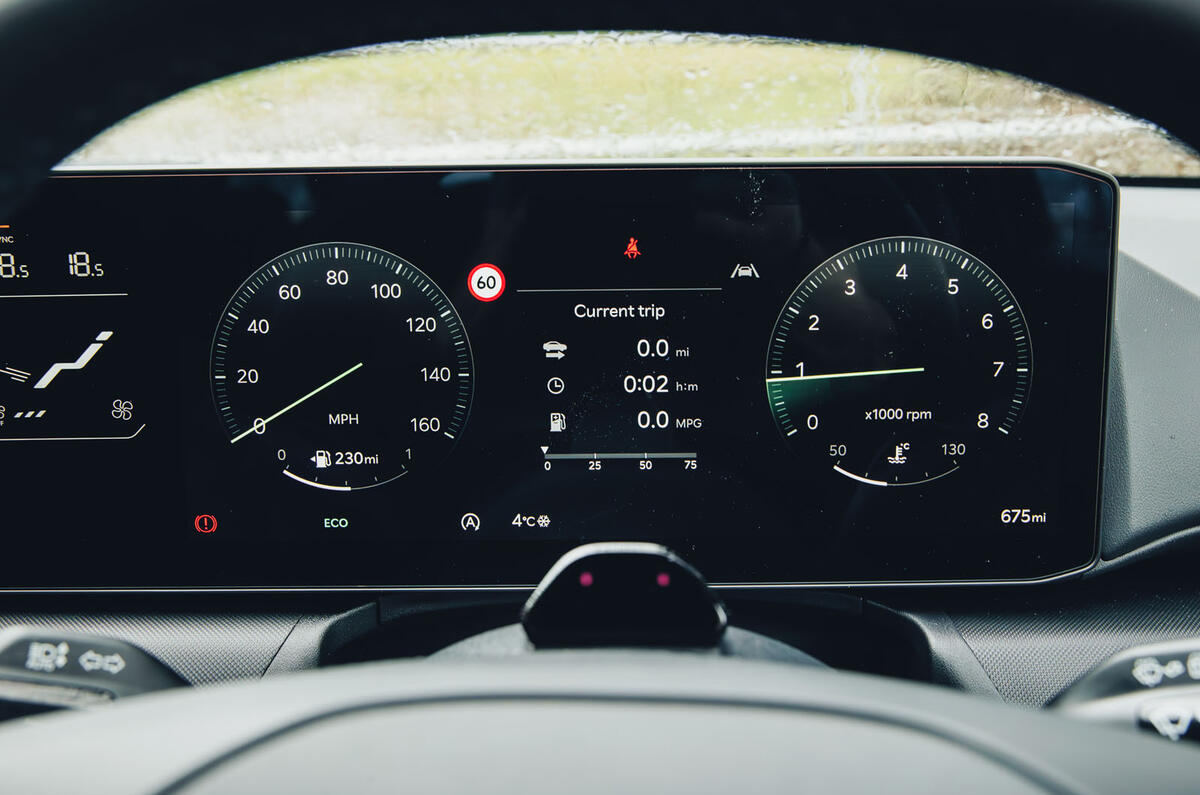
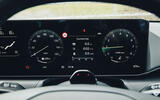
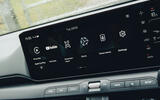
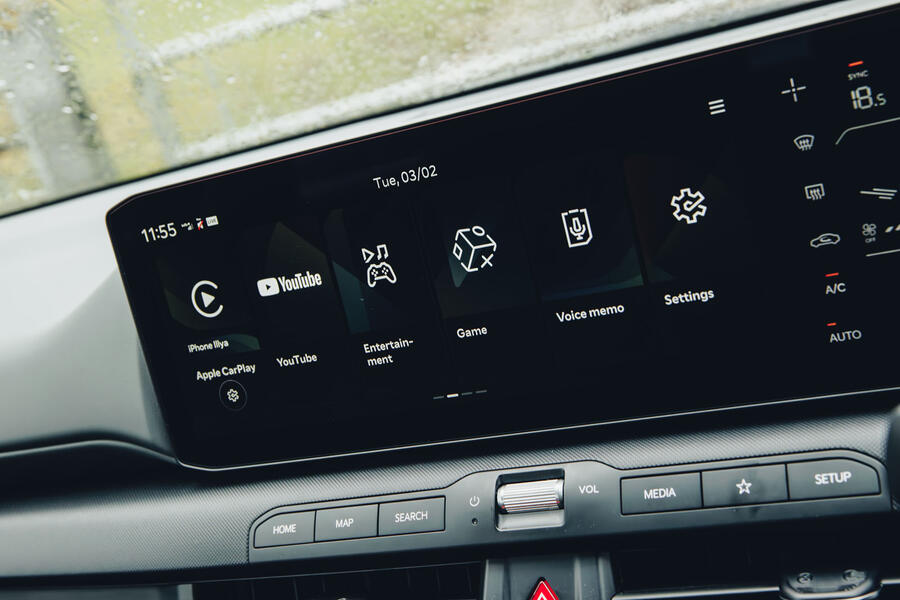
Kia’s typical screen triptych, with a 12.3in driver display, a 12.3in main touchscreen and a 5.3in touchscreen for miscellaneous climate control functions sandwiched between them, is clear, easy to navigate and features a useful amount of customisation. The built-in navigation is well worth using, and new Kias come with seven years of connected services for free.

Perceived quality is hard to fault too. On some Kias the bottom trim level is brought down with cheaper materials, but that is not the case on the K4. The dash and door cards are all trimmed in soft materials and all the switchgear feels solid. We actually found that the fabric trim in the Pure felt cosier than the faux leather in the GT-Line. What they both share is a rather drab and unimaginative grey colour scheme.

We have no complaints about the practicality either. The tray in front of the gear selector becomes a wireless charging pad on higher trims, and we like the centre console arrangement: it’s a large box that can hold all sorts of stuff, with two pop-out cupholders that can be deployed when needed.

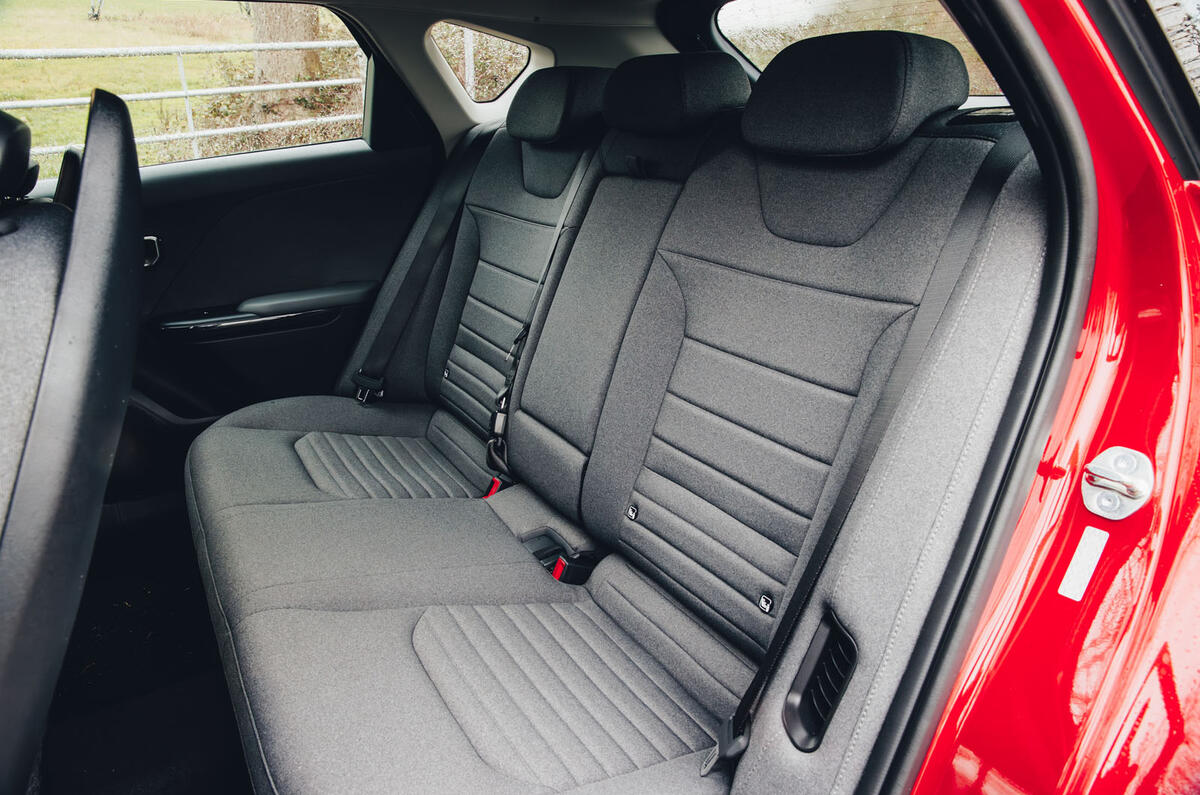
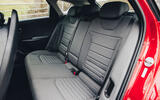
The K4’s generous exterior dimensions translate to class-leading interior space, with more rear leg room than any C-segment rival we have measured. Head room is a little tight but should be sufficient for most adults.

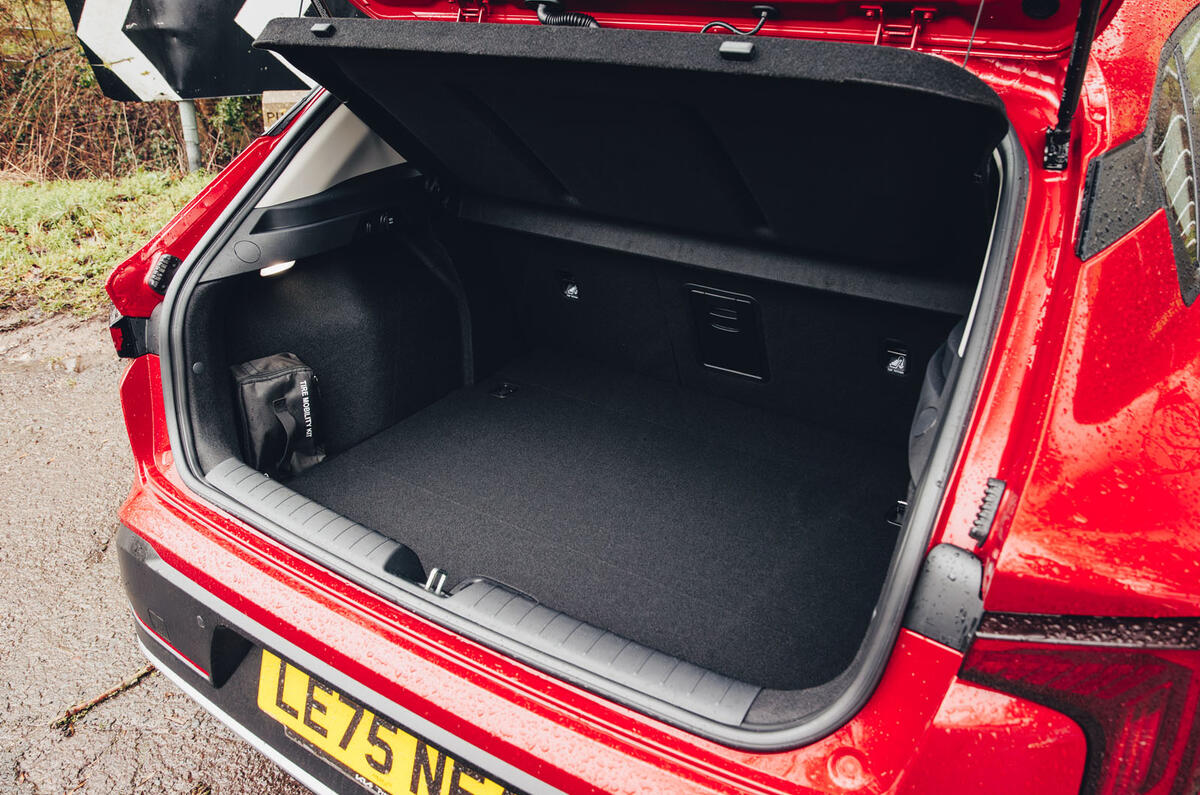
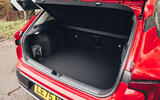
Luggage space is a more mixed story, because the battery for the mild-hybrid system hides in the spare-wheel well. As a result, while the 1.6 has a very class-competitive 438 litres of space and room for a spacesaver wheel, the 1.0 makes do with just 328 litres, which is less than in a Volkswagen Golf. There is more space under the floor, but it’s rather uneven. On the other hand, the 1.0’s higher floor does create a flat load space when the rear seats are folded down, whereas there is a step in the 1.6.
ENGINES & PERFORMANCE

8
Kia K4 review 2026 049

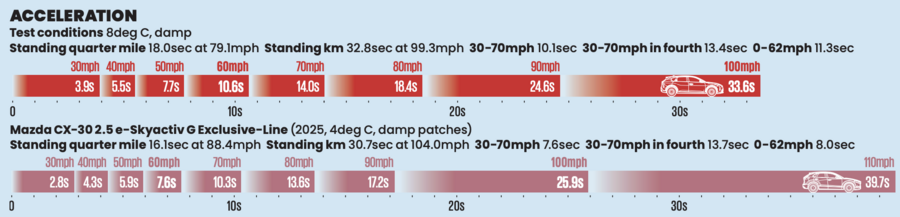
The numbers on Kia’s own spec sheet don’t come close to telling the story of the 1.0-litre K4’s performance. For a 1.4-tonne car 113bhp is far from excessive, but 12.2sec to 62mph seems overly conservative. Indeed, in our testing on a slightly damp surface, the 1.0 needed only 11.3sec. That still means you would never call it a fast car, but it’s a reasonable amount of performance for an entry-level hatchback.
Being a three-cylinder, the engine feels willing to rev and makes a much more encouraging noise while doing it than most modern four-cylinders. The manual gearbox is also a joy to operate, with a light but mechanical action, medium-long throw and synchronisers that take rushed changes in their stride. With a bit of practice, heel-toe downshifts are doable too.

Driving the K4 reminded me that manual transmissions are well matched to mild hybridisation. The engine only shuts off when you release the clutch in neutral, so it doesn’t conk unexpectedly, like automatics.

That still doesn’t tell the whole story, because the experience is often soured by the peculiar accelerator calibration. In the default Eco mode, it feels gutless in the extreme, and even in Normal mode, the first 80% or so of the throttle travel seems to only give you a fraction of the power, with a surge over the remaining 20%. In practice, that makes it something of an on/off switch, so you often find yourself either crawling along or racing the engine, which makes the whole experience rather tiring. A simple sport mode would solve a lot of the 1.0’s issues.

It also feels like there’s a big gap between second and third gear, so shifting at 3500rpm drops you out of the powerband. The seven-speed dual-clutch automatic is geared more closely (second tops out at 43mph, third at 66mph and fourth at 91mph, versus 57mph, 86mph and 114mph respectively on the manual). Although we have not tried it with the 1.0, it’s probably the better-matched transmission.

We have also tried the 1.6, albeit without instrumented testing, and it feels altogether more relaxing, with a generous spread of torque as well as conventional throttle mapping. Its additional 34bhp cuts the quoted 0-62mph time to 9.1sec – a very useful improvement. It doesn’t sound as enticing as the triple when revved – it’s an unremarkable modern four-cylinder in that respect – but then you rarely need to exceed 4000rpm to make decent progress. The dual-clutch automatic transmission isn’t as smooth or quick as the best but does the job perfectly well.

Brake feel is normal in both versions. The mild-hybrid 1.0 does do some light regenerative braking, but only when you lift off the accelerator. The brake pedal is uncorrupted and feels nicely firm when used in anger. The K4 posted a very short braking distance in the wet but struggled a bit with the damp conditions during our dry brake testing, stopping in a distance that was barely any shorter than in the wet, albeit on a different reference surface with a lower coefficient of grip.

RIDE & HANDLING

8
Kia K4 review 2026 051

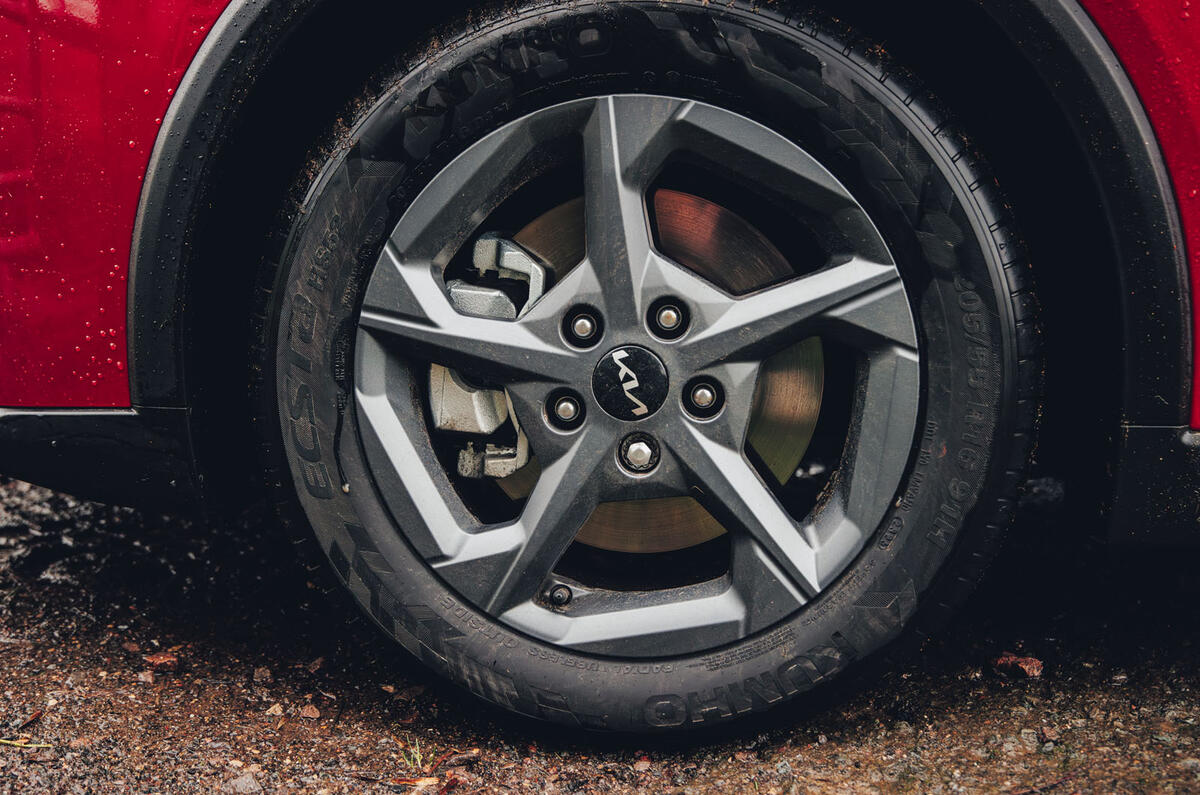
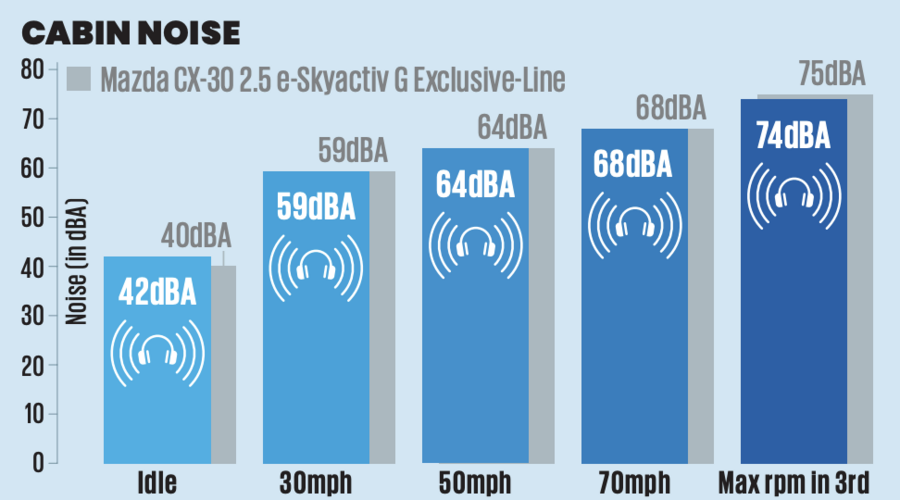
Just as with the performance, the K4 proved somewhat spec-sensitive when it comes to ride and handling. In this case, it shines brightest in its most basic form. On modest 16in wheels with 55-profile tyres, it rides with real composure. It has the suppleness to absorb bumps big and small but without the EV4’s wayward streak. Our K4 produced 68dBA at a 70mph cruise, so isolation is average for the class: the Volkswagen Golf did the same, the Peugeot 308 was one decibel quieter and the Toyota Corolla was slightly noisier.

Swapping into the 1.6 GT-Line, we were struck by how obviously noisier it was. It rode on 17in wheels with Nexen N’Fera tyres, while the 1.0 Pure used Kumho Ecsta HS52. It also didn’t ride quite as sweetly, transmitting the road’s topography more clearly and thumping more over expansion joints and the like. It’s still a broadly comfortable car, but while the standard version is distinguishingly so, the ‘upgraded’ one feels more run-of-the-mill.

Happily, there’s less difference in the way they negotiate corners. The body rolls gently, but because you feel sat in rather than on the chassis, this seems natural. The steering is among Kia’s better efforts, with gentle initial weighting and little sense of friction but a gradual build-up of weight as you approach the limit of grip.

On its rather humdrum tyres, that limit of grip isn’t excessively high, but the communicative steering lets you nudge up to it gradually, on both dry and wet roads. A well-timed lift of the accelerator or a dab of brakes will rotate the car into corners neatly. The stability control can’t be fully disabled and isn’t the most sophisticated when it intervenes but is generally unintrusive in everyday driving. For something that isn’t pitched as a performance car, the K4 is remarkably good fun.

Unlike for, say, family SUVs, the standard for ride and handling in the hatchback class is very high. Rivals like the Volkswagen Golf, Honda Civic and Toyota Corolla combine excellent ride comfort with a good deal of driver engagement. In its most simple spec, the K4 just about meets that standard, but the Golf and Civic in particular are more consistent across the range.

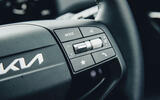
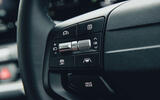
Kia has become quite clever with its driver assistance systems. The lane keeping assistance and overspeed warning can be easily disabled by holding the relevant buttons on the steering wheel. The driver monitoring will berate you for looking at the speedometer for too long but can be permanently silenced by way of some tape over the camera. Meanwhile, the adaptive cruise control is one of the more responsive such systems, and the automatic lane following does a passable, light-touch job of keeping you in your lane. Upgrading to GT-Line adds the option of semi-automatic lane changes, initiated using the indicator stalk. This is too slow to be really useful, though. We do like how the speedometer or tachometer will temporarily be replaced with a blindspot camera image when you indicate to change lanes.

MPG & RUNNING COSTS

7
Kia K4 review 2026 026

It has been a while since Kia was considered a budget brand, but with the K4 it is clearly making a point of undercutting nearly all rivals when compared with like-for-like equipment and powertrains. As is often the case with Kias it is quite expensive on PCP finance but outstanding value on contract hire, so it pays to shop around.

The model range structure is also annoyingly rigid. The manual gearbox is only available on entry-level Pure trim, which is decently well equipped but lacks heated seats, and Kia doesn’t offer them as a separate option either. By the same token, the 1.6 is at least a GT-Line, which adds some equipment that some might consider unnecessary, and the 178bhp version of the 1.6 engine is tied to GT-Line S trim. Rivals from Volkswagen, Toyota and Peugeot offer more flexibility.

There's space under the boot floor of the 1.6 versions for a space saver spare wheel, but Kia doesn't offer one. It ought to be possible to procure one, should you wish, I daresay.

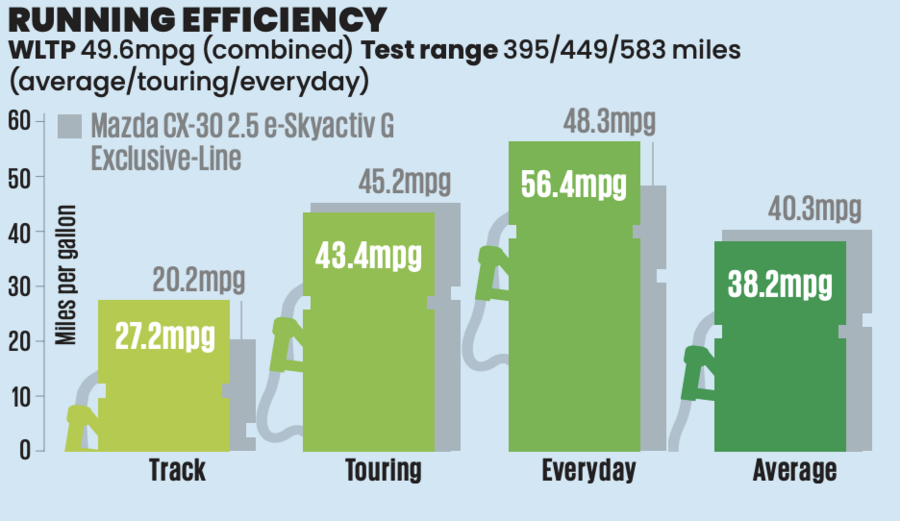
We also know Kia’s engines tend not to be the most efficient, and that proves to be the case here too. Its hatchback shape lets the K4 slip through the air relatively well, so a touring economy of 43.4mpg is all right, but the taller Mazda CX-30 achieved 45.2mpg, so we would expect a 3 to be nearer to 50mpg. Despite its increased cylinder capacity and power, the 1.6 returned very similar fuel economy to the 1.0 in everyday usage. 

VERDICT

Kia K4 review 2026 053

While shifting petrol hatchback production out of Europe shows the K4 is no longer the priority for Kia that the Ceed once was, it’s also quite the power play from the firm to launch a brand-new car in a class that Ford and Renault have abandoned.

The K4 doesn’t disappoint: it’s a nicely designed hatchback with plenty of common-sense touches where it counts. In the right spec, it rides well and serves up enough handling poise to entertain. One reservation is that the perfect spec may prove elusive: the entry-level engine has some weird and off-putting tuning, while the ‘upgraded’ version loses a bit of chassis finesse.

The C-segment hatchback class is still hugely competitive, with plenty of very strong all-round options. The K4 doesn’t trouble the leading players but is still easy enough to recommend.

Illya Verpraet

Illya Verpraet Road Tester Autocar
Title: Road Tester

As a road tester, Illya drives everything from superminis to supercars, and writes reviews and comparison tests, while also managing the magazine’s Drives section. Much of his time is spent wrangling the data logger and wielding the tape measure to gather the data for Autocar’s in-depth instrumented road tests.

He loves cars that are fun and usable on the road – whether piston-powered or electric – or just cars that are very fit for purpose. When not in test cars, he drives an R53-generation Mini Cooper S or a 1990 BMW 325i Touring.