Currently reading: Top 10: Aircraft Used in Scary and Brave Aerial Defections

Top 10: Aircraft Used in Scary and Brave Aerial Defections

The quickest way to escape a life you’re not enjoying in a particular regime is by aeroplane.

Aerial defectors risked life and limb and gave up friends and family for a new chance. Sometimes, the defections were ideological, sometimes for safety, and some even had financial incentives.

For example, the USA offered generous cash rewards and amnesty to anyone who’d bring them an example of the much-feared MiG-15, going as far as leaflet-dropping to advertise the deal. Here are ten of the aircraft that took part in these daredevil defections.


10: Ilyushin Il-28 ‘Beagle’
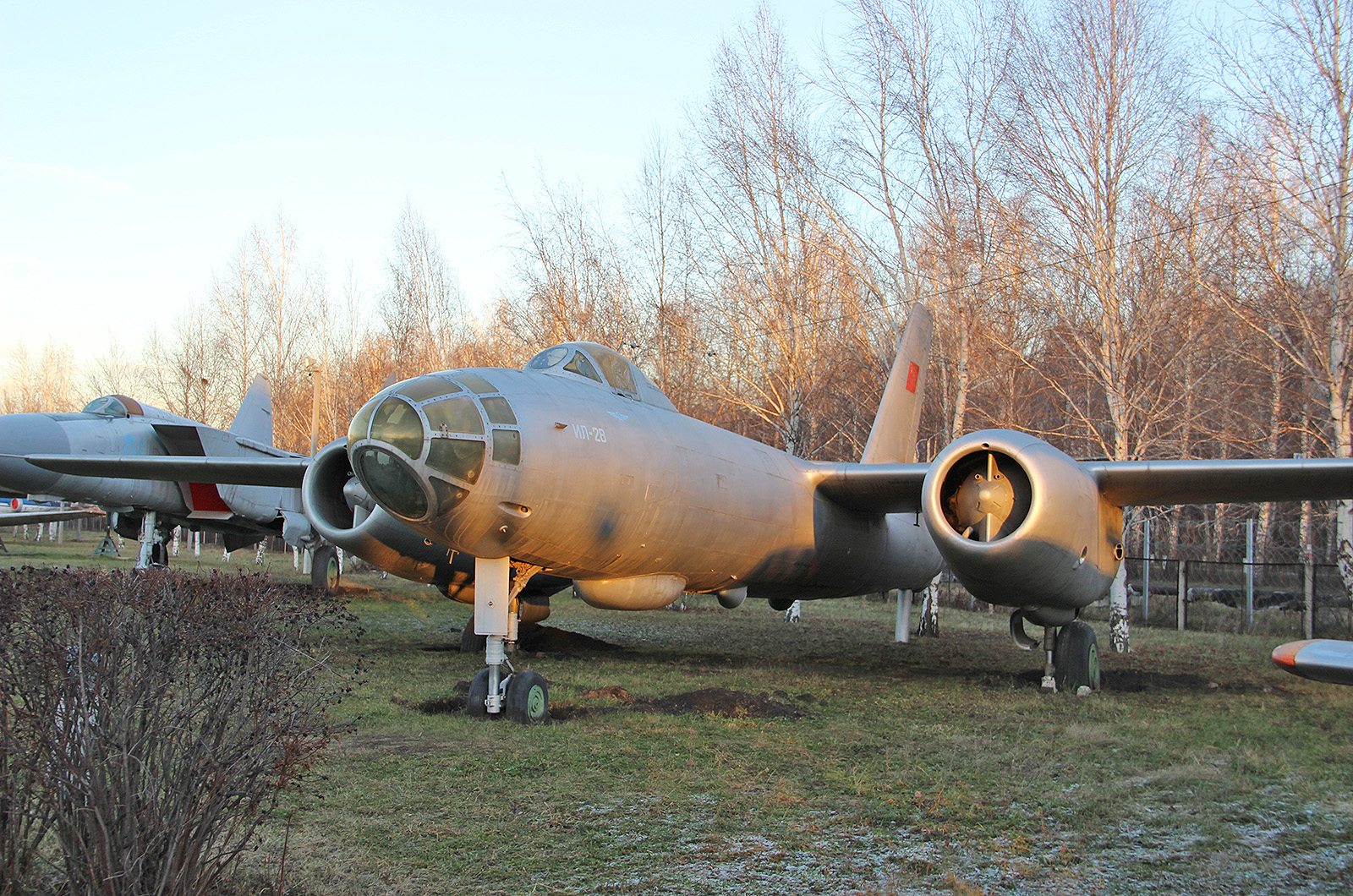
 Ilyushin Il-28 ‘Beagle’

First flying in 1949 the Il-28 Beagle was a twin-engined straight-winged jet bomber powered by the Klimov VK-1 jet engine, an unlicensed Rolls-Royce Nene. Although the Beagle had a crew of three, they sat in individual cockpits, which prevented the navigator and gunner from interfering with the pilot (you’ll soon find out why this is relevant).

On 11 November 1965, a Chinese Air Force Il-28 on a routine sortie from Hangzhou turned south towards Taiwan. Flying at low level over the sea, the aircraft avoided radar detection and landed on the north of the island near the Taiwanese base at Taoyuan. Due to poor weather, the undercarriage collapsed on landing, leading to the death of one crew member.


10: Ilyushin Il-28 ‘Beagle’
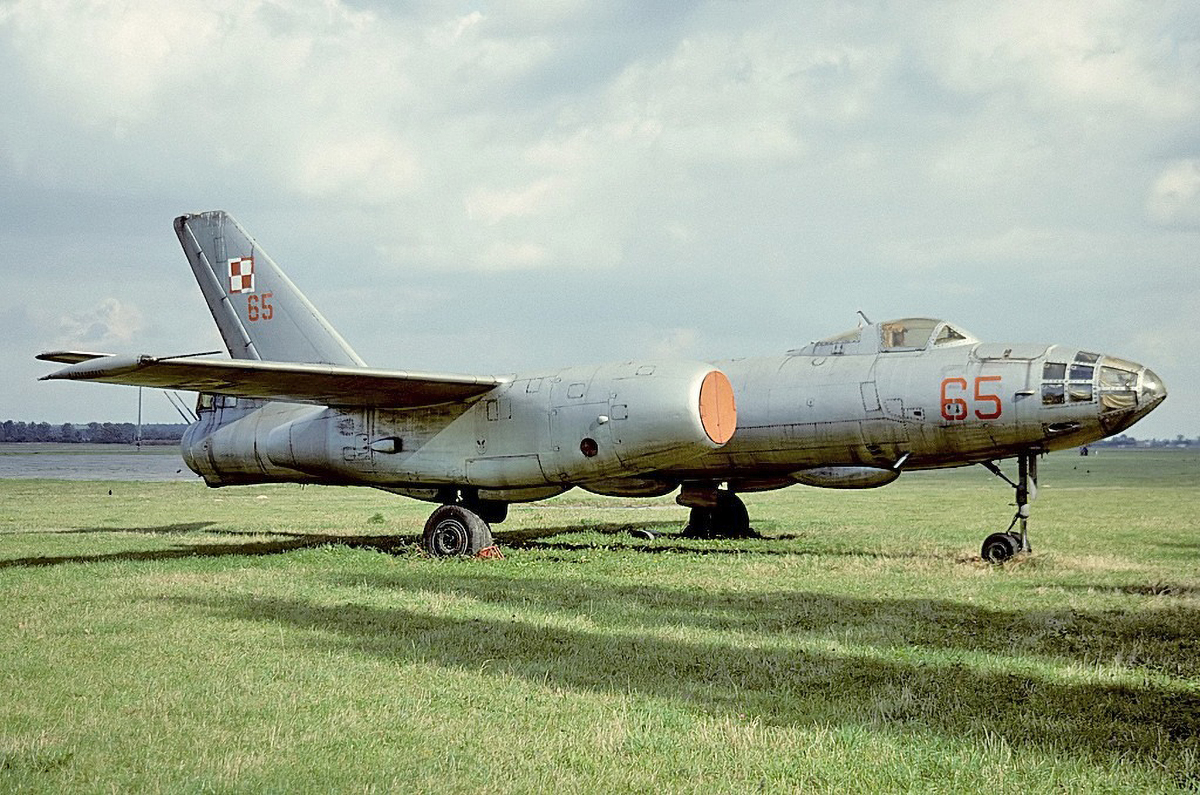
 Ilyushin Il-28 ‘Beagle’

The two survivors defected to Taiwan, were given substantial cash rewards, and served in the Taiwanese Air Force for many years. Fearing that they might defect back to China with a stolen aircraft, they were given non-flying roles; this fear proved valid when one of them returned to China in 1983, though not by stealing an aircraft.

A second Il-28 defected in August 1985, flown by Xiao Tianrun. In this case, the navigator was killed in the emergency landing in South Korea, as well as a civilian on the ground. Xiao himself is reported as having suffered spinal injuries during the crash while the gunner refused to defect and was returned to China.


9: Iraqi Air Force (various types)
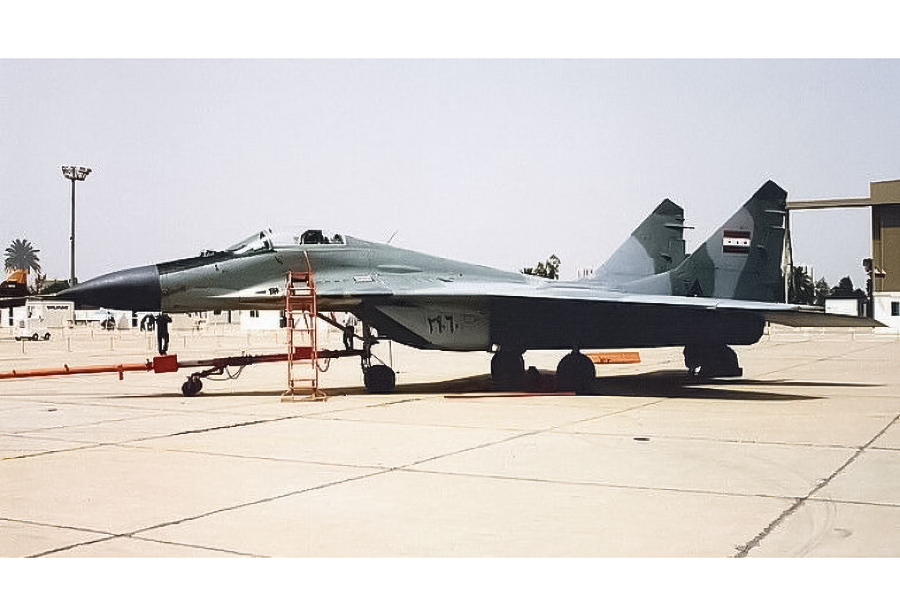
 Iraqi Air Force (various types)

The 1991 Iraqi invasion of Kuwait provoked the largest concentration of military force since the Korean War. Despite warning the liberating armies to prepare for the ‘Mother of all Battles’, Saddam Hussein’s forces, facing overwhelming military power, provided relatively little opposition. This resulted in an escape, rather than defection, of many Iraqi aircraft, with unexpected consequences.

After only a week of being bombed, a large part of the Iraqi Air Force was moved out of the country. To evade Allied aircraft, rather than evacuating to Jordan, they flew east to Iran, a country Iraq had spent the last decade at war with. This route of escape was an utter surprise to coalition forces; Consequently, when the first aircraft started fleeing there on the 25th of January, coalition fighters were patrolling in the wrong place.


9: Iraqi Air Force
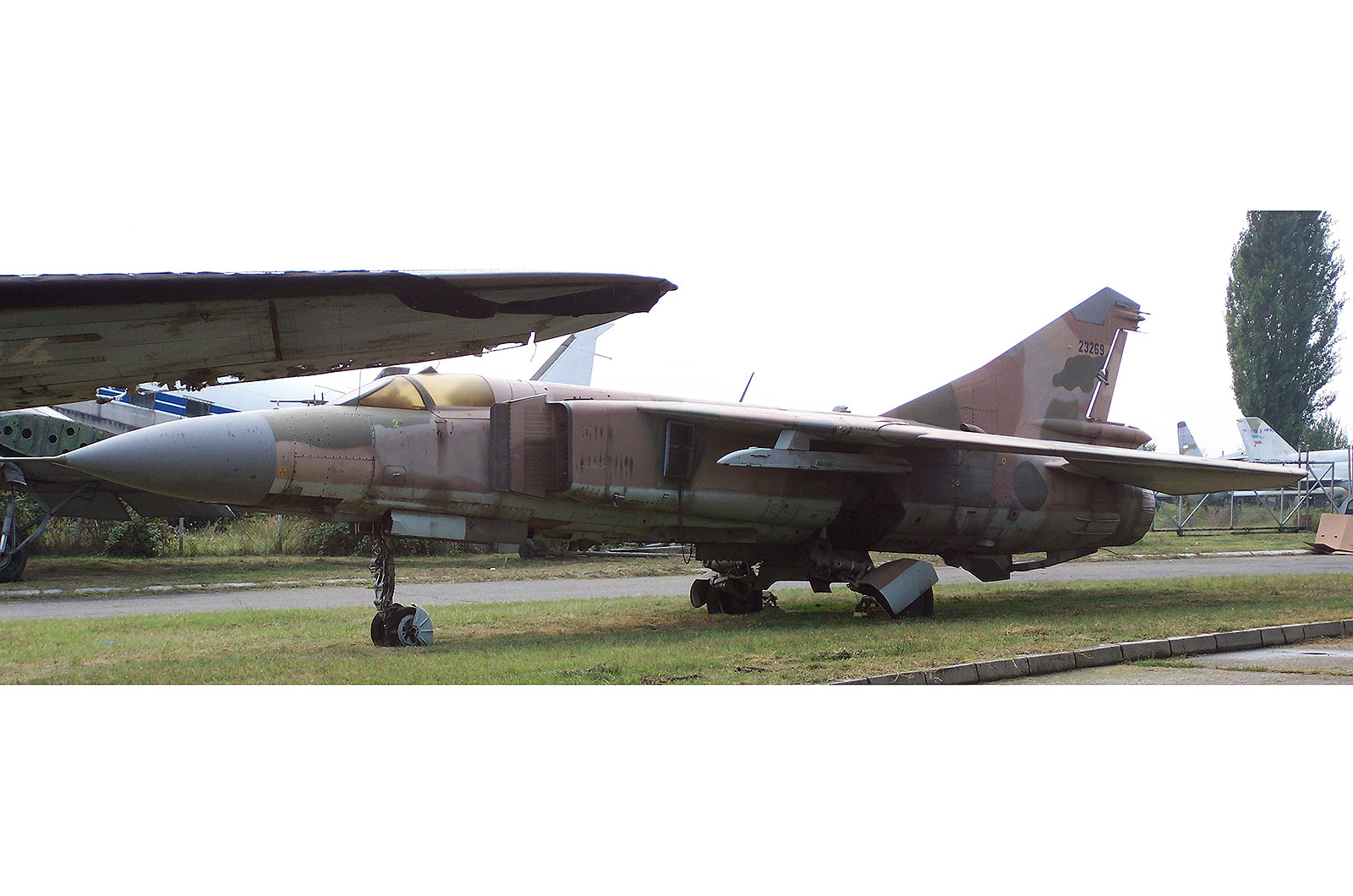
 Iraqi Air Force

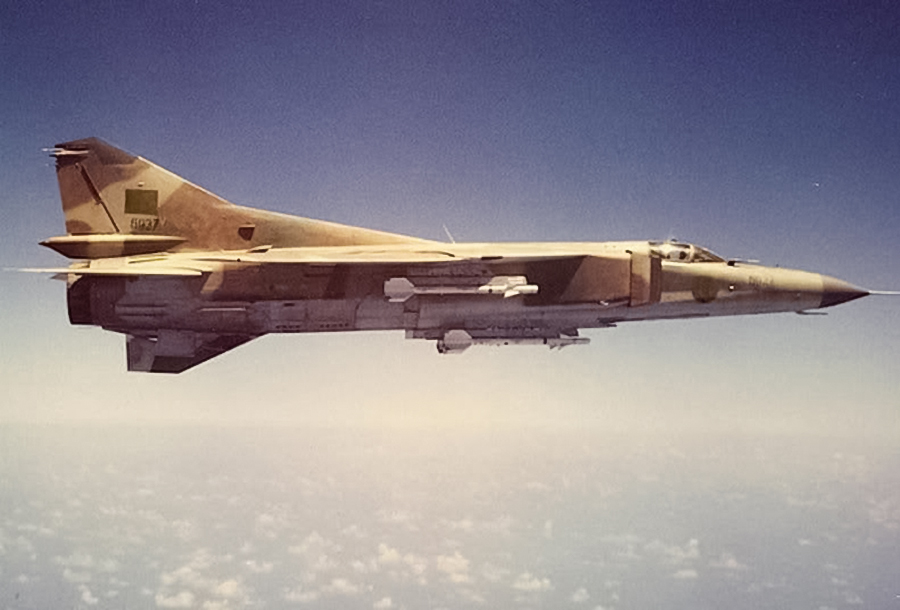
Iran declared neutrality, which required it to impound the aircraft and their crews. Over the following few weeks this led to them collecting a fleet of aircraft, including Su-20, Su-22s, Su-24s, MiG-23s (pictured), MiG-29s, and Mirage F.1s, along with some Il-76 transports, airliners, and a couple of Adnan 1 Airborne Early Warning aircraft. In all, some 115 aircraft are believed to have escaped to Iran, with the majority being kept after the war.

Back to top

Remarkably, in May of 1991 the Ethiopian Air Force would also defect with seven Hip helicopters, six Hind helicopters, three Flogger fighter-bombers, two Cub transports, and an L-39 training aircraft, fleeing to Djibouti after the fall of the short-lived Communist government.


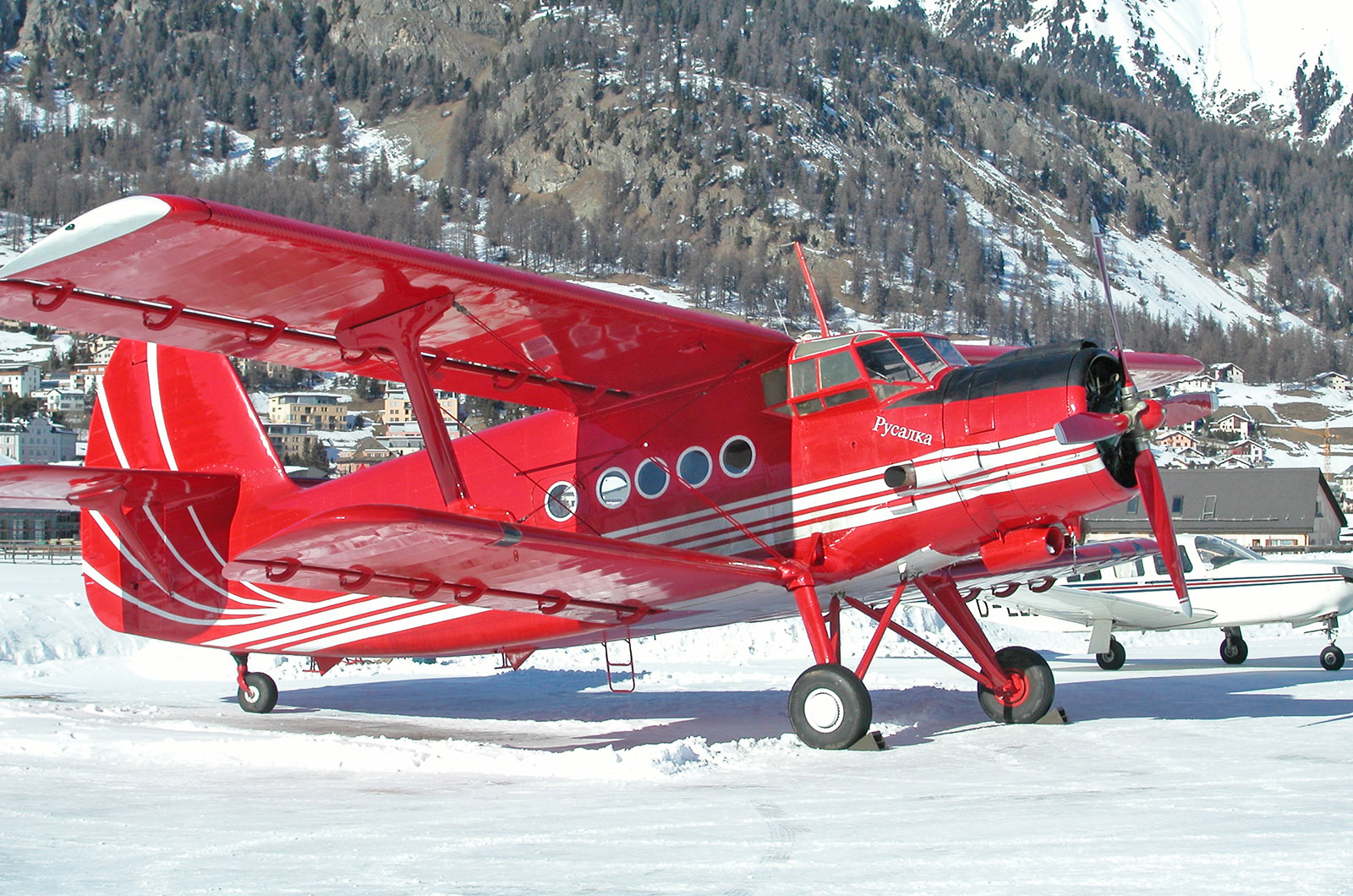
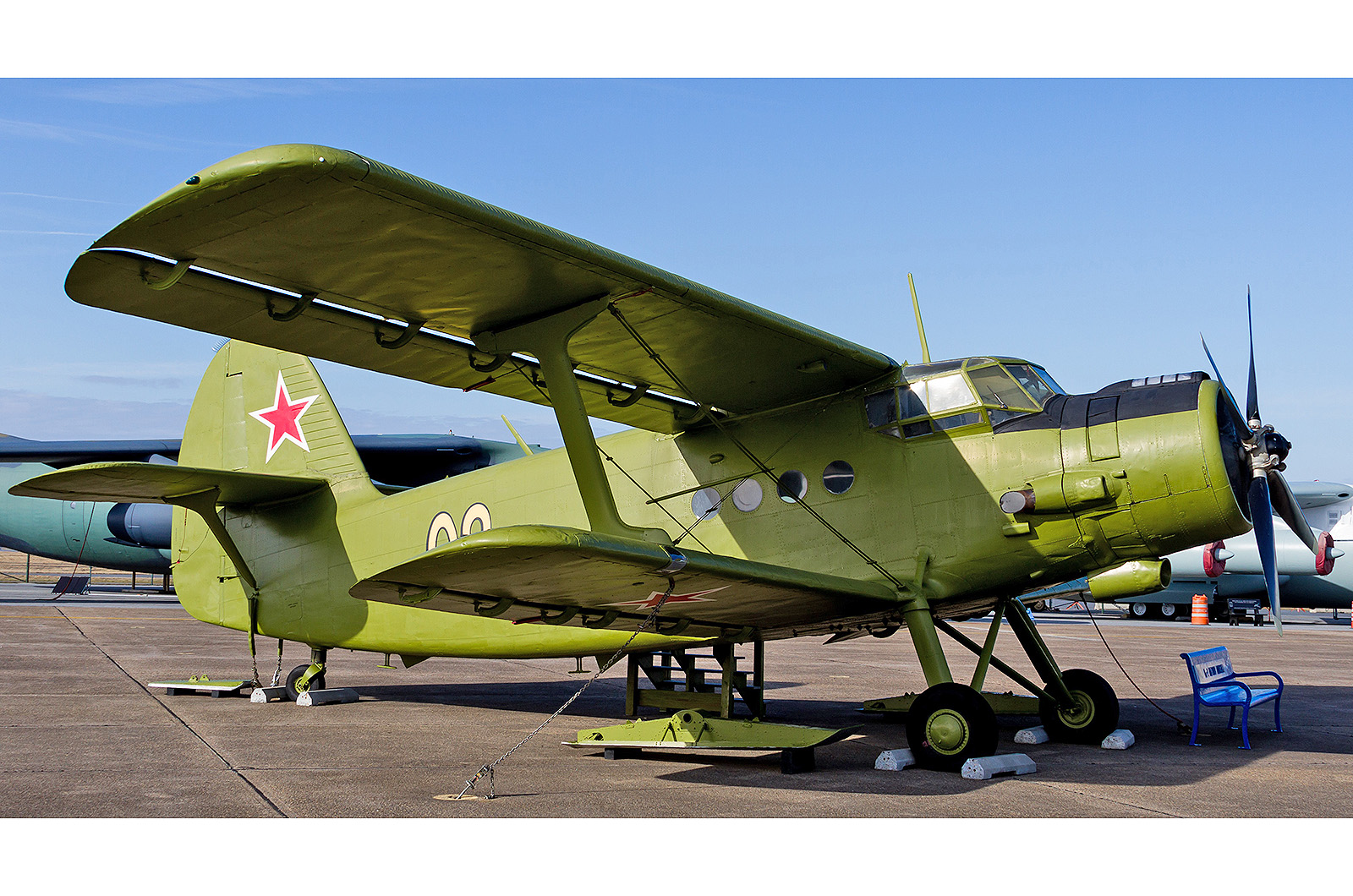
8: Antonov An-2 ‘Colt’

 Antonov An-2 ‘Colt’

The An-2 ‘Colt’ biplane has a top speed of 139 knots, though its more usual cruise speed is only 100, while the rate of climb is a leisurely 700 feet/minute. While not speedy, it can take off from almost anywhere; its take-off run can be as short as 560 feet (thanks to a stall speed of only 35 knots) with a similarly short landing distance.

In 1961 two Chinese pilots used one to defect to Taiwan, via South Korea. Launching from what is now part of Jiaozhou City in Shandong Province, on the west coast of the Yellow Sea, the Colt faced a 360 nautical mile journey to the island of Jeju off the southern tip of South Korea.


8: Antonov An-2 ‘Colt’

 Antonov An-2 ‘Colt’

Succeeding in this, they were in Taipei by early October, where they were rewarded with 25kg of gold each, equivalent to $3.6 million worth today at current gold prices. As with most defectors from the PLAAF they then served with the Republic of China Air Force for several years.

An An-2 was also used in a 1985 defection when a Nicaraguan Army pilot sought asylum in Honduras after completing a mission to deliver supplies to Sandinista troops fighting the US-backed Contra rebels. Meanwhile, Cubans taking advantage of the spacious cabin have made numerous defections to the USA, packing 13 passengers into the Antonov that lumbered into Homestead Airport on 15 August 1968, having managed to evade any radar surveillance completely!


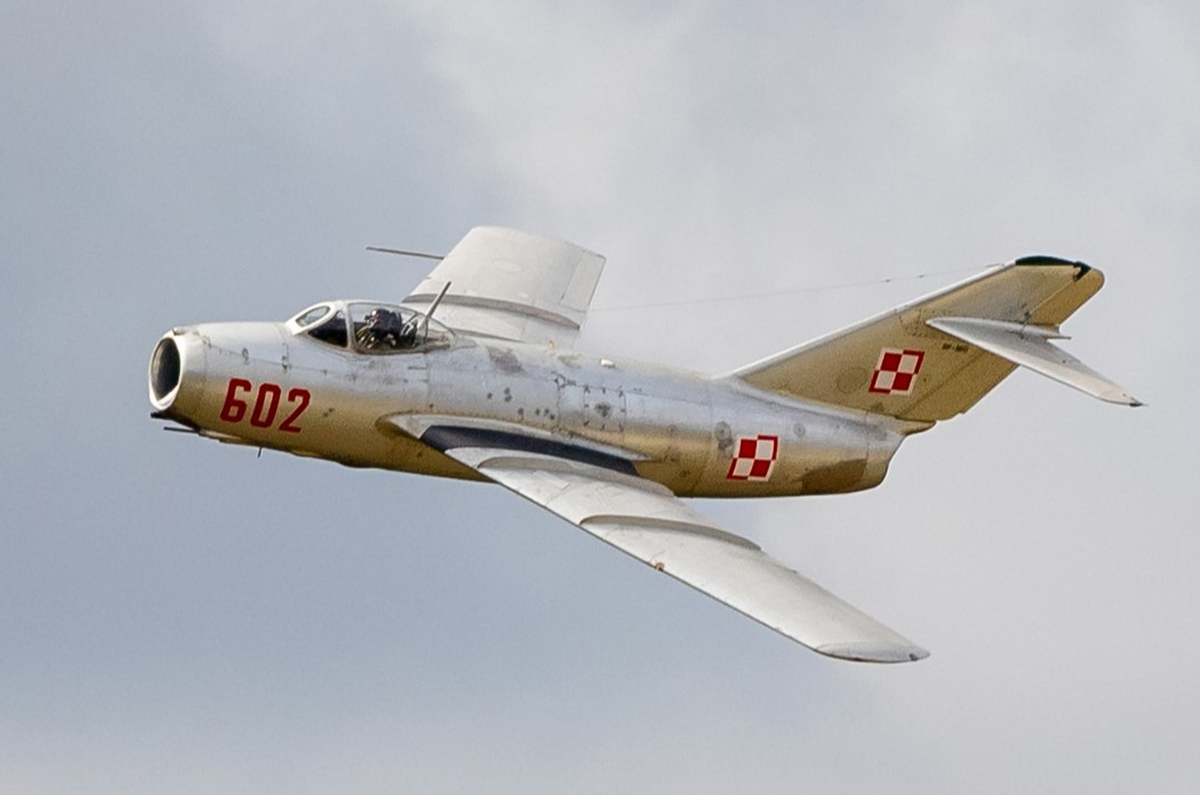
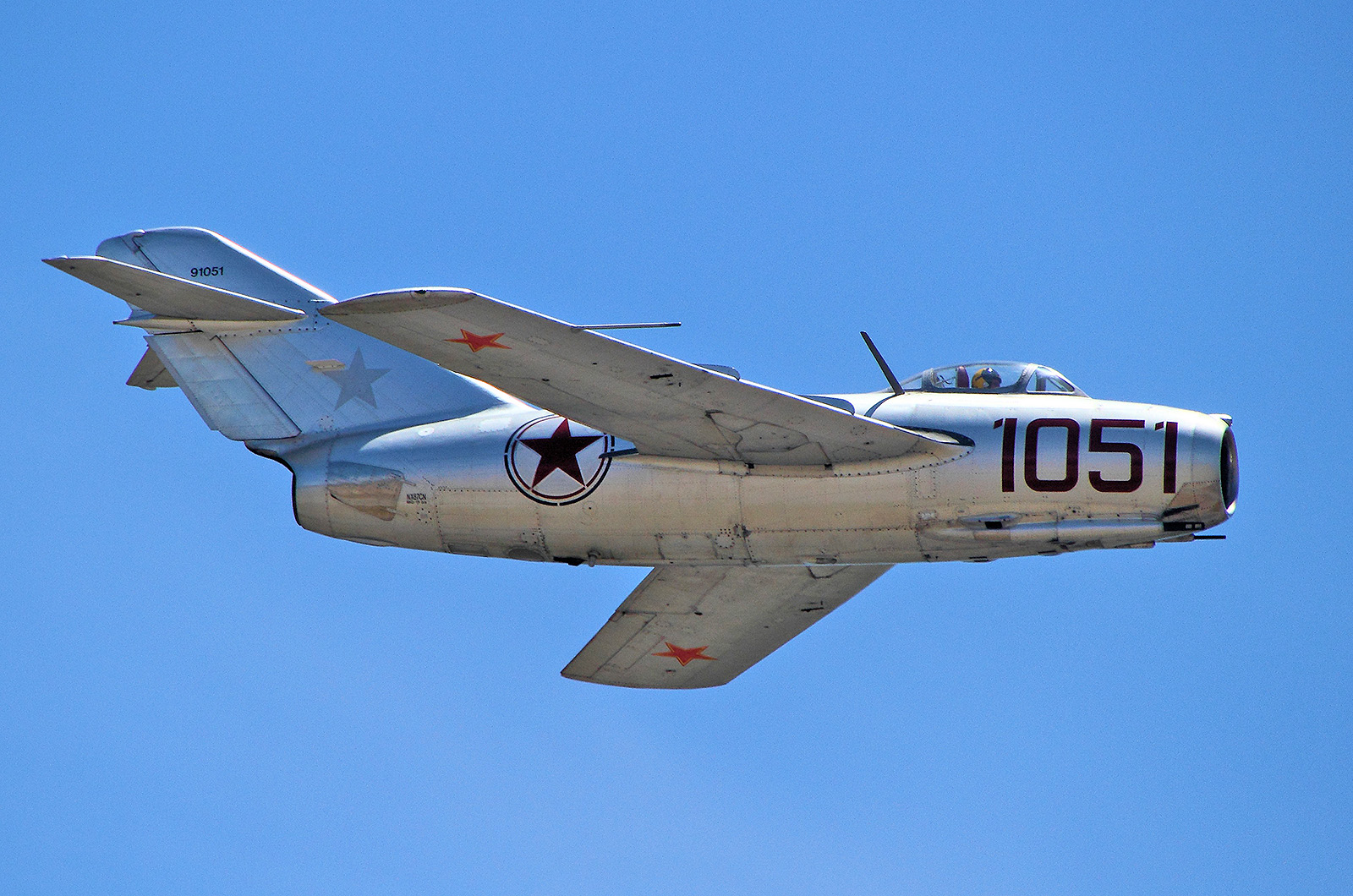
7: Mikoyan-Gurevich MiG-15

 Mikoyan-Gurevich MiG-15

The MiG-15 was a swept-wing jet fighter that proved as good as the other best fighter, the US F-86, in the Korean War. Produced in vast numbers, it featured in several defections, the first of which took place in March of 1953 when Franciszek Jarecki, a pilot in the Polish Air Force, took off from Słupsk on the Baltic coast and flew the 80 or so miles to the Danish island of Bornholm.

Back to top

This was followed a few months later by Lt Zdzisław Jaźwiński with an aircraft from the same regiment, this time making his landing in a field on Bornholm island, breaking the MiG but leaving him free.


7: Mikoyan-Gurevich MiG-15

 Mikoyan-Gurevich MiG-15

In September 1956 a Polish-built MiG-15, known as a Lim-2, defected to the West from Poland, again via Bornholm island. In this case, Lieutenant Zygmunt Gościniak, after years of planning took advantage of an air combat training sortie in northern Poland against his Russian commander to flee at low level across the Baltic.

Although Bornholm saw no further MiG-15s, another Polish example made it to Sweden, having missed the island. Meanwhile, in the Far East, they were used to defect from North Korea to the South and from China across the straits to Taiwan.


6: Northrop F-5

 Northrop F-5

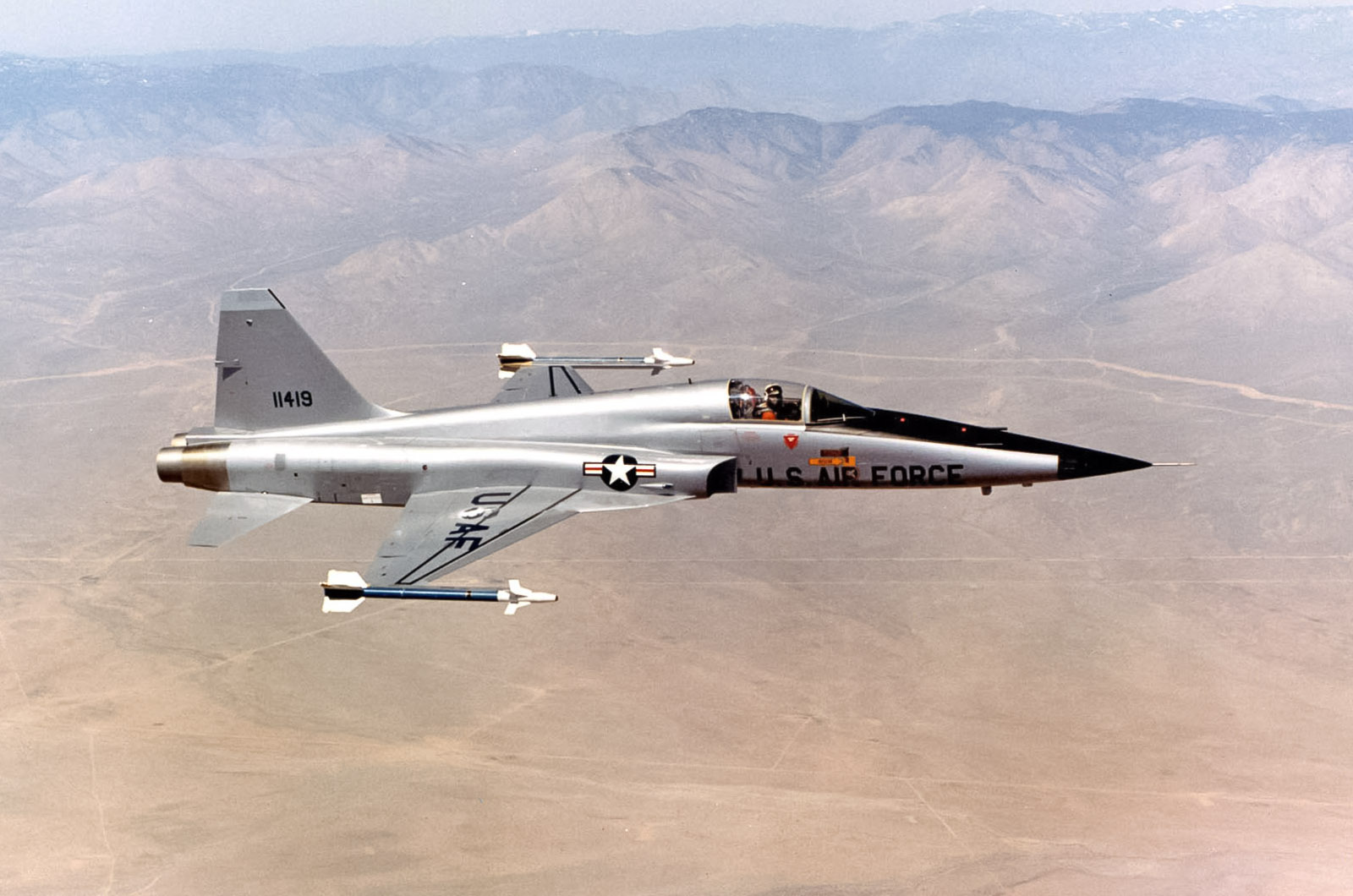
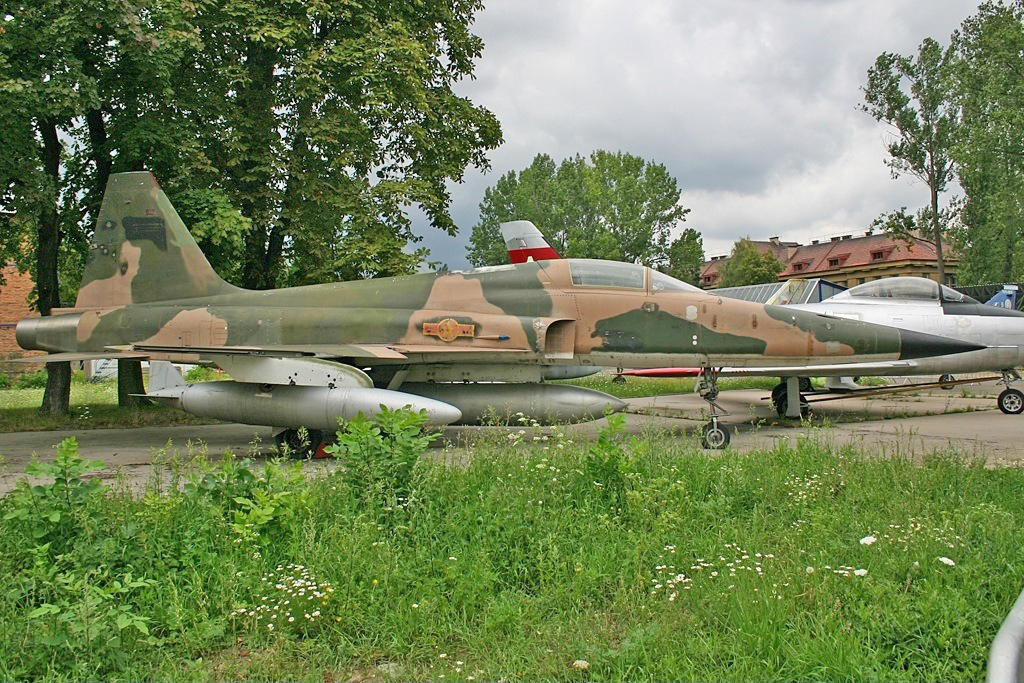
A low-cost, lightweight fighter for US allies, the Northrop F-5 is one of the few aircraft to be used to defect to Communist countries. At least two Taiwanese pilots have defected to mainland China using F-5s. The first, in 1981, was conducting an instrument flying check on a student.

Detecting the defection attempt, the student was ordered to eject from the aircraft over Taiwan before the other man landed in China. A second F-5 pilot would land in China in 1989, although on this occasion after ejecting from his aircraft after running short of fuel.


6: Northrop F-5

 Northrop F-5

More dramatically on 5 April 1975, Nguyen Thanh Trung defected in his F-5E after executing a plan to avenge his father’s execution that was twelve years in the making. After his father was shot by South Vietnamese Forces, Nguyen joined the Air Force and even underwent training in the USA. Returning to Vietnam, Trung spent three years flying combat missions before executing his plan. Delaying his take-off by feigning electrical difficulties, the rest of his formation assumed he’d aborted his flight.

Instead, he flew over Saigon and made two bombing runs on the Presidential Palace setting it on fire before making his way to a small strip in the North. Trung and his F-5 would see further action on behalf of the North Vietnamese Army, leading a flight of five aircraft that bombed Saigon airport during the American evacuation three weeks later that presaged the end of the war on April 30.

Back to top

5: Mikoyan-Gurevich MiG-23

 Mikoyan-Gurevich MiG-23

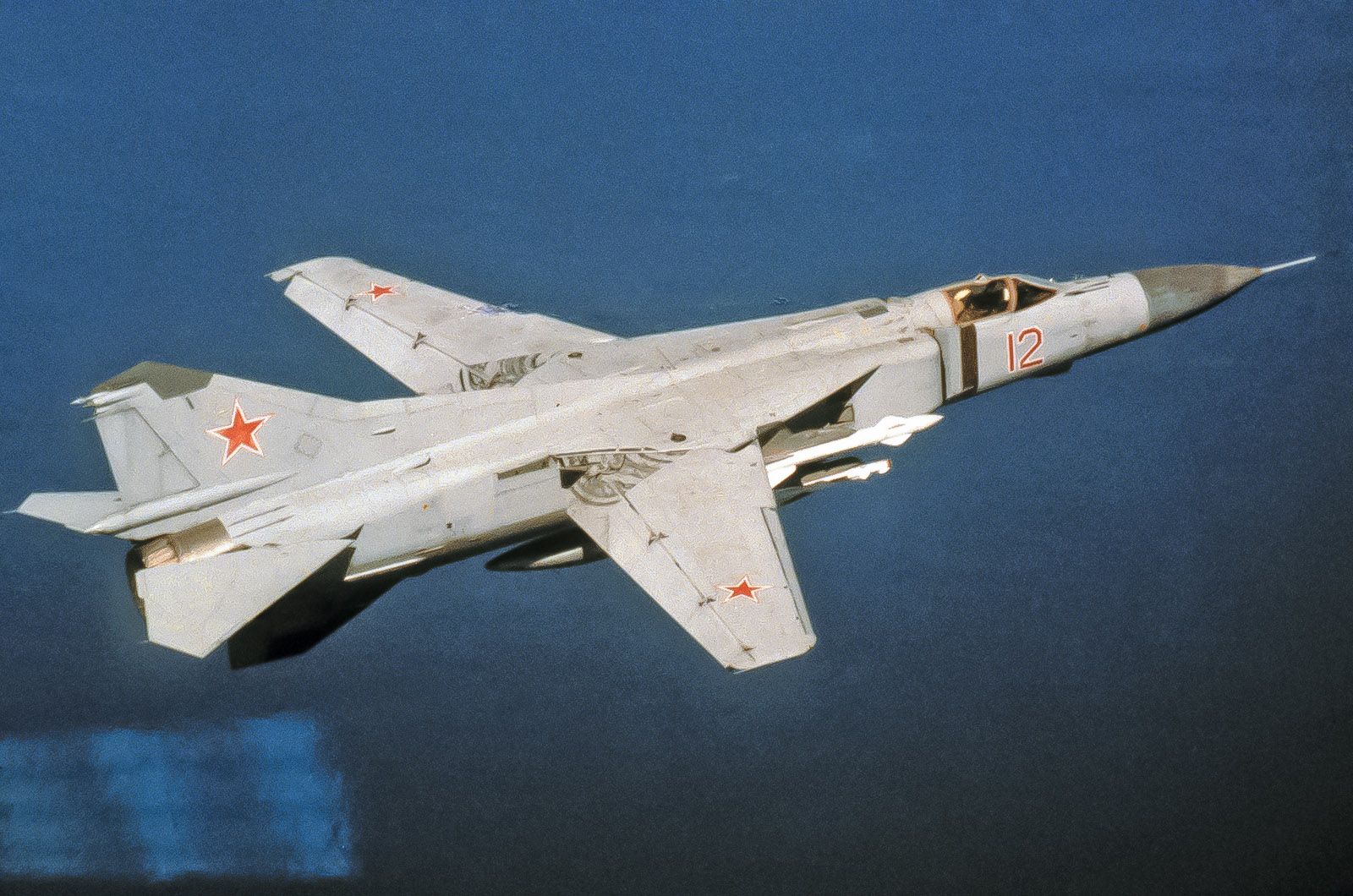
The MiG-23 is a single-engine swing wing fighter bomber. It was widely exported, including to Cuba. In March 1991, Cuban Air Force Major Orestes Lorenzo was so taken by the Flogger that on his first flight in one, he defected to the USA. An experienced MiG-21 pilot who had fought in Angola, Orestes dropped to low level and crossed the Straits of Florida at high speed before arriving over Boca Chica Key.

Here he slowed the aircraft, dropping the gear and flaps, and then unable to communicate with the tower at NAS Key West made three passes down the runway waggling the wings (wing waggling can be used as a way to communicate an aircraft is not hostile). Despite this, nothing happened so Orestes landed and then taxied clear of the runway where he waited. Finally, a van belatedly arrived to escort him to dispersal.


5: Mikoyan-Gurevich MiG-23

 Mikoyan-Gurevich MiG-23

Although Orestes moved to Virginia and settled into life in the United States his wife and children remained in Cuba. Taking matters into his own hands once more, Major Lorenzo gained his Private Pilot’s Licence and acquired a Cessna 310.

On the afternoon of 19 Dec 1992, he flew back to Cuba at low level, landed on a road near El Mamey beach, collected his family and returned to the USA. Aside from Orestes, the MiG-23 has also been used in defections around the Middle East, including one successful defection from Syria to Israel.


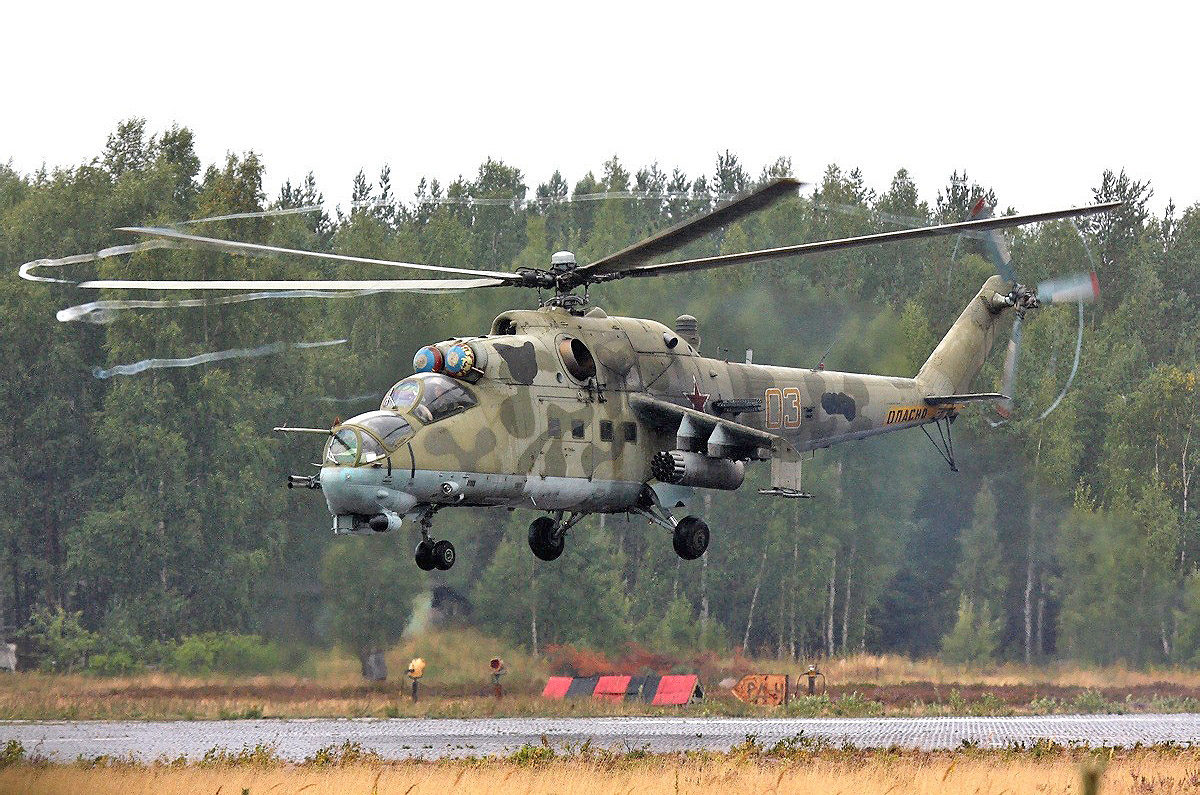
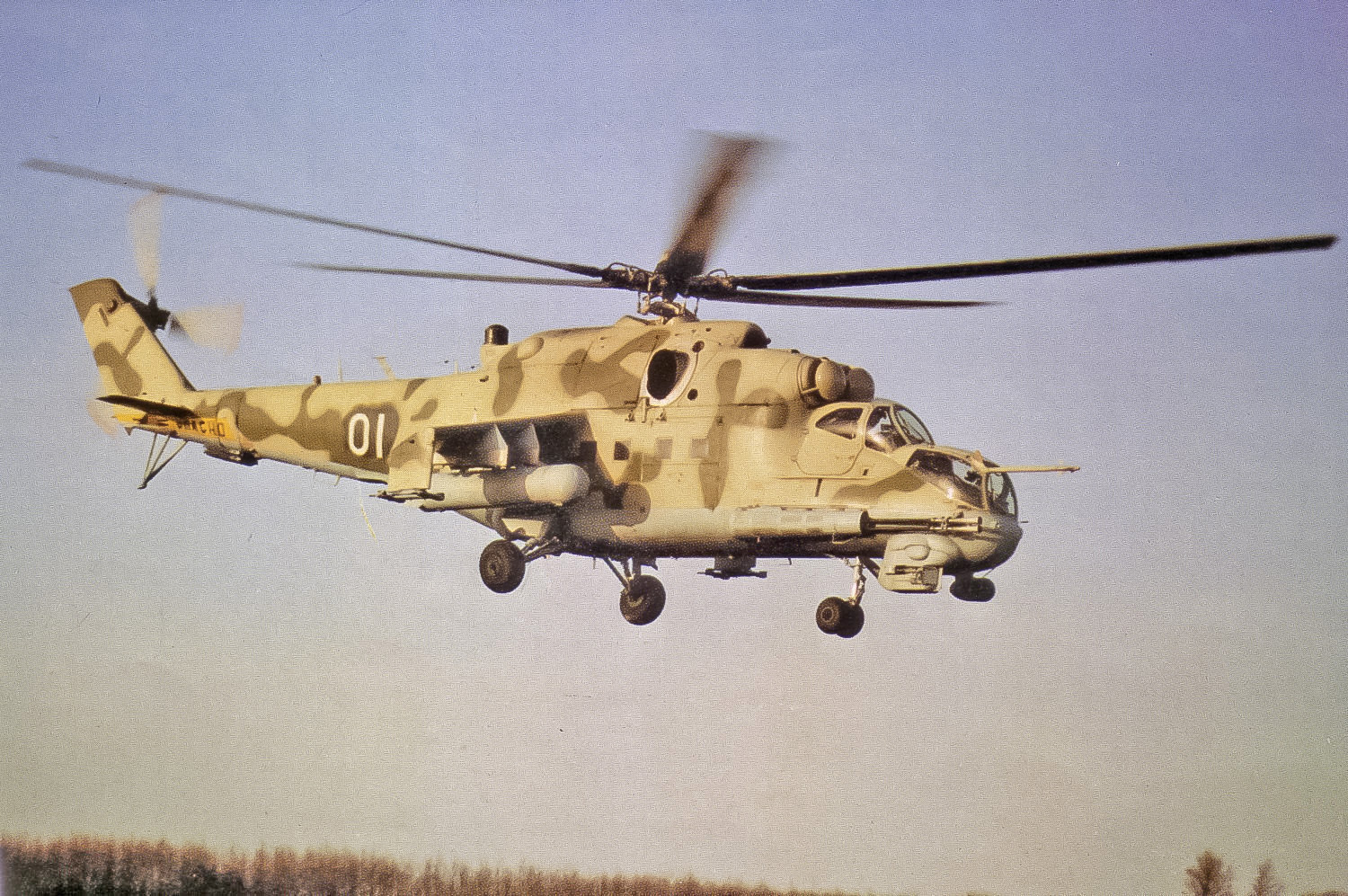
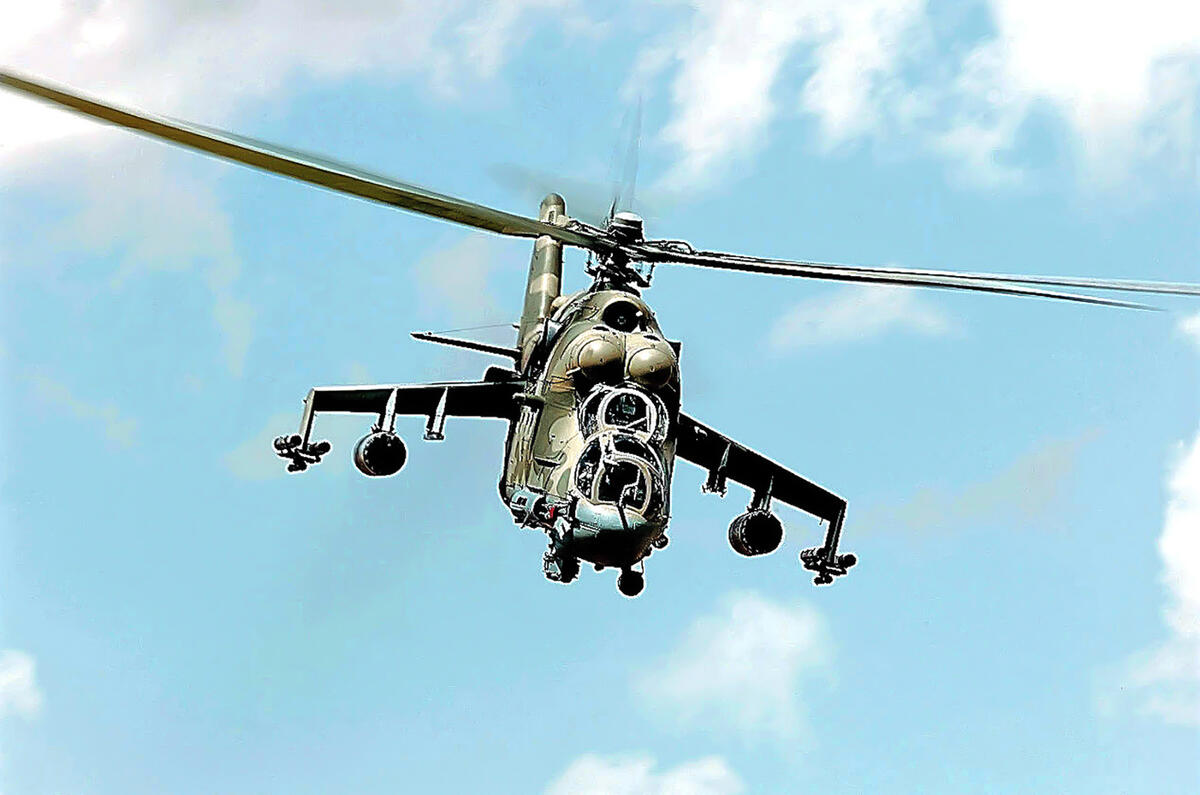
4: Mil Mi-24 ‘Hind’

 Mil Mi-24 ‘Hind’

Relatively few defections have been made by helicopter; however, they did prove popular vehicles during the 1980s conflict in Afghanistan. The Mi-24 is unusual because it is a heavily armed attack helicopter with a cabin for up to eight armed troops (most gunships have no space for passengers). As such it has obvious attractions for a group of defectors.

In June of 1985, two Hinds defected from Afghanistan to Pakistan, landing at Miran Shah on the border. The aircraft had flown low over the mountains to avoid radar detection. The defection had been organised by the Yunus Khalis guerrilla group, led by Mohammad Yunus Khalis and part of the wider Mujahideen.

Back to top

4: Mil Mi-24 ‘Hip’

 Mil Mi-24 ‘Hip’

The helicopters’ seven crew and passengers were granted asylum before joining the fight against the Soviets. Part of a spate of wider defections that had already led the Soviet and Afghan authorities to limit the amount of fuel that aircraft could take on missions, it led to helicopter deliveries being suspended for two years by the Russians.

Central America also saw a Hind used in a defection attempt, from Nicaragua to Honduras. In something of a rarity for a defection, the Honduran Air Force detected the intruding aircraft and F-5s escorted it to Toncontin airport.


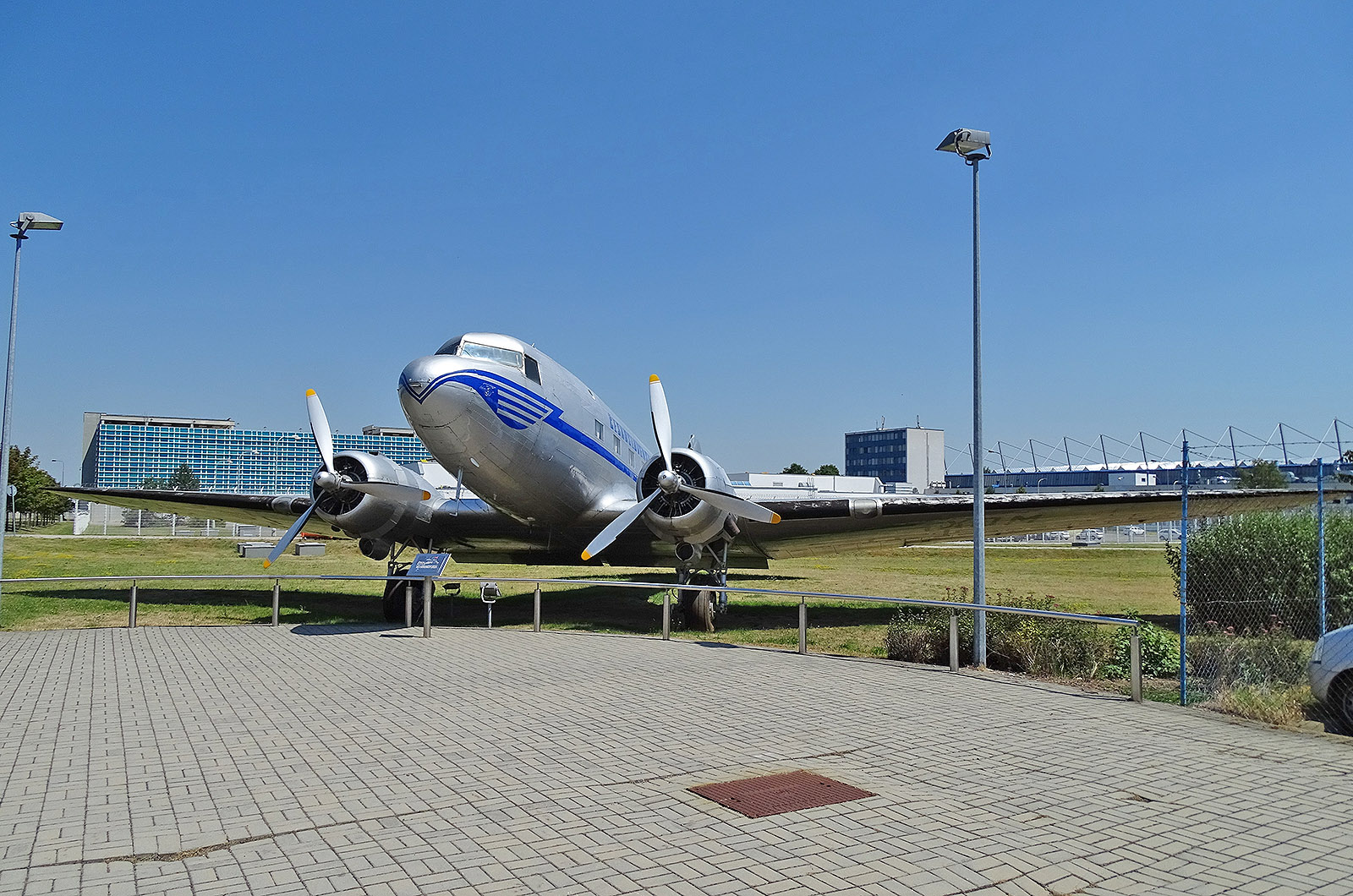
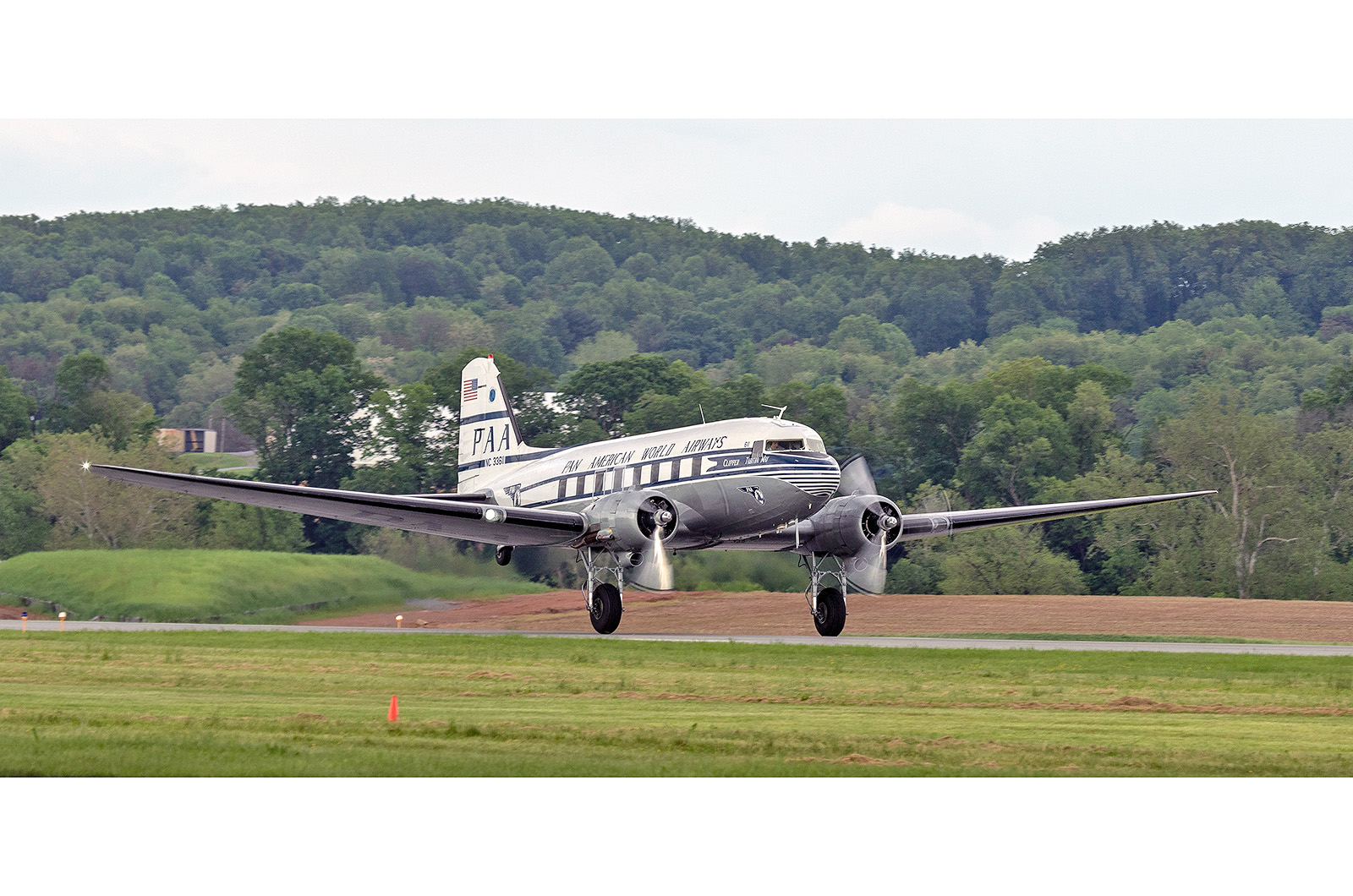
3: Douglas DC-3

 Douglas DC-3

Introduced shortly before World War 2, the Douglas DC-3 was a twin-engine airliner that would also serve in vast numbers as a transport aircraft. Post-war, the airline industry widely used them as it was re-established globally. This included the Czechoslovak State Airlines (ČSA), which by 1948 was suffering a glut of defections after the Communist coup.

To reduce the likelihood of this happening pilots who’d flown for the RAF during the war were restricted to flying domestic routes and banned from flying their own relatives. This led to a novel solution, with enough aircrew to hijack three aircraft, and the help of a friendly booking clerk, the defecting families were booked onto aircraft operated by the other crews.


3: Douglas DC-3

 Douglas DC-3

The flights left from Brno at 0635, Ostrava at 0630, and at 0700 from Bratislava, all scheduled to arrive at Prague but secretly aiming for Erding in the American Sector of West Germany. Despite some suspicion, delays, and the presence of Secret Police all three aircraft made their destination.

In all, 27 of the 85 passengers and crew defected to the west, one additional defector taking advantage of his unplanned diversion along with the 26 who’d been involved from the start. Two years later another DC-3 would be used to defect from Czechoslovakia with 20 of the 26 aboard seeking sanctuary in West Germany.


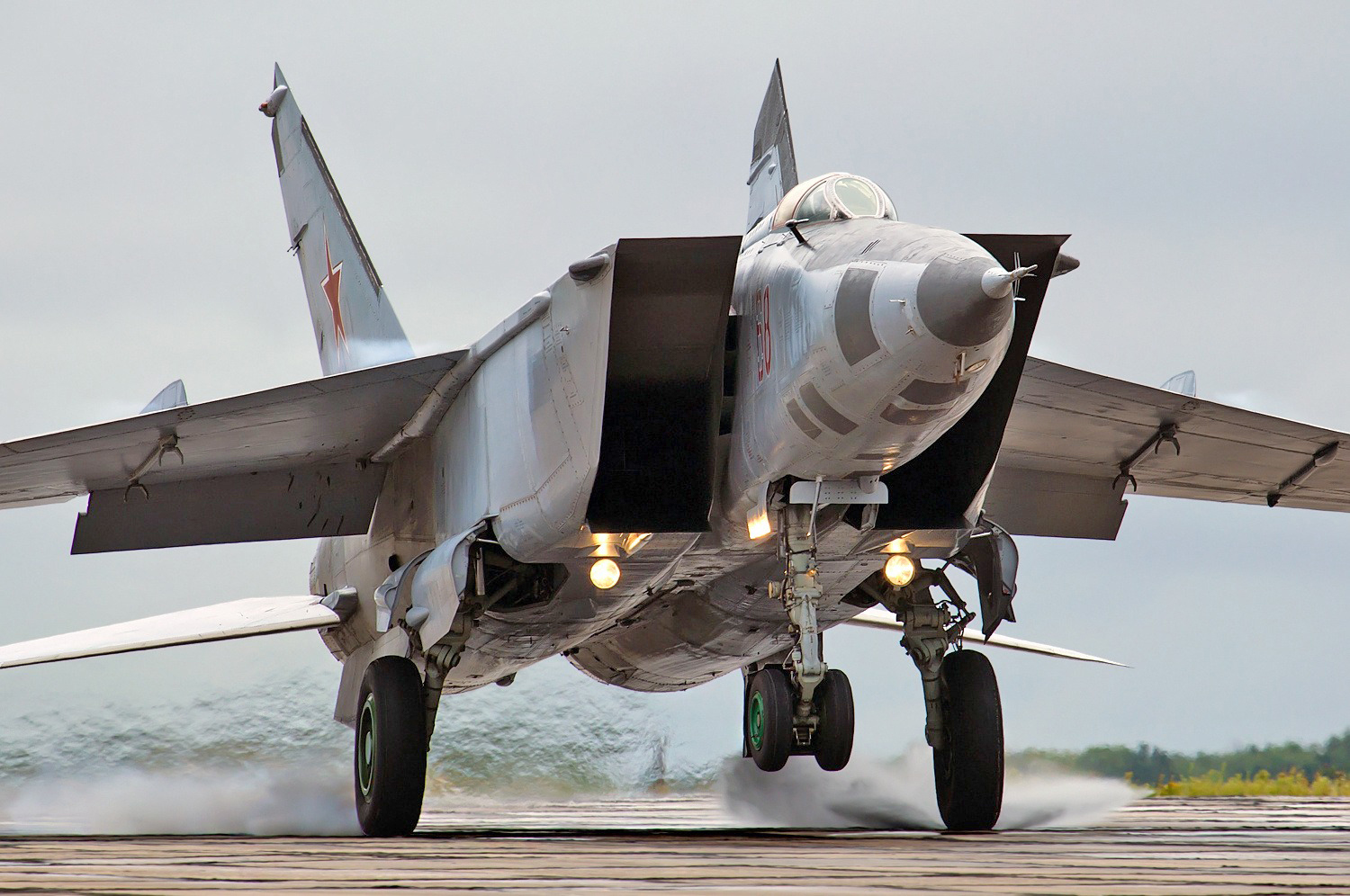
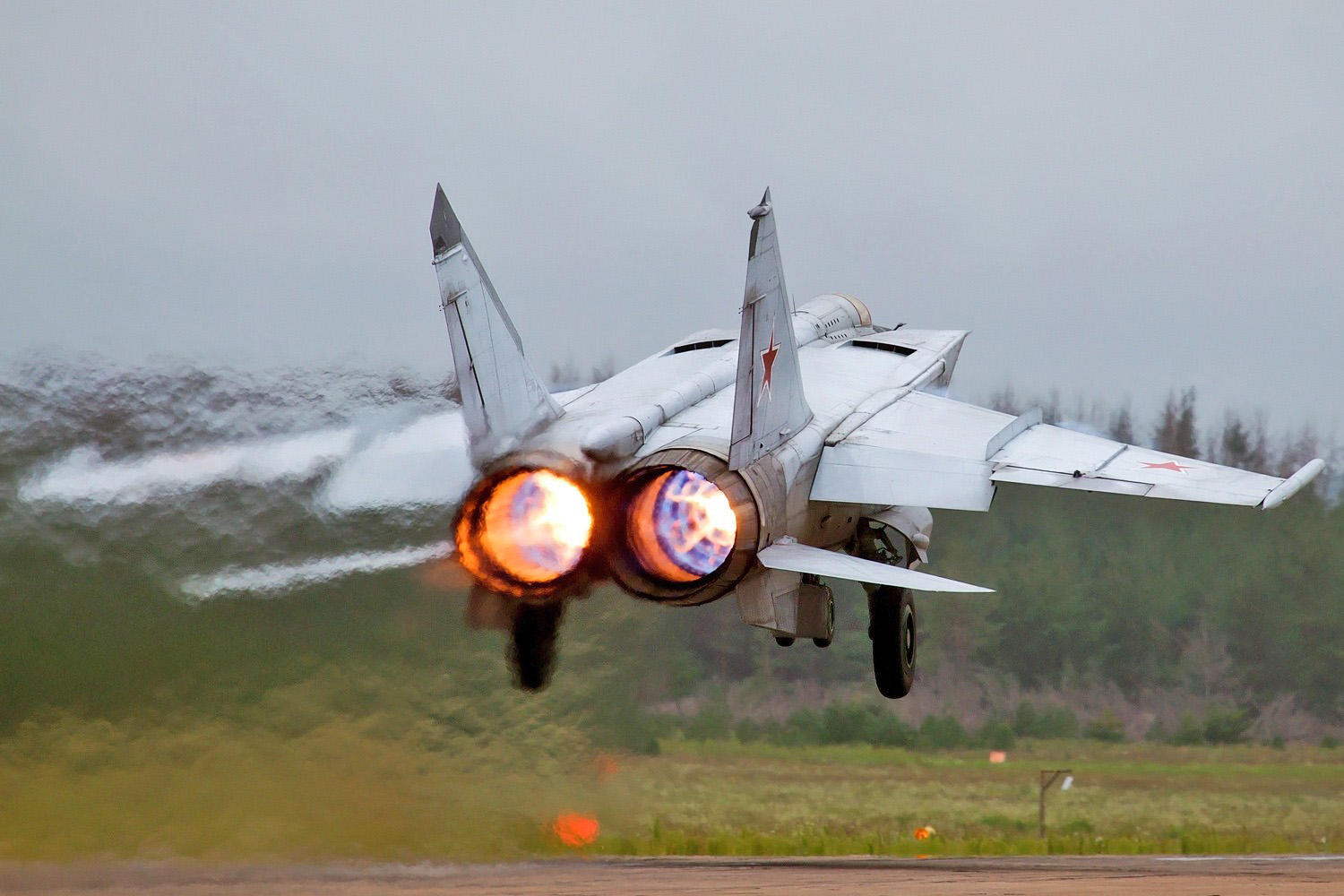
2: Mikoyan-Gurevich MiG-25 ‘Foxbat’

 Mikoyan-Gurevich MiG-25 ‘Foxbat’

Back to top

The extremely fast MiG-25 ‘Foxbat’ interceptor was the Soviet response to ever faster US bombers (expected to culminate in the Mach 3 capable B-70 Valkyrie). Although US intelligence was aware of the large twin-engine Soviet interceptor, they were anxiously in the dark regarding its capabilities. Until 6 September 1976, that is.

This was the day Viktor Belenko took off from Chuguyevka Air Base on a training mission and landed in Japan. Disillusioned with conditions in the military and soon to be divorced from his wife, defection had been some time in the planning. Launching unarmed but with copies of the technical manuals and full fuel tanks. Belenko briefly took part in his planned mission before breaking formation and heading east at low level.


2: Mikoyan-Gurevich MiG-25 ‘Foxbat’

 Mikoyan-Gurevich MiG-25 ‘Foxbat’

Arriving undetected at Hakodate airport, he faced the challenge of putting his aircraft down on a runway that was slightly shorter than required for a MiG-25. Therefore, his arrival in Japan was marred by running off the end and stopping on the grass.

American technicians thoroughly inspected the MiG-25 before being returned to the Soviet Union in boxes. The Foxbat’s secrets had been laid clear: fast in a straight line, but it had none of the manoeuvrability the F-15 had been designed to counter, and its equipment was rather crude. Belenko meanwhile moved to the USA, his citizenship being personally approved by President Carter.


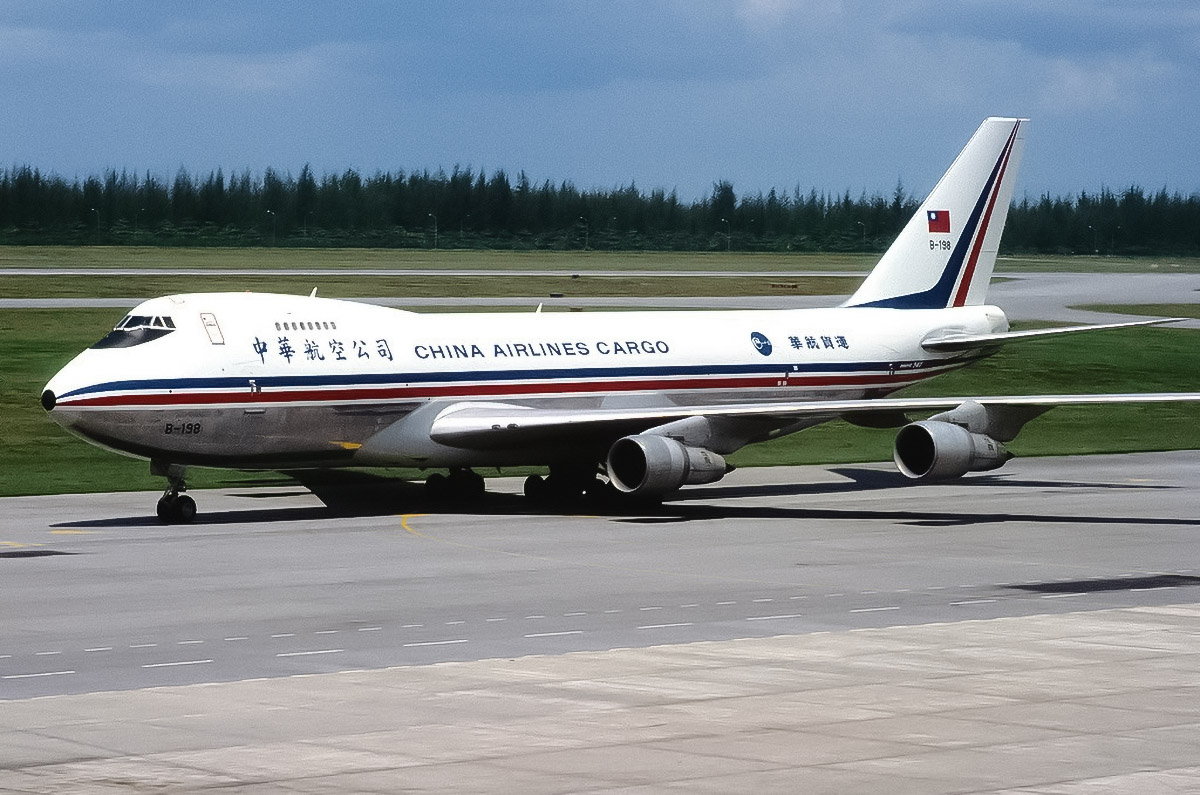
1: Boeing 747

 Boeing 747

Recognised the world over due to its distinctive hump, the Boeing 747 ‘Jumbo’ at first appears an unusual choice for a defection. However, in 1986 Wang Xijue used the hefty Boeing 747-200F cargo aircraft to leave Taiwan for China.

On 3 May 1986 while returning to Taiwan from Bangkok via Hong Kong, Wang overpowered his co-pilot and flight engineer. He then diverted to Guangzhou, Northwest of Hong Kong. A few days later Wang flew the 747 to Beijing, where he would be reunited with his father, who he’d last seen in 1949.


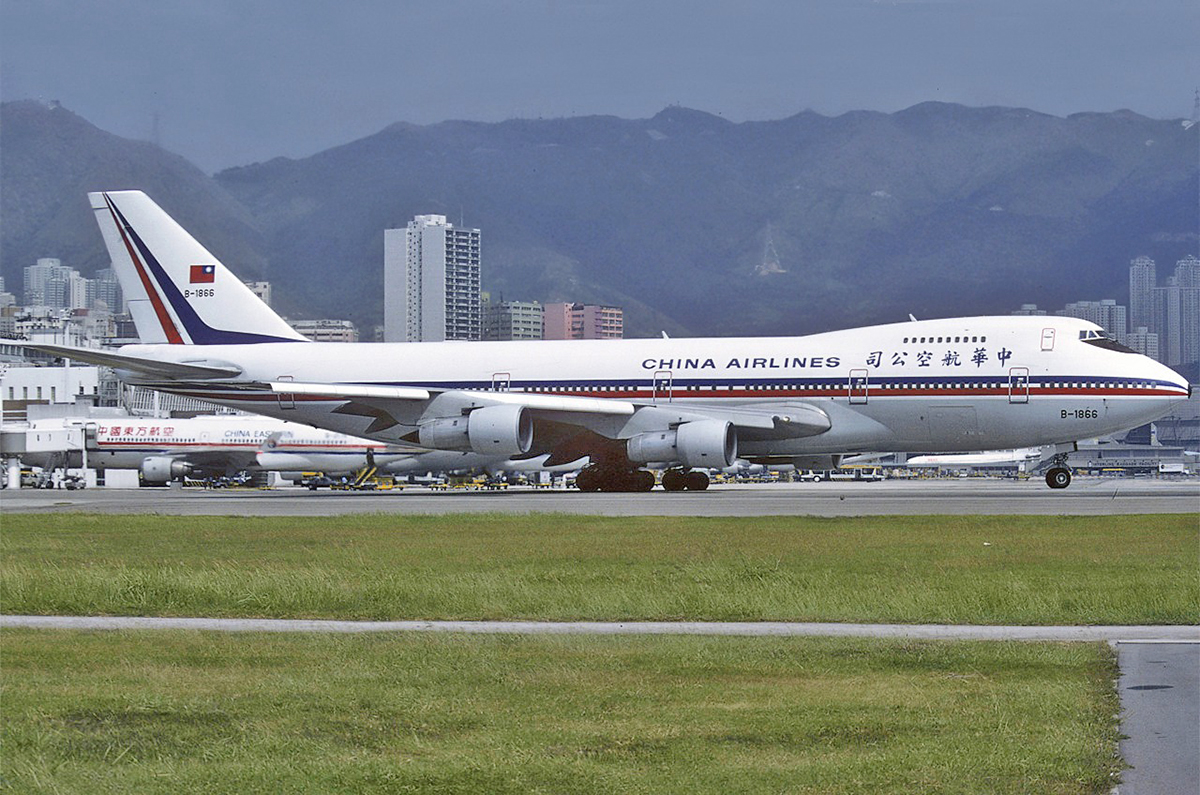
1: Boeing 747

 Boeing 747

Back to top

In 1986, the two Chinas had had no formal contact since the end of the civil war 37 years earlier. But China Air Lines (CAL) was reticent to lose the aircraft, leading to negotiations between CAL and the Civil Aviation Administration of China (CAAC). Meeting in Hong Kong between 17-20th May, the two sides agreed to the of the release of the aircraft and the two non-defecting crew, which happened two days later.

As the first contact between officials of the two countries, the aftermath of Wang Xijue’s defection marked the point when relations between them started to thaw. The following year Taiwanese families would be allowed to visit relatives on the mainland. While in 1988, postal exchange via Hong Kong was formalised. Wang thus has a legitimate claim to altering international relations with his defection!

Follow Joe Coles on Substack, Twitter X  or Blue Sky. His superb Hush-Kit Book of Warplanes is available here.

If you enjoyed this story, please click the Follow button above to see more like it from Autocar

Photo Licence: https://creativecommons.org/licenses/by/4.0/deed.en

Join our WhatsApp community and be the first to read about the latest news and reviews wowing the car world. Our community is the best, easiest and most direct place to tap into the minds of Autocar, and if you join you’ll also be treated to unique WhatsApp content. You can leave at any time after joining - check our full privacy policy here.

Add a comment…