

Hindsight is a glorious thing.
From the safe distance of several decades, it is blindingly obvious that many of the aircraft thrown into combat during the Second World War were worse than useless and should never have been built (Messerschmitt Komet, Blackburn Roc, Breda 88, we're looking at you).
Rarer and more obscure today are the outstanding aircraft that never made it. Despite their brilliance, due to politics, bad timing, official indifference or just bad luck, these potentially superb aircraft never got the chance to shine:
10: Martin-Baker MB3
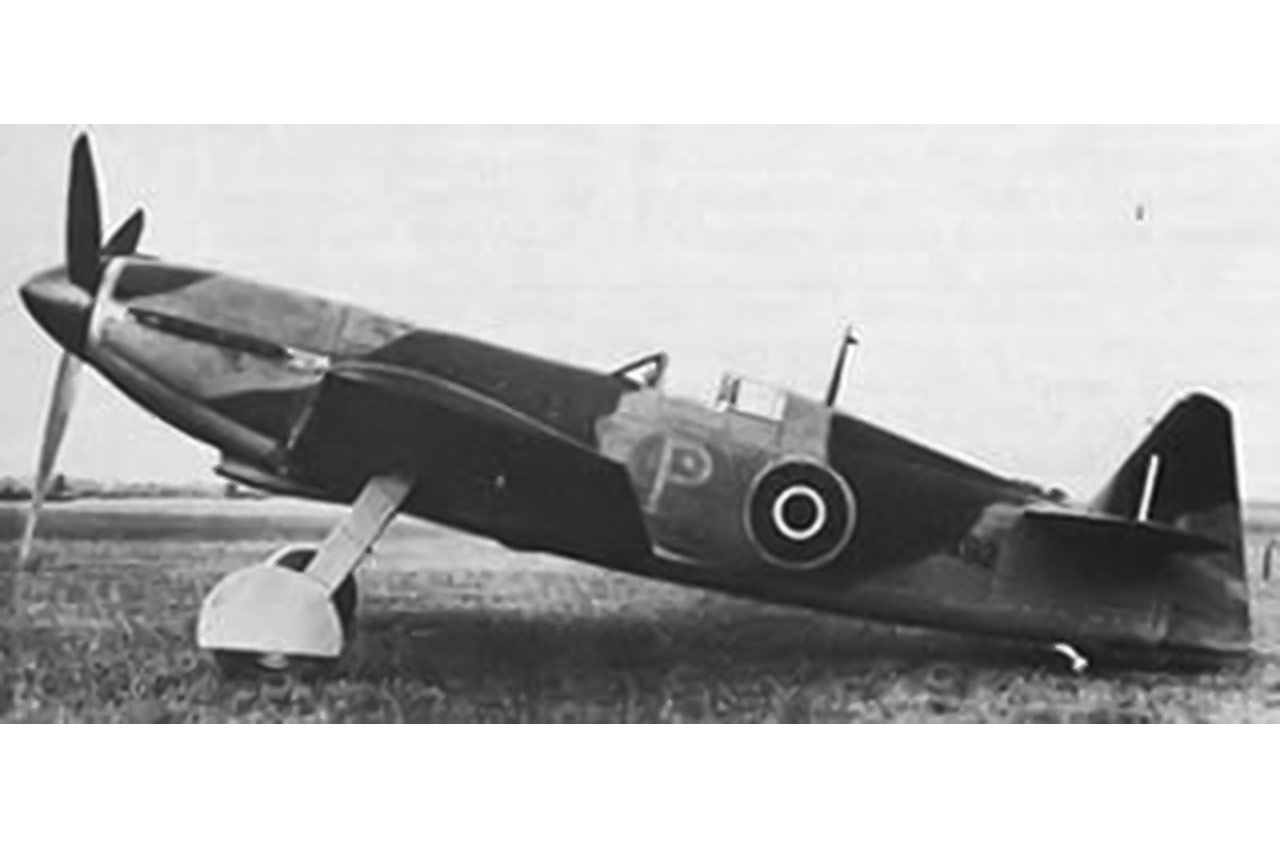
Despite never entering service, the MB3 has been indirectly responsible for saving 7700 lives (and counting). Friends and partners, James Martin and Valentine Baker had been designing unconventional monoplanes since the early 1930s. From the start, they believed that aircraft should be as simple as possible.
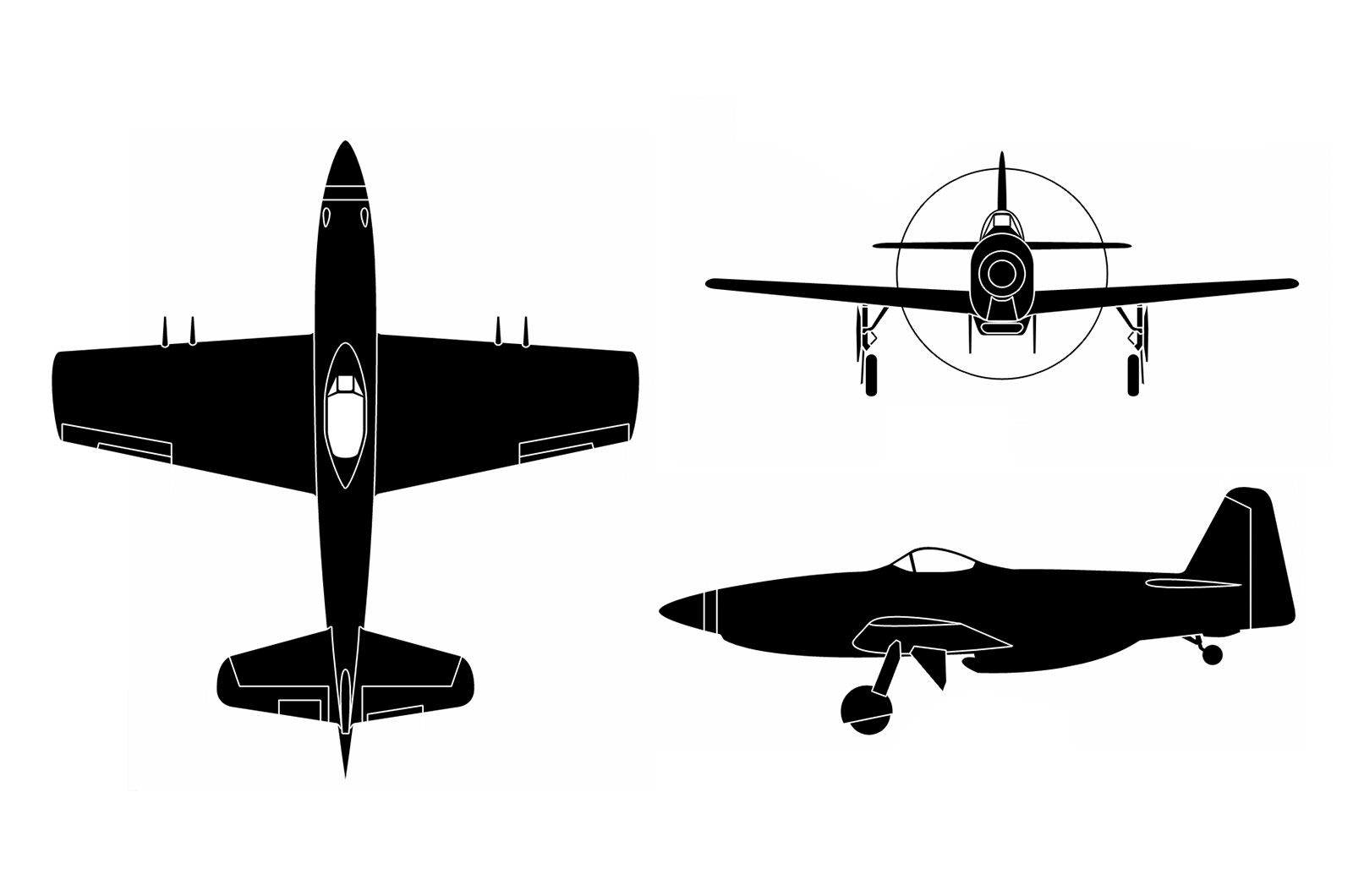
The MB3 was their response to a wartime RAF requirement for a fast, heavily armed, fighter. Formidably furnished with six 20-mm cannon, it was also designed for ease of maintenance and manufacture (unlike the Spitfire).
10: Martin-Baker MB3
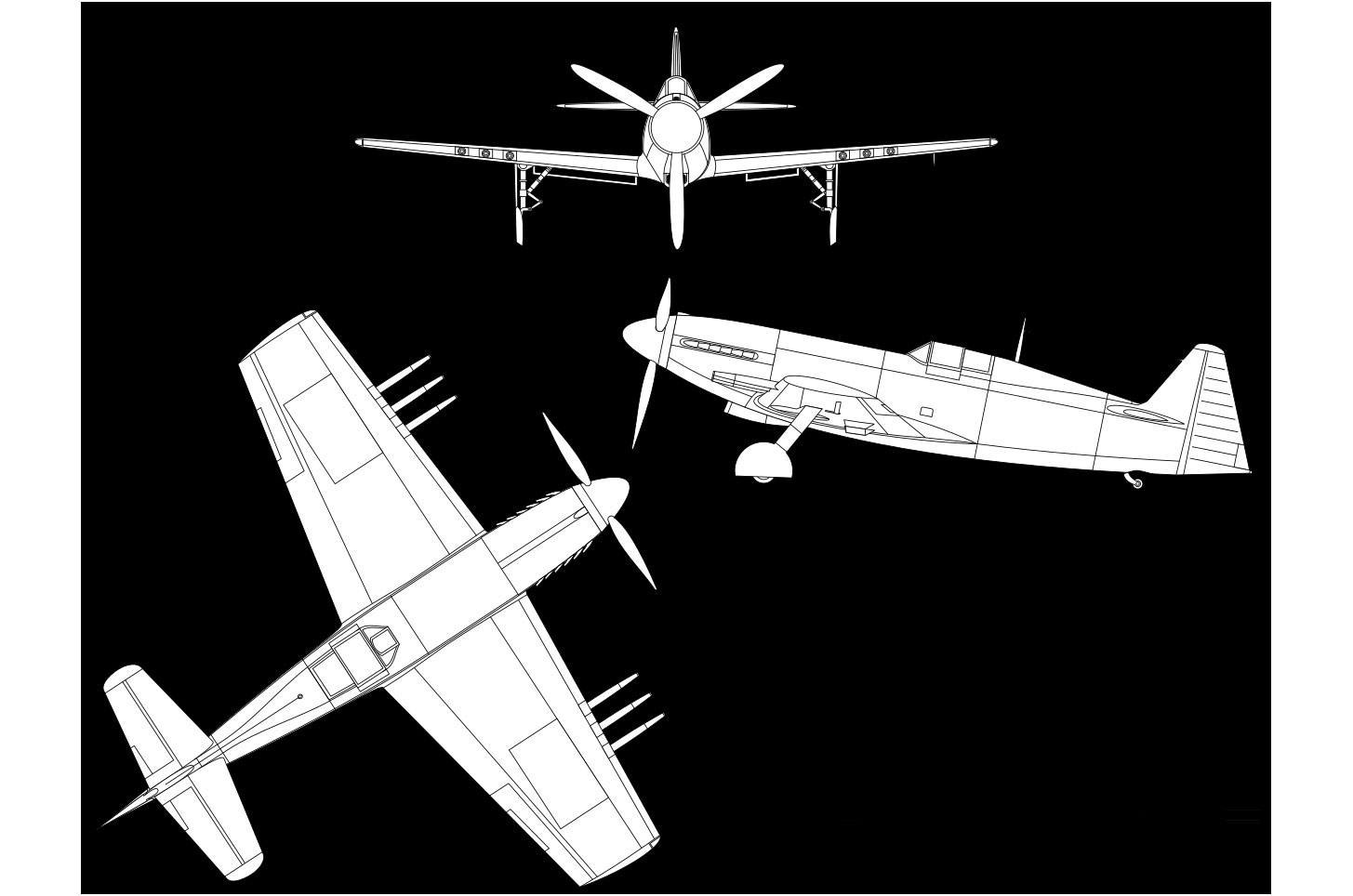
Tests flights, which started on 31 August 1942, proved it was both highly manoeuvrable and easy to fly. Its top speed of 415 mph was a touch faster than the contemporary Spitfire Mk VIII. The main load-bearing structures were constructed of heavy tubing (or built-up spars) so it would have been able to survive greater battle damage than an equivalent stressed skin aircraft.
It was not to be, however: on a test flight on 12 September 1942, the engine failed soon after take-off, and the MB3 crashed in a field and killed its pilot, company co-founder Captain Valentine Baker. Though the team had been investigating the idea of escape seats since 1934, it was Baker’s death that motivated Martin to focus exclusively on ejection seats.
9: Martin-Baker MB5
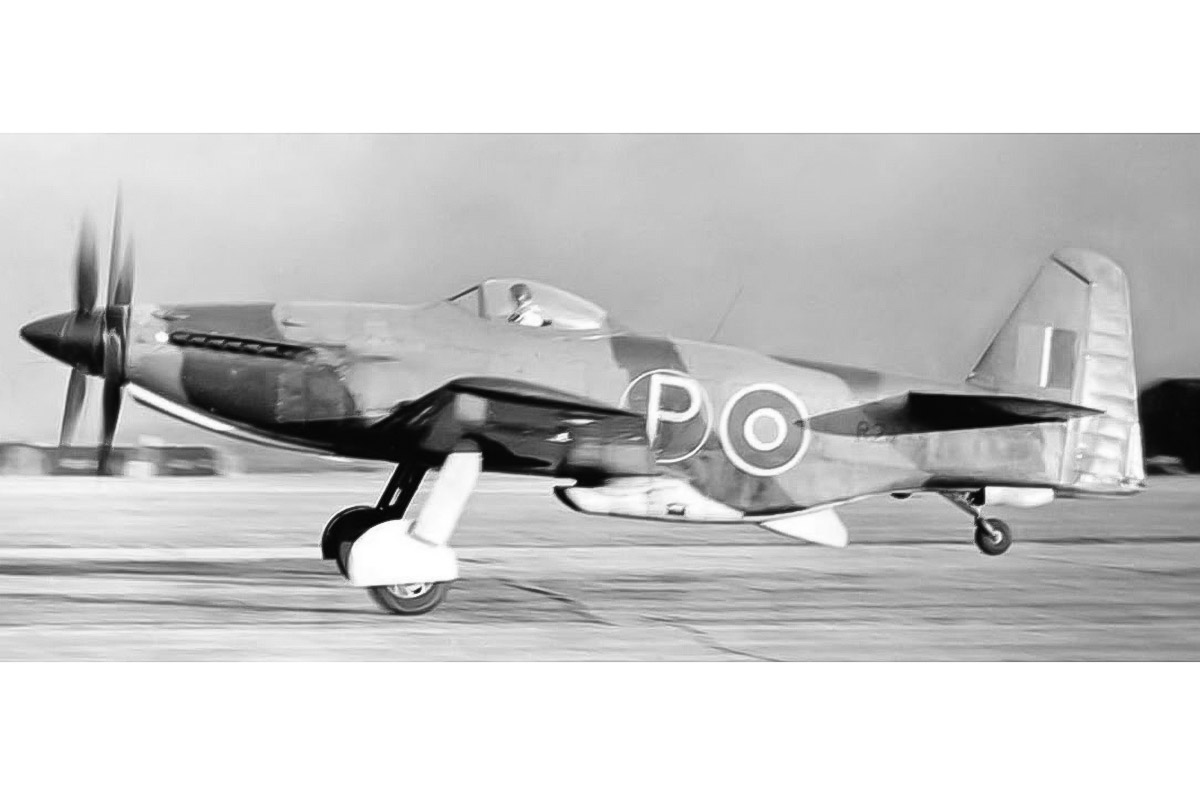
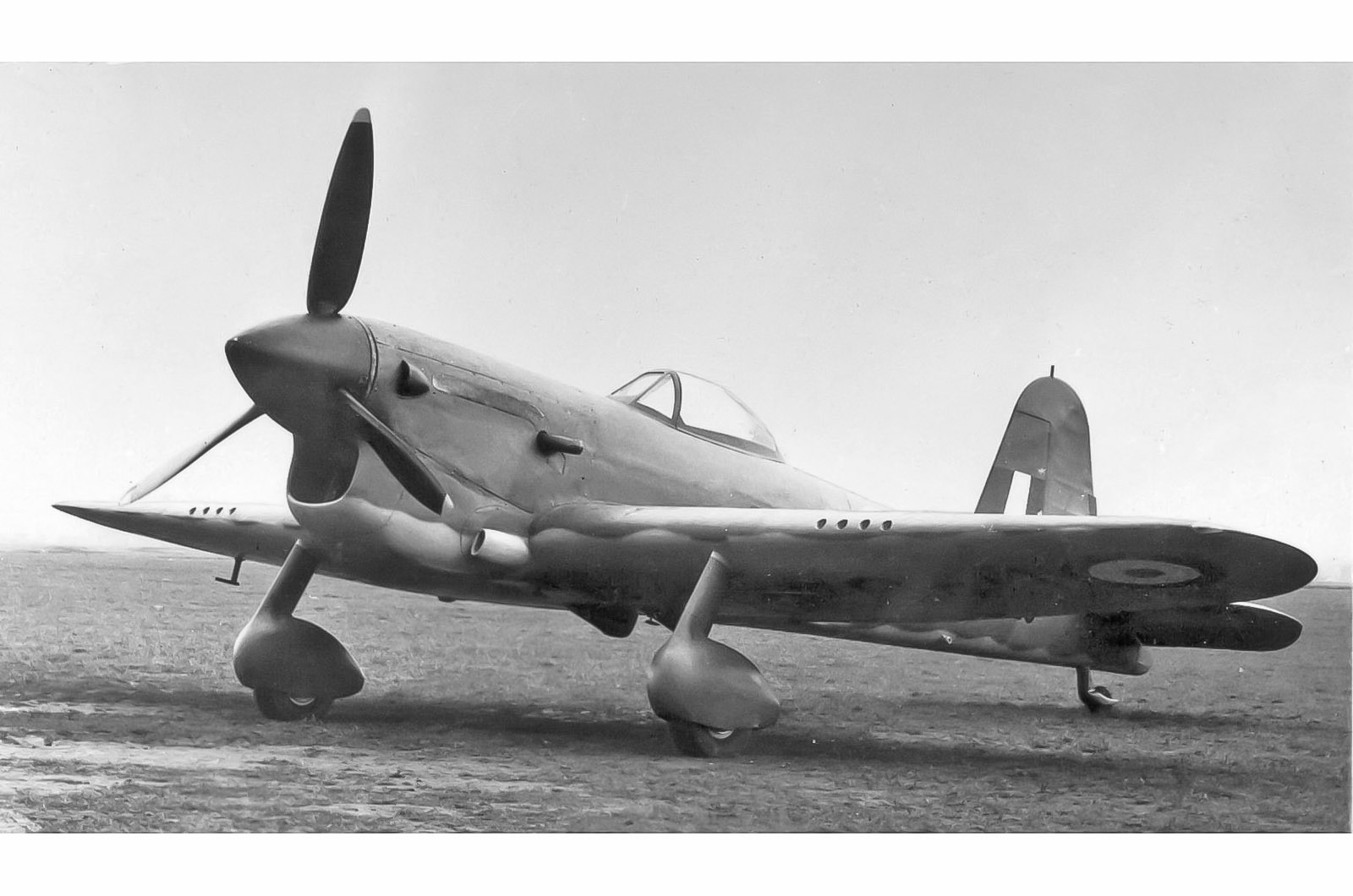
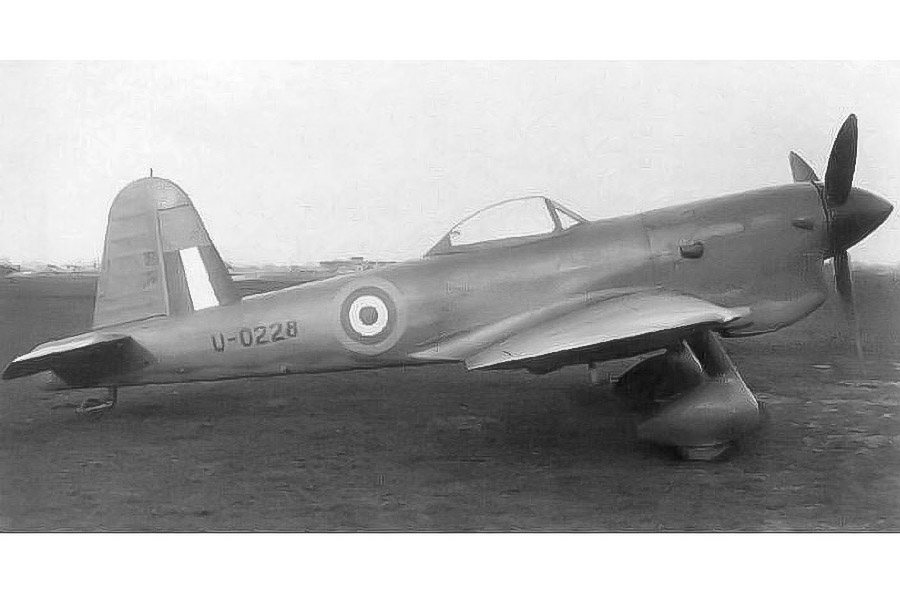
Despite the crash of the MB3 in 1942 due to the failure of its Napier Sabre engine, it was apparent that the plane was worthy of further development. Martin-Baker proposed a Rolls-Royce Griffon-powered version, the MB4, but a more thorough redesign was favoured by the Air Ministry and the MB5 was the result.
A fair contender for the best British piston-engined fighter ever flown, the MB5 was well armed with four cannon, very fast, and as easy to maintain as its predecessor. Flight trials proved it to be truly exceptional, with a top speed of 460 mph (740 km/h), brisk acceleration and docile handling.
9: Martin-Baker MB5
Its cockpit layout set a gold standard that RAF testers recommended should be followed by all piston-engined fighters. The only thing the MB5 lacked was good timing; it first flew two weeks before the Allied invasion of Normandy. Appearing at the birth of the jet age, with readily available Spitfires and Tempests, there was never a particularly compelling case for producing the slightly better MB5.
There is also a suggestion that the MB5 never received a production order because on the occasion it was being demonstrated to assorted dignitaries, including Winston Churchill, the engine failed. If this is true, it must rank as the most pathetic reason for non-procurement of an outstanding aircraft in aviation history.




Add your comment