Currently reading: Honda scraps radical 0 Series saloon and SUV in EV U-turn

Duo are cancelled just months before launch as Honda announces huge EV investment write-down

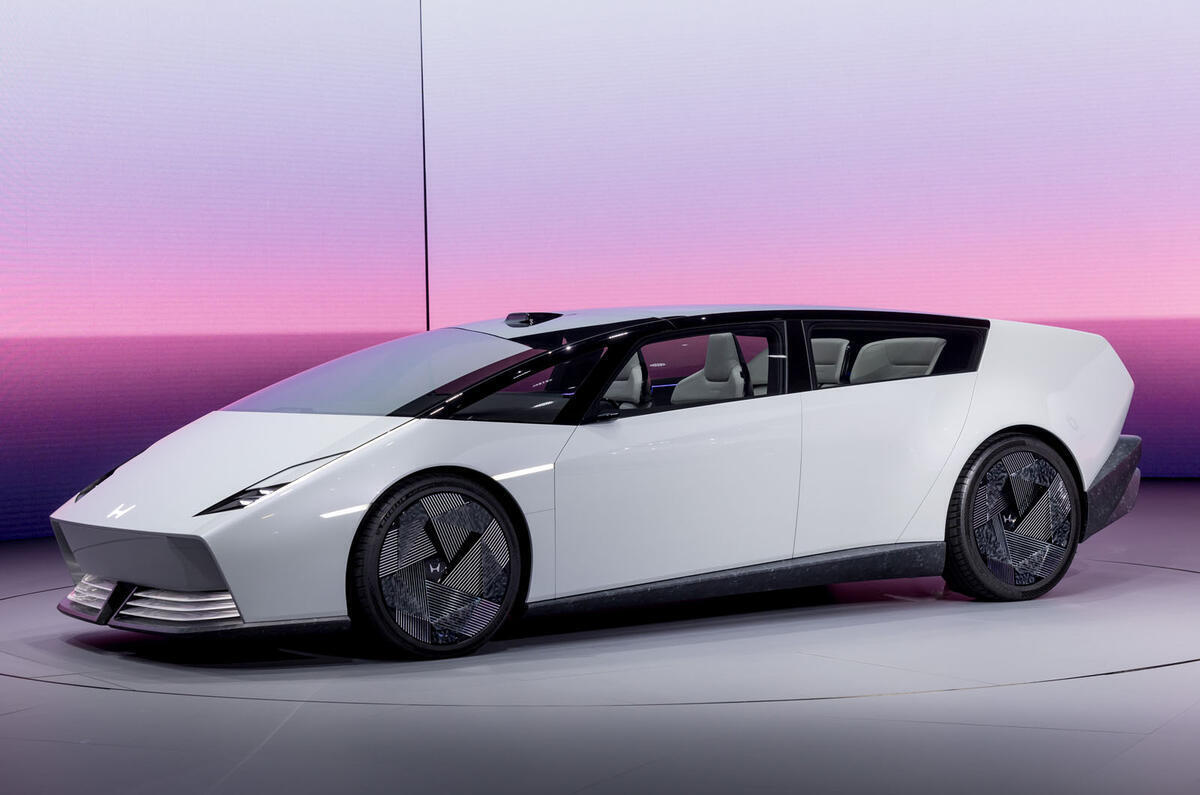
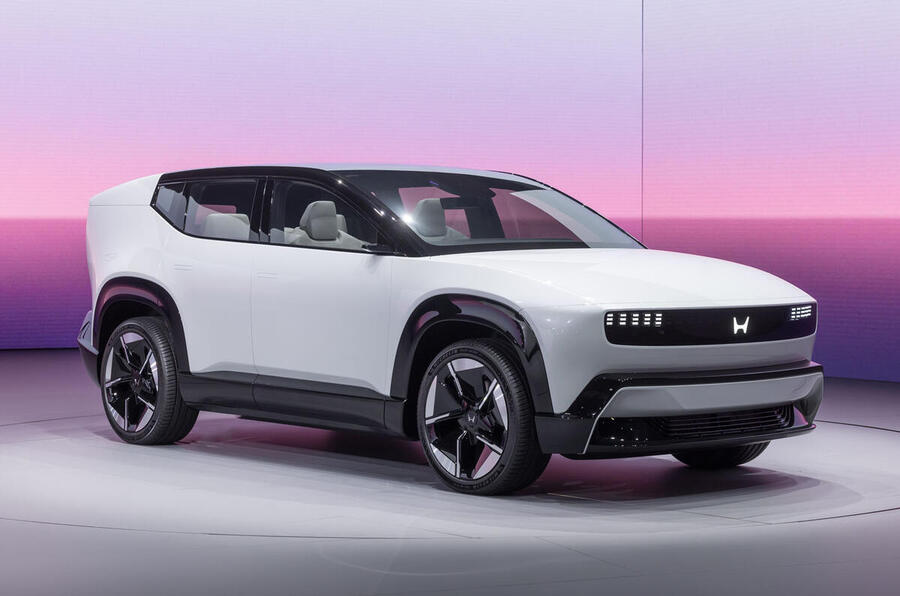
Honda has canceled the 0 Series SUV and Saloon just months before production was scheduled to begin, as it restructures its EV strategy in the face of an “extremely challenging earnings situation”.

The Japanese firm announced on Thursday that the two EVs had been scrapped, just a few months before they were planned to enter production in the US. The US-market Acura RSX has also been cancelled.

The SUV and Saloon were the first of seven planned 0 Series models that Honda previously said would arrive before the end of the decade. But the company said uncertainty and increased competitiveness in the global EV market has prompted it to cancel the programme and write off the heavy costs associated with its development.

These futuristic-looking EVs were to sit on a new bespoke platform developed from a clean sheet of paper. The saloon, first shown in concept form in 2024, was pencilled to go on sale first, followed by the SUV, which was previewed last year.

The write-down decision will result in losses of ¥340-570 billion (£1.6-2.7bn) this financial year (ending at the end of this month), Honda said.

It warned that further losses in the next 2026-27 financial year are expected to result from this decision.
In a statement today, the company said: “Honda determined that starting production and sales of these three models in the current business environment where the demand for EVs is declining significantly would likely result in further losses over the long term."

Explaining this decision, Honda pointed firstly to major changes in the US, where president Donald Trump recently rolled back a string of legislation, brought in by the previous administration, that incentivised both the buying and building of EVs. 

This has created an “unfavourable impact” on Honda's business. It added that before the laws were changed, it “pursued EV adoption with strong determination” in the US.  

Honda has also struggled in Asia, where there has been a “decline in the competitiveness of Honda products”. The company blamed consumer wants “shifting from hardware features, such as fuel efficiency and cabin space, to software-based features that will continuously advance according to customer preferences”. 

It said it was at a disadvantage to react to this, due to new EV manufacturers in China that can “leverage their short product development cycles” to shift scope quickly depending on demand, which has “intensified the competition”.

Back to top

It concluded that its “automobile business has fallen into an extremely challenging earnings situation due to various factors, including its inability to respond flexibly to these changes in the business environment, compounded by a decline in the profitability of gasoline and hybrid models due to the impact of newly imposed tariffs”.

“Honda is undergoing significant changes, and the outlook remains uncertain,” it added.

To counter the losses, Honda will reorganise its businesses in key and emerging markets in an effort to “re-establish its competitive strengths”.

As such, Honda will now look to be more competitive in the US and Japan, through enhancing models and lowering prices. It will also focus on introducing more hybrids in Asia, especially in the growing market of India.

It will also restructure its business around EVs, implementing what it calls a more flexible approach to future electric model launches.

It added that it will be “monitoring the balance between profitability and market trends", suggesting it will prioritise updating its most profitable and in-demand models over launching new EVs.

Some Honda executives will also forfeit part of their bonuses planned to be given at the end of the financial year.

Join our WhatsApp community and be the first to read about the latest news and reviews wowing the car world. Our community is the best, easiest and most direct place to tap into the minds of Autocar, and if you join you’ll also be treated to unique WhatsApp content. You can leave at any time after joining - check our full privacy policy here.

Will Rimell

Will Rimell Autocar
Title: News editor

Will is Autocar's news editor.​ His focus is on setting Autocar's news agenda, interviewing top executives, reporting from car launches, and unearthing exclusives.

As part of his role, he also manages Autocar Business – the brand's B2B platform – and Haymarket's aftermarket publication CAT.

Join the debate

Comments
28
Add a comment…
Theshed 14 March 2026

The 'O' looks like the illegitimate offspring of a Cybertruck and a Gallardo !

A V6 in there and it may even sell ?

KeithS 13 March 2026

Honda could be the first of the Japanese manufacturers to go under. Their range of cars is so lacklustre and uninspiring, the Chinese competition is just overwhelming them.

Perhaps they might be bought by one of the countless Chinese brands, it might be worthwhile just to get their hands on the first adventurous cars from Honda in decades- the O Series model's.

There are only so many OAP's that you can sell the Honda Jazz too!!!

Tom Chet 13 March 2026

Oh, this is so disappointing.  Not necessarily a surprise given the EV-related write-offs we have already seen by, for example, Ford and Porsche but a real shame nonetheless given Honda's history of innovation in engineering.This is the killer point: "The company blamed consumer wants “shifting from hardware features, such as fuel efficiency and cabin space, to software-based features that will continuously advance according to customer preferences”. "

You can argue that legacy car makers should have been on top of this changing trend, but as one of those dinosaurs who prefers hardware to software features in my car, it is a significant reason why I find so many new cars less exciting than in the past.