These are the coolest ‘60s airliners as voted for by readers of the Hush-Kit aviation site.
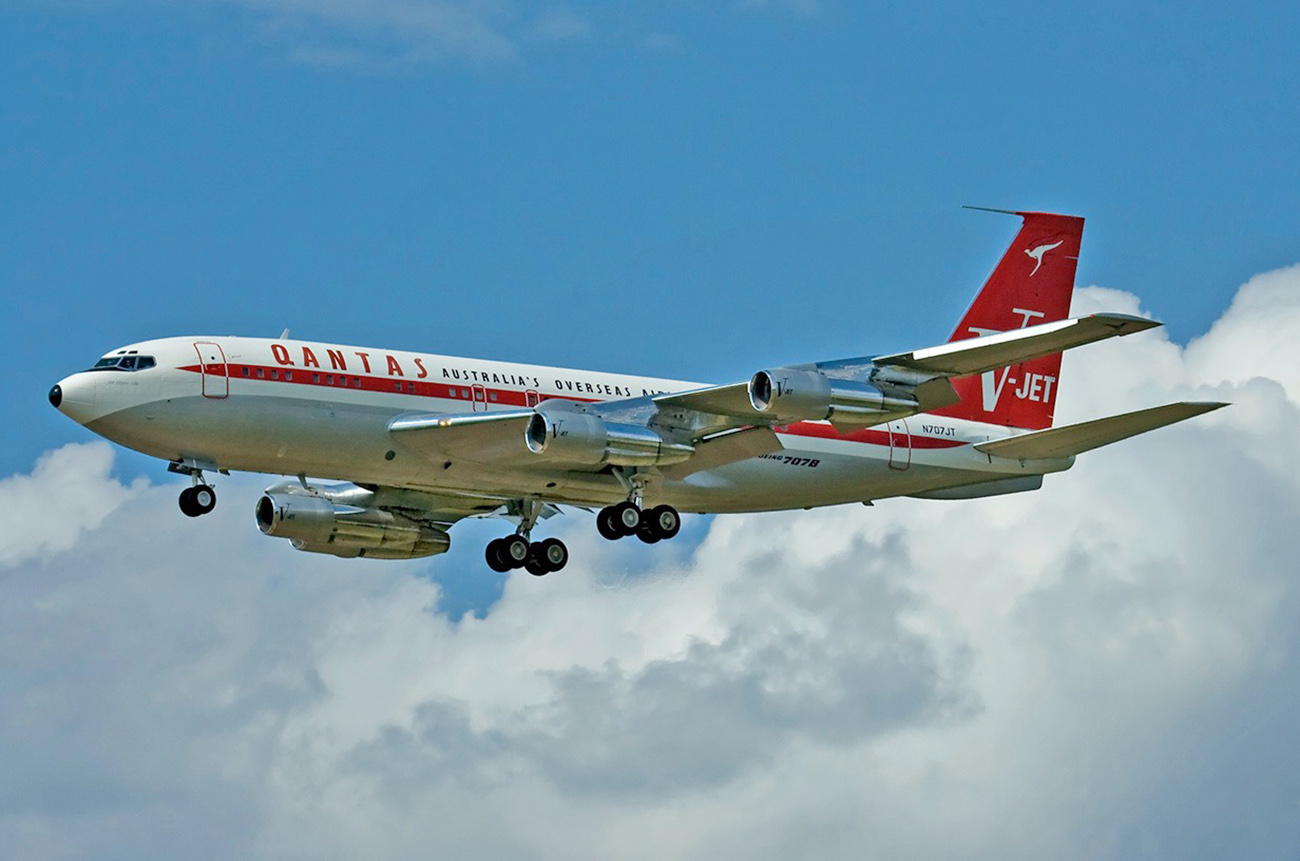
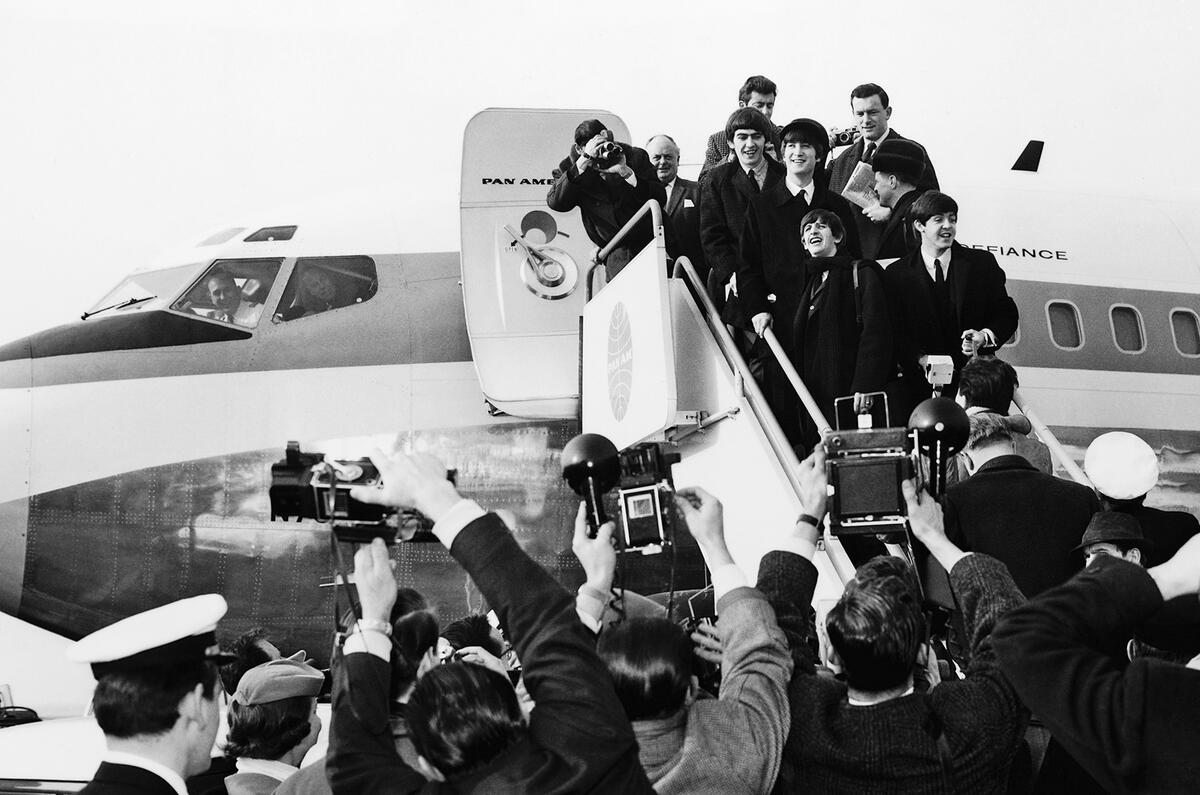
Prepare to meet some wild dream machines, including the Boeing 707 that brought The Beatles on their first trip to America in 1964 (pictured):
10: Potez 840
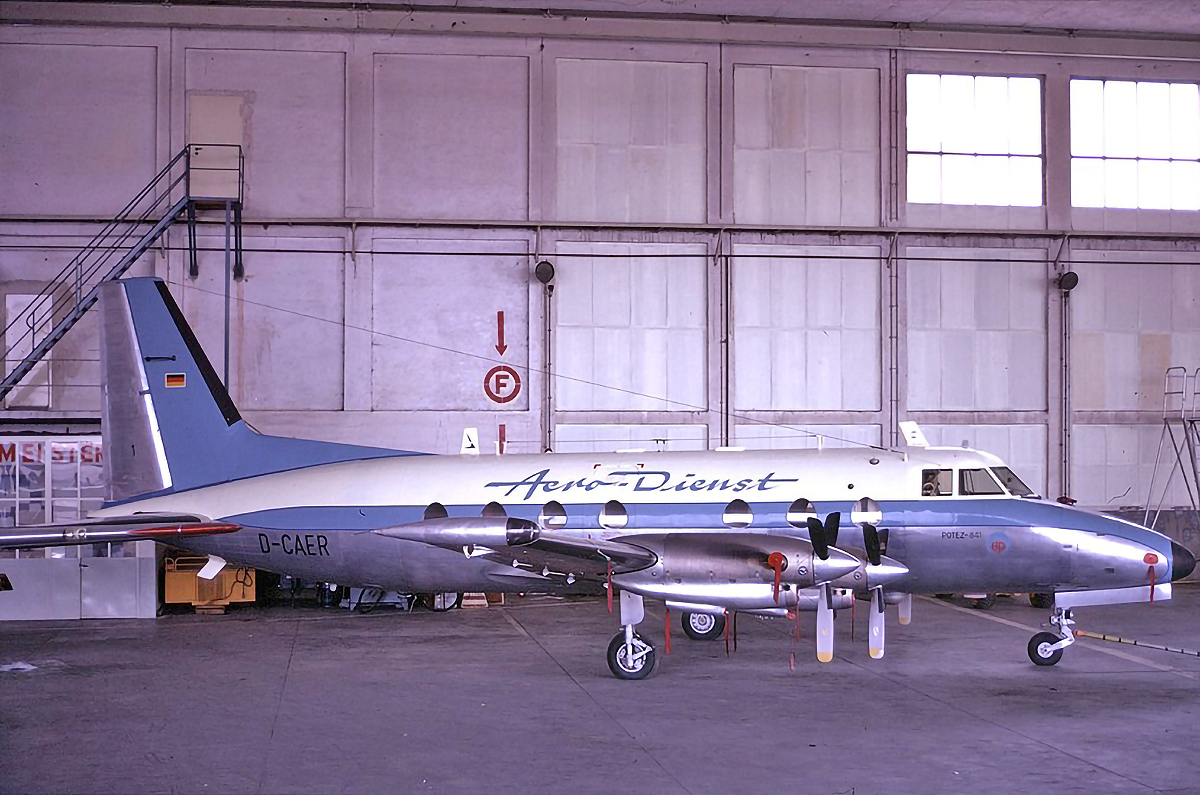
French aero engineering produced the marvellously appealing, seductively beautiful Potez 840, which first flew in 1961. It had a crew of three and a cabin that, by all rights, should have contained a lively total of eighteen stylishly dressed philosophers, jazz musicians and other bohemians.
Though technically an 18-passenger executive transport rather than an airliner, we’ll let the Potez 840 in, as it received enough votes, and a wider audience deserves a chance to appreciate this gem of French aircraft design.
10: Potez 840
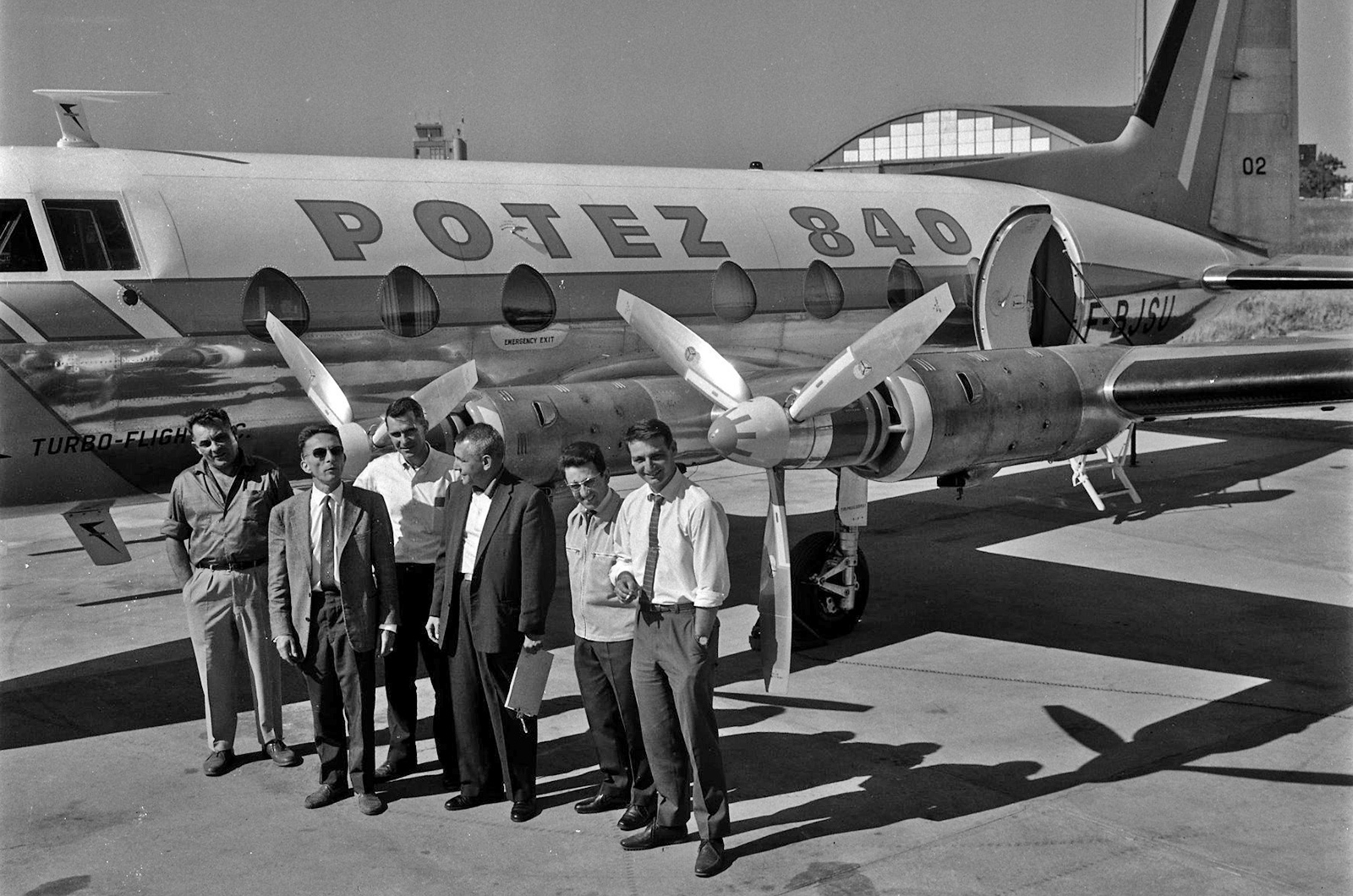
From its graceful nose profile to its slim wings and sleek, understated engine nacelles, everything about the 840 was classy. This was a chance for the Potez name to return to its glory days, and indeed, in role, the 840 seemed a worthy successor to the Potez 56, a 1930s VIP transport, later used in the military crew trainer and liaison aircraft role.
It was offered with four Pratt & Whitney PT6A-6 or Turbomeca Astazou XII engines, and even as a military transport. But, this four-engine turboprop was clearly too cool for mass production, and less than ten planes were made. The final Potez remained a small elegant footnote in history.
9: Aviation Traders ATL.98 Carvair
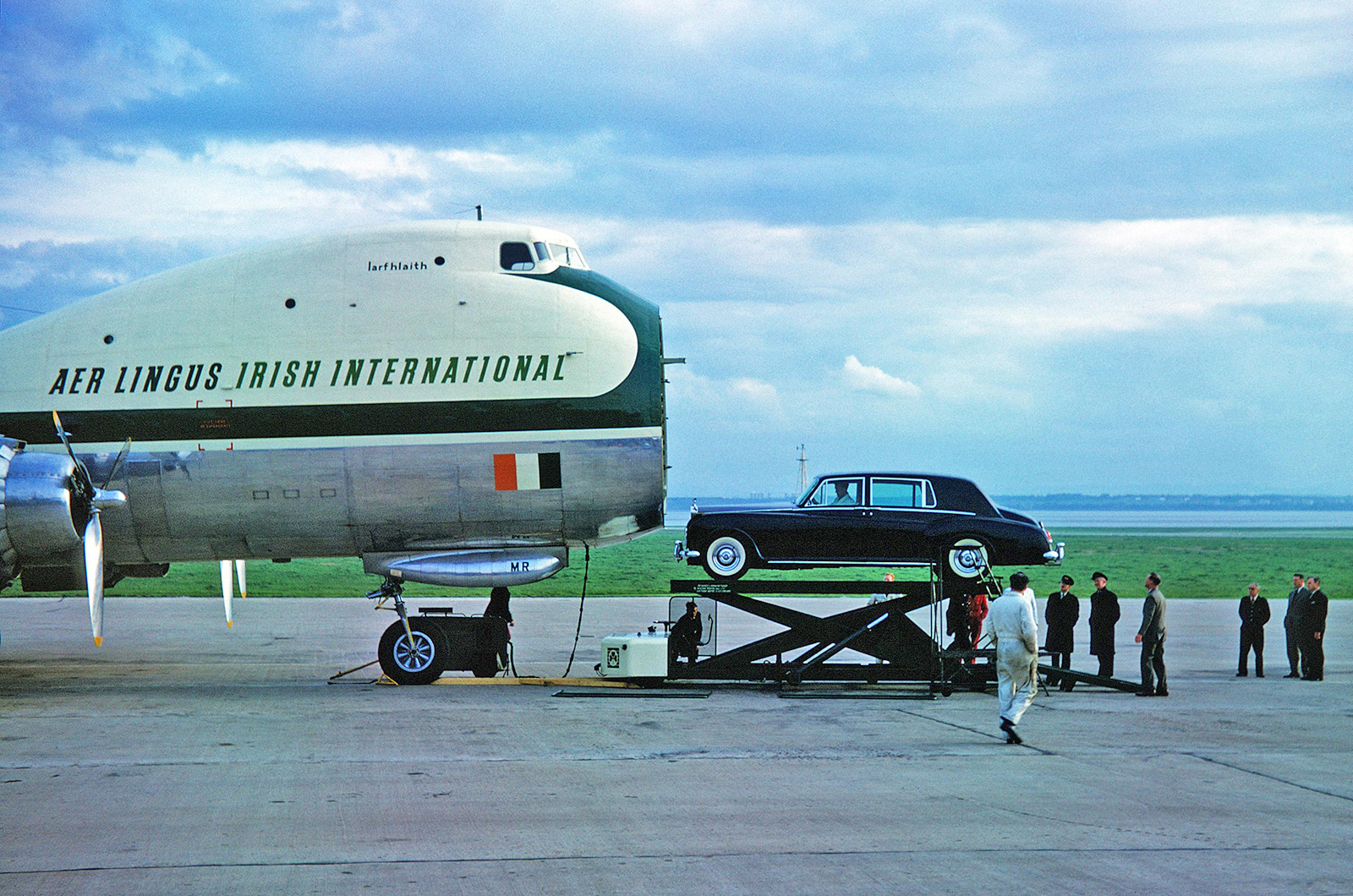
Freddie Laker (1922-2006) was an astute businessman with an almost uncanny ability to spot, and act, on an opportunity. After the Second World War, he became a dealer of surplus military aircraft, which proved highly profitable during the Berlin Airlift.
He identified a need for a flying car ferry service and did this with the Bristol Type 170 Freighter. This aircraft was too limited in capacity, what was needed was something that could carry a greater number of cars.
9: Aviation Traders ATL.98 Carvair
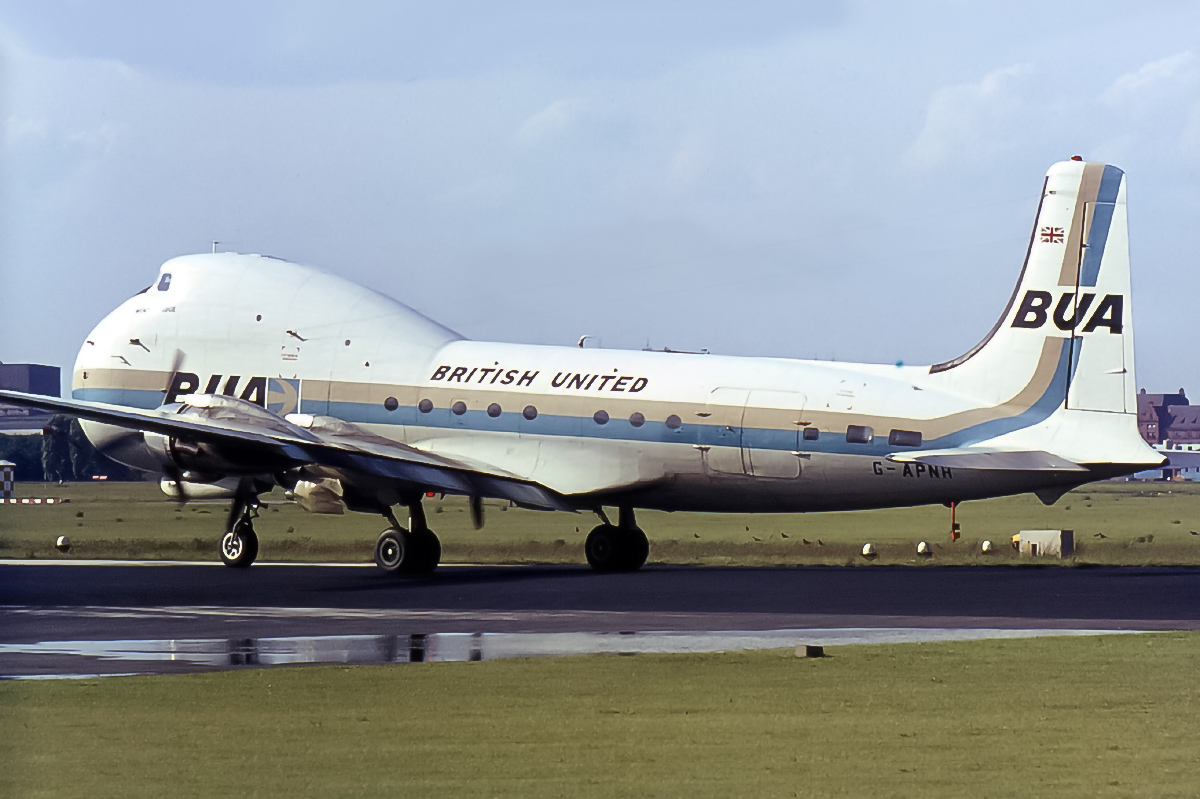
Douglas DC-4s were cheap, plentiful, and the right length, so converting them to the tadpole-like shape of aircraft that could carry cars and passengers proved relatively straightforward. The aircraft received the name Carvair, a contraction of car-via-air.
This characterful aircraft found fame in the 1964 James Bond film Goldfinger in which the villains Auric Goldfinger, his bodyguard Oddjob, and Goldfinger's Rolls-Royce Phantom use a Carvair. It also featured in an episode of the rather groovy TV series The Prisoner.
8: Boeing 707
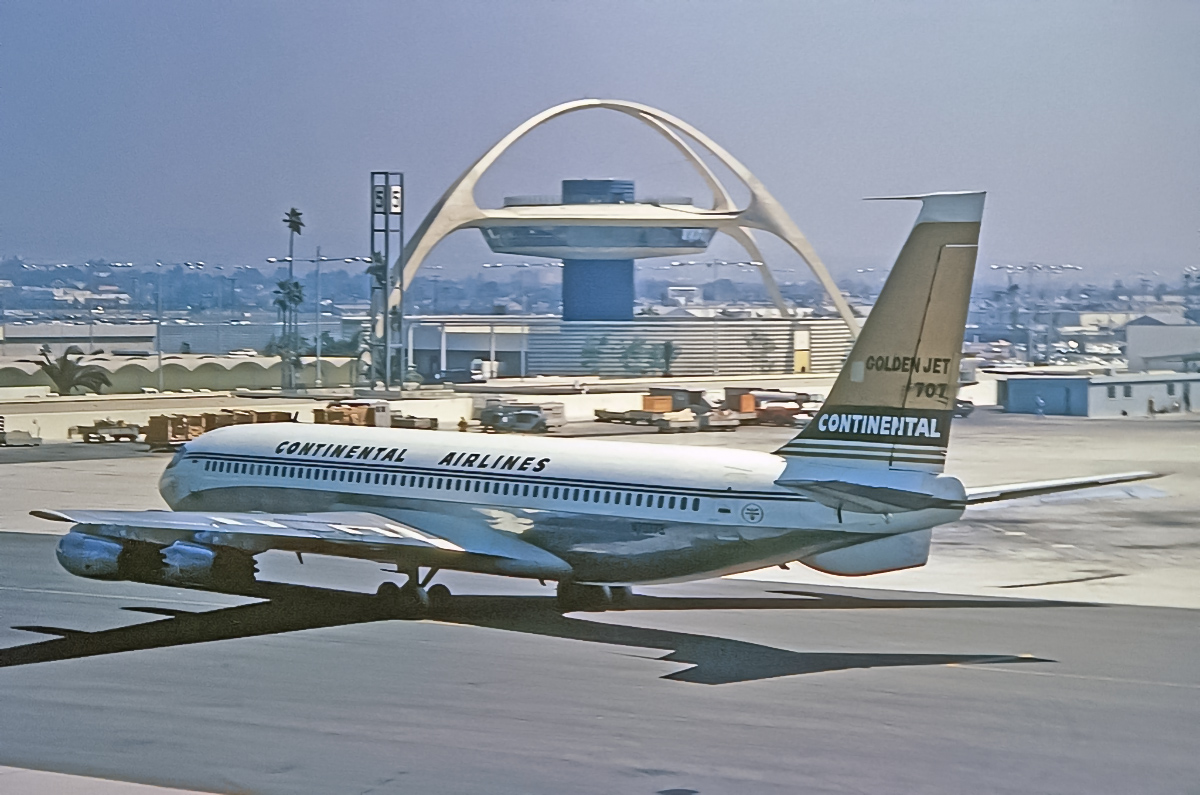
The quintessential sixties airliner, and the aircraft that popularised jet travel, ushering in the true Jet Age, was the majestic Boeing 707. It was first flown in 1957 and entered service in 1958, both dates a year ahead of the rival Douglas DC-8.
The sleek, uncluttered Boeing 707 was a massive hit in the sixties. Though this four-engined long-haul airliner first flew in 1957, most of the 707 story takes place in the 1960s (and beyond). As we may be somewhat over-exposed to its appearance and its influence on later airliners, it is easy to forget its great beauty.
8: Boeing 707

The Beatles were the defining artists of the ‘swinging ‘60s and for their first trip to the United States on February 7, 1964, they flew on a Pan American World Airways' Boeing 707-331, (N704P) "Jet Clipper Defiance" (dubbed and marked as Clipper Beatles). This was the aeroplane that got The Beatles to New York to appear on the Ed Sullivan Show, which sealed their fame in America.
The 707 can be identified by its nose shape and the data probe protruding from the vertical tail. Though not the first jet airliner, the 707 was a big step forward, and the start of Boeing’s spectacular jet airliner success. A number of 707s performed the role as the American president’s Air Force One between 1959 and 1990, and then occasionally until 1998.
7: Douglas DC-8

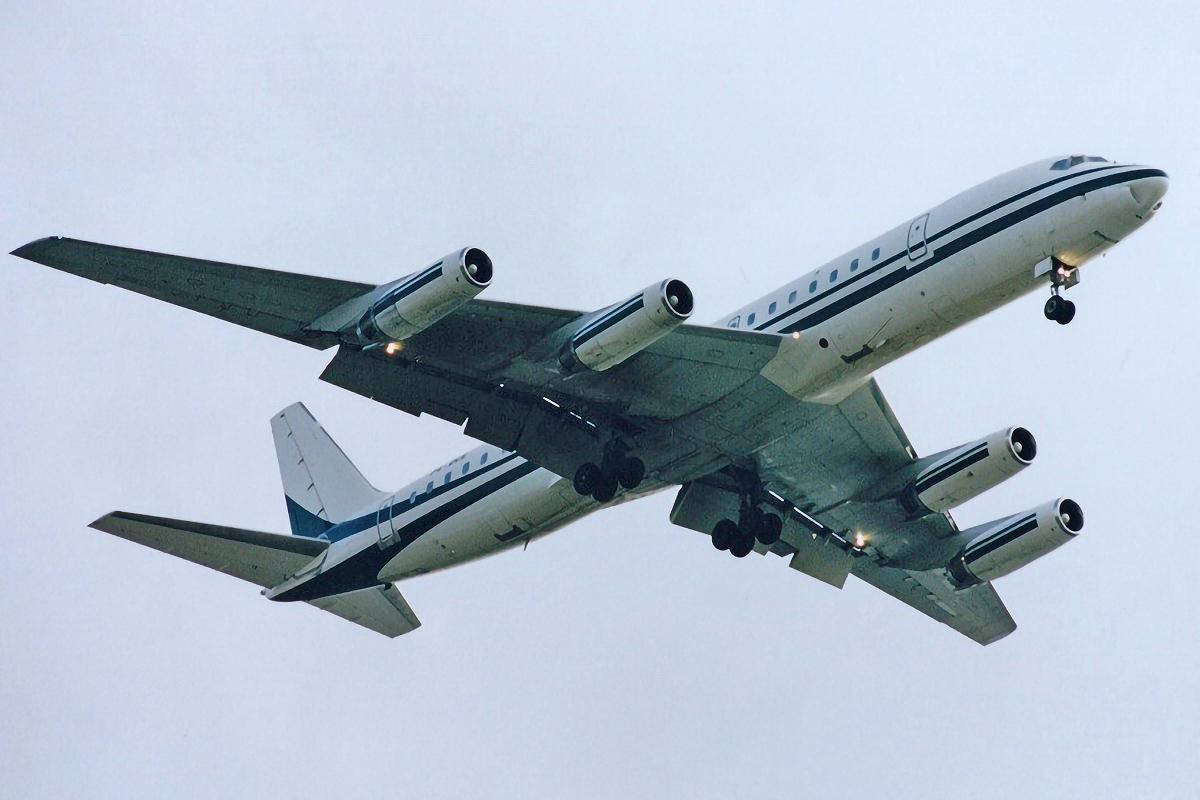
Like the Boeing 707, the DC-8’s roots are intermingled with a military need for transport and air refuelling aircraft. Though Boeing won the big military deal, there was space enough in the civilian market for Douglas and Boeing to compete. And, so the world got three gorgeous American four-engined narrow-bodied airliners (the third being the Convair) - or four if you include the short-ranged 707 derivative, the Boeing 720.
Visually the most identifiable feature of the DC-8 is the rather racy twin intakes on the nose. The Rock band Pink Floyd chartered a Japan Airlines DC-8 for their Japanese tour in 1972. Attentive film fans will have noticed the DC-8 appearing in Die Hard 2, Speed and Hot Shots!.
7: Douglas DC-8

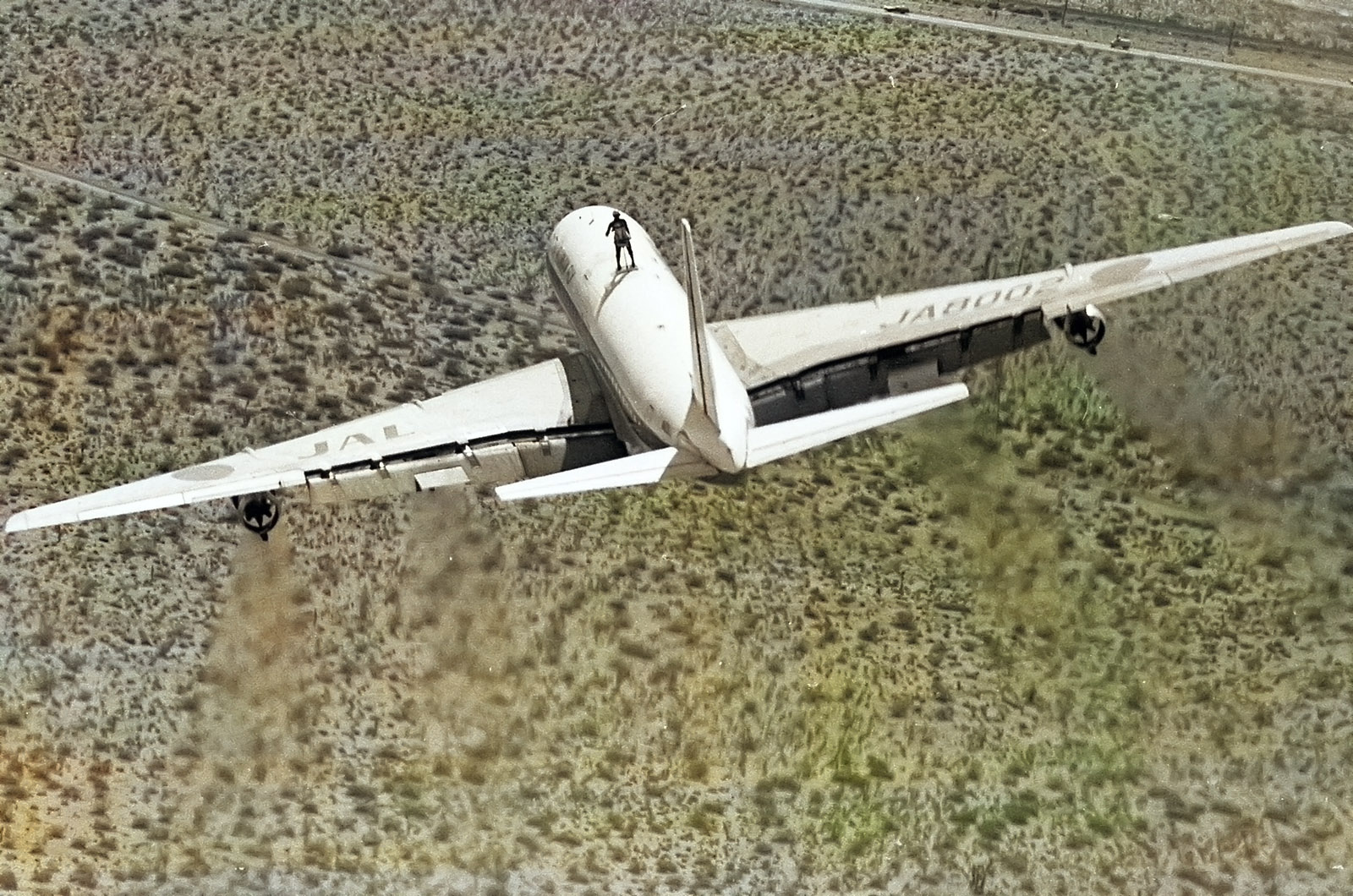
To add to the DC-8’s already rather cosmic appeal, The Canadian stuntman Rick ‘Human Fly’ Rojatt wing-walked on top of one flying at 250 mph (400 km/h) in the 1970s. On a practical note, without the DC-8, CFM International, a hugely important engine manufacturer, would likely have never happened.
According to one of our contributors, “The 707 looked like your Dad's boss. Does stuff, high achiever, but no fun at all. DC-8 is all long and lean and has definitely been partying too much. It looks like it's run from the law at least once. DC-8 would never do as much government work as a 707.”
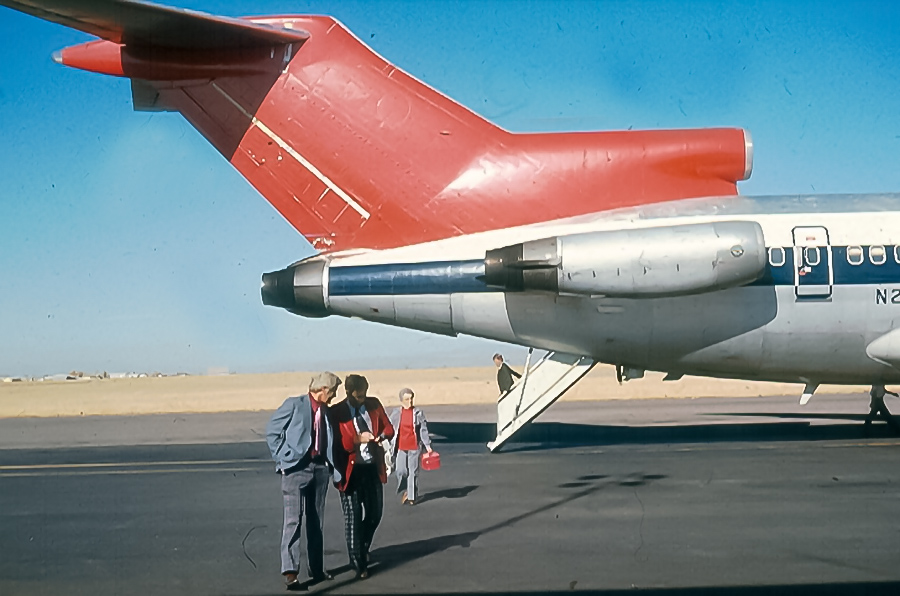
6: Boeing 727

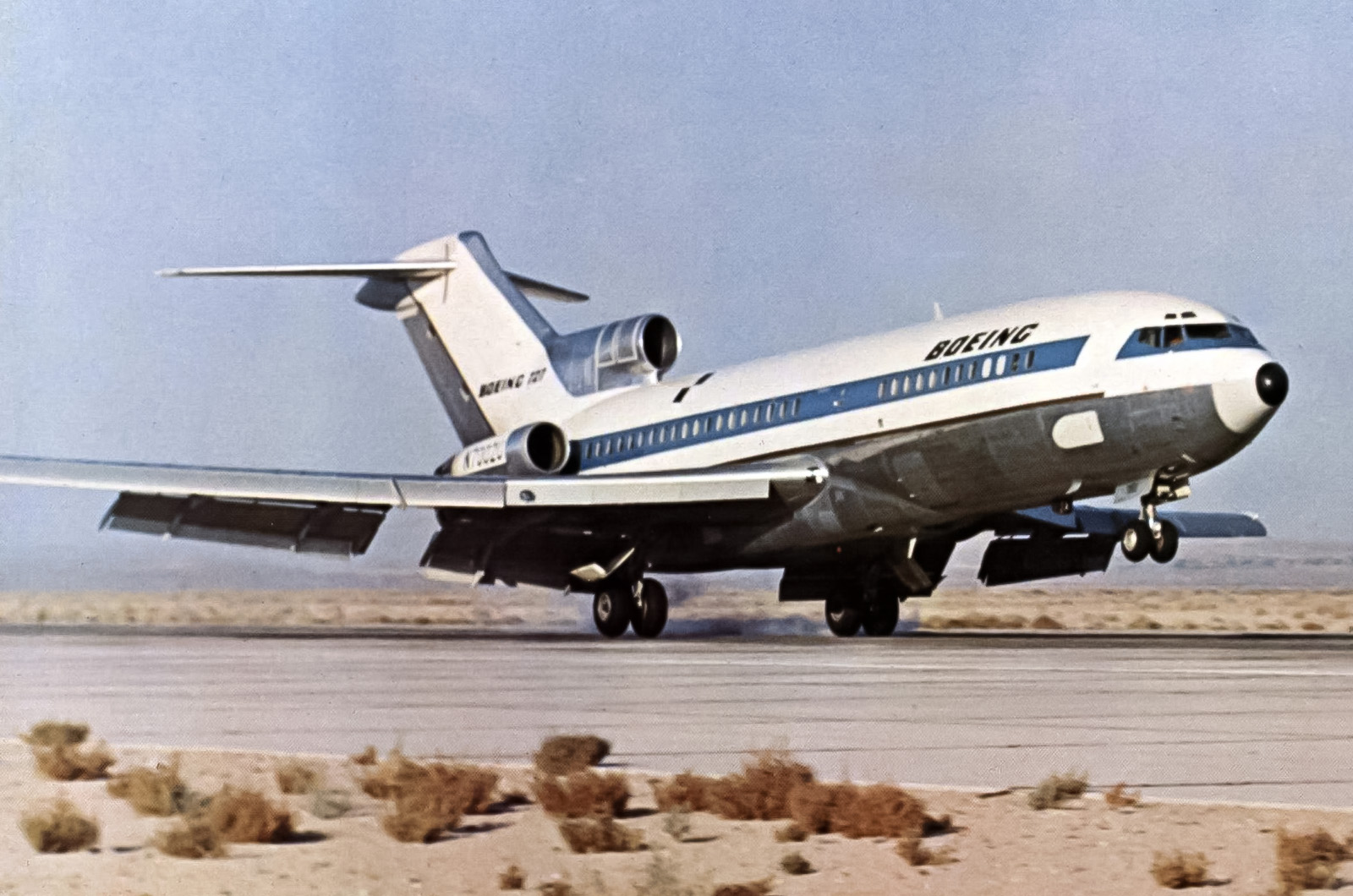
In designing the rakish 727, Boeing combined the best features of their four-engined 707 with a three-engine configuration and a wing boasting the latest high-lift features. The 727 first flew on February 9, 1963 and was a huge sales hit in the 1960s, dominating the medium-haul market.
The 727 wins ‘cool points’ for its tri-jet configuration, three engines handsomely placed below a T-tail. The T-tail, with the tailplane mounted at the top of the tail, was an iconic feature of several 1960s airliners. The T-tail makes the fin, rudder and tailplane design more straightforward and efficient (though it has some downsides).
6: Boeing 727

The 727 also had natty fold-out ‘air-stairs’ in the rear, a feature that was exploited by a notorious criminal. ‘DB Cooper’, a mysterious man who, in 1971, hijacked a Boeing 727 before escaping by parachute via the air-stairs with a bag of money; he has never been identified or apprehended.
The Boeing 727 also wins some kudos for being celebrated in wider culture, notably as the star of the front cover of The Beastie Boys’ 1986 album ‘Licensed to Ill’. And we haven’t even mentioned the leading-edge Krueger flaps and multi-element area- and camber-changing trailing edge flaps.
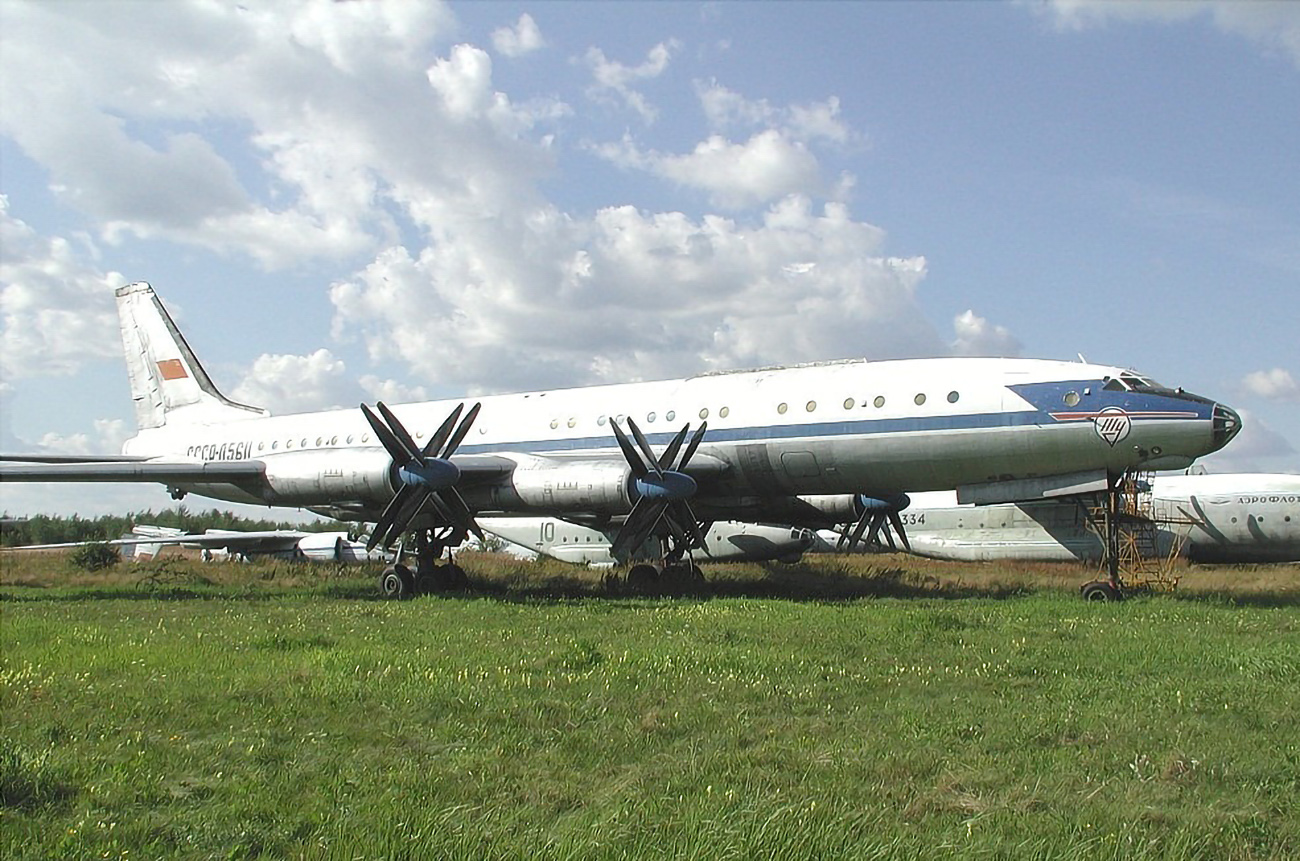
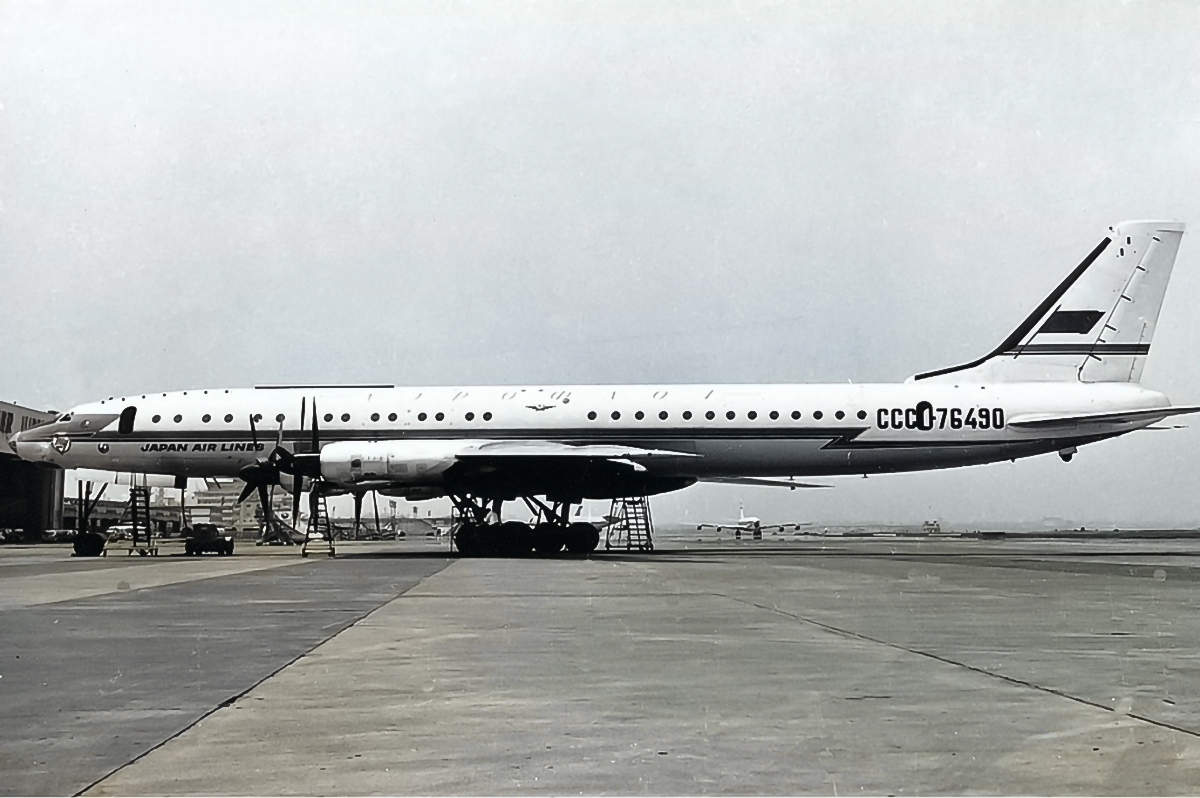
5: Tupolev Tu-114 ‘Cleat’

The Soviet Union created a range of rather exciting airliners in the 1960s, notably the VC10-like Ilyushin Il-62 and the extremely smart Tupolev Tu-124. But neither received enough votes from our readers to get in the top 10 coolest. Of the two Soviet airliners that made the list, the rather wild Tu-114 (NATO reporting name Cleat) was one, and it certainly had character.
The Tu-114 is an airliner based on the Tu-95 ‘Bear’ strategic bomber. Though it does not have pure jet engines, the Tu-95 is extremely fast; at 575 mph (925 km/h), it is the second fastest propeller-driven aircraft, after the Italian Piaggio Avanti private aircraft.
5: Tupolev Tu-114 ‘‘Cleat’’

Other family members included the Tu-142 maritime patrol aircraft, the Tu-116 VIP transport, and the Tu-126 airborne early warning and control aircraft. The Tu-114 was also very fast for a propeller aircraft, with a top speed exceeding 540 mph (870 km/h). It snatched a string of world records for turboprops with its extraordinary performance.
This noisy yet stately airliner is known for its sharply swept-back wings and four massive NK-12 turboprop engines with contra-rotating propellers. The turboprop powerplant was chosen because, at the time of the aircraft’s conception, Soviet jet engines could not offer the fuel efficiency required for longer flights.
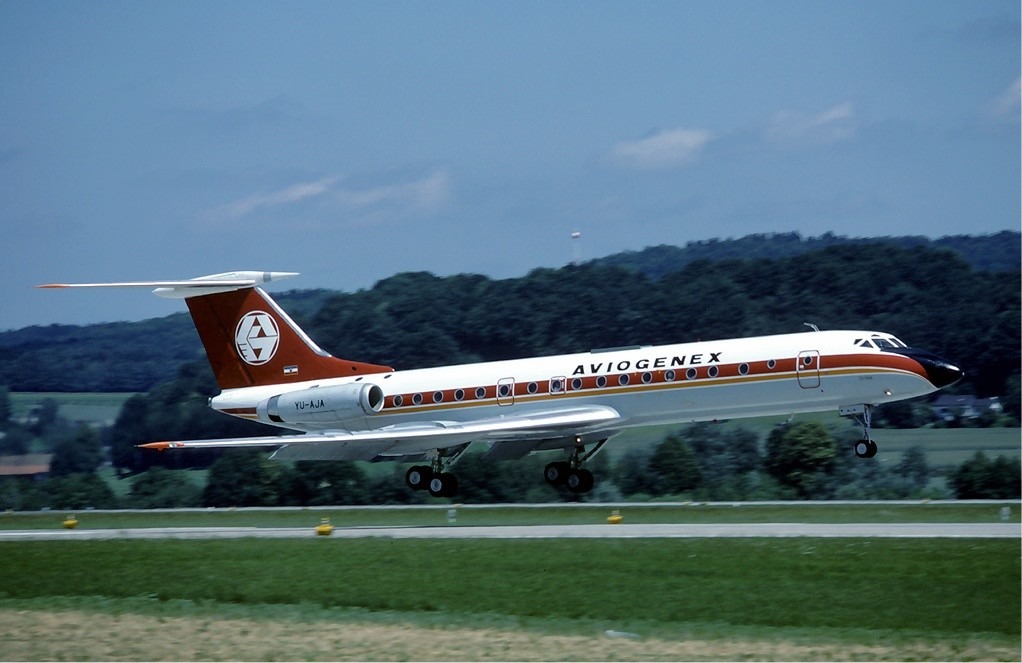
4: Tupolev Tu-134 ‘Crusty’

New Year’s Eve, and Zhenya Lukashin departs Moscow in a Tupolev Tu-134. Zhenya is the hero of the 1976 Soviet romantic comedy Enjoy Your Bath! Zhenya left Moscow for the identical snowy concrete jungle of St. Petersburg. The brief external shots of models of the Tu-134 in flight, with their distinctly dodgy special effects, have a certain magic about them.
The real Tu-134 is a twin-engined airliner in the same category as the equally attractive Caravelle. Its racy appearance is due to dramatically raked back wings set at an even more extreme angle than Britain’s exceptionally fast VC10. The 35 degrees of sweep was a ‘magic angle’ recommended by the Central Aerohydrodynamic Institute (TsAGI), that was also adopted by the Tu-114.
4: Tupolev Tu-134 ‘Crusty’

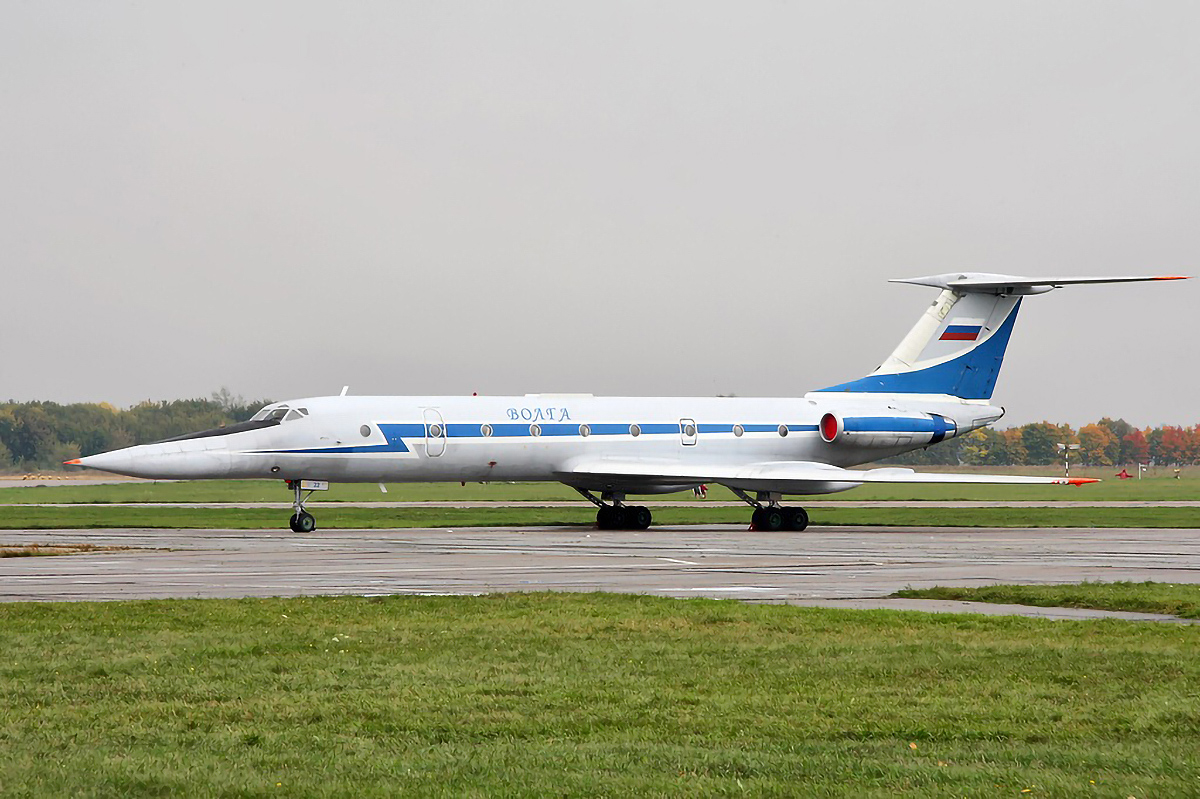
Best of all, the Tu-134 had a drag parachute. This very unusual feature for airliners, was replaced with thrust reversers in later models. Some training variants had long-pointed noses (pictured) containing the same radar as the Tu-22M bomber. Most importantly, the pointy-nosed 134s looked fantastic and not entirely unlike the supersonic Carreidas 160 private jet, as featured in the Tintin book Flight 714 to Sydney.
The Tu-134 was built in large numbers, and was far more comfortable and efficient than earlier Soviet jetliners. Noise restrictions killed the type; however, dozens endure the elements as gate guards, bars and rusting relics across the former USSR and satellite states.
3: Sud Aviation SE 210 Caravelle

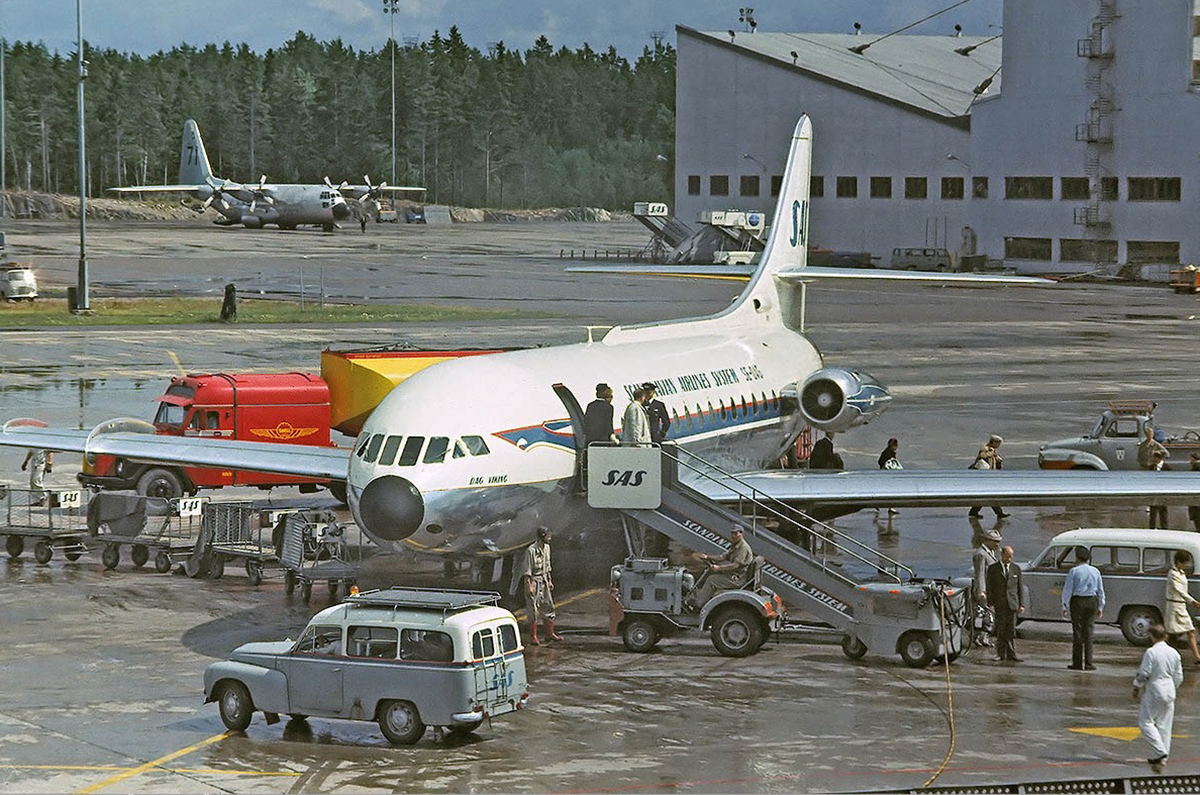
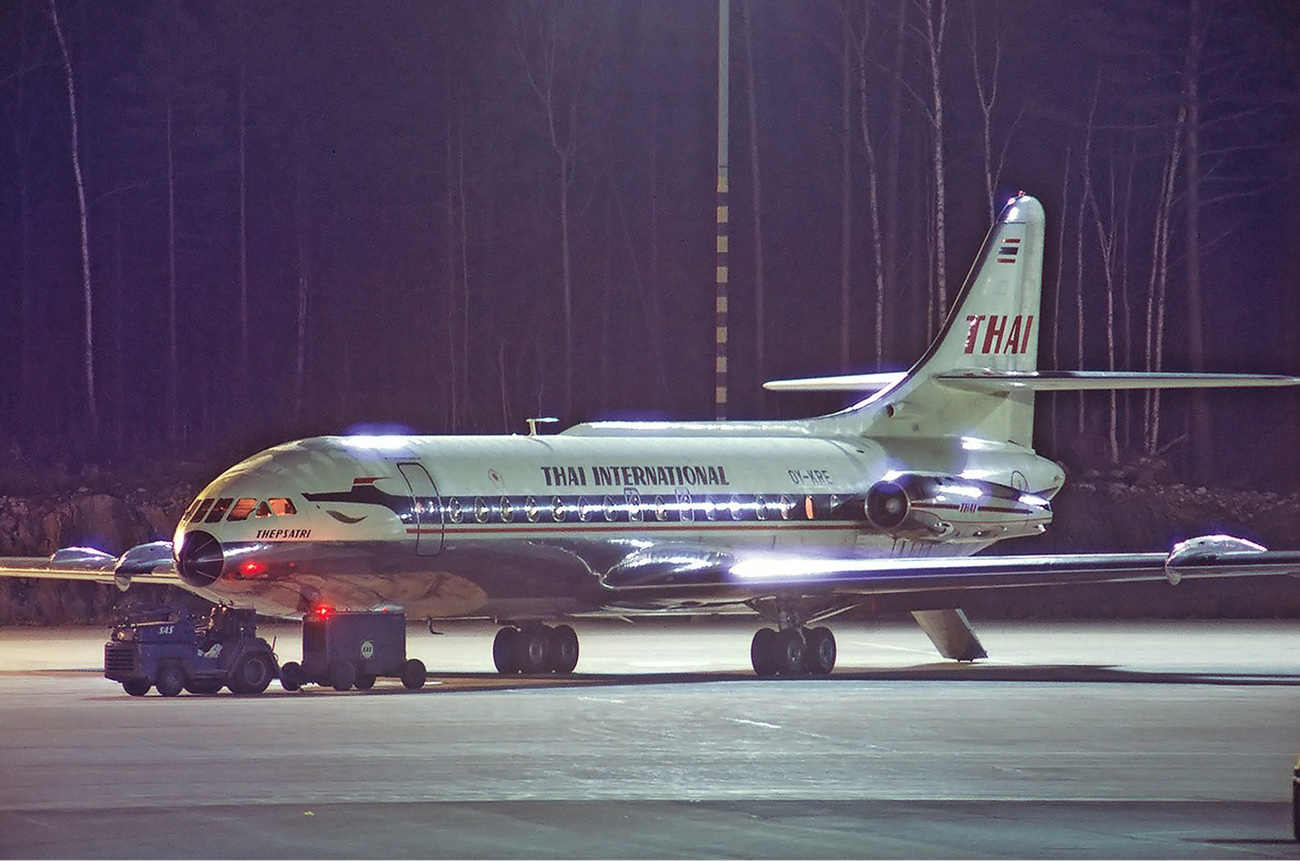
Unbearably beautiful, featuring a wealth of innovations and capable of recording gypsy jazz singles in flight, there are many reasons why the Caravelle was a technological tour de force that inspired love in those that came close to the French jetliner.
Whereas competitors had engines in or under the wings, noisily close to most areas of the cabin, the Caravelle’s two engines were neatly tucked away in nacelles at the rear end of the aircraft. It was said that the noisiest seat on board the Caravelle was only as loud as the quietest seat in the quietest rival airliner.
3: Sud Aviation SE 210 Caravelle

To demonstrate this quietness, guitarist and singer Sacha Distel, accompanied by his orchestra, took a trip aboard the Caravelle III Alsace to record a single inside the aircraft. In addition to musical instruments—including a 200kg piano—a recording studio was installed. The recording started at 10,500 metres altitude.
The distinctive guitar shaped windows were passenger pleasers: the higher section was narrow to limit the risks of glare due to the sun, and the lower wider part gave a better view down, allowing the travellers to more easily admire the often-epic landscape visible from 10,000 metres in the sky.
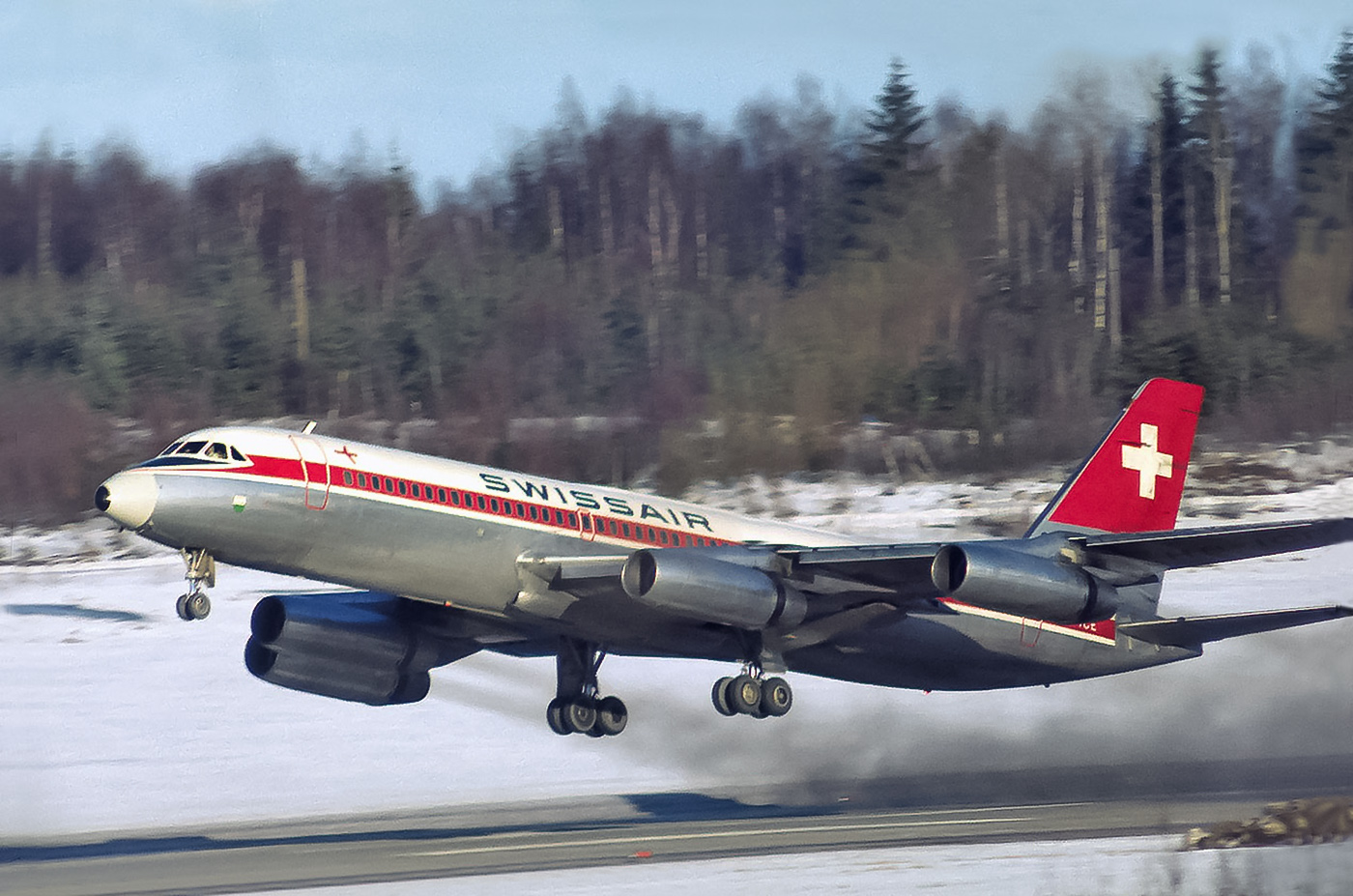
2: Convair 880/990

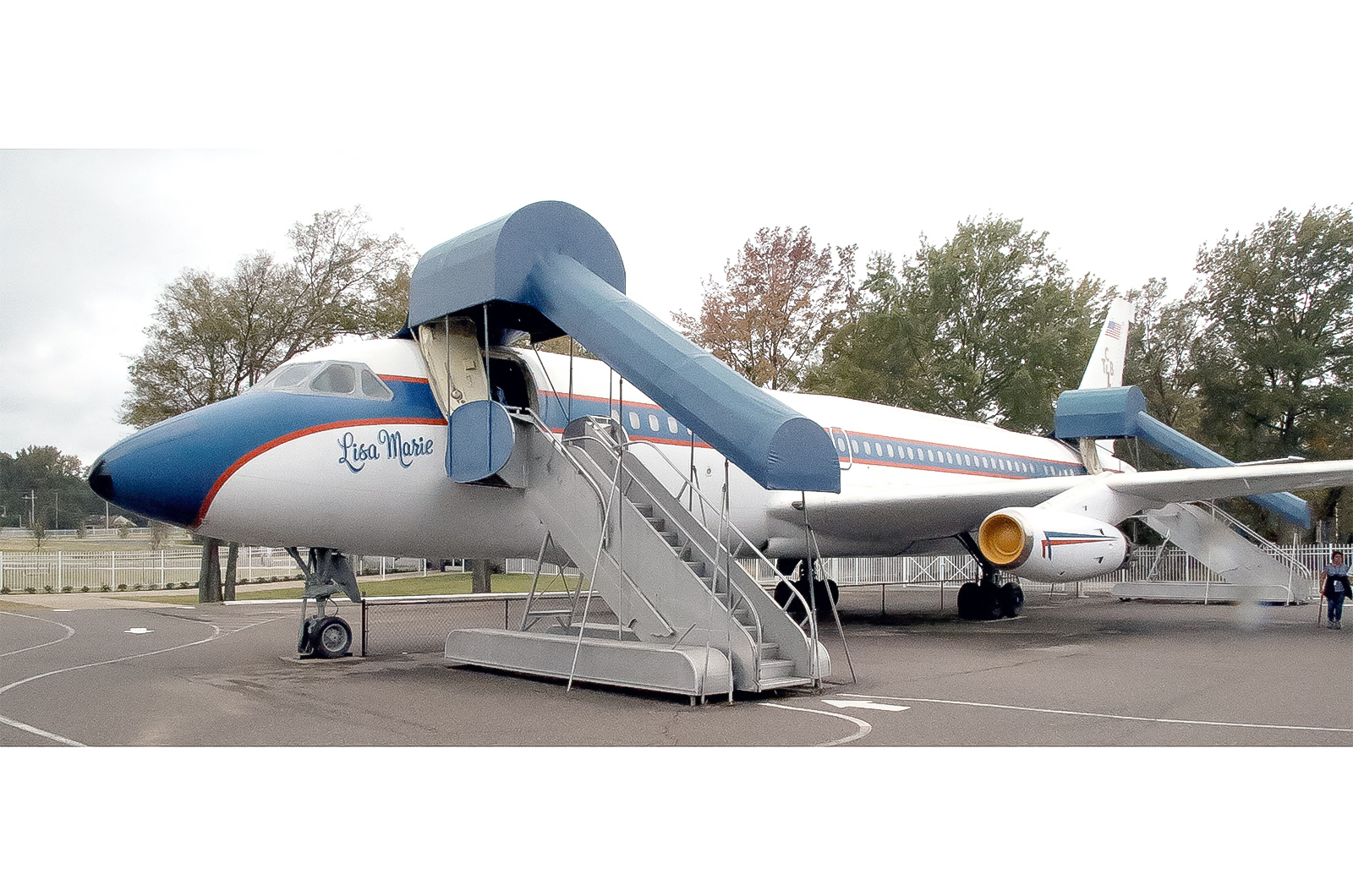
The Convair aircraft company were famous for building outlandish high-performance aircraft, including the spectacular Mach 2 B-58 Hustler bomber. So, it is perhaps only appropriate that the charismatic King of Rock’n’ Roll, Elvis Presley, selected a Convair, in the form of the loud and fast 880 (pictured).
He purchased a Convair 880 and christened it ‘Lisa Marie’ after his daughter. Lisa Marie was a lavish jet, and Elvis Presley spent more than $800,000 on decorating it to meet his particular needs. These included suede chairs, gold-plated seat belts, and leather-covered tables. I should also probably mention the 24-karat gold-flecked sinks.
2: Convair 880/990 Coronado

The Convair 880 first flew in 1959, and though excellent in many ways, it could not compete with the cheaper and more efficient Boeing 720. Despite, or perhaps partly because, of its lack of commercial success, the 880 has enjoyed something of a cult following in the aviation world, who appreciate the aircraft’s svelte good looks.
A stretched variant, modified at the behest of American Airlines, was perhaps even more fabulous, the 990. It was 25–35 mph (40–56 km/h) faster than the DC-8 and 707, and featured devilishly attractive anti-shock bodies on the wings giving it a whole other level of cool.
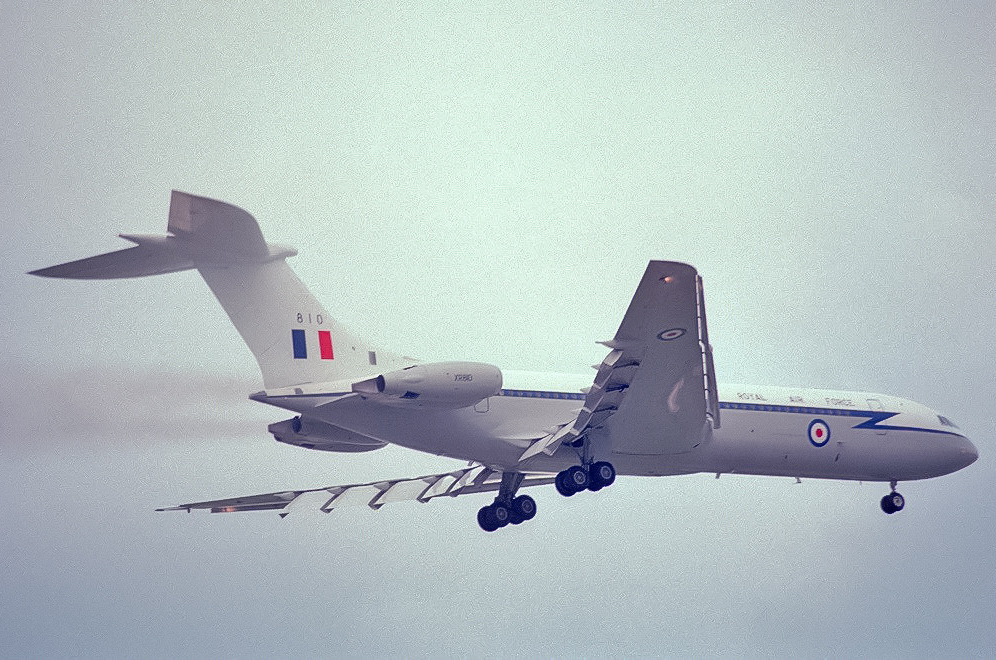
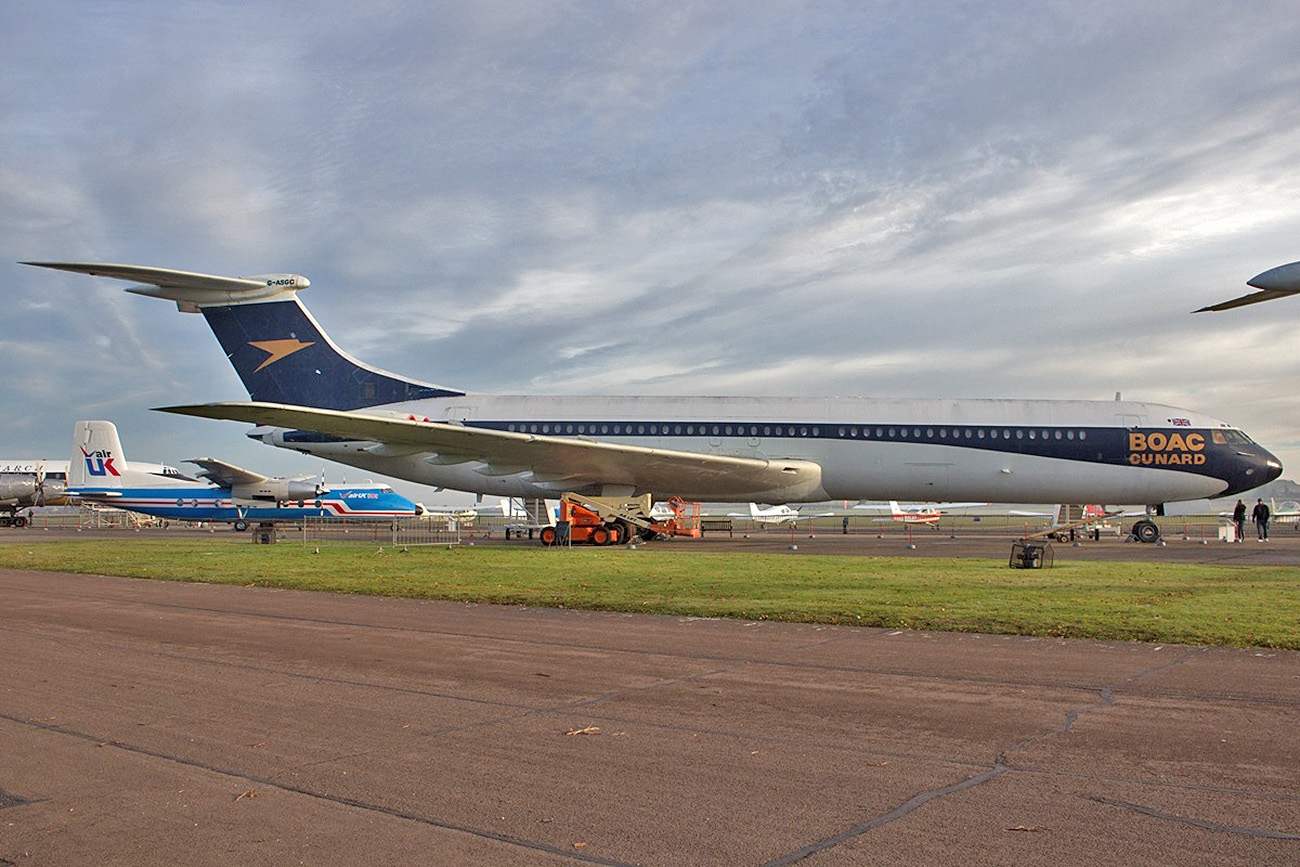
1: Vickers VC10

The VC10 was born close to Weybridge in Surrey, England at Brooklands. This was the centre of British speed, both motor racing and aircraft production. Brooklands was where the Hurricane took its first flight, and was instrumental in creating the TSR.2 bomber, which was later cancelled.
The VC10 was one of the fastest airliners this side of Concorde and the Tu-144. Its ‘never exceed speed’ was a spritely Mach 0.94, though Mach 0.95 was once recorded.
1: Vickers VC10

Sublimely uncluttered aerodynamic cleanliness defines the appearance of the spectacular Vickers VC10 airliner. Modern airline engines are too big to be put at the back, but this wasn't the case in the VC10's time (to be fair, there are other issues with having the engines on the back) and the VC10 had a neat quartet of jets tucked beneath the tail.
The T-tail was a popular feature in British jet aircraft designs of the 1950s and the VC10 featured one of the most impressive examples. The brilliantly engineered VC10, with its sharply swept wings and T-tail, had a probing dynamic shape, screaming speed and optimism, and wooed enough aviation enthusiasts to receive the most nominations for the coolest airliner of the 1960s.
Follow Joe Coles on Substack, Twitter X or Blue Sky. His superb Hush-Kit Book of Warplanes is available here.
If you enjoyed this story, please click the Follow button above to see more like it from Autocar
Photo Licence: https://creativecommons.org/licenses/by/4.0/deed.en

Add your comment