France is a nation of contradictions, its engineering trends being simultaneously ultra-conservative yet radically inventive to the point of absurdity.
The forces of conformity and eccentricity have long been at odds in this great European nation. The ‘looks’ of France’s aircraft designs have been equally contradictory, swinging wildly from extremely beautiful to utterly gross. Today, we look at the latter:
10: Bréguet 1050 Alizé
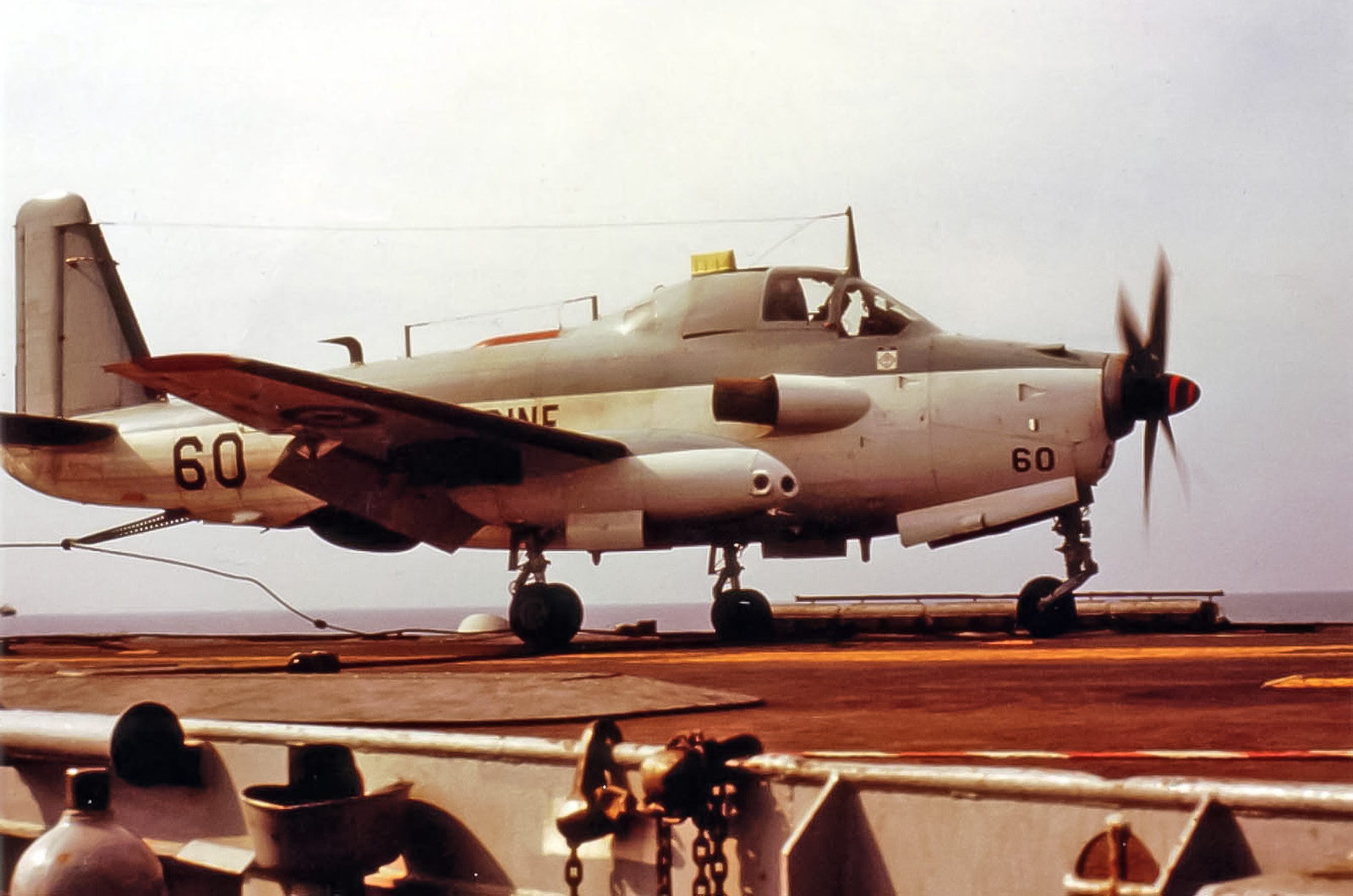
Arguably, the Bréguet Br.1050 Alizé (French: “Tradewind”) does not match the spectacularly appealing ugliness of its British counterpart, the Fairey Gannet, but it is still a monster. This carrier-based anti-submarine warfare aircraft flew in 1956 and was introduced into the French Navy in 1959.
Powered by a single Rolls-Royce RDa.7 Dart Mk 21 turboprop engine putting out up to 2099 horsepower, the Alizé could reach 322 mph. Armament options included torpedo or depth charges in the internal bay. Bombs, depth charges, rockets, or missiles could be carried underwing.
The Indian Navy operated 14 Alizé aircraft from shore bases and the INS Vikrant. These planes played key roles in Goa’s 1961 liberation and the 1971 Indo-Pakistani War, sinking three gunboats. One Alizé was lost to a Pakistani F-104 Starfighter while conducting anti-submarine warfare patrols.
Visually, the aircraft was an incoherent mess. The already cluttered lines were further muddled by a mass of aerials, radio antennae wires, a pipe-like exhaust and other bulges and protrusions. But looks aside, the Alizé was an effective aircraft that served from 1959 until 2000.
9: Breguet 763 ‘Deux-Ponts’
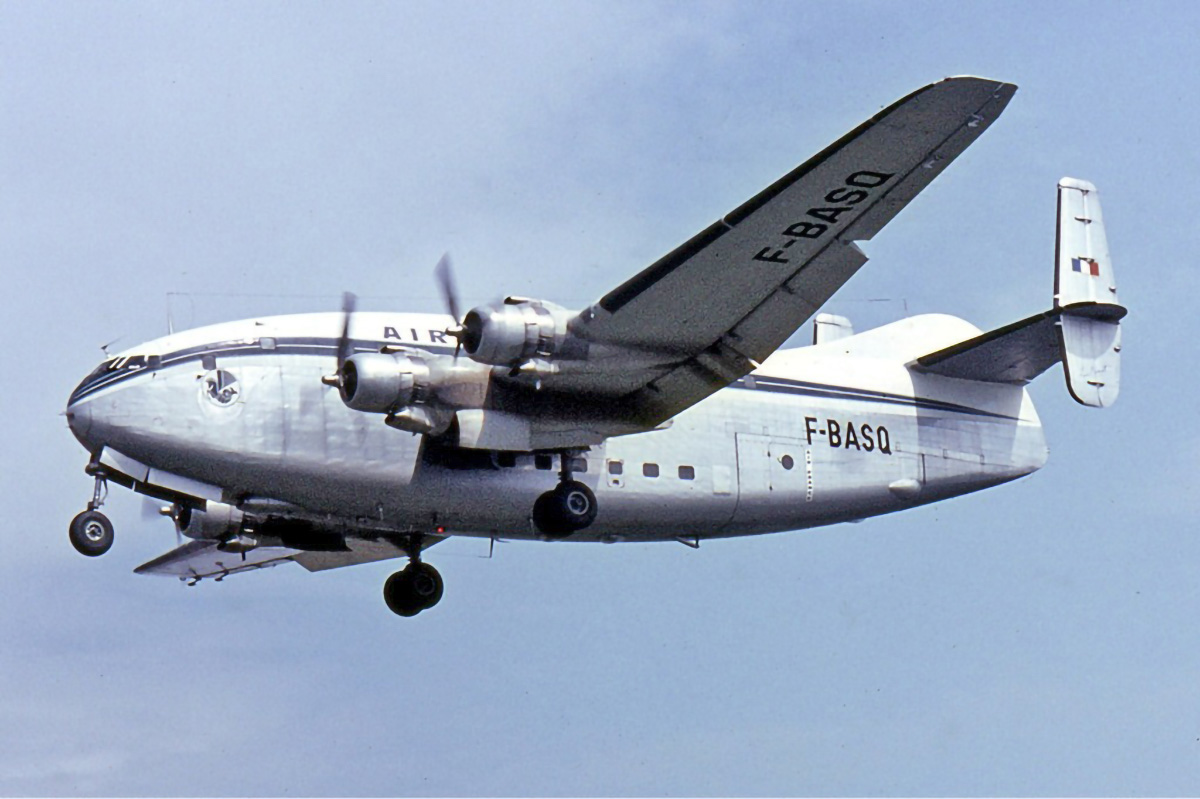
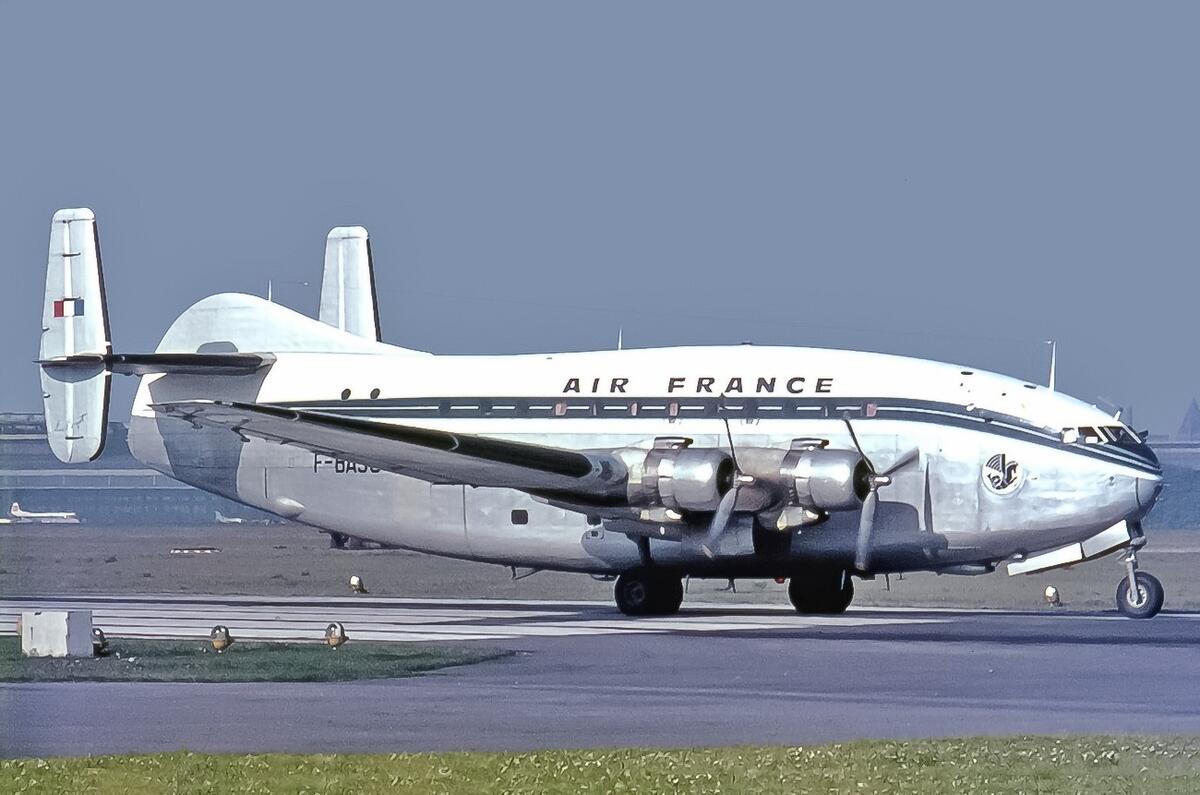
With all the elegance of a python digesting an elephant or a Lockheed Constellation that has committed carbocide, the Bréguet 763 was a French four-engine aircraft that first flew in 1949. It was known informally, but almost universally, as Deux-Ponts, meaning ‘double-decker’.
Design work on the aircraft began during the war, in 1944, with the intention of creating a 100-passenger airliner that utilised readily available engines, which could be quickly developed for the new era of peace. It was powered by four Pratt & Whitney R-2800-CA18 eighteen-cylinder radial engines rated at 2400 horsepower.
The aircraft faced twin commercial threats: a glut of surplus wartime piston-engine transports and a new generation of far faster jet aircraft. Against such competition, the unlucky lumpen Deux-Ponts didn’t stand a chance. Production of the series was halted after a mere 20 were made.
Its double-deck configuration foreshadowed the Boeing 747 and A380. Air France aircraft had room for 59 passengers on the top deck and 48 on the lower deck. In a higher-density configuration, 135 passengers could be carried. A military variant, the Bréguet 765 Sahara, served in small numbers with the French Air Force.
8: Amiot 143
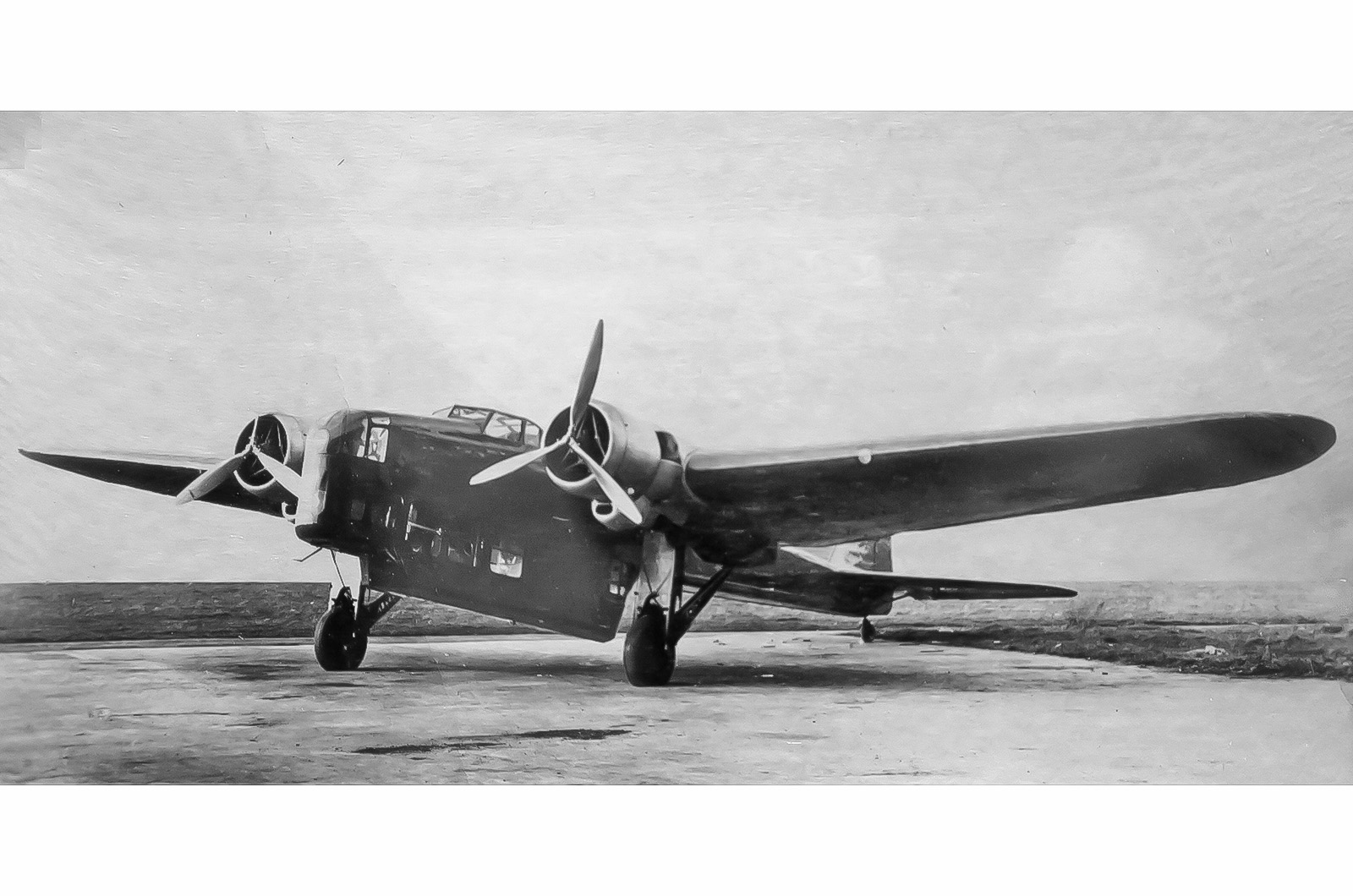
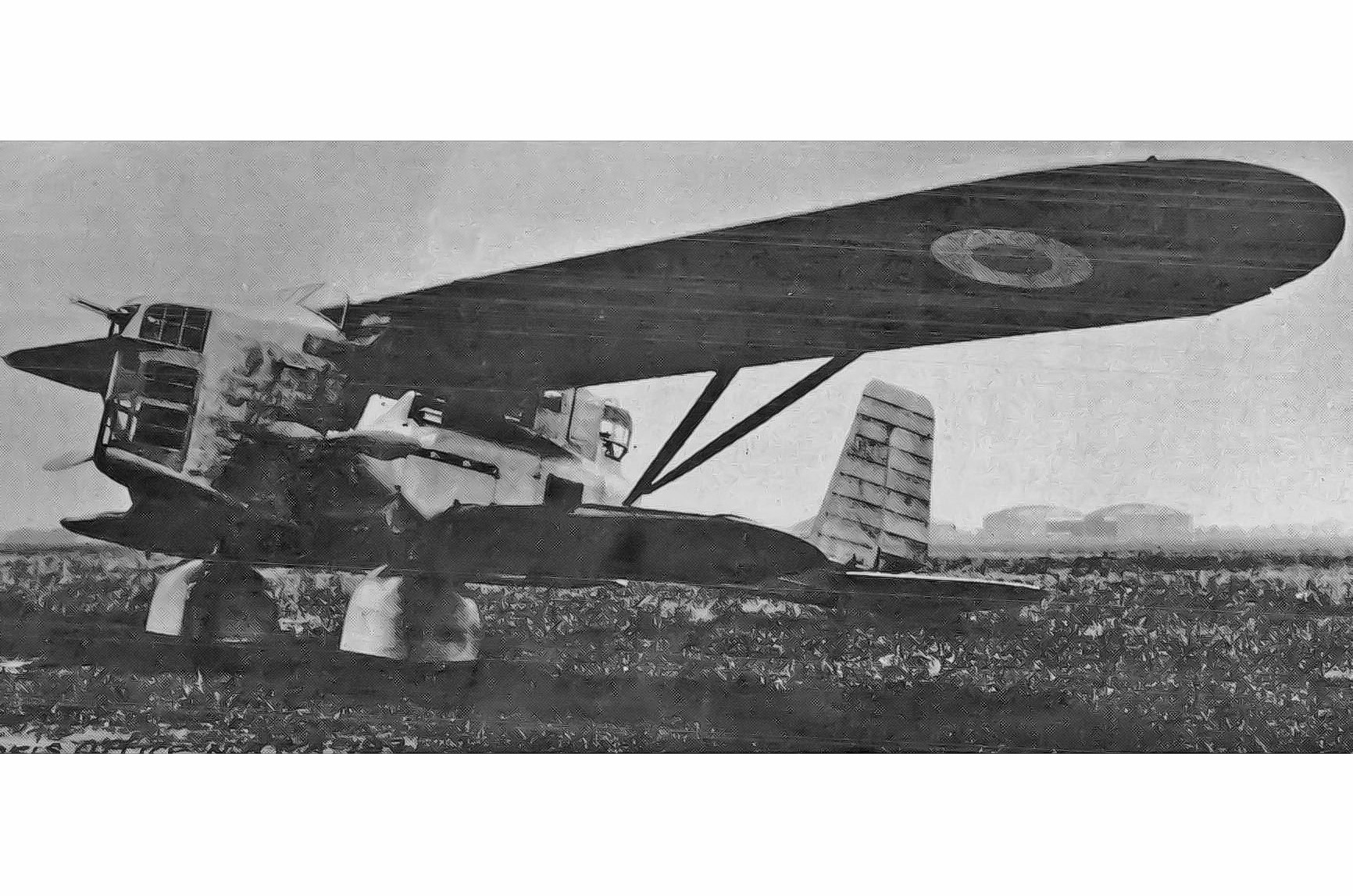
Looking as awkward and unlikely as a flying cable car cabin held aloft by a giant mechanical bison, seemingly nobody told Amiot that the 1930s was supposed to be an era of beautiful aeroplanes. Where to begin in describing this visual horror story is hard, but the wing must be mentioned.
The chord of a wing is the distance from the front to the back of the wing. The chord of the 143 is so vast its wings looked more cheeseboard than aeronautical. However, there are advantages to a broad chord wing: it offers a large internal volume that can be used for fuel and may also allow for a reduced wingspan.
Armament consisted of four 7.5 mm (0.295 in) MAC 1934 light machine guns (one each in the nose and dorsal turrets, forward gondola and rear gondola) and up to 800 kg of bombs carried internally plus a maximum of 800 kg externally.
In the autumn of 1939 Amiot 143s carried out reconnaissance and propaganda leaflet drops over Germany. In the Battle of France of 1940, the Amiot 143 was used in night attacks against airfields and communications lines. The aircraft proved exceptionally vulnerable in daylight raids.
7: Airbus BelugaST

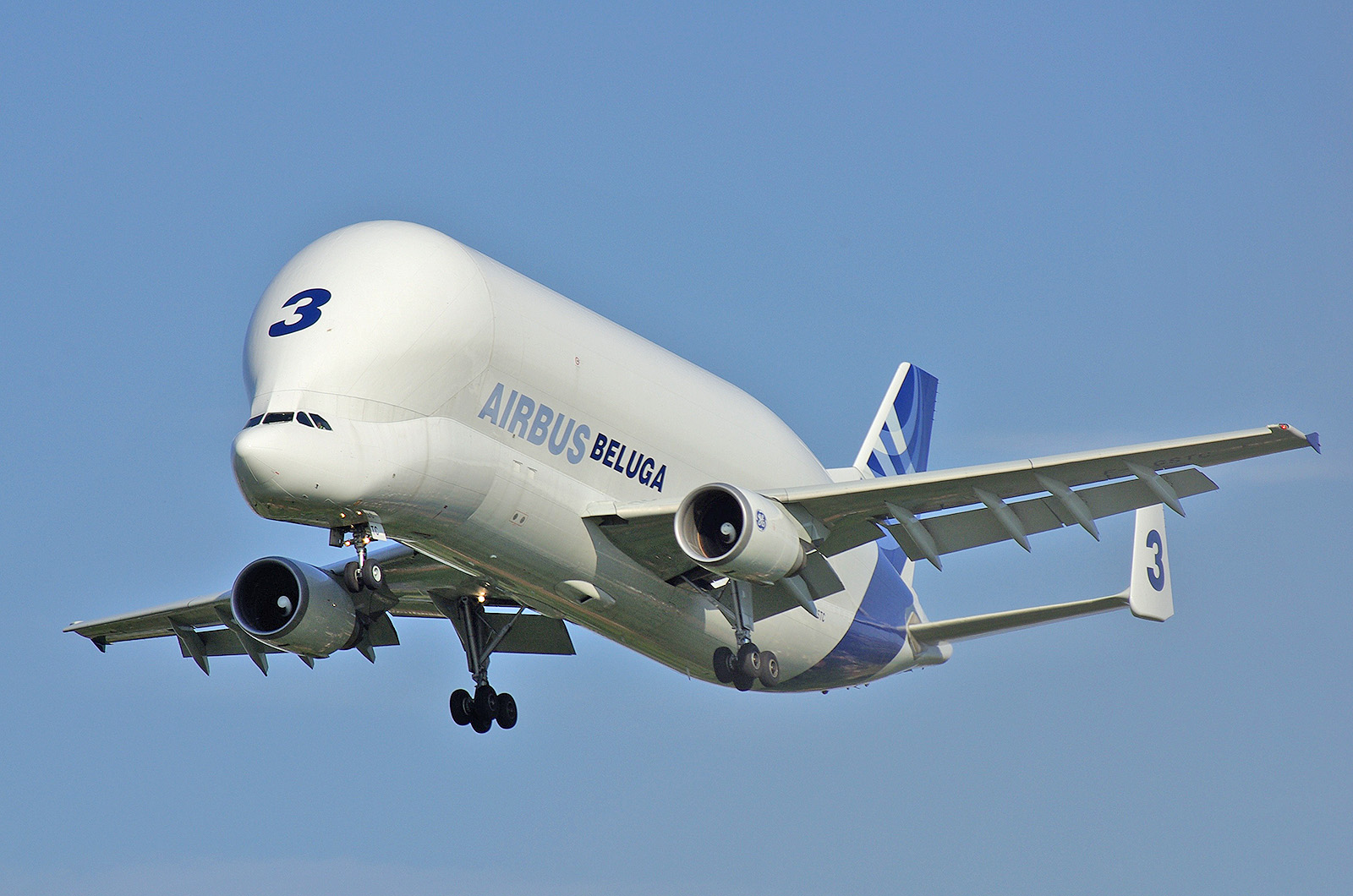
Seemingly possessing a disproportionate forehead with a swollen sausage of a fuselage, the Airbus Beluga is almost nobody’s idea of elegance. Although not aesthetically pleasing, the Beluga excels in its primary role of transporting oversized wing and fuselage sections of incomplete aircraft for the Airbus company.
Airbus is an international company making airliners. The parts, made at different factories around the world, need to be moved for final assembly. The quickest way is by air, but some parts are too large to fit in standard transport aircraft.
Airbus used to rely on the Aero Spacelines Super Guppy, a heavily modified Boeing C-97/ 377, for their outsize transport needs, but as this grew long in the tooth, they designed a new transporter based on their own A300, and able to carry twice the load.
Also known as the A300-600ST Super Transporter, the Beluga first flew in 1994. It can carry up to 40 tonnes of freight and has a maximum range of 1650 km. It is capable of moving objects 39 metres long and 7 metres high.
6: Nord.500 Cadet

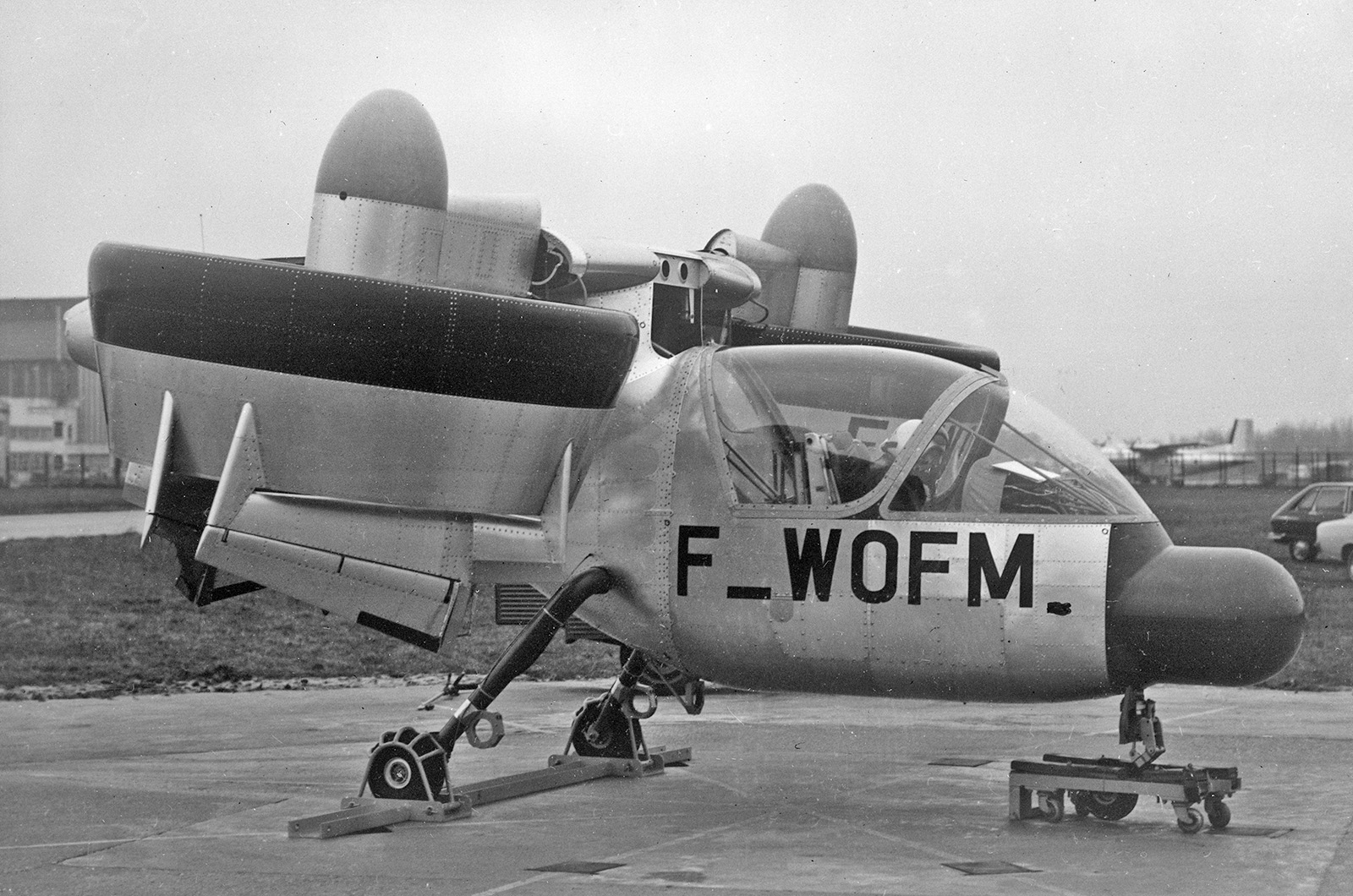
The Nord-Aviation N.500 Cadet was one of the many experimental ADAV (VTOL to English speakers) research aircraft built in France during the ’60s. Its basic configuration was similar to the Canadian CL-84 or US XC-142 ‘tilt-wings’ of the same period - and it was developed at the request of the French armed forces.
The French military wished to replace helicopters and conventional fixed-wing military transports with fast vertical take-off and landing aircraft. The role of the Cadet was to test and develop the new technology of tilt-rotor ducted propellers, even before the first test of the prototype.
The second prototype flew on July 23 1968, in captive flight (attached to the ground by strong steel cables to limit the risk of accidents). The N.500 Cadet made its first and only free flight in 1969 but never transitioned from vertical to horizontal flight. The programme was scrapped in 1971 despite the promise of larger and more powerful versions.
The government preferred conventional helicopters and instead opted for the Sud-Aviation SA-330 Puma. Though it never entered service, it was probably the inspiration for the fictional Hunter-Killer drones of the Terminator movies, and the ducted fan VTOL concept has never gone away, appearing on many uncrewed aircraft and personal transport concepts.
5: Bréguet 410

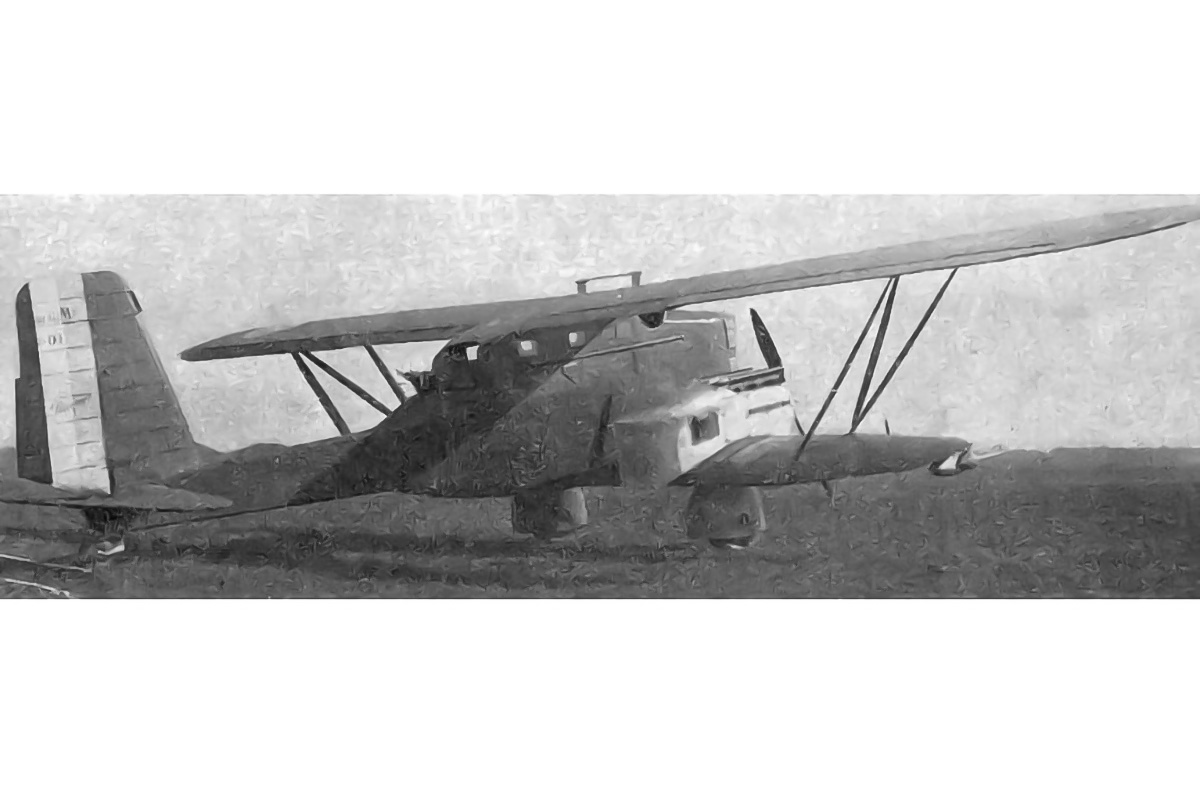
If you design an aeroplane with aerodynamics as the priority, it will tend to be beautiful; if you design an aircraft with uninterrupted arcs of fire for defensive machine guns as a key concern, you may end up with a monstrosity. And Sacré bleu, the 410 was a monstrosity…
Its proportions, with its massive tail, truncated tadpole fuselage and oversized main undercarriage, hurt the eyes. Its towering forward fuselage looked like 60s experimental architecture that should have never been built.
5: Bréguet 410

This sesquiplane (a biplane where one wing, typically the lower one, is significantly smaller than the other) was developed by Bréguet Aviation in the late 1920s to create a bomber and reconnaissance aircraft, classified as a Multiplace de Combat. Only a single unit of the initial Bréguet 410 variant was produced, with the design ultimately being rejected in favour of the competing (and also hideous) Amiot 143.
Although the Amiot 143 was chosen, production of an improved Bréguet variant (the 413 still began), albeit in limited numbers. The French Air Force acquired several units. One Bréguet 413 variant was sold to the Spanish Republican Air Force, where it may have participated in the Spanish Civil War, what would be its only known combat deployment.
4: Riout 102T Alérion

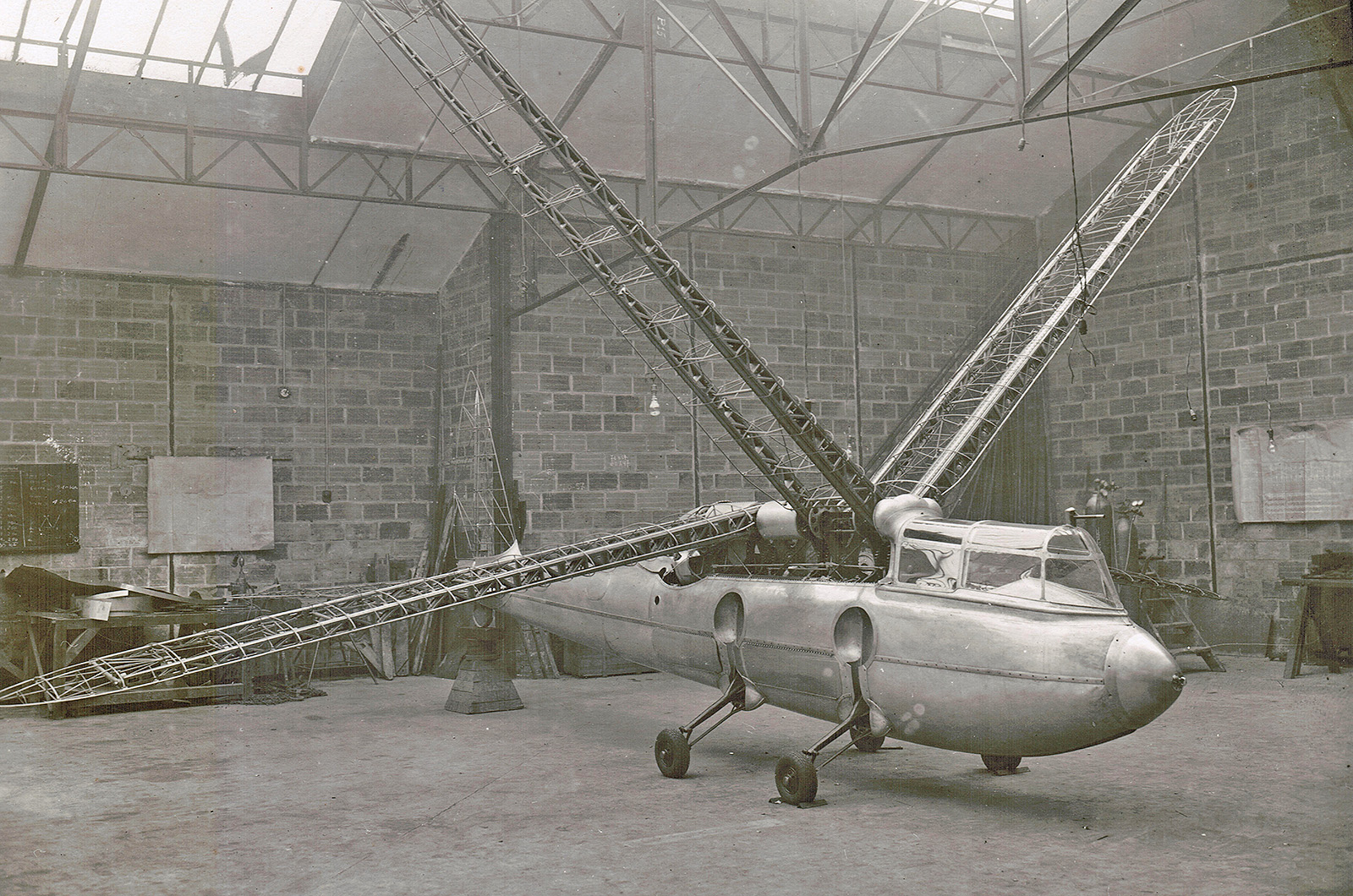
René Louis Riout built his first flapping wing aircraft in 1913, the DuBois-Riout. It got off the ground in 1916 but crashed almost immediately. Undeterred, Riout continued to develop his ornithopters. He built larger models until a state body coordinating aeronautical efforts expressed interest in the engineer’s strange proposals and agreed to create an experimental prototype.
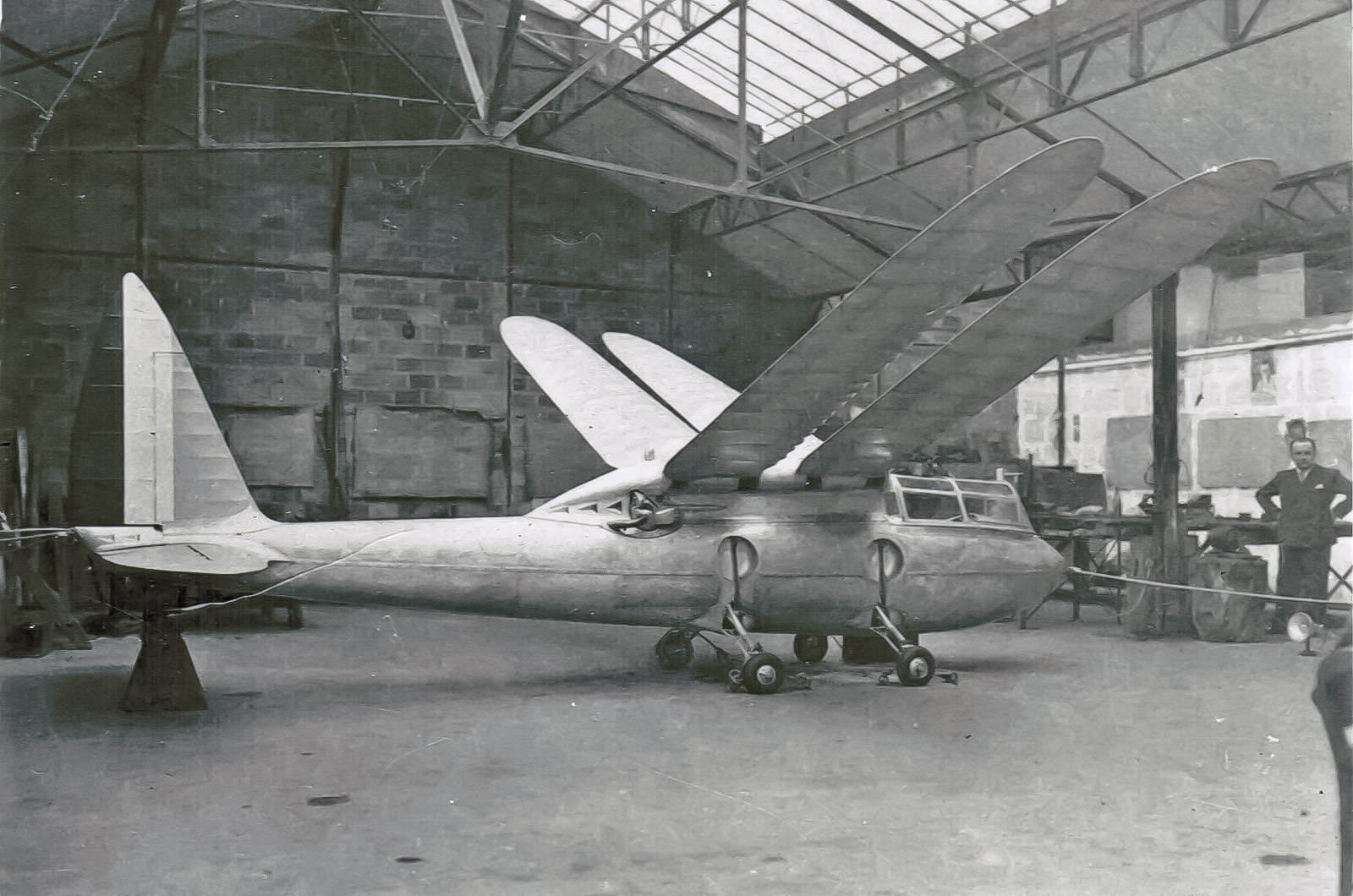
And so, the Riout 102T Alérion was born (or hatched). Its fuselage was made of tubular steel and covered with aluminium. The closed cockpit was located at the very front of the machine; in the nose and the engine, a small V-twin engine was installed behind the pilot and the attachment point of the four flapping wings.
4: Riout 102T Alérion

The aircraft had four small retractable wheels and four wings operating in pairs. By early 1938, construction of the Alérion had been completed, and it had been moved to Chalais-Meudon (an aeronautical research and development centre southwest of Paris).
Wind tunnel testing began with the wings stationary, then later flapping, before the final stage of deformation was tested (it is this deformation that produces thrust to propel the aircraft). The wings gave way under the rigours of the wind tunnel combined with the violence of the flapping. The machine was not repaired – and it never flew.
3: Blériot 125

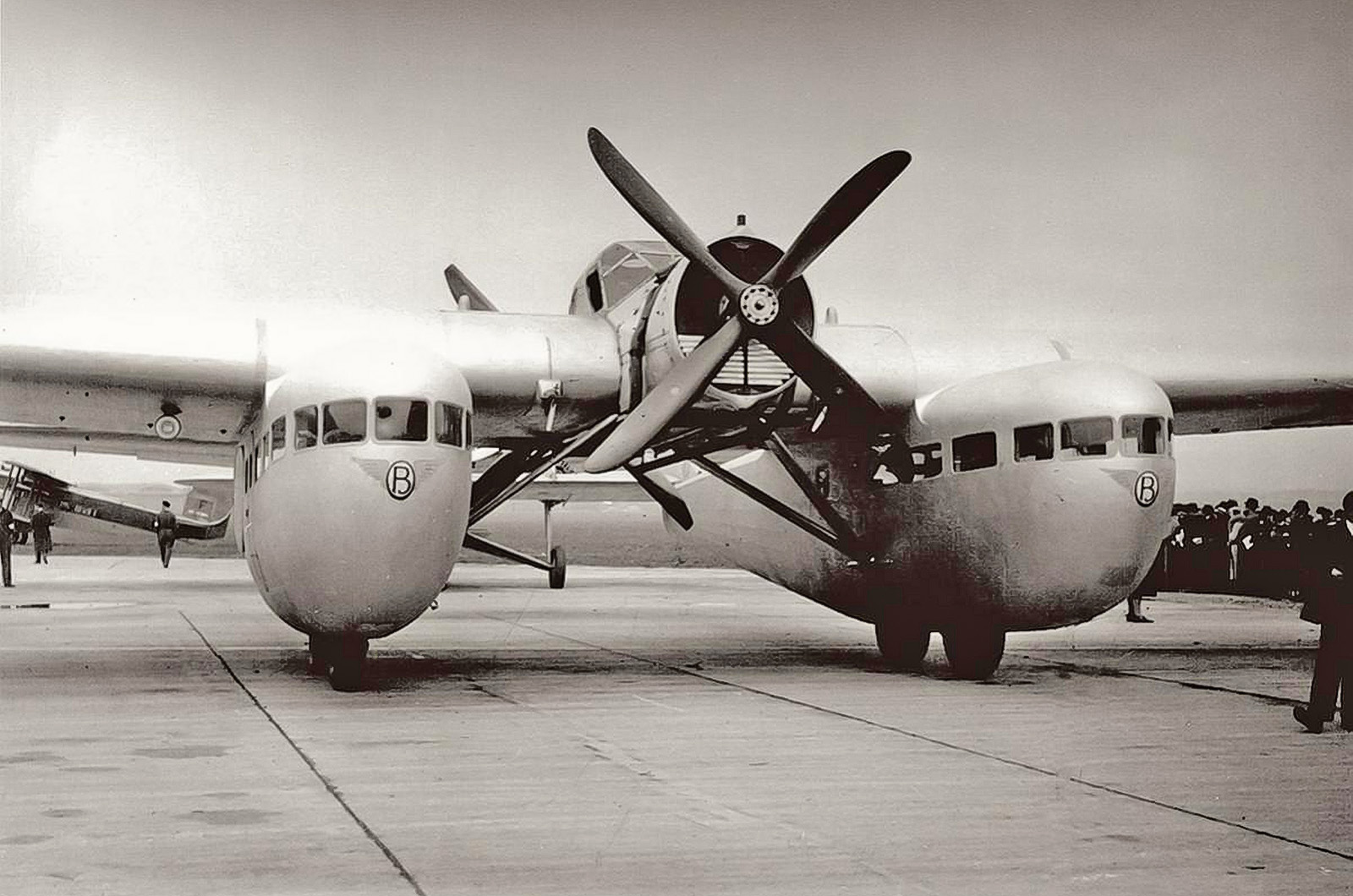
In 1928, the Blériot company created a modern airliner that looked – and still looks - like nothing else, the rather ‘buoyant’ Blériot 125. The specifications called for a passenger aircraft that could carry between ten and twelve passengers over a range of 1000 kilometres.
The aircraft was distinguished by the presence of two passenger cabins and a central cockpit, making it a double-beam aircraft. The two massive pods have been compared to clown shoes. The 125 was powered by two Hispano-Suiza 12HBr inline engines installed in a push-pull configuration that was rather unusual for the time.
3: Blériot 125

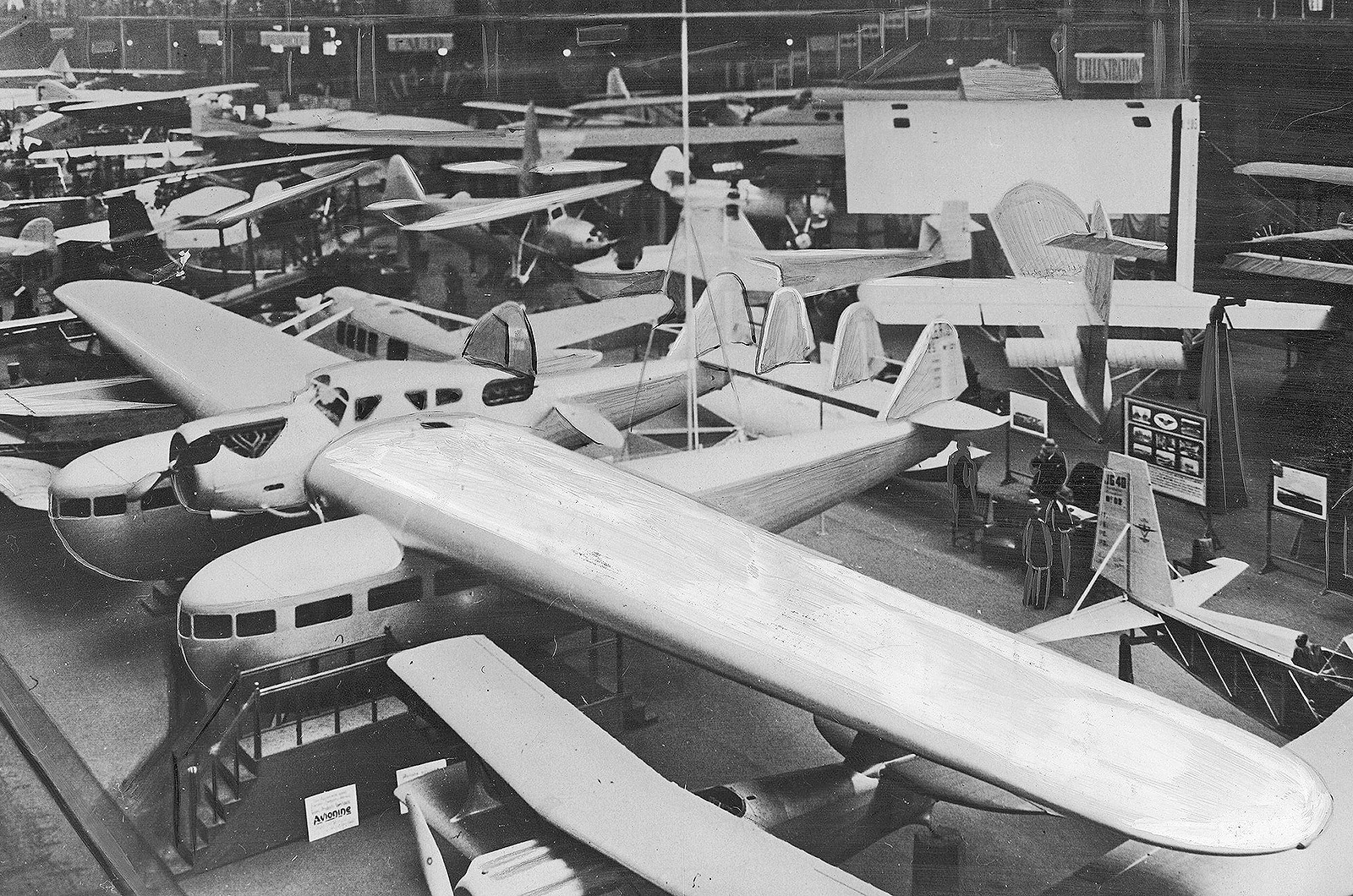
It was at the Grand Palais Air Show in Paris in 1930 that the aircraft was presented to the public for the first time. Although there was no aesthetic standard for the perfect design of an airliner as there is today, visitors were surprised by its strange configuration.
An American press correspondent cruelly called the twin-engine aircraft a “Flying Joke" - despite his complete lack of knowledge of the aircraft’s performance in the air. For that, it was necessary to wait for the first flight on March 9, 1931. The ‘Flying Joke’ actually had relatively good flying characteristics and was fairly easy to fly.
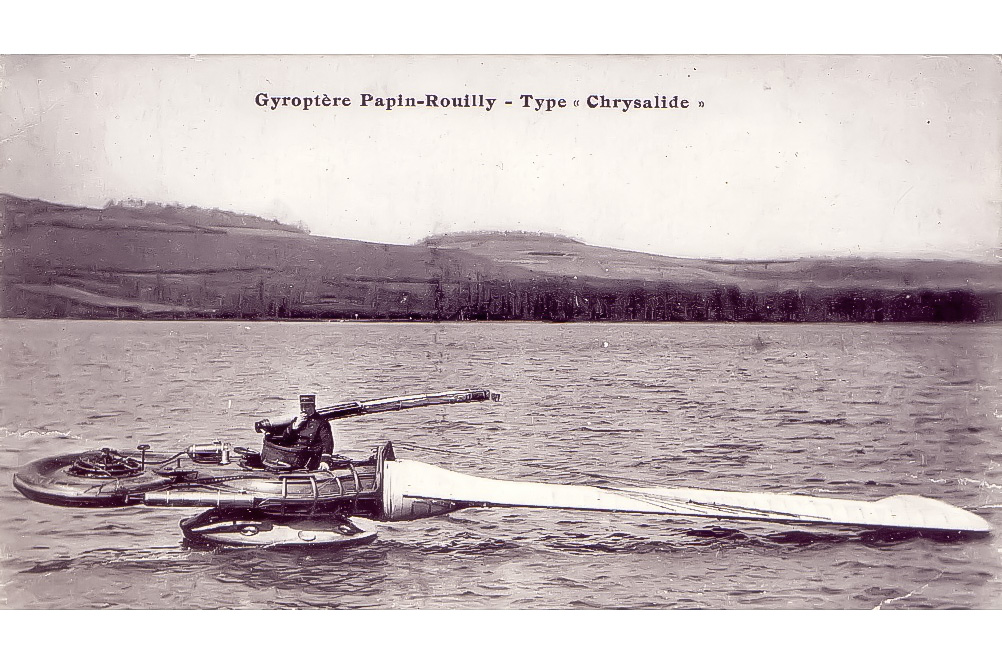
2: Papin & Rouilly's Gyroptère

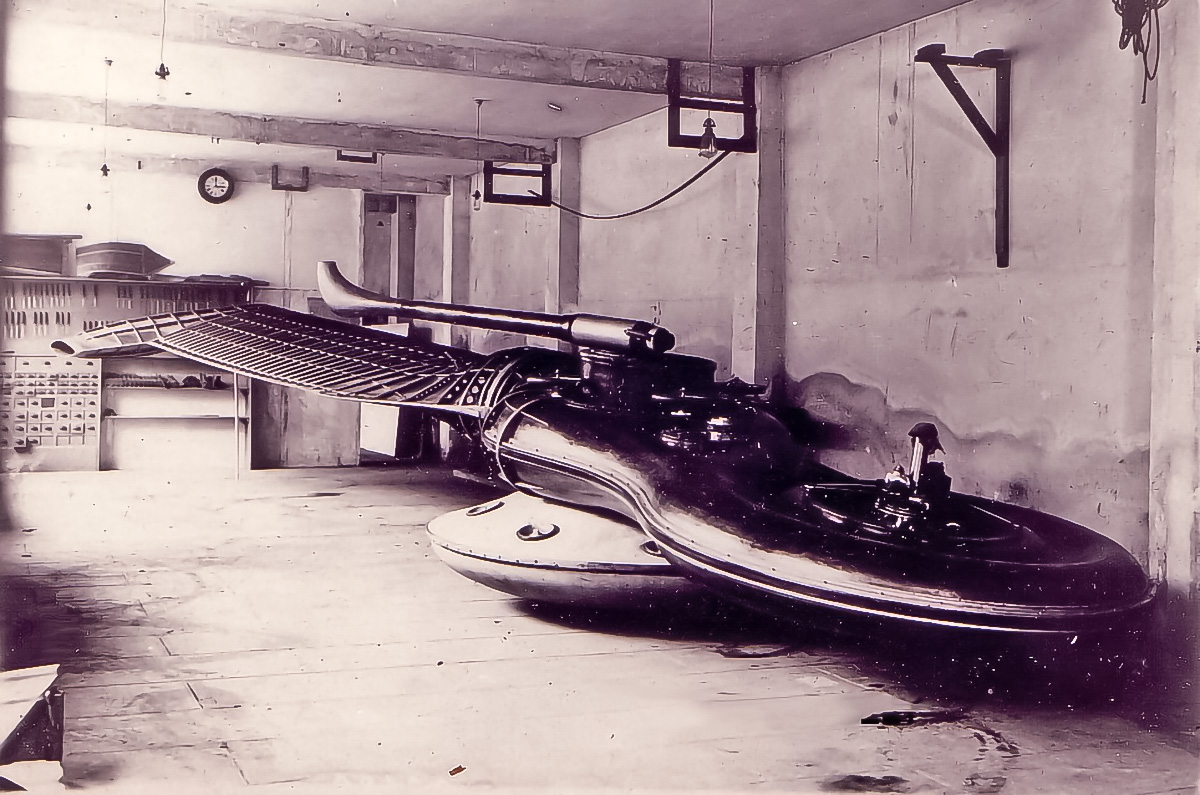
Seemingly a biz-jet designed by H. R. Giger to take him to the depths of Hieronymus Bosch’s hell, let’s meet the utterly unlikely Gyroptère. Engineers Papin and Rouilly created a sort of helicopter whose flight technique was directly inspired by the fall of the samaras, the winged seeds of the sycamore tree.
It consisted of a single rotating 17-metre-long blade driven by a tip-jet of compressed air, produced by an 80-horsepower Rhone rotary engine driving a compressor. The engine also served as a counterweight to the blade. The pilot sat at the centre of gravity in a small gondola, which was stabilised from the rotation of the blade by a second jet of compressed air.
2: Papin and Rouilly's Gyroptère

The configuration allowed, in (the quite likely) case of failure, the pilot to gently lower the machine back to the water’s surface...at least in theory. A prototype was built in 1913, but tests were delayed by both a troubled development and the outbreak of the First World War, and the machine did not make its first attempt to take off until March 1915 from the Cercey reservoir in France.
After starting the engine, the canopy began to turn, and the machine took off and left the water for a short time before becoming violently unstable. The weird craft hit the surface of the water and sank. The overall Gyroptère concept was a technological cul-de-sac but a fascinating vision of another universe where the giant mechanical tomahawk was a viable form of transport.
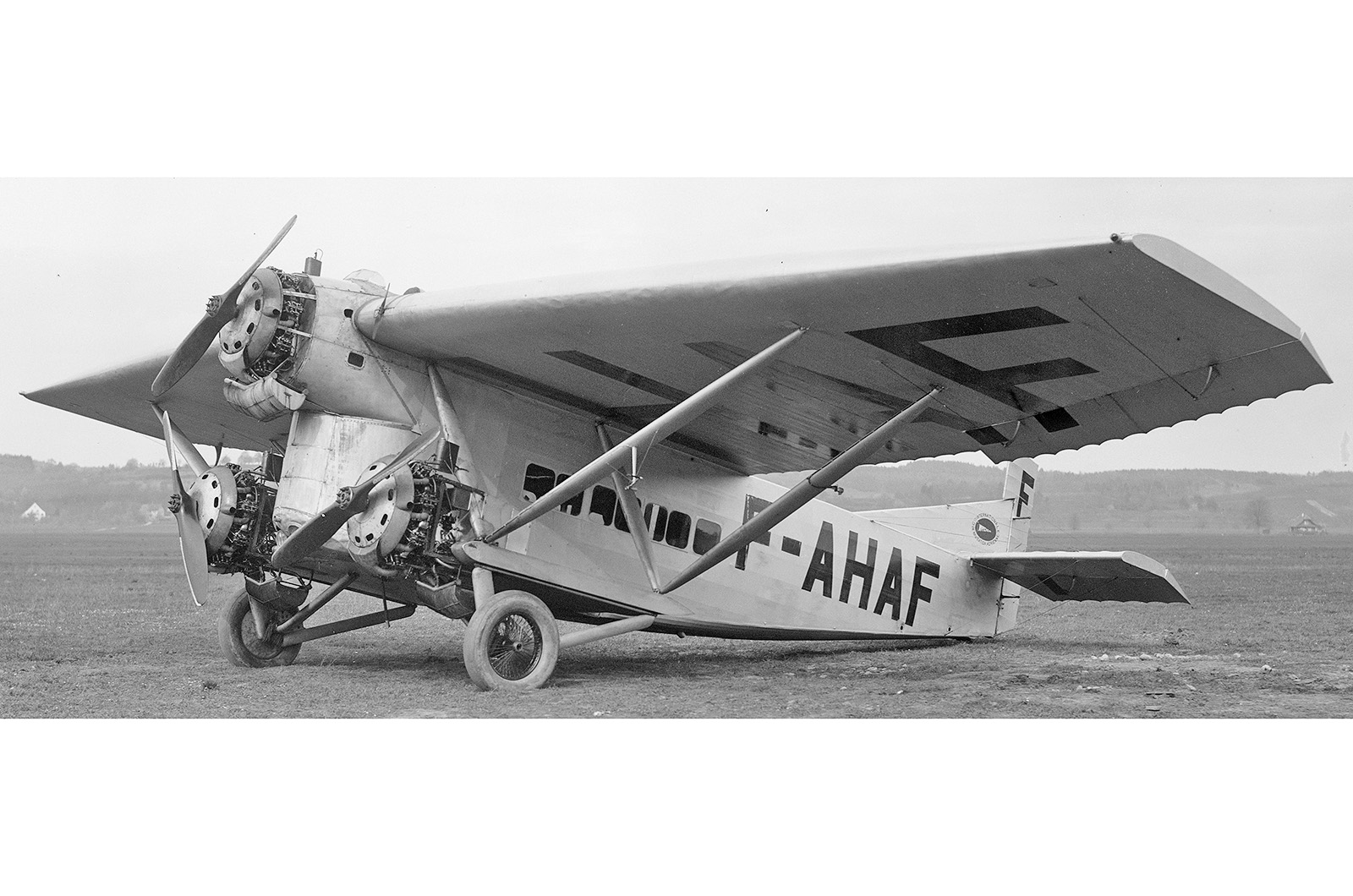
1: Farman F.120 & F.170 Jabiru

The jabiru bird from which the Jabiru aircraft were named is a large stork found in the Americas. It is an impressive bird, but not the most beautiful or gainly. Rarely has an aircraft been so appropriately named.
The Farman F.120 (pictured) was a series of aircraft that first flew in 1923. The series was used in various roles, including as airliners and bombers. It was utterly grotesque, a strong contender for the ugliest aircraft ever made. Perhaps the most hideous member of the family was the three-engine F-4X (pictured).
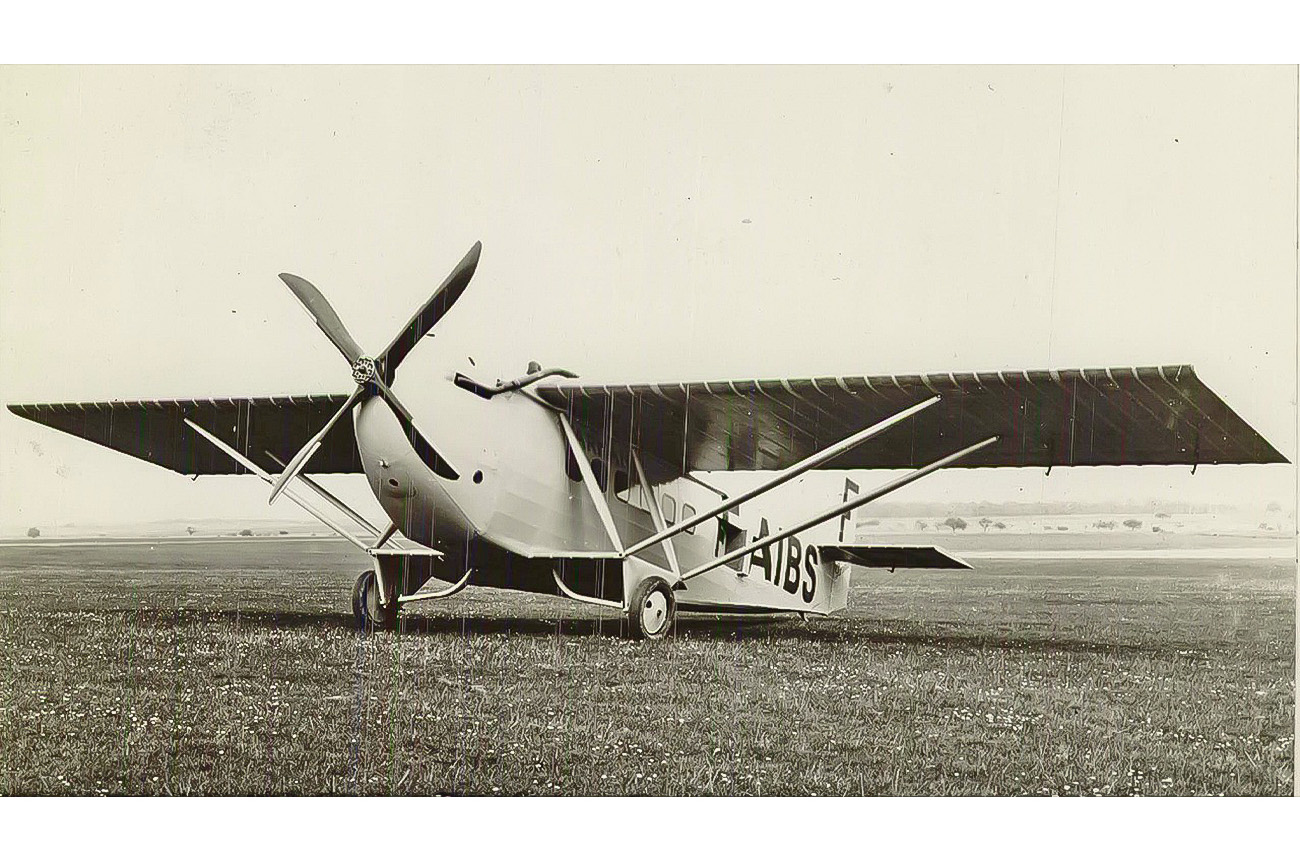
1: Farman F.120 & F.170 Jabiru

As the Farman F.170 Jabiru (which first lumbered into the air in 1925) sat low on its wheels, it was derisively nicknamed the ventre-à-terre (belly to the ground). Although ugly, the F.170 (pictured) was, in many ways, a sound design.
Like the Amiot 143, the Farman F.170 Jabiru had a hideously broad chord wing. This inelegant wing was combined with a comical fuselage and windmill-like propeller, giving an uninspiring toylike look. In the F. 170’s defence, it was at least better looking than the F.120.
Follow Joe Coles on Substack, Twitter X or Blue Sky. His superb Hush-Kit Book of Warplanes is available here.
If you enjoyed this story, please click the Follow button above to see more like it from Autocar
Photo Licence: https://creativecommons.org/licenses/by/4.0/deed.en

Add your comment