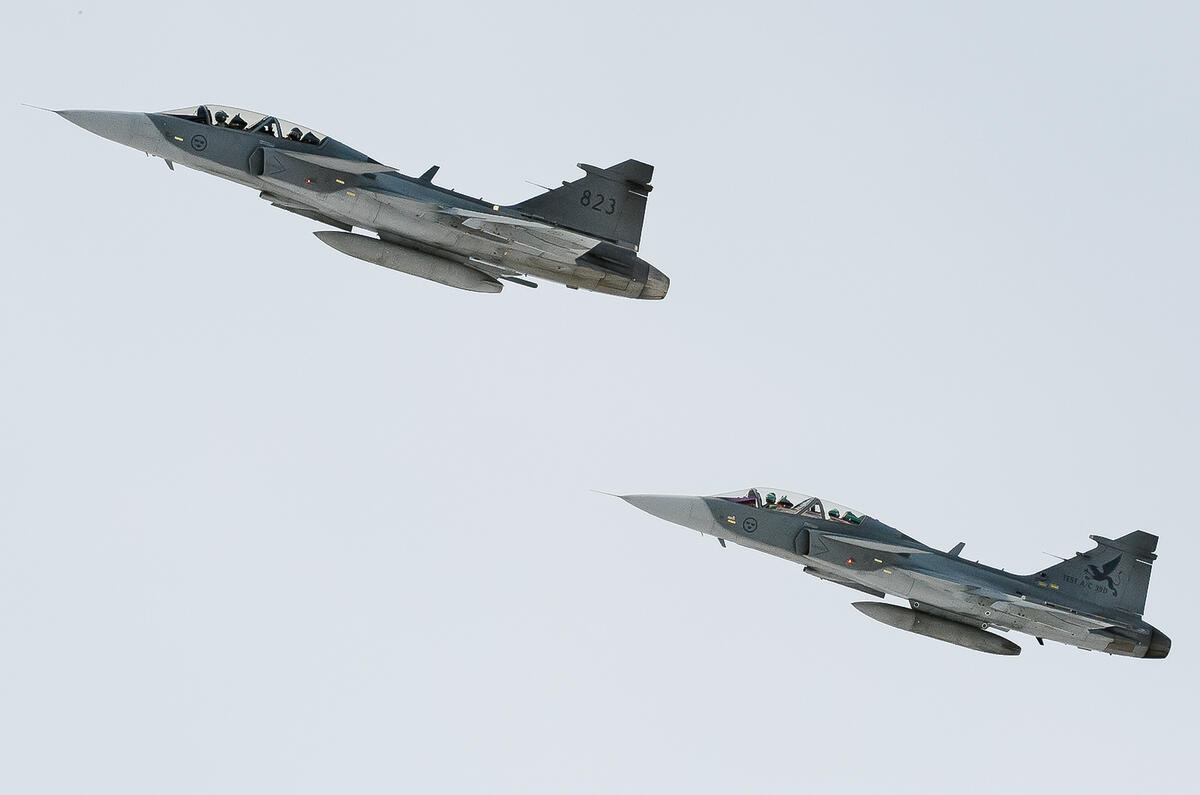
Sweden punches well above its weight in the creation of exciting innovative combat aircraft.
Historically, it was neutral, requiring the in-house design and production of aircraft —a remarkable achievement for a nation of less than 11 million people. Here is an exciting smörgåsbord of 10 Brilliant Swedish War Planes You Can’t Help but Love:
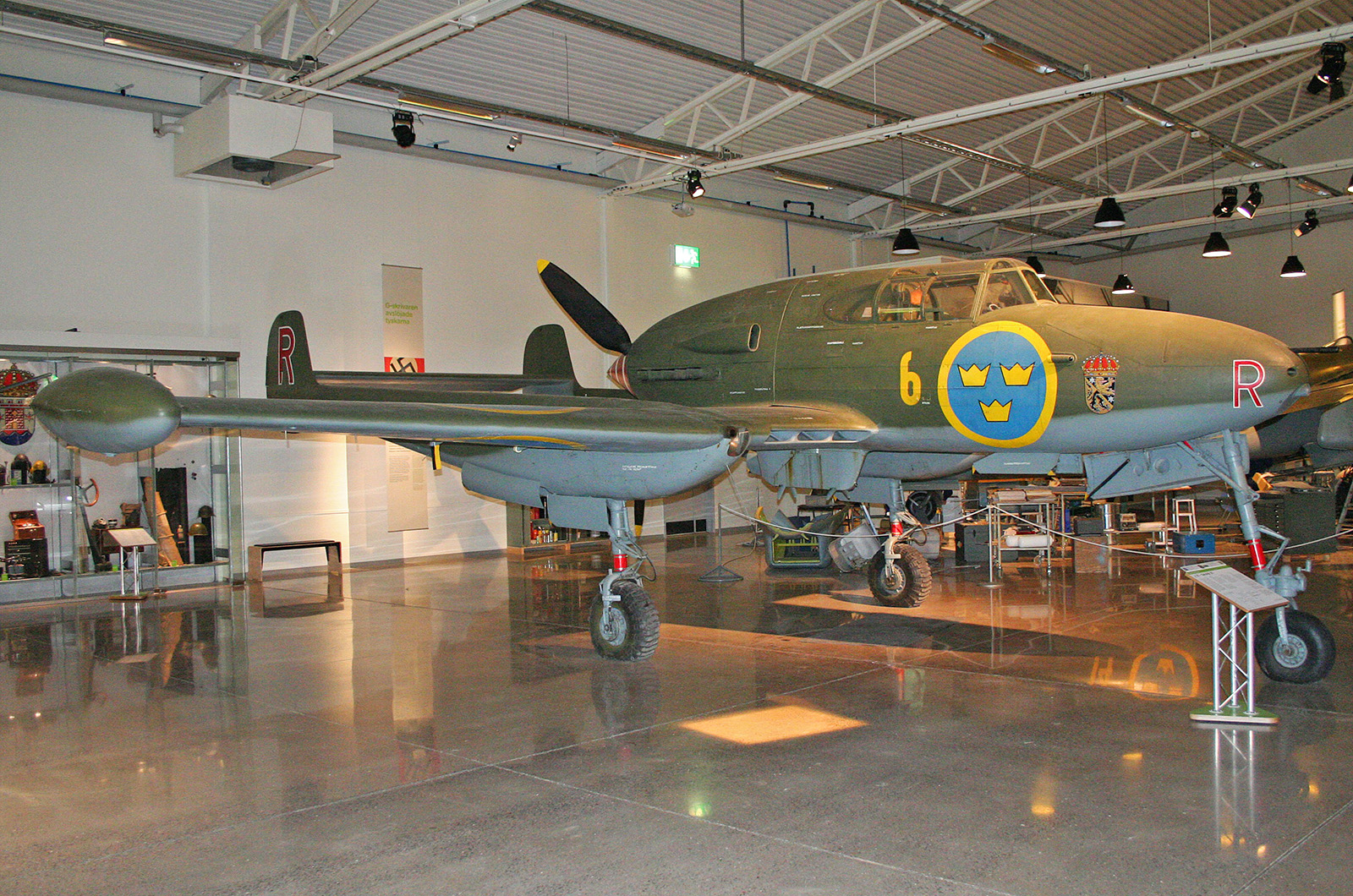
10: FFVS J 22
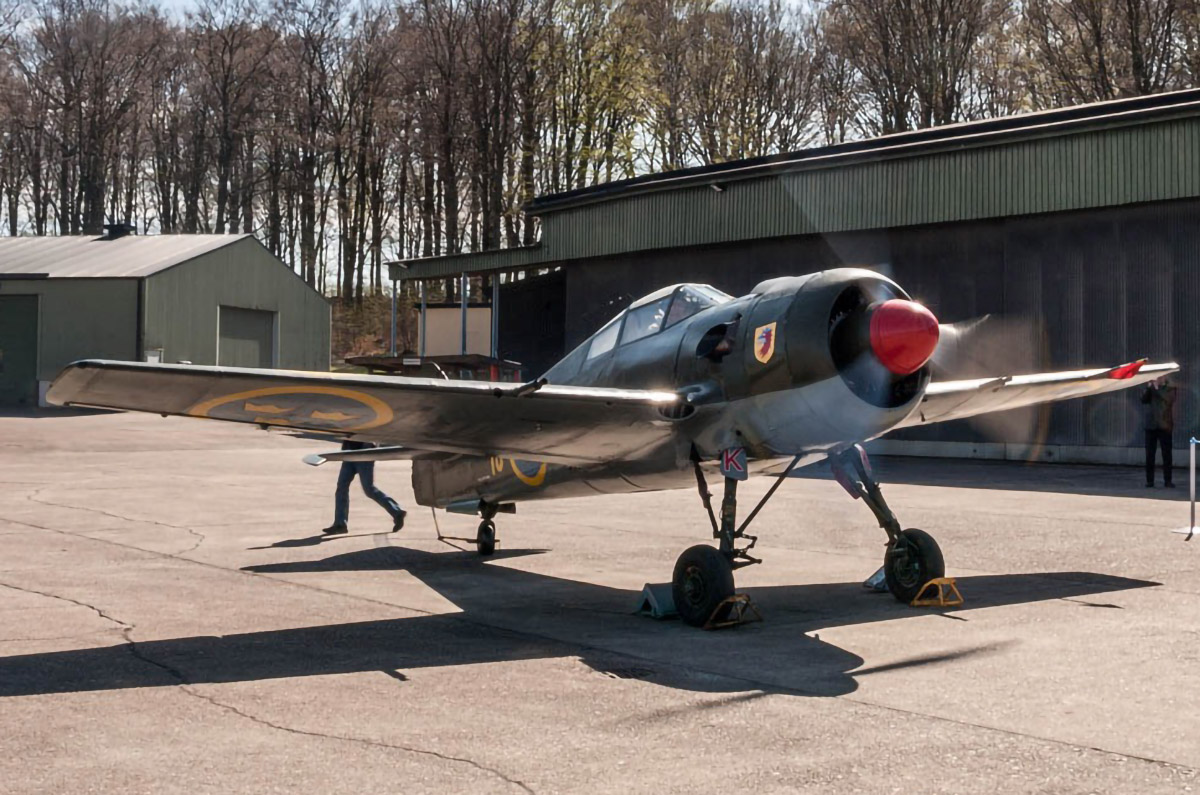
By 1940, Sweden’s Flygvapnet (air force) relied on outdated Gloster Gladiators (J 8s), while modern monoplane fighters dominated Europe. Attempts to modernise with U.S. Seversky P-35s and Vultee P-66s failed after an American embargo, leaving Sweden with only 60 P-35s. These underwhelming aircraft forced Sweden to seek other, unconventional solutions.
While briefly considering the Japanese Zero, Sweden ultimately bought Fiat CR.42s and Reggiane Re.2000s—unsatisfactory choices that spurred a bold decision: design a native fighter. Saab was too busy building bombers, so the Swedish government created FFVS from scratch to develop and produce the new fighter, the J 22. The aircraft would use the reliable Pratt & Whitney R-1830 engine—or rather, a Swedish-made copy.
10: FFVS J 22
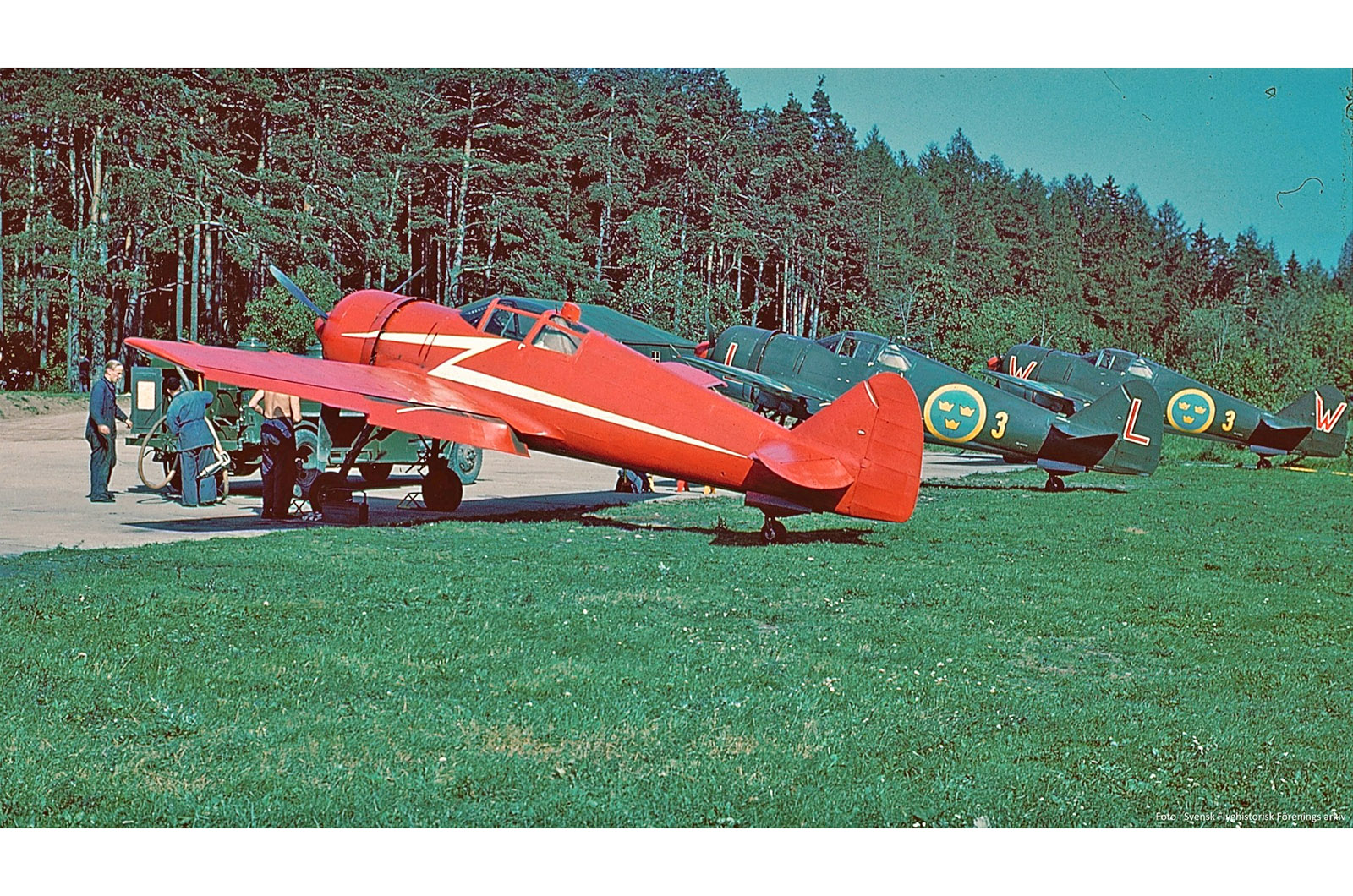
Lacking American support, Sweden reverse-engineered the R-1830 into the STWC-3, a feat achieved without plans or blueprints. Although some R-1830s originated from Vichy France, most J 22s utilised the local engine. With a unique narrow undercarriage and plywood-over-steel construction, the J 22 flew in 1942 and proved excellent for a first attempt. Despite limited horsepower, it matched early Spitfire performance thanks to Bo Lundberg’s clever design.
Though not cutting-edge by 1943, the J 22 was agile, reliable, and well-liked. It could challenge a P-51D at low altitudes, although its weak high-altitude performance and modest firepower limited its effectiveness. It served Sweden reliably until 1952.
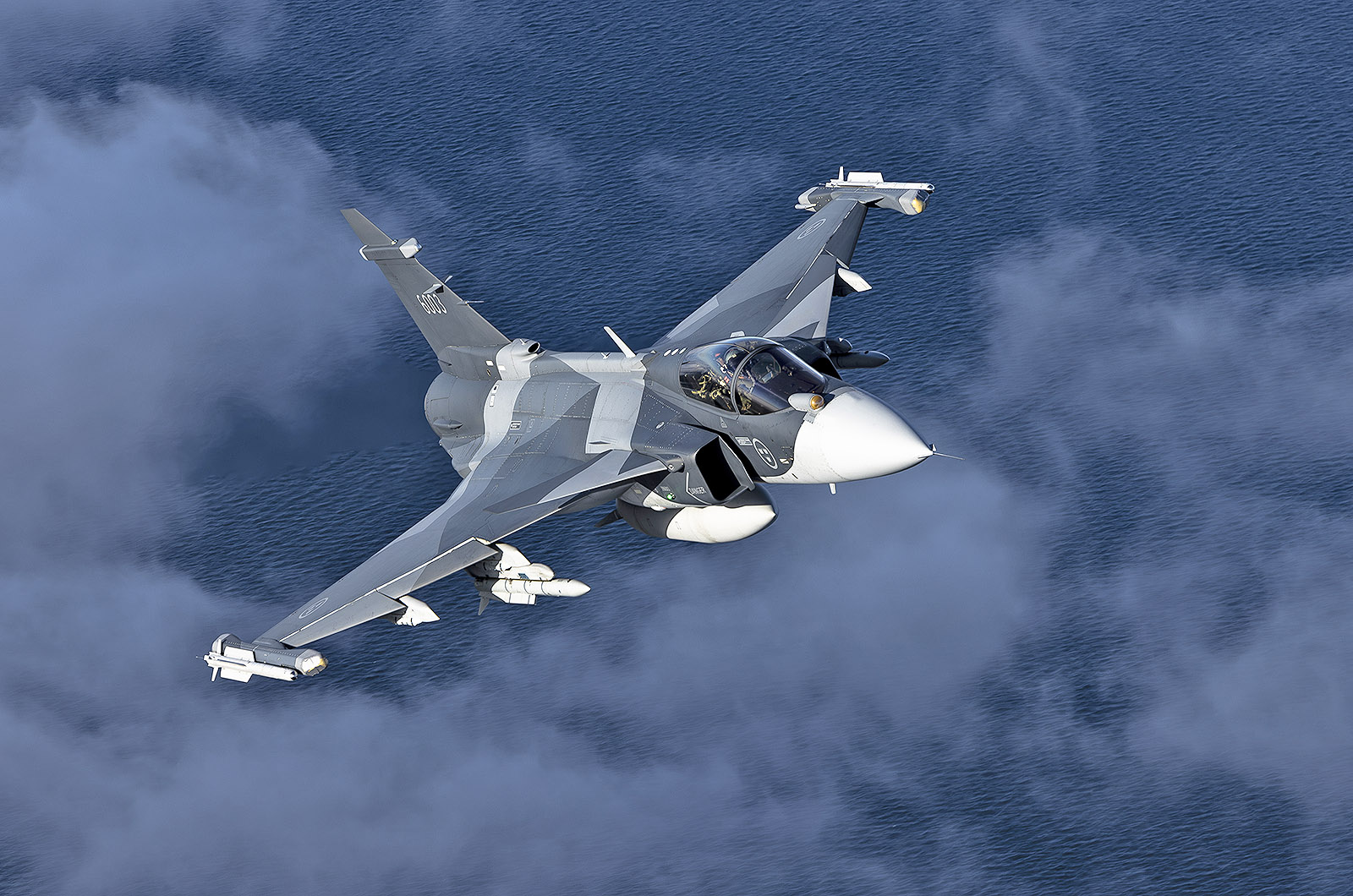
9: Saab JAS 39 Gripen (A/B/C/D)
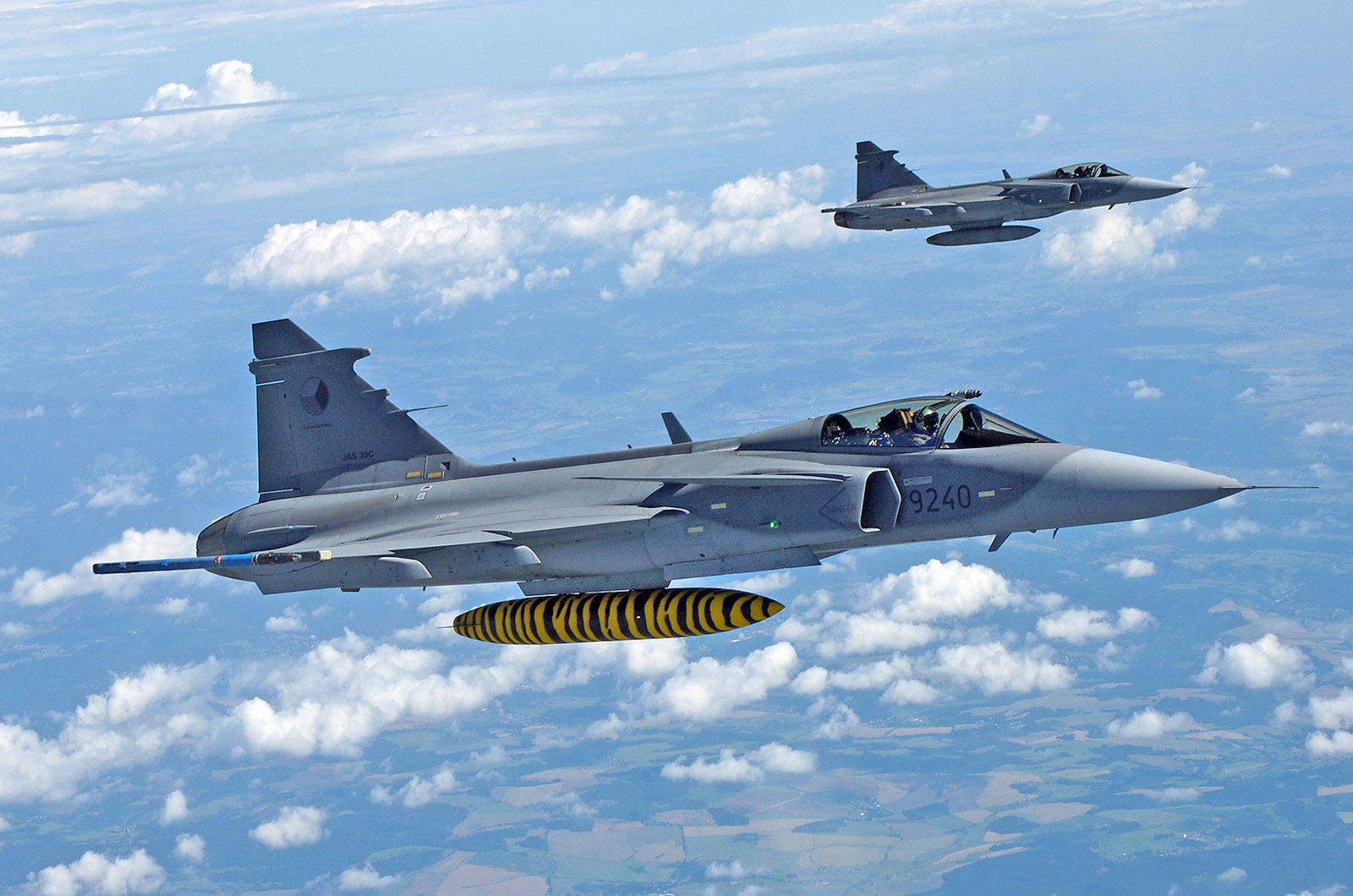
As other nations got sucked into buying ever more complex and more expensive combat aircraft, Sweden went another route with the lightweight Gripen. The basic philosophy behind the Gripen was to create the smallest simplest fighter possible that could be effectively used in a war against the Soviet Union.
Much of the Gripen’s magic comes from a wealth of invisible capabilities: its electronic warfare suite is extremely well-respected by pilots who have ‘fought’ against the Gripen in international exercises. Perhaps its most impressive ‘accessory’ is the long-range Meteor air-to-air missile, giving a bantamweight the reach of the heaviest heavyweight.
9: Saab JAS 39 Gripen
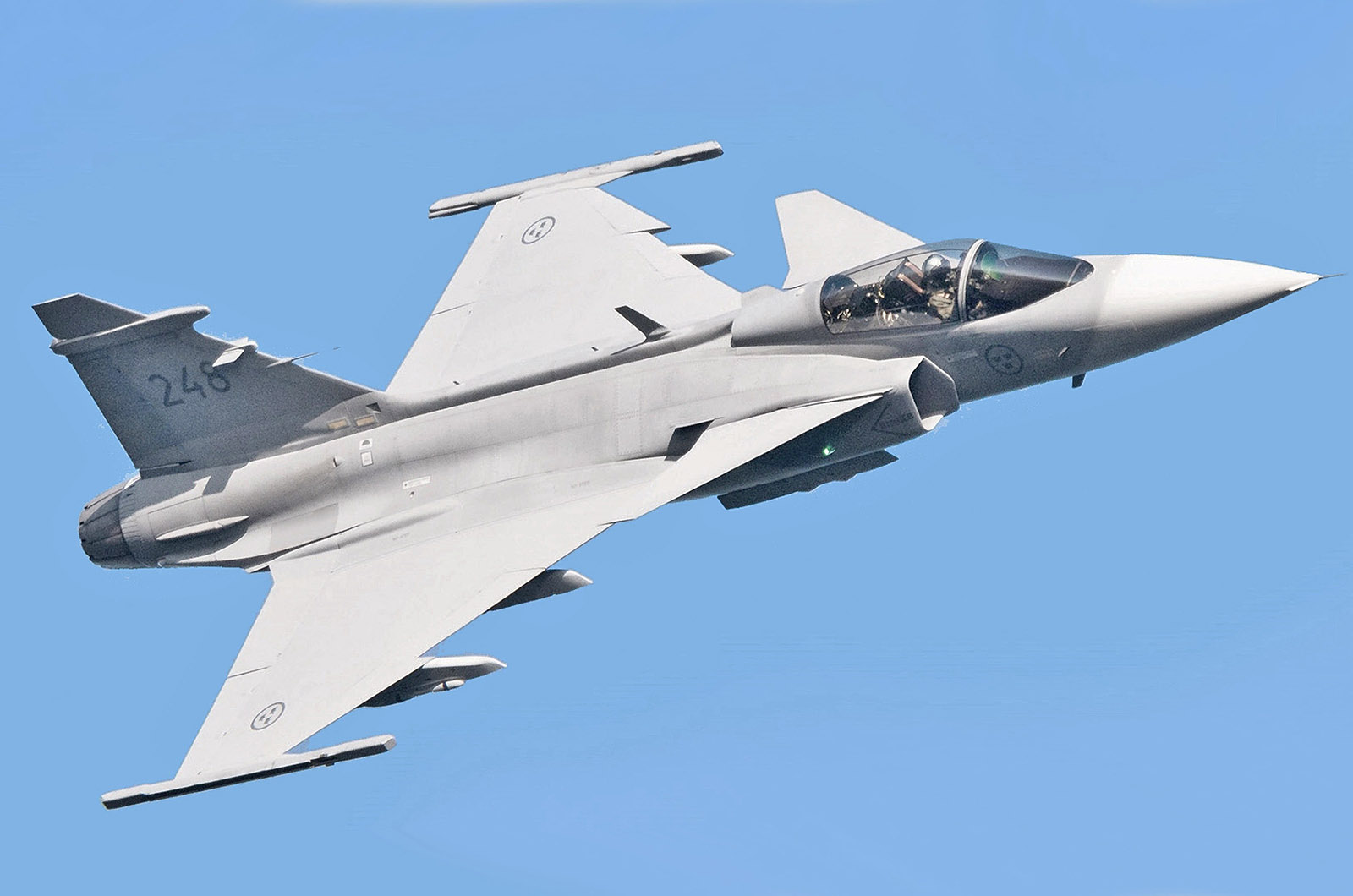
The cost of new, ever more complex combat aircraft was generally spiralling out of control; one exception to this was the US F-16, which was smaller and lighter than the aircraft it replaced. Saab studied the F-16 with interest and wondered whether something even smaller might be able to replace its Viggens.
Advances in materials and electronics, as well as engine technology, aerodynamics and flight control systems. The new fighter, which first flew in 1988, was 2727 kg lighter than the Viggen and, in its aerodynamic form, showed the future path of European combat aircraft.
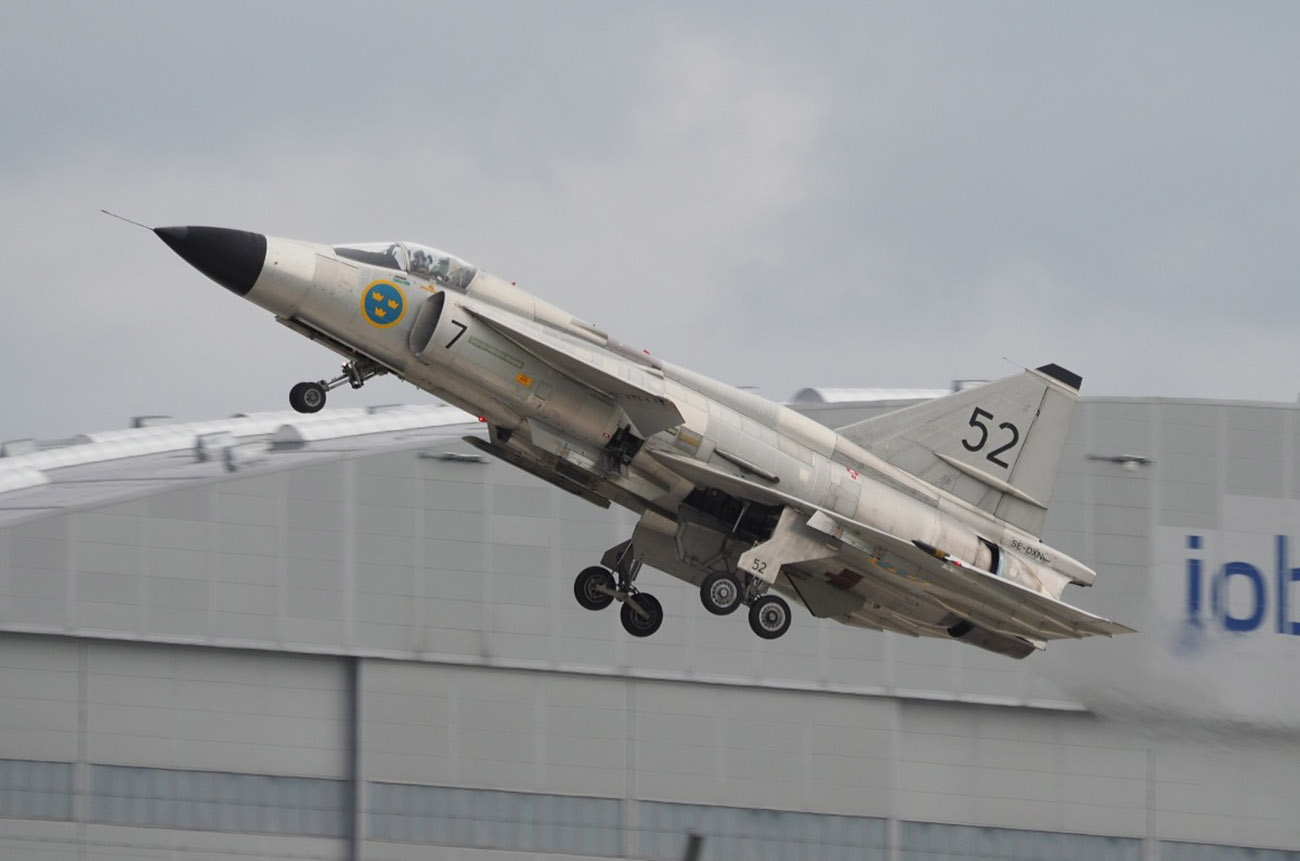
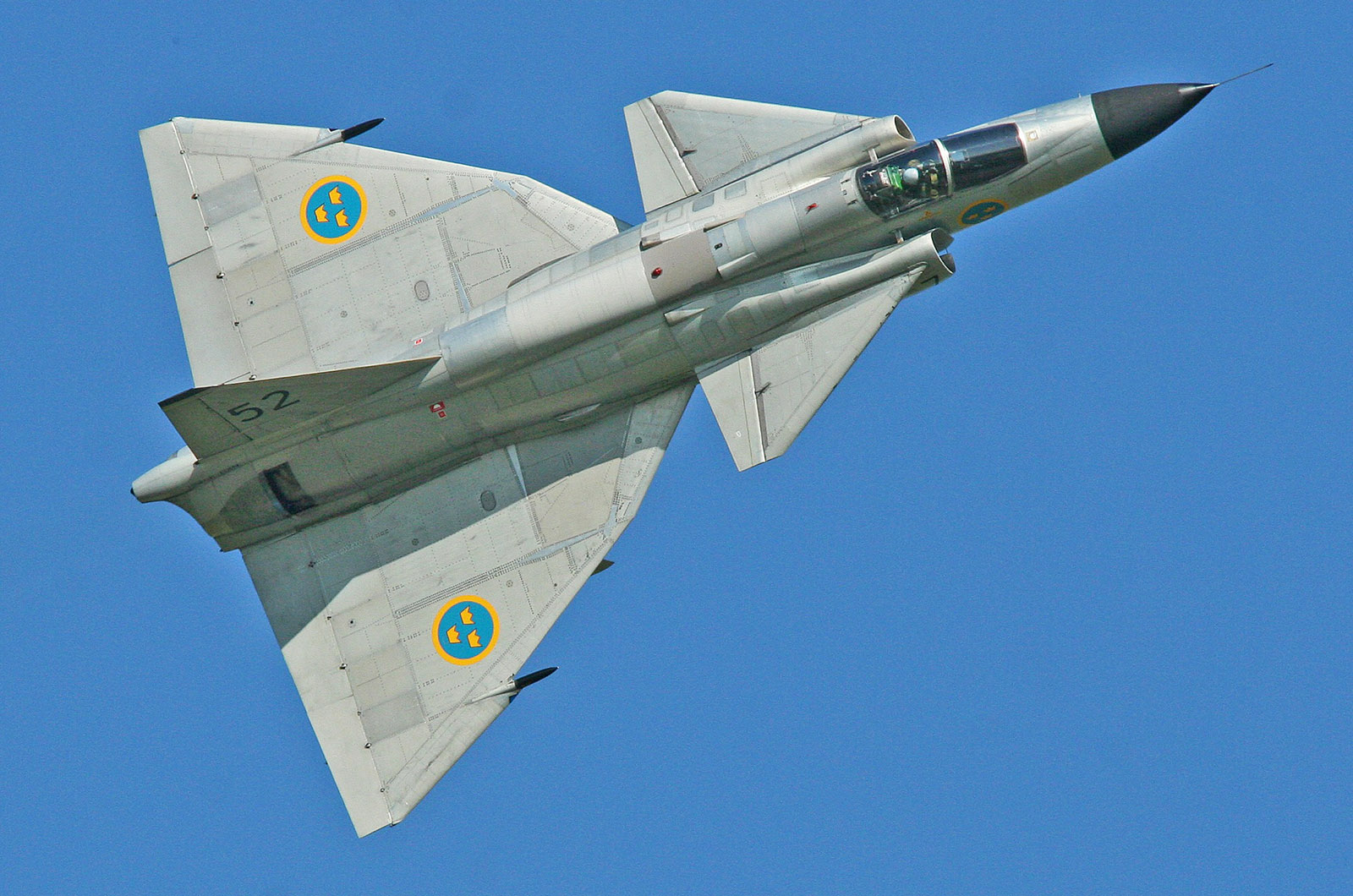
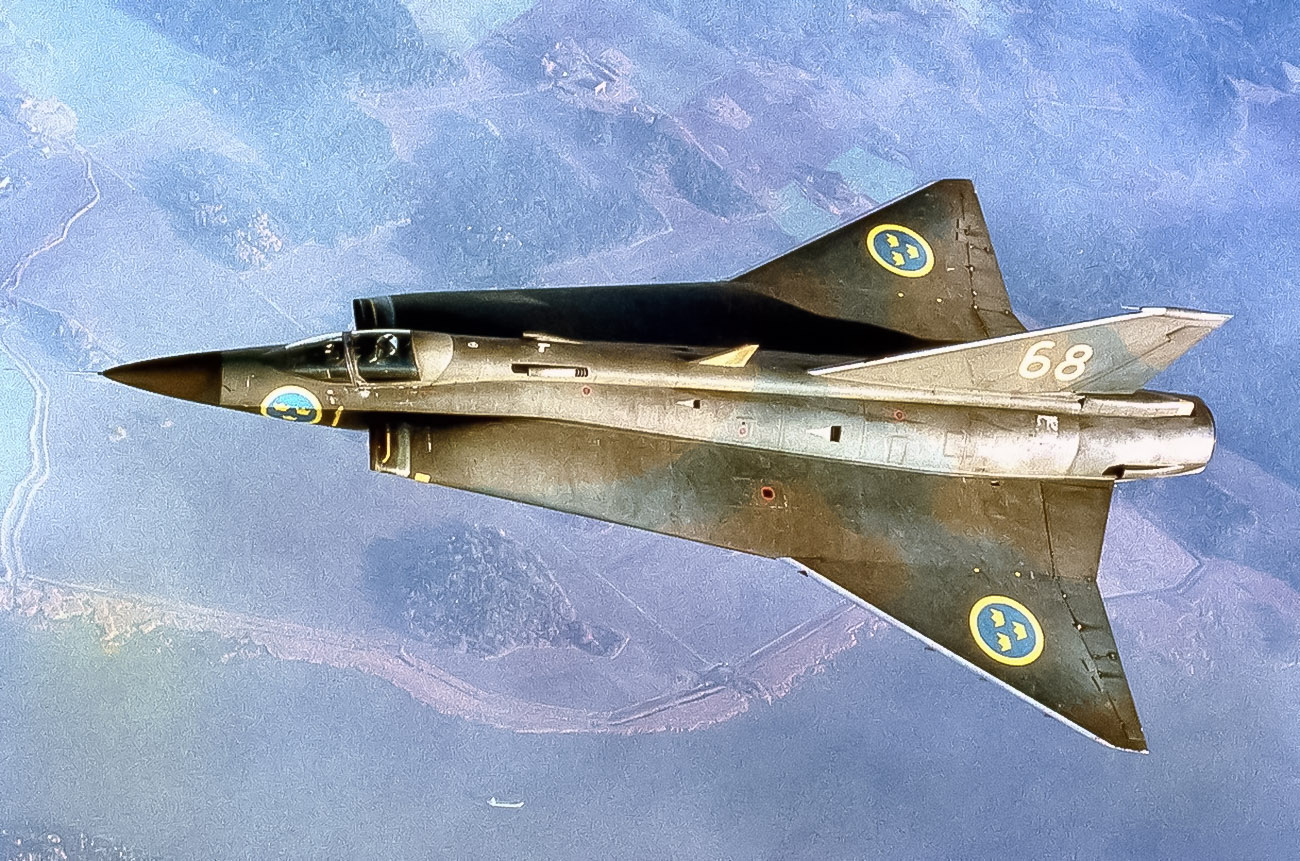
8: Saab 37 Viggen

It’s said that Sweden could either afford the Viggen or the nuclear bomb, but not both. Sweden chose the Viggen and gave up its atomic ambitions. The first thing you notice is the configuration; ahead of the main wings are a small set of ‘wings’ known as foreplanes. The aircraft pioneered the canard delta configuration for modern fighters, a solution that today dominates the design of European and Asian fighters.
Clint Eastwood originally wanted the Viggen to portray the fighter star in the 1982 Cold War espionage thriller Firefox. The Viggen would have played the futuristic MiG-31 ‘Firefox’. On looks alone, can you blame Eastwood? The Viggen looked like the future, and in many ways, it was (in the end, models of a fictional aircraft and special effects were used instead in the film).
8: Saab 37 Viggen

The Viggen had an impressive early example of a centralised computer to support the pilot by integrating and partly automating tasks such as navigation and fire control. The Central Kalkylator 37 was connected to a head-up display and an X-band radar set. This gear meant the Viggen could meet a requirement for single-pilot operation.
Performance metrics would also have been impaired due to the weight and space requirements of accommodating a second crew member, making the dependence on technology vital. The Viggen is most often celebrated for its configuration, but its avionics package ultimately is what made it the right choice for the Flygvapnet into the 2000s. The Viggen was so clever in so many ways.
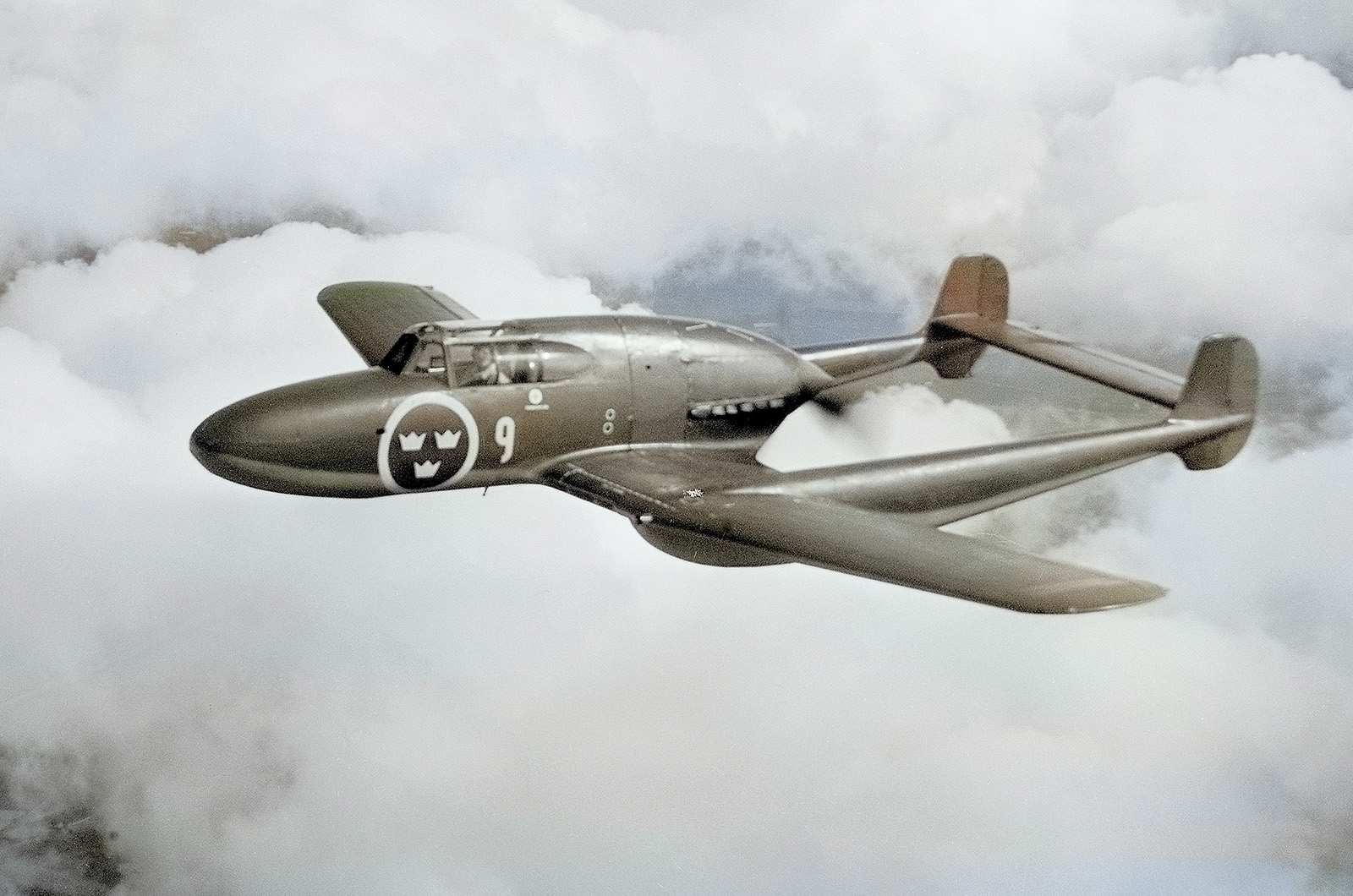
7: Saab J 21

The unorthodox design of the SAAB 21 was adopted to concentrate a heavy gun armament in the aircraft’s nose. However, the pusher layout also placed the propeller behind the pilot, making an emergency exit hazardous. As a result, the J 21 was one of the first aircraft to feature an ejection seat (it also featured a tricycle undercarriage).
Ordered as part of Sweden’s rearmament programme in the early 1940s, the J 21 first flew in July 1943, and 298 examples would be constructed by 1949. In operational service, although intended for the air superiority role, the J 21 proved instead to be an outstanding fighter-bomber.
7: Saab J 21

The excellent forward visibility and concentrated firepower, both a result of the J 21's unusual configuration, proved invaluable for ground attack. The aircraft could also carry a variety of external ordnance, including bombs and rockets, as well as wingtip fuel tanks that could be used as ad-hoc incendiary weapons.
Power was supplied by a German Daimler-Benz DB 605, built by Svenska Flygmotor, and an alternative was sought following the end of the war. SAAB redesigned the aircraft for jet propulsion, a process aided by its twin-boom design, and the J 21R entered service as Sweden’s first military jet in 1950.
6: Saab Gripen E/F

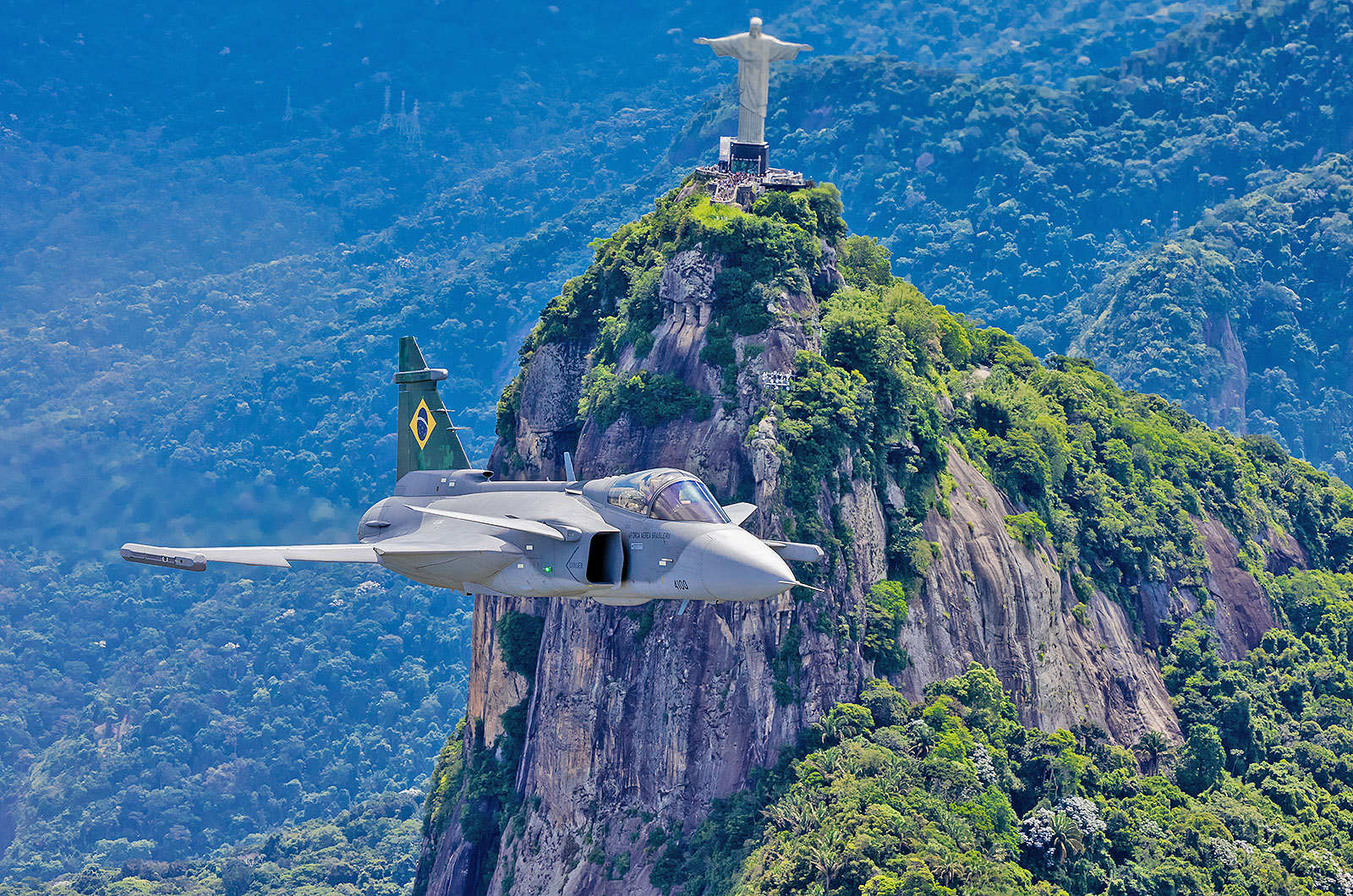
The Gripen E is a digital-age fighter, benefitting from lessons learned from the many software issues cursing other modern combat aircraft. The Swedish company Saab has made significant efforts to ensure the Gripen E (and its two-seat F variant) is easily upgradeable in terms of both software and hardware.
This is a very serious advantage, as is the high degree of sensor fusion. Now in service in Brazil as the F-39 Gripen E, it is proving to be an impressive machine. It has one of the most modern cockpit displays in service, an aid to pilot workload and situational awareness.
6: Saab Gripen E/F

Test pilot Jonas Jakobsson noted, ‘Situational awareness is outstanding! From the sensor suite (radar, Infra-Red Search & Track, missile-approach warner, radar warner, etc.), the local fusion of sensor data in every Gripen and the global fusion of data shared within the tactical air unit (and Command and Control).’
He also raved about the ‘Human Machine Interface with the elaborate symbology and wide area display’, noting that ‘This information chain and the situational awareness it creates is really the foundation that all fighting rests on.’ The Gripen E/F has been selected by the air forces of Brazil and Sweden (Thailand is likely to follow).
5: Saab 32 Lansen

Hermann Behrbohm was a German mathematician who had worked for the Messerschmitt aircraft company from 1937. He contributed to high-speed trials of the Bf 109 fighter and the development of the Me 163 and Me 262. His colleagues included the great Alexander Lippisch, father of the modern delta wing.
Behrbohm's most influential work was on the P.1101 fighter series, conceived as part of the Jägernotprogramm emergency fighter programme of 1944. This unflown remarkable jet fighter design, with its nose-mounted air intake and swept wings, would inform the post-war F-86, MiG-15 and the Swedish Lansen.
5: Saab 32 Lansen

Following the war, Behrbohm was highly sought after by nations eager to harness his remarkable expertise. He chose to move and work in Sweden. His influence on the Saab 32 Lansen, an attack aircraft built to replace the B 18, saw the aircraft adopt an immaculate aerodynamic form.
It is said to be the first aircraft created with a fully detailed mathematical model of its outer-mold line. The plane was capable of supersonic flight in a shallow dive. Behrbohm would also work on the Draken and Viggen, notably on the latter's canard-delta form.
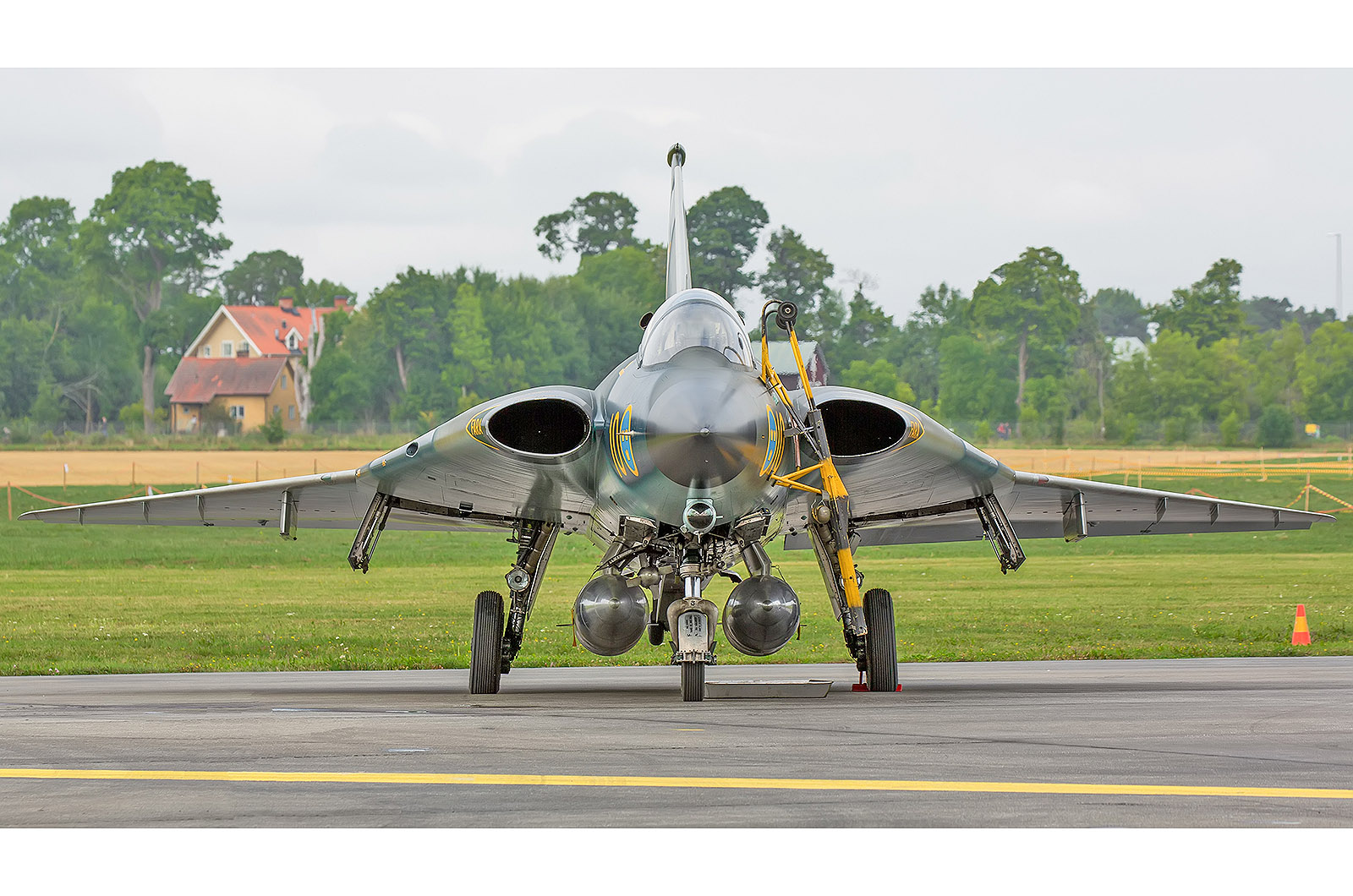
4: Saab 35 Draken

That the Draken was a decent candidate for the best fighter in operational service in 1960 is a huge accolade for Sweden and the result of the nation's astute defence policy of the 1950s. The Royal Swedish Air Force recognised that any chance of survival against a Soviet invasion depended on evacuating airfields at the first sign of war and hiding in the countryside.
It was apparent that large fixed airbases were easy to locate and attack, so the Swedish Air Force went 'off-base'. The Draken was intended to employ an indigenous jet engine design, the STAL Dovern, which was tested on a Lancaster. But the British Rolls-Royce Avon, which would also power the Lightning, was deemed a superior choice.
4: Saab 35 Draken

The wing was an absolute masterpiece of aerodynamics, a forerunner of the leading-edge extensions employed by later aircraft, including the F-16, MiG-29, and Hornet, which gave the aircraft performance far exceeding the expectations of international observers. On half the installed thrust of a Lightning, the Draken offered similar performance, three times the air-to-air missile weapon load and a far longer range.
Then there's the ability to 'cobra' (a dramatic pitch up beyond the vertical that can be used as a last-ditch dogfight move) by turning off the flight control limiters, known to Swedish pilots as "kort parad", or "short parry". Not to mention the infrared sensor – and the data link. All of which added up to a remarkable whole. The Draken was a masterpiece of strategic thinking, aeronautical design and engineering.
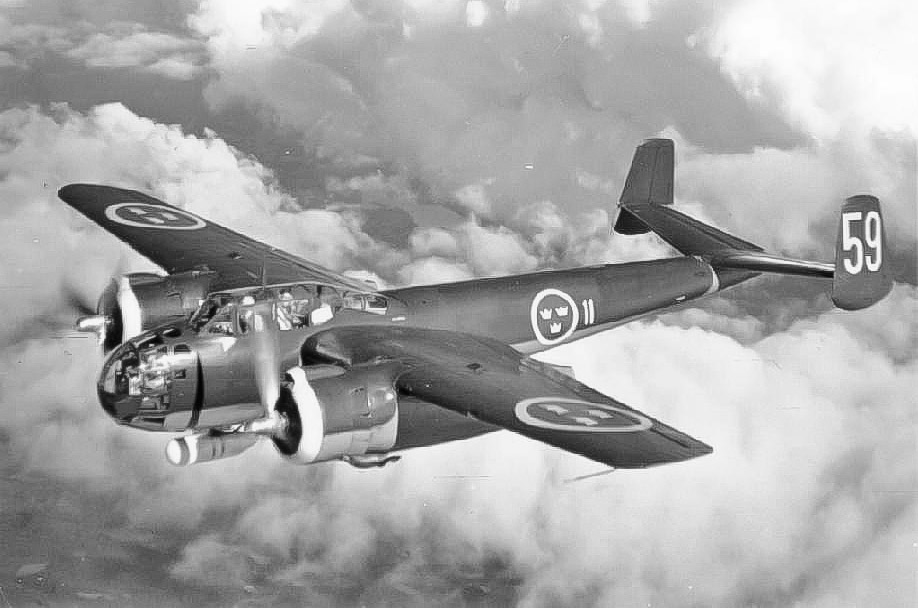
3: Saab 18

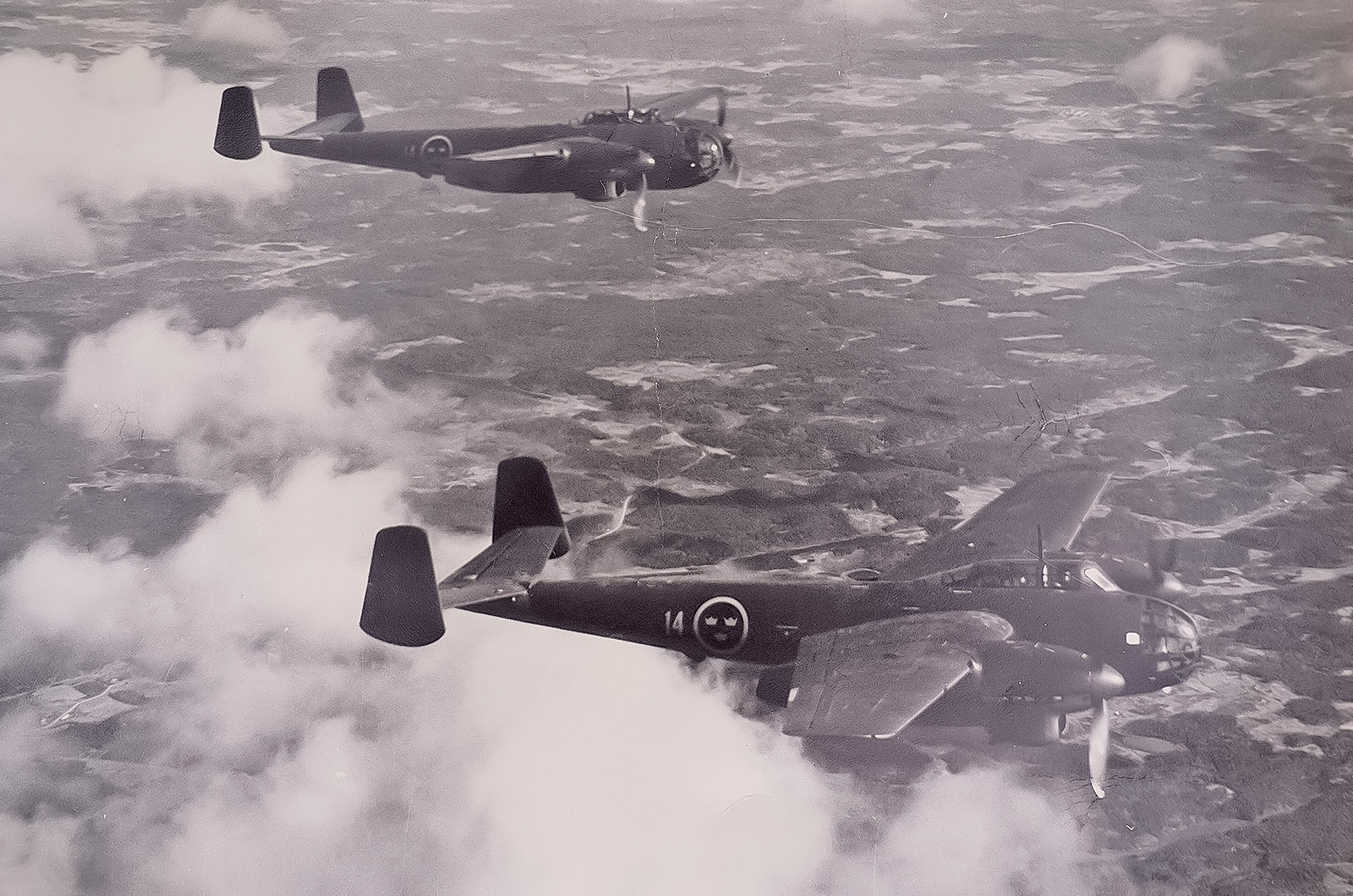
With its pusher prop fighters, double deltas, and early canard jets, Saab is hardly conventional. So, at first glance, its twin piston-engine bomber, the B 18, looks disappointingly plain—somewhere between a Ju 88 and a Hampden. But this elegant twin rewards closer inspection with features that belie its humdrum appearance.
The cockpit is offset to the left—an instant cool factor, as anyone who’s seen a Sea Vixen or Canberra PR.9 knows. Despite entering service in 1944 looking dated, its top speed was only 20 km/h slower than the Mosquito FB.VI, and it carried a crew of three, including a gunner. Even armament was similar: both aircraft had anti-ship versions with 57-mm guns.
3: Saab 18

Both were effective multi-role platforms before that concept was common, handling varied weapon loads with ease. The Saab, unlike the Mosquito, wasn’t made into a night fighter—Sweden used the J 30 for that, its own name for the Mosquito. Surprisingly, the Saab 18 had ejection seats—added due to its poor safety record. Dangerous? Yes. Exciting? Also yes.
For a neutral nation, Sweden pushed limits. In 1945–46, B 18s overflew Soviet ports on recon missions, dodging fighters thanks to their speed. Unlike later spyplanes, none were shot down. The Saab 18 served until 1959, with the last recon variants replaced by another sleek Saab creation - the Lansen.
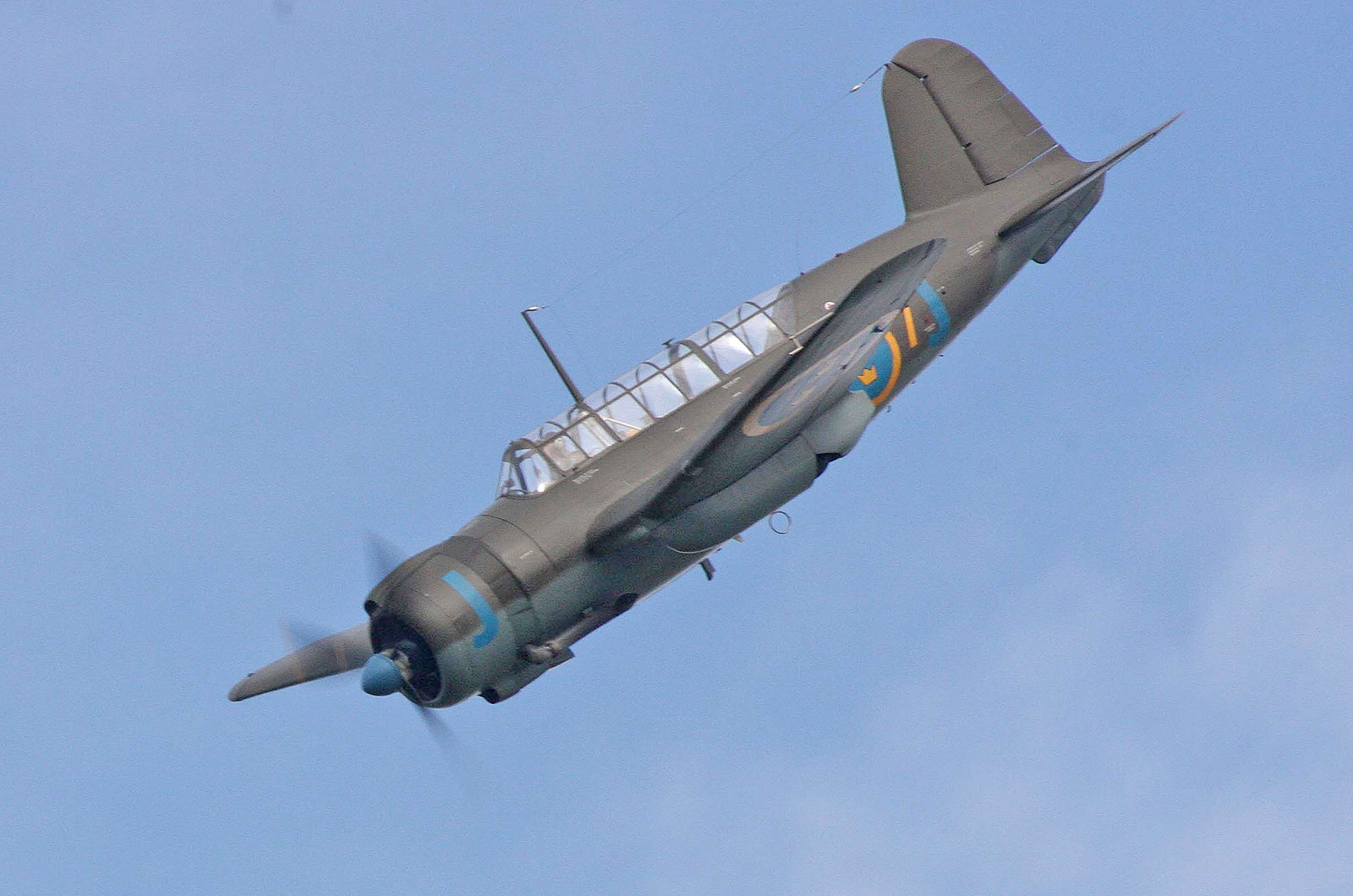
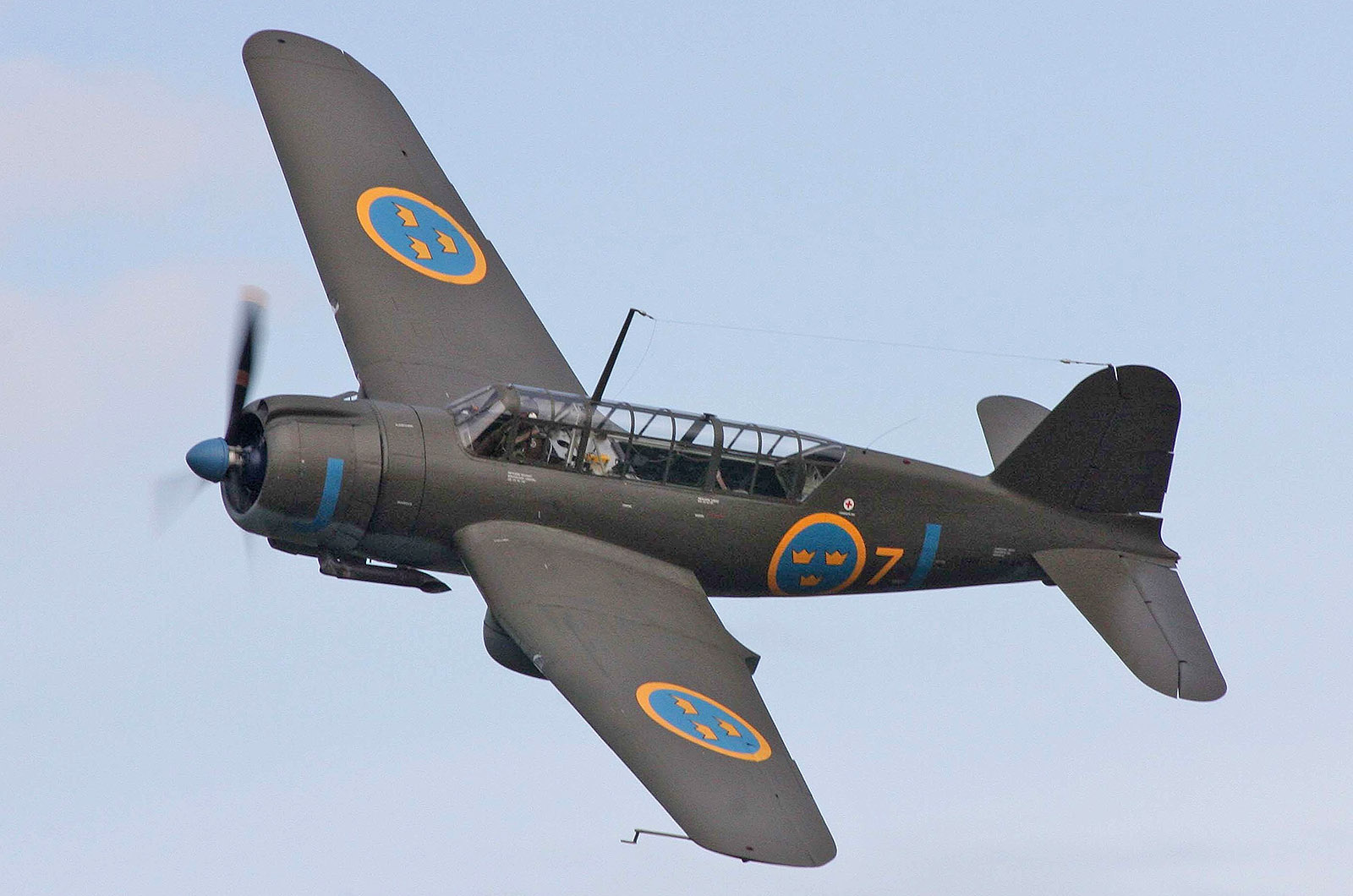
2: Saab B 17

The B 17 was Saab’s first aircraft and Sweden’s first indigenous modern monoplane. Originally designed by ASJA—Swedish Railway Workshops’ Aeroplane Department—it joined a rare group of planes from locomotive makers. It was a solid, workmanlike design, comparable to other light bombers of its time, but unusually conventional for Saab.
American influence is evident—40 to 50 U.S. engineers helped develop it, explaining the resemblance to American aircraft. Built for dive-bombing, the wing wasn’t initially strong enough and needed reinforcement. Even after modifications, it was limited to shallow dives. Large undercarriage doors acted as dive brakes, and retractable skis allowed winter operations.
2: Saab B 17

Entering service in 1942, over 300 B-17s were produced, mostly bombers, with just over 20 reconnaissance variants. They served until 1950 in frontline roles and later as target tugs into the 1960s. During the Second World War, 15 were loaned to exiled Danish forces for a planned invasion, but they returned unused when the war ended.
As Sweden retired the B 17, 47 were sold to the Imperial Ethiopian Air Force. These were the only ones to fire weapons in combat, attacking Somali bandits who derailed a train. Ethiopia flew them until 1968, giving the B 17 its final chapter. One still flies at Sweden’s Air Force Museum.
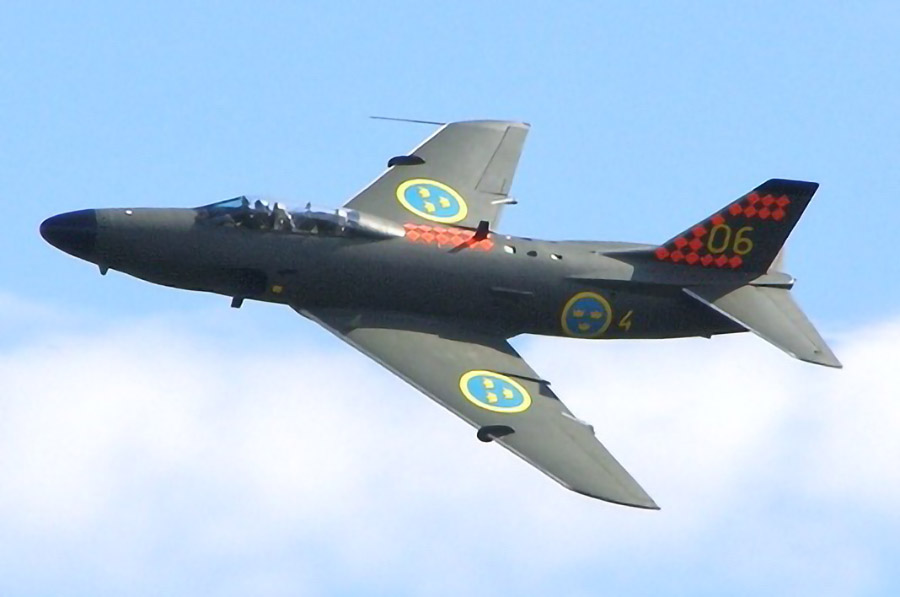
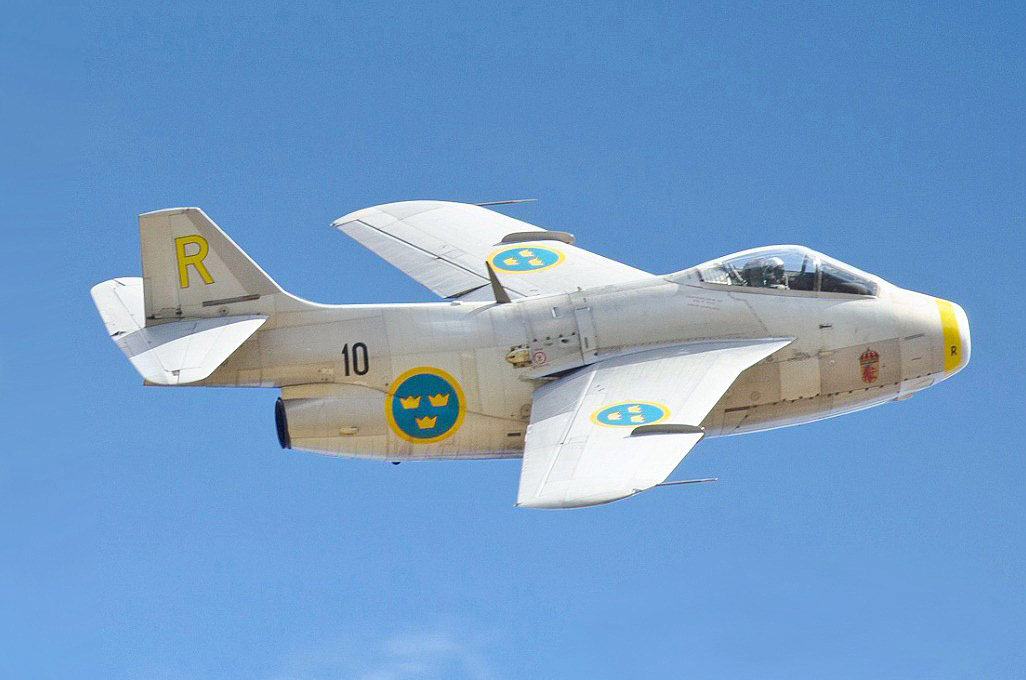
1: Saab 29 Tunnan

It’s 1948, and Europe’s aircraft manufacturers are combing through captured German documents to understand swept wings. While British firms tinker with research airframes, SAAB is already test-flying Europe’s first non-German swept-wing production fighter. By 1951, the J29 Tunnan is in squadron service, outpacing the de Havilland Venom in both looks and speed.
The sleek Swedish Tunnan even uses the same Ghost engine as the Venom but goes faster, setting FAI speed records for 500km and 1000km closed circuits. It carried 700 kg more than the Venom, and by 1954, added an afterburner—among the first to do so—cementing its performance edge over rivals.1: Saab 29 Tunnan
1: Saab 29 Tunnan

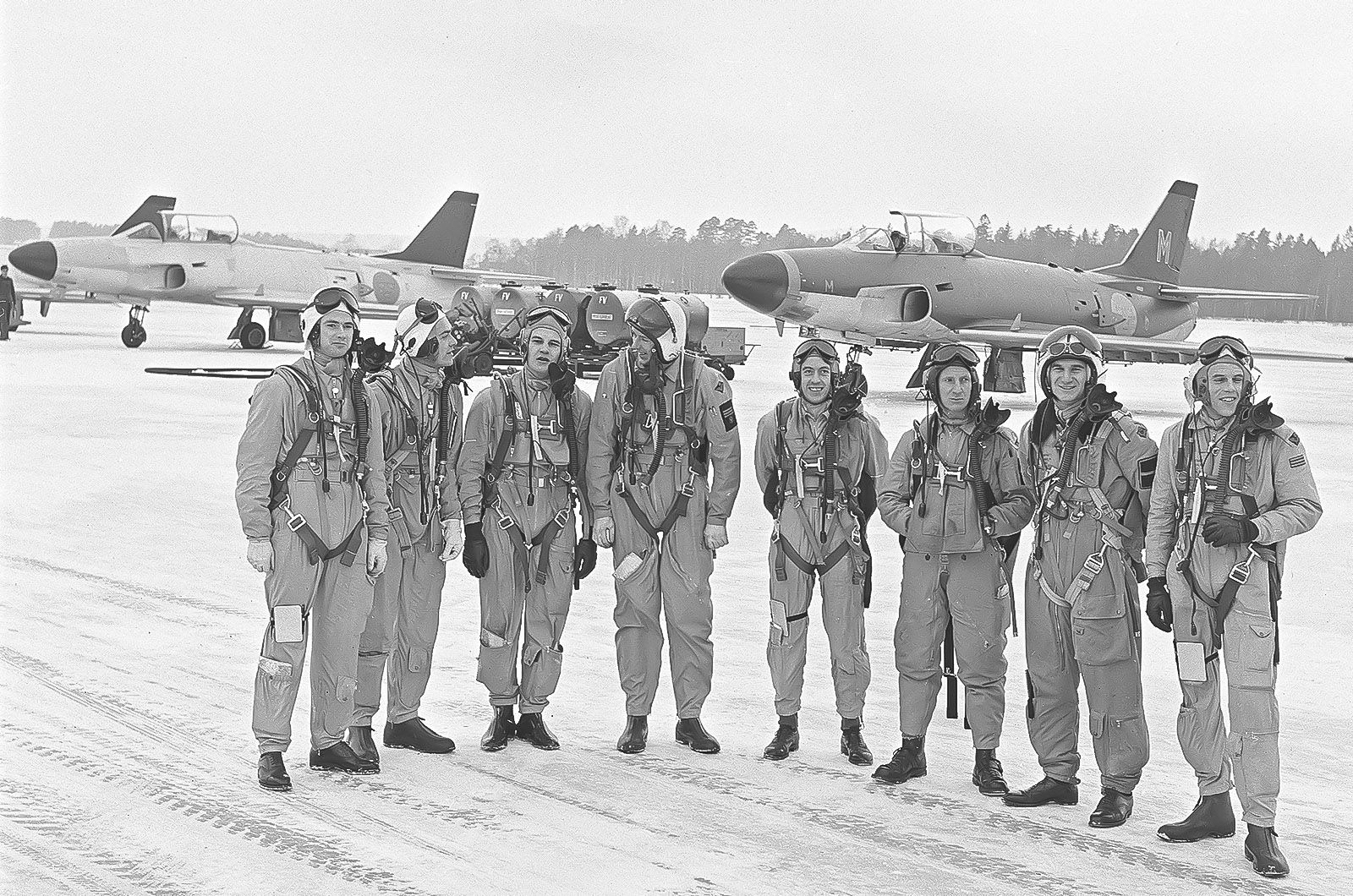
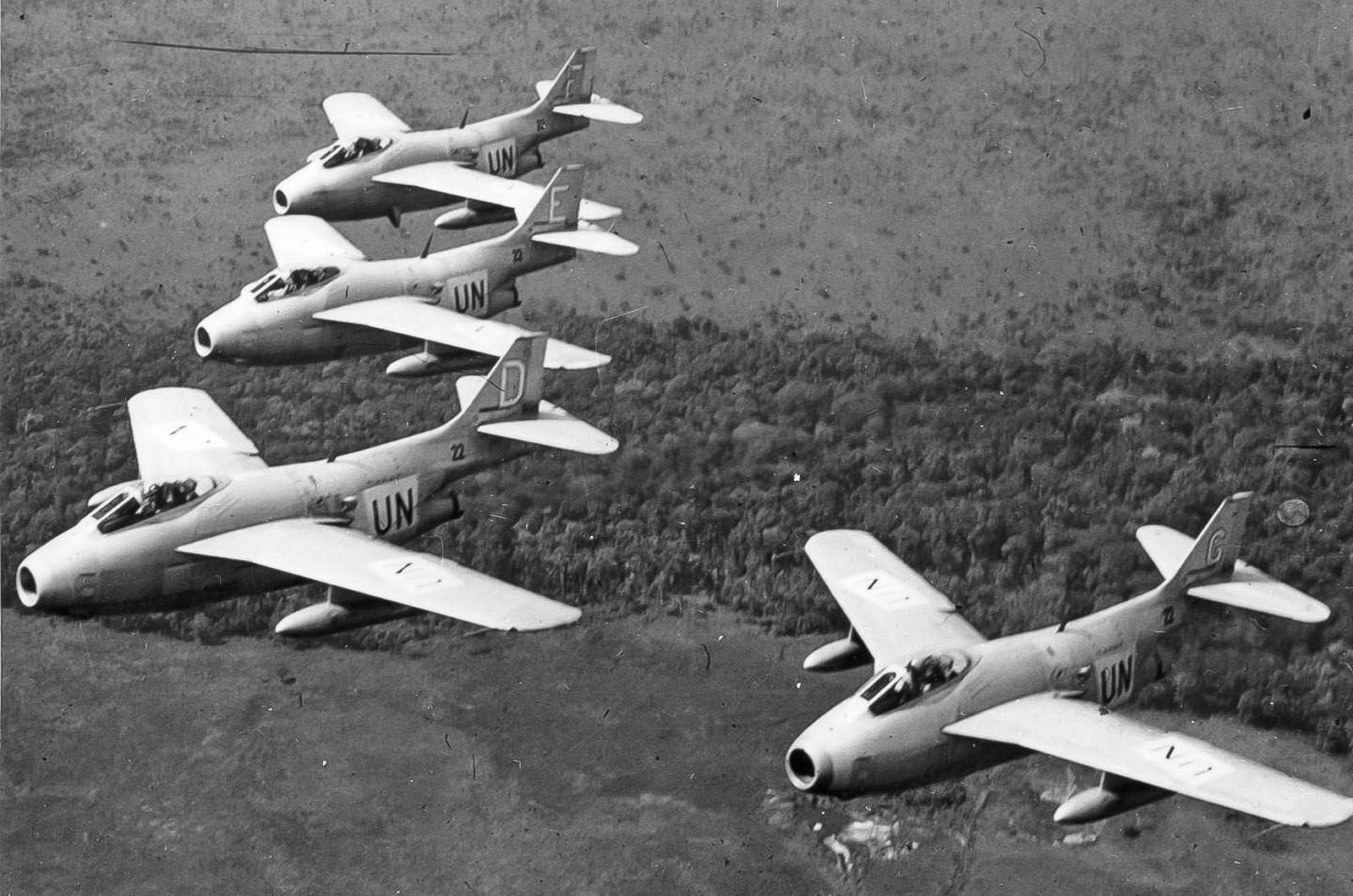
With 662 built, the J 29 was SAAB’s most-produced aircraft. It served as a frontline fighter until 1967 and as a target tug until 1976. It was the only SAAB to see combat, deployed by the United Nations in the Congo. Nine J 29Bs and two S 29Cs supported peacekeeping operations, bearing simple UN markings (pictured).
Despite taking ground fire during missions, no Tunnans were lost in action. Ironically, after surviving the conflict, most were destroyed in 1963 due to repatriation costs. With its compact design and tech-forward features—including landing lights in the nose and an early ejector seat—the Tunnan remains a visually striking, innovative fighter.
Follow Joe Coles on Substack, Twitter X or Blue Sky. His superb Hush-Kit Book of Warplanes is available here.
If you enjoyed this story, please click the Follow button above to see more like it from Autocar
Photo Licence: https://creativecommons.org/licenses/by/4.0/deed.en

Add your comment