
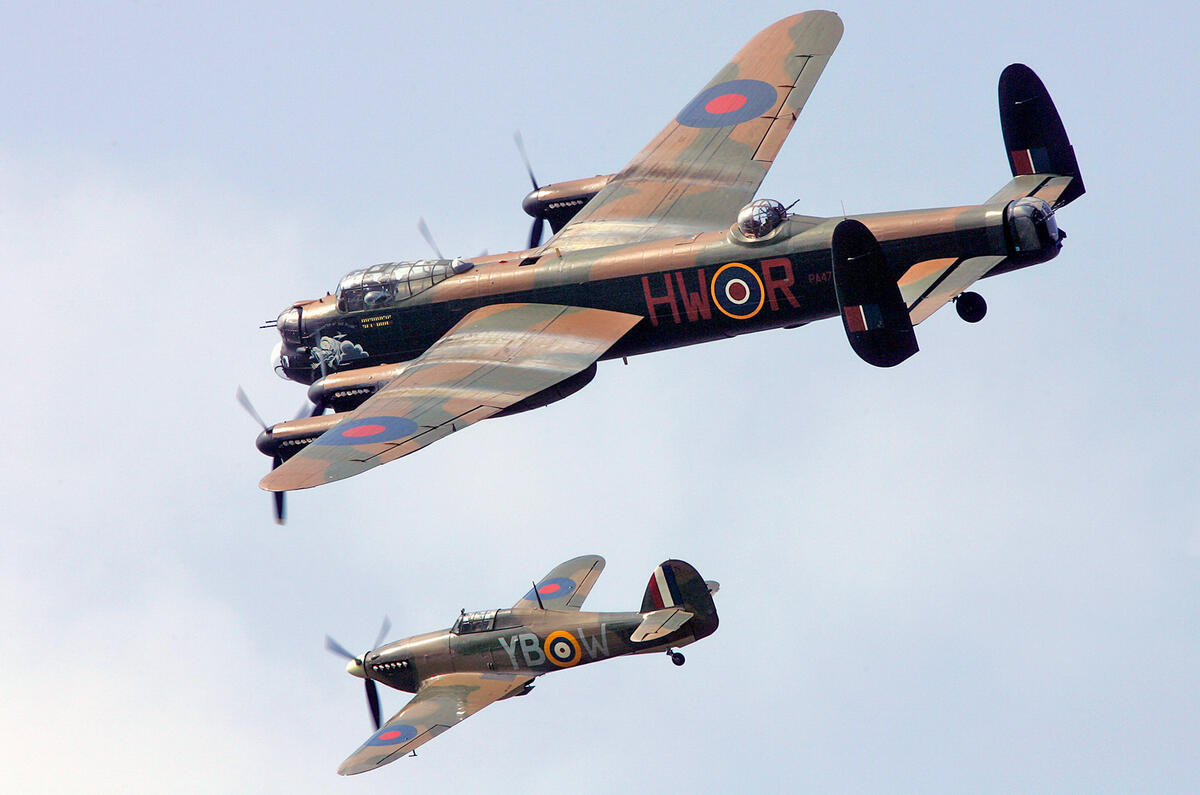

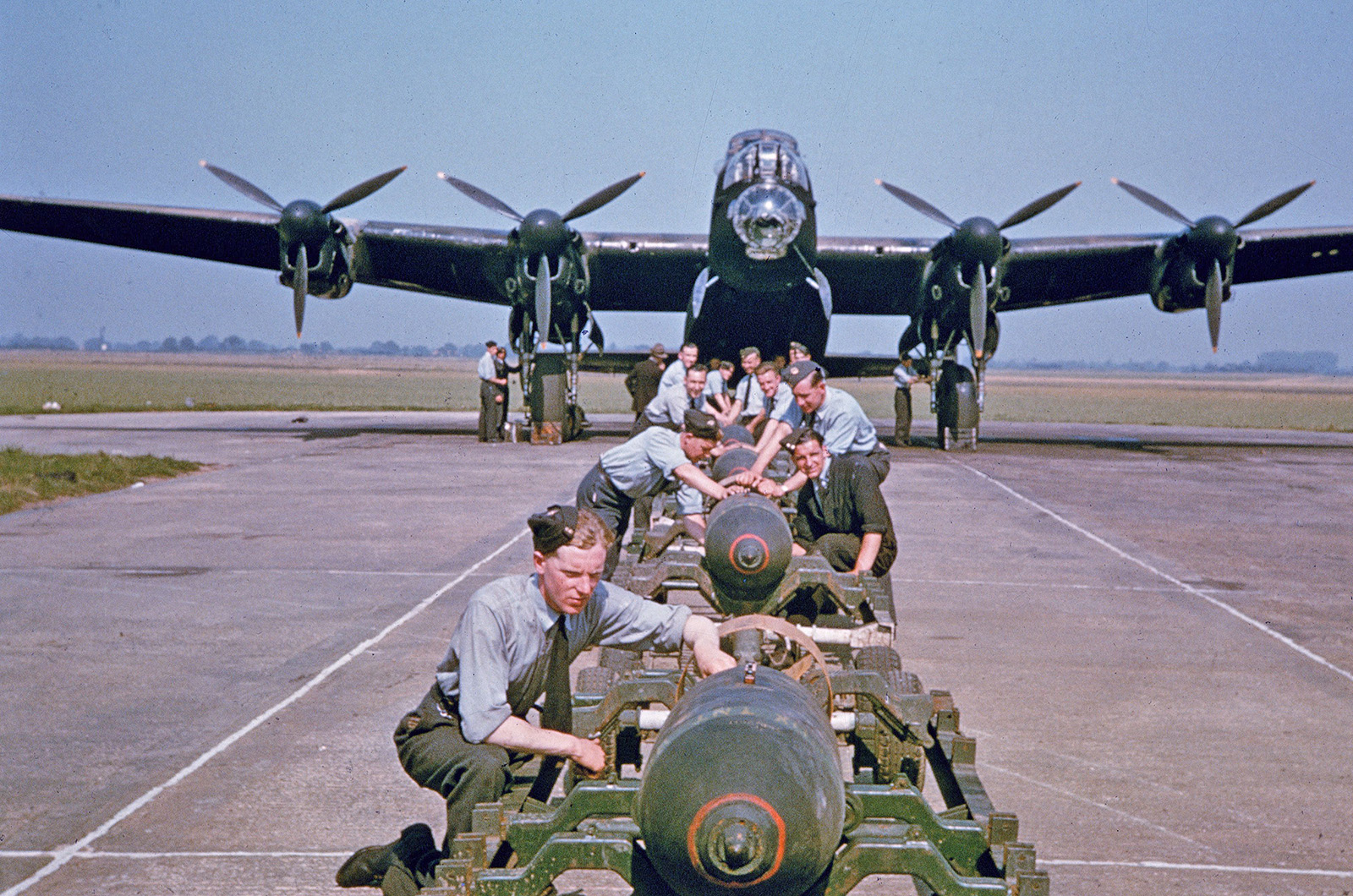
Powerful and dependable, the Rolls-Royce Merlin aero engine was fitted to many of the most significant warplanes of the Second World War—from the Spitfire and Hurricane to the Lancaster.
The engine’s melodiously throaty roar and undoubted contribution to Allied victory make it a favourite of many, as were the aircraft types it powered. We’ve selected 10 fascinating types from the many Merlin-powered aircraft (we’d love to do a part two later). Here are 10 Brilliant Planes That Used The Mighty Rolls-Royce Merlin Engine:
10: Fairey Fulmar

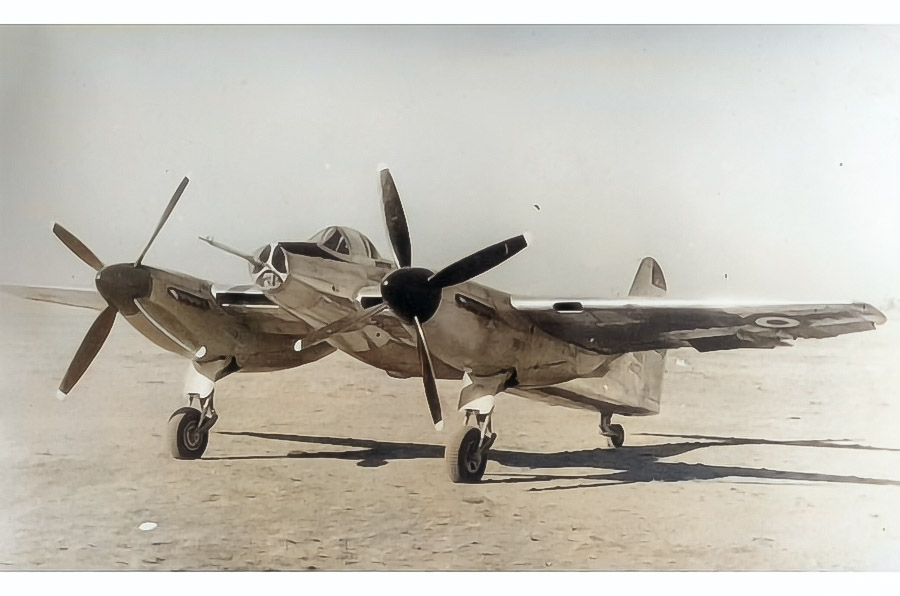
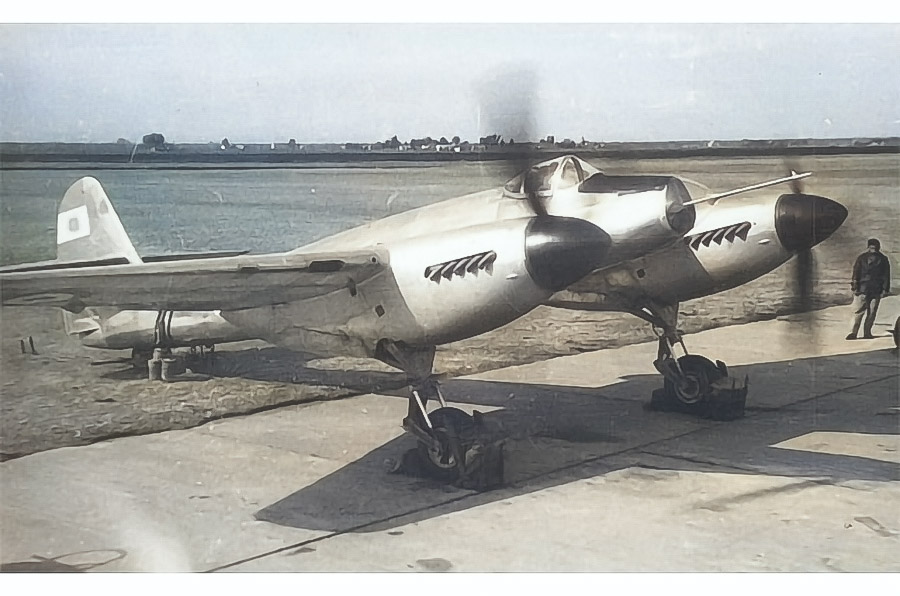
It is something of an anomaly that the Fleet Air Arm’s highest-scoring fighter of the war was the relatively slow and staid Fairey Fulmar, with 112 victories (more than double the total achieved by the far more potent Corsair in FAA service). Despite this, the Fulmar has never really caught the popular imagination.
As the Second World War loomed, the Admiralty was desperate for anything approximating a modern fighter aircraft. This need was met by a modified light dive-bomber originally intended for a cancelled RAF requirement. The resulting Fulmar shared the engine and armament with the Spitfire and Hurricane, but there the similarity ended.
10: Fairey Fulmar

With a pathetic flat-out speed of 247mph and a feeble service ceiling of 16,000 feet, it was far inferior to its contemporaries. More worryingly, it was also 30mph slower than the Luftwaffe's Heinkel He 111 bombers. Fair to say that, as a fighter, it made an adequate, cancelled dive-bomber. So how did it become the top Royal Navy fighter of the war?
To understand this apparent contradiction of how such a sluggish machine was the Navy's best fighter, it is necessary to look to a then-new technology: radar. The Fulmar had shown that as a naval fighter, her strengths of endurance and firepower could make up for her disadvantage in outright performance when coupled with radar.
9: Miles M.20
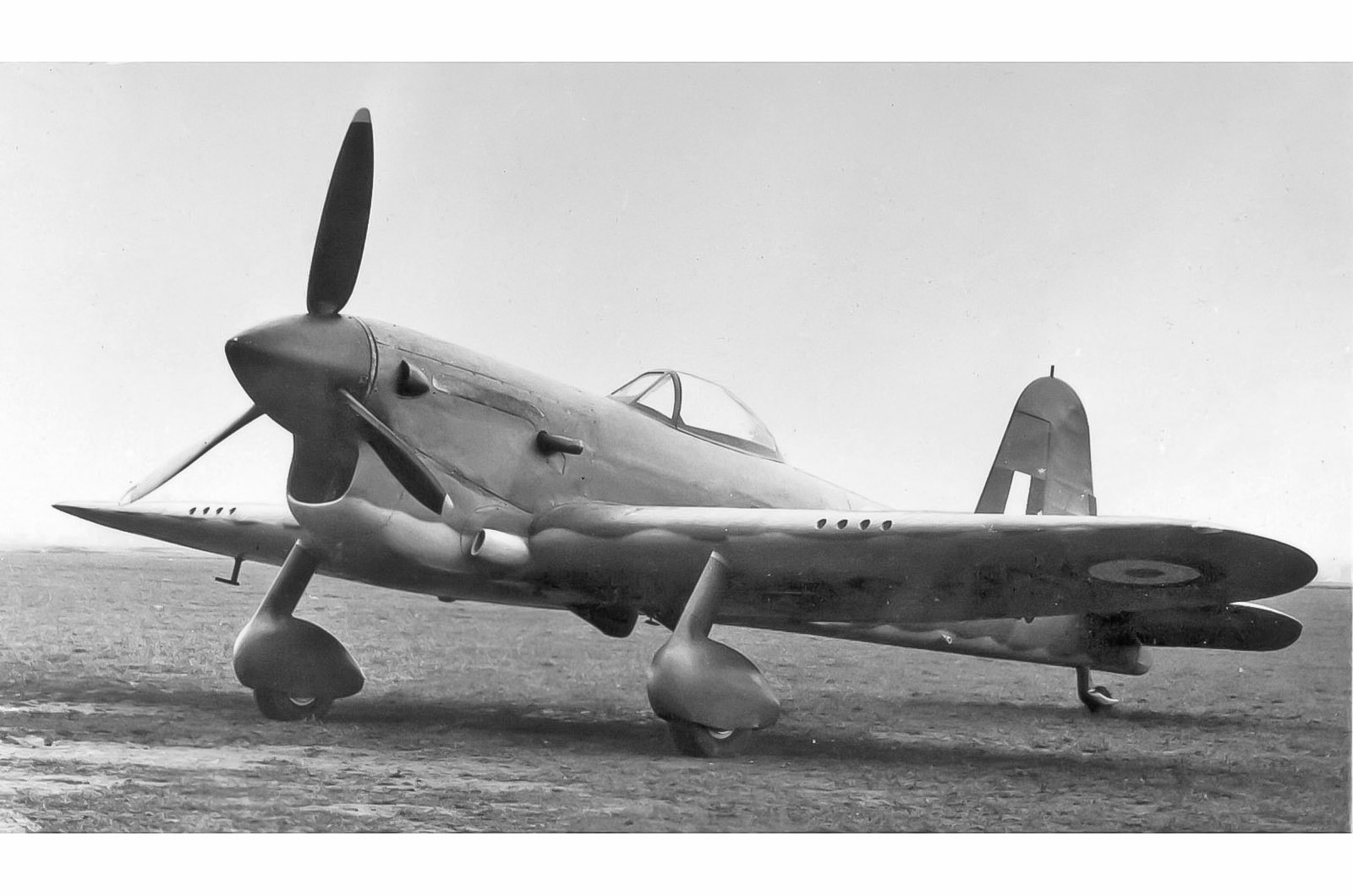
Flying for the first time, a mere 65 days after being commissioned by the Air Ministry, the M.20’s structure used wood throughout to minimise the aircraft’s use of potentially scarce aluminium, and the whole nose, airscrew and Merlin engine were conveniently supplied as a single, all-in-one 'power egg’ unit, as it was already in production for the Bristol Beaufighter II.
To maintain simplicity, the M.20 dispensed with a hydraulic system, and while this meant that the landing gear wasn’t retractable, the weight saved allowed for a large internal fuel capacity and the unusually heavy armament of 12 machine guns with twice as much ammunition as either the Hurricane or the Spitfire.
9: Miles M20
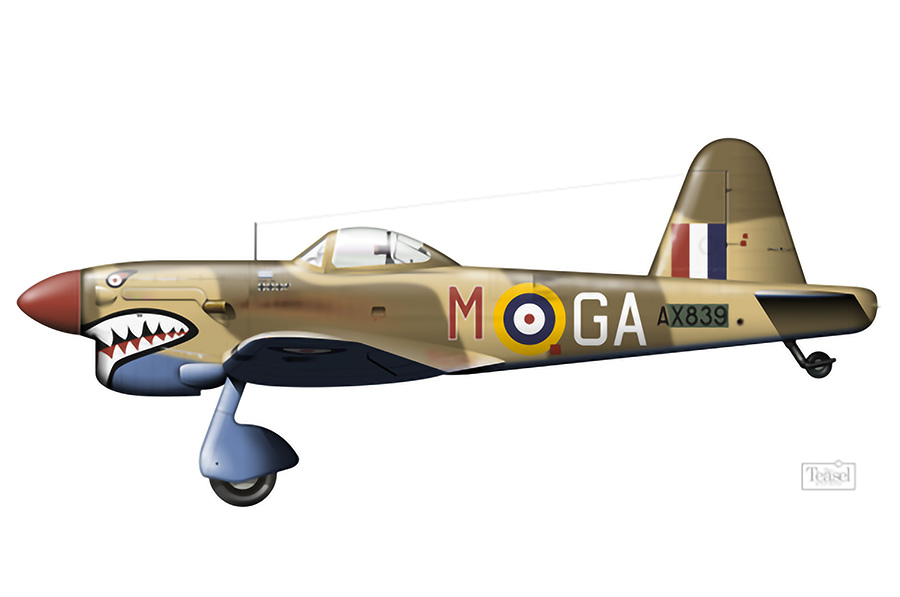
Tests revealed that the M.20 was slower than the Spitfire but faster than the Hurricane, and its operating range was roughly double that of either. It also sported one of the first clear-view bubble canopies to be fitted to a military aircraft.
Due to the M.20 being viewed as a ‘panic’ fighter – an emergency back-up if Hurricanes or Spitfires couldn’t be produced in sufficient numbers – production of the M.20 was deemed unnecessary, since no serious shortage occurred of either of the existing fighters.











Add your comment