Currently reading: 10 Strange & Surprising Examples of Air Cargo

10 Strange & Surprising Examples of Air Cargo

Back to top

Air cargo usually brings to mind electronics or oranges - but the skies often carry far stranger freight.

From spacecraft to human organs and more, aircraft have moved some truly bizarre cargo. In this article, we explore some of the most surprising and unusual items that have been flown around the world. We’ll use the term cargo loosely so that we can share the most incredible stories. Here are the 10 Strange & Surprising Examples of Air Cargo:


10: Spacecraft
 Spacecraft

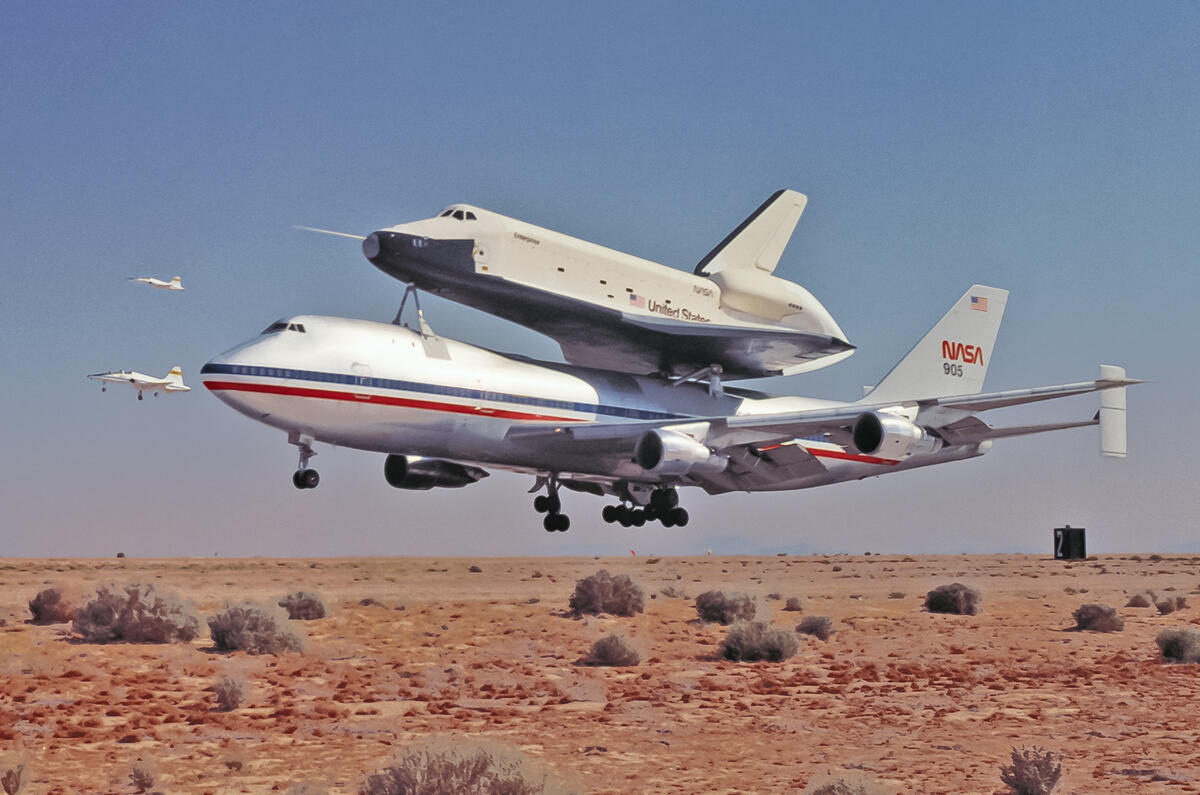
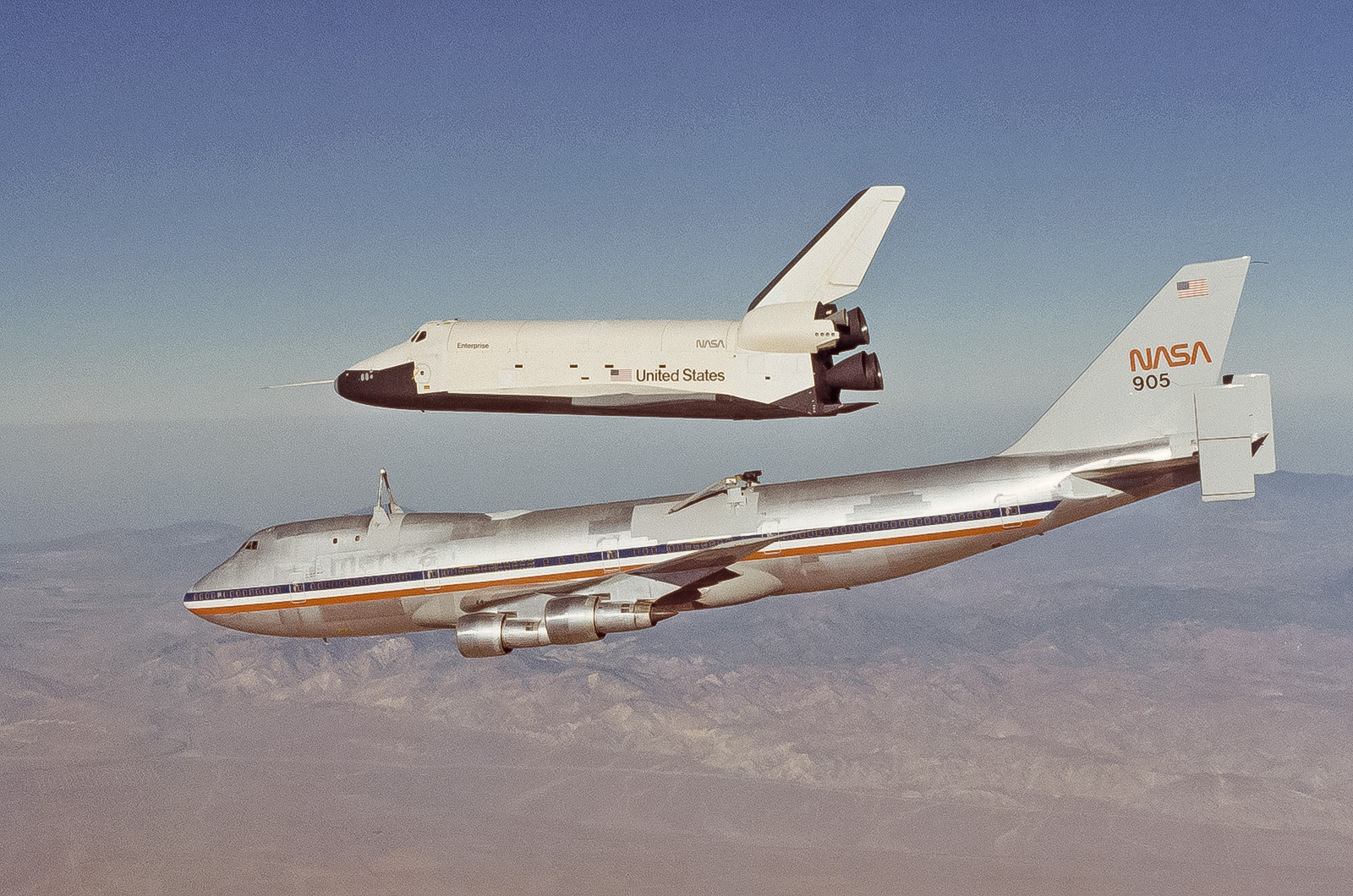
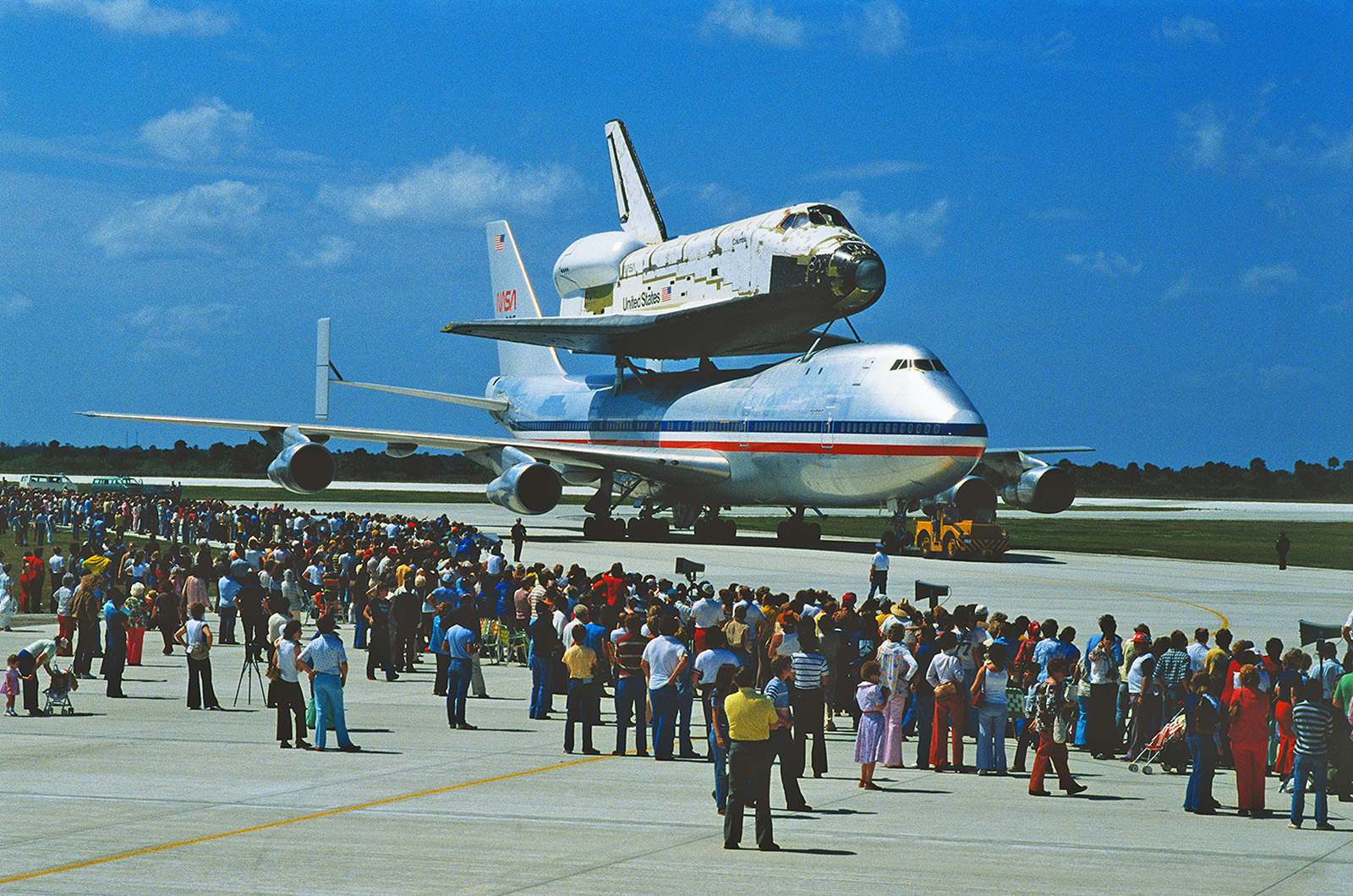
The Boeing 747 ‘Jumbo Jet’ is usually used as an airliner or freight carrier, but in the 1970s took on the interesting role of transporting Space Shuttles. NASA modified two 747s, known as Shuttle Carrier Aircraft, to carry the Space Shuttle orbiter atop their fuselage. This allowed transport between landing sites and the Kennedy Space Center for refurbishment and relaunch.

These 747s were heavily modified, with strengthened fuselages, radically modified tails, and mounting struts on top. The orbiter would be secured using these struts and flown piggyback-style. It looked incredible and was technically demanding, requiring particular weather conditions and precise flight planning due to the altered aerodynamics.


10: Spacecraft
 Spacecraft

Such missions were typically short-range and required refuelling stops, especially when crossing the United States. The spectacle of a space shuttle flying atop a commercial airliner thrilled onlookers and demonstrated the adaptability of existing aviation technology in supporting space exploration efforts without needing purpose-built aircraft from scratch.

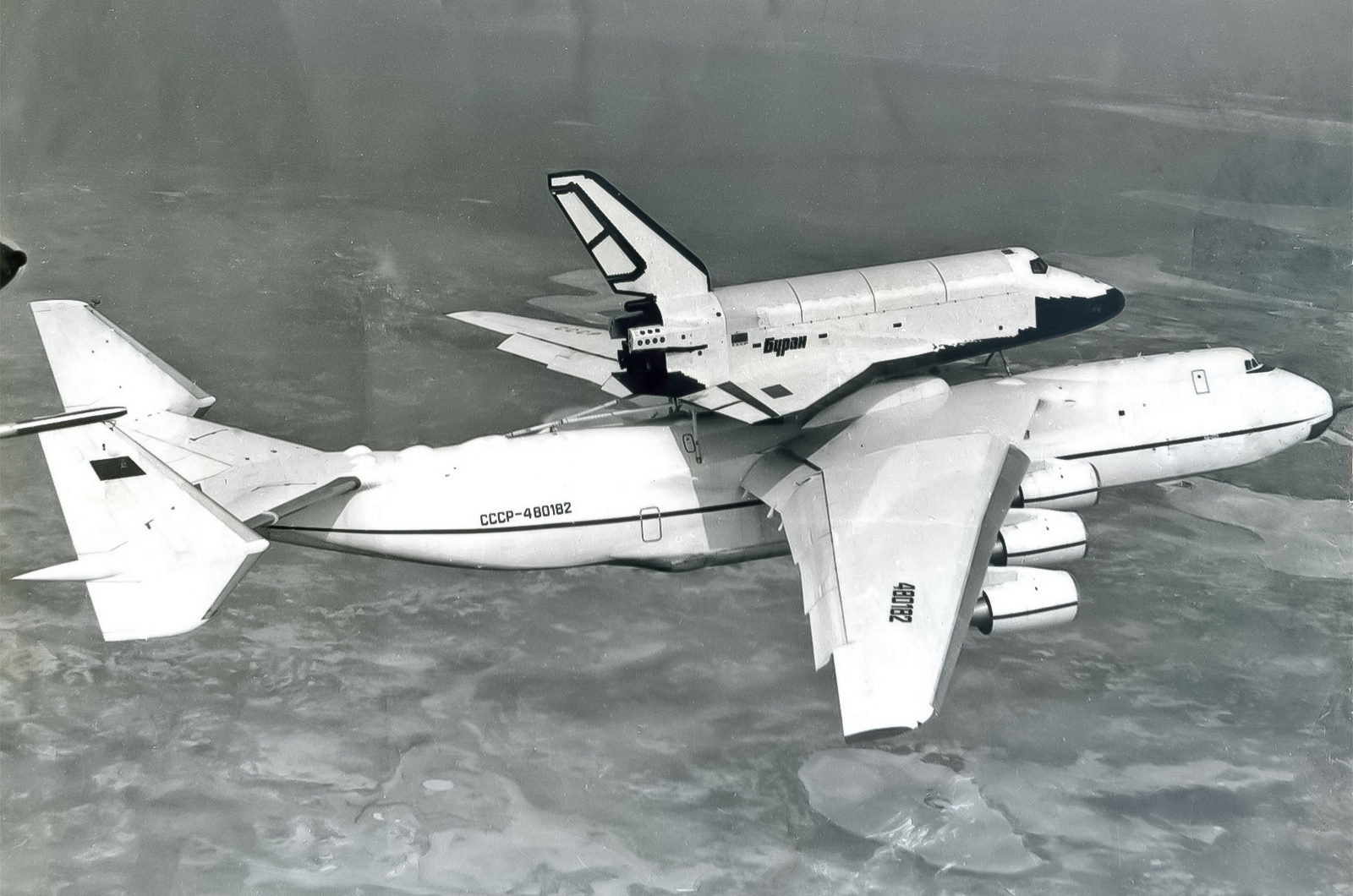
The Antonov An-225 (of which we’ll be hearing more in this article) was the Soviet equivalent of the Shuttle Carrier Aircraft and was even larger and more impressive. Like the transition of the 747 to SCA, it lost the single vertical tail of the An-124 it was based upon to make room for its piggybacked load.


9: The bomber that delivered a heart
 The bomber that delivered a heart

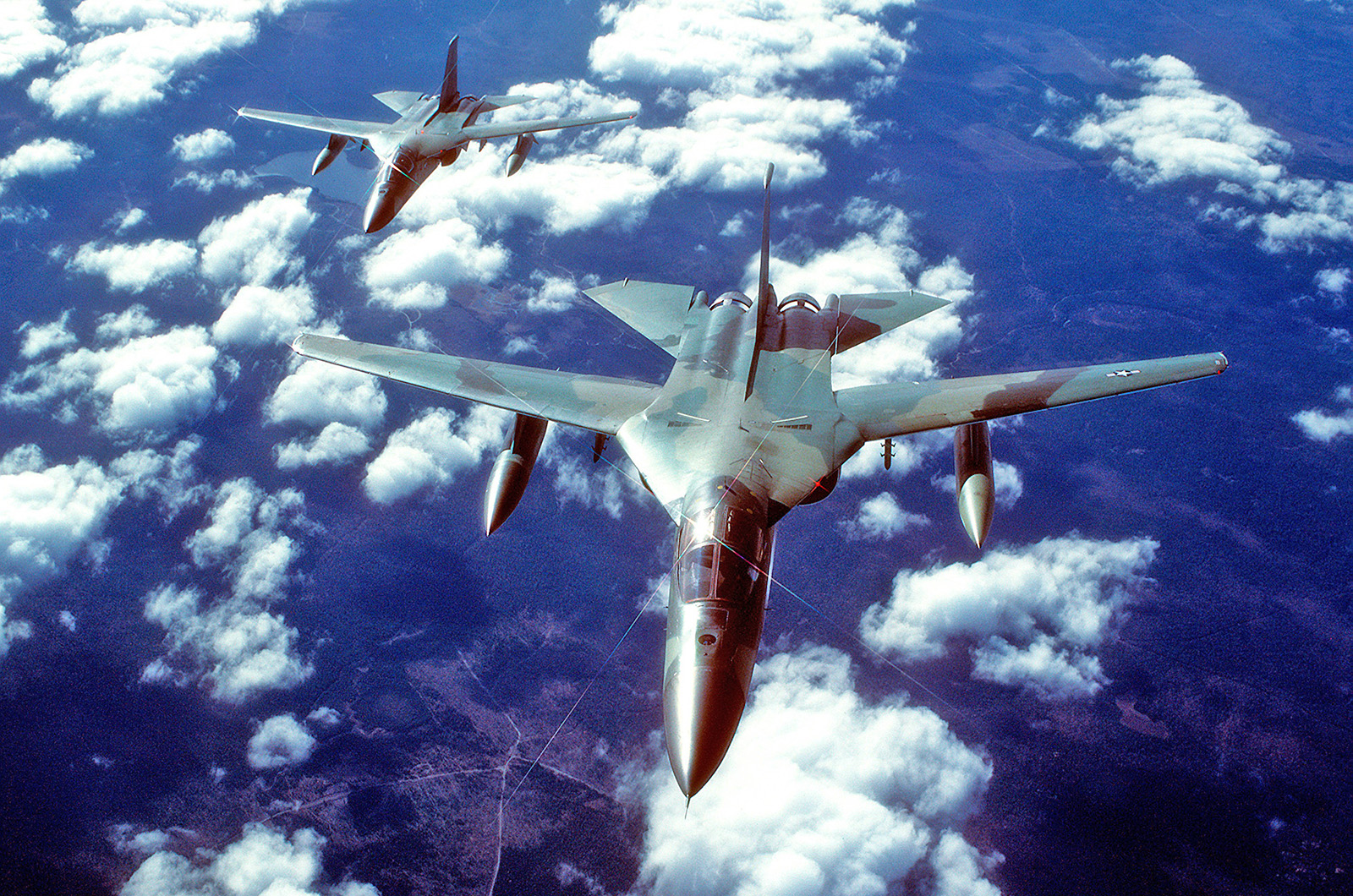
On Valentine’s Day 1986, Connecticut-resident Richard Reinhardt urgently needed a heart transplant. A donor heart became available in Oklahoma, but time was critical – there were only 3.5 hours to complete surgery. A private jet wasn’t fast enough, so the Air Force stepped in with an unconventional solution: two FB-111A supersonic bombers were reassigned.

These jets, built for nuclear strike missions, could easily exceed Mach 2.5; however, for this delicate mission, they cruised at around 700mph. Re-tasked from a training flight, they became the fastest medical service ever launched. One served as backup. Their afterburners lit the sky as they raced west, heading to Tinker Air Force Base.


9: The bomber that delivered a heart
 The bomber that delivered a heart

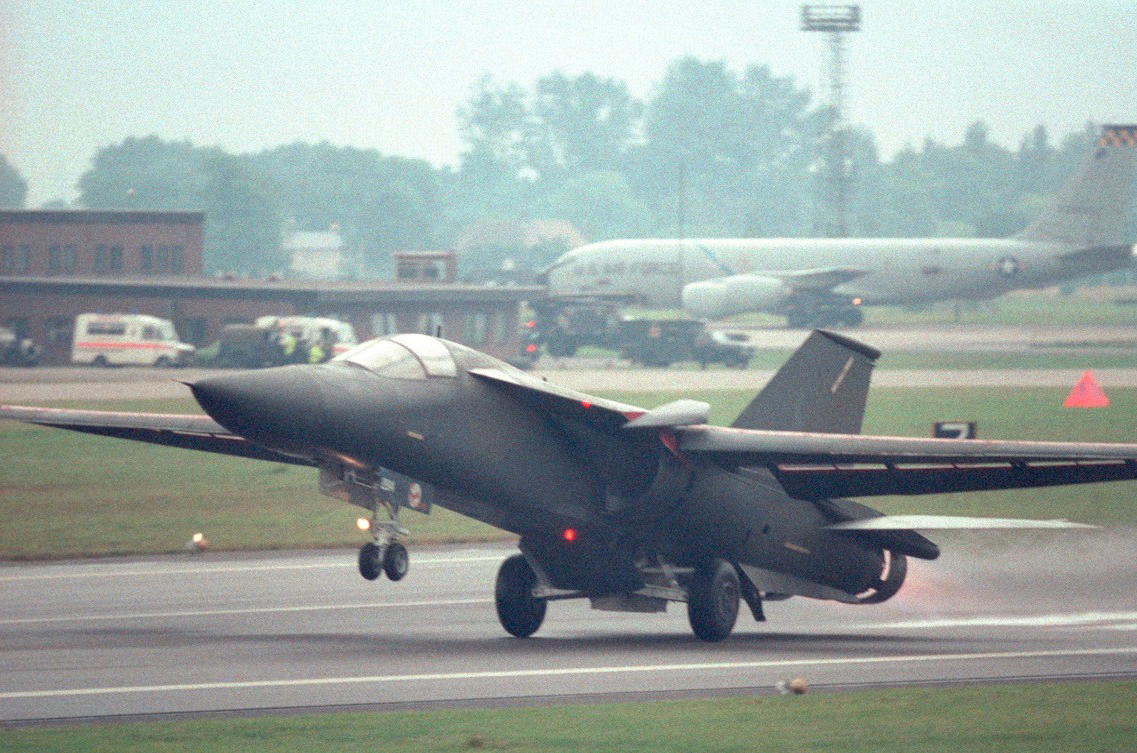
The heart was loaded and flown east at 0300 hours. A KC-135 tanker met the jets mid-air, refuelling them for the return sprint. These high-speed aircraft roared through the skies, crossing states in record time for a medical aircraft, pushing performance limits to deliver the most precious cargo - life - before the transplant window closed.

At 0500, the FB-111s landed at Bradley International. The heart was rushed to Hartford Hospital via helicopter, saving Reinhardt’s life; he lived for another 23 years. The mission was a complete success. The Air Force crews, trained for wartime speed, delivered hope instead. That day, the jets weren’t weapons—they were swing-wings of mercy.


8: Buildings

 Buildings

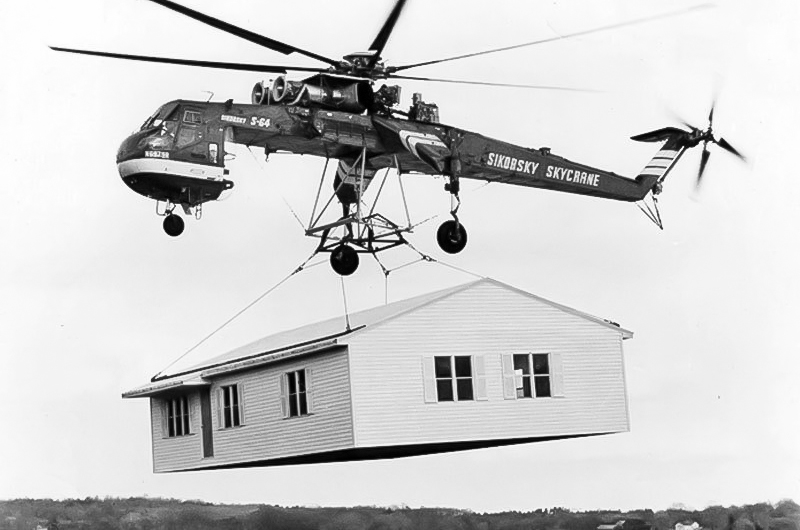
The massive, powerful Sikorsky S-64 Skycrane is essentially a ‘flying crane’ and was once considered for delivering fully assembled homes to remote or difficult-to-access locations. The concept involved transporting prefabricated, ready-to-occupy three-bedroom houses. Although imaginative, the idea never saw widespread adoption due to various logistical, structural, and regulatory complications.

The idea was clever, solving acute housing shortages swiftly or developing remote areas inaccessible to builders. It could also have provided accommodation almost anywhere after emergencies or natural disasters. It looked alarming, and as it turned out, it wasn’t the best idea.


8: Buildings

 Buildings

Originally designed to lift exceptionally heavy and awkward loads, the S-64 Skycrane is typically used in sectors such as construction and forestry. While technically capable of carrying a house, structural concerns proved problematic, as homes aren’t built to be suspended mid-air. Additionally, airspace restrictions and complex regulations made such operations impractical.

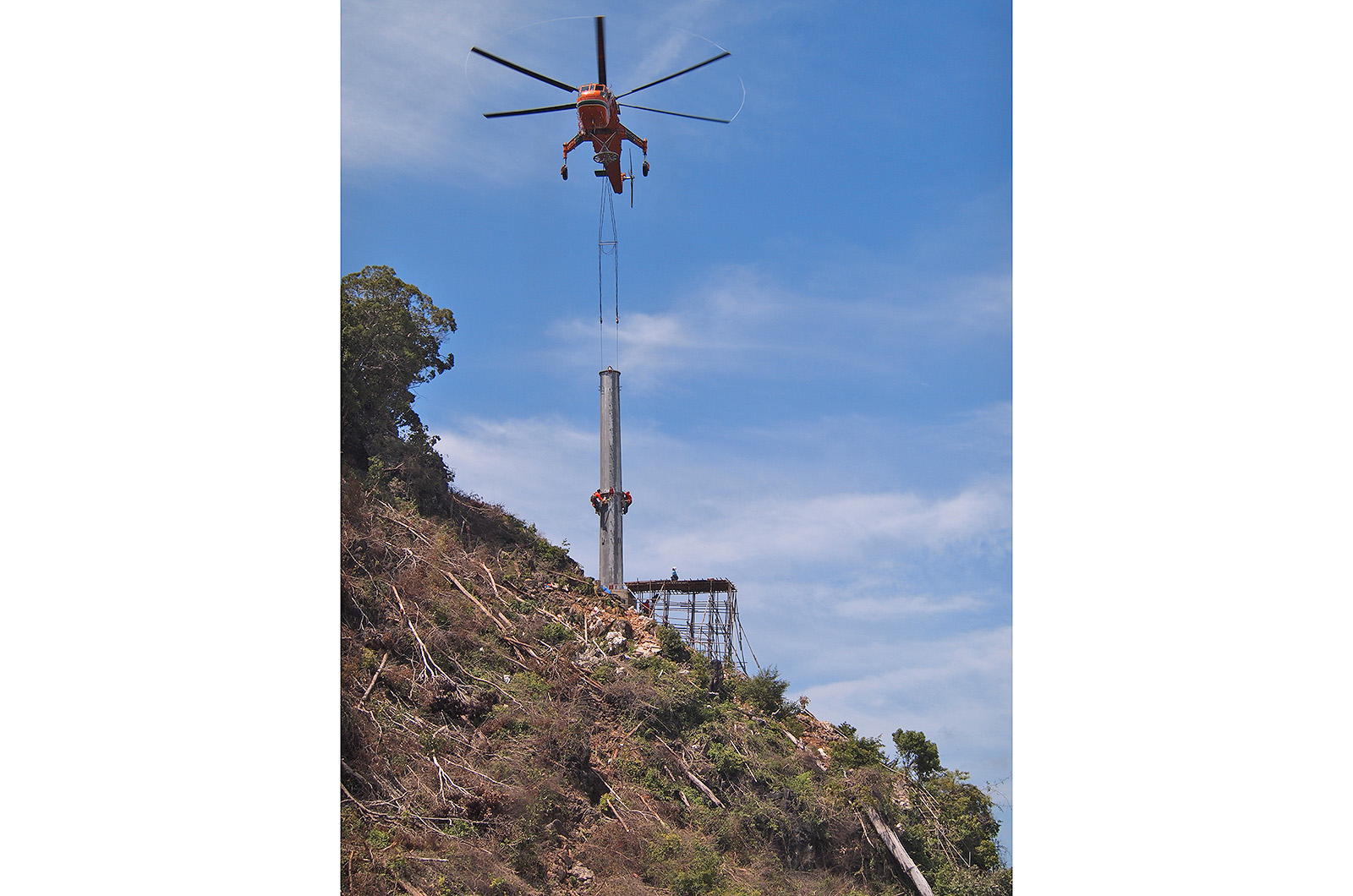
Although rarely employed for house transport, the Skycrane has taken on unusual tasks, including lifting antenna masts, concrete poles (pictured), log cabins, and even air conditioning units onto the roof of the Pentagon. It also plays a role in humanitarian missions. Ultimately, more practical and cost-effective alternatives have made the airborne housing idea obsolete.


7: Boats

 Boats

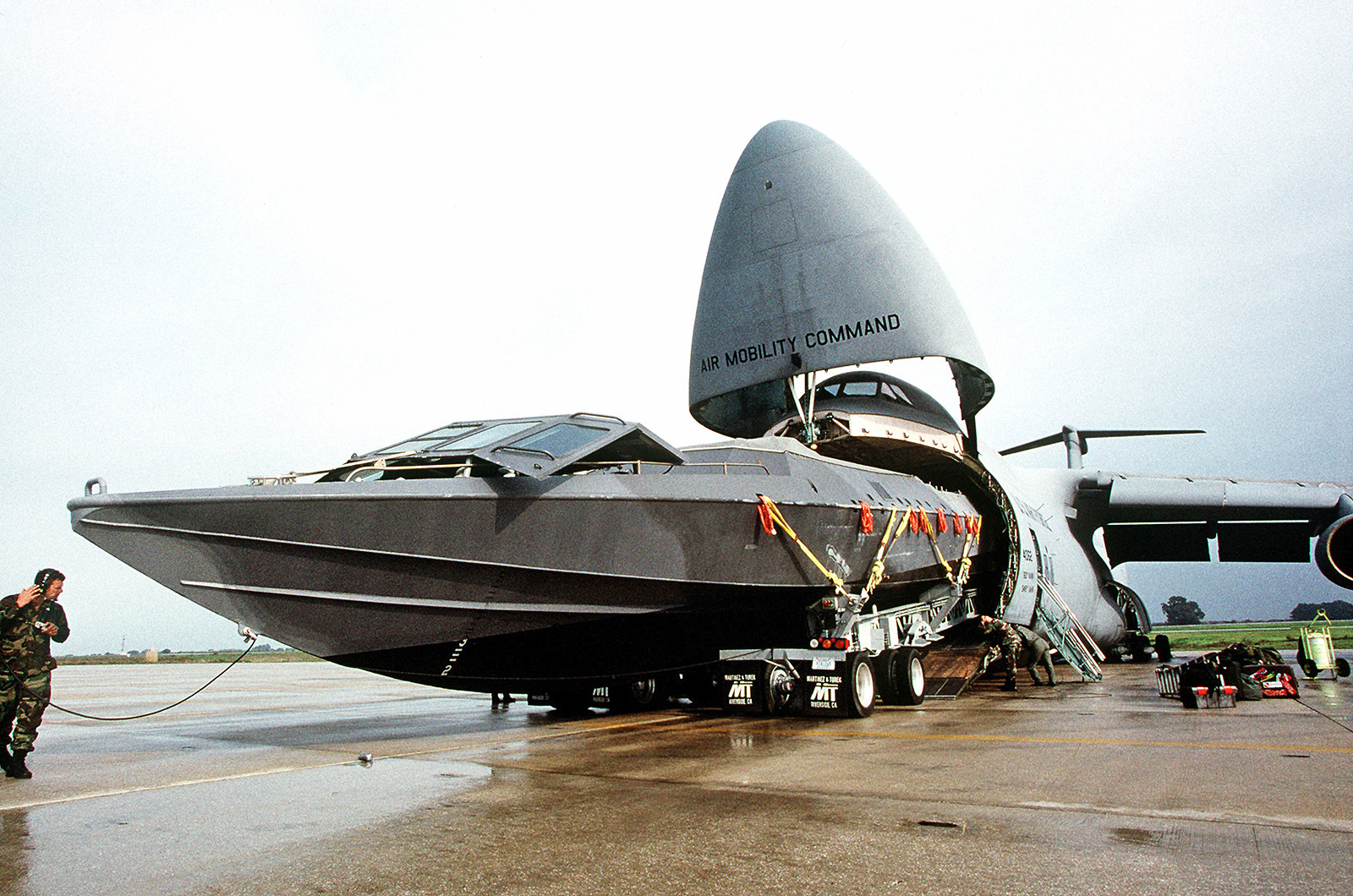
A 50-ton, 82-foot Navy Mark V Special Operations Craft - designed to deploy and retrieve SEAL combat swimmers in high-threat zones - is carefully loaded into a vast C-5 Galaxy at Travis Air Force Base, California. The fit is so tight, there’s barely room to spare.

Loadmasters skilfully load not just the Mark V and its 18-wheel trailer, but also manage to include a “deuce-and-a-half” truck and a Humvee with trailer. The Mark V and its trailer were intentionally designed to fit inside the C-5, supporting rapid deployment and global mobility missions.


7: Boats

 Boats

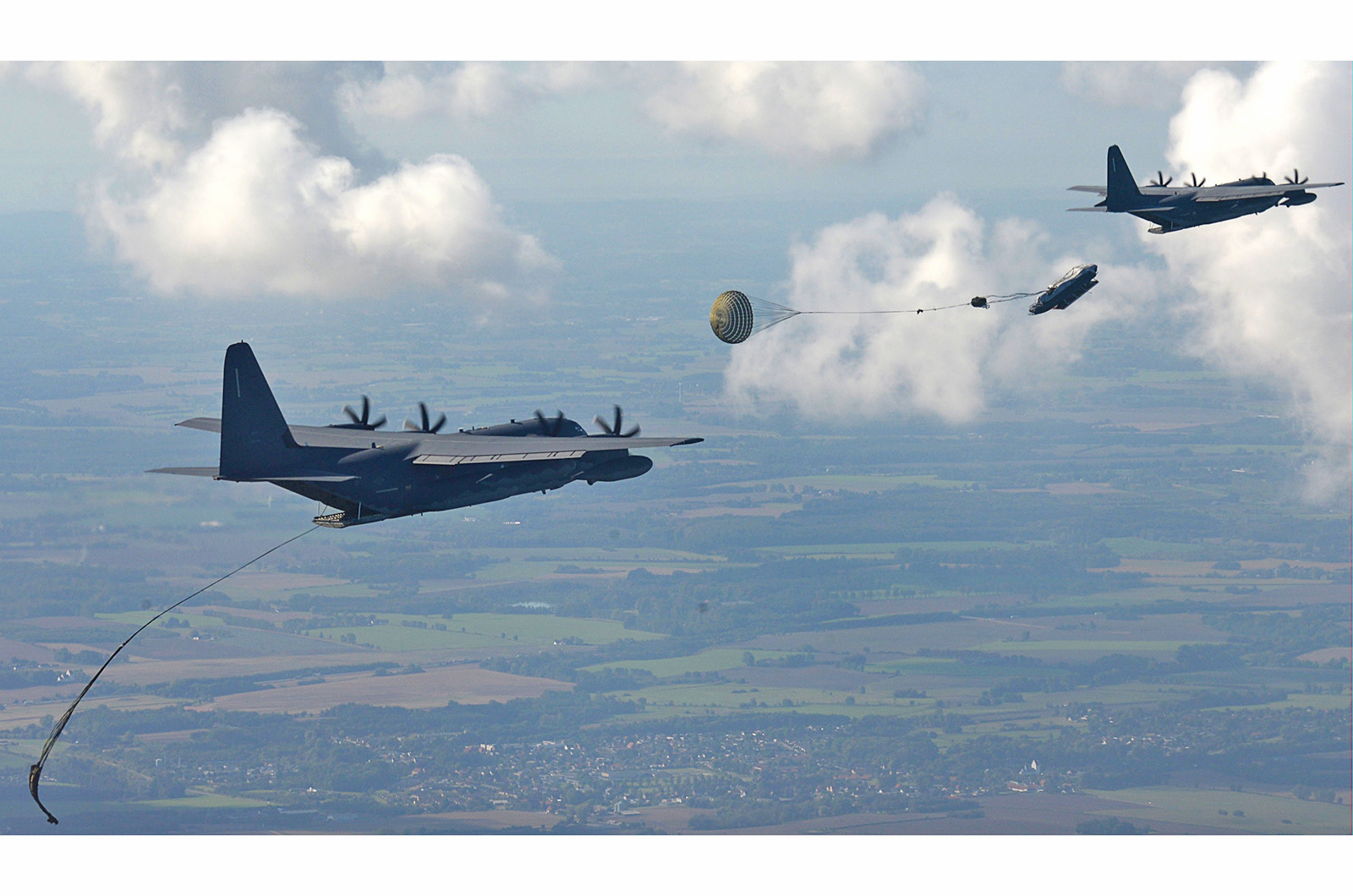
In addition to transporting boats, certain aircraft are capable of launching them mid-air. On 27 September 2016, two US Air Force MC-130J Commando IIs carried out Maritime Craft Aerial Delivery System drops over the Little Belt Strait in Denmark, showcasing this remarkable airborne capability.

The C-5 Galaxy, once the largest aircraft in the world, can carry everything from two M1 Abrams tanks to massive CH-47 Chinook helicopters, Minuteman missiles and MRAPs (Mine Resistant Ambush Protected vehicles). It can carry an astonishing a maximum payload of 281,001 pounds (127,460 kg).


6: Statues and giant mechanical dragons

 Statues and giant mechanical dragons

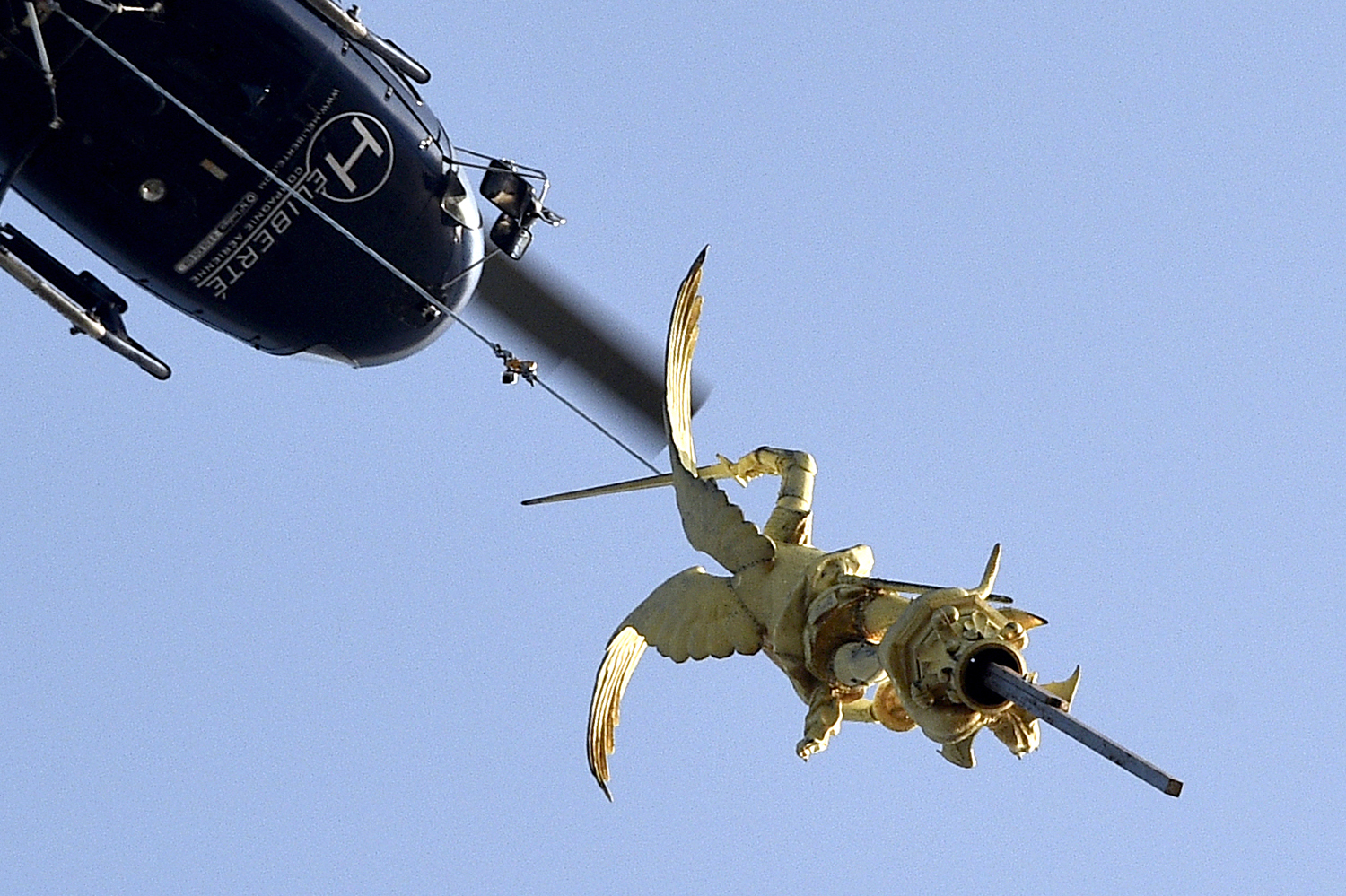
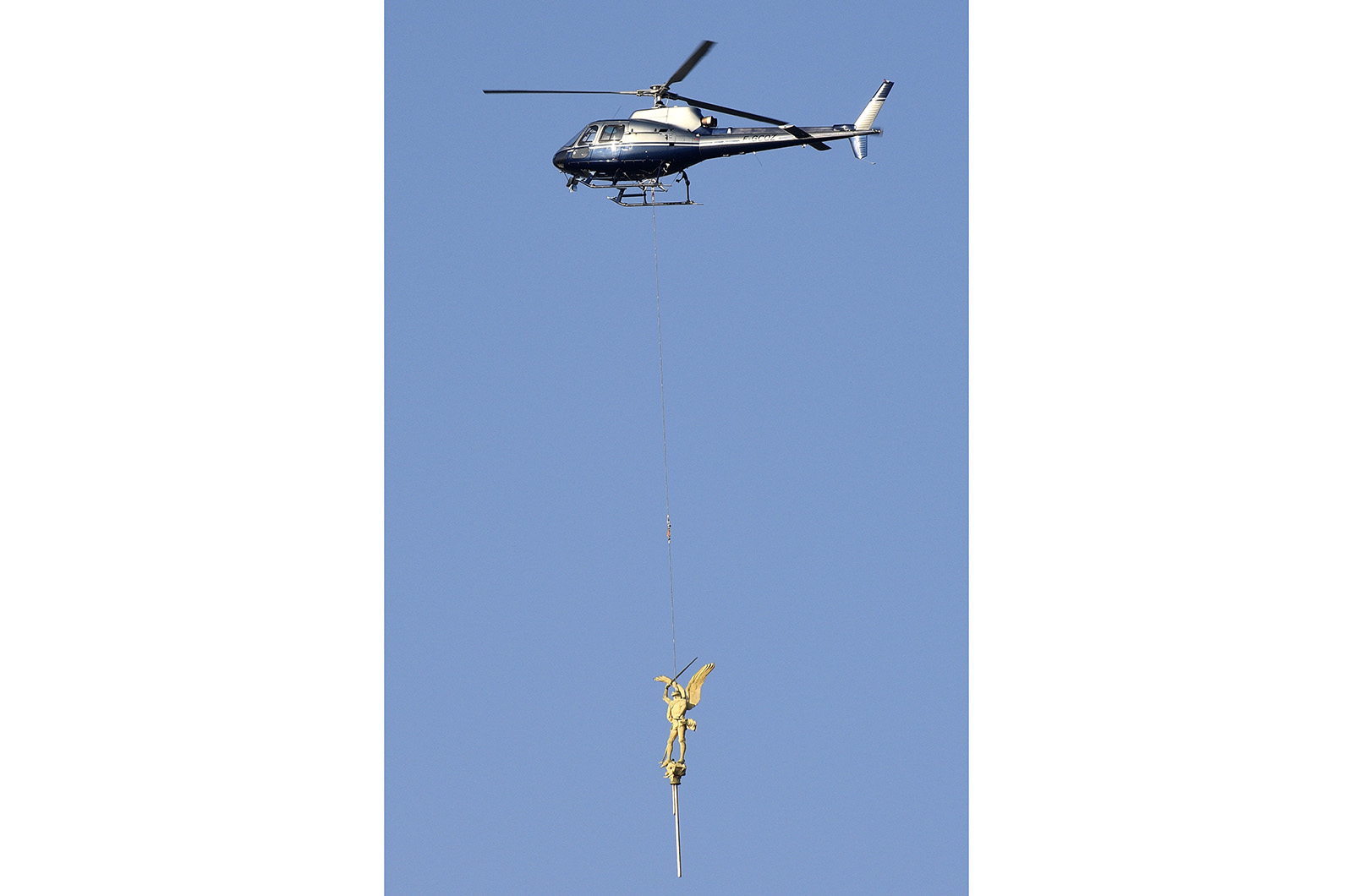
On March 15, 2016, onlookers were surprised to see a helicopter lift the statue of the Archangel Michael from the top of the abbey church of Mont-Saint-Michel. The act of moving a statue by air is far from a common occurrence.

Transporting statues is occasionally necessary, usually for high-profile exhibitions or the relocation of significant cultural artefacts. The process presents considerable logistical challenges, including weight, fragility, and irregular dimensions. To ensure safe transit, items are often packed in custom-built crates with vibration protection and climate control.


6: Statues and giant mechanical dragons

 Statues and giant mechanical dragons

In 2005, ancient Egyptian artefacts - including statues associated with Tutankhamun - were flown from Cairo to Los Angeles for the Tutankhamun and the Golden Age of the Pharaohs exhibition. These invaluable pieces required meticulous handling. Specialised mounts and containers were used to prevent damage, and conservators oversaw the journey from start to finish.

An Antonov An-124 was used to transport a large mechanical dragon, named “Long Ma Jing Shen” from Nantes in France, to Beijing, China. The 12-meter-high, 45,000 kg mechanical model was part of a celebration marking the 50th anniversary of diplomacy between France and China.


5: Helicopters

 Helicopters

In May 1988, during the Cold War, Company E of the 160th Special Operations Aviation Group (now 2nd Battalion, 160th SOAR) launched Operation Mount Hope III to recover a Soviet Mi-24 Hind helicopter from Chad, in Africa. Left behind after Libya’s defeat in the Toyota War (1986–1987), the Hind offered the US rare access to Soviet tech.

A failed earlier ground recovery led to a bold aerial plan. Two MH-47Ds were flown from the US to Chad, where they successfully airlifted the helicopter amid extreme heat and a massive sandstorm. This mission proved the Chinook’s value in complex special operations environments.


5: Helicopters

 Helicopters

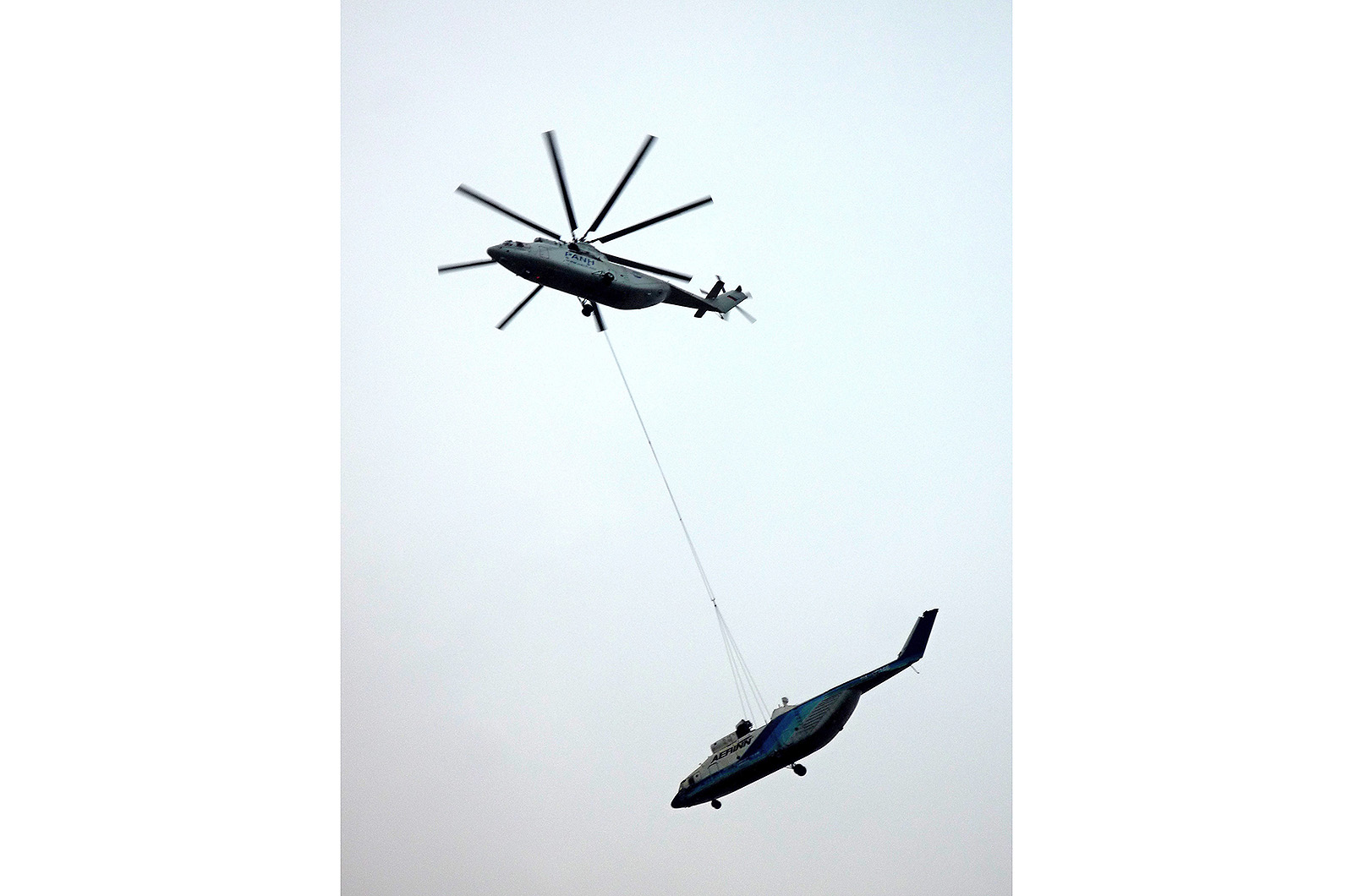
The Mil Mi-26 Halo is a Soviet-designed helicopter, and is the largest and heaviest to have seen operational service. It is powerful enough to carry large helicopters, even another Mi-26 as seen here.

The Mi-26 was designed to carry outsized cargo to remote locations unreachable by other aircraft. With a maximum takeoff weight of 123,460 lbs (56,118 kg) and the ability to lift 44,000 lbs (20,000 kg), it is a hugely impressive machine.


4: Trains on planes

 Trains on planes

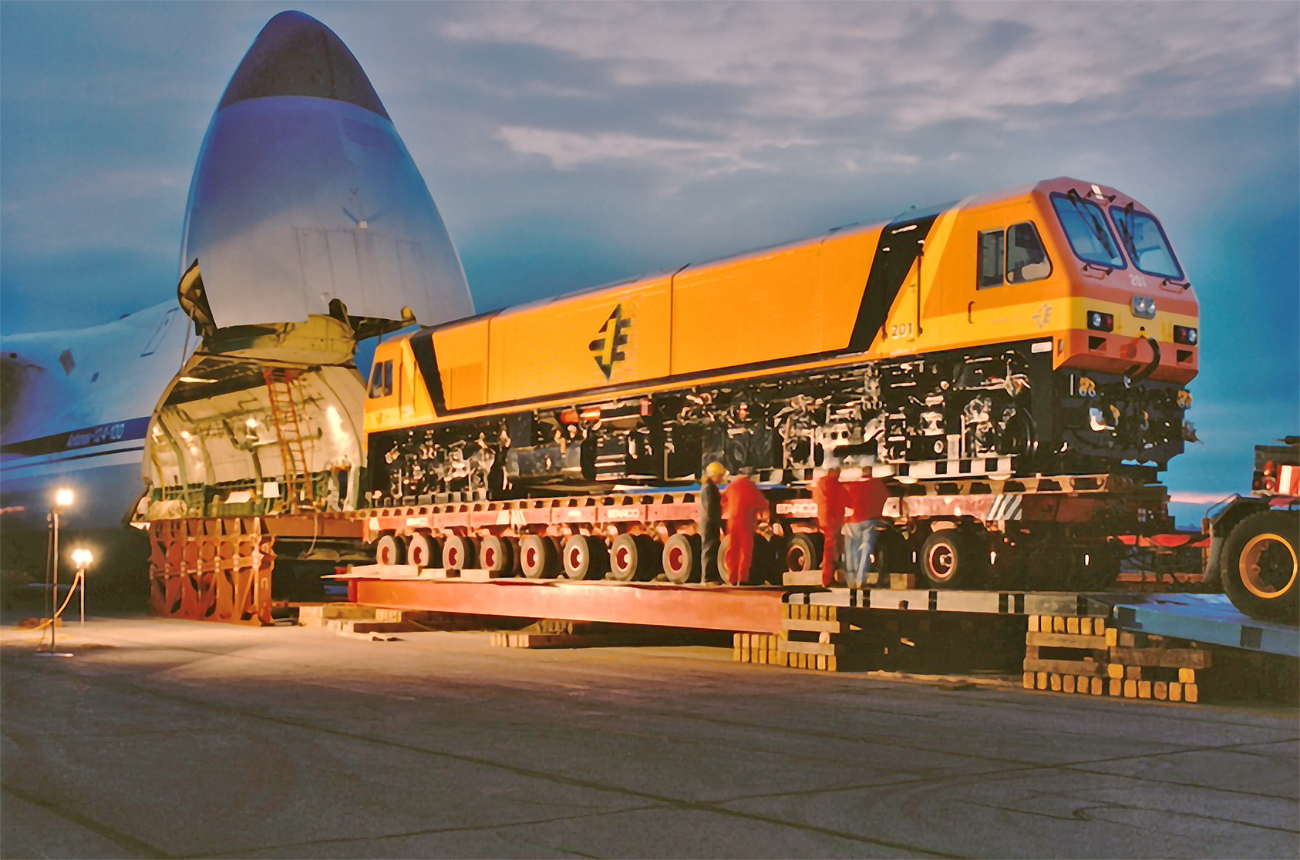
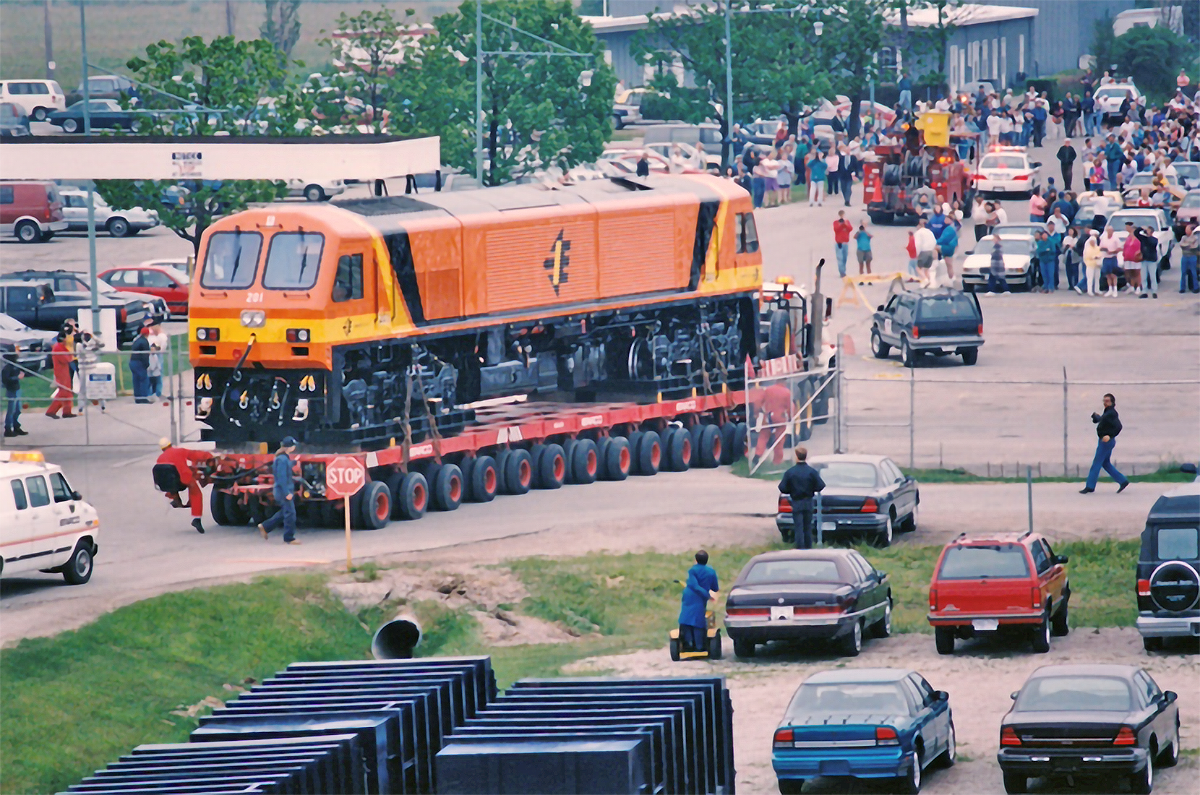
In 1994, under time pressure for an official naming event in Ireland, the General Motors Electro-Motive Division arranged for a Ukrainian Antonov An-124-100 cargo plane to fly a newly built locomotive from London, Ontario, to Dublin. This unprecedented airlift set a global record for the heaviest commercial freight ever flown.

The locomotive, designated No. 201, had been constructed for Irish Rail. To get it from the manufacturing site to the airport, it was mounted on a purpose-built trailer equipped with rail tracks fixed to the Irish gauge of 5 feet 3 inches (160 cm).


4: Trains on planes

 Trains on planes

The massive locomotive, part of the IE 201 Class, weighed approximately 107,143 kg, a truly awe-inspiring object to transport by air. The international career of the Soviet An-124 was a twist in the tale of an aircraft developed for military use in the USSR during the Cold War, that could not have been predicted by its creators.

Yet even the mighty An-124 had to stand aside for the now tragically destroyed Antonov An-225. This carried the heaviest single piece of cargo ever transported by air; a gas power generator, weighing 189,980 kg (418,834 lb), carried from Germany to Armenia in 2009.


3: Antonov An-225 Mriya

 Antonov An-225 Mriya

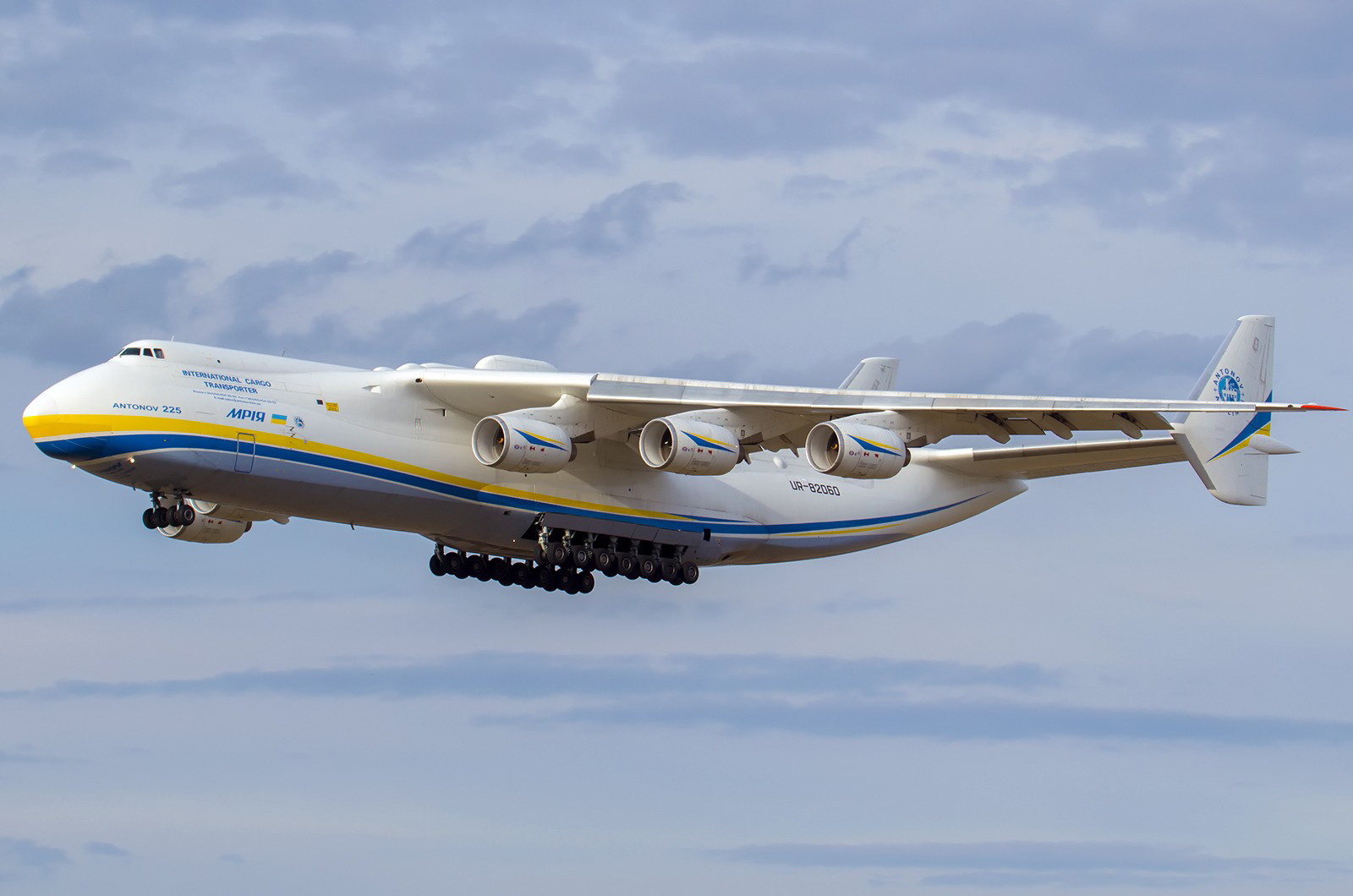
No mention of draw-dropping cargo lifting would be complete without mention of the ‘king of the trash haulers’. The Antonov An-225 was a giant, even among giants. Purpose-designed to move booster rockets and Buran orbiters (the Soviet space shuttle) for the space programme, the An-225 needed to be large. Prior to its development, the biggest aircraft in the world at the time, the Antonov An-124, was too small and not powerful enough for this new task.

The new design took much from the An-124 but added an additional pair of engines (there are very few modern aircraft with more than four engines, though the US B-52 bomber has eight), a longer fuselage, and a completely new tail to handle the wake turbulence generated by the massive external loads carried ‘piggyback’ on the aircraft’s upper fuselage.


3: Antonov An-225 Mriya

 Antonov An-225 Mriya

The Antonov An-225 Mriya (Ukrainian for ‘dream’) first flew in late December 1988 and was soon smashing a series of world records. The An-225 set 214 national and 124 world records, including transporting the heaviest payload ever lifted by air, an astonishing 253,820 kg (55,9577 Ibs) - the same as 42 elephants...

Six massive Progress D-18T turbofans powered it, each pumping out an awe-inspiring 229.5 kN for a grand total of 1377 kilonewtons. Sadly, the sole Antonov An-225 was destroyed near Kyiv in Ukraine in February 2022, though there is an effort to fund and rebuild this fantastic machine.


2. Animals

2. Animals

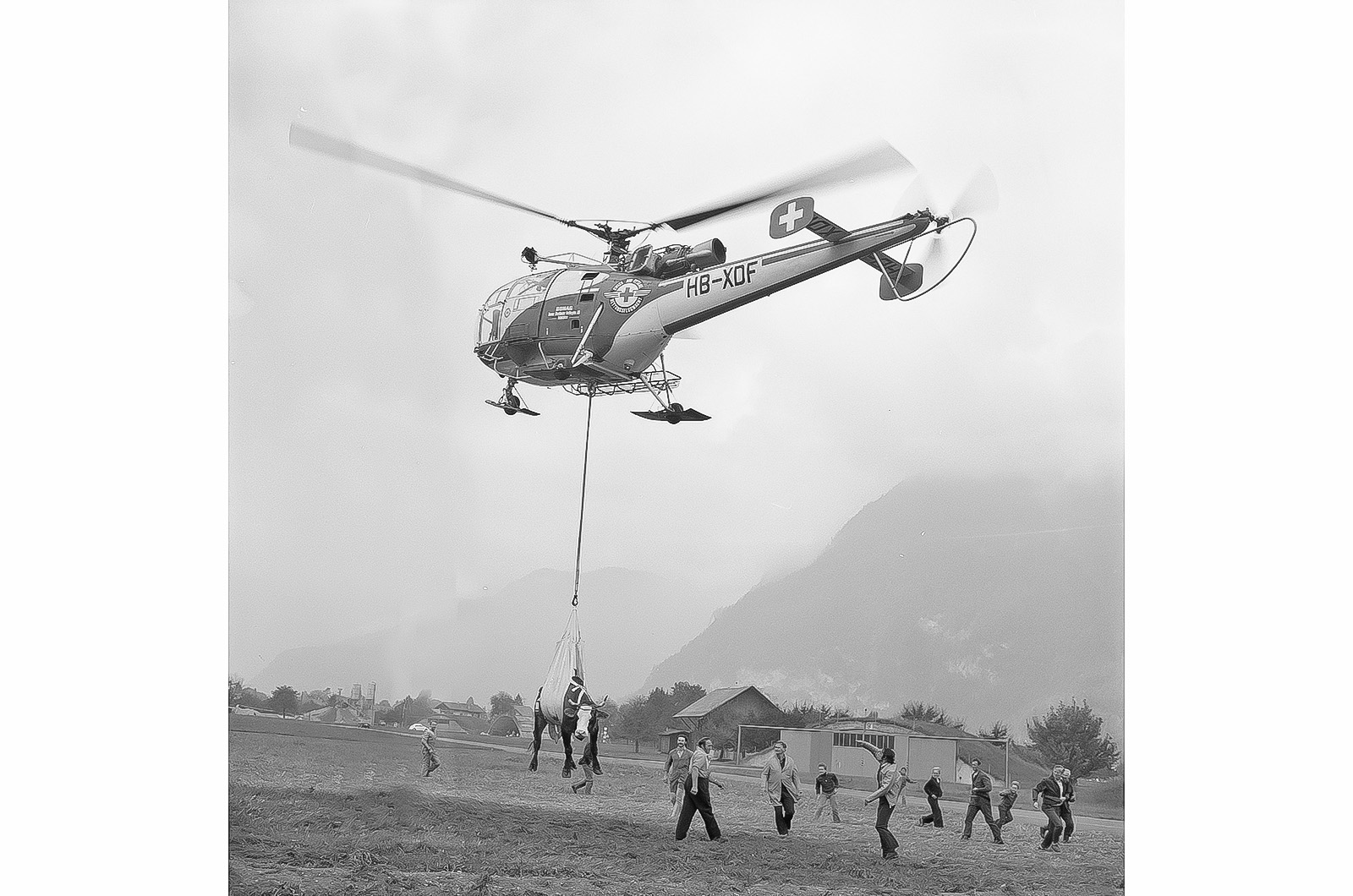
Humans were not the first lifeforms to experience artificial flight; a sheep, a duck, and a chicken did it first. The Montgolfier brothers launched these three farm animals in their hot air balloon on September 19, 1783, in Versailles, France.

Since then, animals have been moved by aircraft, with varying degrees of compassion and consideration. Transporting livestock and animals by plane has become a significant part of international trade, conservation, and exhibitions. Airlines like Qatar Airways and Emirates SkyCargo operate specialised animal transport services.


2. Animals

2. Animals

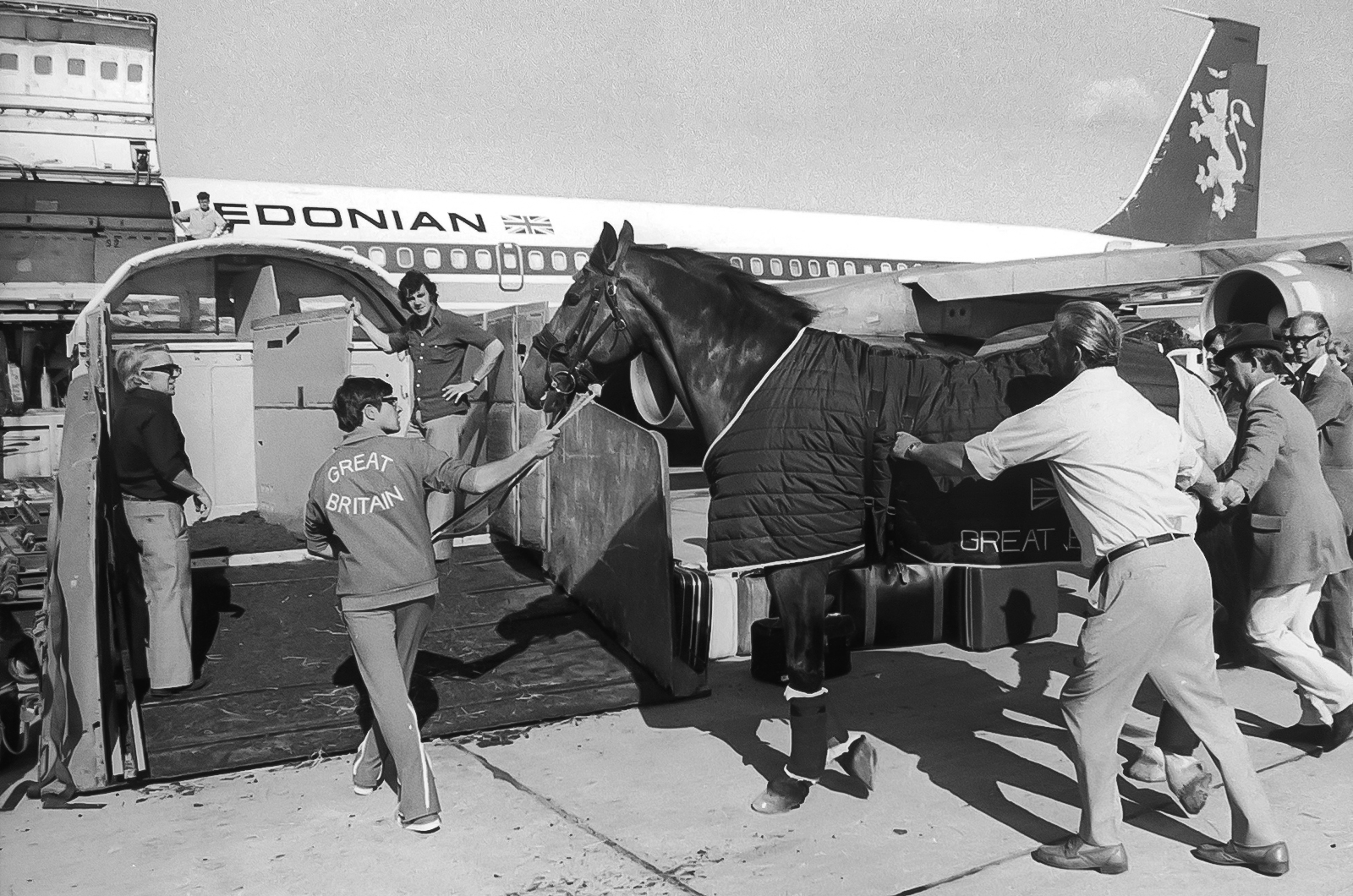
Horses, especially racehorses, are frequent fliers, often travelling in “equine class” with trained handlers. Though costly, air travel ensures speed, and relatively good safety, and animal welfare, making it popular for moving high-value or vulnerable animals during long-distance journeys.

Zoos also use planes to relocate endangered species. Giraffes, rhinos and pandas have all been moved by aeroplane. Likely the biggest and heaviest air passenger of all time was Maggie, an African Elephant, moved by the USAF in 2007 in a C-17 Globemaster III transport aircraft.


1: Helicopter carries F-35…and refuels midair!

 Helicopter carries F-35…and refuels midair!

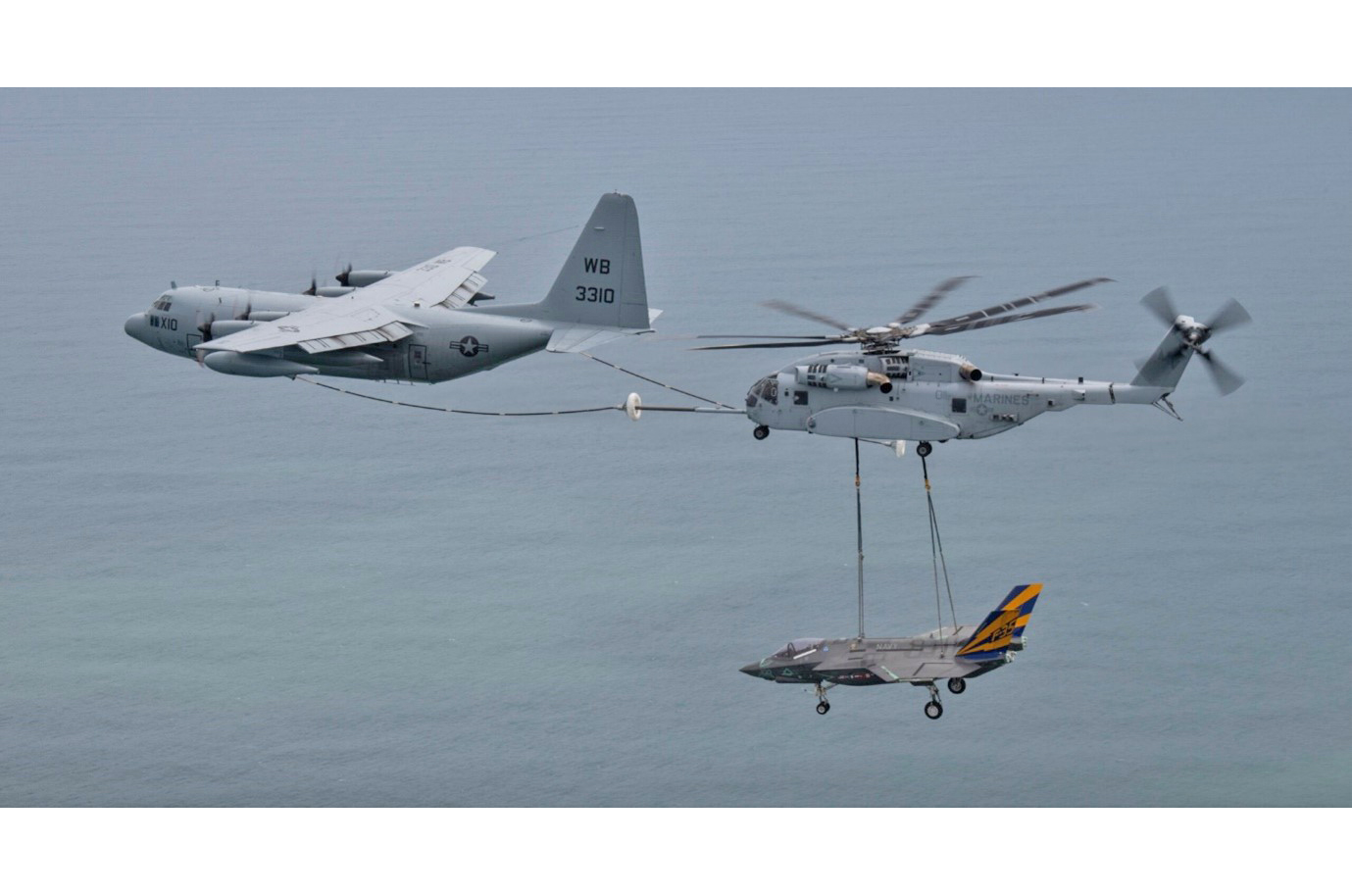
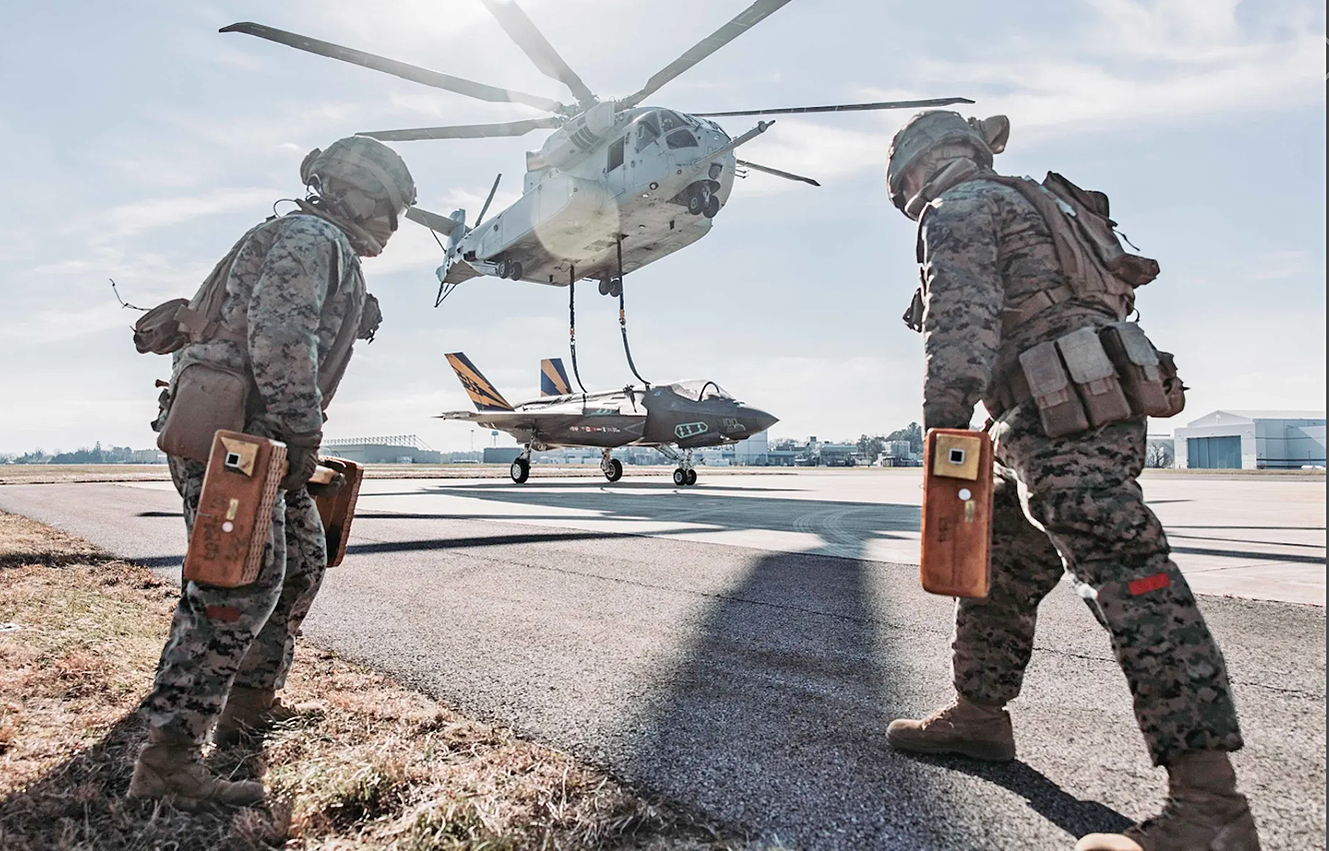
This photo shows quite a surprise: a CH-53K King Stallion helicopter is refuelling mid-air while slinging an F-35C fighter beneath it. The scene, captured by Kyra Helwick in April 2024, showcases two of the most demanding aviation manoeuvres — aerial refuelling and heavy sling-load transport — performed simultaneously.

Helicopters towing sling-loads are limited to around 100mph. Meanwhile, fixed-wing tankers like the KC-130T can’t safely fly below that speed. That both aircraft maintained stability and connection within such narrow margins is a masterclass in piloting—showcasing both flight crews pushing their machines to the very limits of their capabilities.


1: Helicopter carries F-35…and refuels midair!

 Helicopter carries F-35…and refuels midair!

The CH-53K is the Marine Corps’ newest and most powerful helicopter, and can lift over 36,000 pounds (16,364kg) - enough for vehicles or a decommissioned fighter. The KC-130T, itself a rare Navy tanker variant, was originally built for the Air Force in 1986. The slung F-35C? The Navy’s first-ever Lightning II, now retired as a test airframe.

Helicopters have been used to lift aeroplanes for some time, sometimes if the aircraft is too damaged to fly or to extract it after a crash or a shootdown. When an aeroplane crashes or makes an emergency landing in a remote or hard-to-reach area (like mountains, forests, or deserts), helicopters are used to lift and transport the wreckage or parts. This is an impressive party trick in itself, but doing it with such a large aeroplane and refuelling is quite amazing…

Follow Joe Coles on Substack, Twitter X  or Blue Sky. His superb Hush-Kit Book of Warplanes is available here.

If you enjoyed this story, please click the Follow button above to see more like it from Autocar

Photo Licence: https://creativecommons.org/licenses/by/4.0/deed.en


Add a comment…