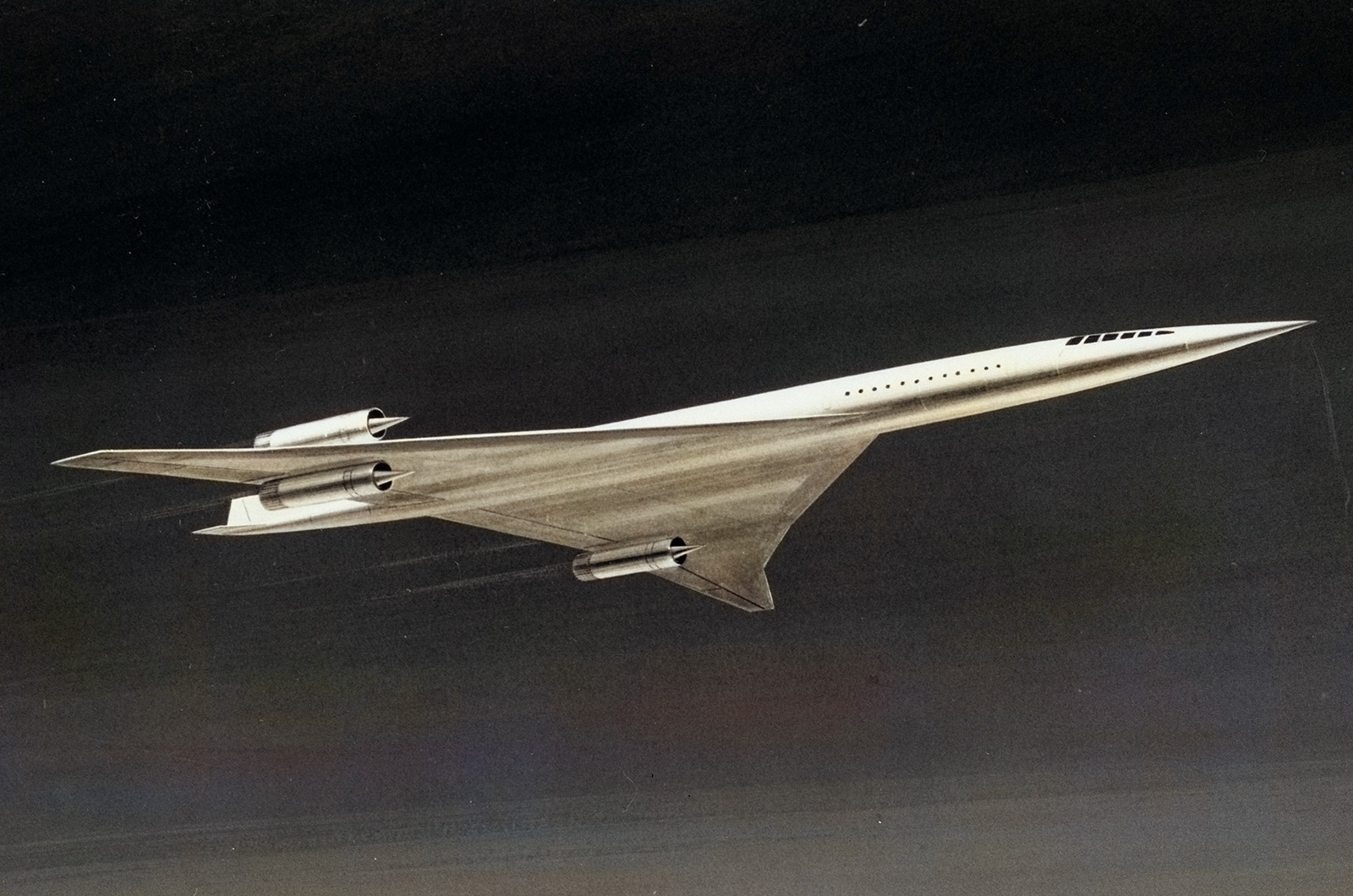
Currently reading: Top 10: Cancelled Airliners We Wish Had Happened

Top 10: Cancelled Airliners We Wish Had Happened

Don’t get us wrong, modern airliners are wonderfully safe, and we wouldn’t change them for the world.

Still, for character, charisma and sometimes outlandish engineering genius, we can’t help but wish that (most) of the following airliners had entered service. Here are 10 Cancelled Airliners So Cool We Wish They Had Happened:


10: Burnelli CBY-3 Loadmaster
 Burnelli CBY-3 Loadmaster

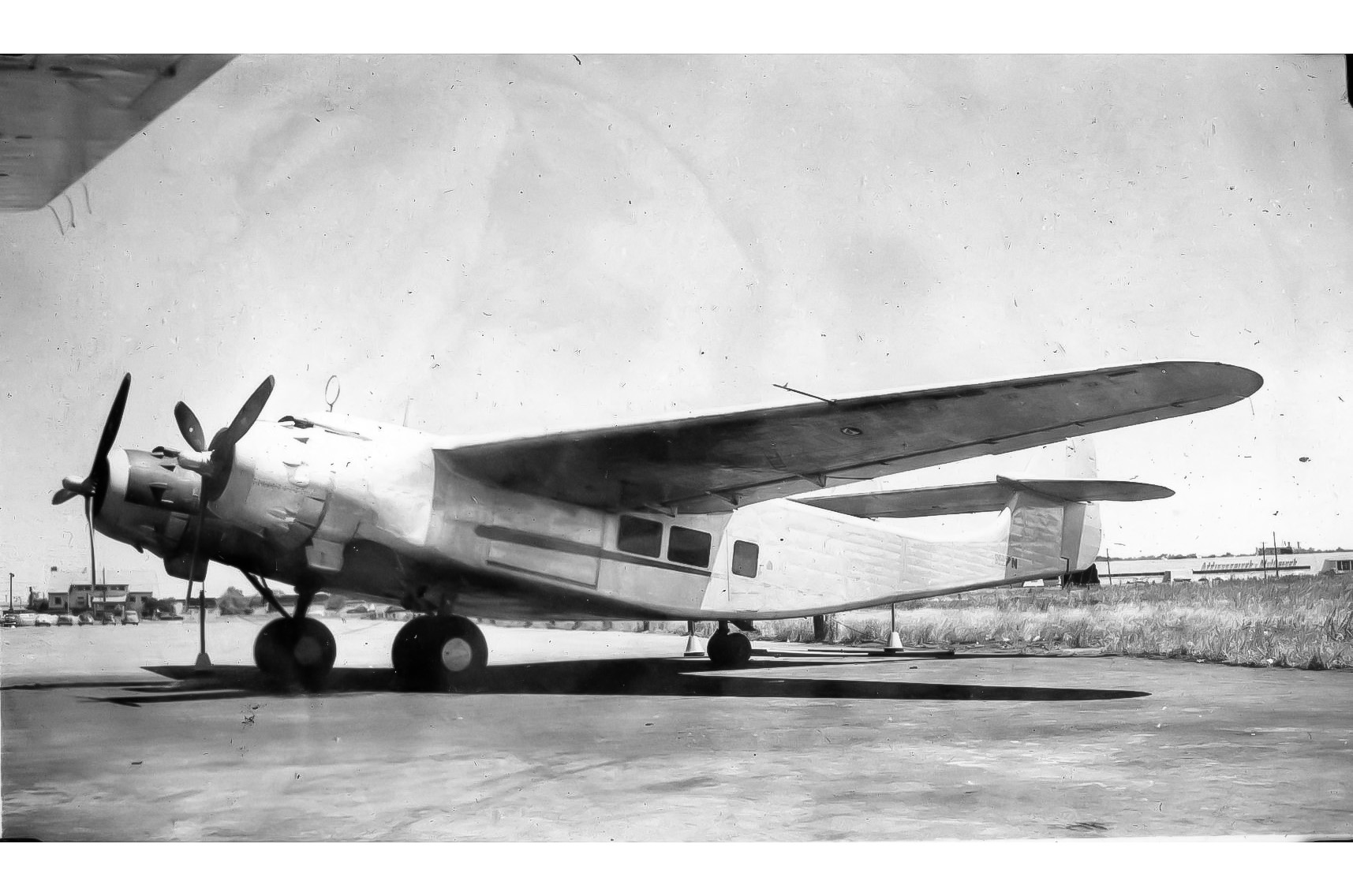
The pleasingly leftfield CBY-3 Loadmaster, designed by Vincent Burnelli and built in Canada in 1944, was an unconventional transport aircraft that utilised his “lifting fuselage” design, where the body generated lift. Constructed by Canadian Car and Foundry, only one prototype was made, though it underwent extensive flight testing and evaluation.

The CBY-3 evolved from Burnelli’s earlier UB-14 design and was intended for bush operations in northern Canada. The project involved three partners: CanCar, Burnelli and New Zealand aviation entrepreneur Lowell Yerex, the “3” in its designation referring to their partnership. Despite successful trials, no production contract was secured, and ownership returned to Burnelli.


10: Burnelli CBY-3 Loadmaster
 Burnelli CBY-3 Loadmaster

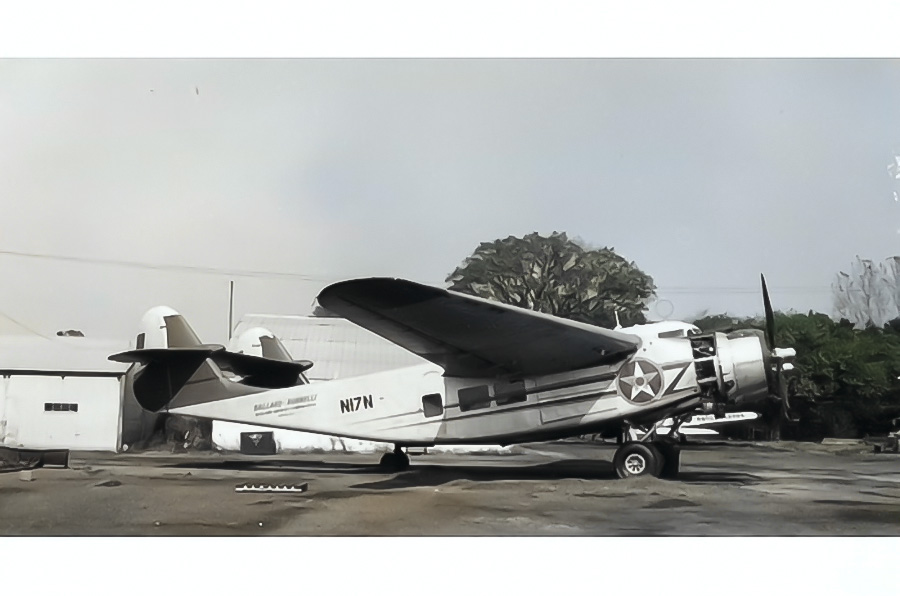
Registered initially as CF-BEL-X, the prototype attracted attention through demonstration flights and was later sold in the United States as N17N. In 1955, Burnelli planned to use the aircraft for an expedition to the North Pole, complete with 20 passengers, 41 sled dogs, and equipment, though this exciting venture did not proceed.

The Loadmaster flew commercially in Canada and South America, later operating in Venezuela before being refitted with Wright R-2600 engines. Its flying career ended in Baltimore. Since 1964, it has been preserved at the New England Air Museum (next to Bradley International Airport in Connecticut), restored and displayed indoors since 2020.


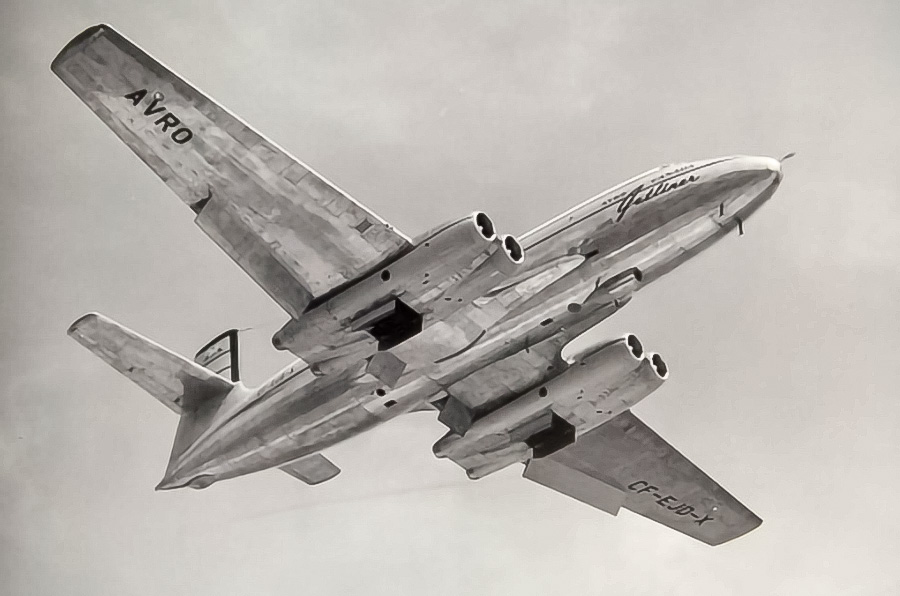
9: Avro Canada C102 Jetliner
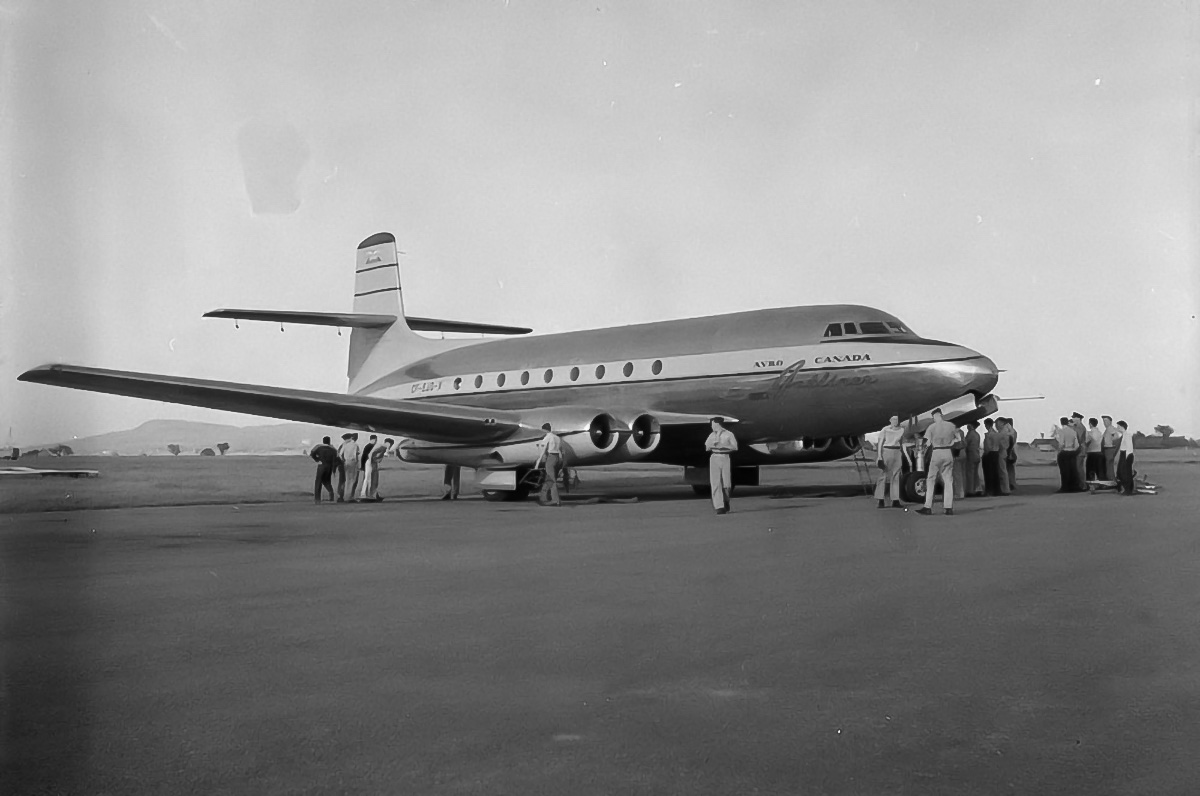
 Avro Canada C102 Jetliner

The C102 Jetliner, developed by Avro Canada in the late 1940s, was North America’s first jet-powered passenger aircraft. Completed before the British de Havilland Comet entered service, the C102 demonstrated that Canada could compete at the forefront of aerospace innovation. It marked a bold step in civilian jet aviation development.

Engineered with exceptional attention to aerodynamic efficiency, the C102 featured advanced pressurisation, a sleek design, and innovative systems. Its performance in test flights proved remarkable, outpacing many contemporary aircraft in speed and altitude. Engineers at Avro worked with limited resources yet created a technically superior machine for its time.

Back to top

9: Avro Canada C102 Jetliner

 Avro Canada C102 Jetliner

What made the Jetliner so significant wasn’t just its timing or technology—it was the ambition behind it. Canada, still building its industrial identity, dared to challenge larger aerospace powers. The project showed what Canada could achieve when given support and creative freedom in the high-technology sector.

Despite its cancellation, the C102’s influence endured. It shaped future Canadian aerospace projects and left a legacy in jet transport evolution. The aircraft also inspired a generation of engineers and designers, proving that world-class aviation engineering was possible outside the traditional centres of aircraft production. The Jetliner was proof of concept, not failure. In short, the C102 was a technical success but fell victim to political decisions. Just a single example was ever made.


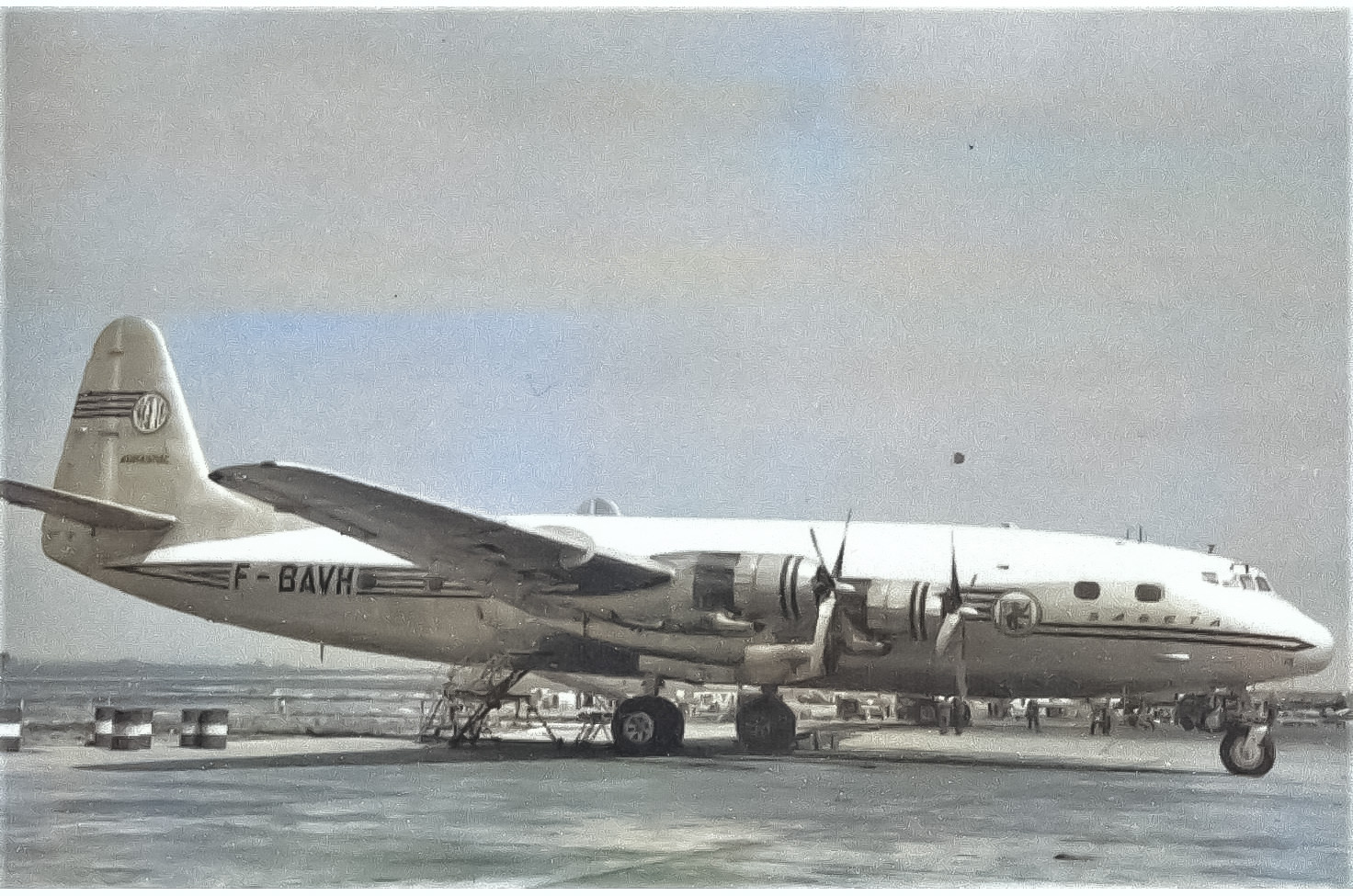
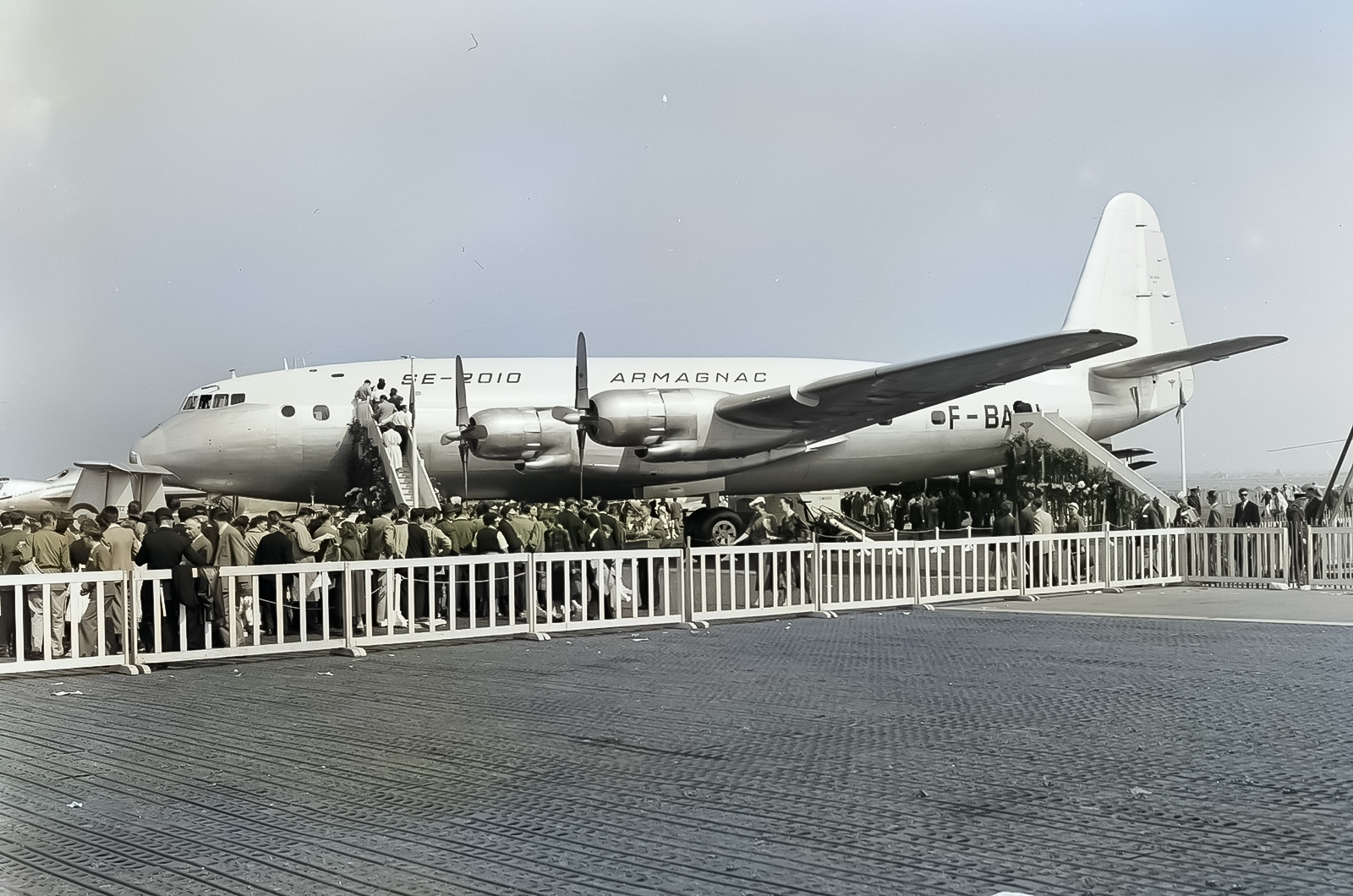
8: SNCASE S.E.2010 Armagnac

 SNCASE S.E.2010 Armagnac

The idea of a large, capacious, pressurised airliner with flexibility of layout, with ample luggage and cargo space was sound. Indeed, the elegant SNCASE S.E.2010, a French airliner that first flew on 2 April 1949, was large. It was 39.6 metres long (129 ft 11 in) with a wingspan of 48.95 metres (160 ft 7 in) and a max take-off weight of 77,500 kg (170,858 lb). It would have had buckets of room even for the tallest of passengers.

It was intended to fit some with a comfortable three-tier sleeping compartment configuration, and to serve the Atlantic route. A lot of thought went into the possible passenger configurations, much of it ahead of its time, but this, and its impressive size, couldn’t compensate for the fact that it suffered from a disappointing range, meaning it could not in the end fly transatlantic flights.


8: SNCASE S.E.2010 Armagnac

 SNCASE S.E.2010 Armagnac

After evaluation of the prototype by the launch customer, Air France, the airline declined delivery in 1952, citing inadequate performance. Transports Aériens Intercontinentaux used a small number for eight months and then discarded them as unprofitable. It was too large to be economical for shorter routes.

It found its calling as a cargo and troop transport, notably between Toulouse and Saigon, and in this role was highly regarded. But even with the grunt of four Pratt & Whitney Wasp Majors, the most powerful piston engines to ever enter full production, the massive Armagnac was underpowered. Its capacious design, though not commercially successful, foreshadowed the evolution of larger, more comfortable airliners. We can’t help but wish this handsome airliner had done rather better. Nine examples of the plane were produced.

Back to top

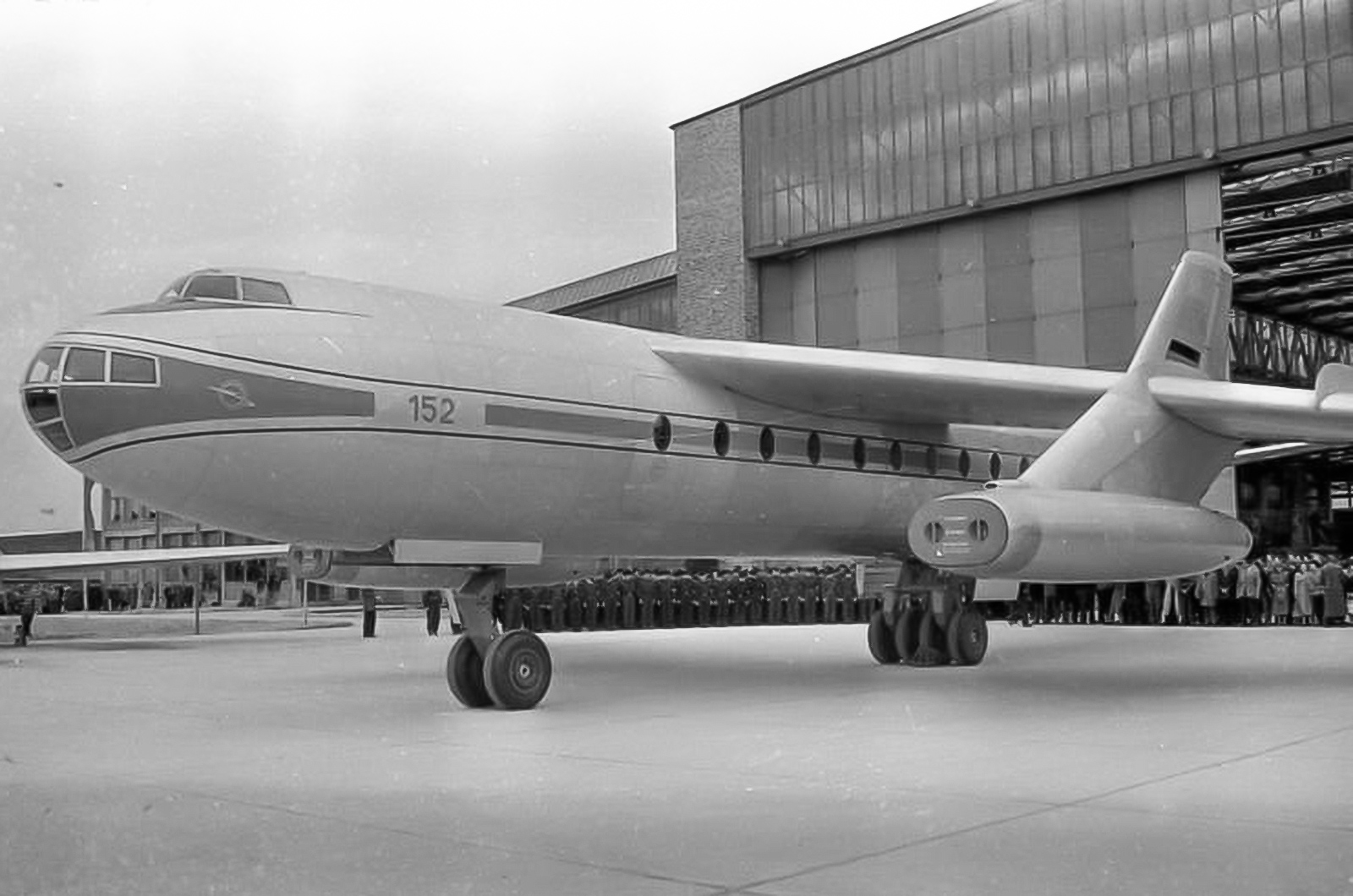
7: Baade 152

 Baade 152

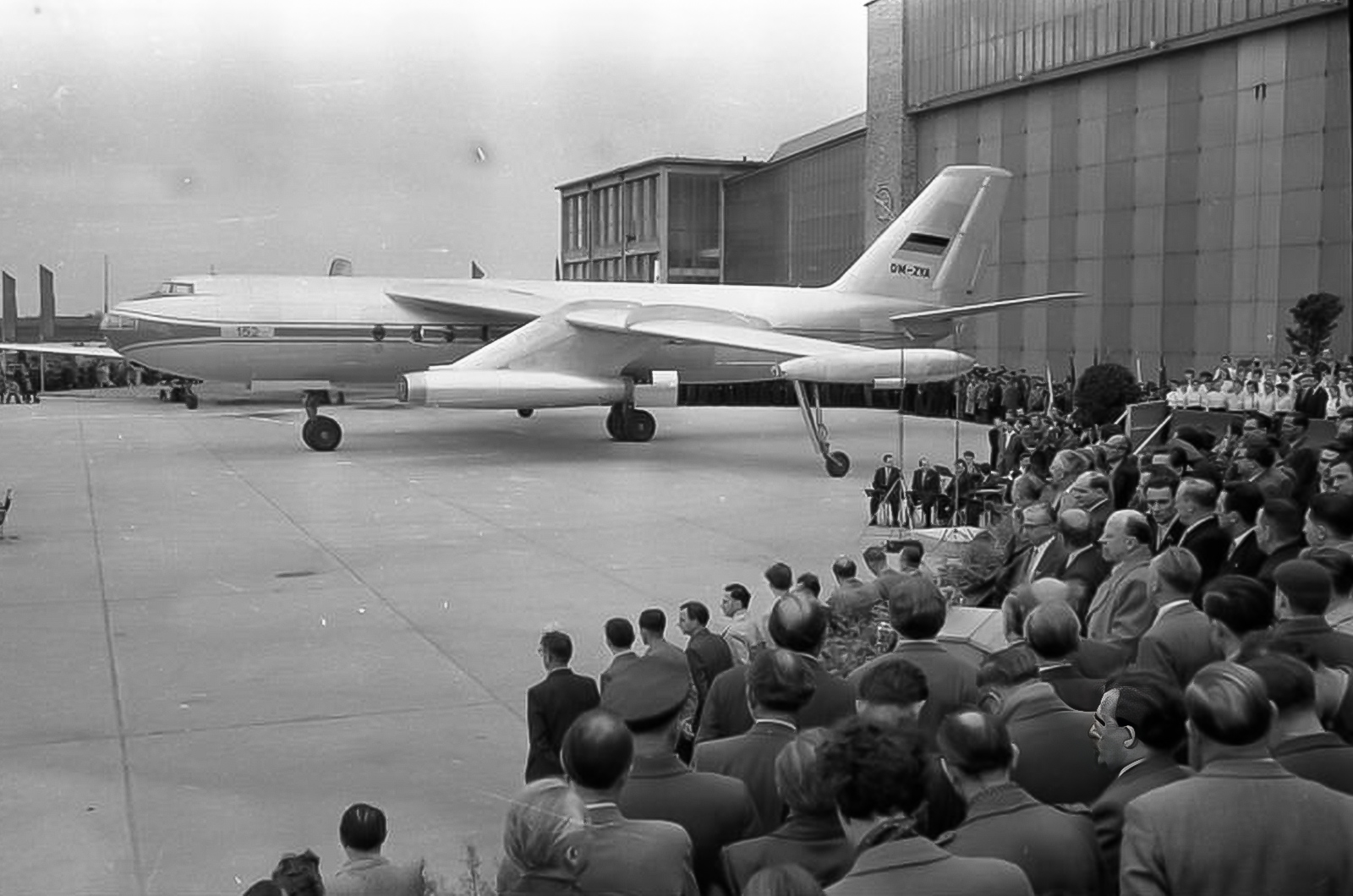
Was the 152 so cool that we wish it had happened? No. But let’s cheekily shoehorn in this aircraft, as the story is so fascinating. In the 1950s, East Germany desired a new airliner, so Brunolf Baade, a wartime bomber designer, responded with a futuristic design. It was dubbed the Type 152 and was based on the EF 150 bomber concept he had designed for the Soviet Union.

But this was a terrible basic design for a jetliner. For a start, it had a bicycle undercarriage — meaning the aircraft could not rotate (lift the nose wheel off the runway) promptly on take-off. It also required great precision to land precisely.


7: Baade 152

 Baade 152

It also had terrible engines, these Pirna 014 jets based on wartime technology, which offered a miserly 3:1 thrust-to-weight ratio (compare this to the far superior 4-4.5:1 of the US Pratt & Whitney JT3D jet engine) and a lousy specific fuel consumption.

The maiden flight of this aircraft took place on 4 December 1958. Three months later, the aircraft took its second flight and crashed, killing all on board. In mid-1961, the East German government stopped all aeronautical industry activities, as the Soviet Union did not want to buy any of these aircraft or support a potential rival to their own Tu-124.


6: Republic RC-2 Rainbow

 Republic RC-2 Rainbow

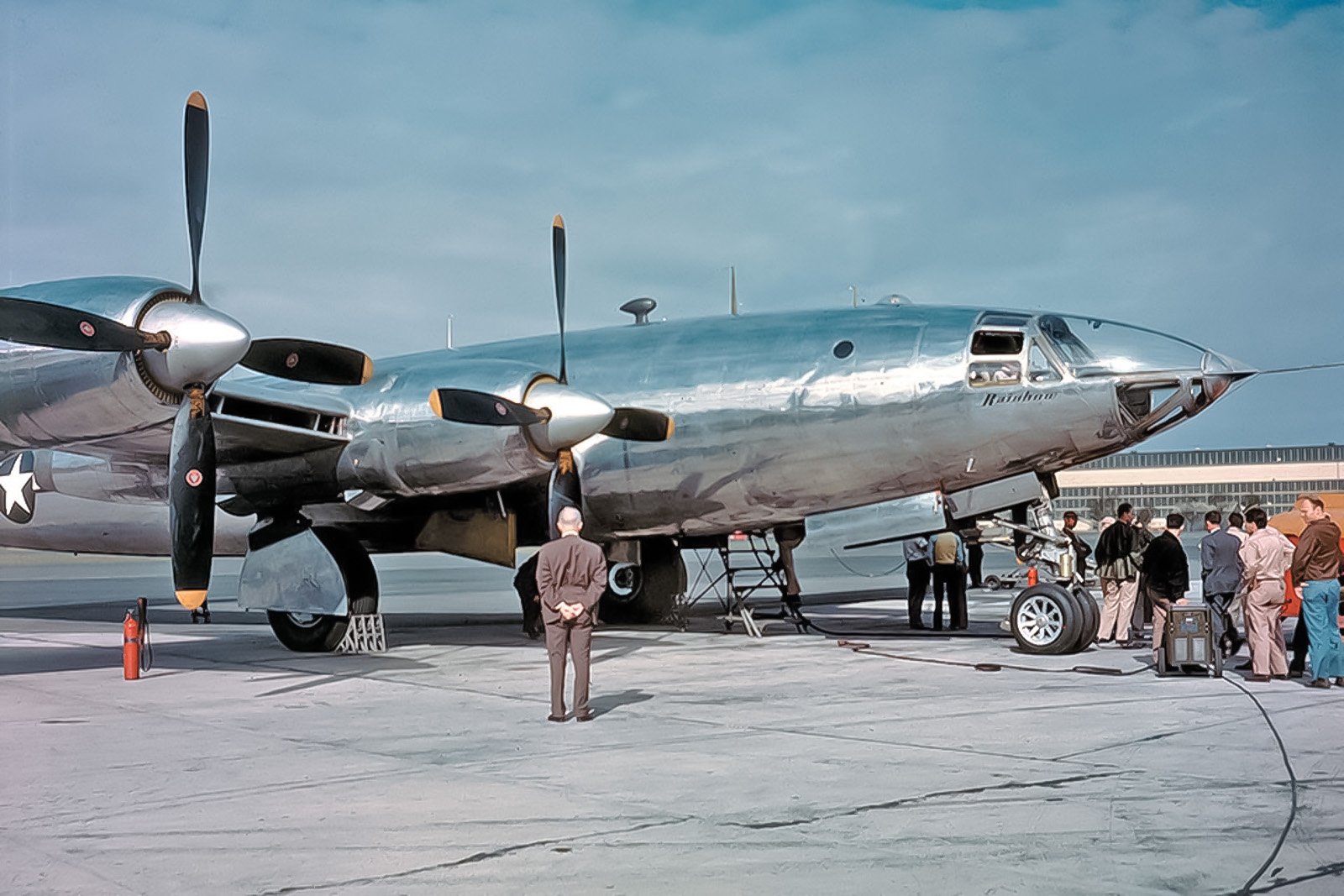
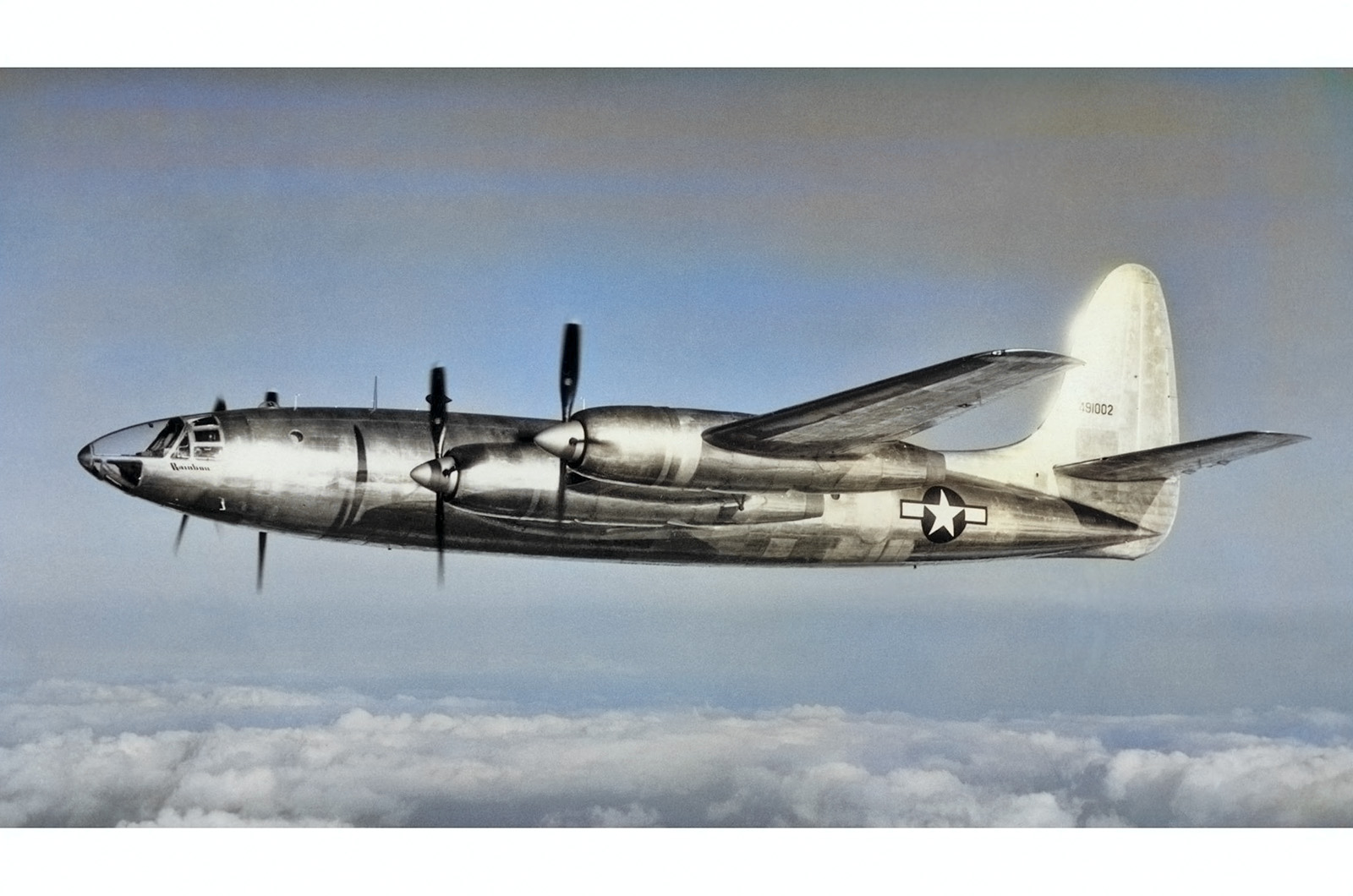
The sleek Republic XF-12 Rainbow (pictured) is a strong contender for the title of the most impressive piston-engined aircraft ever flown. First flying in 1946, the XF-12 was described as “flying on all fours”, referring to its four engines, 400mph (640 km/h) cruise, 4000-mile (6400 km) range, and 40,000 ft (12,000 m) altitude.

It was built to fulfil a requirement for a long-range reconnaissance aircraft for the United States Army Air Forces, and it competed with Howard Hughes’ very different XF-11 (which resembled a scaled-up Lockheed P-38 Lightning). The Rainbow has an extremely low-drag design with huge attention paid to every design detail.


6: Republic RC-2 Rainbow

 Republic RC-2 Rainbow

Back to top

Pan Am’s president, Juan Trippe, realised that this military design could form the basis of an airliner, one with an unbeatable time on the New York to Los Angeles route of seven hours. An airliner variant was envisaged, known as the RC-2 (Republic Commercial Two).

The RC-2 would have carried 46 passengers at an astonishing cruising speed of 400mph at an enviable altitude of 40,000 feet. There was serious interest in the RC-2 from both Pan Am and American Airlines. Although brilliant, the post-war airliner market was flooded with inferior, yet far cheaper options, and like the military XF-12, the RC-2 never materialised. Just two examples of the XF-12 were produced.


5: ⁠Saunders-Roe SR.45 Princess

 ⁠Saunders-Roe SR.45 Princess

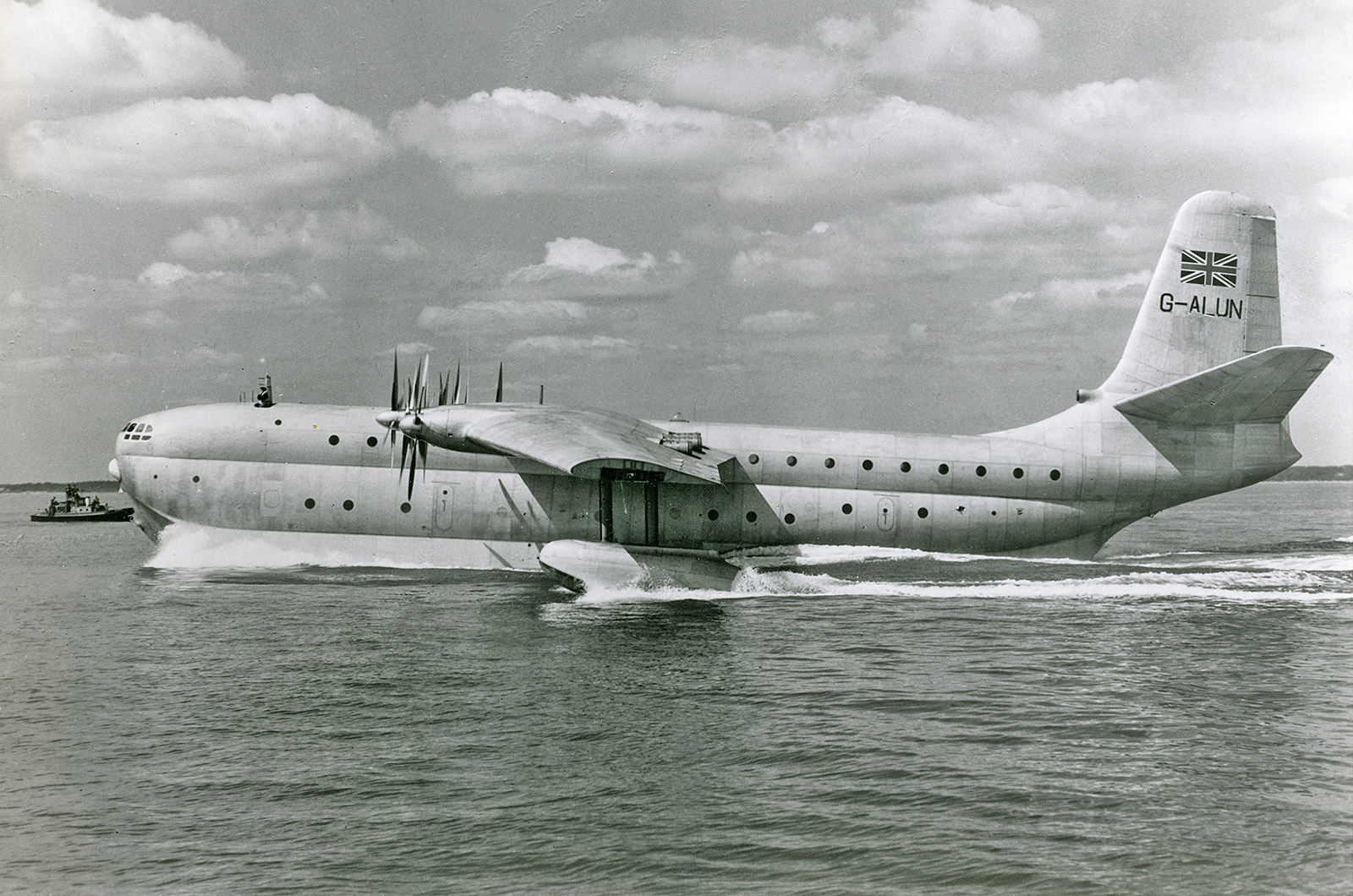
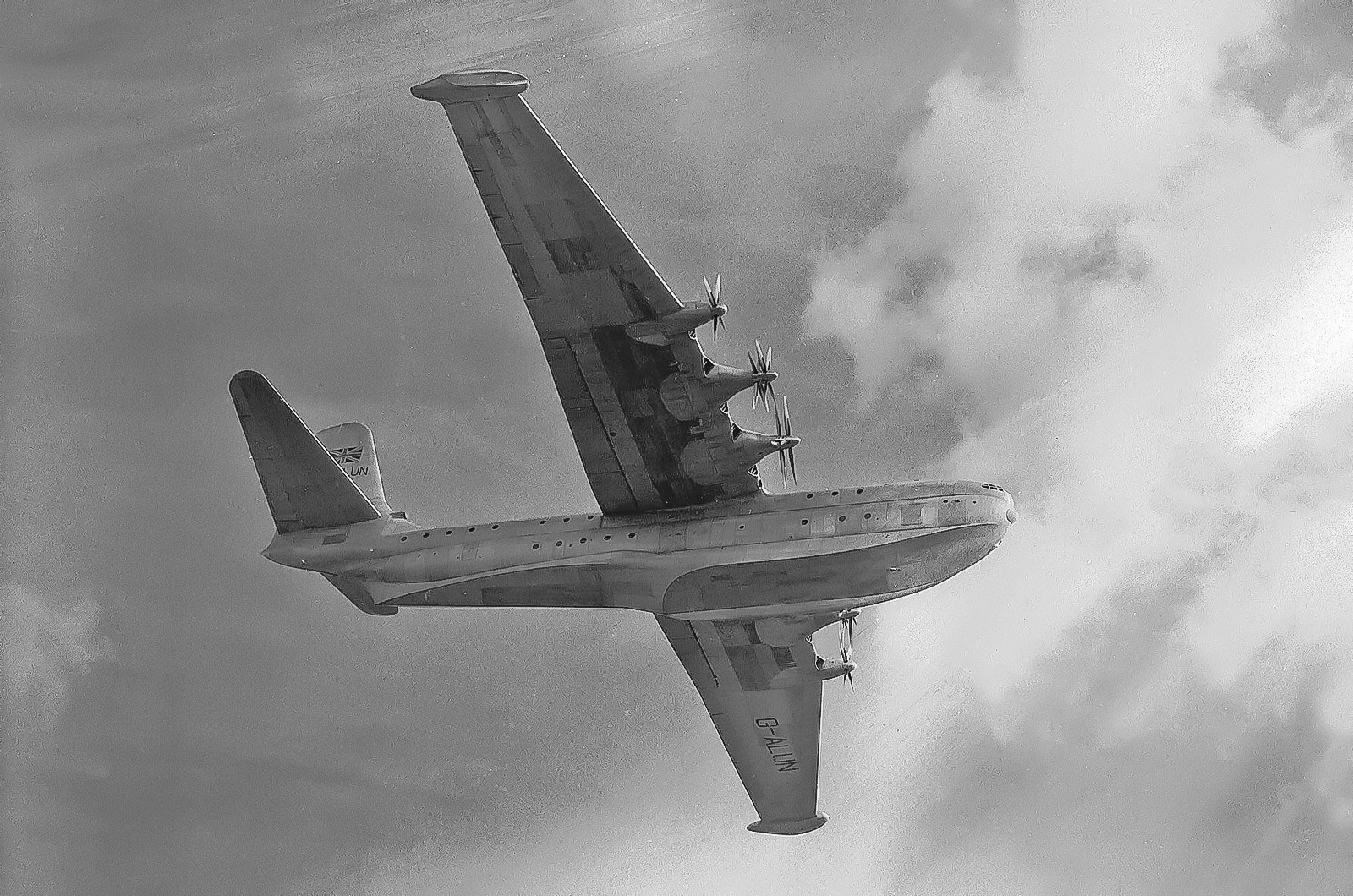
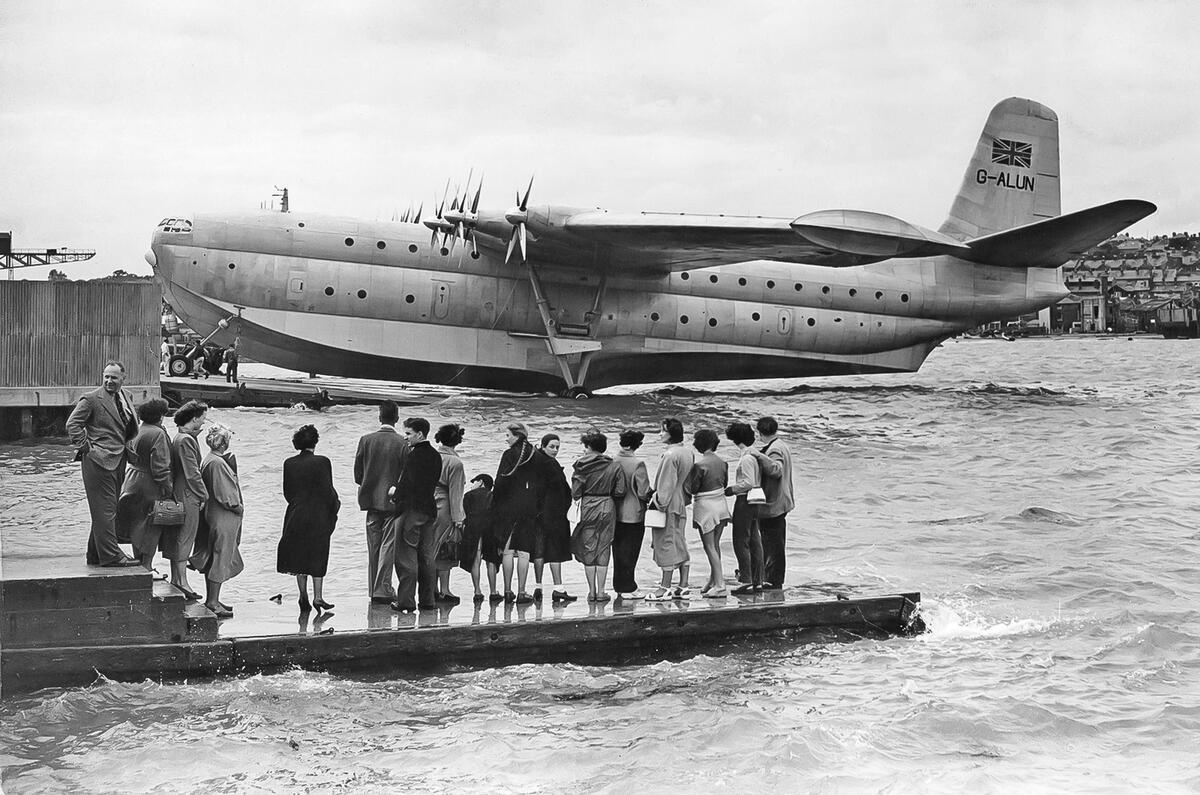
The Saunders-Roe SR.45 Princess was a magnificent machine of epic proportions. Weighing 150,000 kg, the same as 43 Spitfires, and with a greater wingspan than a Boeing 747, blessed with an endurance of 15 hours and a range of almost 6000 miles, the Princess was utterly impressive.

The Princess was planned as a luxurious airliner to serve the transatlantic route. To carry 100 passengers over such a long route in style, the Princess needed to be big and heavy and required a massive amount of power. Eight massive Proteus turboprop engines were mounted in four ‘coupled’ pairs, along with two regular uncoupled Proteus.


5: Saunders-Roe SR.45 Princess

 Saunders-Roe SR.45 Princess

The Princess first flew in 1952, unfortunately coinciding with the dawn of the land-based jet airliner age. Large airports and long runways, able to accommodate the far more efficient land planes, were becoming increasingly common. The Princess, though impressive, was the last and grandest example of a dying concept no longer required.

Remarkably, despite the myriad compromises a flying boat must endure, the Princess was capable of a racy 380 mph, a mere 69mph slower than the jet-powered land-based de Havilland Comet I. Saunders-Roe were nothing if not persistent and considered even larger (jet-powered) flying boats before finally accepting defeat, and moving to another technological cul-de-sac: mixed propulsion fighters. Just one SR.45 was ever completed, and it was scrapped in 1967.

Back to top

4: Fairey Rotodyne

 Fairey Rotodyne

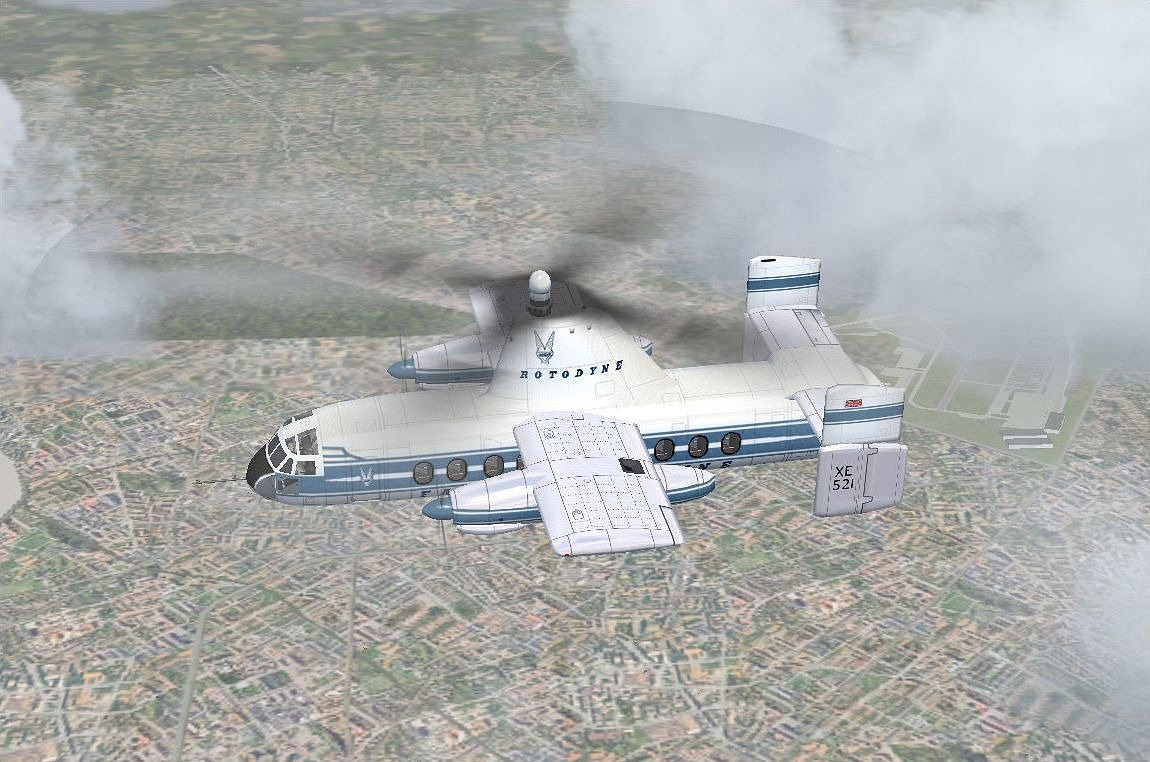
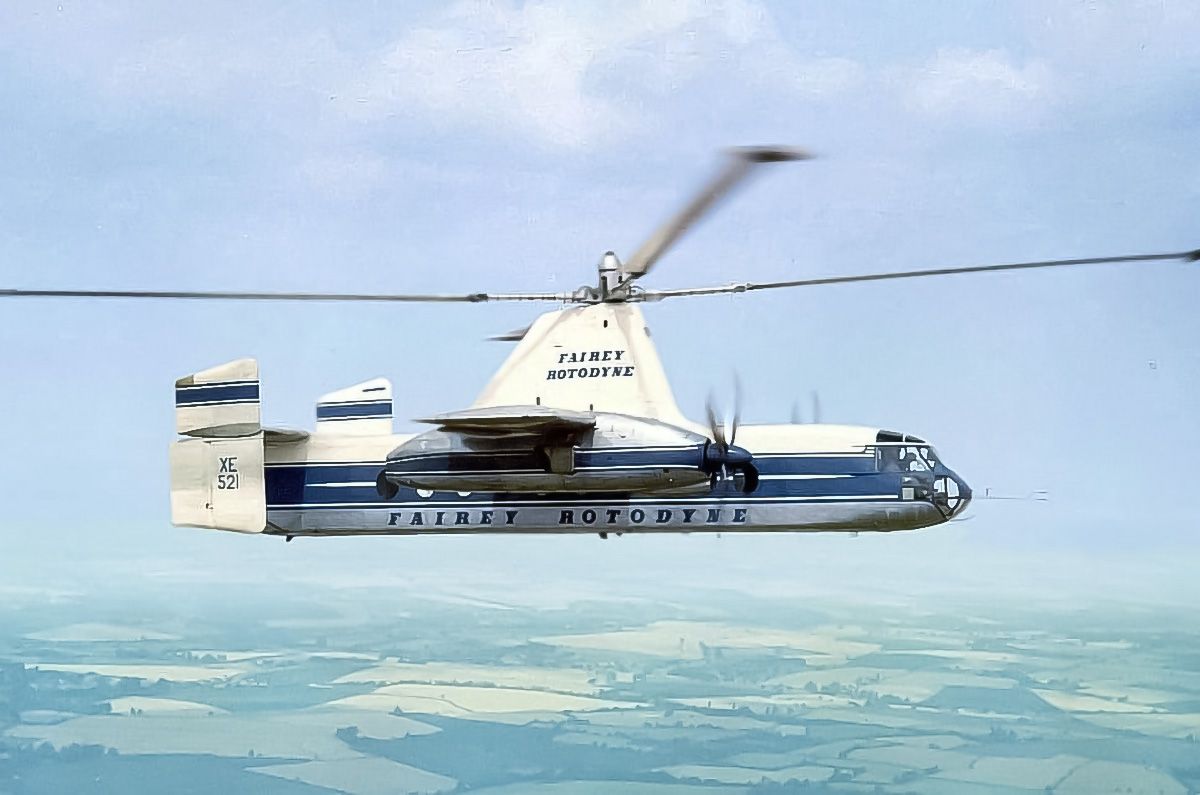
In a parallel universe travel where the Rotodyne wasn’t cancelled, air travel straight to city centres could have been a very exciting prospect indeed. With vertical take-off powered by tip-jet rotors and forward propulsion from twin turboprops, the Rotodyne promised transport with speeds and payloads unmatched by conventional helicopters of the time.

Though only one prototype ever flew, it dazzled during trials, setting speed records and demonstrating impressive lift capabilities, including carrying a 100-foot bridge. Yet for all its innovation, the Rotodyne fell victim to mounting technical difficulties, political meddling, and the deafening noise produced by its tip jets - a fatal flaw for urban operations.


4: Fairey Rotodyne

 Fairey Rotodyne

Despite letters of intent from British European Airways, the RAF, and overseas interest, no firm orders came. The UK government, wary of open-ended costs and unconvinced by civilian uptake, pulled support. The project’s collapse came not through failure of design but failure of timing, funding, and institutional backing.

By 1962, the programme was officially cancelled, and the only prototype dismantled. The Rotodyne remains a potent symbol of British aerospace ambition—a machine decades ahead of its time, undone not by airworthiness but bureaucracy, caution, and compromise. Its legacy survives only in museums and memories, and in some very appealing promotional material.


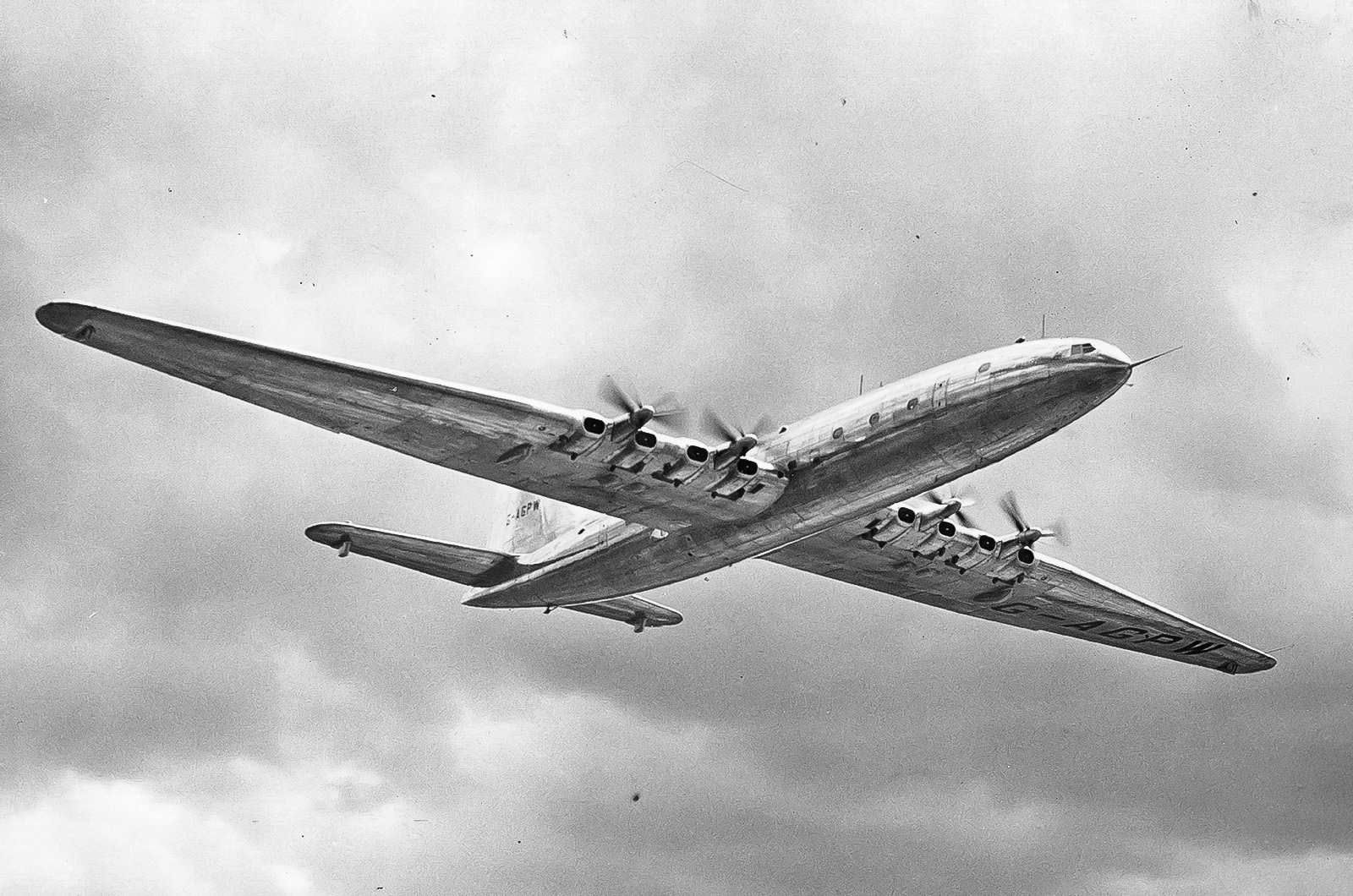
3: Bristol Brabazon

 Bristol Brabazon

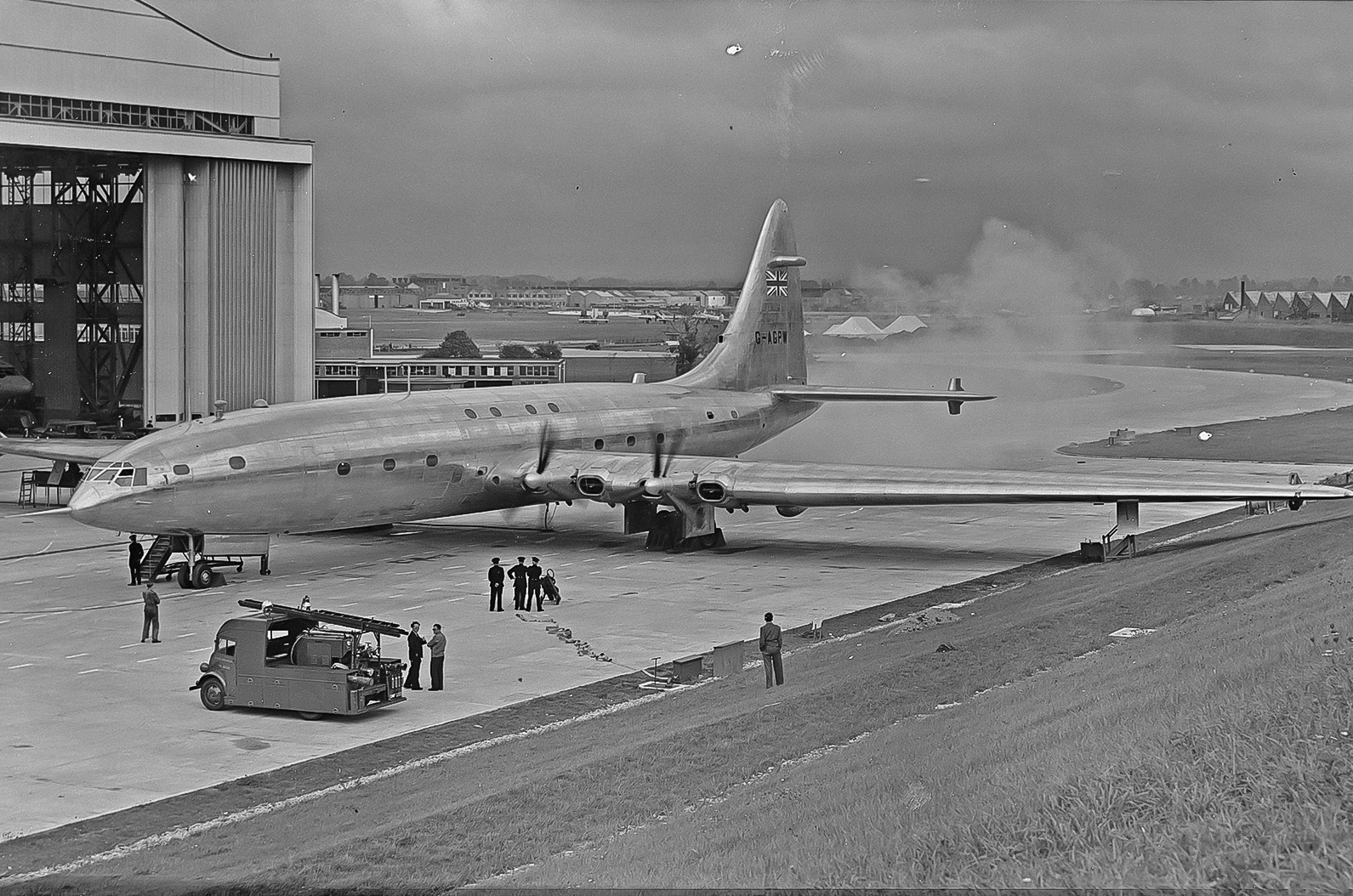
The Bristol Brabazon was the largest airliner, and indeed landplane, in the world when it took its first flight on 4 September 1949. With a weight of 290,000 lb (131,818 kg), a wingspan of 230 feet, a length of 177 feet and power from no less than eight Centaurus engines, the sight of this attractive silver machine was a dose of optimism for a ravaged post-war Britain.

It happened thanks to the forward-thinking Brabazon Committee, which even in the dark wartime days of 1942 planned for a future where a new generation of airliners would be needed, among them a large transatlantic airliner. Sadly, for the rather magnificent Brabazon, the prediction of exactly what kind of airliners were needed was way off.

Back to top

3: Bristol Brabazon

 Bristol Brabazon

Despite its great size, it would only have carried 100 passengers (and 14 crew), who would have enjoyed a luxurious amount of room. However, this small capacity for an aircraft of this size was uneconomical; worse still, by 1949, it was clear that the piston-engine aircraft was on the way out for airliners.

New jets and turboprops could carry airliners above the weather, more comfortably and efficiently than a piston-engine aircraft. The eight radial engines driving eight paired contra-rotating propellers were complex and maintenance-heavy, and this extremely expensive aircraft was beginning to look like a bad idea. It was cancelled in 1953, and the one example scrapped. Still, it was stunningly attractive and was said to have made one of the most exciting sounds of any airliner.


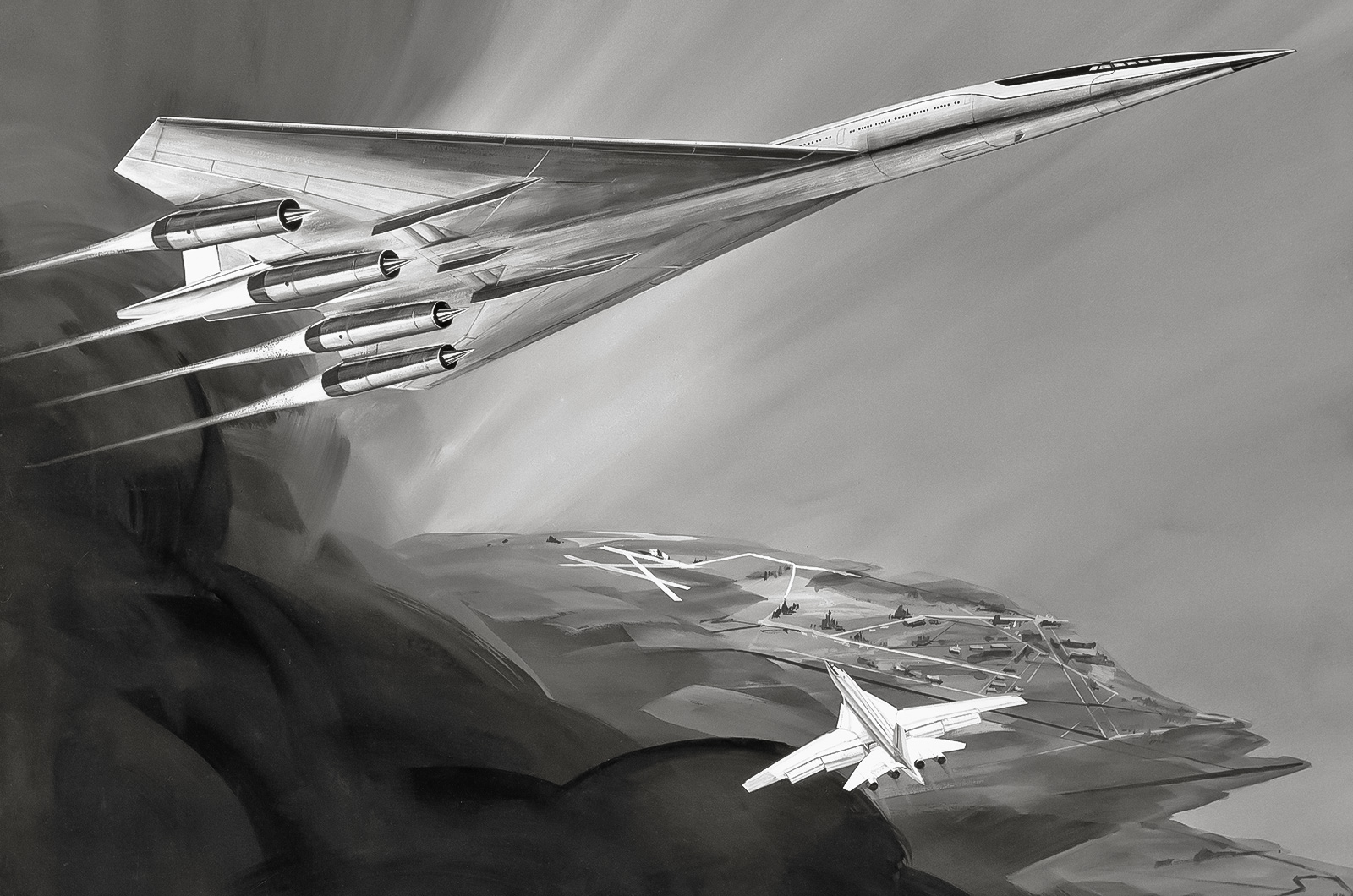
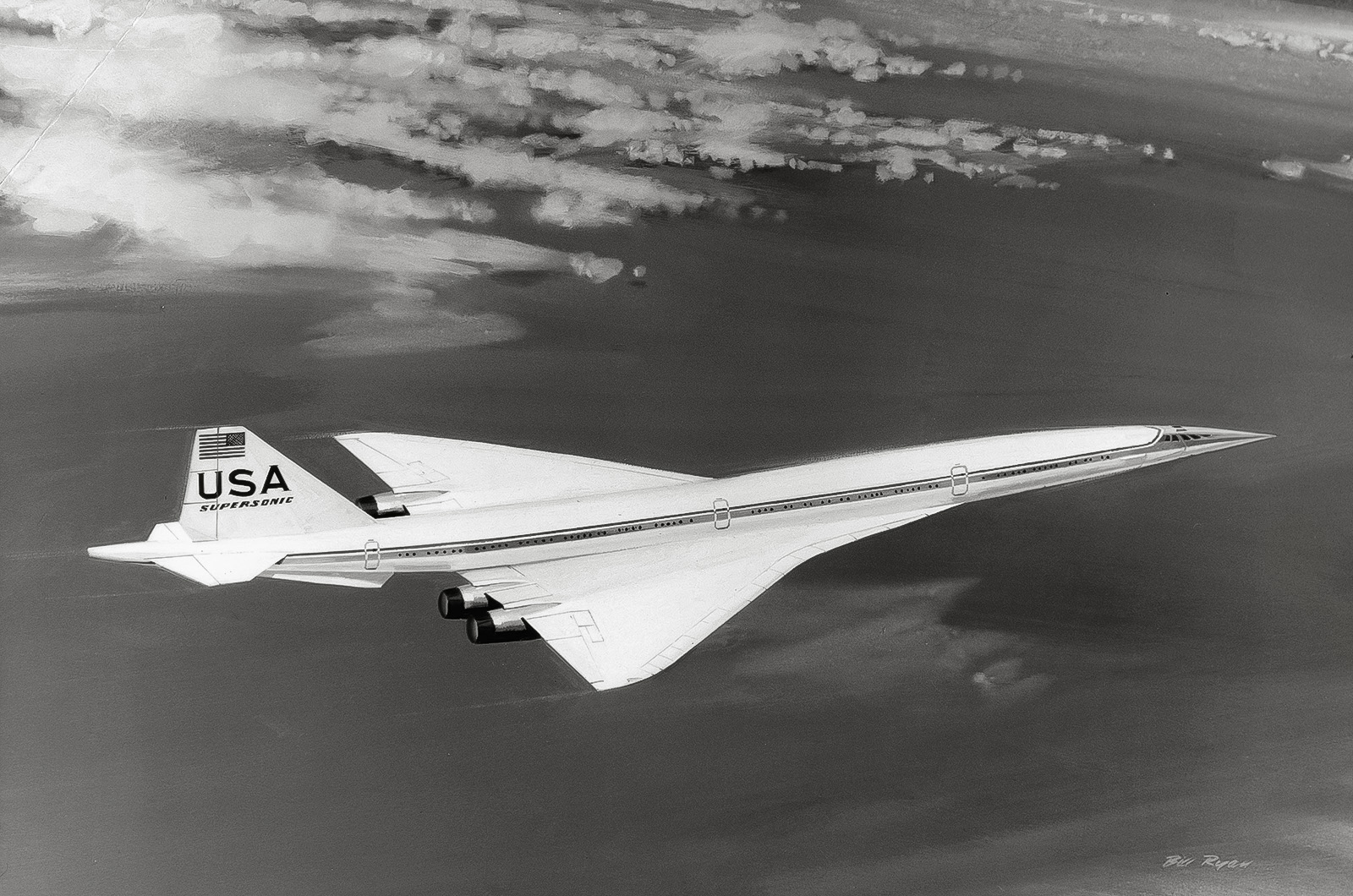
2: Boeing 2707

 Boeing 2707

Threatened by European and Soviet advances in next-generation supersonic airliners, U.S. aircraft manufacturers lobbied hard for federal support, warning that thousands of jobs and future aircraft orders would be lost if America fell behind in the Supersonic Transport (SST) race.

The American SST was intended to be larger and faster than its rivals. Several companies, including Lockheed, North American, and Boeing, submitted proposals. Boeing won the competition in 1966, securing government funding to develop what became the ambitious 2707, a Mach 2.7–3.0 supersonic airliner designed to carry 250–300 passengers.


2: Boeing 2707

 Boeing 2707

One of the greatest challenges was reconciling efficient high-speed cruise with safe, economical operation at low speeds. Boeing’s early designs used a swing-wing (variable-geometry) layout, promising both short take-off runs and excellent supersonic performance. But the system proved too heavy and complex, forcing a switch to a fixed delta-wing design.

The Boeing 2707 never reached prototype. By the late 1960s, concerns over fuel use, sonic booms, risks, and costs eroded support. The 747’s economics undercut its case. In 1971, Congress cancelled funding. After years of testing, it remained an unrealised but spectacular vision of supersonic ambition.

Back to top

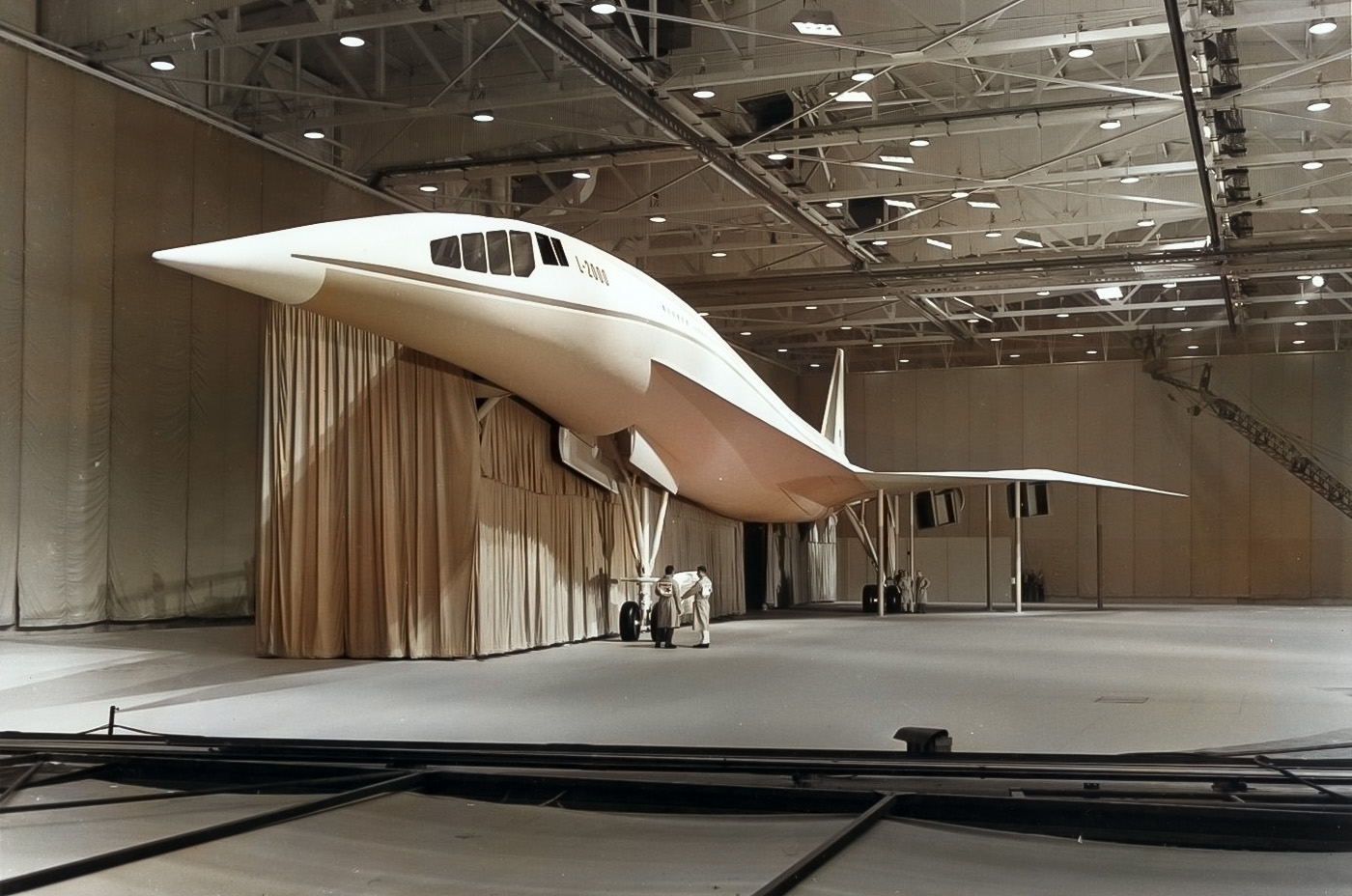
1: Lockheed L-2000

 Lockheed L-2000

Before the 2707 won the SST funding, it had exciting competition in the form of the gorgeous Lockheed L-2000. Intended as a commercial airliner to carry up to 250 passengers at Mach 3, and capable of cruising at 80,000 feet, it represented Lockheed’s extremely impressive effort to build a practical, efficient alternative to the Concorde.

Lockheed’s engineers refined the L-2000 through several iterations, moving from canard-based layouts to a cranked-arrow double-delta wing. The double-delta configuration, simpler and cheaper than the original Boeing design with its swing-wing, led many to believe the L-2000 would win the SST contest.


1: Lockheed L-2000

 Lockheed L-2000

Most of the structure was to be built of titanium, a material that Lockheed knew well from their Mach 3 SR-71 Blackbird reconnaissance aircraft. The L-2000 appeared to have been an excellent design and was from a company with experience in supersonic aircraft. Yet in a move which shocked many, the higher risk Boeing design was selected on 31 December 1966.

By 1966, Lockheed’s final L-2000-7 configuration, to be powered by four engines, reached 260 (some sources say 273) feet in length. Although Boeing’s proposal was ultimately chosen and later cancelled, the Lockheed L-2000 stands out as a tantalising and extremely exciting what-if. The European Concorde astounded onlookers throughout its career; one can only imagine the sight of an even bigger and faster airliner roaring away from airports with afterburners blazing.

Follow Joe Coles on Substack, Twitter X  or Blue Sky. His superb Hush-Kit Book of Warplanes is available here

If you enjoyed this story, please click the Follow button above to see more like it from Autocar

Photo Licence: https://creativecommons.org/licenses/by/4.0/deed.en

Join our WhatsApp community and be the first to read about the latest news and reviews wowing the car world. Our community is the best, easiest and most direct place to tap into the minds of Autocar, and if you join you’ll also be treated to unique WhatsApp content. You can leave at any time after joining - check our full privacy policy here.

Add a comment…