Currently reading: The Best Modern European Military Aircraft

The Best Modern European Military Aircraft

Back to top

The continent of Europe has created some of the most capable military aircraft in history, indeed the first combat action by an aeroplane was in Italian service.

In the First World War, all of the best fighter aircraft were European; in the Second World War, Europe had the superb Spitfire, Mosquito, Bf 109 and Fw 190, and the first jet fighter to see combat, the Me 262. Today, Europe still produces some of the most advanced and effective military aircraft, and here are 10 of them:


10: Leonardo AW159 Wildcat
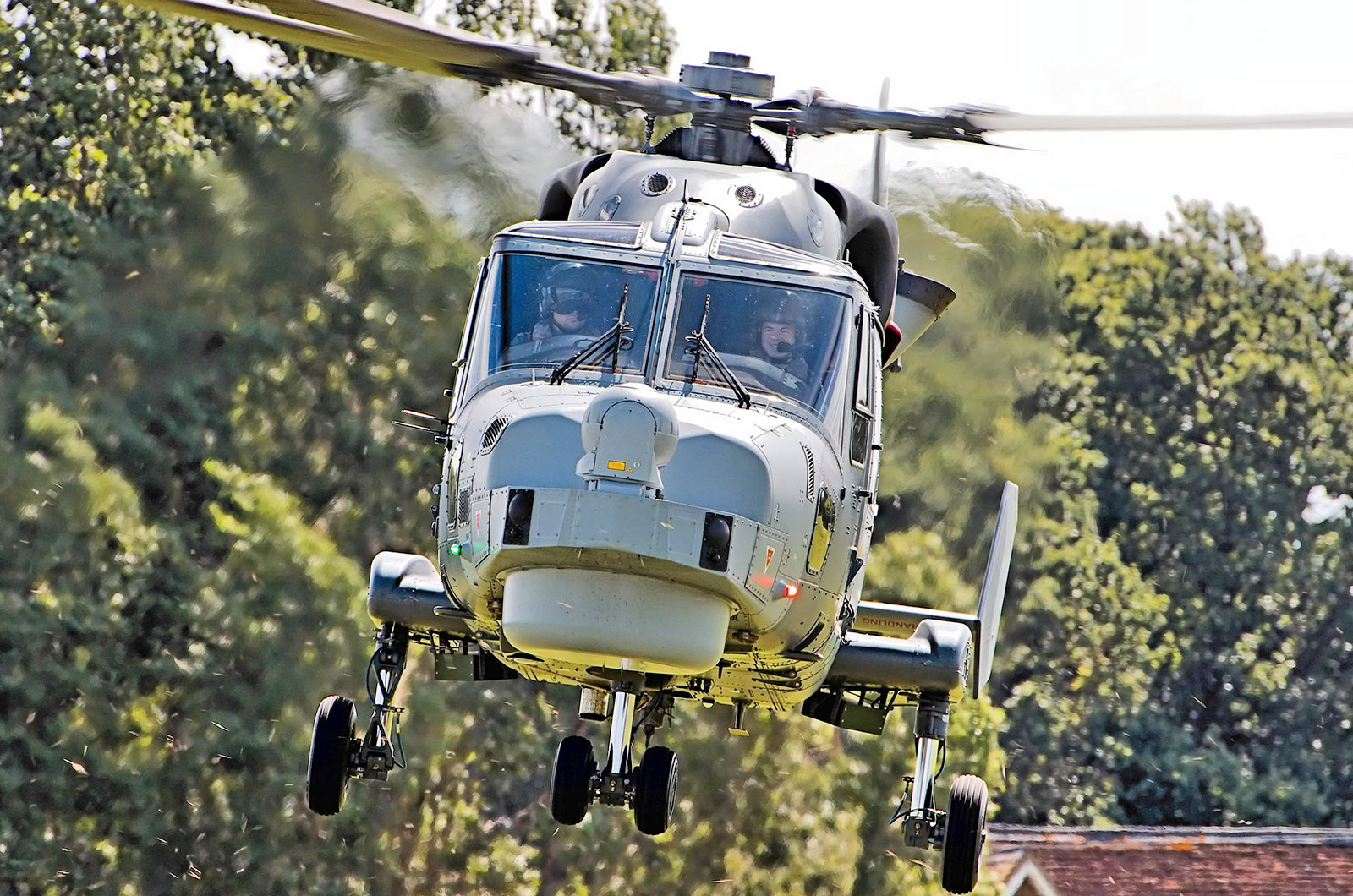
 Leonardo AW159 Wildcat

Tremendous firepower and capable sensors make the Leonardo AW159 Wildcat one of the best maritime helicopters in the world. With increasing concern over swarming attacks by multiple small craft, especially in maritime choke points, the Wildcat’s ability to carry 20 lightweight multi-purpose missiles gives it an edge compared to other naval helicopters.

A wide range of anti-surface and anti-submarine weapons can be carried.  Wildcats of the Royal Navy can also be equipped with an aerodynamic weapons wing that offsets the weight of the stores. Though it is based on the existing AgustaWestland Super Lynx 300, 95% of its components are new.


10: Leonardo AW159 Wildcat
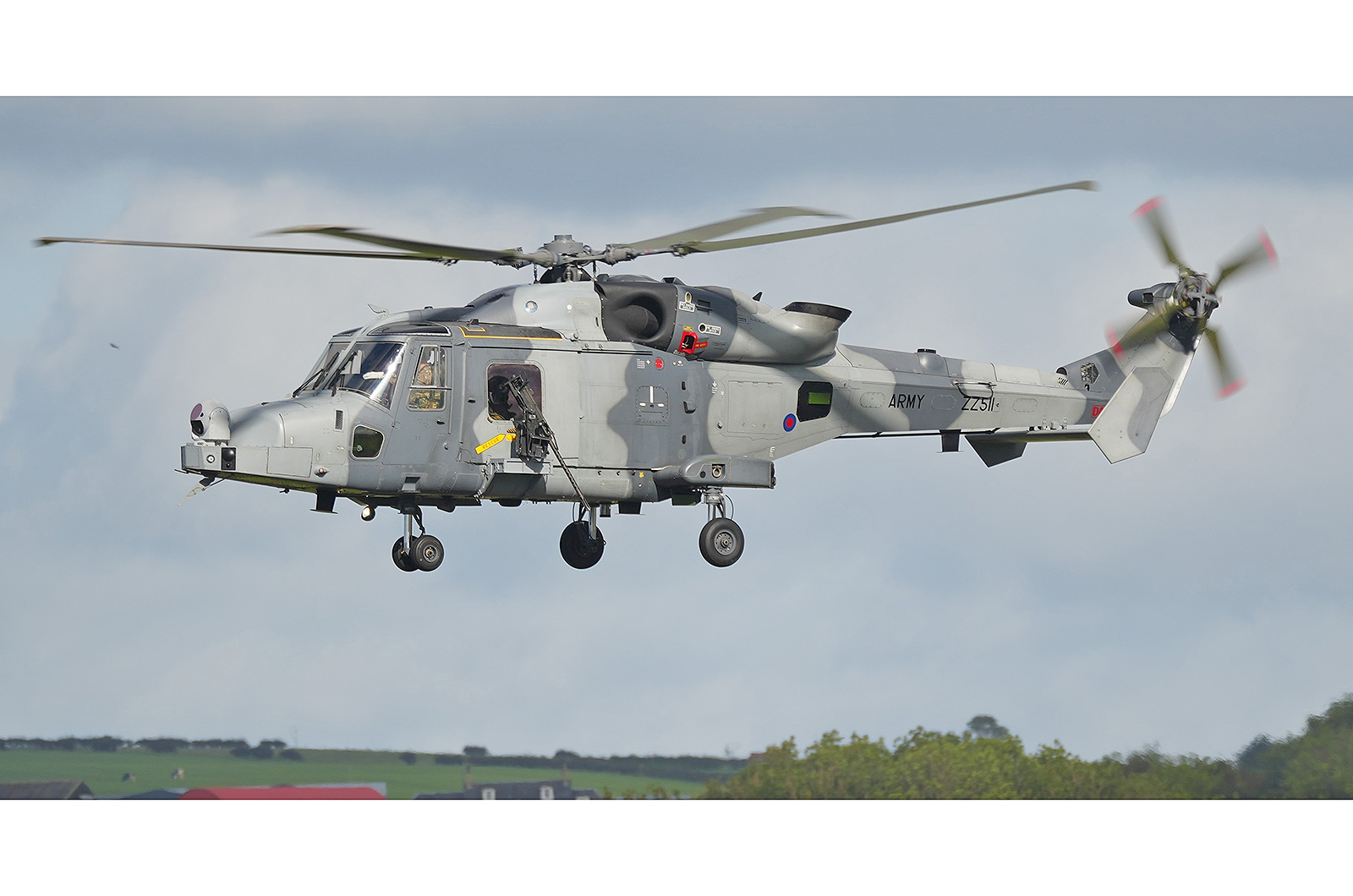
 Leonardo AW159 Wildcat

The 360-degree Seaspray 7000E Active Electronically Scanned Array (AESA) multi-mode surveillance radar offers a dramatic improvement in performance over the Royal Navy’s earlier Lynx radars; instead of 180-degree-scan out to a distance of around 50 miles, the new AESA offers 360-degree coverage out to around 150 miles. It can also carry an Active Dipping Sonar (ADS) for the Anti Submarine Warfare role.

Other equipment for the AW159 includes a nose mounted surveillance turret with IR/TV imaging sensor and laser ranging/targeting system. An integrated defensive aids suite includes missile warning, radar warning, and countermeasures dispensing systems.


9: Pilatus PC-21
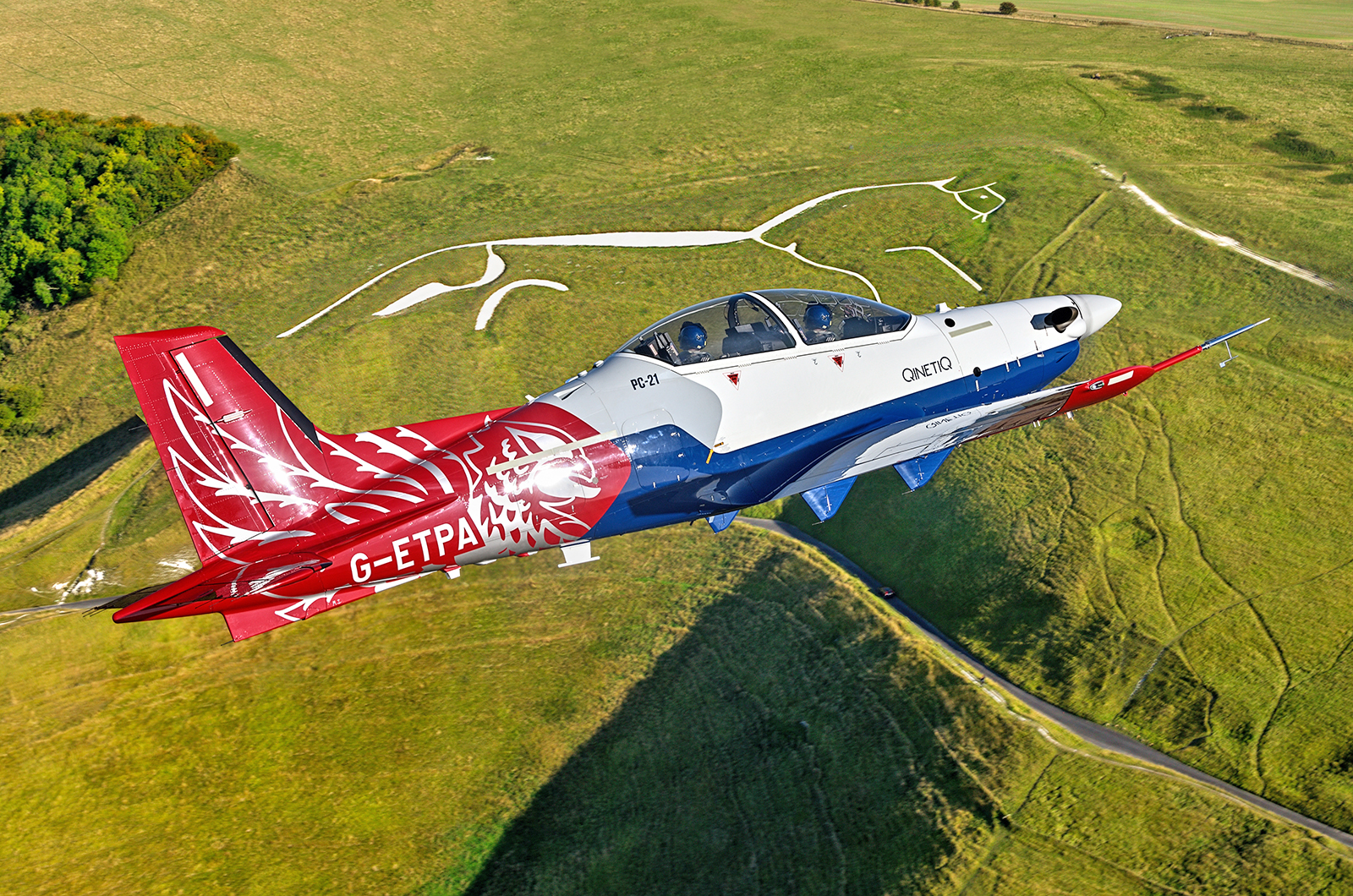
 Pilatus PC-21

Switzerland’s Pilatus training aircraft series started with the P-2 of 1945 (the P-1 never flew). Since then, Pilatus has had much international success with their trainers, notably the Pilatus PC-7 of 1966 and PC-9 of 1984, both turboprop-powered. A variant of the PC-9 is license-built in the US in large numbers as the Beechcraft T-6 Texan II.

The rather beautiful Swiss PC-21 first flew in 2002, and is the most powerful modern single-engine turboprop trainer in service. It has a turboprop (a propeller turned by a jet turbine) rather than a pure jet because turboprops are less expensive to operate, burning less fuel. Over 250 have been sold.


9: Pilatus PC-21
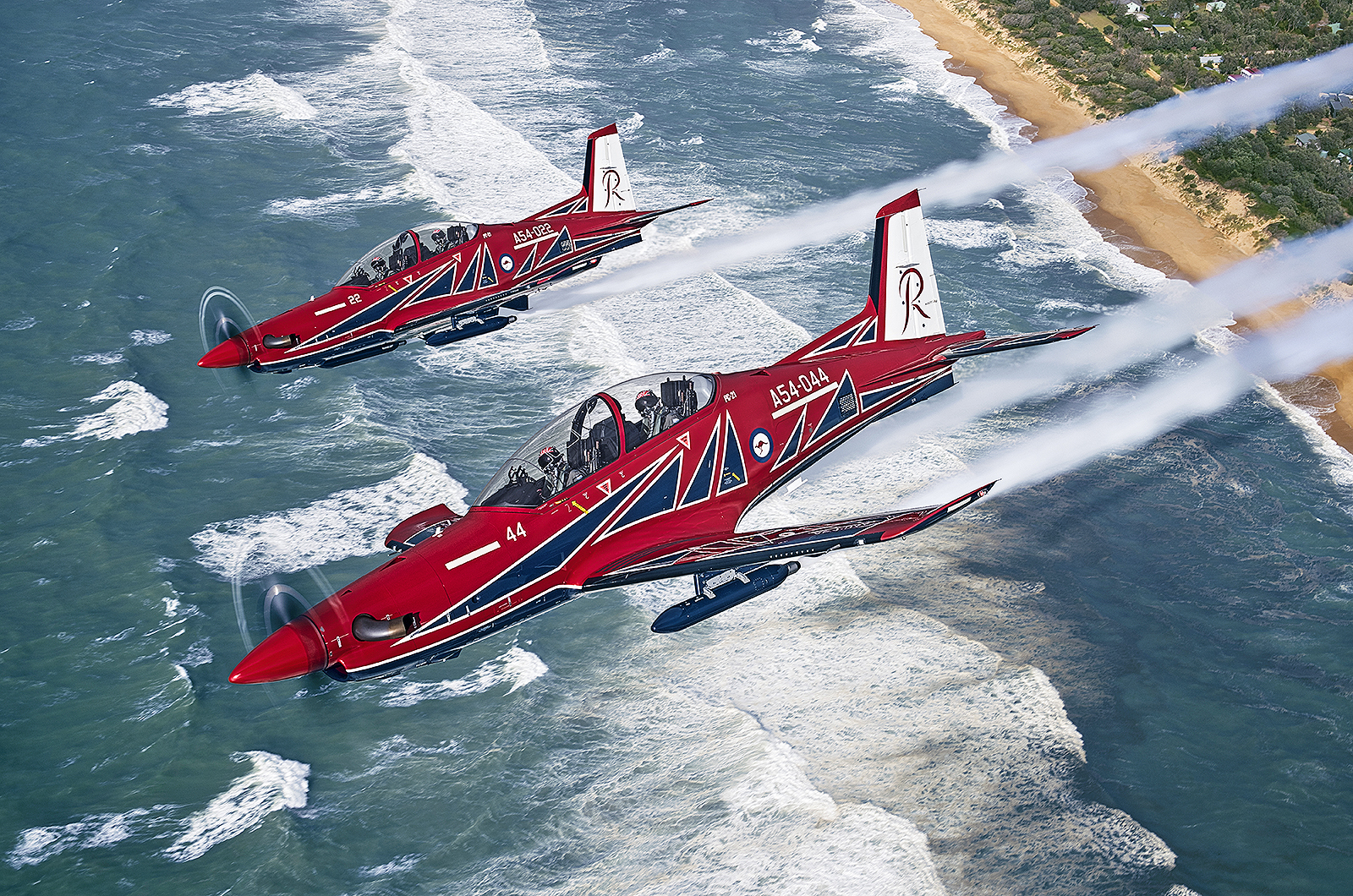
 Pilatus PC-21

The PC-21 provides a cost-effective and efficient training solution. Pilots destined to fly jet aircraft can now train on a non-jet platform for a longer part of the syllabus. The PC-21 can take a pilot through from elementary, basic, advanced and fighter lead-in training all on one platform. The cockpit and onboard systems are also ideal for preparing pilots for modern fast jets.

To achieve this, Pilatus significantly expanded the design and performance envelope to take this single-engine turboprop into an area that was, until recently, the domain of jet trainer aircraft. Rated at 8G and minus 4G, with a top speed of over 425 mph, rate of climb of 4,091 ft/min and a roll rate of 200 degrees a second at 10,000 feet, the PC-21 is one of the raciest prop aircraft now flying.


8: Schiebel Camcopter S-100

 Schiebel Camcopter S-100

Uncrewed Aerial Vehicles (UAVs) undertake the most perilous missions in contemporary warfare. Although Turkey has developed some remarkable UAVs, particularly the Bayraktar TB2, which gained prominence in Ukrainian service, much of the nation is situated in Asia, preventing its inclusion in our list.

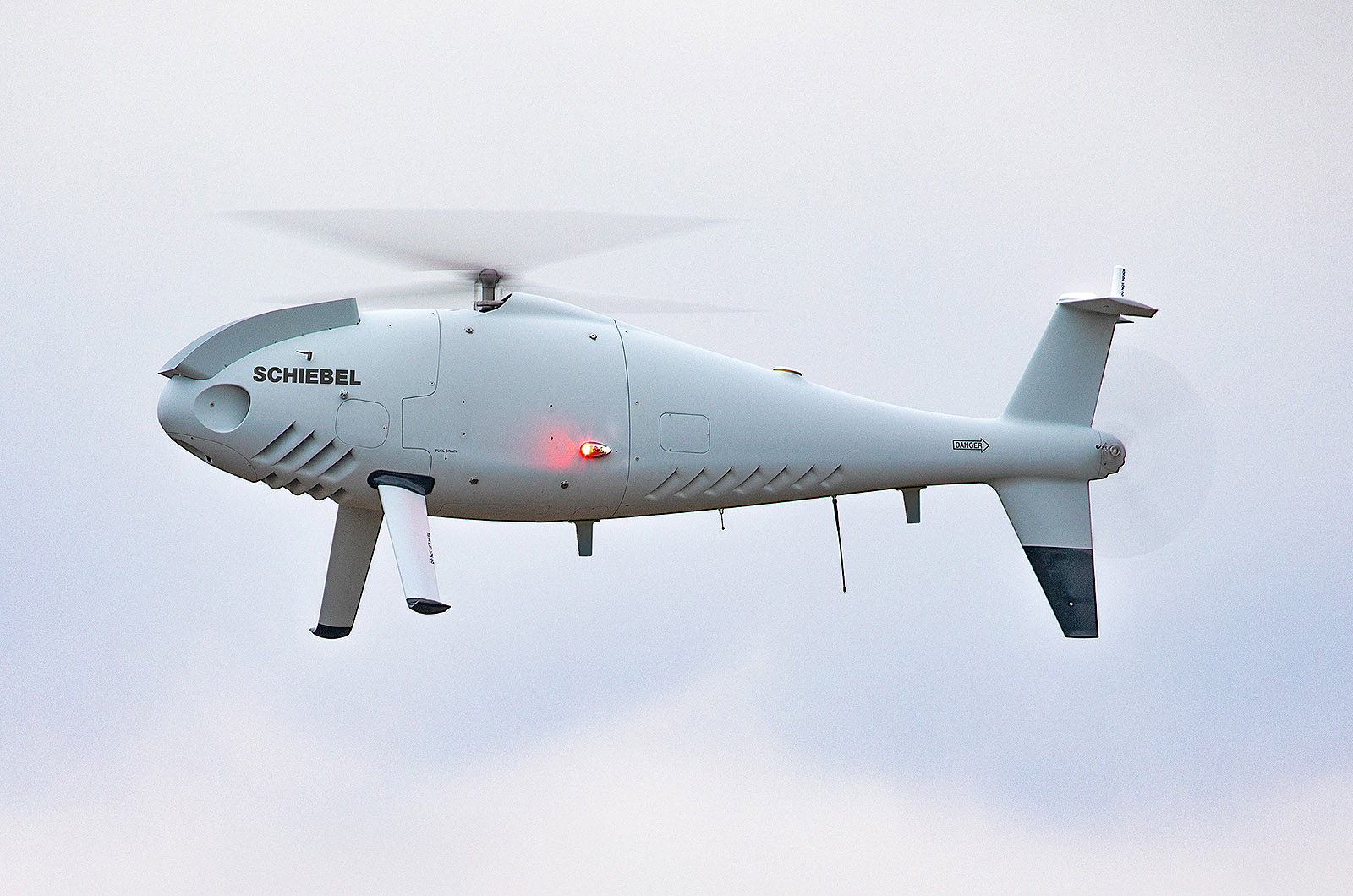
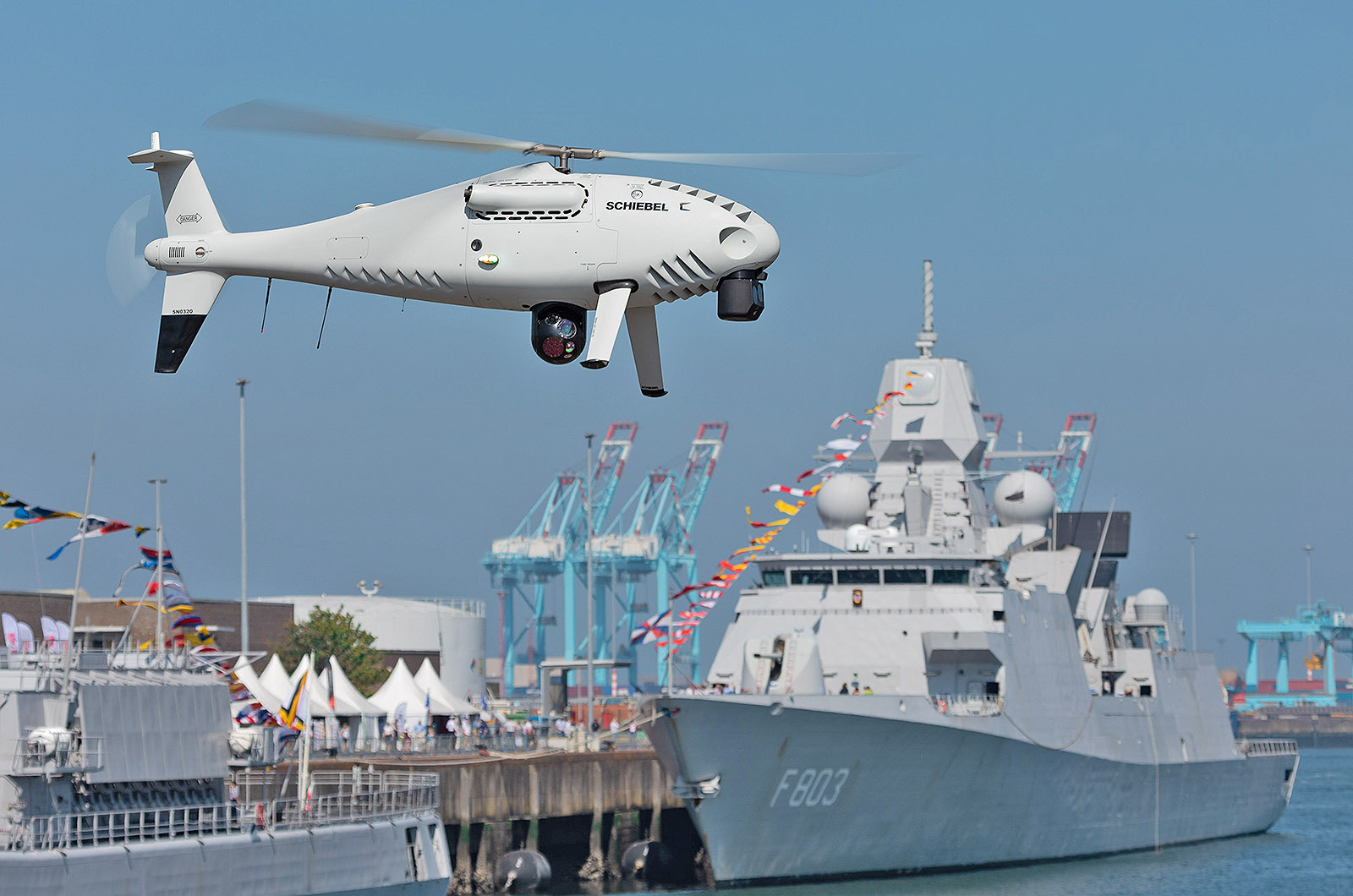
Outside Turkey, the most successful European UAV is probably the extremely impressive Austrian Schiebel Camcopter S-100. The S-100 is a helicopter powered by a 41 kW (55 hp) Diamond engine (or a heavy-fuel alternative). In the surveillance role, it can be fitted with electro-optics and infrared sensors.


8: Schiebel Camcopter S-100

 Schiebel Camcopter S-100

The S-100 has proven itself in military and civilian roles. Like all helicopters, it is a Vertical Take-off and Landing (VTOL) aircraft, requiring no prepared area or recovery equipment. It has operated successfully in both day and night, often in filthy weather conditions. It has a range of approximately 200 km, over land or sea. It has a top speed of 100 kts (185 km/h), can carry 50kg of sensors and has maximum take-off weight of 200kg. It has an impressive endurance of up to six hours, and with an optional external fuel tank, this can be extended to an extremely impressive ten hours.

Hundreds have been delivered and serve with more than 40 customers worldwide. Military operators of the Camcopter include Argentina, Belgium, Egypt, France, India, Italy, Jordan, Libya, Indonesia, Malaysia, Mozambique, Myanmar, Russia, Thailand, Tunisia, United Arab Emirates, United States and the United Kingdom.


7: Leonardo M-346

 Leonardo M-346

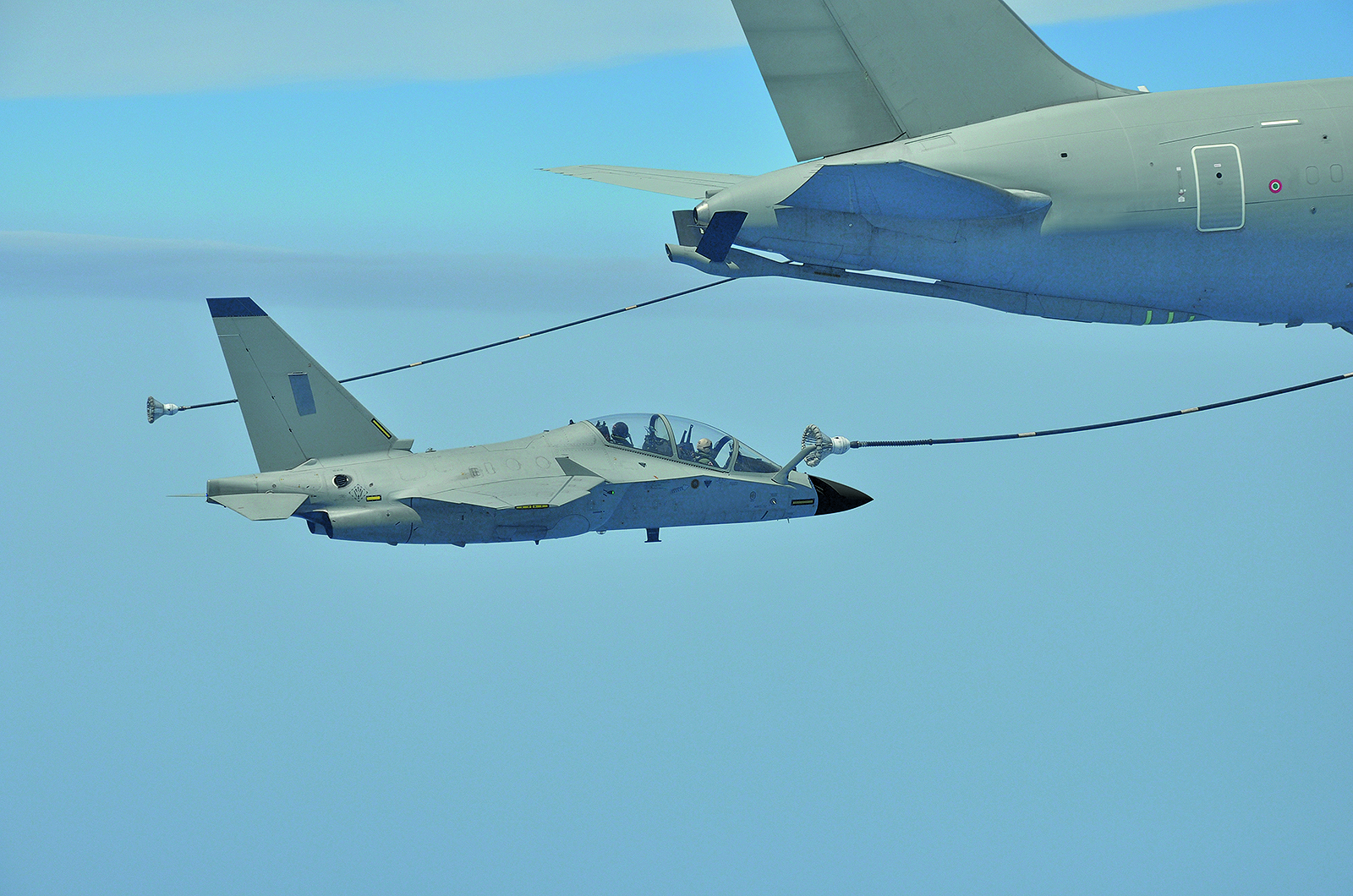
The Leonardo M-346 is a trainer and light combat aircraft built in Italy. It may seem strange to hear today but the M346 started as a Russian design from Yakovlev. Yakovlev teamed up with the Italian company Aermacchi, before they parted ways. This led to the Yak-130 in Russia and the M-346 in Italy.

The M-346 is considered one of the best advanced training aircraft in service. It features integrated on-board technology to simulate tactical training, known as the Embedded Tactical Training System (ETTS). This enables the aircraft to emulate sensors, weapons and Computer Generated Forces (CGF).


7: Leonardo M-346

 Leonardo M-346

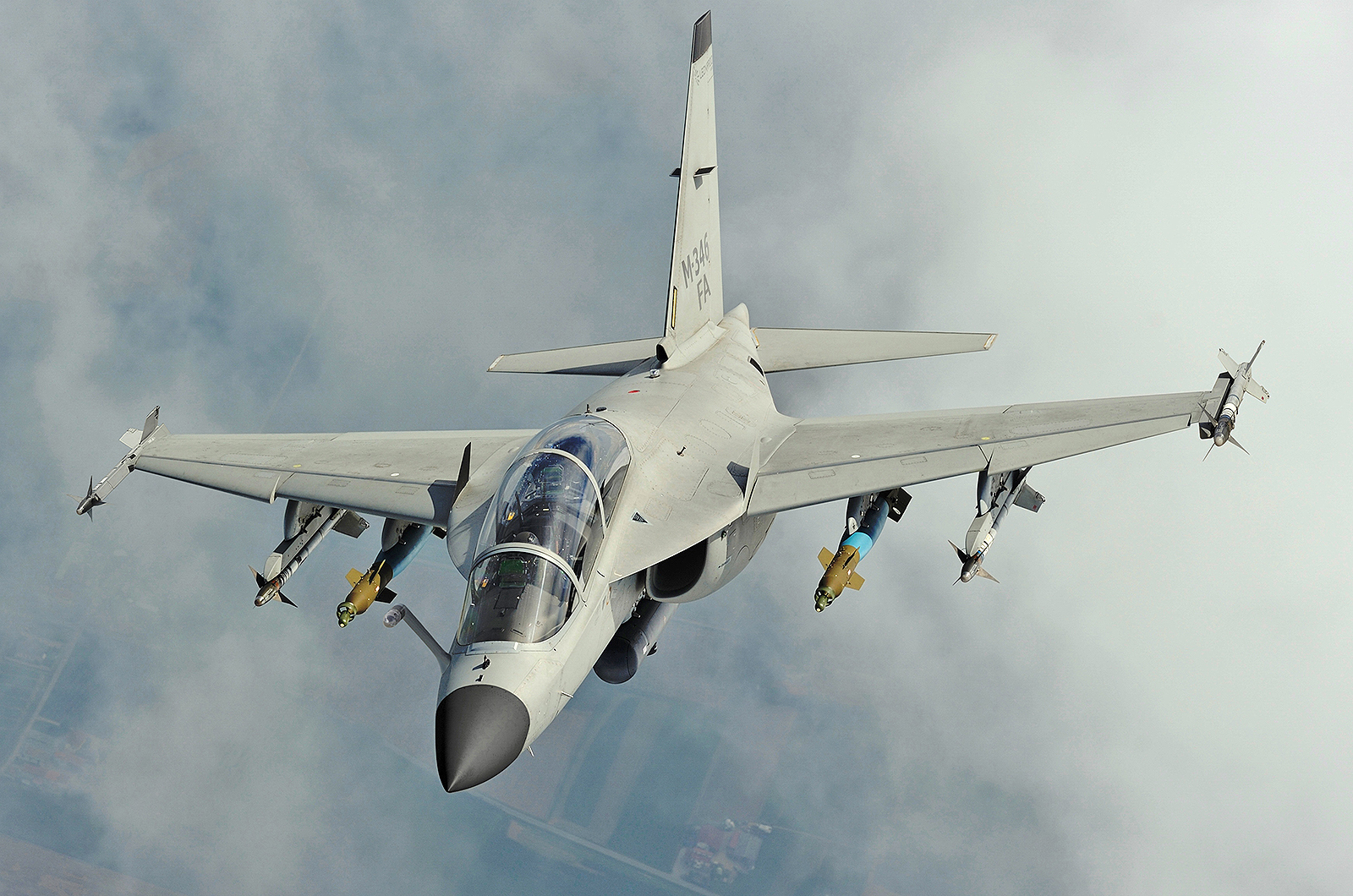
Whereas the M-346 is a trainer, the M-346FA variant has fangs.  This is a light combat aircraft variant with seven external hard points and can be armed with air-to-air and air-to-surface munitions, a 20mm gun pod, and can be fitted with advanced targeting pods linked to helmet-mounted displays.

The trainer has developed a reputation for reliability and effective training. The trainer version of the M-346 is in service with the air forces of Italy, Singapore, Israel, Poland, Qatar and Greece; Turkmenistan and Nigeria have purchased the light fighter variant.


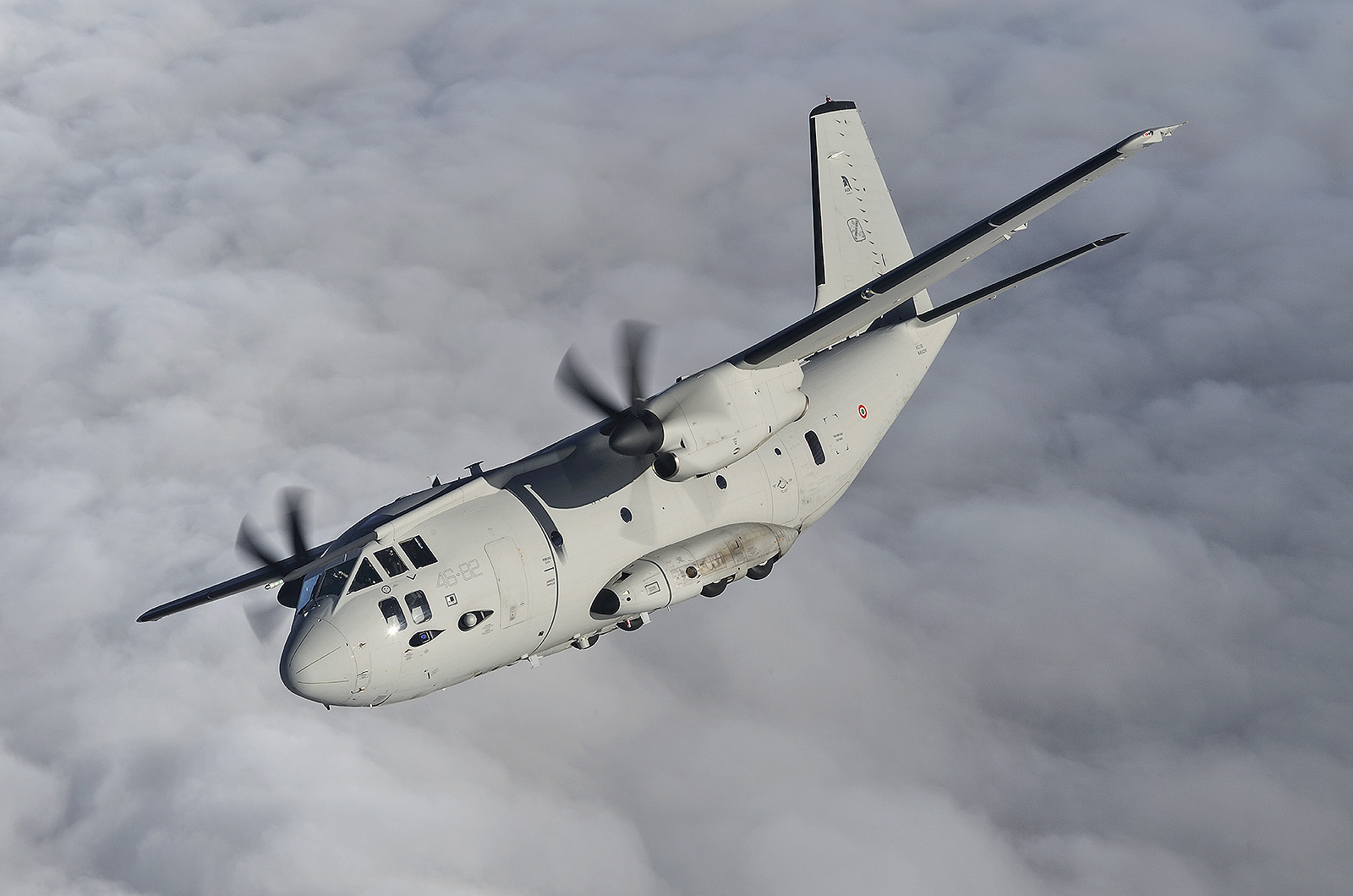
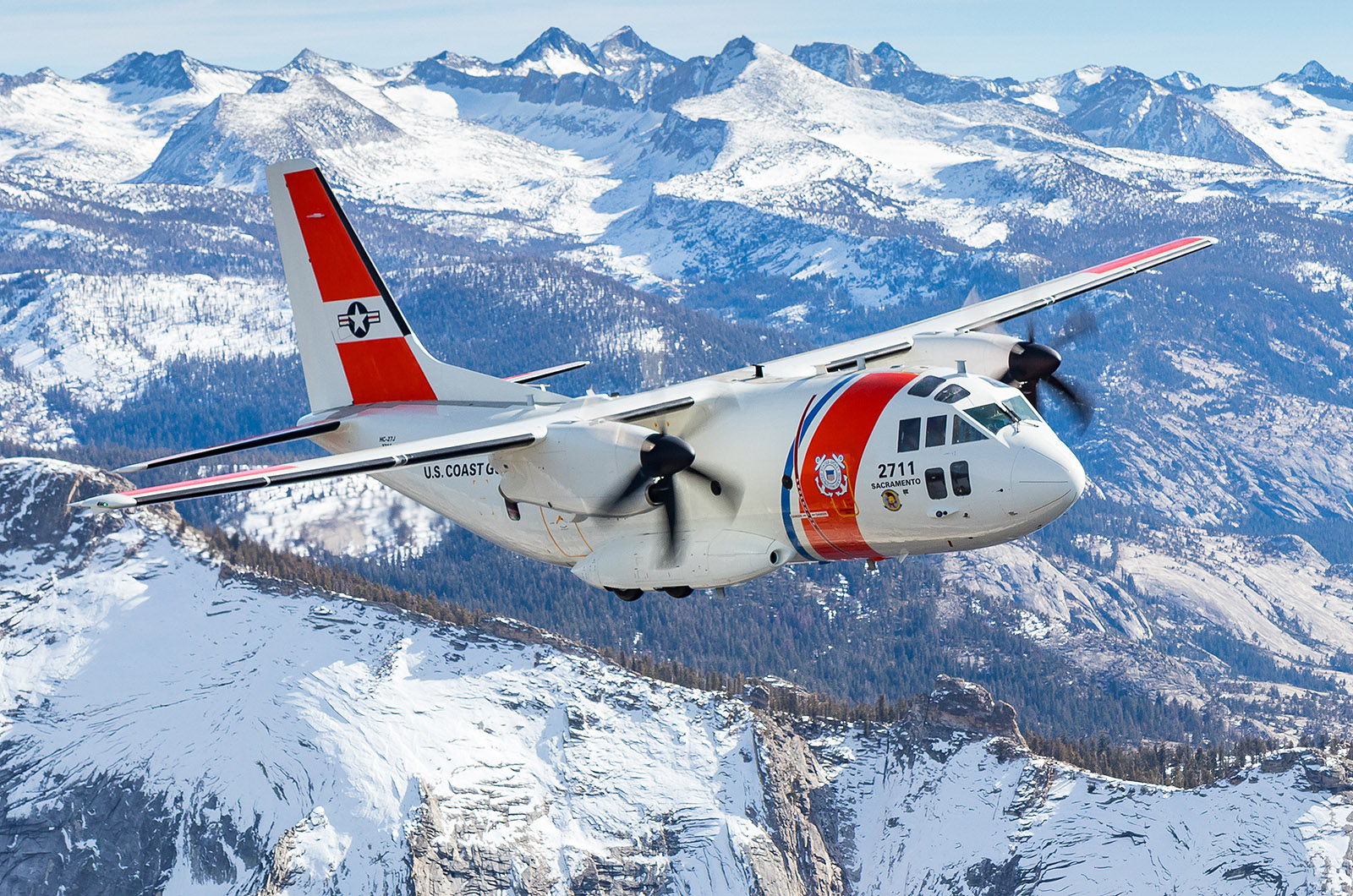
6: Leonardo C-27J Spartan

 Leonardo C-27J Spartan

The legendary Rolls-Royce AE 2100 turboprop engine powers the much-loved four-engined C-130J Super Hercules. The fitting of the AE 2100 engine and modern avionics to the twin-engined C-27 created the tough, versatile C-27J Spartan, which many see as a ‘mini-Hercules’.

In creating a modern tactical airlifter there is often a tendency to overload the design with bells and whistles when rugged dependability and performance is actually what matters most. With the C-27J the balance appears to be just right, and anyone lucky enough to have witnessed its airshow performance will be able to attest to astonishing performance levels.


6: Leonardo C-27J Spartan

 Leonardo C-27J Spartan

The C-27J boasts the largest cargo compartment in its class, as well as the best descent and climb rates (4,000 ft/min and 2,500 ft/min). Being able to land almost anywhere is key to a tactical airlifter’s success and the C-27J is qualified for short take-off and landing (STOL) on snowy, sandy and even rough unprepared strips.

The C-27J has proved extremely versatile serving in almost every conceivable role. Over 111 have been manufactured and serve with many militaries around the world. A notable operator of the Spartan is the US Army’s Special Warfare Center’s Military Free Fall School in Yuma, Arizona.


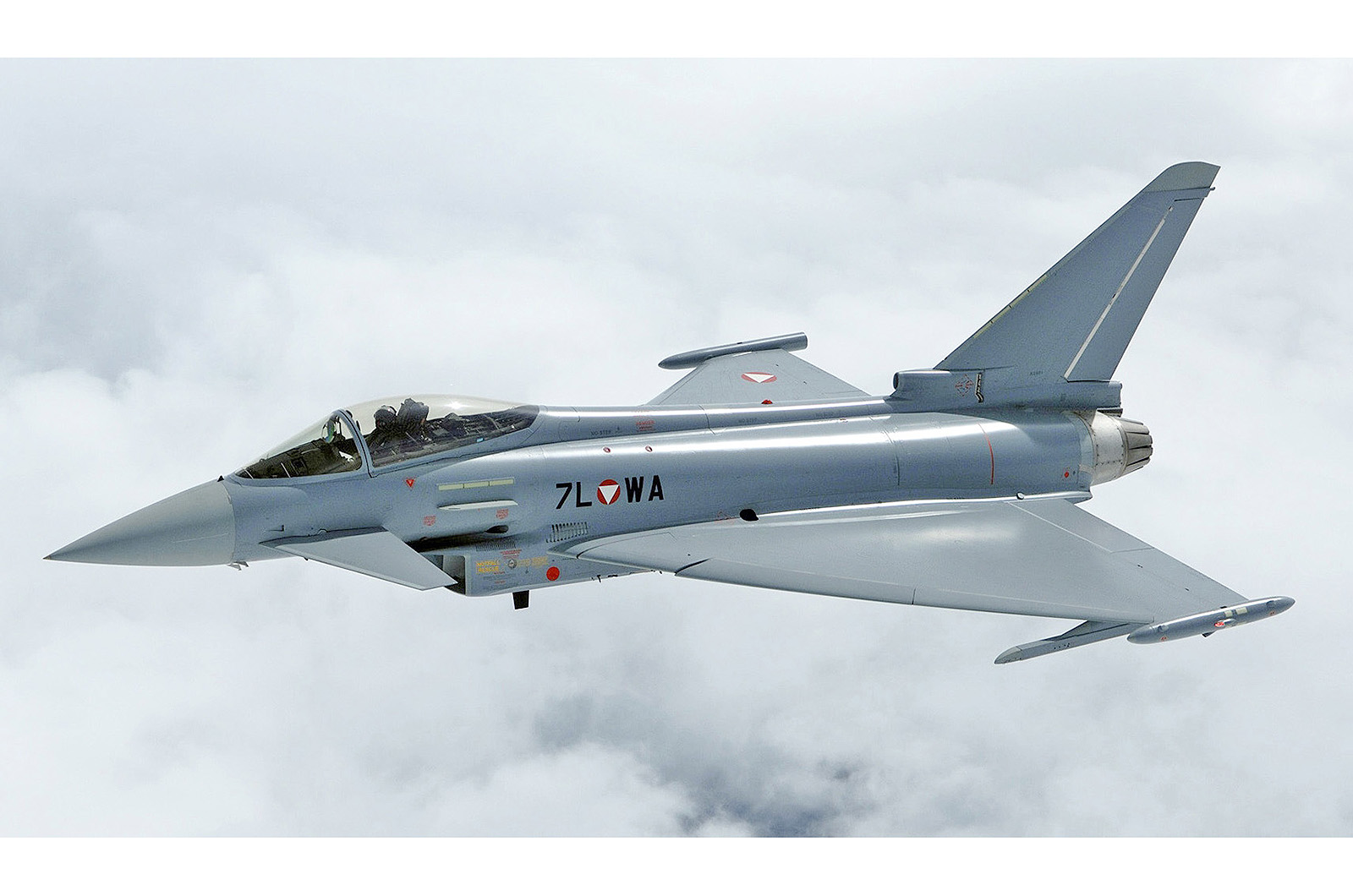
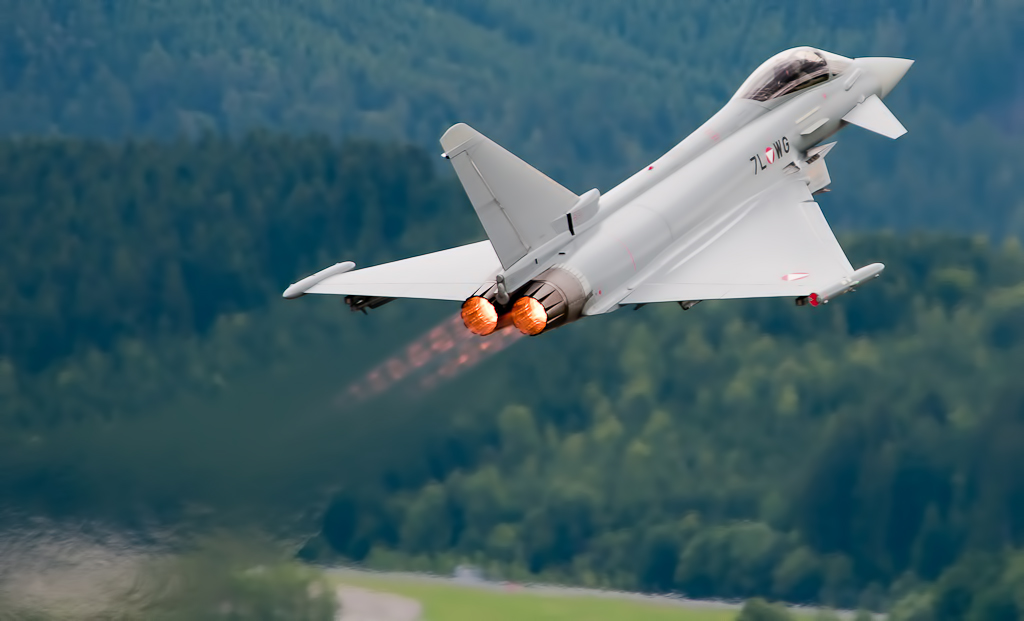
5: Eurofighter Typhoon

 Eurofighter Typhoon

The Typhoon has blistering performance and superb agility, thanks to a high thrust-to-weight ratio and a relatively low wing-loading. It is considered one of the world’s best air-to-air fighters enjoying perhaps the best climb rate of any fighter and exceptional performance at high speeds and altitudes.

The Eurofighter Typhoon was developed by a collaboration of aerospace companies from Germany, Italy, Spain and the United Kingdom. It entered service in 2003. It was initially a fighter, but has since been upgraded to a multi-role combat aircraft.


5: Eurofighter Typhoon

 Eurofighter Typhoon

The Typhoon is compatible with some of the best air-launched weapons in the world, including the Meteor, AIM-132 ASRAAM, AIM-120 AMRAAM, and IRIS-T for the air-to-air role and Paveways, Brimstones, Storm Shadow and Taurus KEPD 350 cruise missiles for the air-to-surface missions.

Like the Raptor, the Typhoon has such a formidable reputation that any ‘victories’ against it in training exercises make excellent boasts. This twin-engine medium-weight combat aircraft serves the air forces of Austria, Germany, Italy, Kuwait, Oman, Saudi Arabia, Spain, Qatar and the United Kingdom.


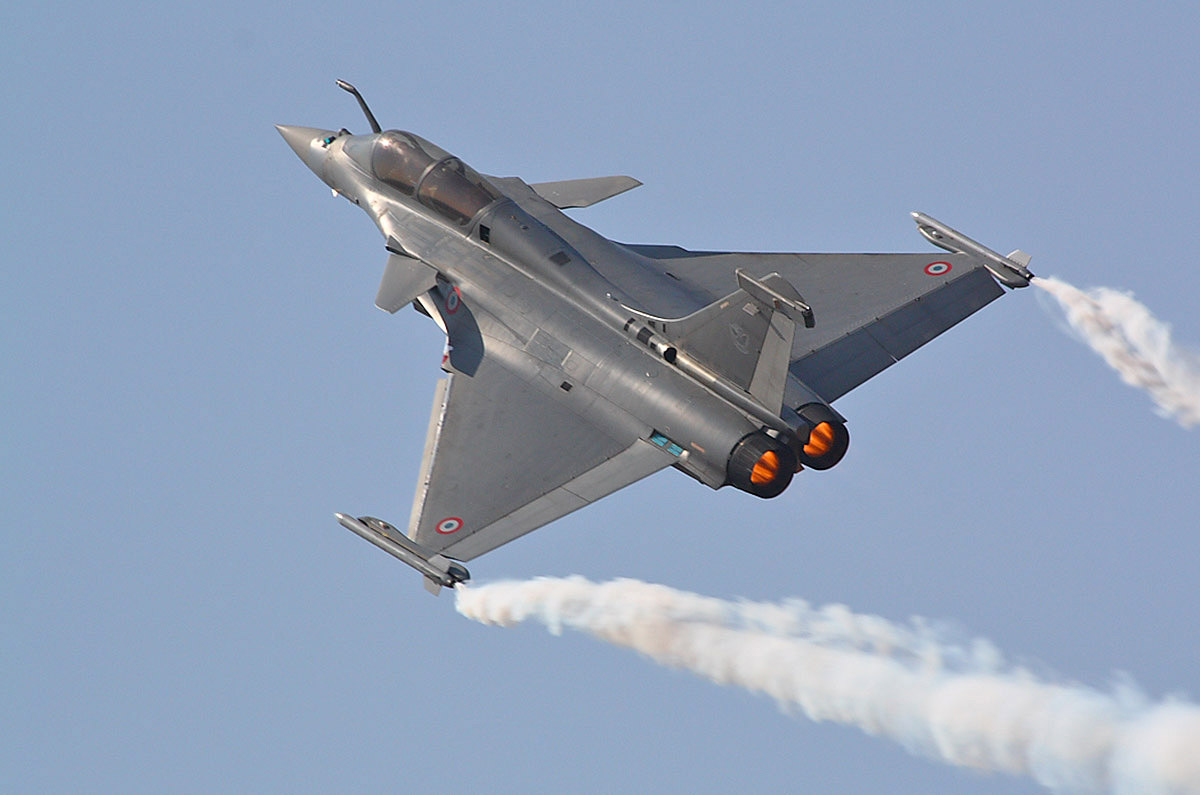
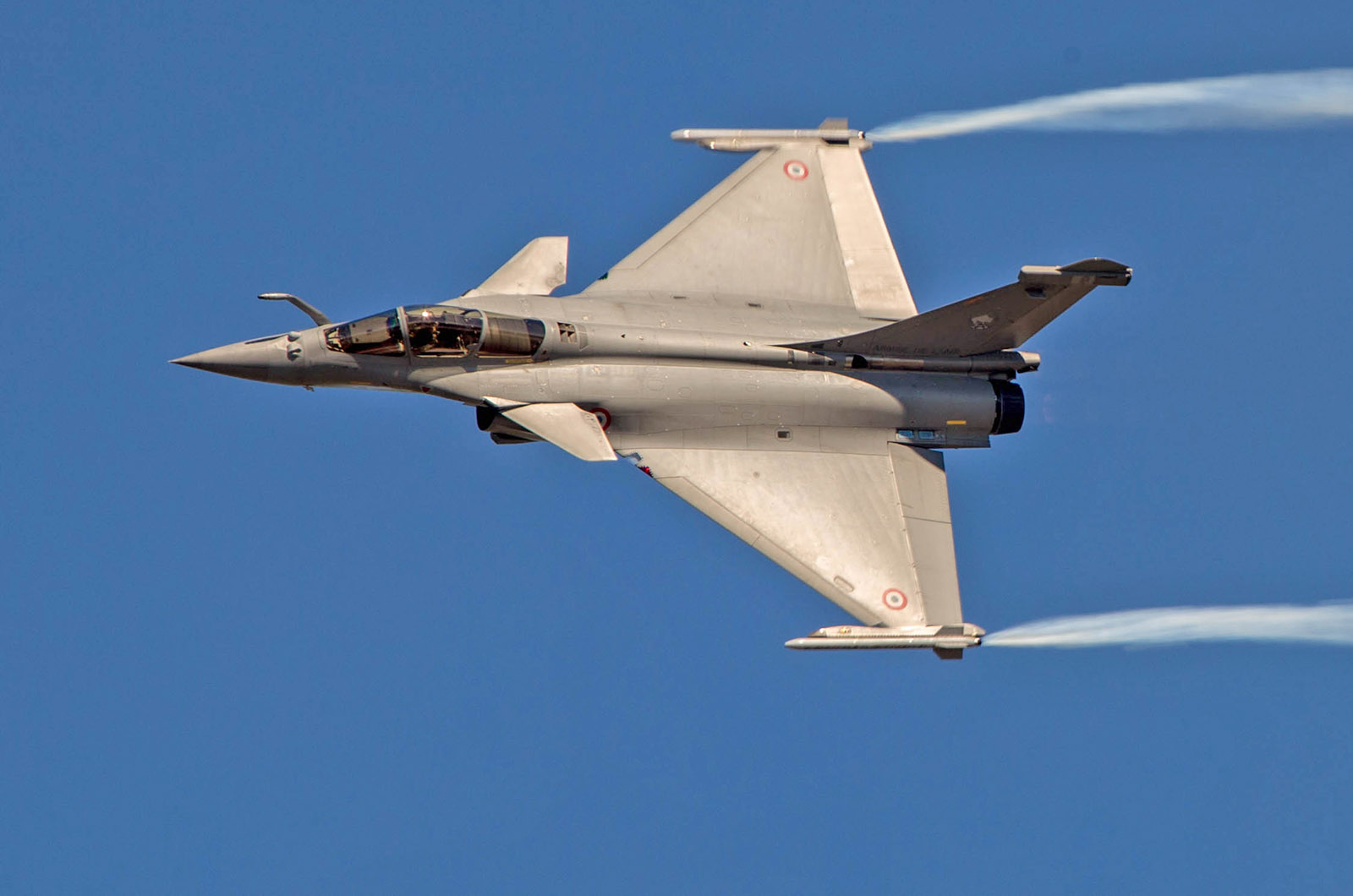
4: Dassault Rafale

 Dassault Rafale

The French Dassault Rafale is one of the best multi-role combat aircraft in the world. It combines high-performance with modern sensors and weapons. Rafale has an advanced radar, and its air-to-air weapons, the MICA and Meteor missiles, are less well known by ‘threat’ nations than the common AMRAAM, so may be harder to counter.

Though the long-ranged Meteor missile is held in very high esteem, it is worth noting that it has not been used in anger. The relatively recent addition of a Helmet Mounted Display (on some export models) and the Meteor missile has made the already excellent Rafale even more potent and a strong contender for the title of the best multirole fighter in the world.


4: Dassault Rafale

 Dassault Rafale

It is well armed with a potent 30-mm cannon, and can use long-range air-to-air and air-to-ground missiles, smart bombs and short and medium-range missiles. It is considered by many as highly survivable thanks to an integrated system of sensors and defensive countermeasures known as SPECTRA (Self-Protection Equipment to Counter Threats for Rafale Aircraft).

The Rafale is one of the few combat aircraft in production today that have a naval variant that can operate from aircraft carriers, it is also notable in that it was the first European fighter aircraft to carry an active electronic scanning array (AESA) radar. Rafale serves with the air forces of Croatia, Egypt, France, India, Greece and Qatar.


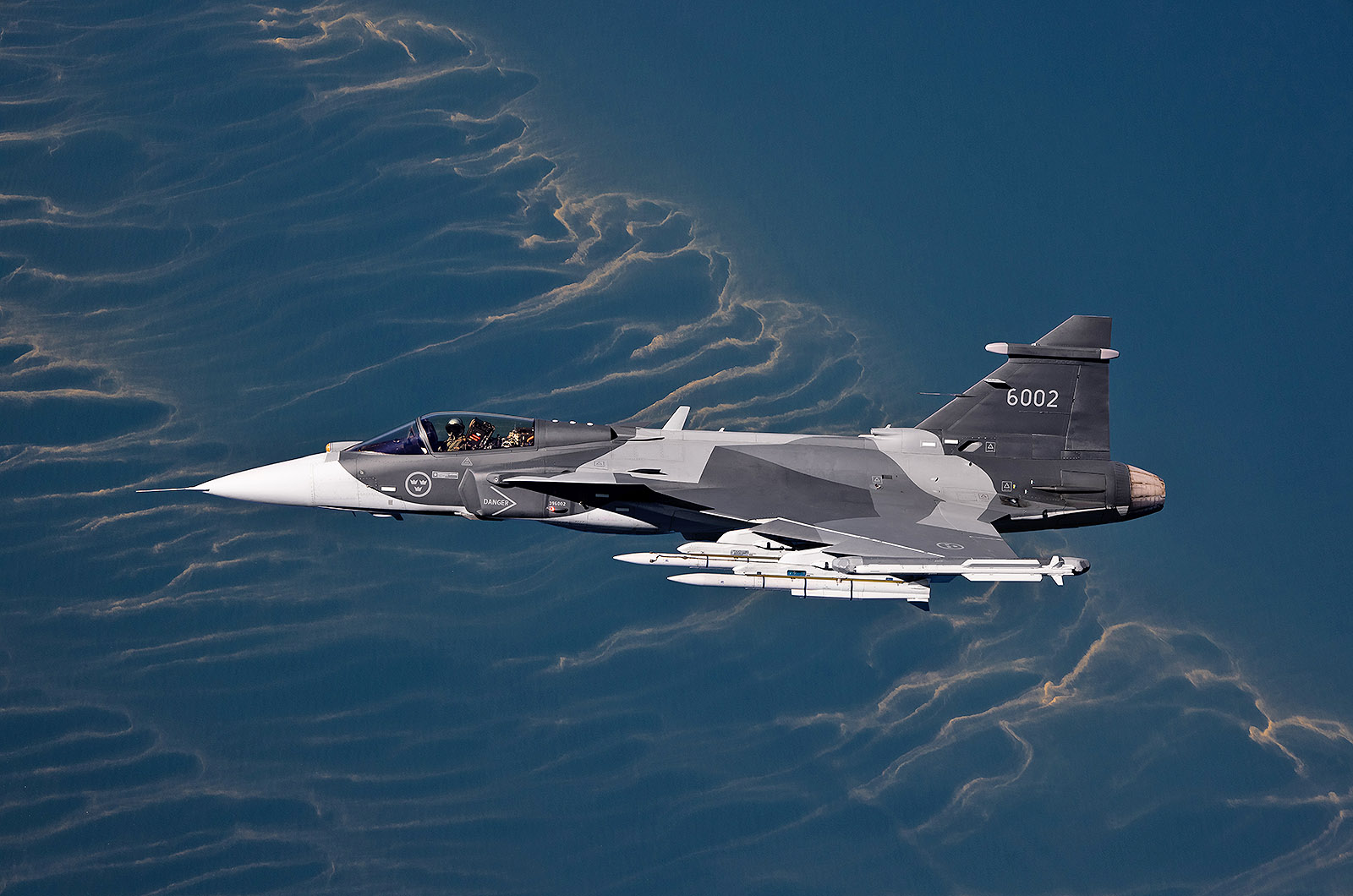
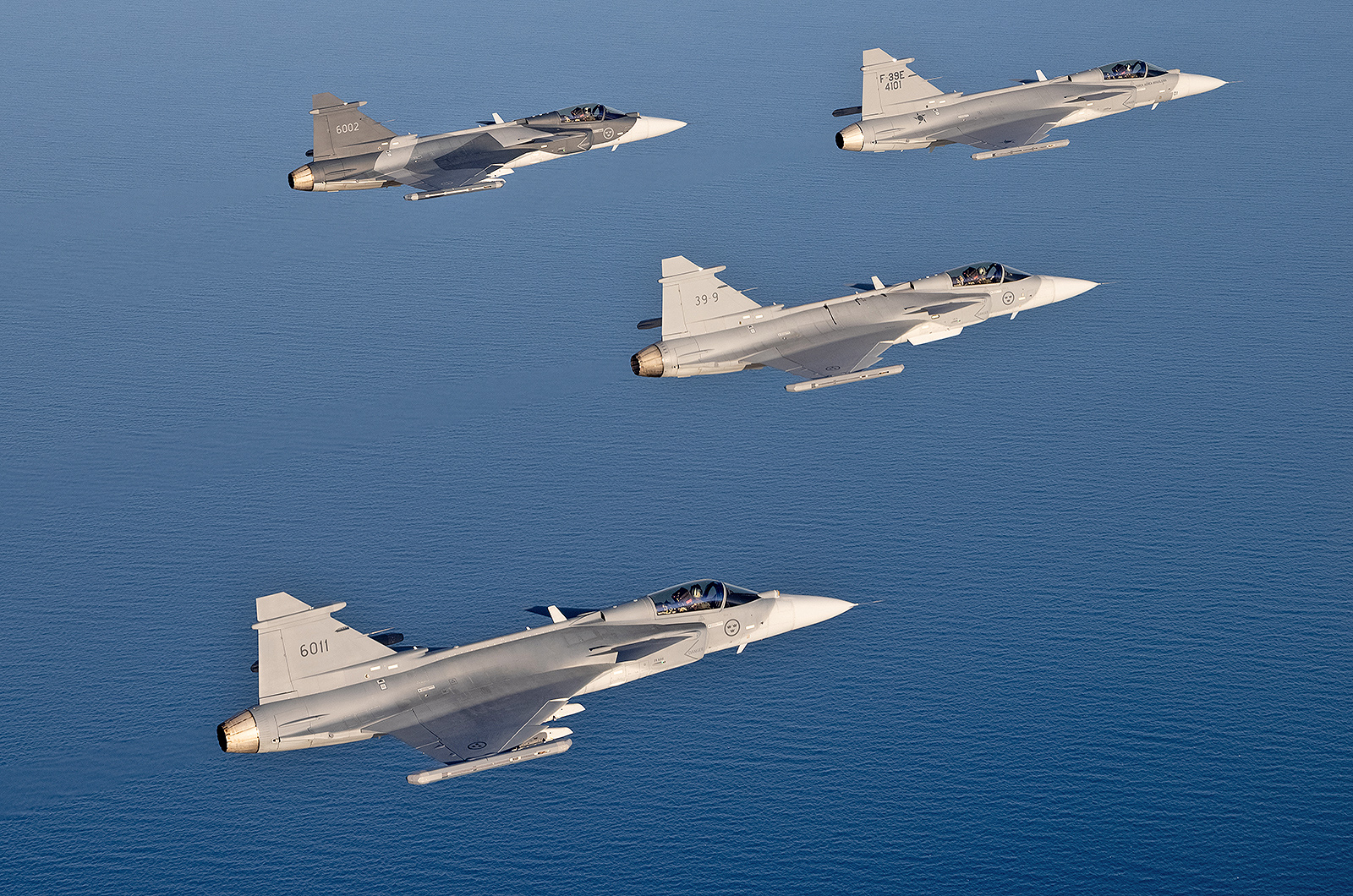
3: Saab Gripen E/F

 Saab Gripen E/F

The Gripen E is a digital-age fighter, benefitting from lessons learned from the many software issues cursing other modern combat aircraft. The Swedish company Saab has gone to great efforts to make the Gripen E (and two-seat F) easy to upgrade in terms of software and hardware.

This is a very serious advantage, as is the high degree of sensor fusion. Now in service in Brazil as the F-39 Gripen E, it is proving an impressive machine. It has one of the most modern cockpit displays in service, an aid to pilot workload and situational awareness.


3: Saab Gripen E/F

 Saab Gripen E/F

Test pilot Jonas Jakobsson noted, ‘Situational awareness is outstanding! From the sensor suite (radar, Infra-Red Search & Track, missile-approach warner, radar warner etc.), the local fusion of sensor data in every Gripen and the global fusion of data shared within the tactical air unit (and Command and Control)’.

He also raved about the ‘Human Machine Interface with the elaborate symbology and wide area display’, noting that ‘This information chain and the situational awareness it creates is really the foundation that all fighting rests on.’ The Gripen E/F has been selected by the air forces of Brazil and Sweden.


2: Saab Erieye/GlobalEye

 Saab Erieye/GlobalEye

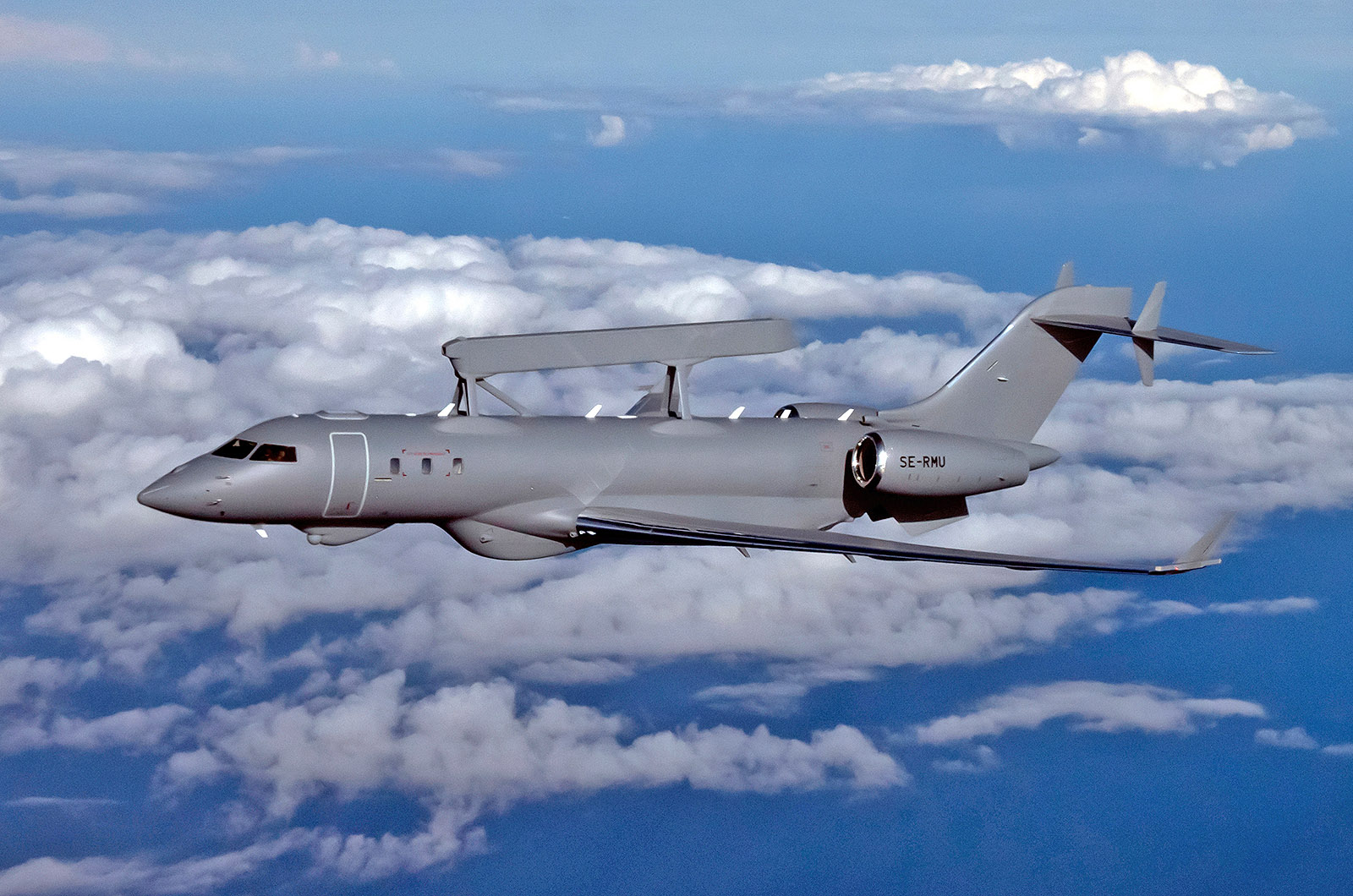
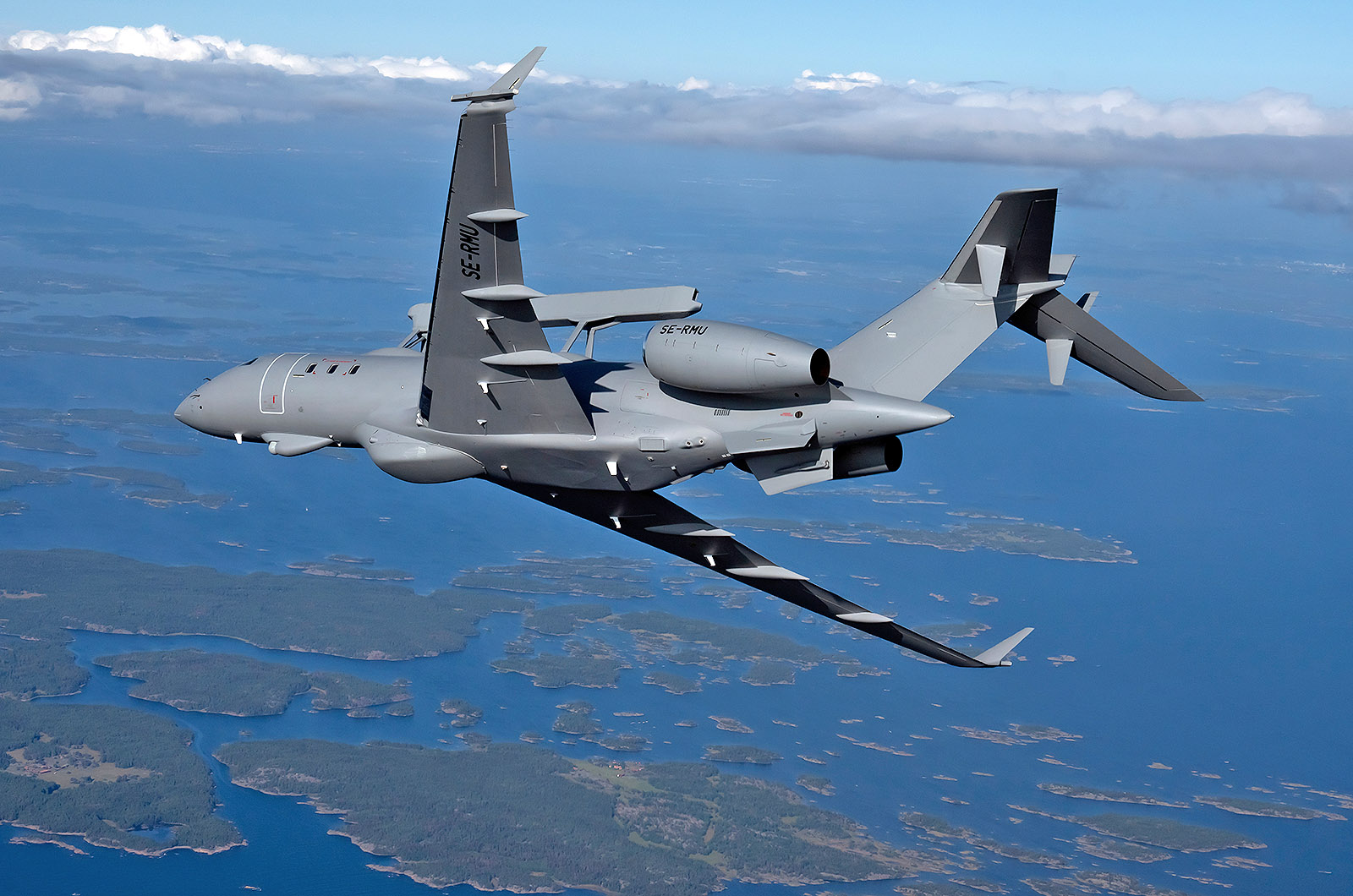
Airborne Early Warning & Control (AEW&C) aircraft are flying radar stations. They can detect aircraft, waterborne vessels, ground vehicles, missiles, and even artillery rounds; they also perform command and control of the battlespace, coordinating military actions.

Of these, those fitted with the Erieye (short for Ericsson eye) radar systems are among the most respected. The Erieye has been fitted to several airframes including the Saab 340, Embraer R-99, Saab E-2000 and Canadian designed Bombardier Global 6000, as well as the GlobalEye.


2: SAAB Erieye/GlobalEye

 SAAB Erieye/GlobalEye

It is perhaps most impressive in the latter airframe. The GlobalEye boasts over 11 hours of operational endurance and state-of-the-art avionics. At 35,000ft altitude it can detect low-level threats at distances exceeding 458 km. The main sensor, the 10 metre-long Erieye Extended Range radar antenna is mounted on top of GlobalEye in a box fairing.

Though the GlobalEye is built on a Canadian airframe from Bombardier, it is the system rather than the airframe which defines the GlobalEye, and it is fair to describe as European. The Saab E-2000 and Saab 340s are European aircraft (though initially some US involvement in the latter). The capabilities offered by the Saab AEW aircraft are worldclass.


1: Airbus A330 MRTT

 Airbus A330 MRTT

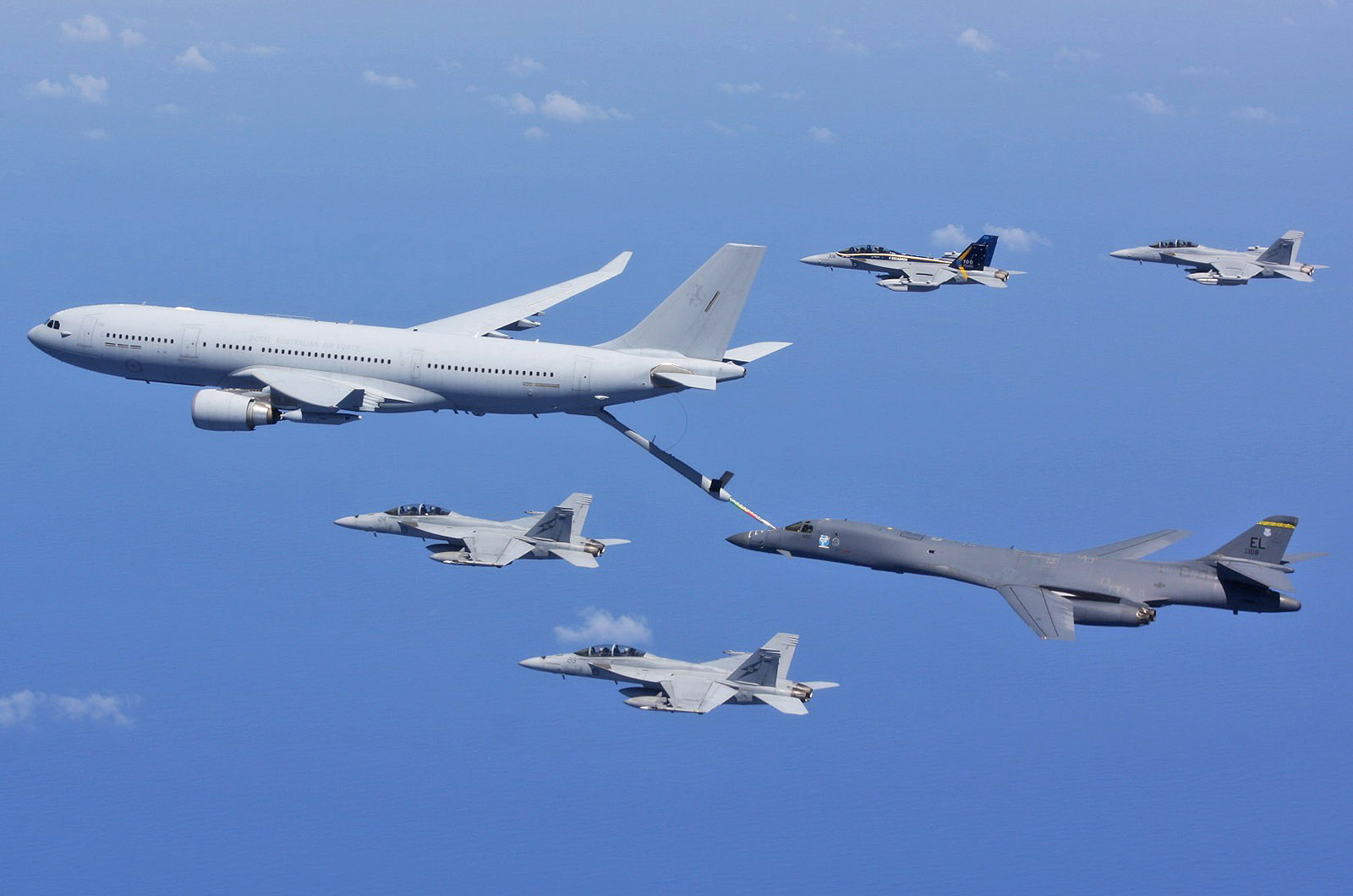
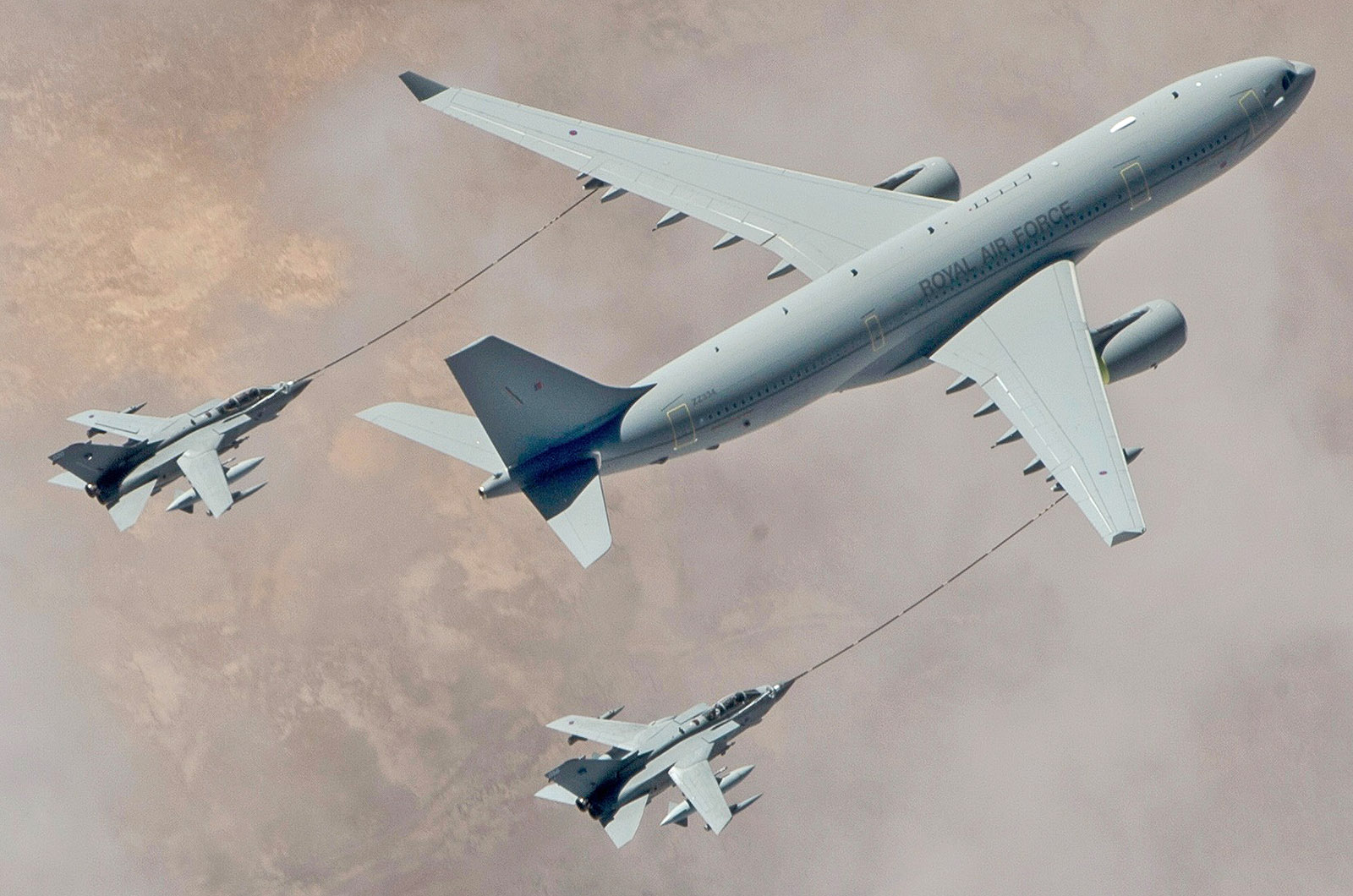
Though often overlooked, the tanker or refuelling aircraft is vital to every major air force. Topping up fuel while on the wing massively increases the reach and effectiveness of an air force. The most impressive of these flying ‘gas stations’ is likely the European Airbus A330 MRTT.

Airbus A330 MRTT (Multi-Role Tanker Transport) lives up to its designation; it is probably the best air-to-air refuelling aircraft in the world, and so much more. It can refuel anything thanks to both drogue pods and a boom (the two systems used to refuel aircraft) and can do it anywhere, thanks to a robust defensive countermeasures suite, and can do it while carrying cargo and/or passengers.


1: Airbus A330 MRTT

 Airbus A330 MRTT

The A330 MRTT can carry an impressive 111,000kg of fuel in the tanker role. In the medevac role it can carry 130 patients on stretchers, while in transport mode, it can carry 300 soldiers. It is operated by the air forces of Australia, Brazil, Canada, France, the Netherlands, the United Arab Emirates, the United Kingdom, Italy, Saudi Arabia, Singapore, Spain and South Korea.

Follow Joe Coles on Substack, Twitter X  or Blue Sky. His superb Hush-Kit Book of Warplanes is available here.

If you enjoyed this story, please click the Follow button above to see more like it from Autocar

Photo Licence: https://creativecommons.org/licenses/by/4.0/deed.en


Add a comment…