
As Japan's automotive industry began to flourish in the 1960s and produce sporty cars, Japanese enthusiasts took to the country's stunning mountain roads to race one another, often in highly modified machinery - and driving in such a fashion grew in popularity and spread to urban expressways.
Supposedly some street racing clubs had codes intended to protect the public as much as possible, with members haunting the small hours and frowning upon those weaving through traffic. But of course such activity was nevertheless illegal, and an arrest could result in serious prison time and the end of a career. Yet the scene was quick to grow and won a cult following in the West.
Participants weren't just boy racers in uglified hot hatches but committed enthusiasts who could afford tech-heavy, turbocharged JDM coupés and even European supercars. Among them was the Yoshida 'Blackbird', perhaps the fastest Porsche 911 in the world.
Enjoy full access to the complete Autocar archive at the magazineshop.com
Its owner belonged to probably the most famous group of all, Mid Night Club, whose barrier to entry was a car capable of doing 250kph (155mph) - and this was in the early 1980s.
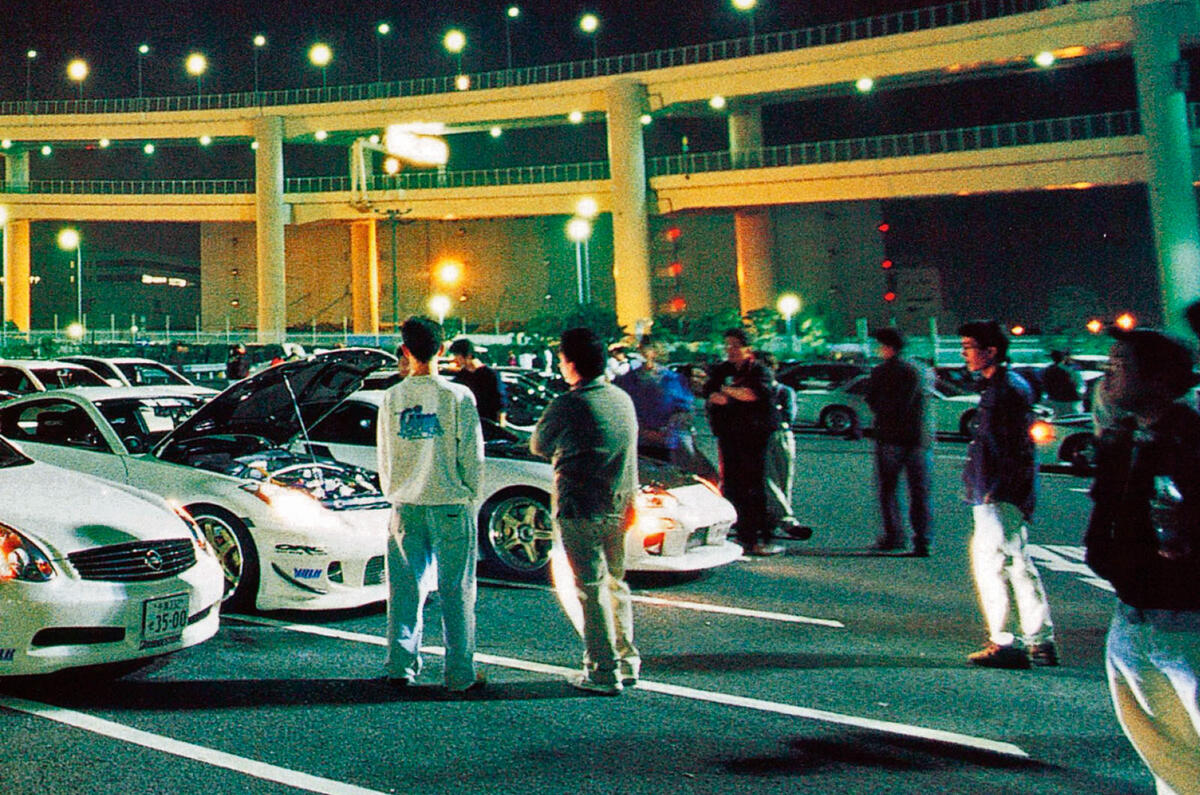
By the turn of the century, Japanese street racing had inspired many TV shows, films and video games. So when our Chas Hallett was in Japan in 2003, curiosity got the better of him and he headed to the infamous Daikoku service station one Friday night. There he found himself among hundreds of tricked-out performance cars and petrolheads - not to mention techno DJs and fast food vans. It felt like a festival, not a criminal gathering.
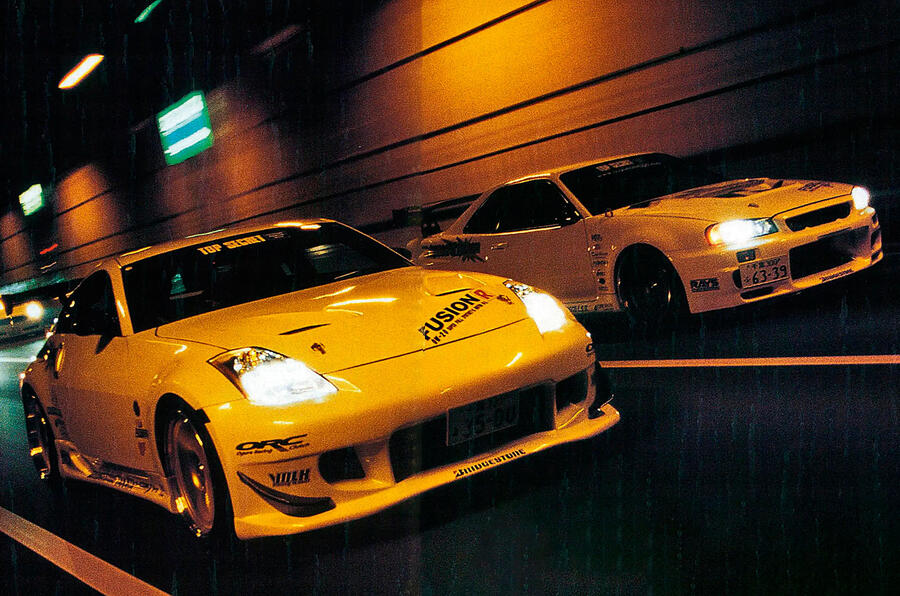
Hallett had arrived not in a weedy hire car but in a 740bhp R34 Nissan Skyline GT-R, driven by a member of Top Secret Club (no corporate risk assessments back then...) in convoy with a 650bhp Toyota Supra, a 400bhp G35 Skyline and a 430bhp Nissan Fairlady Z.
"It's a pretty intense place to be," he wrote. "There's never more than a three-metre gap between any of the cars as we start slicing through the late-night traffic, passing mere mortals whichever side is easiest."
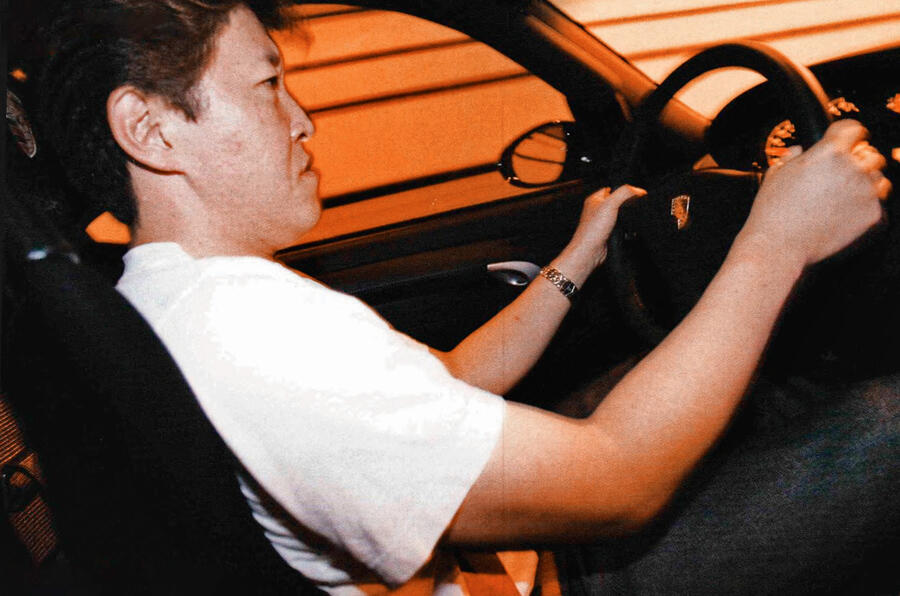
The toll booth for entry onto the Wangan expressway soon appeared. "Mokoto pockets his change and nails the Nissan away from the booth. Violent. Each gearchange slams my torso way back into the Recaro, even though I'm wedged in a full racing harness. You don't just hear that heavily modified 2.6-litre straight six either, you feel it. Every point of contact I've got, right on through to my fingers tightly gripping the grab handle, throbs and vibrates in tune with Mr Koyanagi's right clog."