

If you like outrageously long noses packed with vast, powerful engines, sleek curves, and the appearance of speed even while standing still, then you’ll love Italian aeroplanes.
Whether painted racing red (rosso corsa) or in wild sprayed-on camouflage schemes, Italy has produced many beautiful aeroplanes. According to readers of the Hush-Kit website, these are the 10 most beautiful:
10: Savoia-Marchetti SM.79 Sparviero
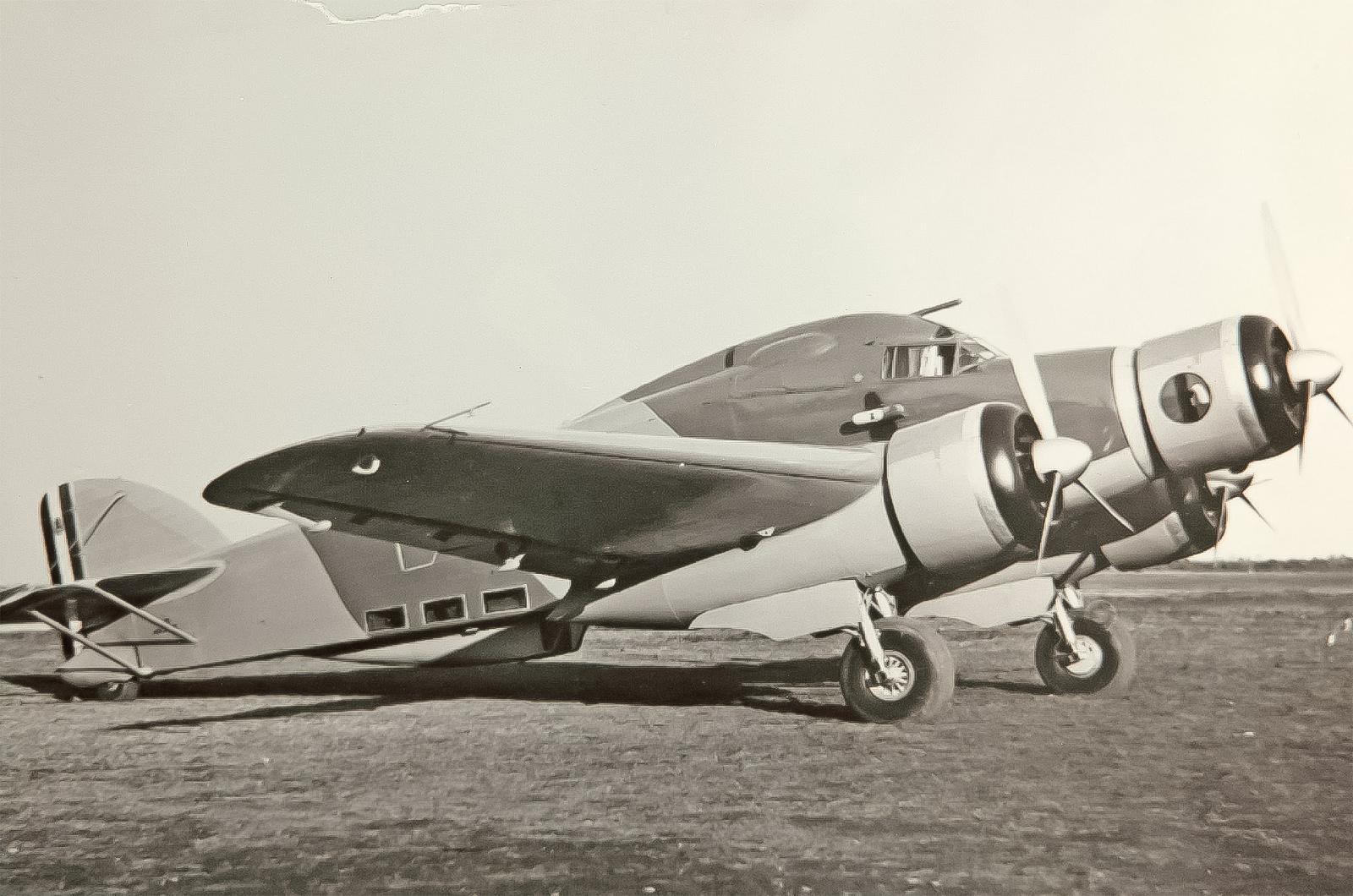
This was the most controversial aircraft to make the cut; many find it good-looking, and many find it extremely ugly. Though perhaps not beautiful, the SM.79 has an exciting and dynamic form. It was not the most modern design to serve in the Second World War, having first flown way back in 1934, but it was one of aviation’s great survivors.
After setting a swathe of records in the mid-30s, the SM.79 became likely the best bomber committed to the Spanish Civil War, outlived the aircraft specifically designed to replace it (the now obscure SM.84) and ended its war as the Axis’ most potent torpedo bomber before relaxing into a surprisingly long postwar dotage.
10: Savoia-Marchetti SM.79 Sparviero

Its top speed of 290mph was very fast by world standards during the conflict in Spain, the SM.79’s primary attributes during the Second World War were its sturdy construction and excellent reliability, neither of which represented a quality associated with Italian engineering in general.
In action during the Spanish Civil War, the Sparviero proved highly effective and more or less immune to interception, which was lucky as the Italians did not possess a fighter fast enough to escort it. Of the 100 or so aircraft committed to Spain, only four were lost on operations. The plane was retired from the Italian air force in 1952, and its final use was by the government of Lebanon, which used it until 1959.
9: Leonardo M-346
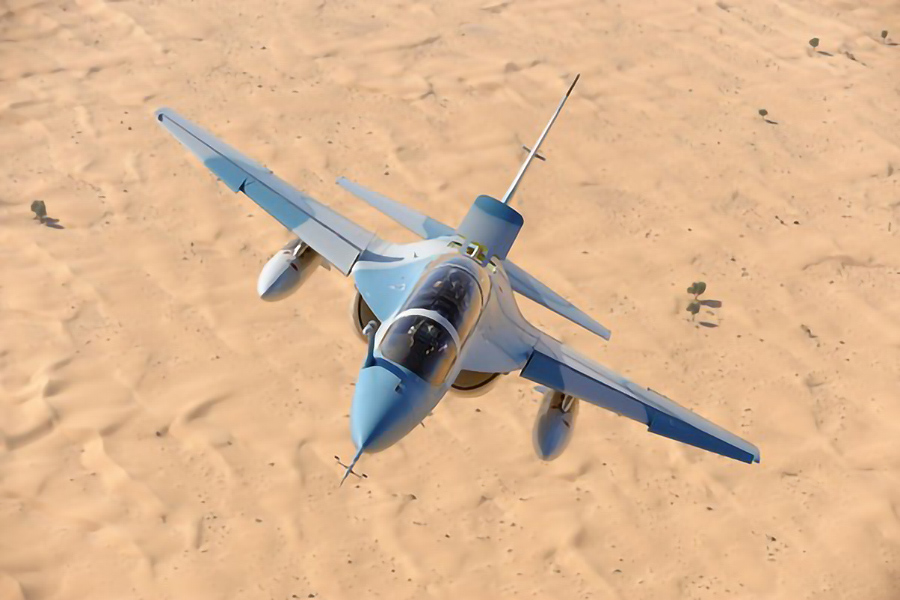
Perhaps photos don’t do justice to the M-346, but if you’ve ever seen one barrelling over the hills above the sparkling water of Lake Como, you’ll know this is a very handsome aeroplane indeed. Compact but perfectly proportioned, with uncluttered lines, it is indeed an elegant jet.
The Leonardo M-346 is a trainer and light combat aircraft built in Italy. It may seem strange today, but the M-346 started as a Russian (Soviet for a short time) design from the Yakovlev bureau. Yakovlev teamed up with the Italian company Aermacchi before they parted ways. This led to the Yak-130 in Russia and the M-346 in Italy.
9: Leonardo M-346
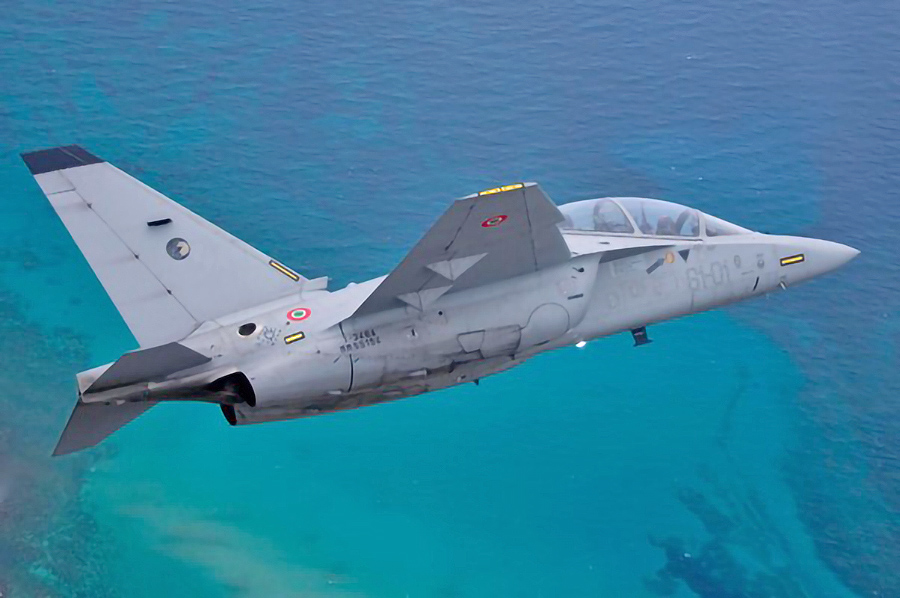
Whereas the M-346 is a trainer, the M-346FA variant has fangs. This is a light combat aircraft variant with seven external hardpoints and can be armed with air-to-air and air-to-surface munitions, a 20mm gun pod, and can be fitted with advanced targeting pods linked to helmet-mounted displays.
The trainer has developed a reputation for reliability and effectiveness. The trainer version of the M-346 is in service with the air forces of Italy, Singapore, Israel, Poland, Qatar and Greece; Turkmenistan and Nigeria have purchased the light fighter variant.
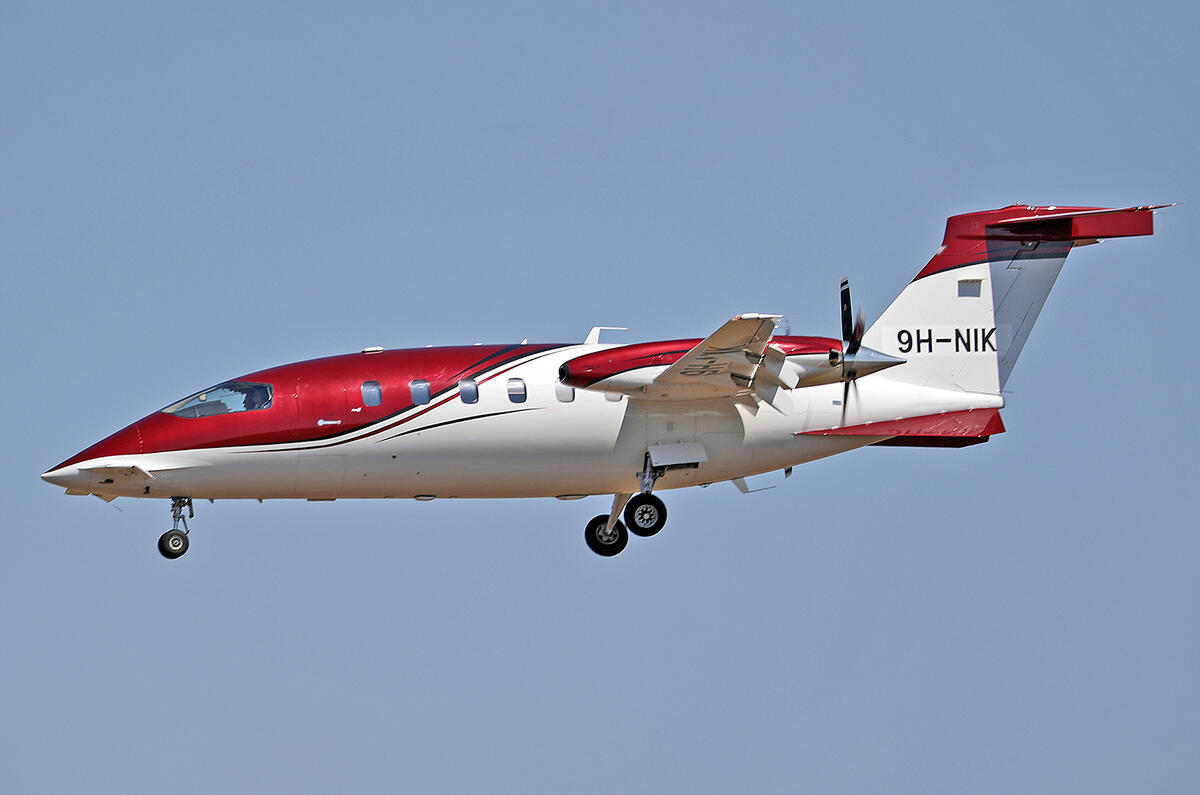
8: Piaggio P.180 Avanti
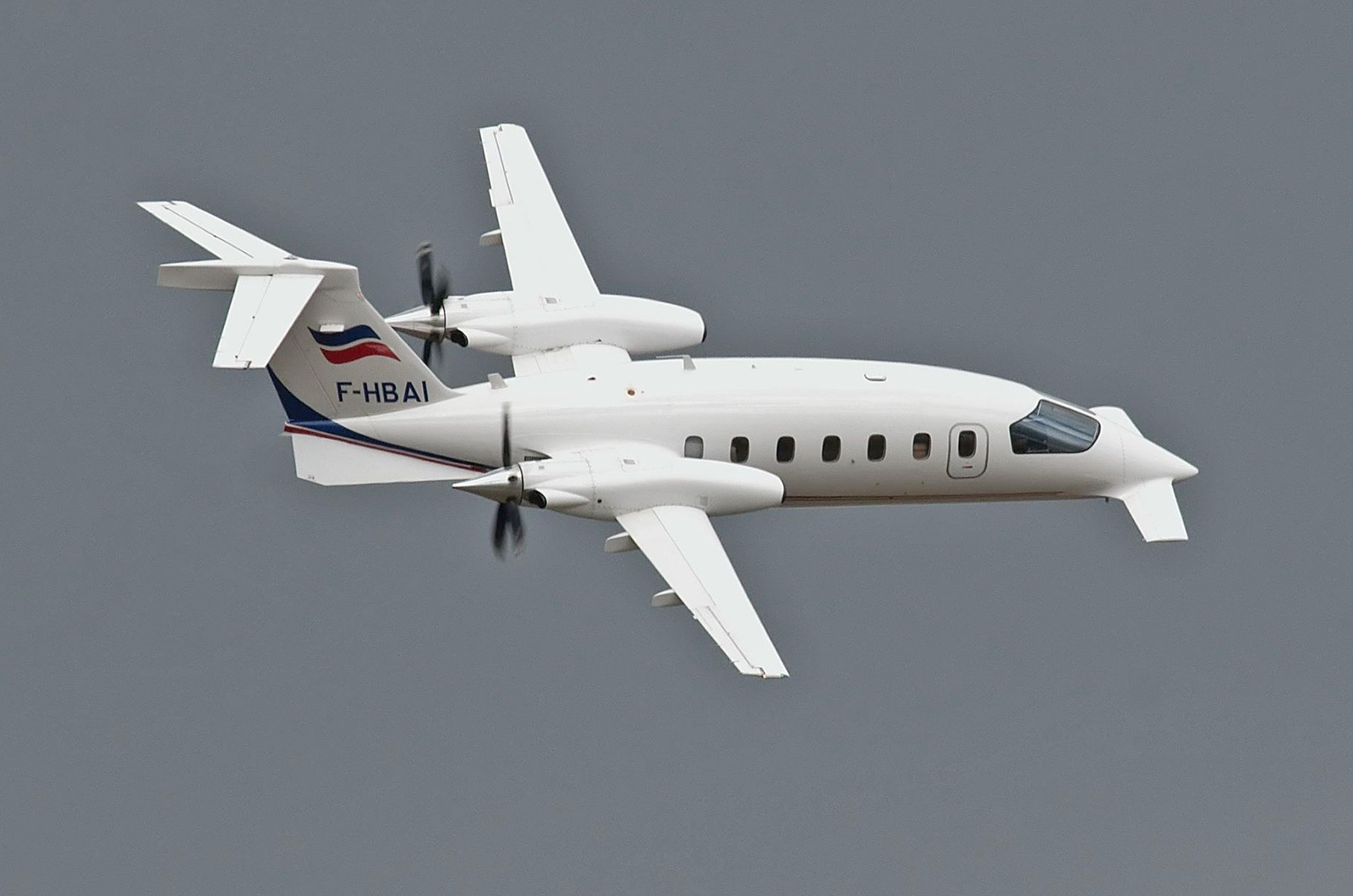
A Piaggio P.180 Avanti II was painted by the artist Mimmo Paladino and displayed at Galleria in Milan, Italy, as “Cacciatore di Stelle”. We don’t mean he painted a picture of an Avanti; we mean that he decorated an actual aircraft. Whether embellished or not, the Avanti is a work of art in its own right.
If you’re not just a run-of-the-mill multimillionaire looking for an aircraft, you’ll want an aircraft that will stand out on the apron when you fly into Samedan for a spot of snow polo. In that case, there’s only really one choice, the gorgeous Piaggio P.180 Avanti.
8: Piaggio P.180 Avanti

The fact that the turboprop engine and its propellers point backwards, the third, anhedral (anhedral means the tip of a wing or surface is lower than where it meets the fuselage) lifting surface at the front, the wing-shaped fuselage, the T-tail and massive delta fin strakes, the scimitar-shaped blades in the latest EVO version.
Perhaps it’s not surprising that the Avanti is so different, because Piaggio has a history of making decisions against the grain. First, there was the P.2, an aerodynamically clean monocoque, low-wing monoplane which flew in 1923, then the radical P.7 mentioned below. All led to the Avanti, the fastest propeller-driven aircraft ever flown, with an astonishing top speed of 576.3 mph.
7: Leonardo C-27J Spartan
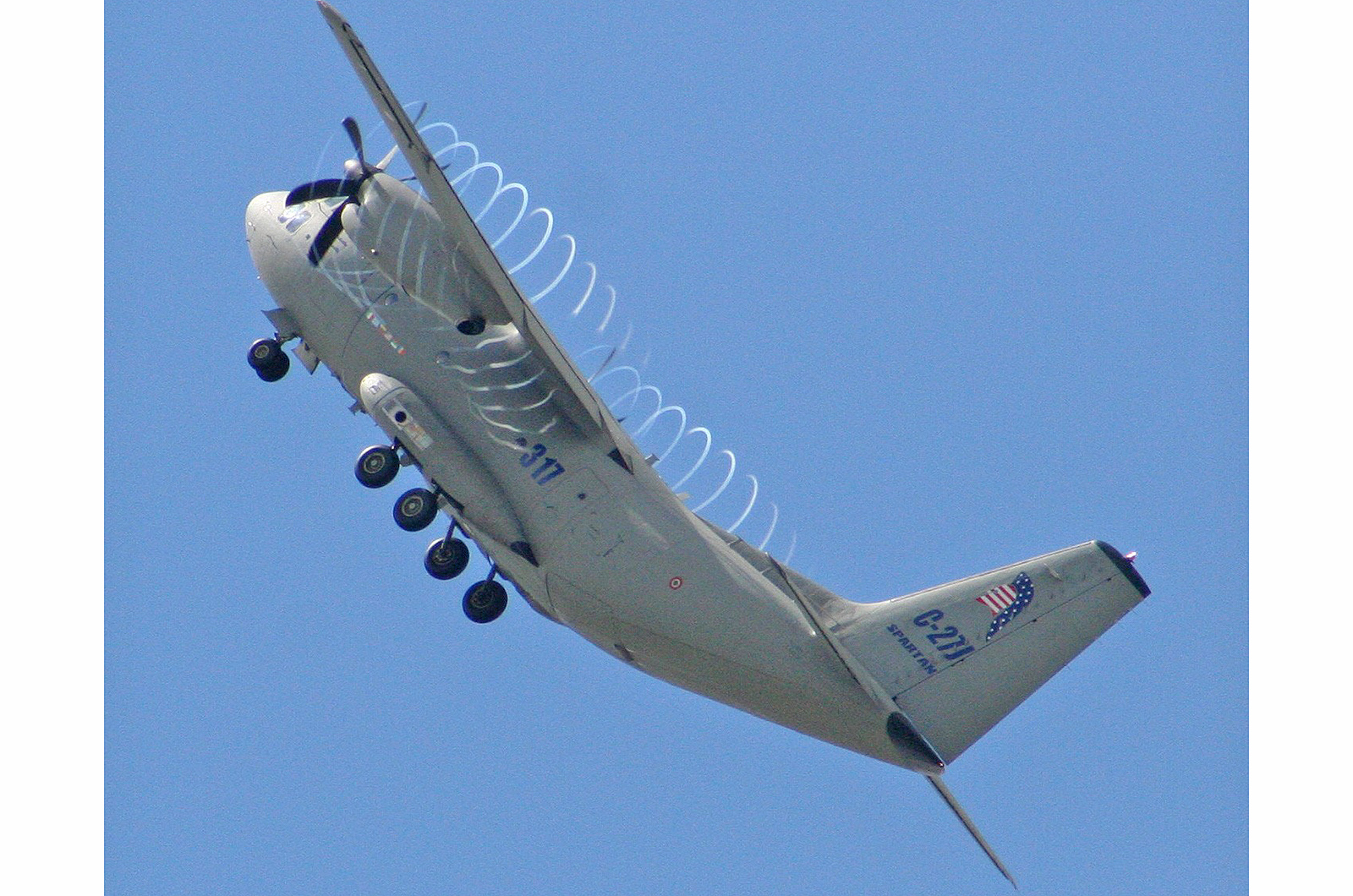
Anyone lucky enough to witness a flying display by the C-27J Spartan will learn that despite what they may have previously thought, a tactical transport aircraft is indeed capable of flying with astonishing grace and exciting, yet seemingly effortless, manoeuvrability.
Though not as showy in form as others on this list, the C-27J is perfectly proportioned and perhaps the most handsome in its class. In creating a modern tactical airlifter, there is often a tendency to overload the design with ‘bells and whistles’; rugged dependability and performance are actually what matters most, and the C-27J exemplifies these virtues.
7: Leonardo C-27J Spartan

The C-27J boasts the largest cargo compartment in its class, as well as the best descent and climb rates (4,000 ft/min and 2,500 ft/min). Being able to land almost anywhere is key to a tactical airlifter’s success, and the C-27J is qualified for short take-off and landing (STOL) on snowy, sandy and even rough unprepared strips.
The C-27J has proved extremely versatile, serving in almost every conceivable role. Over 111 have been manufactured and serve with many militaries around the world. A notable operator of the Spartan is the U.S. Army’s Special Warfare Center’s Military Free Fall School in Yuma, Arizona.
6: Macchi MC.205V Veltro

The culmination of a distinguished line of Macchi fighters that began with the MC.200, the Veltro combined the excellent Daimler-Benz DB.605 engine (Fiat RA.1050 R.C.58 Tifone) with the beautiful handling of the Macchi MC.202 Folgore (itself essentially a Saetta re-engined with a DB.601 V-12) to produce an airframe well up to world standard.
The armament wasn’t pitiful, boasting a standard fit of two 20-mm cannon and two 12.7-mm machine guns. The Veltro a magnificent performer, well up to international standards and importantly, as a developed version of an aircraft already in mass production, it was able to be produced in decent numbers immediately.
6: Macchi MC.205V Veltro

British test pilot Eric Brown stated, “One of the finest aircraft I ever flew was the Macchi MC. 205 … It was really a delight to fly, and up to anything on the Allied programme.” In its ‘Serie V’ form sported one of the world’s best aero-engines, and it was well-armed.
The Veltro served on in postwar Italian service until 1955, the last being built as late as 1951, and a few new build aircraft were constructed for supply to Egypt. An act that provoked the bombing of a hangar in Italy by Israeli secret services, destroying three MB.308s and one MC.205. An Egyptian Veltro downed an Israeli P-51D on 7 January 1949.
5: Reggiane Re.2005 Sagittario (‘Archer’)
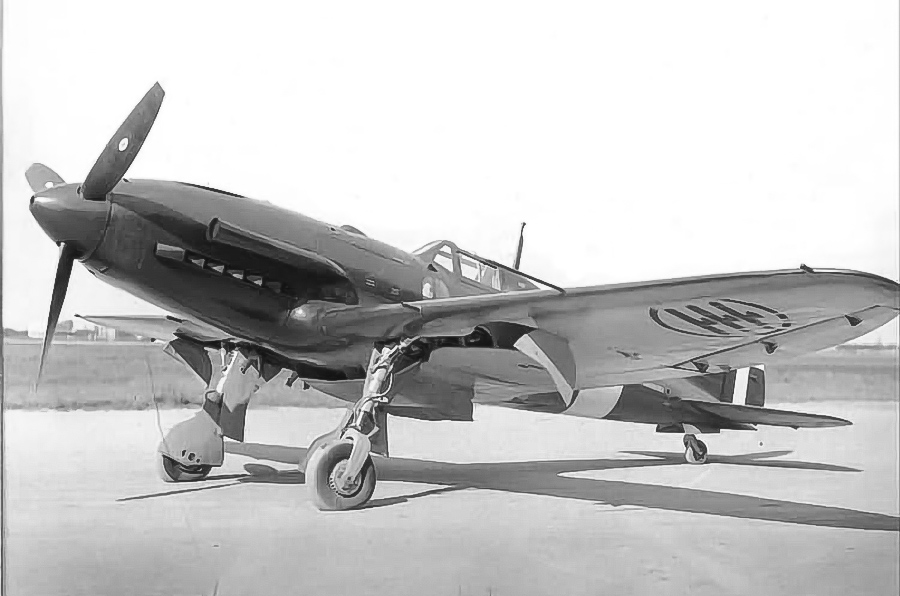
Had Mussolini not thrown in his lot with Hitler and invaded France in May 1940, Reggiane would have built 300 Re.2000 Falco fighters for the RAF, which seems somewhat crazy given that a mere three years later, the much more potent Re.2005 Sagittario was besting the Spitfire over the skies of Sicily.
The most exciting looking of the Serie V fighters powered by the Fiat-built Daimler-Benz DB 605 engine, the Re.2005 was a logical development of the slightly humdrum Re.2001 Falco II, which was slower than it looked and outperformed by contemporaries on both sides.
5: Reggiane Re.2005 Sagittario
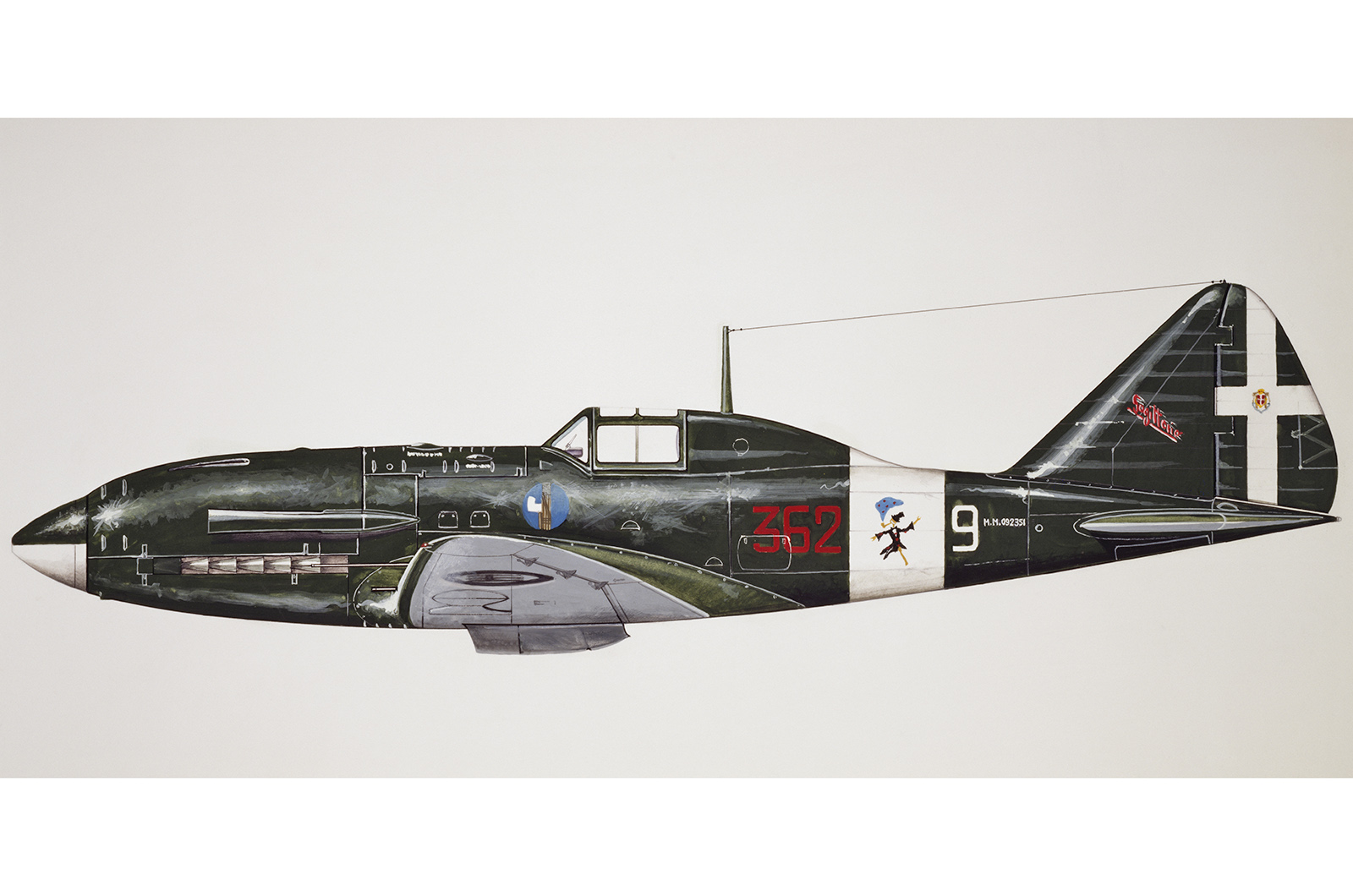
The Re.2005 also maintained an unfortunate feature of the earlier aircraft in that it was a complicated airframe, both time-consuming and expensive to build, which is small potatoes if you had the massive industrial capacity and wealth of say the USA but Italy in the 1940s was industrially puny and seriously strapped for cash.
What Italy had no shortage of, though, was design flair and the Re.2005, whilst being absolutely the wrong fighter for its nation of origin in a pragmatic sense, possessed the effortless thoroughbred chutzpah of a mid-60s Maserati. Ultimately, of course, it didn’t matter how amazingly good the aircraft was; like many other Italian types the fact that production didn’t even make it into triple figures rendered the Re.2005 essentially irrelevant.
4: FIAT G.55 Centauro
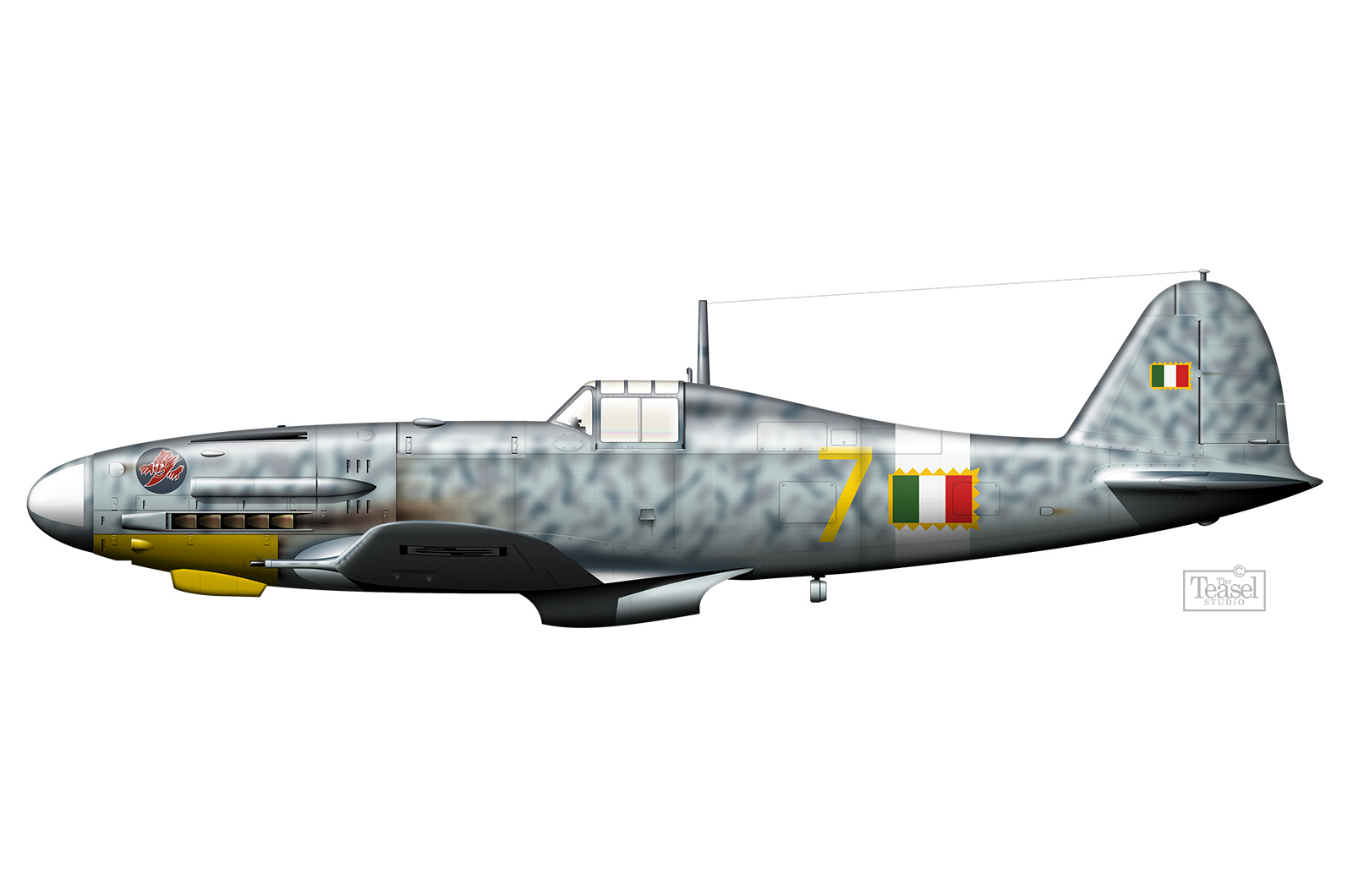
The best Italian fighter of the war, the Fiat G.55 was so good that a team of German experts concluded that it was the best fighter in the Axis, possibly the world. Kurt Tank, designer of the Fw 190, had nothing but praise for the G.55 and went to Turin to look at its potential for mass production.
Fortunately for the Allies, it was pointed out that the Fiat took three times as long to build as a Messerchmitt 109, and whilst the Centauro was a better fighter, it wasn’t three times better and production plans were abandoned. Compared to its Reggiane and Macchi contemporaries, the Fiat suffered fewer teething issues, was easier to build than the complicated Re.2005 and demonstrated better altitude performance than the MC.205.
4: FIAT G.55 Centauro
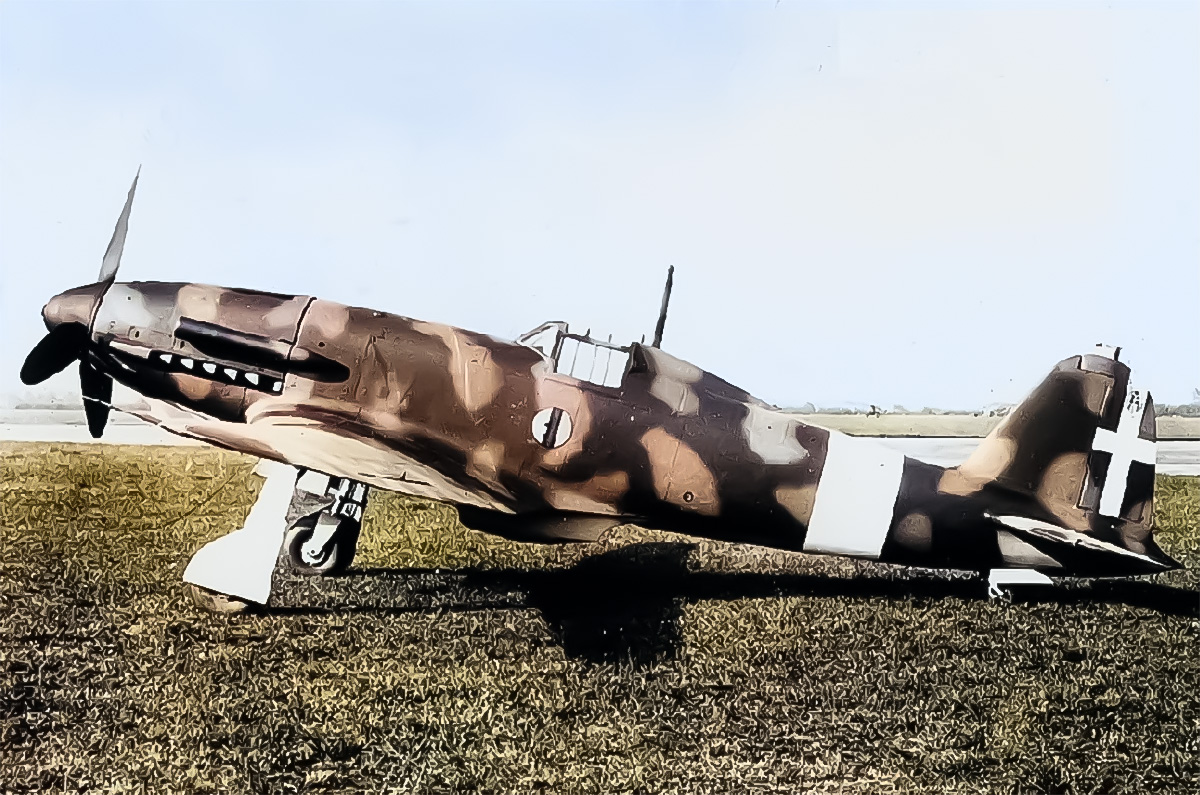
The few pilots to fly it in combat were delighted with the new Fiat fighter. The 353a Squadriglia, commanded by Capitano Egeo Pittoni and charged with the defence of Rome, was the only Regia Aeronautica unit to operate the G.55 for longer than a few days and over the summer of 1943; this unit utilised its excellent altitude performance to good effect against American bombers.
The Fiat featured three 20-mm cannon supplemented by two 12.7 mm (.50-calibre) machine guns, which represented a terrific punch for a mid-war single-engine fighter and totally overturned a contemporary stereotype of the under-armed Italian fighter.
3: Macchi M.39
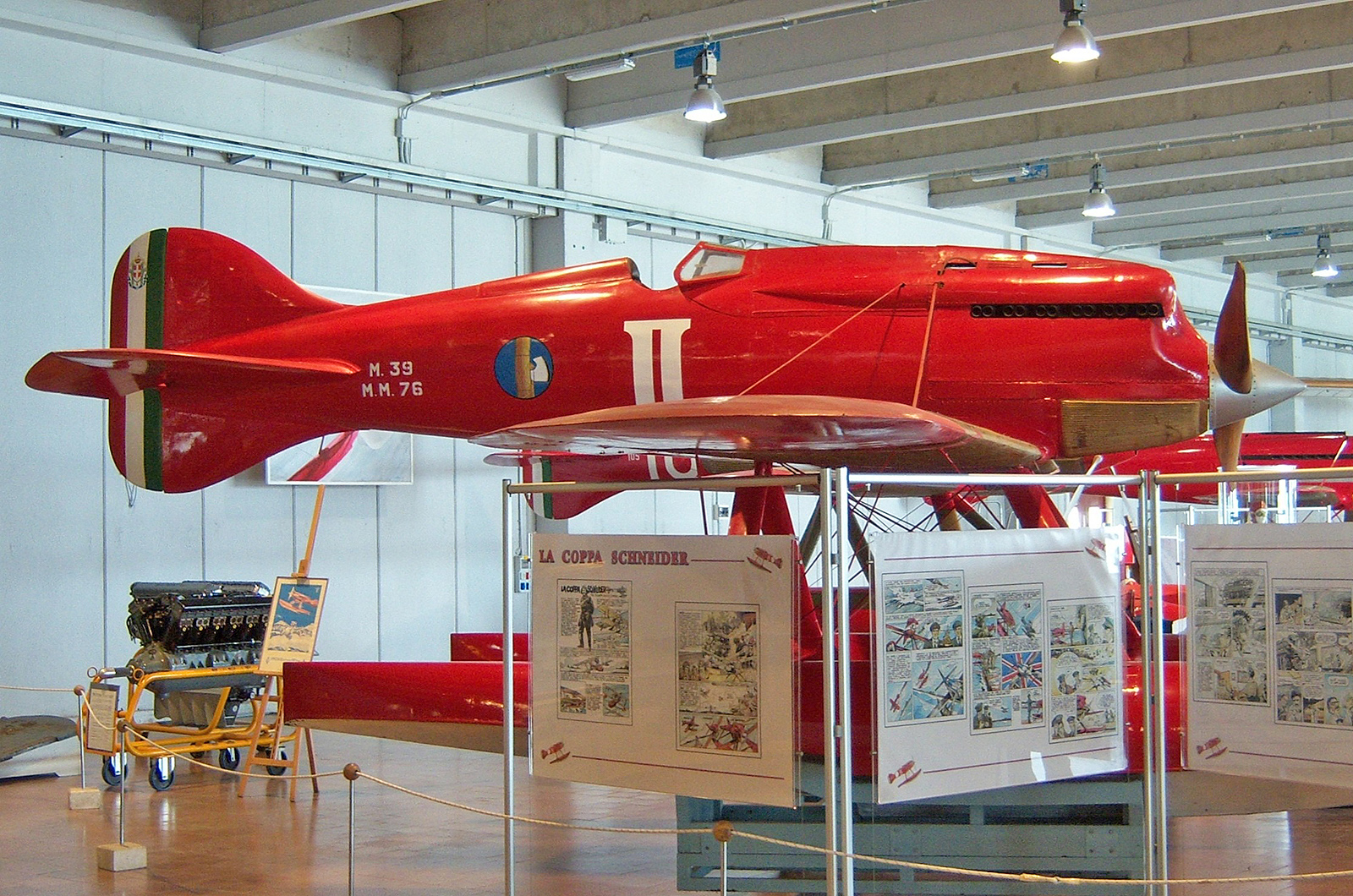
America had shown Europe the way with regard to what was required to win the Schneider Trophy in its later years with the CR-3 in 1923. In 1926, the USA was on the cusp of winning it forever.
The Italians retorted by showing how they had learned from the American success with the Macchi M.39. As the Curtiss had set the model for success before it, the M.39 refined this further and introduced the basic aircraft configuration that would be followed by all subsequent winners.
3: Macchi M.39
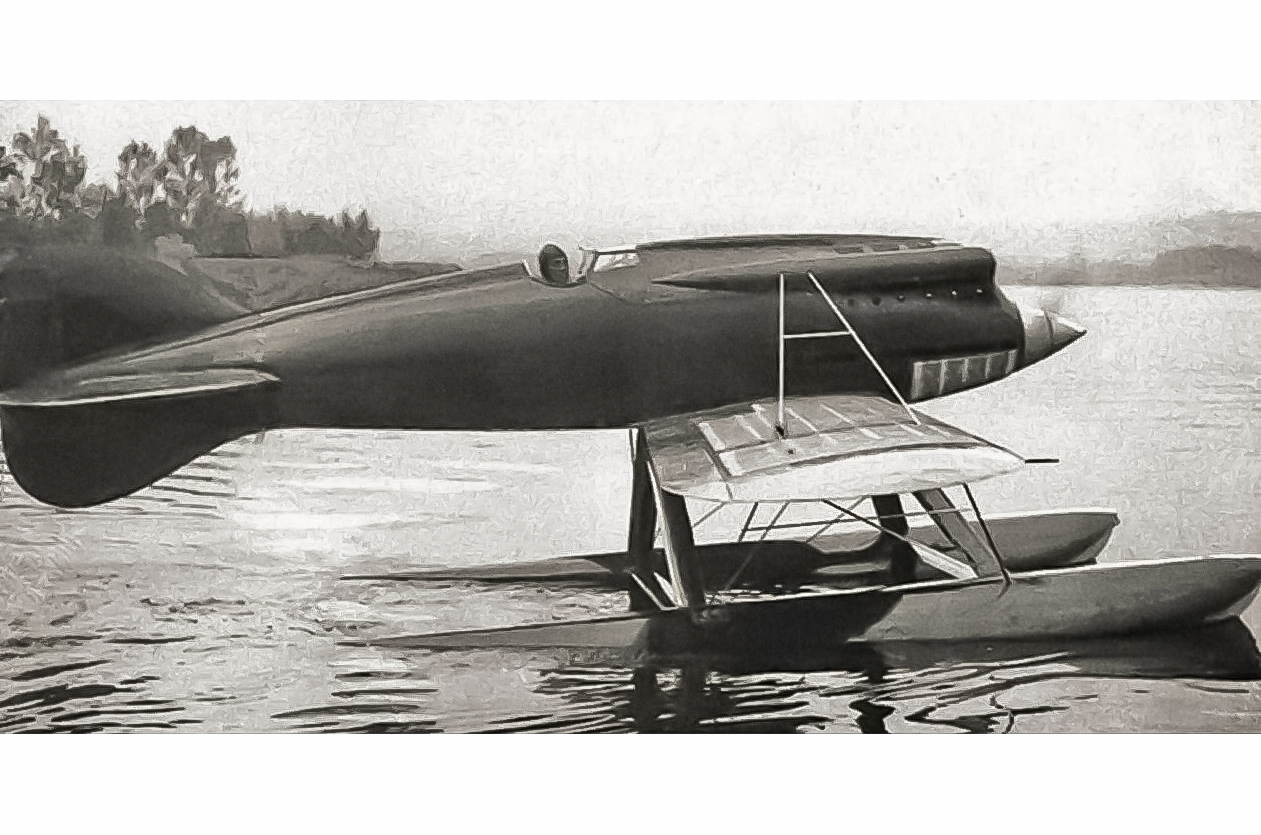
Mario Castoldi had studied the entrants in 1925 and applied what he’d learned to his new design, concentrating on attention to detail around the streamlining and packaging. The other aspect embraced was government backing; Mussolini’s regime funded it and created the Reparto Alta Velocita as the team to uphold Italy’s honour.
The M.39, with its Fiat AS2 engine, was the first to hold the fuel in the floats and crystallised the classic late 20s design (albeit as an all-wood construction). The key features were a faired-in cockpit with a minimal height screen, low monoplane wing, surface radiators and minimal external bracing. It was extremely beautiful.
2: Piaggio-Pegna P.c.7

The Piaggio Pegna P.c.7 manages to clamber so far up the list simply by being so inherently audacious and, given it was such an ambitious design, having come so close to flying. Pegna had been creating various wild schemes for some time, and in 1928, his persistence was rewarded with a contract from the Italian government for two examples of the P.c.7.
Sadly, there were too many novelties and too little time to develop them, but the P.c.7 wasn’t simply a madcap scheme. The overall driver for the design stems from the use of hydroplanes instead of floats or a conventional hull, an approach which required numerous additional and very complex features.
2: Piaggio-Pegna P.c.7
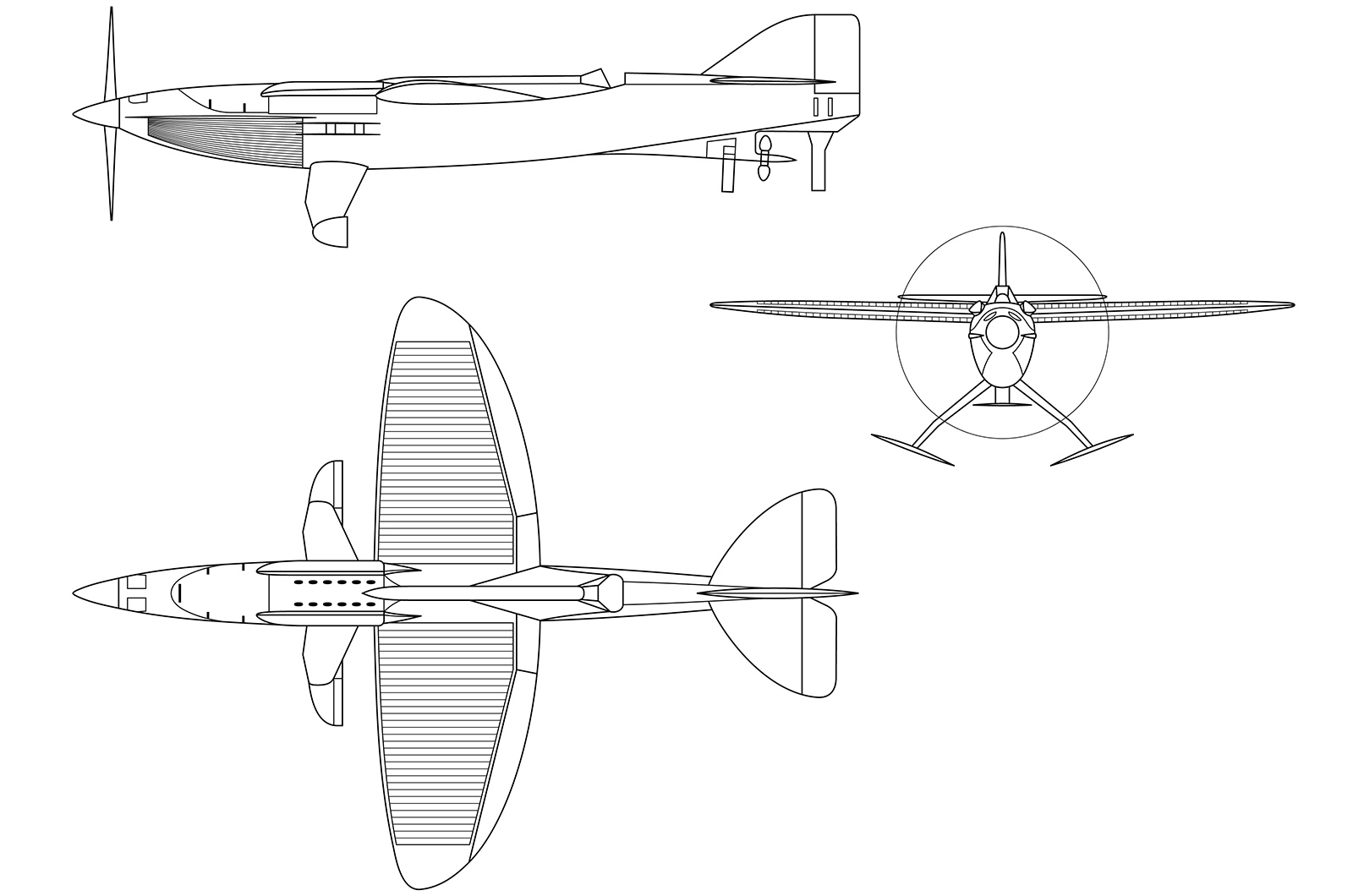
The problem of creating a ‘vane design’ that would work well when on the water and in flight was solved by installing a clutched variable pitch water propeller in the back and a clutched drive to the main prop up front. All of these allowed for a slim, low-sitting fuselage-hull without wing tip floats. The wing planform would also bear a strong resemblance to the later Spitfire.
The nose was extraordinarily long, and the pilot located well back toward the fin. Both P.c.7s were completed, but an inherent instability during take-off and the passing of the race itself meant they never actually flew. Instead, they simply became beautiful, visionary, and utterly glorious cul-de-sacs.
1: Macchi-Castoldi M.C.72
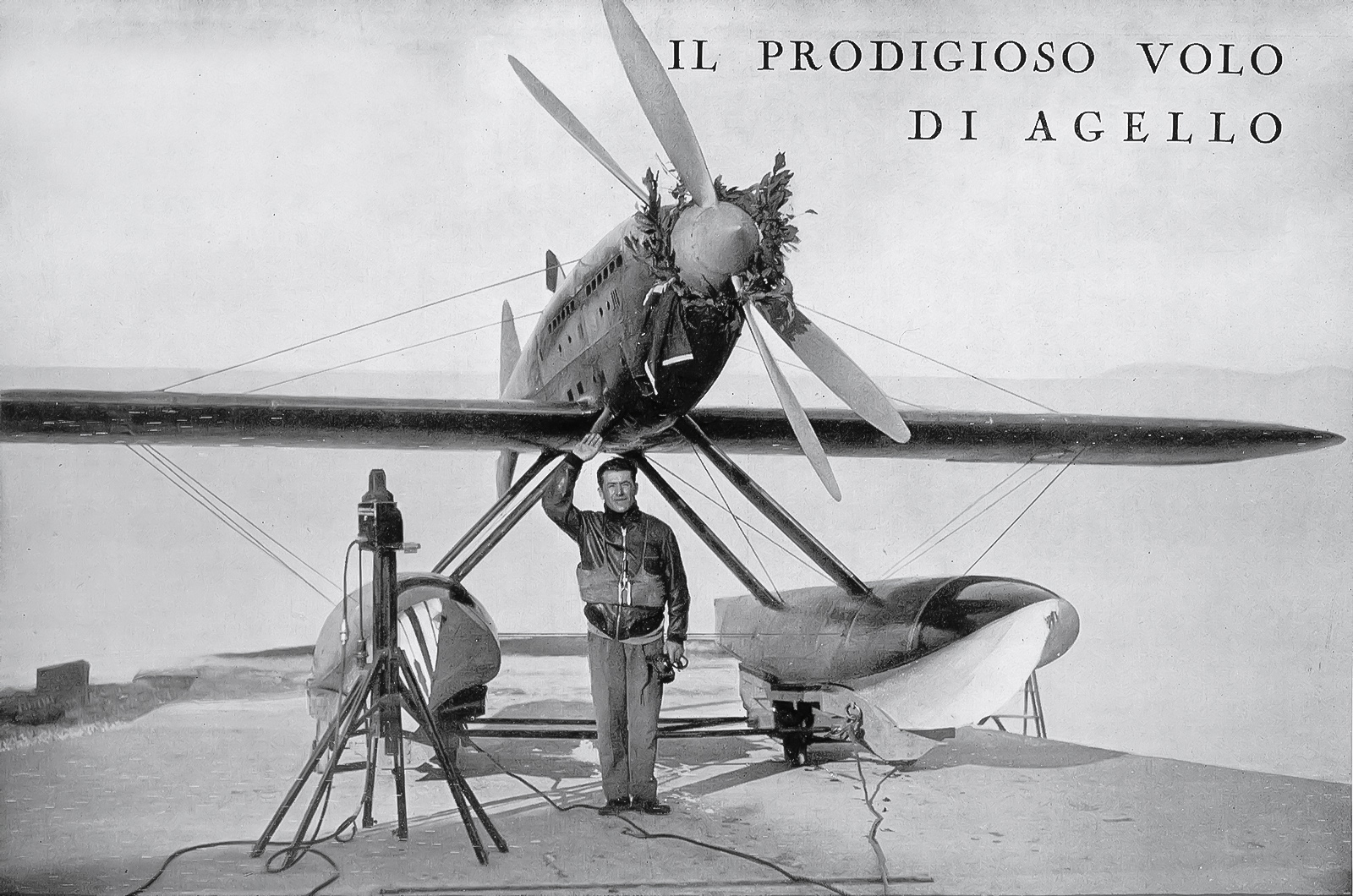
Combining world-beating speed with outlandishly good looks, the M.C.72 was a feast of beauty, technology and daring. On 23 October 1934, Francesco Agello (pictured) became the fastest man that had ever been when he took the stunningly beautiful MC.72 to a speed of 440.682 mph (709.209km/h). Packed into the long nose of the MC.72 was a 2800-horsepower monster: the engine is two separate units really, mounted inline, each driving one of the contra-rotating propellers.
The luscious Italian Macchi-Castoldi M.C.72 combined innovative features with outstanding beauty and quite astonishing performance. It was built to win the Schneider race, a fiercely competitive international seaplane contest encouraging rapid technological progress in aeroplane development.
1: Macchi-Castoldi M.C.72
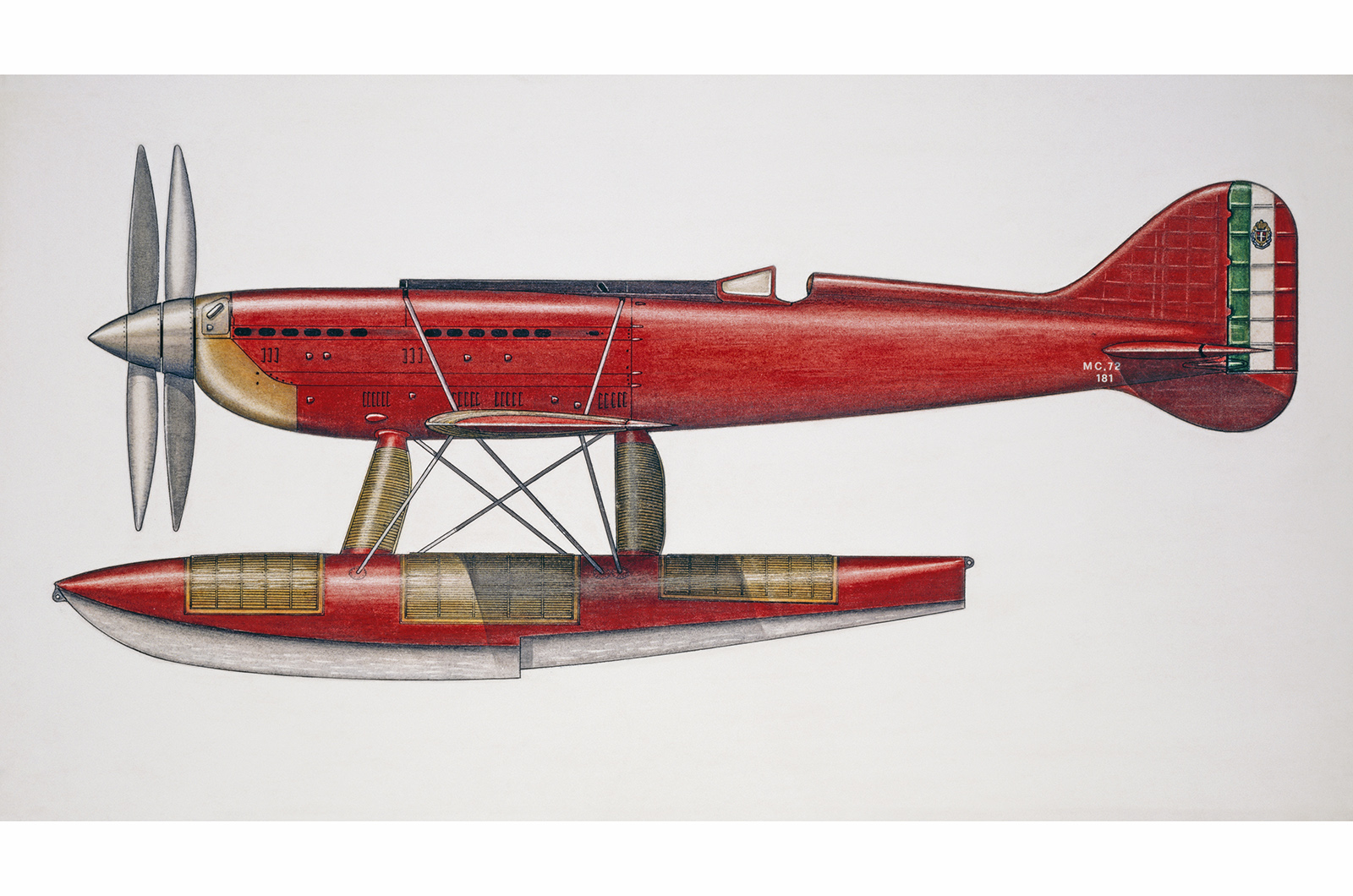
Although conceived to contest the 1931 Schneider Trophy, the M.C.72 ruled itself out by being too late - however, it did go on to set an outright speed record that stood for five years. The journey to success wasn’t easy, though, with Fiat’s A.S.6 24-cylinder engine being the main culprit.
The A.S.6 was an alarming idea: take two highly-strung V12 engines and bolt them back-to-back, having one drive one element of a contra-rotating prop and the other drive the second, with no direct link between the throttles. It’s still the case that no piston-engined seaplane has travelled faster. What a beauty…
Follow Hush-Kit's incredible aviation stories on Substack and X
If you enjoyed this story, please click the Follow button above to see more like it from Autocar
Photo Licence: https://creativecommons.org/licenses/by/4.0/deed.en



Add your comment