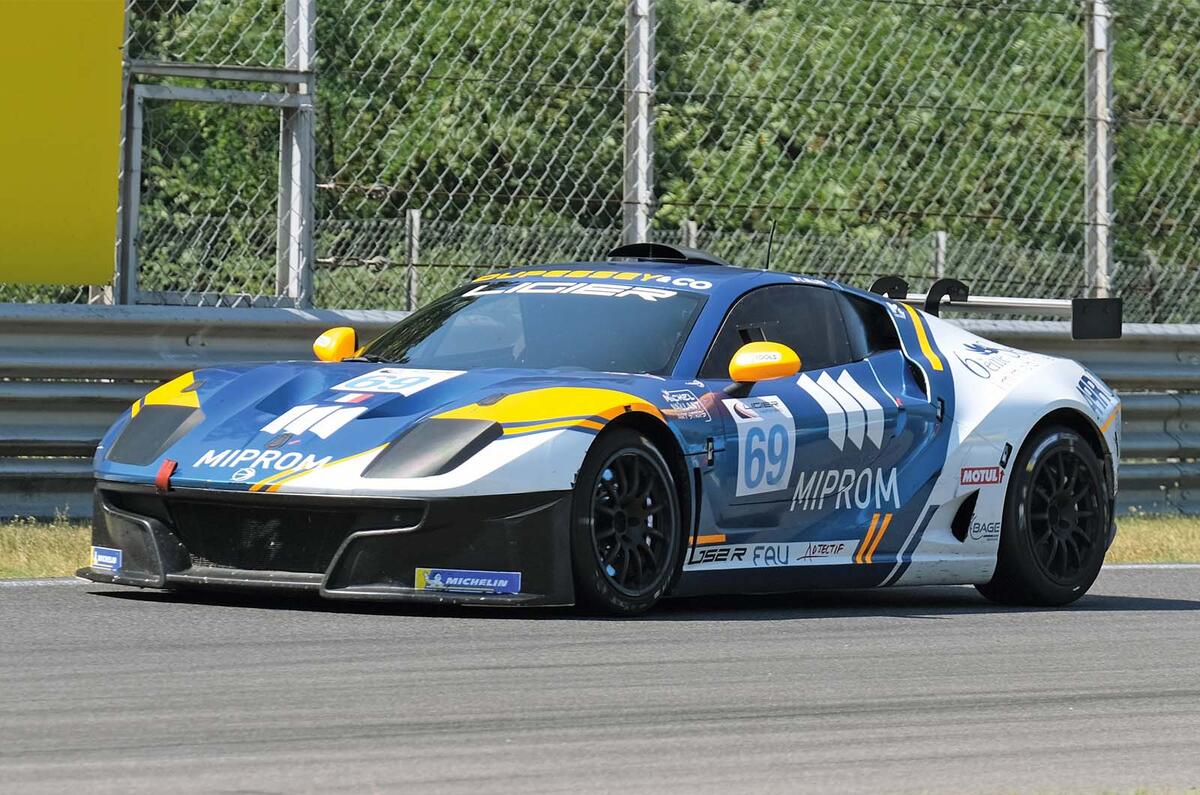

Ligier recently hit the news by recording the slowest ever lap of the Nürburgring, amusingly claiming this "hinted at its glorious history". But what exactly is that history?
Well, the name Ligier first appeared in Autocar in March 1964, on the entry list for the forthcoming Le Mans 24 Hours. Driving for the French importer of Porsches, Guy Ligier would finish seventh in a 904.
It had taken the 33-year-old seven years to reach this point since entering his first car race – a rise that was inspiringly self-propelled.
Ligier had lost his father, a Vichy farmer, aged seven and left school at 14 with no qualifications, finding work as a butcher’s assistant. He showed an early aptitude for sport, becoming an excellent rower, playing international rugby while doing his national service (giving him, Autocar would later describe, “a taste for competition, stubbornness and a resistance to hard blows, as well as team spirit”) and latterly racing motorcycles.
Determined to make something of himself, in 1960 Ligier bought a used bulldozer and pulled 18-hour days shifting earth. Before long, his business had 1000 staff and was worth millions, being a key contractor in France’s construction of autoroutes. His secret? “Accept the most difficult job and do it quicker than your competitors.”
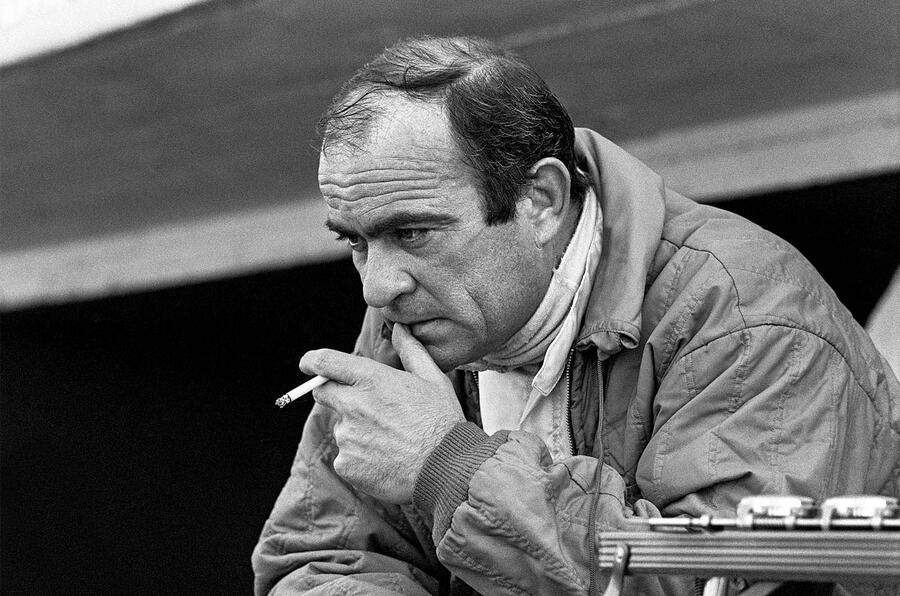
Two years after his Le Mans debut, in 1966, Ligier entered Formula 1, buying a Cooper and making his debut at Monaco. He was lucky to escape a crash later that year at the Nürburgring and had to buy a new car for 1967. But nor was this Brabham competitive, and so a ‘disgusted’ Ligier walked away after 13 grands prix, in which his finest finish was a point-scoring eighth.
Ligier next set about building cars of his own – the first of them a GT. For the chassis, he hired an engineer from French sports car racing specialist CD; for the body, he contracted Italian coachbuilder Frua; and for the powertrain, he sourced a Ford Cosworth V6 engine and a Hewland manual gearbox.
Enjoy full access to the complete Autocar archive at the magazineshop.com
The car was named the JS1, after Jo Schlesser – Ligier’s close friend, another self-made man, with whom he had owned a Shelby dealership in Paris, recently killed in an F1 crash.
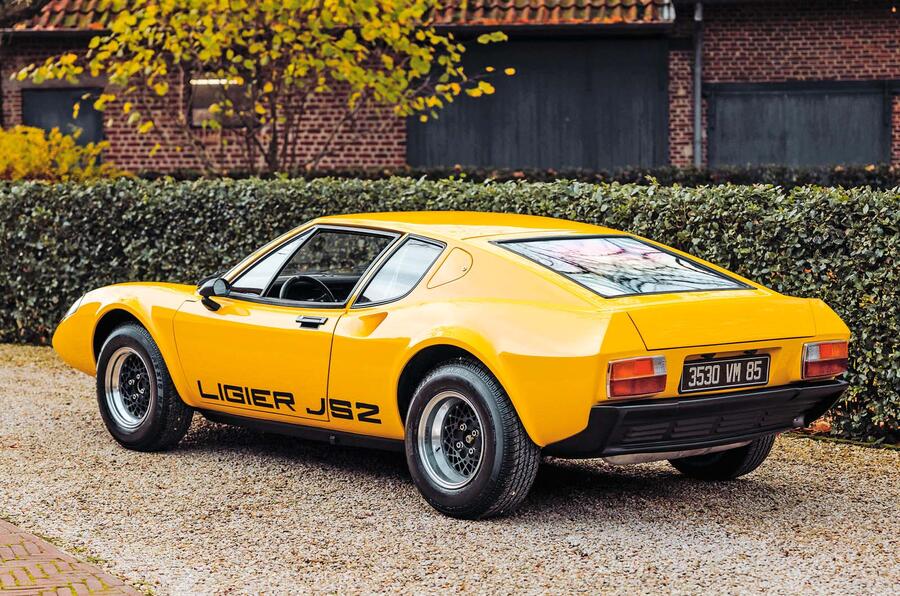
The car was a near-immediate success on track, and work soon started on an upgraded model, the JS2, with a punchier version of the Maserati V6 that powered the Citroën SM (production of which moved to Vichy as part of the deal).