
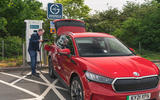

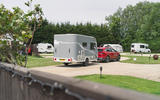
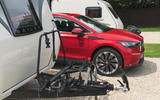

Until quite recently, you would have struggled to buy an electric car that could tow a caravan, so rare were they.
Forward to today and you’re spoiled for choice of EVs with braked towing capacities ranging from 500kg to 2500kg. Given that the typical single-axle family tourer weighs around 1500kg, you can assume there’s one that can tow it.
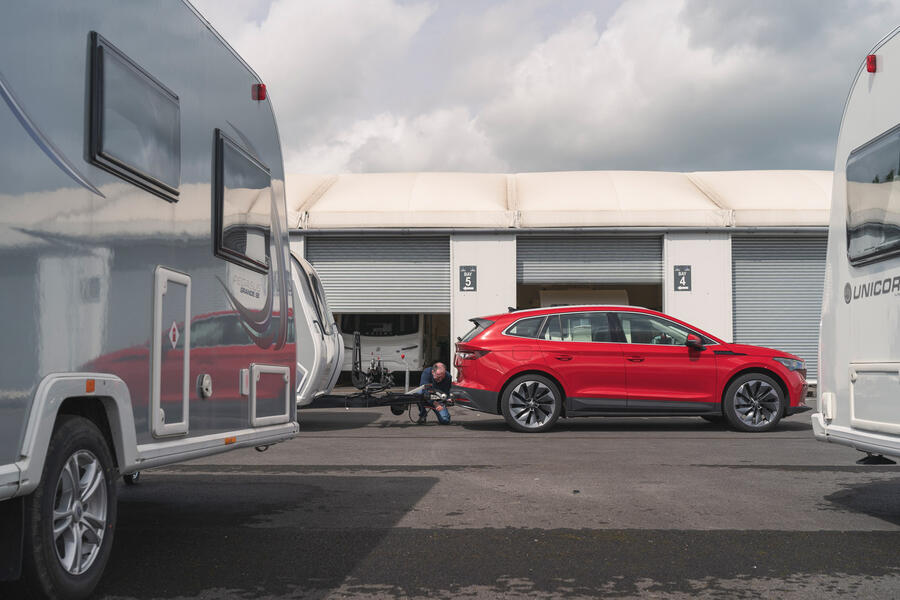
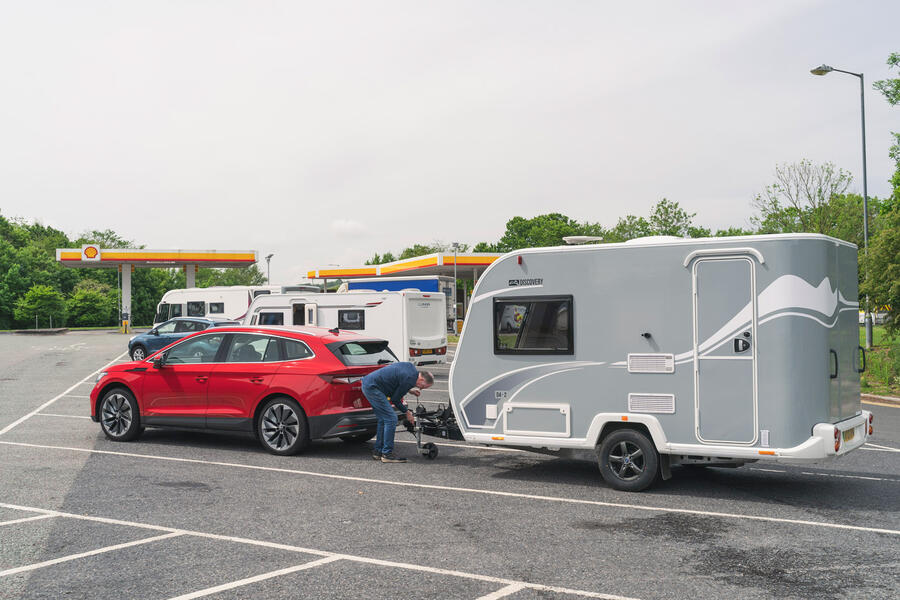
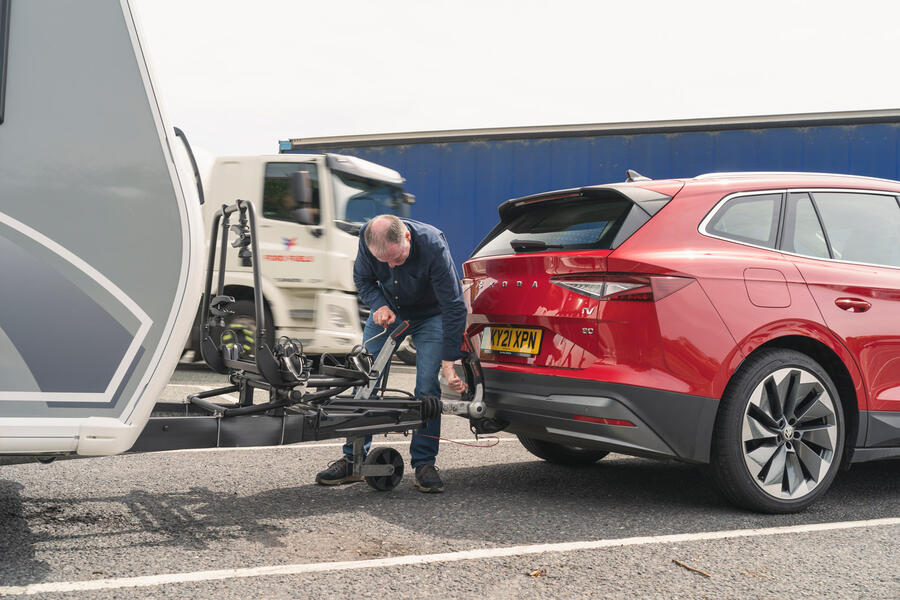
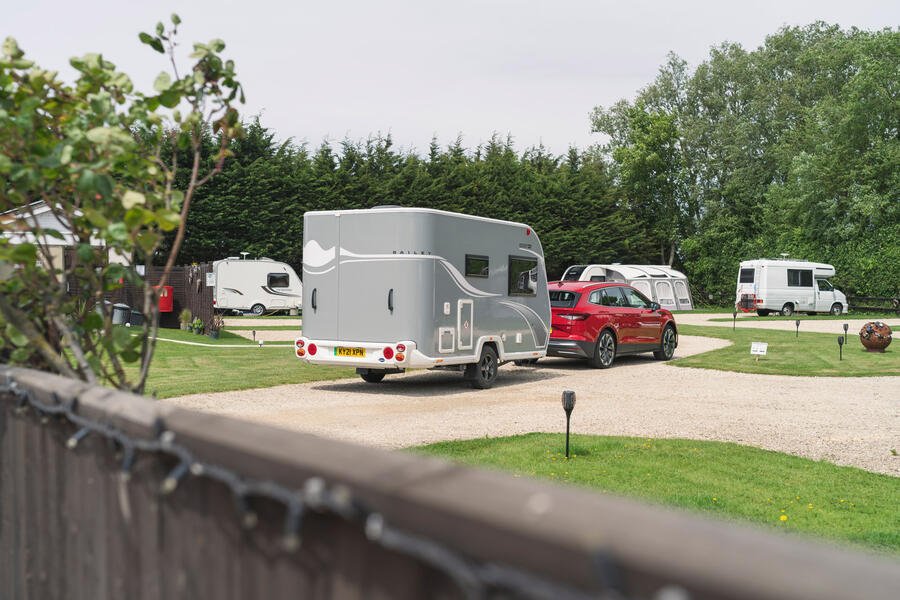
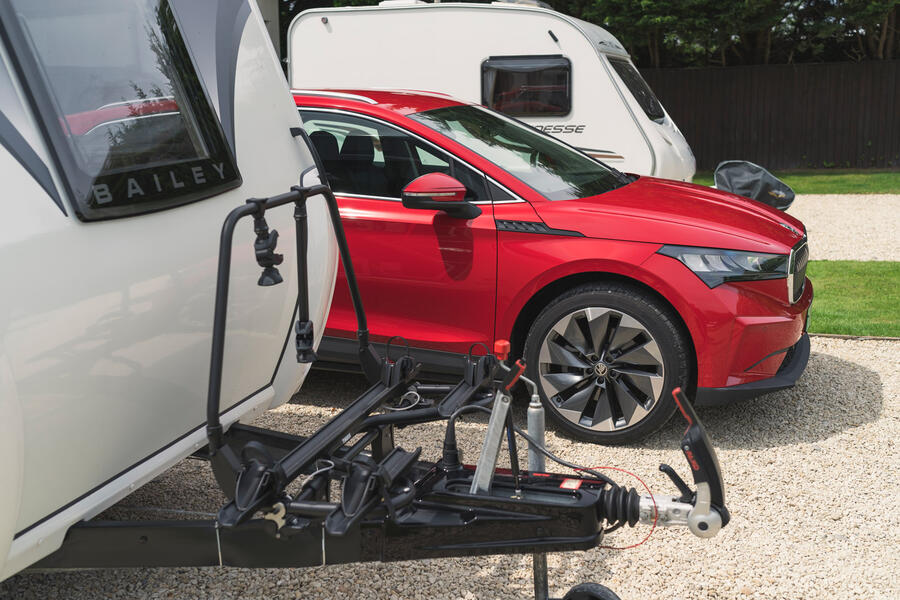
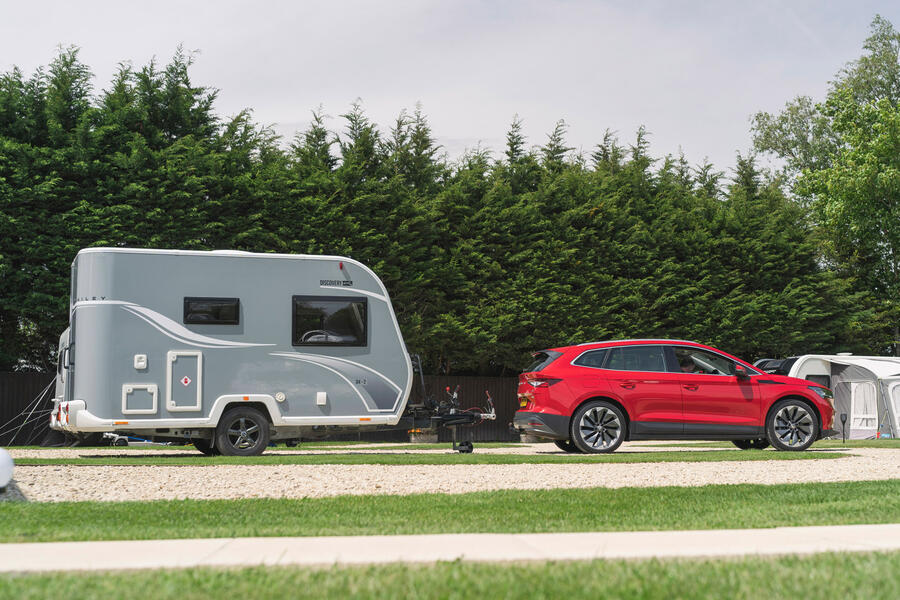
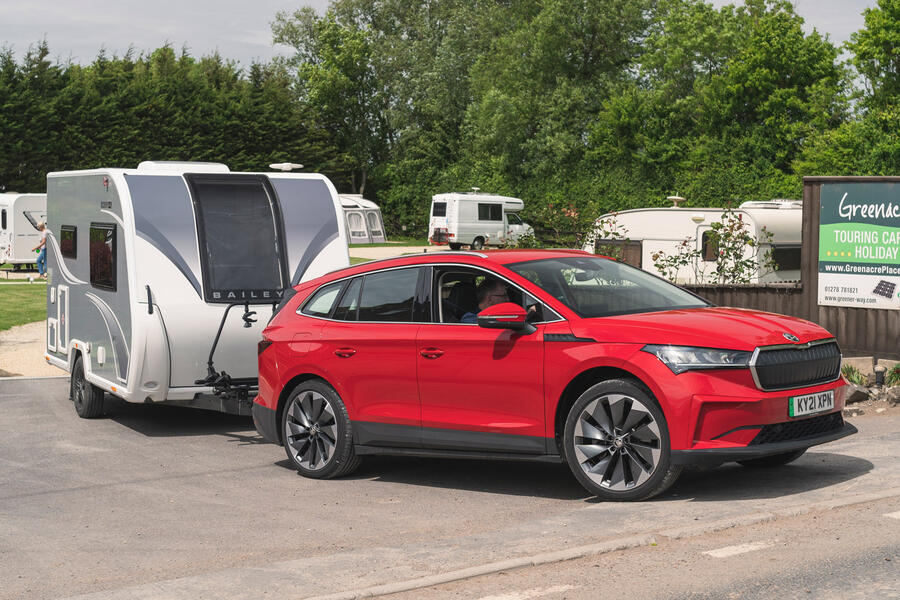
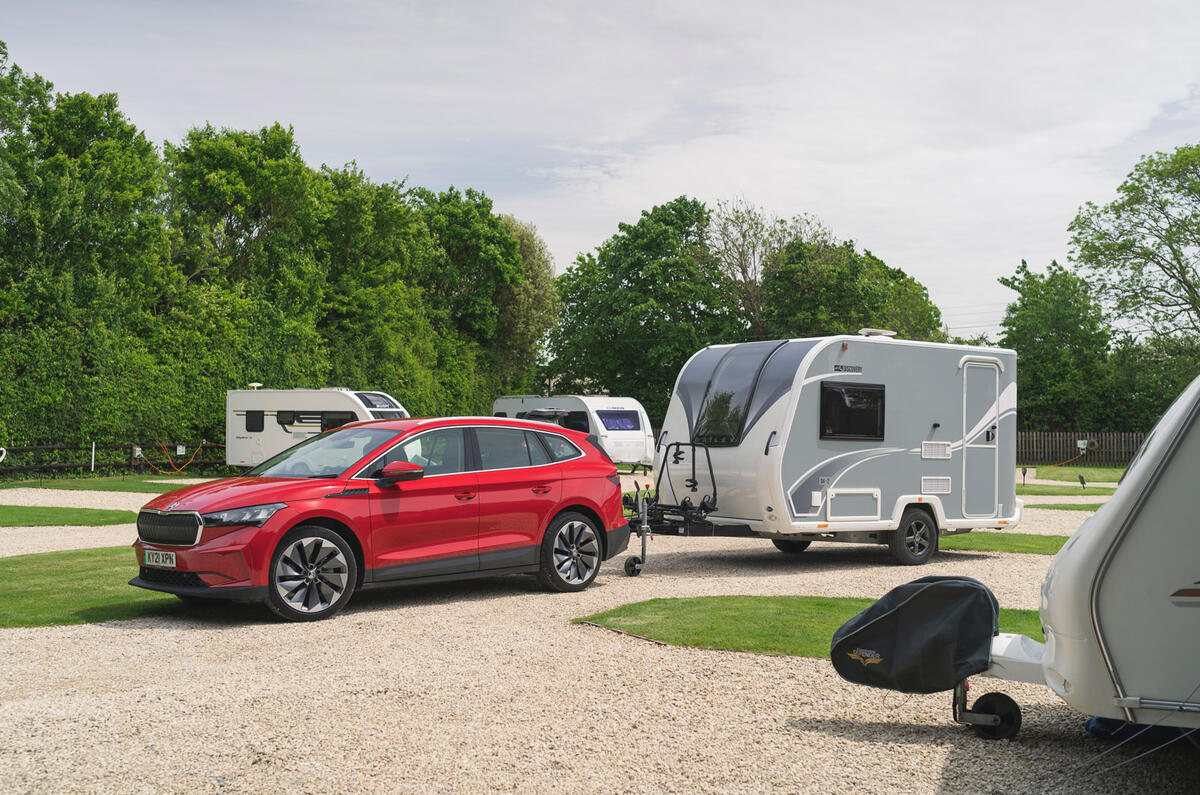
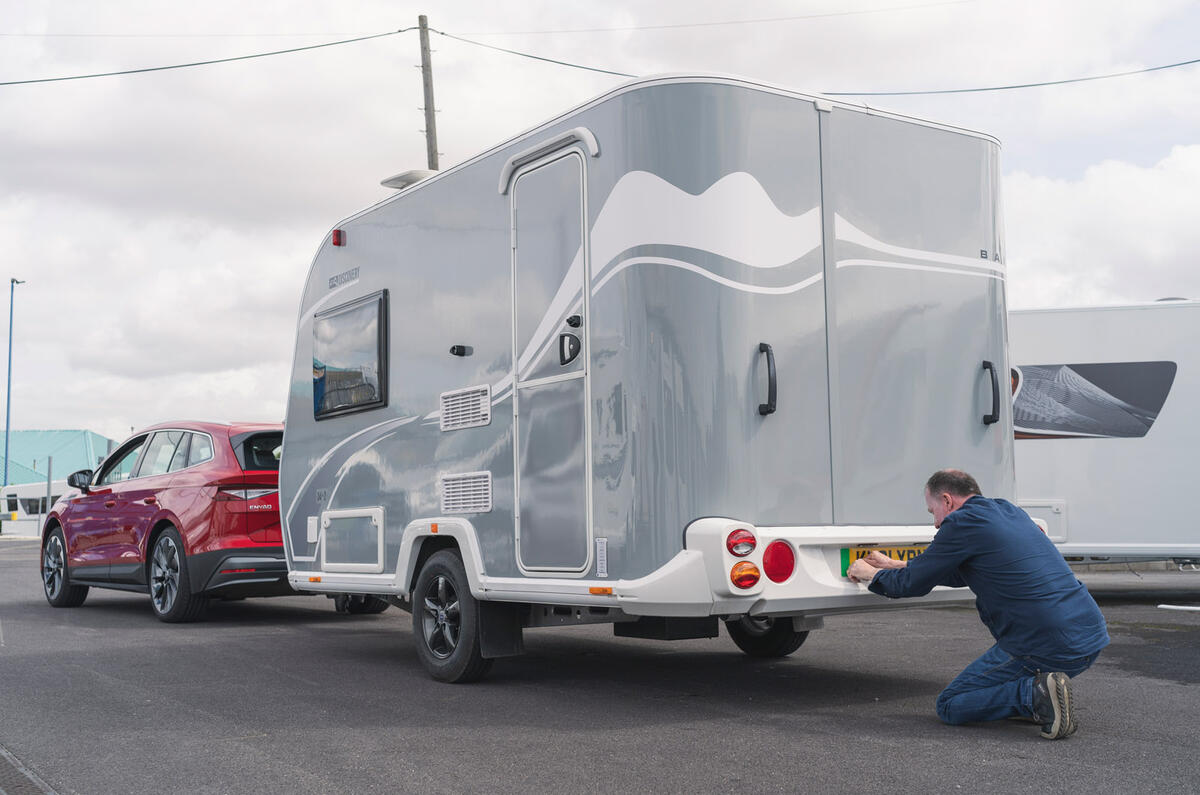
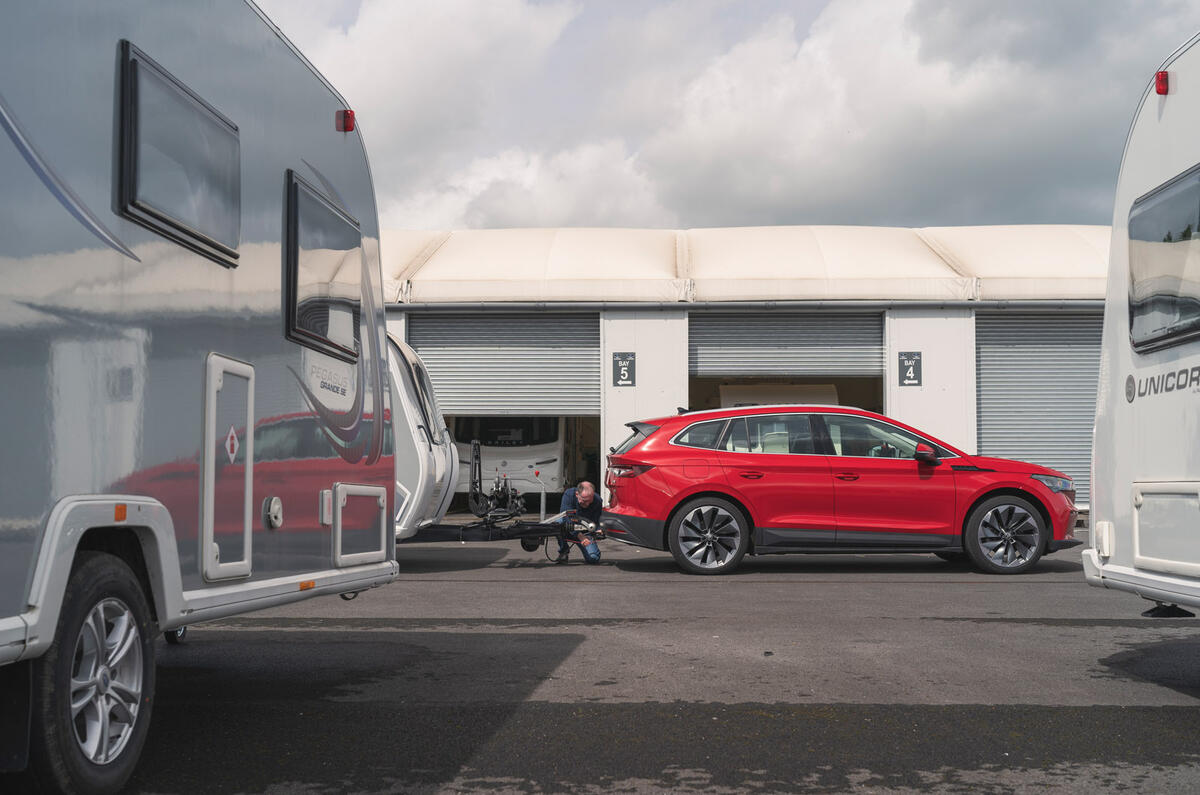
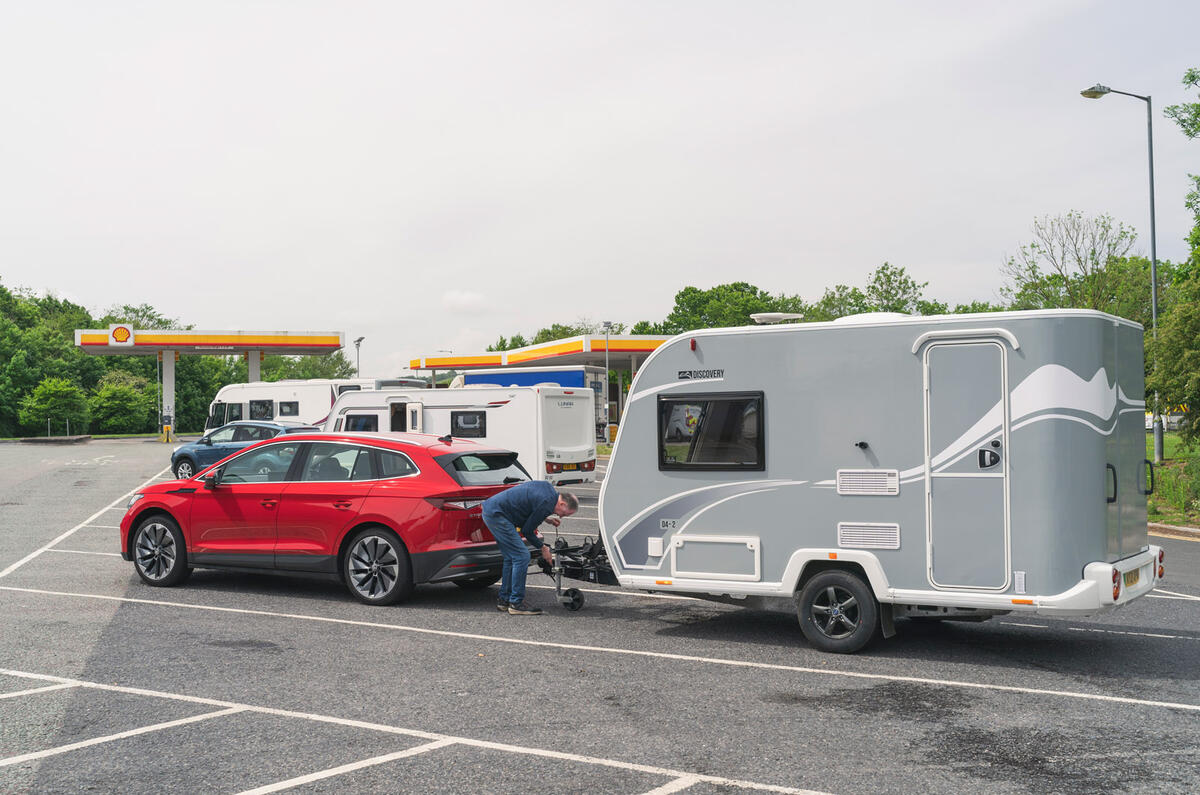
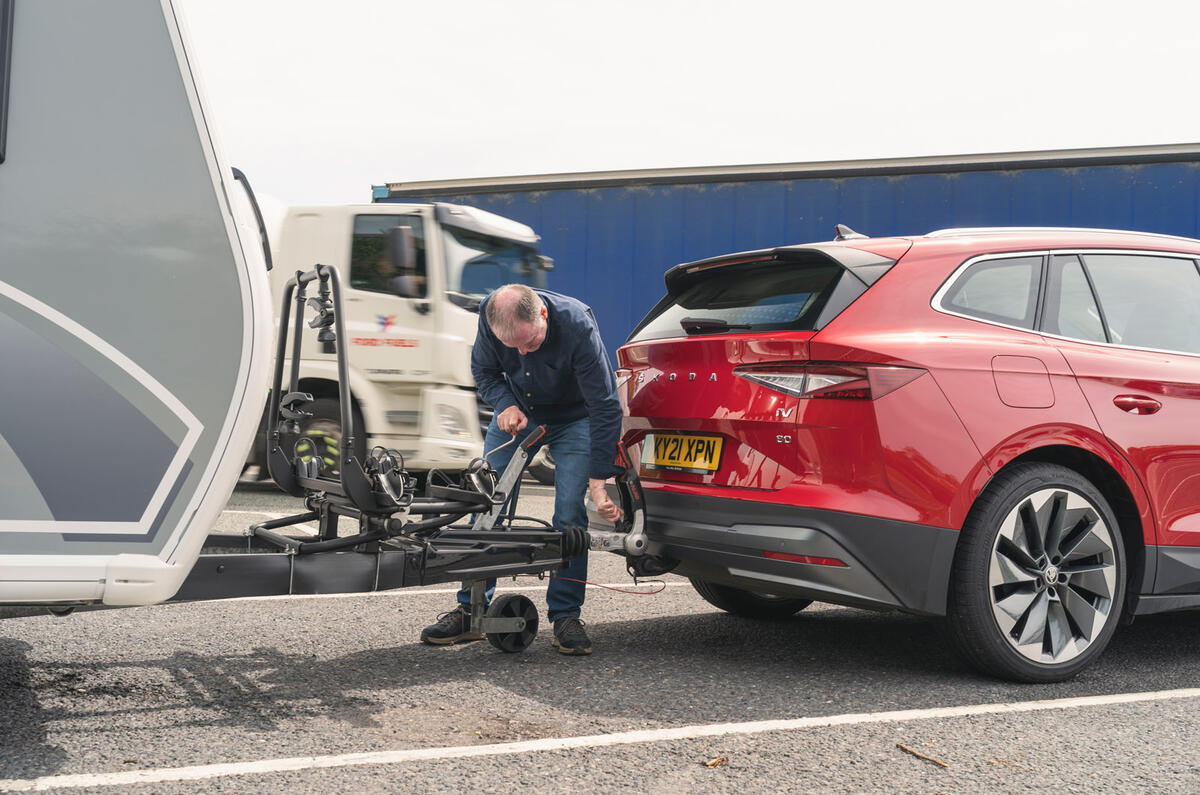
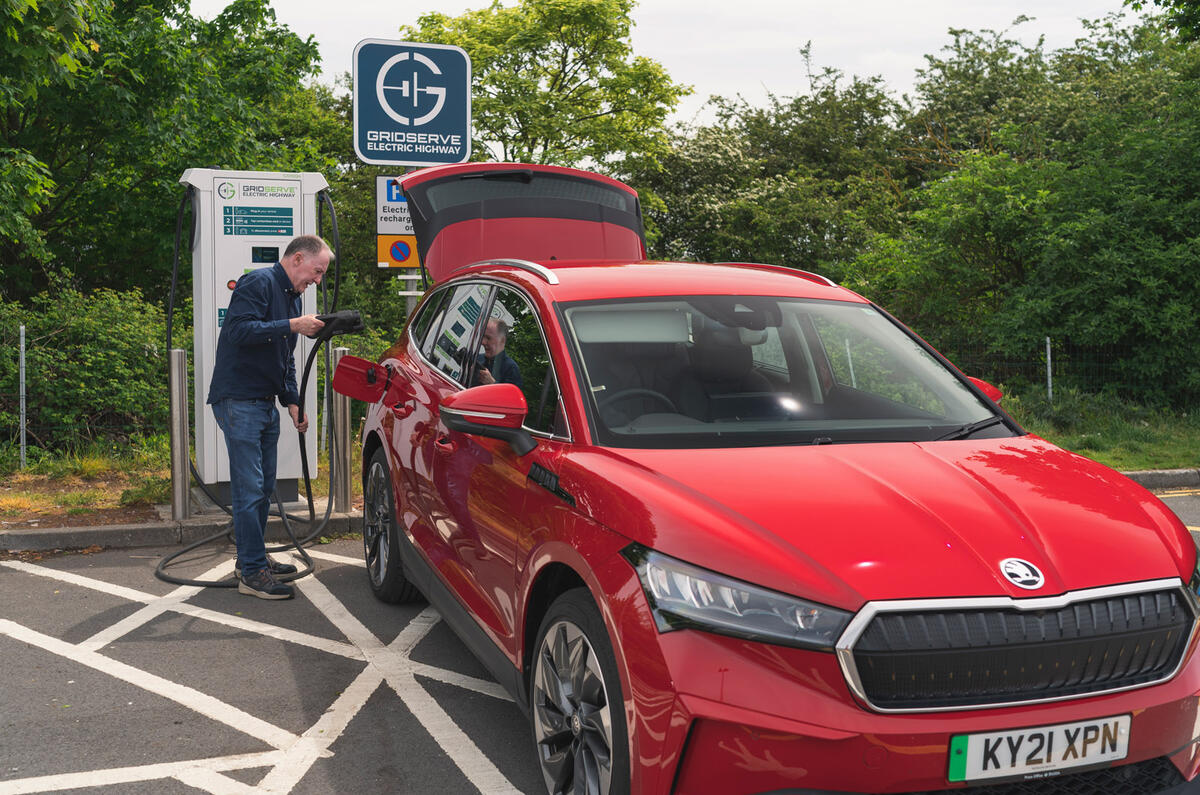
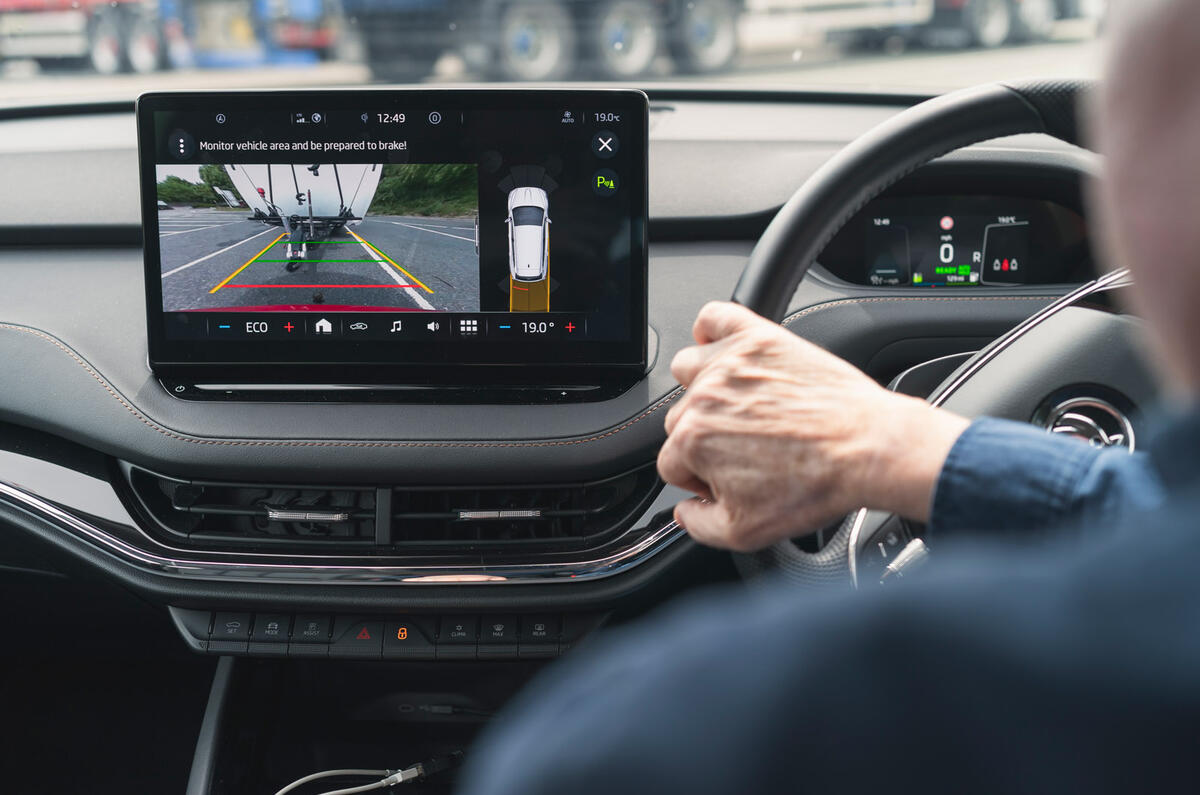
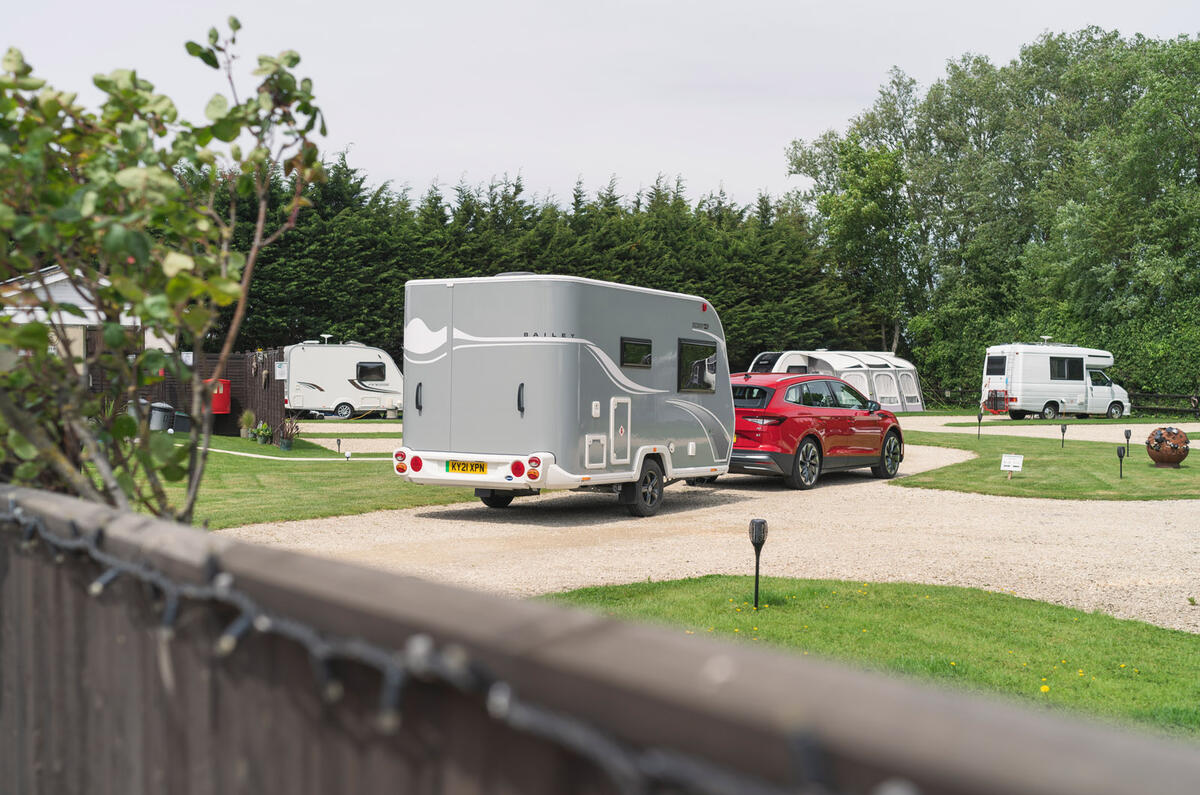
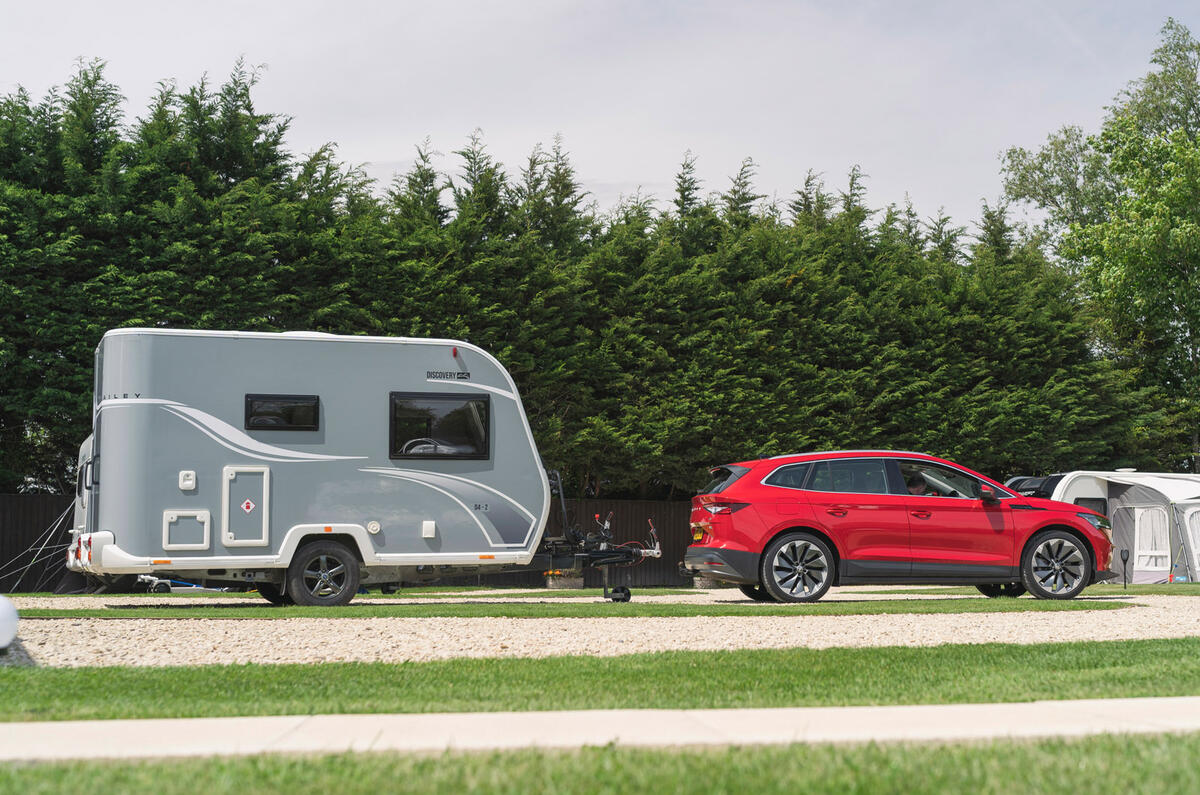
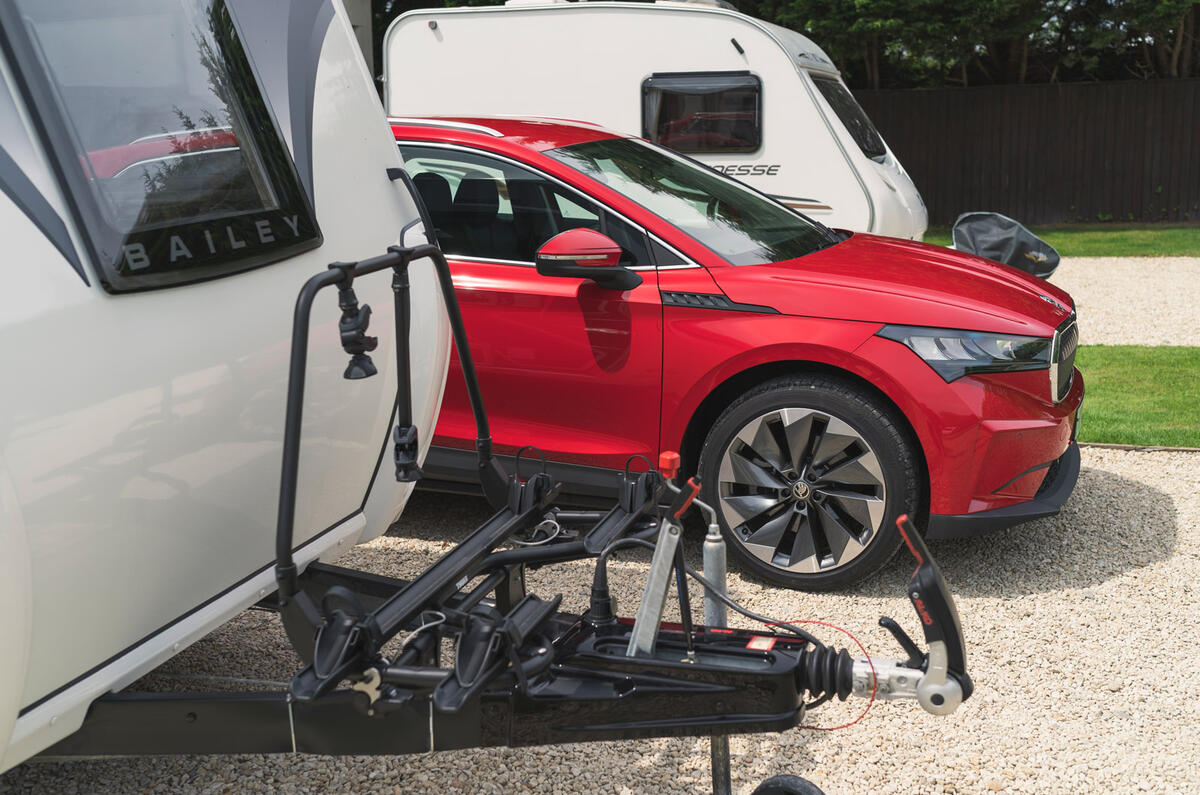
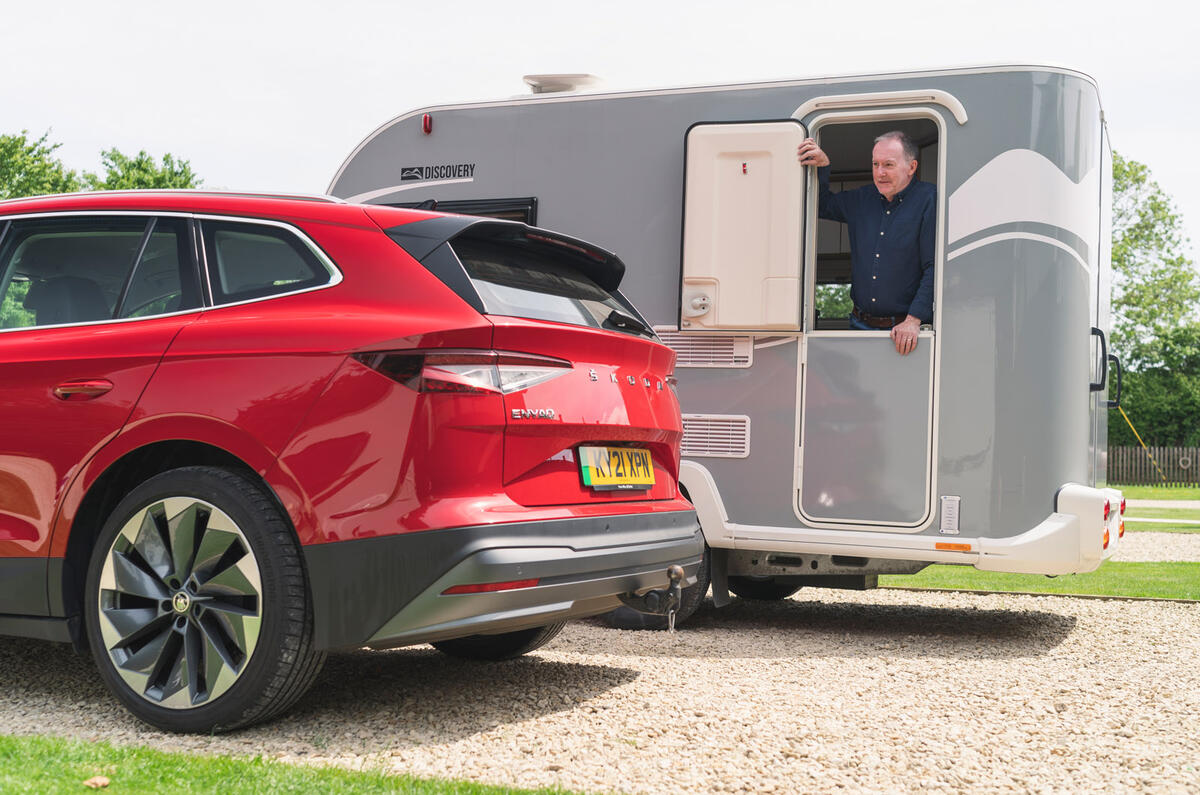
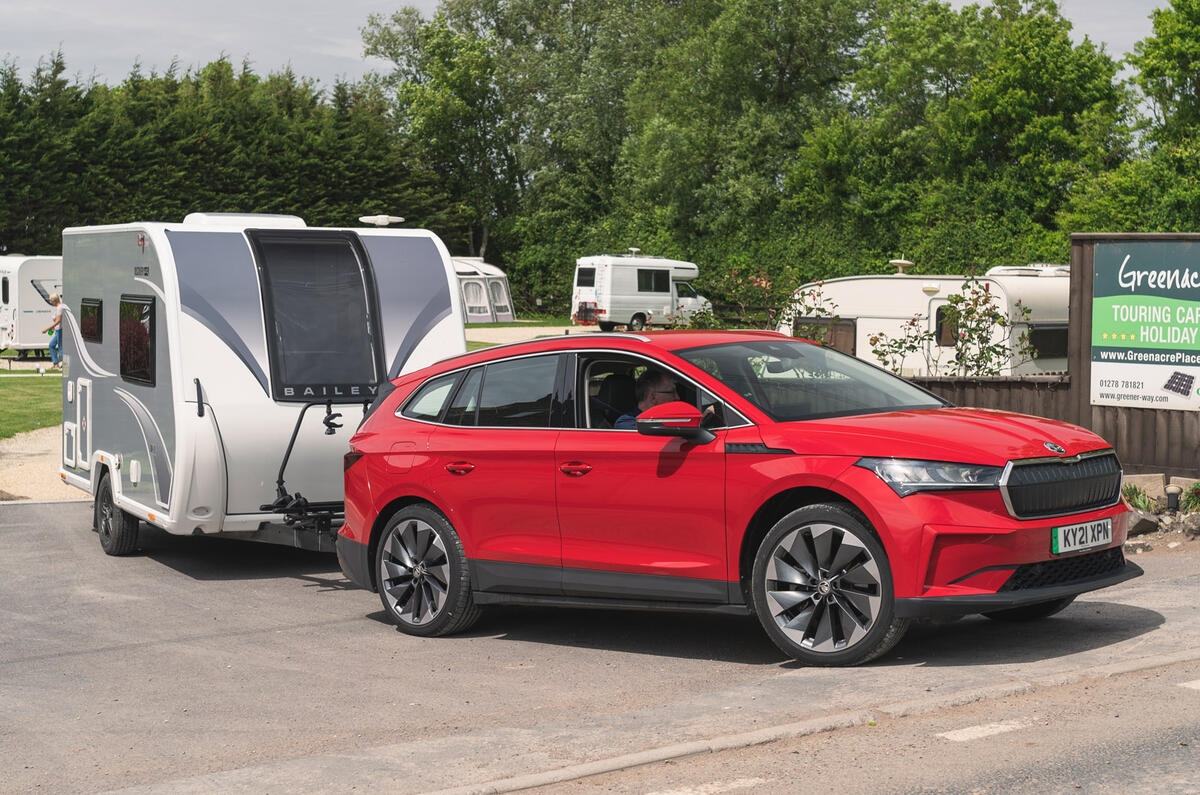
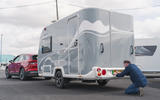
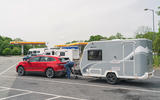
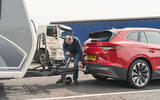
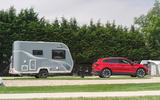
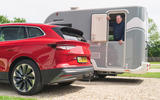
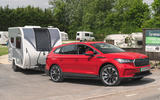
But what’s it like to tow with an EV? What effect does towing have on range, and when you run out of power, how do you recharge it with a large caravan attached? To find out, I borrowed a Skoda Enyaq iV 80 and a Bailey Discovery D4-2 tourer and went caravanning.
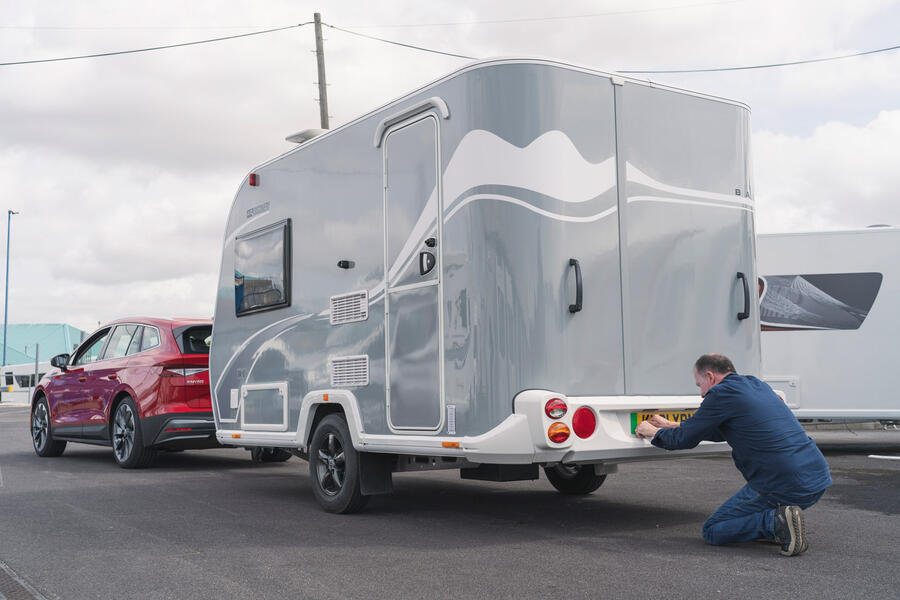
I chose these for their good towing match. What does that mean? Well, the Enyaq has a kerb weight of 2032kg and a braked towing capacity of 1000kg, while the Discovery has a maximum total permissible laden mass (MTPLM) of 995kg. To ensure the towing outfit remains as stable as possible, experts advise against towing a caravan with an MTPLM more than 85% of the car’s kerb weight.
Power and range-wise, the rear-wheel-drive Enyaq looked to be well up to the job, with 201bhp and 229lb ft on tap and a 330-mile range, courtesy of its 82kWh battery, which has 77kWh usable capacity.
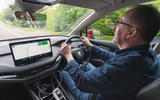
To begin, I drove the Enyaq without the caravan from my home to an event at Brooklands – a round trip on a mixture of roads of only 38 miles. The trip computer showed the car had done 3.8 miles per kWh.
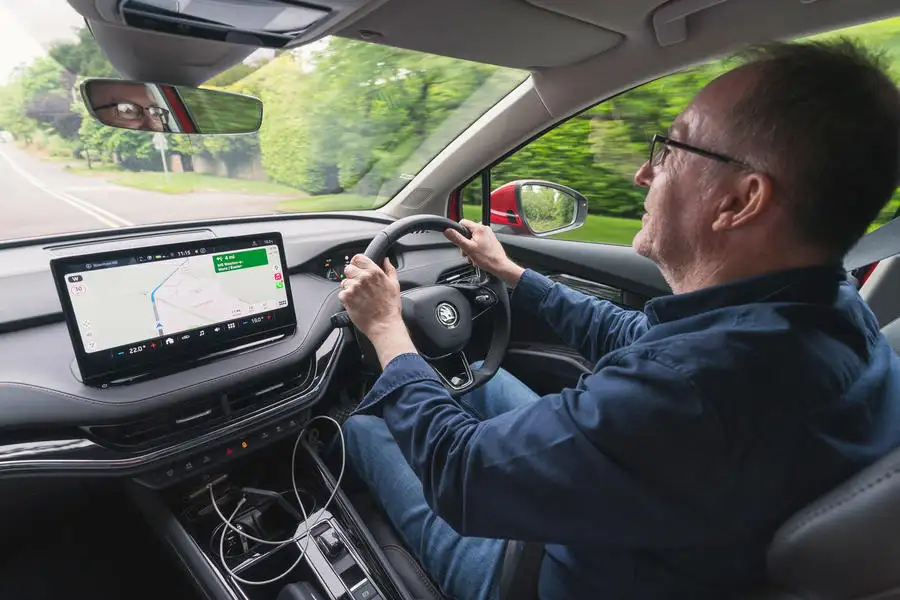
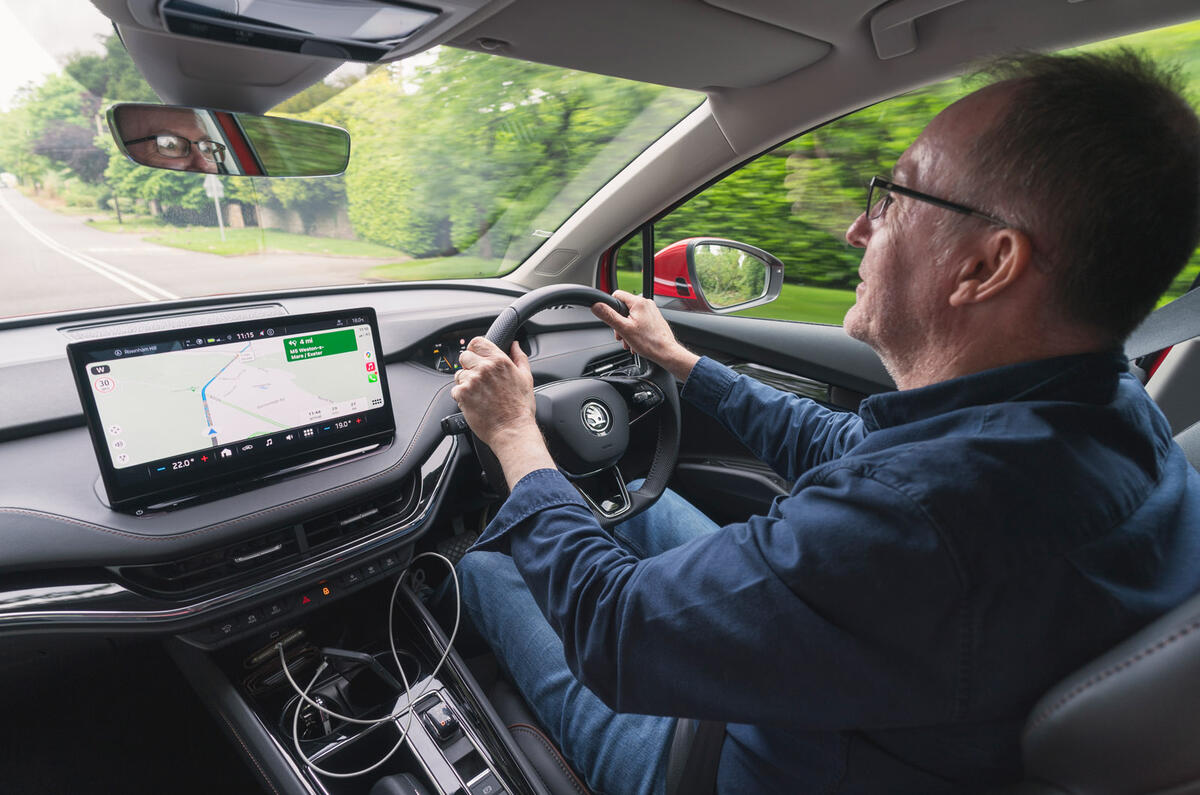
The following day, I drove to Bailey, based in Bristol, 105 miles away via motorway, to collect the caravan. On arriving at the factory, the trip computer calculated that the Skoda had returned 3.3mpkWh – understandable, given the higher driving speeds.