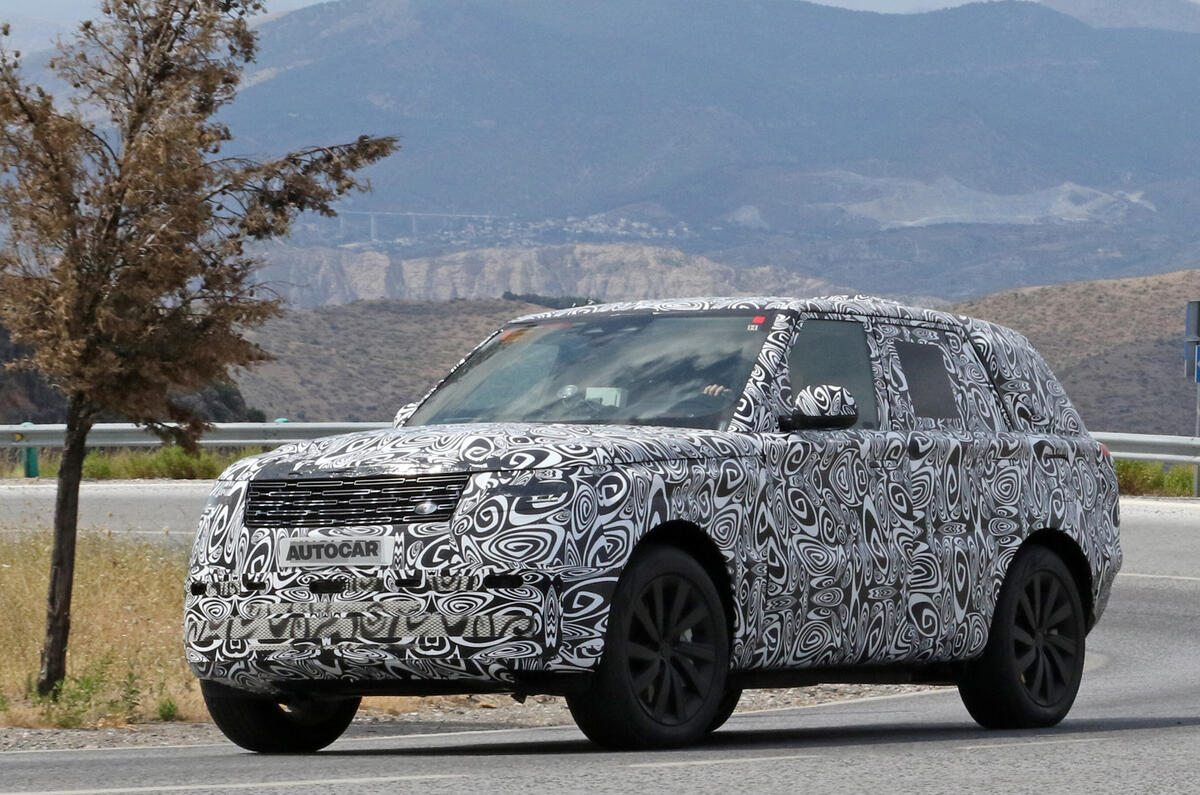
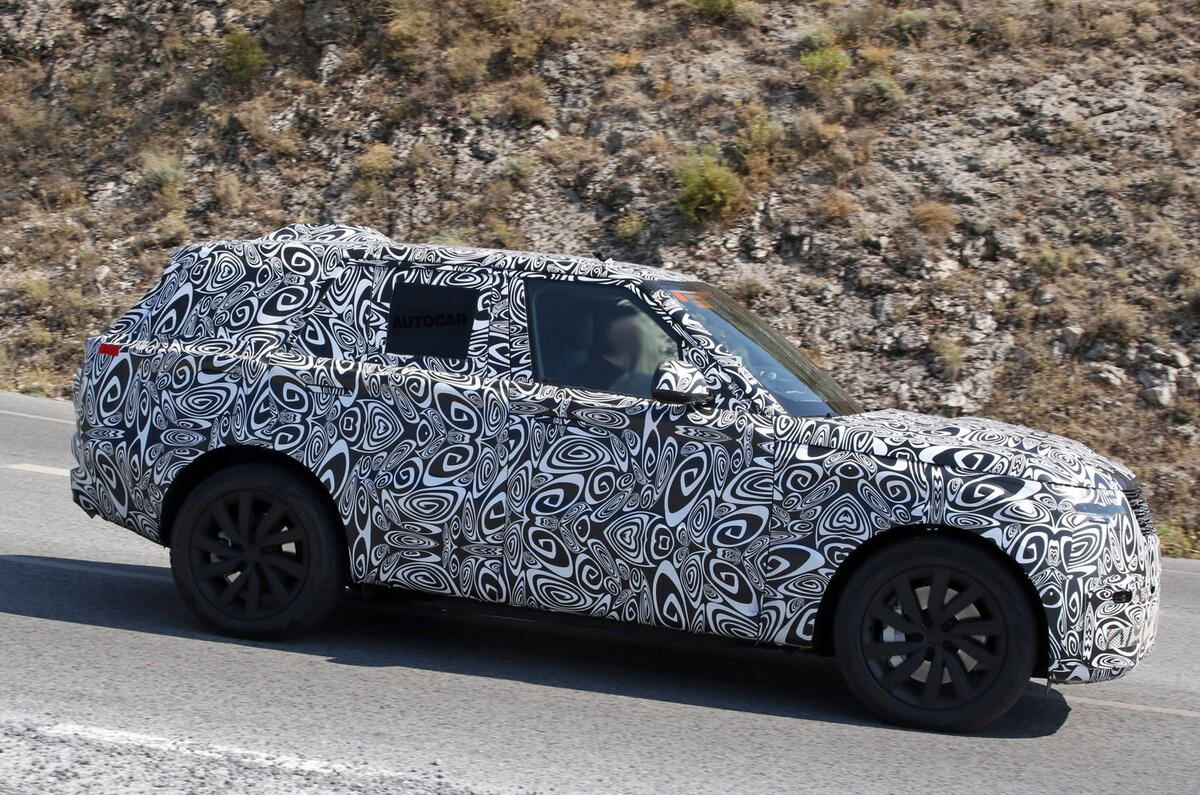

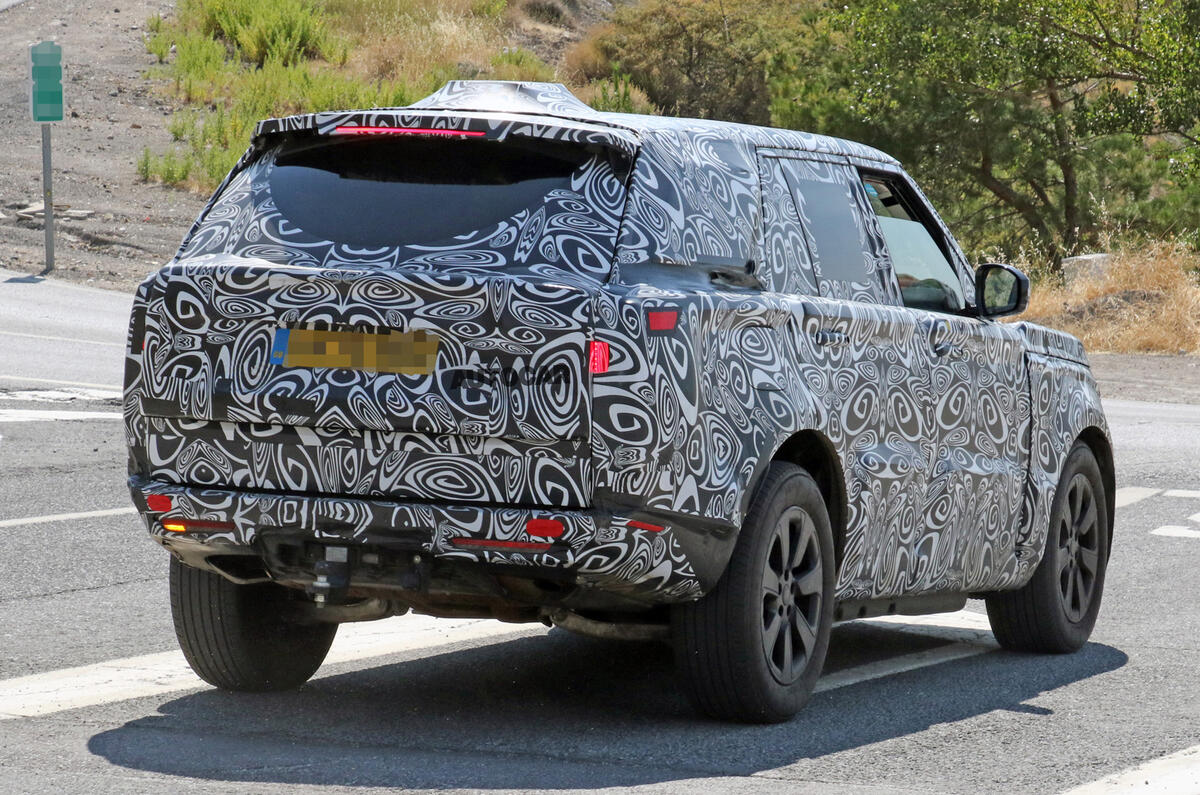
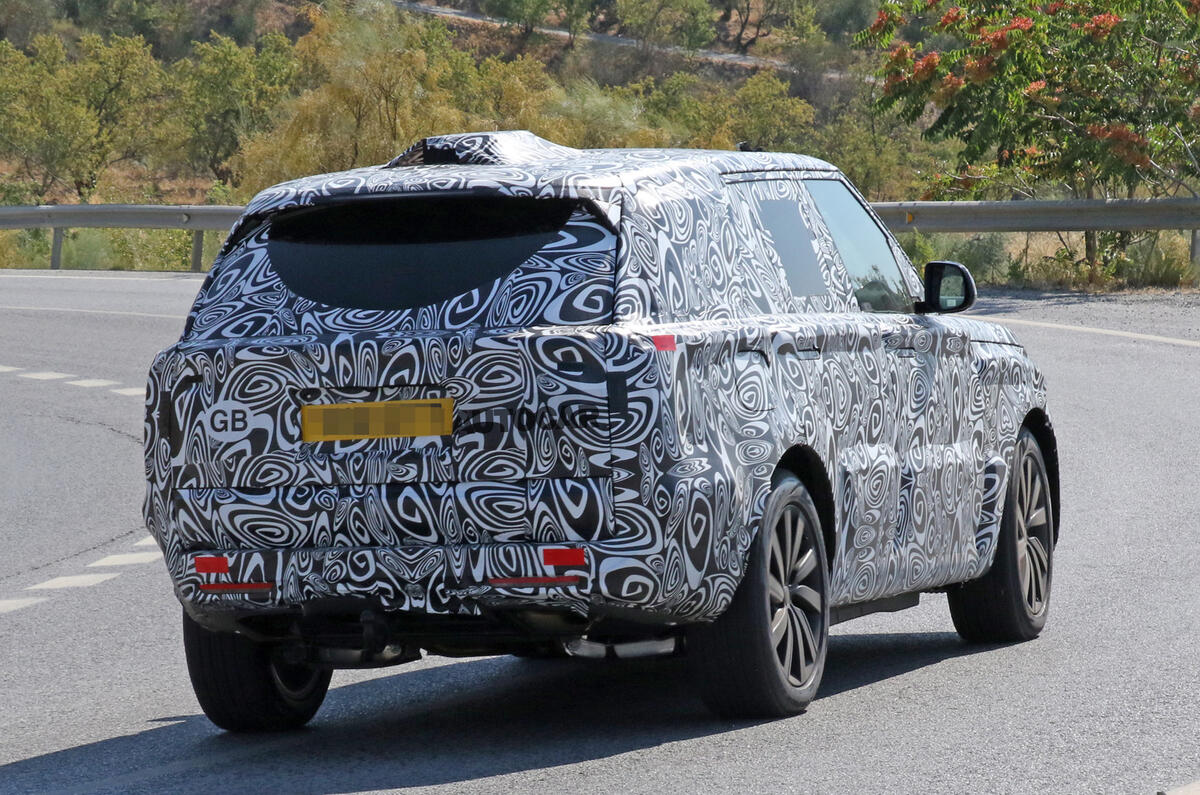
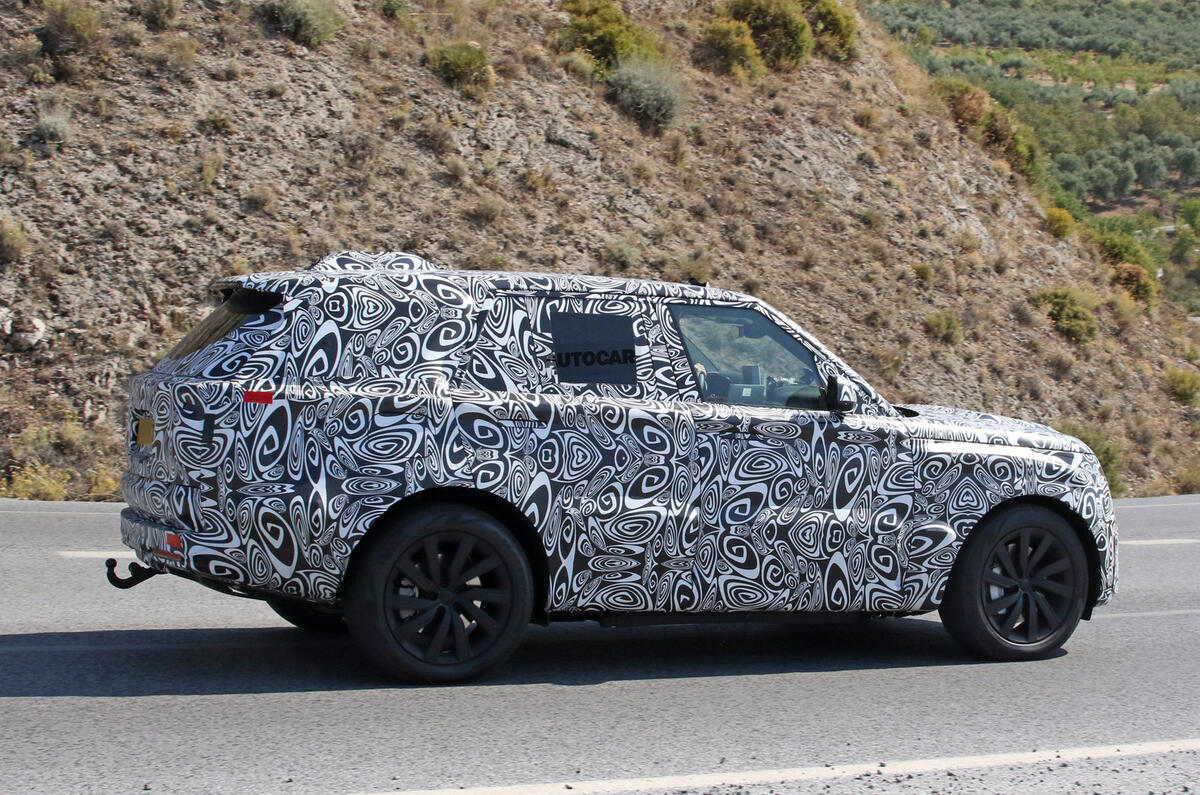

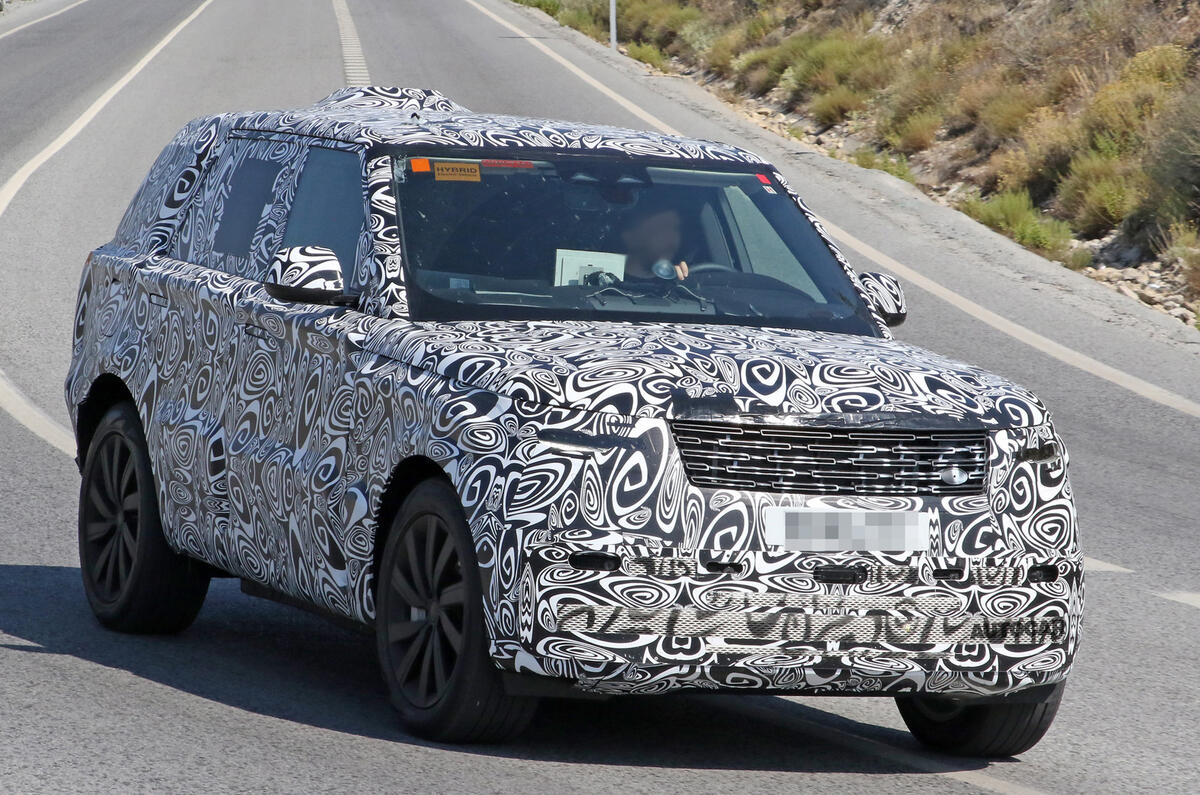
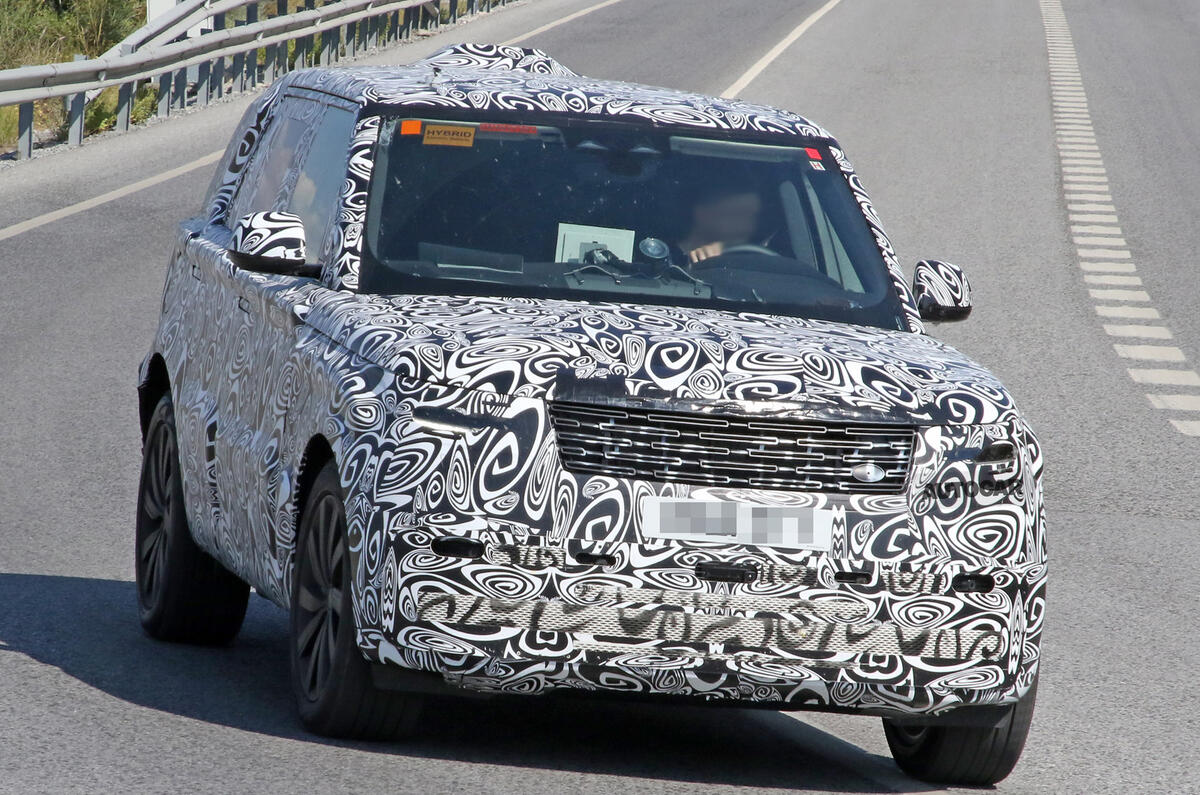

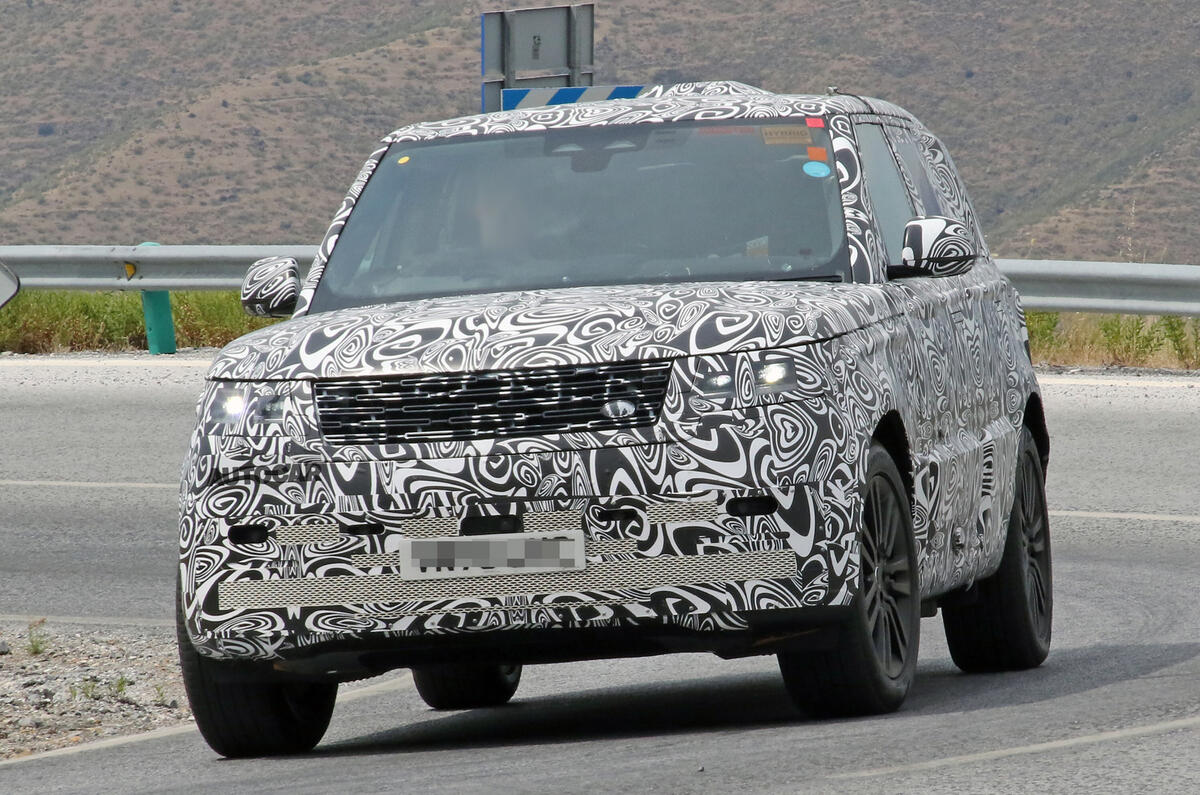
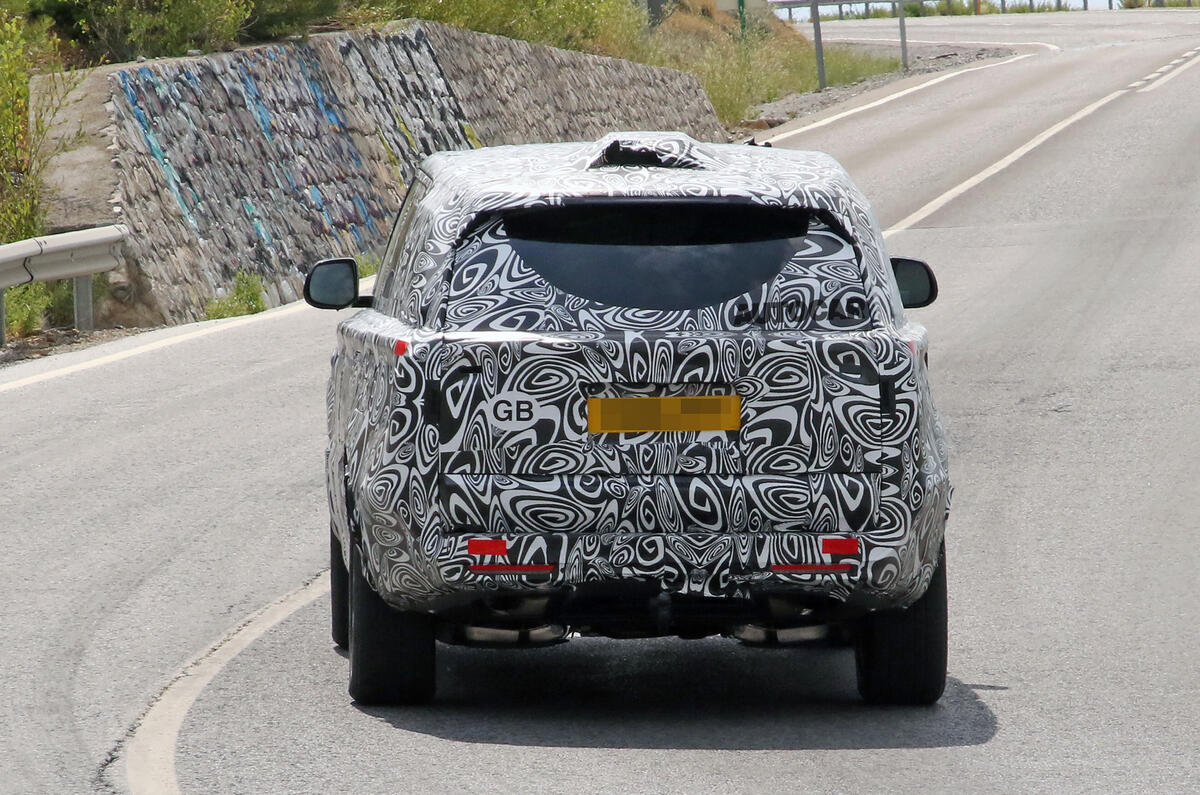
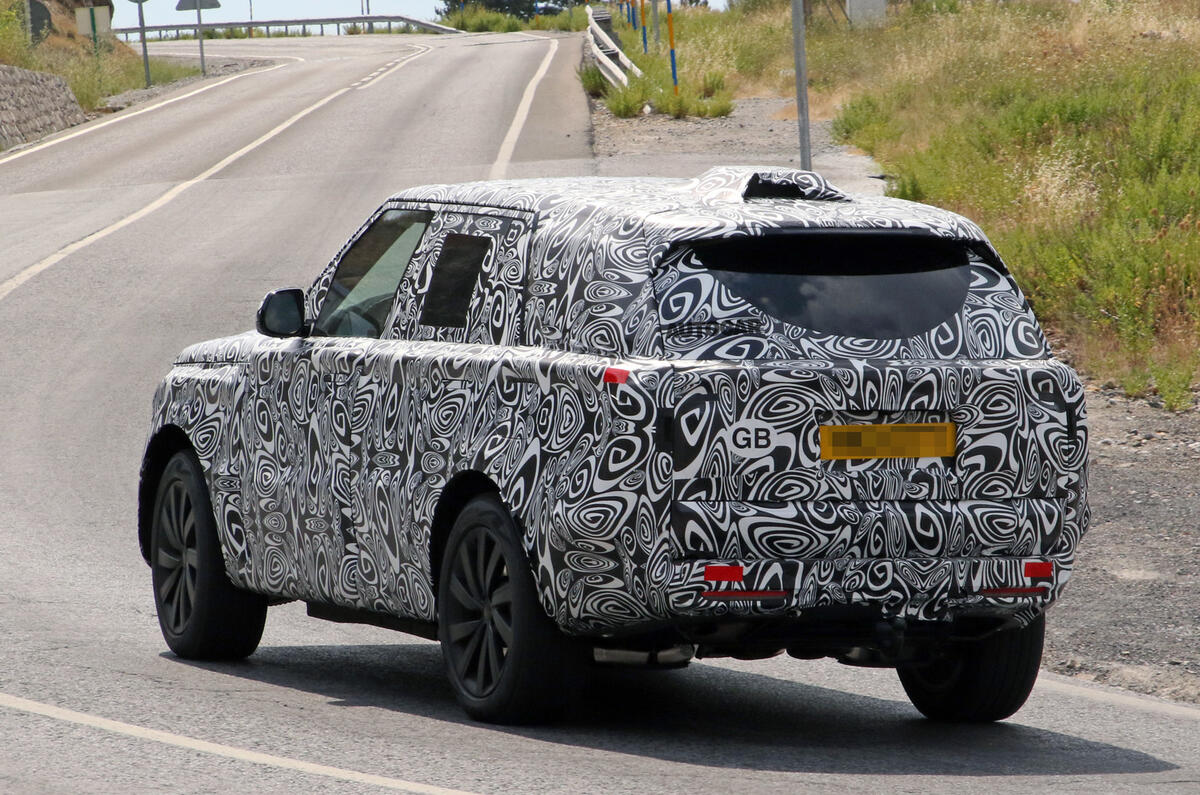

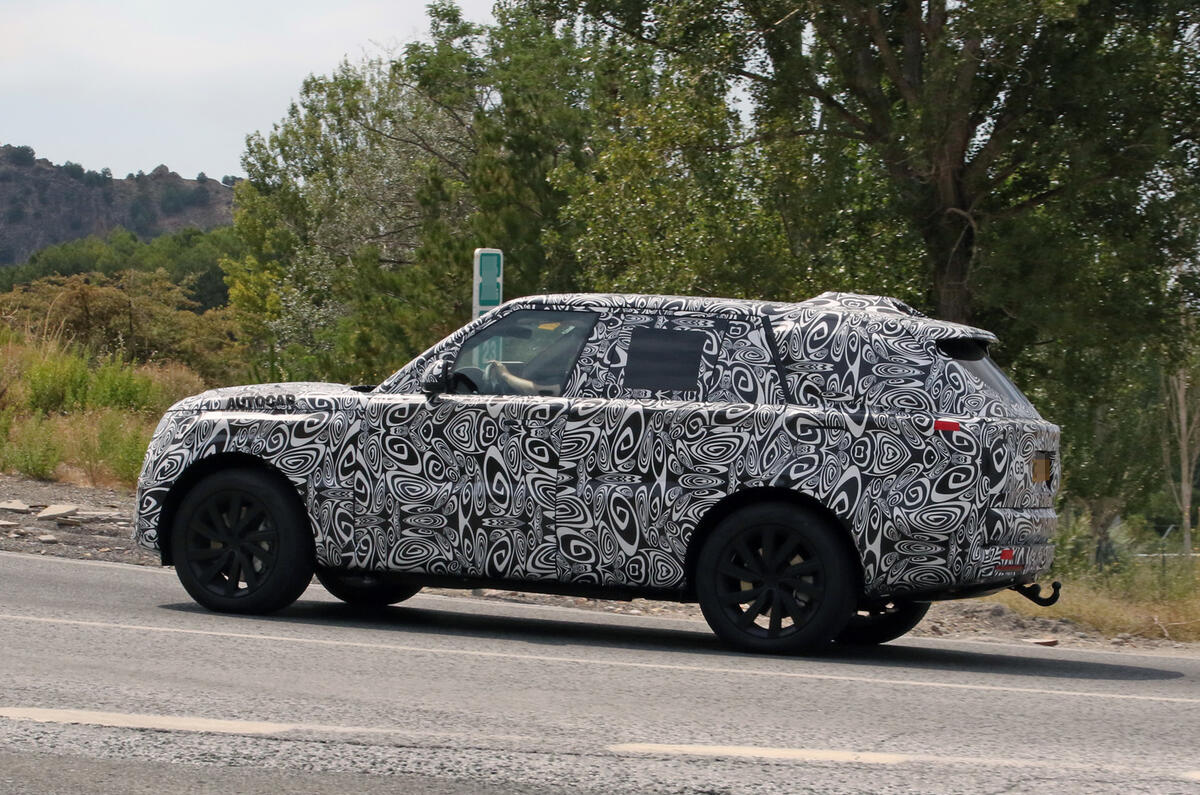
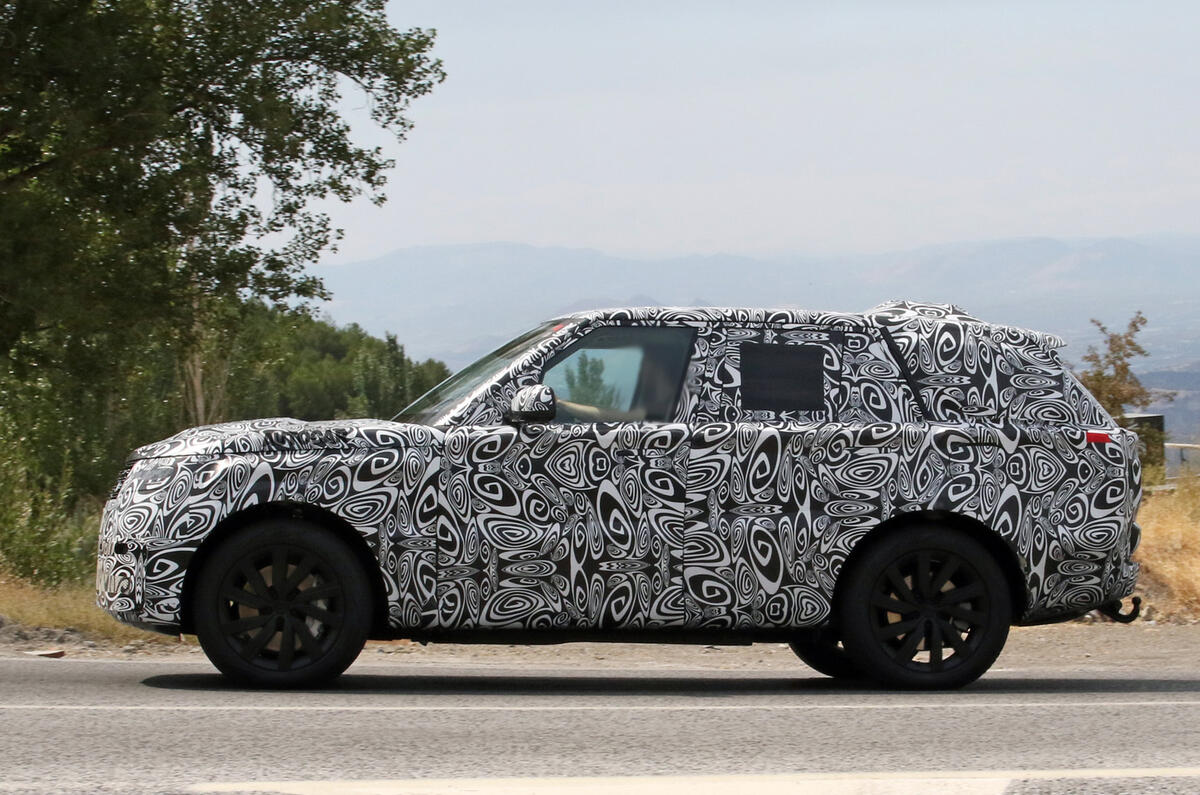
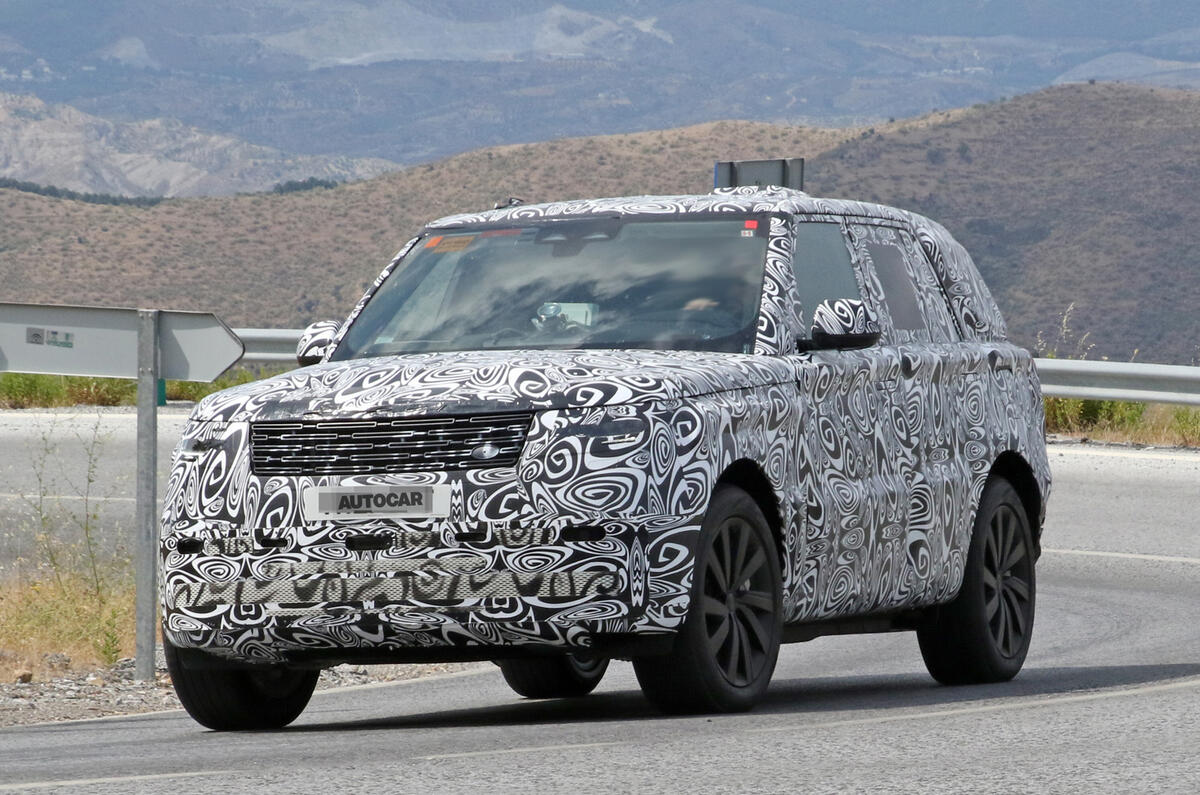
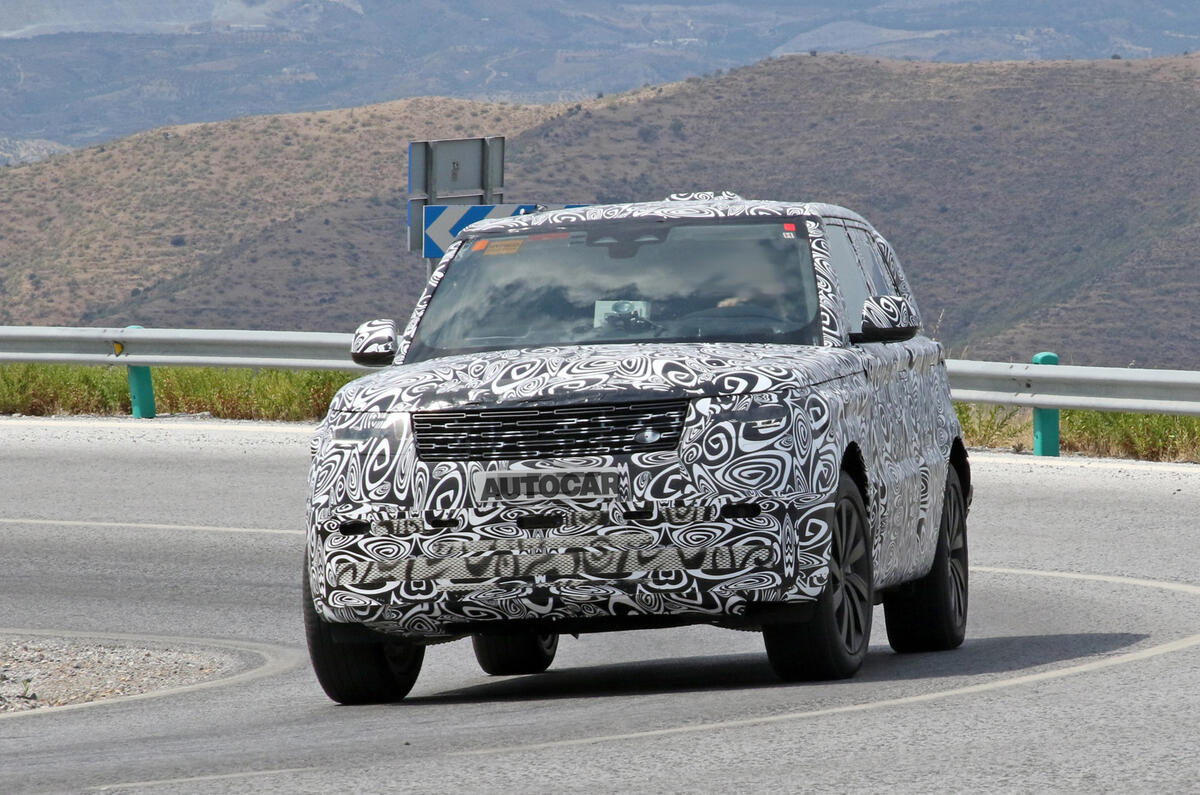
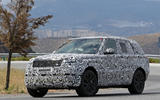
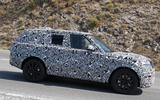
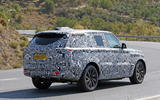

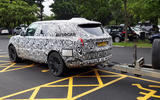


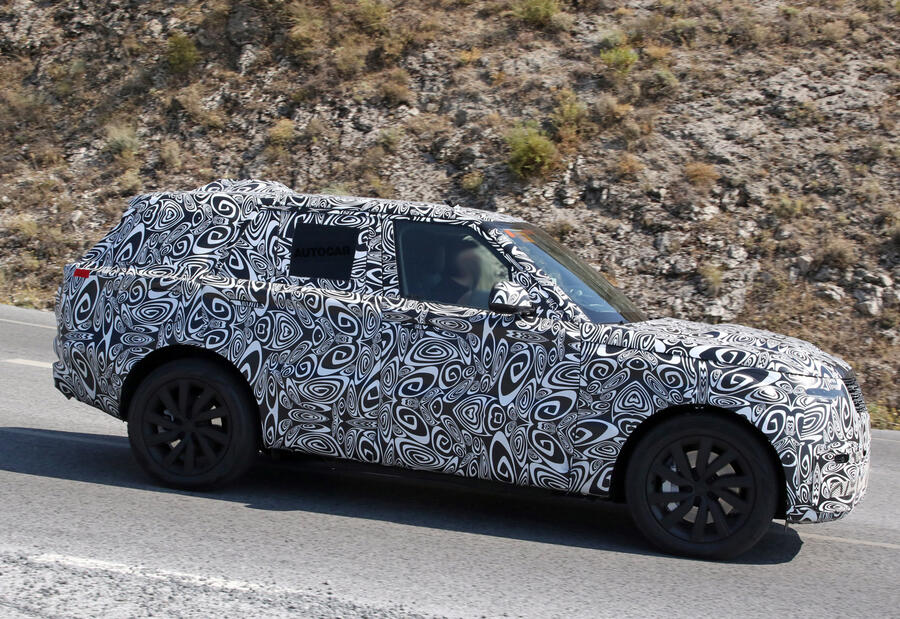
With a full reveal expected to be just months away, engineers are entering an advanced stage of development for the fifth-generation Range Rover and our photographers have captured a prototype of the plug-in hybrid variant on public roads.
It's the latest in a series of sightings of Land Rover's reinvented flagship, following recent glimpses of the standard car, the lower-slung Range Rover Sport and the top-rung long-wheelbase model. Here, mandatory stickers and a just-visible charging port give the test mule's electrified powertrain away. Otherwise, like the current Range Rover P400e, it looks like the PHEV will be completely identical to the combustion car.
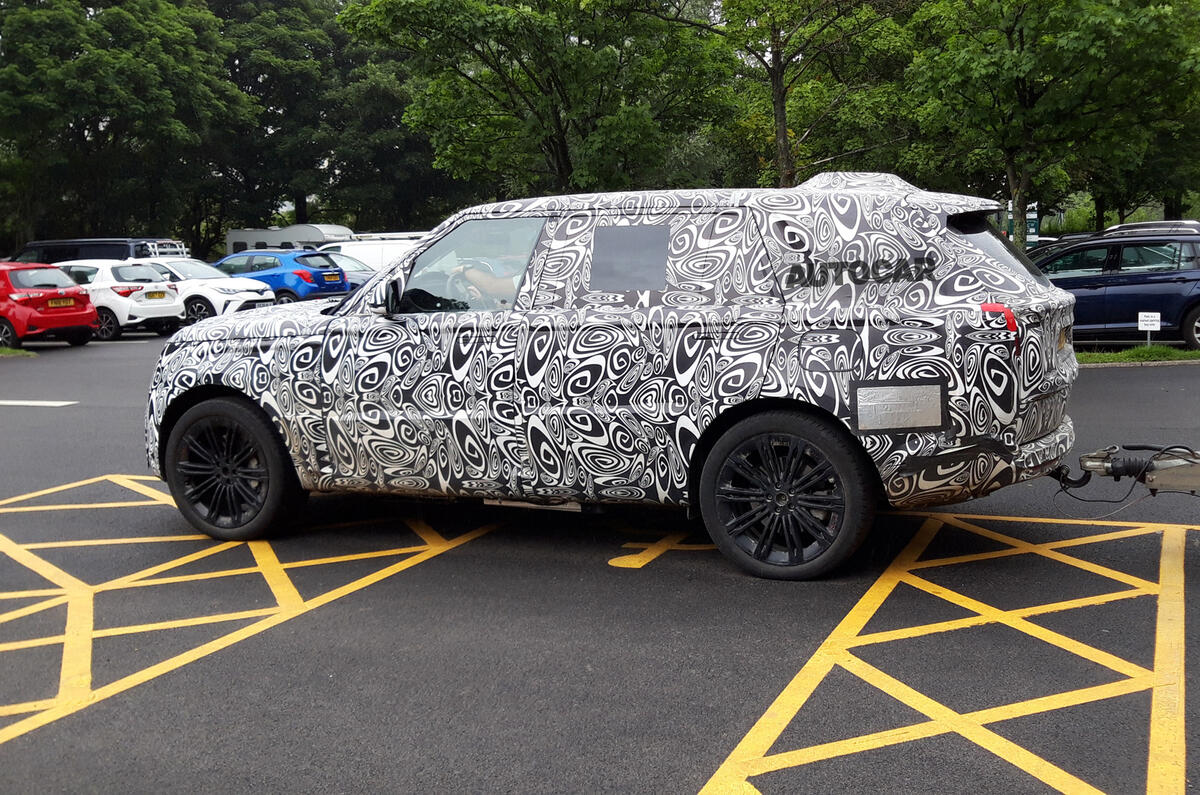
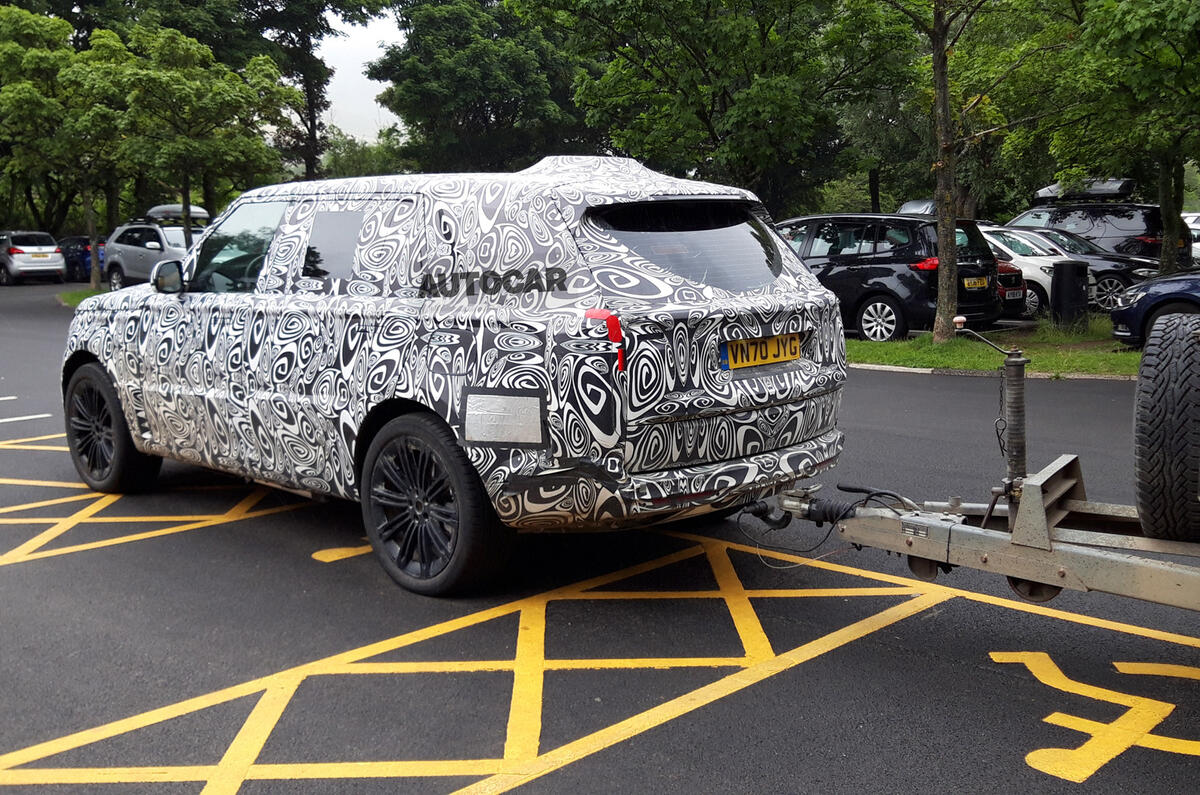
A Range Rover PHEV prototype was also spotted this week in the UK, towing a trailer containing powertrain telemetry equipment, by Autocar reader Nick Cooper. The charging port and stickers were not visible this time, but he confirmed the engine was silent as it moved away.
The new Range Rover is expected to be unwrapped in the first few months of 2022, some 10 years after the launch of the current model, given that prototypes remain heavily camouflaged and Jaguar Land Rover is currently facing significant production setbacks as a result of the semiconductor shortage.
The company expects Jaguar Land Rover's semiconductor shortage to impact its output most heavily between July and September, predicting a 50% shortfall in the number of cars produced.
The new Range Rover will play a vital role in facilitating Jaguar Land Rover's recovery from the pandemic and chip shortage, and its new MLA platform, which will go on to underpin a number of other models in Land Rover's line-up, will be a cornerstone of the marque's push towards full electrification.
The plug-in hybrid spotted here is likely to use an evolved version of the Jaguar F-Pace P400e's petrol-electric set-up, which mates an Ingenium 2.0-litre turbo four with a 141bhp electric motor and a 17.1kWh battery for around 33 miles of range. However, a more potent PHEV option with two electric motors is on the cards, no doubt with superior off-road ability courtesy of a boost in low-end torque.
Elsewhere in the line-up, we are expecting to see the Range Rover retain its 48V mild-hybridised Ingenium 3.0-litre straight six, while the range-topping model will use technical partner BMW's 4.4-litre twin-turbocharged V8 with upwards of 500bhp.
READ MORE
Analysis: how Jaguar Land Rover will beat the chip shortage​