
The best-selling cars aren’t always the most exciting ones.
The average motorist doesn’t care about downforce, heritage, horsepower or off-road capacity. To most, a car is a car like a fridge is a fridge. There are times when, for a plethora of reasons, a car successfully makes the leap from a basic mode of transportation to a passion and, sometimes, a cultural icon. You’ll recognize them when you’re out and about: owners wave at each other, flash their lights, stop to chat, and will pull over to help when you have a breakdown.
Here are some of the cars that have achieved cult status around the world and a few we think will get there in the coming years. We give the year of first production in brackets.
Volkswagen Beetle (1938)
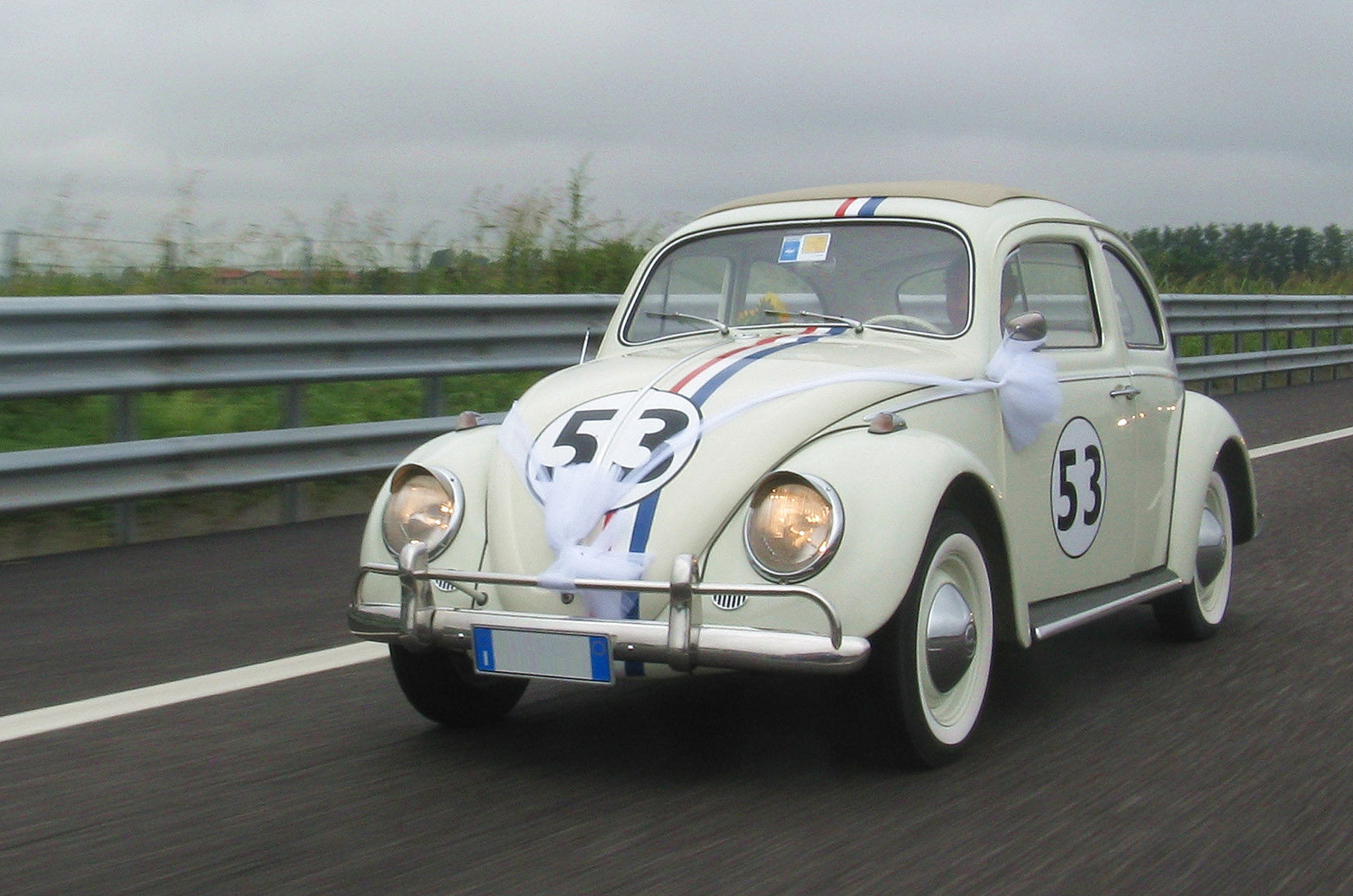
Omnipresence made the Volkswagen Beetle one of the most collectible cars in the world. In Germany, it’s a symbol of an embattled car manufacturer that defeated the odds and sprung up from near extinction after a devastating war. In America, it illustrated the growing popularity of small, fuel-efficient imported cars in the 1960s and the 1970s. In Mexico, it’s largely remembered as a taxi.
The Beetle continues to turn heads today. Even toddlers who have never known a world without the internet point and smile when one drives past.
Citroën 2CV (1948)
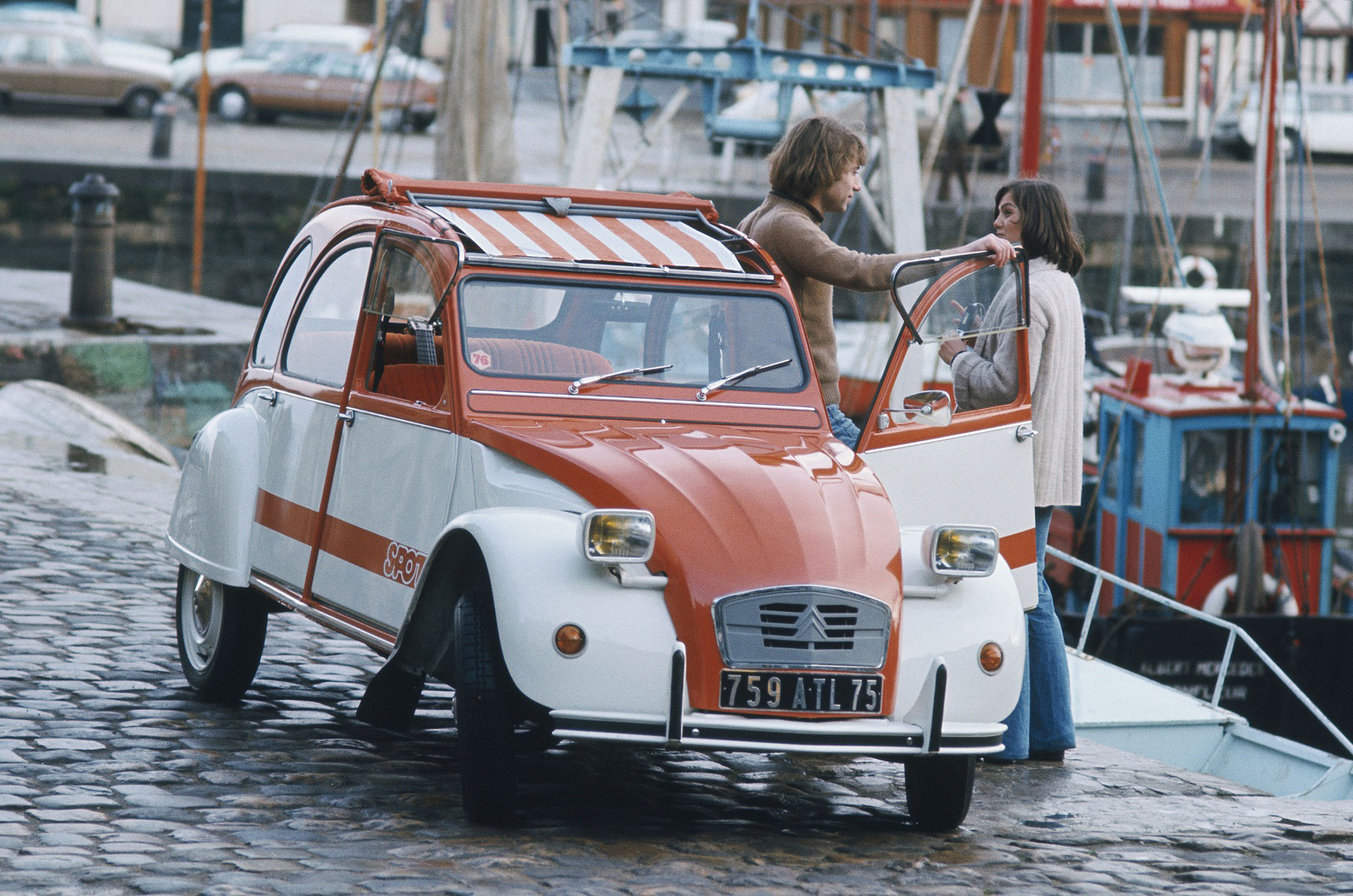
Like the Mini and the Beetle, the Citroën 2CV has permeated into popular culture. It’s a model collectors worship as a four-wheeled deity while expounding it’s not just a car, it’s a way of life. Broadly speaking, 2CV owners love to tinker; stroll through any car show in France and you’re highly unlikely to find two identical 2CVs.
They end up painted every color imaginable (sometimes all on the same car), lifted, dropped, face-lifted with Traction Avant front ends, turned into a rat rods and so on. We’ve even seen a few powered by a GS-sourced four-cylinder engine.
Volkswagen Bus (1949)
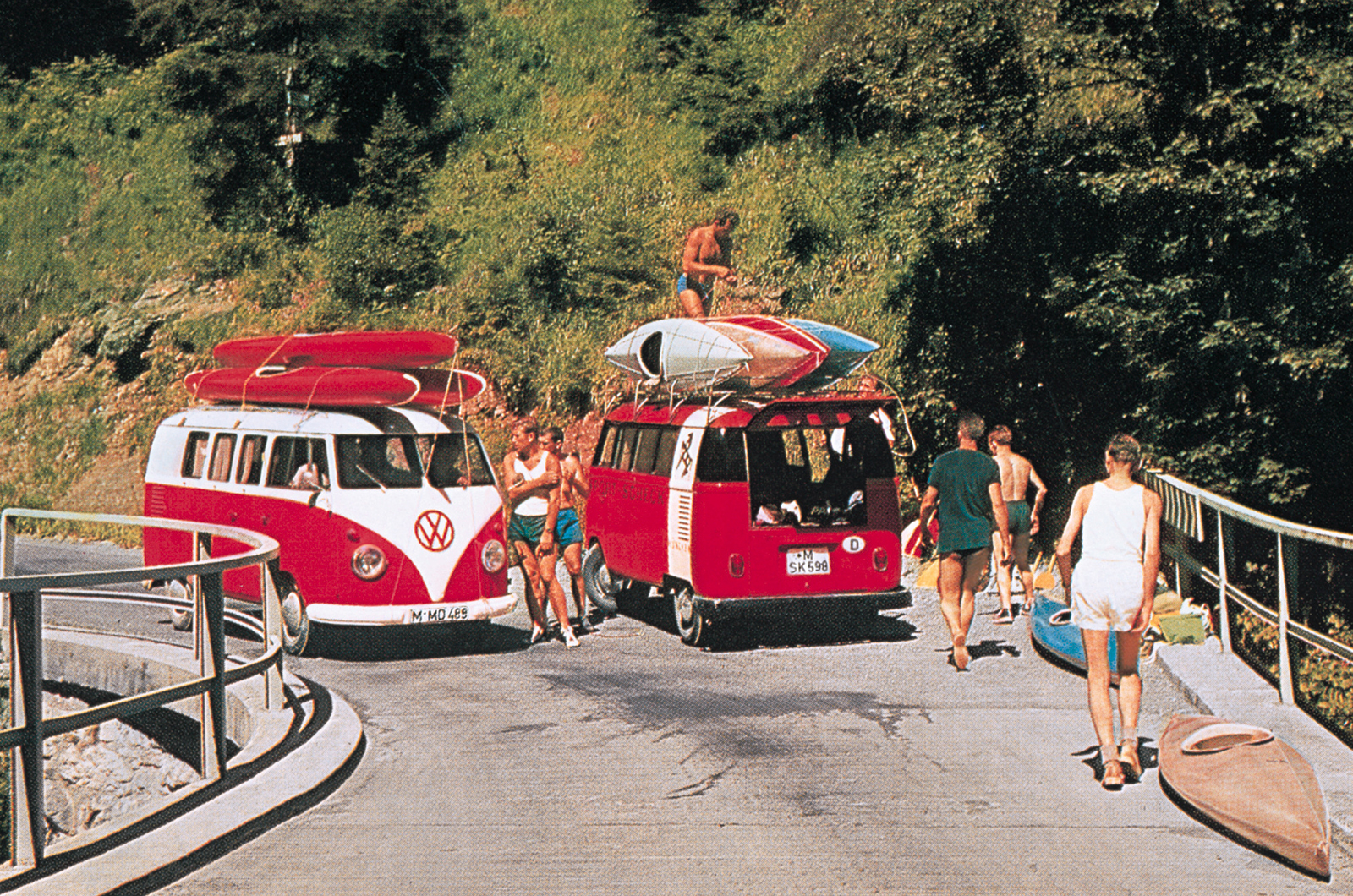
The Volkswagen Bus started life as a commercial van, but it’s the hippy movement of the 1960s that largely fueled its meteoric rise to cult status. Like the Beetle, the Bus has become highly collectible. Well-sorted early split-window models often come with a six-figure price tag, which is an enormous paradox for a vehicle originally designed to put the masses on four wheels.
Toyota Land Cruiser (1951)
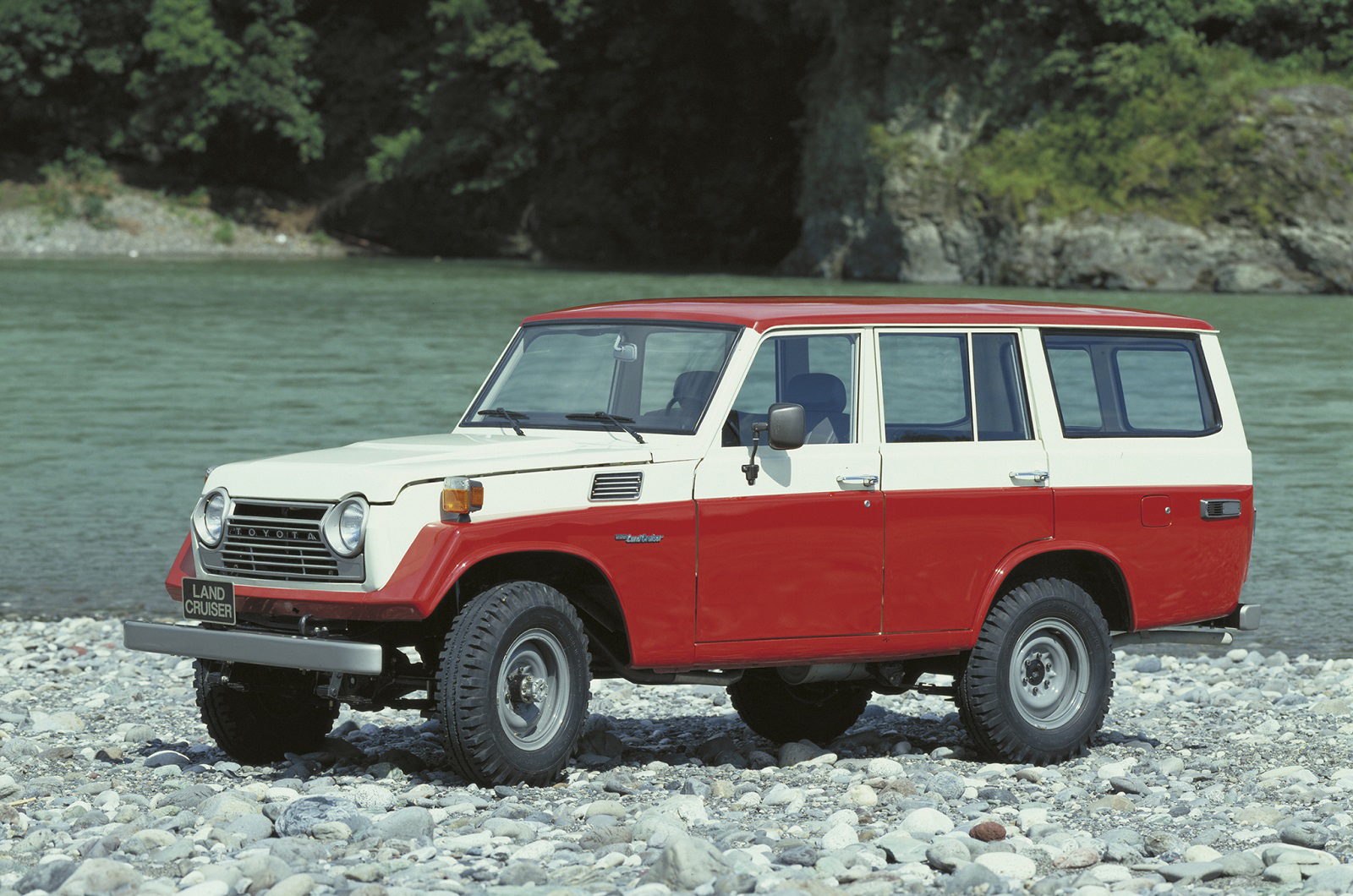
The 40-Series Toyota Land Cruiser introduced in 1960 was one of the first truly collectible 4x4s. Its popularity soared when the retro-inspired FJ Cruiser arrived in 2006. As values gradually climb, collectors increasingly turn towards the later 50- and 60-Series models.
In Australia, the Land Cruiser enjoys a different type of following. Toyota still sells the 70-Series model introduced in 1984. It’s not cheap or state-of-the-art, but it remains the go-to reliable vehicle for adventure-seekers on a quest to leave no stone unturned in the Outback - and a deep desire to return unscathed.
Chevrolet Corvette (1953)
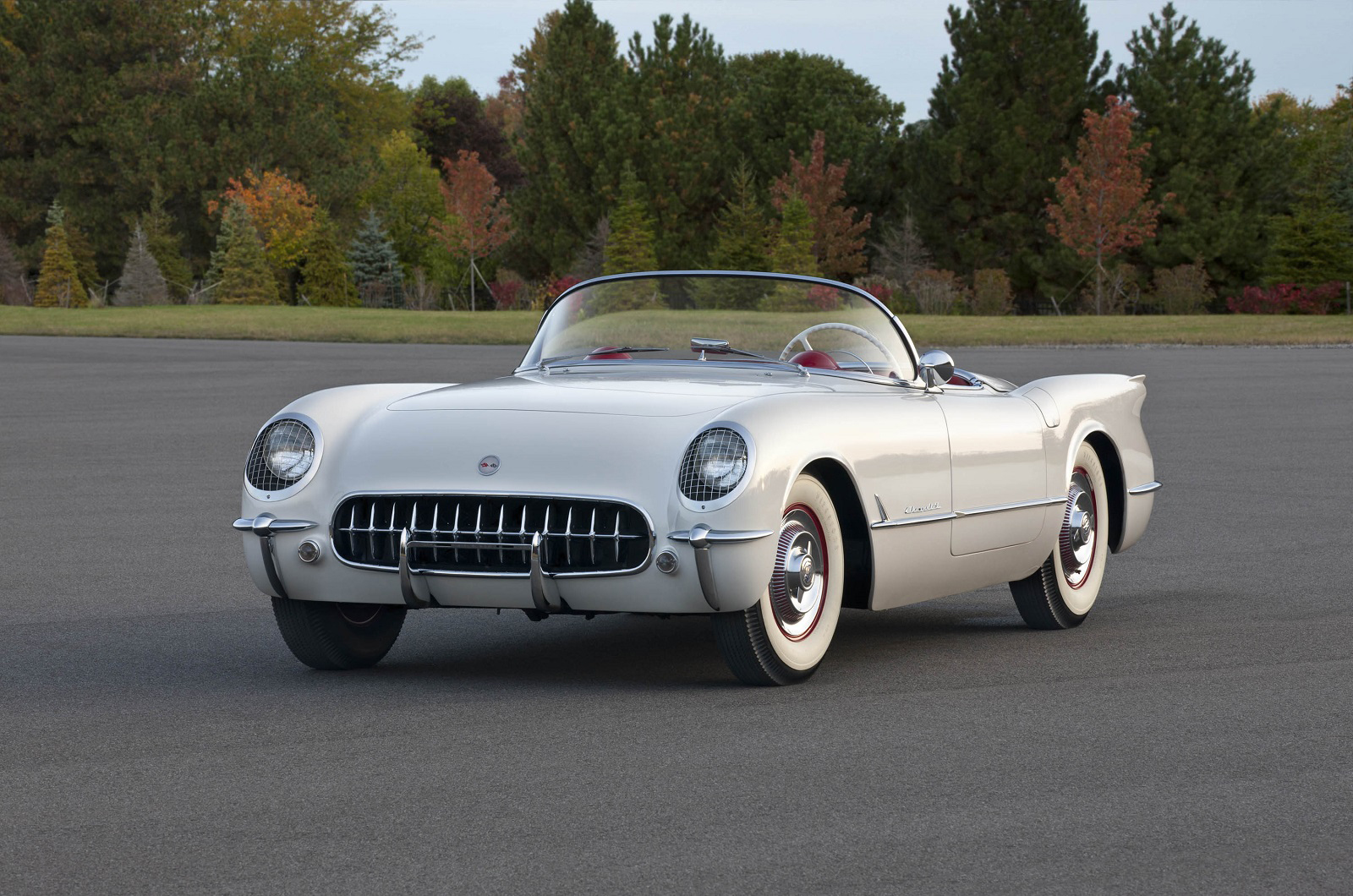
Early on, it looked like the Chevrolet Corvette would never become a superstar. In 1953, the nameplate’s first year on the market, it was an expensive, under-powered convertible with an atypical fiberglass body. Chevrolet quickly made it more desirable by adding a V8 engine (available with fuel injection starting in 1958) and performance-boosting options like high-lift cams.