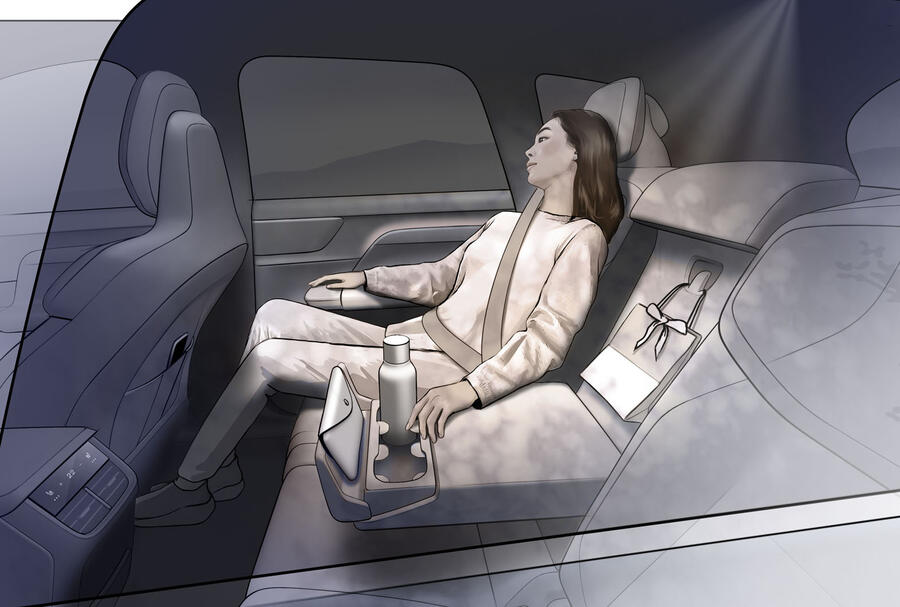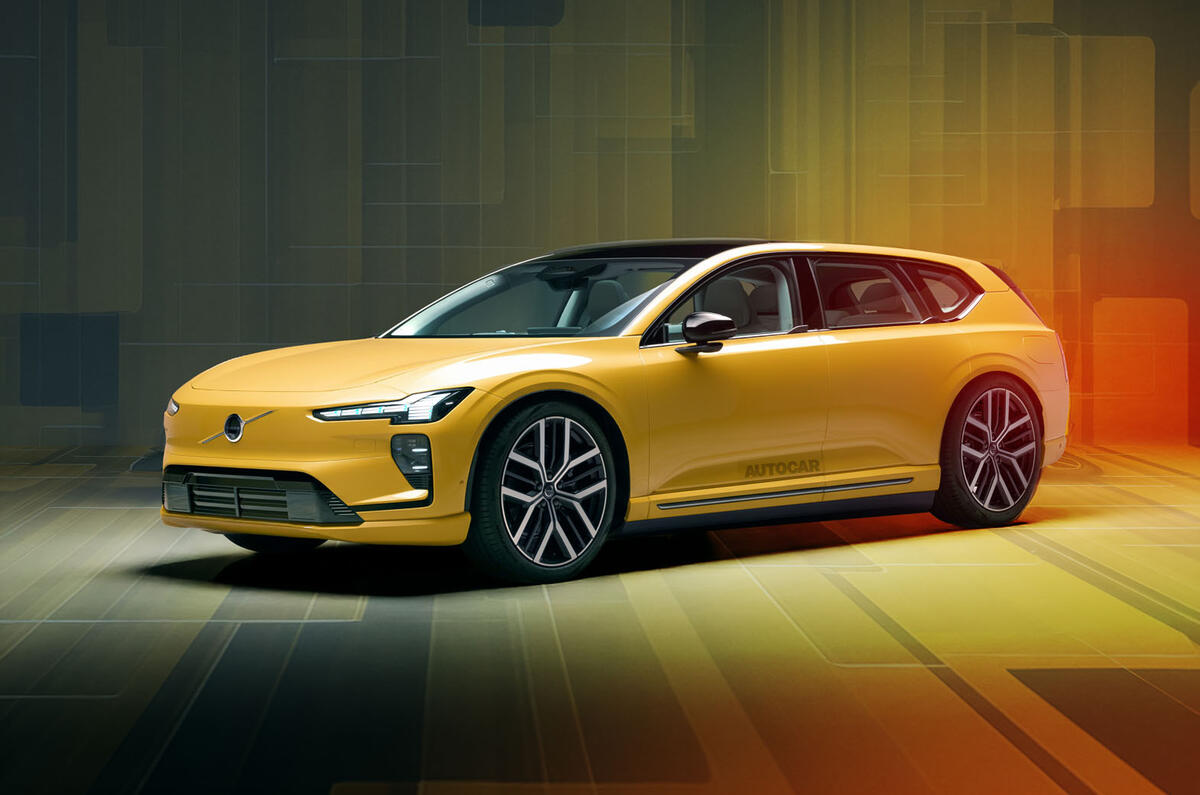

Volvo’s new SPA3 platform for electric cars could pave the way for the firm to return to traditional, low-riding saloon and estate models like the S60 and V90.
Five of the Swedish firm's six current model lines are SUVs – and even the sixth, the saloon-shaped ES90, sits as high off the ground as the average crossover.
Bosses have previously said that the focus on bigger-selling SUVs means there is little room for traditional saloons and estates in its planned eight-car line-up, following the retirement of the petrol-powered S60, S90, V60 and V90.
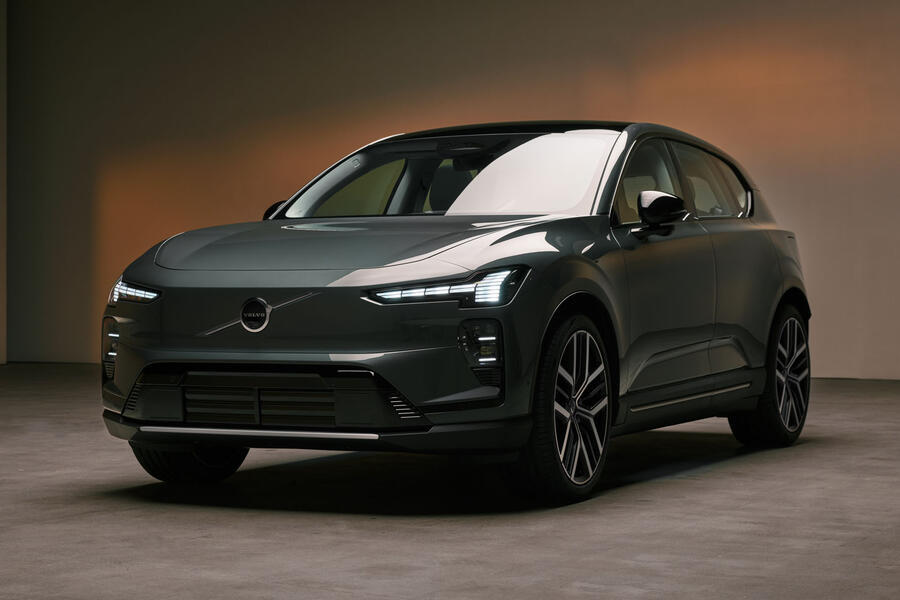
But Volvo has long been clear that the new SPA3 platform – which is first being used on the new EX60 (pictured below) – has been developed for dramatically enhanced engineering flexibility, allowing EVs to sit much closer to the ground and giving it flexibility if demand changes in future.
One crucial development, with regard to the SPA3’s suitability for different types of car, is that it has been engineered so the battery capacity does not dictate the height of the vehicle.
Volvo chief technology officer Anders Bell explained that because it has been created for EVs – rather than being adapted from an ICE platform, as was the case with the EX90 and ES90’s SPA2 platform – there is much more freedom in the packaging to move components and structures to suit different designs.
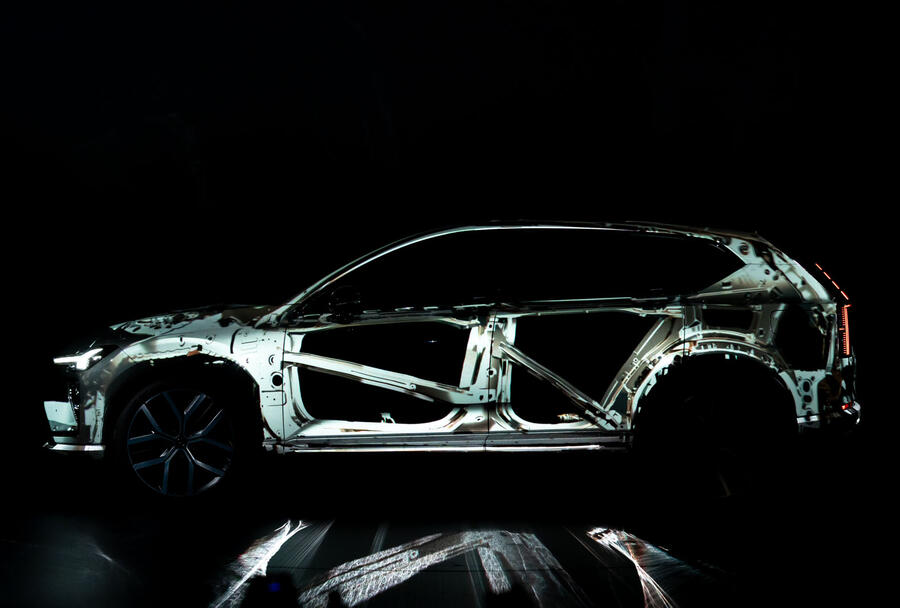
“My job in engineering is to provide options for the company,” he told Autocar. “We can make [cars] high. We can make them low. It’s all in scalability and this is unlocked by removing the combustion engine, the exhaust, fuel tanks and everything from the equation, and finding new ways to build up the bone structure and the scalability of the platform.”
Bell said one reason cars are getting wider in general is because the packaging constraints in adapted ICE platforms means that to increase capacity, battery packs have to be extended widthways. But the SPA3 opens up new possibilities in this regard that will allow next-generation Volvo EVs to be closer in width, height and silhouette to traditional ICE cars.
Chiefly, because the front crash structure has not been shaped to accommodate an engine, there is more flexibility to spread the battery cells across the floorpan and ahead of the scuttle. The battery therefore needn’t be contained exclusively within the wheelbase.
The SPA3 moves the meeting point between the battery and the front crash structure forward, so “we can put seven kilowatts – at a minimum, probably more – of the pack further forward, while still doing all the crazy Volvo crash stuff,” said Bell.