Currently reading: Physical buttons poised to become key brand differentiator

Car makers will return to buttons – and could even shrink screens – in a bid to stand out, says brand expert

Physical car controls will become an increasingly crucial way for car brands to stand out in the future, according to a leading design firm.

"You can see how screens have made their way into vehicles and they're upgradable, but unless they're dealt with well, it can be quite a lazy intervention," Luke Miles, founder of NewTerritory, told Autocar. "There is a moment [coming] when there's going to be a new level of value in some of the analogue bits, some of the real high-value bits that you interface with."

NewTerritory has historically focused on aviation, designing interiors for US giant Delta and Virgin Atlantic, but it has now moved into the car industry, with clients including Ford and Mercedes. Miles himself previously led design at LG Europe and Virgin Atlantic.

The increasing sophistication of voice and gesture controls gives manufacturers a means of moving away from the screen's dominance in car interiors, according to Miles. "When things are voice-activated or gestural, then you're in a space where those moments - whether they are analogue or more physical - become really valuable," he said. "You boil down the brand into these really beautiful, well-engineered, well-crafted human moments."

He added: "You can imagine this very lovely space where you're blending the foreground and the background - background technology being voice, illumination, gestures maybe. The foreground is beautifully crafted moments of interaction, whether it's a metallic piece or maybe it's [a control] which is built out a little bit more with a digital capability embedded in it."

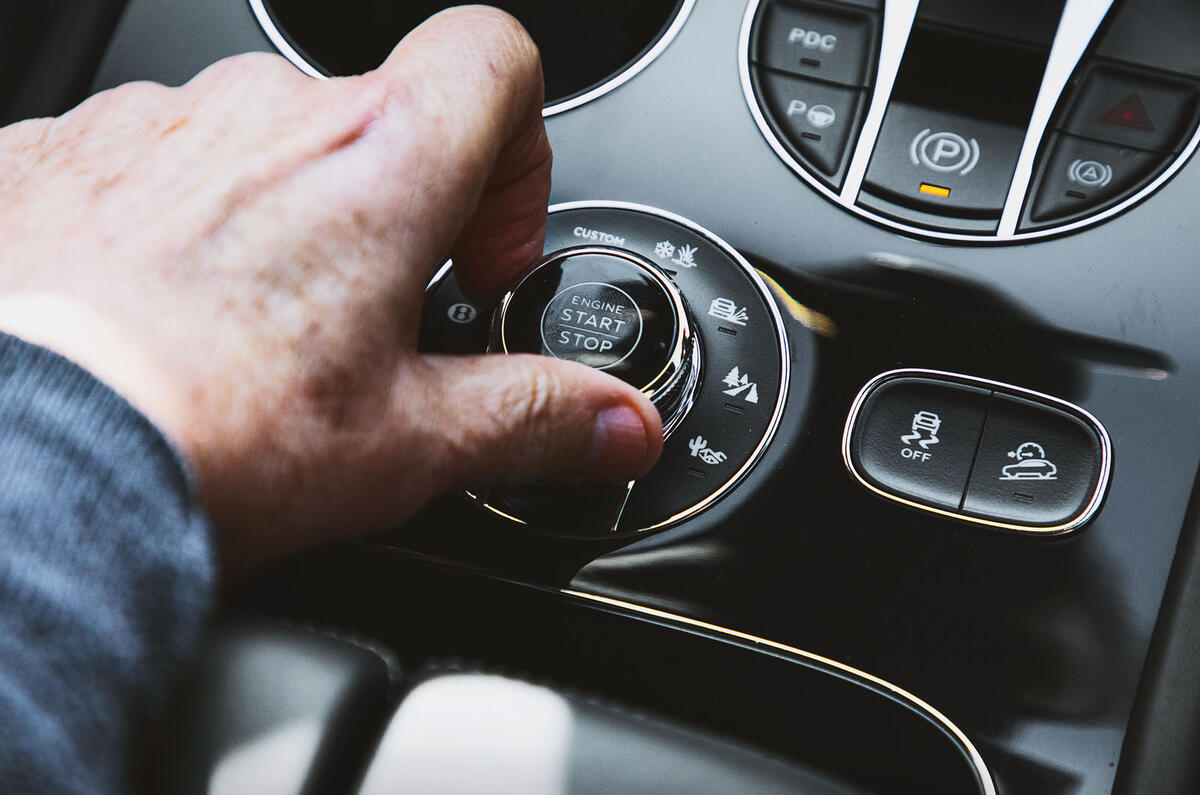
Physical controls, according to Miles, create those "human moments" that foster the connection between car and driver. "The sense of feedback of a knurled object, or a click, gets you to a place where you realise it's been beautifully assembled," he said.

Meanwhile, voice controls "could mean the screen shrinks again", he said. "You don't necessarily need it [at all]."

Major players have already started a move back towards physical buttons. Volkswagen brand chief Thomas Schäfer, for instance, has said the company's previous shift away from buttons did "a lot of damage".
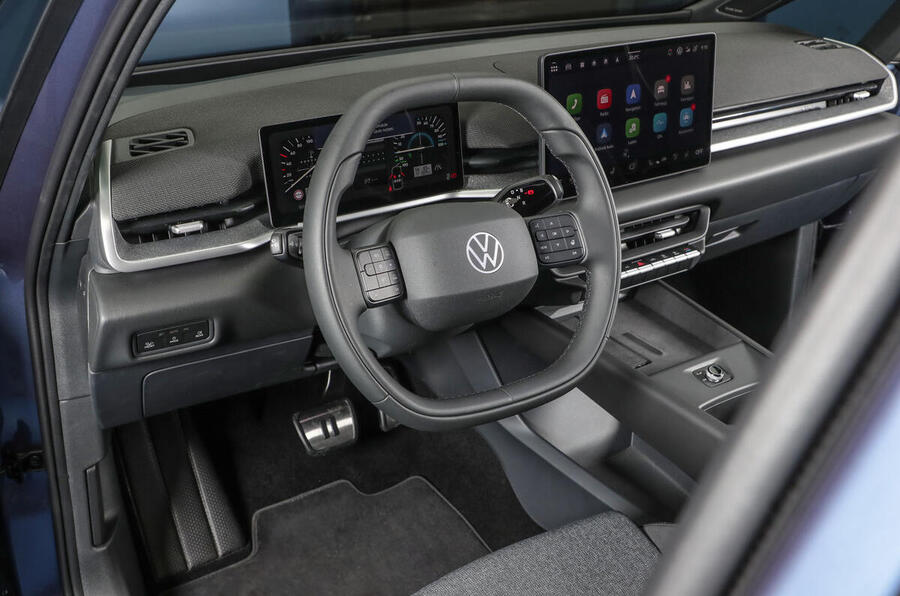
Volkswagen ID 3 Neo buttons

VW's revised approach to interior design - described as a "premium haptic" concept, majoring on switchgear and rotary dials - is exemplified by the forthcoming ID Polo, ID Cross and the updated ID 3.

Overall, suggested Miles, manufacturers will "want to invest in moments of positive friction", providing touchpoints that differentiate them from the competition in terms of how they look and feel.

Back to top

Proper keys: A touchy subject

Keys are another crucial point of interaction between the car and driver, suggested Miles.

He said: "It's a part of the brand that you carry around with you continually when you're not in the vehicle, but sometimes the value of that thing is actually quite limited."

Miles described the interaction of placing a key to start a car - something that has largely disappeared with the proliferation of push-button starters - as a "handshake" and "a threshold moment of getting in and going from one mode [of movement] to another, which the key is instrumental to".

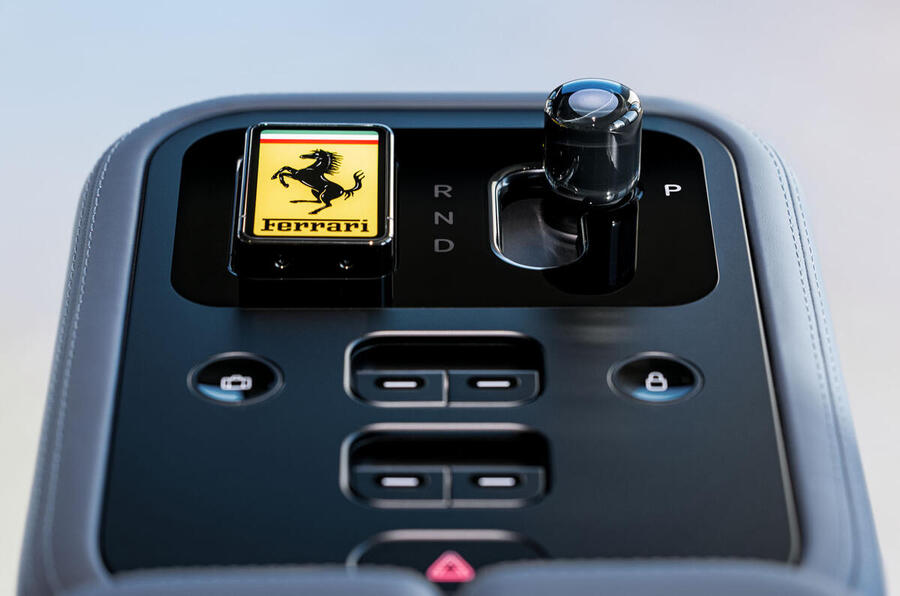
The upcoming Ferrari Luce is one example of how a manufacturer has used the key as part of this 'handshake'.

Ferrari Luce key

To start the car, its fob has to be clicked into place on the centre console.

The key contains 'e-ink' that, after it is secured, 'bleeds' into the console and unlocks the gear selector.

However, other firms have sought to ditch traditional keys. Tesla, for example, does not include a physical keycard as standard on the entry-level versions of the Model 3 and Model Y.

Volvo and Polestar, meanwhile, have replaced traditional keys with credit card-style fobs and digital facsimiles accessed through a phone app.

Join our WhatsApp community and be the first to read about the latest news and reviews wowing the car world. Our community is the best, easiest and most direct place to tap into the minds of Autocar, and if you join you’ll also be treated to unique WhatsApp content. You can leave at any time after joining - check our full privacy policy here.

Charlie Martin

Charlie Martin Autocar
Title: Staff Writer

As part of Autocar’s news desk, Charlie plays a key role in the title’s coverage of new car launches and industry events. He’s also a regular contributor to its social media channels, creating content for Instagram, Tiktok, Facebook and Twitter.

Charlie joined Autocar in July 2022 after a nine-month stint as an apprentice with sister publication What Car?, during which he acquired his gold-standard NCTJ diploma with the Press Association.

He is the proud owner of a Mk4 Mazda MX-5 but still feels pangs of guilt over selling his first car, a Fiat Panda 100HP.

Join the debate

Comments
5
Add a comment…
Thekrankis 17 April 2026

As an almost decade long Tesla owner there is absolutely no doubt in my mind that buttons win every time.


Tactile, easy and safe.  

screens are for navigating and entertainment. That's it in my experience.

jason_recliner 17 April 2026
Perhaps don't limit the physical controls to one function. Let them be multifunctional, controlling what's on the screens, if that makes sense.
Boris9119 17 April 2026

Luke needs to remove his head from whatever its stuck up, and understand the "moment when theres going to be a new level of value.........you interface with" is aready here, and its always been here. Nobody asked for or wanted physical buttons and interfaces to go away in the first place, the designers like these clowns at NewTerritory just copied what Tesla started doing!