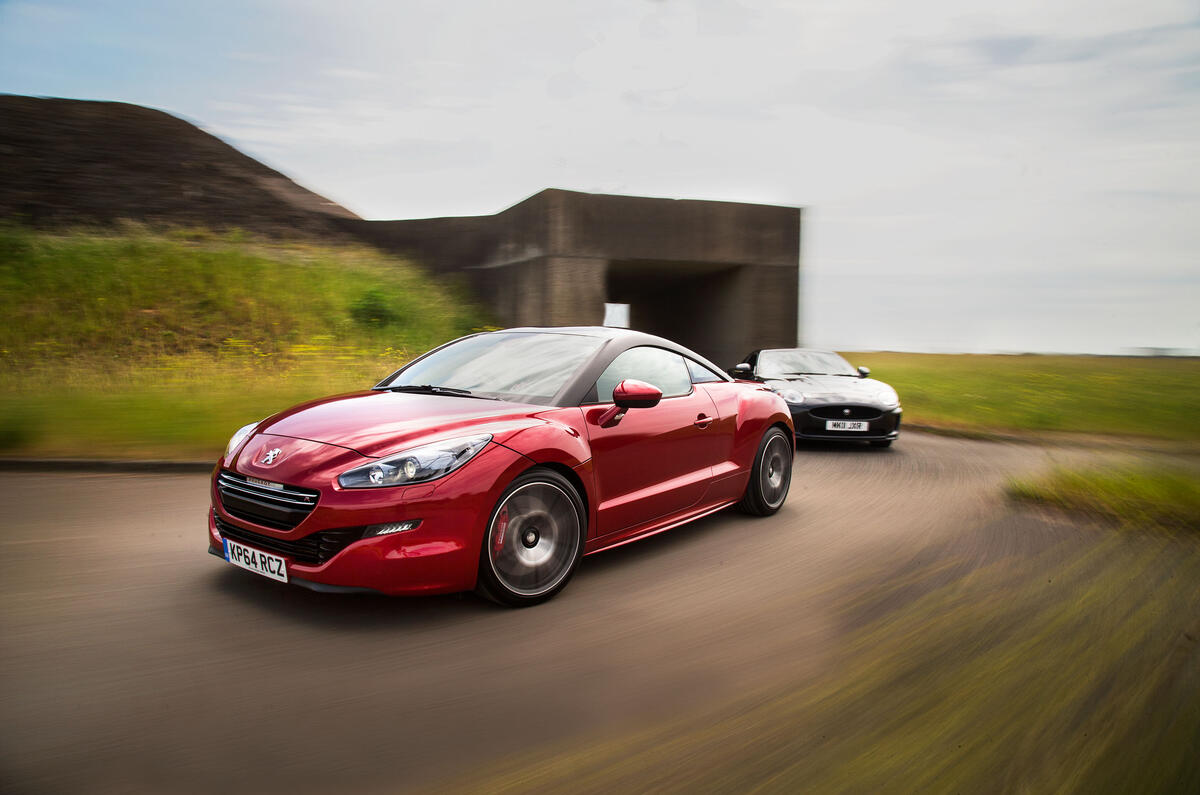
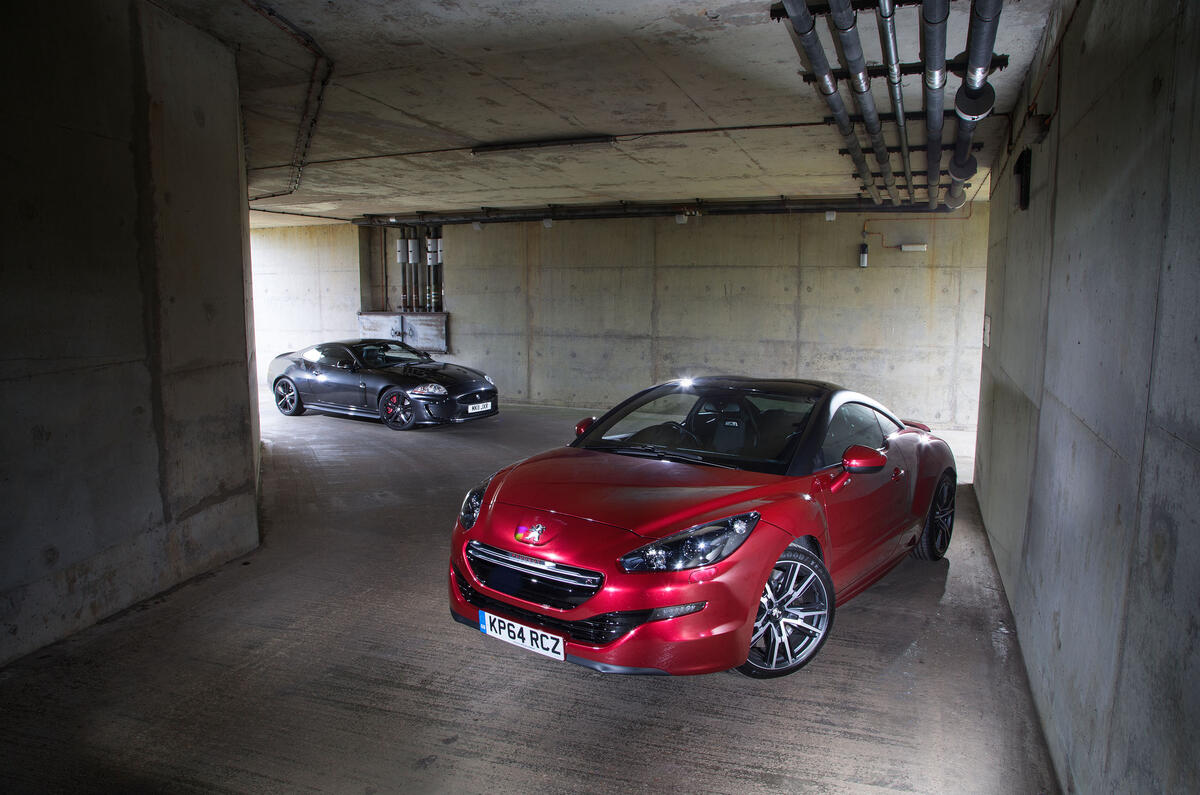
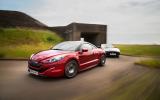
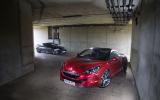

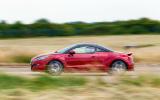

Oh for heaven’s sake, at least make it a fair contest.
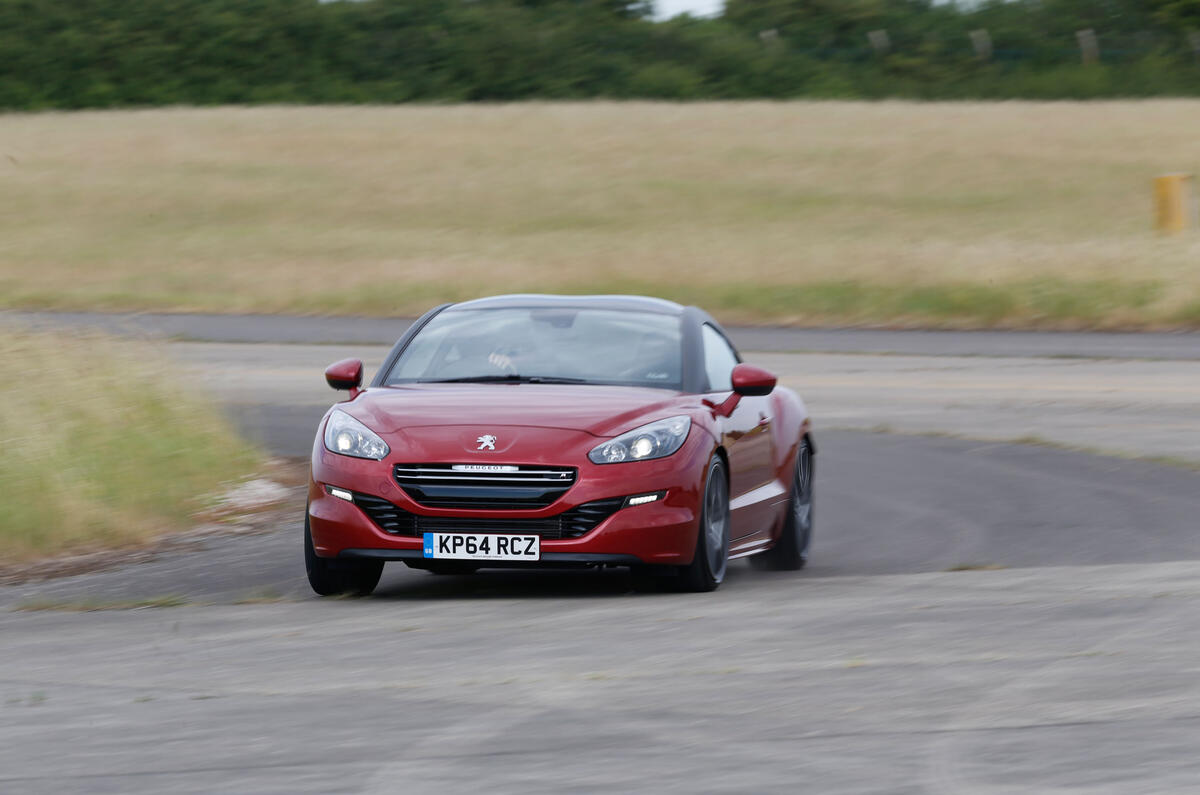
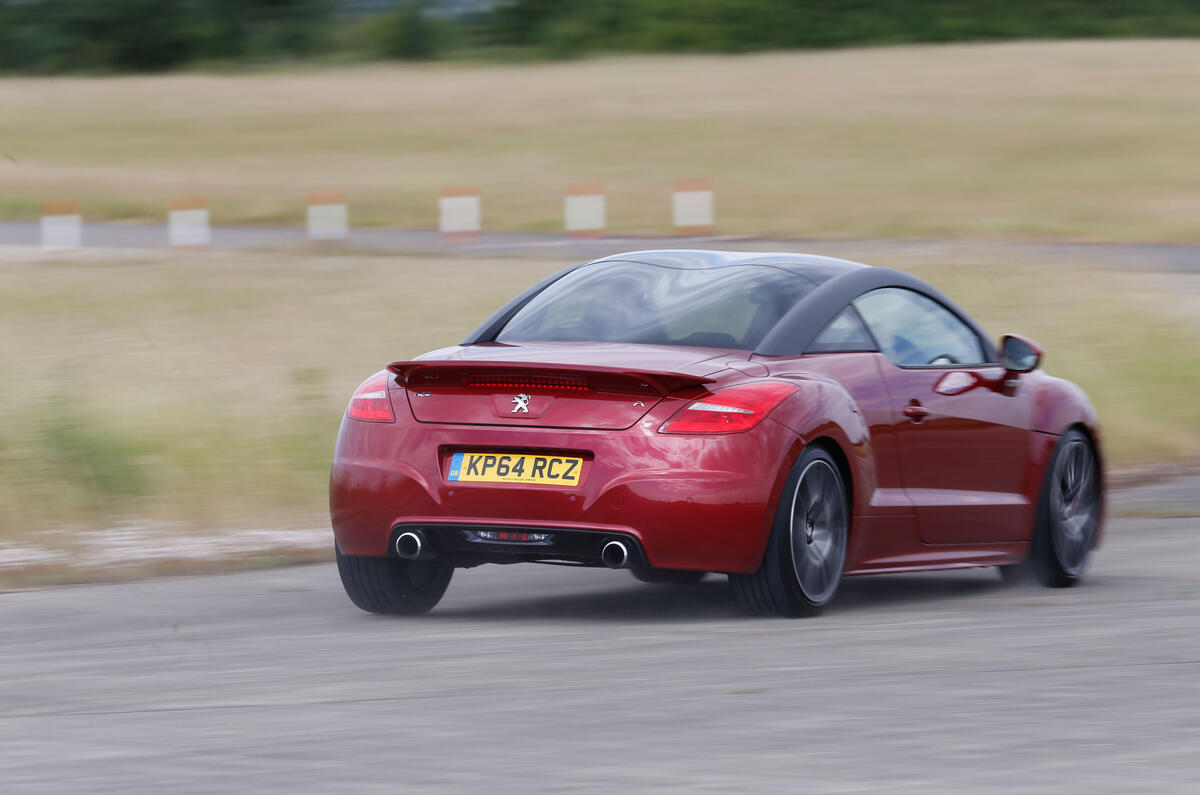
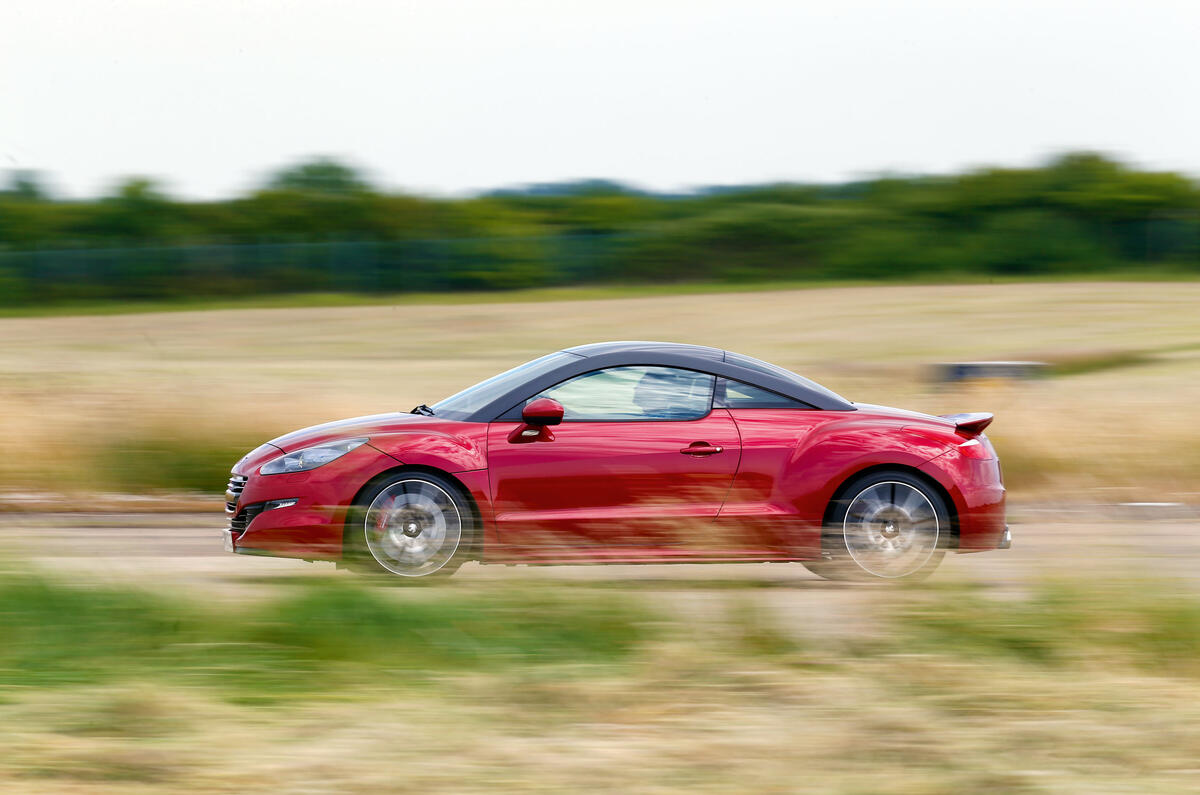
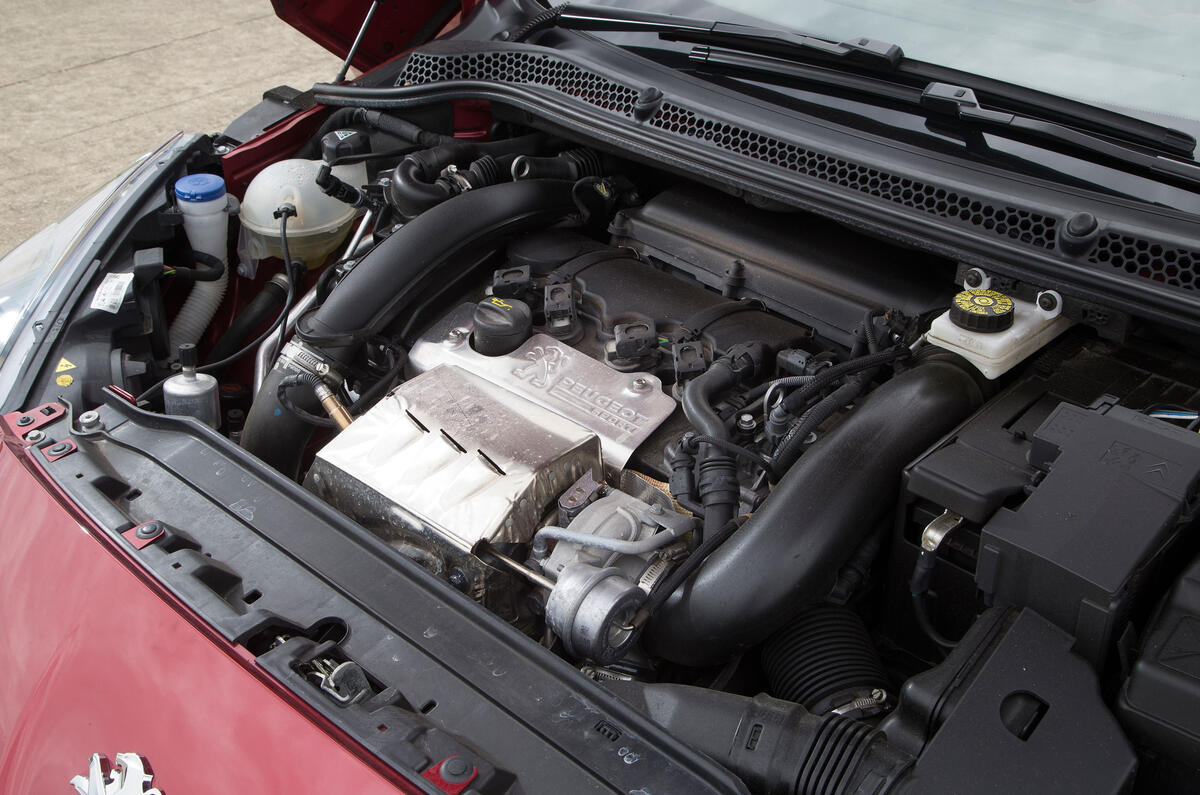
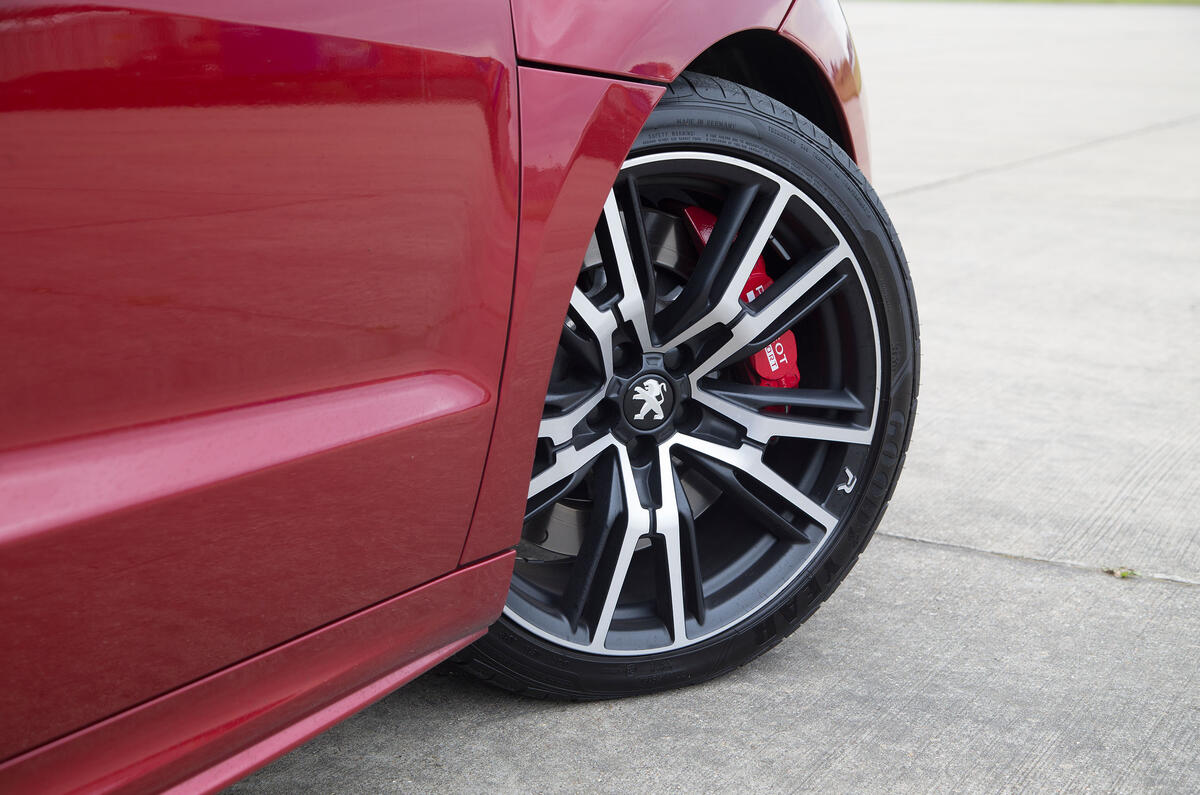
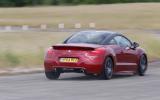
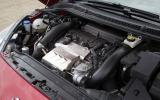
Sure, the Peugeot RCZ is an attractive car and at its best in the 266bhp R form you see here. It has a fizzy turbocharged 1.6-litre engine, keen front-wheel drive handling and a real limited-slip differential and it costs not much more than £30k. All of which is competitive. All of its numbers are consistent with those of its peers in the new car market.
But, er, well. If you want to see an example of how unfair on new metal the used car market can be, take a look at the other £30k-ish car above. It’s also an attractive 2+2 coupé with hopeless rear seats, but the similarities just about finish there.
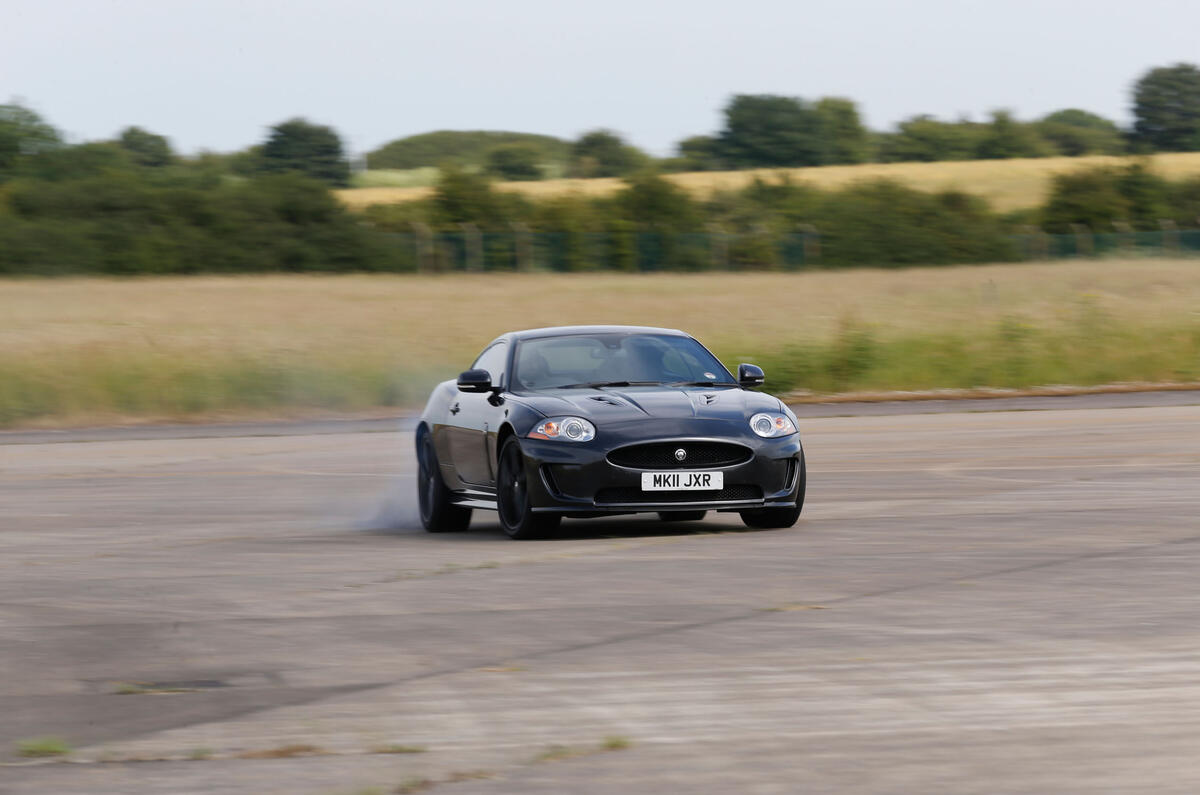
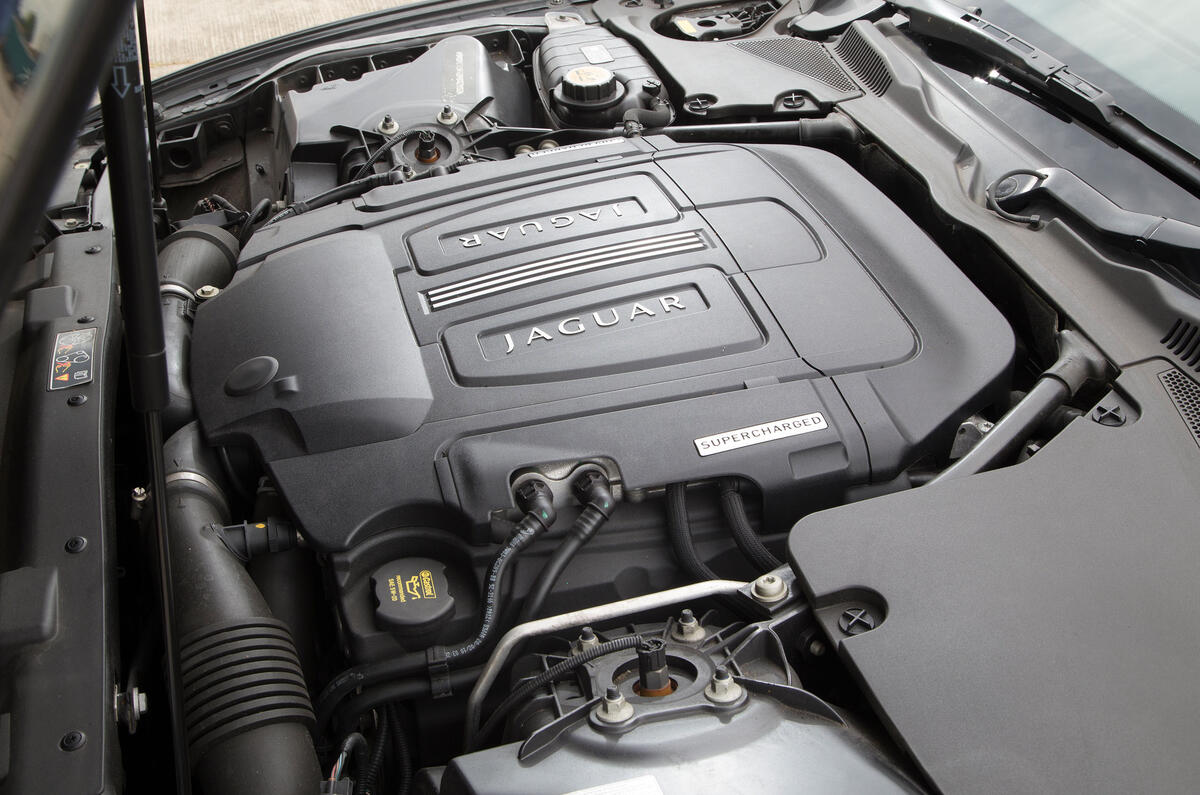
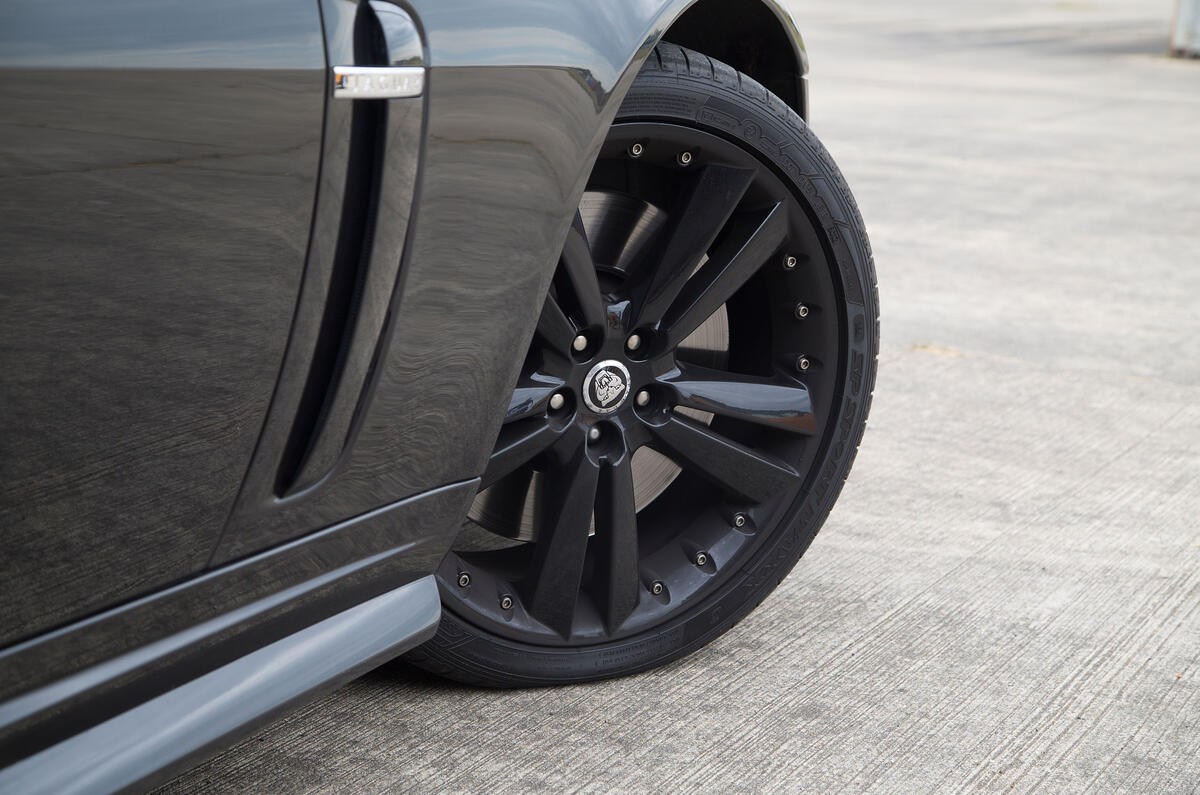
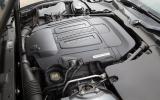
It’s a four-year-old Jaguar XKR, a rear-wheel-drive coupé with a 5.0-litre supercharged V8 that would usually make 503bhp. Usually, that is, had owner Edward Boyden not had its induction and exhausts breathed on to help it make about 600bhp.
So what more do you want to know? That seems to about wrap things up, to me. I like the RCZ R quite a lot. Latest Peugeot 208 GTi aside, I think it’s the best car the company has made for an extremely long time. But which car enthusiast at which car website is going to recommend a 1.6-litre front-driver over one with rear-wheel drive, a supercharged 5.0-litre V8 and the staggering shortage of traction for which Jaguars are known?
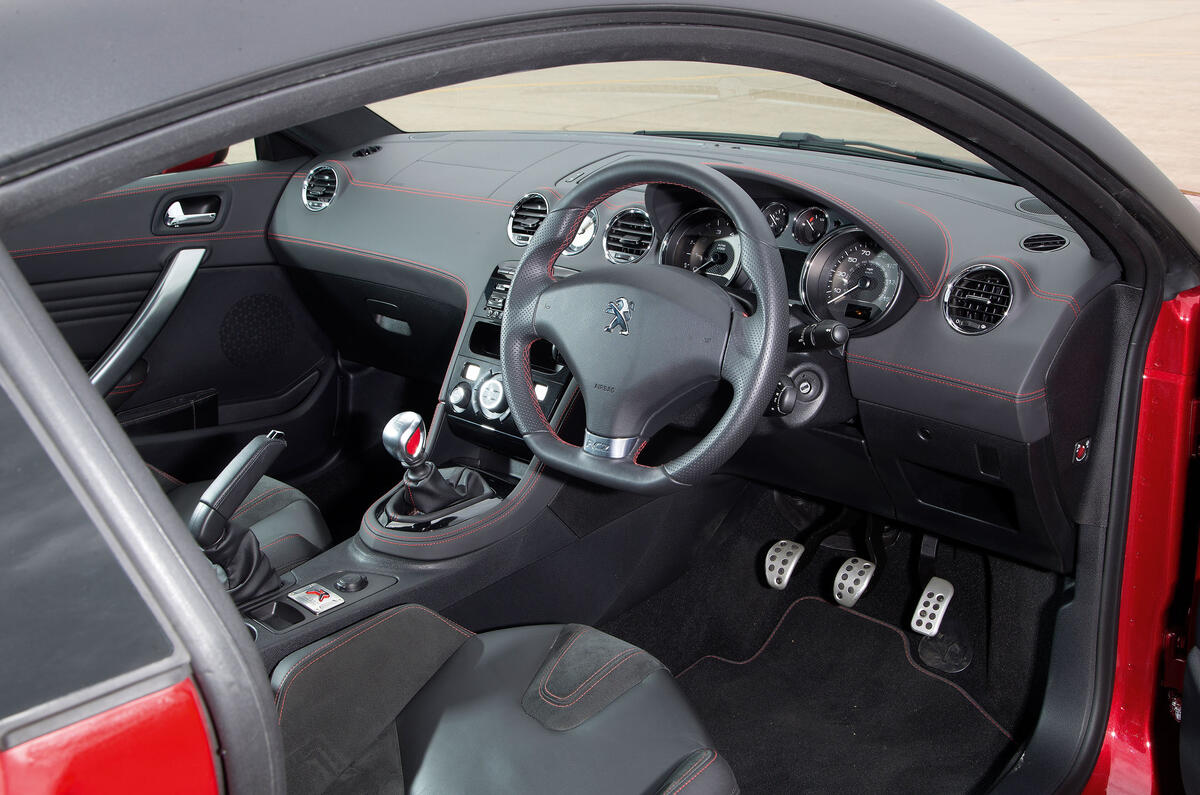
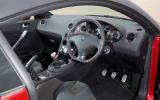
Still, let’s have a go, eh? The Peugeot deserves that much at least, because it is, let’s face it, pretty. It’s pleasing enough inside, too, with decent, supportive seats and a wide range of steering column adjustment, compensating to an extent for some slightly awkward pedal and gearshift actions.
Where it’s better than most other Peugeots in general, and RCZs in particular, is in the way that it drives. Its ride is firmish but far from harsh, and it’s impressively composed. It steers pretty fluently, too. There’s some torque steer, of course, because the engine is boosty and the limited-slip diff amplifies that sort of thing. But the benefit is traction beyond that expected of a 250bhp-plus front-driver and a degree of mid-corner throttle adjustability. It’s a good car.
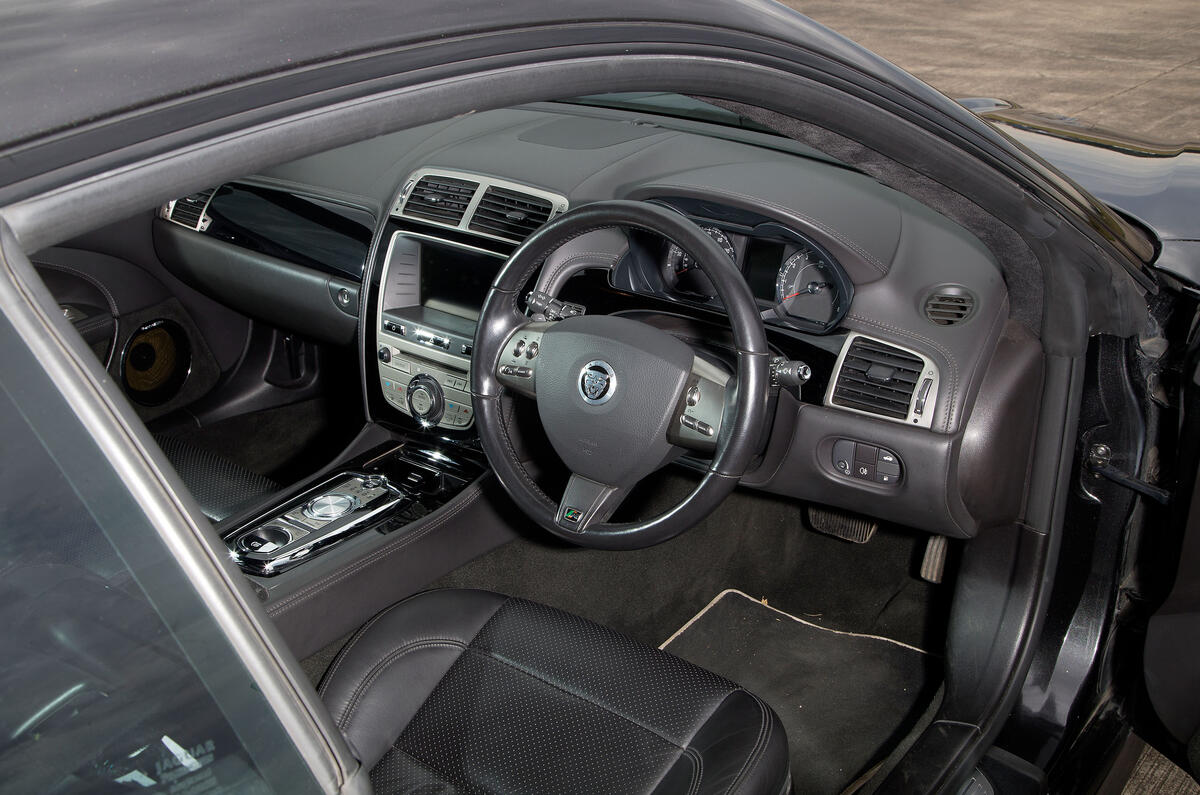
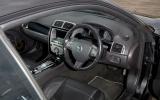
Slide into the Jaguar and you’re not greeted with a gulf in terms of perceived interior quality. This generation of XK went on sale in 2006, and although Boyden’s XKR is a 2011 car and does feel classier than the RCZ, the gap isn’t as vast as you might think, given the price difference when the XKR was new. This was an £80k car, don’t forget.
The Jaguar’s seats are flatter than the Peugeot’s and the wheel doesn’t reach as far, but that’s the limit of the RCZ’s ergonomic advantage. The Jaguar’s control weights are all better – there’s no clutch, of course, because this is an auto only – and the Jaguar is a more comfortable place to spend long periods of time.
And you’ll want to, because it’s rather pleasant to drive. It steers smoothly and rides in that signature way that Jaguars do, with great body control but enough compliance to breathe over bumps.
When the XK was new, we said we probably preferred the softer way that the standard, non-supercharged XK drove – it had a lighter engine in its nose, too, so it felt more agile – but it’s hard to argue with the way that Boyden’s XKR sends itself down the road or lights up its rear tyres.