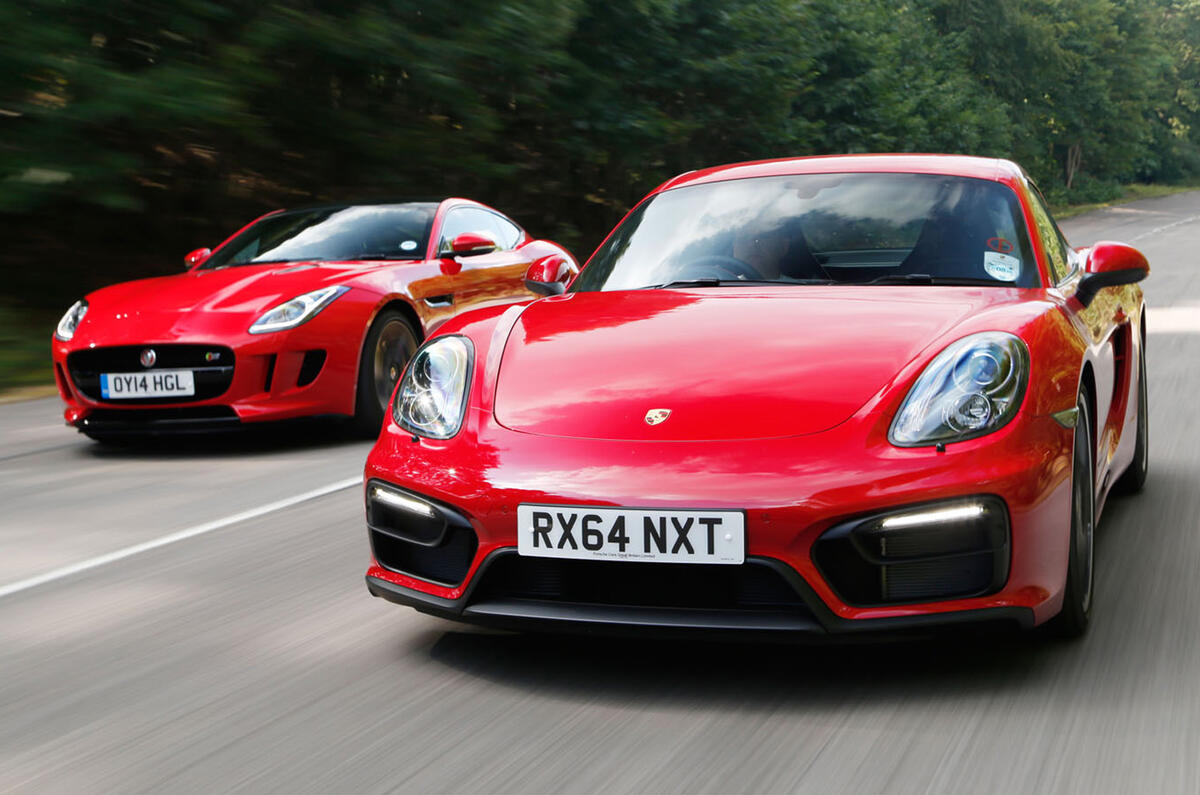
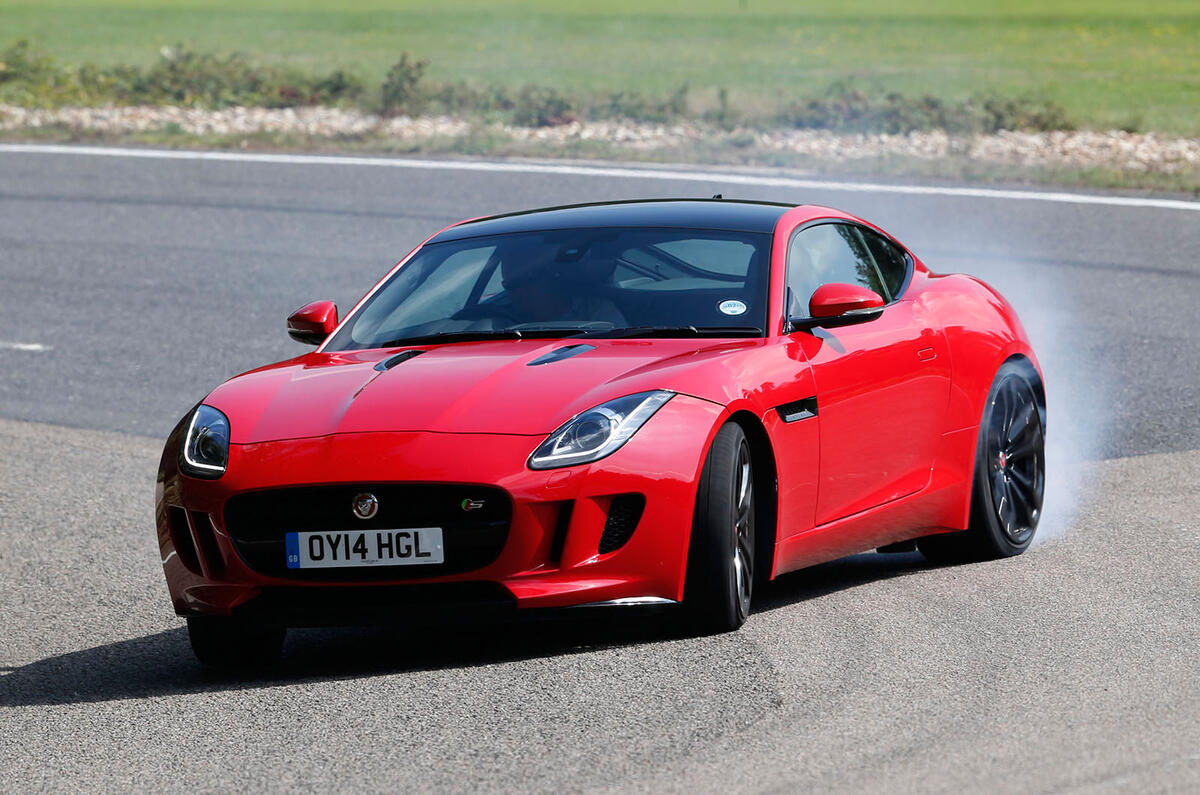
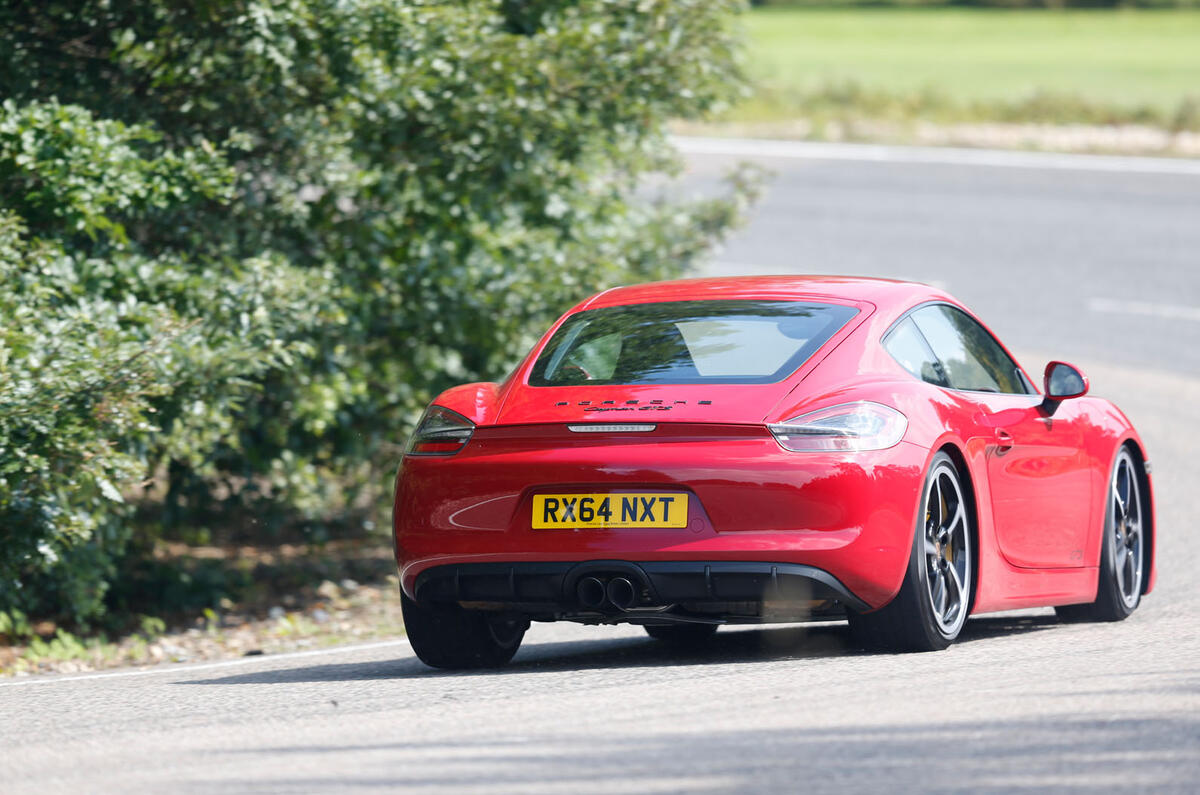
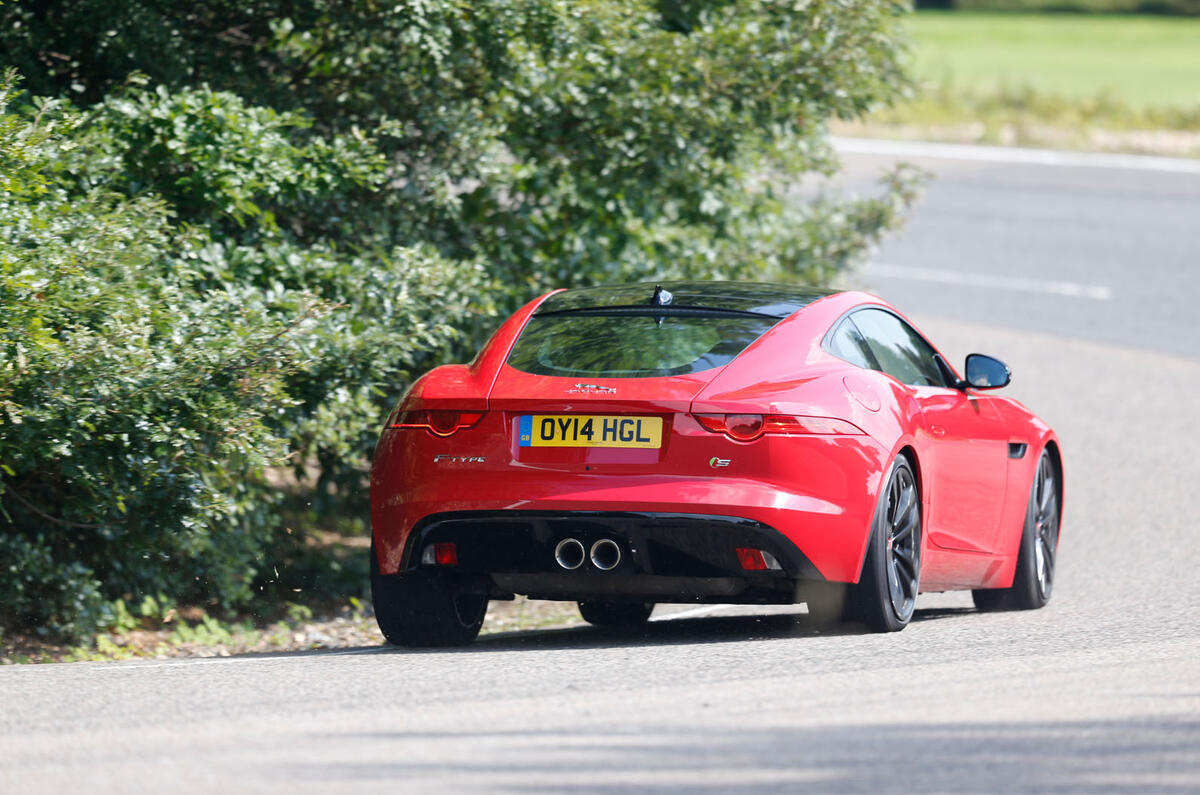
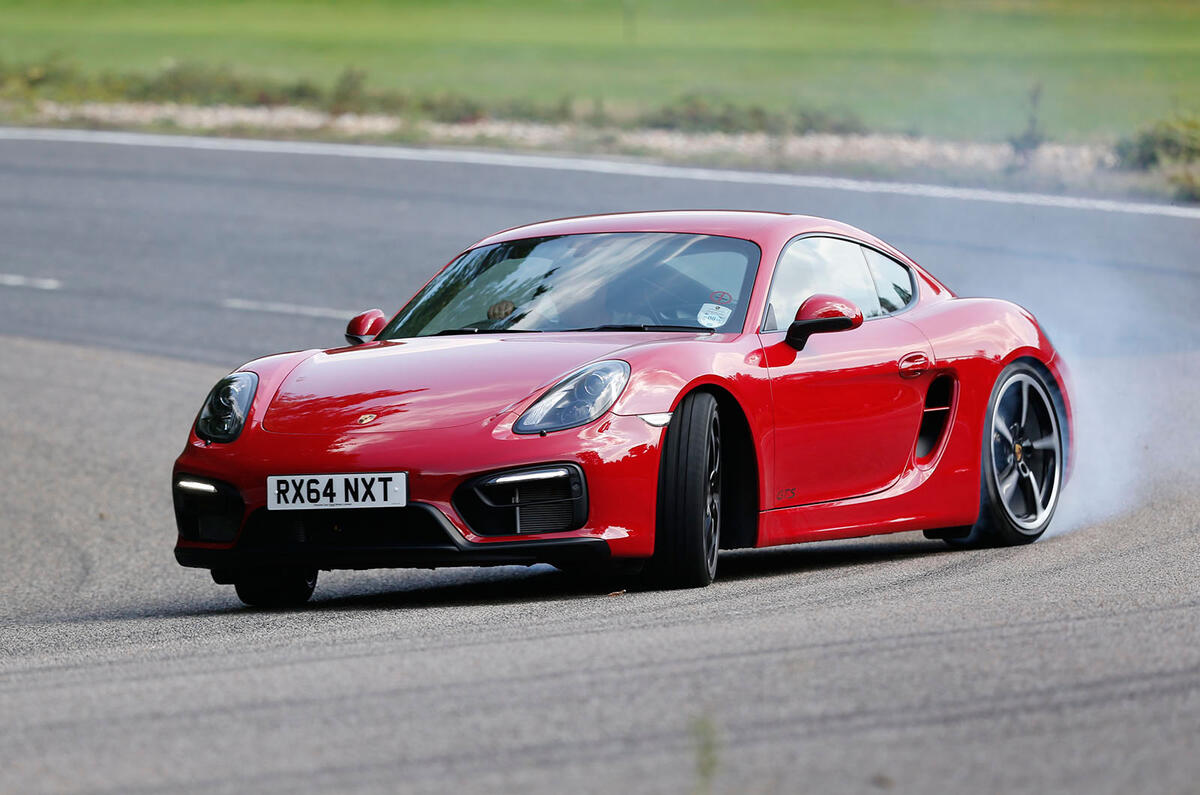
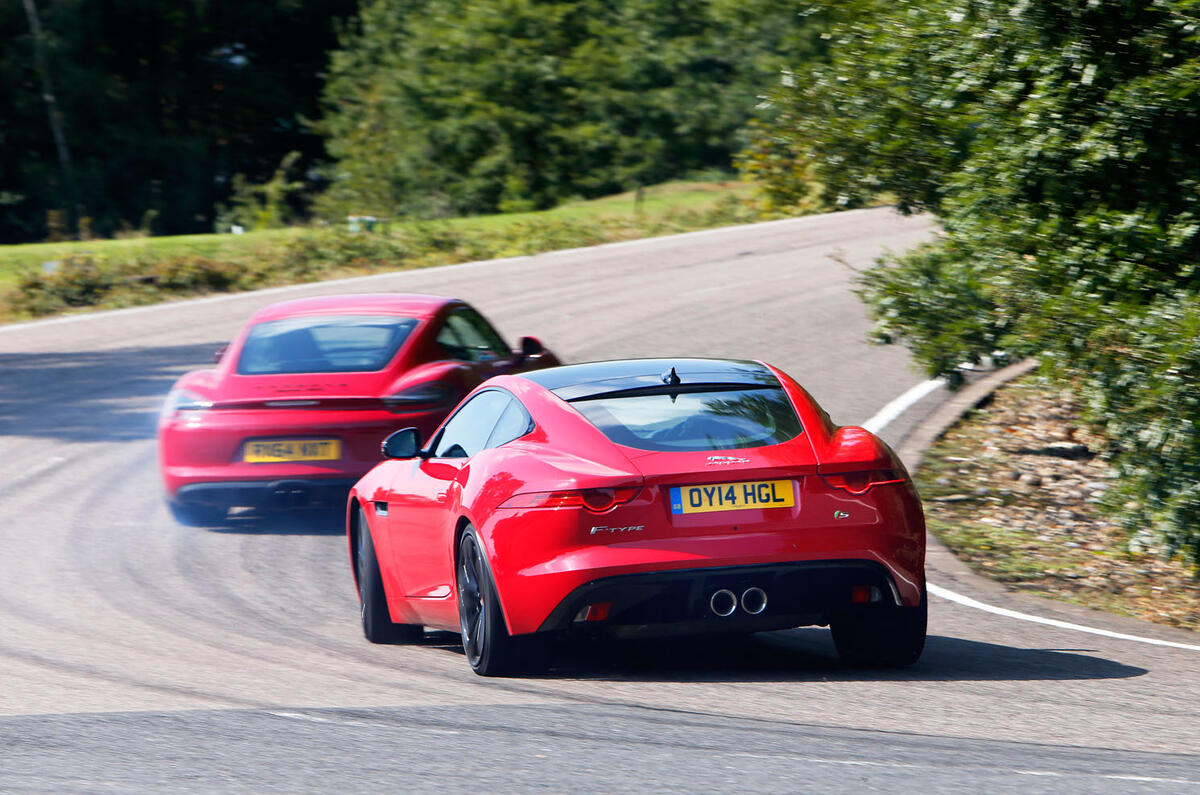
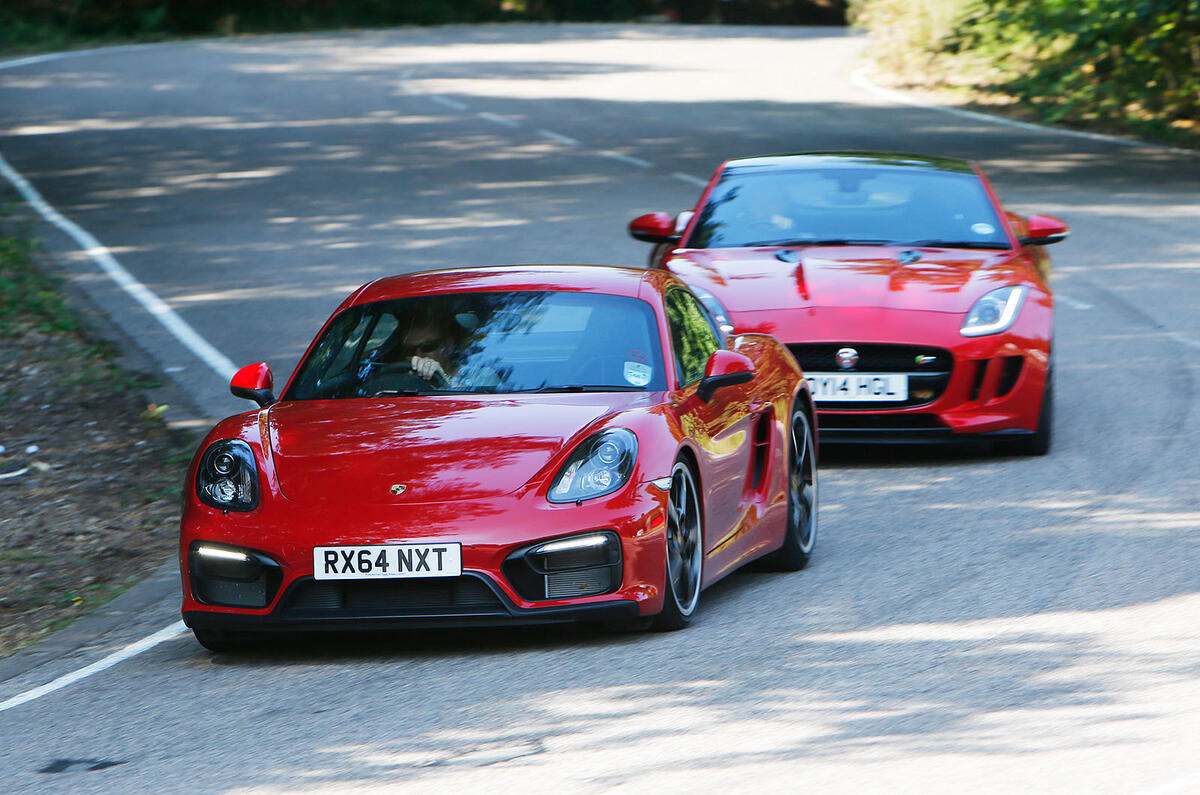
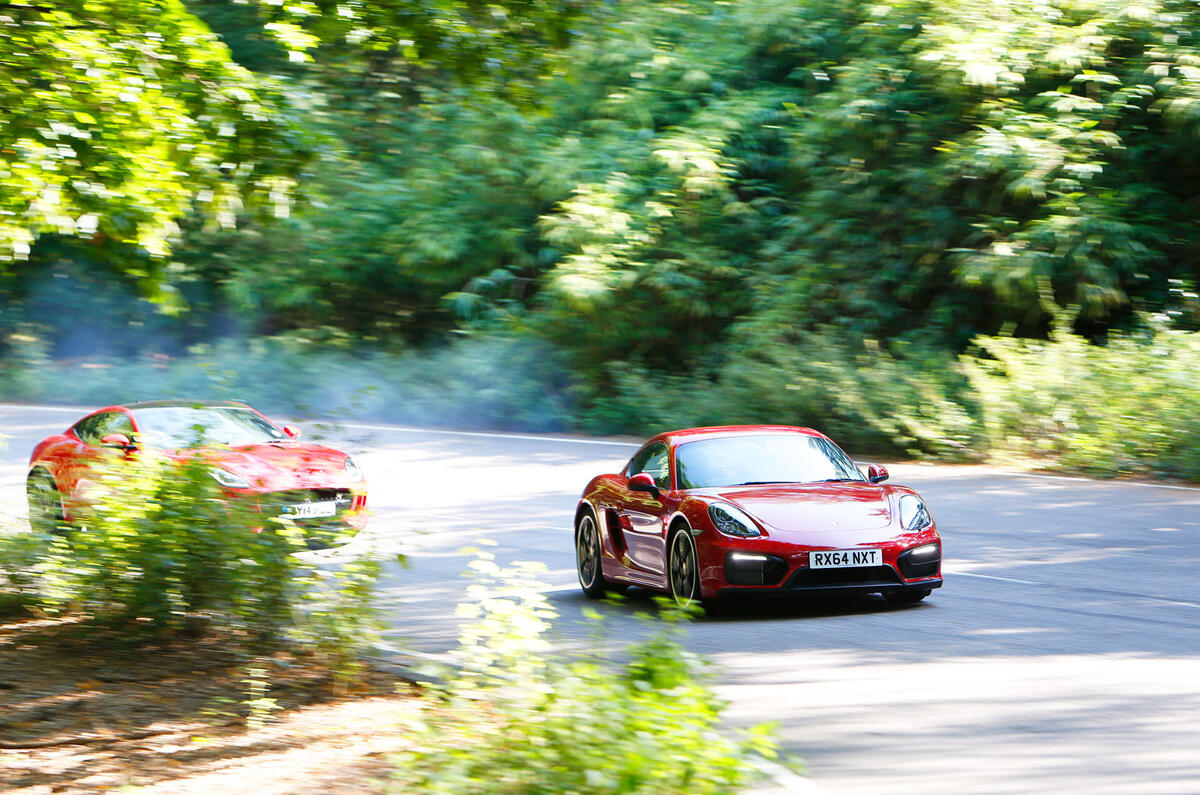
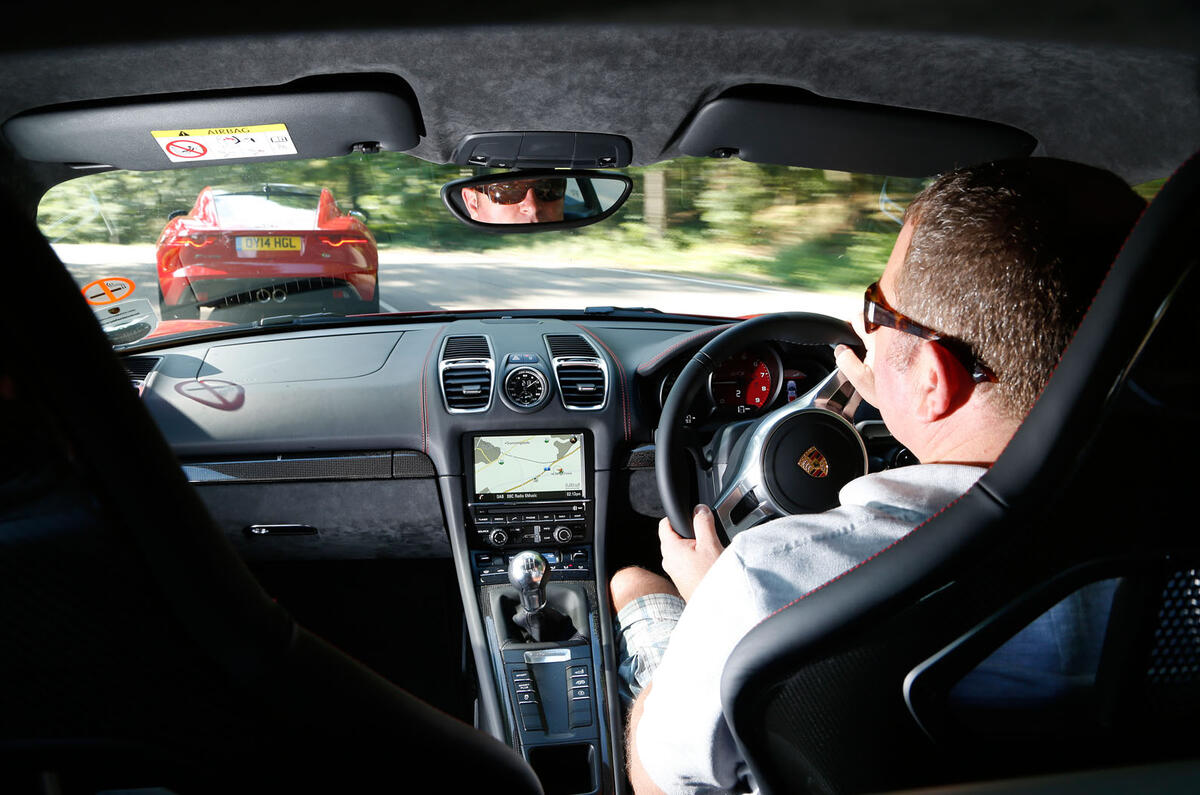
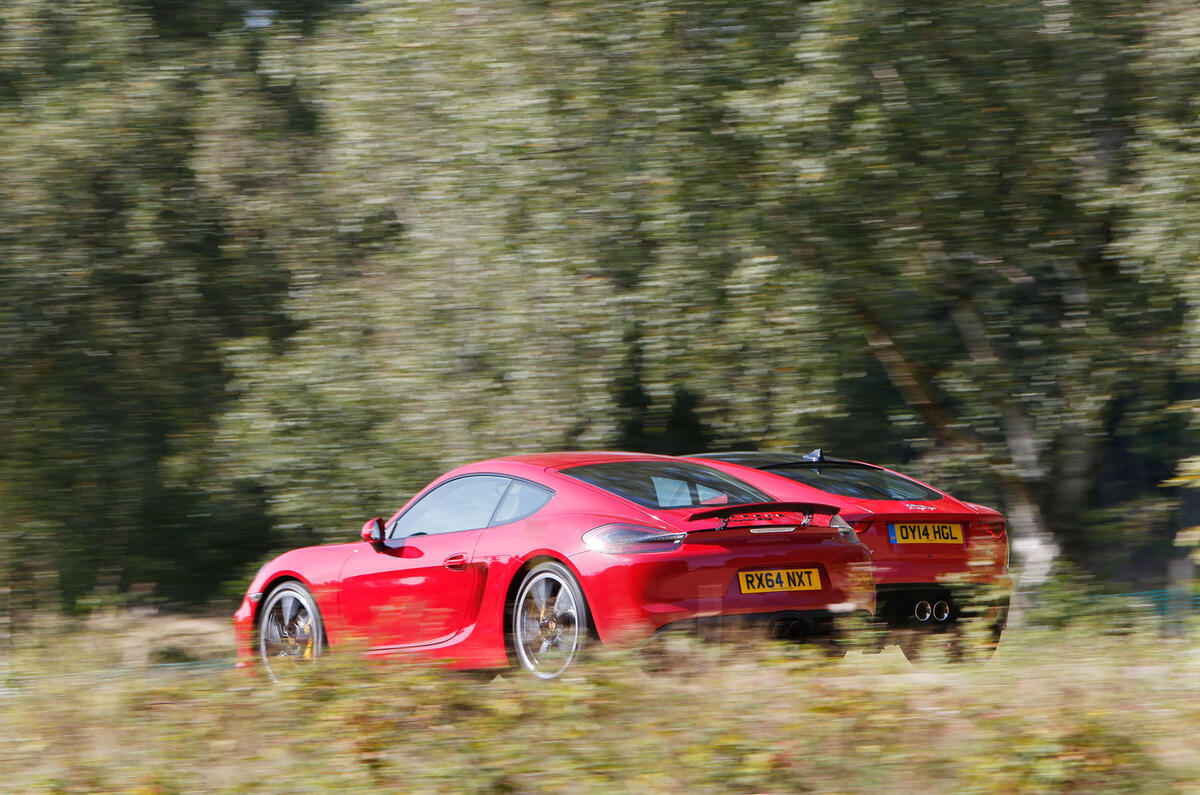
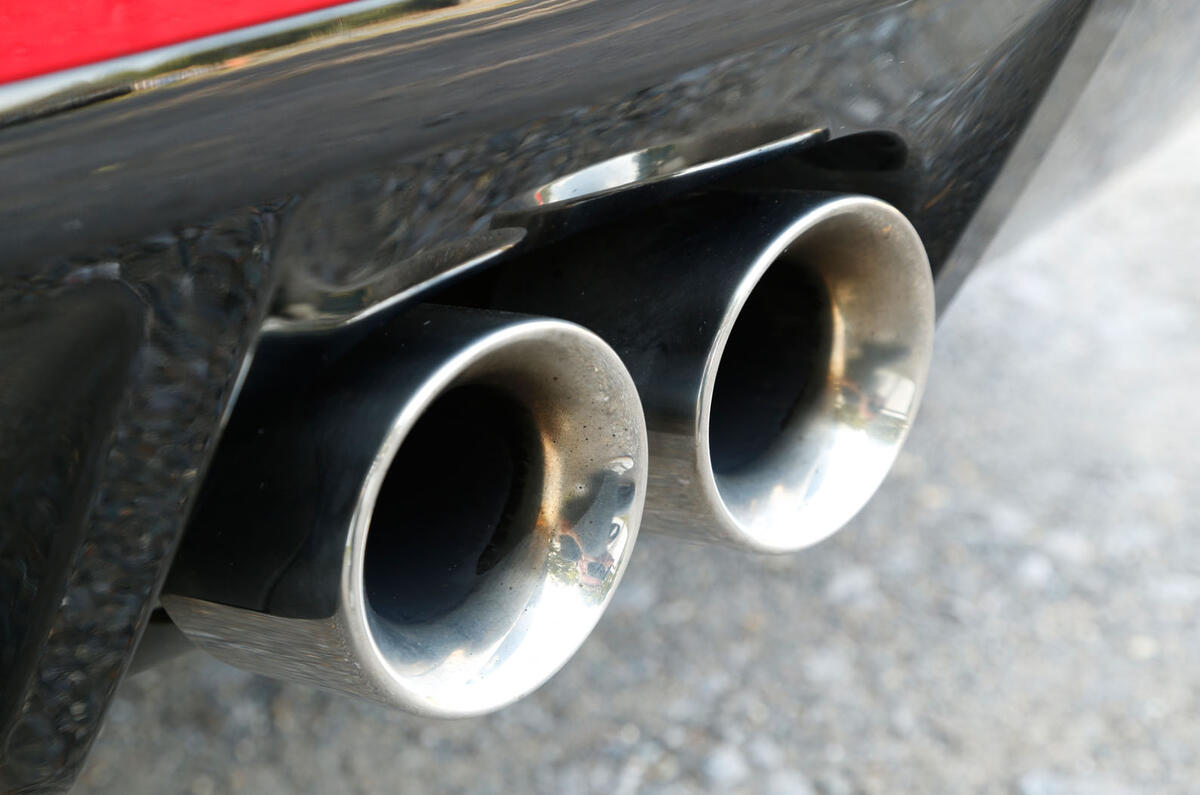
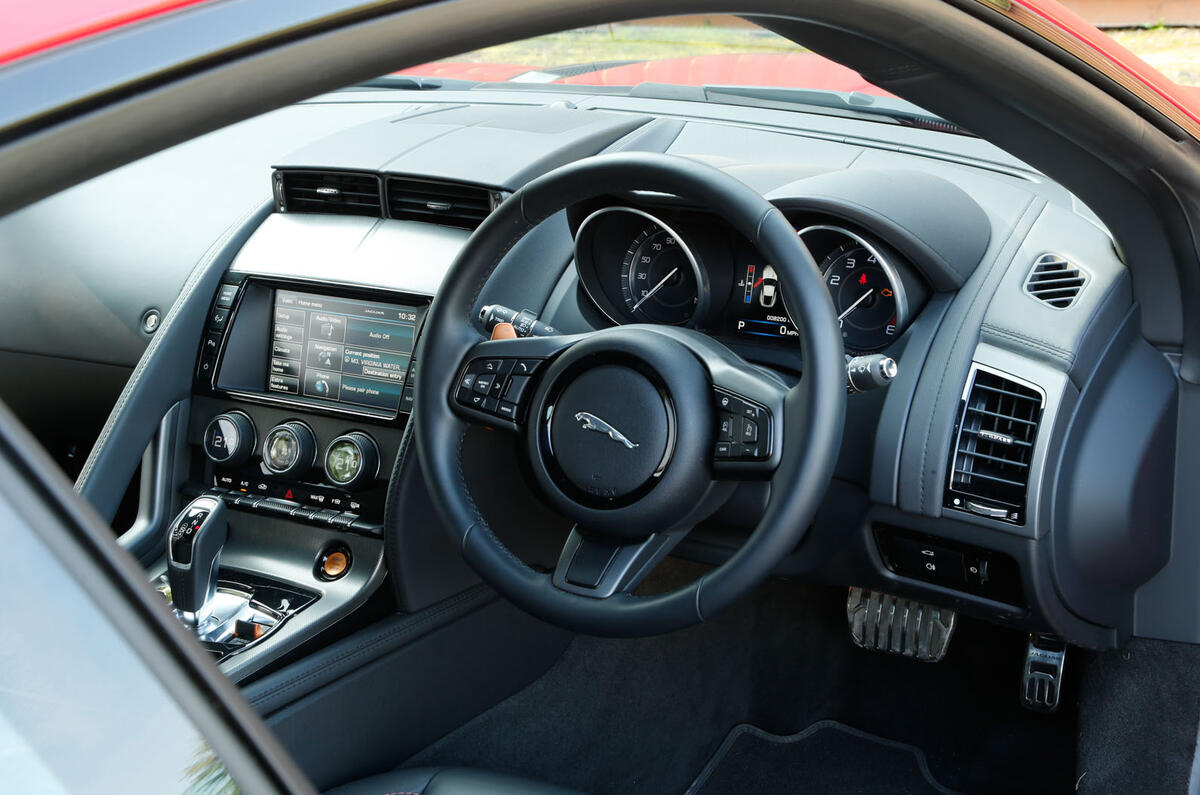
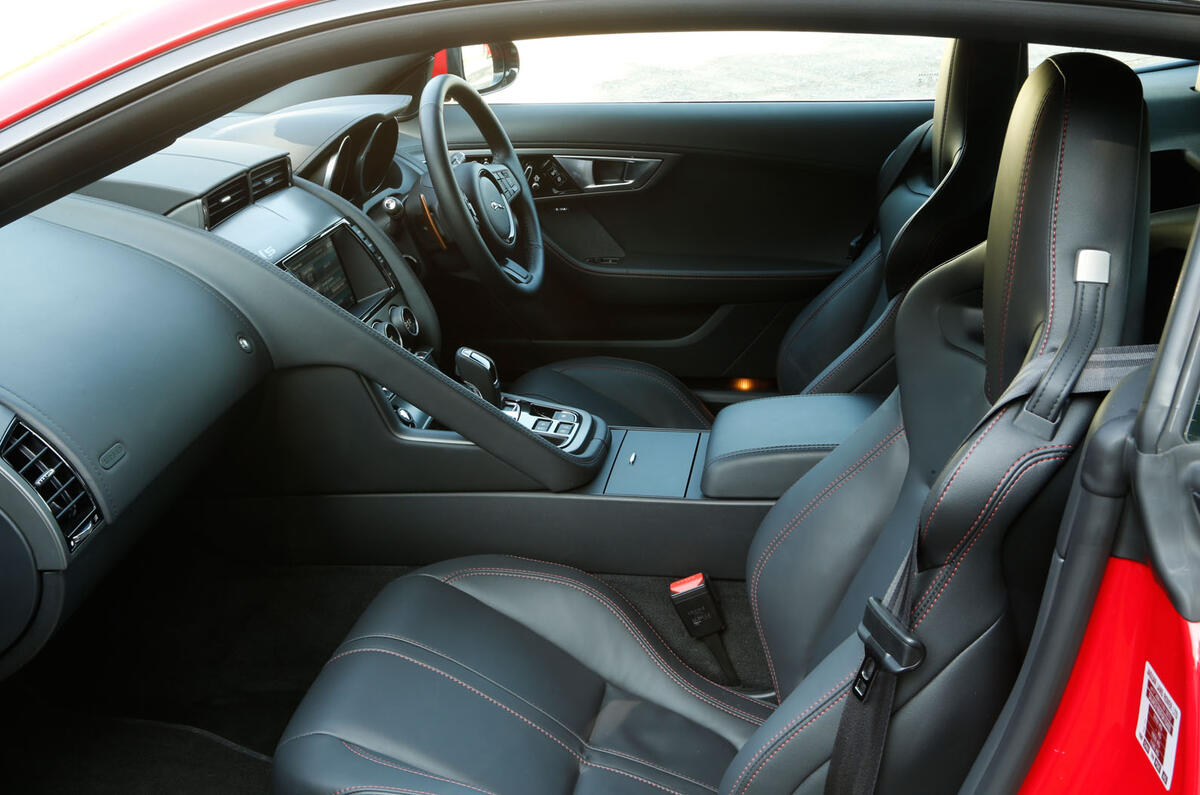
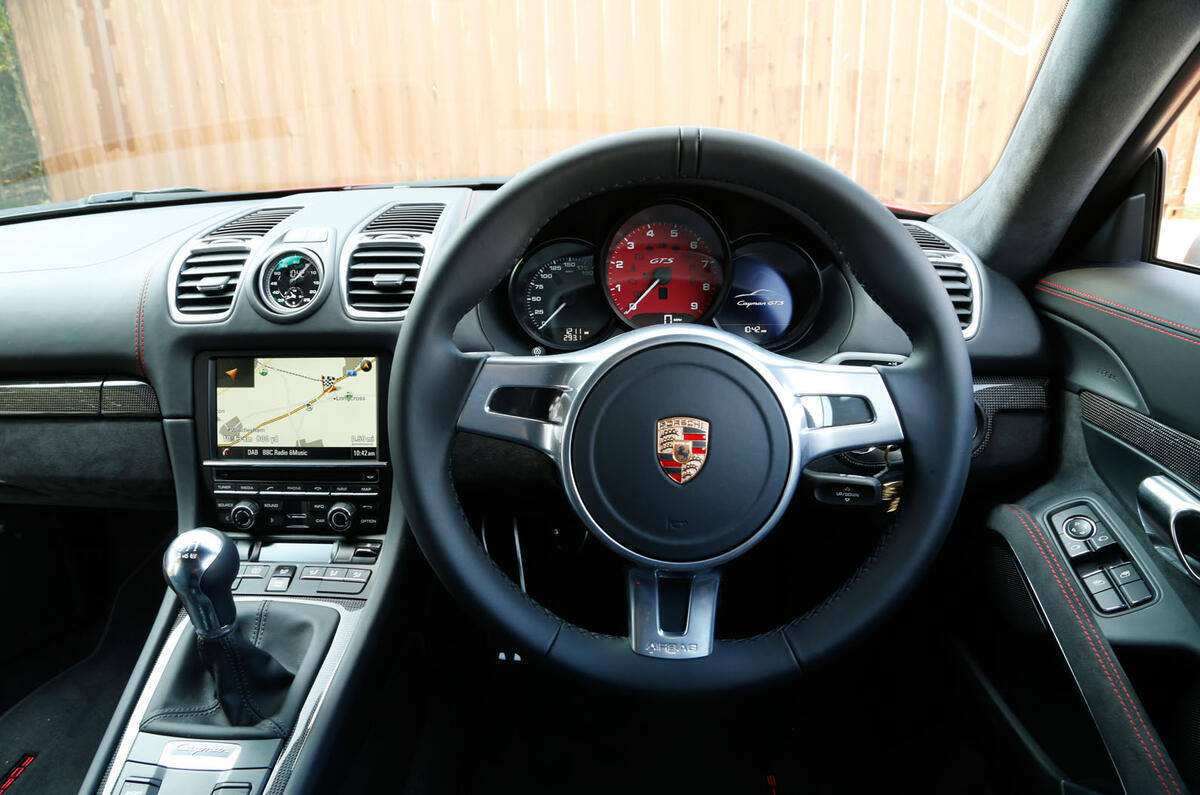
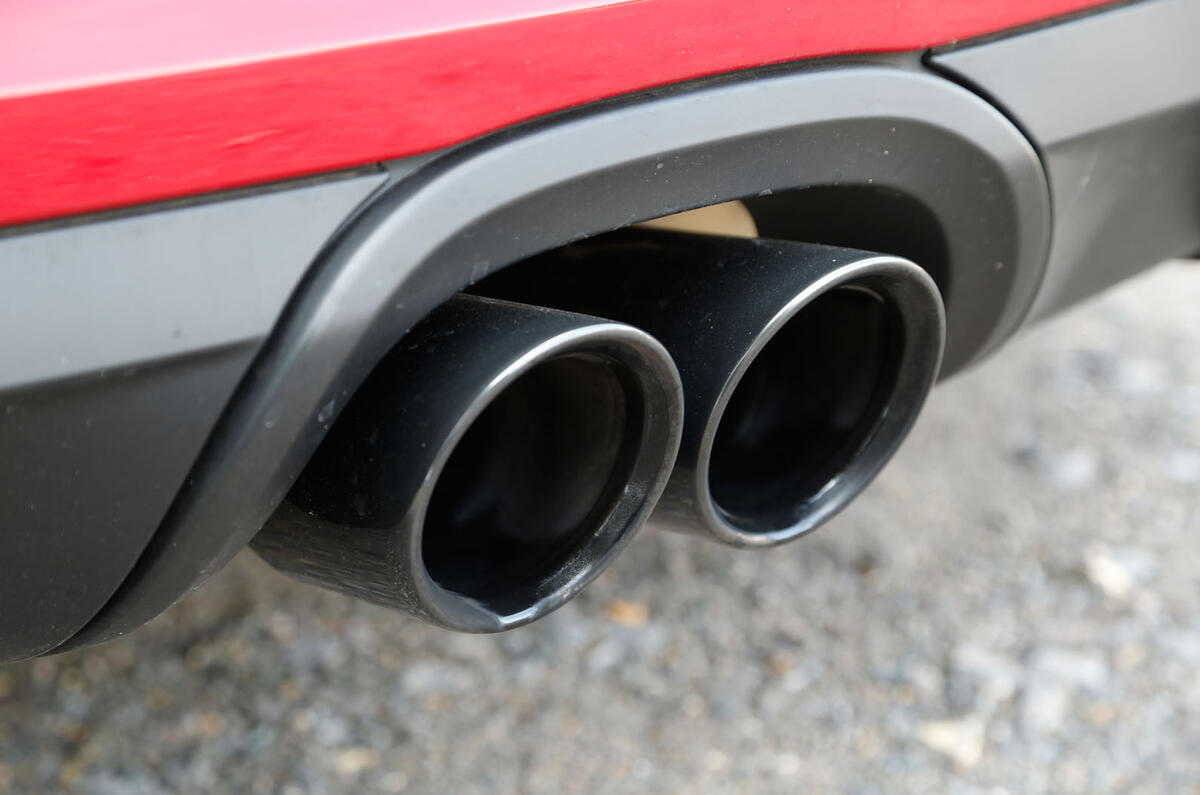
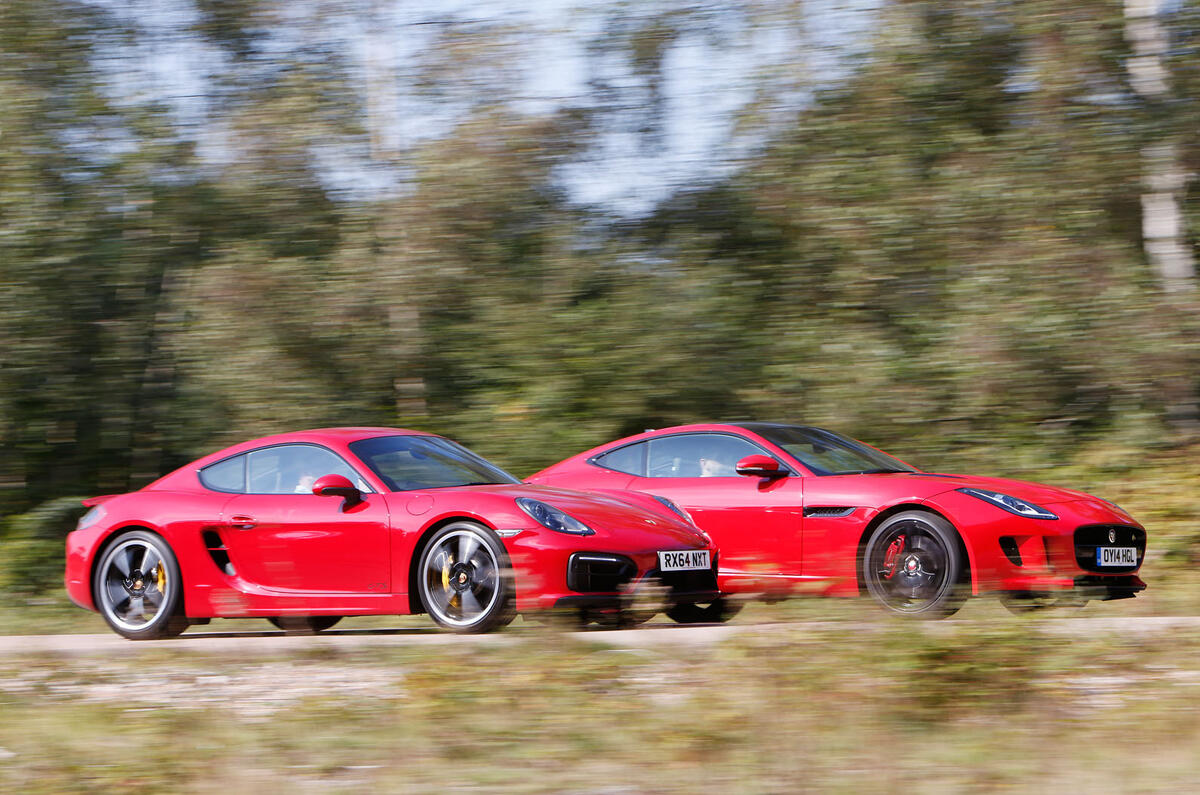
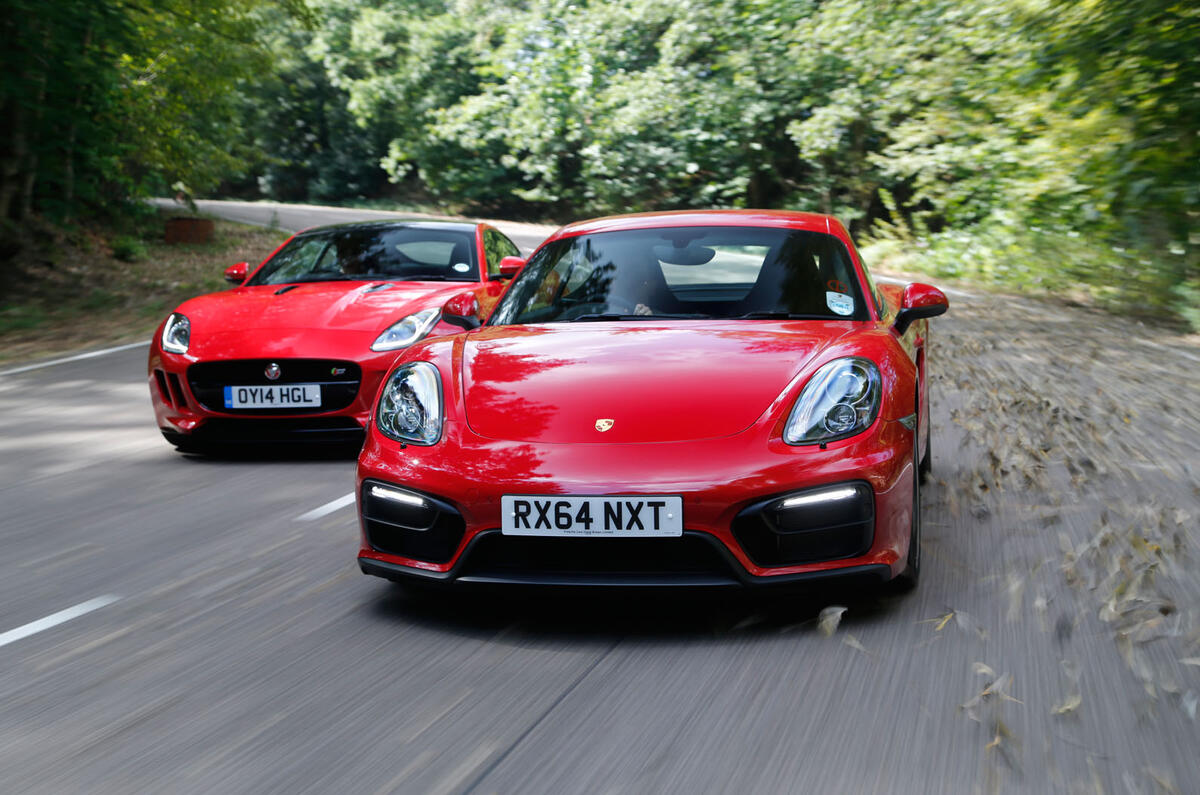












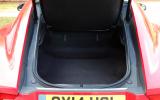
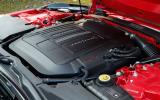








Should you ever need proof that sports cars are getting better with every minute nowadays, the two you are looking at above will provide it with more than a little room to spare.
Because what strikes you about the Porsche Cayman GTS and Jaguar F-Type V6 S coupé – especially when they’re lined up beside one another, sporting similarly bright red paintwork, waiting metaphorically to lock horns – is that they are both such lovely-looking cars.
Deciding which one might be the better of the two is therefore likely to be an exercise in semantics, because this is a contest in which personal taste is always going to count for much.
However, there are key differences between them – quite dramatic ones in some cases. Besides, we at Autocar have never been all that happy to deliver a ‘horses for courses’ type of verdict, so separate them we shall attempt to do.
But before any opinion about what they do and how they differ from one another subjectively, let’s work out what they’ve got and how much they actually cost – because even here, there are elements that are far from straightforward.
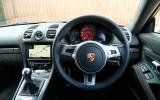
The Cayman GTS, for instance, costs a seemingly fine-value £55,397 in its basic form, for which you get a 336bhp version of Porsche’s 3.4-litre flat six engine, an uprated chassis, PASM (Porsche’s electronic damping control system) as standard and a six-speed manual gearbox, among other goodies.
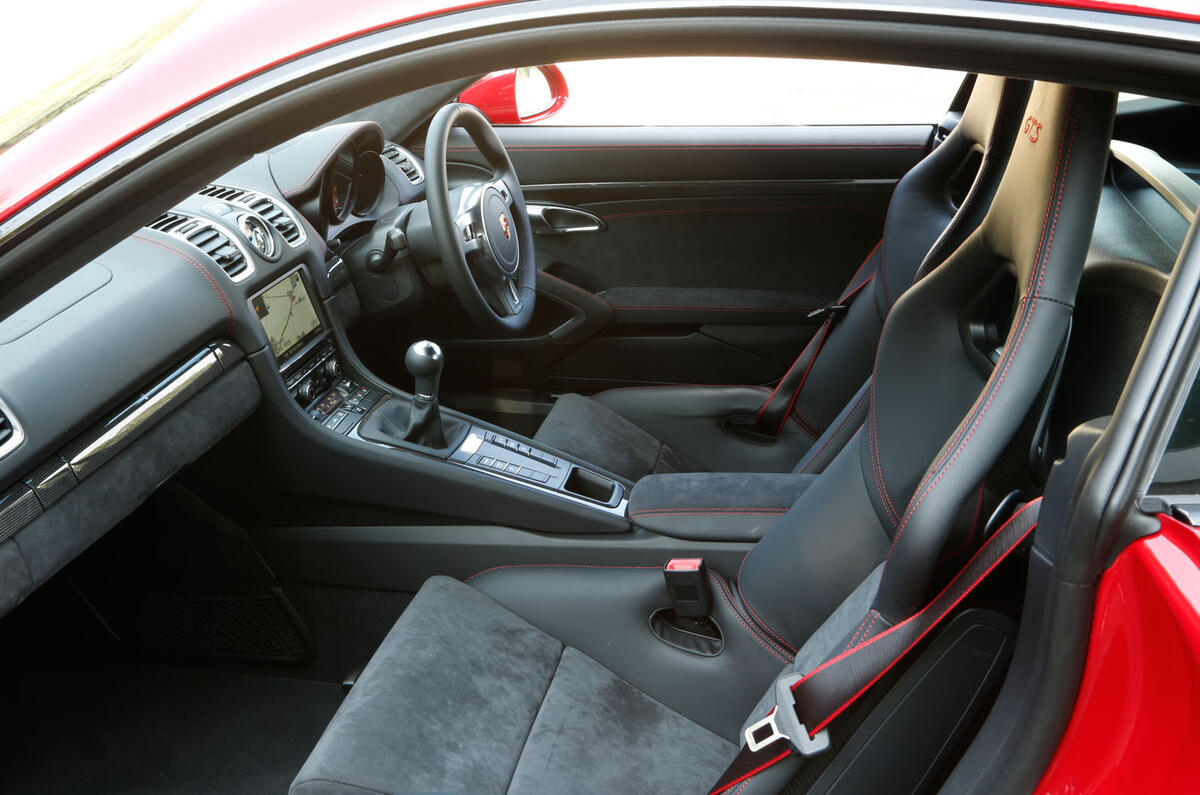
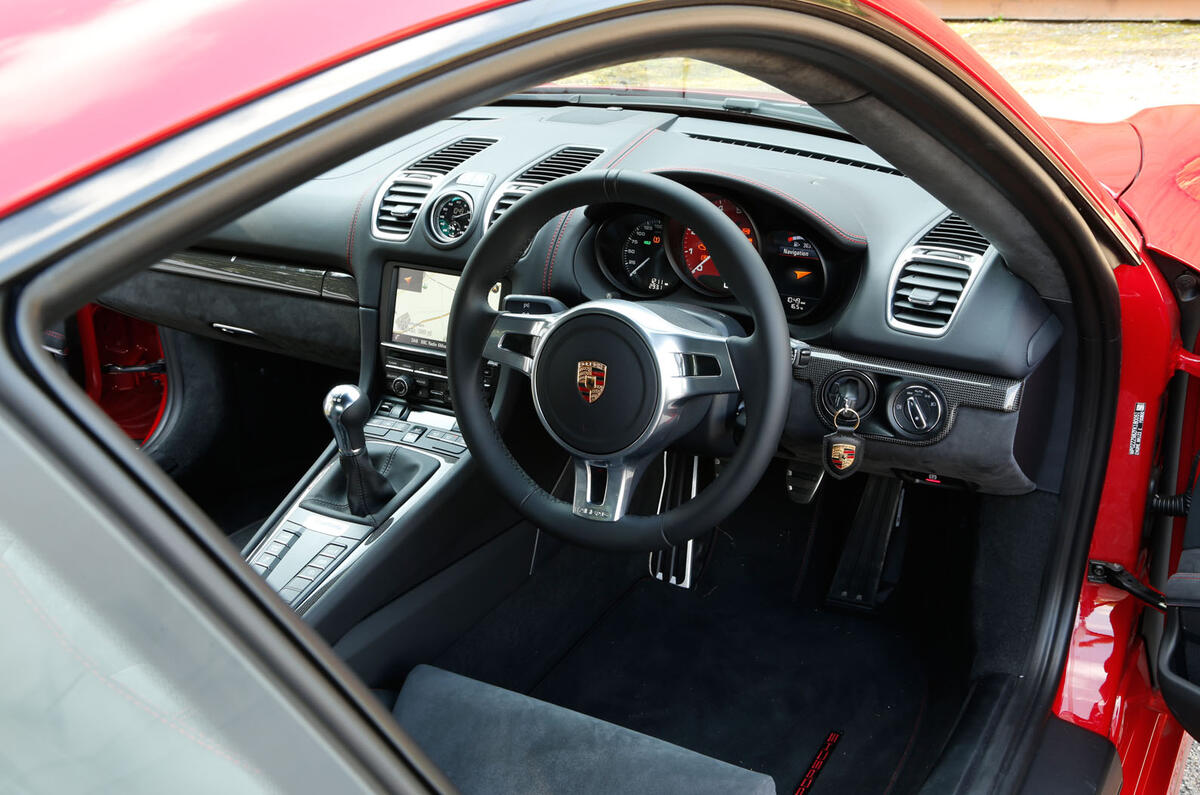
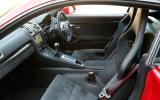
Factor in the options fitted to the test car, though – which include carbon-ceramic brakes, sports bucket seats, a limited-slip diff with torque vectoring and the no-cost optional sports chassis – and the price of the GTS soon heads towards the wrong side of £70k.
Read the Porsche Cayman GTS first drive review
And at that point, the Jaguar F-Type V6 S coupé, which initially appears to be the pricier of the two, at a whisker over £60k, actually becomes nothing of the sort.
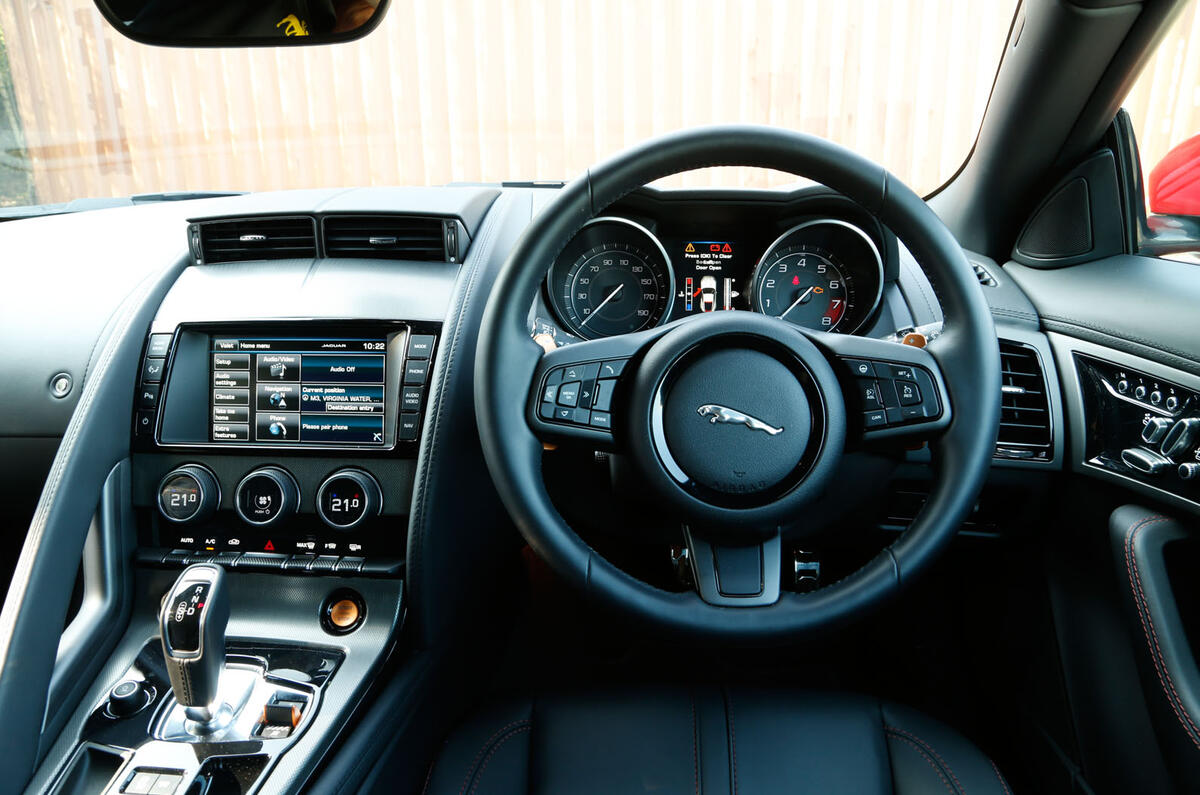
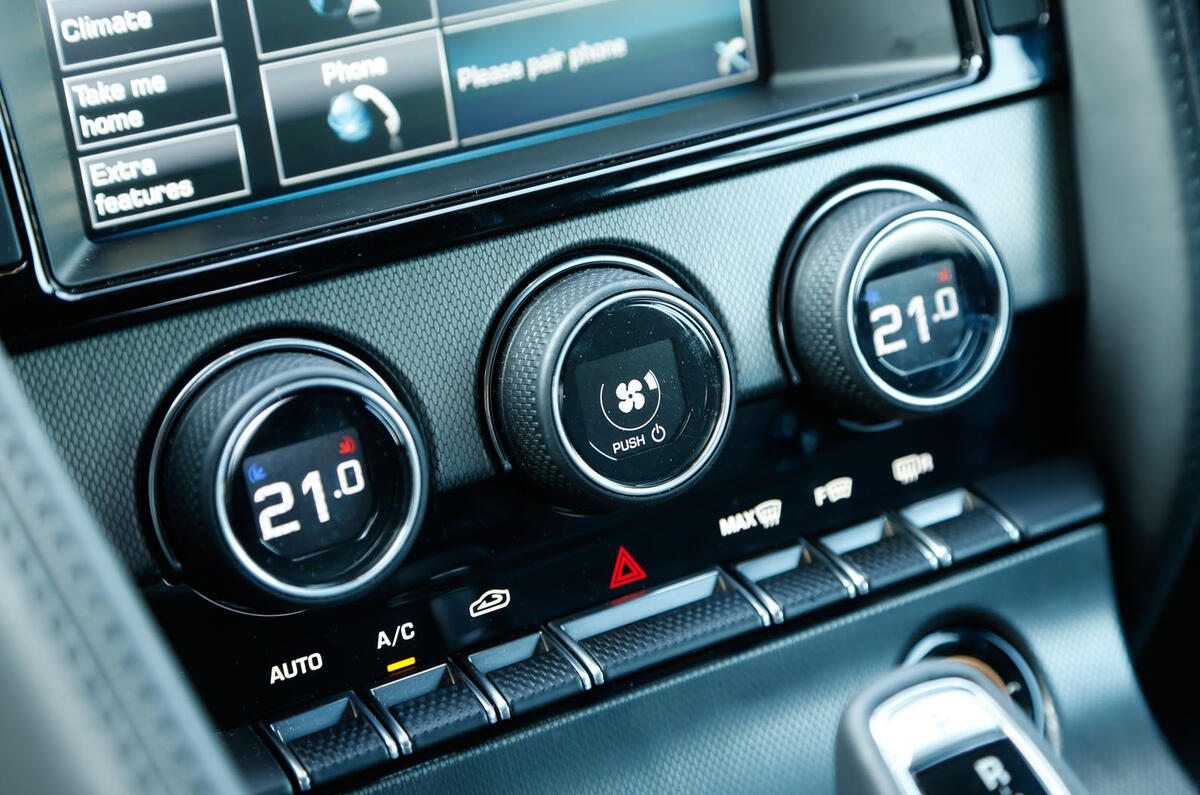
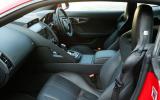
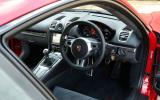
Why? Because the Jaguar comes as standard with an eight-speed automatic gearbox, a limited-slip diff and a far better-appointed cabin, featuring most of the elements you need to pay extra for in the Cayman straight out of the showroom.
In reality, therefore, it is the Jaguar that is the cheaper of the two – by about £5k if you spec them like for like. So right there is one reasonably big difference to bear in mind.
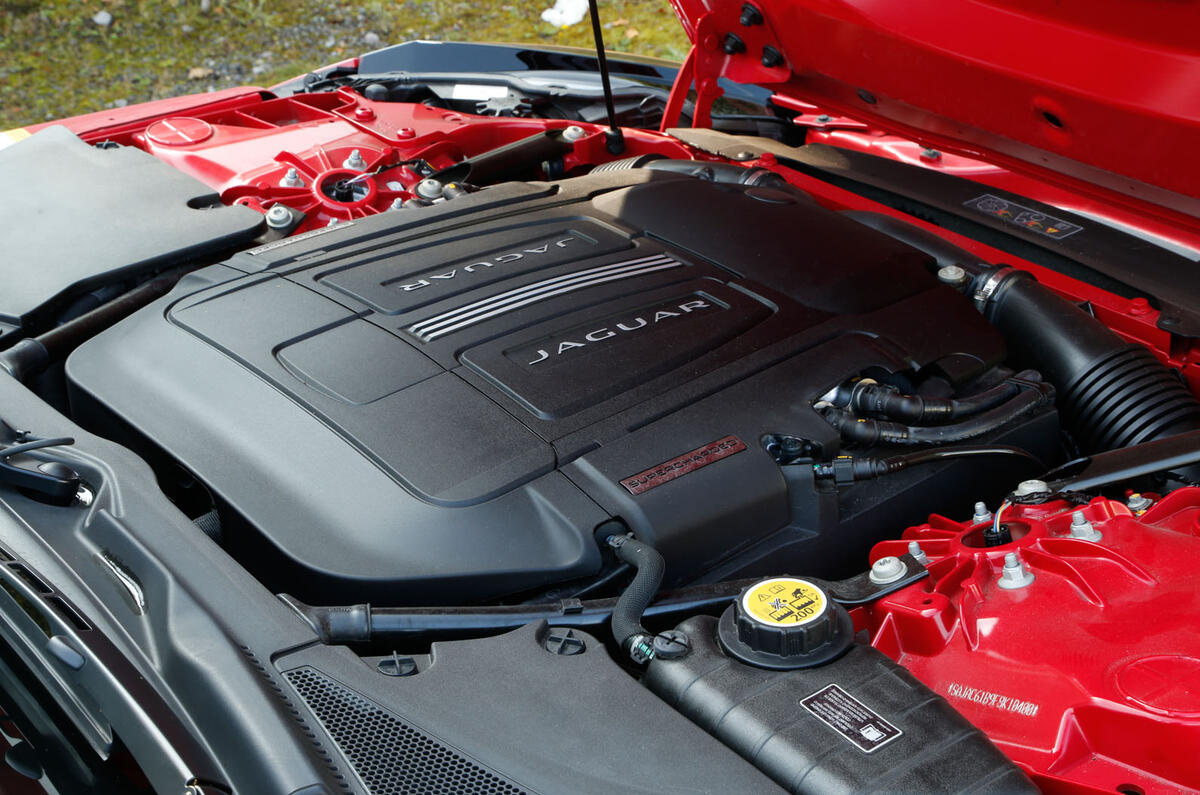
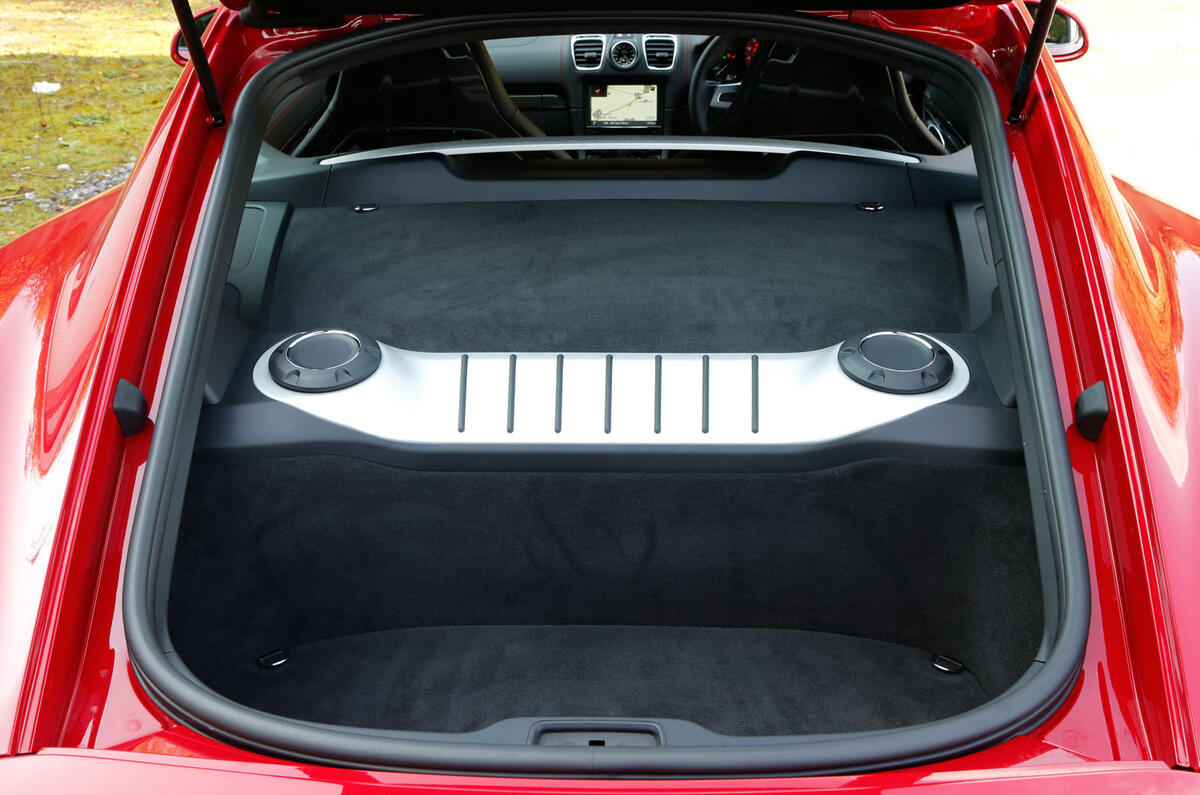
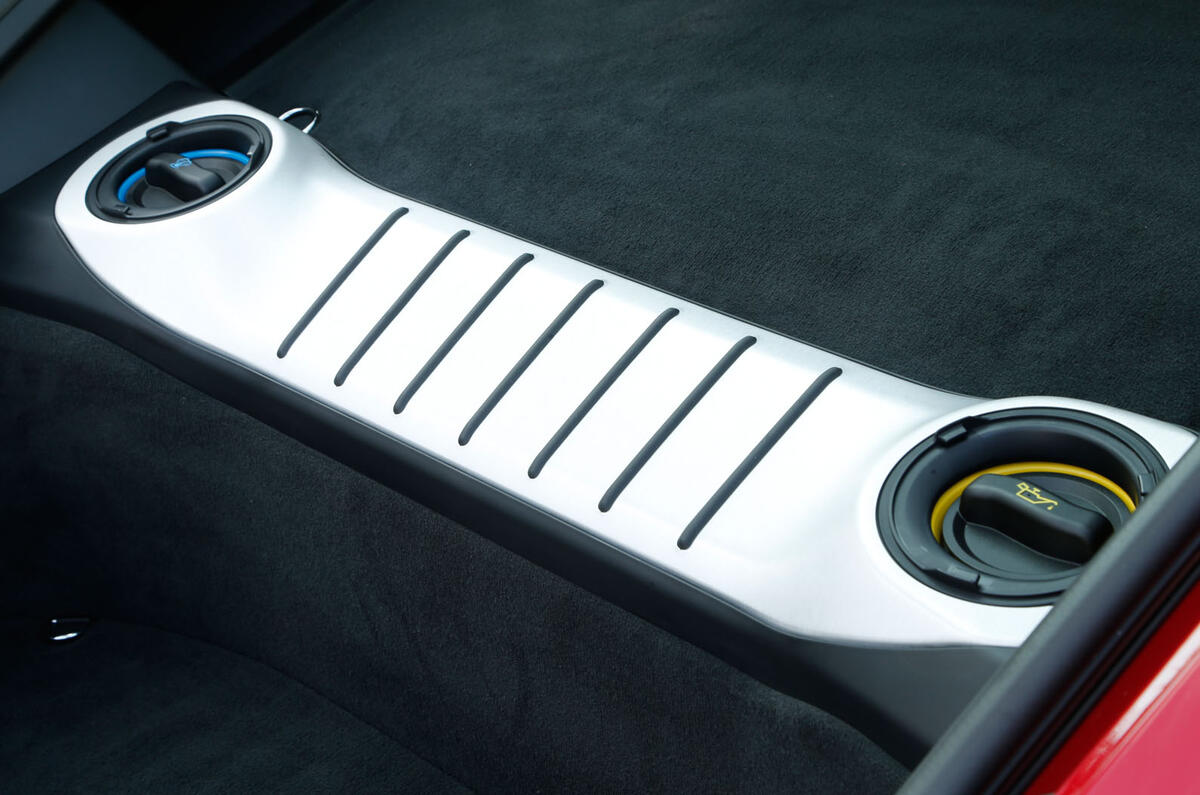
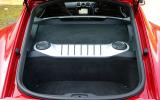
As, of course, is the fact that the Jaguar’s V6 engine is supercharged and sits squarely between the front wheels, whereas the Cayman’s flat six is atmospheric and nestles lower in its chassis, behind the seats but well in front of the rear axle.
Front-engined versus mid-engined, supercharging versus atmo, manual gearbox versus automatic… already a picture is starting to emerge.
And yet still we haven’t mentioned arguably the biggest difference of all between them on the spec sheet: how much they weigh. Bottom line, despite Jaguar’s latest and greatest sports car featuring all sorts of exotic materials, the F-type coupé still weighs 249kg more than the Cayman GTS.
So whenever the Jaguar tries to stop for, or turn in to, or accelerate out of a corner, it will always be carrying the equivalent of an extra three decent-sized passengers, even though it is a mere two-seater like the Porsche. And that’s a huge advantage to give away before you’ve so much as turned a wheel against one of the sweetest-driving sports cars there has ever been.