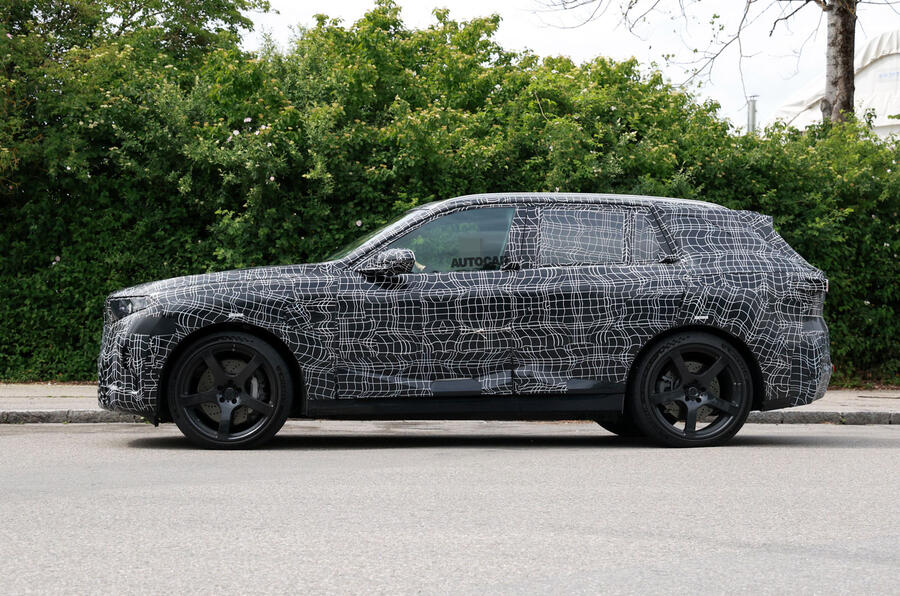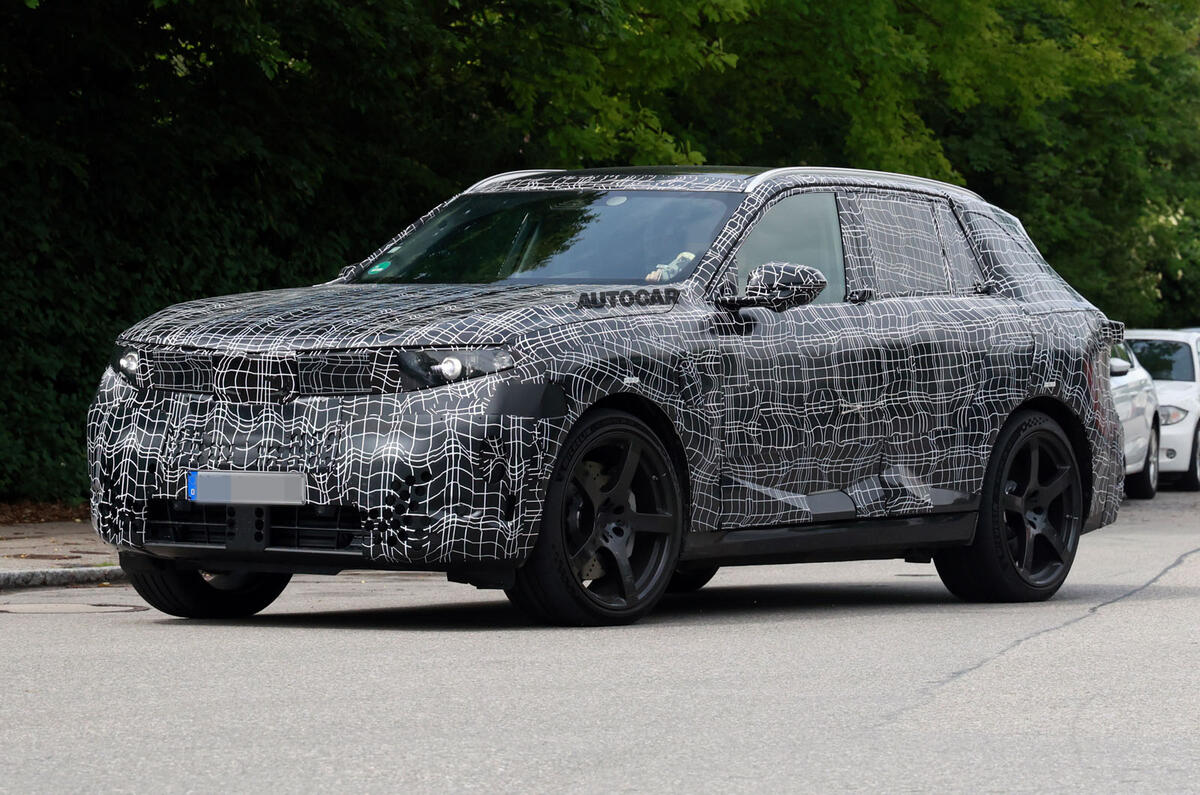
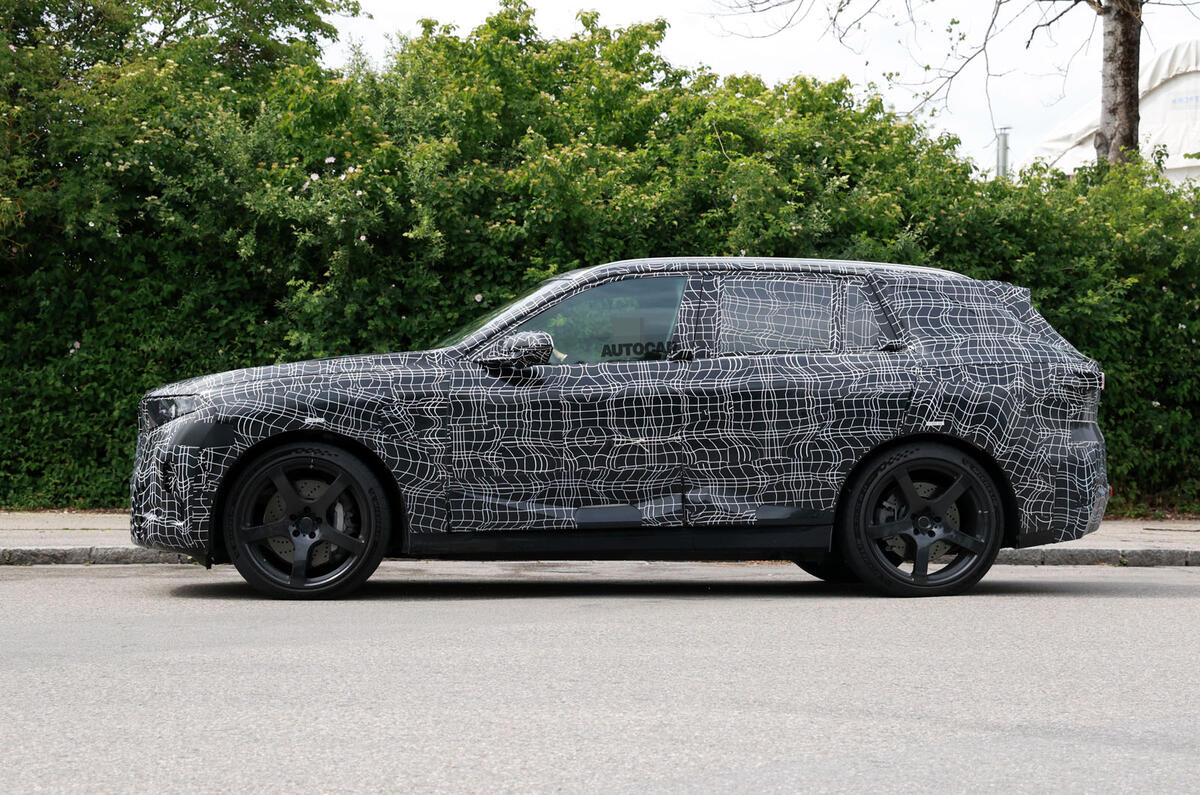
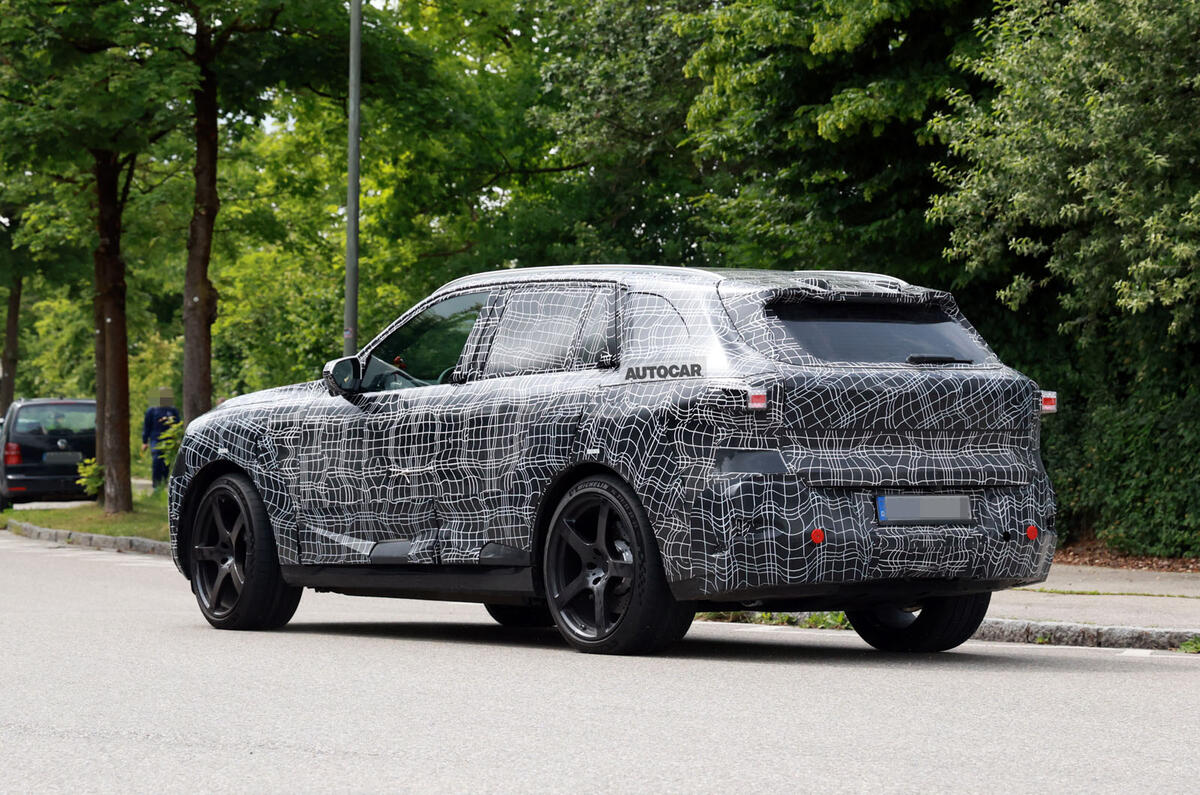




BMW is preparing to reintroduce a range-extender (REx) drivetrain to its line-up as part of a renewed push to offer pure-electric driving without the constraints of charging infrastructure – and its first REx model will be the upcoming sixth-generation X5.
Engineering work is claimed to be already well under way in partnership with long-time component supplier ZF and high-ranking BMW sources say the decision to revisit the range-boosting technology comes as global sales of REx models are gaining strong momentum – particularly in China, BMW’s largest market by sales volume.
BMW plans to deploy its new range-extender drivetrain in some of its most popular SUV models for markets where charging networks remain under-developed and buyer hesitation around pure-electric drivetrains persists. REx tech is expected to provide potential electric ranges of well over 600 miles between refuelling.
In addition to the X5, a REx drivetrain is also being considered for the recently introduced sixth-generation BMW X3 and the second-generation X7, due out in 2026. All three models are based on BMW’s 10-year-old CLAR (Cluster Architecture) platform.
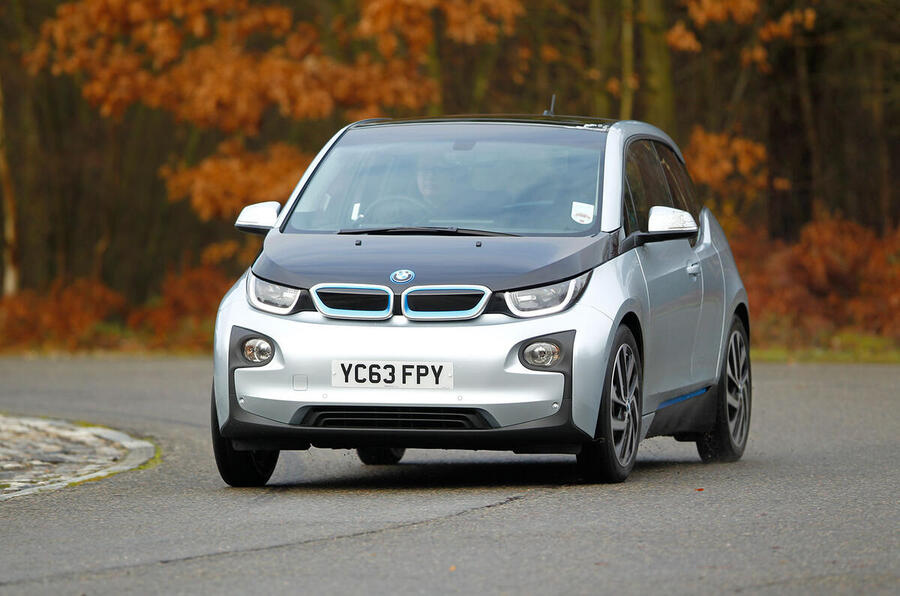
BMW is no stranger to range-extenders. It first offered the technology in a production model in 2013 with the i3 REx (pictured), which offered an optional two-cylinder petrol engine to maintain battery charge, but the firm has not rolled the tech out to any other models following the i3 REx's retirement in 2018.
BMW board members were this week due to review the final specification with engineers, prior to signing the range-extender off for production, Autocar has been told.
The decision would mark a change of heart for CEO Oliver Zipse, who told investors last year that the technology was too expensive. “To have a very large battery plus a combustion engine in there - there is a limit to the financial logic,” he said. “Our PHEVs are currently around the 100-kilometre [range] which I think is the perfect point where the customer says ‘This is what I would like to pay for.’”
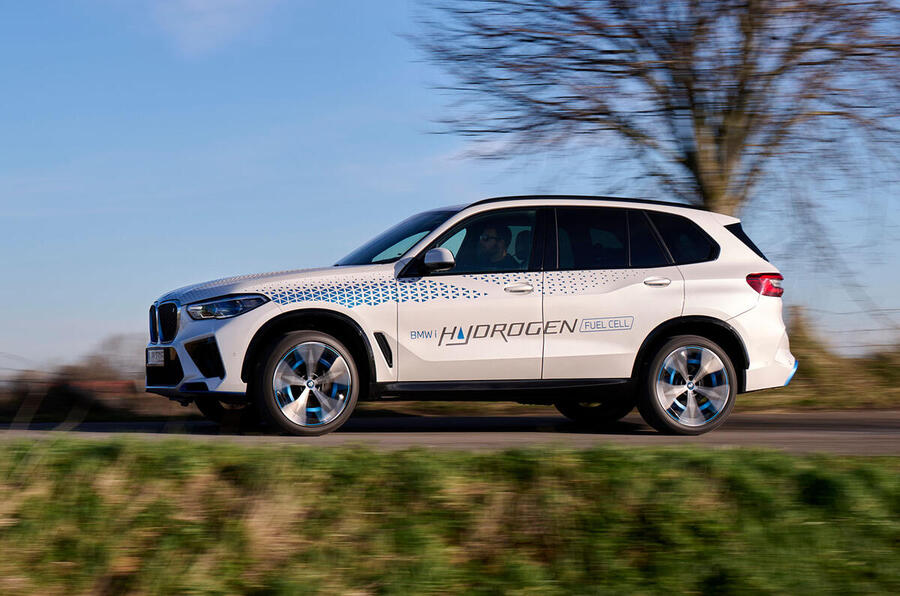
The X5 is currently the only BMW to be sold with four different drivetrain technologies, including petrol, diesel, plug-in hybrid and hydrogen fuel cell. The last of those is a low-volume model but has played a prominent role in the company’s recent zero-emissions research and development activities.
At this stage, it is not known whether the new petrol-electric range-extender will be offered as an alternative to the existing plug-in hybrid drivetrain used by the X5 xDrive45e or whether it will supplant it.