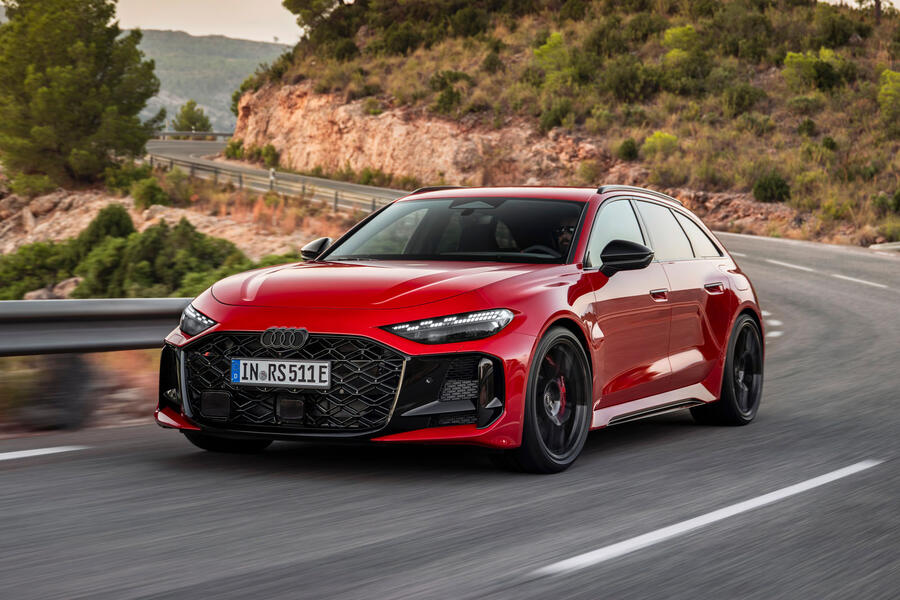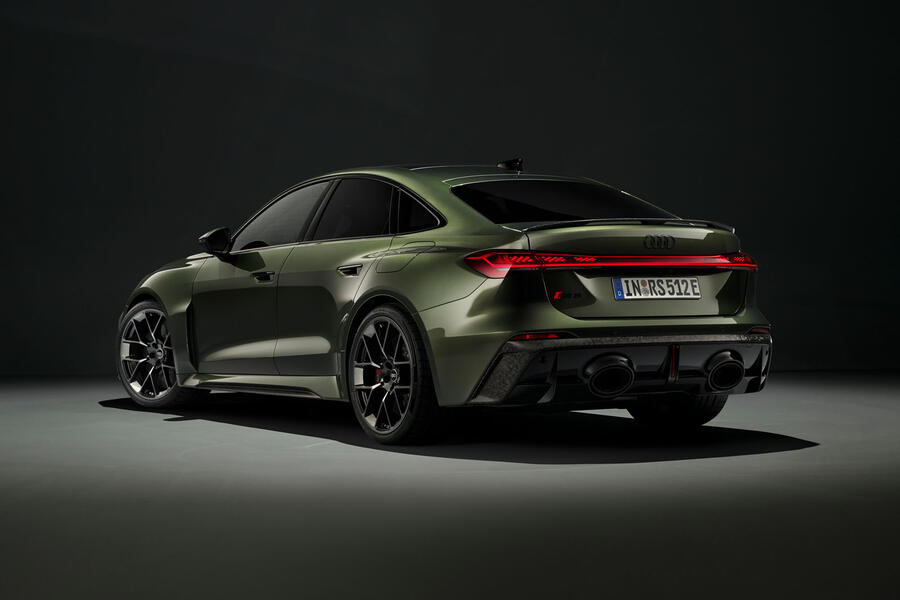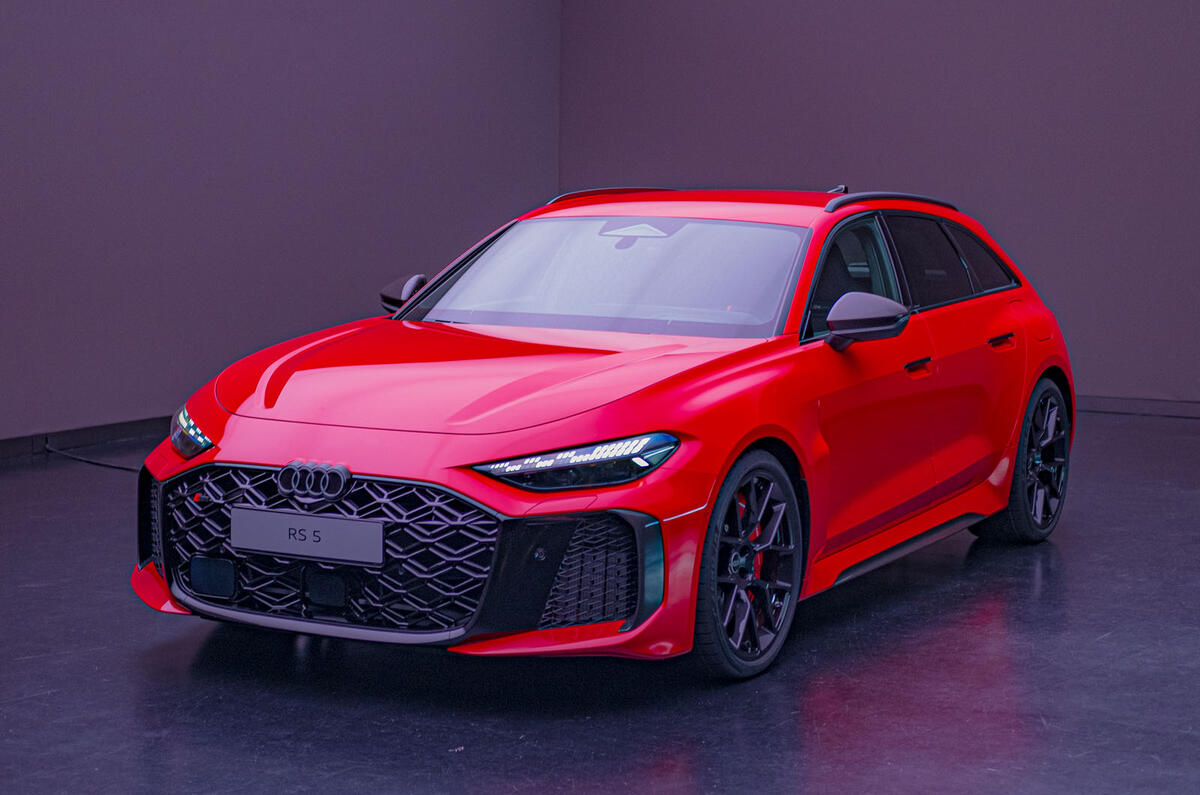
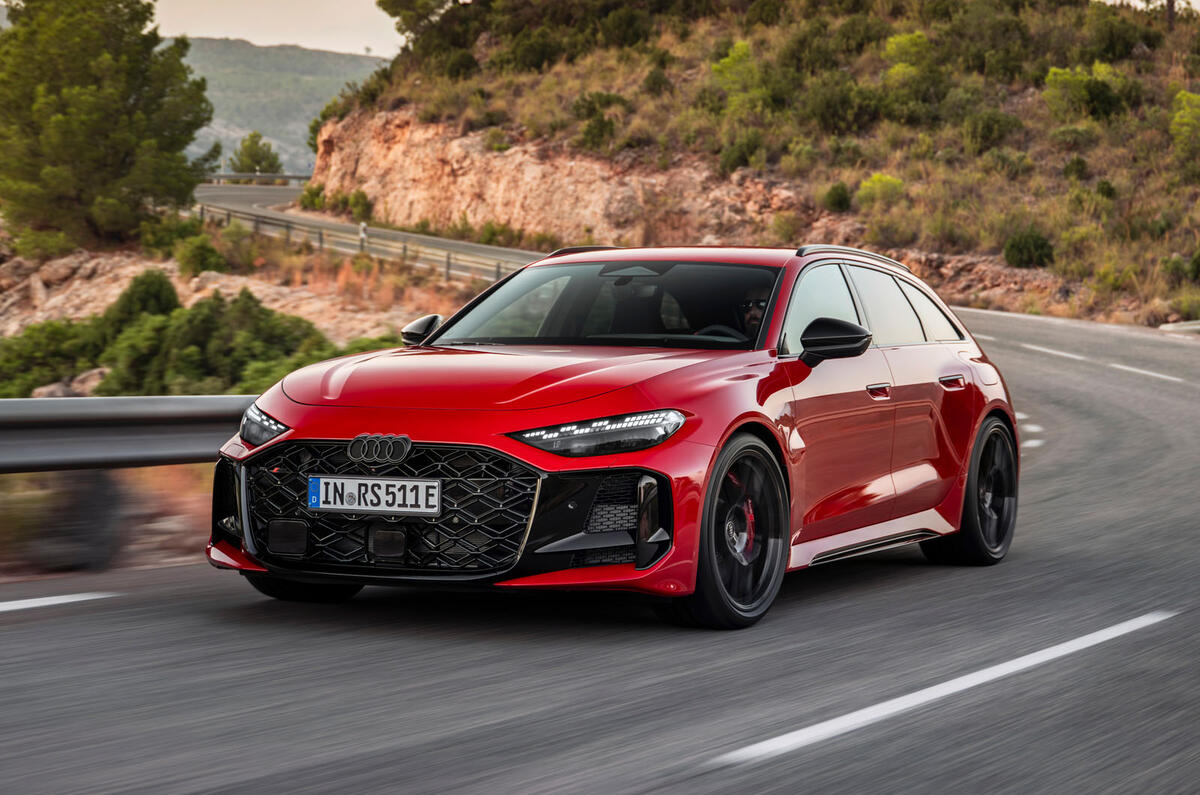
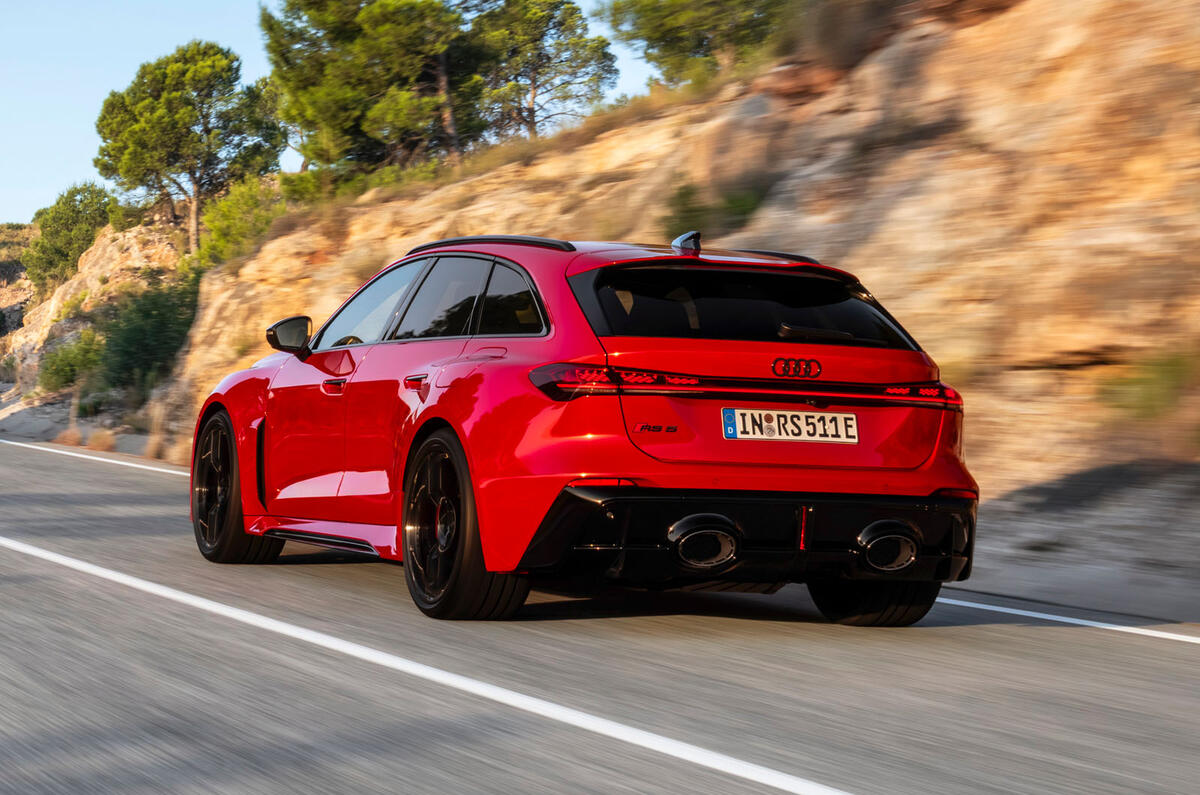
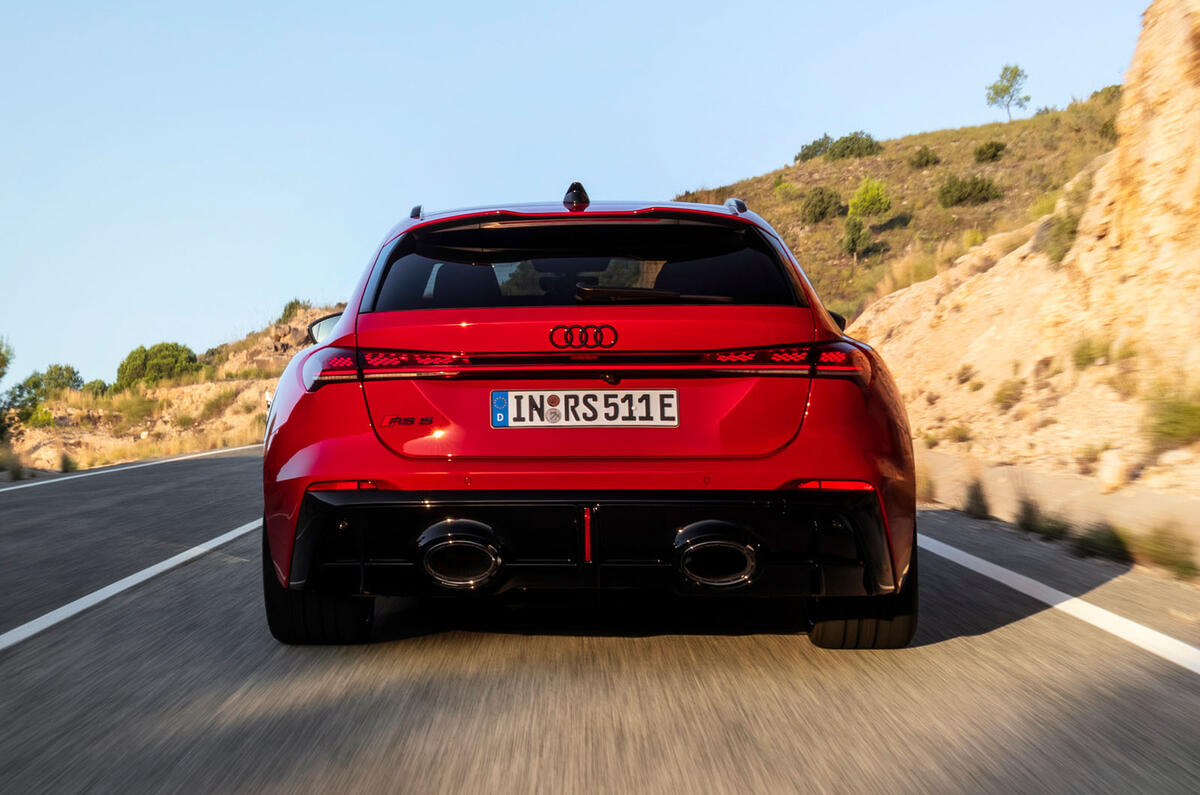
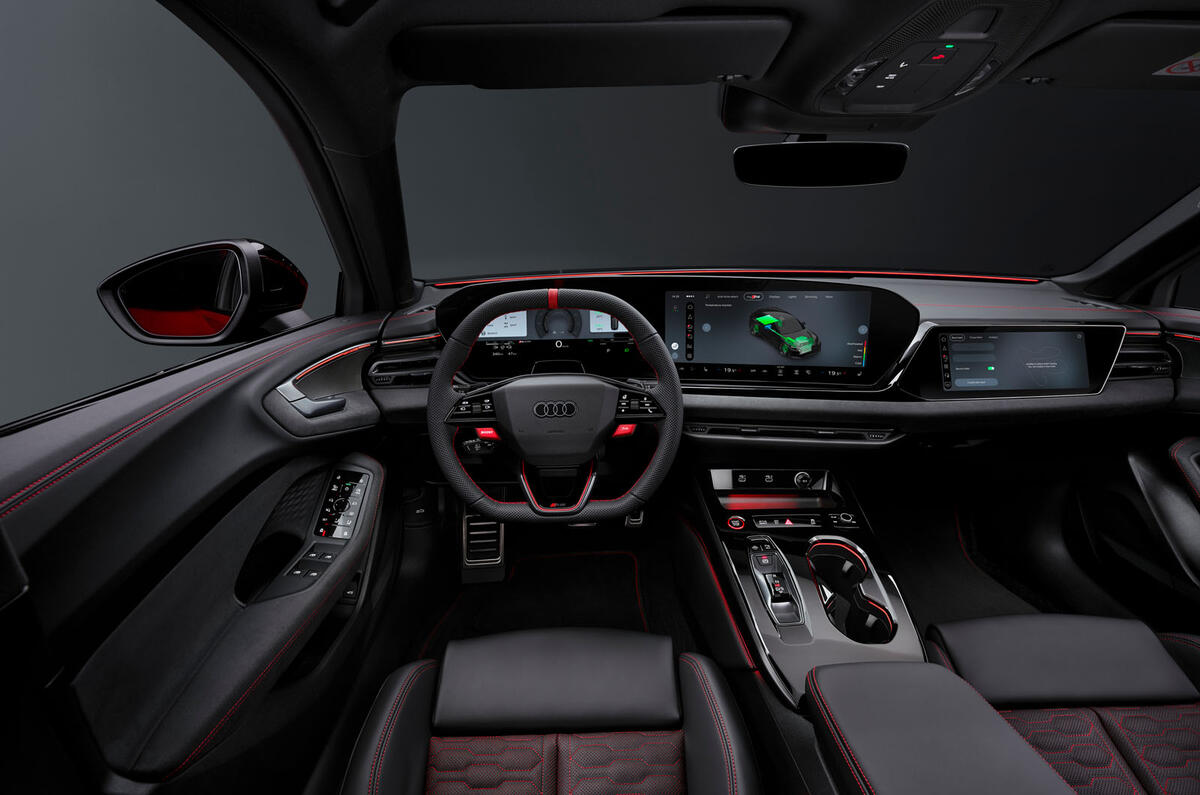
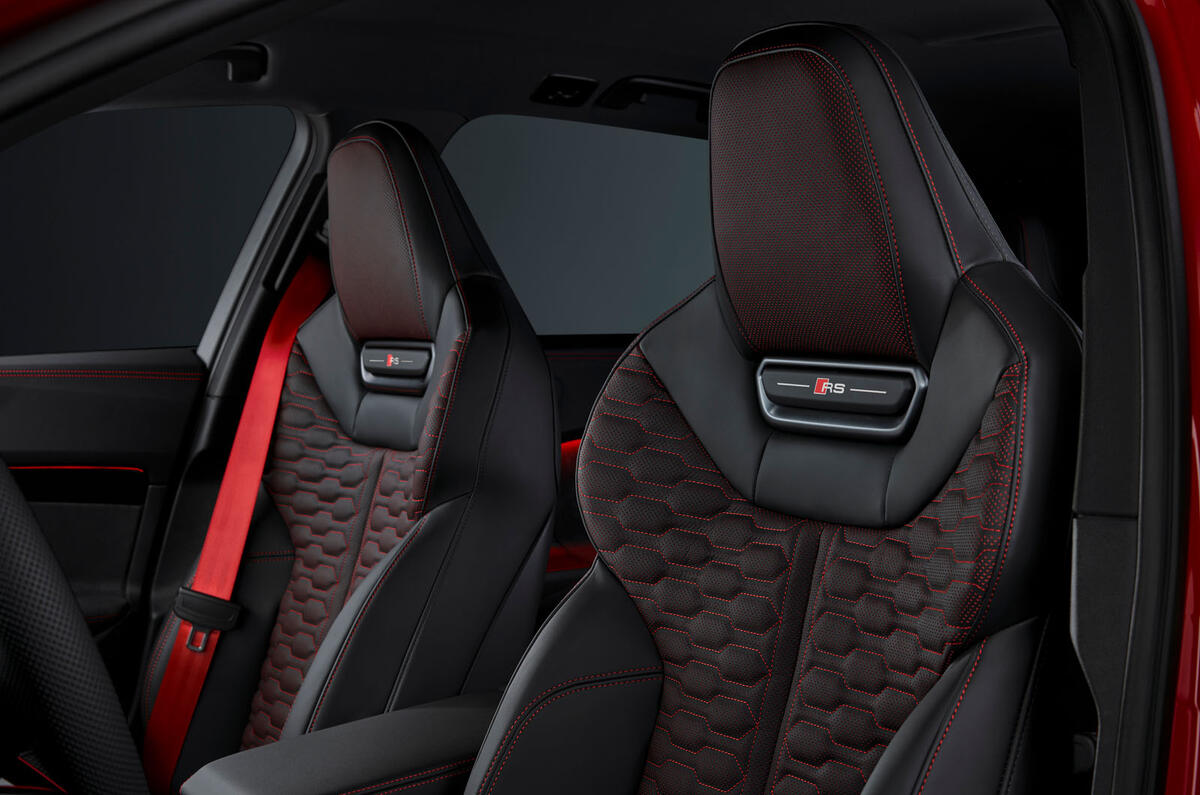
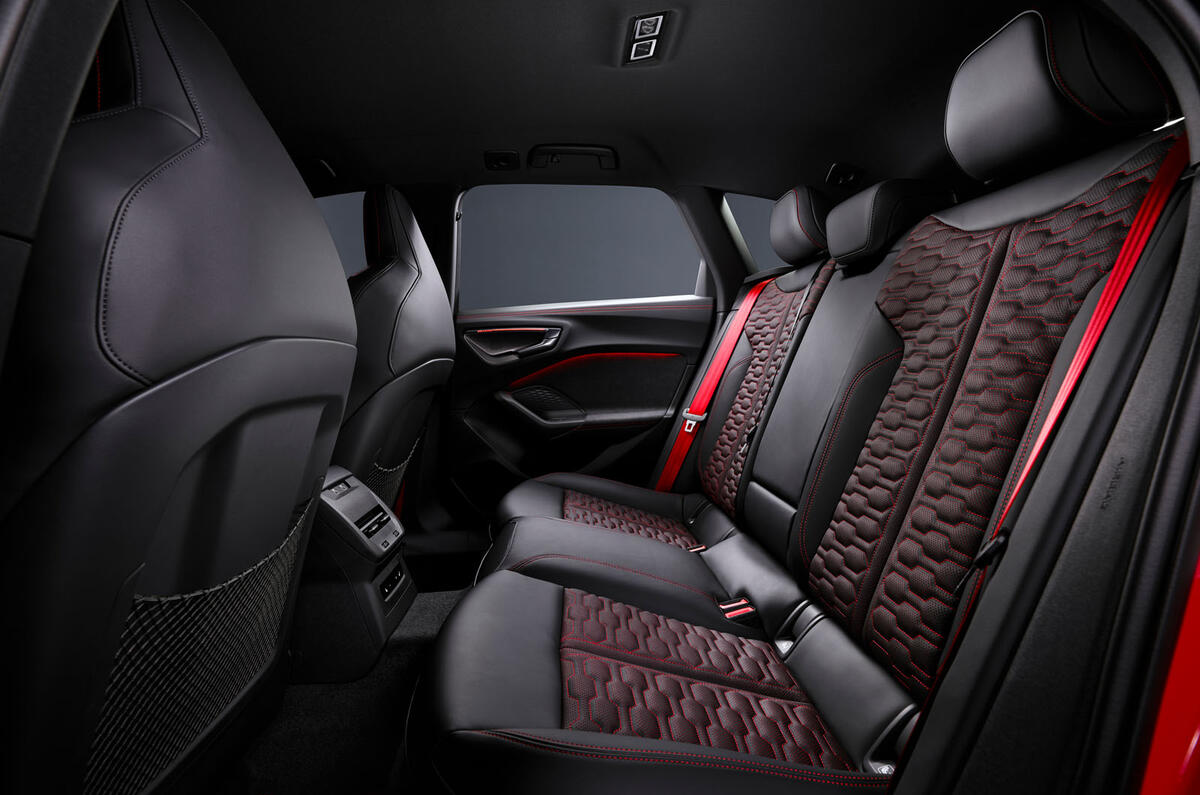
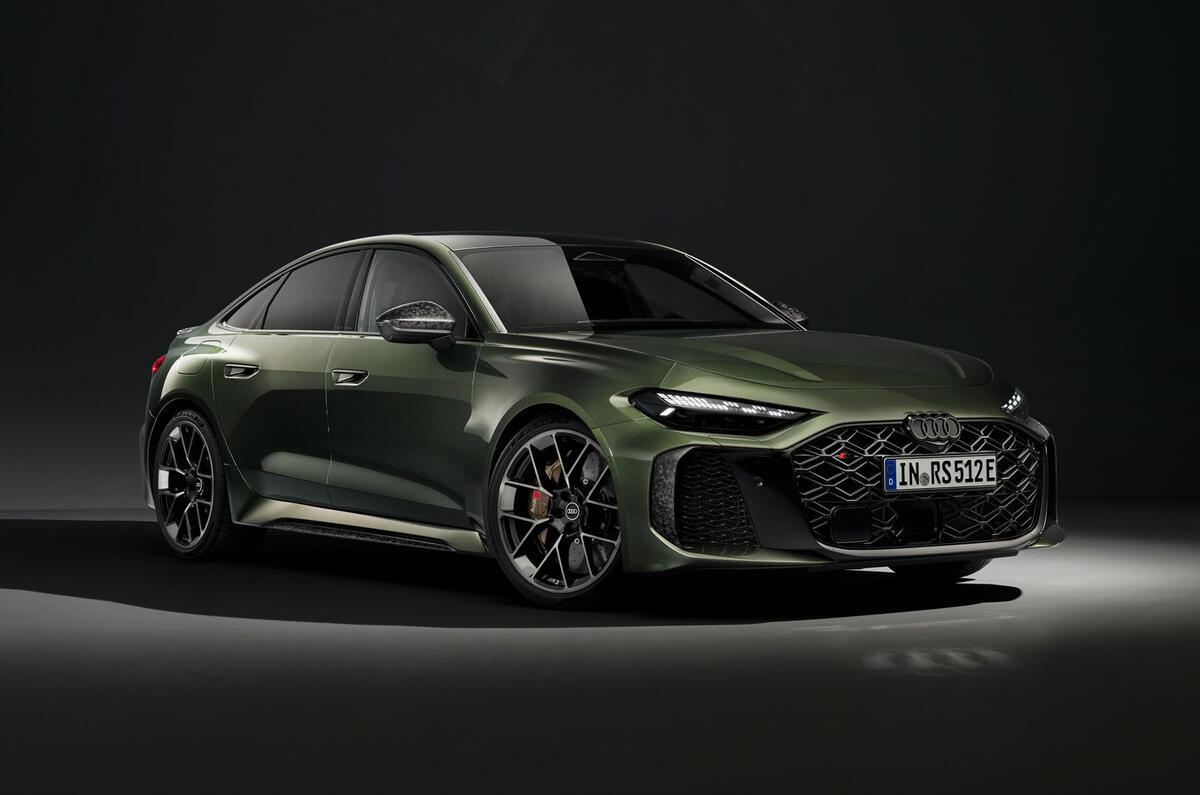
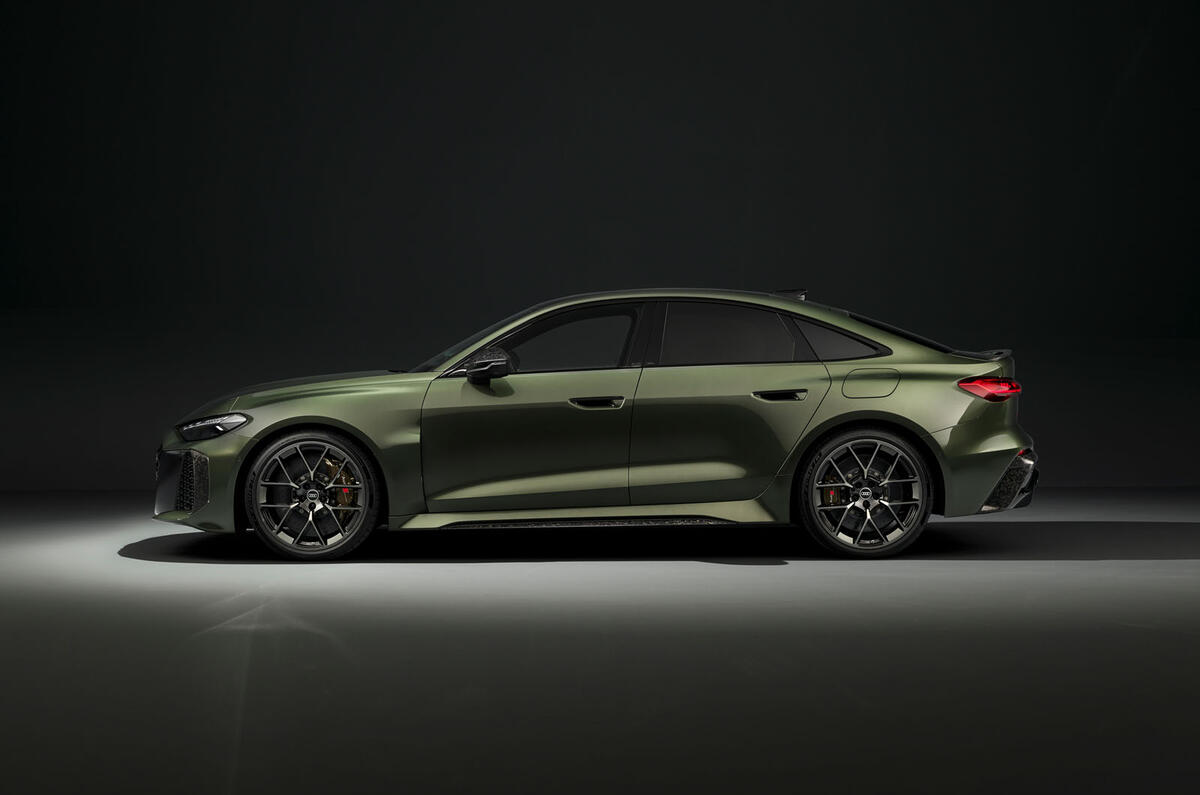
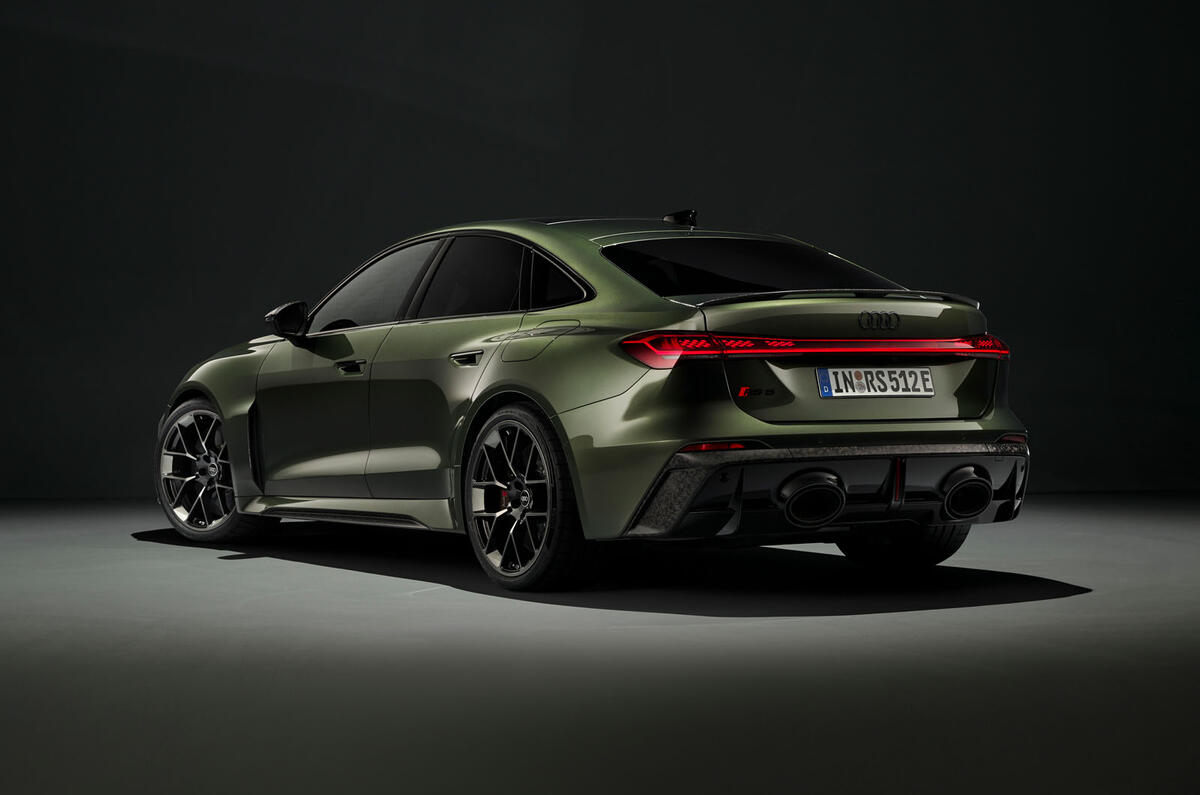
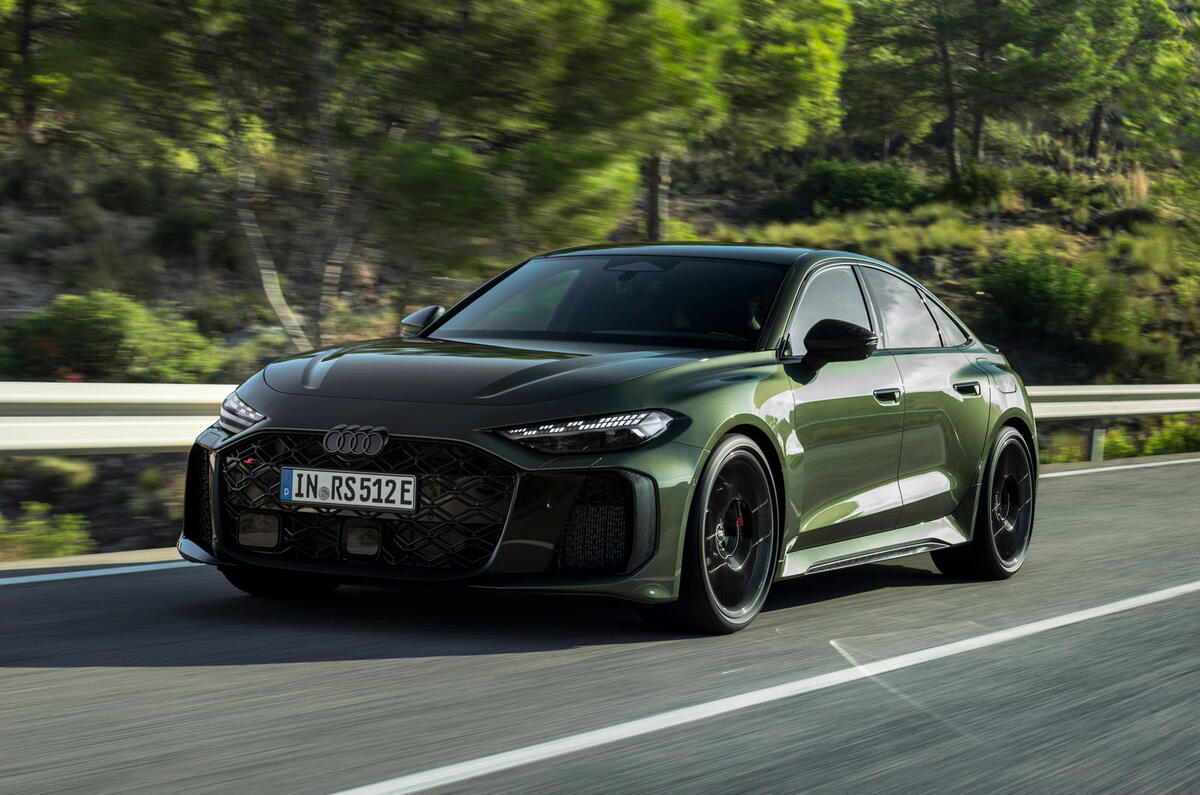
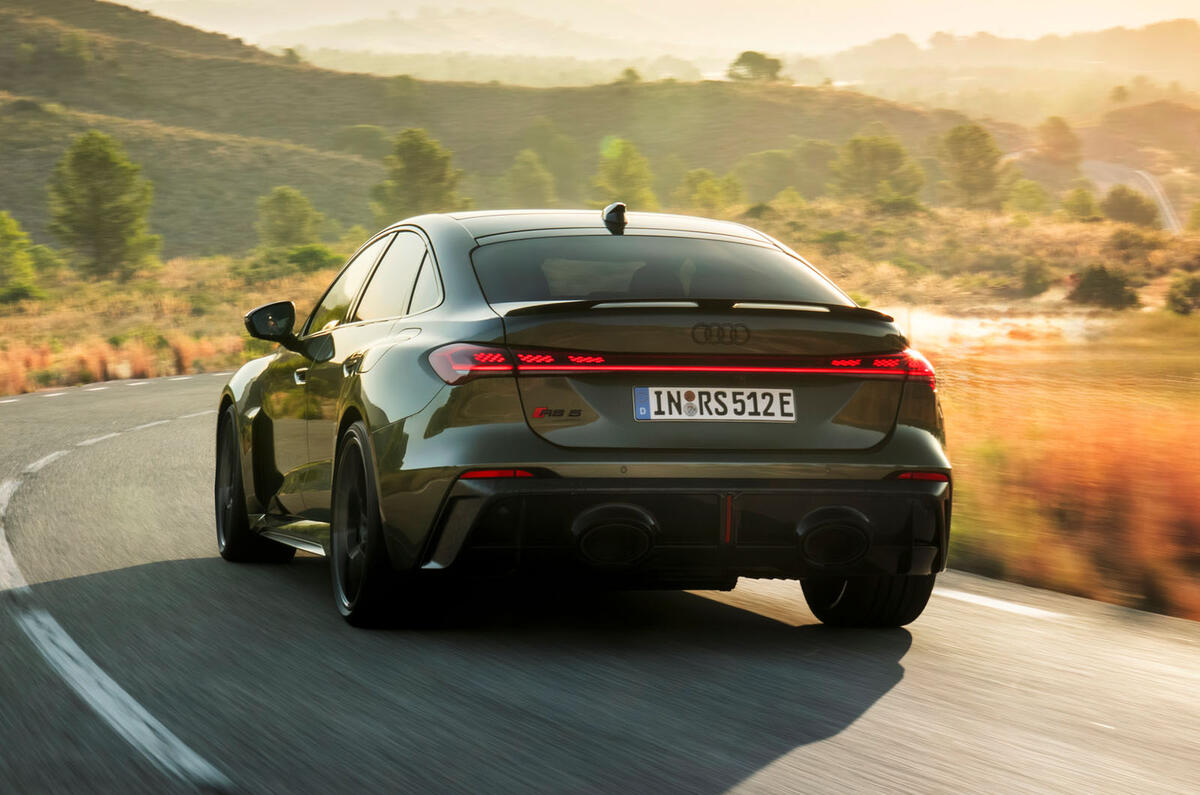













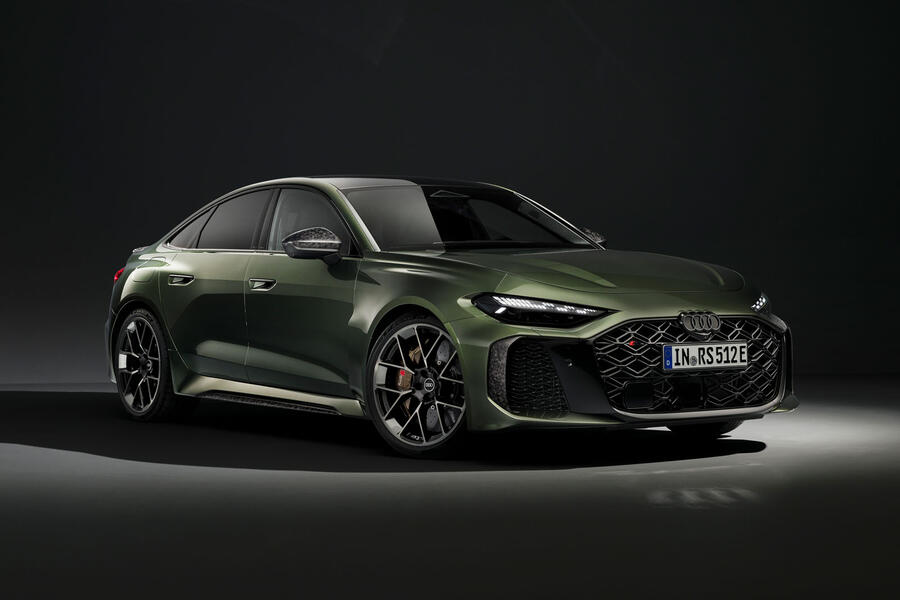
The new Audi RS5 has been revealed as the successor to the RS4, and it will be the brand's first performance model to feature a plug-in hybrid powertrain.
With the change in model name – born out of Audi's now-scrapped plan to distinguish combustion-engined and battery-electric cars with odd and even designations – comes a vastly more aggressive take on its mid-sized performance exec, which will arrive this summer in Avant estate and fastback-saloon bodystyles.
The firm's bosses have also insisted that they have cured the understeer issue that affected previous generations.
"With the new RS5, we are ready to attack", said product manager Markus Fink. "The RS5 is a sports car, but it is a sports car for everyday use."
New PHEV powertrain
At the heart of the RSS lies a twin-turbocharged 2.9-litre V6, which is matched with a 22kWh (usable capacity) battery pack and a 174bhp electric motor mounted in the gearbox.
The engine is the same basic unit used in the previous RS4, but Audi Sport boss Rolf Michl told Autocar "The only thing that we kept is the 2.9 litres."
In its new guise, the engine has been switched to a modified version of the Miller combustion cycle, in which the intake valve is closed before the pistons bottom out to improve efficiency, which is crucial to meeting the forthcoming Euro 7 emissions regulations.
Fuel injector pressure has also been raised, and new variable-geometry turbos - now water-cooled to reduce intake temperatures – are said to improve responsiveness.
The result is an extra 39bhp compared with the previous RS4 V6 (in its most powerful 25 Years guise), for a total of 510bhp from the engine. With the motor involved, the PHEV set-up produces a combined 630bhp, a leap of 166bhp.
Sent through an eight-speed automatic gearbox, it gives a 0-62mph time of 3.6sec, which is 0.1sec quicker than before, and a top speed of up to 177mph, down by 9mph.
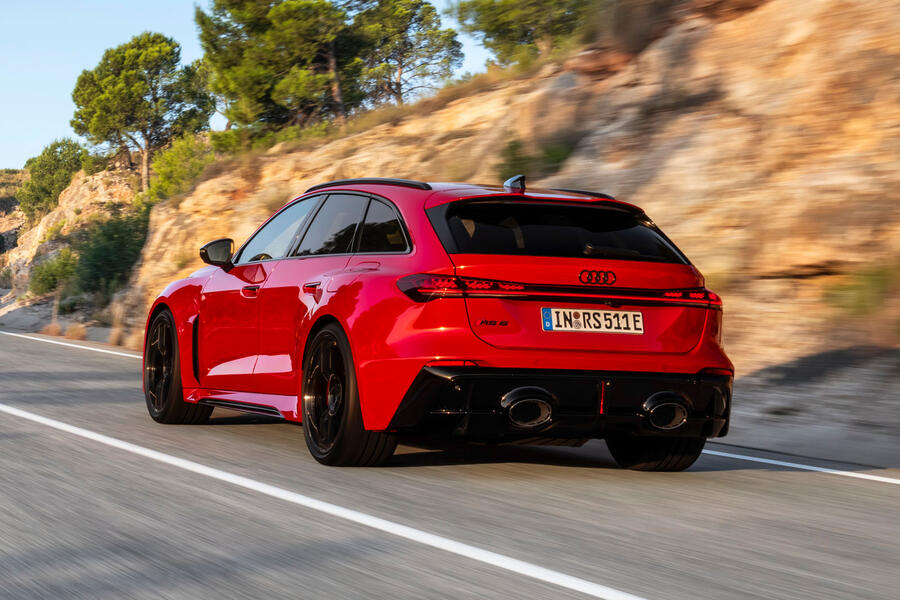
Although the vitals may not appear a significant Improvement on paper, owing to the Avant weighing 2370kg, Audi said the RS5 is much more urgent than the RS4 in real-world use. It has claimed that, in a rolling drag race against the previous RS4 Competition, the RS5 can extend a gap of two car lengths within 2.5sec. That is thanks primarily to the instant delivery of power from its electric motor.