

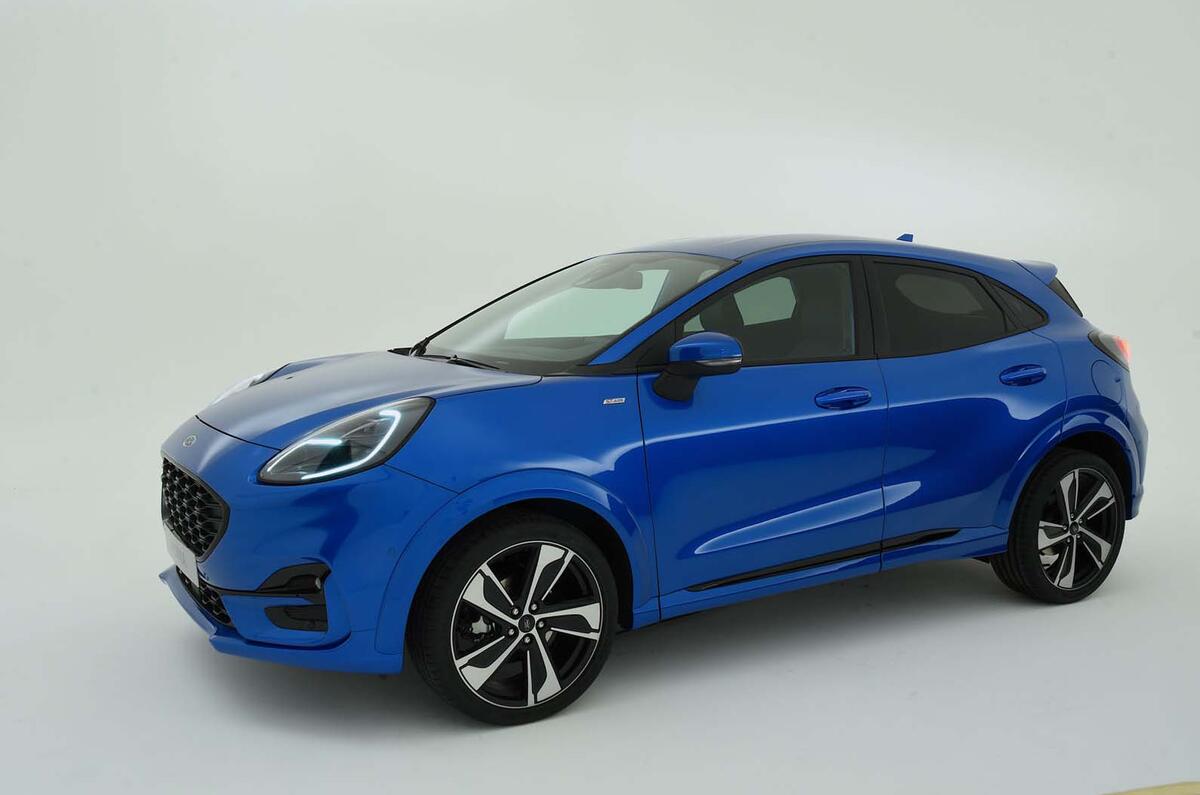
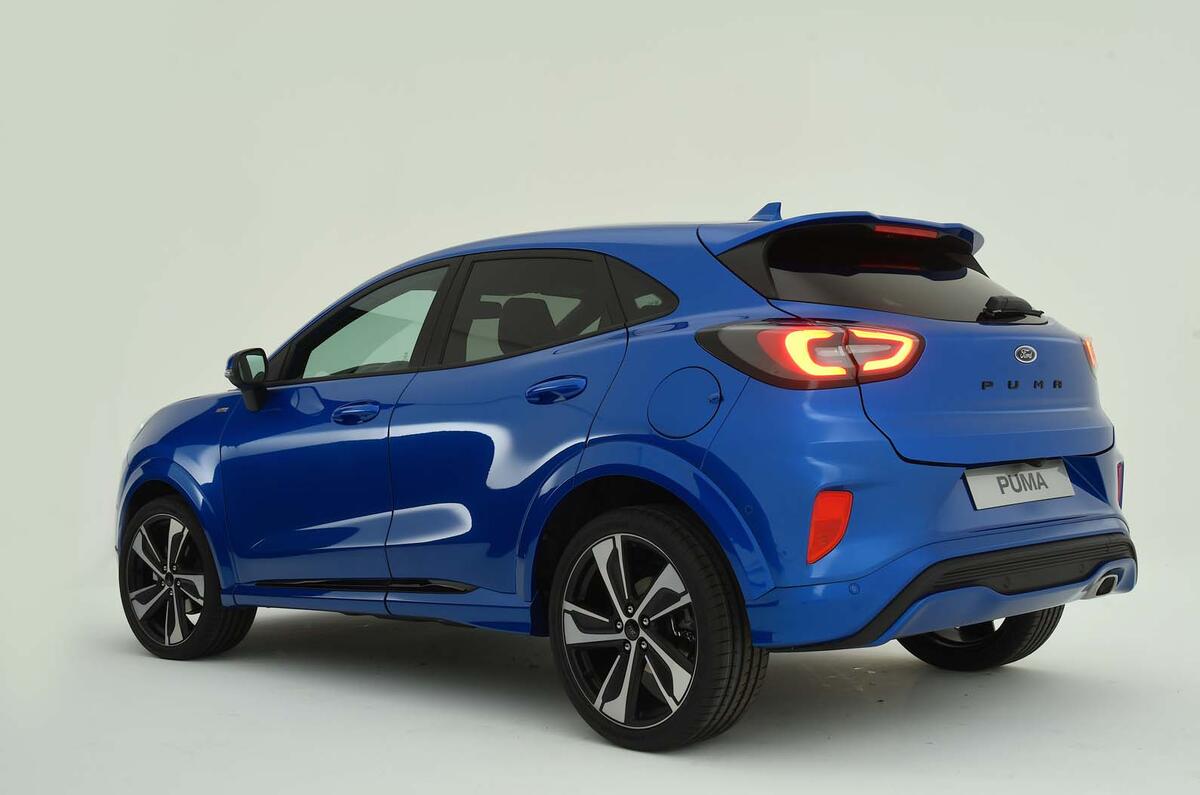



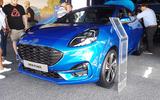

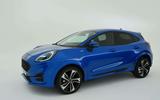
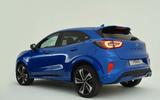


Ford has confirmed UK pricing of its new Puma SUV ahead of the first examples being delivered to customers in January.
The rebirth of the Puma name as a sporty high-riding model will see it start from £20,845 in Titanium trim, with Ford not initially looking to offer a lower-spec variant.
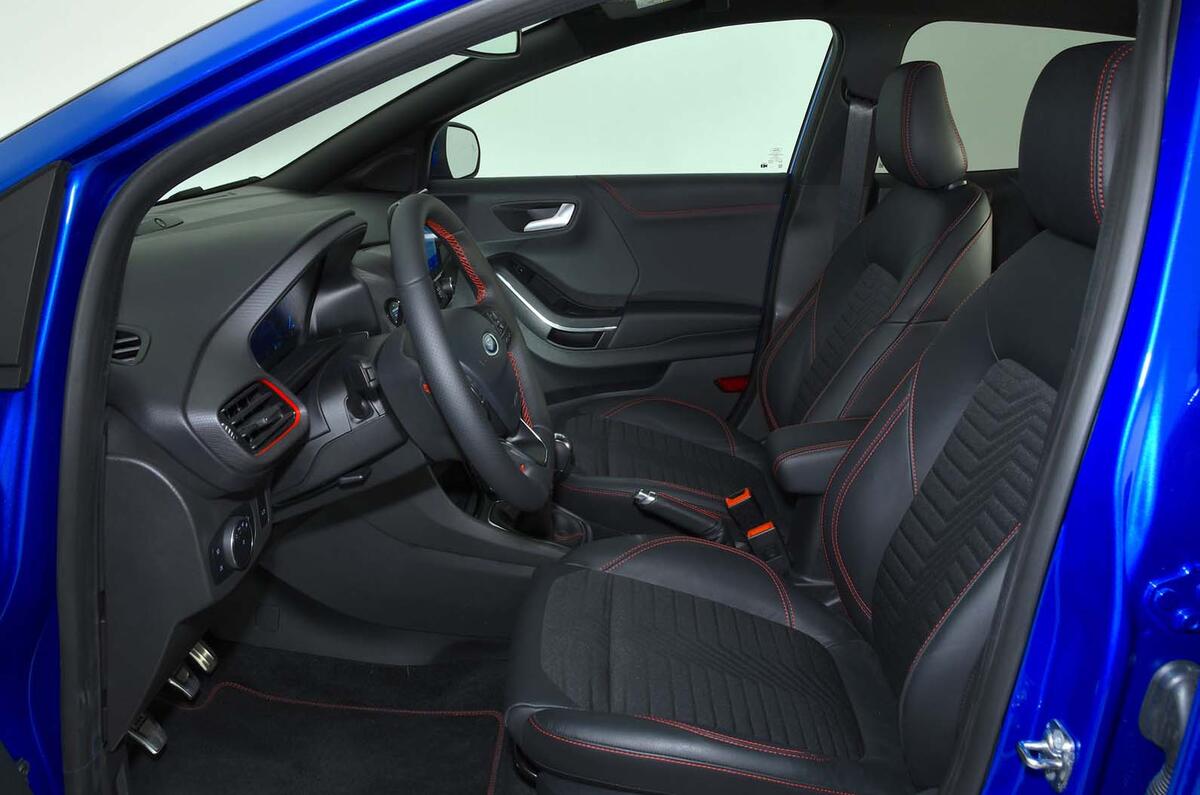
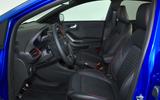
It comes as standard with features not usually confined to 'base' models, such as lumbar massage front seats and wireless phone charging, plus lane-keep assist and pre-collision assist with pedestrian detection. However, Ford won't be taking orders for this model until the start of next year.
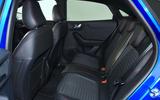
Instead, a number of First Edition variants are being offered first for January deliveries. The Puma Titanium First Edition starts from £22,295 and gets intelligent adaptive cruise control, a rear-view camera, heated seats and a heated steering wheel. It's powered by a 123bhp version of the 1.0-litre Ecoboost mild-hybrid three-cylinder petrol engine.
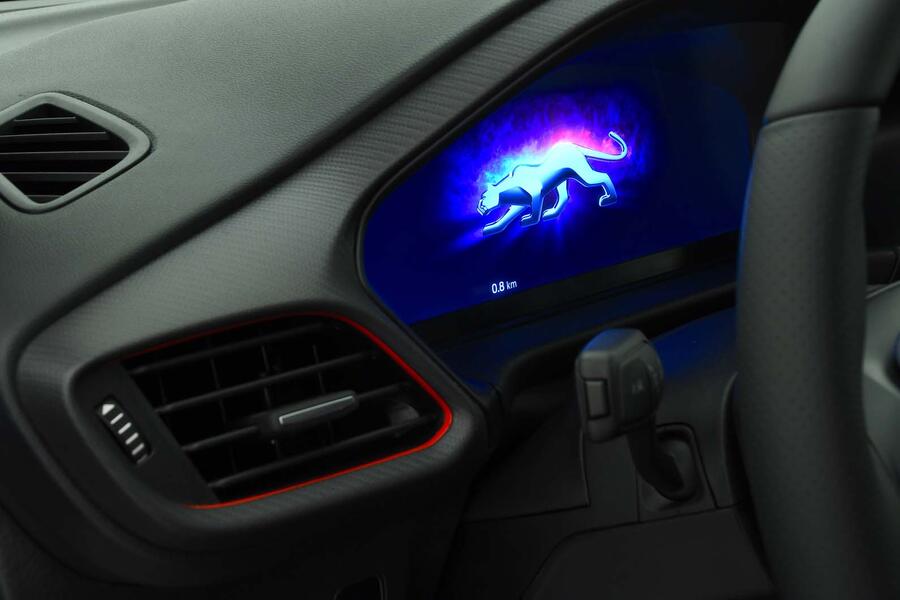
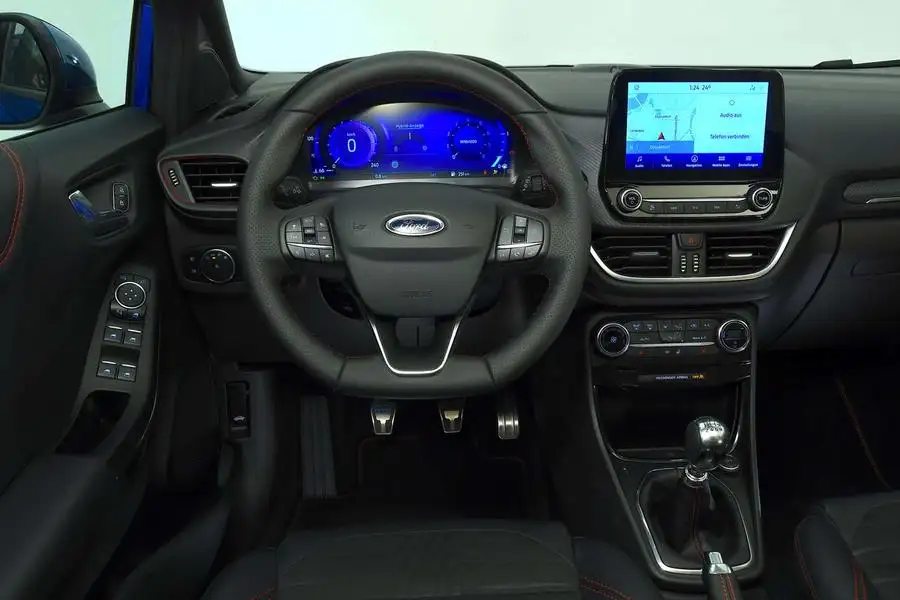
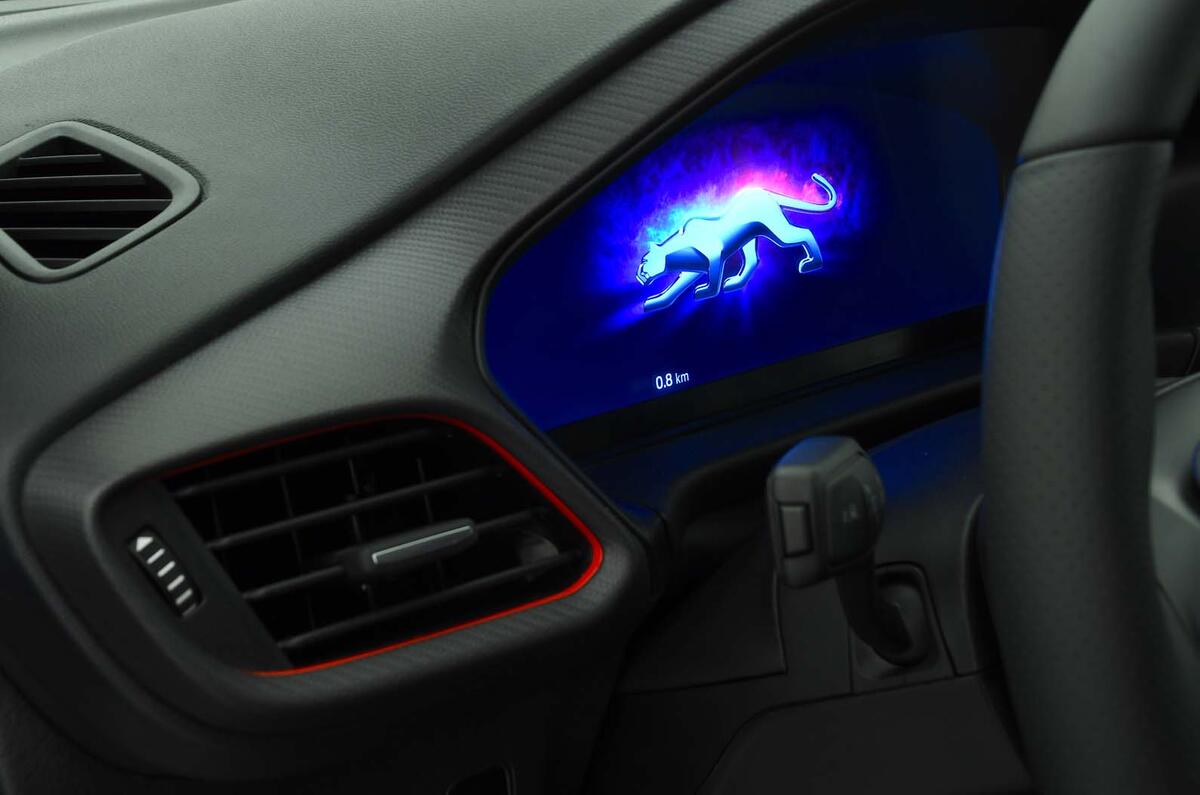
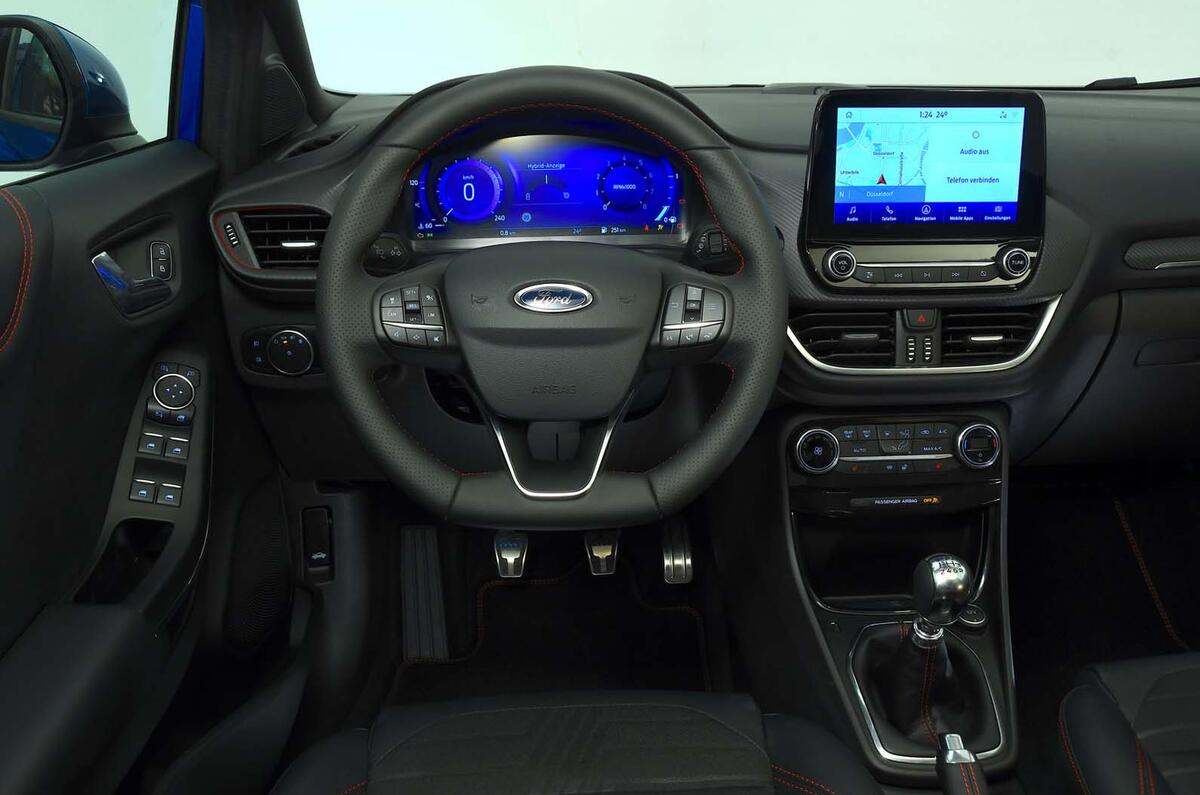
Also offered is a Puma ST-Line X, which gets the option of a 153bhp version of the same engine alongside the above unit, adding an exterior bodykit and sporting cabin details, sports suspension, alloy pedals, a digital instrument cluster and LED headlights. The initial First Edition adds 18in alloys, an electric tailgate and a 10-speaker B&O audio system to that tally, and is priced from £25,195.
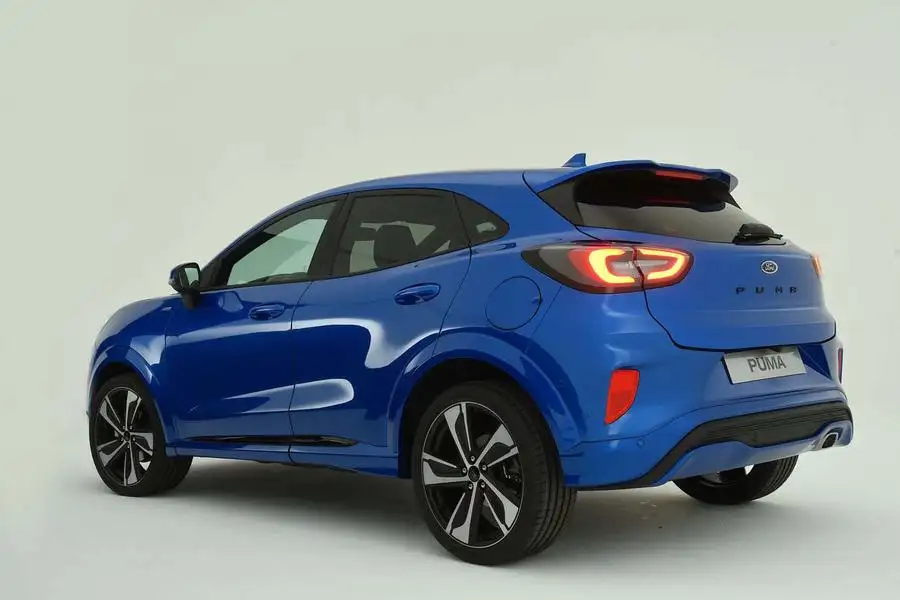
Finally, a fully loaded ST-Line X First Edition Plus, solely available with the 153bhp unit, adds 19in wheels and a panoramic roof from £27,345.
The lower-powered unit comes with the mild-hybrid system in everything but the base Titanium trim, reducing its CO2 output from 103g/km to 96g/km. Both engines come with a six-speed manual gearbox as standard.
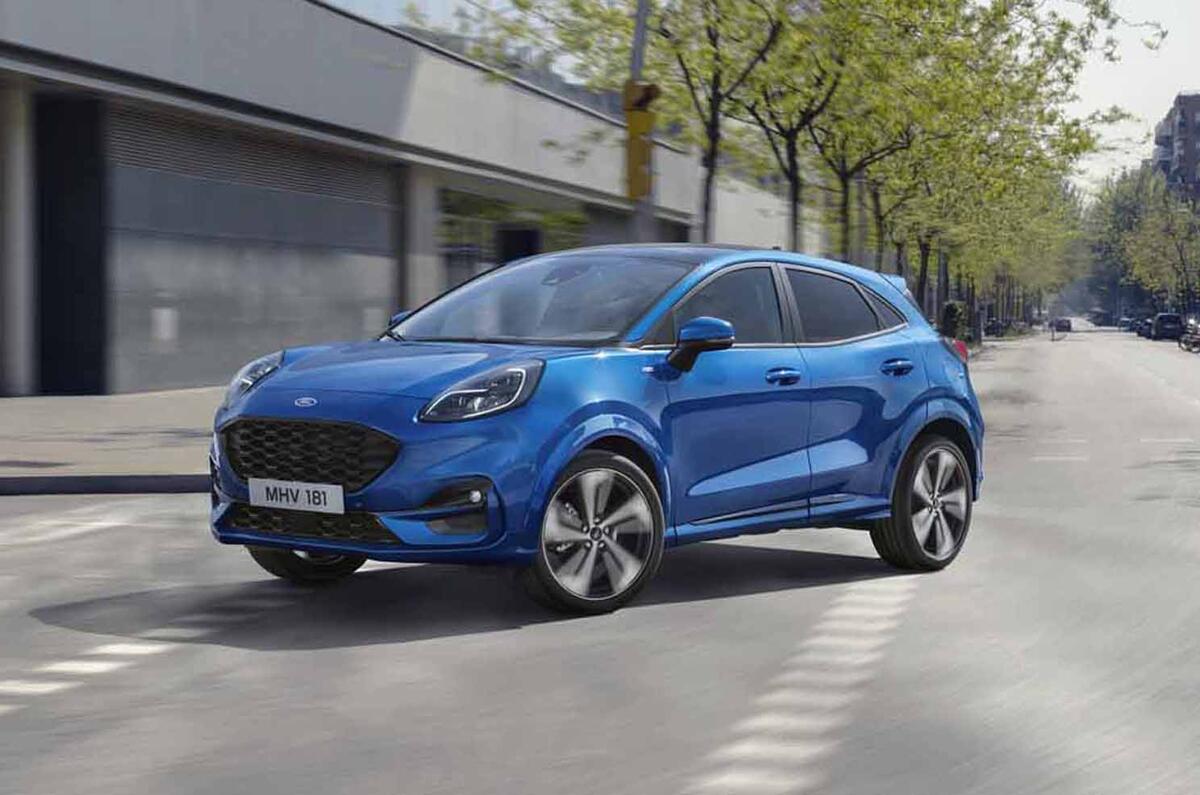
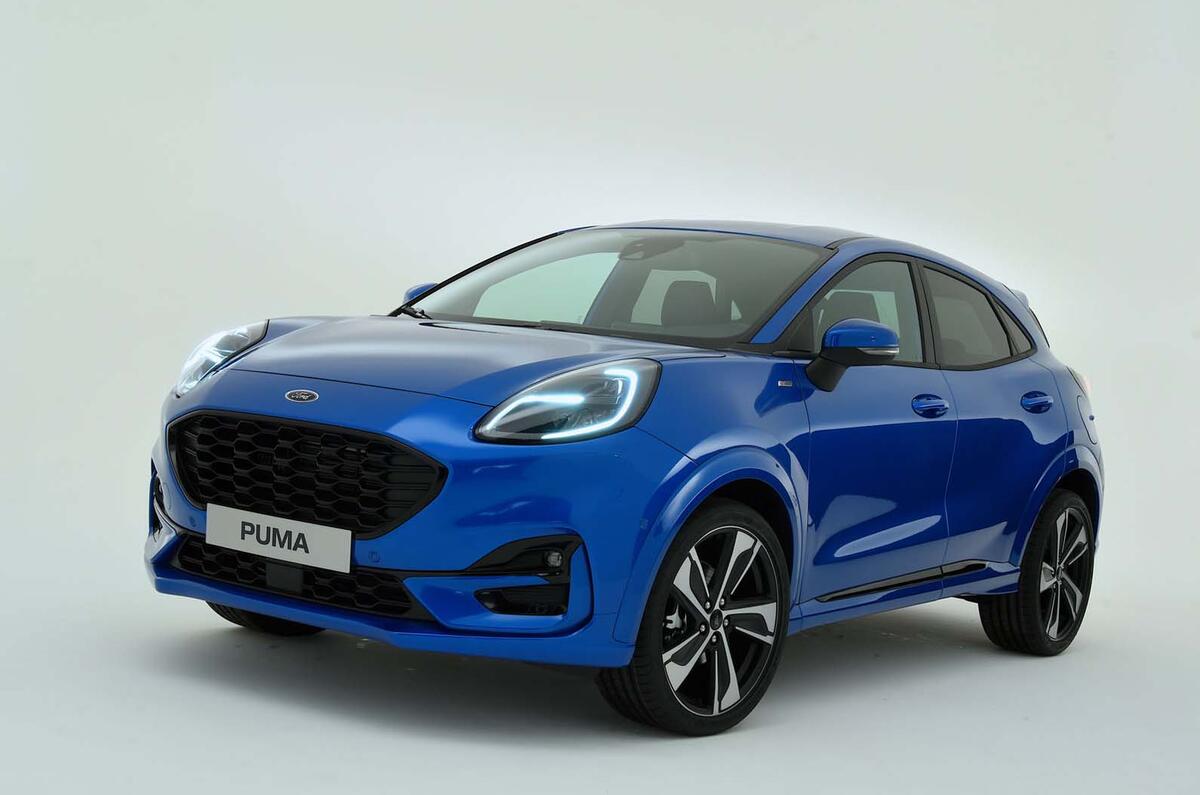
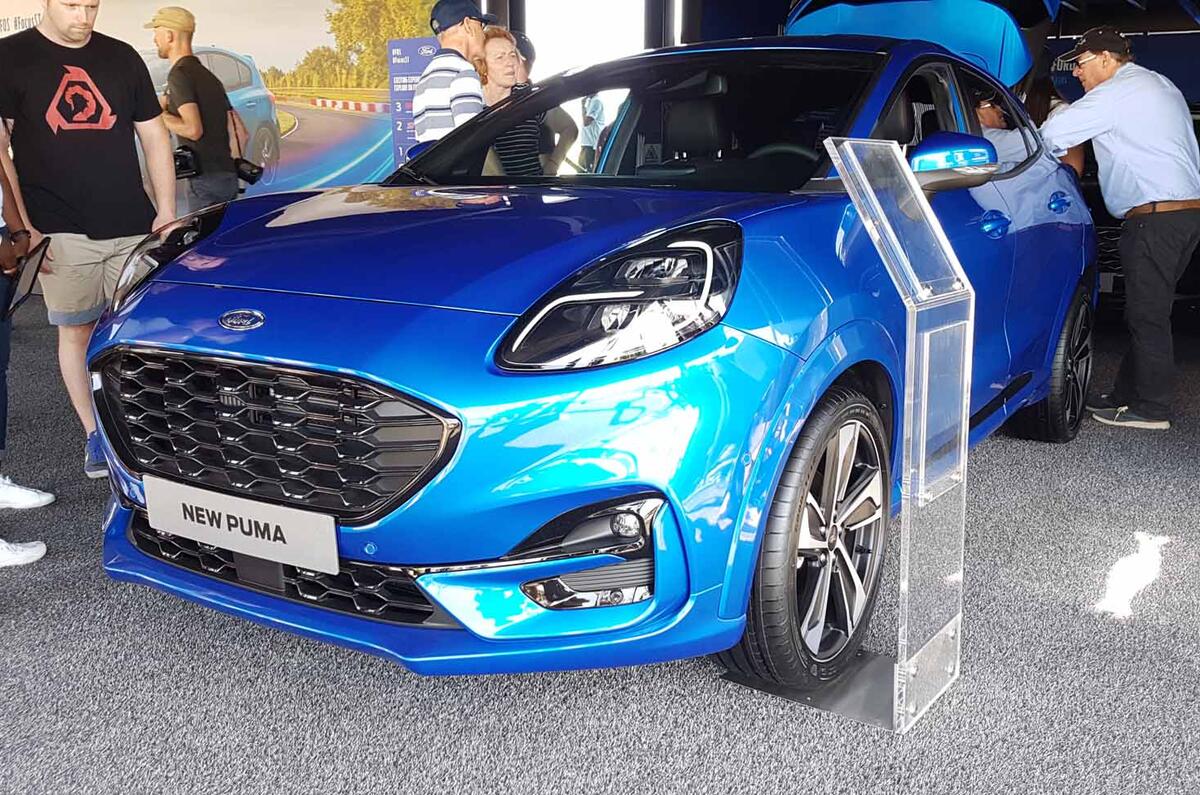
The model, which sees the small coupé of the late 1990s morphing into a sporty compact crossover, is subtly but effectively different from its established SUV rivals.
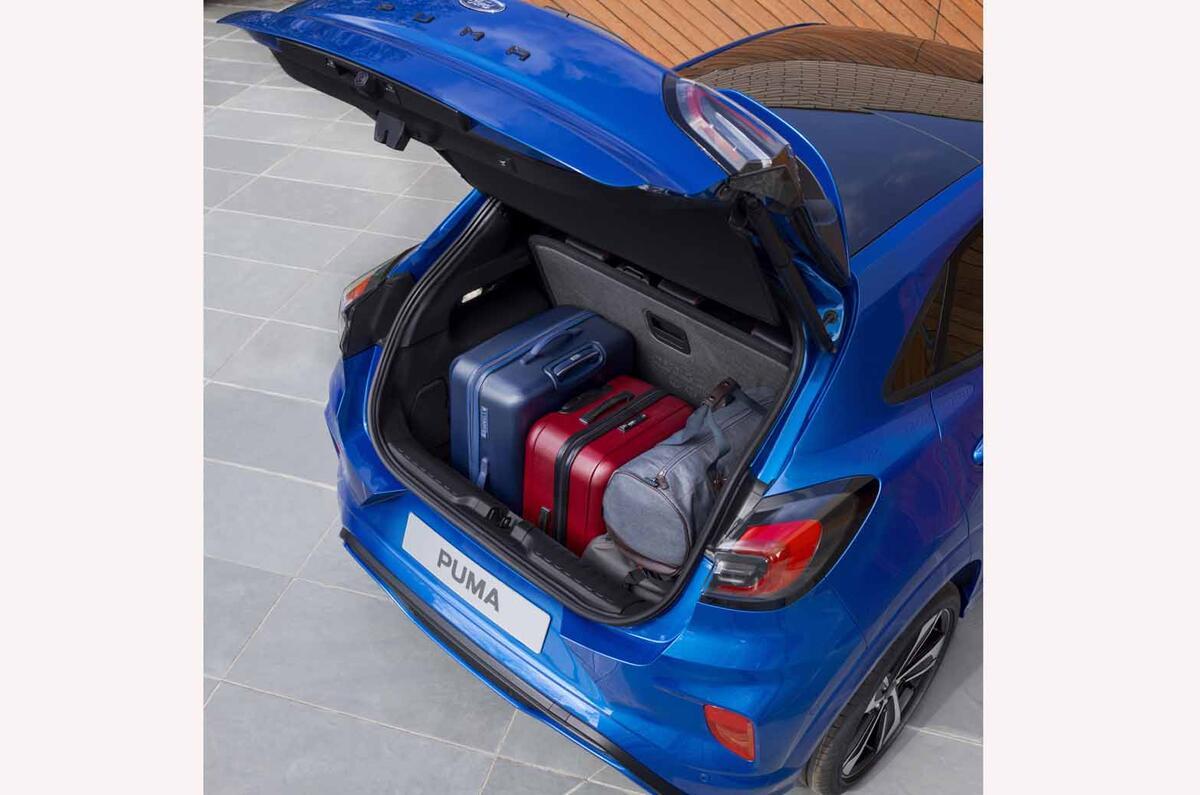
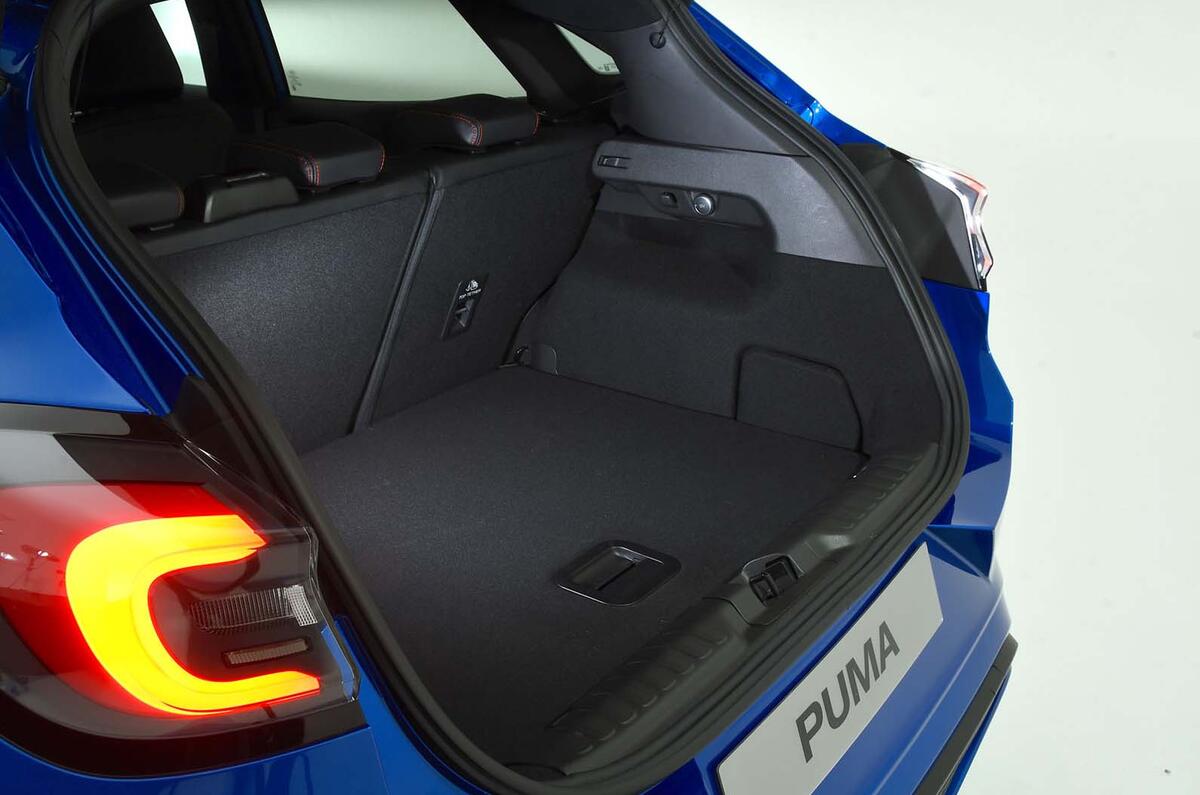
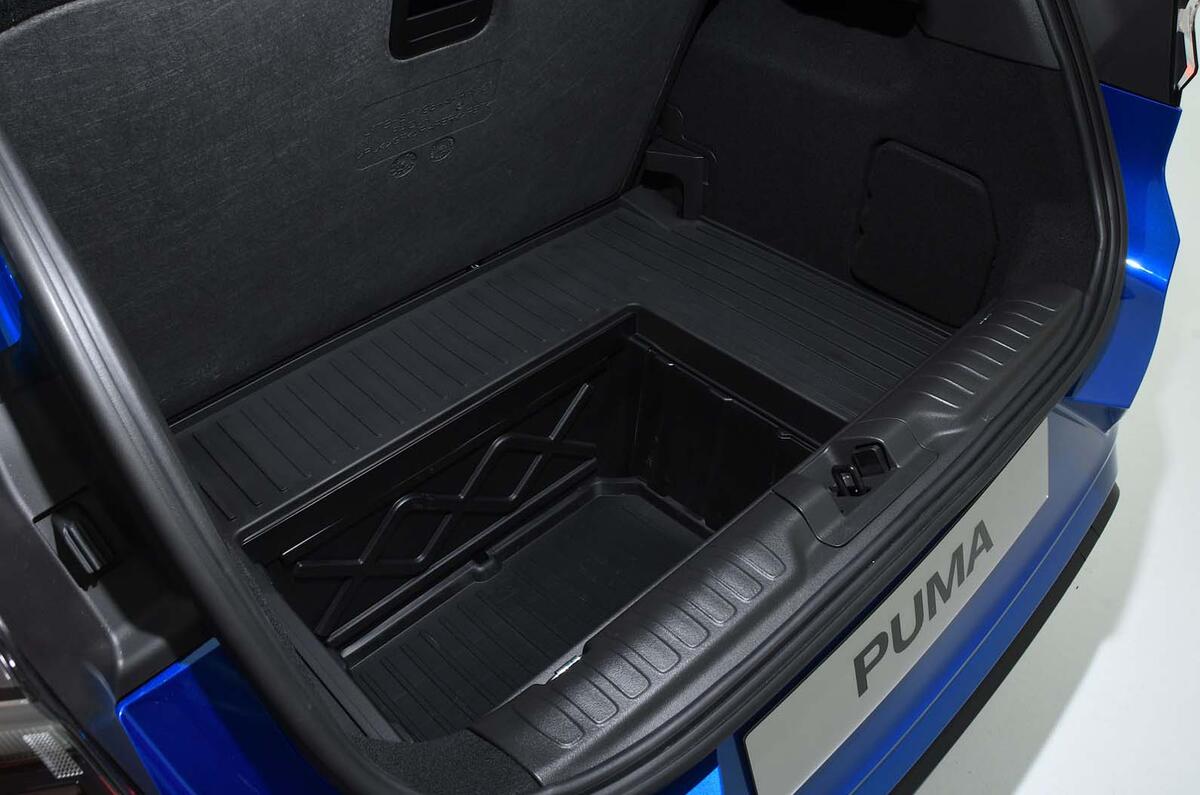
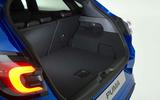
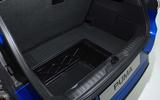
Officially, the company describes the Puma as an “SUV-inspired crossover”, with its three standout virtues claimed to be “seductive styling”, “ingenious rear stowage” and the new 48V mild-hybrid petrol drivetrain.
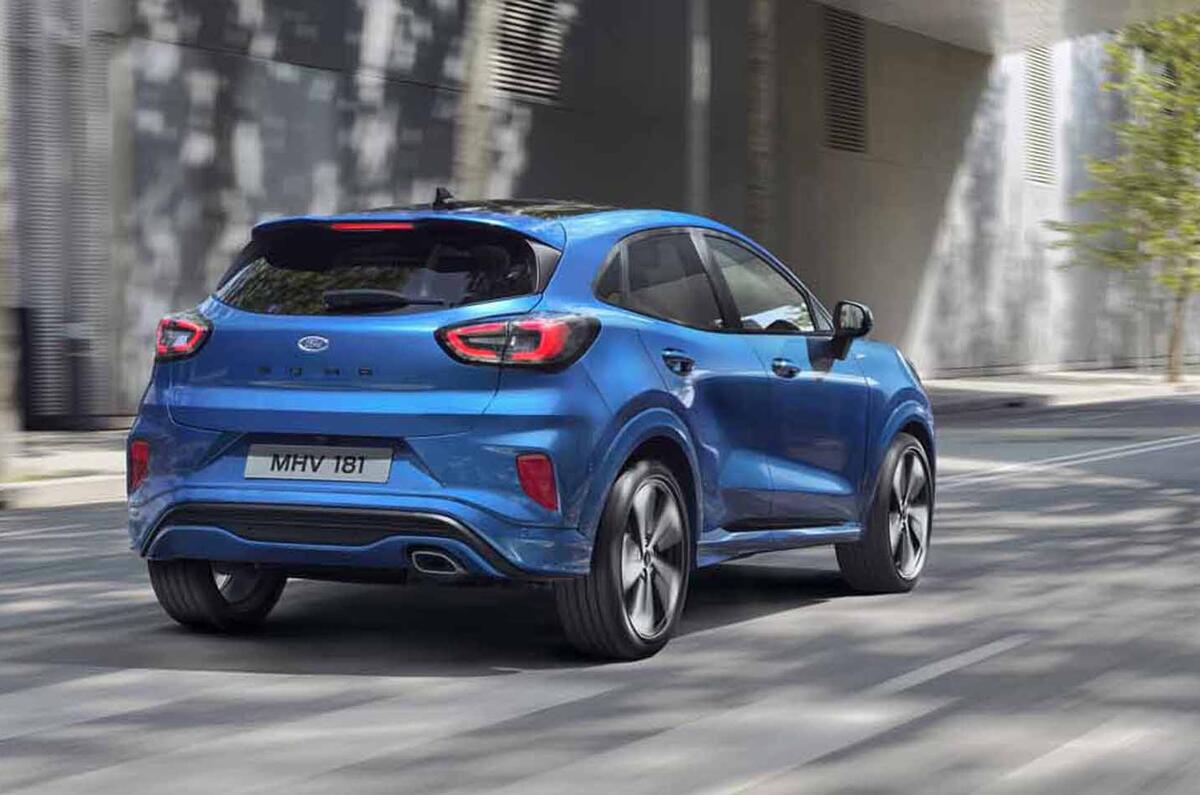
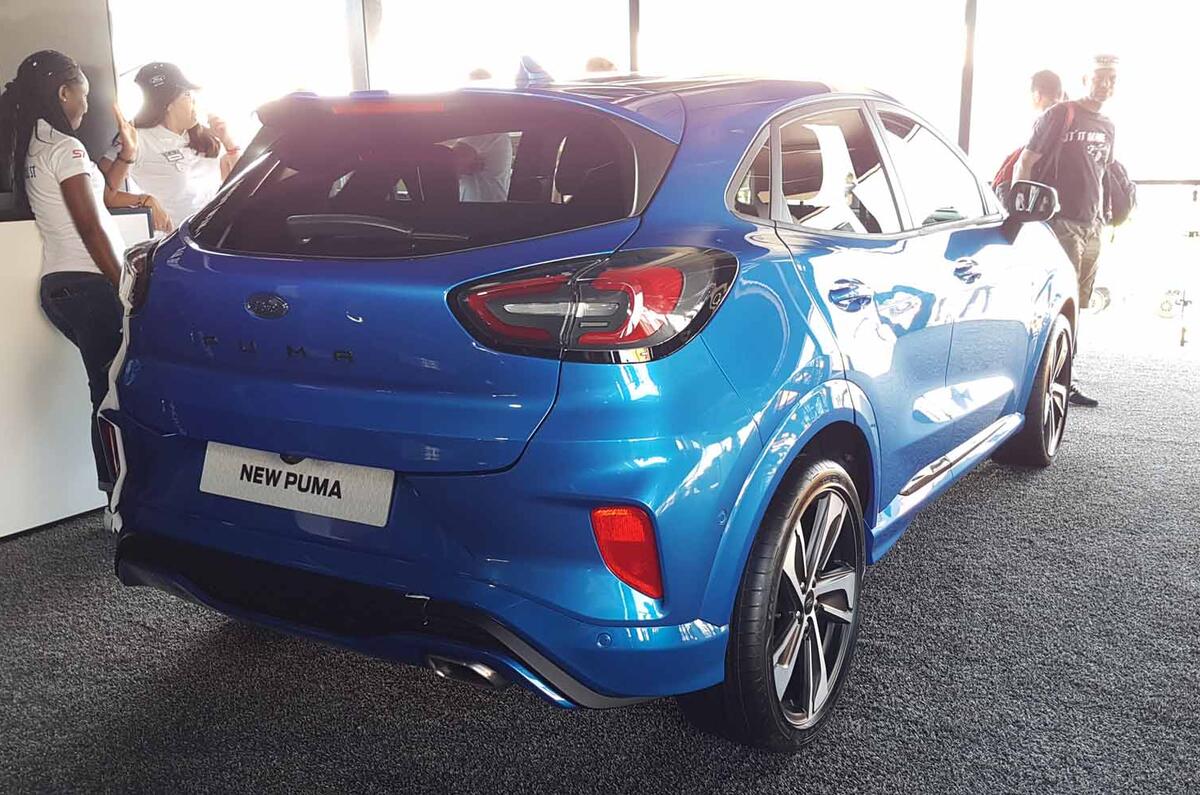
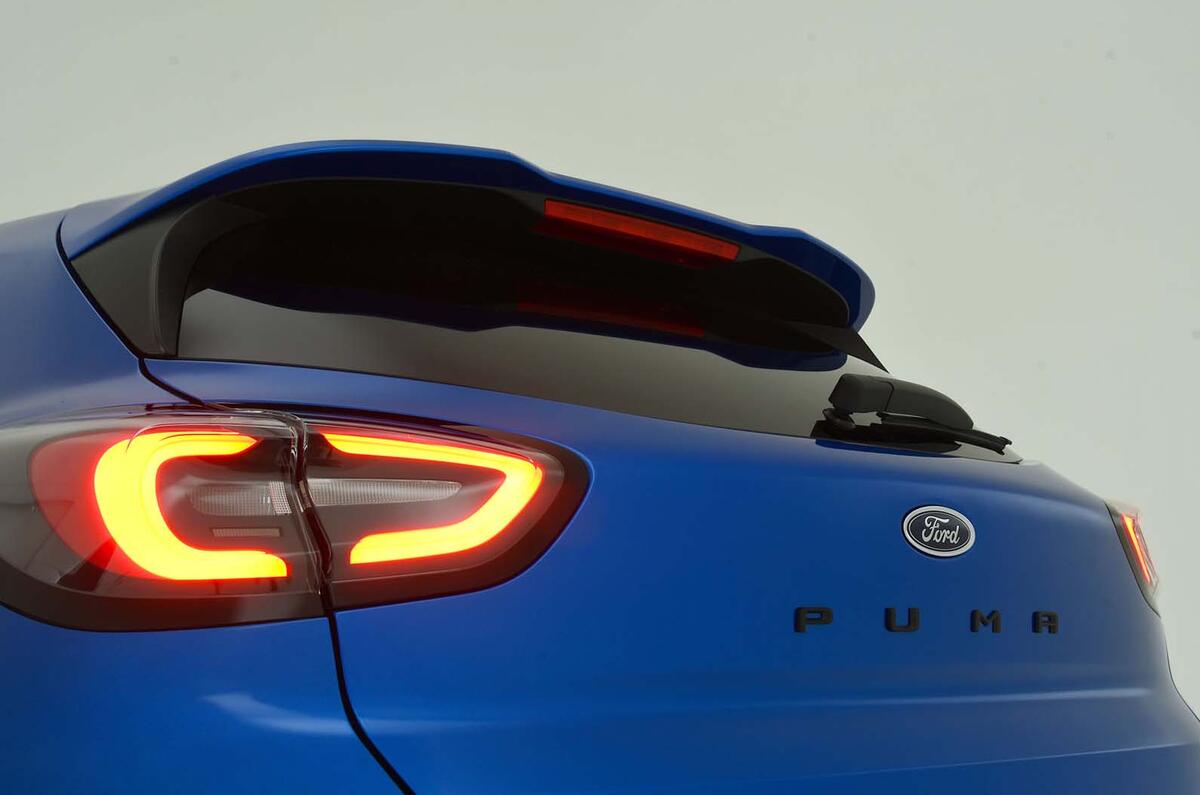
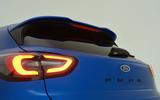
The body’s flowing surfaces have been developed under what designer George Saridakis labels an “anti-wedge” policy. What he calls “separated” headlights and tail-lights are also a move against the current trends for “joining everything up”, Saridakis citing the industry fashion for full-width light bars across a vehicle’s tail.