


The Jaguar I-Pace will go on sale in the UK in March next year – the same month that it receives its world debut at the Geneva motor show – and it will be with customers from the summer.
The model is Jaguar’s first electric car and built on a bespoke aluminium-intensive architecture. It will be the second Jaguar model to be built overseas, production due to take place by contract manufacturing firm Magna in Graz, Austria, where the E-Pace is also being built.
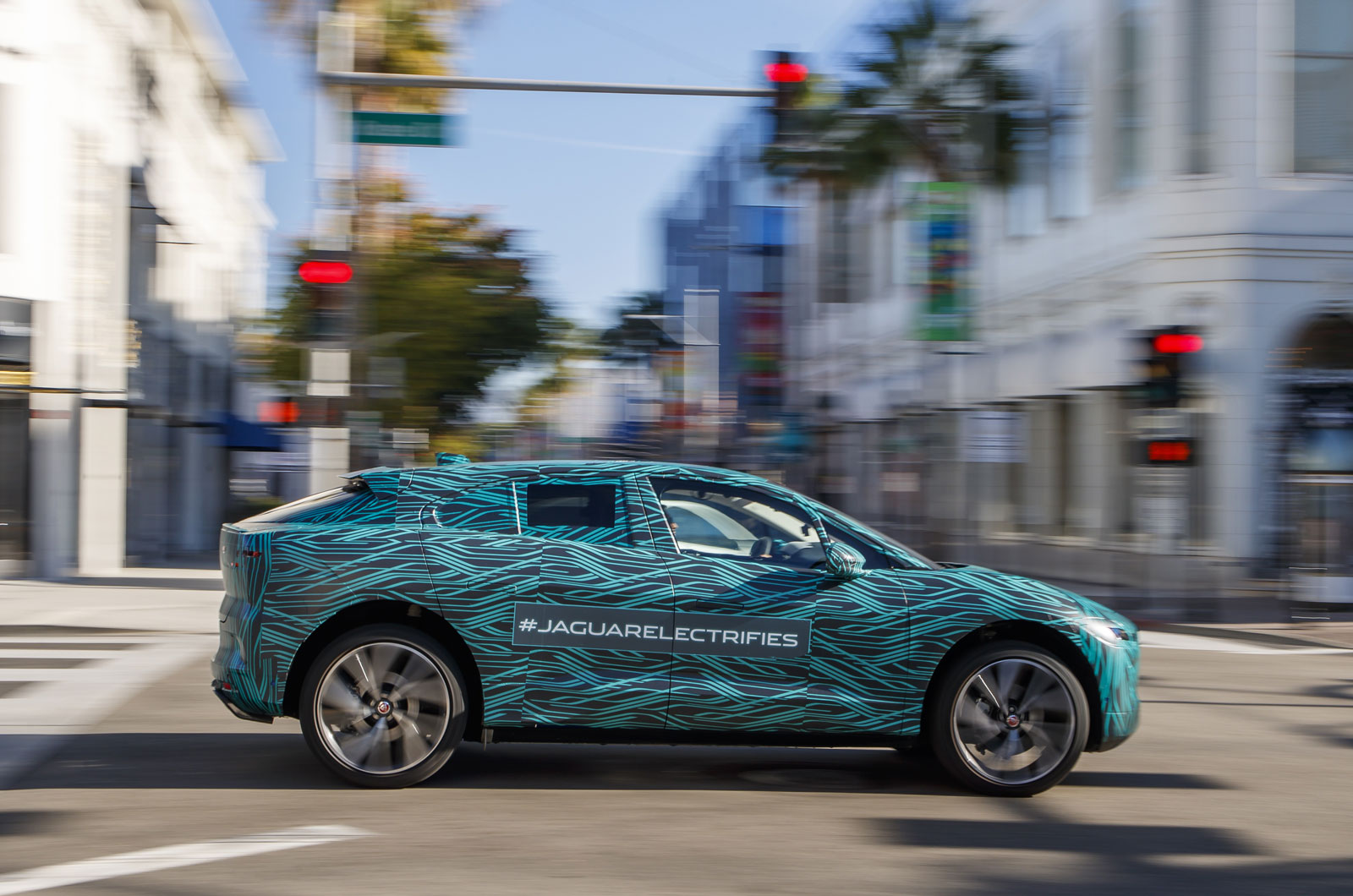
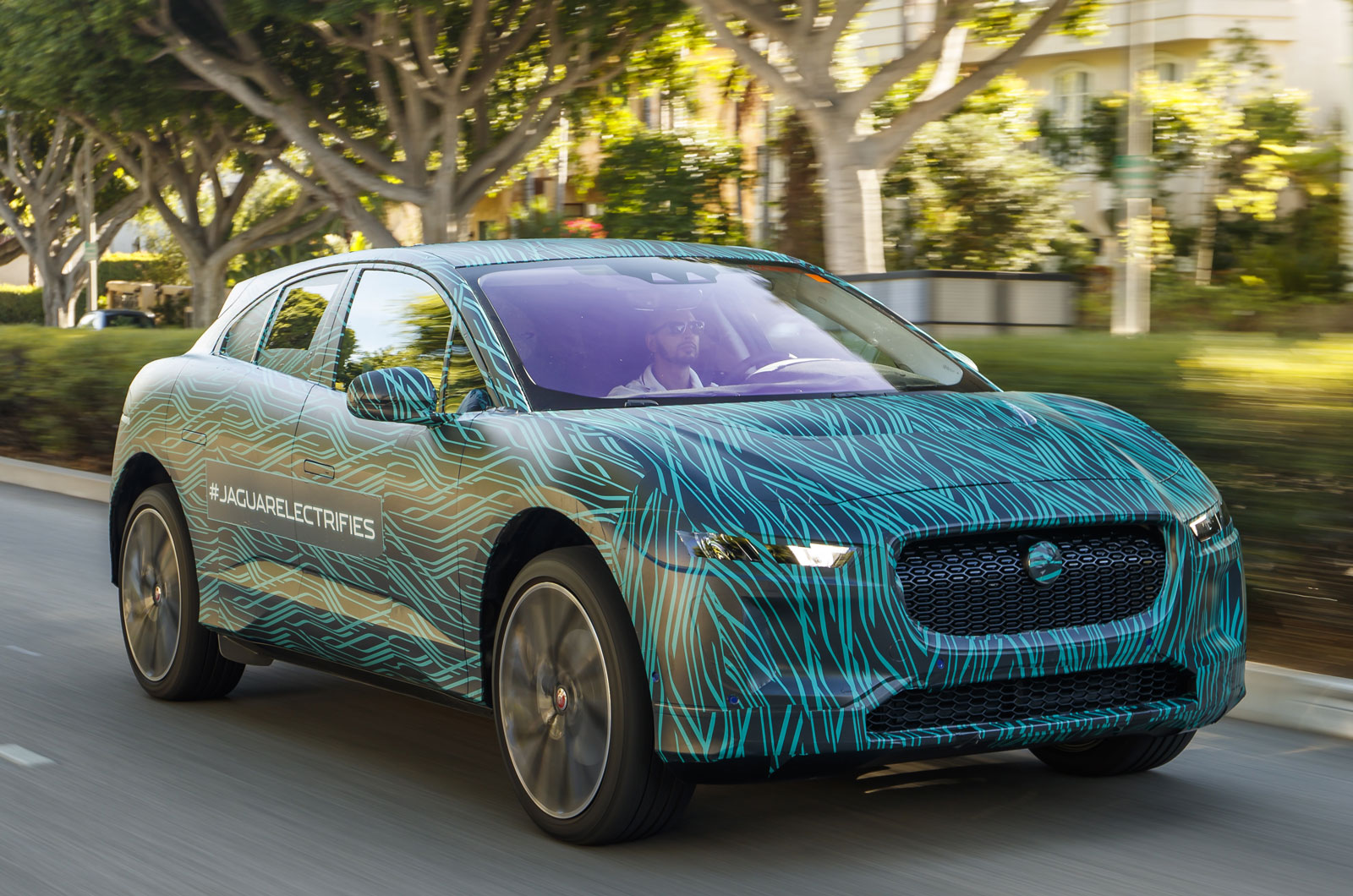
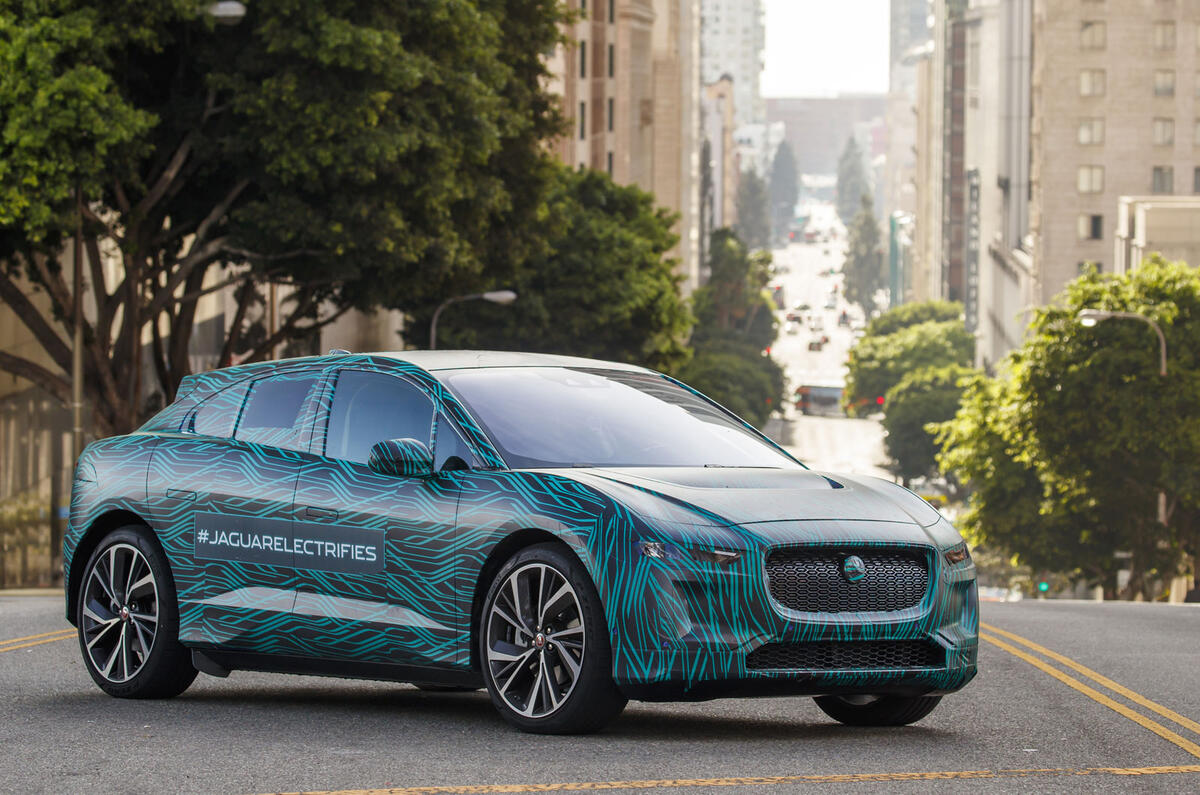
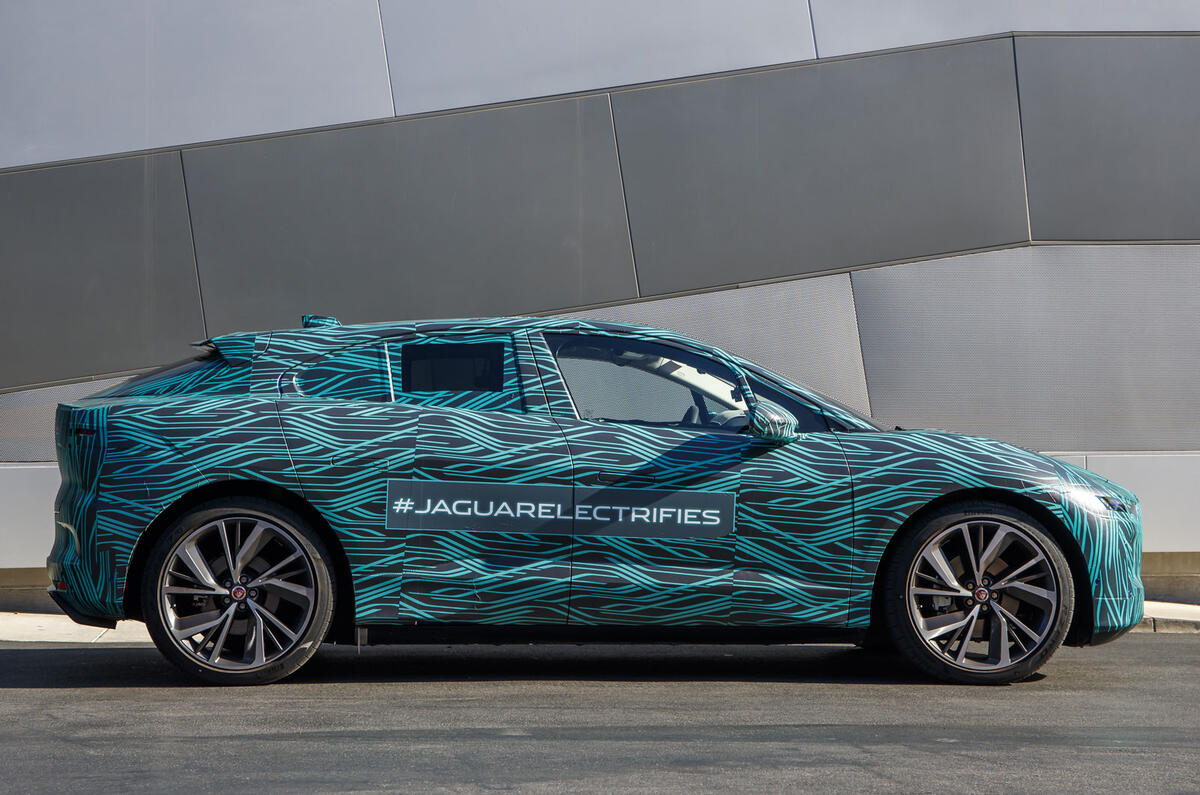
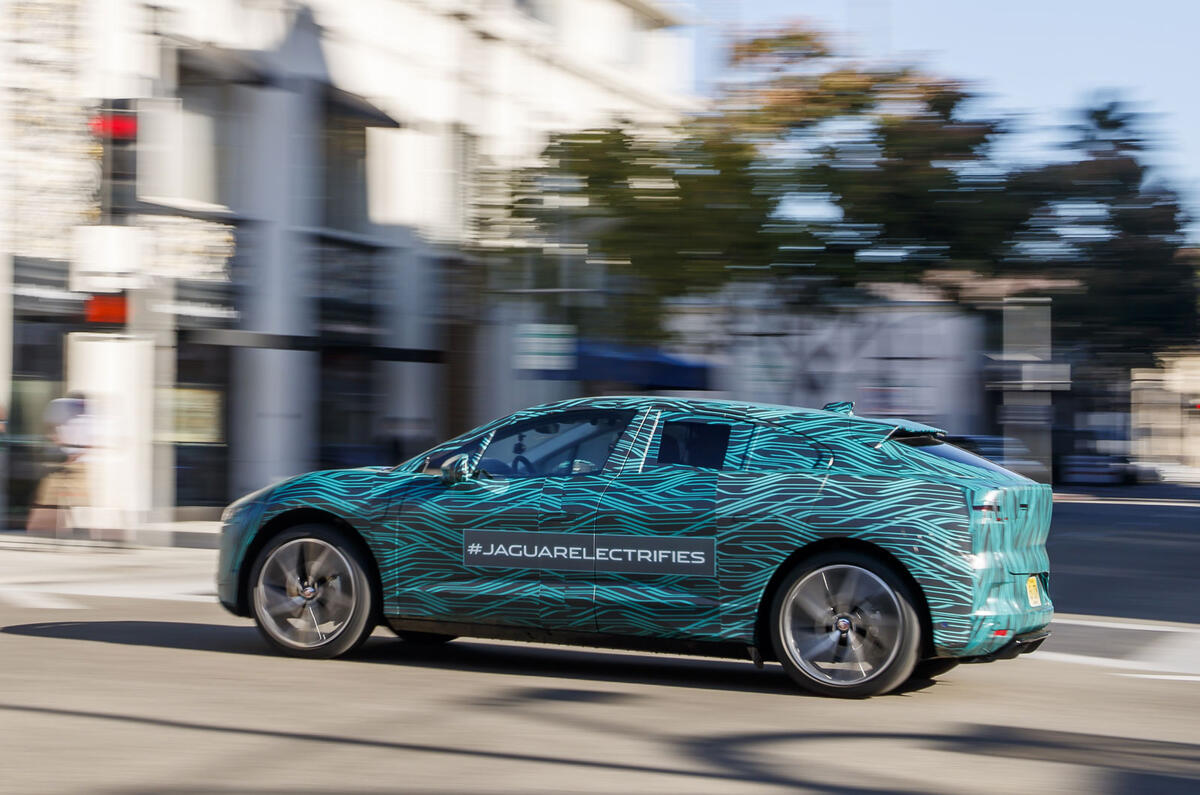
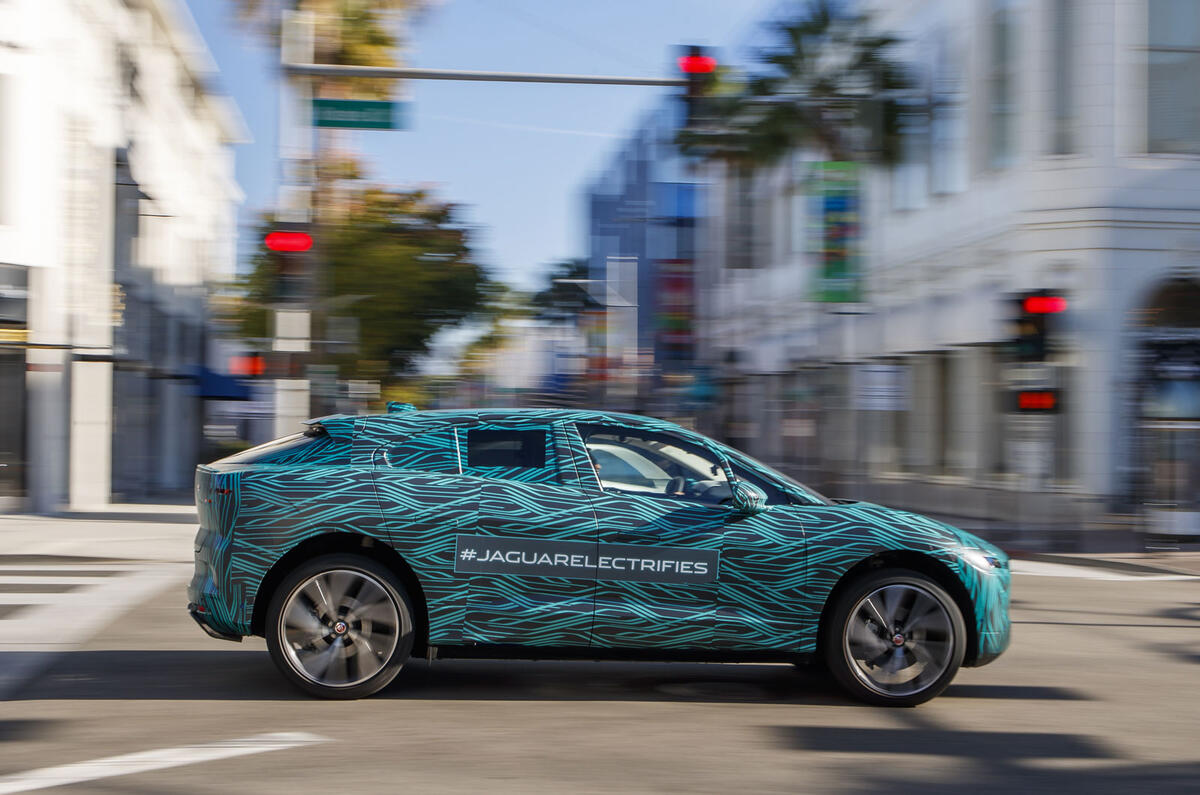
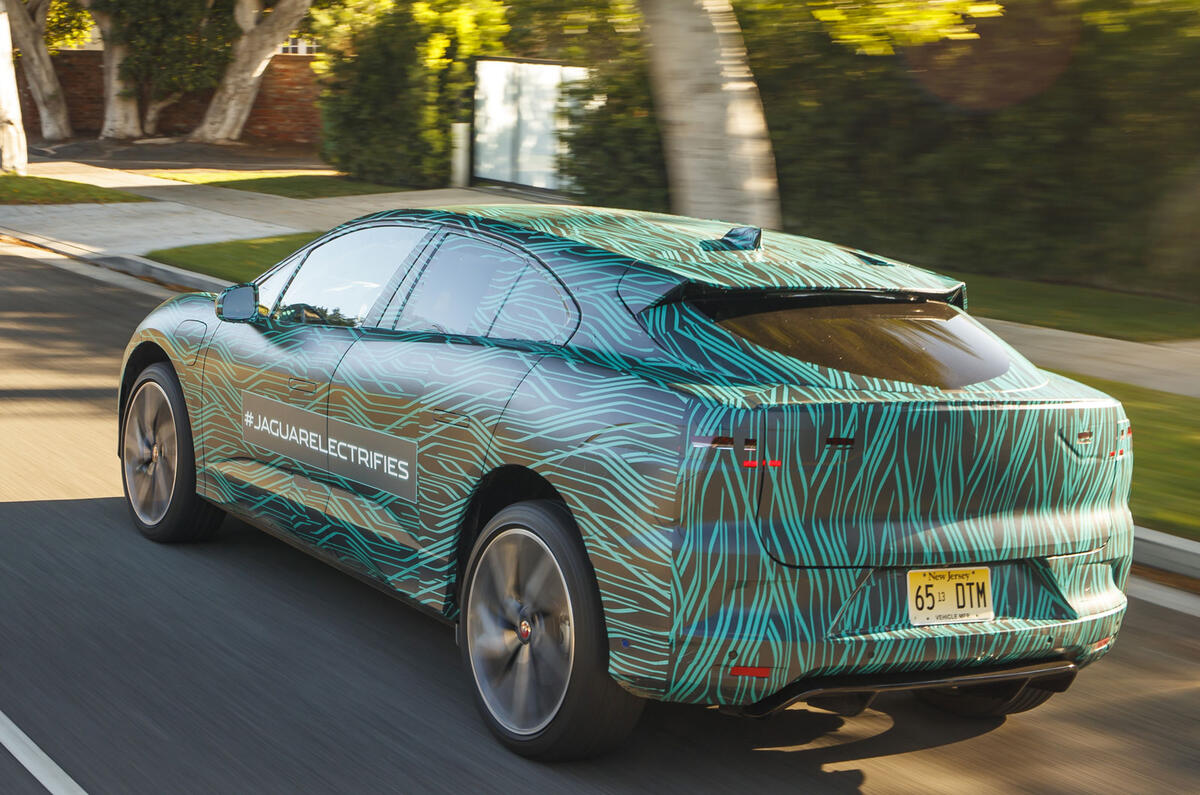
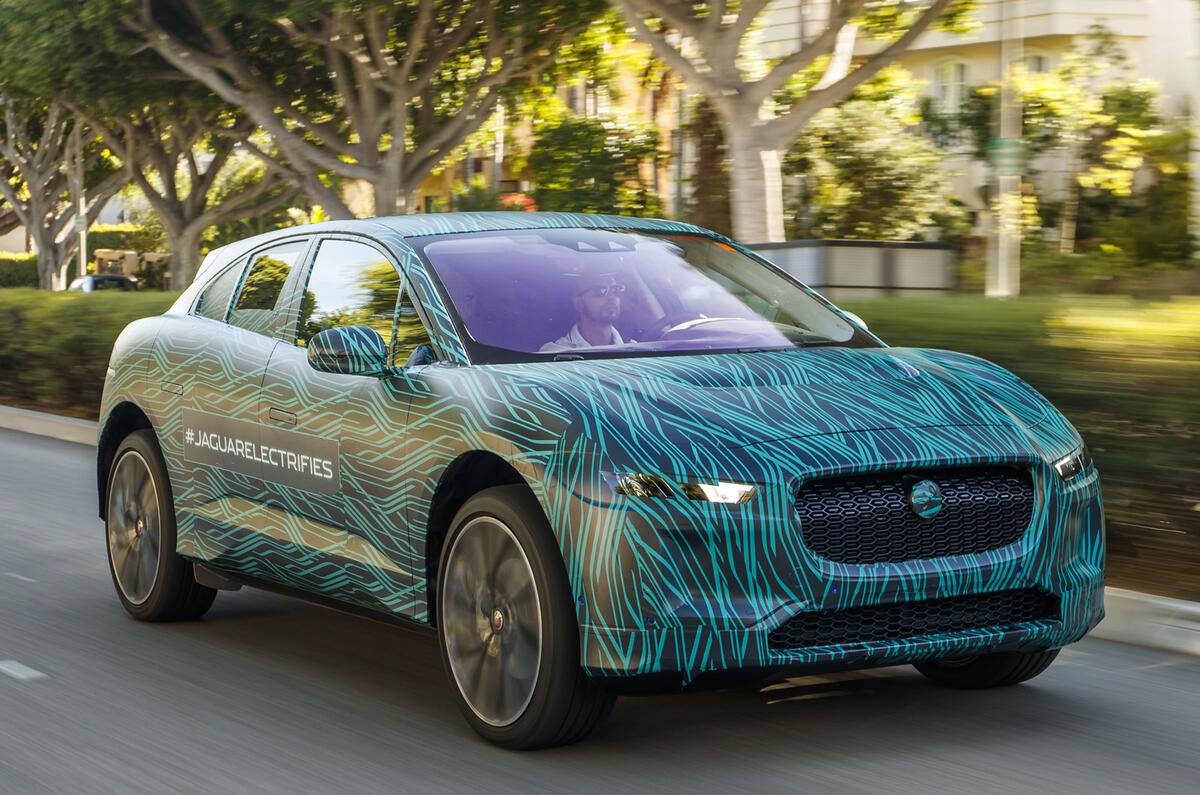
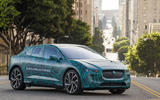
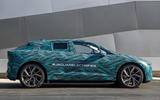
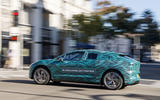
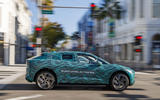
The I-Pace is now in the final stages of testing at the ‘tooling try-out’ stage, where the prototypes, like the one pictured here, are made using production tooling for the first time and are 99% representative of the finished car’s hardware.
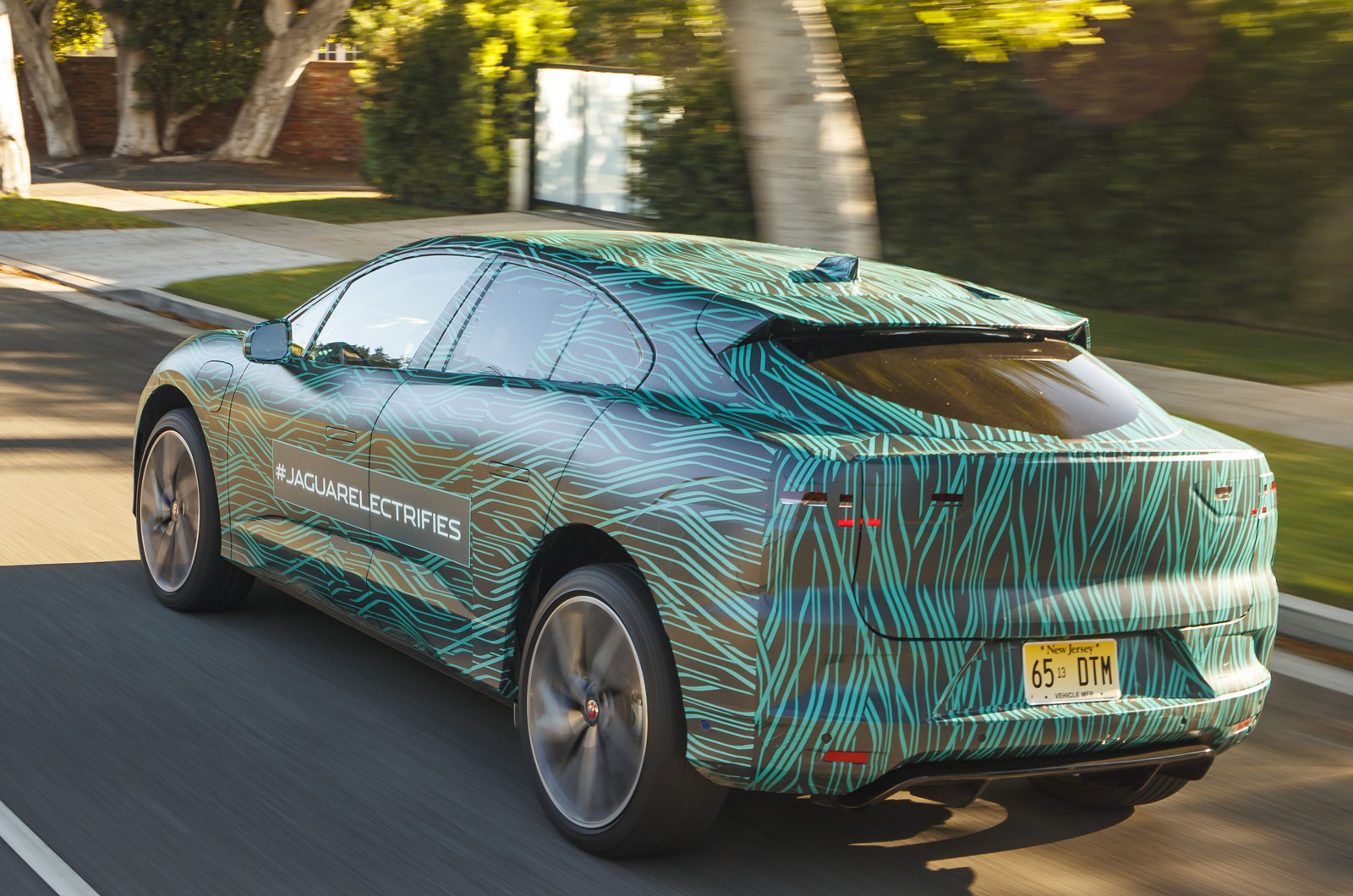
As the pictures show, the I-Pace remains true to the design of the concept car of the same name a year ago, as a near 4.7m-long five-seat SUV. Jaguar is still not disclosing statistics about the car’s performance or range but, as with the design, it is promising the engineering will stay true to the concept car.
The concept’s range was in excess of 310 miles and it dispatched 0-60mph in a claimed 4.0sec. It had two electric motors for a combined 395bhp and 516lb ft, and a 90kWh lithium ion battery pack mounted on the floor. Jaguar is targeting an 80% charge of the batteries in the time it would take to have a coffee break.
Jaguar I-Pace eTrophy racing series to support Formula E next year
The major electrical components, such as the lithium ion battery pack and twin electric motors, are all Jaguar’s own in-house design and the electric motors are said to be the most power dense of their size on the market.
The I-Pace’s lead powertrain engineer, Simon Patel, said the final tweaks to the calibration of the electric drivetrain are being made to ready it for production, but the major development was now complete.