
The Spanish capital of Madrid has introduced some of the toughest restrictions yet on older, polluting vehicles, virtually banning pre-2006 diesel and pre-2000 petrol-engined cars from entering the city centre.
The new restrictions are part of the Madrid Central scheme, which aims to reduce air pollution in the city by up top 40%, with a series of progressively tougher rules that are set to eventually ban non-zero emission vehicles.
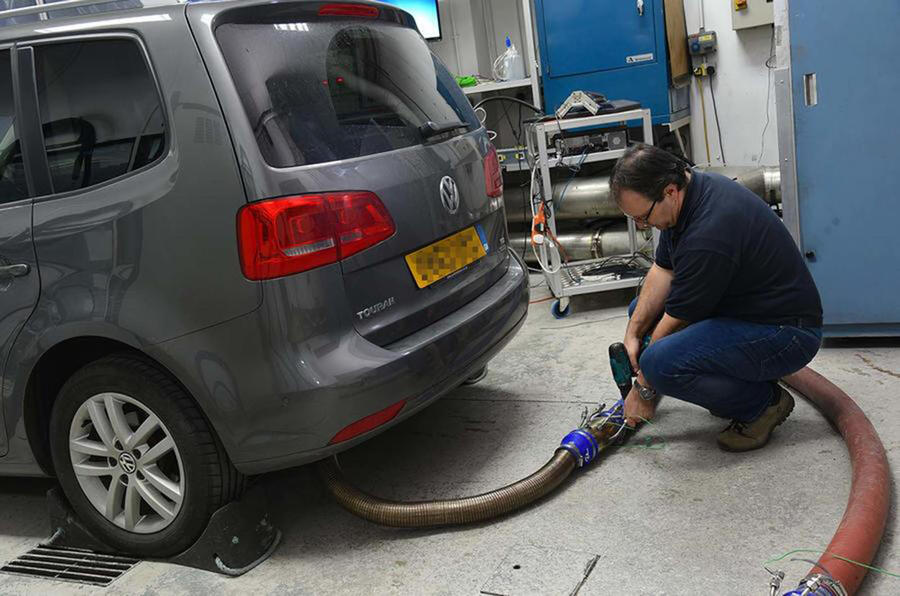
Under the scheme, a new universal emissions test will produce a rating for each car, and its eligibility to enter a designated low emission zone, which is marked clearly at its boundaries and monitored by CCTV. Diesel vehicles manufactured before 2006 and petrol vehicles built before 2000 are not eligible for a low emission zone entry sticker. Owners of such vehicles will have to prove that they have access to private parking in the zone, and register their vehicle in advance of entering.
The scheme is expected to affect 20% of cars in the city centre. As well as tackling pollution levels, the scheme is designed to encourage cycling and reduce traffic noise.
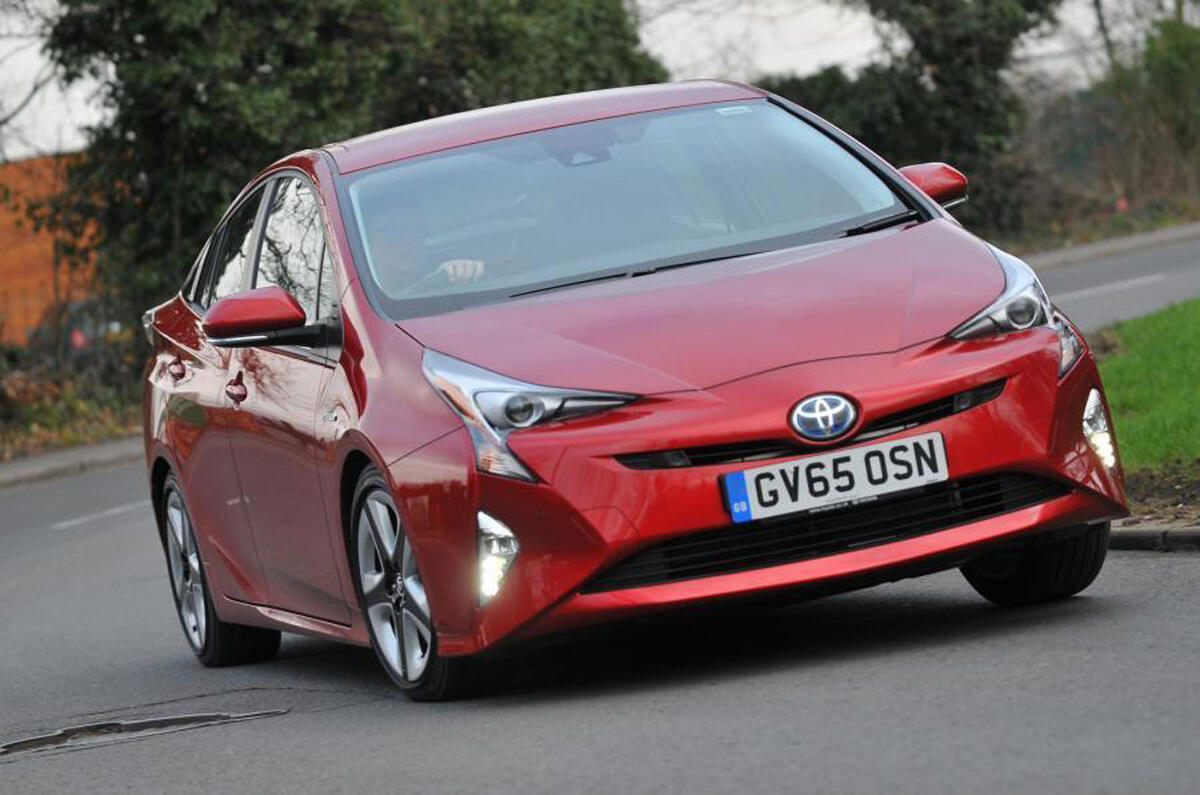
In 2020, older diesel and petrol vehicles will be banned entirely from the central zone. Meanwhile, parking and driving restrictions for owners of hybrid vehicles with an ‘eco’ label have been heavily relaxed, in order to encourage residents to consider newer, cleaner vehicles.
Drivers found to be in breach of the regulation will be subject to a fine of 90 euros (£80). At the 2016 C40 Mayors Summit in Mexico City, Madrid mayor Manuela Carmena said: “the quality of air that we breathe in our cities is directly linked to tackling climate change.