
Fiat boss Sergio Marchionne today predicted zero growth, at best, for Europe's mainstream car manufacturers between now and 2014, while the Eurozone financial crisis runs its course, and stressed again the extreme importance of scale for groups like his own as a bulwark against market fluctuations.
"Being small, diverse and beautiful means absolutely nothing," he told a packed house in one of his typically knockabout press conferences. "You end up being small, diverse and non-existent."
He acknowledged the vital role Chrysler was playing at present in Fiat Group profitability, predicting that the company would soon announce production of two million cars and an operating profit of $2billion for 2011, while expecting to sell 2.4 million cars and earn $3 billion in 2012. "I can't imagine what would have happened to Fiat without Chrysler," he said. "At best, it would have been severely hampered."
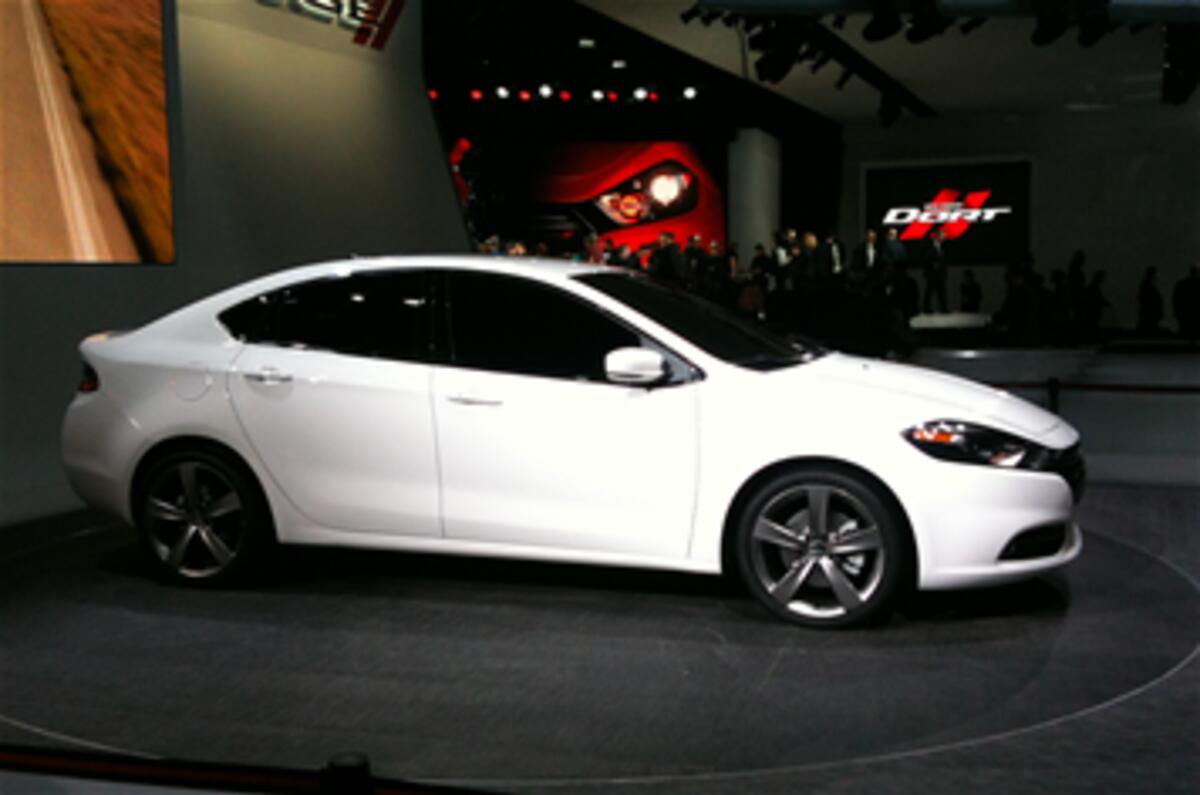
He confirmed suggestions that the Alfa Giulietta-based Dodge Dart, launched this week in Detroit, would soon be made in China and pointed out that only projects of this type were likely to make money. "Operating leverage is the key", he said. "You set up a project and then you run the hell out fit, making as many cars as possible out of one basic product."
Despite what he called the extreme unpredictability of financial markets, Marchionne insisted that much of the industry had configured itself for growth in the medium term, once the Euro crisis has resolved itself. "Everybody feels good out the future," he said. "The serious players have embraced change and are ready to reap the benefit."
Under intense questioning, Marchionne rather reluctantly revealed his admiration for "the big guy", aka Volkswagen Group, which he believed had succeeded impressively at sharing as much as possible among its models while "preserving at the edges the independence of each brand". He also admitted his admiration for Ford's Alan Mulally, who had devised a plan and stuck to it, and also for the expansion of Hyundai, whose progress he watched "with both interest and anxiety".
He believed Europe’s industry still had too much car production capacity, though Fiat's affairs were not part of the problem. "Europeans have always wanted the comfort of not changing," he said. "But if you want to succeed, you've got to move it on."