



Currently reading: How Audi proves PHEVs are far more than just stepping stones

Audi’s new e-hybrid tech brings advancements in range, charging and performance

Believe it or not, the world’s first hybrid car was invented way back in 1899. Yes, you read that right. It was developed by Ferdinand Porsche, and while it did feature a petrol engine and a couple of electric motors, its setup was more akin to a range-extender than a true parallel hybrid. Regardless, it was trailblazing stuff.

Despite its technical brilliance, however, this newfangled powertrain failed to gain real traction. Aside from a few flashes of renewed interest in the 1910s and the 1970s – the latter fuelled by a global oil crisis – it wasn’t until the late 1990s, nearly a century after its invention, that mass-market interest in hybridisation resurfaced.

Fast forward to today, and hybrids, particularly plug-in hybrids (PHEVs), have become a dominant force on our roads – and there’s a very clear reason why. As the automotive world hurtles toward full electrification, PHEVs have become the perfect bridge for those not quite ready to make the leap, combining the flexibility of a petrol engine for longer journeys with near-silent, zero-emission electric driving for everyday trips.

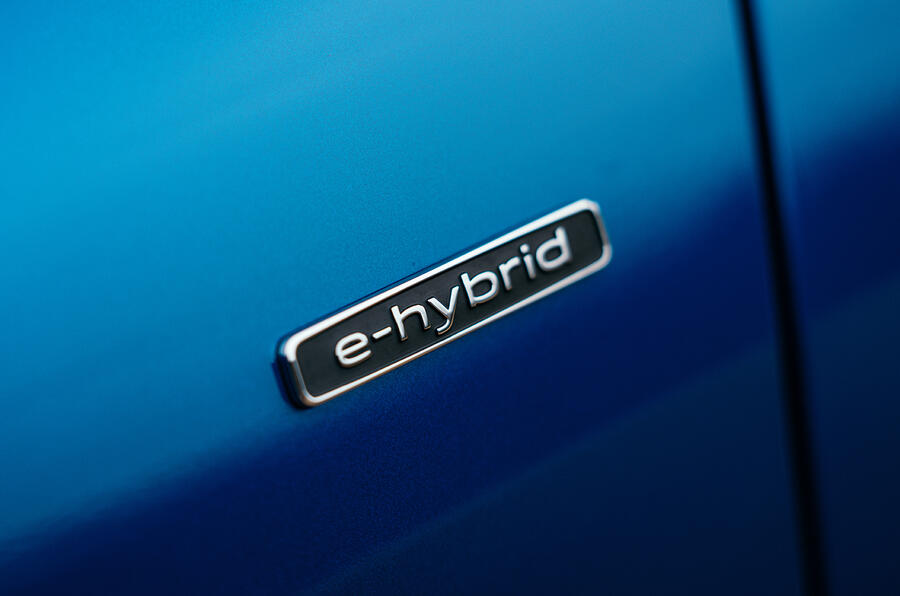
But to think of plug-in hybrids as simply stepping stones for those yet to embrace the fully electric lifestyle does them a disservice – and Audi’s new e-hybrid technology proves why. 

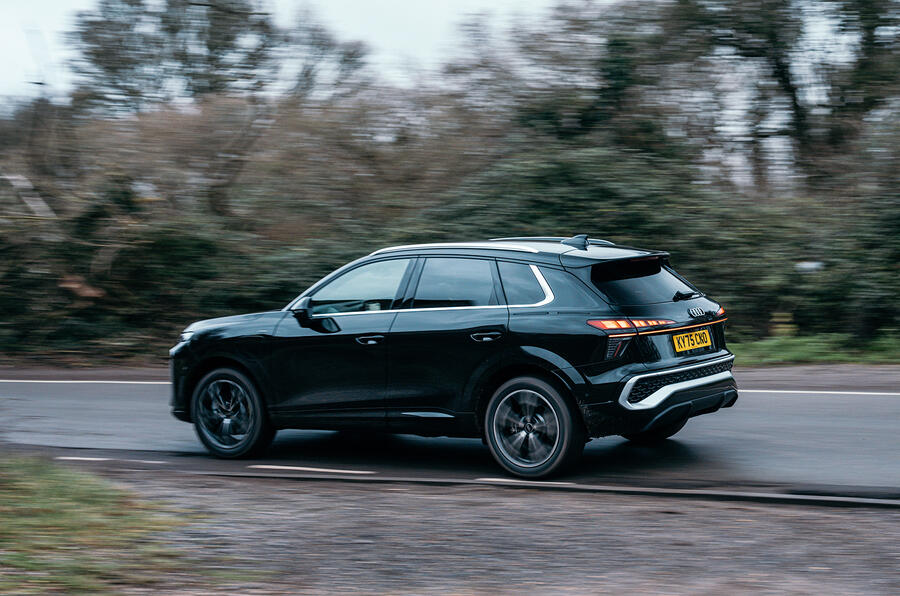
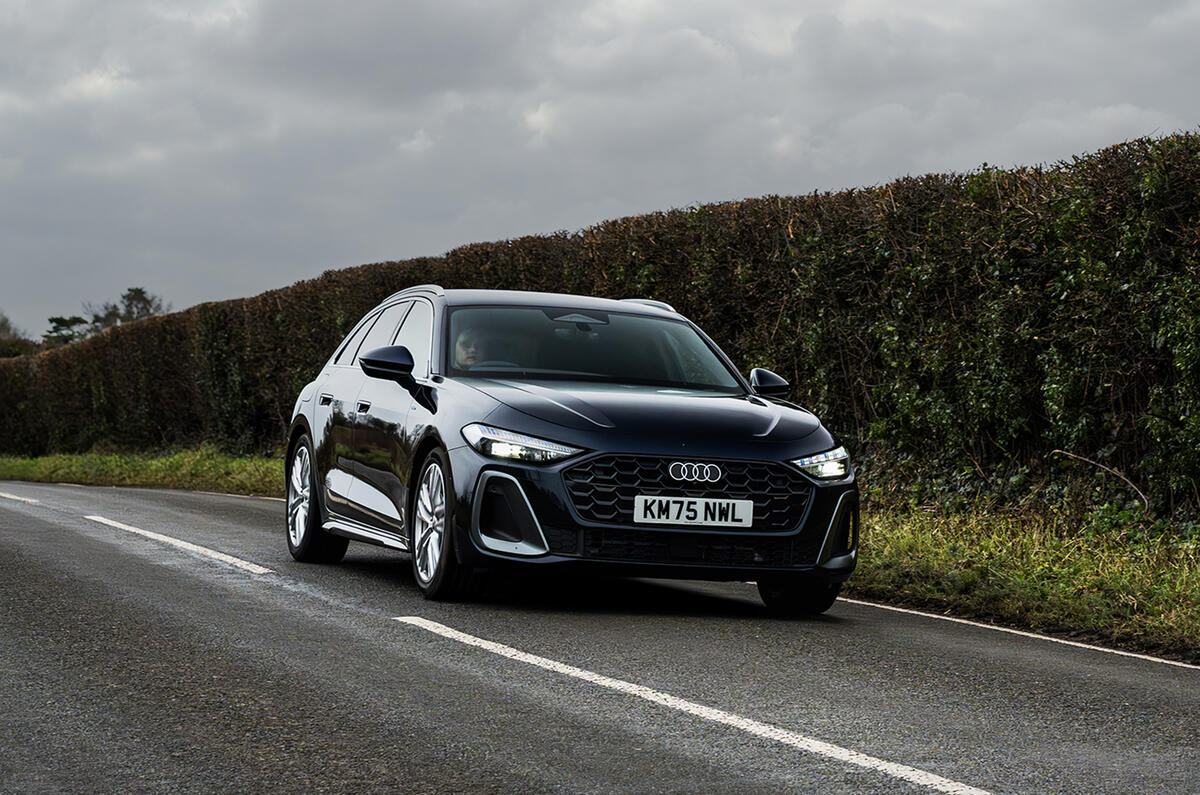
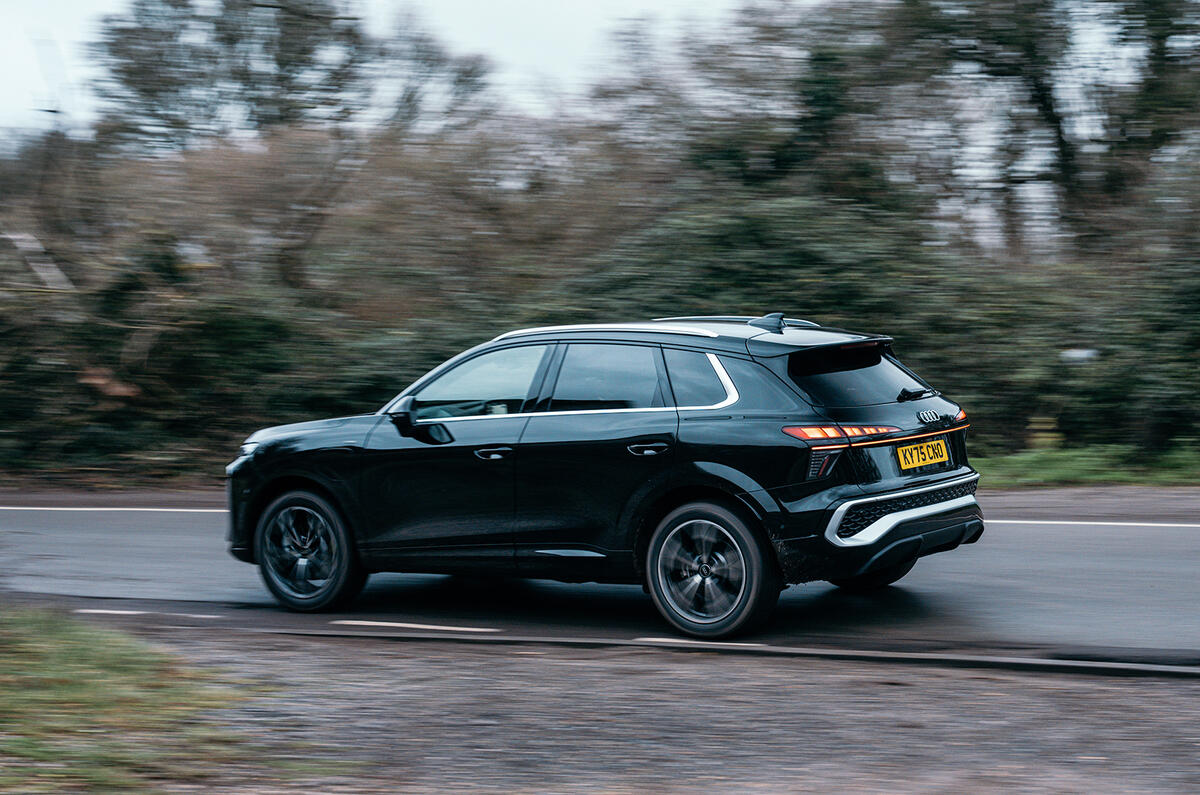
Advances in battery capacity, charging, performance and efficiency mean Audi’s latest plug-in hybrid models – the A3 TFSI e, A5 e-hybrid, A6 e-hybrid, Q3 e-hybrid and Q5 e-hybrid – are designed as genuine long-term solutions for drivers looking to cut emissions, control running costs and simply enjoy driving. Here, we explore what sets them apart.

Learn more about the Audi e-hybrid lineup

Long electric-only range
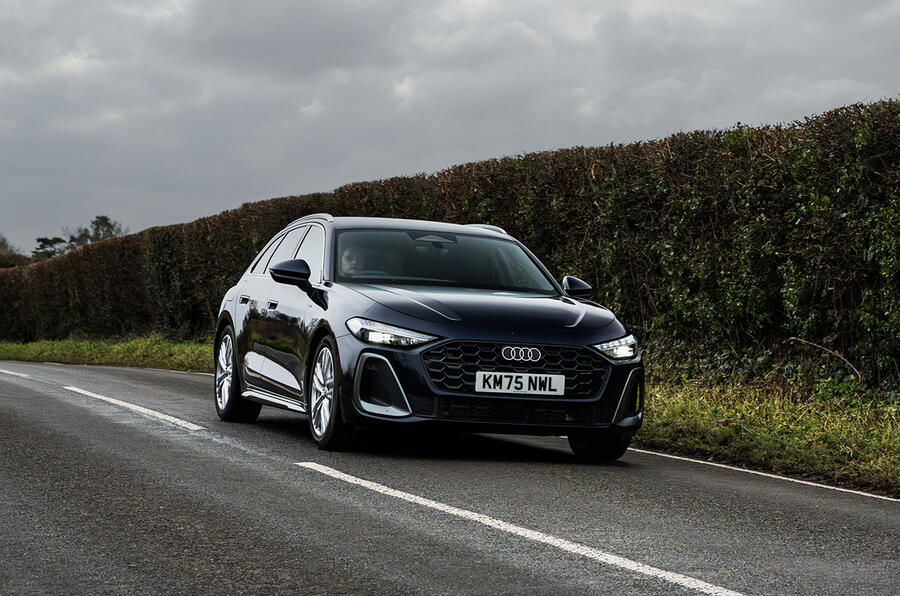
One reason plug-in hybrids have often been dismissed as stepping stones is their electric-only range – or rather, the lack of it. Early models frequently struggled to get you through even a single commute before the battery ran out, leaving the petrol engine to take over.

Audi’s e-hybrid technology flips that narrative. Thanks to bigger, more energy-dense batteries and a clever modular cell-pack design, these cars squeeze more range out of every charge – all without shrinking cabin or boot space. In layman’s terms: you get more electric miles without compromising comfort.

Depending on the model, Audi e-hybrids can cover up to 57-88 miles (WLTP)[1] on electricity alone. To put that in perspective, the average UK commute is around 20 miles a day. That means a single charge could handle almost 80% of a typical driver’s weekly commute – quiet, clean, and without ever troubling the petrol engine.

The benefits don’t stop at convenience, though. Extended electric driving helps keep costs lower thanks to cheap home charging, and company car drivers see tangible rewards, too. The Audi A3 TFSI e and Q3 e-hybrid, with electric ranges up to 57-88 miles[1], fall into an ultra-low Benefit-in-Kind tax bracket of just 9% – compared with more than 30% for a standard petrol car. That’s a noticeable saving month after month.

Back to top

Smart fuel efficiency

Another gripe people often have with plug-in hybrids is that, no matter how clever the electric side is, you still have to fill up with petrol – and let’s be honest, that’s not getting any cheaper. Thankfully, Audi’s e-hybrid system tackles this with some seriously smart energy management.

At the heart of it is Audi’s Predictive Operating System, which gives your car a bit of foresight. It looks at your route, checks sat-nav and radar data, and thinks ahead about hills, speed limits, and traffic. Then it decides when to use electric, when to switch to petrol, or how to blend the two for the smoothest, most efficient ride possible. The best bit? You don’t have to lift a finger – it just works.

The result is a drive that’s quieter, more seamless, and much kinder to your wallet. The compact A3 TFSI e, for example, can manage up to 188.3mpg (WLTP)[2] , while the much larger Q5 e-hybrid still returns up to 132.5mpg (WLTP)[3]. On top of that, CO2 emissions are impressively low, keeping tax costs down for both private owners and company car drivers.

Rapid charging made easy

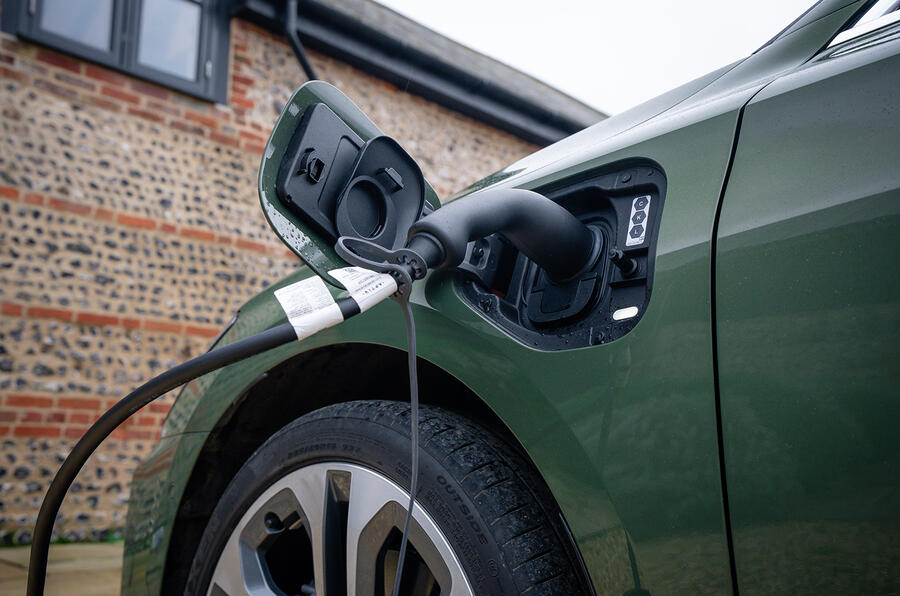
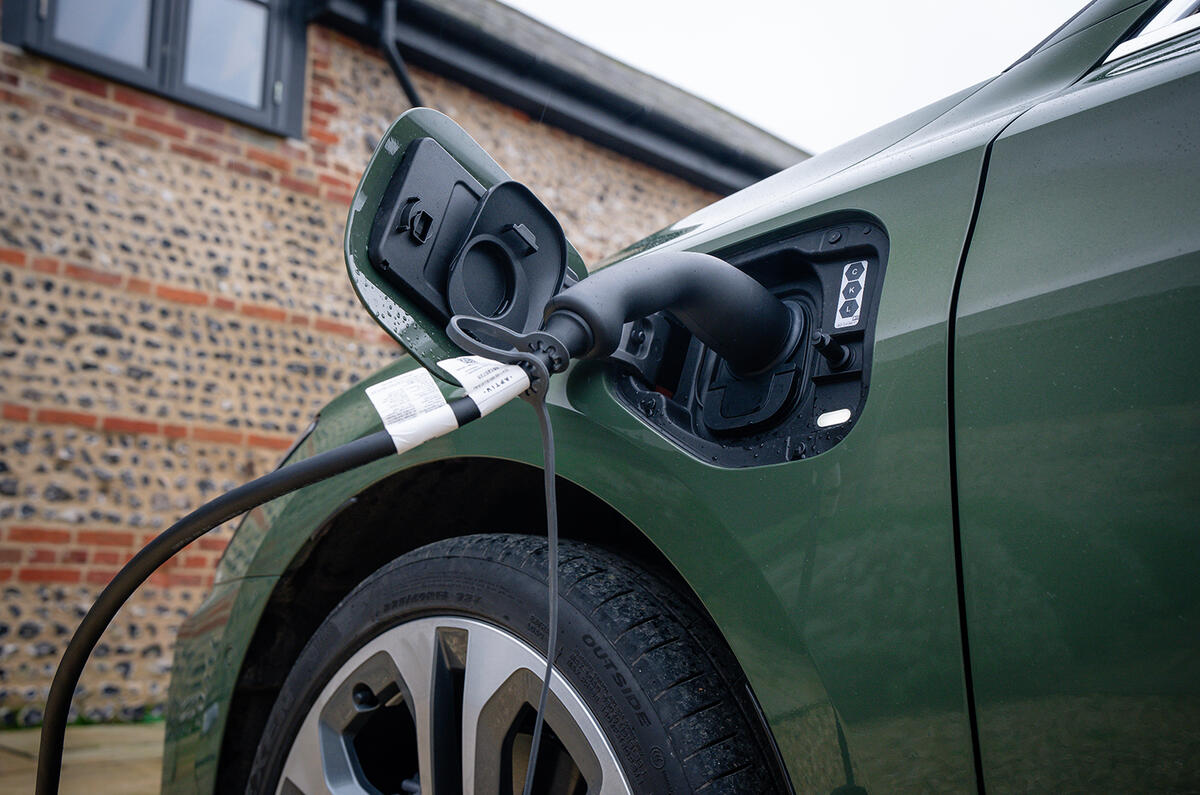
Charging has often been cited as a sticking point for prospective PHEV buyers. Not everyone has the luxury of a driveway wallbox or lamppost charger nearby, which means some drivers aren’t able to make the most of their car’s electric capabilities. And even when charging is available, traditional plug-ins could only accept AC power up to 11 kW because of their small batteries. That usually meant a full charge in around two and a half hours – fine for overnight top-ups or work charging, but hardly convenient if you wanted to plug in on the go.

Back to top

Audi’s e-hybrid models move the needle here, too. Thanks to bigger batteries with optimised chemistry, advanced thermal management, and high-voltage architecture, select models – including the A3 TFSI e and Q3 e-hybrid – can now accept DC rapid charging at up to 50kW. That means the battery can be replenished from 10% to 80% in as little as 29-30 minutes[4] – speeds normally reserved for fully electric cars.

In practice, it gives Audi e-hybrid owners a level of freedom that wasn’t possible before. You’re no longer tethered to home charging or forced to meticulously plan your commutes. Instead, a quick stop at a public rapid charger – for example at a motorway service station – can restore a substantial portion of the battery in under half an hour, extending electric-only range and making electric driving genuinely practical, even for spontaneous trips.

Amped-up performance

Finally, we come to performance – another sore point for plug-in hybrid critics. Their main gripe? PHEVs have to lug around a heavy battery without delivering the punch of a fully electric car. While it’s true they can’t match the most powerful EVs, Audi’s e-hybrid system more than makes up for it, offering performance that’ll get your heart racing.

The electric motor’s torque fills in the natural gaps in the petrol engine’s delivery, boosting acceleration and throttle response in a way pure combustion engines often struggle to match. Guided by Audi’s rich performance heritage and its Vorsprung durch Technik philosophy, the system delivers the kind of engaging drive enthusiasts expect from a car sporting the four rings.

Back to top

And, of course, you still get the reassuring thrum on a petrol engine. Across the e-hybrid lineup, two petrol units form the backbone: a 1.5-litre turbocharged four-cylinder in smaller models and a 2.0-litre unit in larger cars and SUVs, each paired with an electric motor and high-voltage battery. In the A3 Sportback TFSI e, this combo produces 204PS and 250Nm, achieving 0-62mph in just 7.4 seconds. Step up to the A6 Saloon e-hybrid, and outputs rise to 299PS and 450Nm, reaching 0-62mph in a brisk 6.0 seconds.

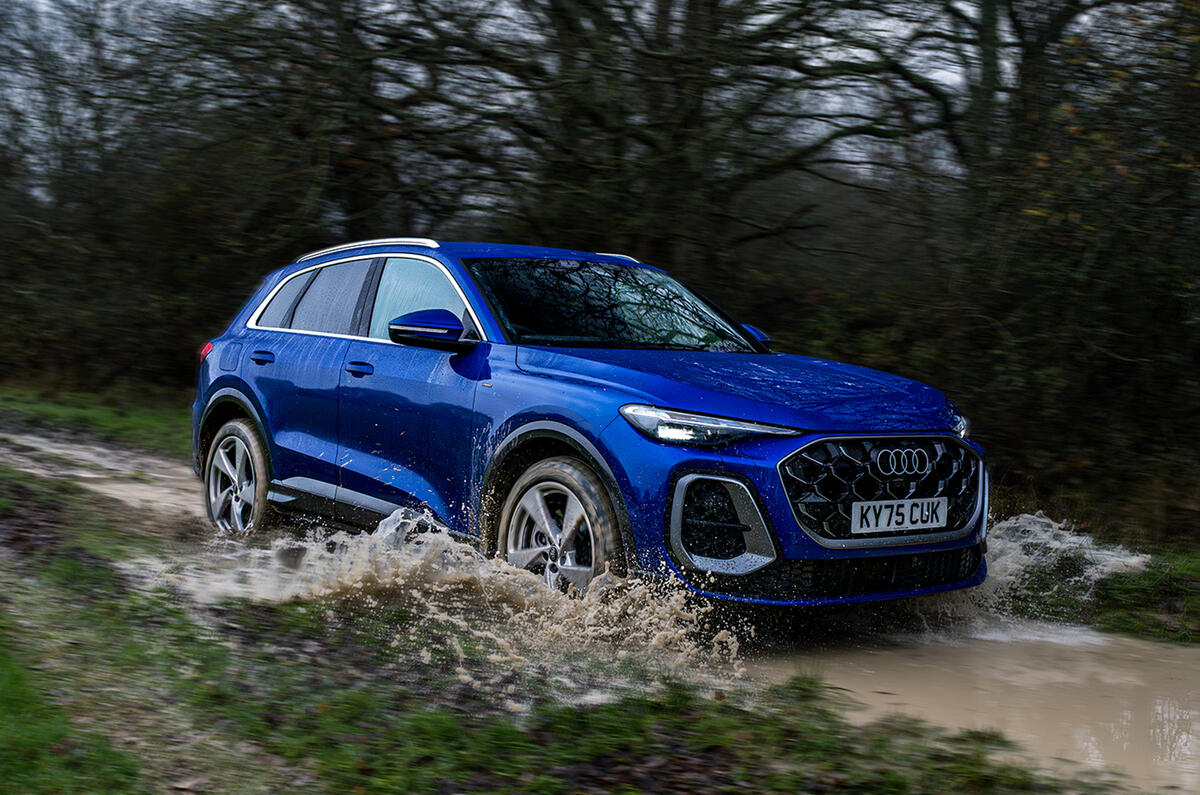
Add Audi’s iconic quattro all-wheel drive, seamlessly integrated into the e-hybrid architecture in the A5, A6 and Q5, and you’ve got traction, grip, and confidence in spades. Whether powering away from a set of lights, carving a twisty B-road, or cruising on the motorway, the e-hybrid delivers a drive that’s smooth, lively, and thrilling – a perfect blend of petrol punch and electric potency.

So, with impressively long electric-only ranges, smart fuel efficiency to keep costs down, rapid charging that fits your lifestyle, and pulse-raising quattro-backed performance, Audi’s e-hybrid system proves that plug-in hybrids aren’t just a stepping stone on the road to electrification – they’re a destination you’ll actually want to drive.

Learn more about the Audi e-hybrid lineup

[1] Figures shown are for comparability purposes and were obtained using a combination of battery power and fuel. These figures may not reflect real life driving results, which will depend upon a number of factors including the accessories fitted (post-registration), variations in weather, driving styles, route conditions, speed, vehicle and battery age and vehicle load. Data correct at [17.02.26]

[2] The Audi A3 Sportback TFSI e is a plug-in hybrid vehicle which requires mains electricity for charging. *Figures shown are for comparability purposes and were obtained using a combination of battery power and fuel. These figures may not reflect real life driving results, which will depend upon a number of factors including the accessories fitted (post-registration), variations in weather, driving styles, route conditions, speed, vehicle and battery age and vehicle load. Data correct at [17.02.26]

Back to top

[3] The Audi Q3 SUV e-hybrid is a plug-in hybrid vehicle which requires mains electricity for charging. Figures shown are for comparability purposes and were obtained using a combination of battery power and fuel. These figures may not reflect real life driving results, which will depend upon a number of factors including the accessories fitted (post-registration), variations in weather, driving styles, route conditions, speed, vehicle and battery age and vehicle load. Data correct at [02.02.26]

 [4] Timings based on a 10 to 80% charge using a DC public charge station at the vehicle’s maximum charging capability. The value for the charging process calculated according to DIN 70080 is 40 kW. A maximum charging performance of up to 50 kW is possible. At DC charging stations this can vary depending on a number of different factors including the ambient and battery temperature, the use of other country-specific connectors, the use of the preconditioning function (e.g. remote controlled air conditioning of the vehicle), the capacity available at the charging station, the state of charge and battery ageing. Charging capacity is reduced as the state of charge increases. Charging losses are considered.

Join our WhatsApp community and be the first to read about the latest news and reviews wowing the car world. Our community is the best, easiest and most direct place to tap into the minds of Autocar, and if you join you’ll also be treated to unique WhatsApp content. You can leave at any time after joining - check our full privacy policy here.

The discussion board is currently closed for new comments while we carry out some maintenance. In the meantime, please join the debate on our social media channels.