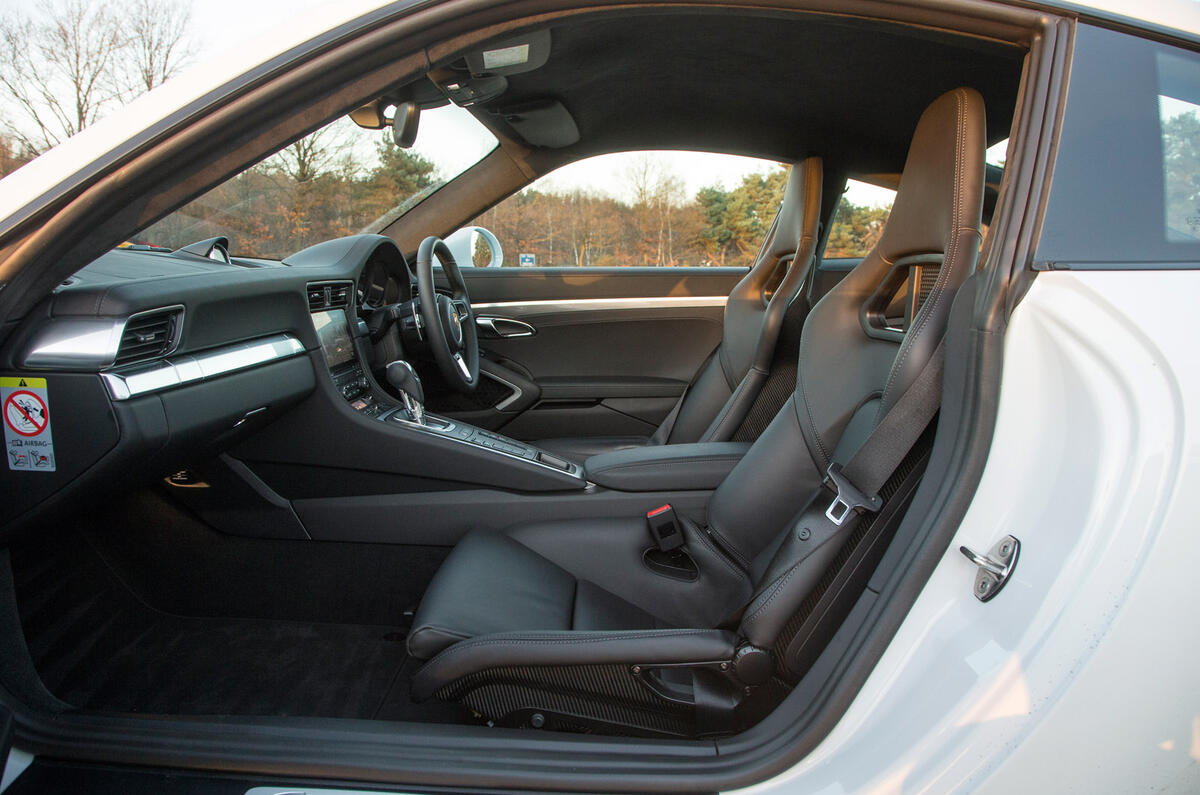
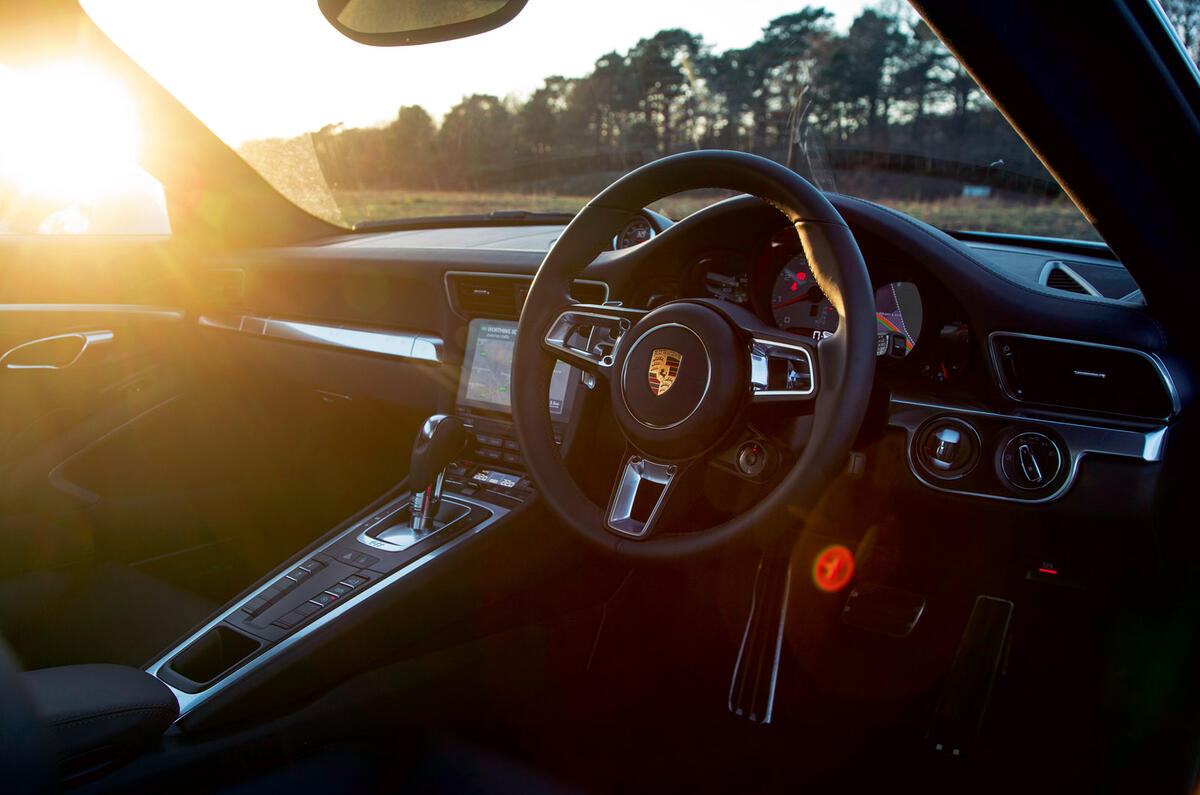
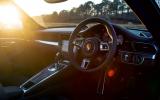
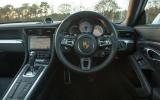
The changes already outlined could be an allegory for the 911’s interior: on the face of it, you won’t think much has changed.
But in the shape of a new infotainment system there are genuine functionality changes that comfortably haul the 991 into the second decade of the 21st century.
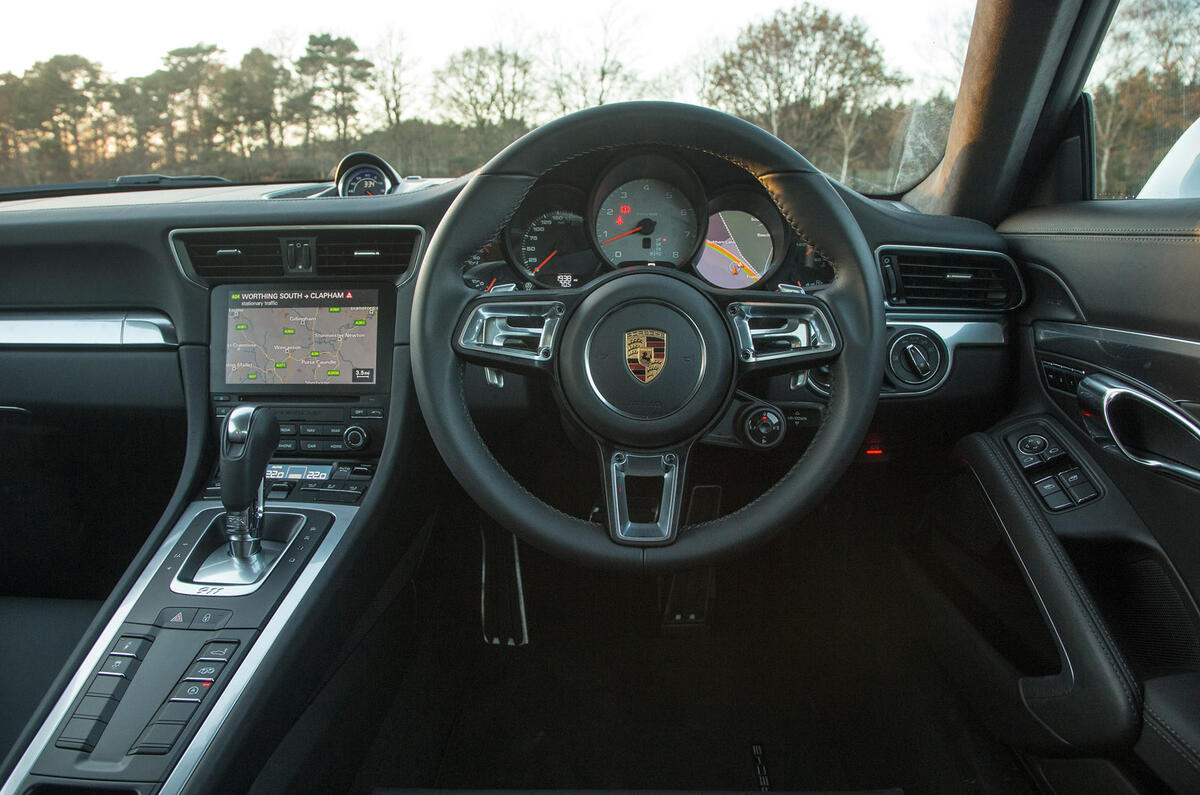
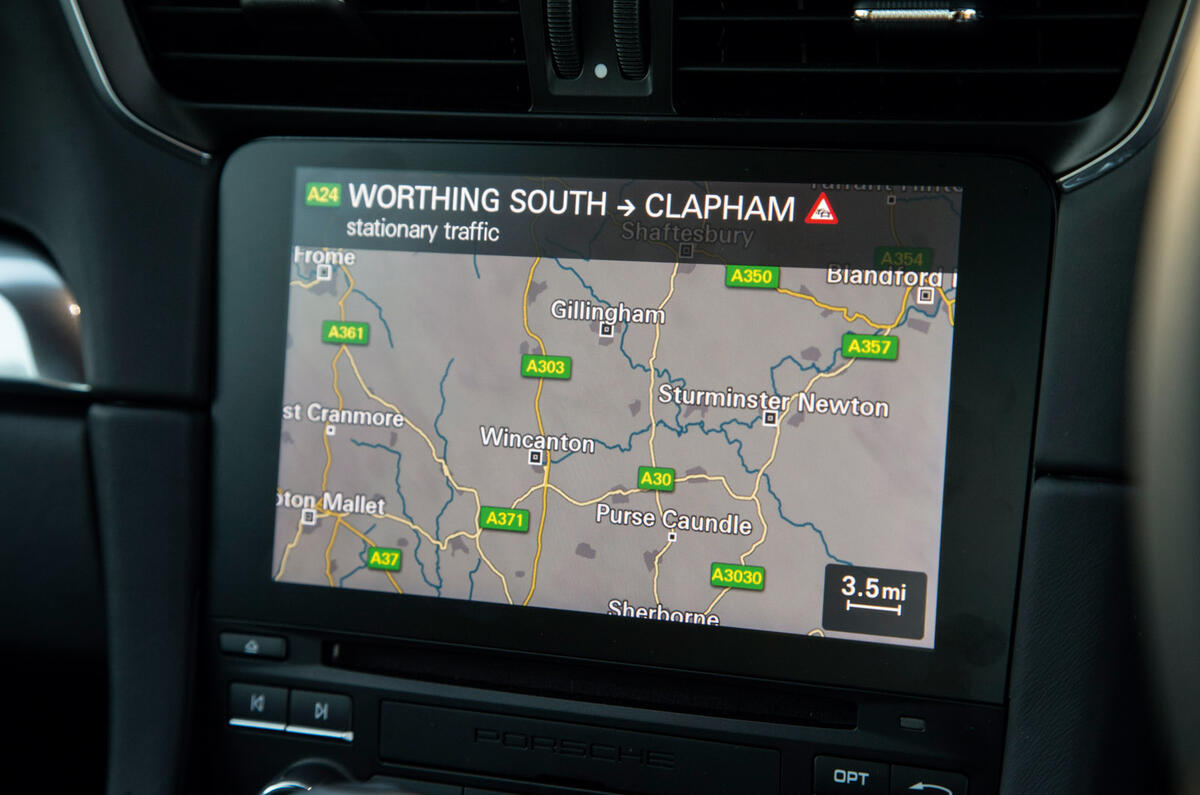
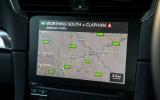
The new Porsche Communication Management (PCM) system, with a 7.0in touchscreen on the centre console, occupies much the same space as before, but its functionality has been further enhanced.
Now it incorporates an intelligent touchscreen, which allows quick scrolls and zooming with finger flicks, real-time traffic information, Google Earth and Street View, plus you can enter destinations by finger writing on the screen.
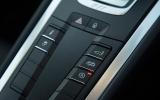
To its credit, Porsche hasn’t just adopted an Audi/Volkswagen system but has instead tailored its own, including buttons and dials as an alternative to using the touchscreen. That means there’s more than one way to access most functions. If you have an iPhone, Apple Play means you can control the screen functions just like that, too.
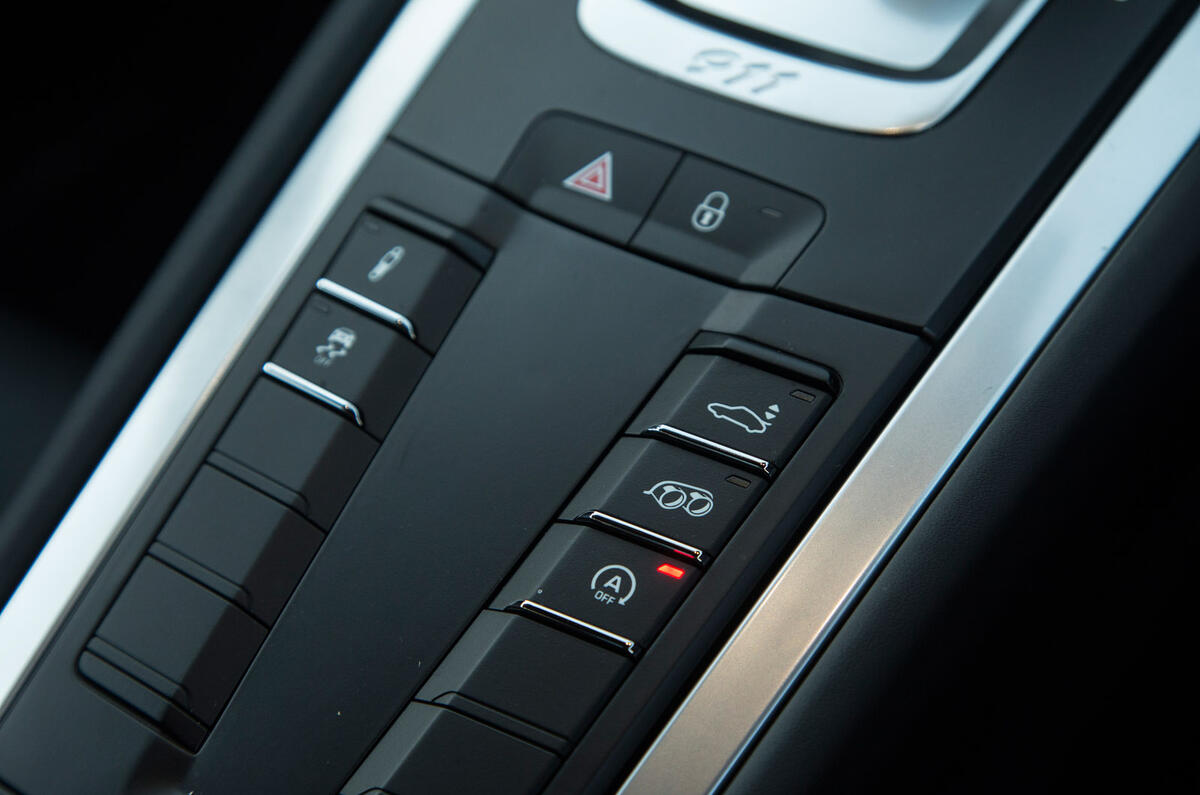
There are also rotary dials and conventional buttons, in case you’d rather not get finger marks on it. Park the right smartphone in a cubby on the tunnel and it’ll charge wirelessly and enhance the reception, too.
Once you’d become familiar with its idiosyncracies, the first-generation 991’s entertainment and information systems weren’t so bad to rub along with. But there’s no question that this latest one is much better. It’s a smart system that slips easily into a 911 cabin that’s otherwise mostly as you were.
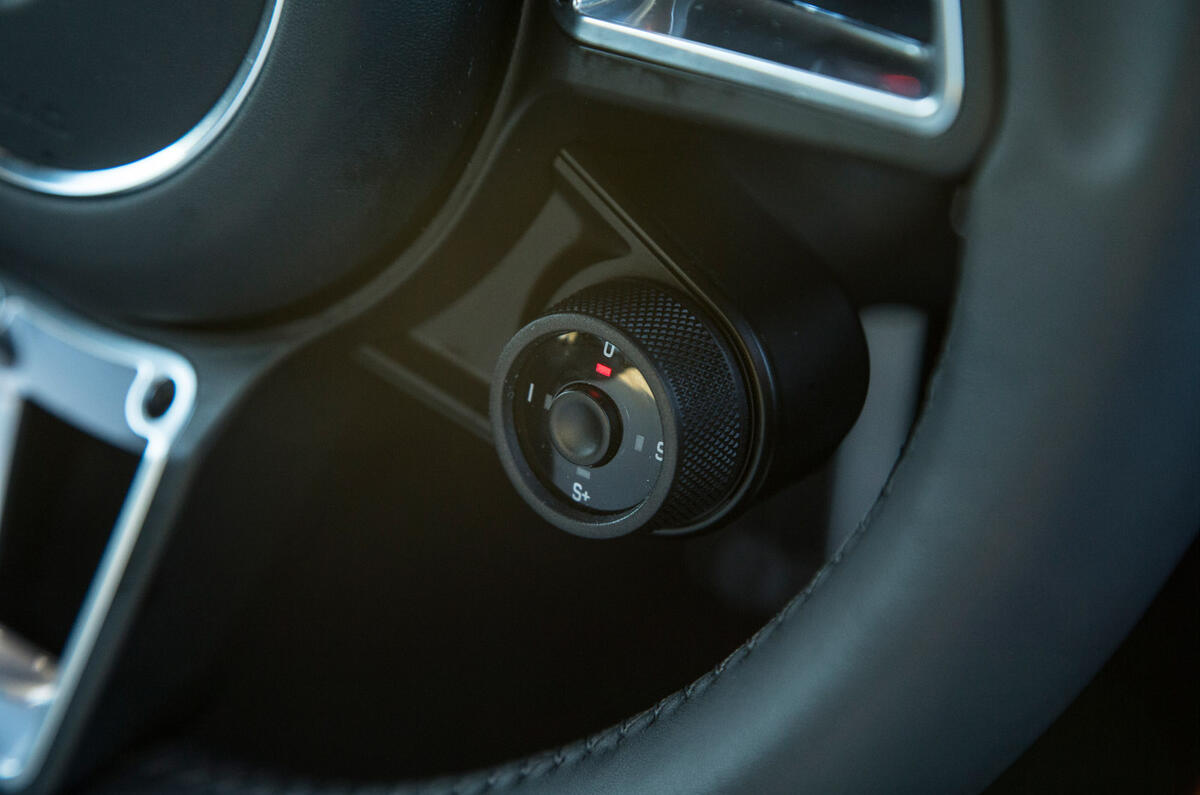
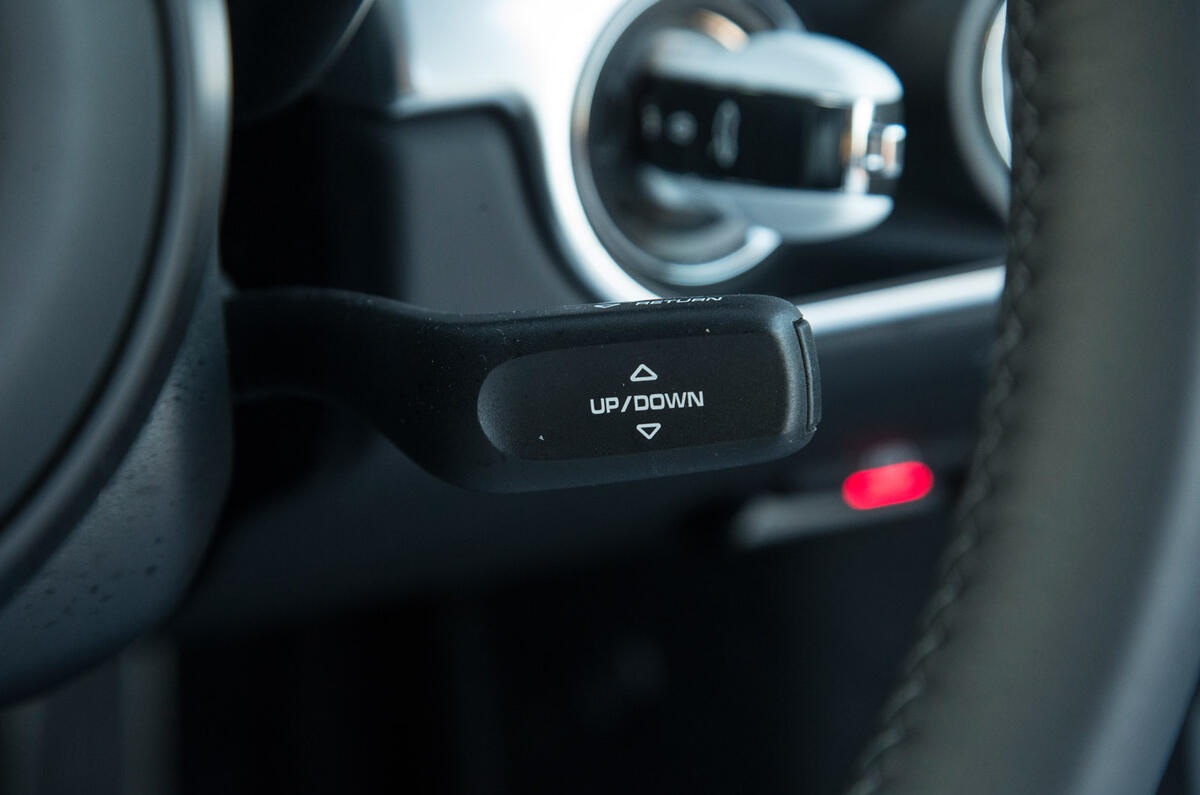
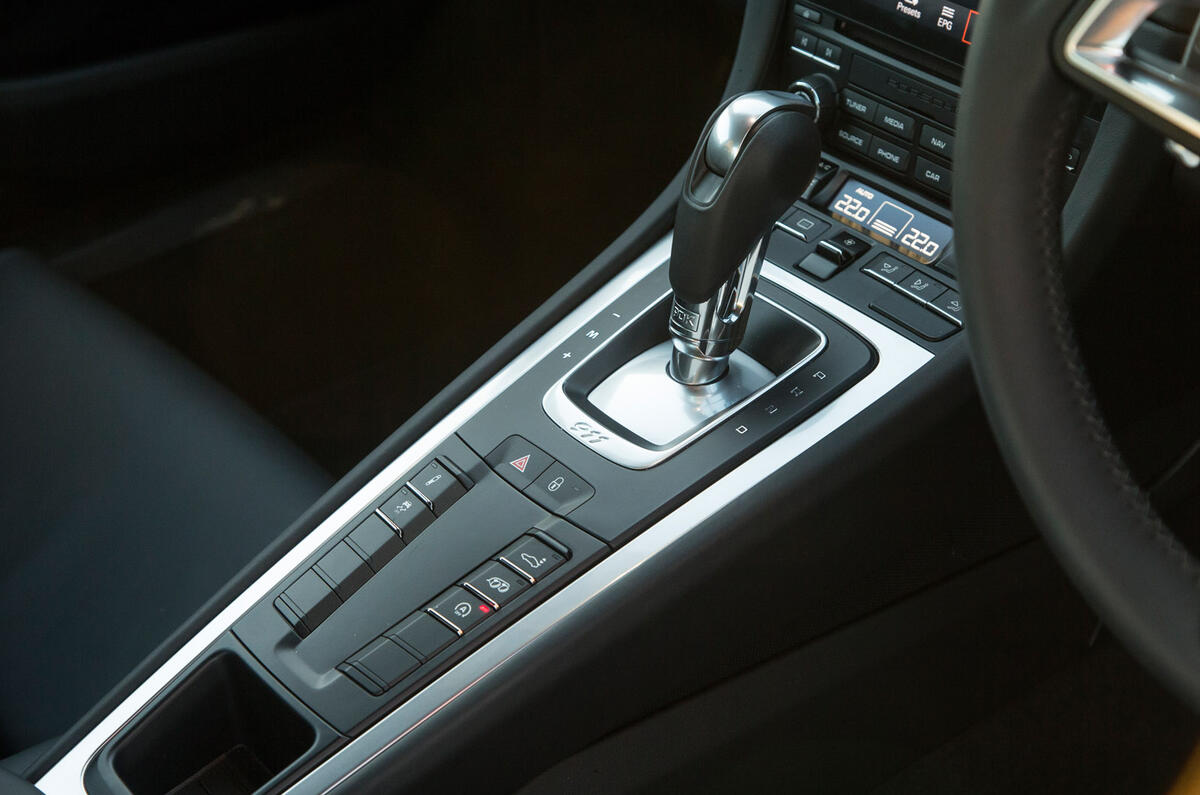
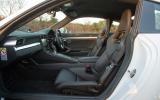
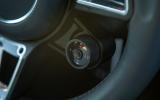
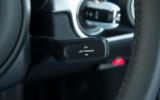
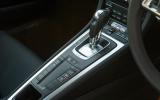
Which means a spot-on driving position that receives a couple of changes, notably a 375mm-diameter steering wheel inspired by the design of the 918 Spyder’s and, with the PDK transmission option, a shift lever that operates the ‘right’ way (pull back to change up) as standard.
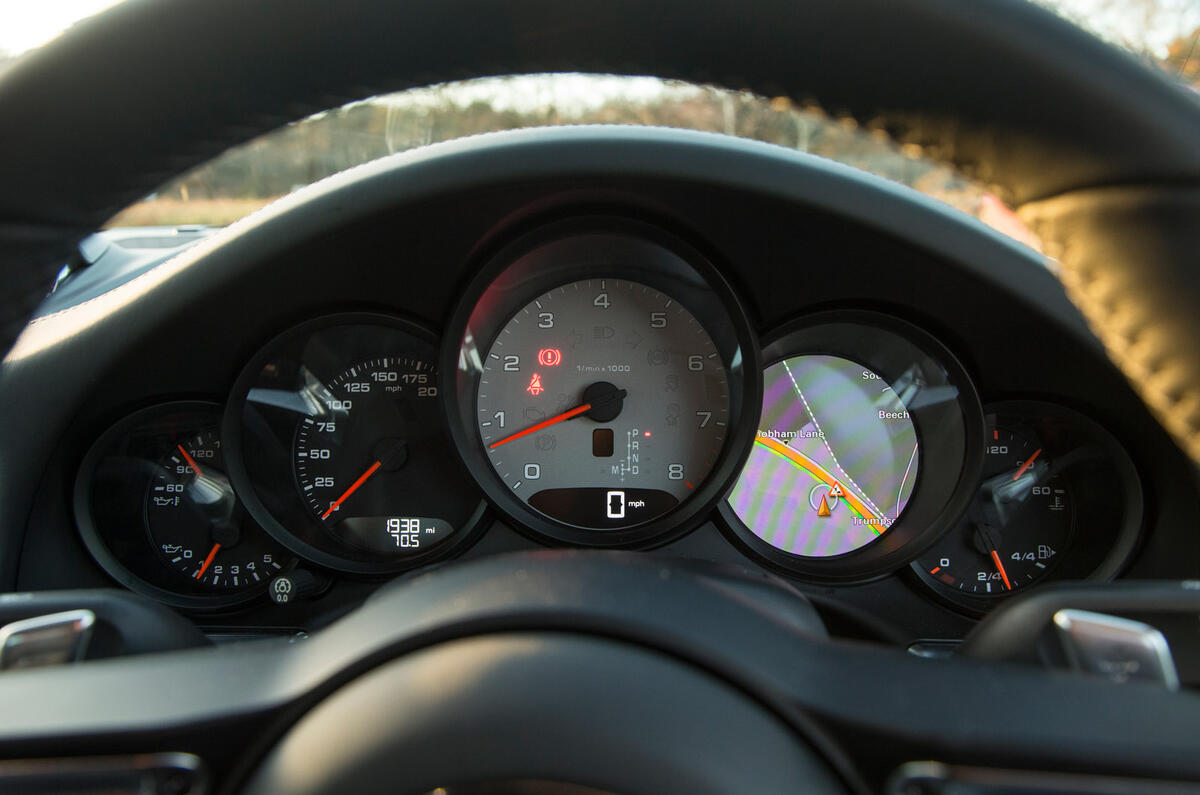
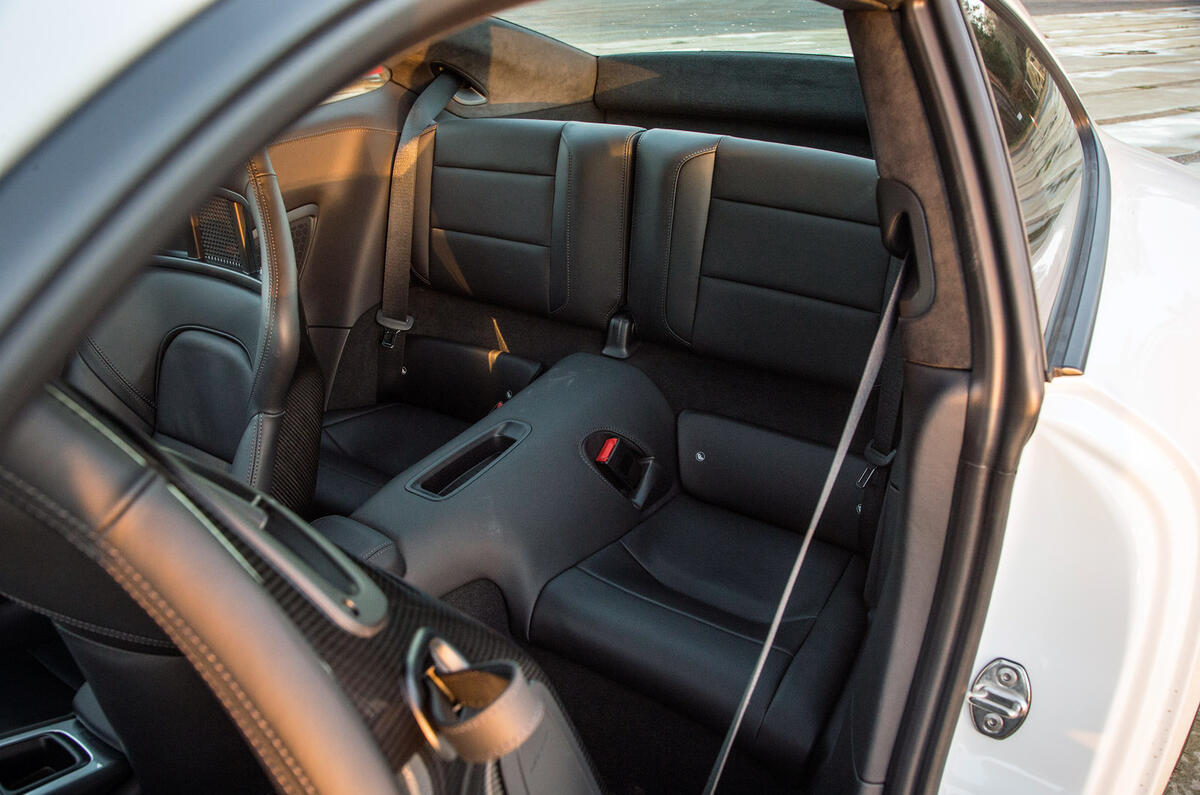
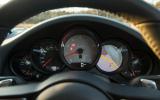
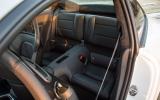
Otherwise things continue unaltered. Perceived material quality is high, dials are clear and switchgear is logically laid out. And the 911 does what 911s have always done well: offer usable accommodation in the rear +2 seats.
Both head and leg-room are at a premium back there, but if the alternative is a rainy walk back from the pub, you’d find a way.
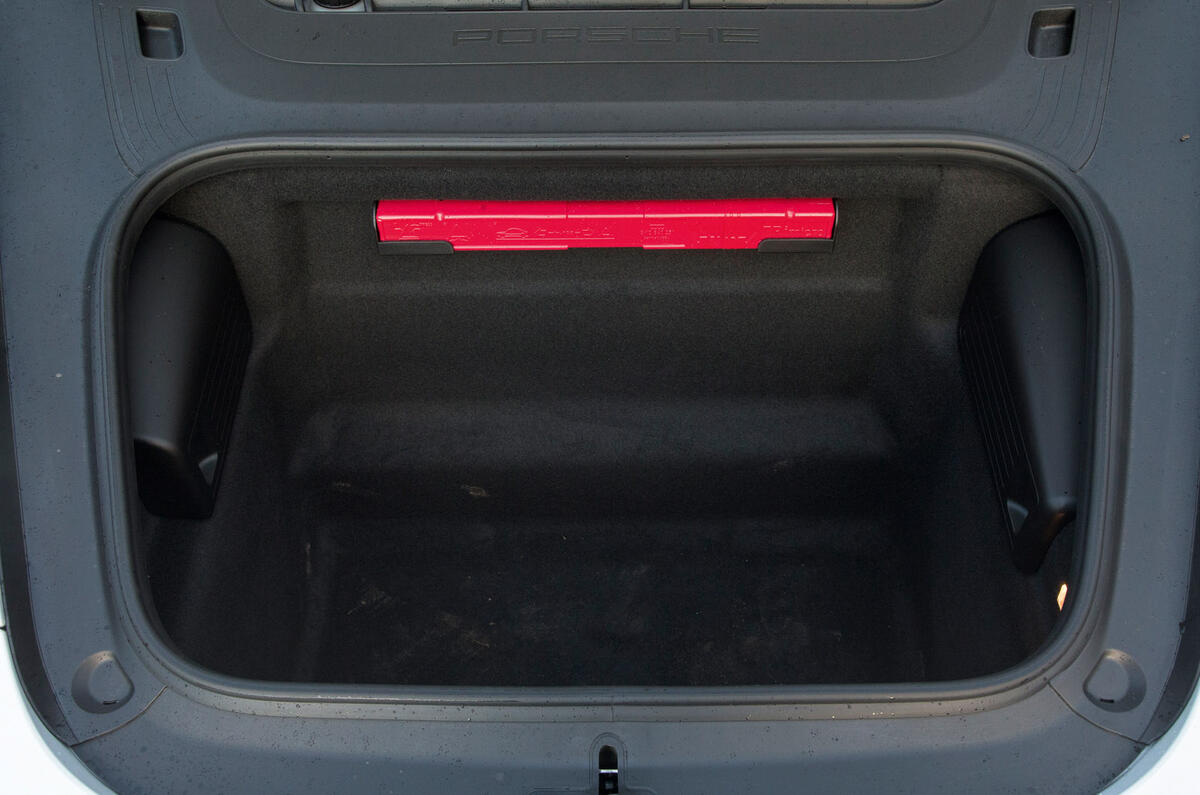
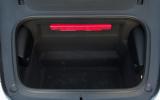
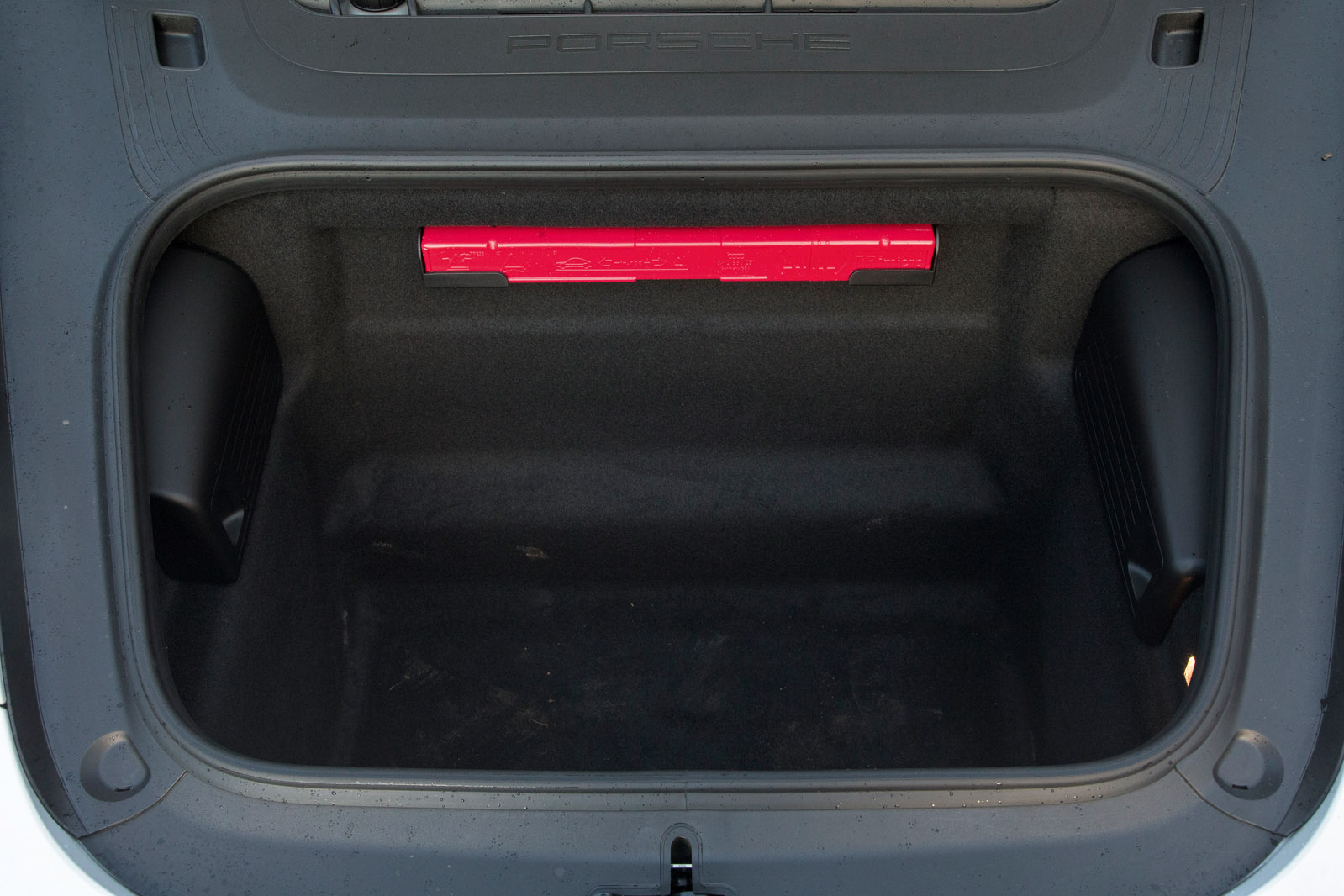
Alternatively, the rear seat backs fold down to provide a shelf, adding 260 litres of space to the modest 145-litre front storage compartment.
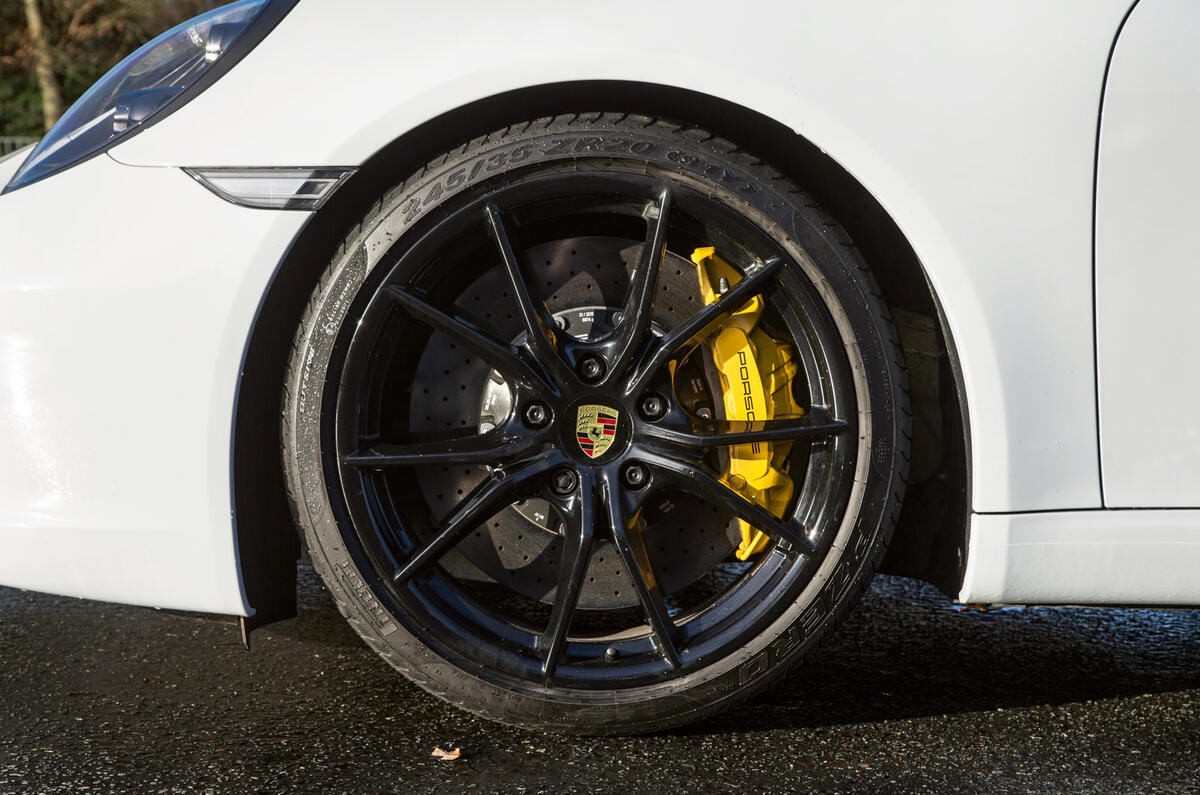
As for standard equipment, the Carrera models all roll on 19s as standard, and get four piston brake calipers, bi-xenon headlights, dual-zone climate control, a leather upholstery, sports seats, and Porsche's Communication Management infotainment system complete with sat nav, Bluetooth, smartphone integration and DAB. Opt for the Carrera S and you will find 20in alloy wheels and six-piston brake calipers among the differences.
The Targa and Cabriolet versions of the 911 get additional technology to prevent the car from rolling over, the inclusion of a wind deflector and rear parking sensors as standard. The GTS gets custom Alcantara clad interior and numerous decals, while the Turbo and Turbo S models get rear wheel steering, adaptive suspension, parking sensors, a reversing camera, LED headlights, electrically adjustable sports seats and a Bose sound system. The Turbo S also gets ceramic brake discs, adaptive LED headlights and dynamic chassis control.