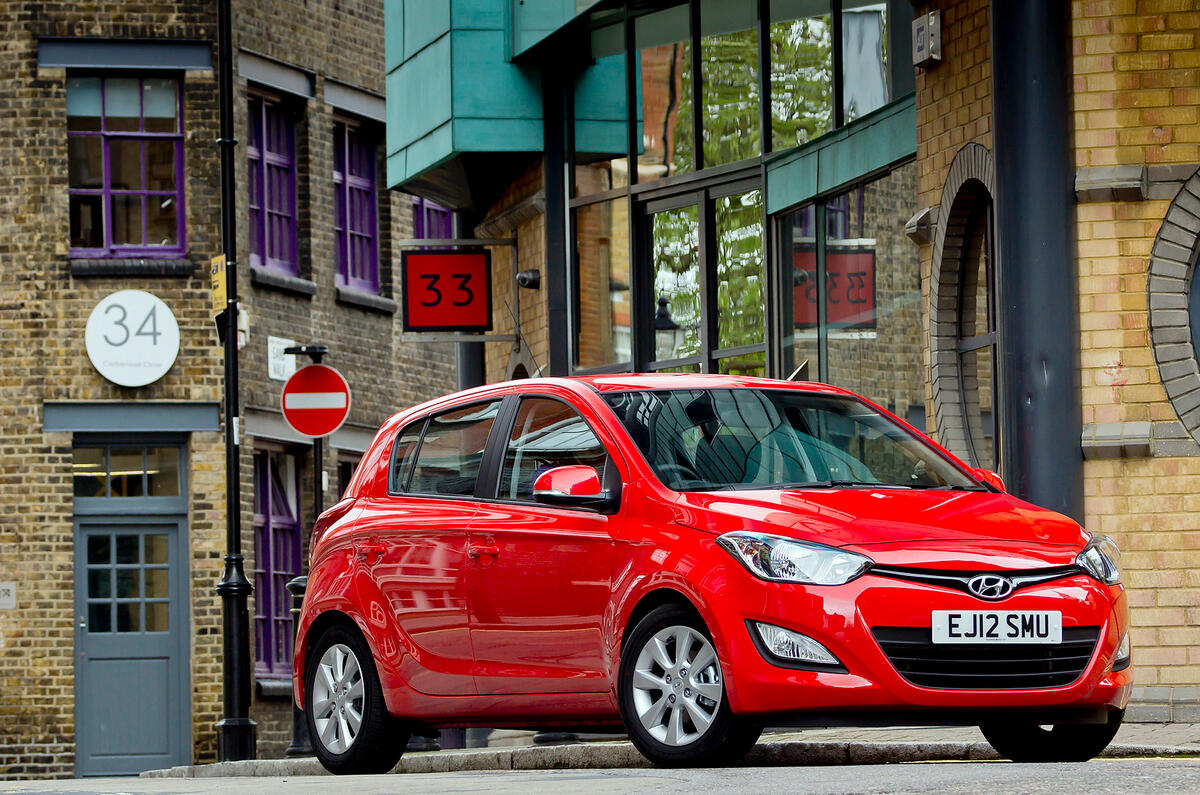












Until the latter part of the noughties, the arrival of a new model from Hyundai was unlikely to cause sleepless nights for rival manufacturers.
But a succession of increasingly competent offerings from the Korean brand has moved it away from the bargain basement position in the market that it used to occupy, and makes this i20 far more relevant in the supermini sector than its Getz forerunner ever was.
The coming of age was marked by the introduction of the deeply impressive i30, which proved itself worthy as a genuine rival to the Ford Focus and Volkswagen Golf.
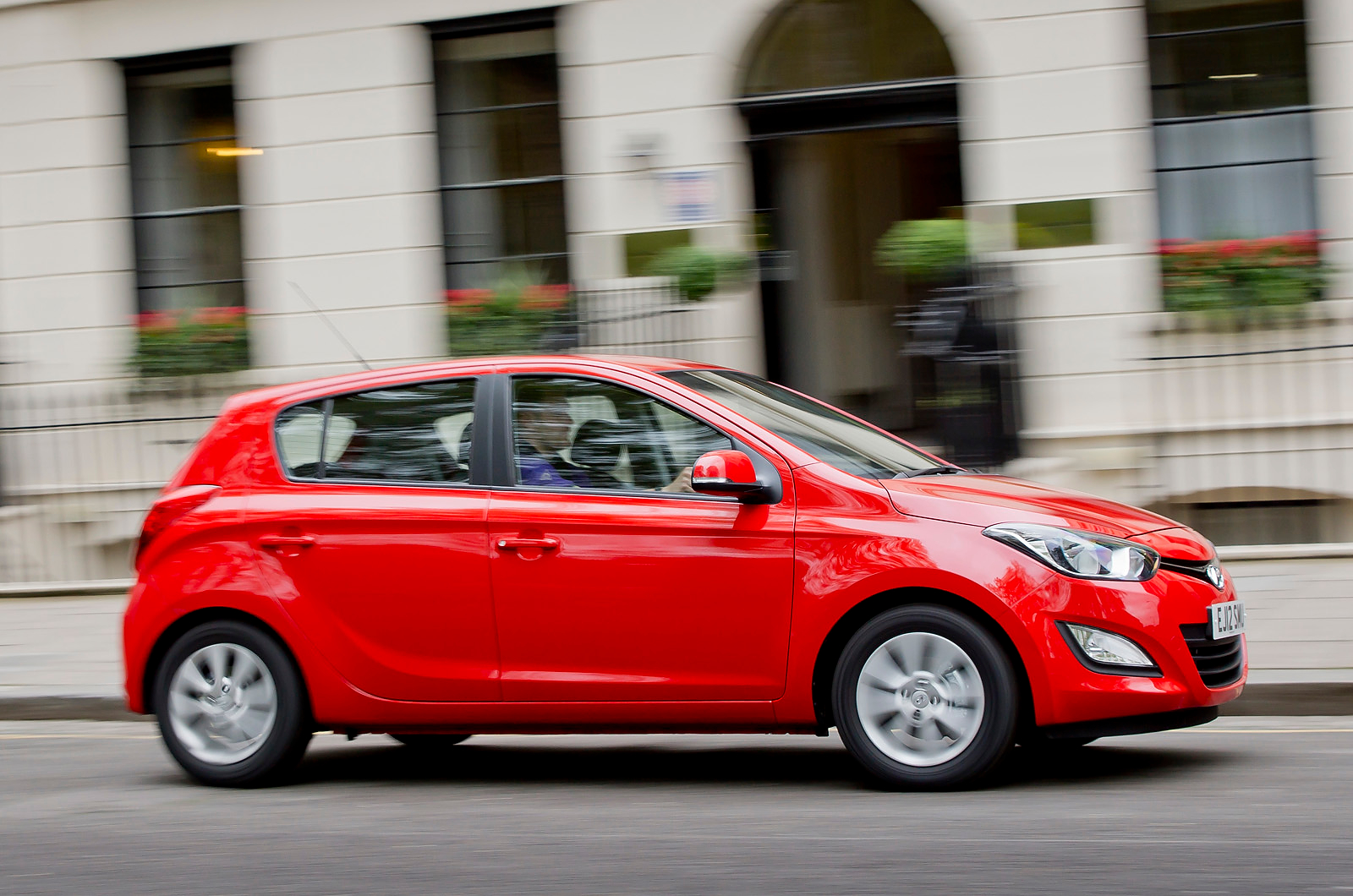
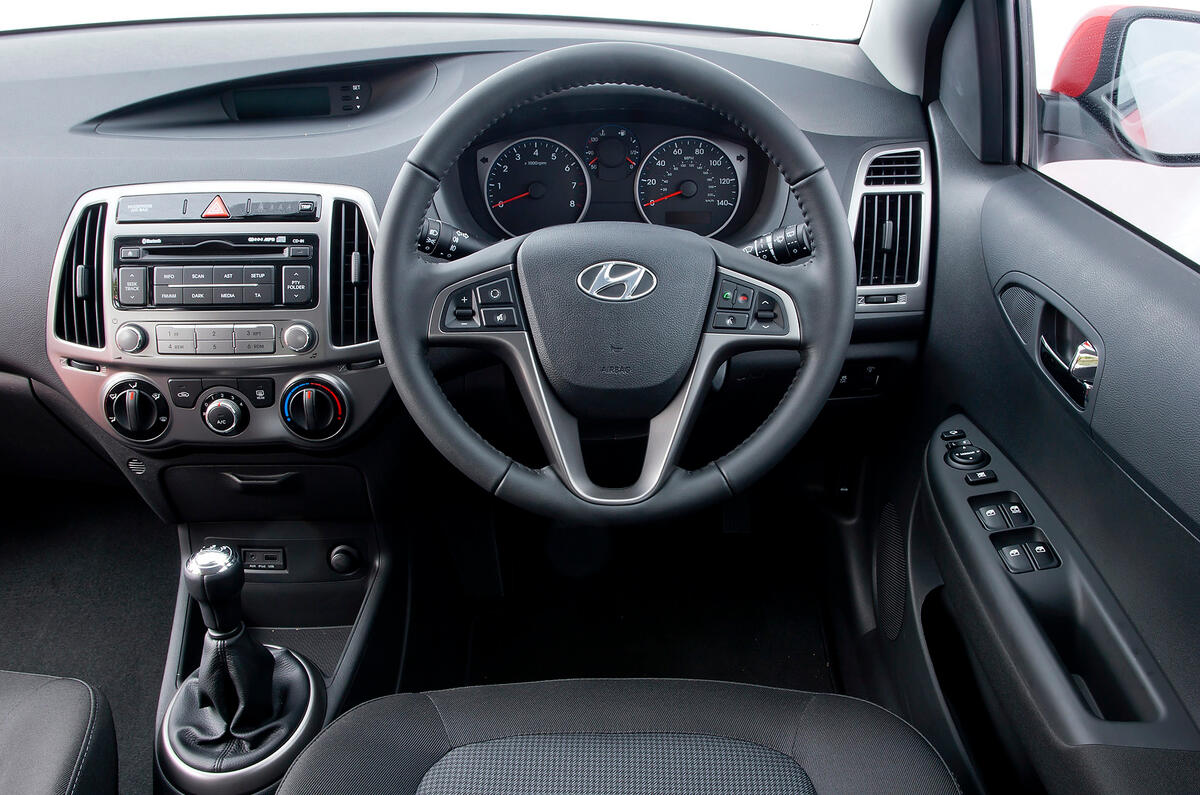
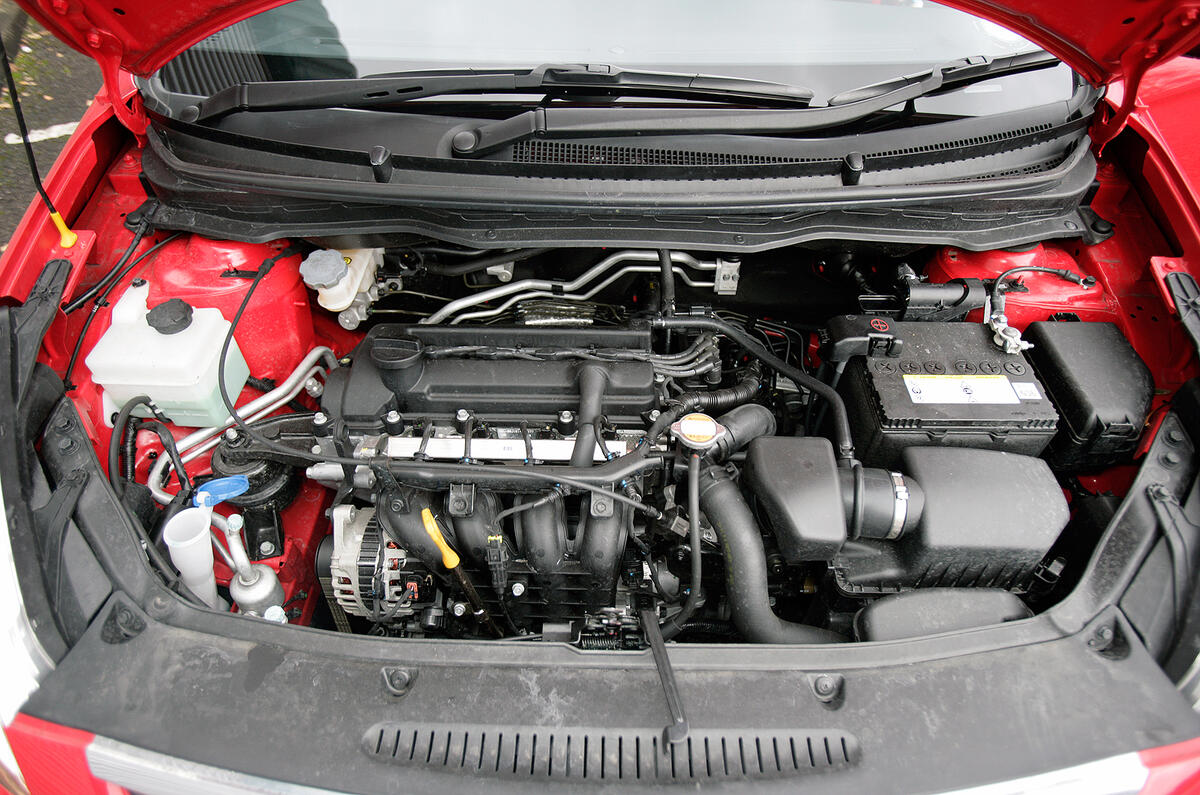
The i20 supermini can be considered a shrunken tribute to that breakthrough i30. It combines inoffensive design, frugal engines and safety with the brand’s tried-and-tested virtues of generous standard kit and one of the best warranties in the business.
The replacement for the insipid Getz, it's constructed in India alongside the i10 city car, but it was designed and engineered in Europe, and intended to capitalise on growing demand for superminis in Europe. Sales of the supermini have proved that its maker is capable of creating a successful entrant in the biggest market segment of them all.
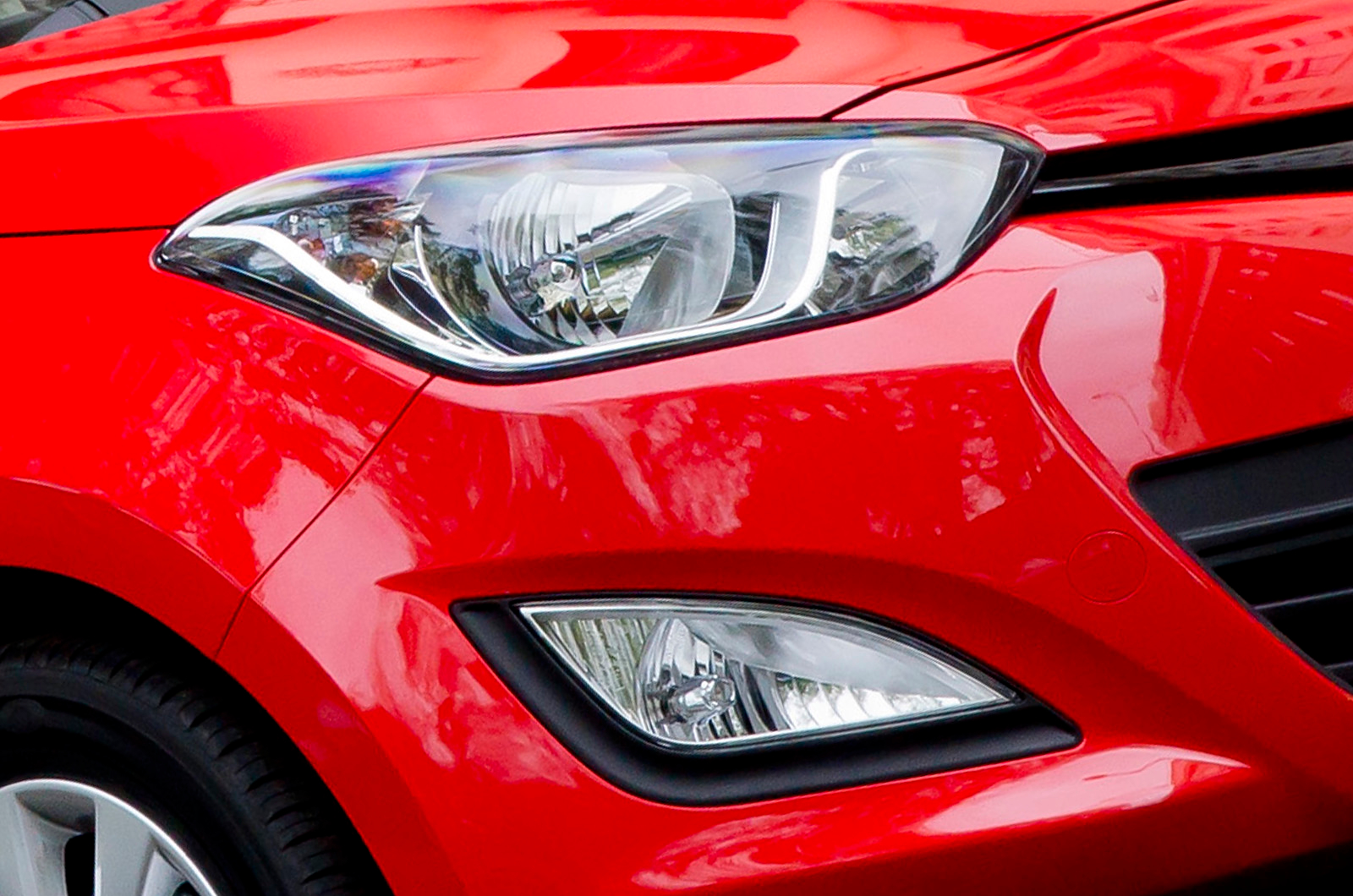
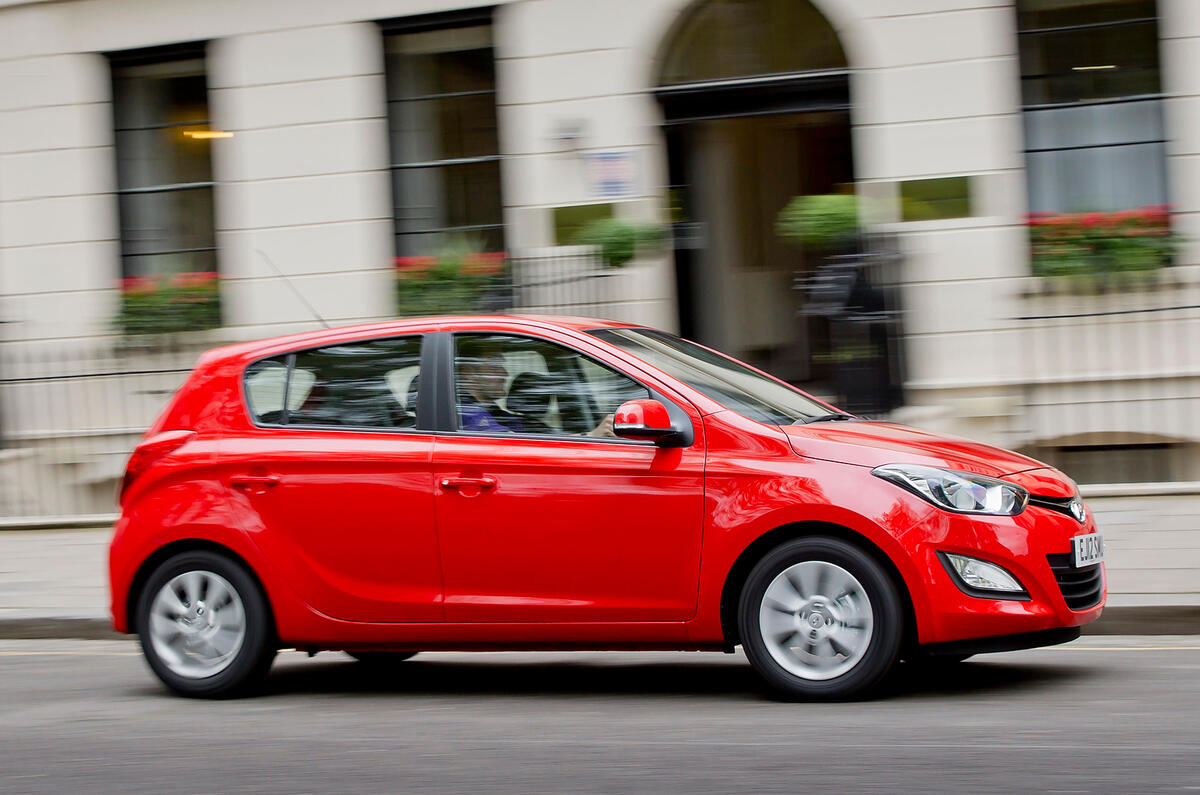
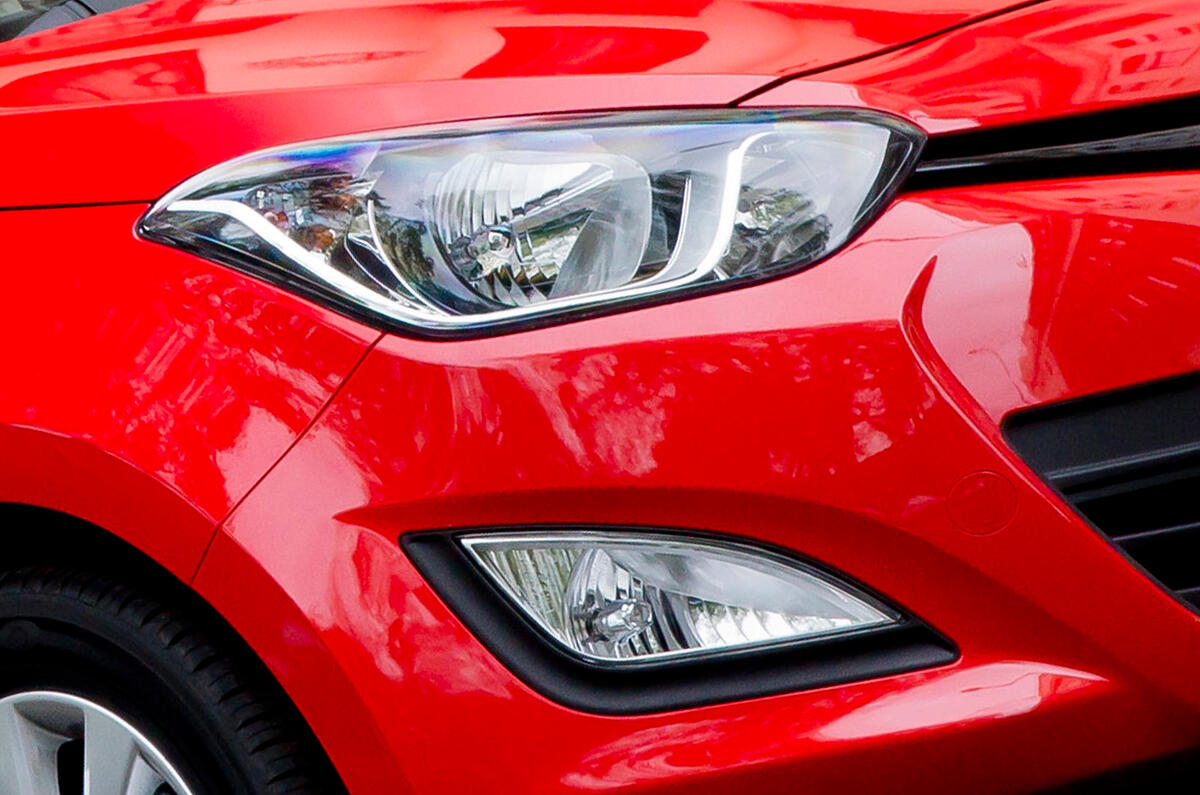
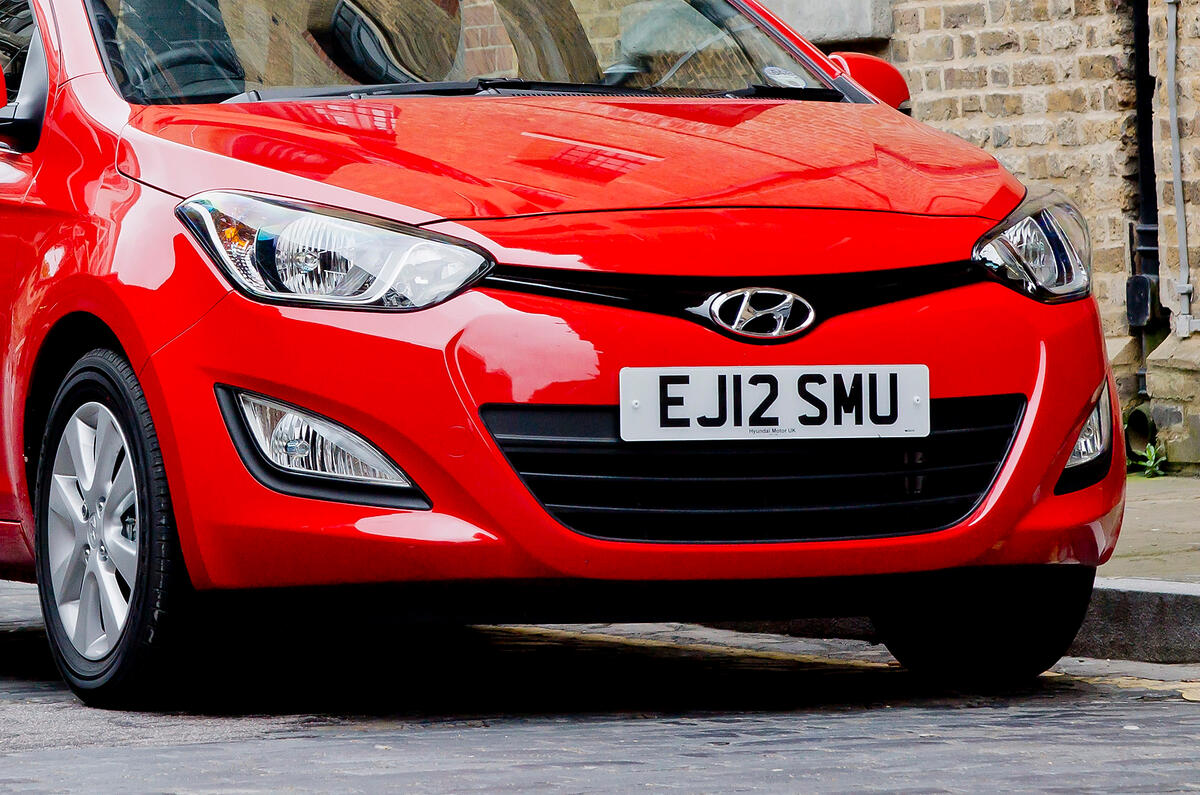
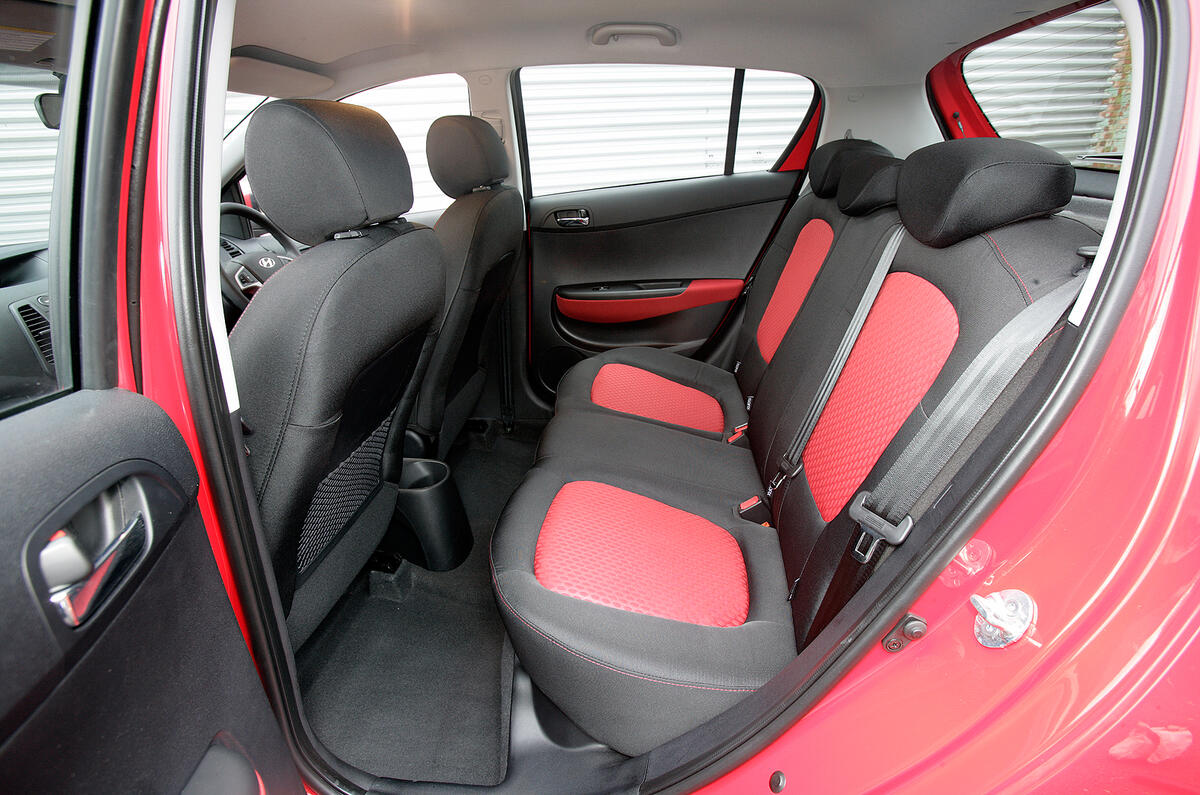
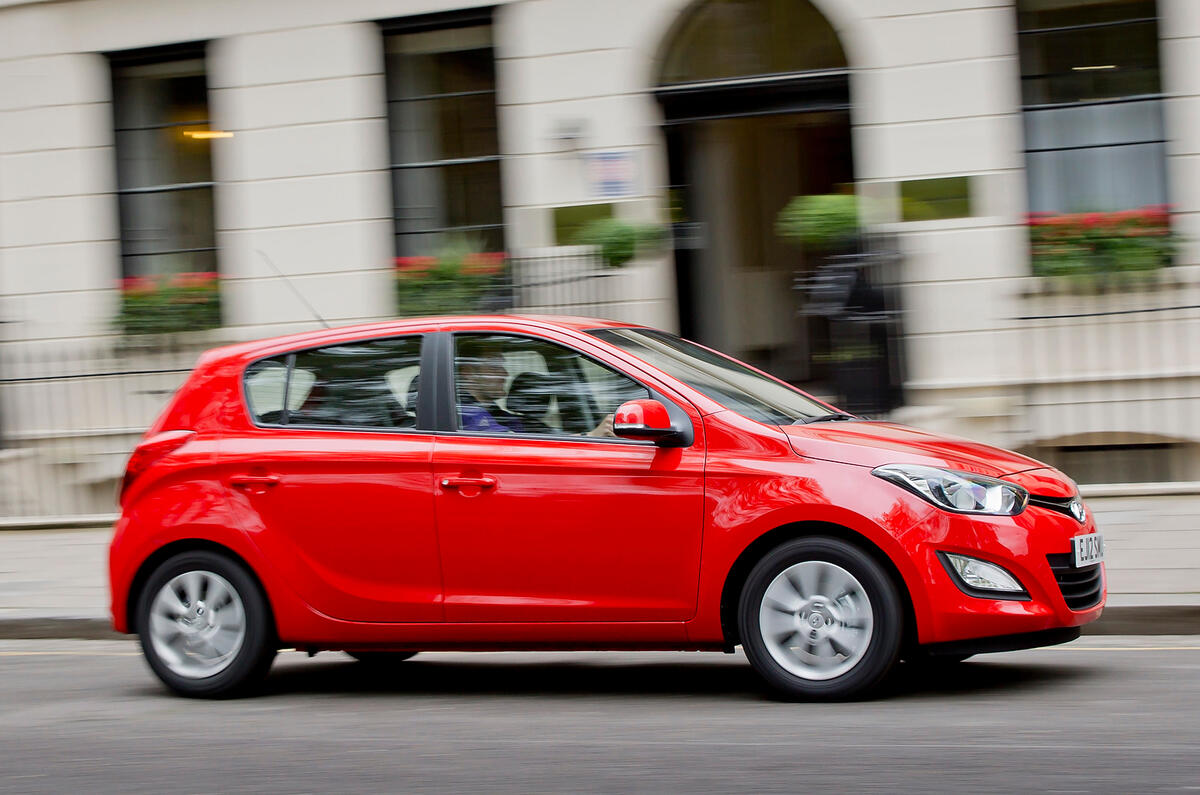
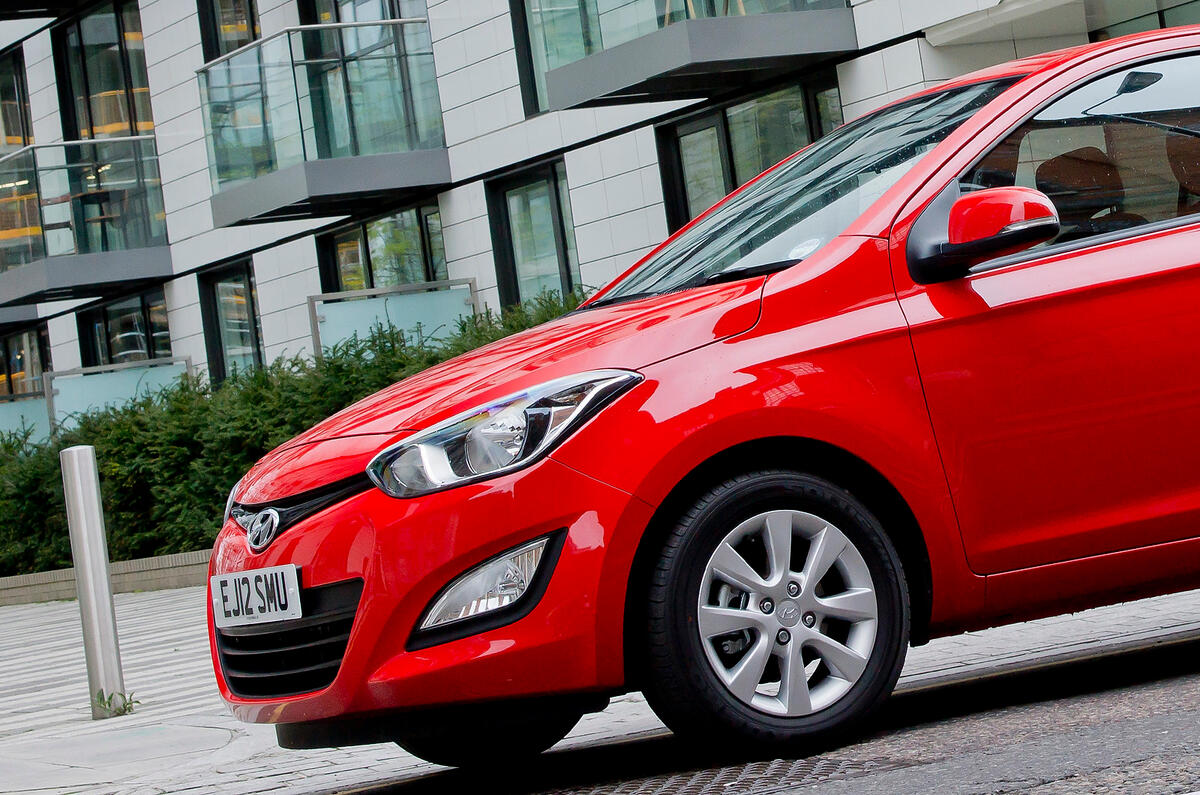
Buyers can choose either a three-door model, which starts at a snitch under £10,000, or a five-door, which comes with a much wider range of engine and trim choices. A facelift in 2012 brought the brand's 'fluidic sculpture' language to the model, which has distanced itself from the plain look of the old model.