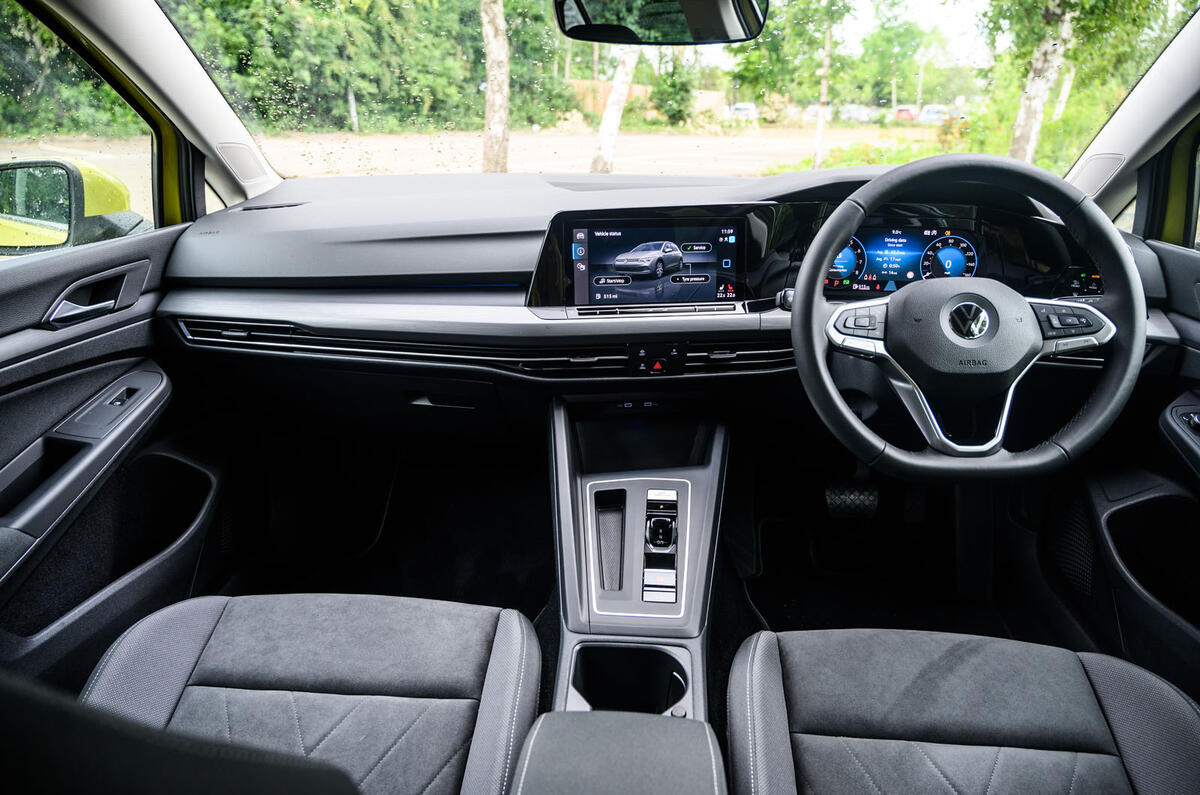
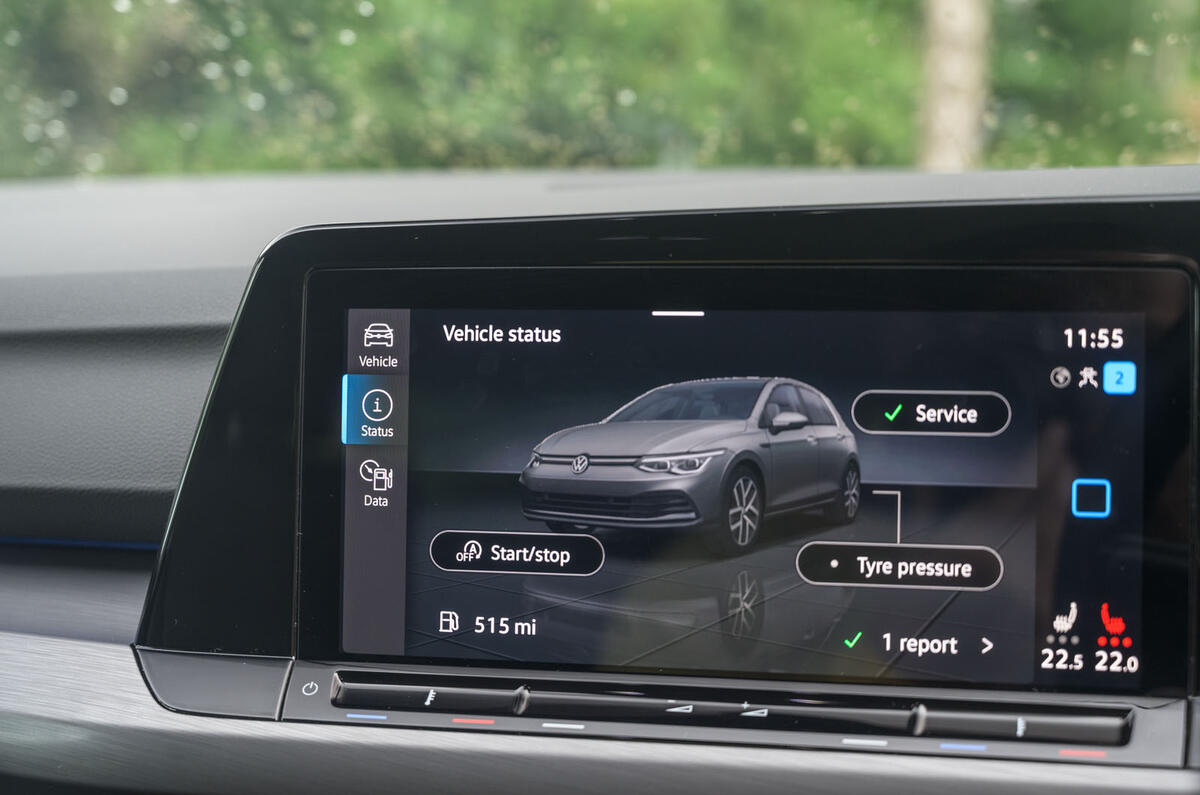
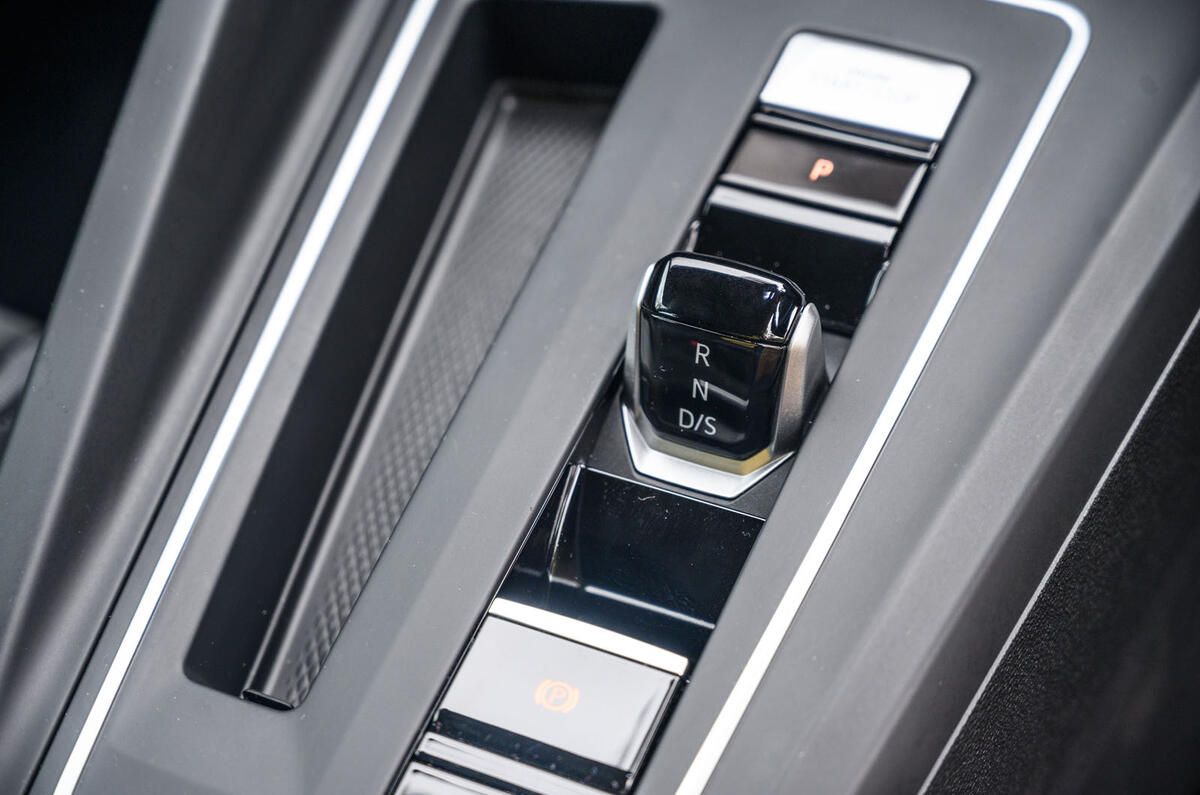
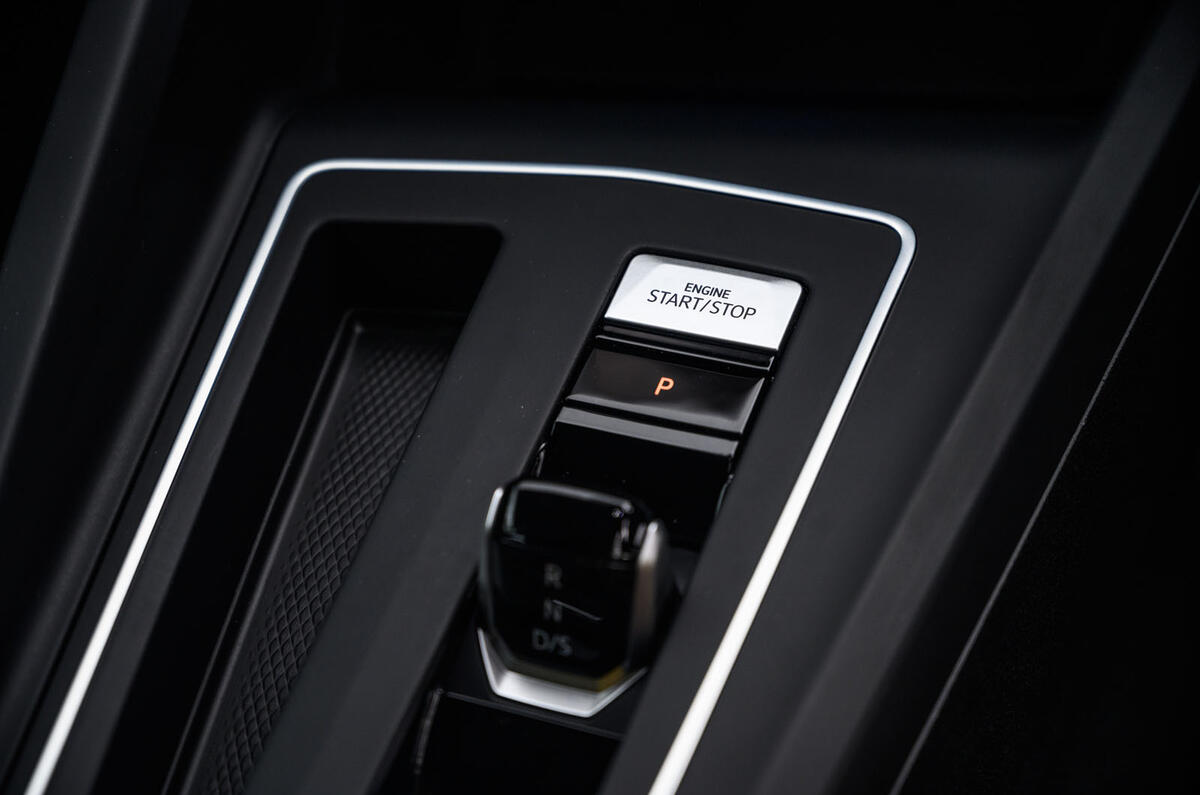
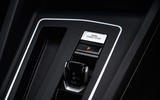
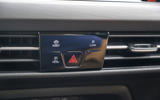
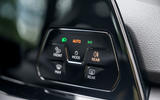
Anyone familiar with the painstaking care with which previous Golfs have presented their banks of physical switchgear is in for a surprise here.
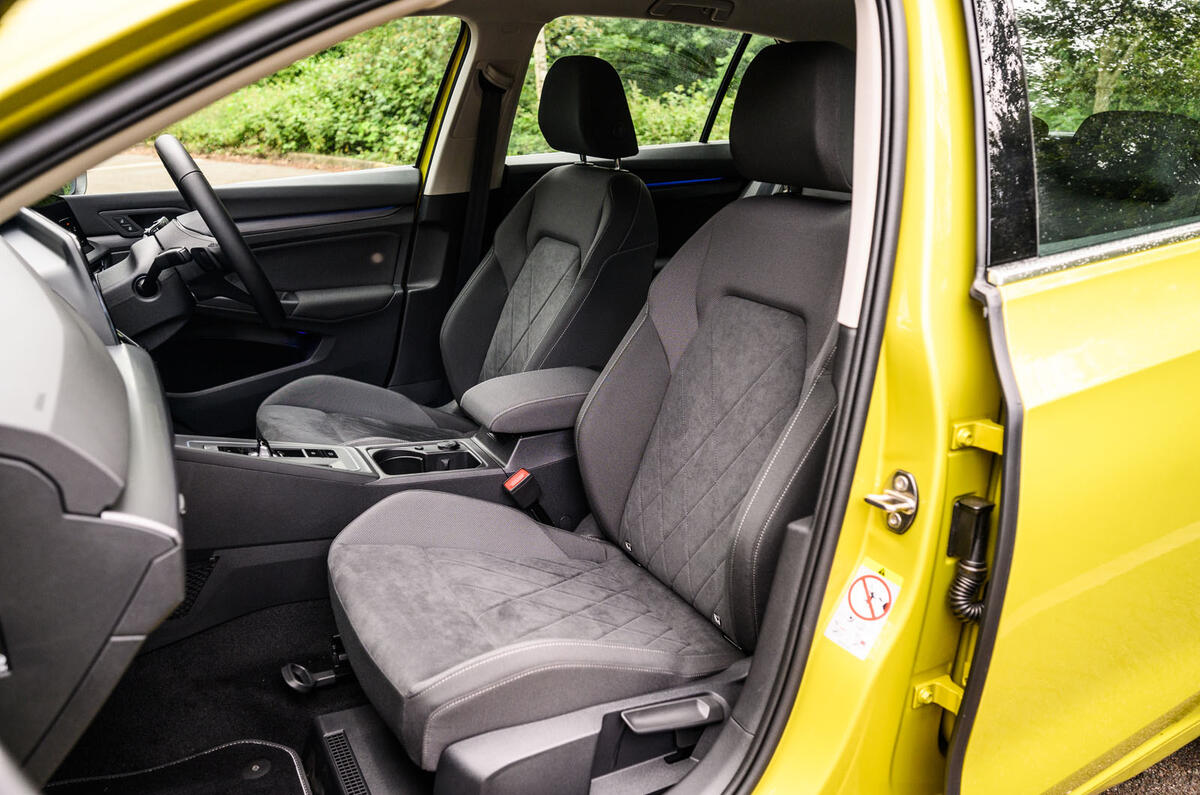
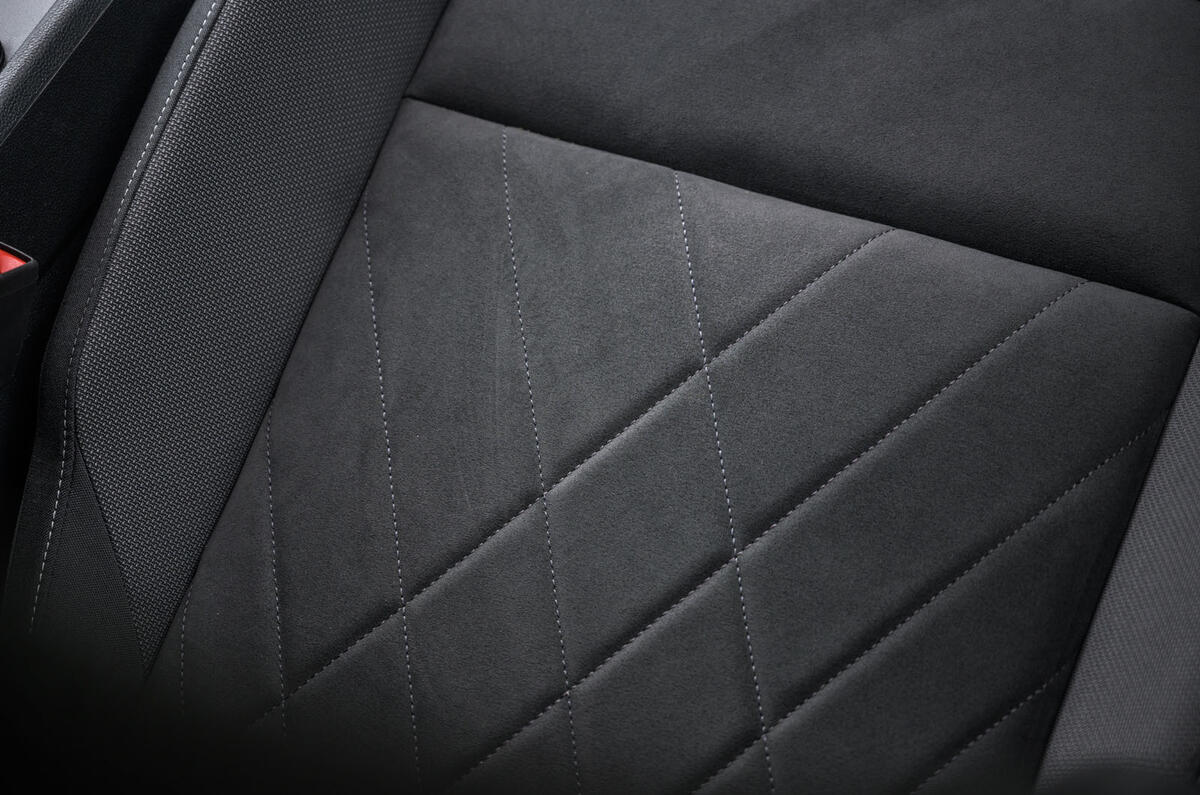
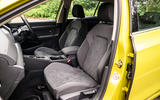
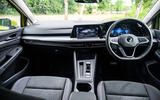
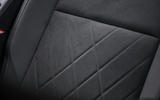
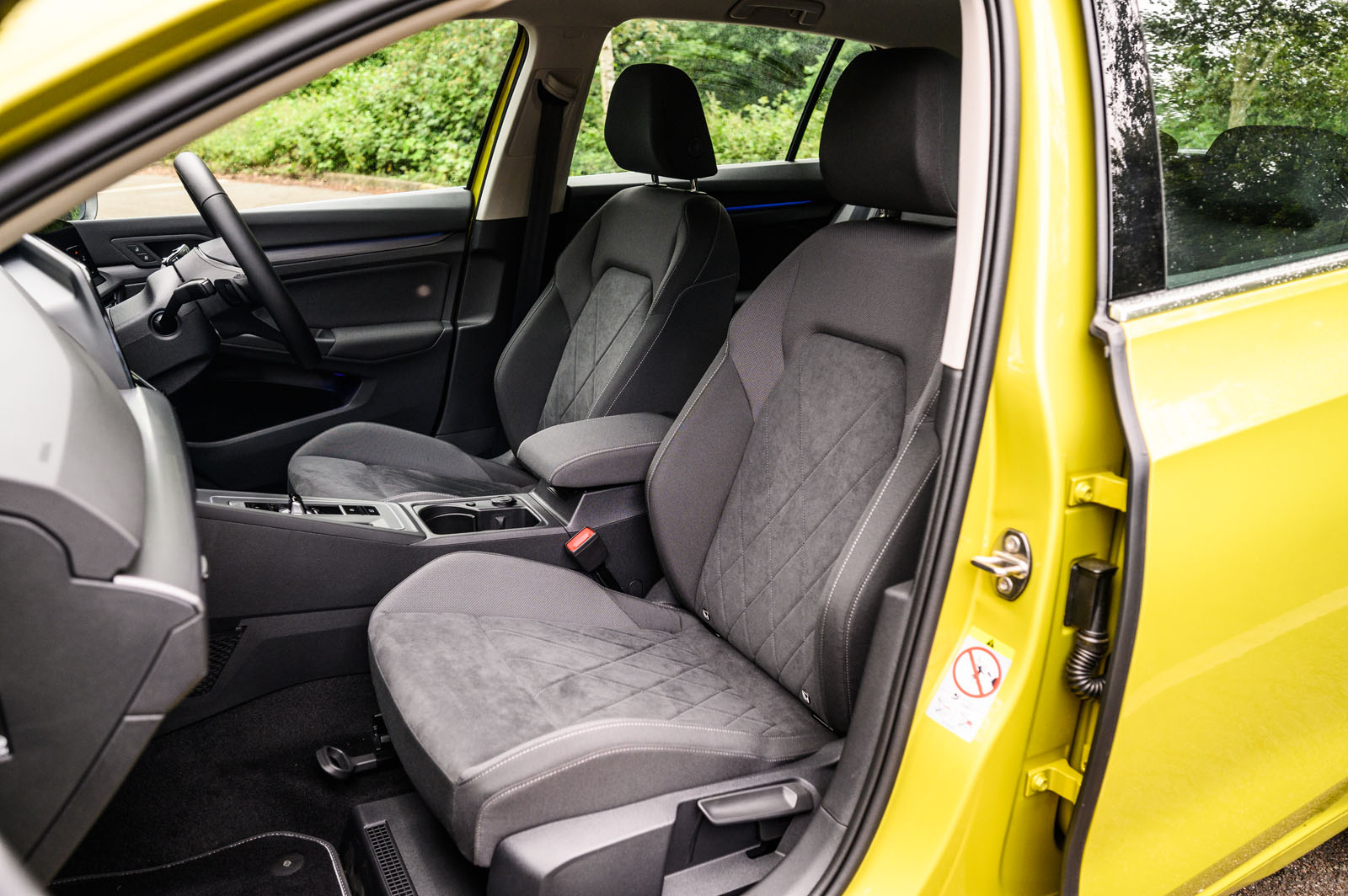
The Mk8’s perfectly set, dead-straight, medium-height driving position feels familiar; the nicely bolstered seats of mid-level Style trim feeling reassuringly comfortable, too. But the arc of glossy black plastic running around behind the steering wheel, and surrounding both the instrument binnacle and infotainment set-up, is new – and likewise is the sense of sparseness about the rest of the environment.
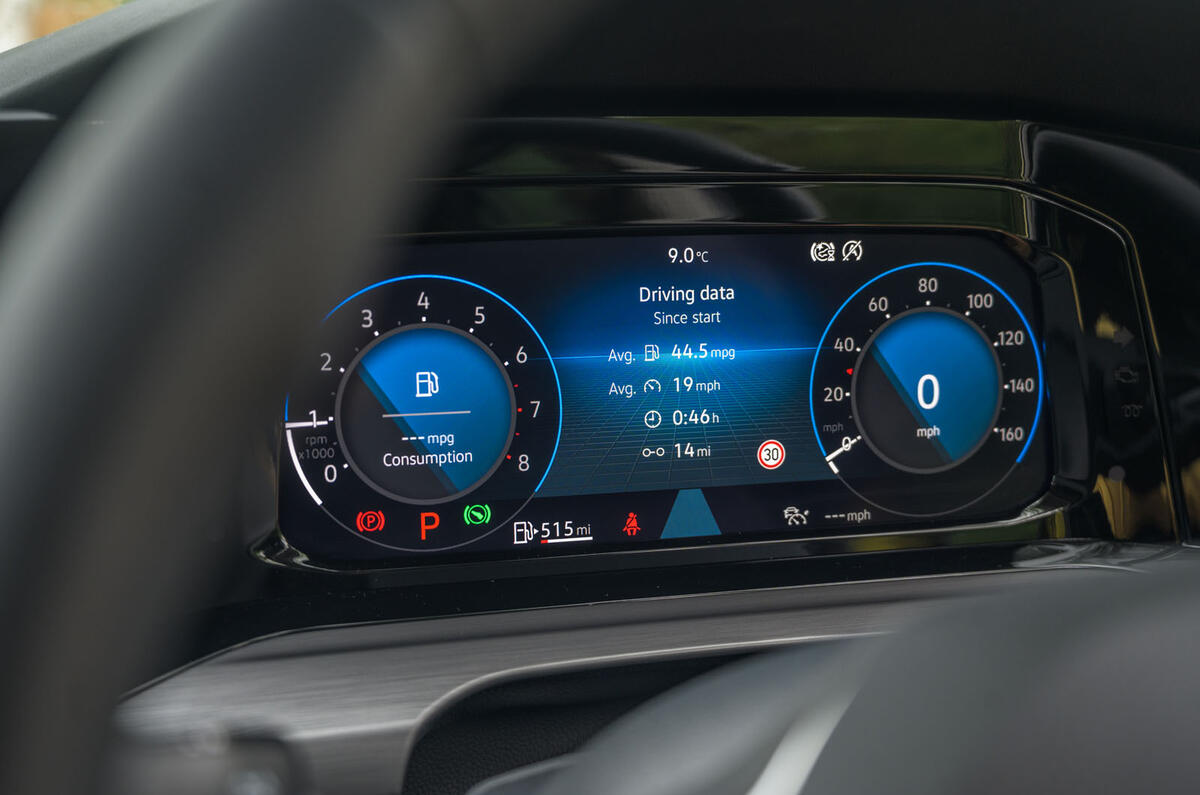
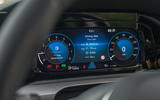
Technological sophistication is this Golf’s calling card. At every trim level available in the UK, the car gets a 10.0in infotainment system and fully digital instrumentation as standard – and that on a car costing quite a bit less than £25,000, in a market where many £40,000 mid-sized executive cars aren’t so generously equipped.
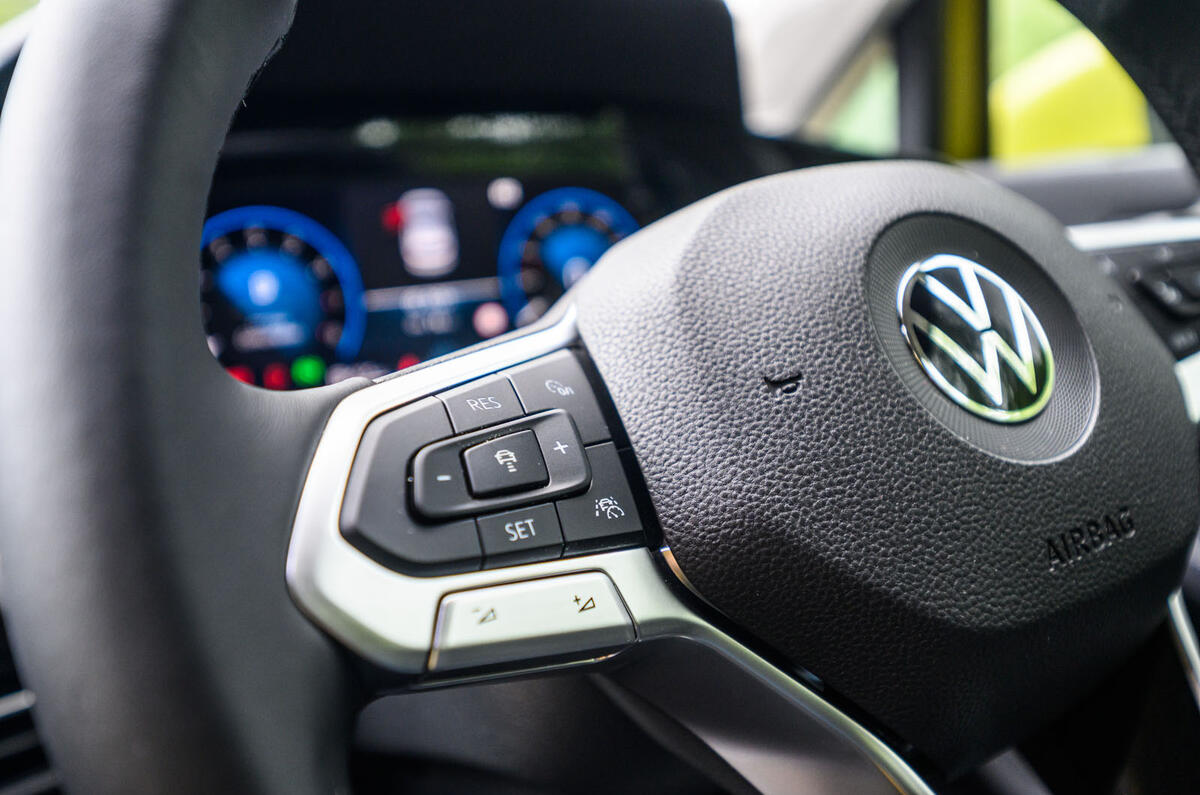
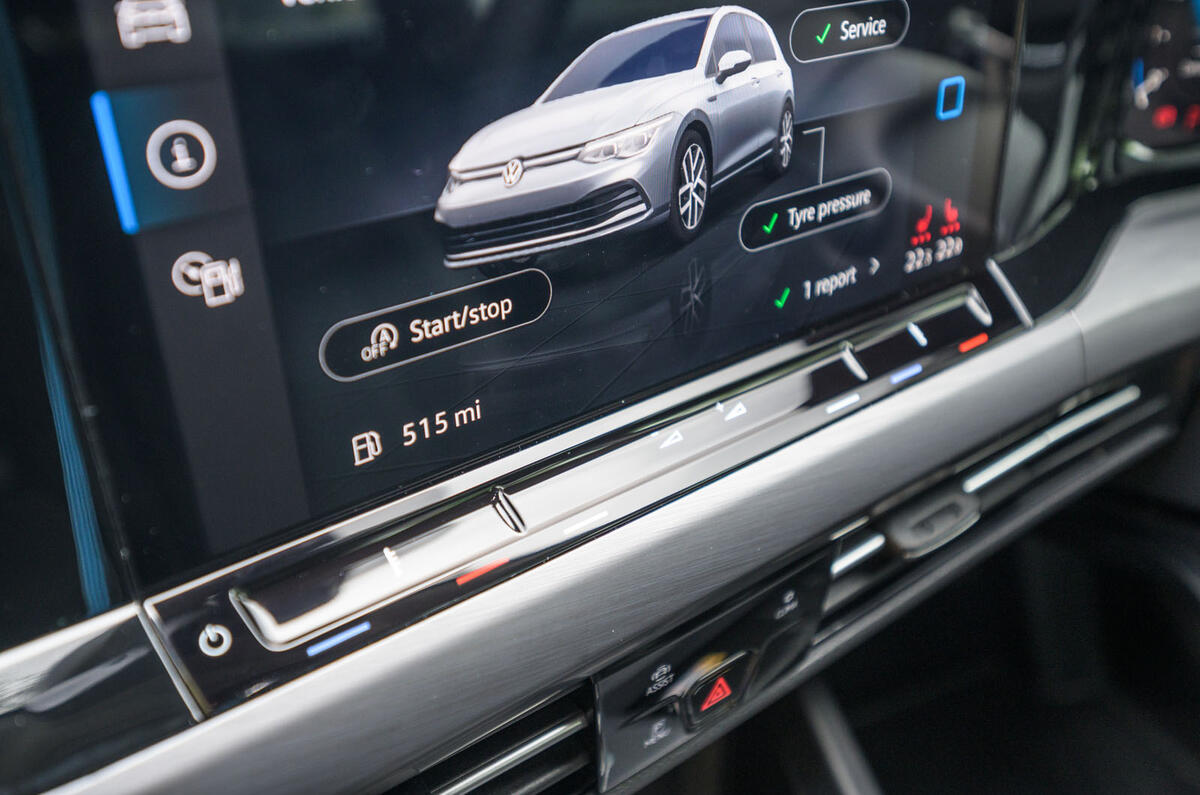
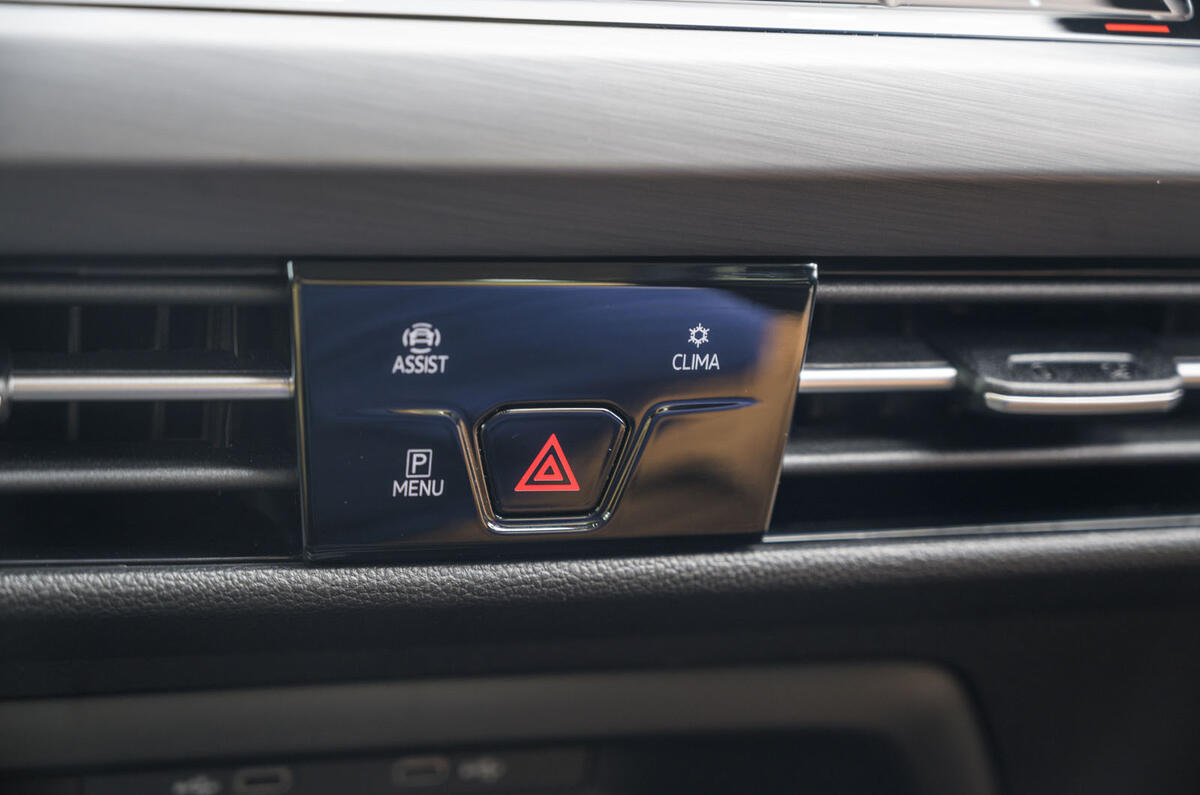
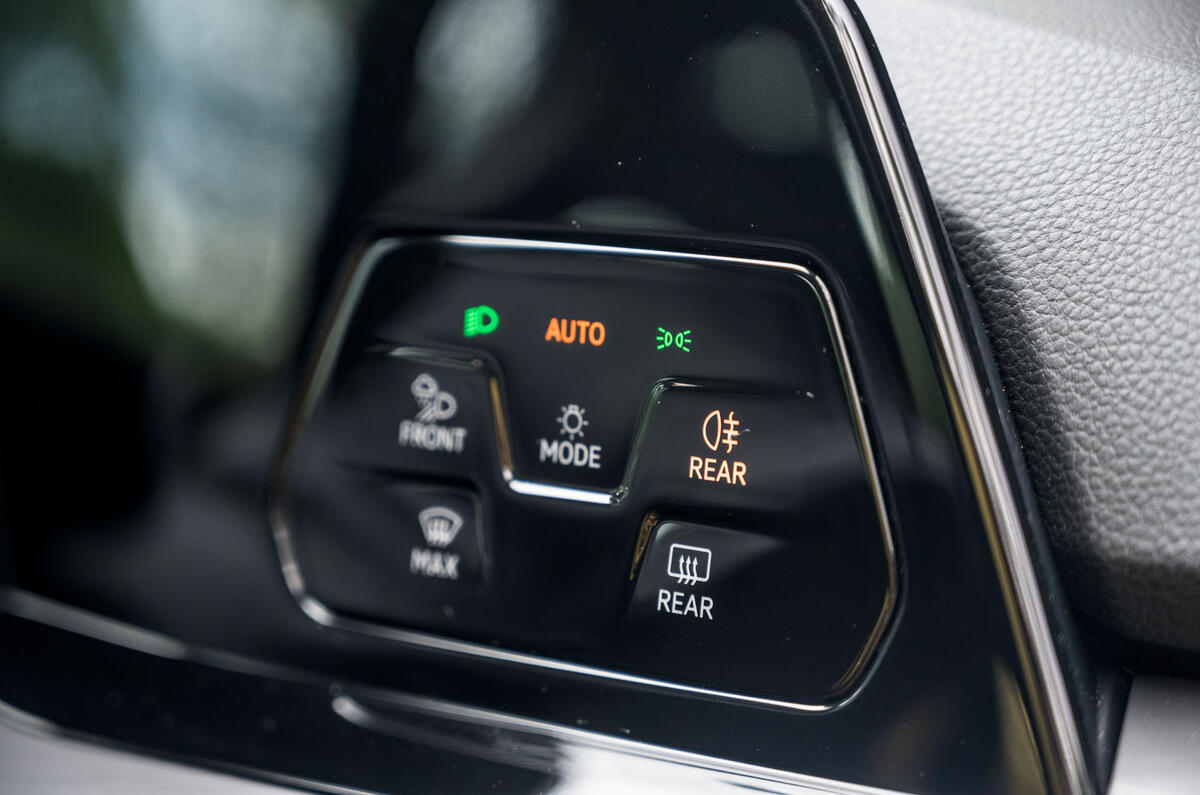
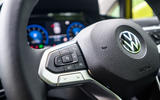
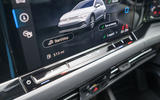
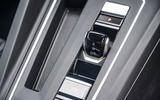
You worry, at first, whether VW has been too keen to follow the lead of companies like Tesla, making you go through that central screen interface to control everything from ventilation circulation to driver aids. Some will conclude that it has been. However, the few fixed controls and capacitive, touch-sensitive ‘zones’ that are provided are well located and – in tandem with the switchgear on the steering wheel spokes, and thanks not least to the configurability of the instrument display – they do effectively provide one- and two-touch access when you need to simply mute the radio, for example.
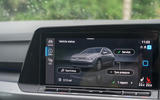
There is no doubt that this new MIB3 touchscreen infotainment system takes some getting used to but, as you learn to operate it, it does feel as if its functionality and usability have been sweated over in a way that few equivalents can match.
In contrast, perhaps the Golf’s long-nurtured sense of distinguished perceived quality hasn’t been sweated over quite enough. Less switchgear makes for fewer opportunities for the kind of tactile seduction that this car used to go in for, granted; and this is no cheap-feeling interior.
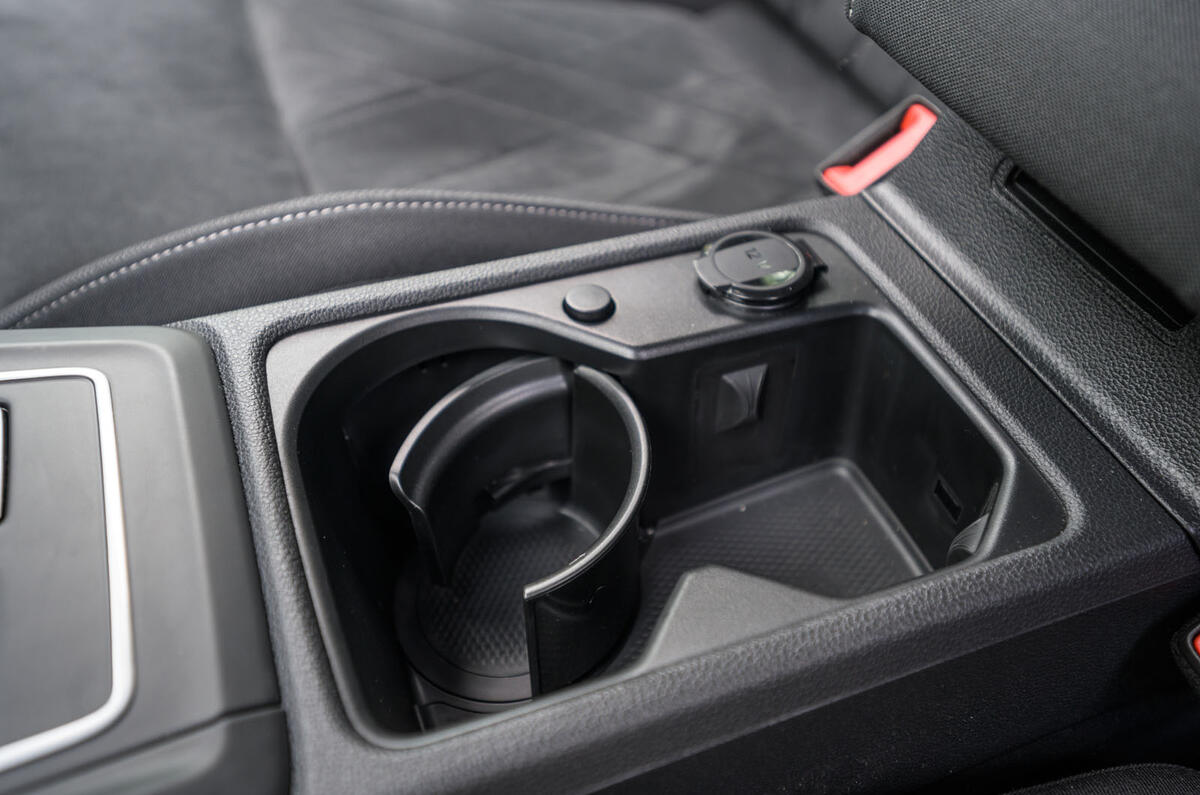
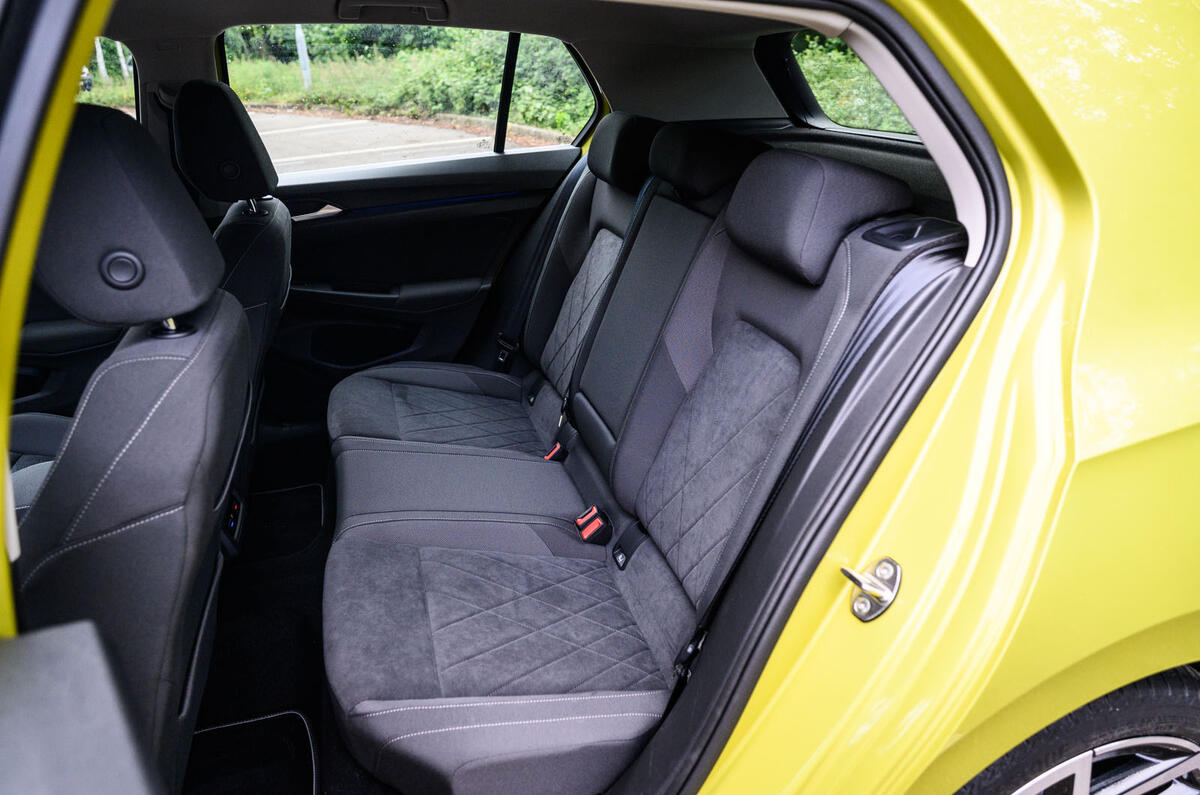
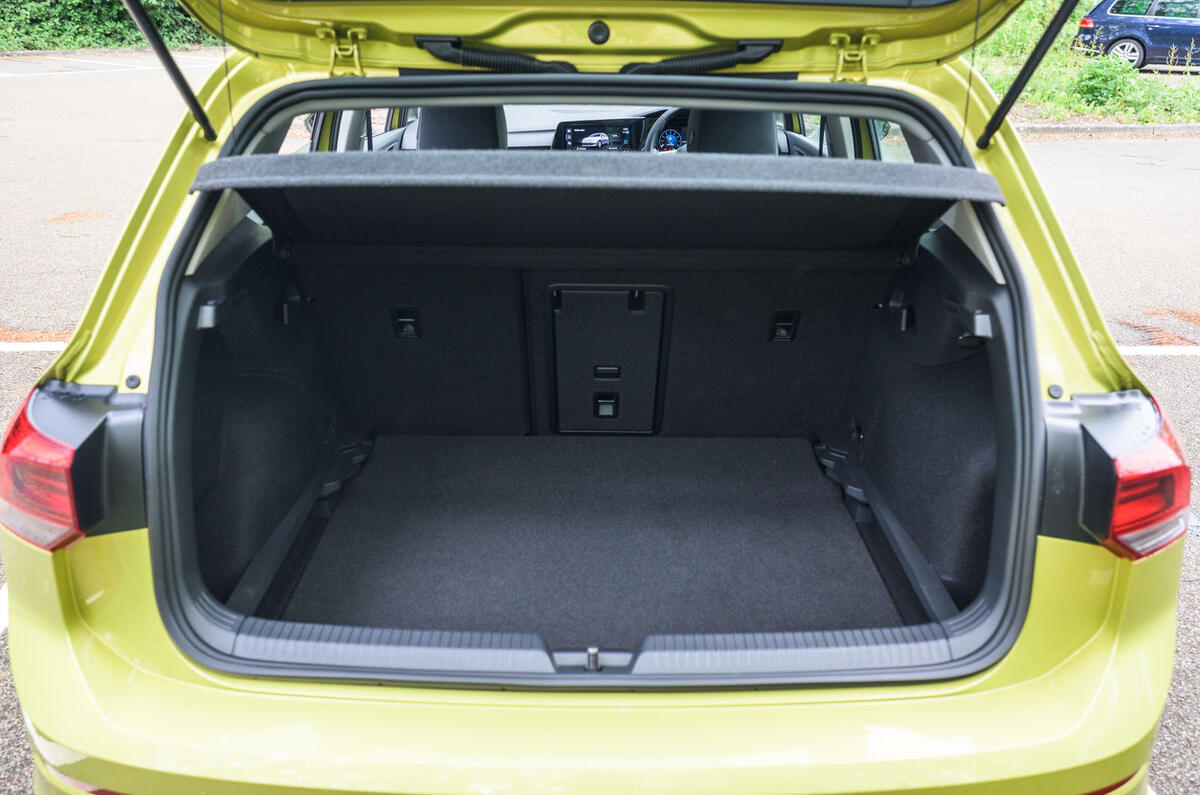
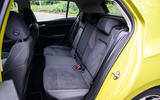
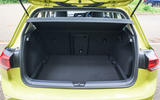
But you can find a few more harder plastics around this cabin than we’re used to from a Golf, and one or two sharper-edged mouldings Cabin space is broadly unchanged, sufficient as it is for largish adults to travel in the back without issue, and for largish things to be carried in the boot, but in neither sense is it class leading. This Golf’s trick continues to be to offer greater space than you expect in what remains a fairly compact footprint.
VW Golf infotainment and sat-nav
The 10.0in Discover Navigation infotainment that comes as standard on the Golf is no mean system. You can pair two mobile phones to it simultaneously and it does wireless phone charging and smartphone mirroring via Apple, Android and MirrorLink formats (wirelessly for Apple CarPlay). It also includes a three-year subscription to Volkswagen’s We Connect Plus networking system, which serves online traffic information to the navigation system and lets you search online for available parking spaces and nearby fuel prices.
Our test car had the optional Discover Pro system, which, although its touchscreen is no bigger, adds voice and gesture control. It is easily navigable thanks in part to the shortcut buttons just below the system itself and the ‘home’ button, which is fixed on the right of the screen. As a result, you’re never more than a couple of prods from the menu or the function you need.
Navigation mapping is very clearly displayed and can be zoomed fairly smoothly and easily.