What is it?
Ford has had such success with its larger people-carriers, and the demand for flexible models from buyers downsizing into supermini-class models has been so great, that it was only a matter of time before it offered a Fiesta-based baby MPV. And all the more so given that one of its better European rivals, Vauxhall, was doing it already with the Meriva. The challenge was doing something innovative with the accommodation to beat the impressive Meriva, which already offers rear-hinged rear doors and a sliding rear seat arrangement that turns it into a mini-limo when needed.
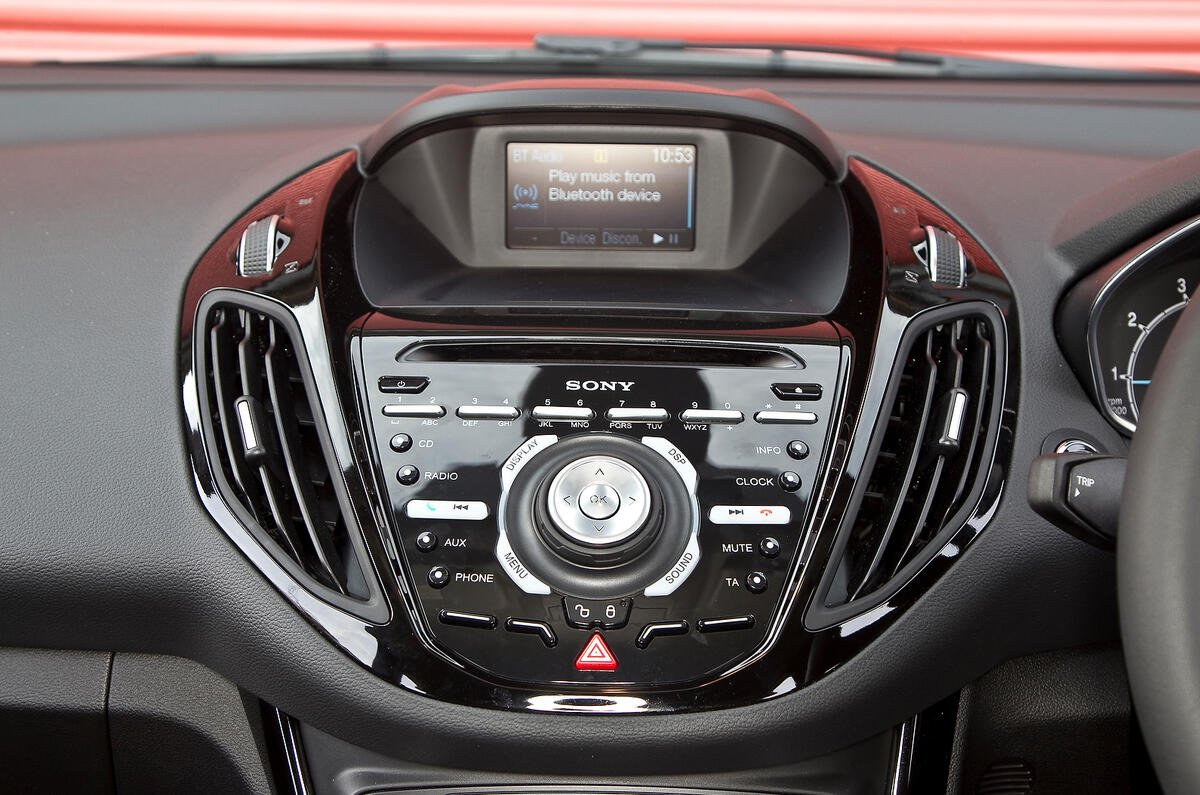
Ford decided to counter this with three things. First, a pillarless body design allowing unrivalled cabin access. Second, a diesel and a petrol engine (the 1.0 Ecoboost stop-start petrol and the 1.6 TDCi diesel) which would lead the class for economy, and third, a debut for Ford's new SYNC voice-activated connectivity system, which integrates with phones and music players on a new level and even reads out text messages when requested. The headline items are supported by an extensive collection of options, including Active City Stop (which helps avoid low-speed collisions), keyless entry, a rear view camera and an eight-speaker Sony DAB audio system.
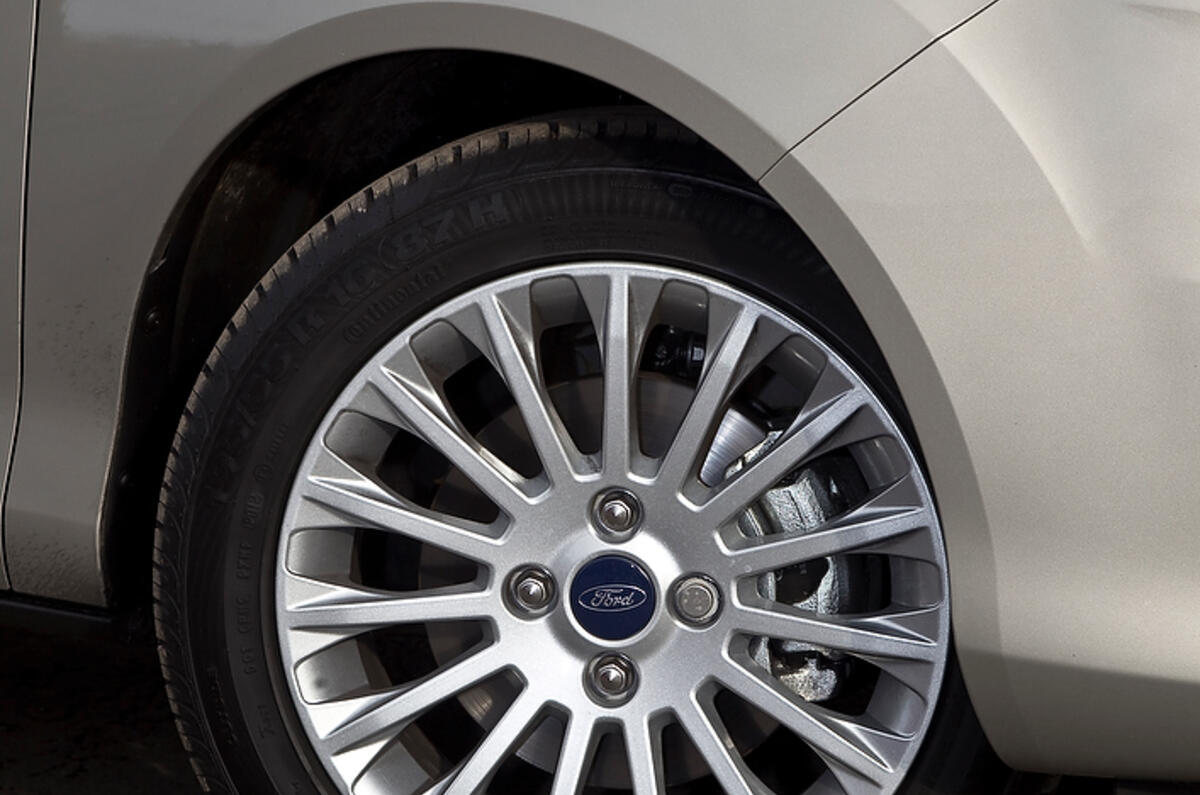
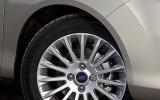
There are three trim levels: entry-level Studio from £12,995, mid-range Zetec (likely to attract 60 per cent of buyers) from £15,600, and luxurious Titanium, from £17,595, which comes with SYNC plus rain-sensing wipers, 16-inch alloys, auto-dip headlights and the premium hi-if as standard.
What is it like?
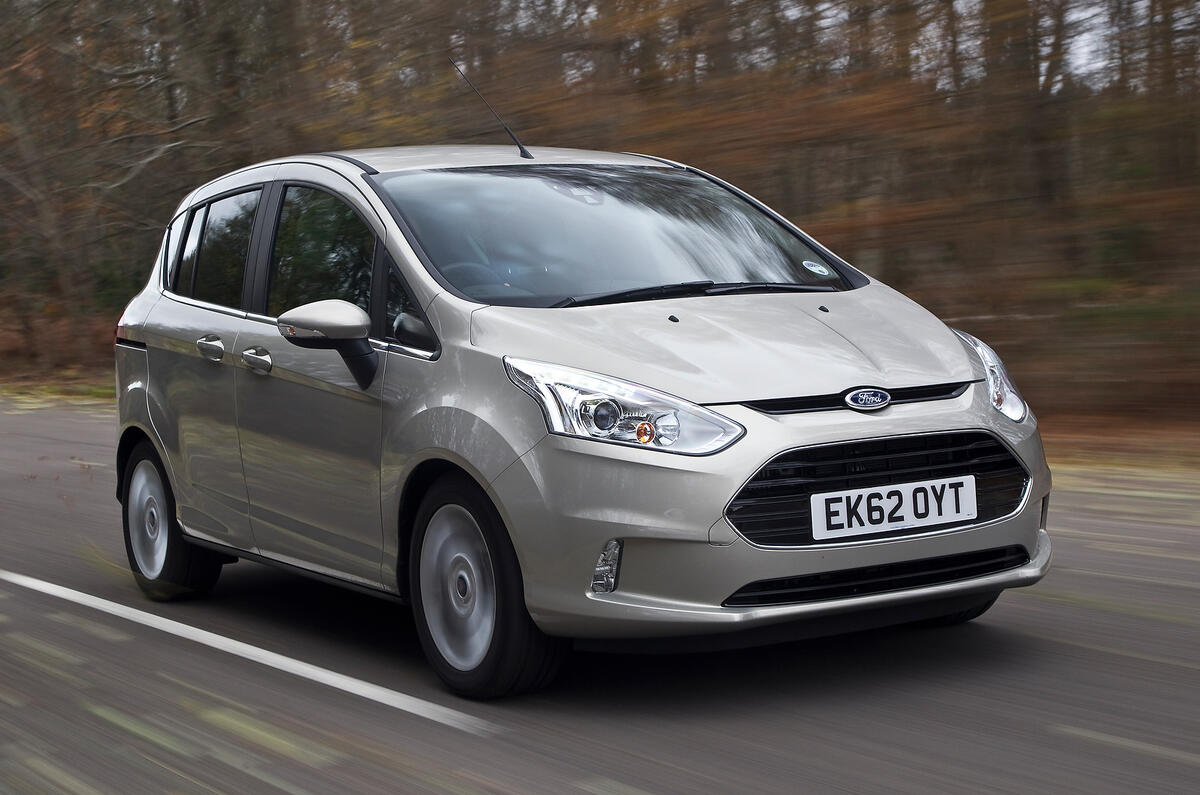
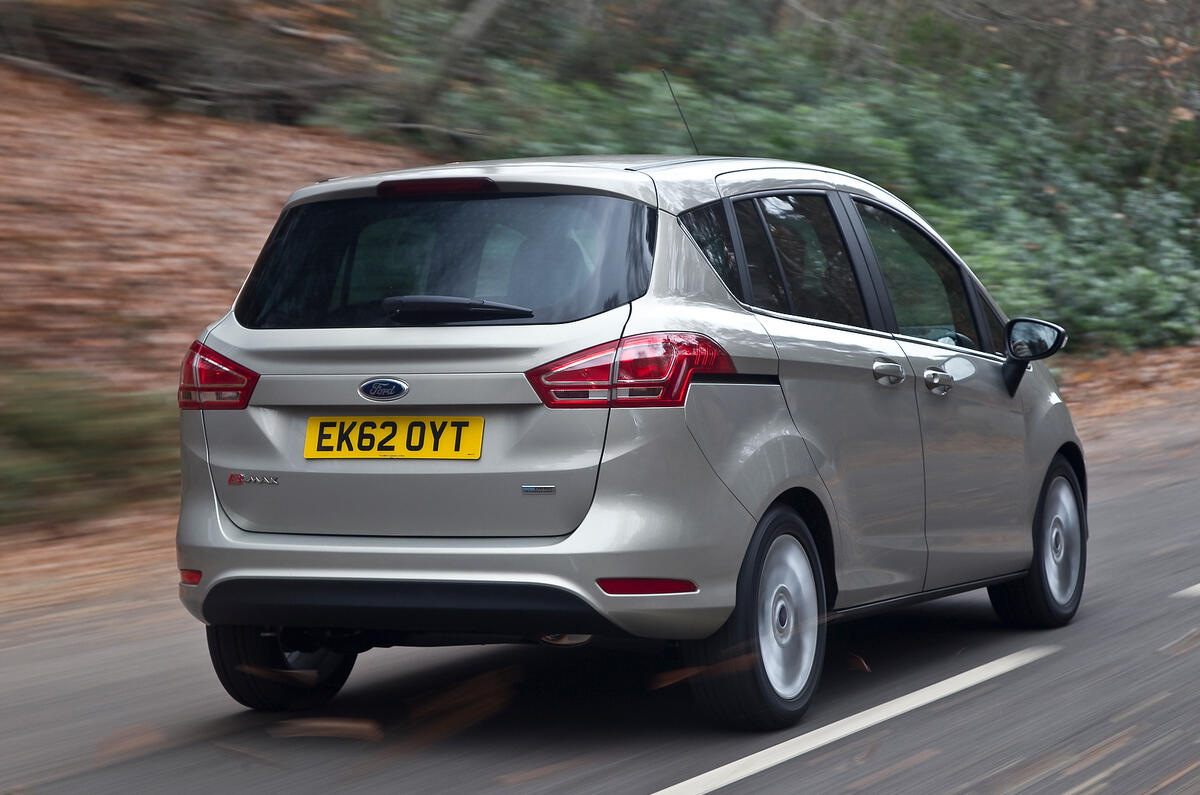
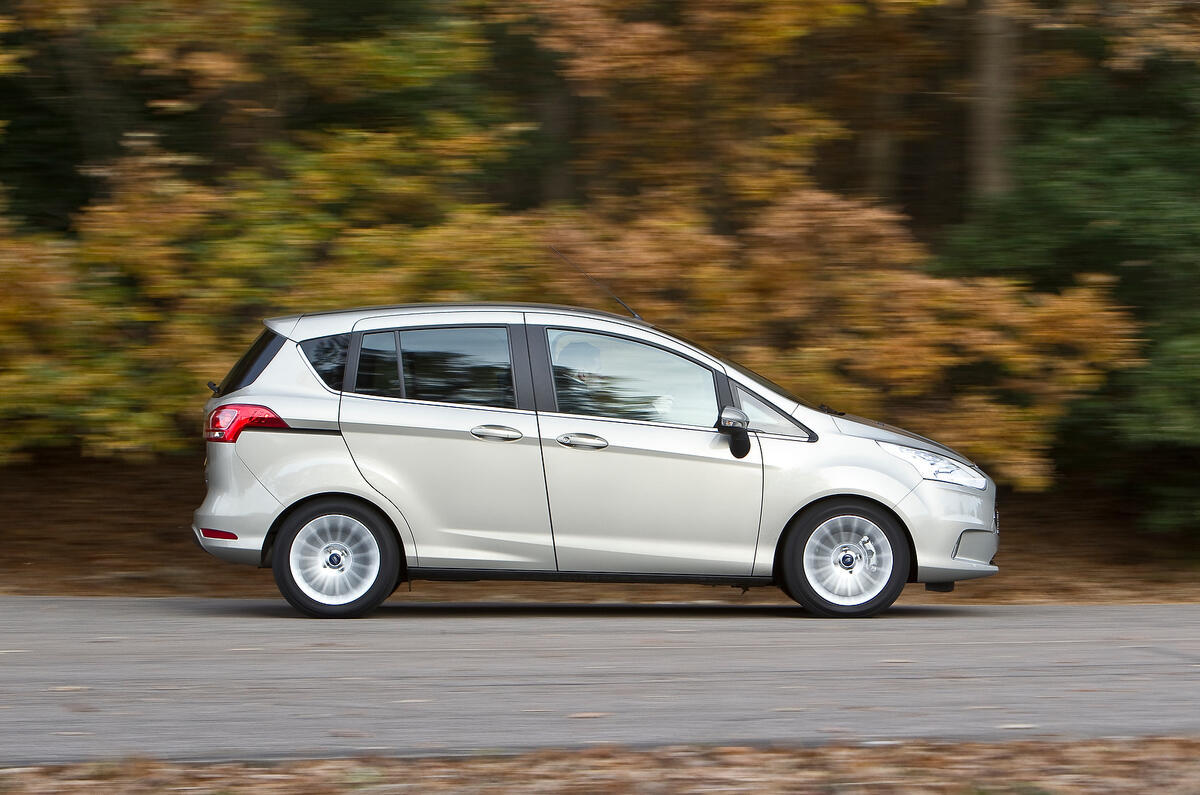
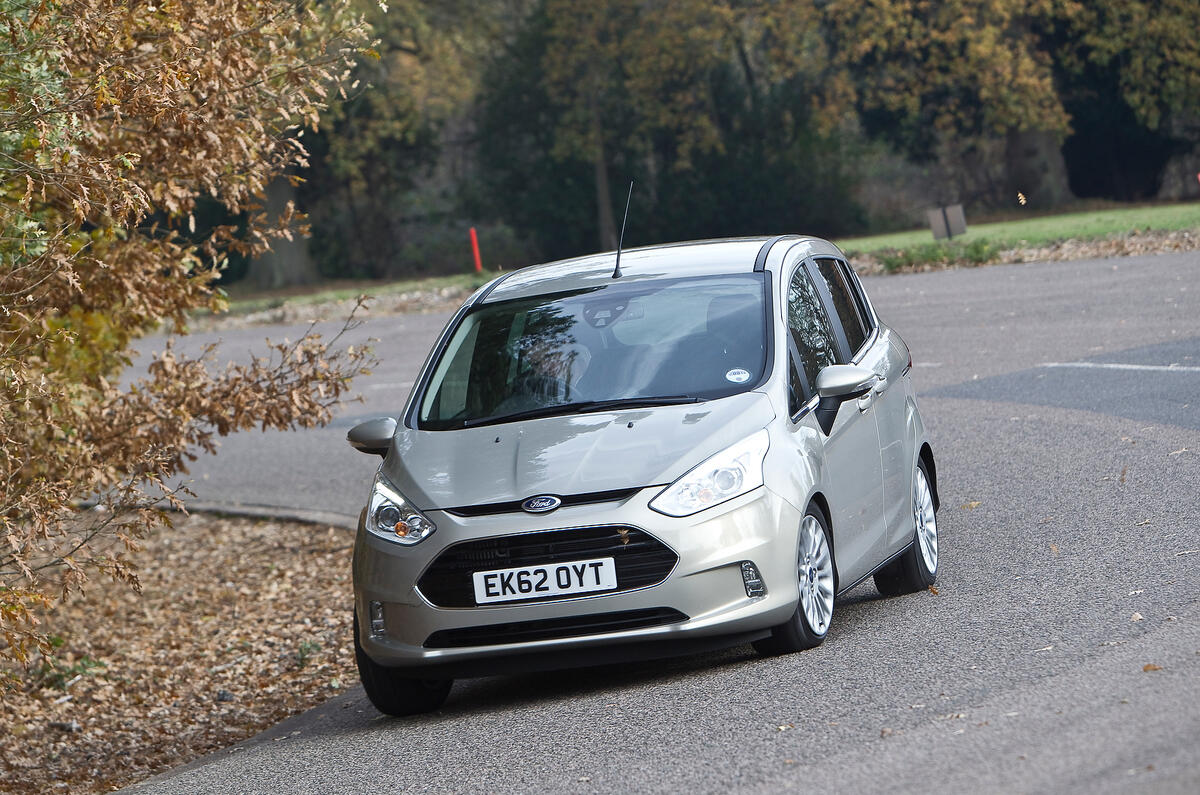
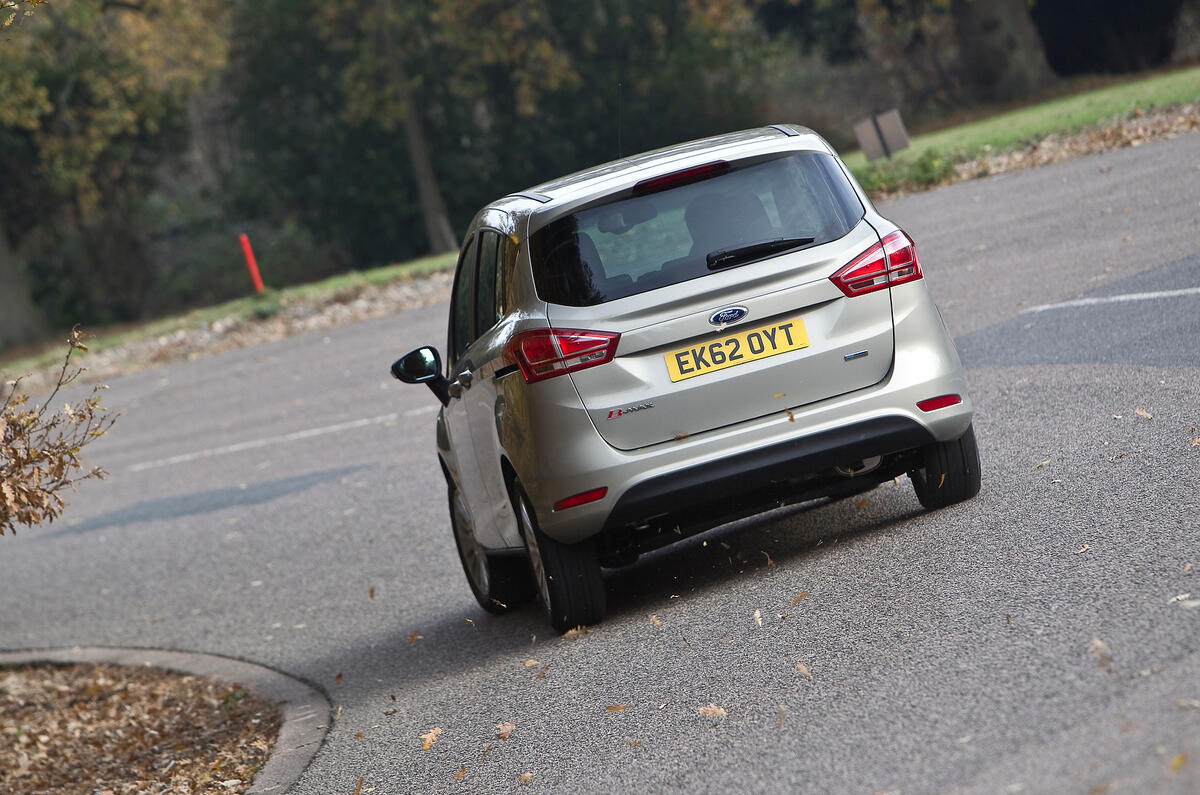
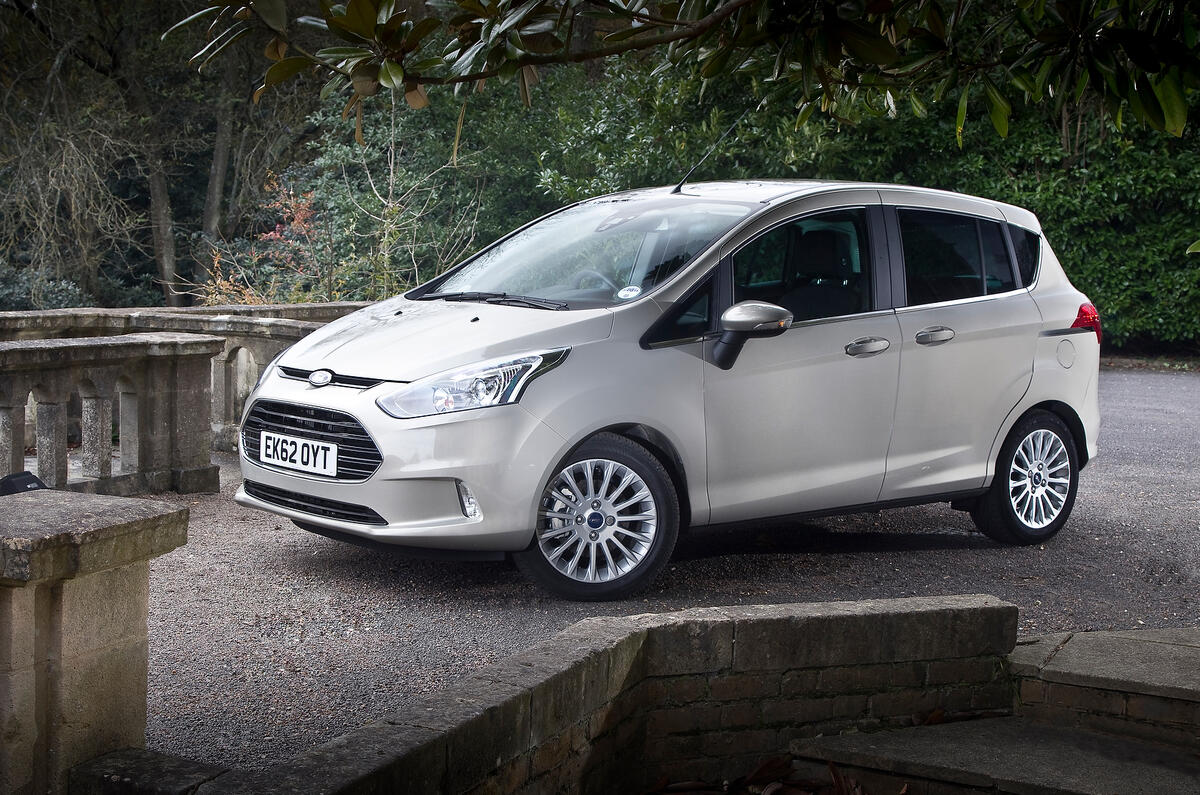
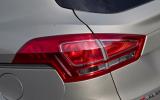
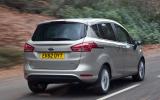
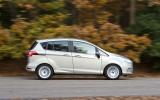
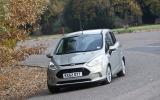
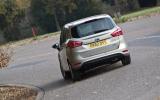
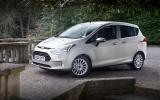
It's a good-looking car, reminiscent of a foreshortened Ford S-Max, with the obvious height of an MPV but the cheekiness of a supermini built-in. Some will thistle the B-Max simply because it offers a better view from the driver's seat and looks so good. Ford designers say it features a redesign of the trapezoidal grille, which works especially well. The only sign that it has a sliding rear door is a rail along the rear of the car, beneath the rear pillar, but it is quite well disguised. When all doors are closed, the 'removable' centre pillar is in place so the car looks conventional, but modern.
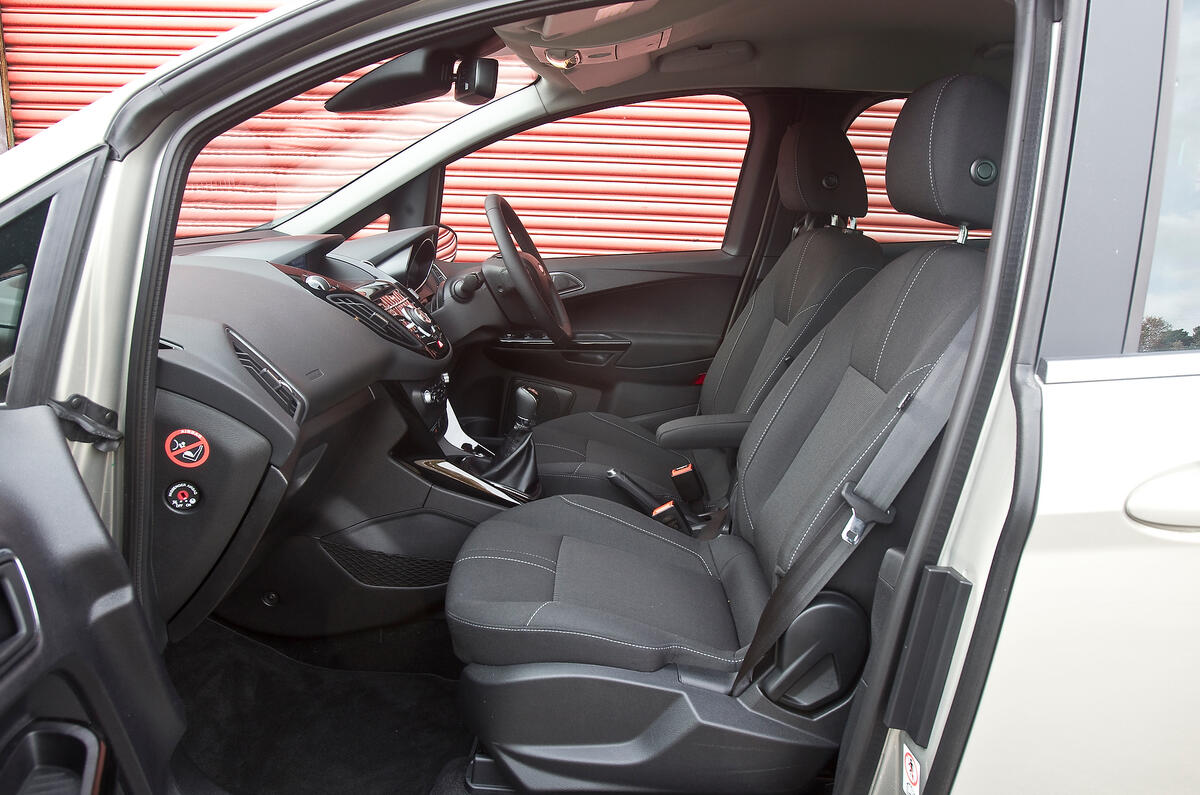
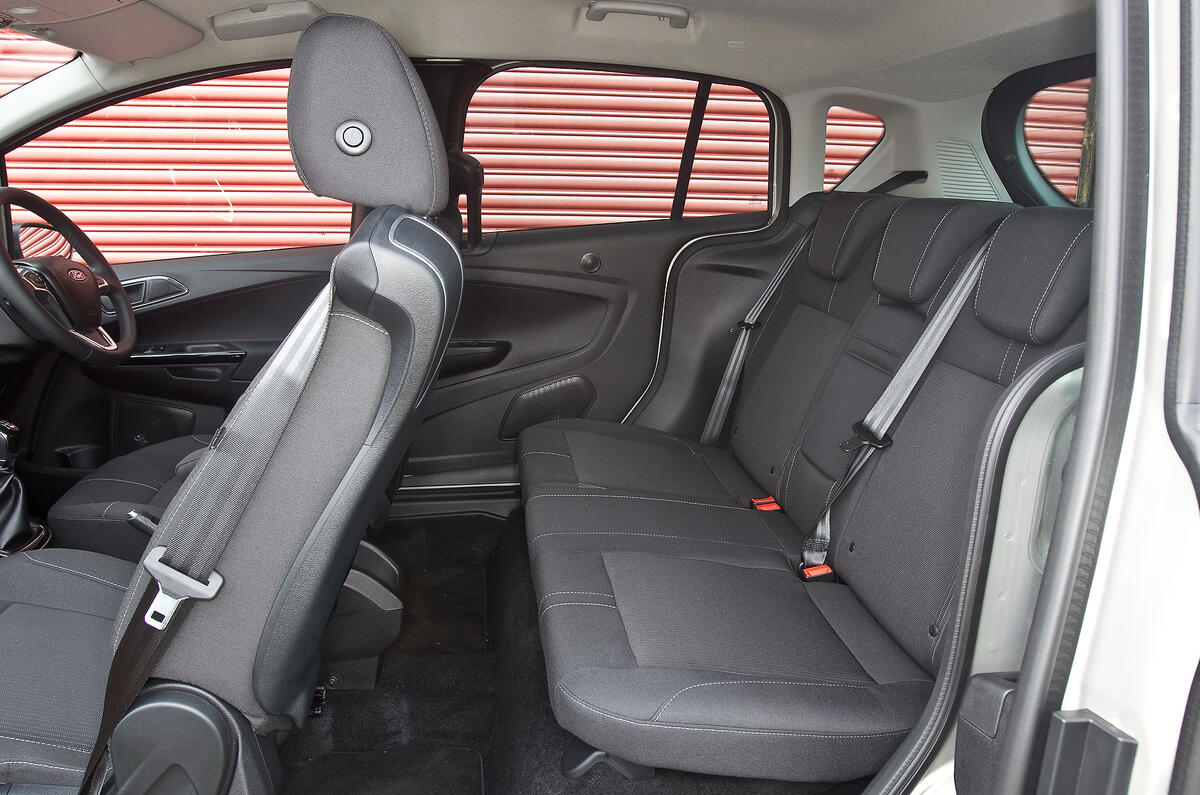
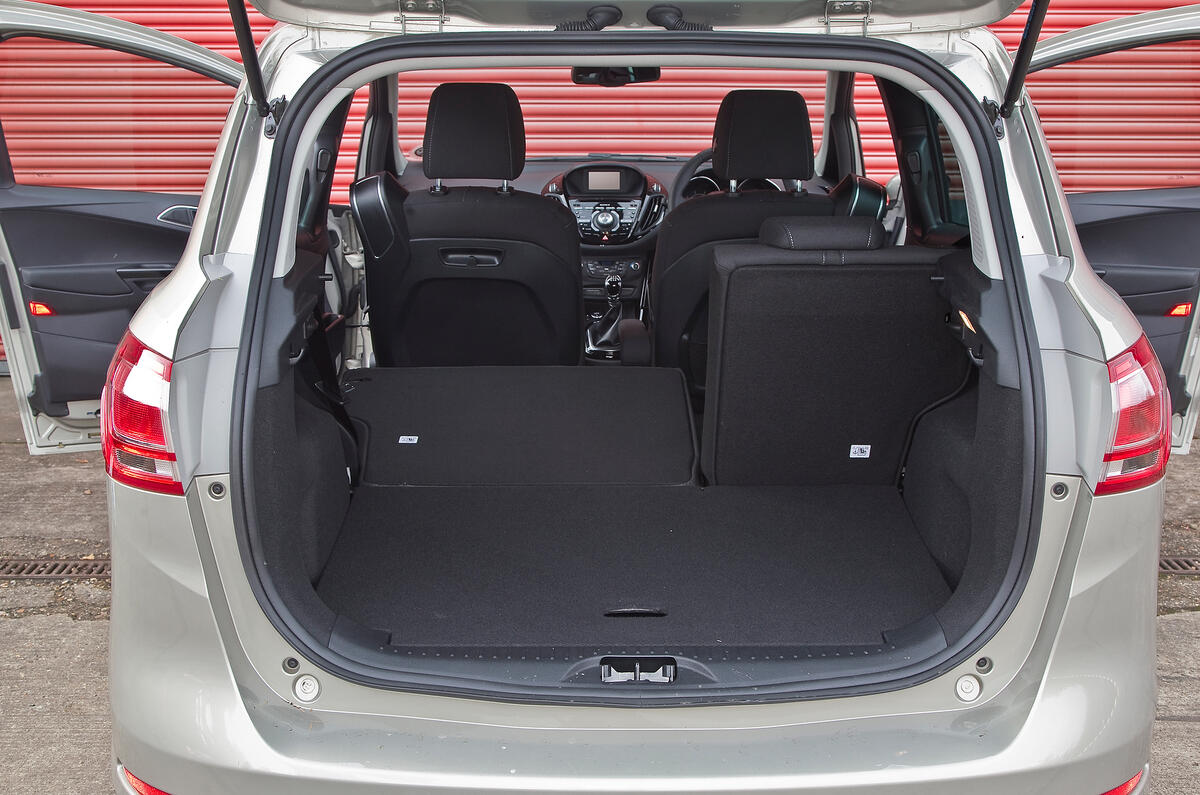
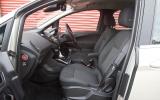
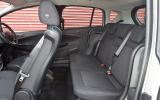
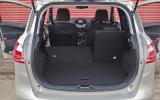
Access is easy, in front because the B-Max is considerably higher than a conventional supermini and because in the rear it's possible to lead with your backside, just like in a modern Rolls-Royce. The rear seat doesn't move backward or forward, but you can fold the rear seats and the passenger's front seat flat to provide a 2.3-metre long flat surface for items collected from IKEA.
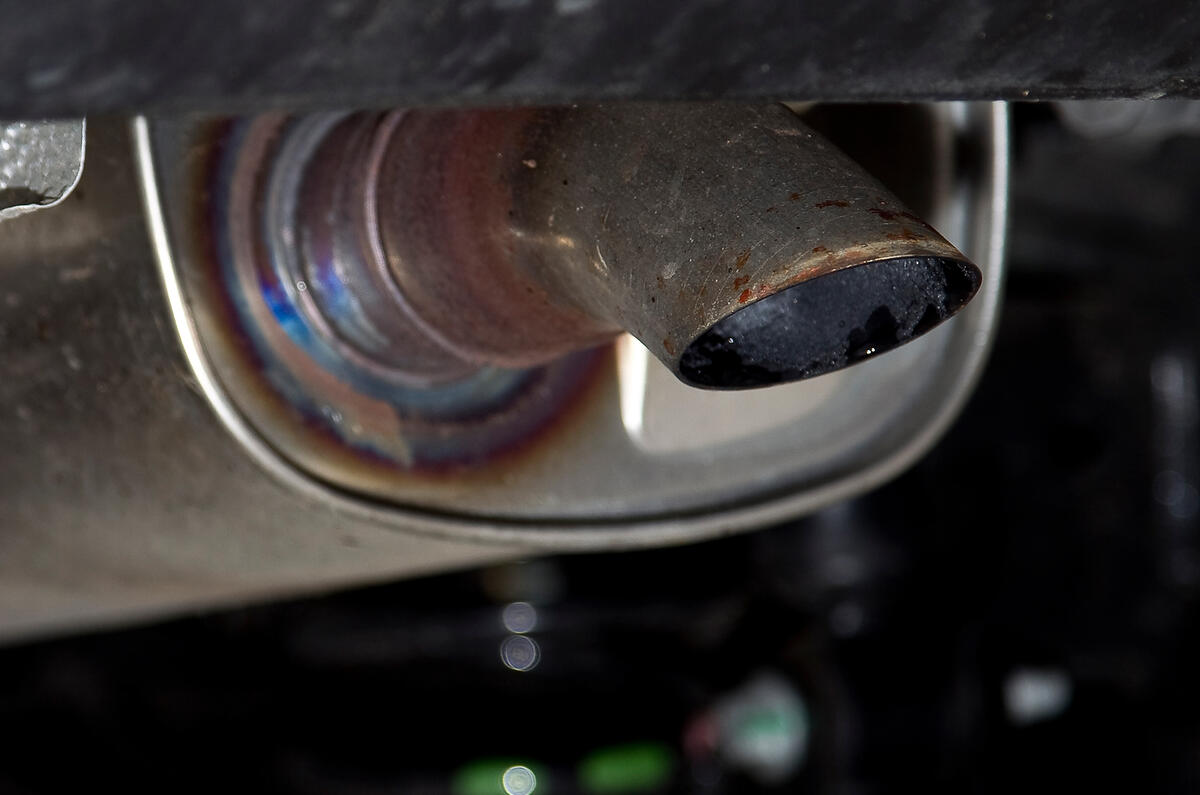
Our test car was Titanium spec with the 118bhp petrol Ecoboost engine (its power is reduced a little by the installation in the B-Max, which slightly restricts the exhaust compared with the Focus), but Ford also offers three other petrol engines (a 99bhp Ecoboost turbo triple, 89bhp 1.4-litre, and a 104bhp 1.6-litre equipped with Ford's six-speed, dual-clutch Powershift automatic gearbox. On the diesel side there's a 74bhp 1.5-litre and the super-frugal 94bhp 1.6 previously mentioned. Annoyingly, buyers can only get the two best engines — the 118bhp Ecoboost and the 1.6 diesel — by buying the most expensive Titanium trim.
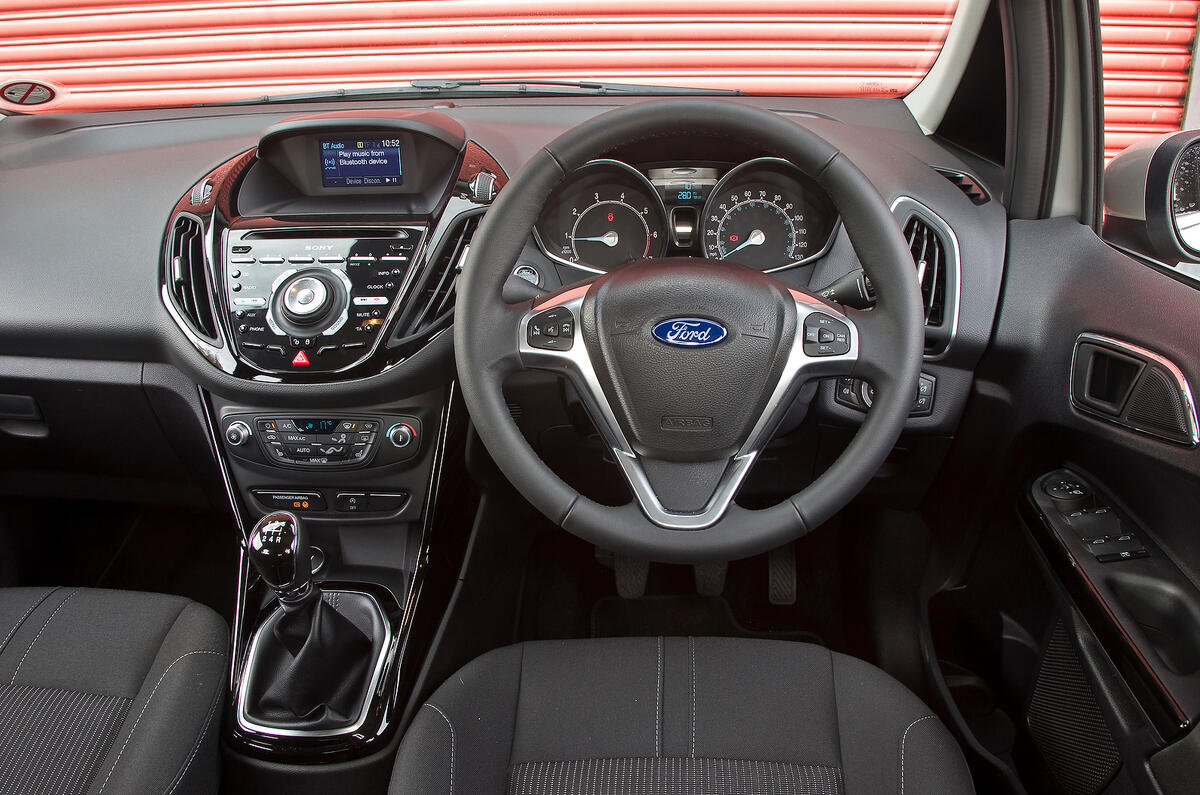
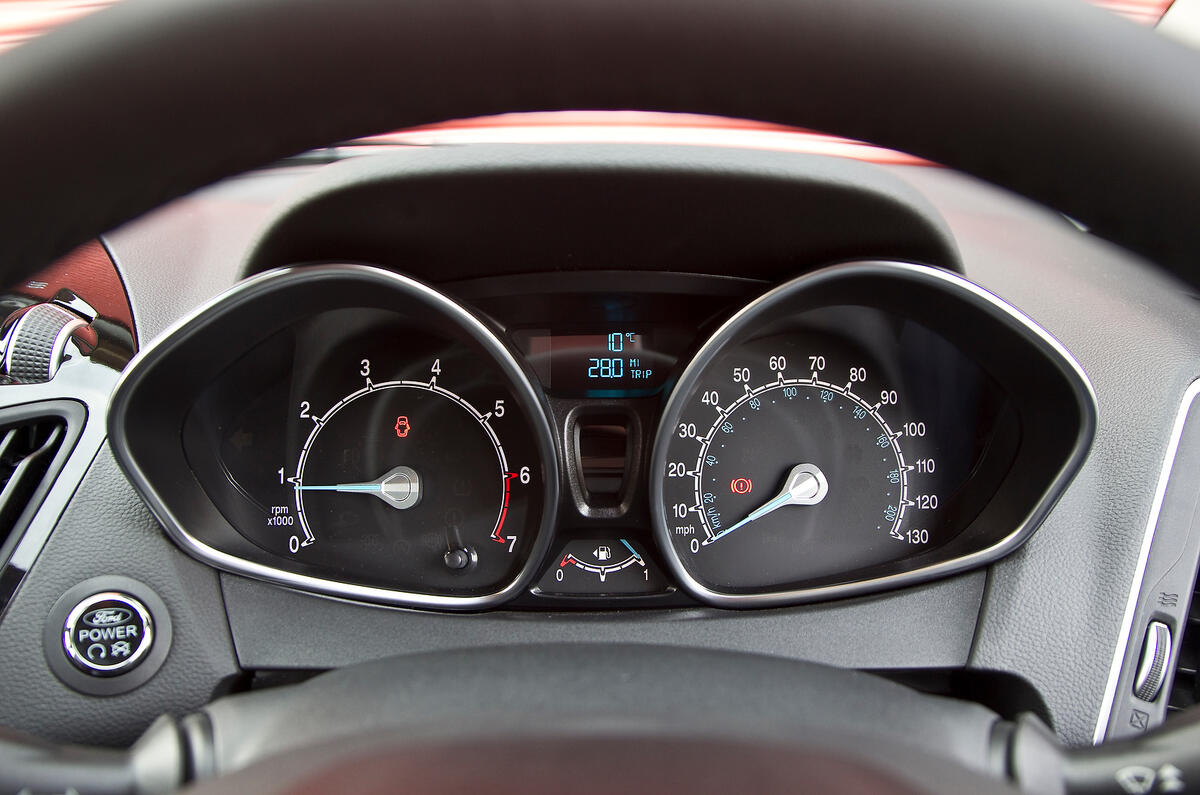
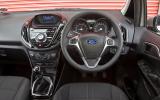
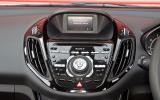
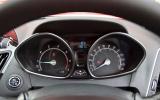
To drive, the B-Max is an interesting combination of the familiar and the novel. The driver's seat cushion feels rather narrow (at least for the fuller figure) and the dashboard layout, with prominent upper centre console, seems rather to jut into your personal space. The switch layout looks impressive, but can be rather confusing to use. Visibility is good, though, and there is plenty of leg and footwell room.
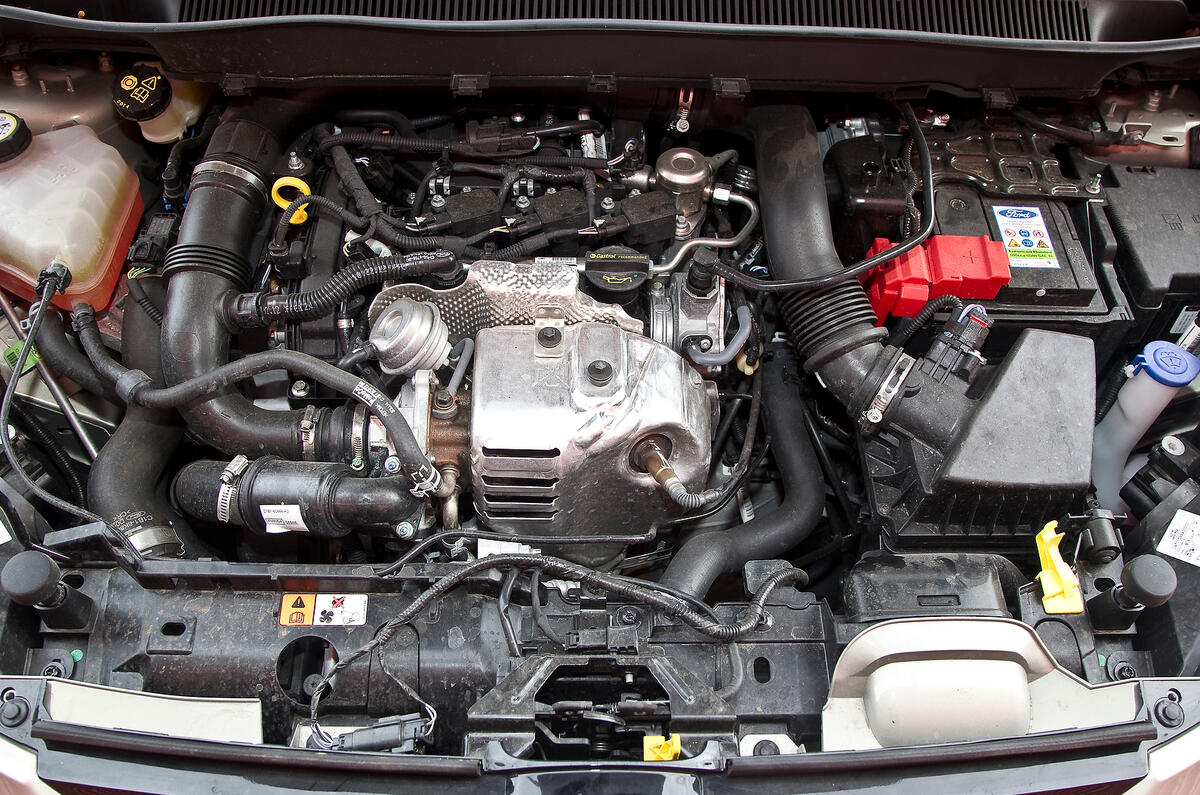
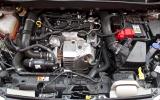
The three-cylinder engine starts with its now-familiar lack of drama, idling almost silently, but pulls with deceptive strength away from standstill. It is interesting to try it in a smaller package (the only previous application has been in the Focus, which is 100-150kilograms heavier), especially since the amazing low and mid-range torque is even more prominent. The engine sounds lovely, more sophisticated than is usually found in a car of this price and duty, and it pulls so well that most of the time 4500rpm is enough for brisk performance. The gearchange is reasonably slick, though not as good as the best of the Japanese. But whereas in the Focus the engine is mated with a six-speed gearbox, which makes high-geared cruising amazingly quiet, the B-Max comes only with a five-speed (are 'school mums' believed only to like five-speeders?), which means that the engine note is at least perceptible at motorway cruising speeds. On the other hand, top gear performance is extremely impressive.
The other remarkable feature is the ride. The Fiesta is one of the best-driving superminis going, but its ride quality has always been on the firm side and its performance over cobblestones is perhaps not as cosseting as a Polo. The B-Max sweeps all that aside. It rides quietly at low speed, with a new suppleness that seems to come not just from softer springs but also more sophisticated bushing. Ford's engineers claim a new 'premium' quality for the model, and it is instantly obvious when you drive. It promises much for the revised Fiesta, which is not too far away.
Should I buy one?
As usual, it will be necessary to test the class contenders to decide exactly how Ford's new B-Max fares against its rivals, but the superb baby petrol engine (and its economy), the excellent rear seat access of the pillarless body, the suspension suppleness and the fantastic array of equipment make this a powerful contender among city cars. It seems more than likely that we have a new class leader.
Ford B-Max 1.0 Ecoboost Titanium
Price £18,195; 0-62mph 11.2sec; Top speed 117mph; Economy 57.7mpg combined; CO2 114g/km; Kerb weight 1279kg; Engine type, cc In line 3cyl petrol turbo, 999cc; Installation Transverse, front-wheel drive; Power 118bhp at 6000rpm; Torque 125lb ft (148lb ft with overboost) 1400-4000rpm; Gearbox Five-speed manual