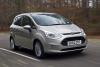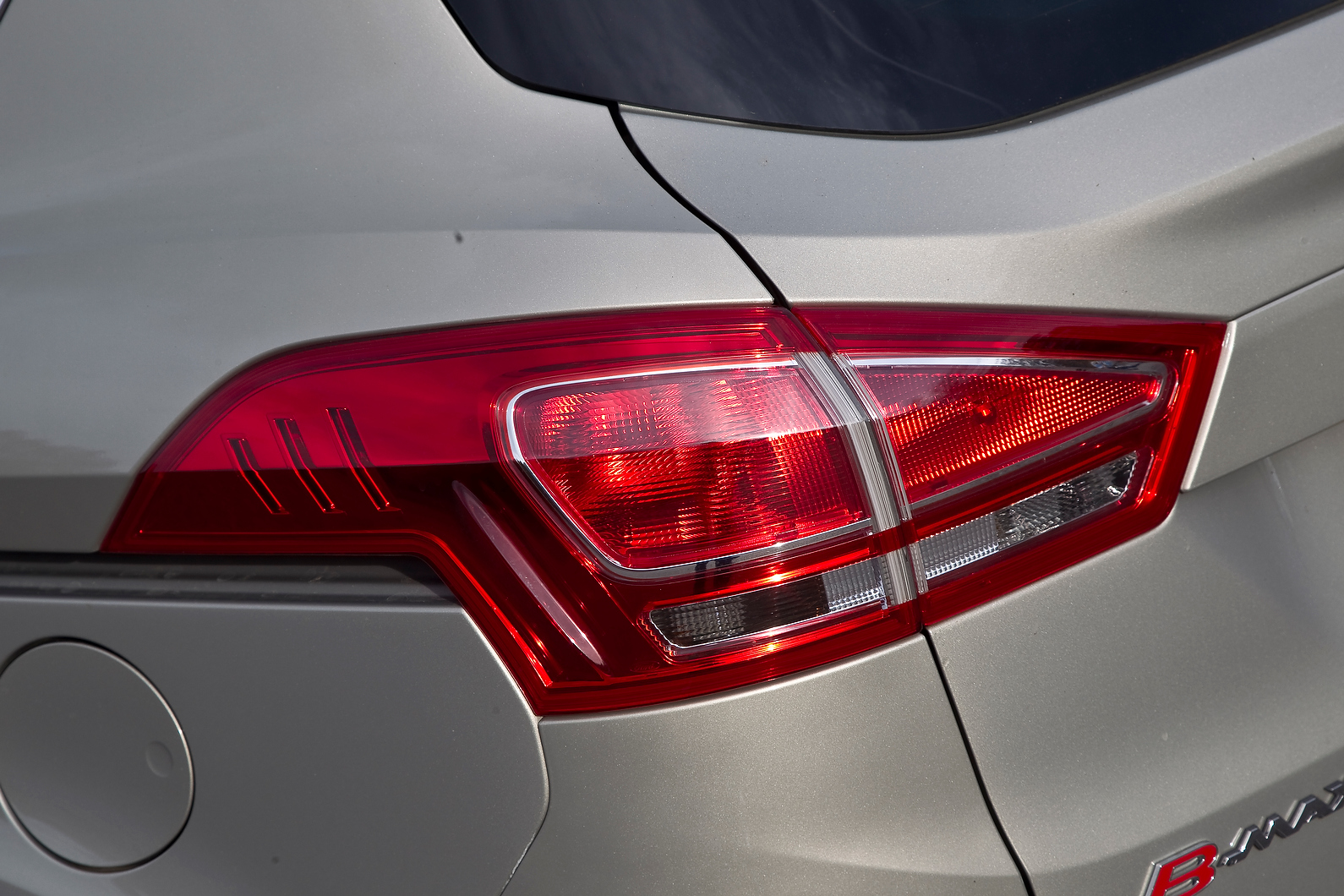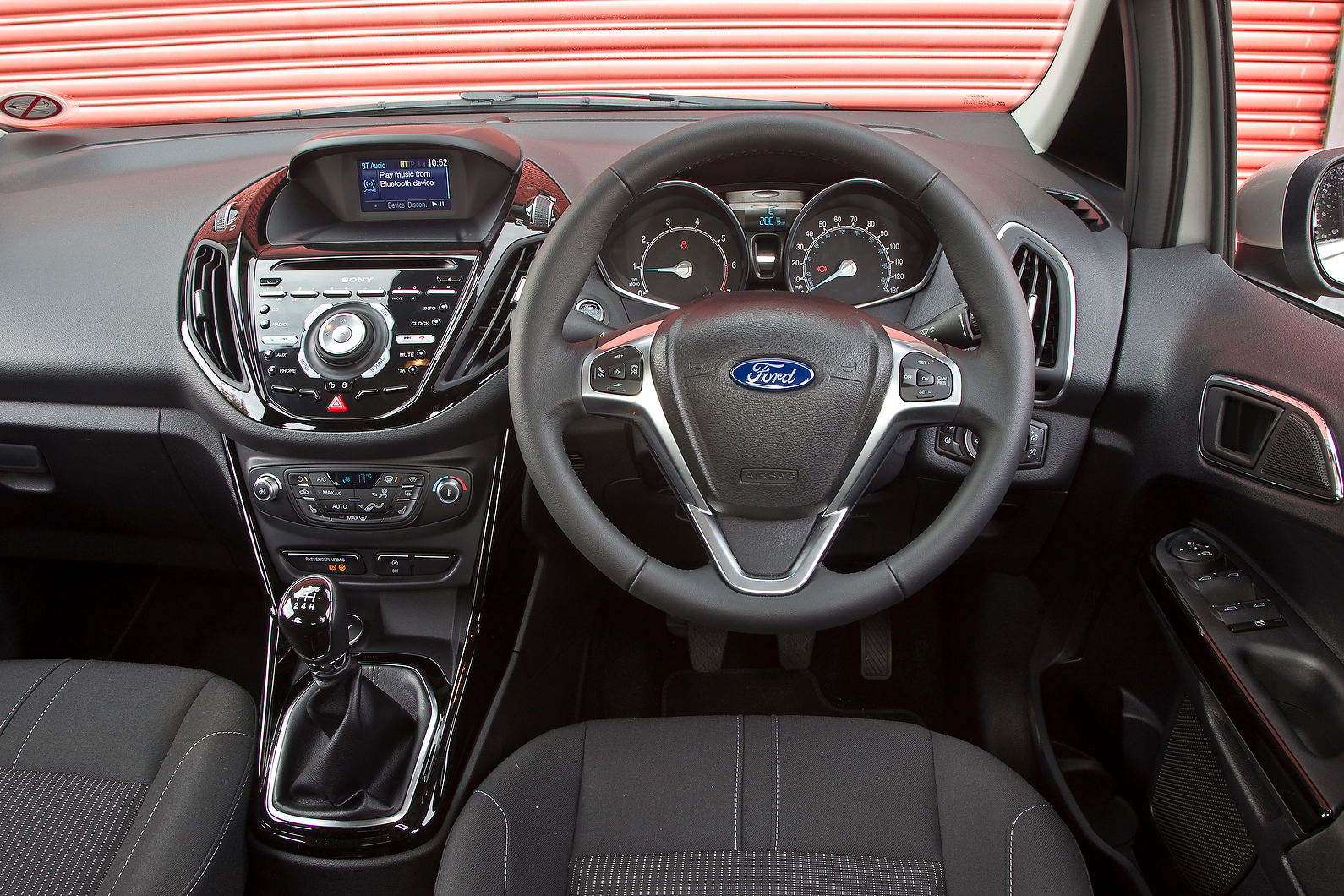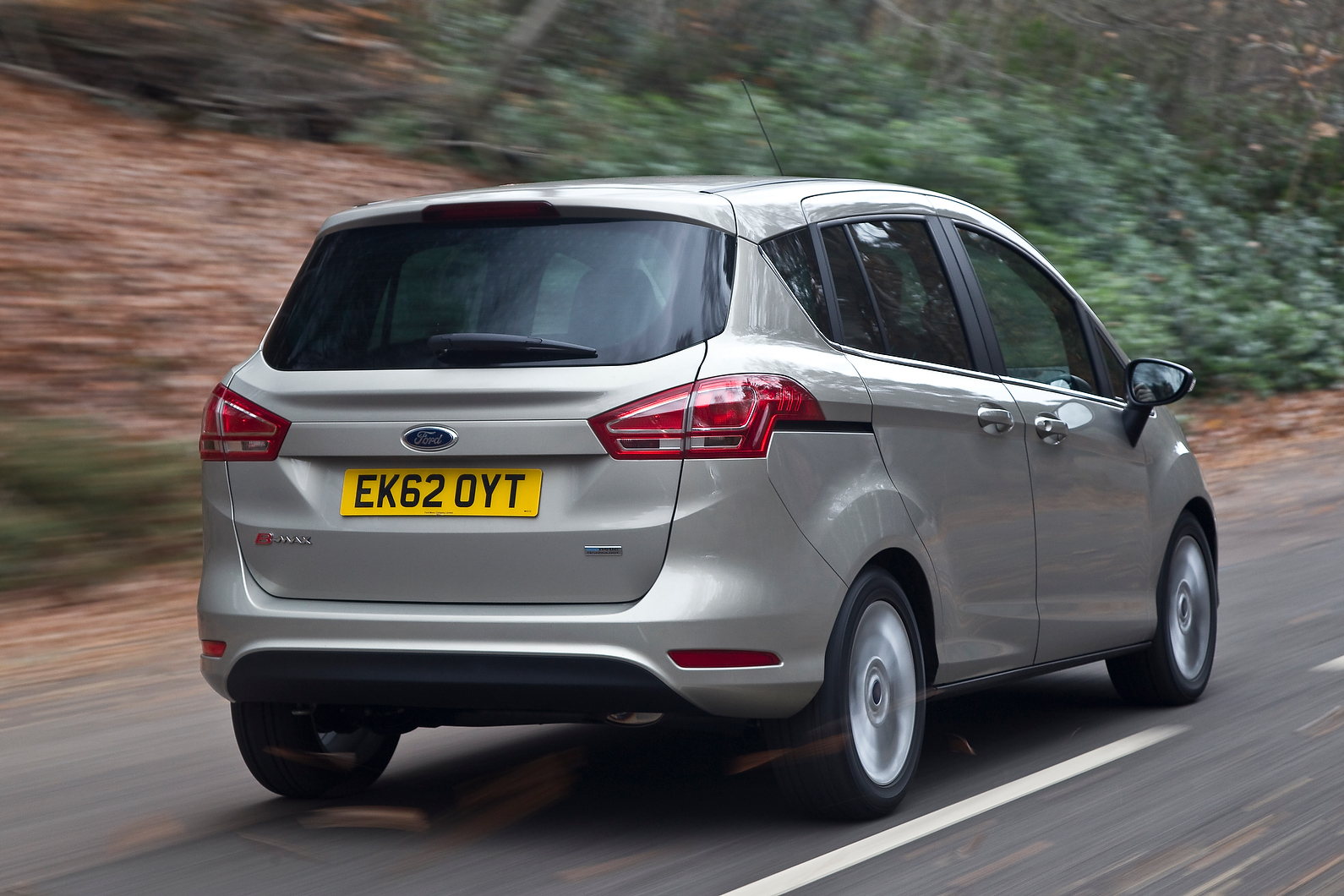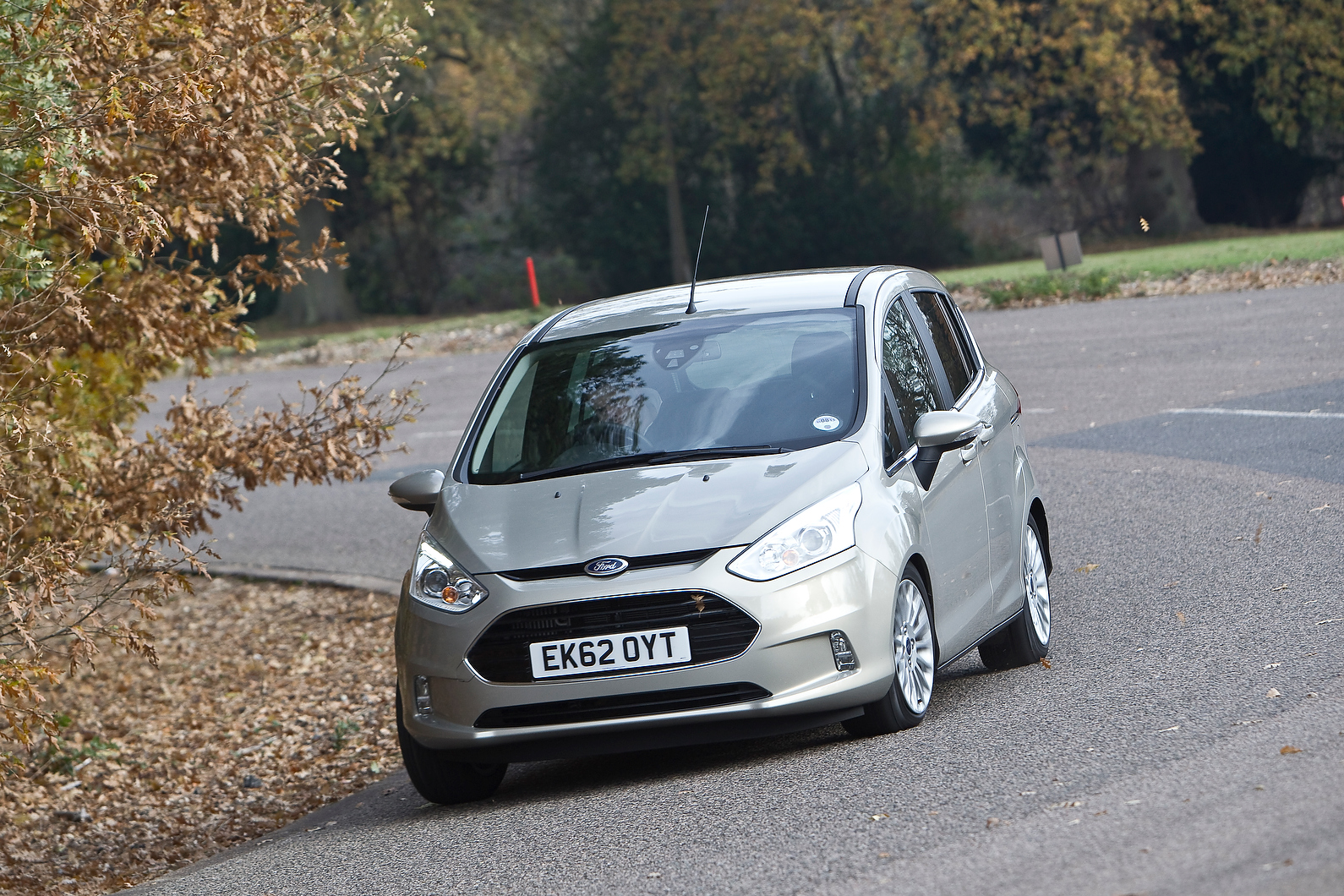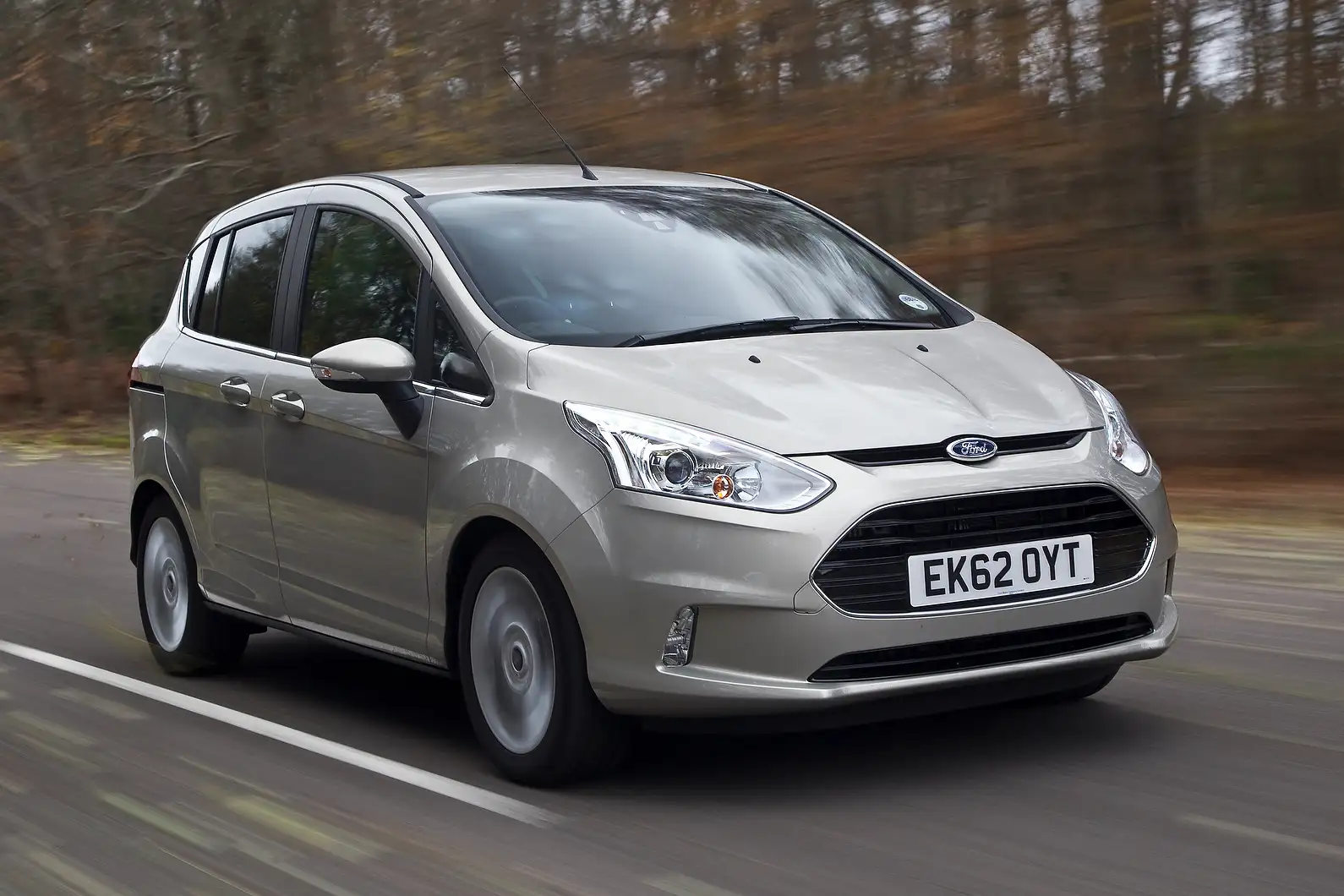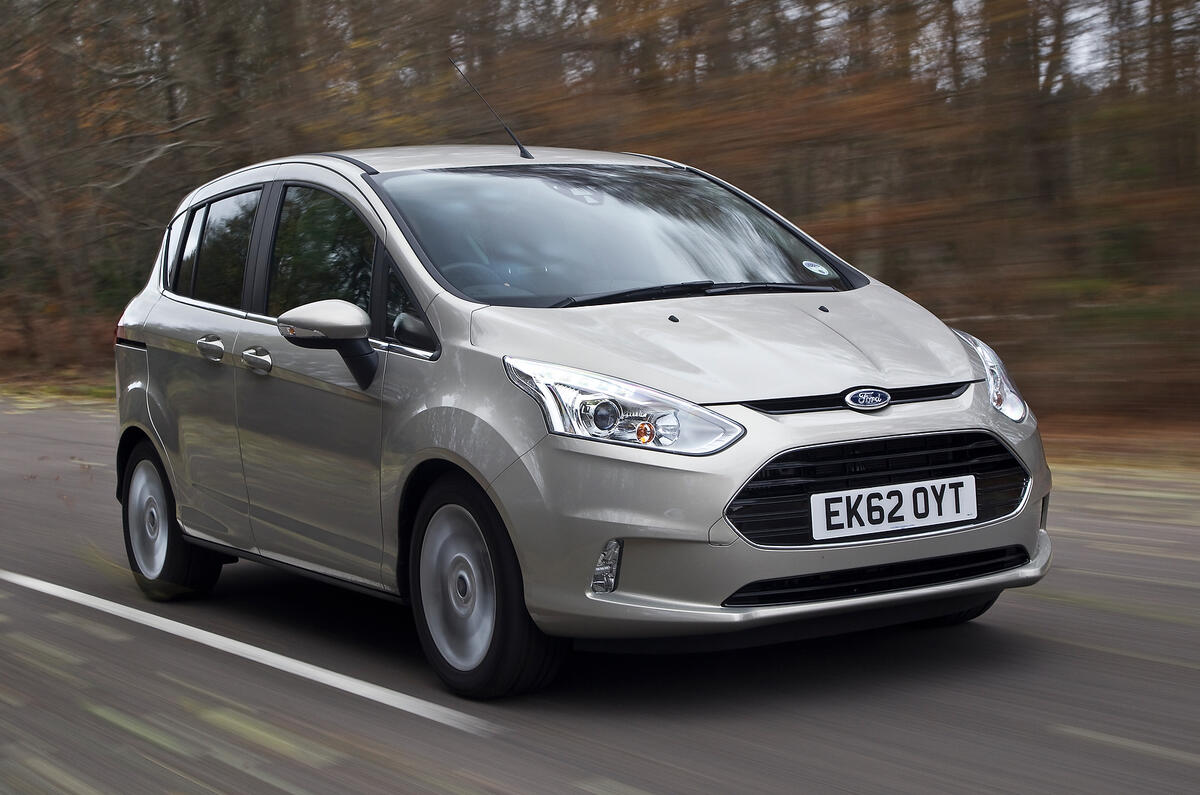


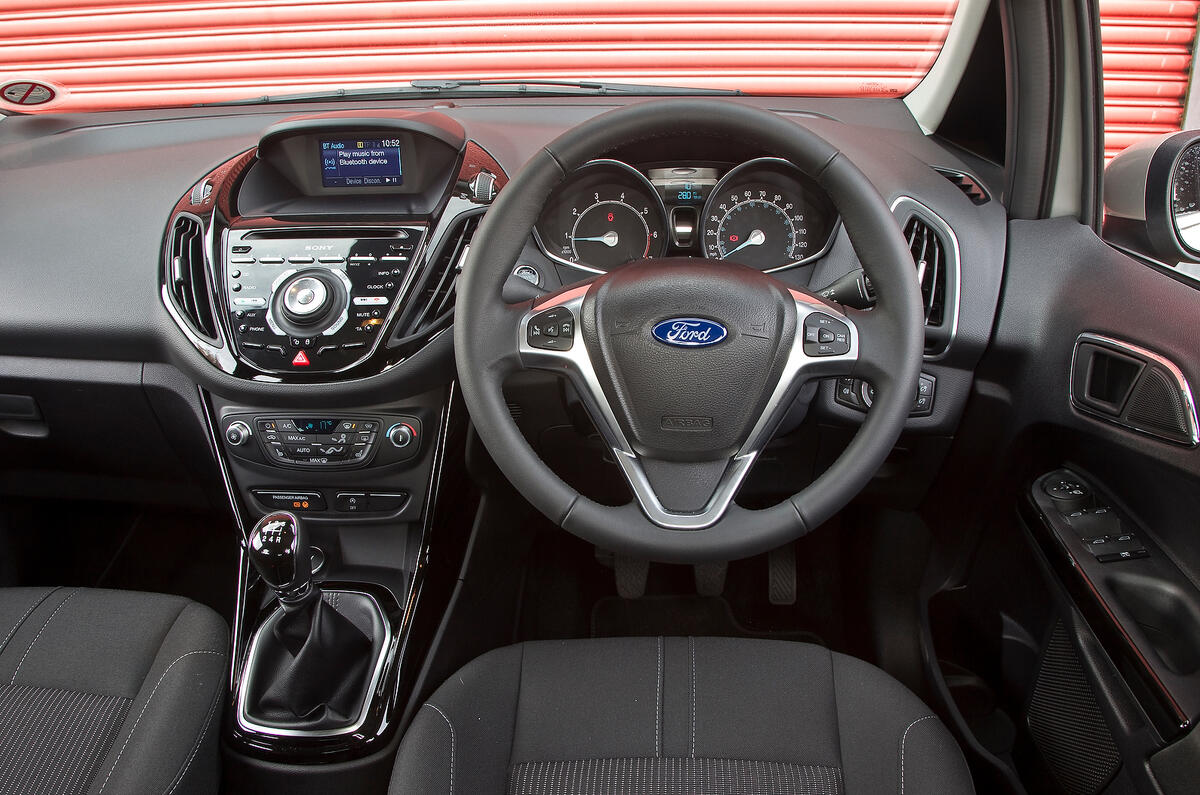


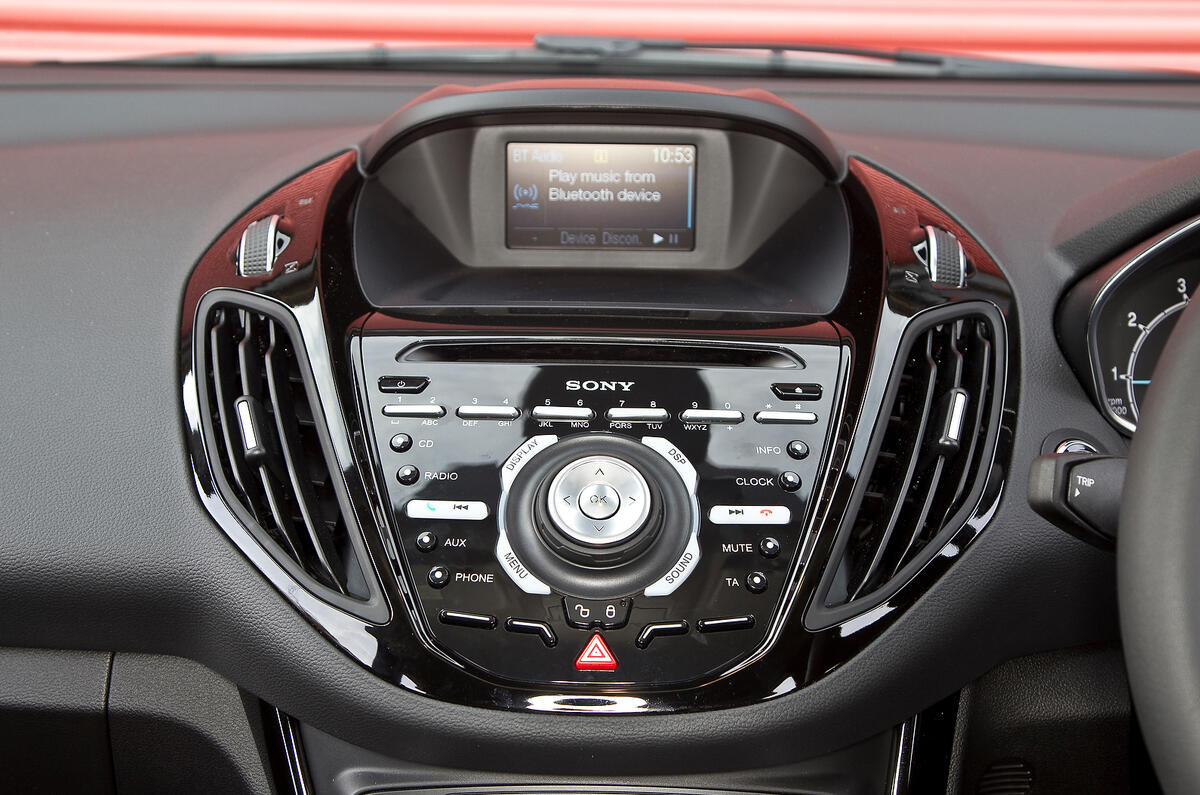
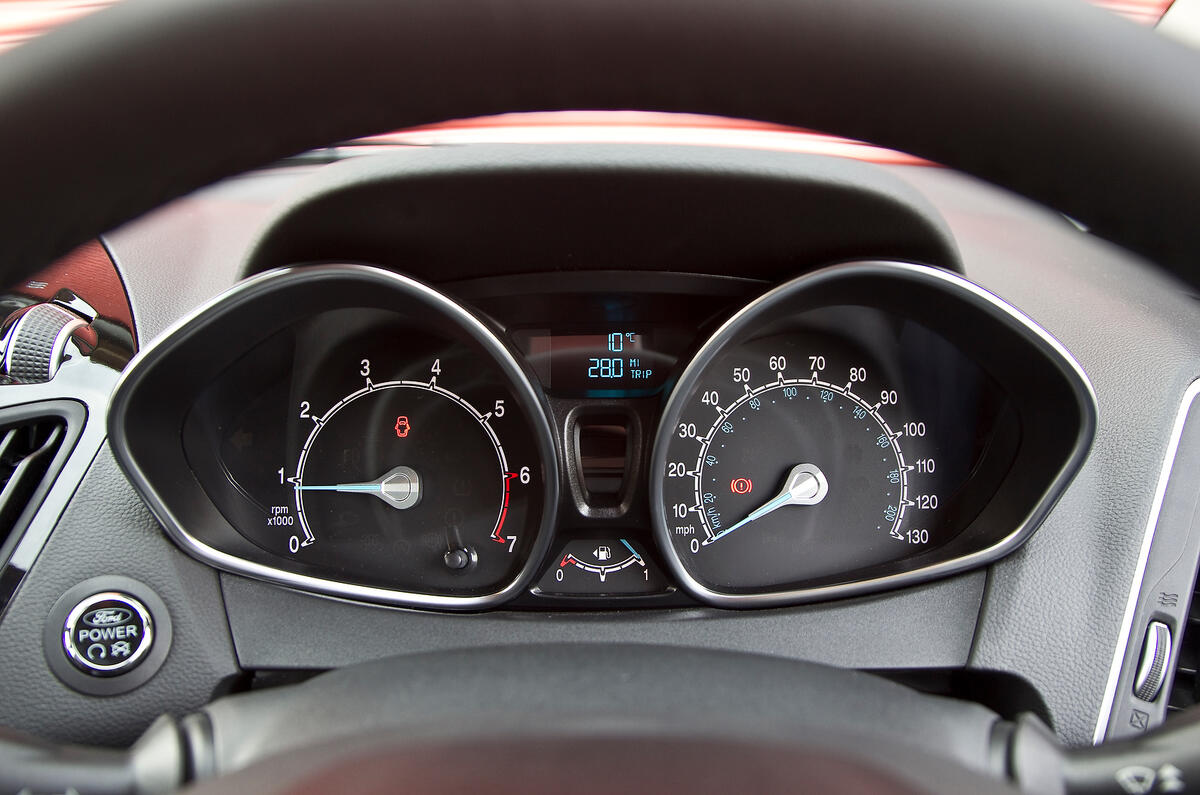
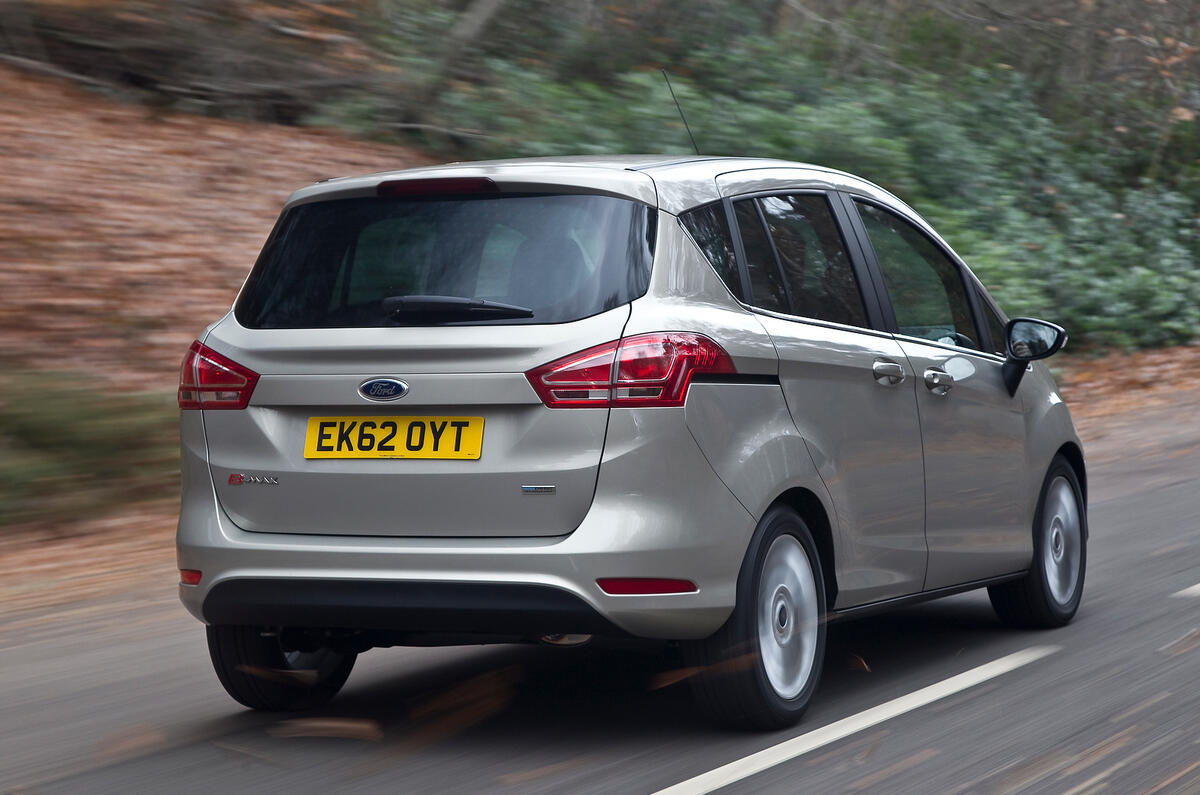
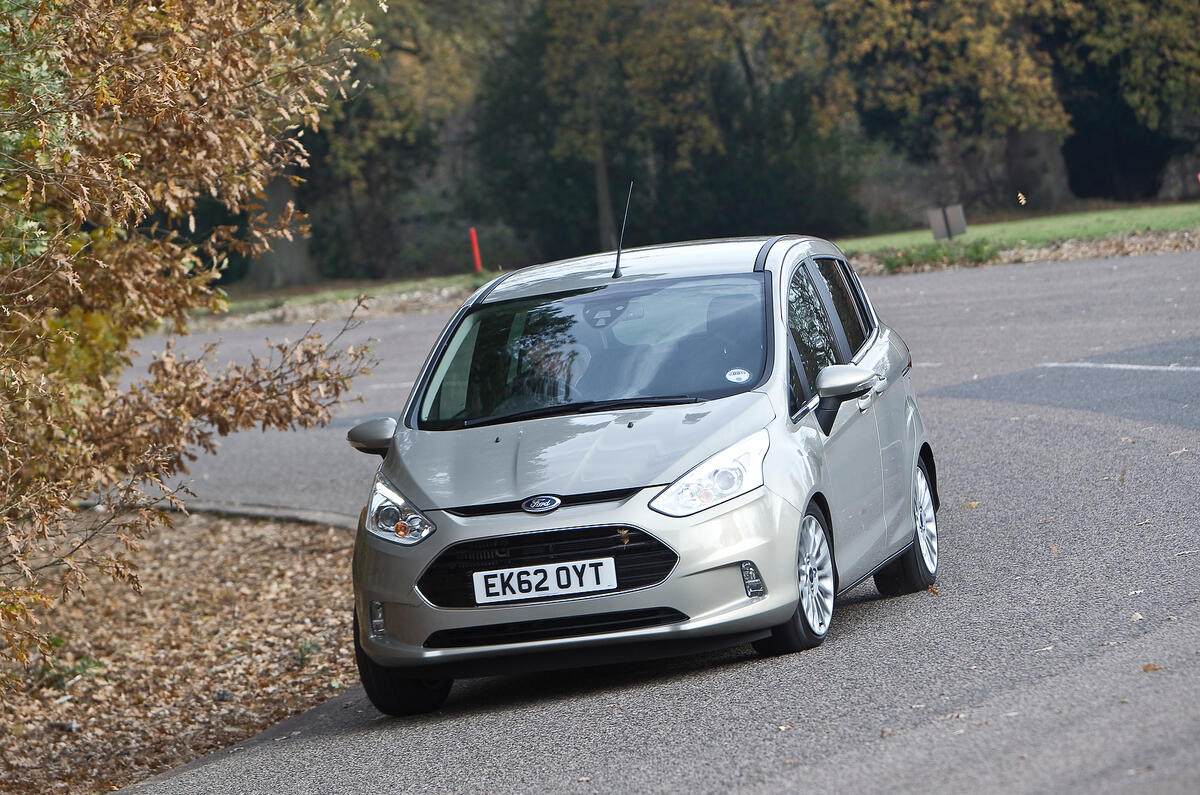
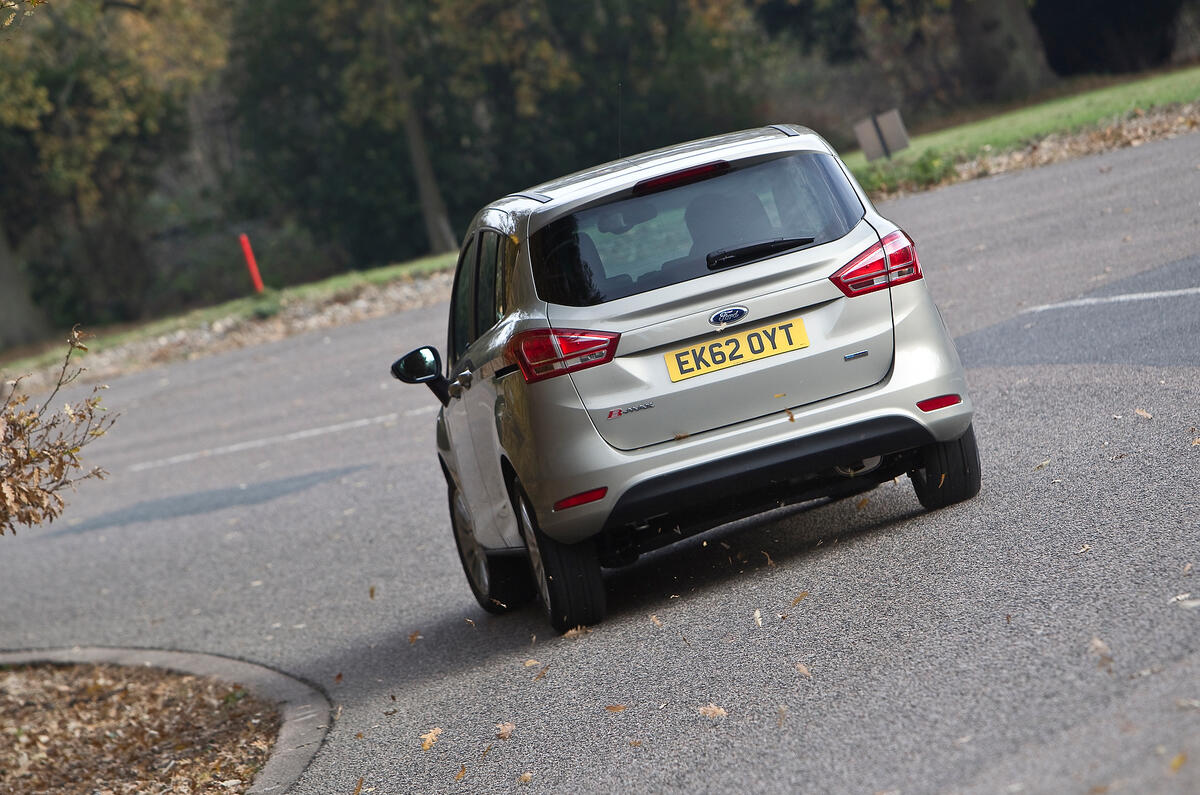
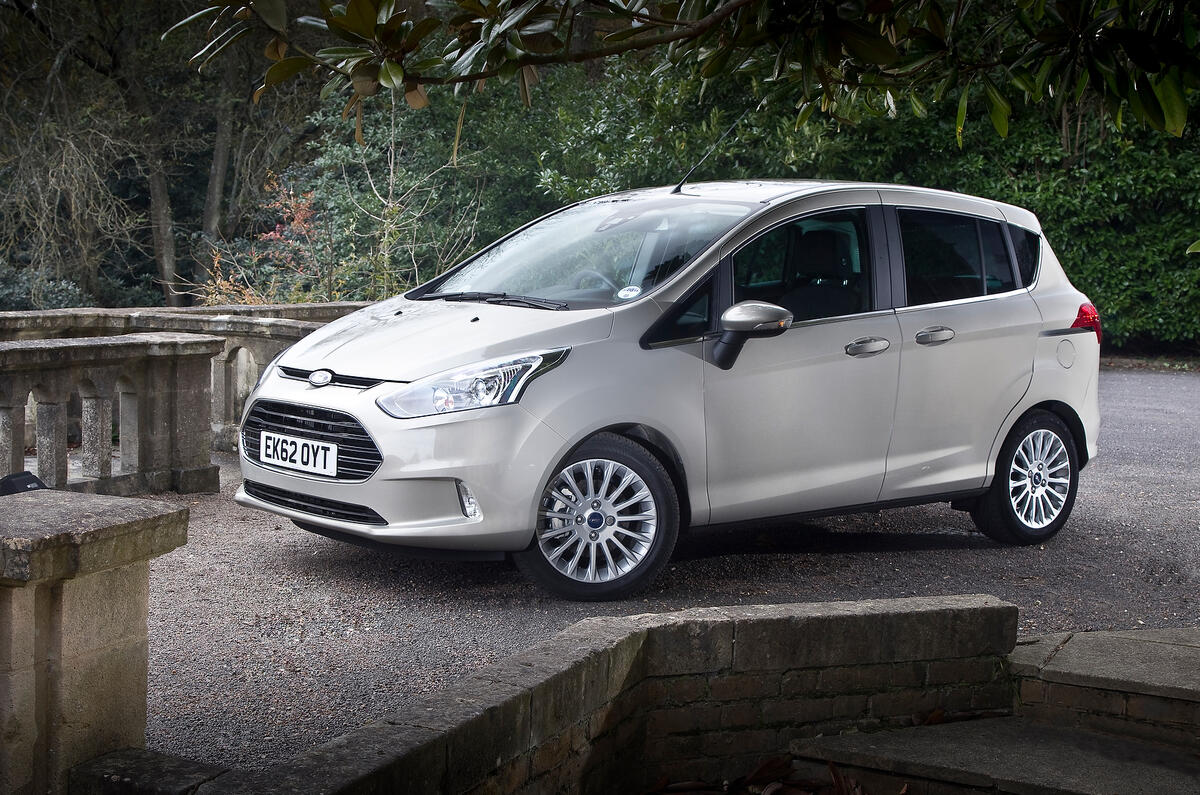





Stephen Odell, boss of Ford of Europe, wasn’t in any danger of under-selling the Ford B-Max to the press at the Geneva motor show in 2012, he said that it “does things which other vehicles simply cannot do, and will have a major impact on the market for compact cars."
Bold claims for what you might have taken for a Jody-come-lately entrant in a bit-part segment, which instantly turned this promising little hatchback into something of a hostage to fortune. Citroën's Picasso models continue to dominate European MPV sales charts, after all. Time to investigate what kind of substance Ford’s new downsized family car can use to back them up.
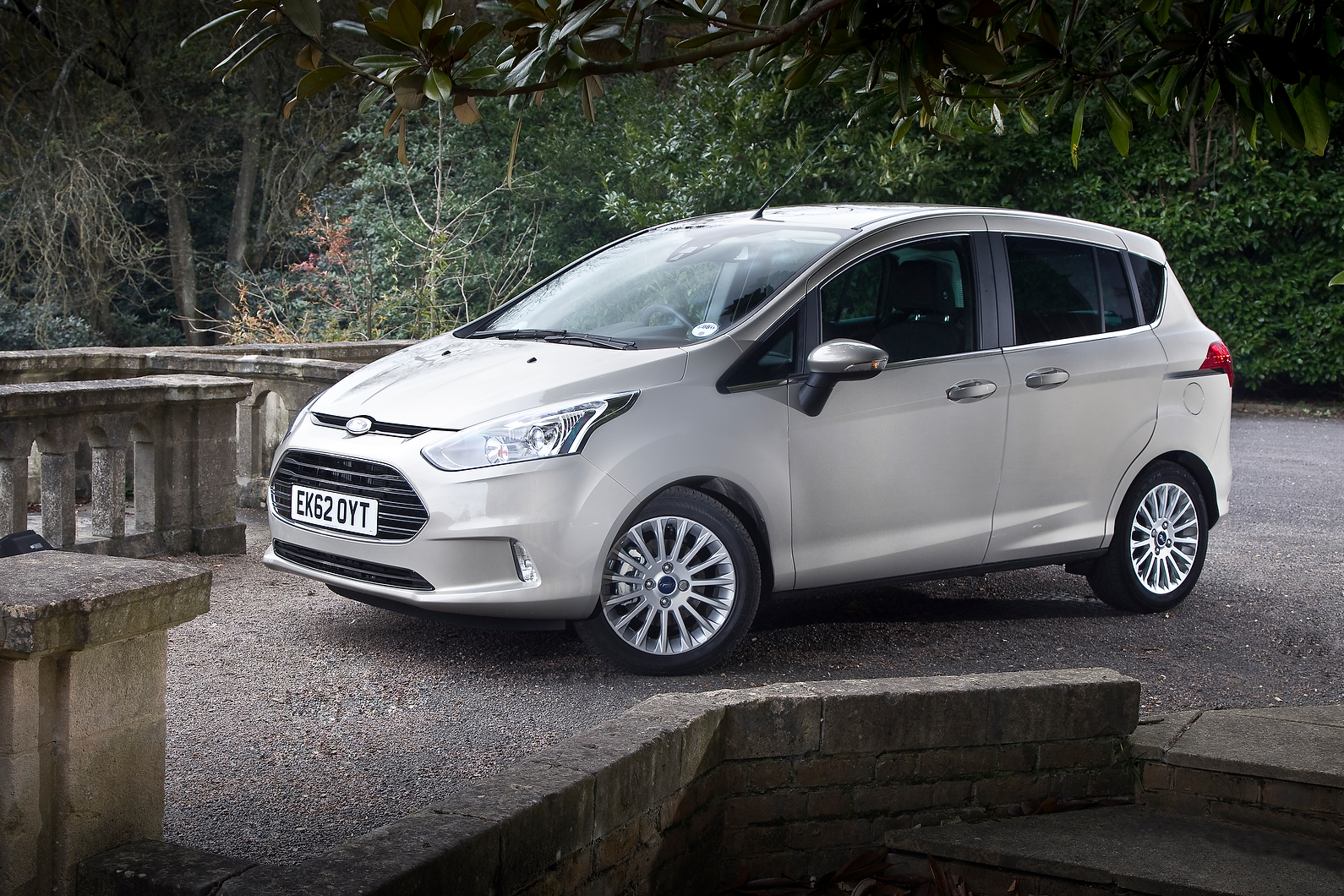
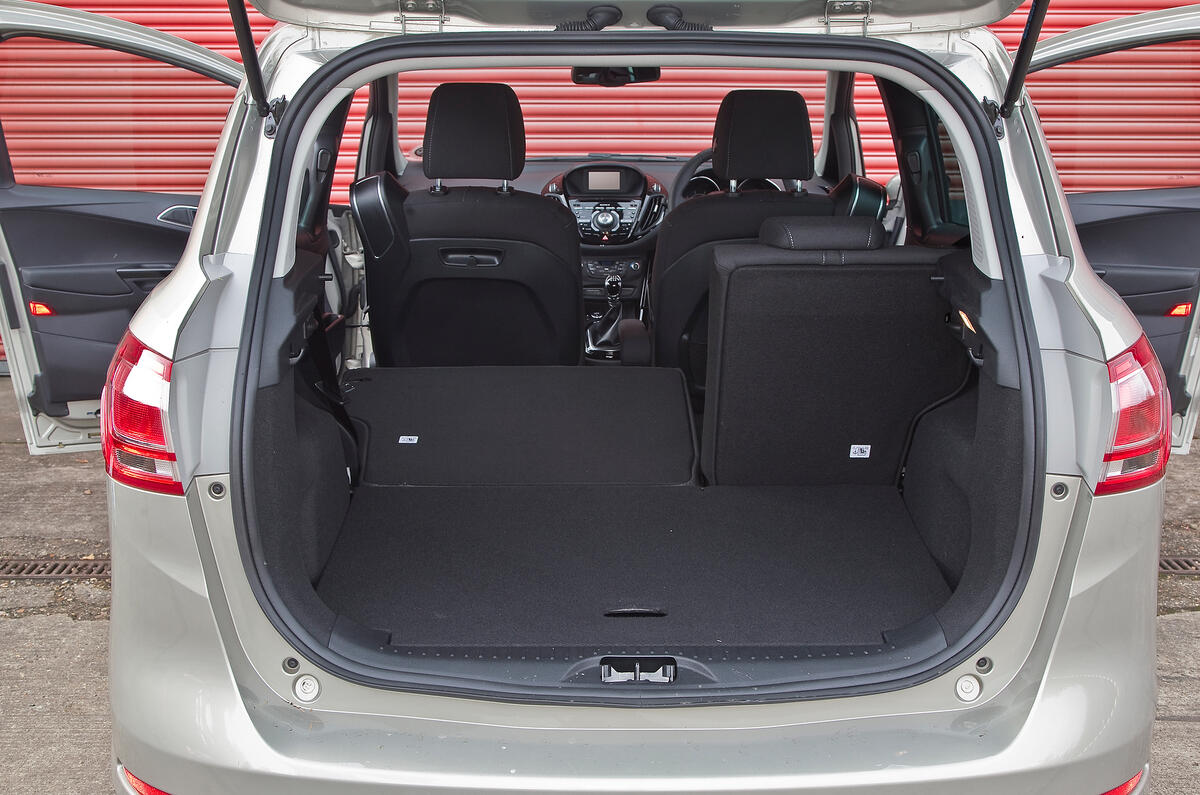
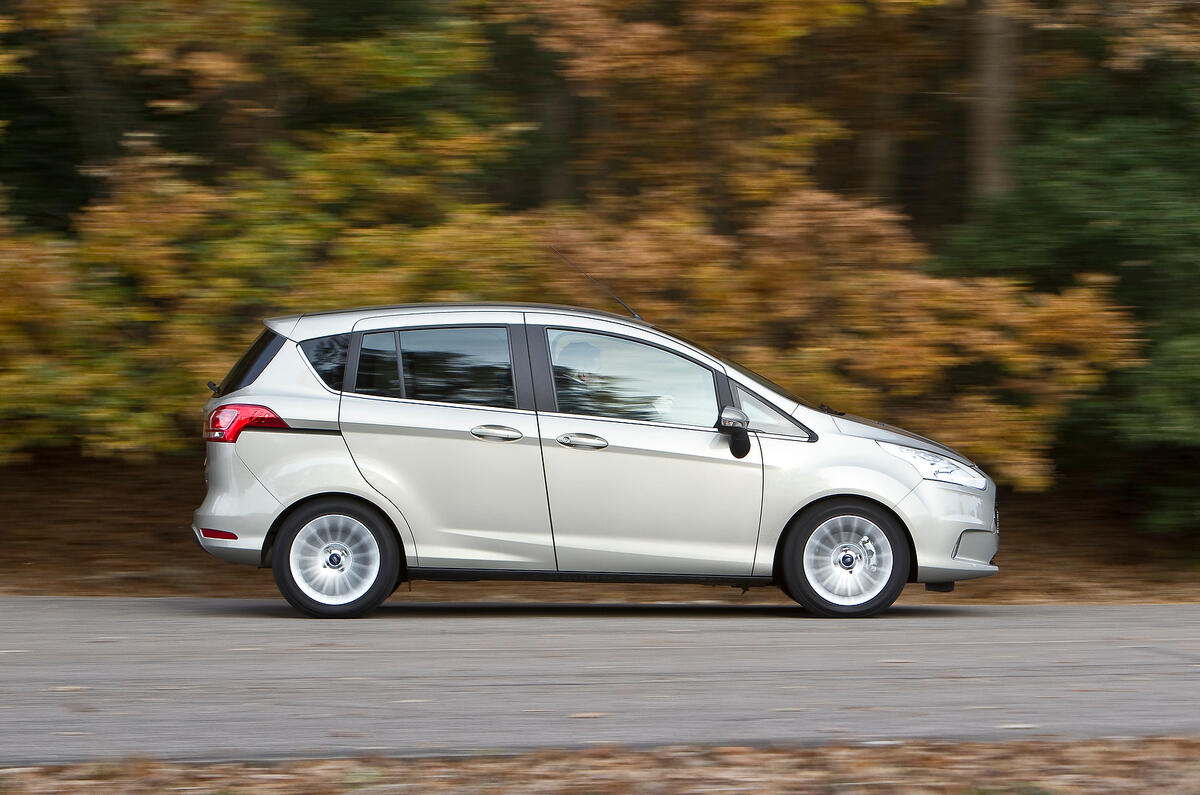
This is the Blue Oval's smallest MPV - technically, a rival for the Citroen C3 Picasso and Skoda Roomster and now the Yeti. Its calling card is a pair of sliding rear doors - features not unknown to the people-moving segment in general, but not fitted to a car this size before now. And if you’ve seen the TV advert, you'll already have realised that those doors close over something even more unconventional: a body structure that comes entirely free of B-pillars.
That certainly makes the B-Max unique as a utility-oriented hatchback, but how much more practical does it make the car in the real world? And where’s the catch, exactly? Not on the B-pillars, that much is for sure.
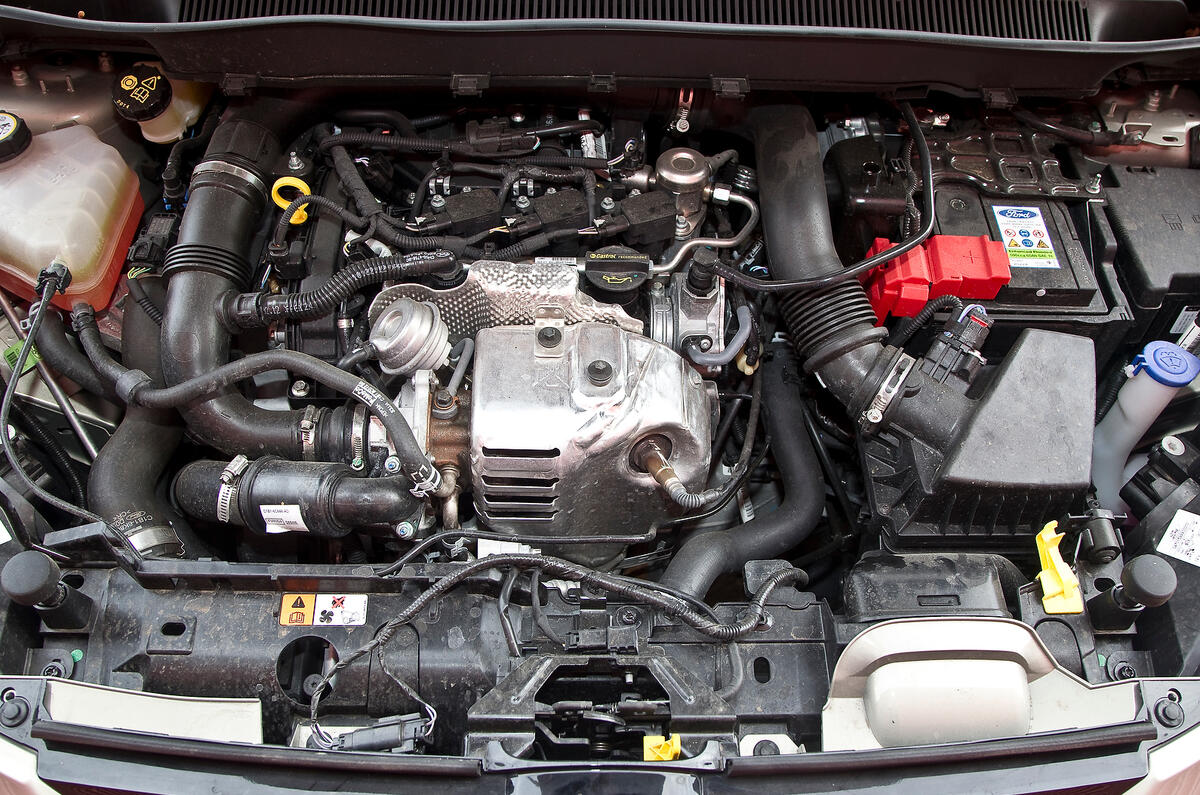
The B-Max also becomes the first Ford armed with its turbocharged 1.0-litre, three-cylinder Ecoboost petrol engine to face the Autocar timing gear, the engine having arrived too late in both Ford Focus and Ford Fiesta ranges to power our particular road test examples.