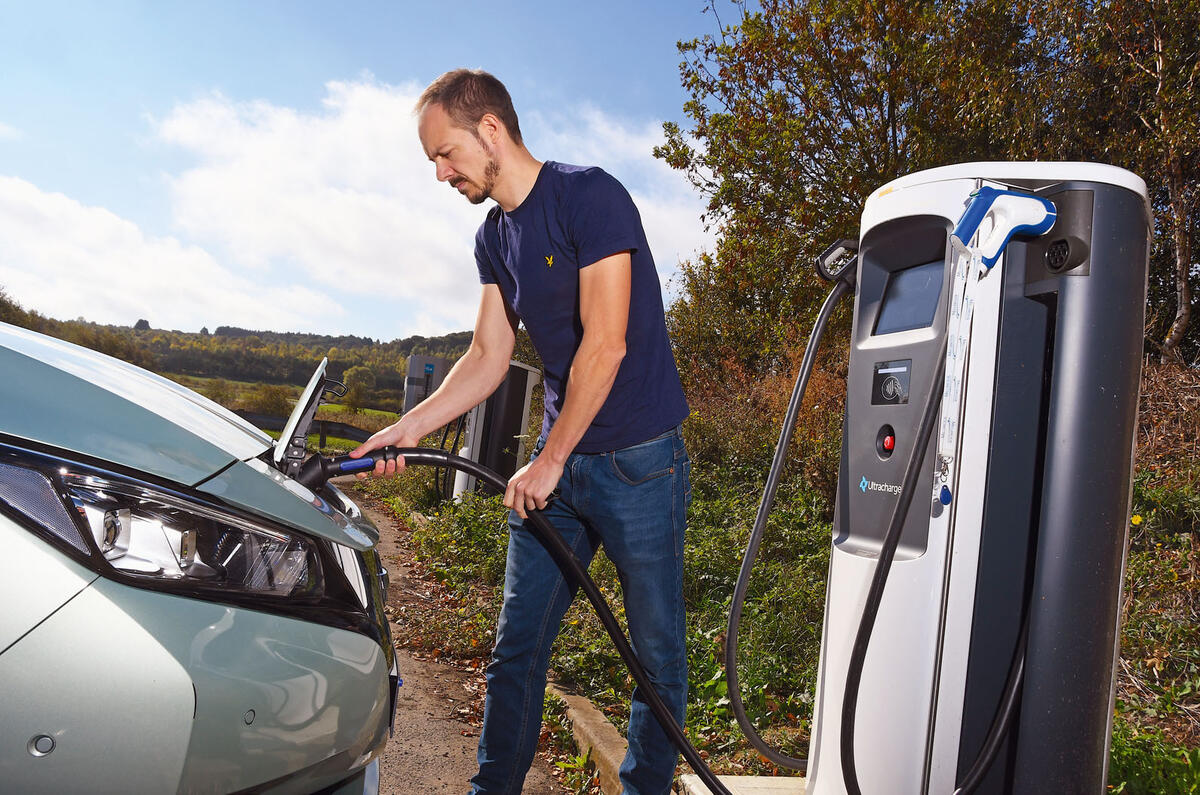

Smart meters are getting smarter. From July, all new government-funded electric car charging points must be connected to t’interweb so that electricity suppliers can monitor them.
And, possibly, control them. That’s so they can keep an eye on local distribution networks, whose robustness when fast chargers become more prevalent – and more powerful – is, I understand, a bigger worry than the ability of the overall national grid to make sufficient power when we’re all driving EVs.
(By my calculations, Britain’s electricity production/imports would need to increase 12.4% if every one of the 253 billion miles we currently drive by car are on electric power, which they won’t be for decades.)
But the story raises two eyebrows. One because it sounds like there could be local rationing: an electricity company could limit or delay charging in case of grid overload, but I don’t imagine it’ll ever come to that. It’s not like a million chargers will be installed overnight; as the network grows, this new tech lets suppliers see where hotspots emerge so they can upgrade the network in advance. You’d hope.
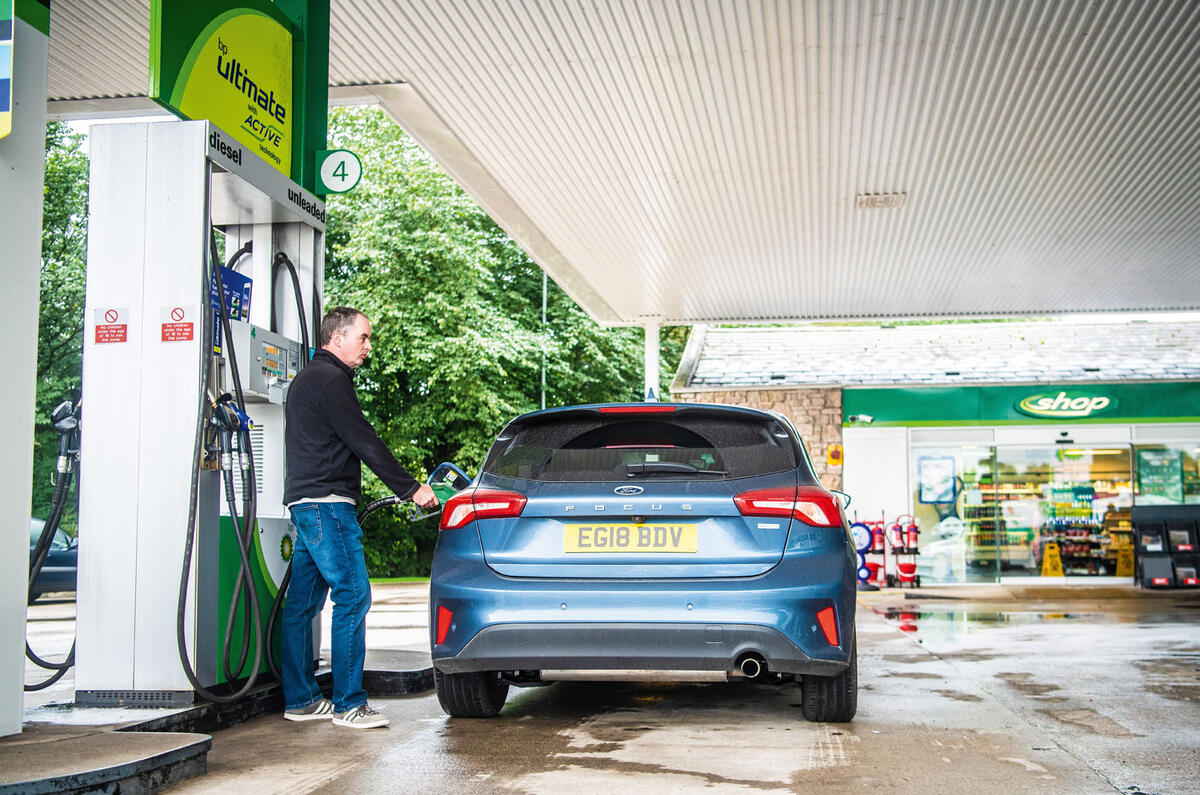
The other outcome, we reported, is one of life’s two inevitabilities: tax. Drive an EV today and you won’t pay much. And the Treasury says “we currently have no plans to levy a new tax on charging points for electric vehicles”. But, at the moment, fuel duty is £27.2 billion – 4% of all tax revenue – even before you include fuel VAT. That’s a lot of money. And they’re going to want that back, aren’t they?
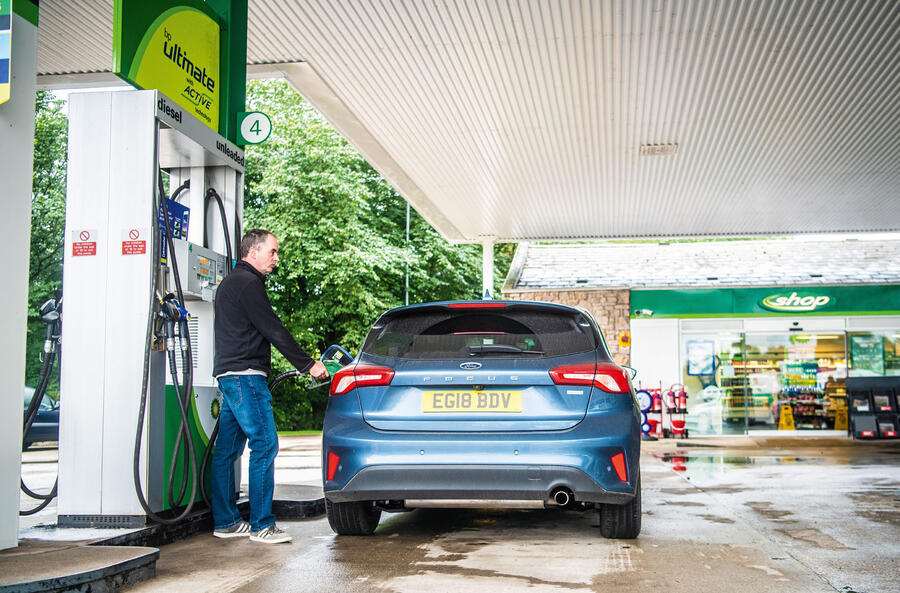
They could take it, so our story goes, through connected chargers. But I don’t think they’ll need to.
I see at least three ways of taking tax from EV drivers and only one, to me, has no obvious drawbacks.
They aren’t taking it through car chargers, because you can get electricity from any old plug. Unlike diesel, you can’t dye electricity red, and creating a black market for electricity doesn’t sound like the safest idea to me. Those who could use a three-pin plug at home would and, while ever-faster chargers will mean you won’t need to charge at home, if you’re one of the 18 million car owners who can, why won’t you?