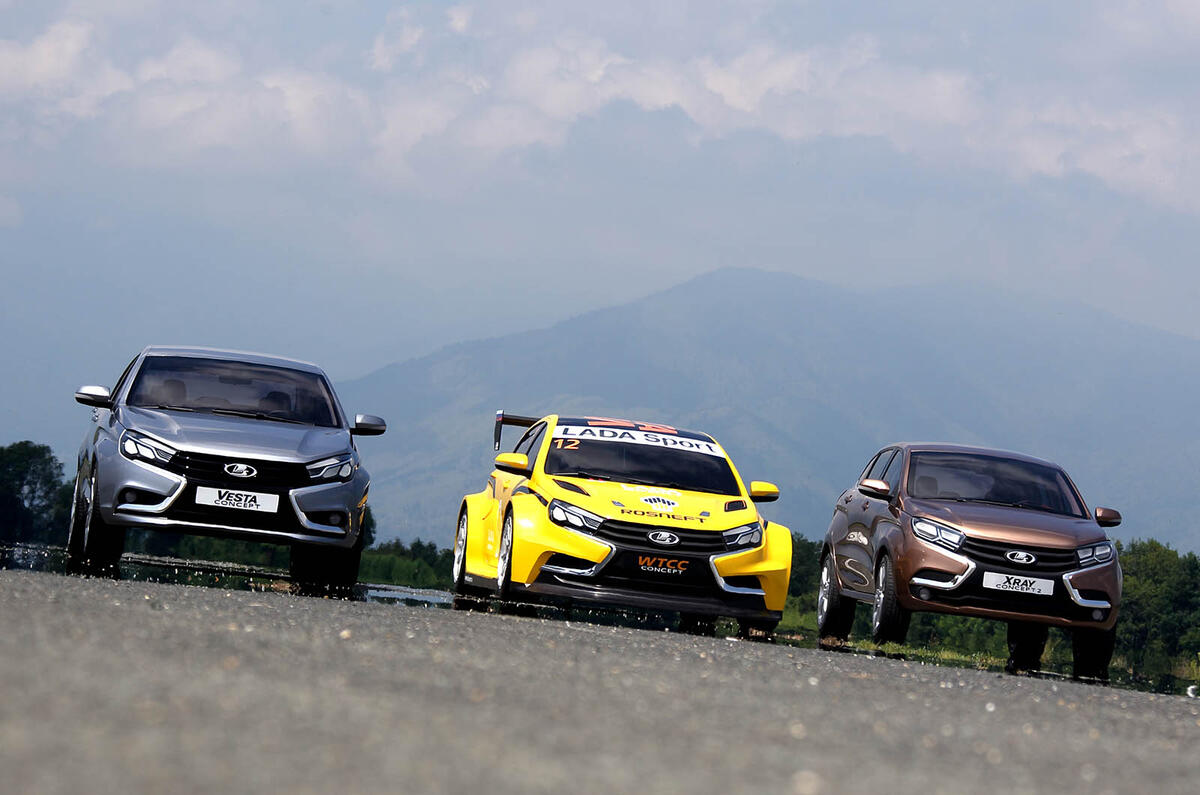
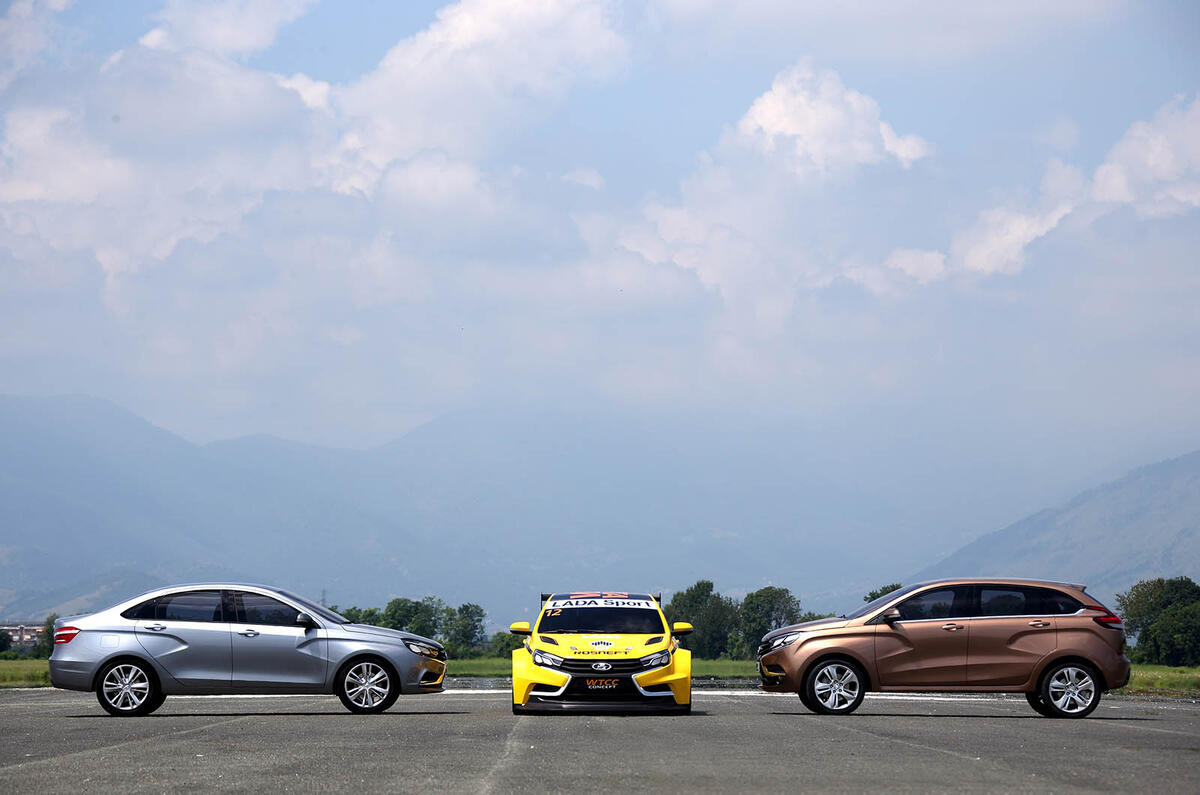
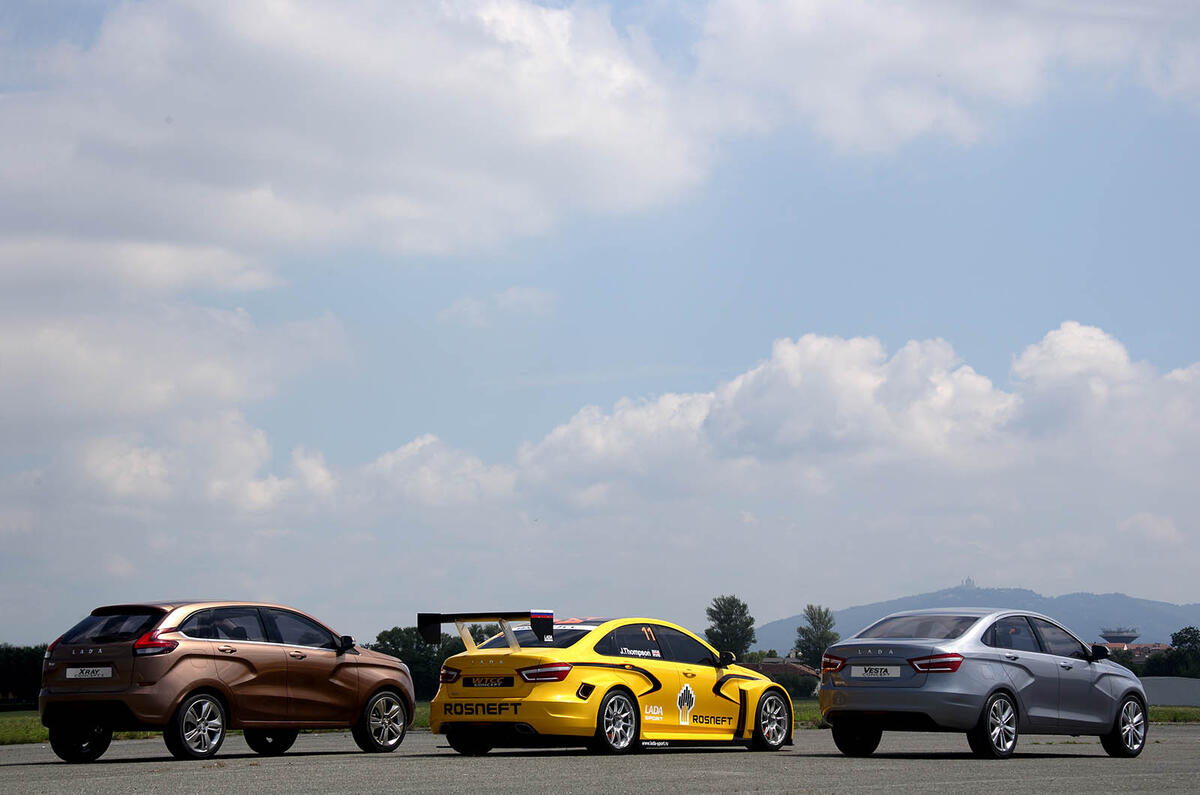























Lada has launched two new models and a new race car at its home Moscow motor show as it bids to reinvent itself as the maker of stylish, desirable, high quality cars with appeal not just to the domestic buyers so loyal to the brand, but also eventually those further afield.
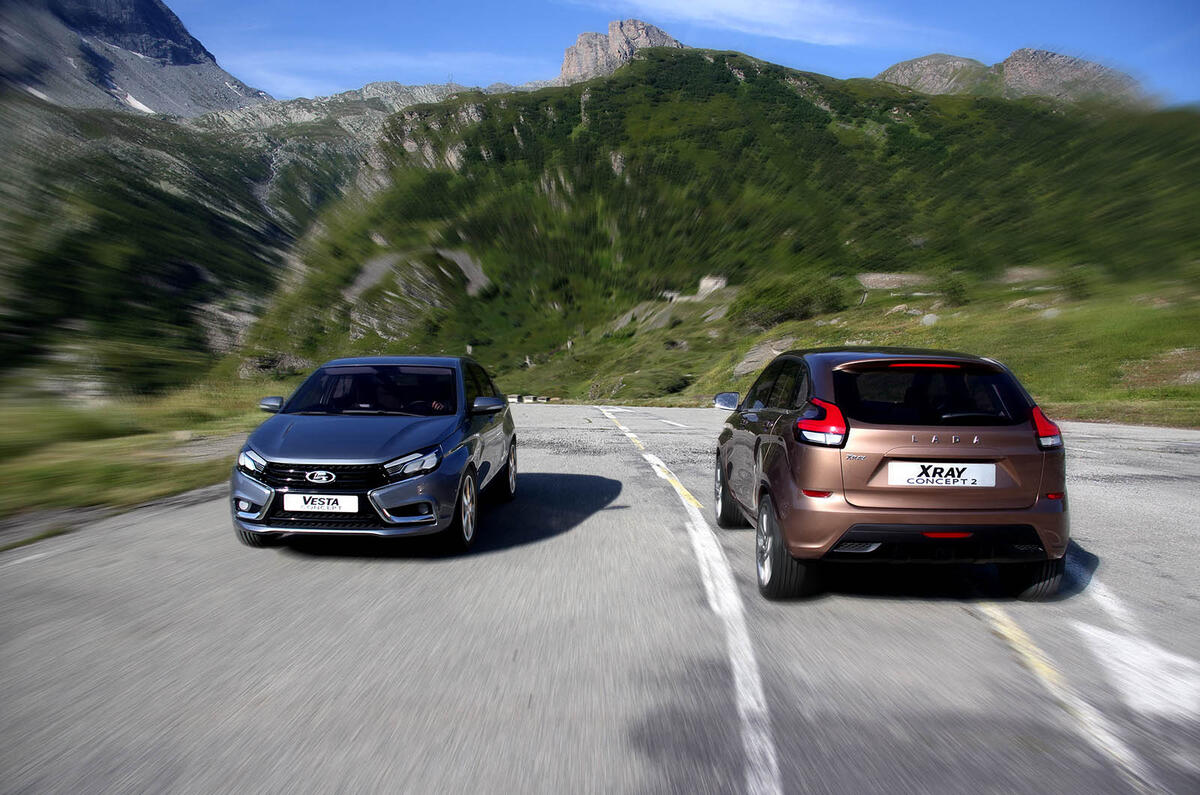
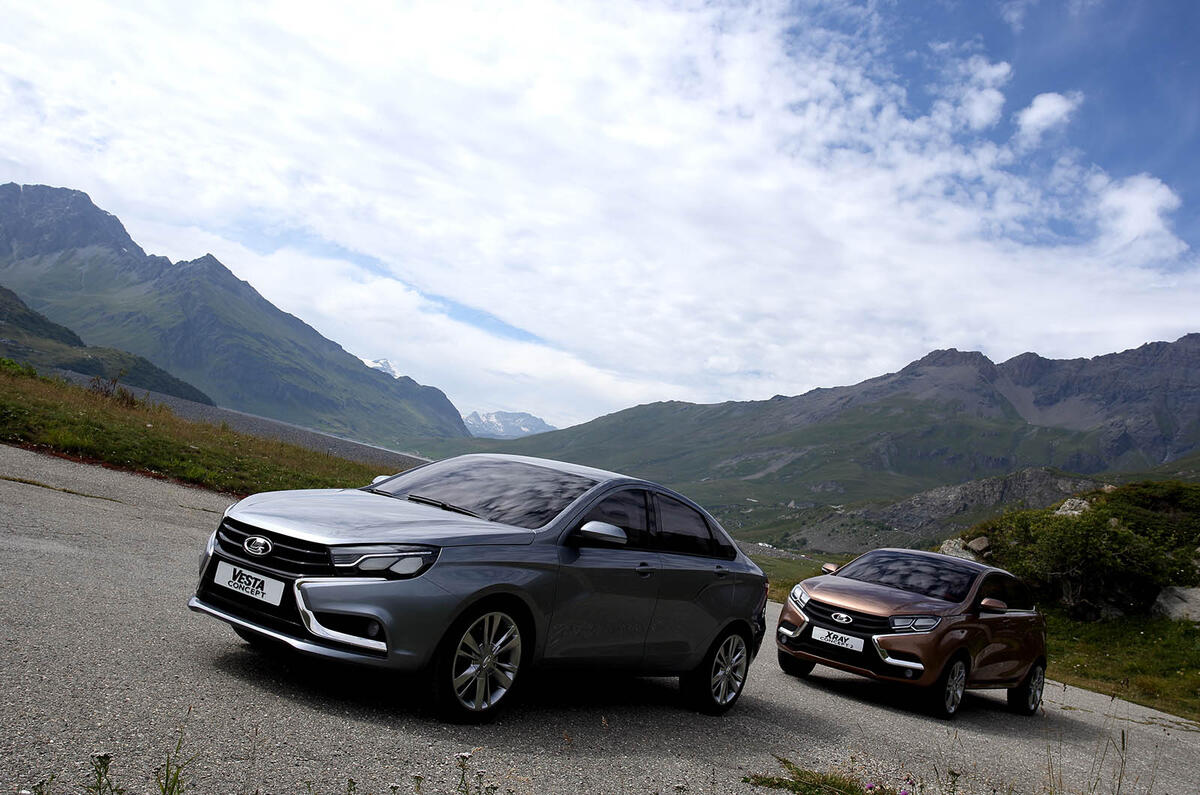
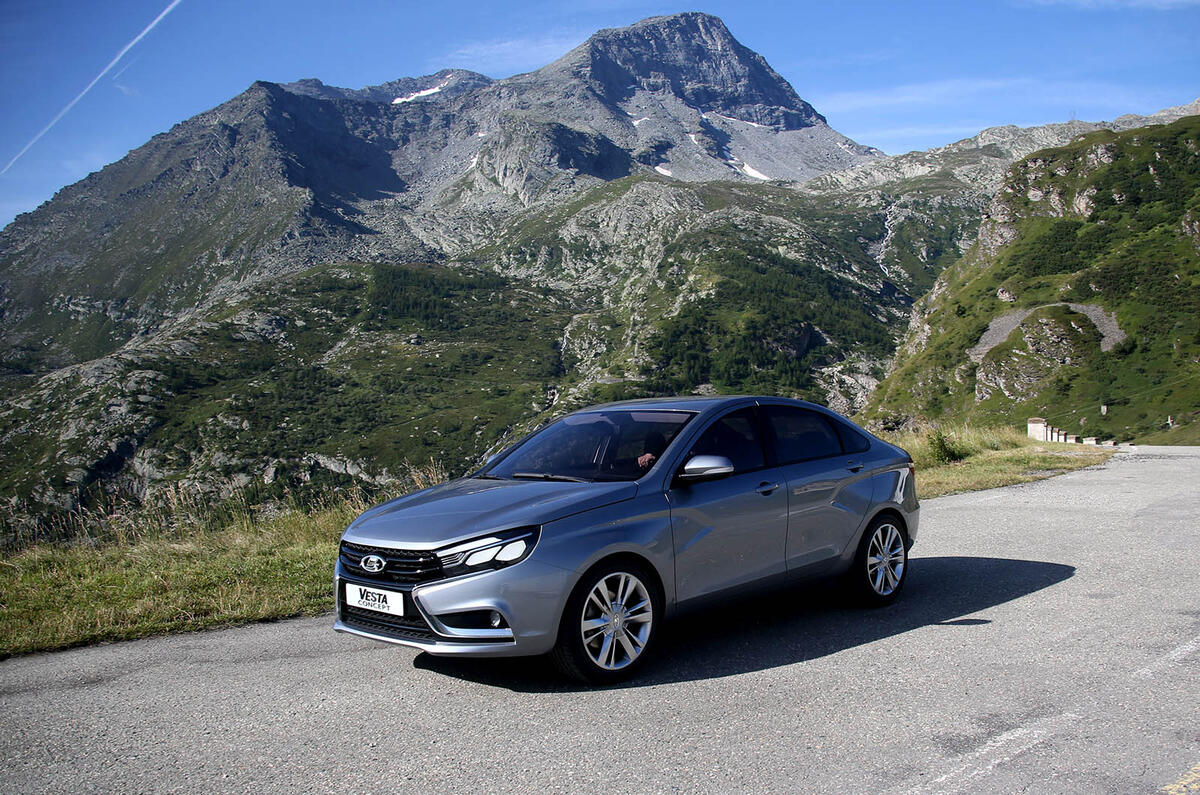
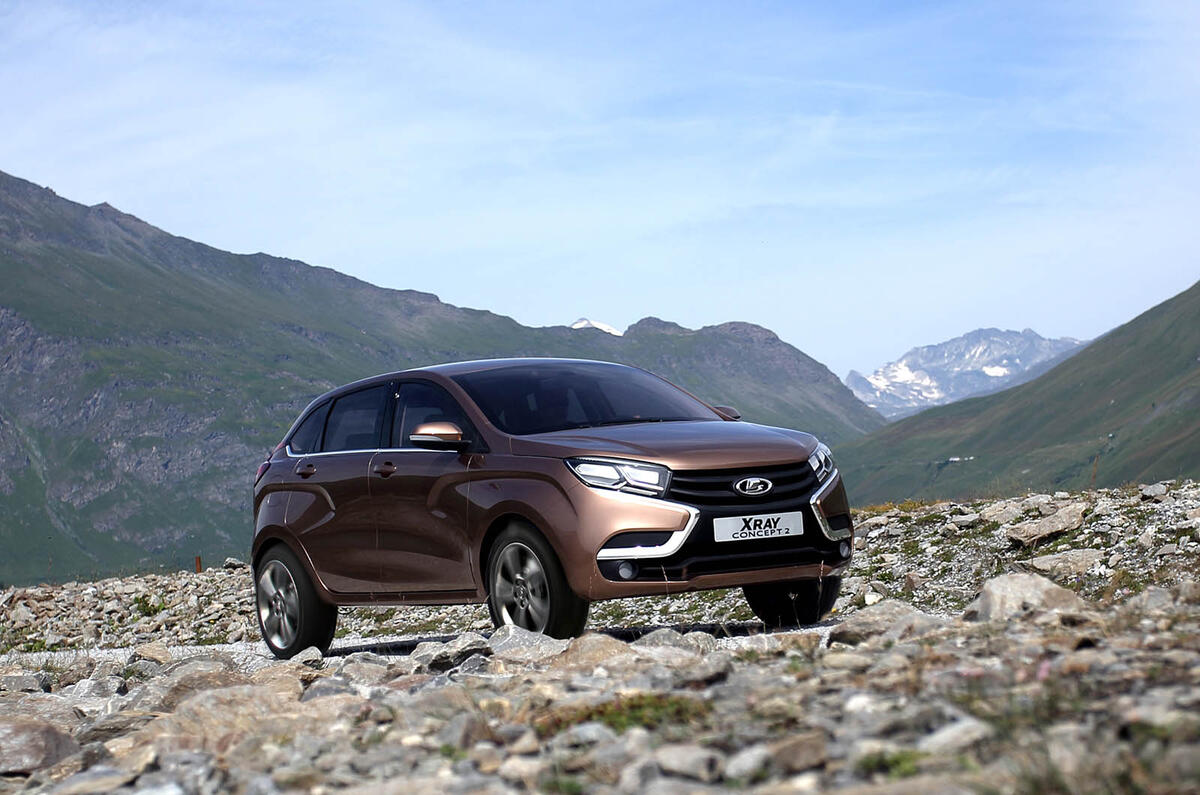
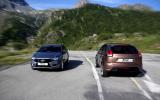
At Moscow it is presenting the X-Ray compact SUV and the Vesta compact saloon, both thinly veiled looks at new families of models that will go on sale from September 2015.
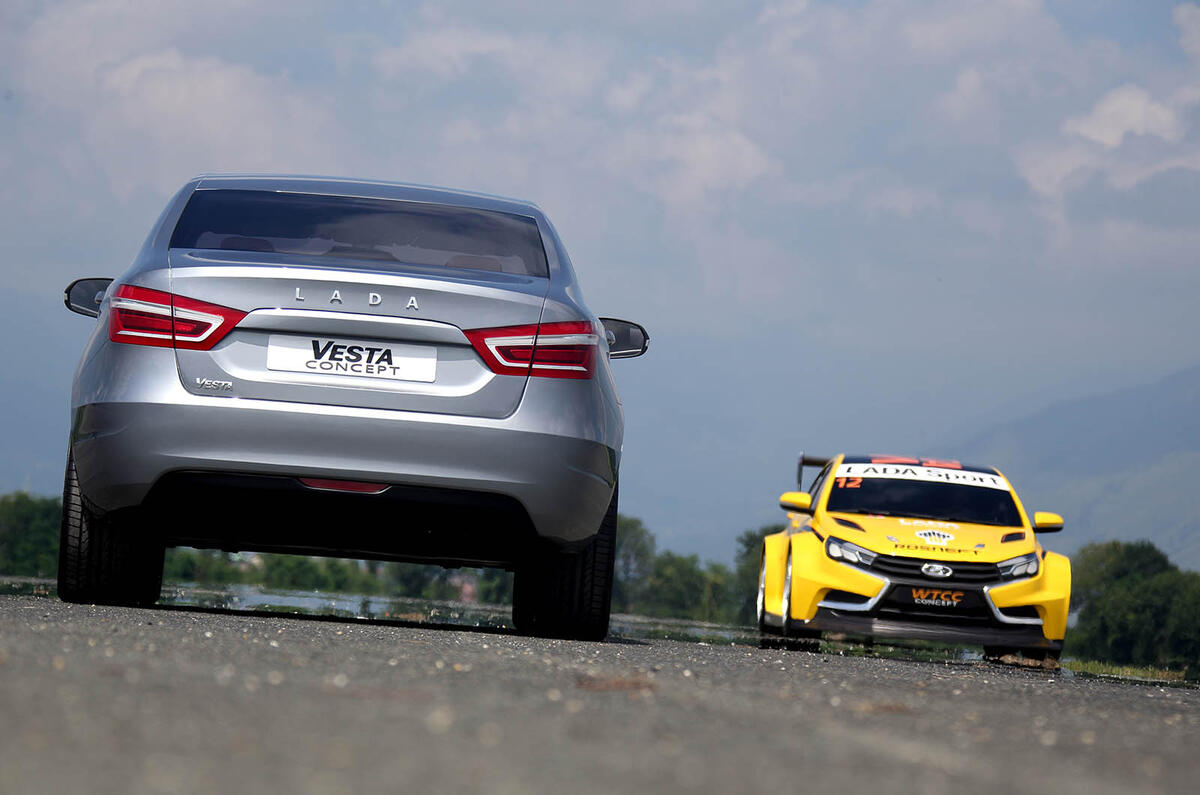
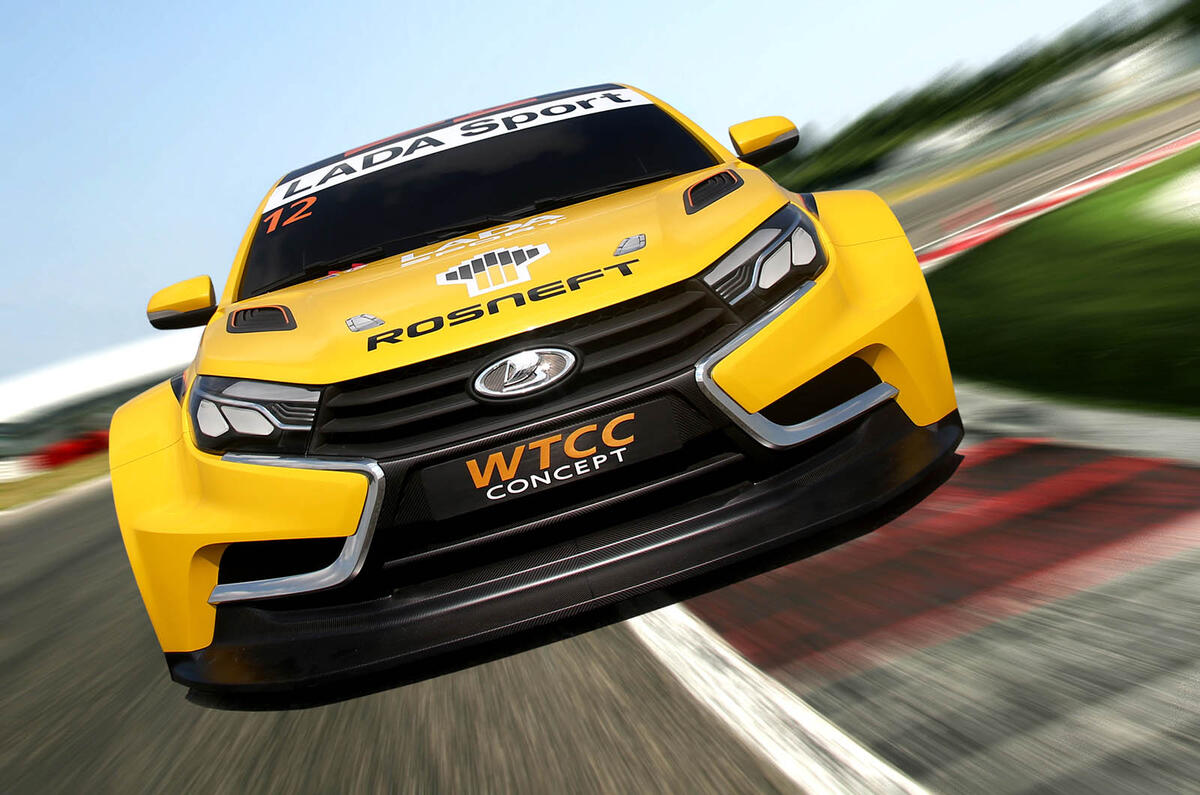
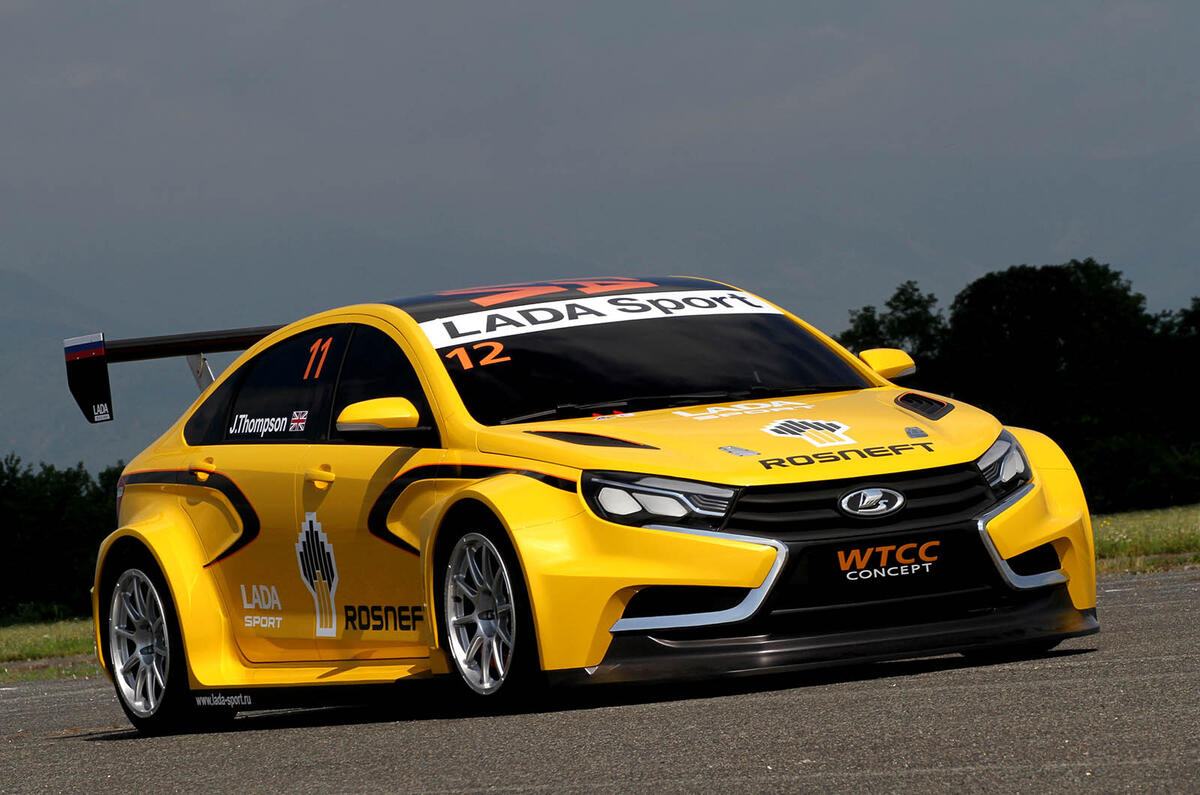
There is also a World Touring Car Championship version of the Vesta saloon that will go racing next year, with two British drivers – Rob Huff and James Thompson – and Russian Mikhail Kozlovskiy behind the wheel.
All this has been made possible by a takeover of Lada’s parent firm Avtovaz by Renault-Nissan, which has gradually been increasing its ownership to now 67.1 per cent of a holding company that controls 74.5 per cent of Avtovaz. Renault acquired an initial 25 per cent stake in 2008 for $1 billion (£600m).
The bold, distinctive new design direction, overseen by British design director Steve Mattin, is the first phase of this reinvention, which is in part backed up by proven Renault-Nissan-sourced platforms and likely powertrains.
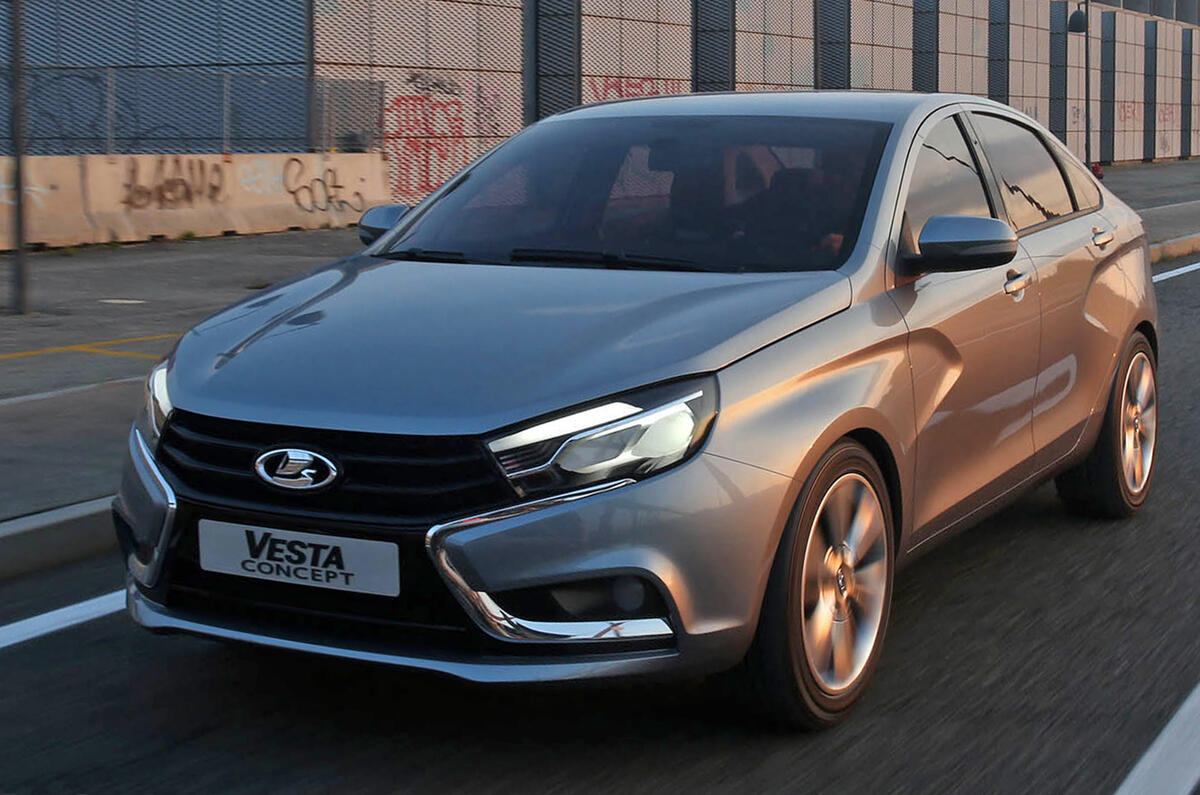
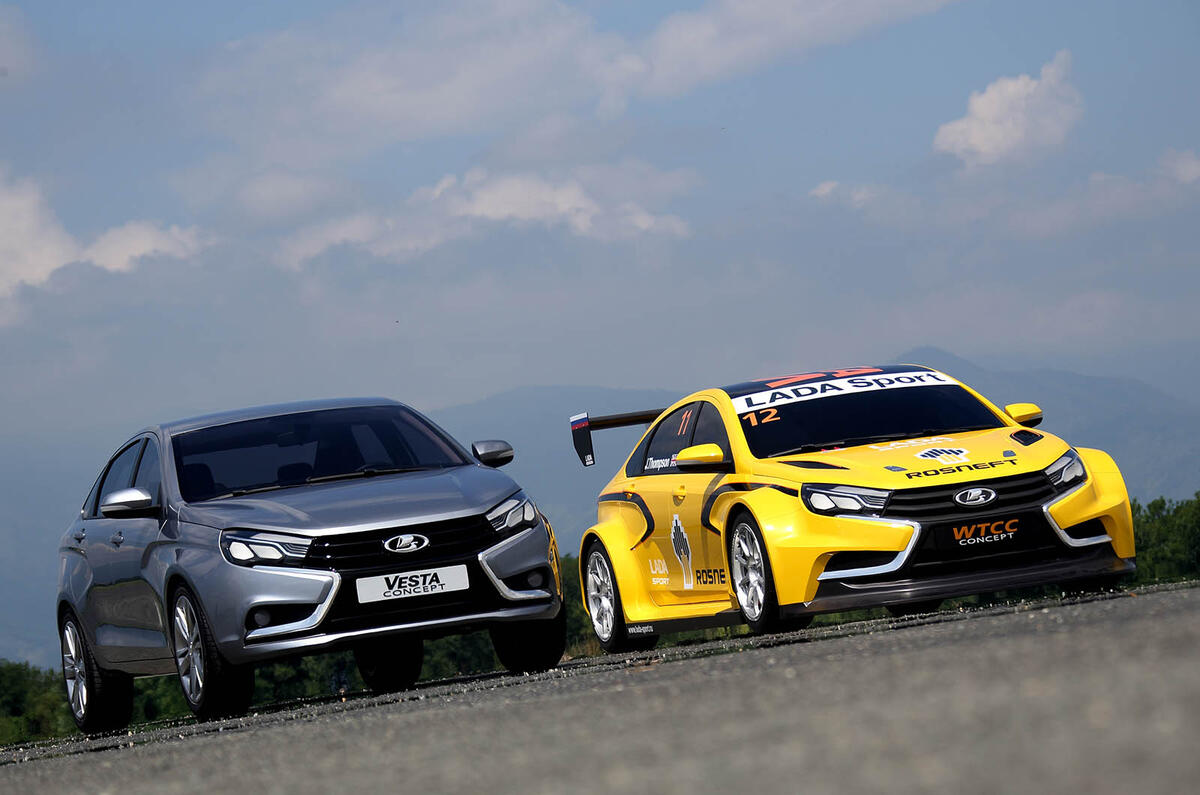
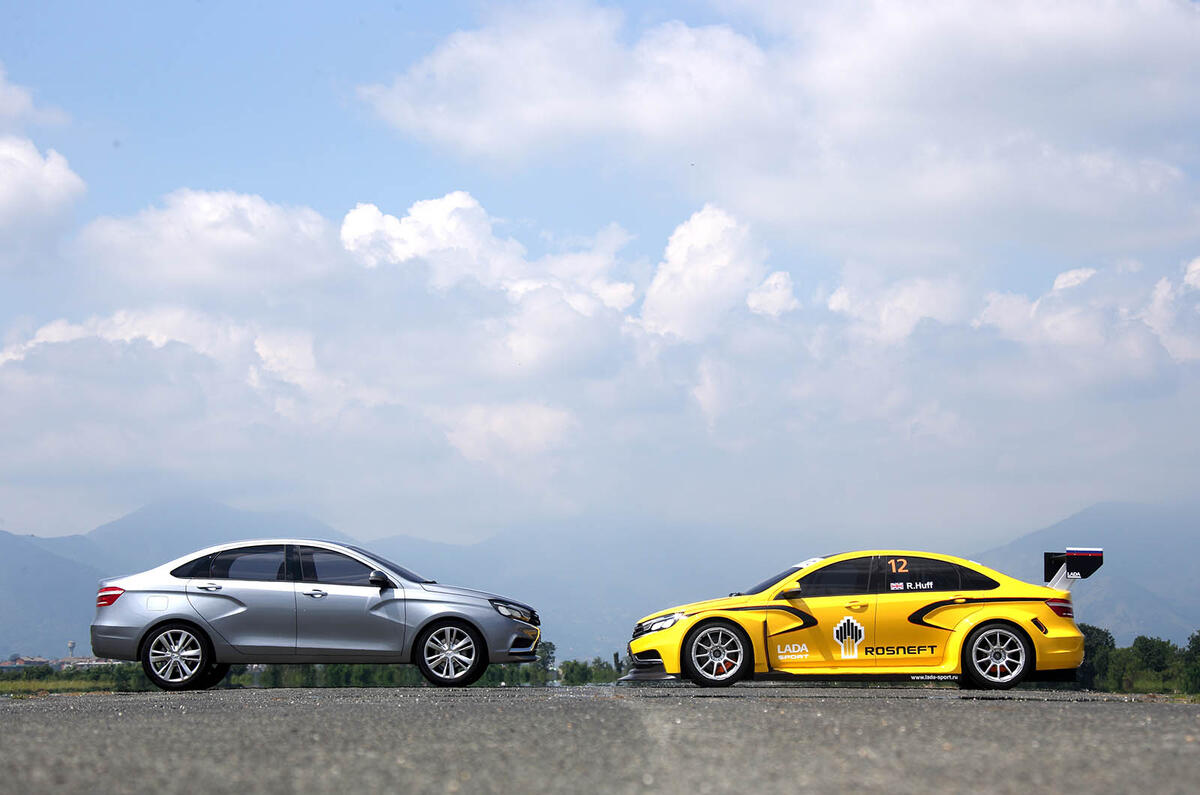
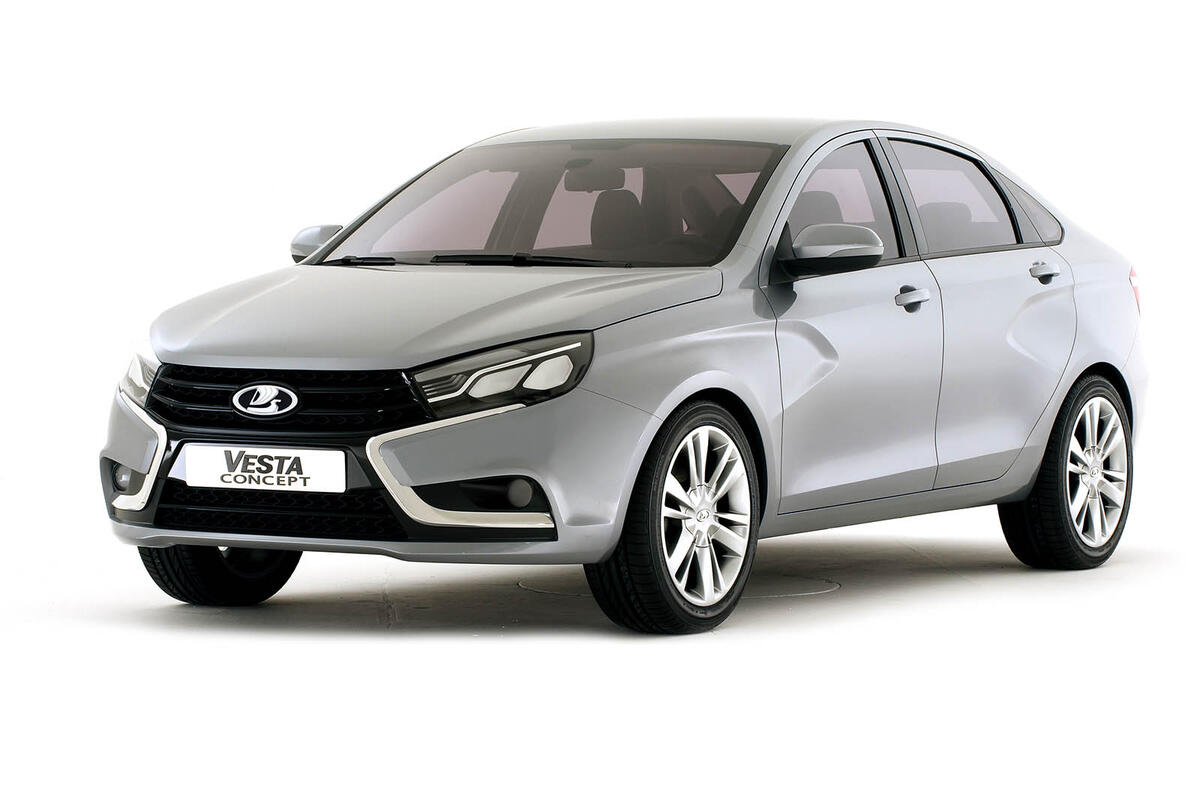
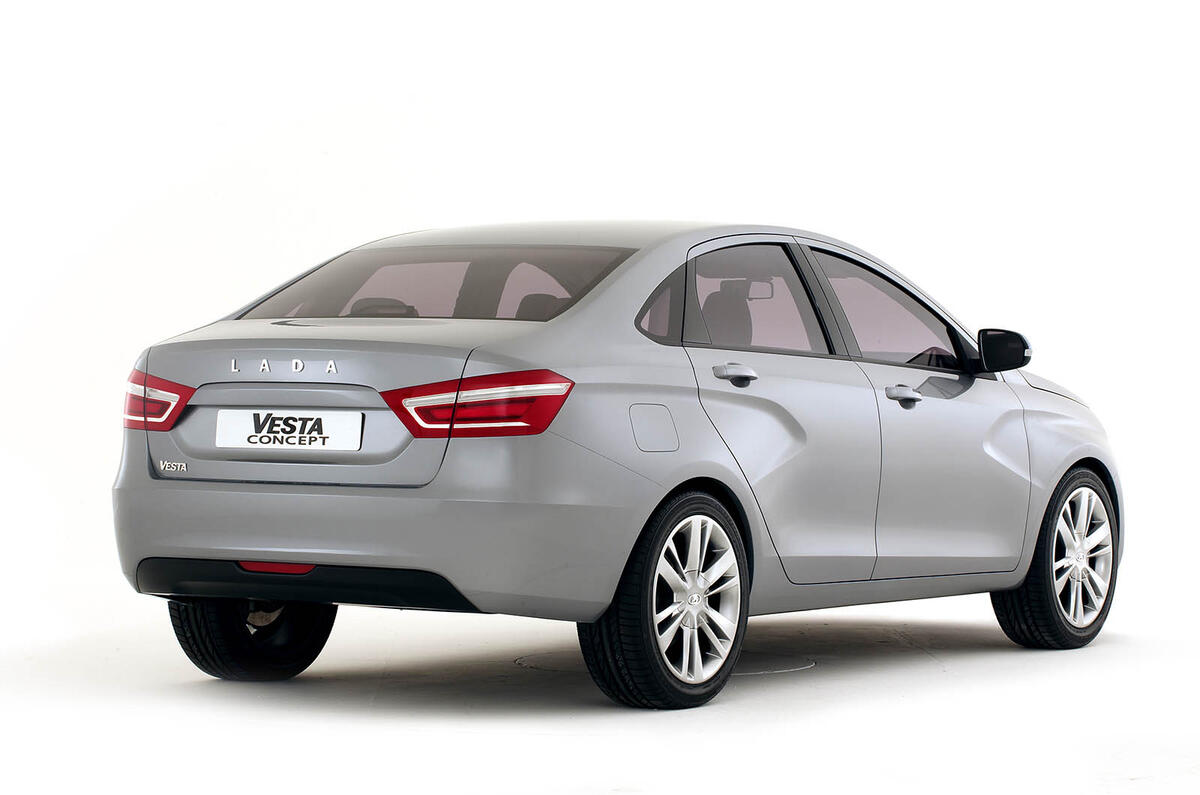
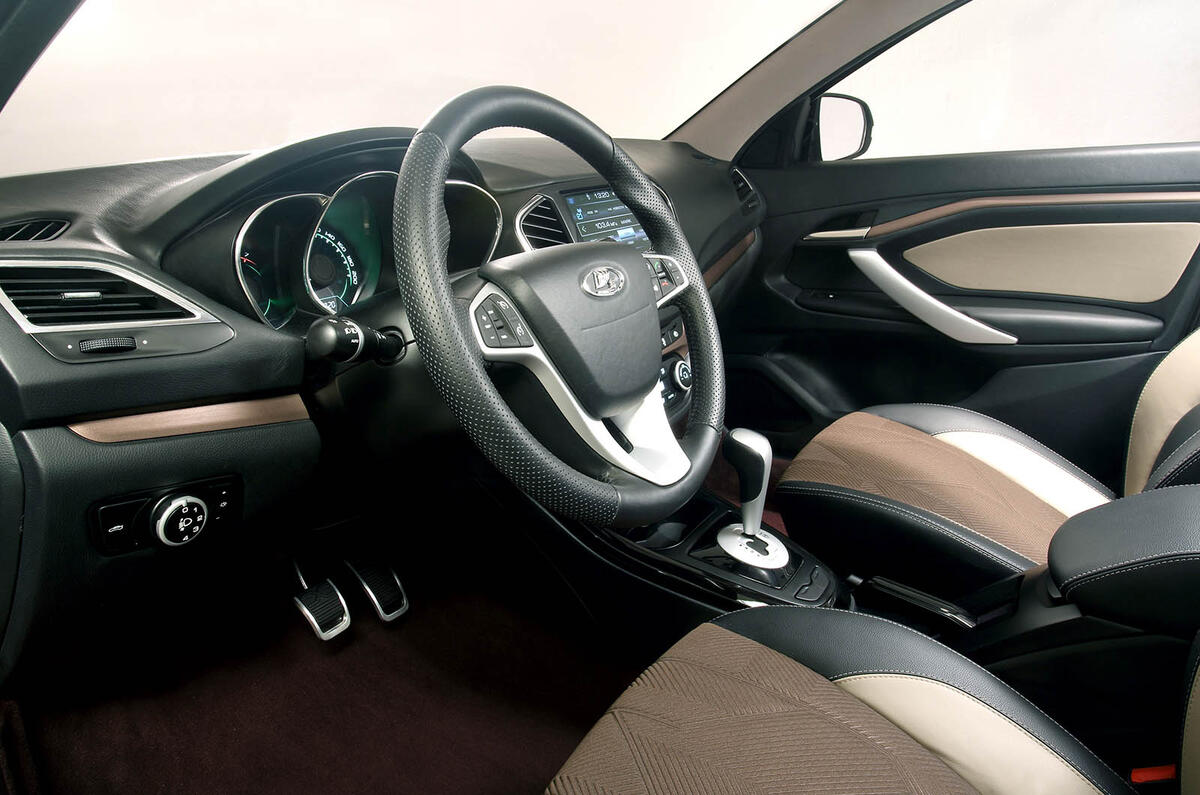
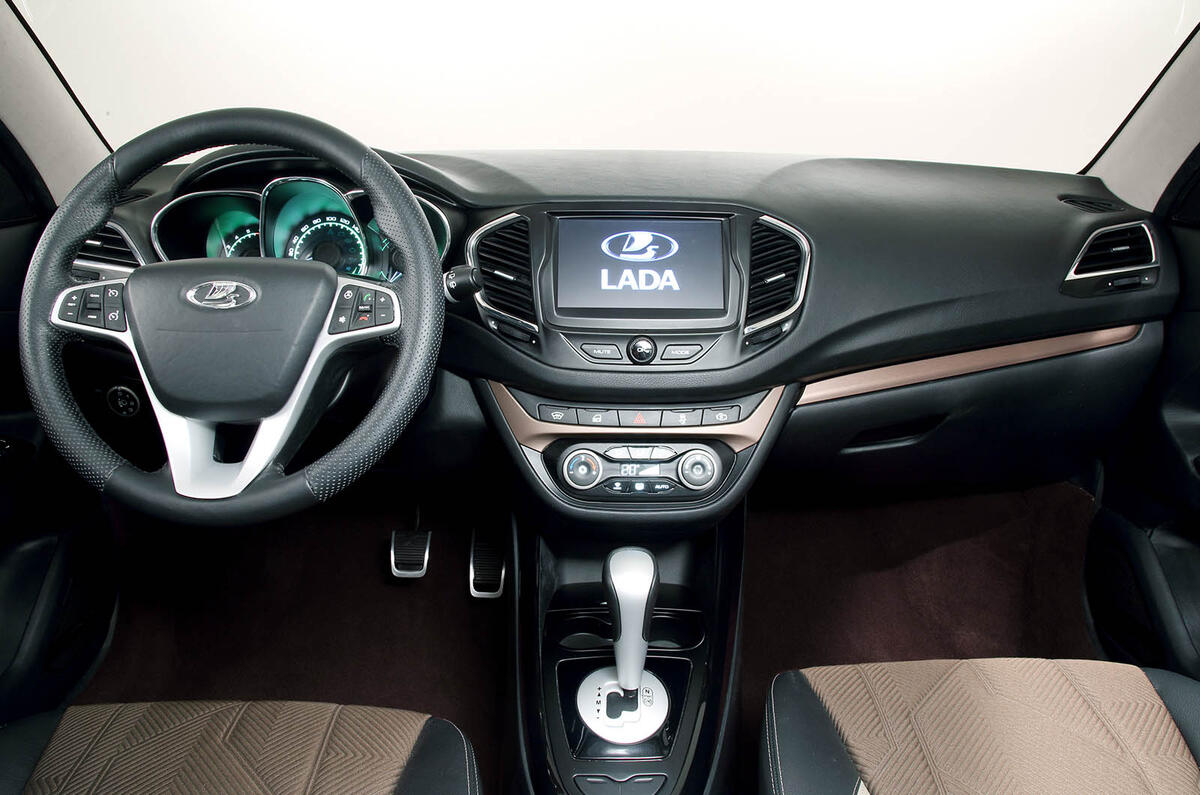
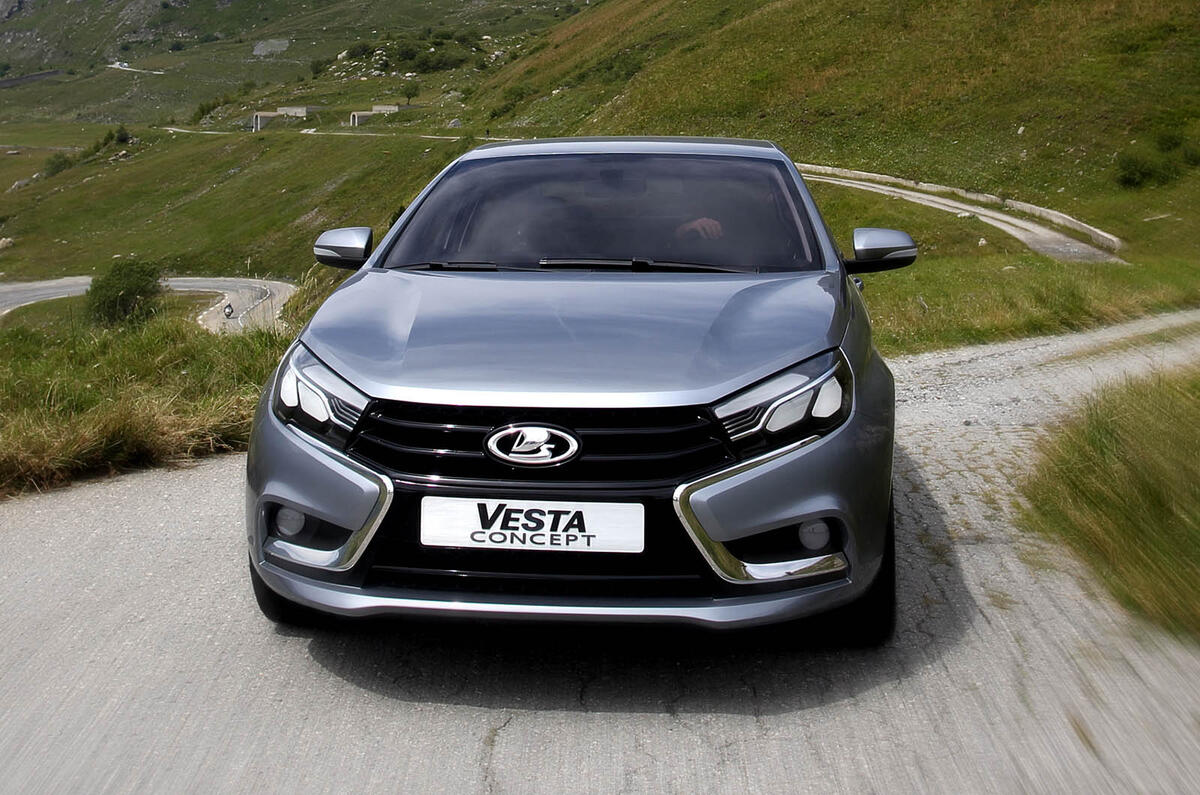
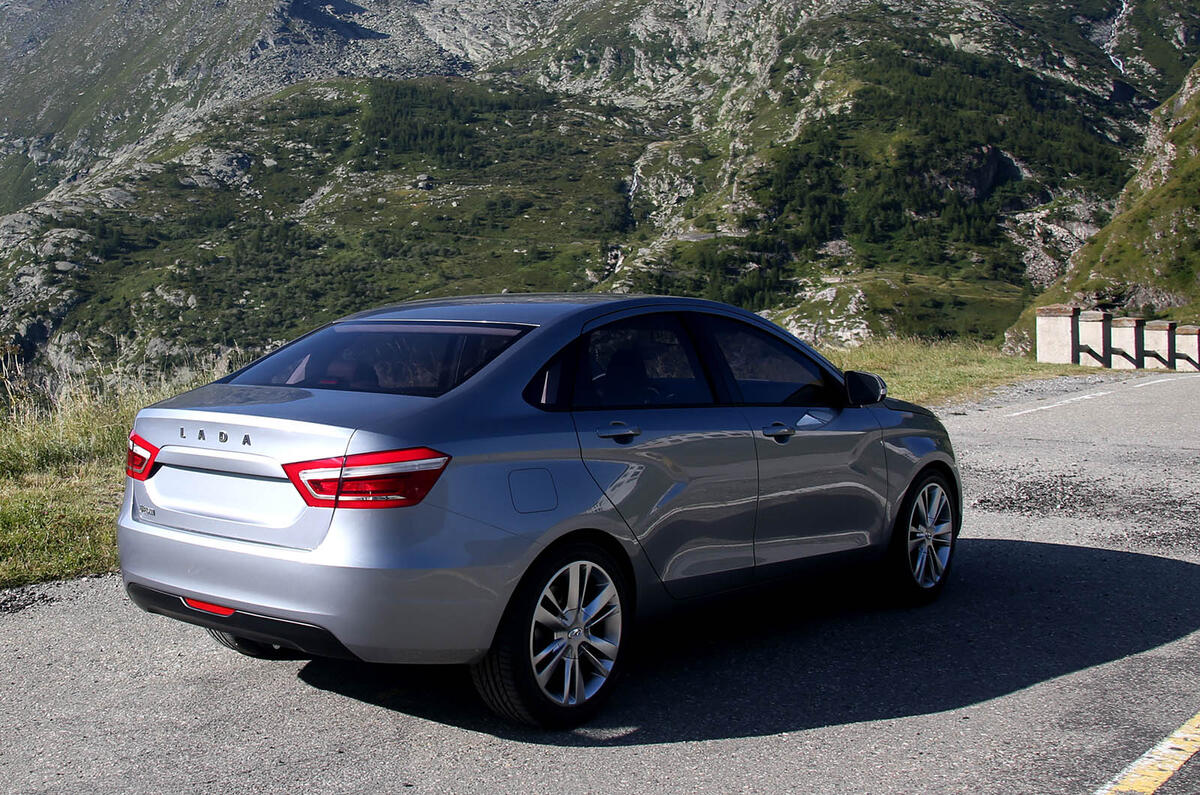
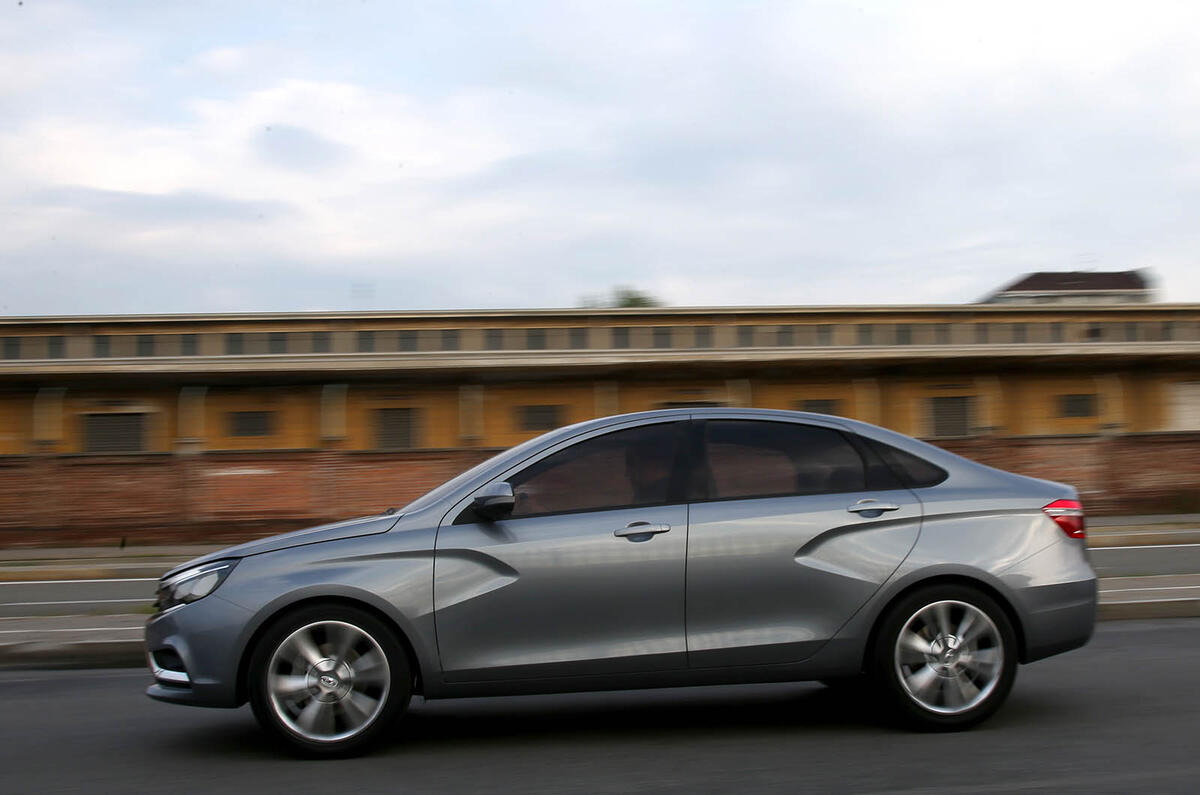
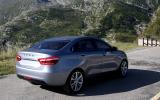
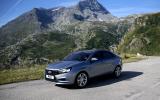
Up first in the Lada reinvention is the Vesta, a 4.4-metre B-segment saloon, which will replace the Priora in Lada’s line-up and become its likely second best seller after the smaller 4.2-metre-long Granta saloon when it goes on sale in September 2015.
It’s based on a new modular platform that several different variants of the Vesta and other models are likely to be spawned from. The production car will look almost identical to the four-door concept at Moscow, save for some detail in the headlights and slightly narrower wings.
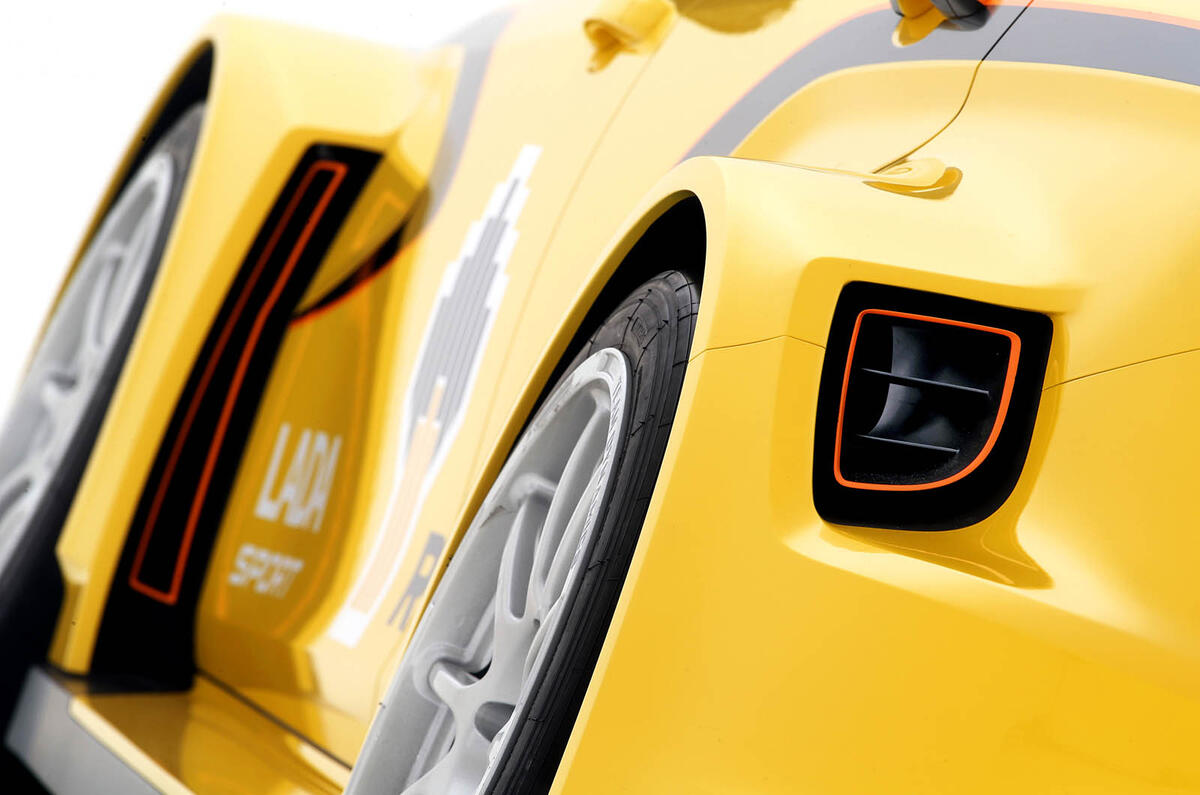
The Vesta will be seen first though in WTCC racer form, when the 2015 season starts next spring. Unusually, the Lada road car design team has worked with the Lada Sport design, and Mattin, who gave Autocar an exclusive preview of the new Ladas before the Moscow show, believes the Vesta’s layout and proportions lends itself to a competitive racer far better than the Granta. A Lada Sport-fettled version of the Vesta saloon is already being mooted to further link the road and race programmes.
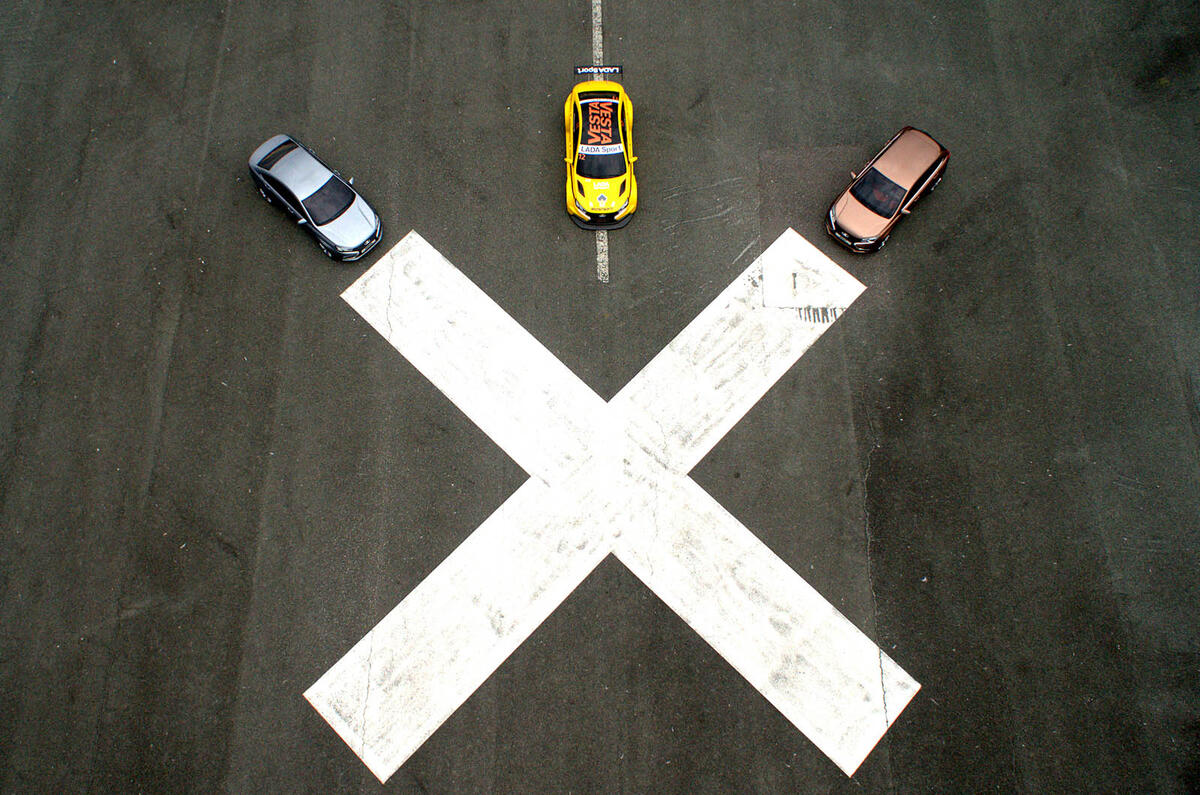
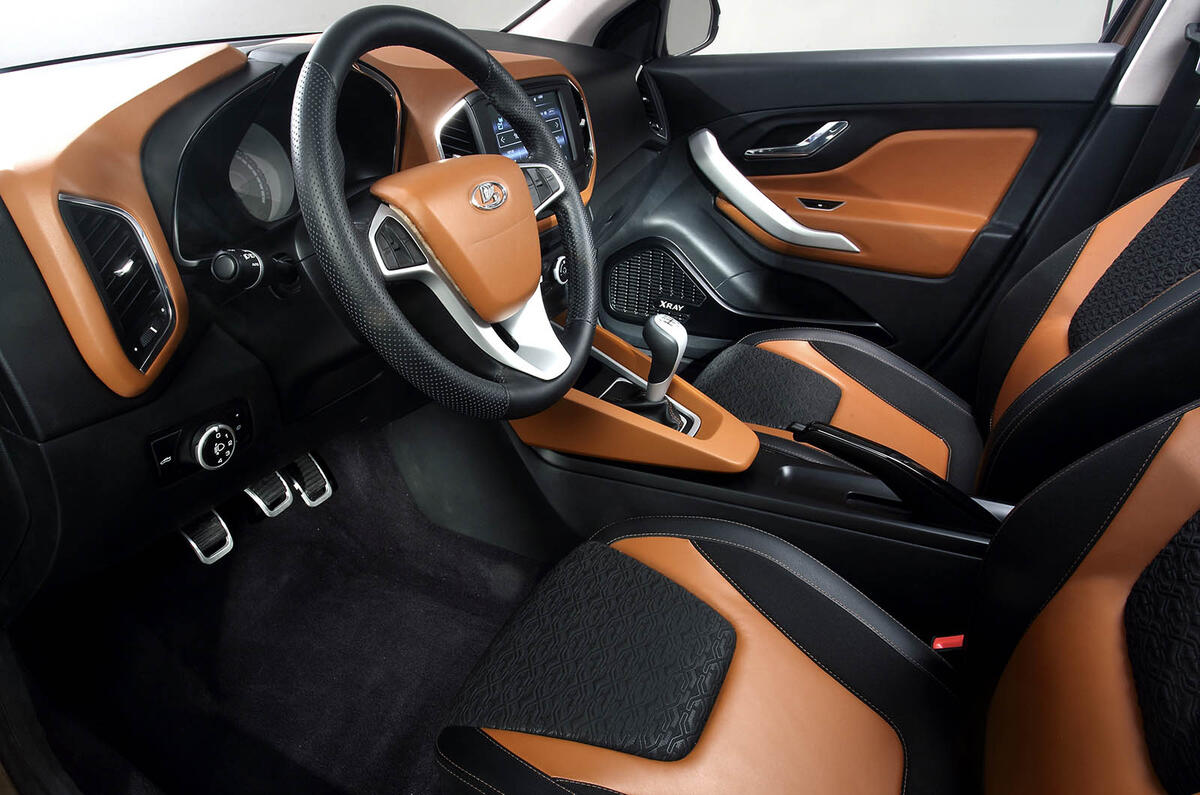
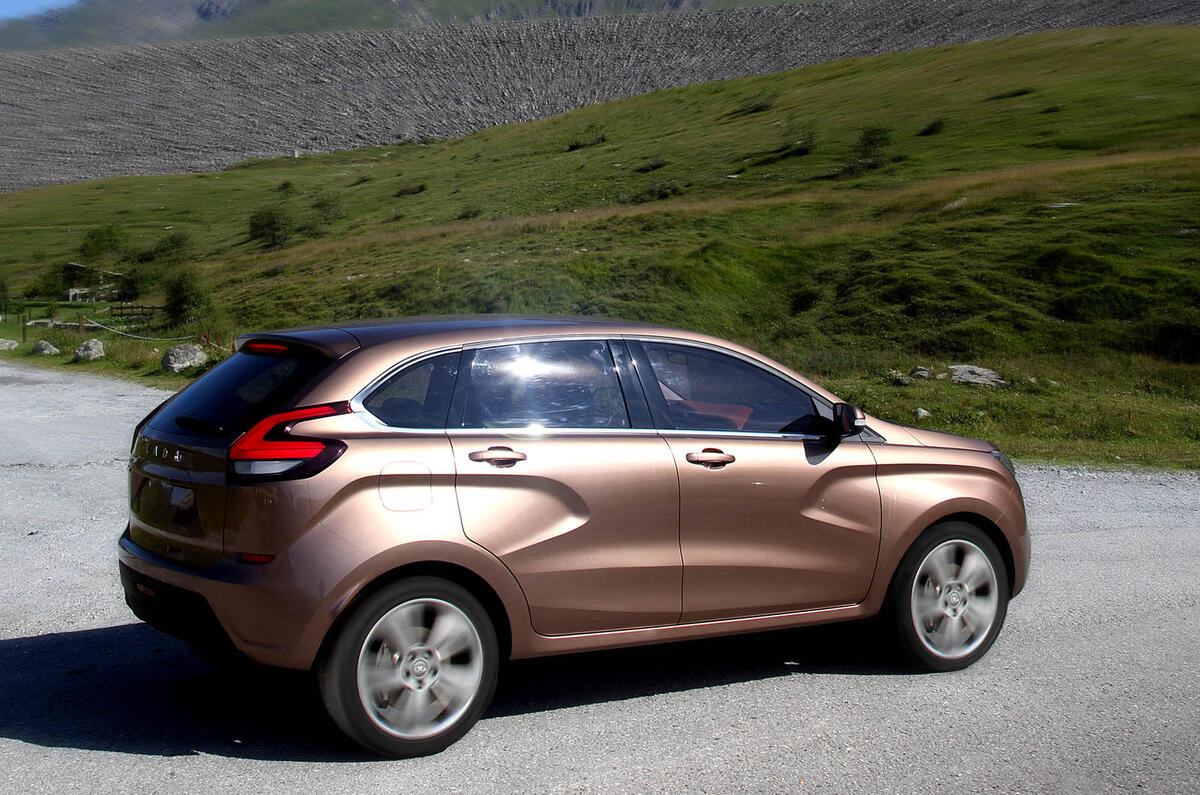
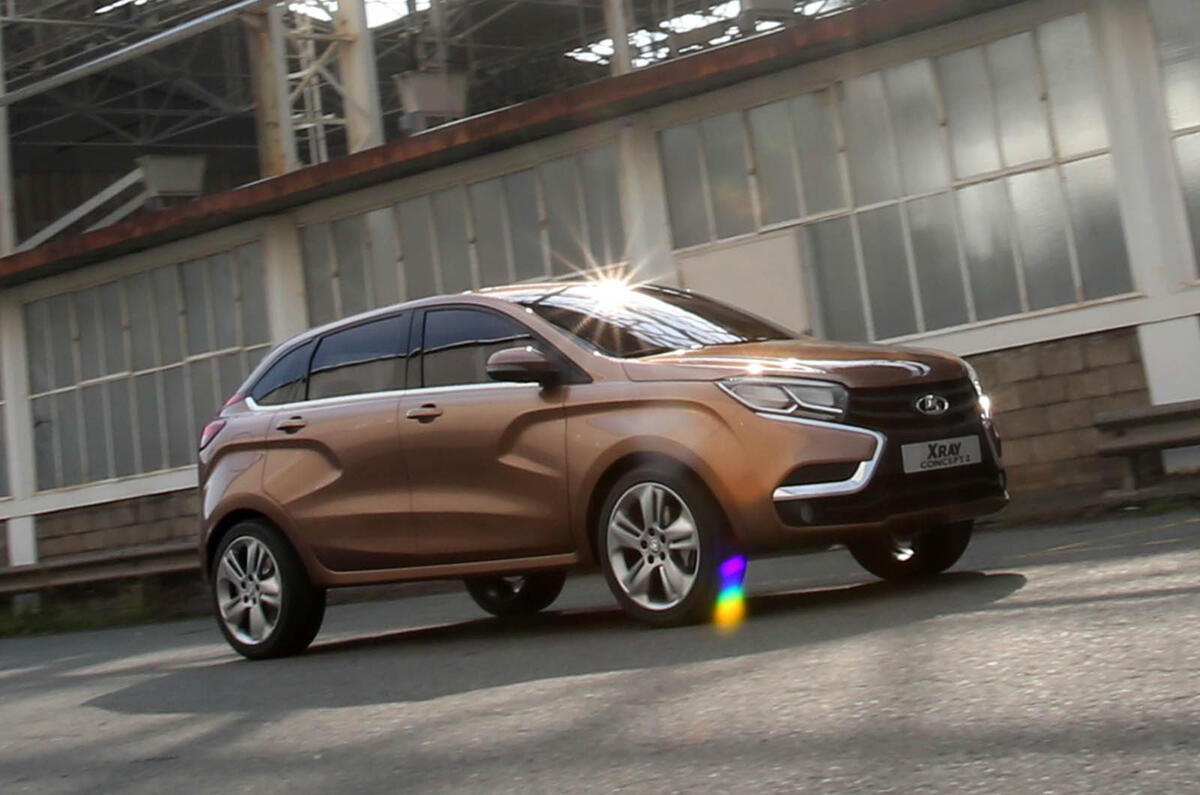
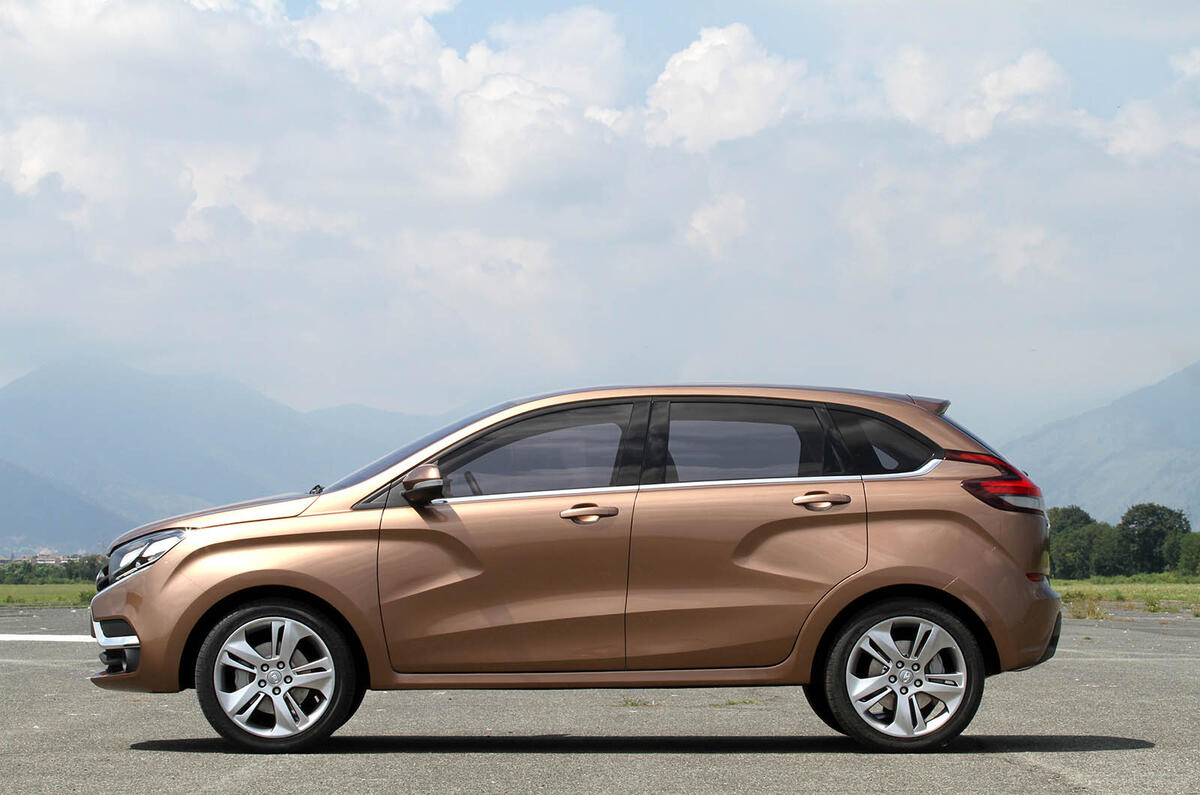
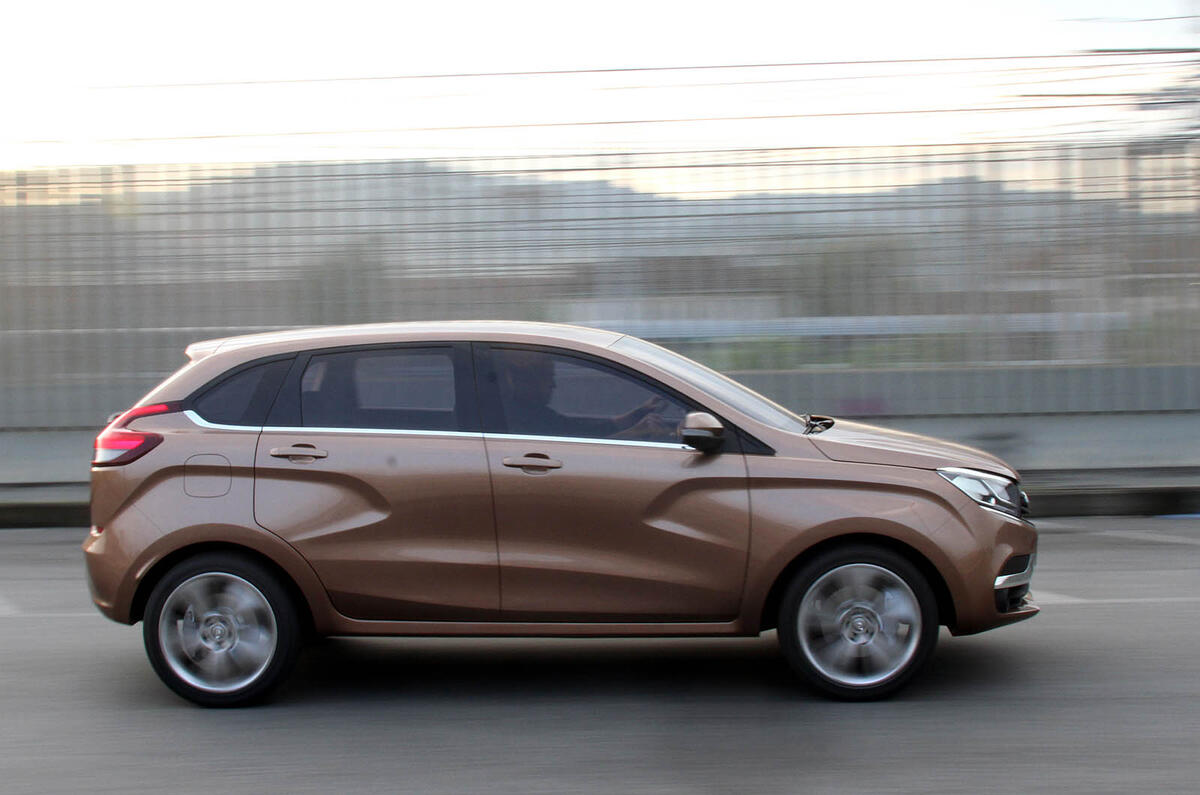
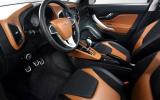
The final car in the trio is the second X-Ray concept. It’s closely related to the Dacia Sandero Stepway under the skin, but with a bespoke Lada look inside and out. Clearly inspired by the original three-door X-Ray concept, the now five-door model is still officially a concept, but a much closer look at the production car that’s due on sale in early 2016. A family of X-Ray vehicles is also planned.
Mattin says is not quite as close to production as the Vesta, but “every detail has a production relevance”. It’s another potential big seller for Lada, as the market is also subject to the global boom of popularity in compact SUVs.
That front face is the most eye-catching part of Lada’s reinvention. Mattin studied rivals and wanted to do something completely different from the horizontal front-ends and trapezoidal and single-frame front grilles currently dominating the industry.
He settled on the ‘X’ theme, a bold treatment that connects the headlights, front grille, lower air intake and front fogs. The angle and size of the X can be changed for different models to give it a different treatment, but maintaining the new strategic look. “It’s simple and bold,” says Mattin, “X is a strong letter.”