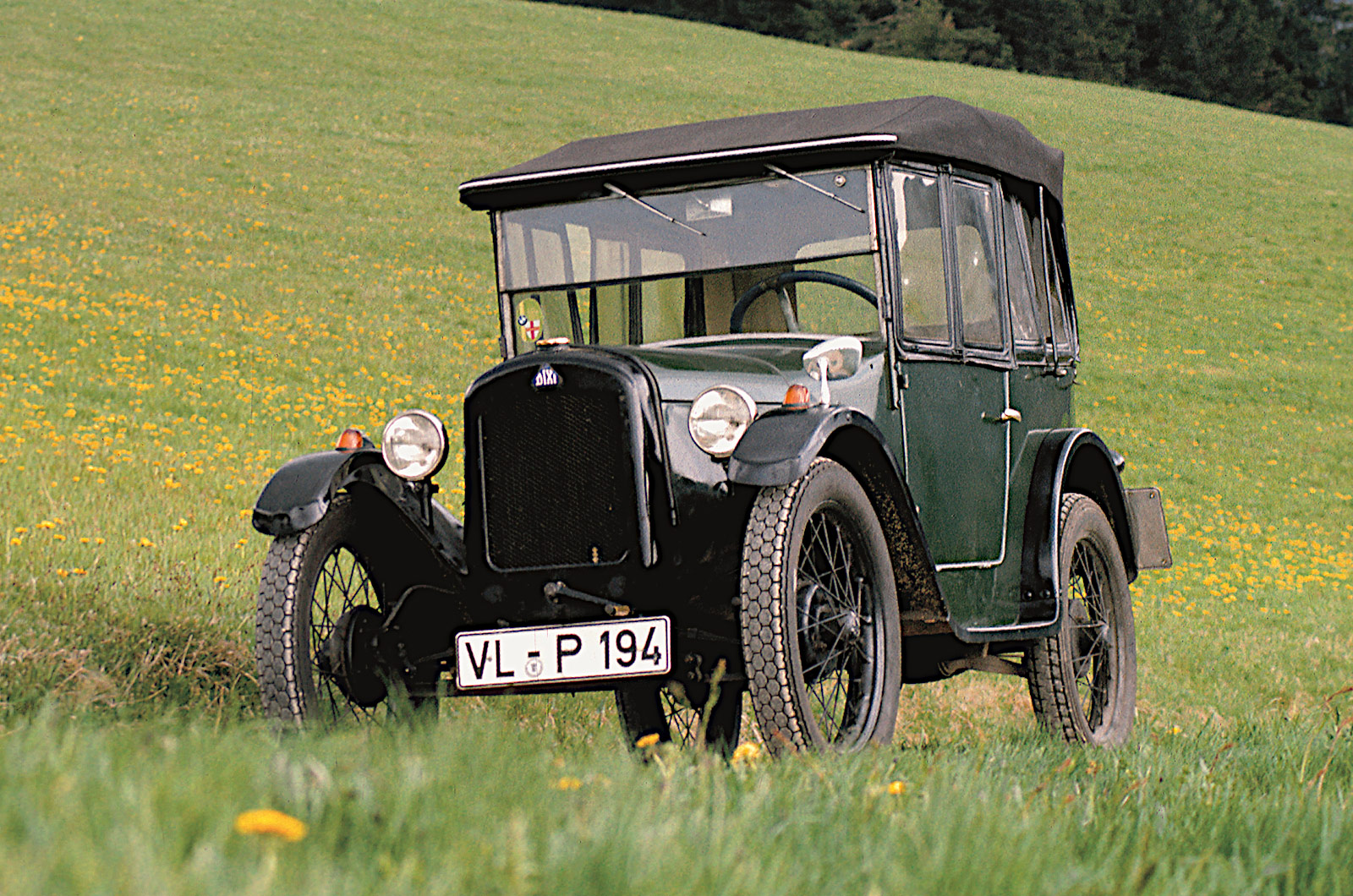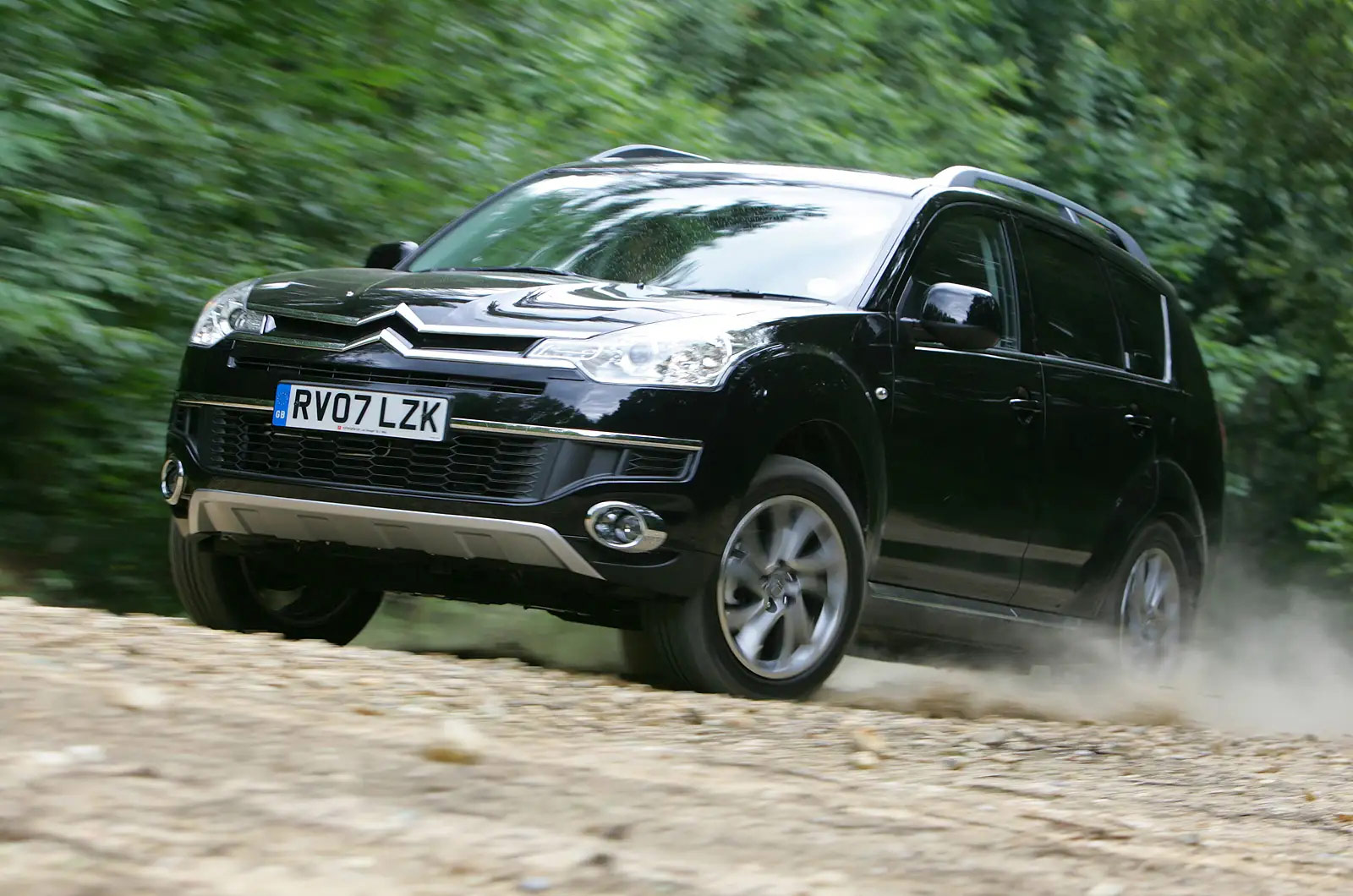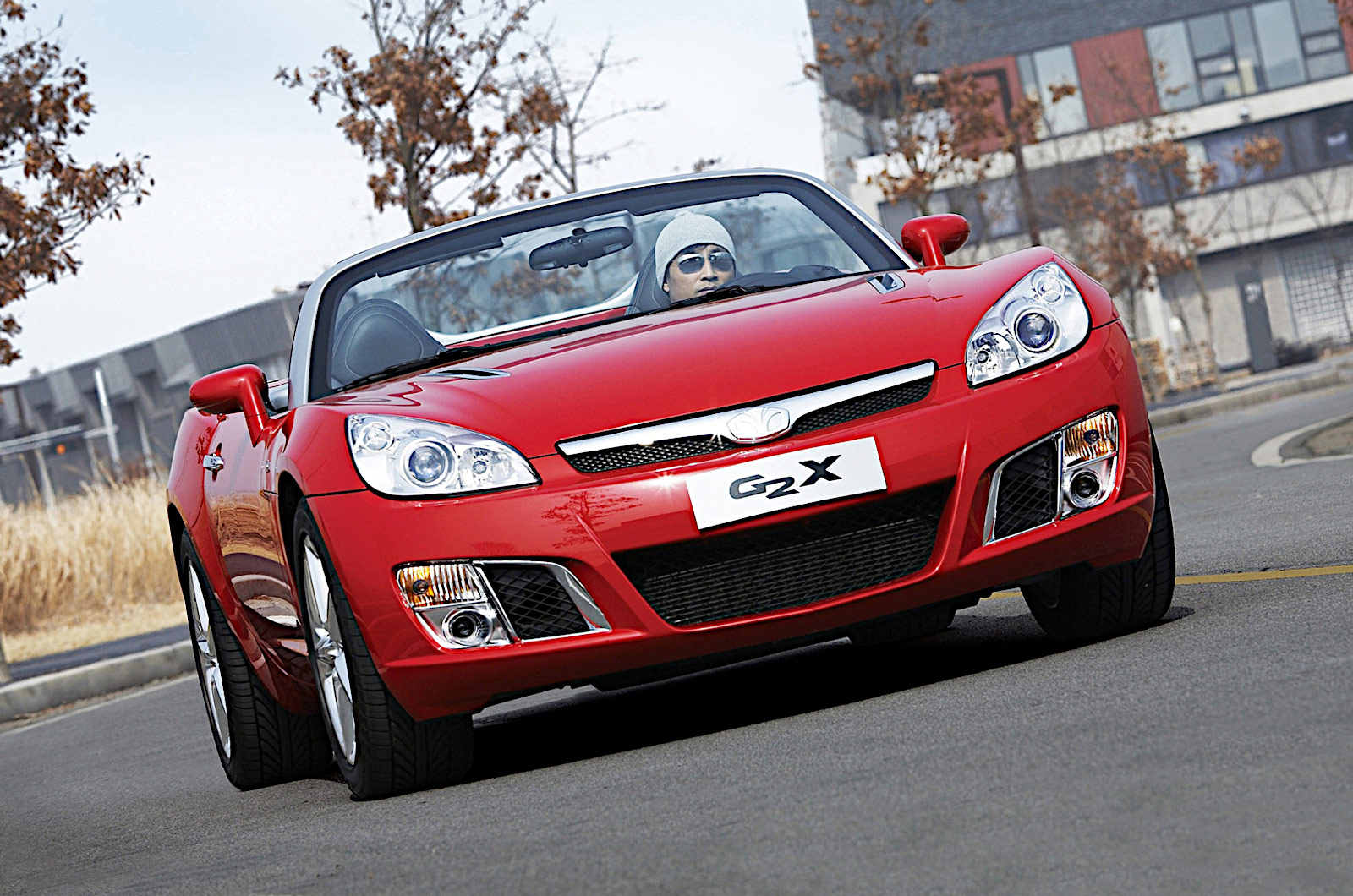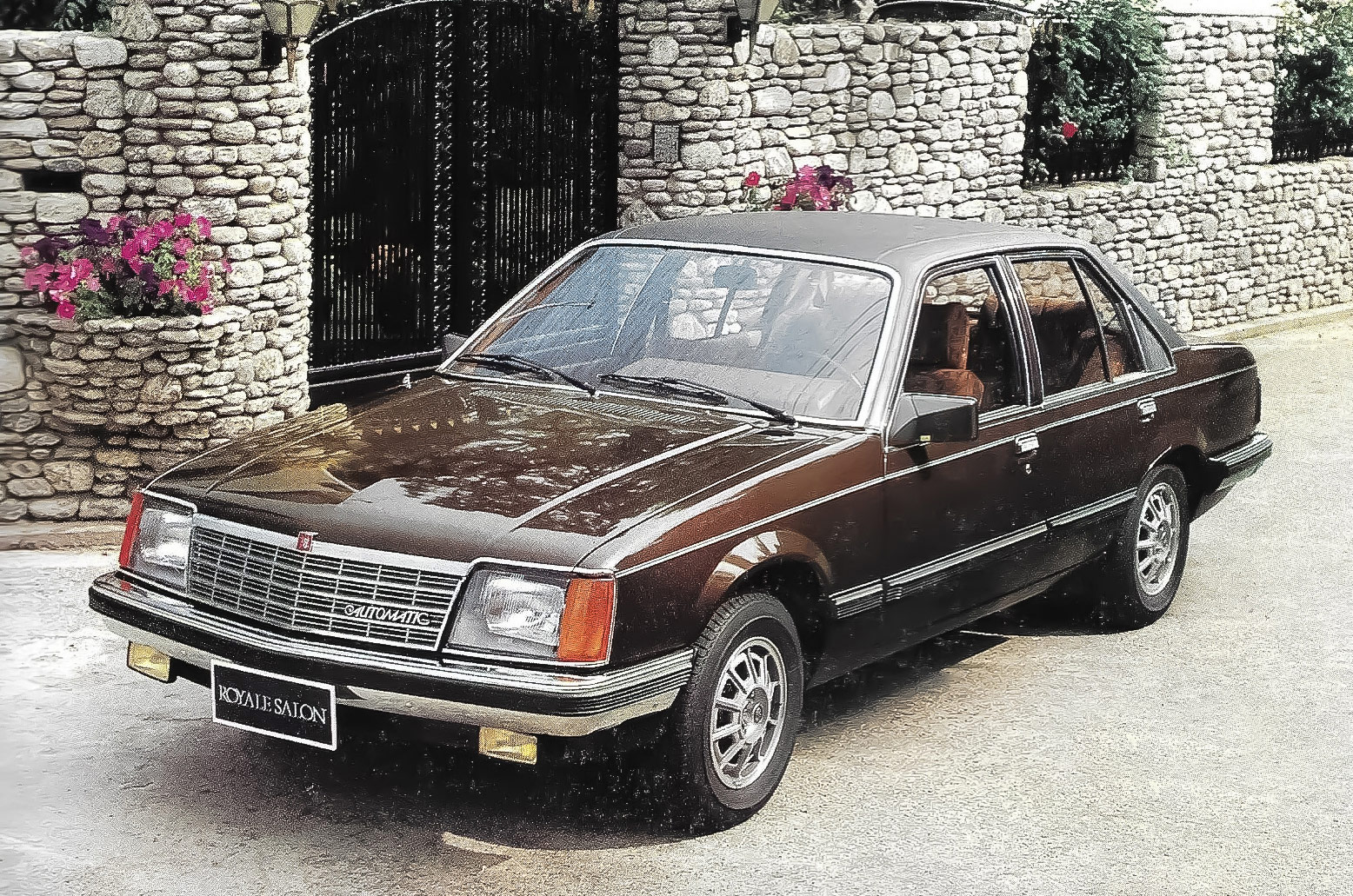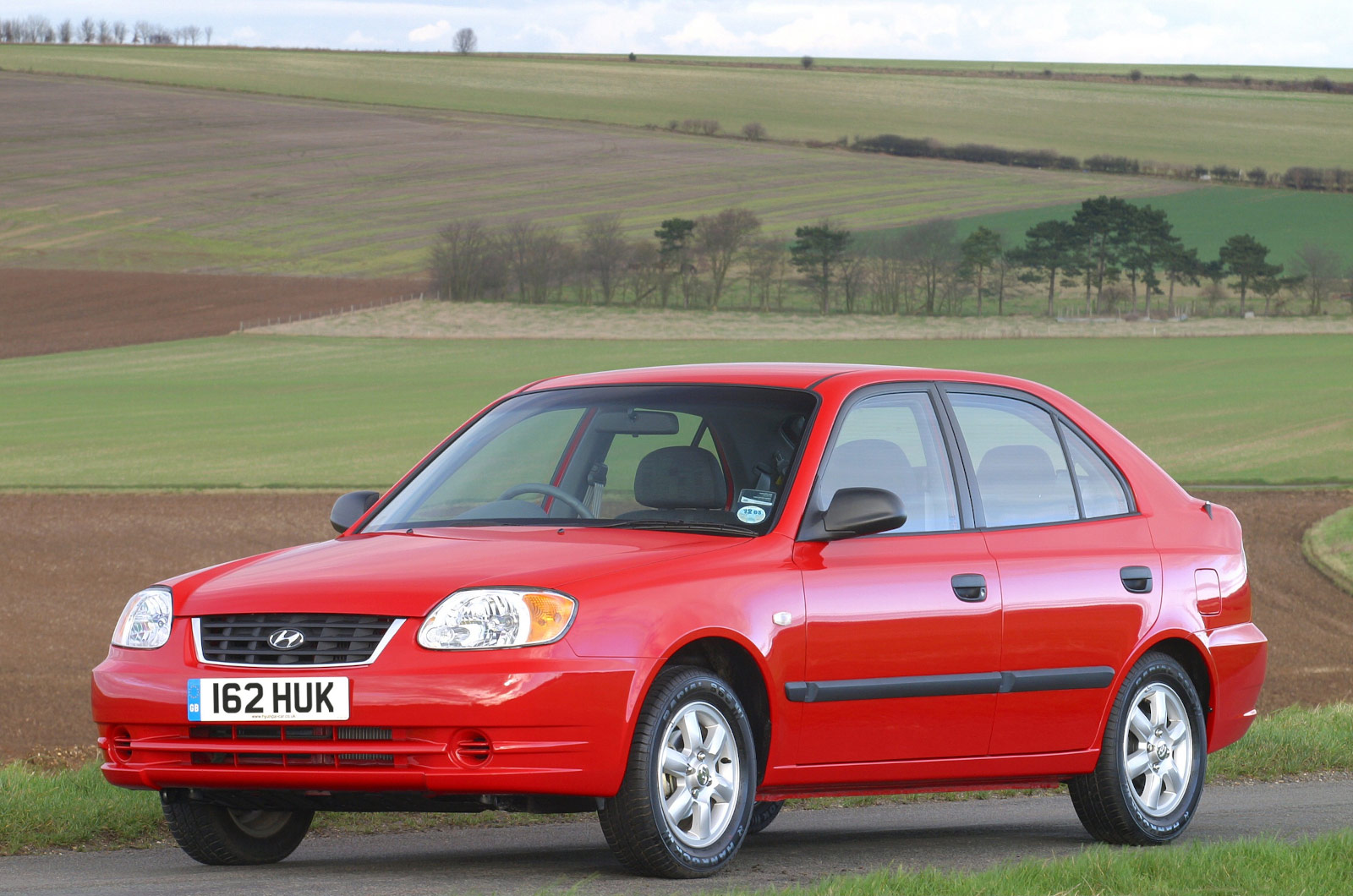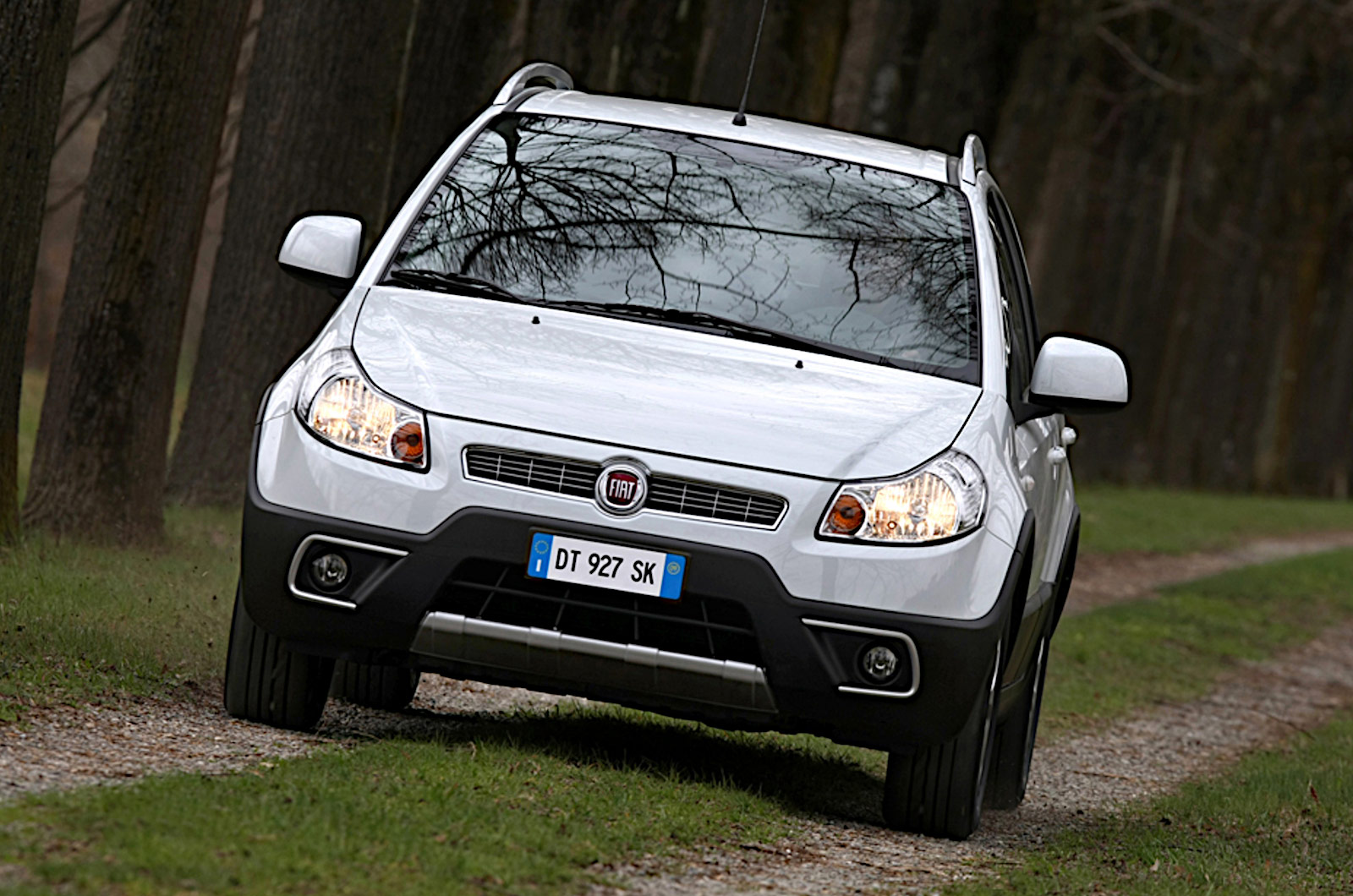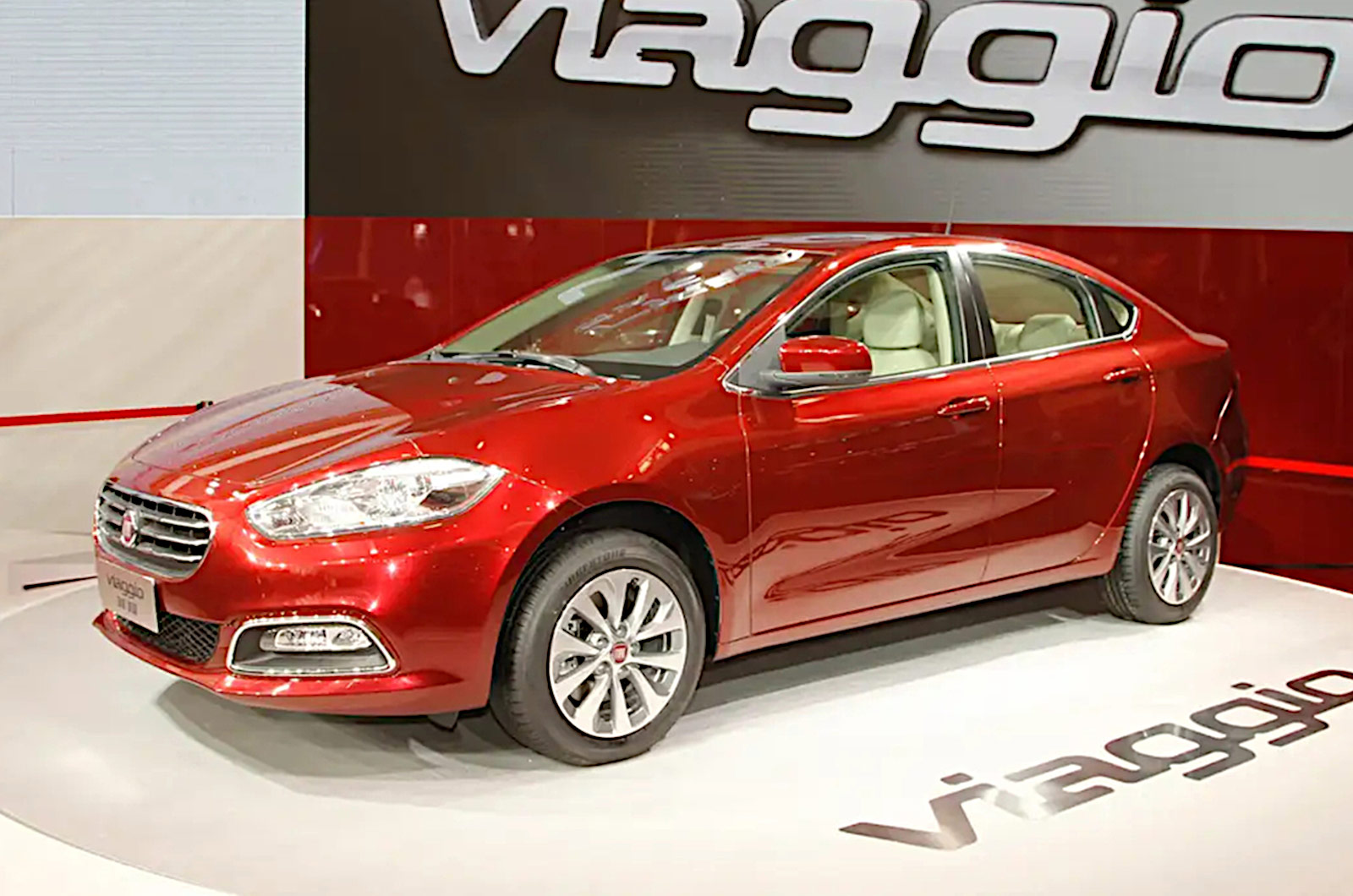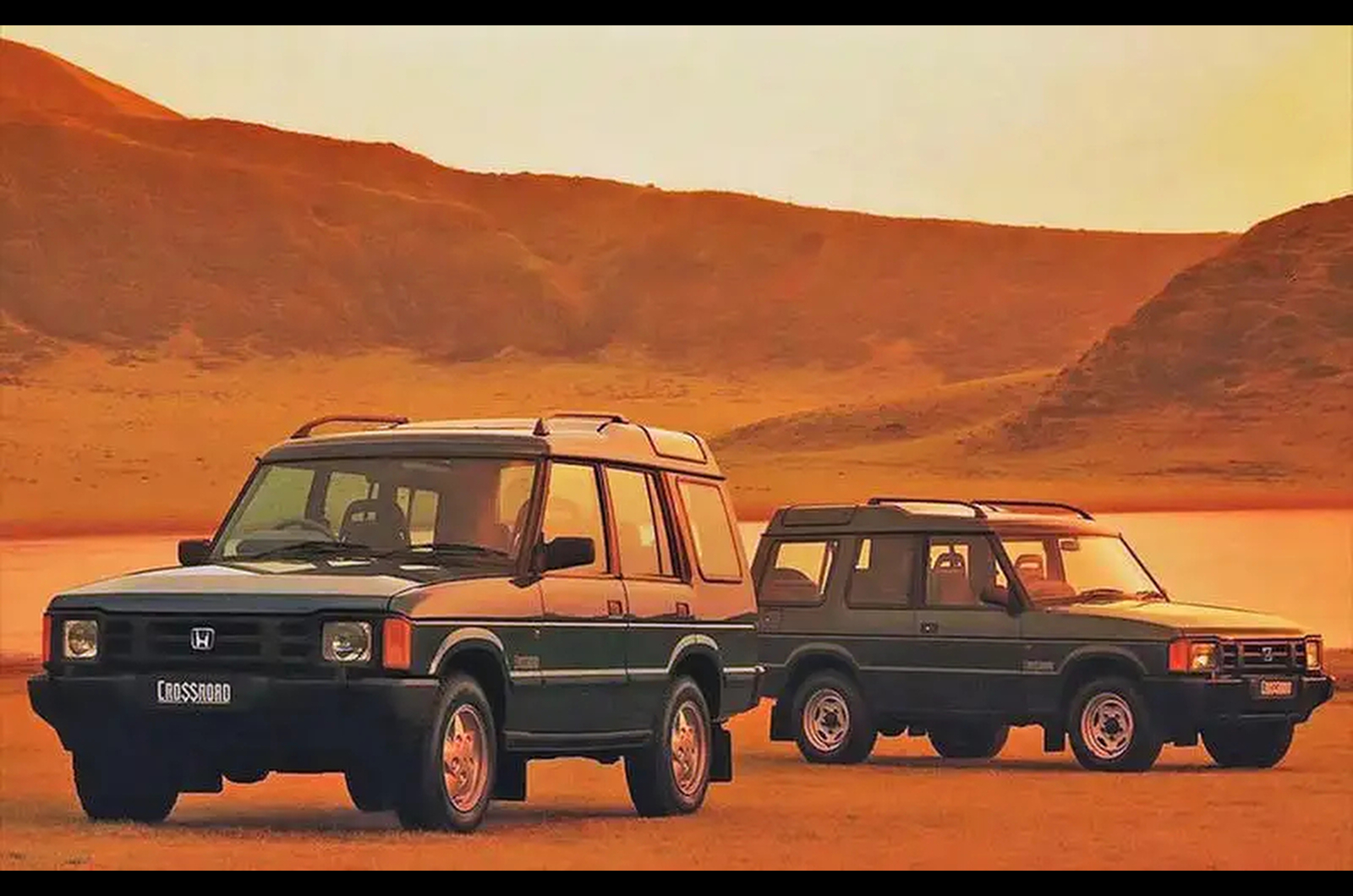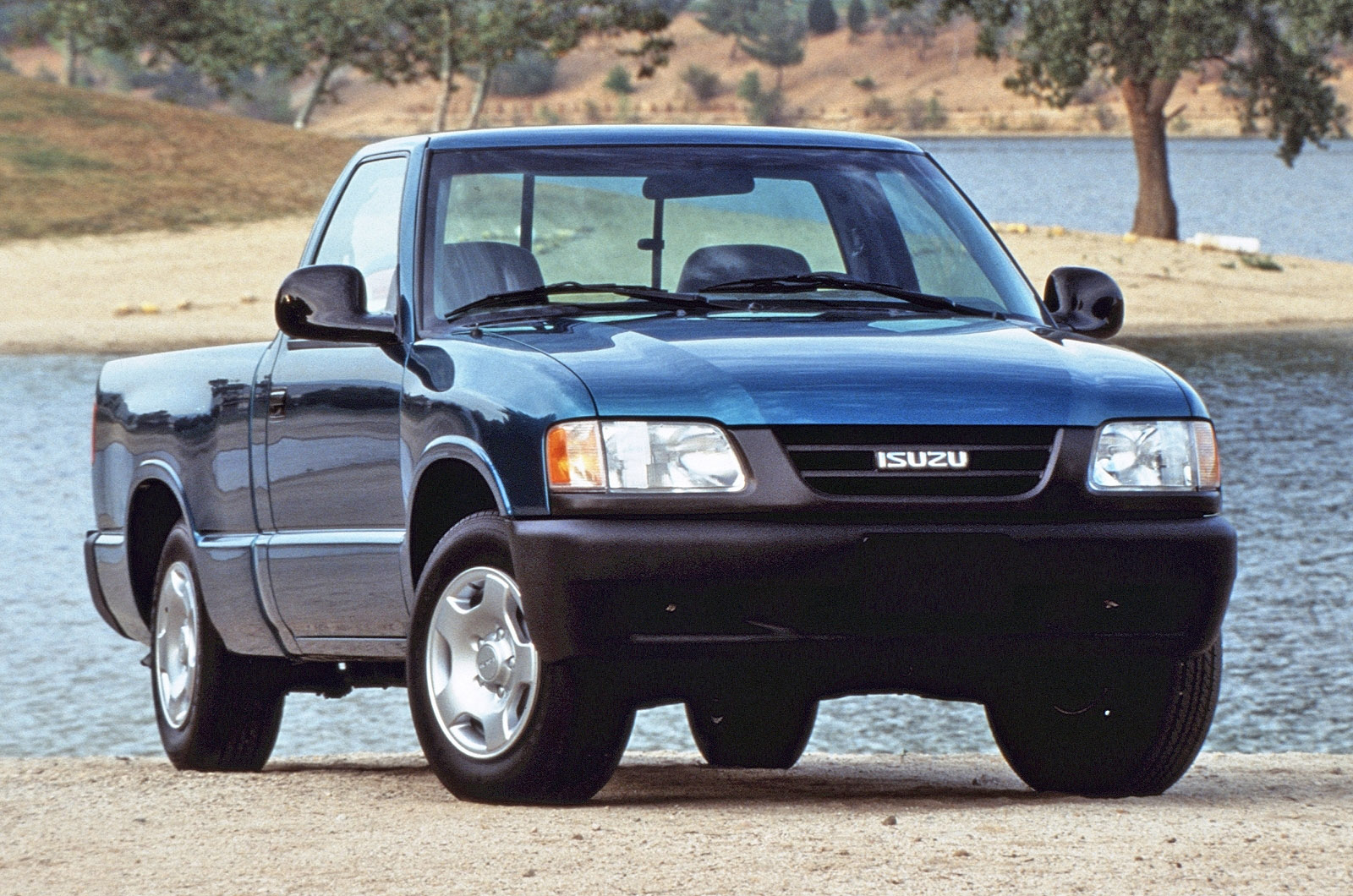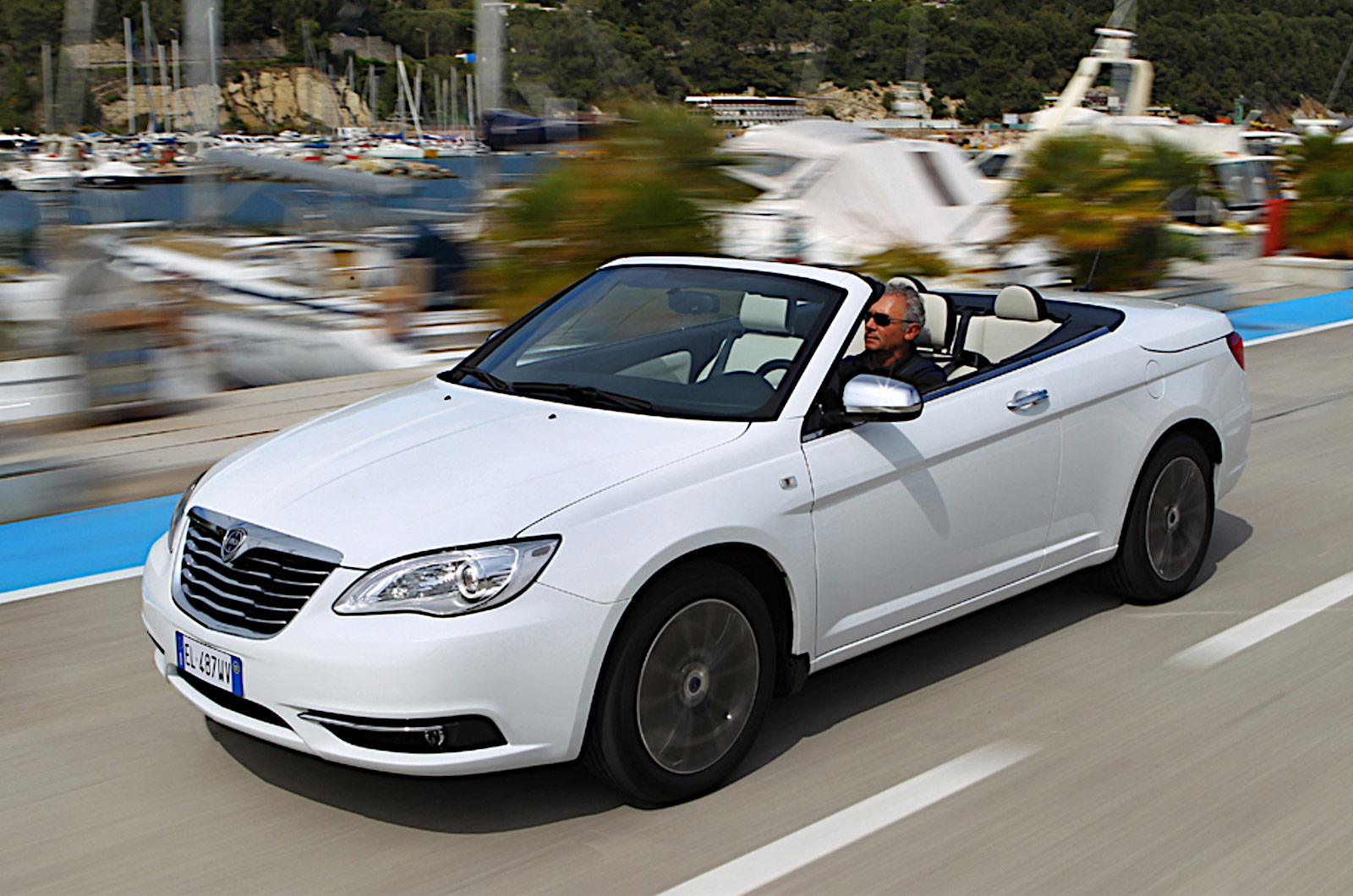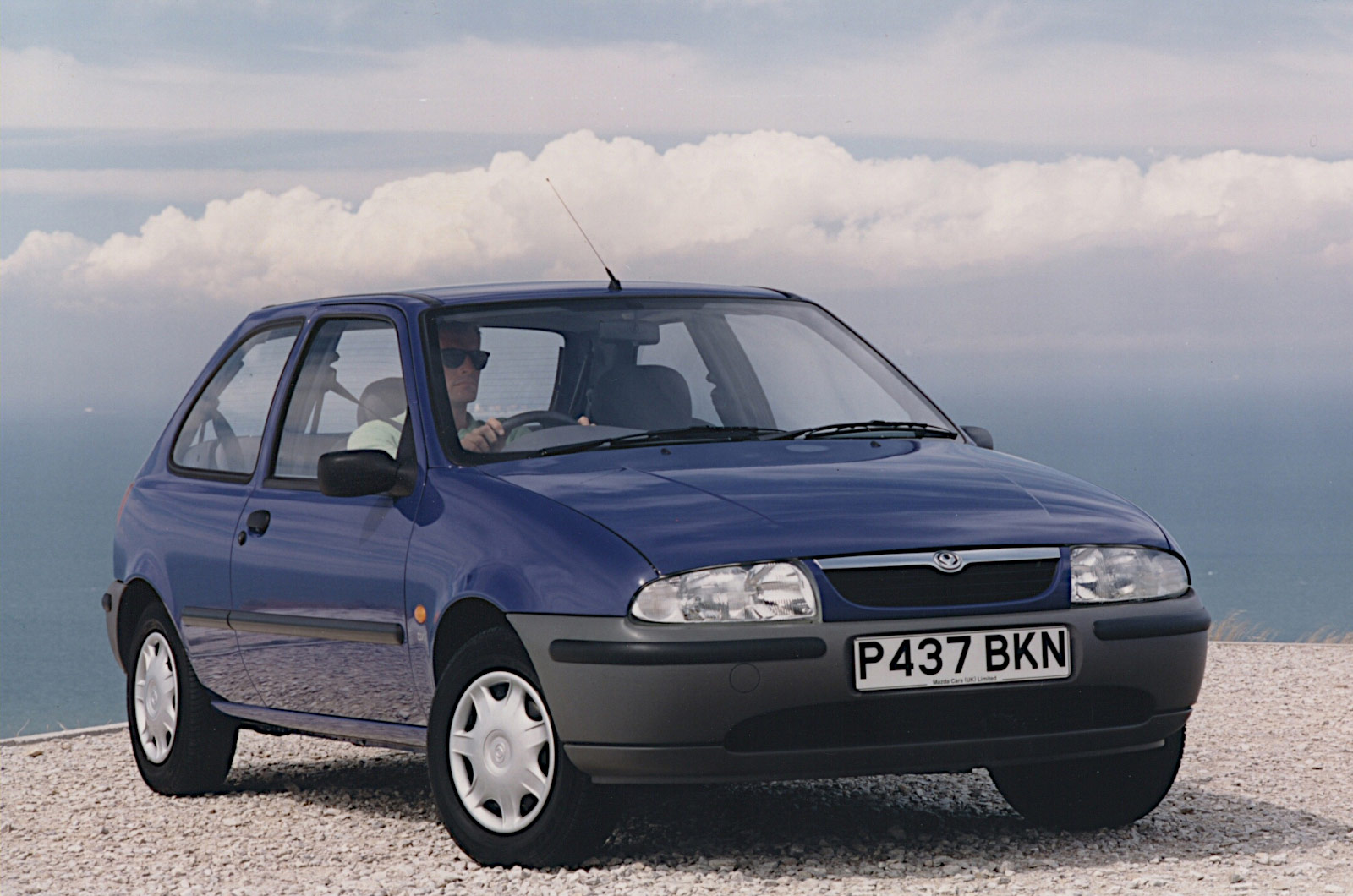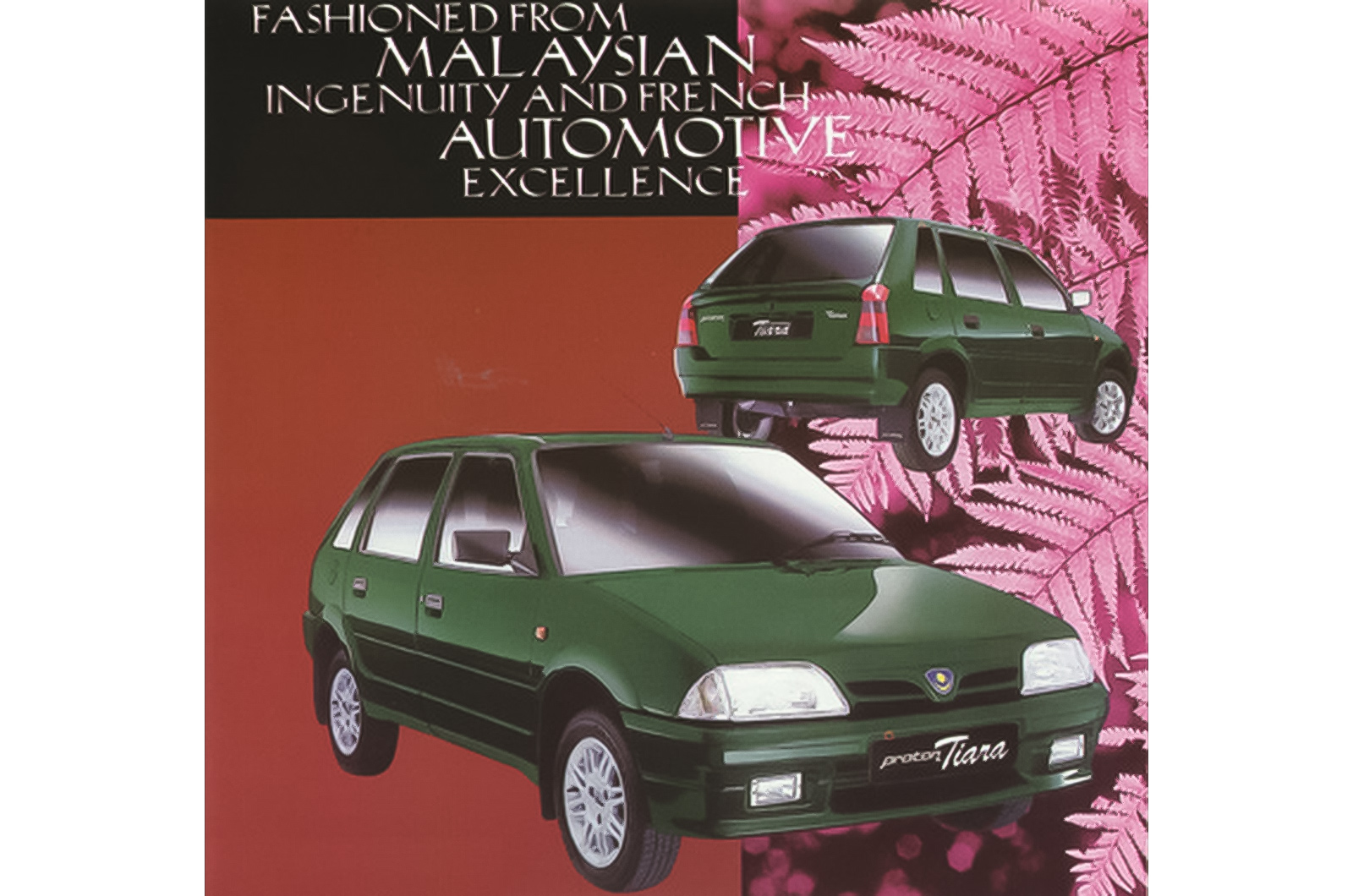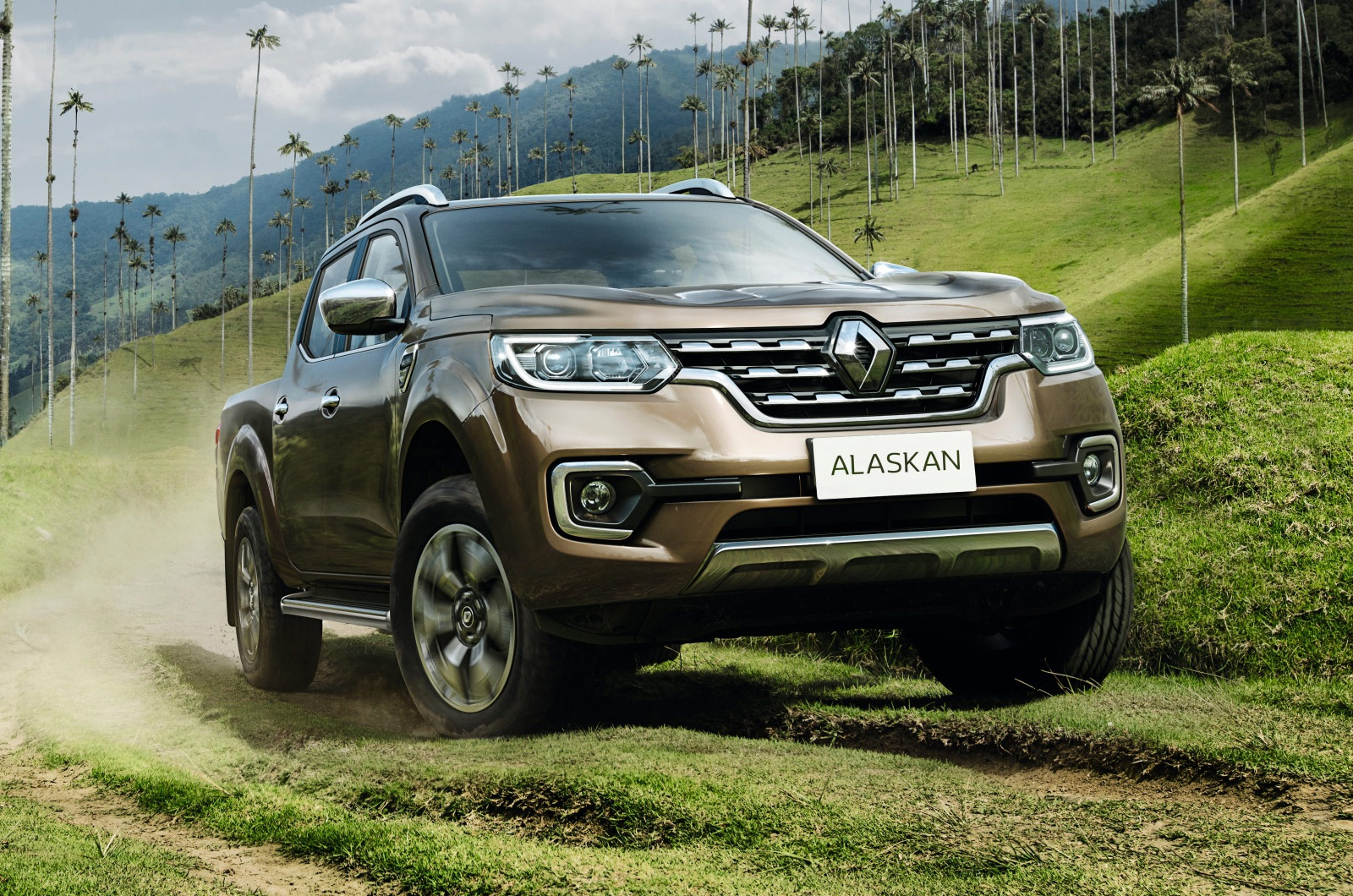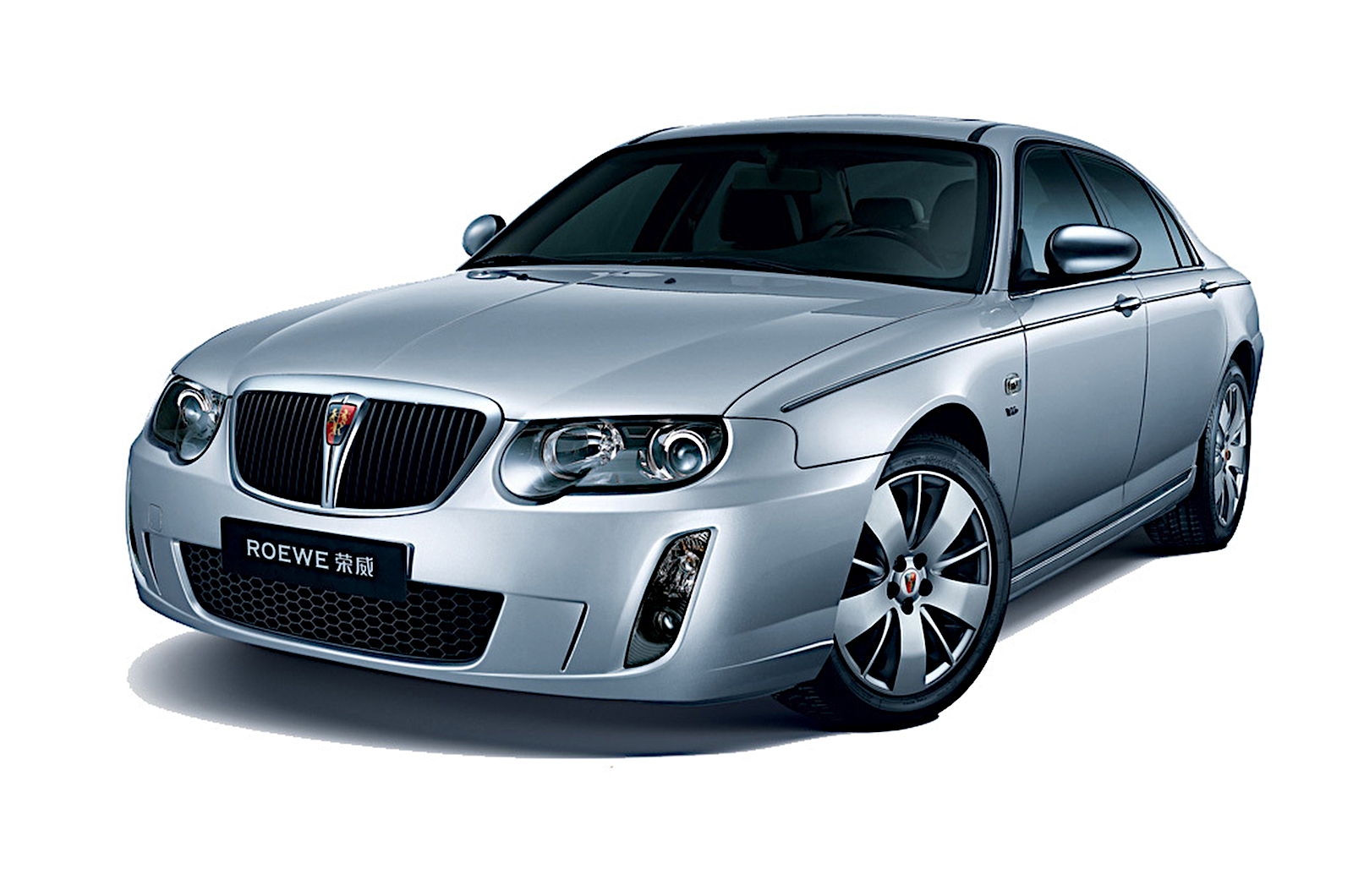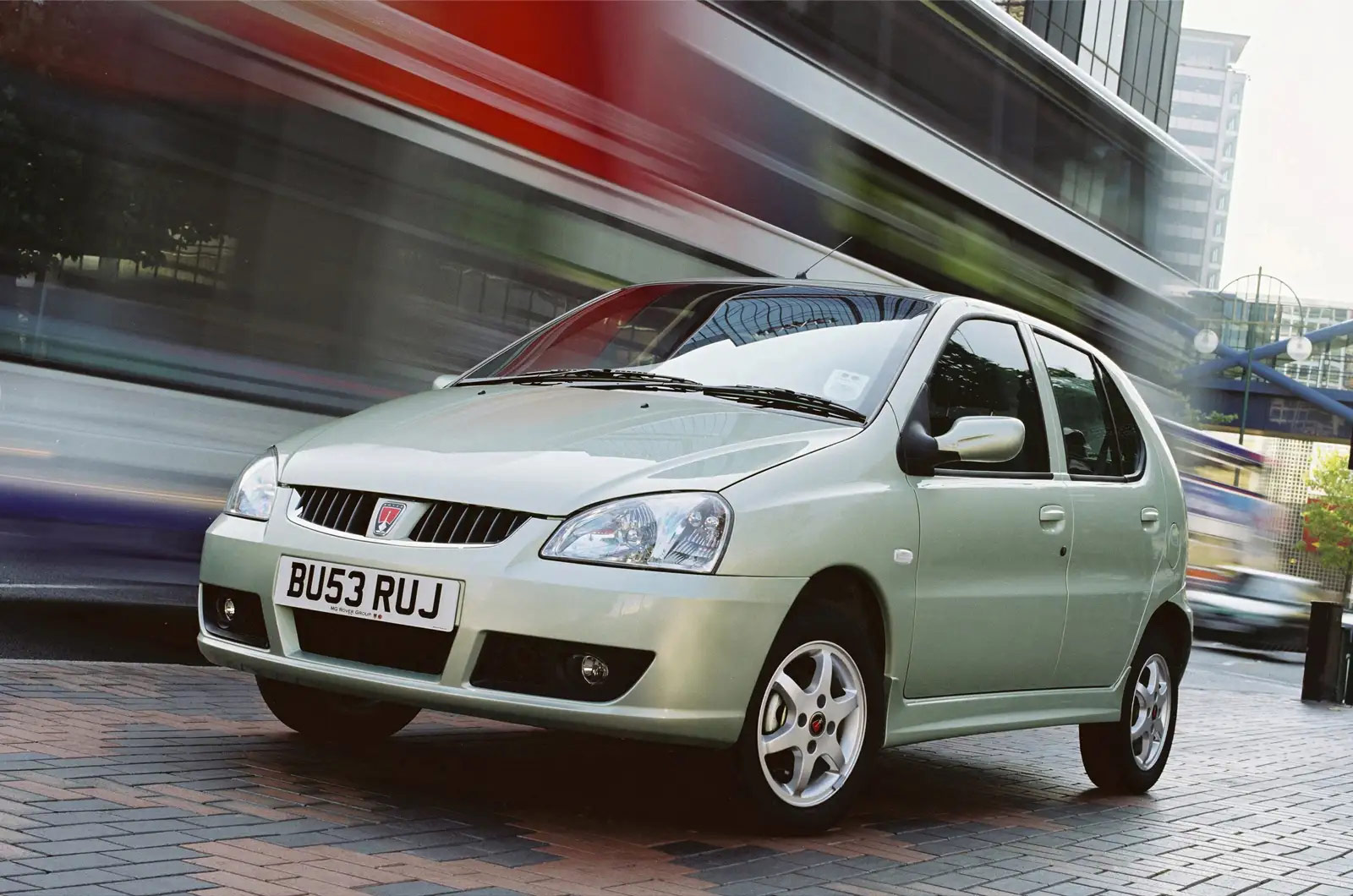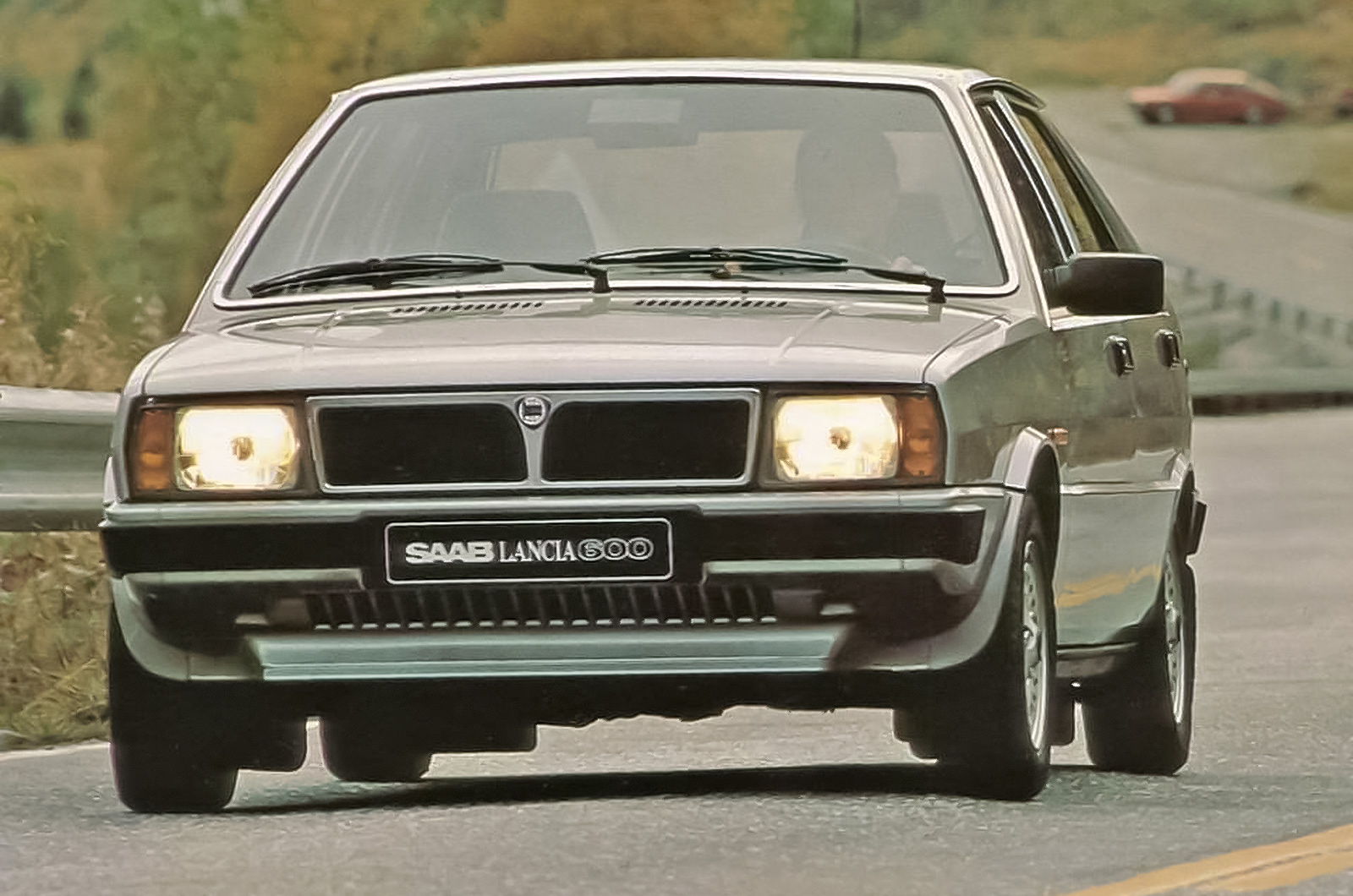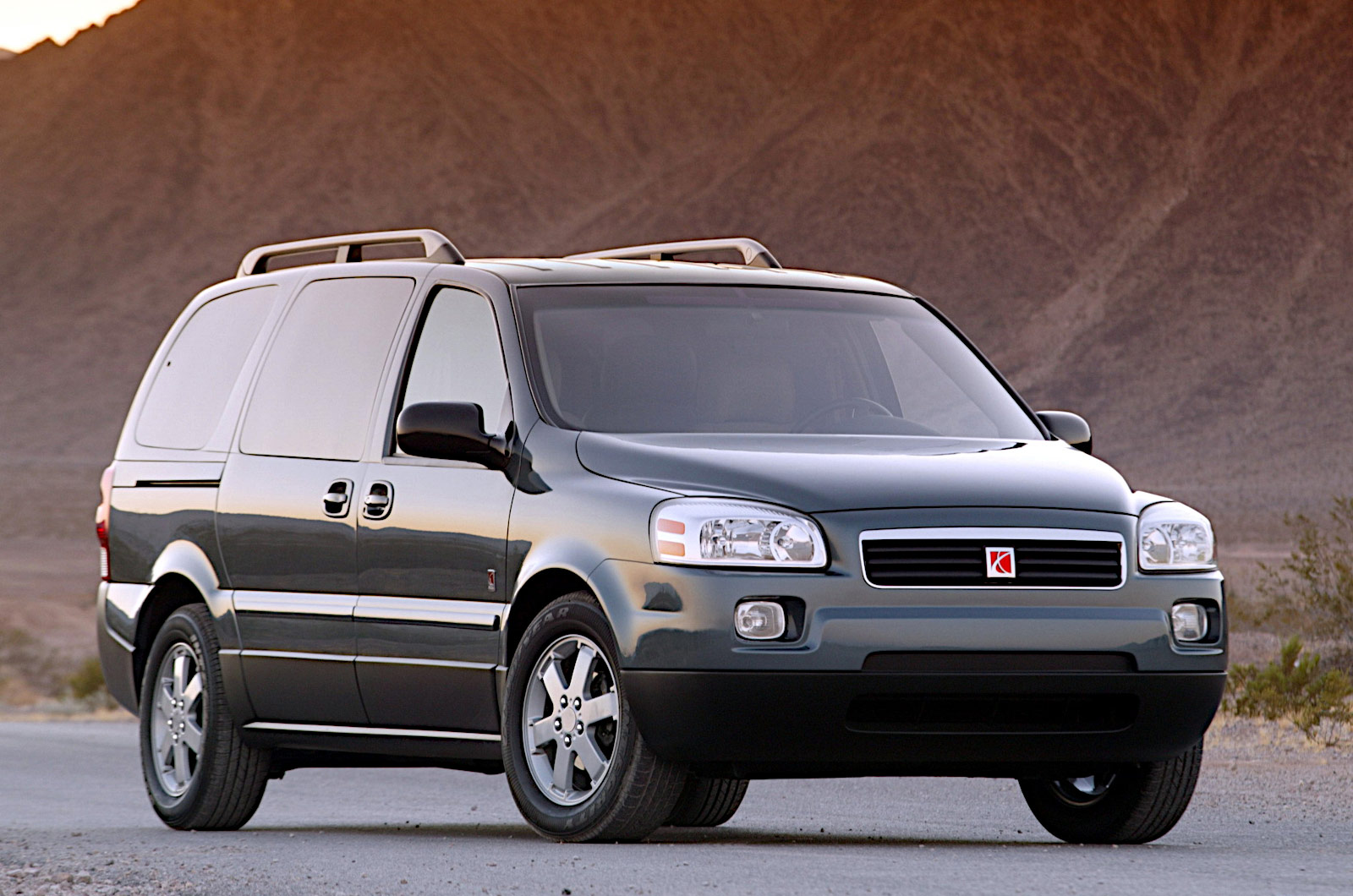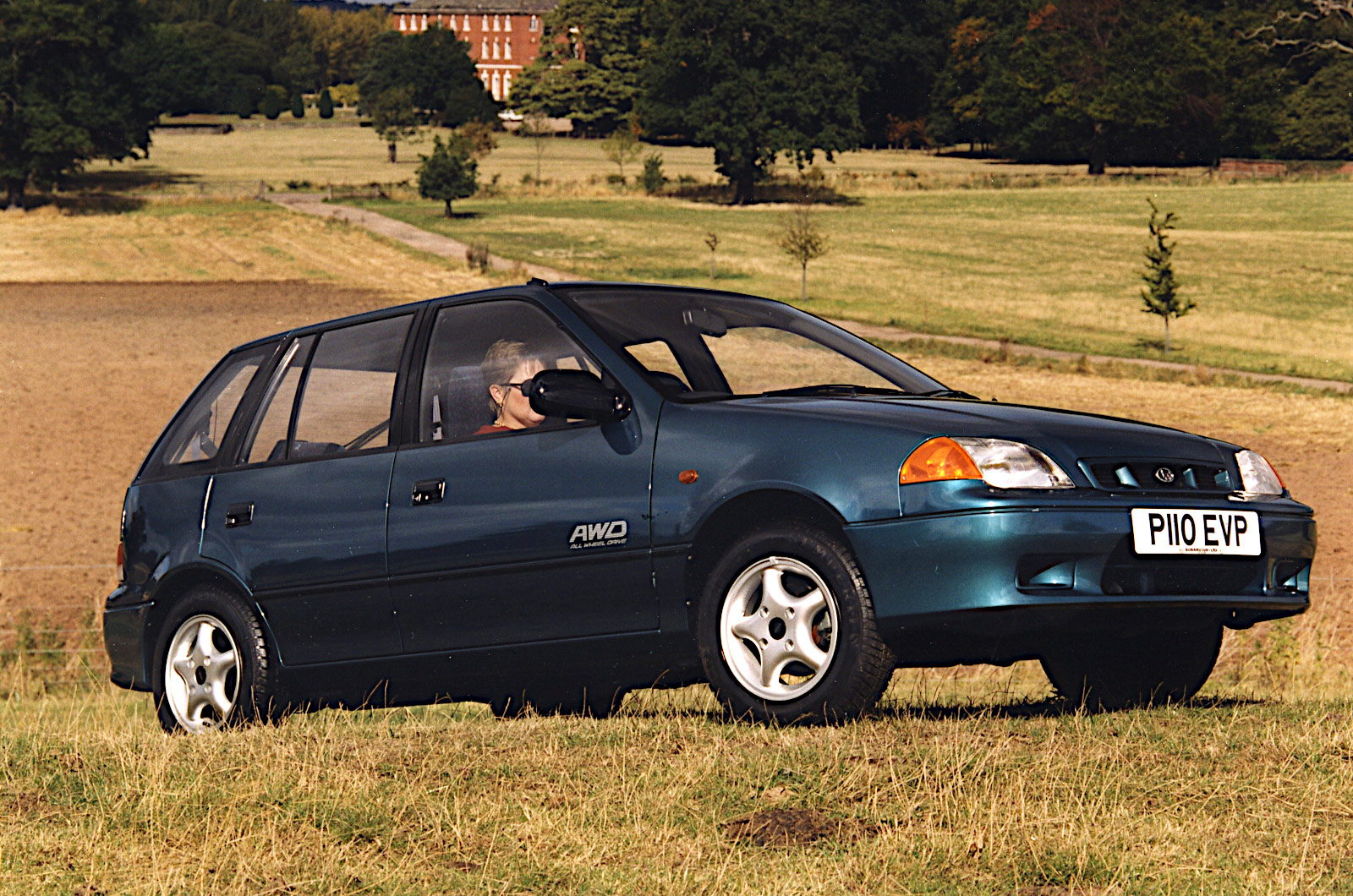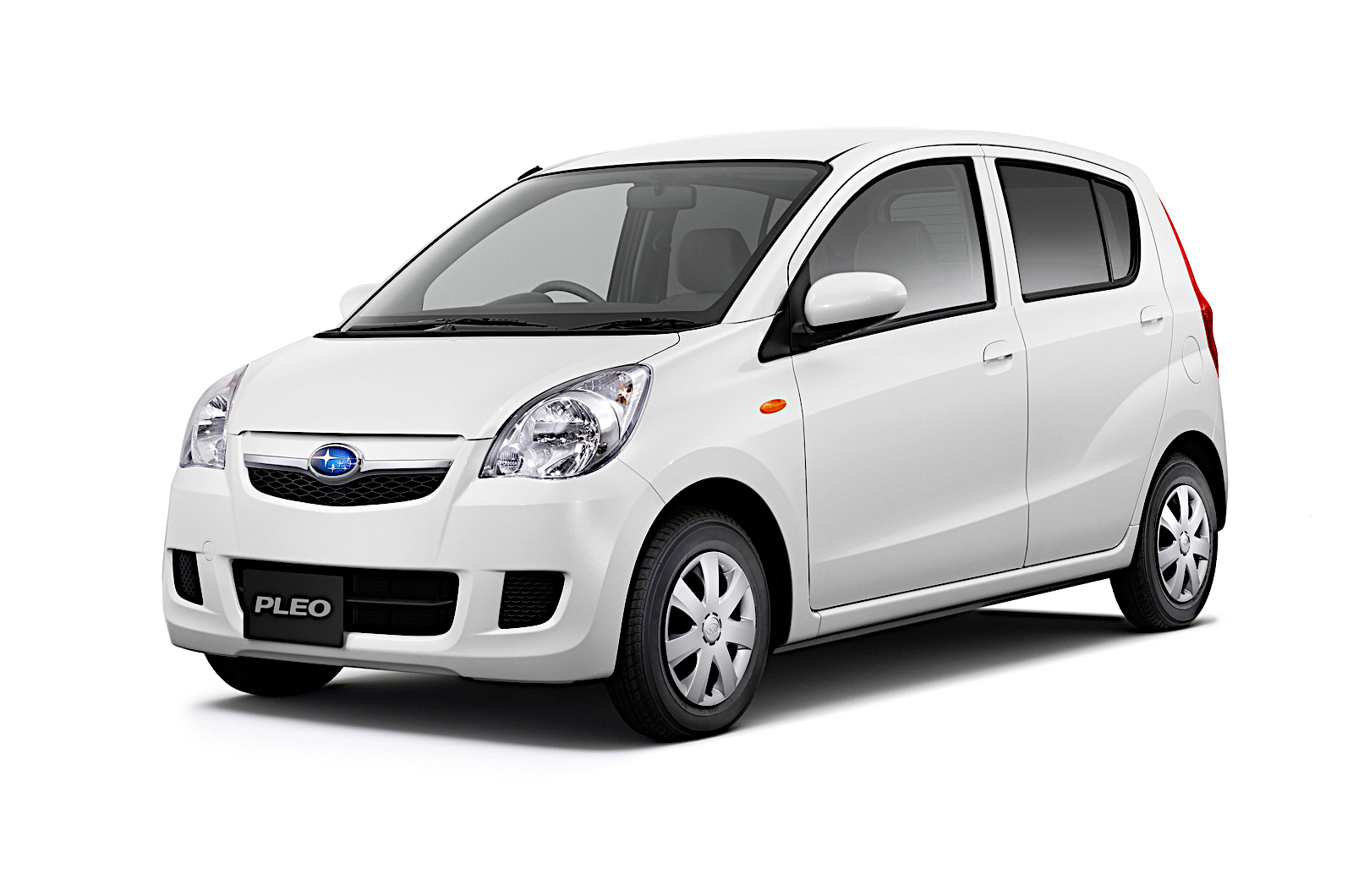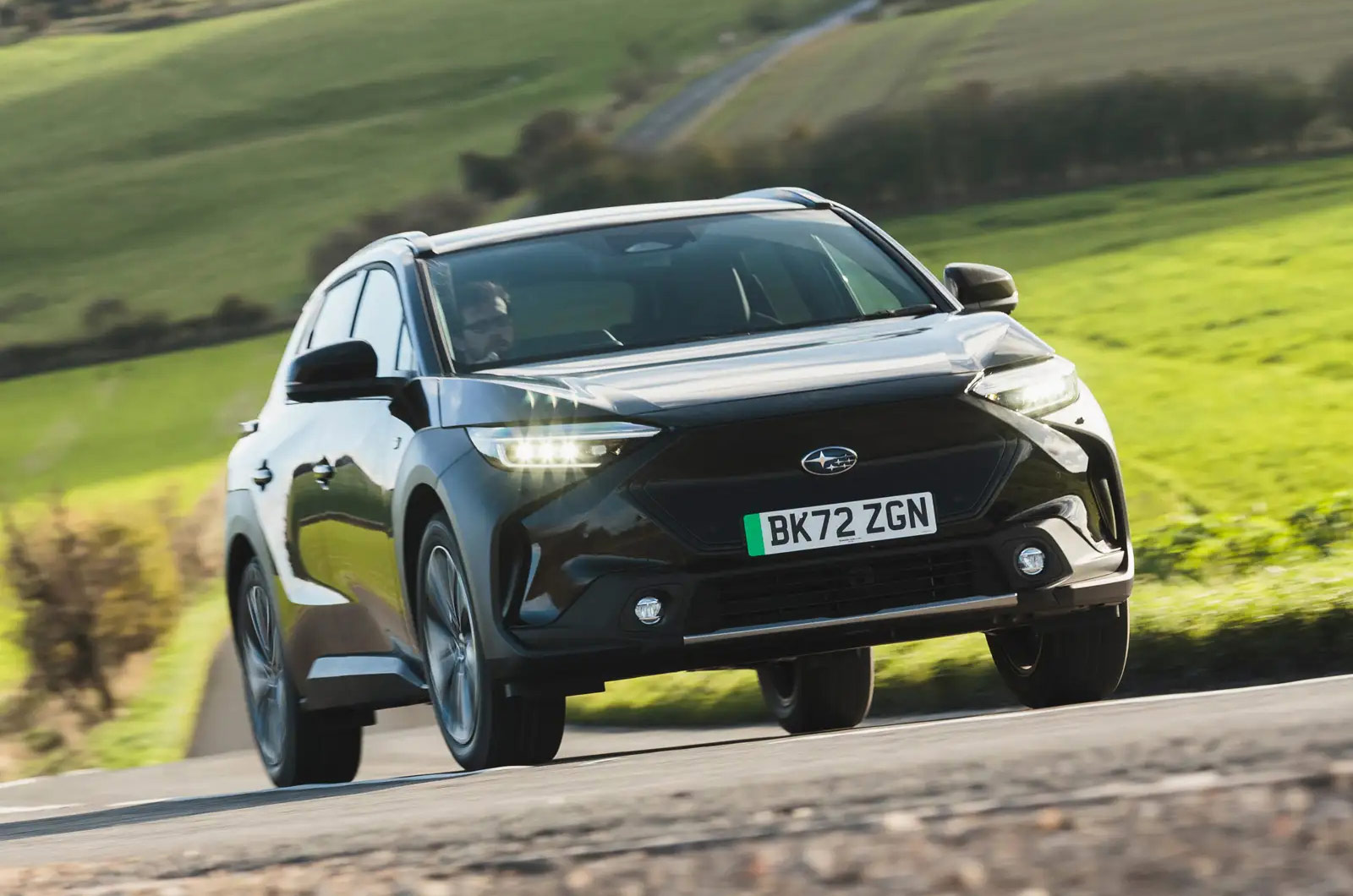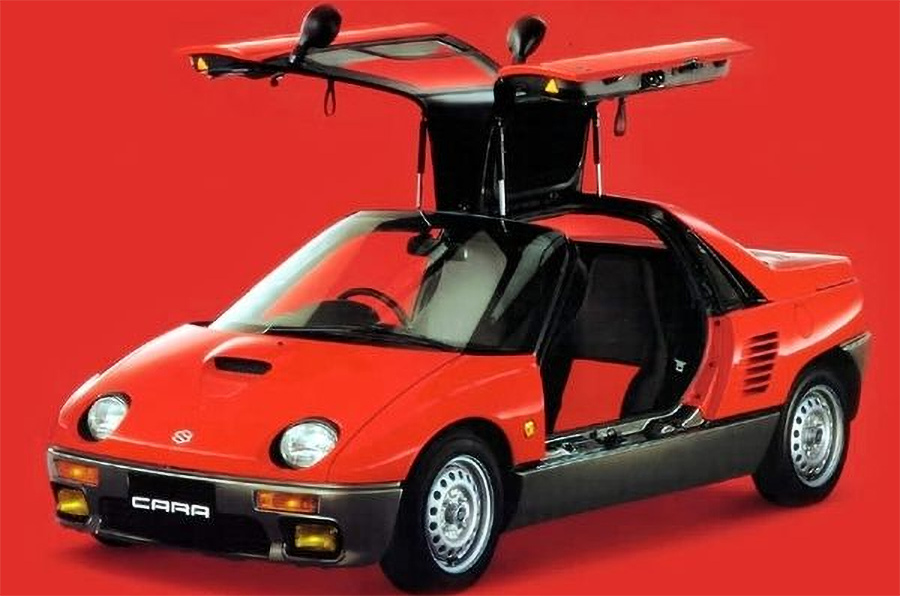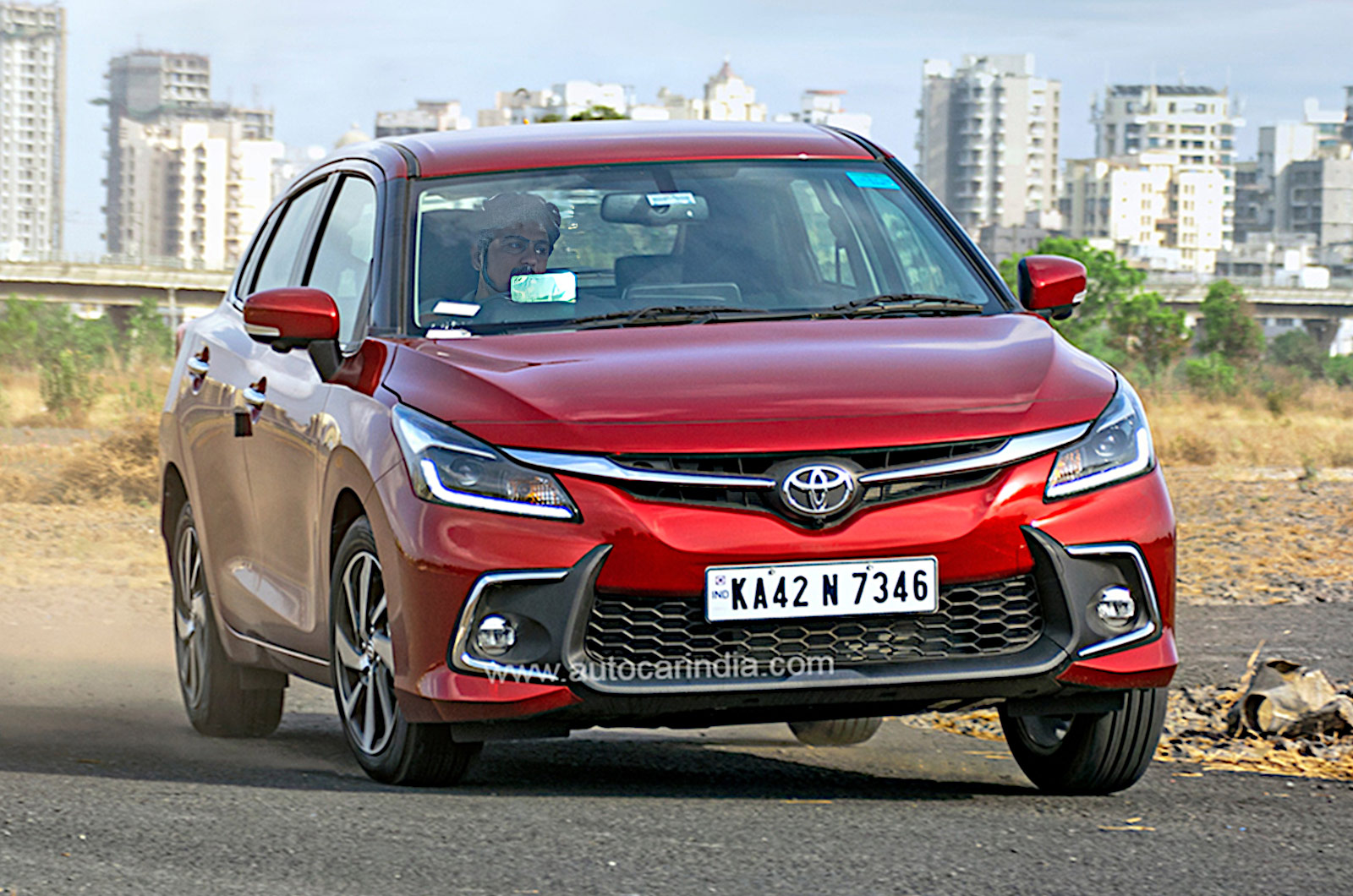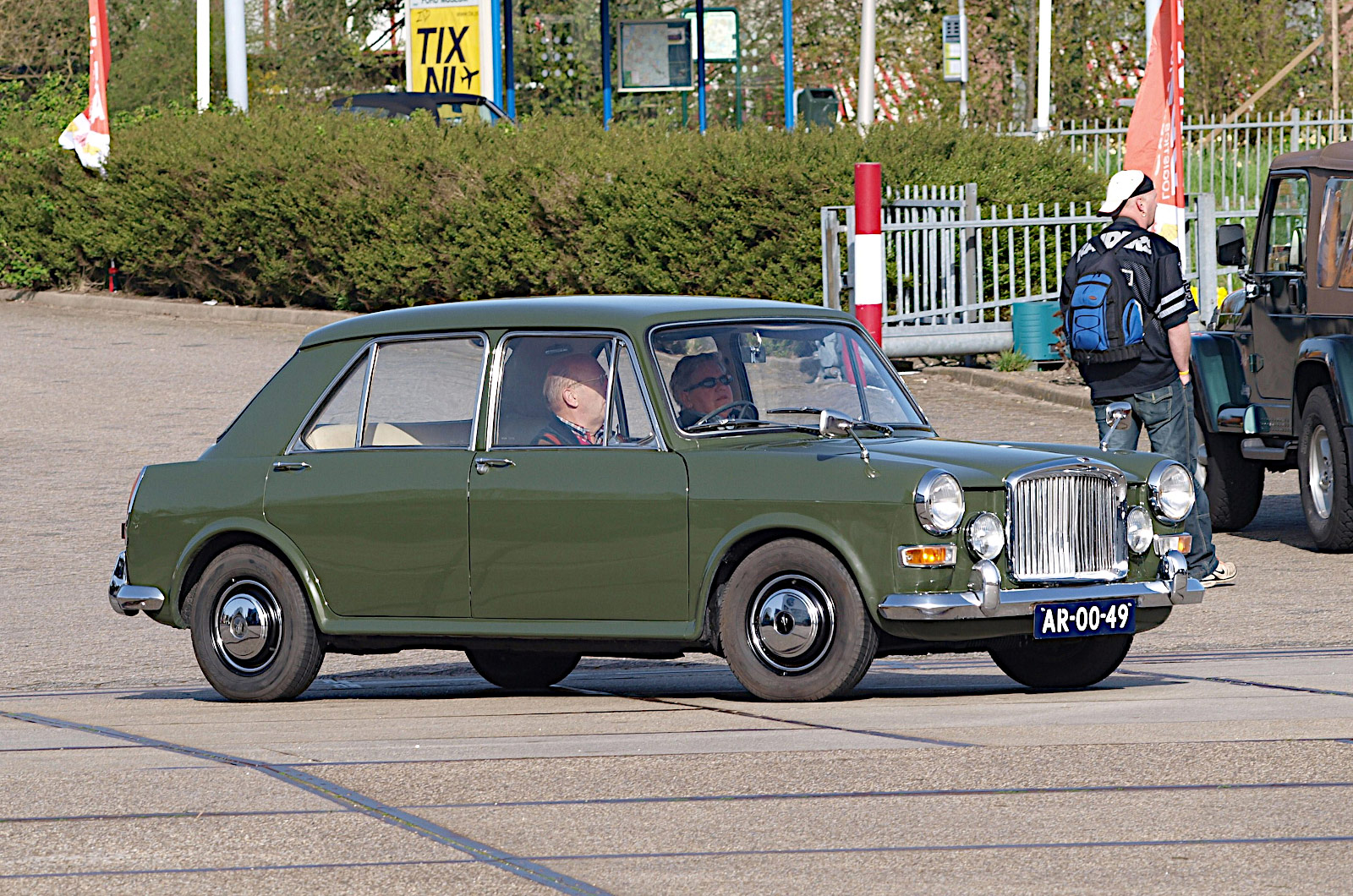
Why go to the trouble and expense of creating two or more cars when you can simply create one and sell it with different names?
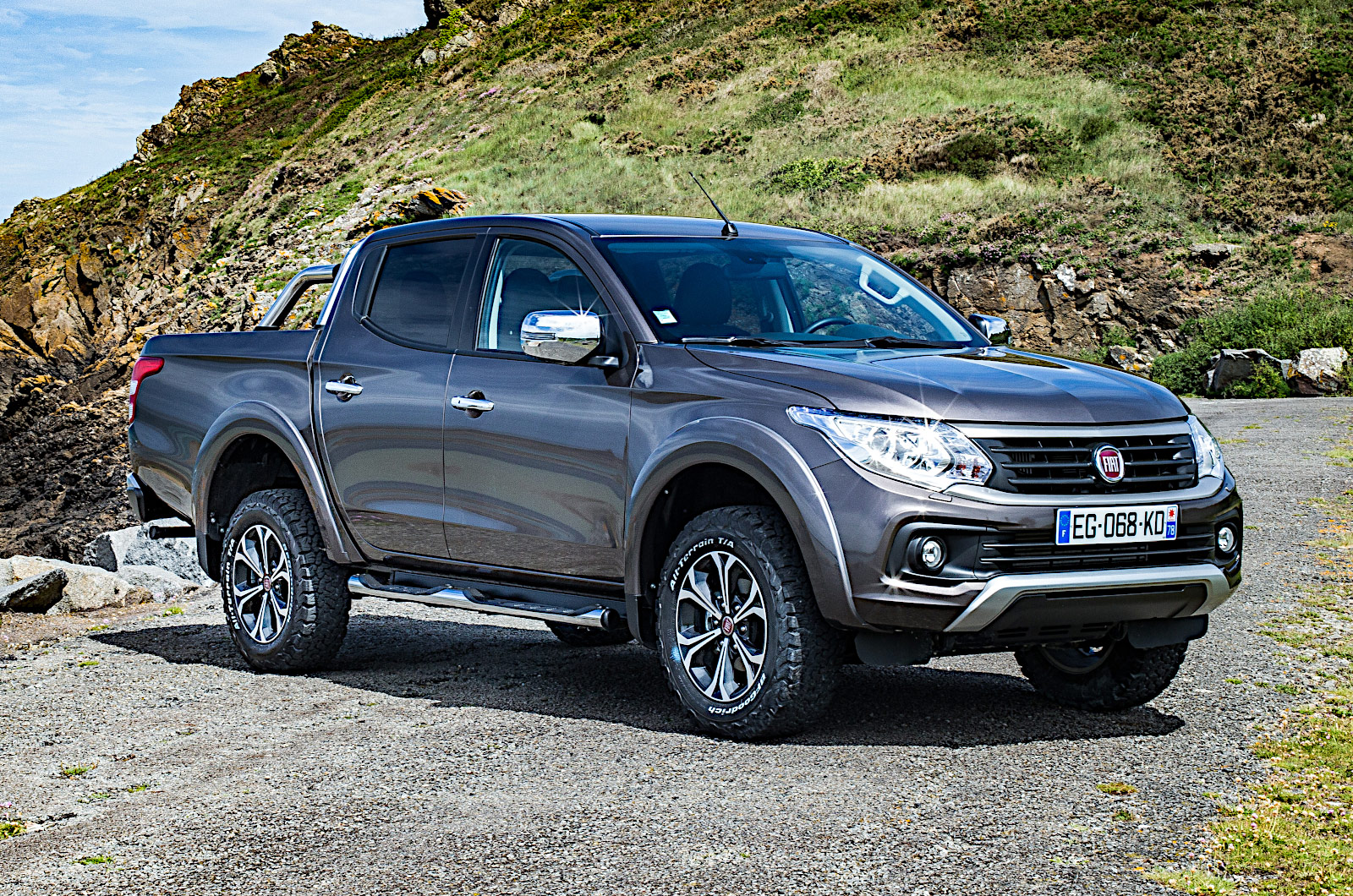
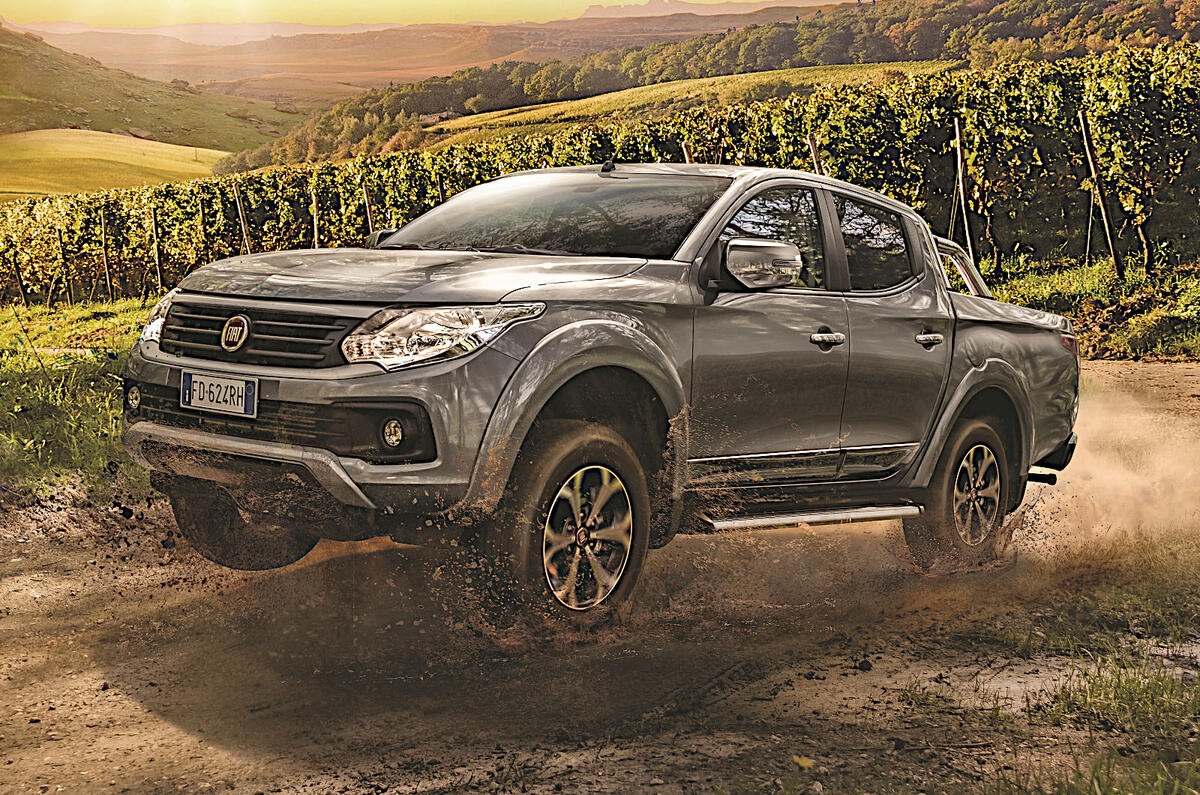
That process is called badge engineering, and it has been used many times over the years, usually for brands owned by the same manufacturer but occasionally by collaborating manufacturers. Such as this Fiat Fullback, sister to the Mitsubishi Triton/L200, and built in Thailand.
From hundreds of possible examples, we’ve picked a representative 41 to describe here, listed in alphabetical order. Cars which differed from the originals in specification, styling details and in some cases drivetrain are considered are acceptable, but we’re going no further than that.
Acadian Beaumont
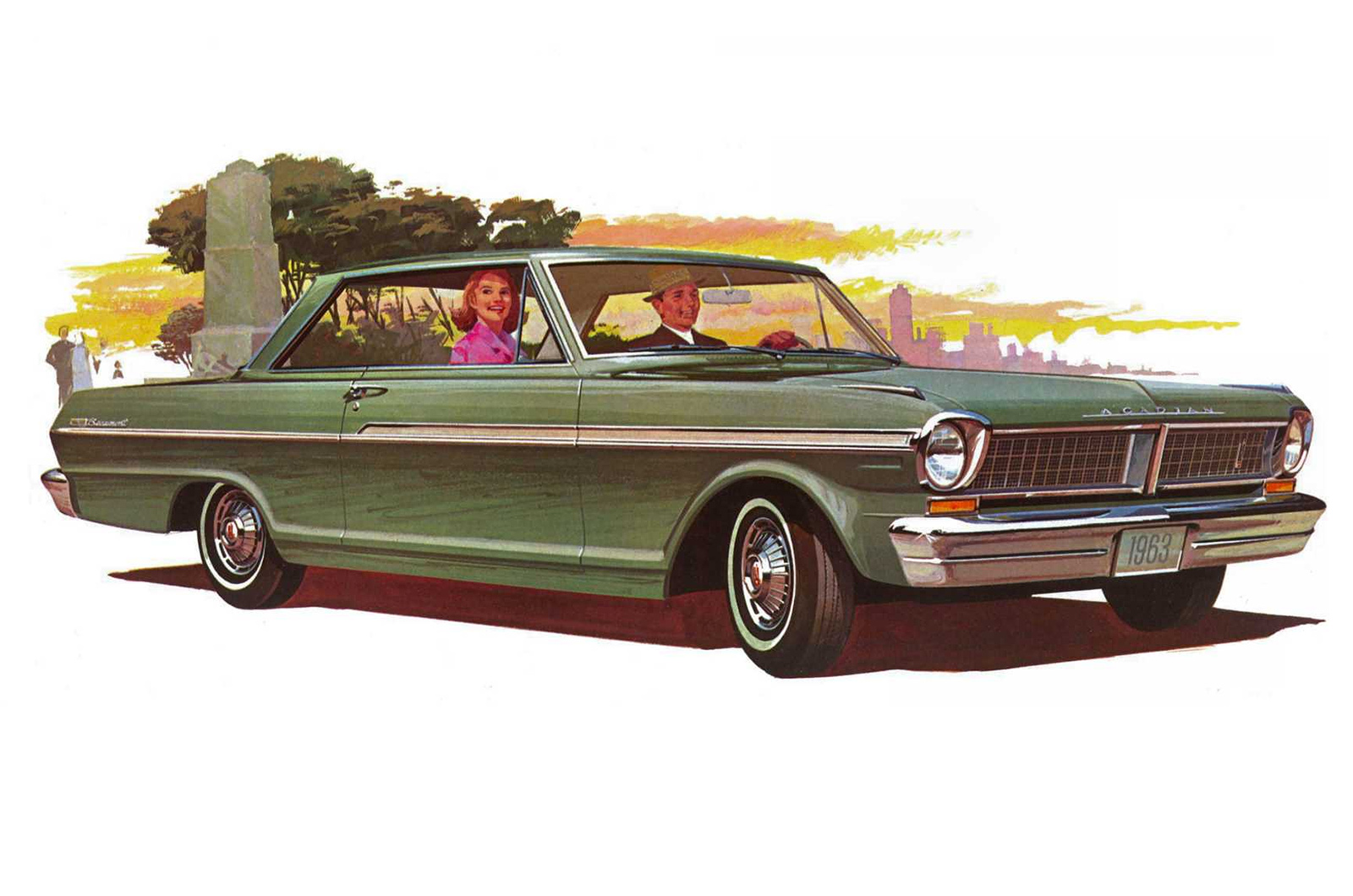
Acadian was a General Motors brand which, from 1962 to 1971, marketed very slightly adjusted Chevrolets on the Canadian market and sold by Pontiac-Buick dealers. The first Beaumont was a version of the Chevy II, while the second (pictured) was a rebadged and otherwise mildly altered Chevelle.
During the lifetime of the later car, Beaumont became a brand in its own right (GM always did like another brand), and only the Chevy II-based model remained known as an Acadian.
Alpheon
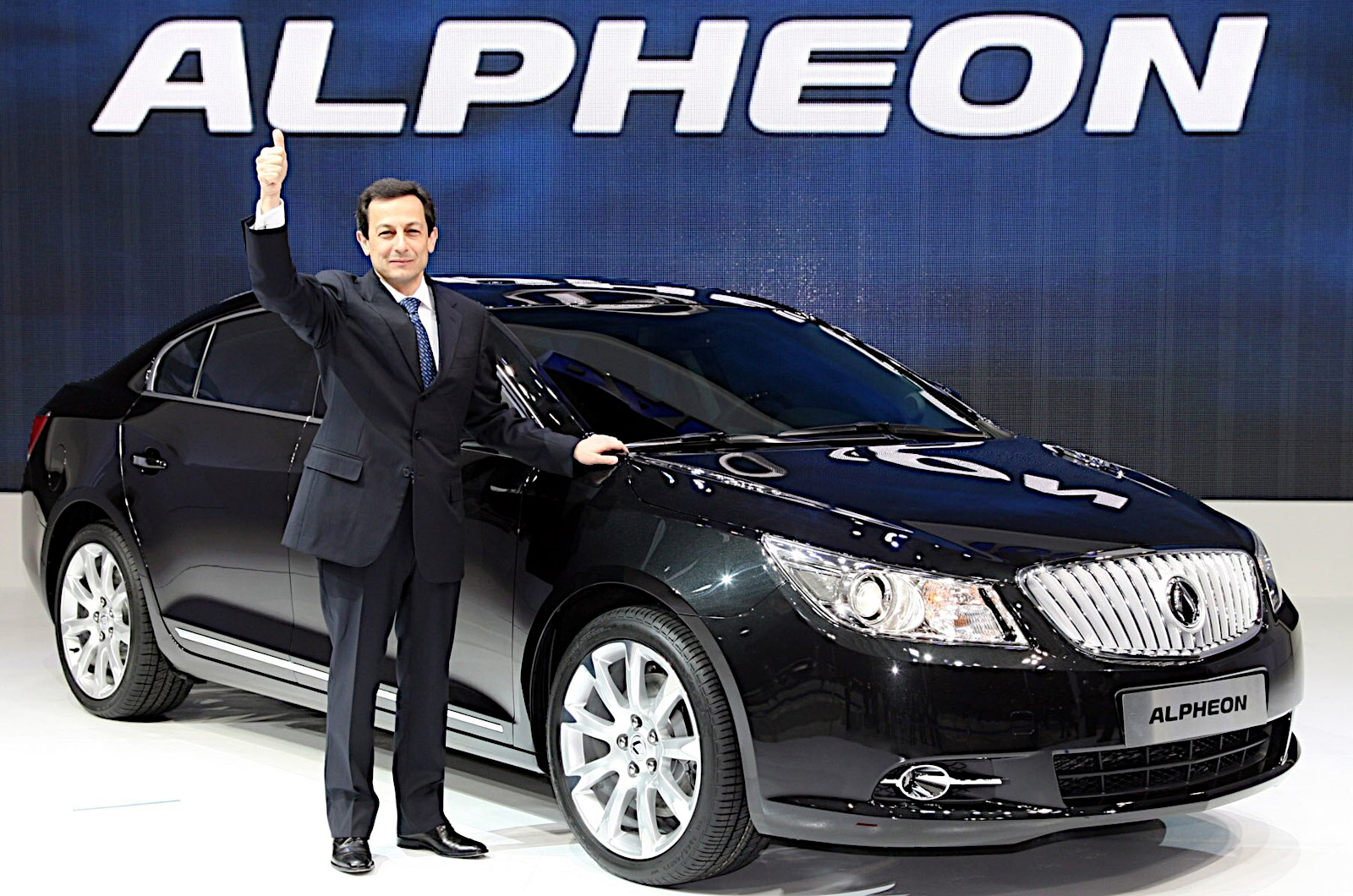
Alpheon was a single-model General Motors brand which operated briefly in South Korea. The single model in question was a locally-built second-generation Buick LaCrosse (itself a close sibling to the Opel Insignia), but Buick had no presence in the country, and there were no plans to create one. Renaming it as a Chevrolet seemed inappropriate, and the Daewoo brand was about to be discontinued.
Alpheon was created in 2010 simply as a name under which to sell this specific car. Both were discontinued five years later when GM Korea began importing the Detroit-built tenth-generation Chevrolet Impala.
Aston Martin Cygnet
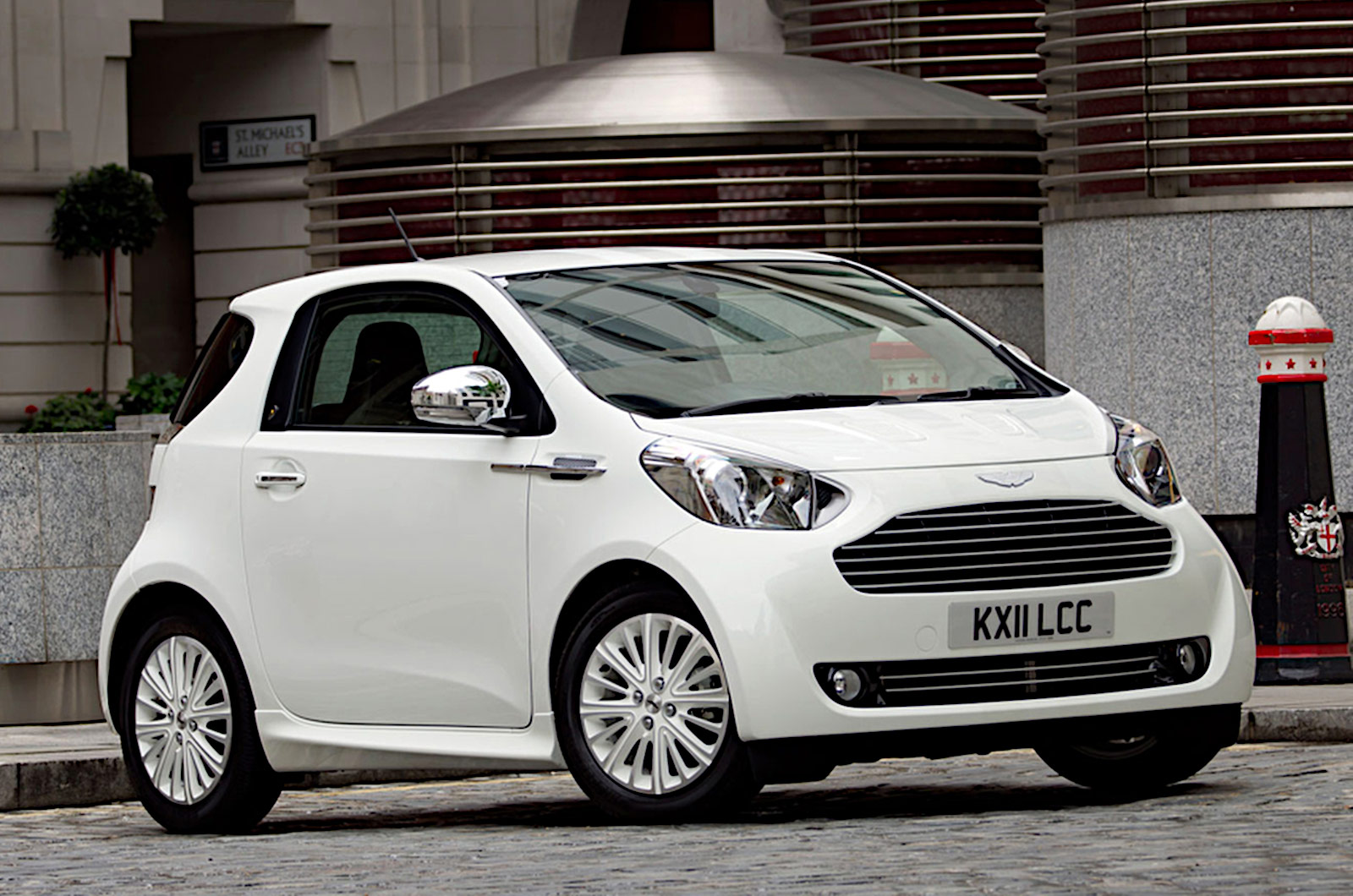
For almost the first century of its existence, the suggestion that Aston Martin might put a badge-engineered Japanese city car on the market would have inspired hard stares and rude retorts. Nevertheless, it actually happened in 2011.
The Cygnet was a Toyota iQ with a higher level of equipment, some cosmetic restyling and a startlingly higher price tag. It sold very poorly, and Aston has never attempted anything similar since. Only 300 were made however, and that rarity has meant they retain their value very well; they are a surprisingly common sight in posh parts of London.
Asüna Sunrunner
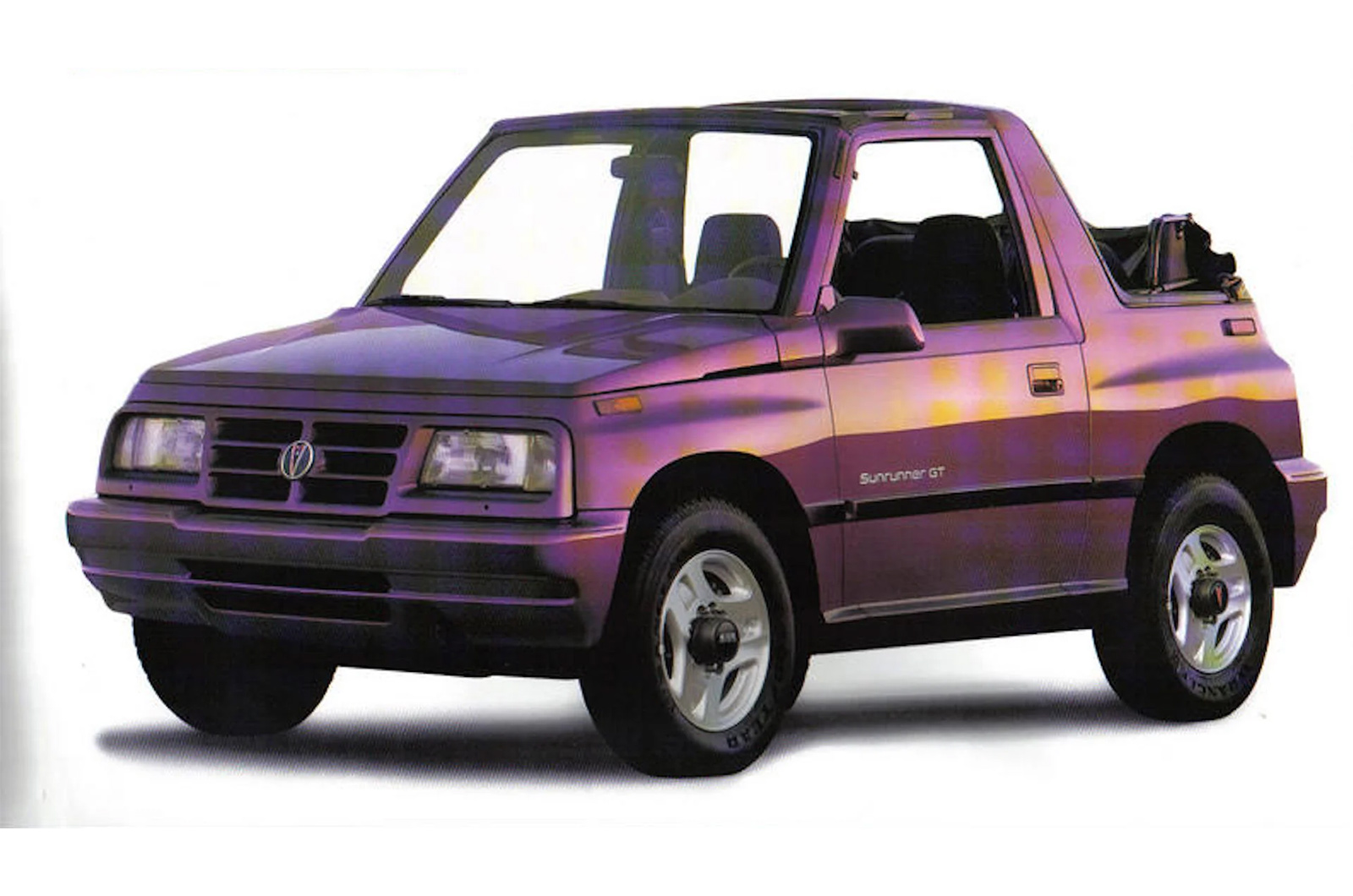
Like Acadian, Asüna was a General Motors brand dedicated to the Canadian market. During its very brief period of operation in the early 1990s, it sold three models which GM had very little to do with, other than importing them from Japan and South Korea.
They were the Sunrunner, the Sunfire and a sedan known either as the SE or the GT. The first of these was one of the most badge-engineered vehicles on the planet, being sold around the world as the Suzuki Escudo, Suzuki Vitara and Chevrolet Tracker, among many other names.
Audi 50
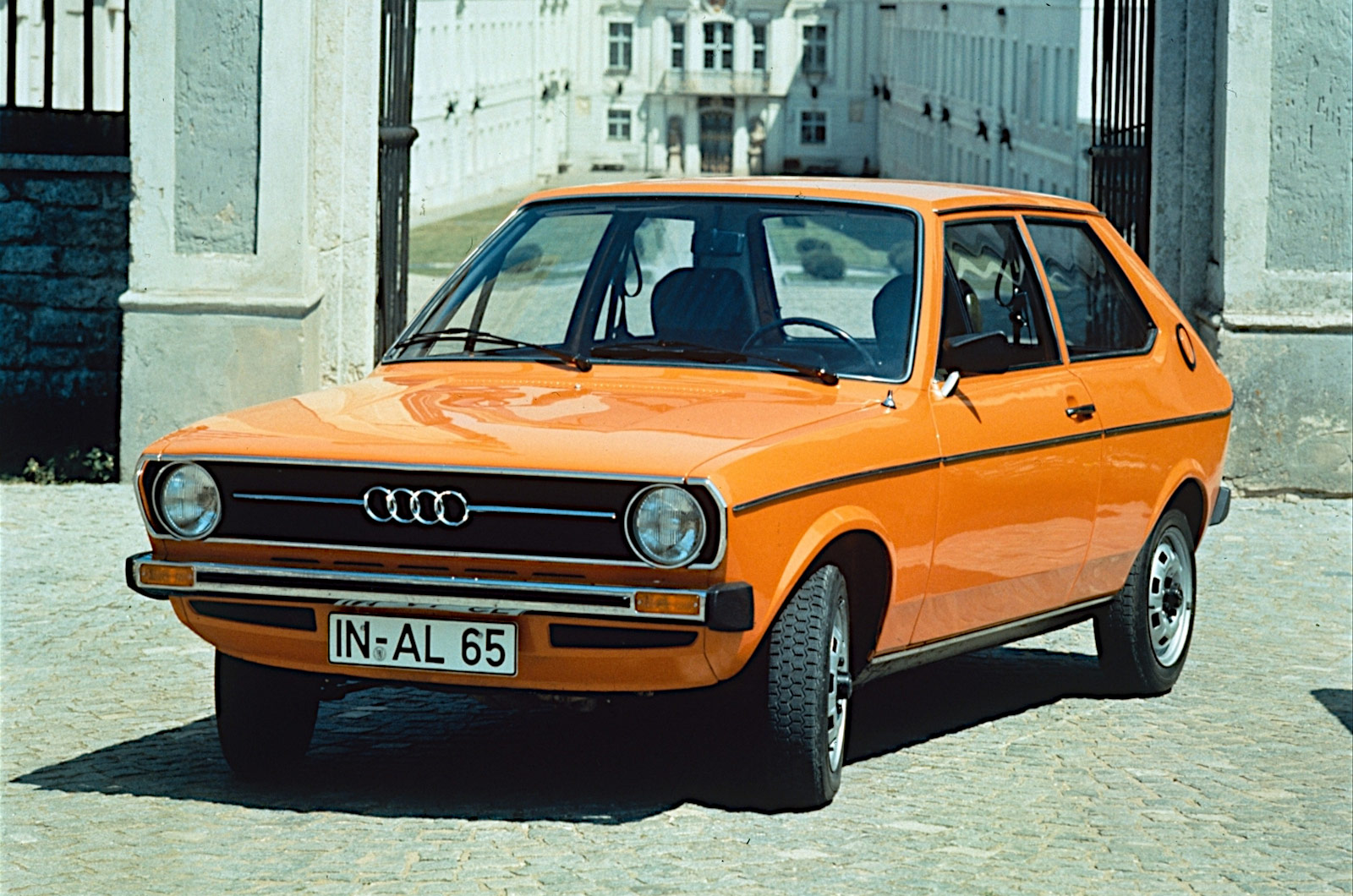
Still to this day the smallest car Audi has ever put on sale, the 50 was almost exactly the same thing as the first-generation Volkswagen Polo. Since Audi got there first in 1974, and had built what the company reports (with devastating precision) to have been 43,002 50s by the time Polo production began on 31 March 1975, it would be correct to say that the Polo was a badge-engineered 50.