
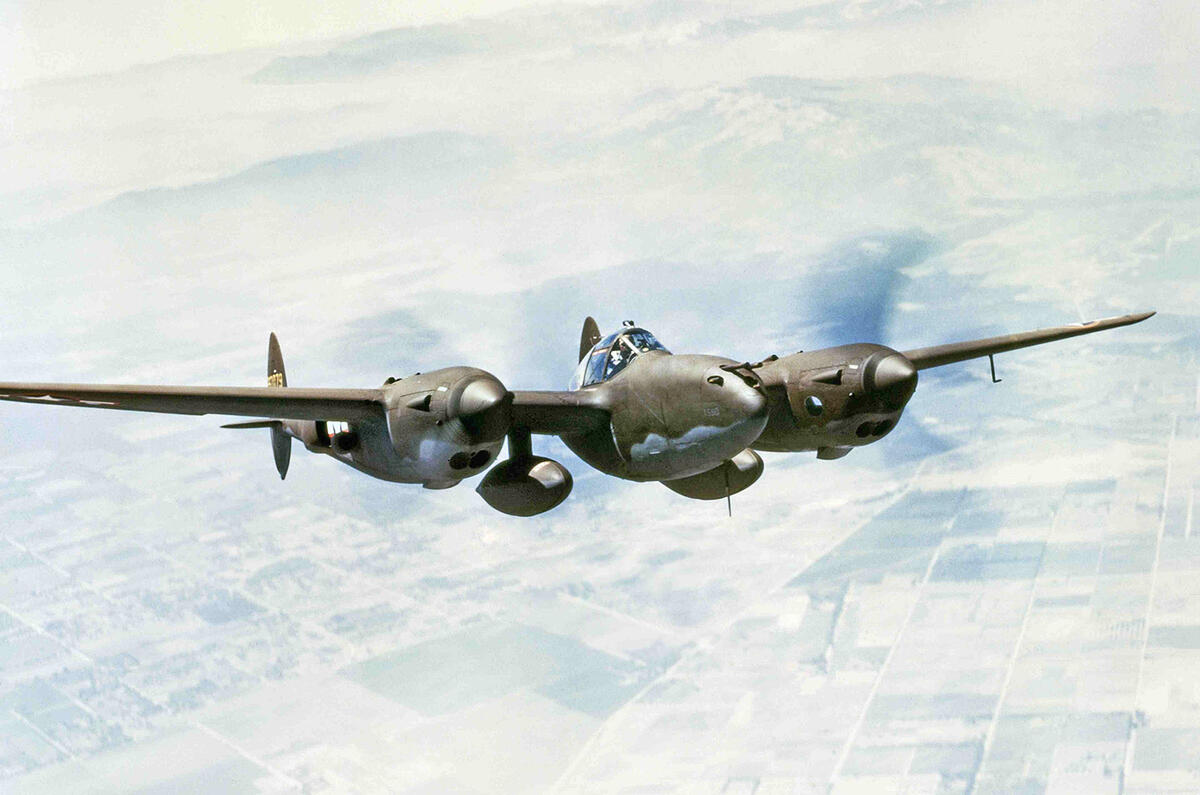

Revolutionary futuristic warplanes were developed in the Second World War.
To prevent the enemy from learning the secrets of these new combat aircraft, they were developed and test flown in strict secrecy. Maintaining the secrecy of a loud flying machine is not easy, and demanded ingenious, and sometimes bizarre, to the point of comical, acts of deception or misdirection. Here are the 10 Most Secret Aircraft of the Second World War:
10: Northrop XP-56 ‘Black Bullet’
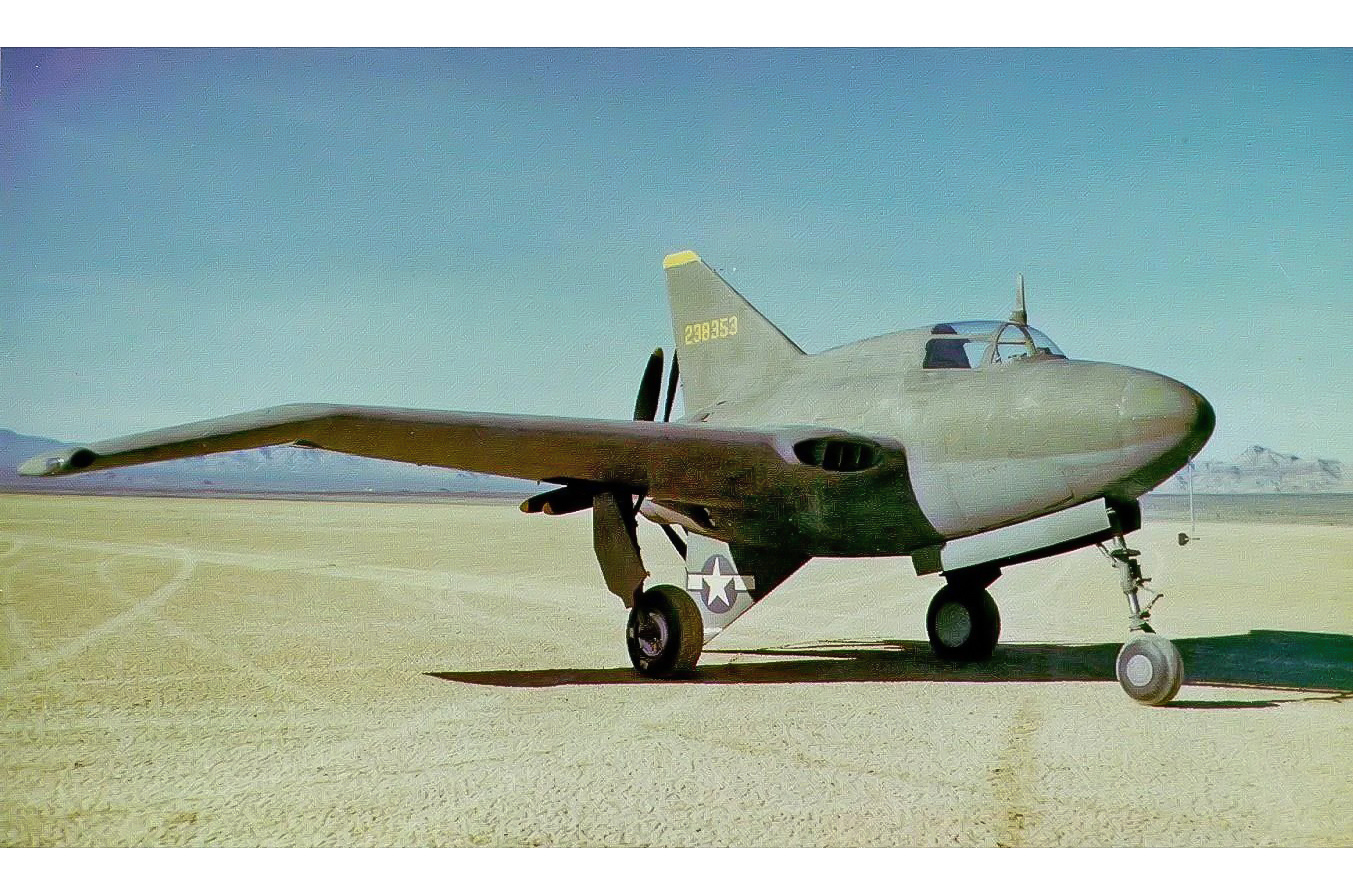
When the batlike Northrop XP-56 ‘Black Bullet’ first flew on 30 September 1943, it was undoubtedly one of the most radical and unorthodox fighters in existence. It combined a pusher configuration (with the propeller at the back of the aircraft) with a swept wing, no horizontal stabilisers, and extensive magnesium alloy construction.
It was a highly experimental aircraft developed under wartime secrecy. While not fully classified, its unconventional design and use of magnesium limited knowledge largely to Northrop engineers and test pilots. Magnesium was selected for its light weight and to reduce reliance on aluminium, which was in danger of becoming in short supply during the war.
10: Northrop XP-56 ‘Black Bullet’
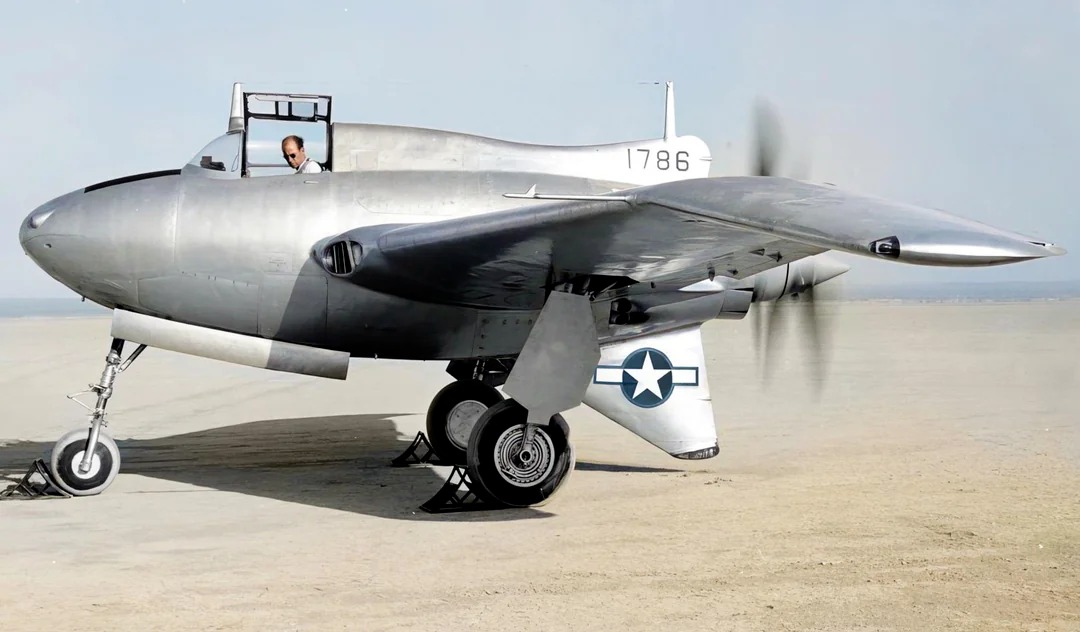
The project was beset by problems from the start. When the intended engine, the Pratt & Whitney X-1800, was cancelled, the replacement, the Pratt & Whitney R-2800, required a major redesign, increased weight, and reduced the aircraft’s projected top speed.
Engine tests began in March 1943 but failed due to excessive propeller shaft flex, delaying progress by five months. Taxi and flight tests revealed severe yaw instability, prompting major tail redesigns. The first prototype was destroyed in October 1943. A revised second prototype flew briefly in 1944, but continuing problems led to the project’s abandonment. It was not fully revealed to the public until 1945.
9: Gloster Meteor
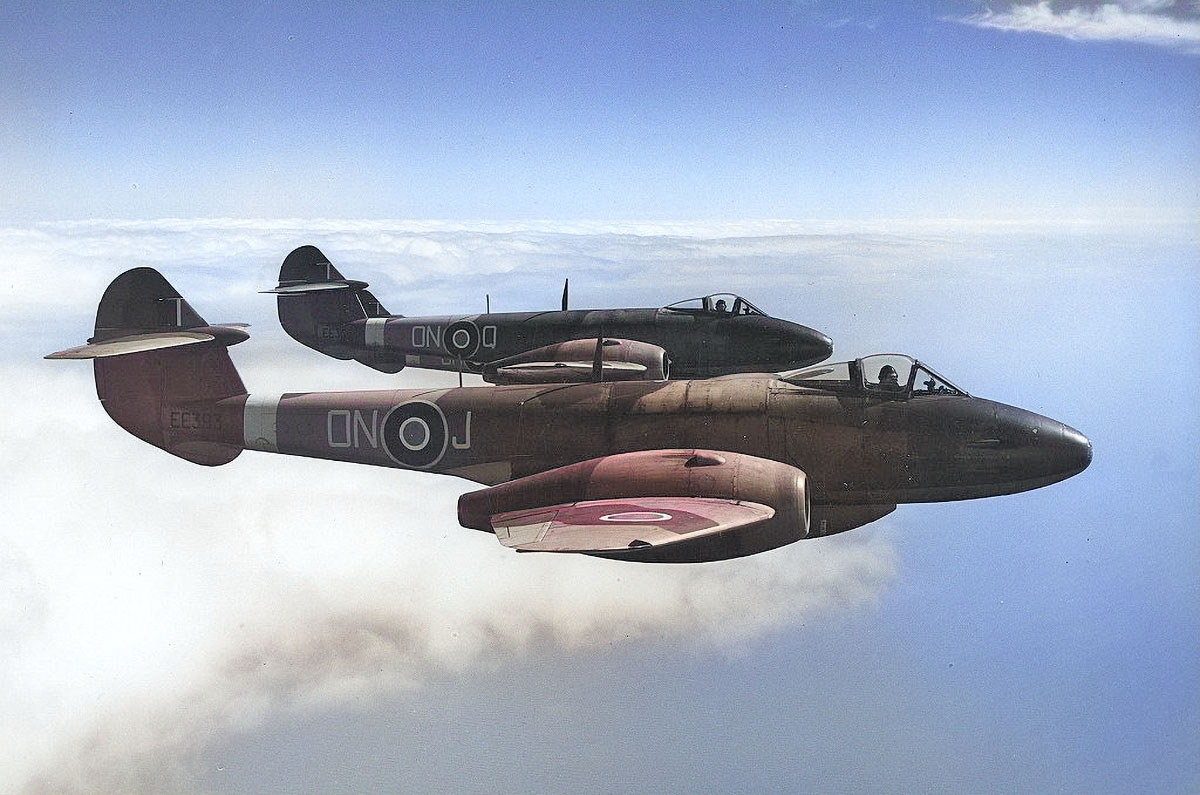
The Gloster Meteor, Britain’s first operational jet fighter, was developed under strict secrecy during the Second World War. The project’s secrecy was critical to maintaining air superiority and preventing Germany from discovering British jet technology. Every stage, from design to flight testing, was carefully controlled and highly classified.
Early work on the Meteor was referred to internally by codes such as F.9/40. These codenames were used in official records and correspondence to avoid drawing attention. Only essential engineers, designers, and project managers had full knowledge of the aircraft’s purpose, and even within Gloster Aircraft Company, information was compartmentalised to reduce the risk of leaks to enemy intelligence.
9: Gloster Meteor
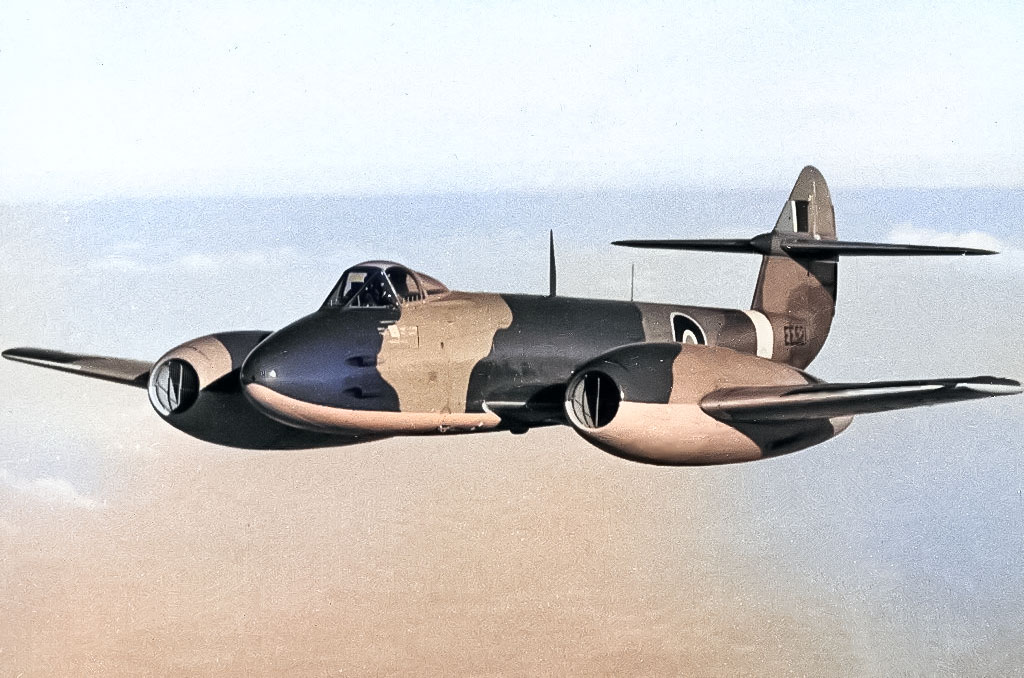
Flight testing took place at restricted locations such as RAF Cranwell and later Boscombe Down. These airfields were off-limits to the public and heavily guarded. Components were transported in crates labelled as spare parts or experimental engines to disguise their purpose. Hangars were enclosed, and outsiders were strictly forbidden, ensuring that no one could observe the jet’s innovative turbojet engines.
Even operational deployment was carefully controlled. Squadrons training on the Meteor, including No. 616 RAF, were instructed on strict secrecy protocols. Public acknowledgement of the aircraft only occurred after combat deployment in 1944. The measures protected Britain’s technological advantage and ensured the Meteor could surprise the Luftwaffe.



Add your comment