
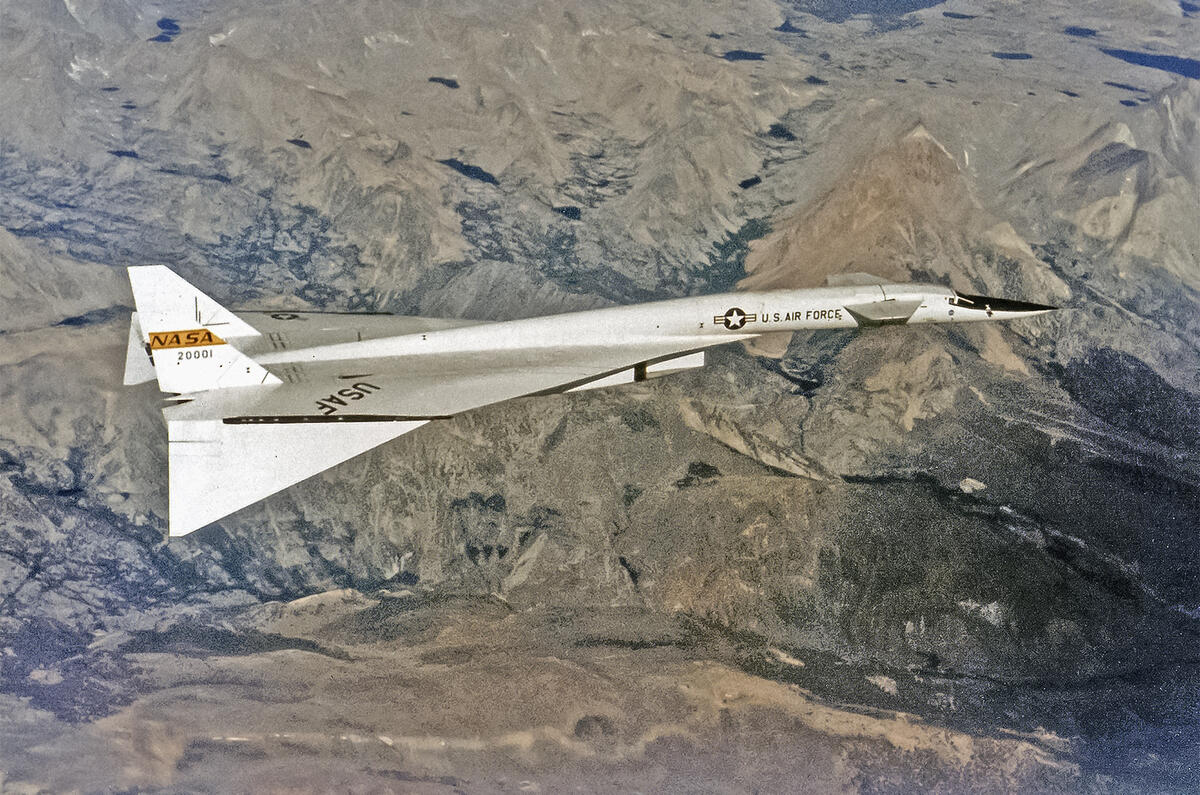

With seemingly unlimited funding, the Cold War created a wild menagerie of exciting warplanes.
Some were extremely exciting and charismatic, some utterly daft or downright evil. Here are 10 Crazy & Ice-cool Cold War Warplanes:
10: Republic XF-91 Thunderceptor
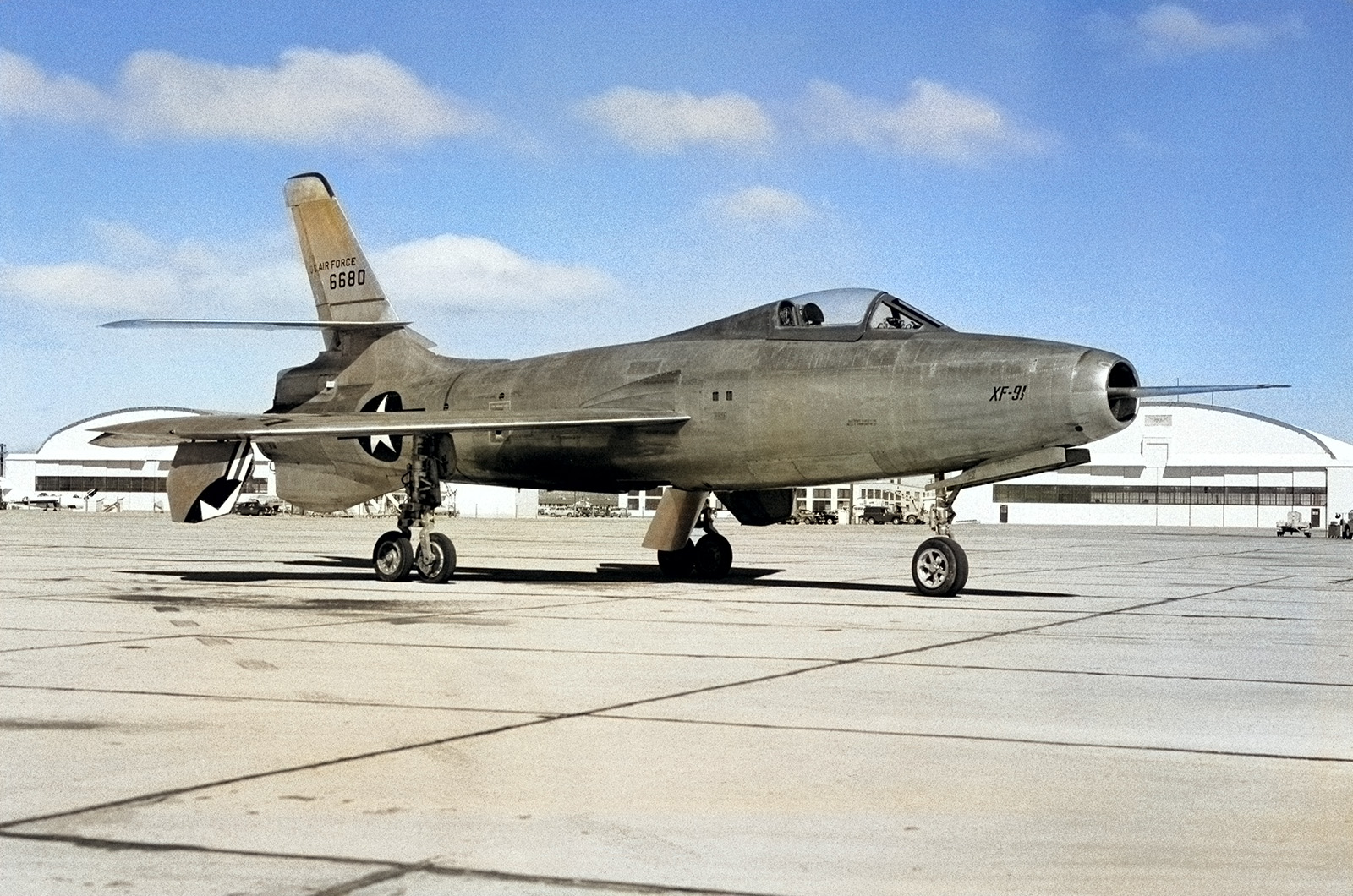
Nothing says Cold War aviation madness like the Republic XF-91 Thunderceptor. Mad futuristic appearance? Check. Combination of rocket and jet propulsion? Check. Slightly daft and exciting name? Check again. The Thunderceptor's unusual wing was 'flared' in shape as a solution intended to address the dangerous issue of 'pitch-ups'.
The XF-91 first flew in 1948. It flew faster that the speed of sound in 1951, becoming the first US fighter (albeit experimental) to exceed the speed of sound in level flight. The Thunderceptor’s rather exciting mixed propulsion was rendered obsolete by improvements in available thrust from turbojet engines.
10: Republic XF-91 Thunderceptor
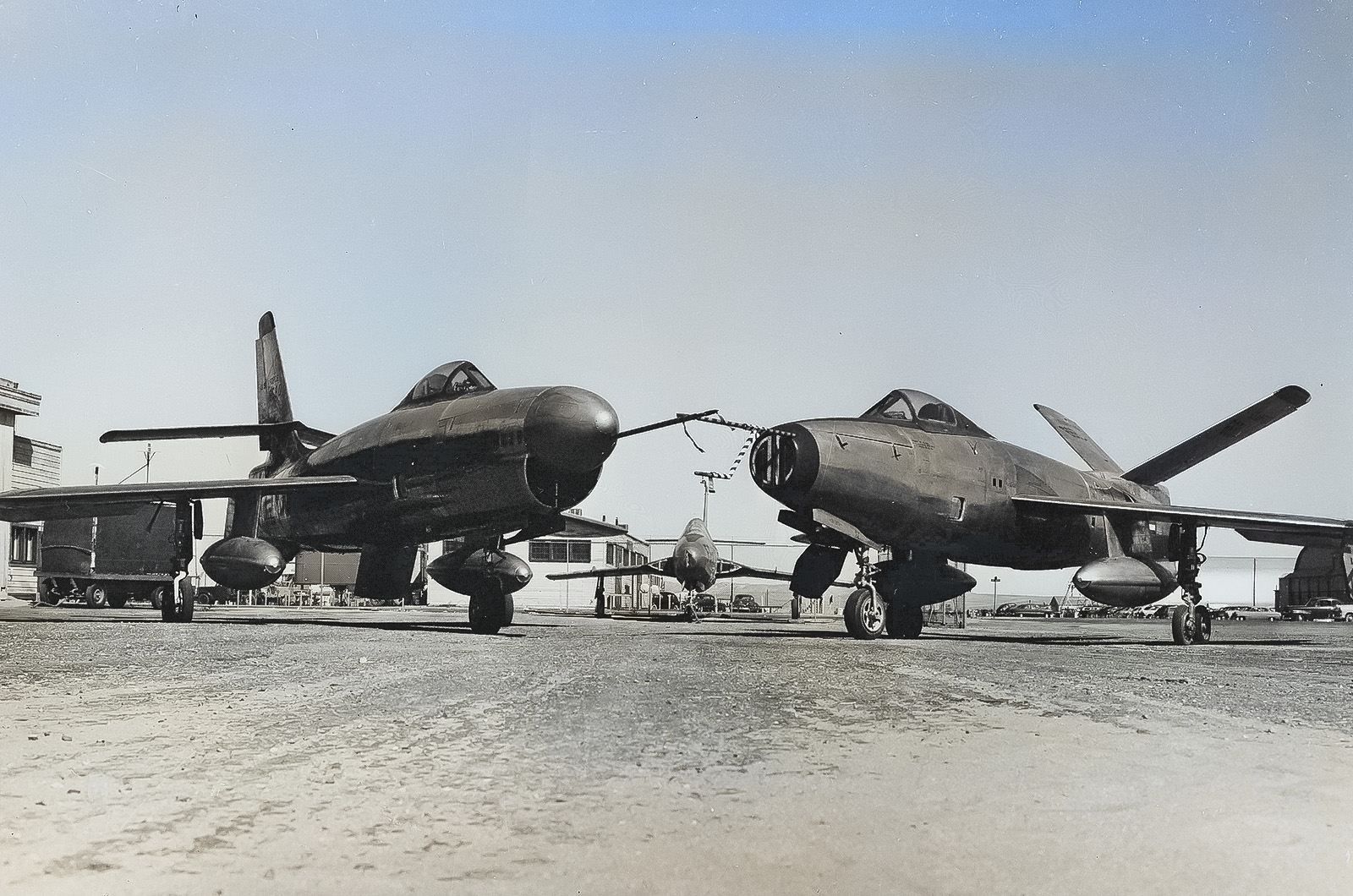
The XF-91 was powered by one General Electric J47-GE-7 turbojet, with 5200 lbf (23 kN) thrust (increasing to 6100 lbf (27 kN) with water injection) and leaping up to 6900 lbf (31 kN) with afterburner, and one Reaction Motors XLR11-RM-9 liquid-fuelled rocket engine of 6,000 lbf (27 kN) using Water-alcohol fuel with liquid oxygen as the oxidiser.
Other mixed propulsion fighters included the Avro 720, Saunders-Roe SR.53, and Saunders-Roe SR.177. A rocket could indeed work for additional thrust, but two fuel sources and the hazards and endurance of rocket propulsion meant the better solution was to wait for better pure jet engines, which is what the US Air Force did.
9: Northrop F-20 Tigershark
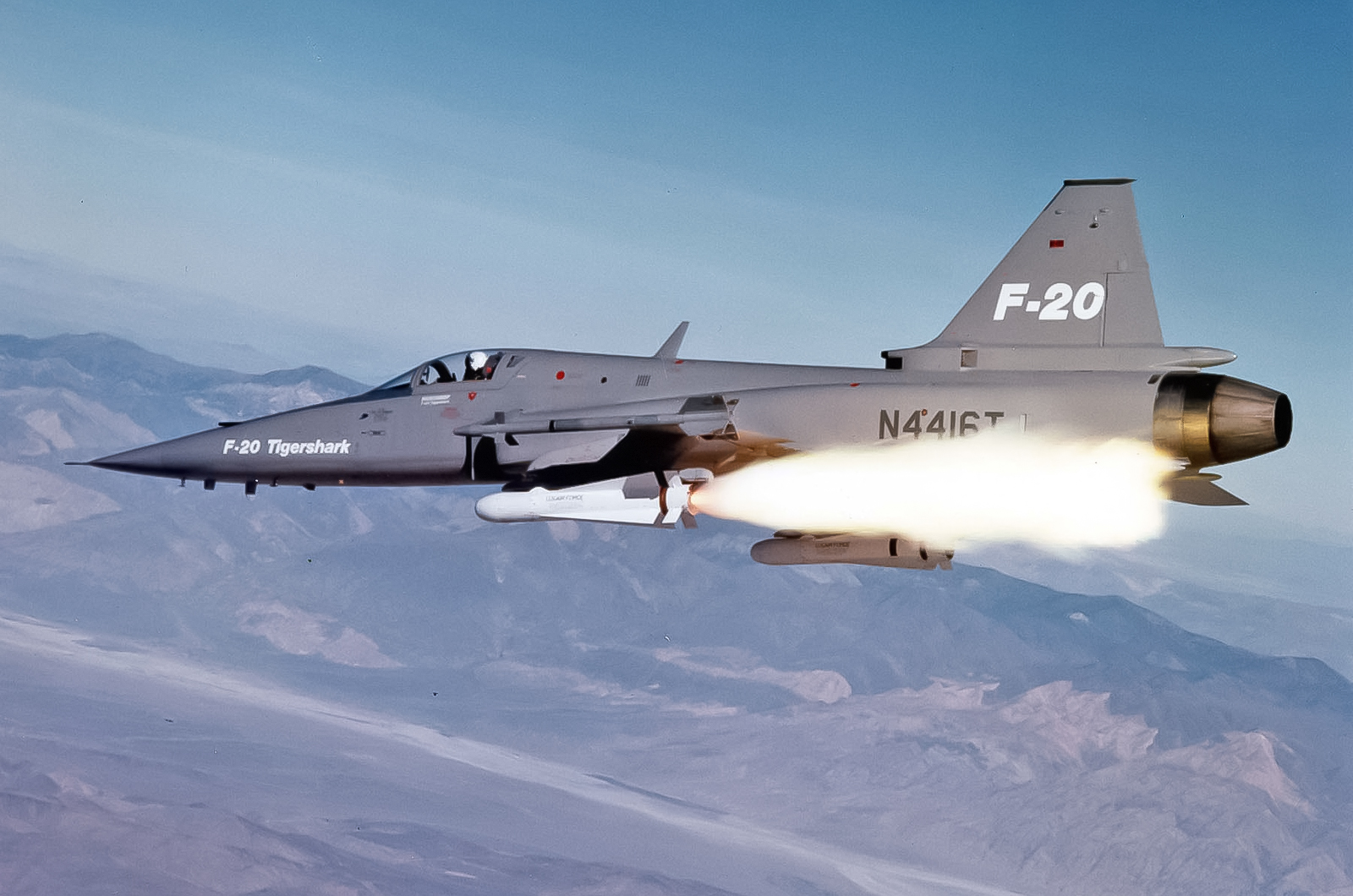
The F-20 was a souped-up variant of the F-5 light fighter. However, unlike the twin-engined Tiger II and Freedom Fighter, the F-20 was powered by a single engine. It was intended to serve the needs of US client nations that were not cleared to purchase fighters as advanced as the F-16.
The F-20 was slightly inferior to the F-16 in performance terms but would have been easier to maintain and cheaper to operate, though some of the reliability claims for it were perhaps a little exaggerated. Flight trials went extremely well, and the famous Chuck Yeager became an enthusiastic advocate of the type.
9: Northrop F-20 Tigershark
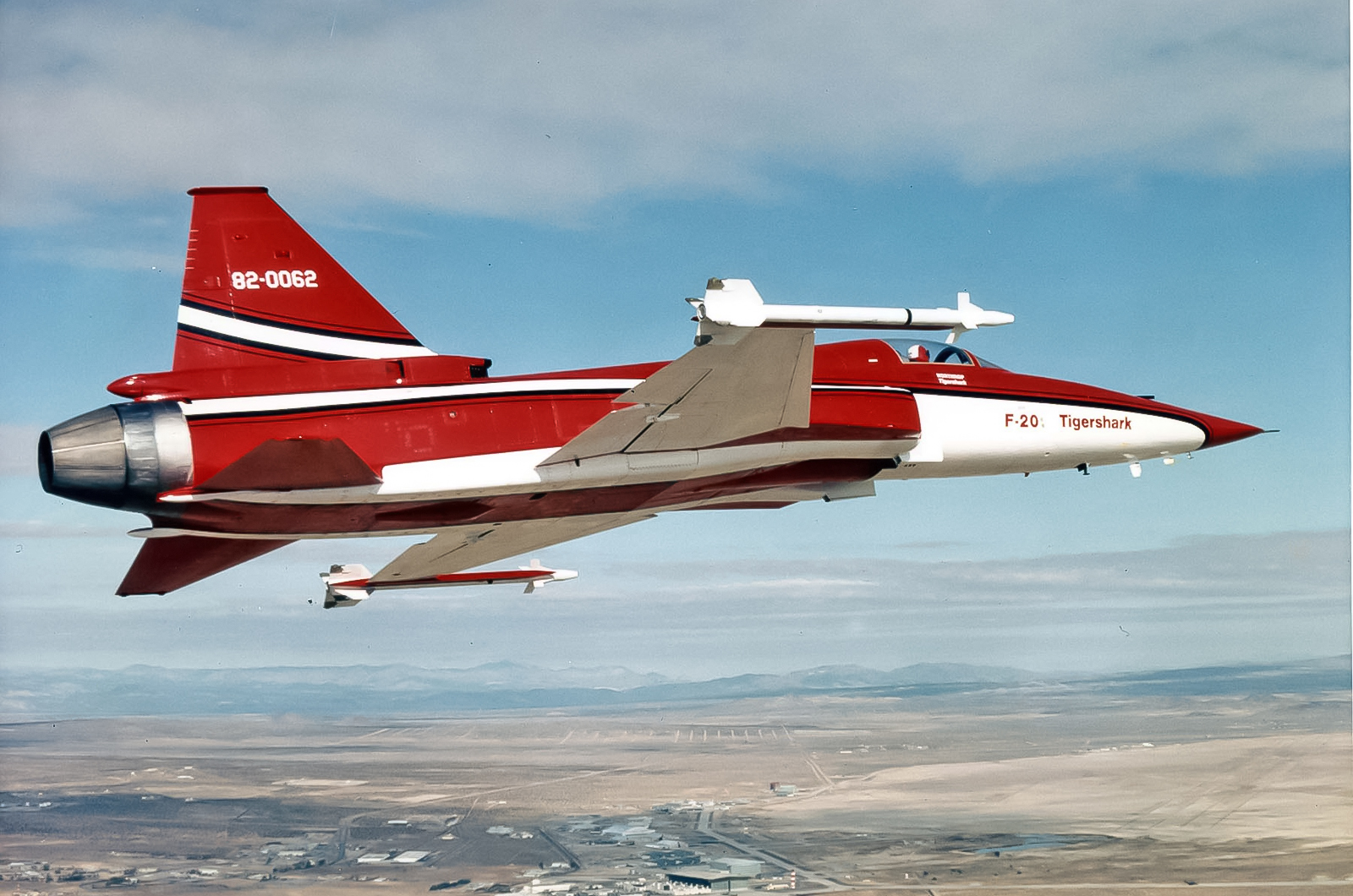
When restrictions on F-16 exports were relaxed the F-20 lost its raison d’etre. An attempt to provide F-20s for the US aggressor fleet proved unsuccessful perhaps as General Dynamics and some in the F-16 community feared the F-20 reaching production status.
In the end, this privately funded fighter fell by the wayside, but did serve to distract attention away from Northrop’s secretive work on the nascent B-2 stealth bomber. The F404 engine that had powered the F-20 did find gainful employment in the light fighter world, going on to power the Saab Gripen, KAI FA-50 and Tejas Mk 1.
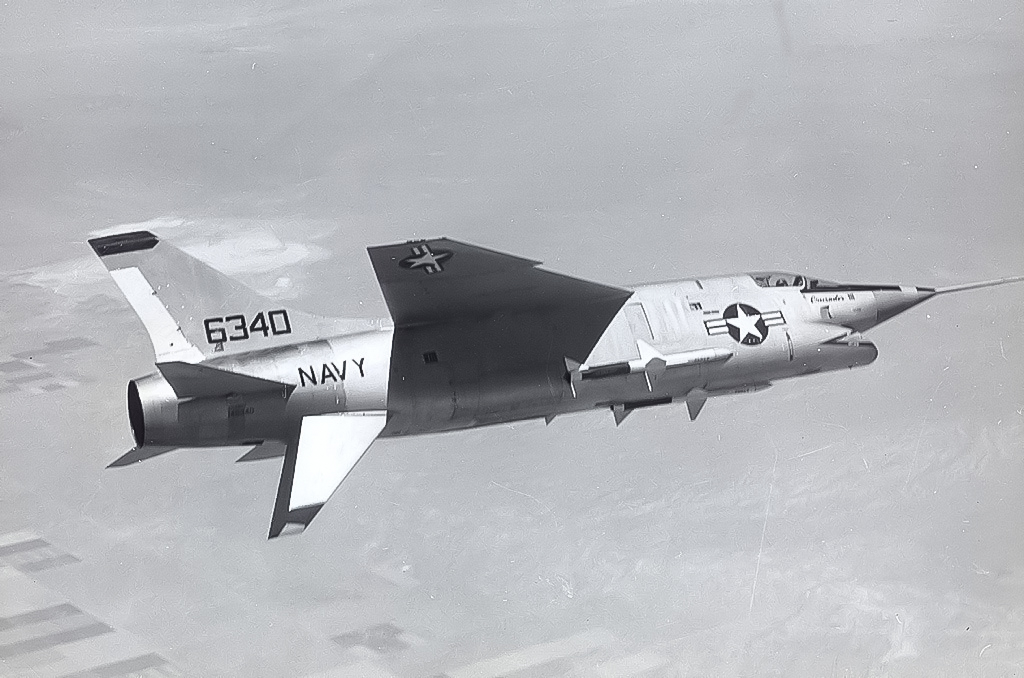
8: Crusader III
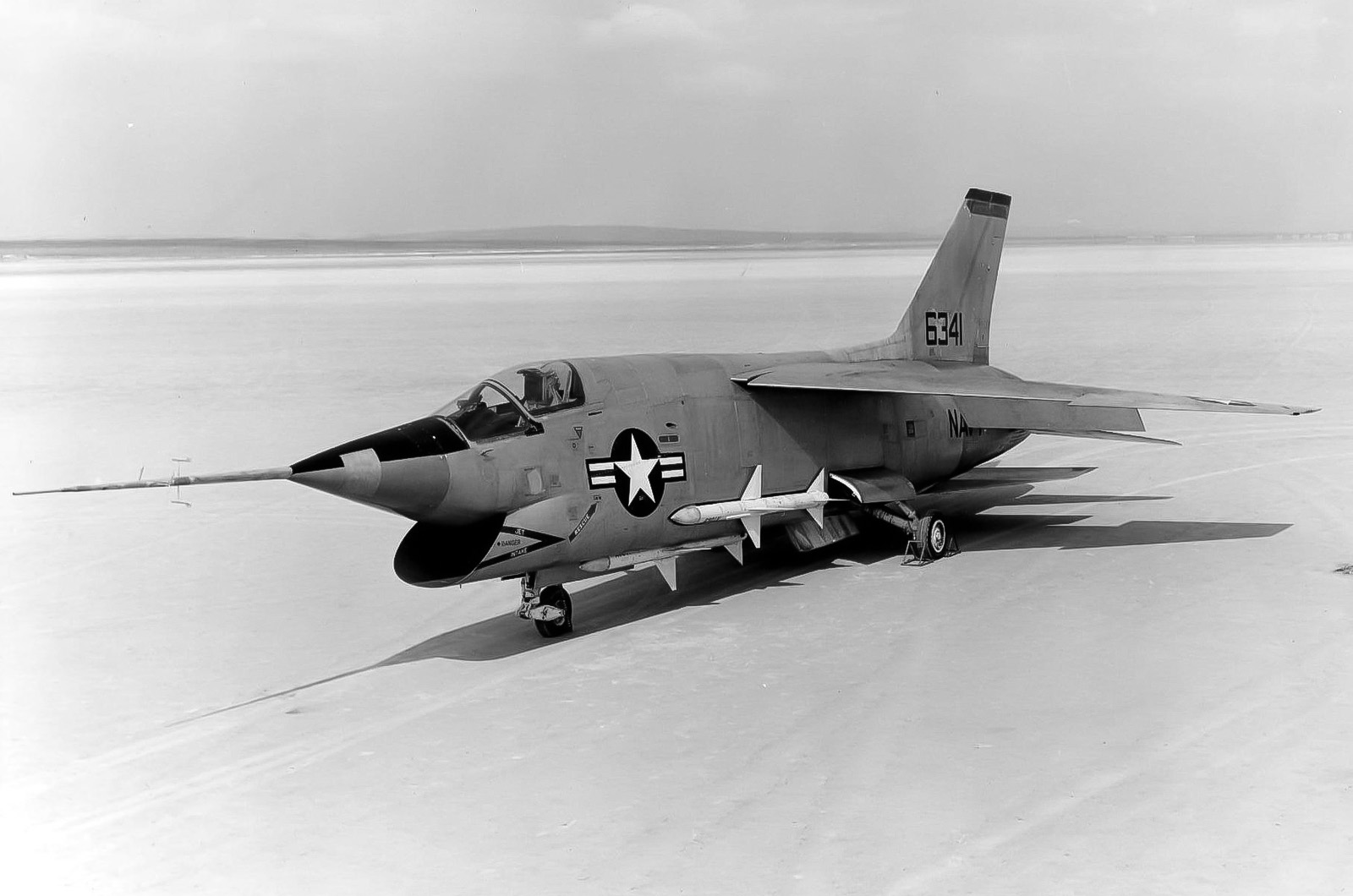
The Crusader III took everything that was good about the Crusader I & II fighters and turned it up to 11. Chin intake, bigger and jutting forward like an attacking shark’s mouth to control the airflow as it neared Mach 3 (the maximum tested speed was Mach 2.39). Ventral strakes, so big they had to fold to the sides when the undercarriage was lowered so they wouldn’t break off on the ground.




Add your comment