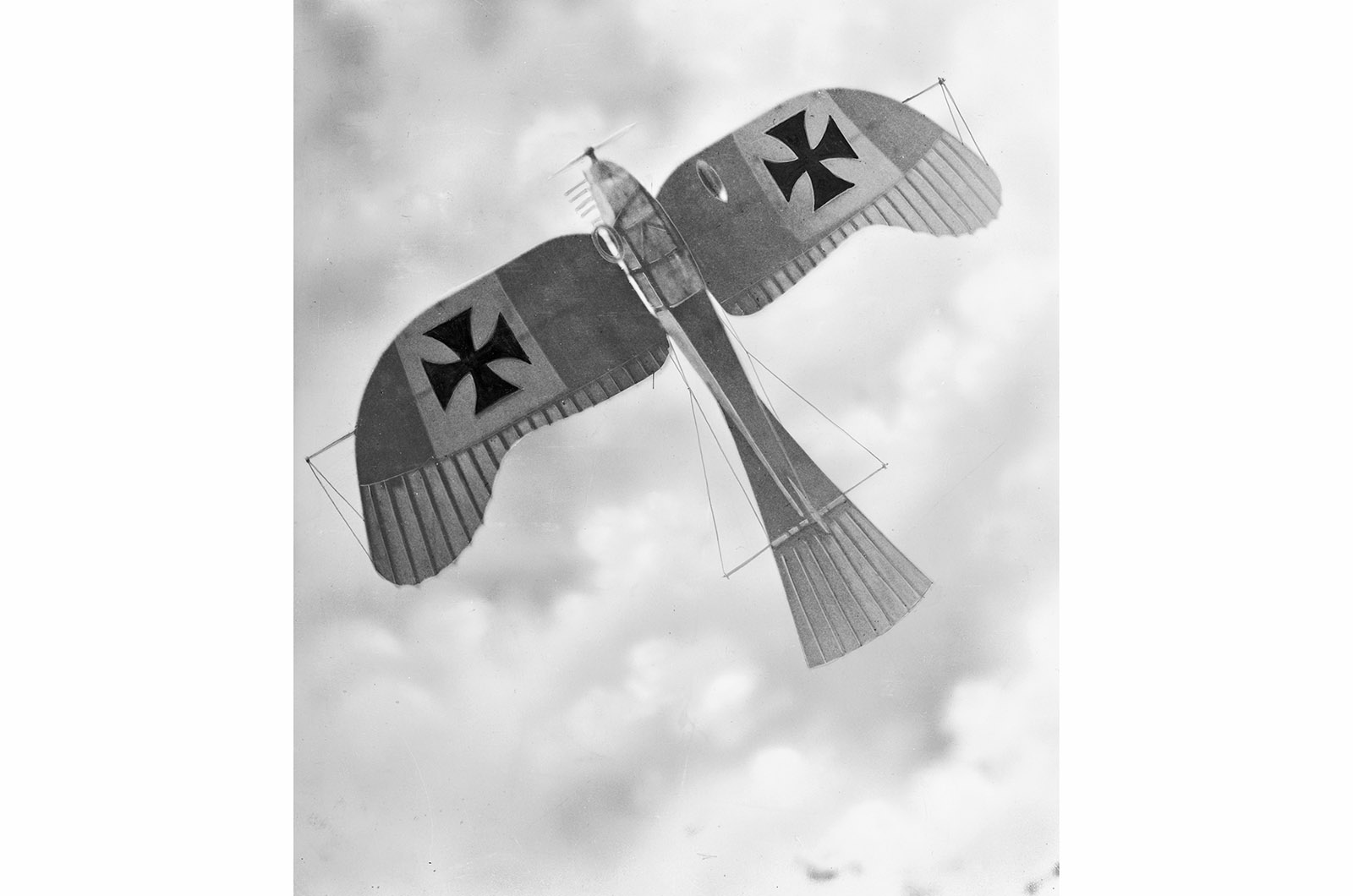

In the 19th Century, one Otto Lilienthal studied birds, built a hill to fly his gliders from and did much to further the study of flight.
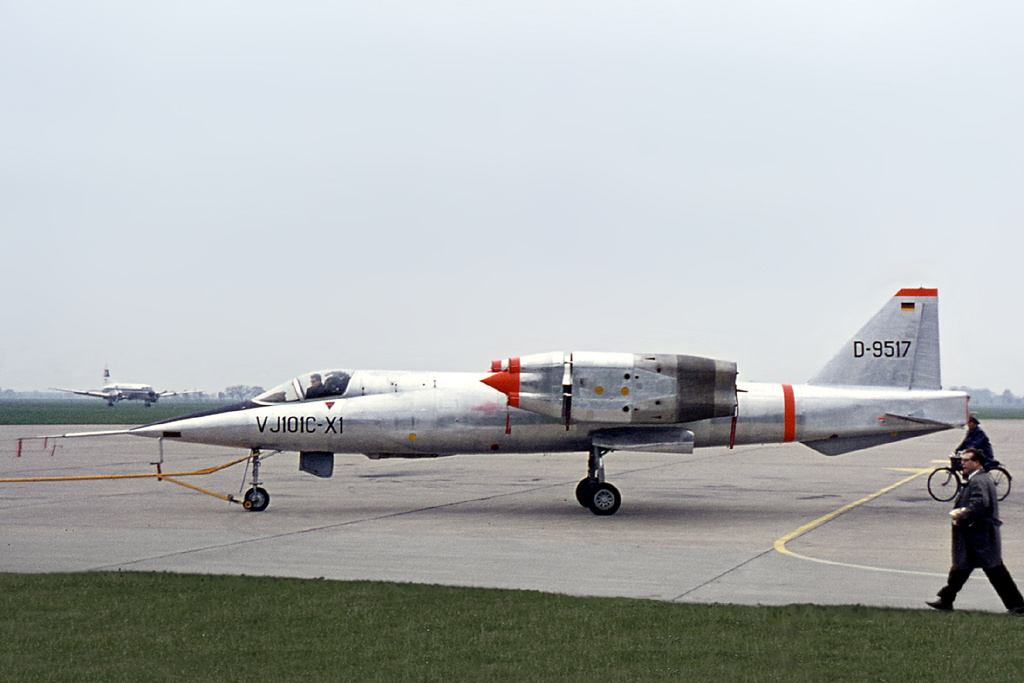
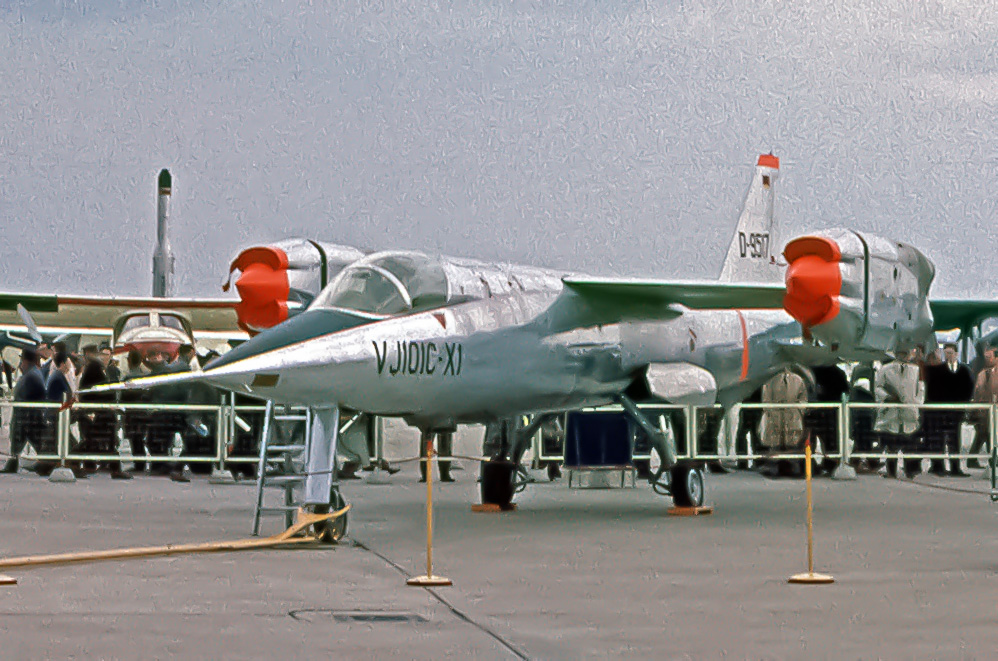
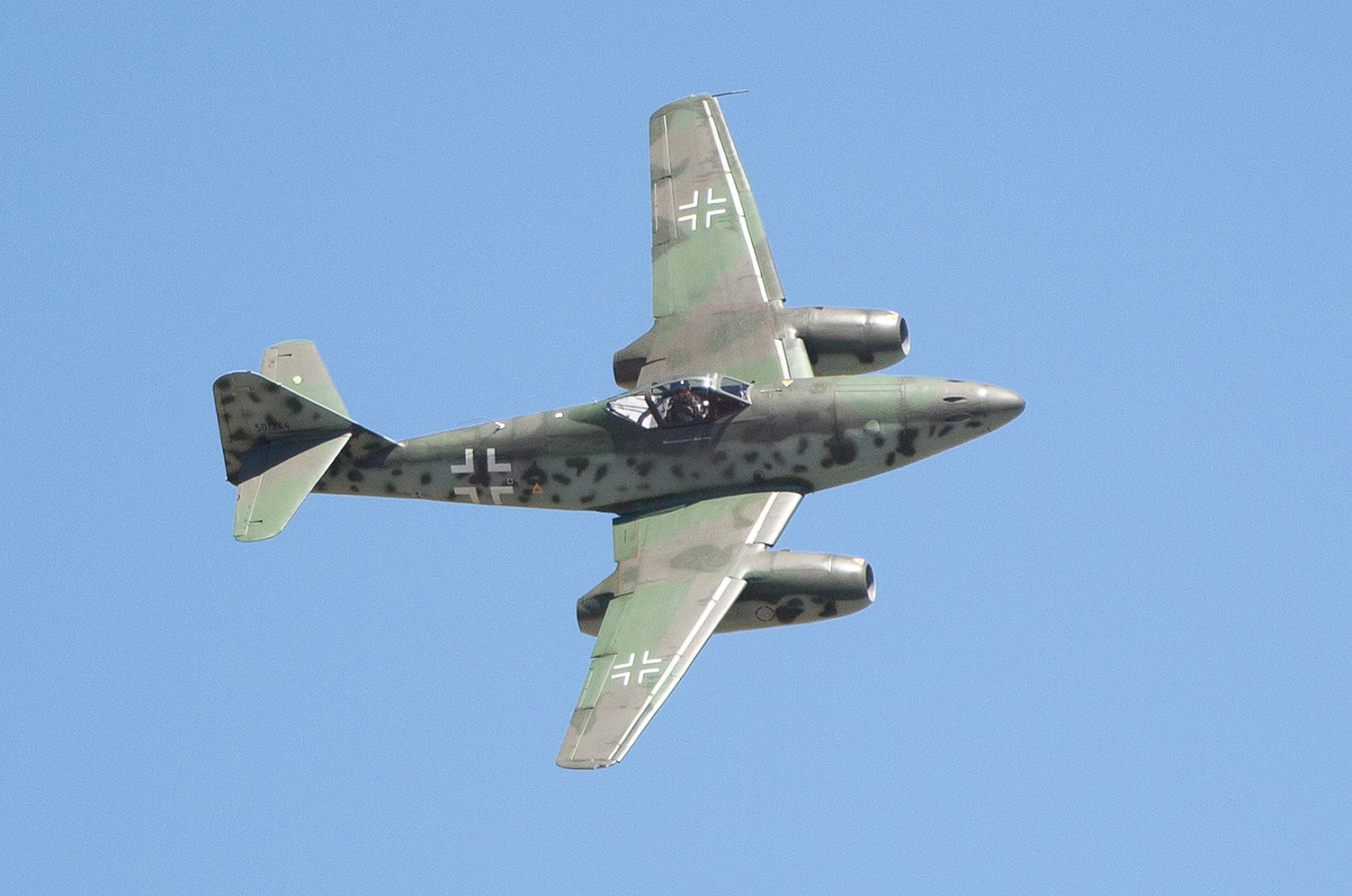
Since then, Germany has remained a big name in the development of aviation. Not all its aircraft have been beautiful; most have veered wildly between appearing utilitarian, evil, cute, and totally mad. We asked our readers to decide the 10 best-looking, and here are the results:
10: Extra EA-300
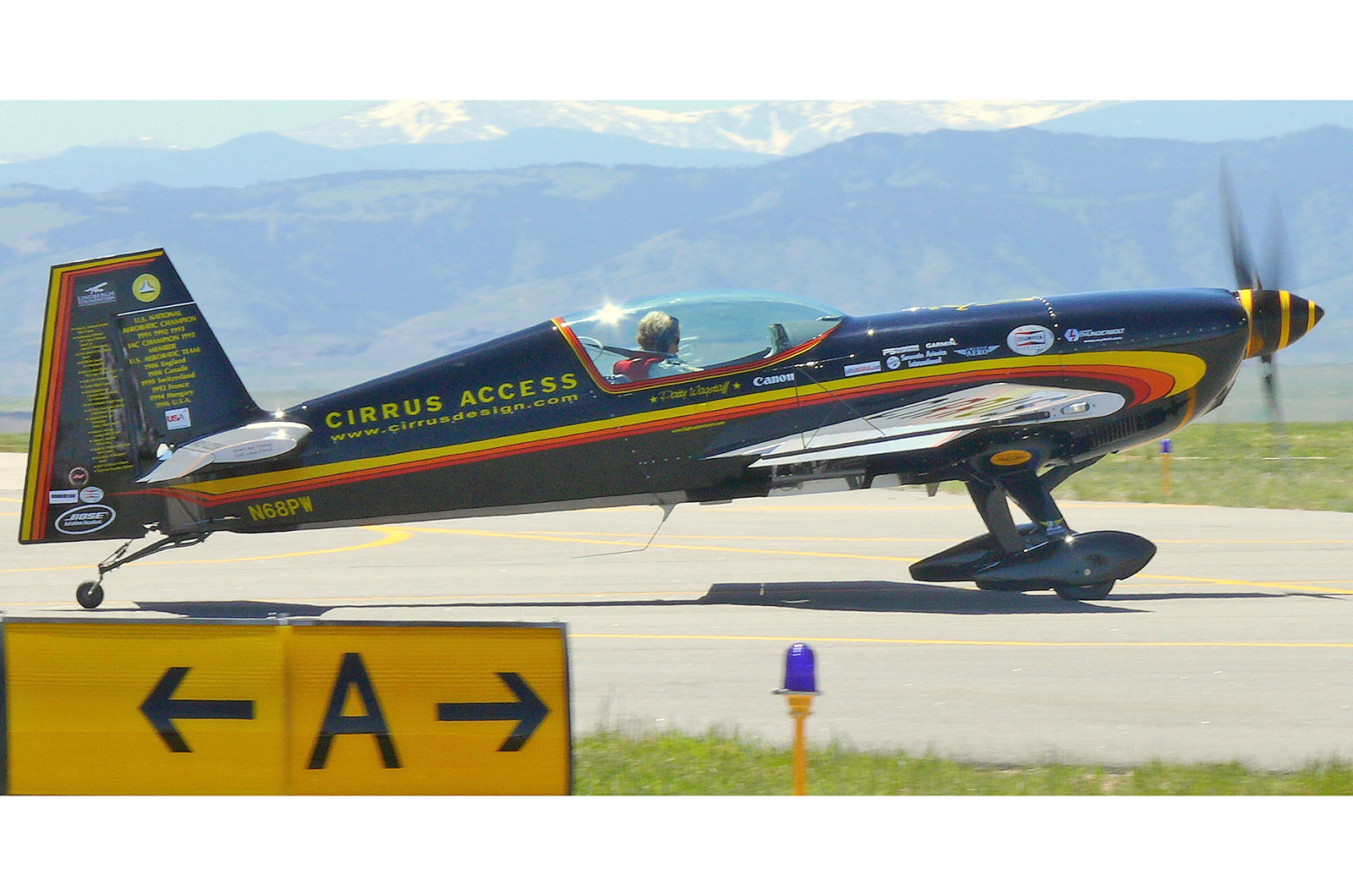
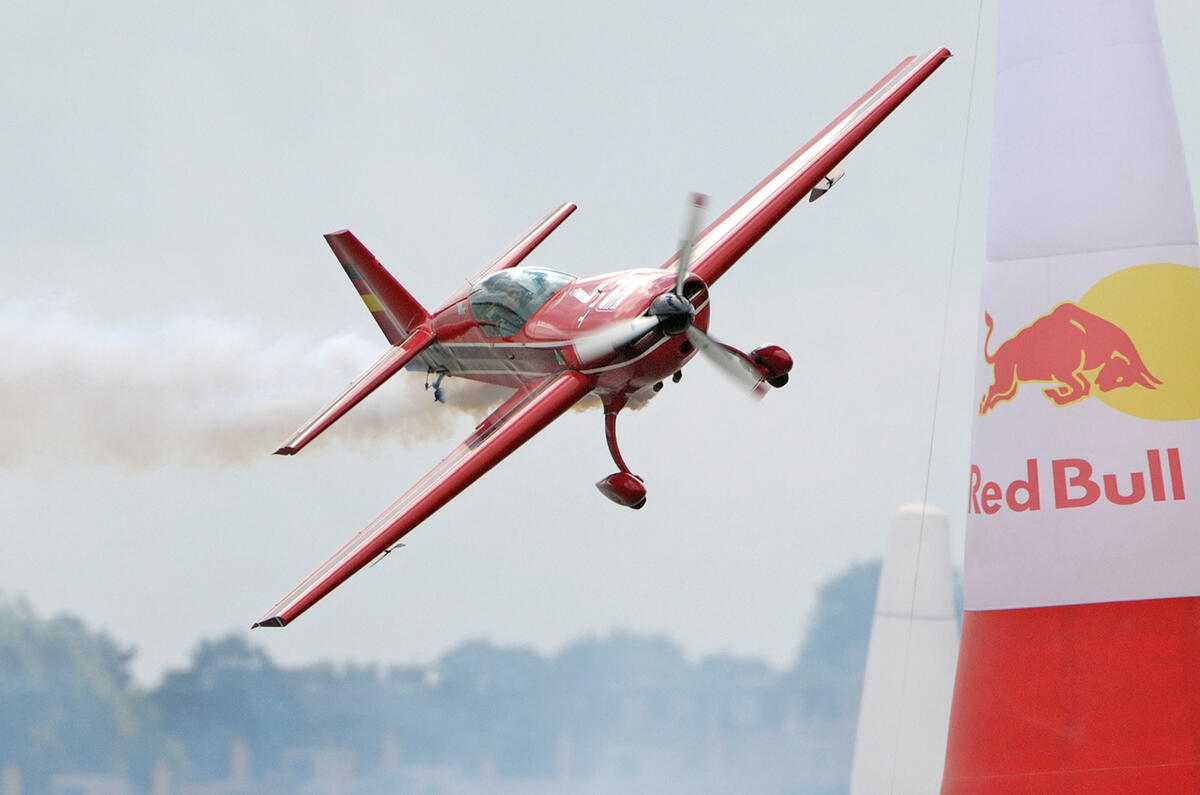
Anyone who has seen the Extra 300 flying will be impressed by the tiny aeroplane’s astonishing ability to fling itself around the sky. Whereas other aircraft in this list may have a deadly or commercial role, the Extra 300 is all about the joy of flying.
Designed in 1987 by Walter Extra, a West German pilot, the 300 is a master of aerobatics, the breath-taking art of performing extreme aerial manoeuvres in sequence. To survive such violent manoeuvring requires great structural strength.
10: Extra EA-300
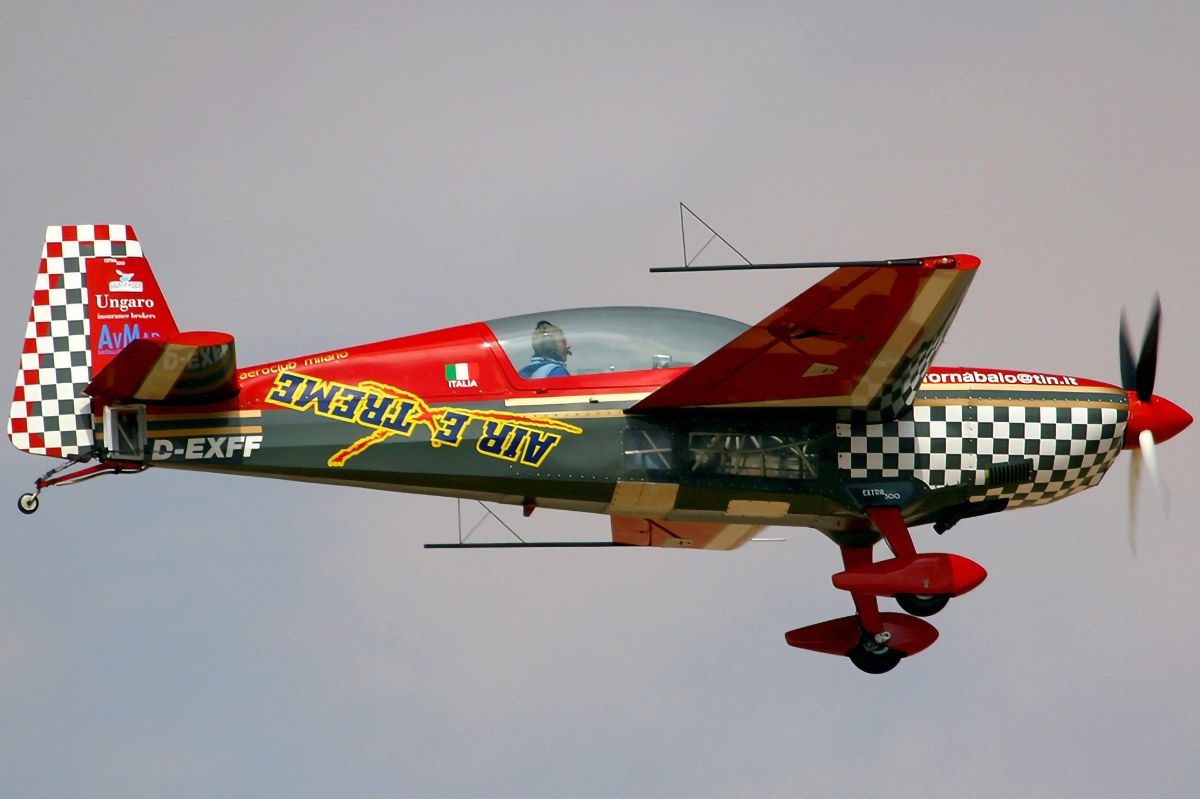
An object at rest on Earth's surface is subject to 1G; modern fighter pilots reach 9G in the most violent dogfight manoeuvres where the acceleration will make them feel and move as if they weighed nine times more. The Extra 300 is rated at an alarming 10G (positive or minus G!) or a still bewildering 8G with two onboard.
Along with the great strength of the aircraft, the 300 has other features to aid aerobatic performance, including an airfoil (the cross-sectional shape of the wing) which is designed to work equally efficiently, whether in upright or inverted flight. A sleek work of art weighing less than a metric ton, the 300 is a joyous aeroplane often in bedecked in bright colourful schemes.
9: Albatros D.V
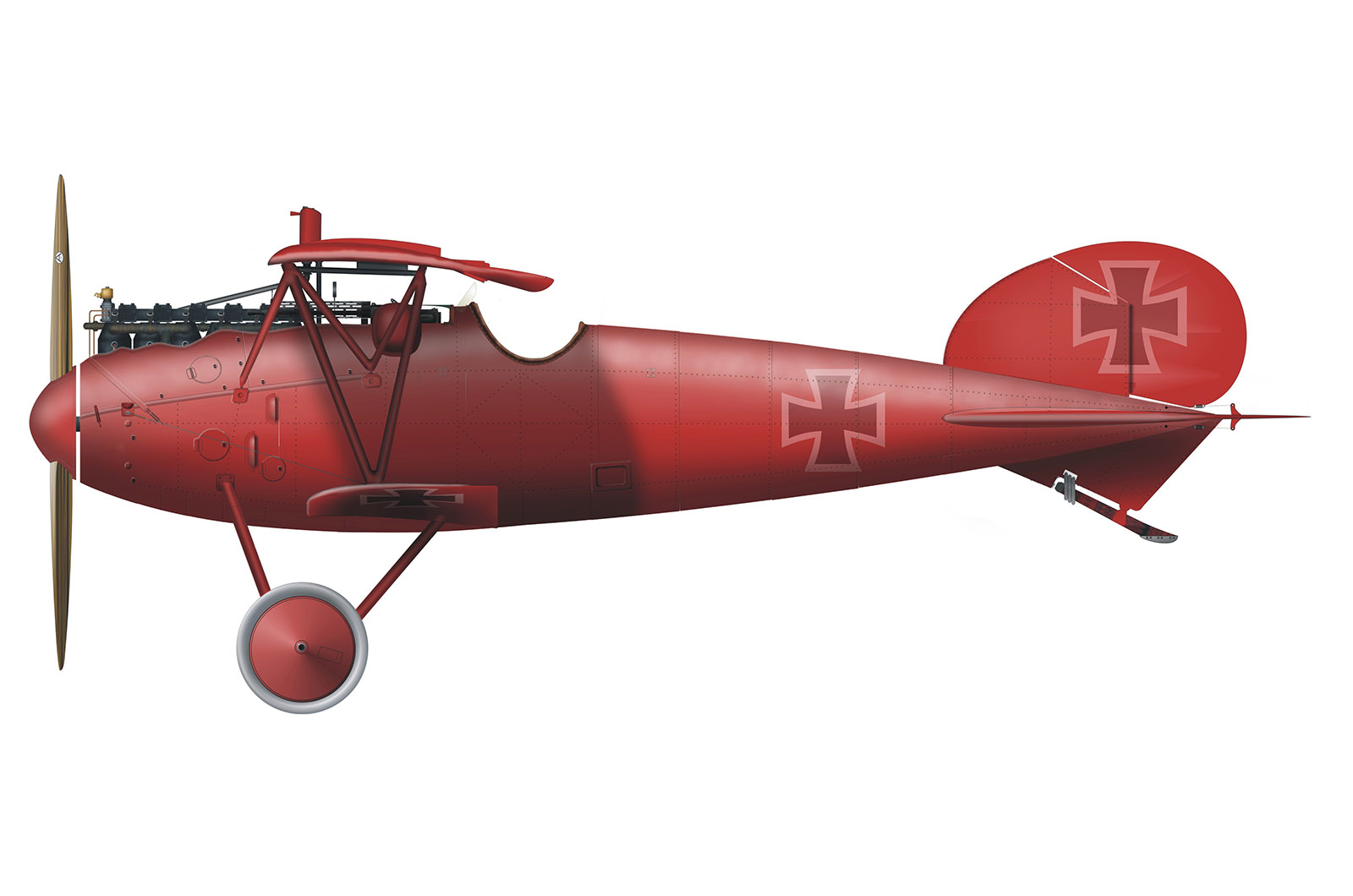
With very few exceptions, First World War aircraft are not the prettiest. But then, the aeroplane was only just over ten years old at this stage and virtually all of them were made of canvas wrapped around a wooden frame, little more than a motorised kite.
However, the Albatros Flugzeugwerke in Berlin started to use plywood for the fuselages of their aircraft, which quickly gained a reputation for great strength amongst their flimsy contemporaries. Though boxy at first, it was soon realised that a plywood skin could be steamed around formers to produce complex compound curves.
9: Albatros D.V
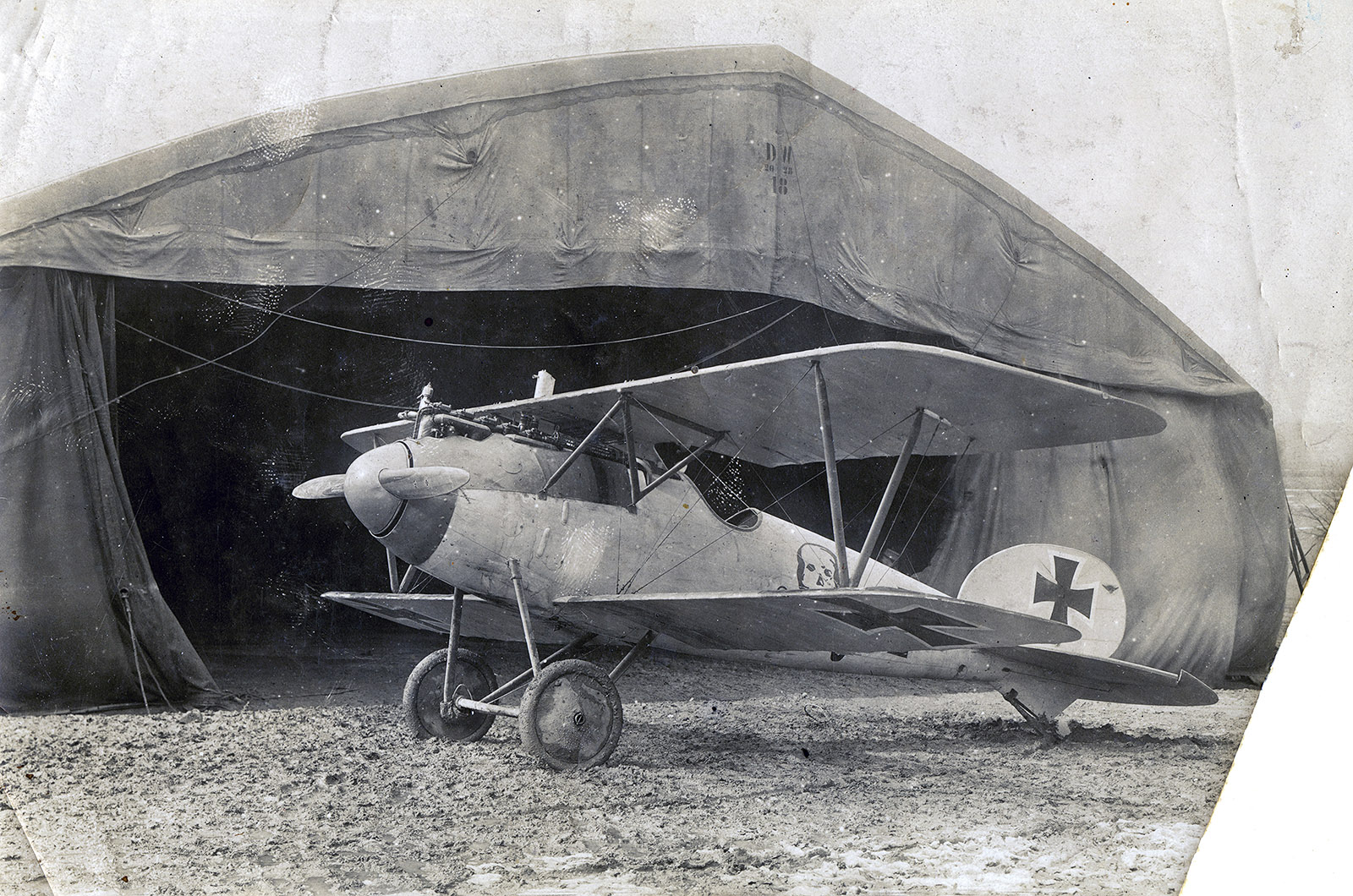
Through a succession of fighter designs, Robert Thelen, the chief designer of Albatros, refined the shape into the sharklike and remarkably modern profile of the D.V. With not a straight line in sight, the semi-monocoque fuselage, culminating in a beautiful, curved tailplane, was well streamlined, immensely strong, and looked sensational.
Unfortunately, the slender wings, attractively swept back at the tips, failed to match the strength of the fuselage, and under certain conditions the lower wing could be wrenched off the aircraft. Despite this flaw, thousands were built, and many pilots were highly successful with the Albatros, which were as elegant as a racing yacht adrift in a sea of tugboats.
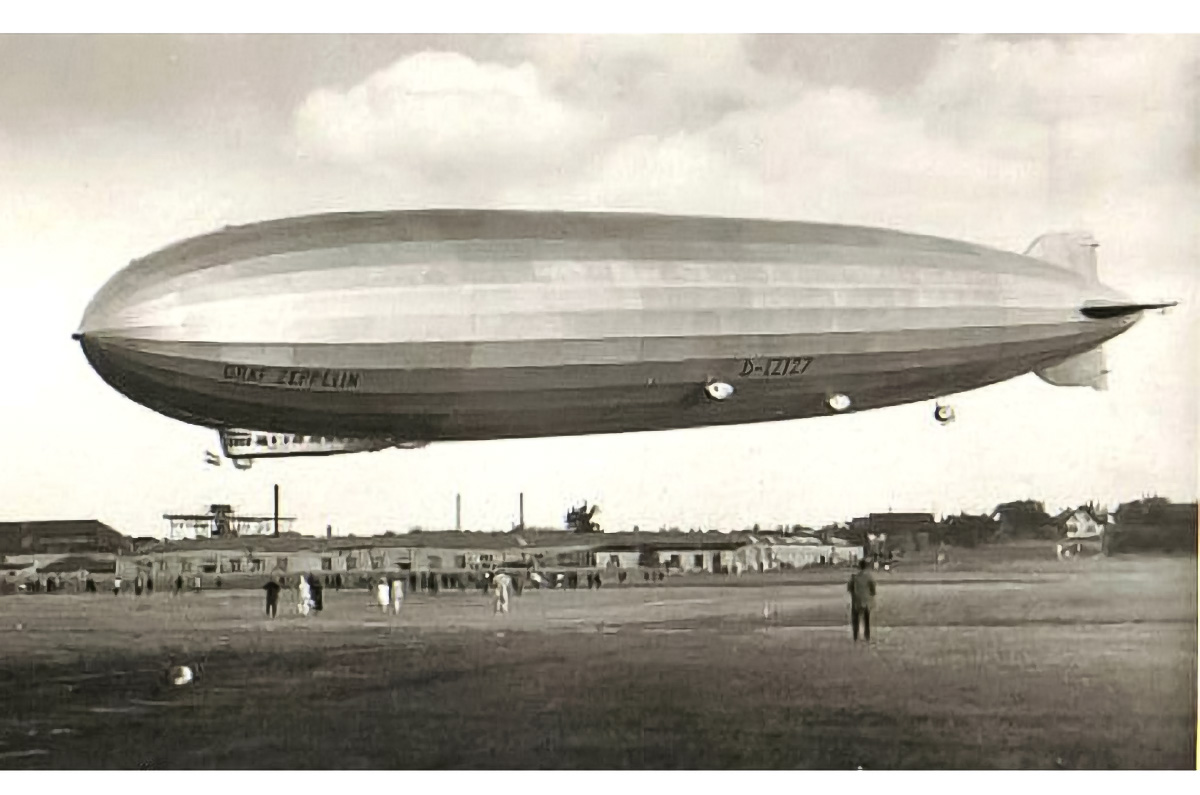
8: LZ 127 Graf Zeppelin
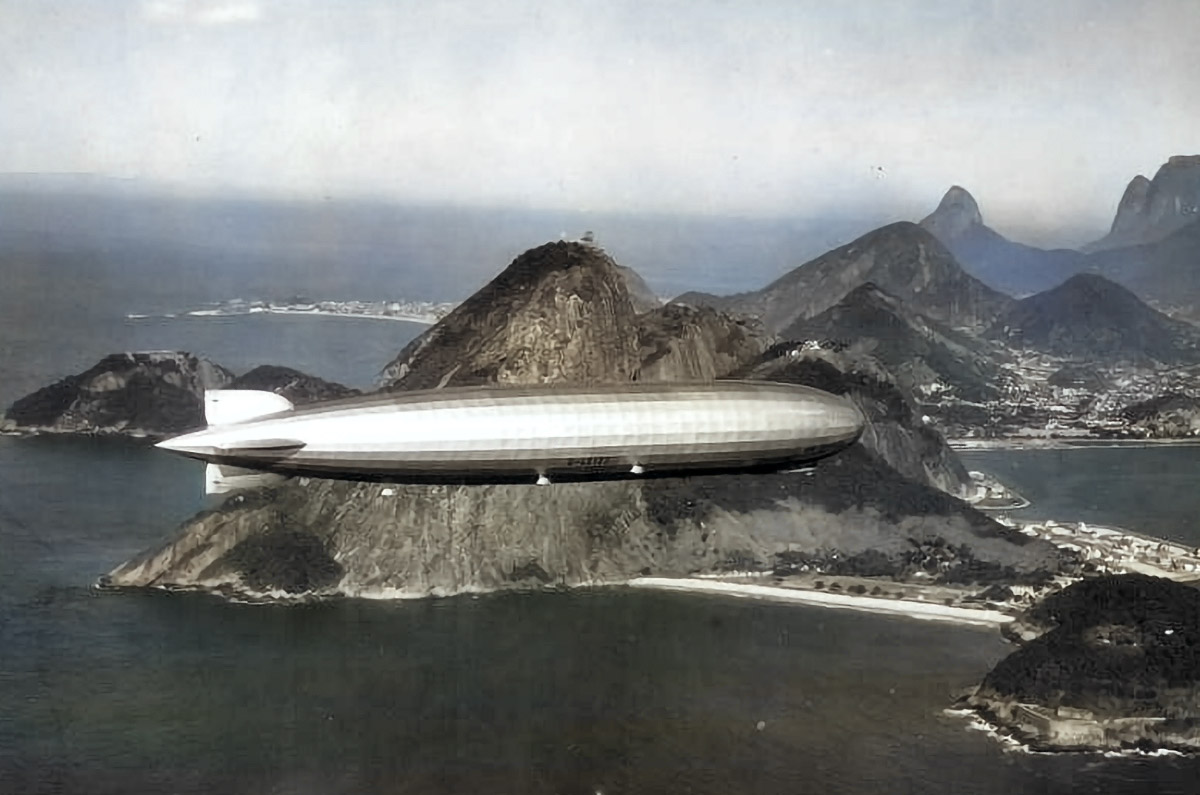
To modern eyes, the appearance of a silver flying ship over three times longer than a Boeing 747 would be utterly amazing, so imagine how it would have looked to an onlooker in the 1920s who may have never seen any kind of flying machine before. For sheer majesty and spectacle, the airships of this age have never been surpassed.