Currently reading: Top 10: Best seaplanes of World War 2

Top 10: Best seaplanes of World War 2

Roaring into combat from seas, lakes or fjords, wartime seaplane operations were spectacular.

Seaplanes, in both flying boat and floatplane form, were instrumental in the second world war. As well as spotting and destroying ships, submarines, aircraft and even ground targets, seaplanes saved many lives of friends and foes alike. Here are 10 excellent examples:


10: Beriev MBR-2
 Beriev MBR-2

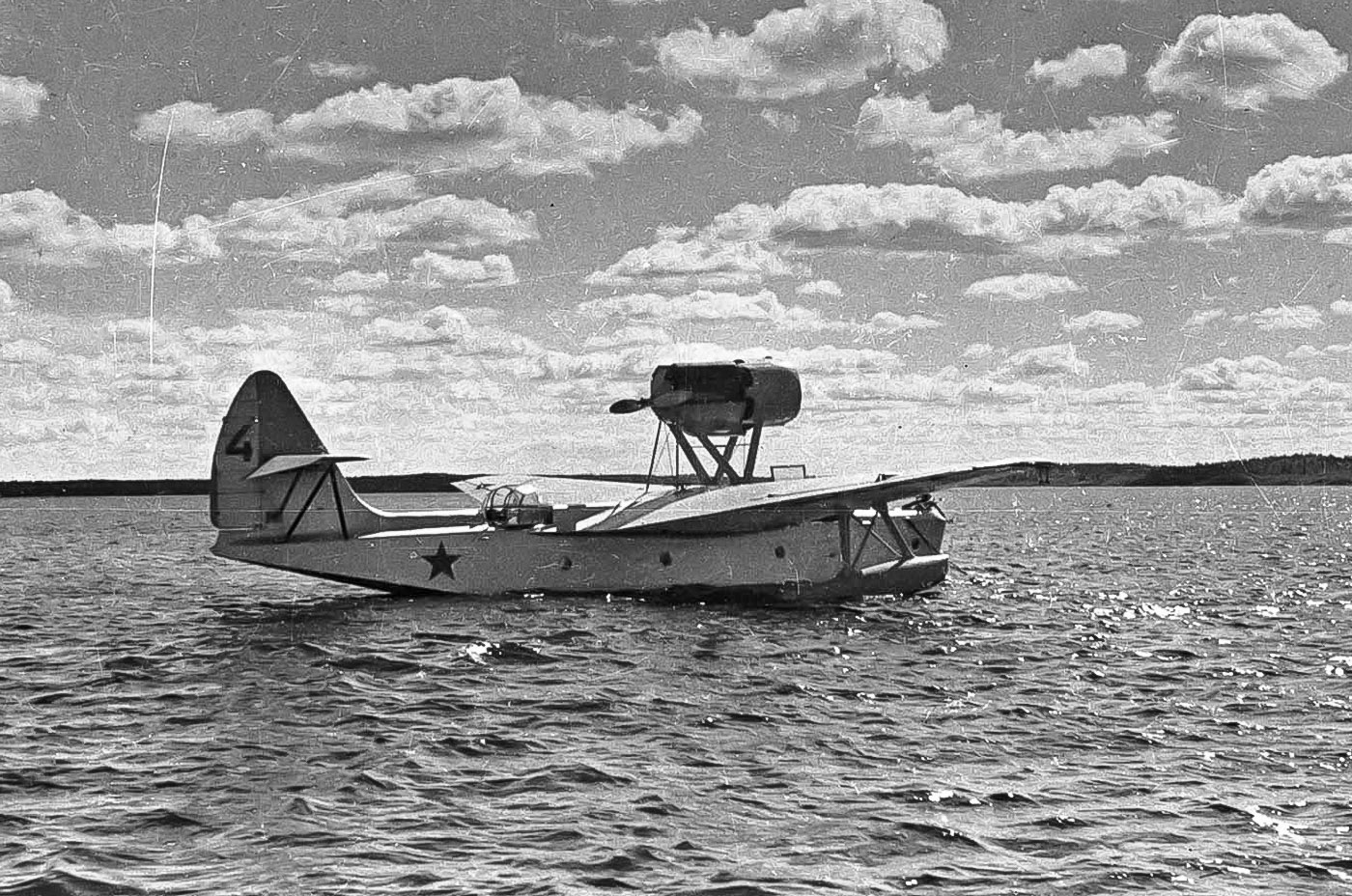
The rugged MBR-2 was by far the most numerous flying boat to serve the Soviet Union, operating from the Arctic to the Pacific. It was designed by 27-year-old Georgy Beriev on his own initiative in 1930, and the all-wood prototype flew for the first time from the Black Sea on 30 April 1932.

By 1937 the MBR-2 was the most numerous maritime aircraft in the USSR and in 1939 the MBR-2 saw its first combat use during the Winter War with Finland. The aircraft acquitted itself well in harsh conditions, flying reconnaissance missions as far north as the Barents Sea and attacking shore installations and shipping in Finland.


10: Beriev MBR-2
 Beriev MBR-2

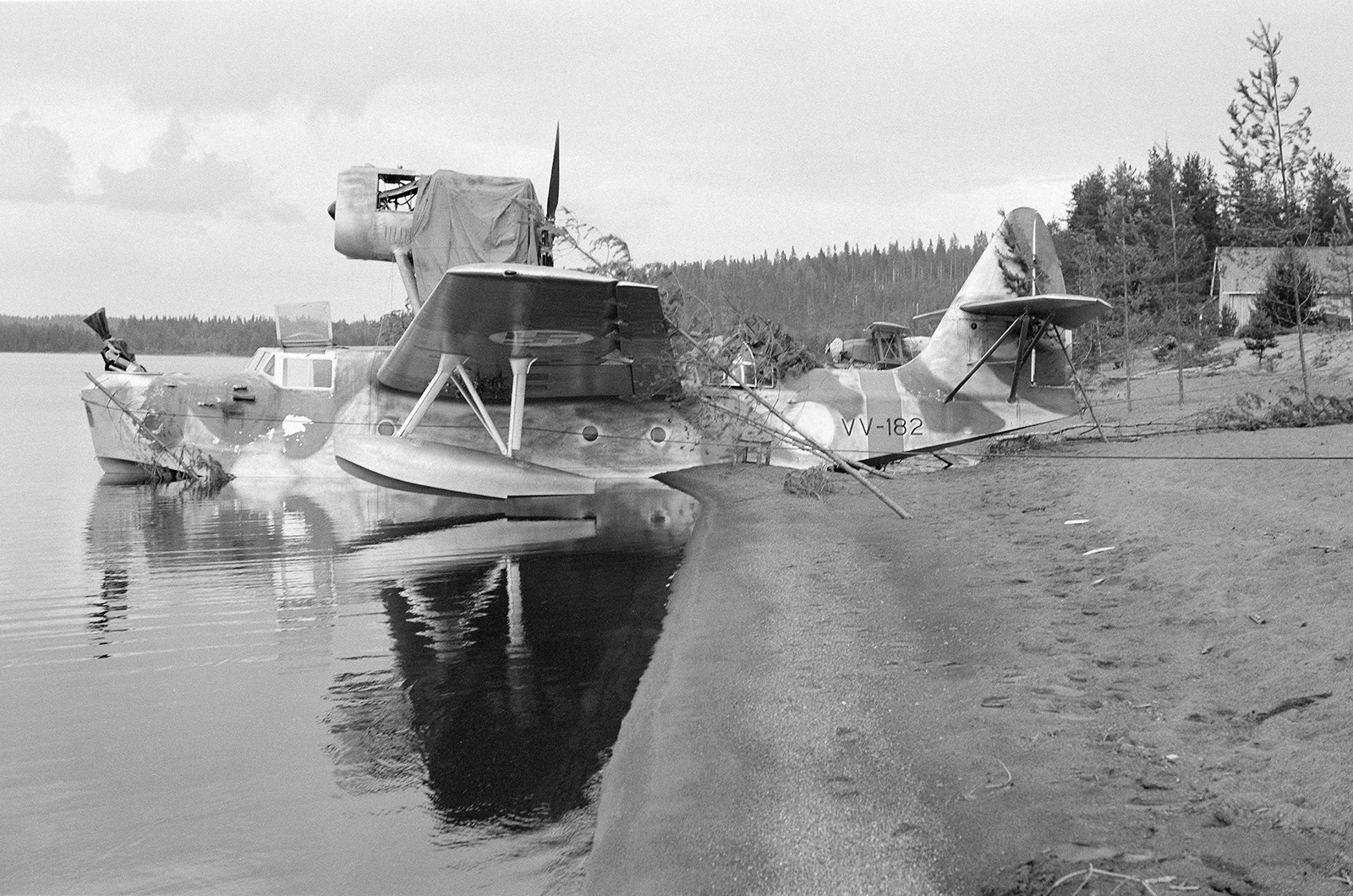
During the war the aircraft’s vulnerability to fighters became apparent and it was used more often at night and the aircraft was increasingly used as an air-sea rescue aircraft and occasionally as a transport. The last wartime combat missions by MBR-2s were flown in the Pacific against Japanese shipping.

After the war, it flew night raids during the Korean War and continued to serve on ice and fisheries patrol.


9: Martin Mariner
 Martin Mariner

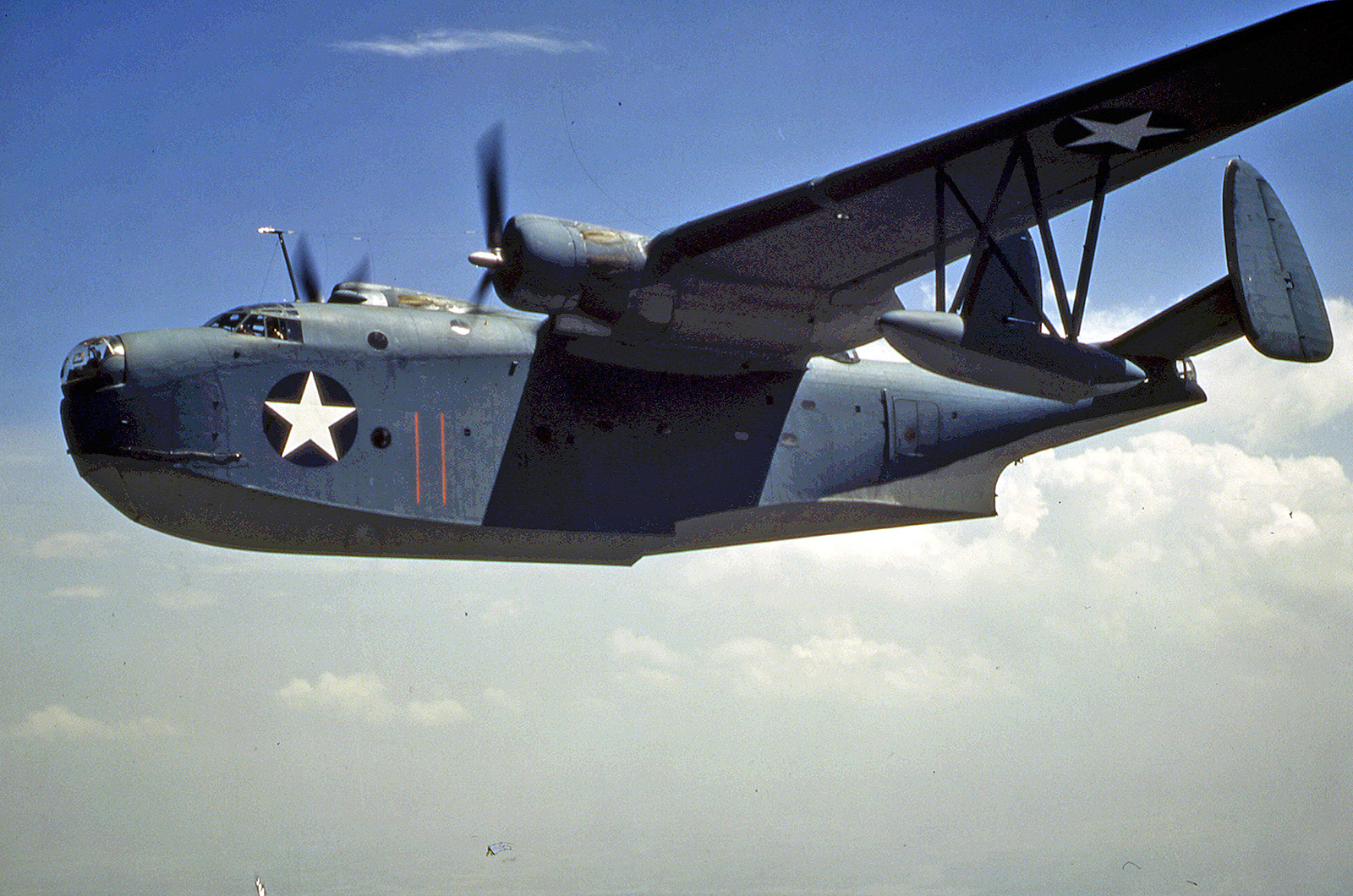
Despite being the second most numerous flying boat ever built, with 1366 produced, just one more example was constructed than the next most numerous, the Beriev MBR-2, the Mariner is nonetheless fairly obscure today - but the PBM was an excellent aircraft that continued to serve well into the Cold War.

The design was tested by a manned quarter-scale model powered by two Chevrolet car engines, christened the ‘Tadpole Clipper’ before the first full size PBM flew in 1939. Aerodynamic issues saw the initially flat tailplane being given the same dihedral as the inner wing resulting in the aircraft’s distinctive inward canted tailfins.


9: Martin Mariner
 Martin Mariner

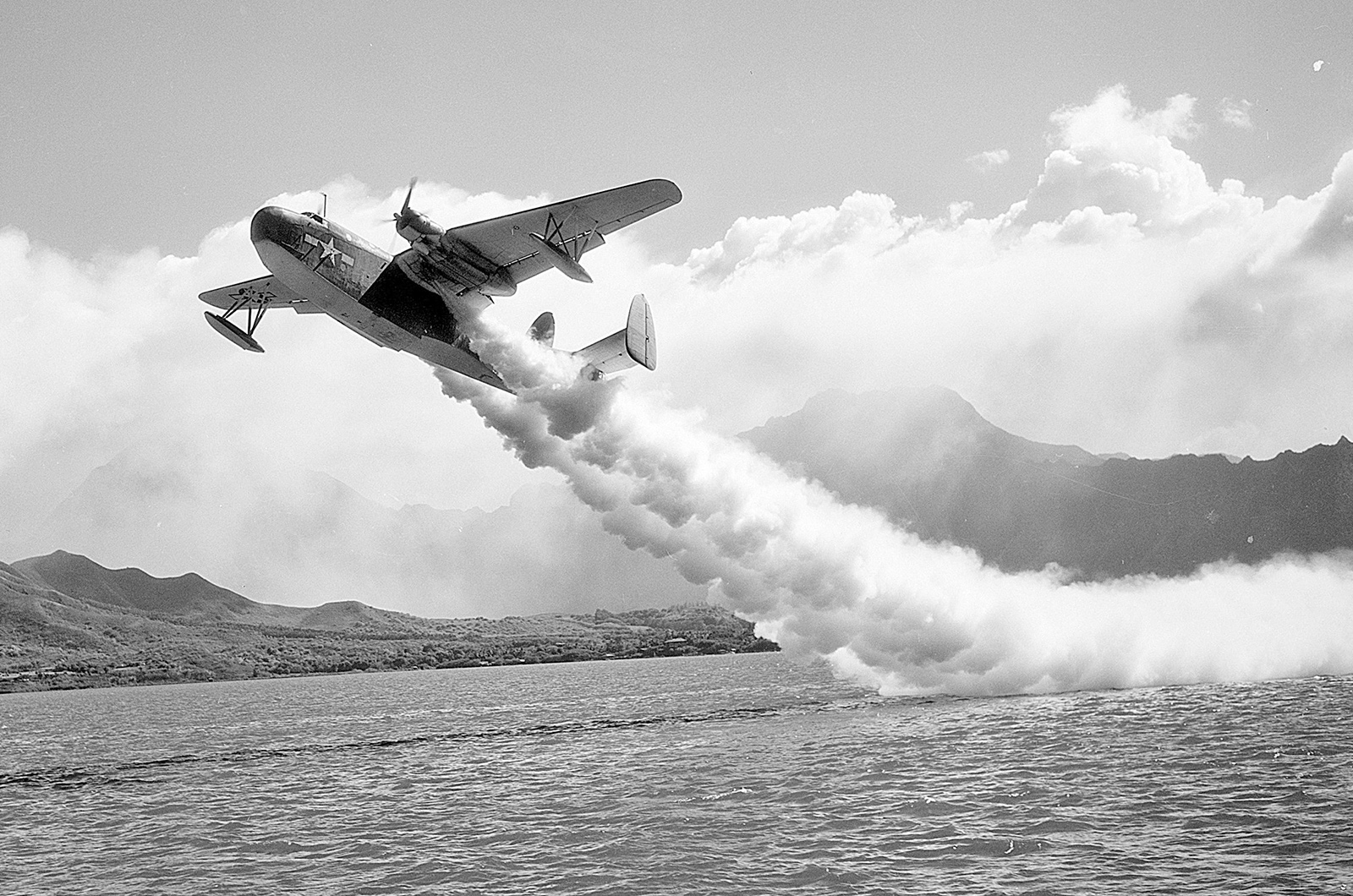
PBMs sank at least ten U-boats and were widely used in the Pacific, including in the nocturnal interdiction role. For operations at night, the Mariners were painted black and known as ‘Nightmares’. Later Mariners featured provision for Jet Assisted Takeoff (JATO) bottles (pictured). These aided short takeoffs in heavy sea conditions.

The Mariner remained in frontline service during the Korean War, flying patrols and air sea rescue missions. One PBM was attacked by Chinese MiG-15s while on a radar monitoring sortie during July 1952 but managed to escape. The last PBMs served with the US Coast Guard until 1958.


8: Short Sunderland
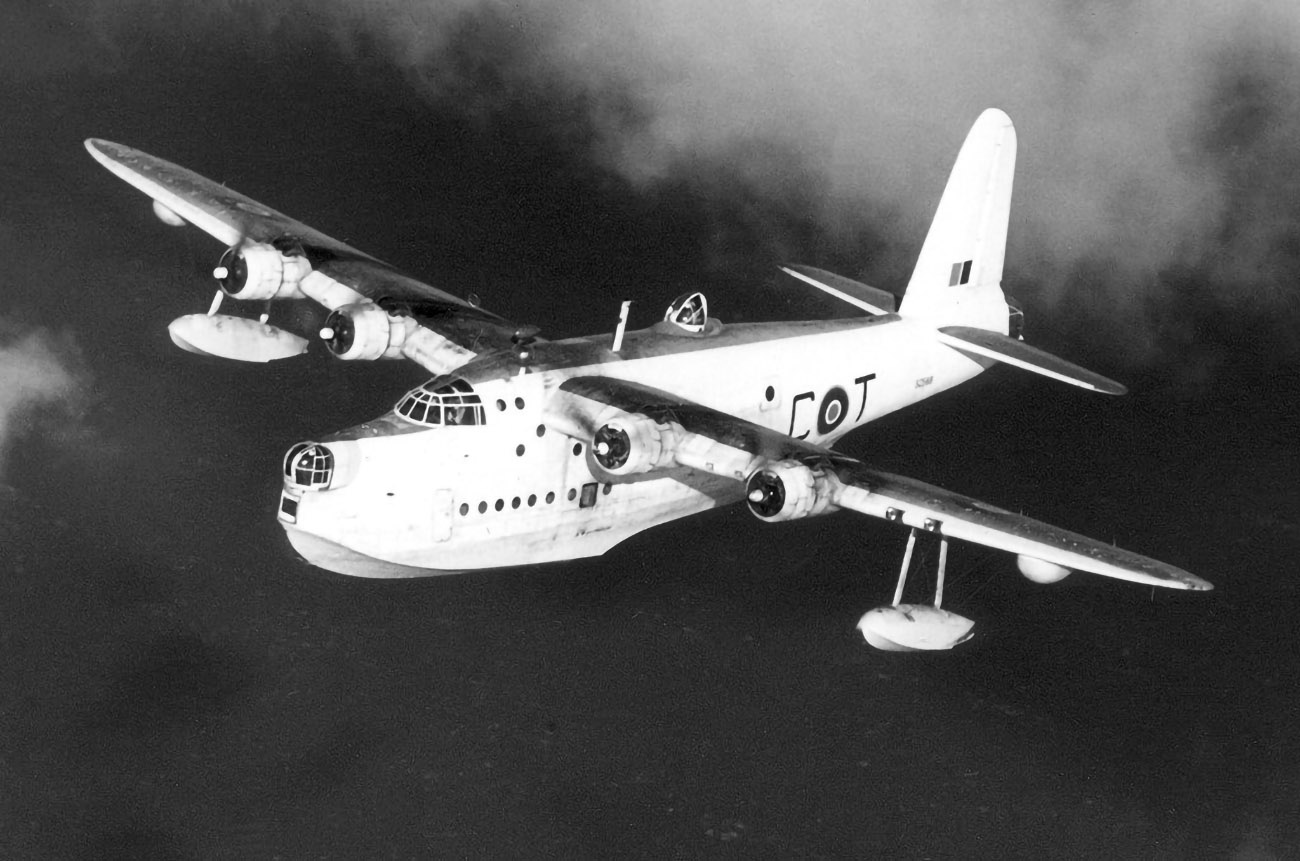
 Short Sunderland

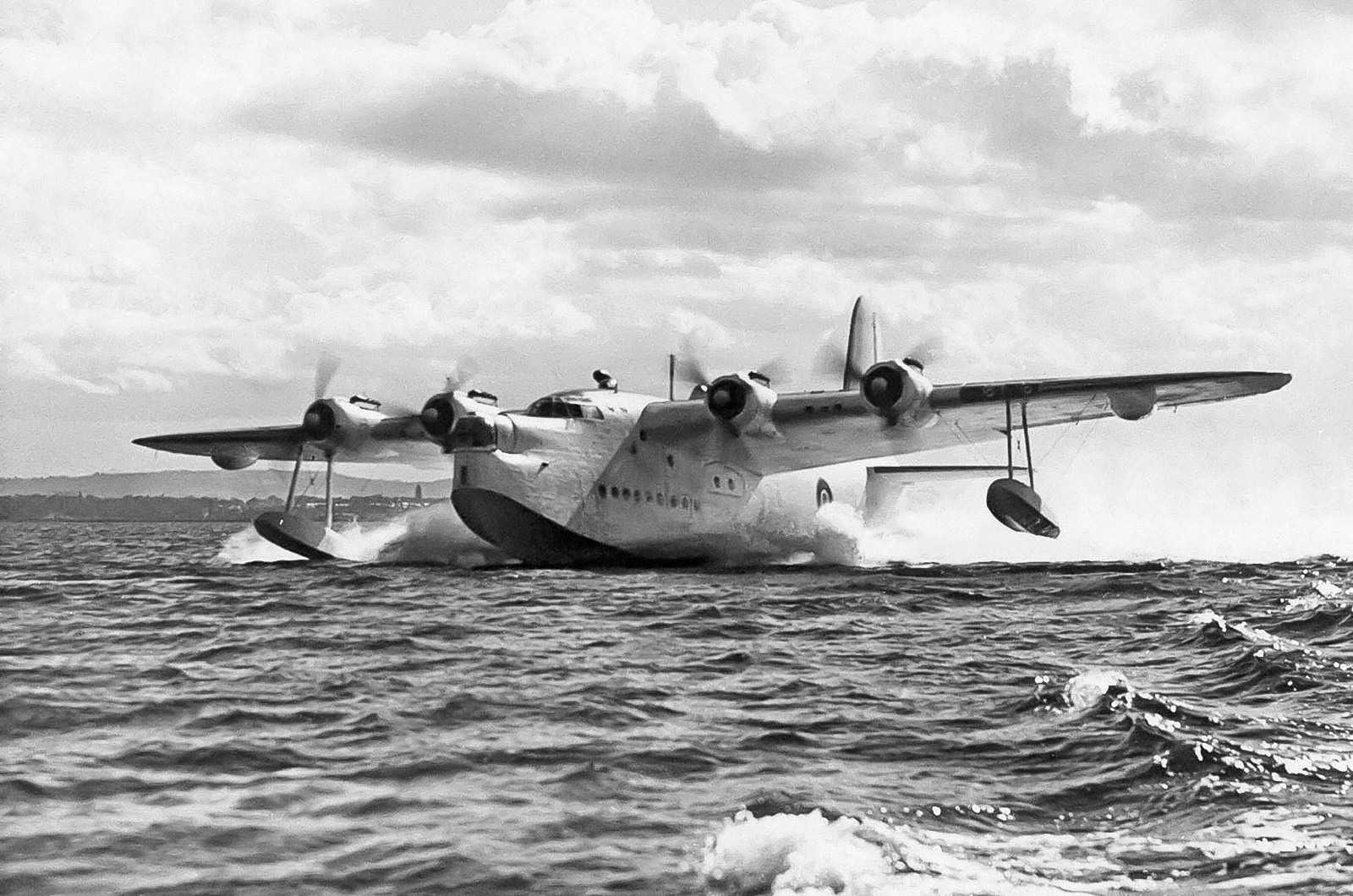
The definitive British flying boat of the Second World War, the Sunderland was a military development of the Short Empire, the prewar flying boat airliner produced for Imperial Airways. Its airliner origins resulted in an unusually comfortable military aircraft: the Sunderland’s roomy two deck fuselage possessed a kitchen, wardroom, and bunks.

Back to top

In combat the type proved hugely successful being both long-ranged – about 2700 miles - and powerfully armed, it was ultimately credited with sinking 28 U-boats and assisting in the destruction of several others. Its capacious hull proved invaluable. During the evacuation of Crete in May 1941, one example flew out with 82 passengers aboard.


8: Short Sunderland

 Short Sunderland

Most large flying boats were vulnerable to fighters, but the dependable Sunderland was respected by the Germans for its effective defensive armament, earning the nickname of "Flying Porcupine". On one occasion off Norway in April 1940, a single Sunderland was attacked by six Ju 88 heavy fighters; the Short shot down one Ju 88 and drove the others off.

The Sunderland proved a long-lived aircraft, remaining in frontline service with New Zealand until 1967 and even longer as an airliner, a converted Sunderland making its final commercial flight from Lord Howe Island to Sydney in 1974. Today, several Sunderlands are preserved, and one survives in apparently airworthy condition, though it hasn’t flown since 1996.


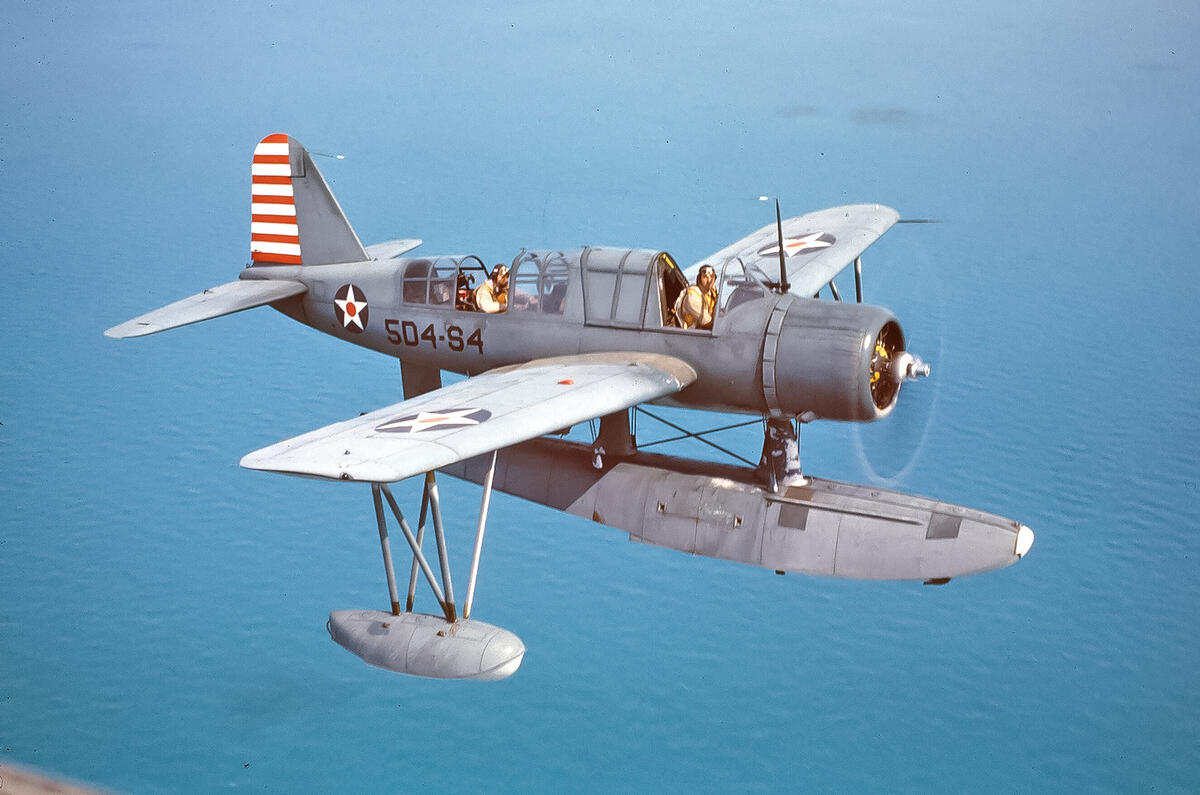
7: Vought OS2U Kingfisher

 Vought OS2U Kingfisher

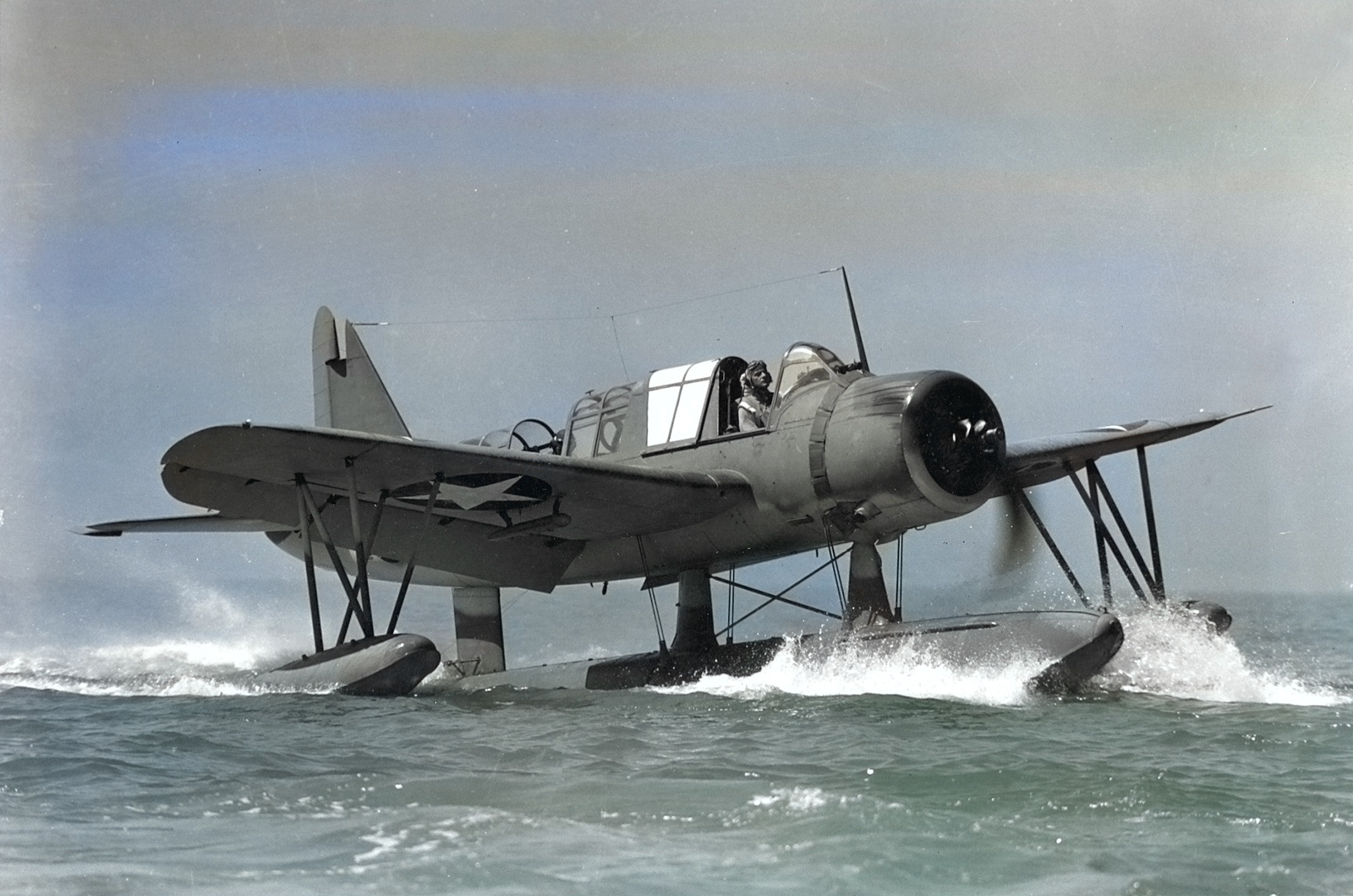
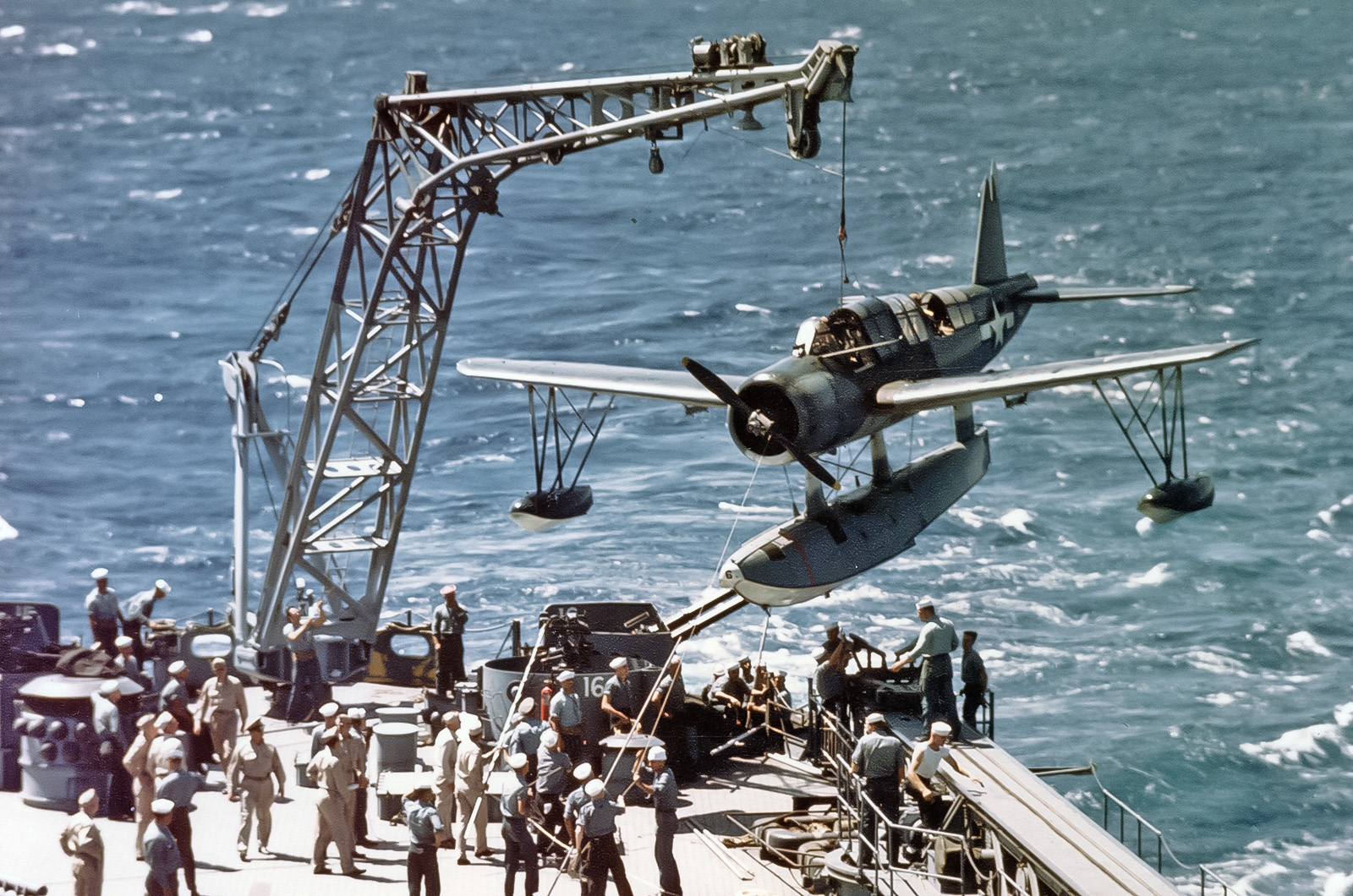
When it entered service in August 1940, the Vought OS2U was the first catapult-launched monoplane to be flown by the US Navy. Designed by Rex Beisel, who also designed the F4U Corsair, the OS2U was the first production aircraft to be constructed using spot welding and featured interchangeable float or wheeled undercarriage.

The Kingfisher was reliable and popular, quickly becoming the standard aircraft operating in the gunnery spotting observation and air sea rescue role from the US Navy’s capital ships, battleships normally carrying three aircraft, although the powerful new Iowa class battleships featured four OS2Us apiece when they were commissioned.


7: Vought OS2U Kingfisher

 Vought OS2U Kingfisher

Notable operations included the rescue of World War I ace Eddie Rickenbacker and other survivors of a B-17 crash after 24 days at sea in a dinghy in the Pacific. Unable to take off with this many passengers, the Kingfisher pilot taxied 40 miles to a rendezvous with a PT boat with the rescued men sitting on the wings.

Back to top

Many of the 1519 OS2Us constructed were exported to fellow combatants and Australia, Cuba, Chile, Mexico, the UK, USSR and Uruguay all received Kingfishers. One Cuban example survived to be flown in combat as a ground attack machine by Fidel Castro’s forces during the revolution of 1959.


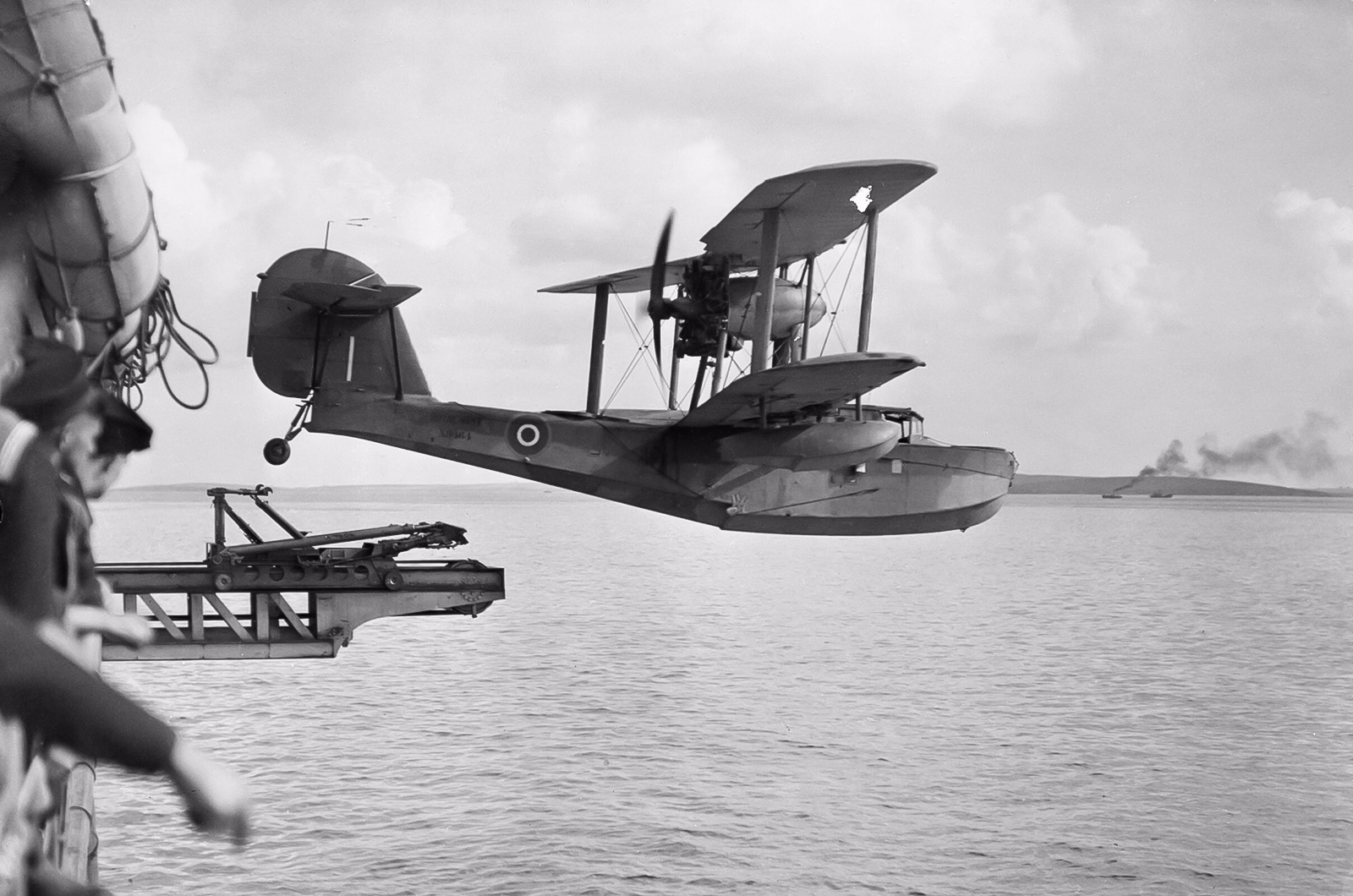
6: Supermarine Walrus

 Supermarine Walrus

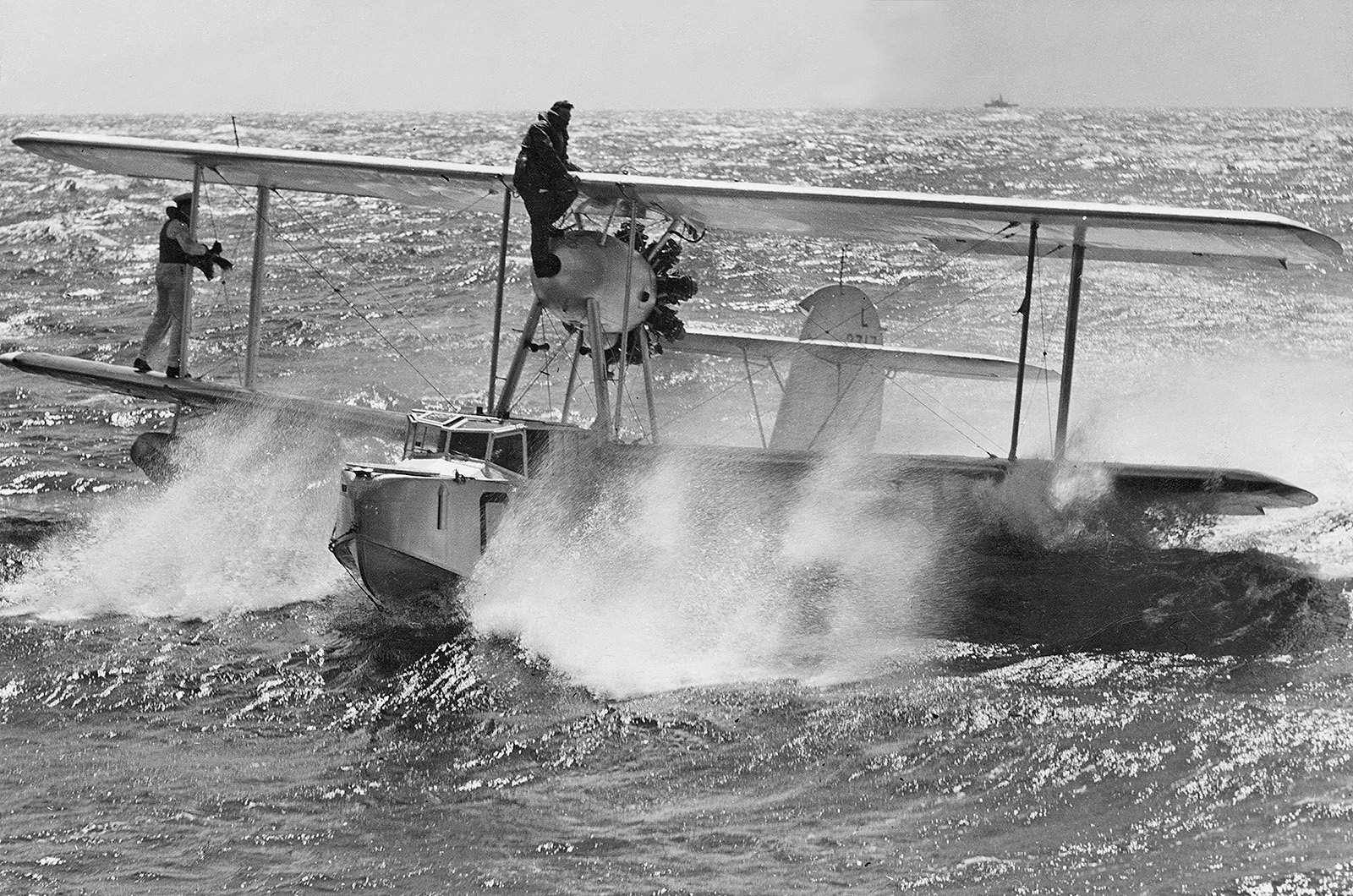
A mere five days after its first flight the prototype Walrus (then called the Seagull V) appeared at an air display at Hendon in north London where test pilot J.F. ‘Mutt’ Summers astonished the crowd, including the plane’s designer RJ Mitchell, by performing a loop in the new flying boat.

In service the Walrus proved able to operate from remarkably rough seas – as you can see in this photo - and was fully capable of catapult launches from battleships and cruisers. Despite its biplane configuration, the Walrus was the first British military aircraft to combine the features of a retractable undercarriage, a fully enclosed cockpit and a metal fuselage in the same airframe.


6: Supermarine Walrus

 Supermarine Walrus

Initially intended for gunnery spotting for Royal Navy capital ships, the Walrus was used operationally for this purpose only twice and the main tasks carried out by the Walrus from warships was patrolling for submarines and enemy shipping. Walruses received ASV radar as early as March 1941 to assist in this task.

However, the majority of the Walrus’s service was as a land-based air-sea rescue aircraft, ultimately saving around 1000 aircrew during the war. Some were also employed for rescue missions aboard aircraft carriers; the low landing speed of the Walrus meant it could operate from a carrier deck despite not being fitted with an arrestor hook.


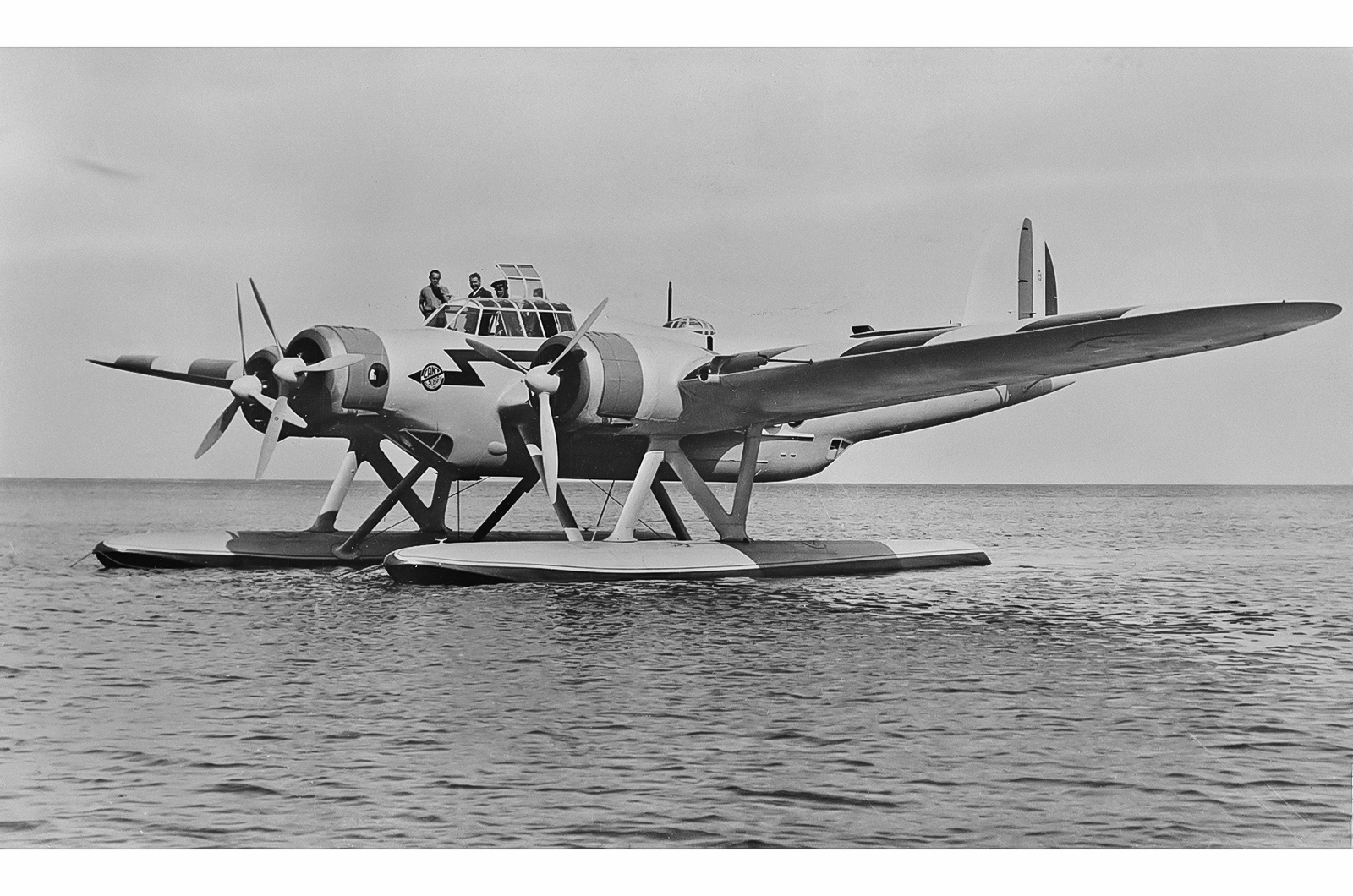
5: CANT Z.506 Airone

 CANT Z.506 Airone

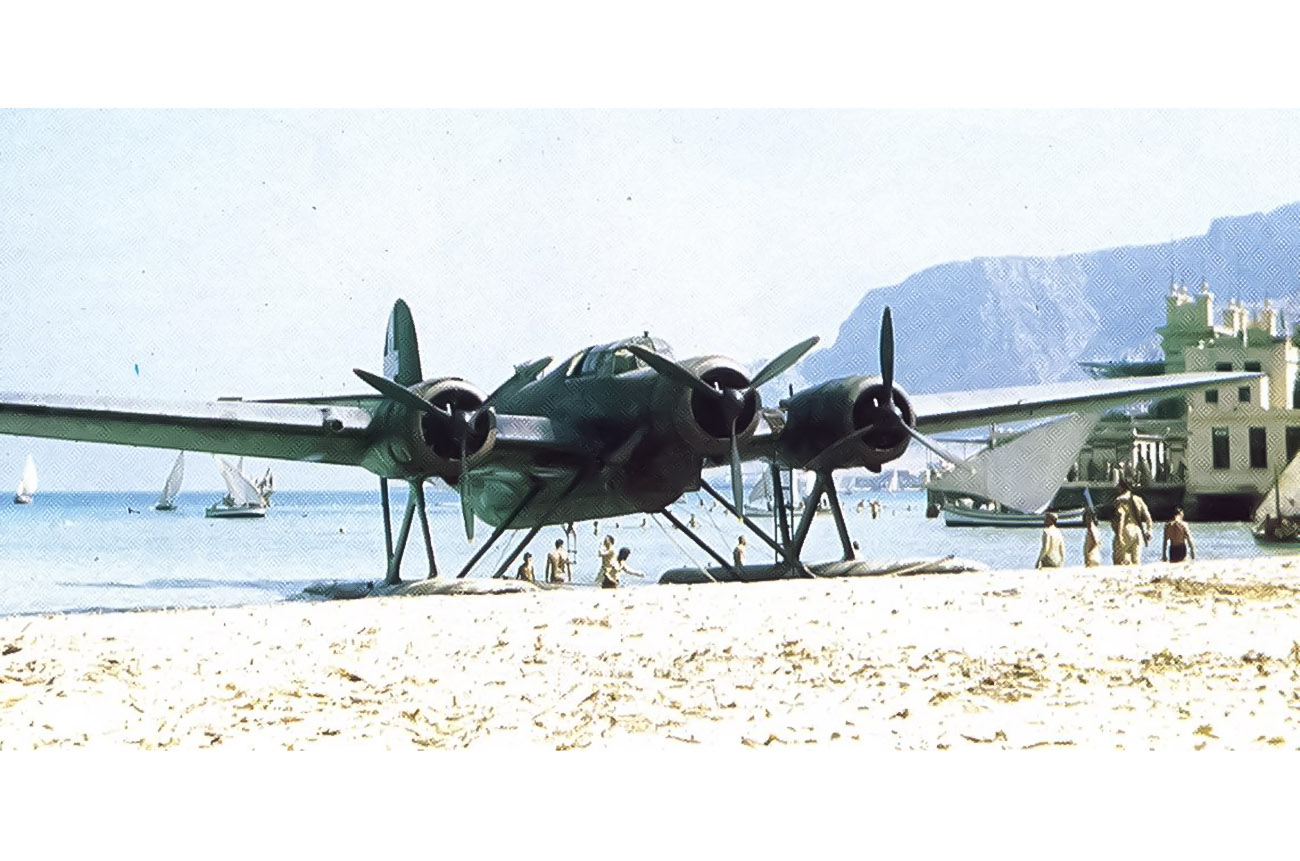
The Z.506 started life as a record-breaking commercial aircraft and was developed into the Z.506B military version (pictured). This featured more powerful engines, a raised and enlarged cockpit, and a long ventral gondola that contained the bomb aimer, the bombload, and a defensive gun position at the rear.

Back to top

Despite its wooden construction, the Airone was noted for its ability to operate in rough seas and was kept busy throughout the Second World War, raiding coastal installations, attacking shipping, and engaging in long-range maritime patrol and reconnaissance. After the Italian armistice in 1943, the aircraft continued in use with both Allied and Axis forces.


5: CANT Z.506 Airone

 CANT Z.506 Airone

A dedicated air-sea rescue version designated the Z.506S (S for Soccorso ‘rescue’) was responsible for saving 231 people during 1940-42. Despite being marked with large red cross markings, the rescue Airones were regularly attacked and shot down by British fighters. After the war Z.506s operated in the rescue role until 1959.

Despite its many years of service, the Z.506B is probably best known today as the only aircraft to be successfully hijacked by prisoners of war. In July 1942 a Z.506B rescued the crew of a ditched Bristol Beaufort - but then the British airmen overpowered their Italian rescuers and flew the aircraft to Malta.


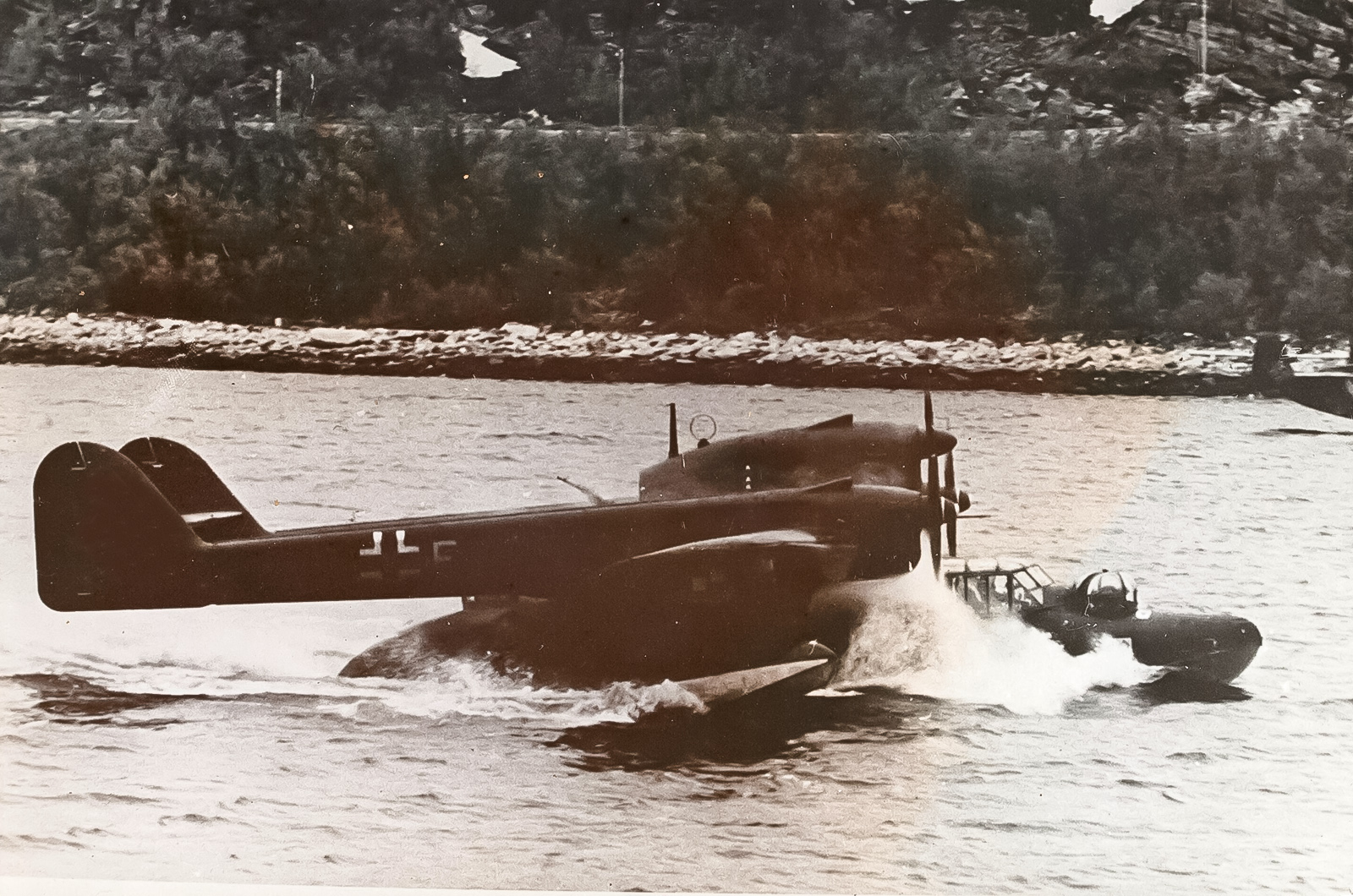
4: Blohm & Voss Bv 138

 Blohm & Voss Bv 138

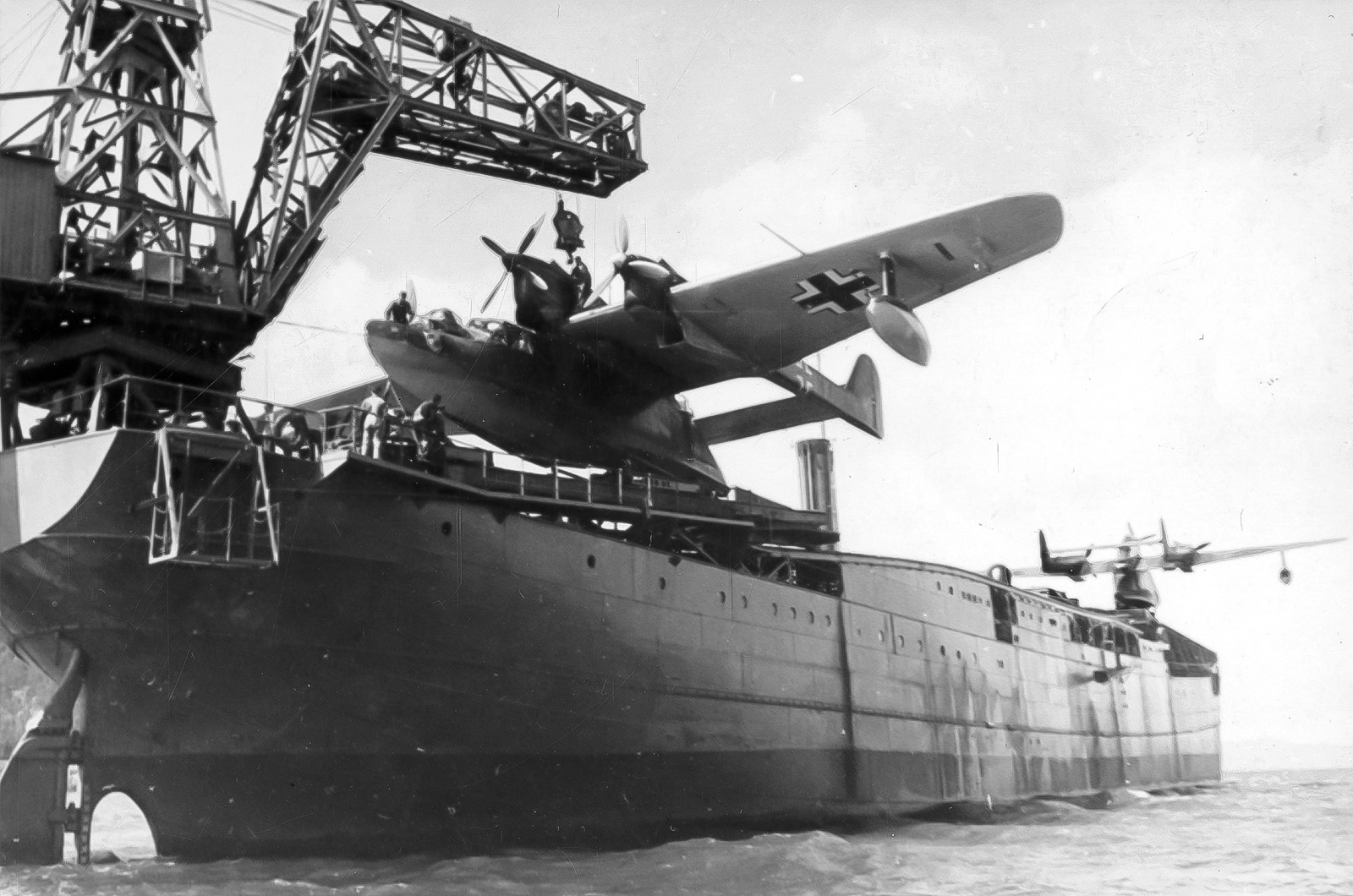
Nicknamed Der Fliegende Holzschuh ‘The Flying Clog’ by its crews due to the shape of its hull, the Bv 138 was the primary German maritime patrol flying boat of World War II. Whilst the twin boom Bv 138 wasn’t going to win any beauty contests, it was reliable, tough, and well-armed.

Unusually for an aeroplane, the Bv 138’s engines were diesel powered. These were highly efficient, conferring great range (2670 miles), which could be augmented further by refuelling at sea and Bv 138’s regularly rendezvoused with U-boats to take on diesel fuel. During Operation Wunderland in 1942 a Bv 138 was refuelled by U-255 four times whilst searching for targets.


4: Blohm & Voss Bv 138

 Blohm & Voss Bv 138

The Bv 138 was also unusual for an aircraft of its size in that it could be launched by catapult as well as taking off from the water. The Kriegsmarine operated several seaplane tenders which functioned as mobile bases for the aircraft, equipped both with catapults and cranes to hoist aboard aircraft after alighting.

Back to top

Initially utilised as a standard maritime patrol aircraft, the Bv 138 was also employed as an aerial minesweeper. Fitted with a 40ft diameter degaussing ring that was electrically charged by a generator, the Bv 138 flew low over the water and the magnetic field generated by the ring was sufficient to set off magnetic mines.


3: ⁠Spitfire floatplane

 ⁠Spitfire floatplane

Though the magnificent Spitfire proved itself a problematic carrier fighter as the Seafire, it almost become a superb floatplane fighter. During the Norwegian campaign, the RAF found itself in dire straits due to the lack of suitable airfields for its fighters, and the floatplane fighter concept seemed to offer a useful solution. Floats were fitted to a Spitfire Mk.I but before it even flew, Norway was occupied by Germany.

The converted Spitfires were converted back to regular wheeled undercarriage. But this handy idea refused to go away. Subsequently, the Spitfire floatplane was looked at again when war in the Pacific against Japan kicked off in late 1941, and this time a Mk.V, was converted.


3: Spitfire floatplane

 Spitfire floatplane

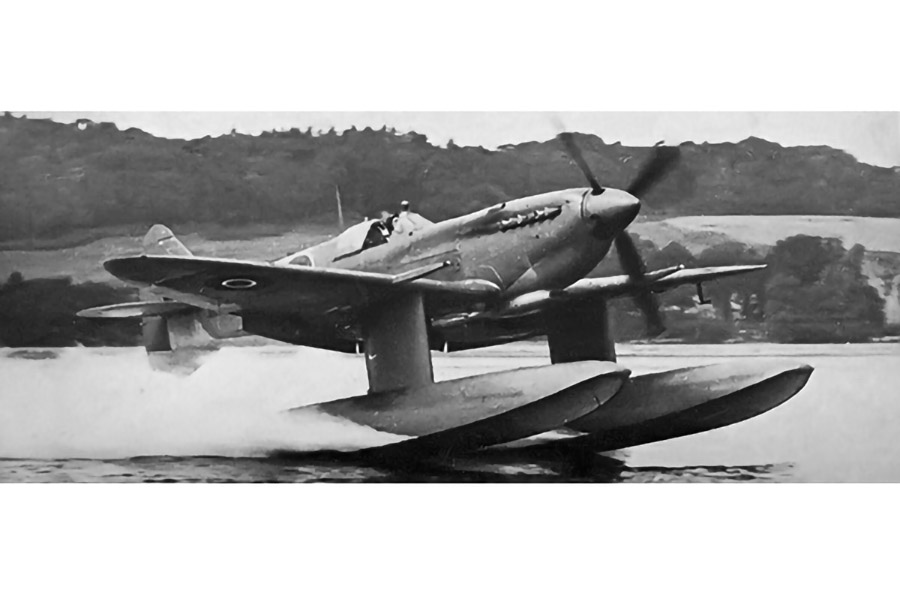
By the time three Mk.V had been converted to floatplanes, the plan had changed, and instead of the Pacific, the Spitfires were to operate from discreet island bases in the Aegean. Unfortunately, the Germans stymied the idea by capturing all the appropriate islands. Attention turned to the Pacific again for the final and fastest Spitfire conversion.

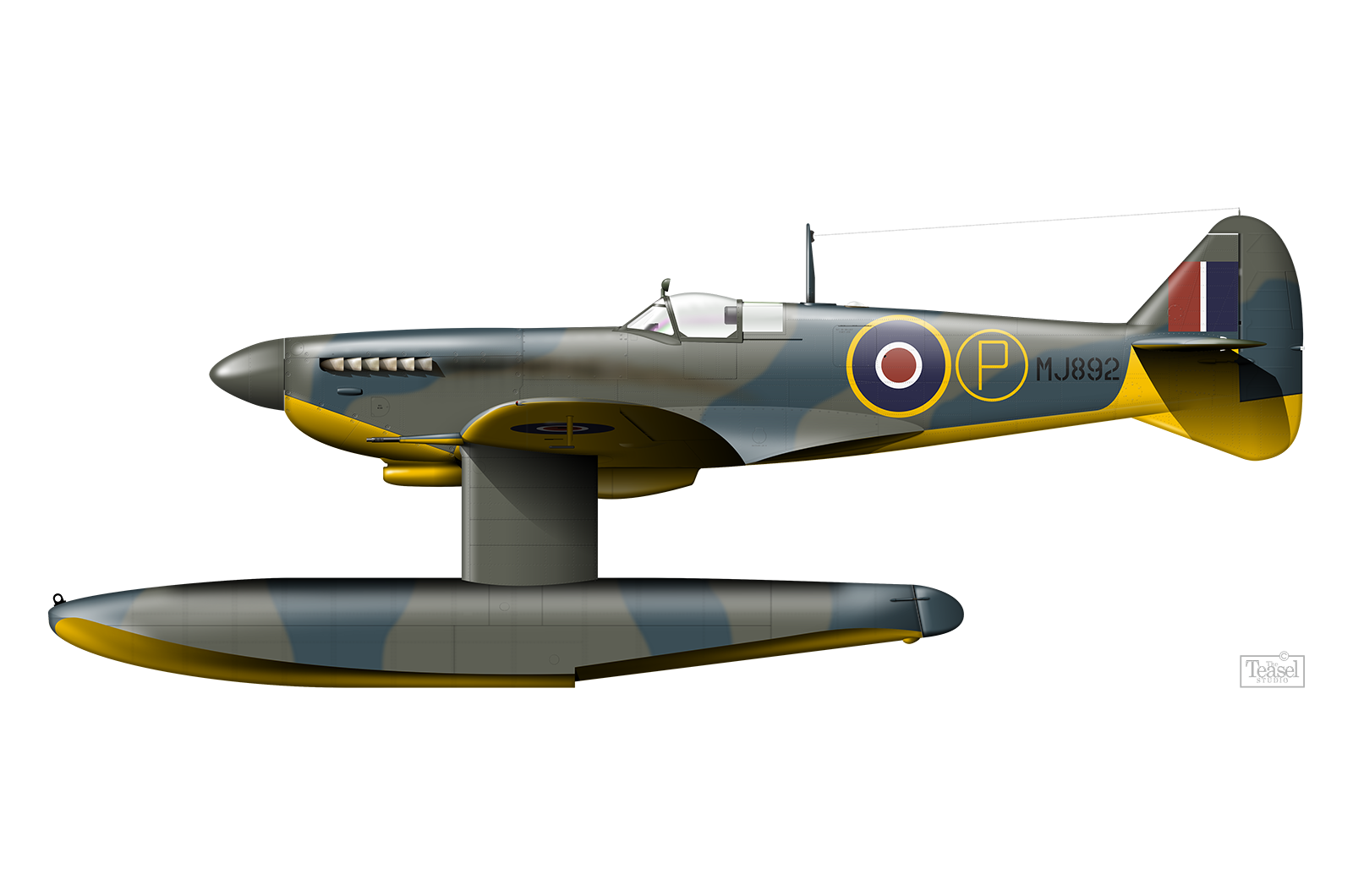
In 1944, a Spitfire Mark IX (serial MJ892) powered by a Merlin 45 was fitted with floats. The result was spectacular: the machine reached 377mph, making it the fastest floatplane of the war. Sadly, the concept was shelved, and despite becoming the third-fastest floatplane ever built, the waterborne Spitfire was abandoned in late 1945.


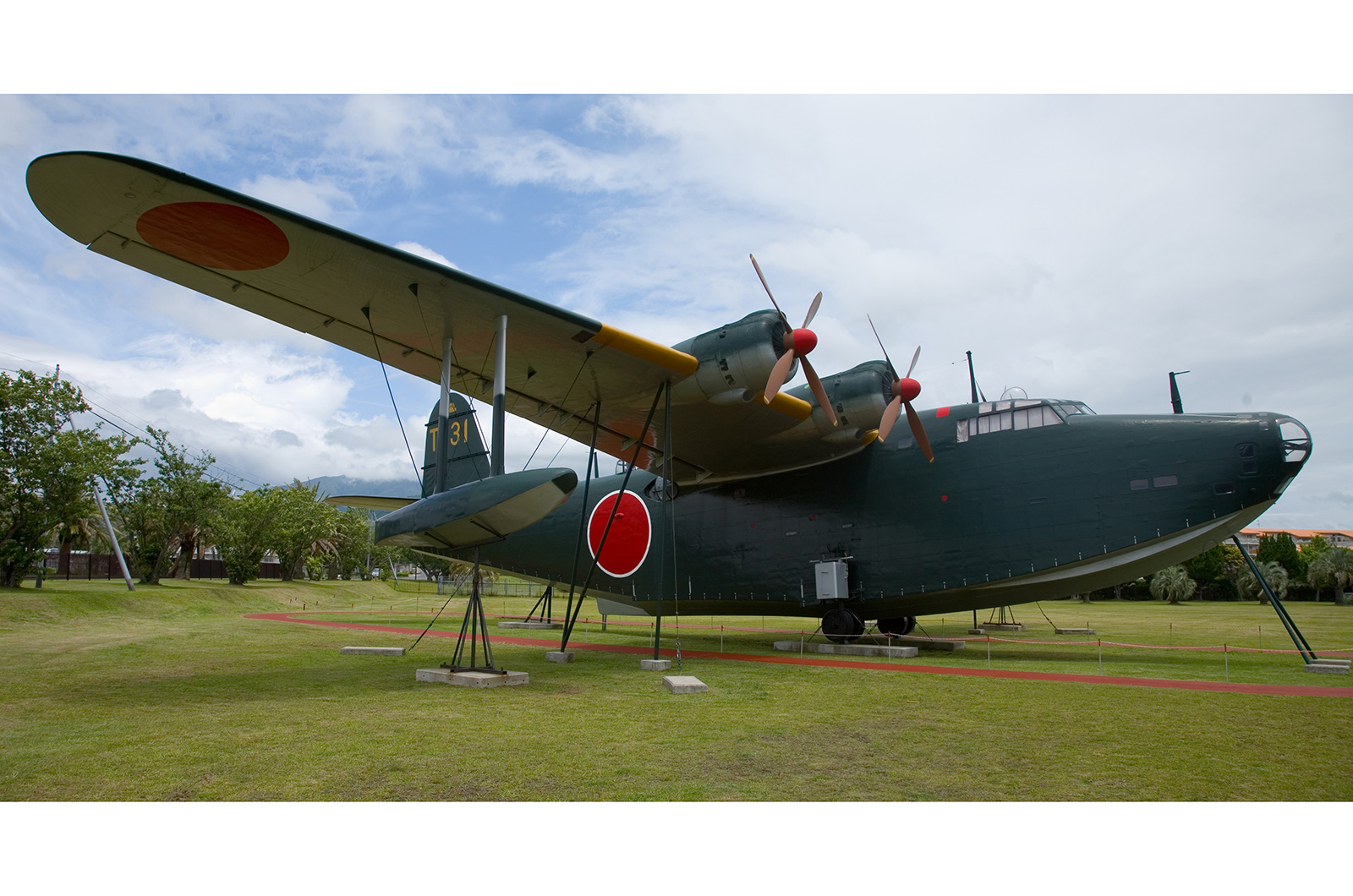
2: Kawanishi H8K

 Kawanishi H8K

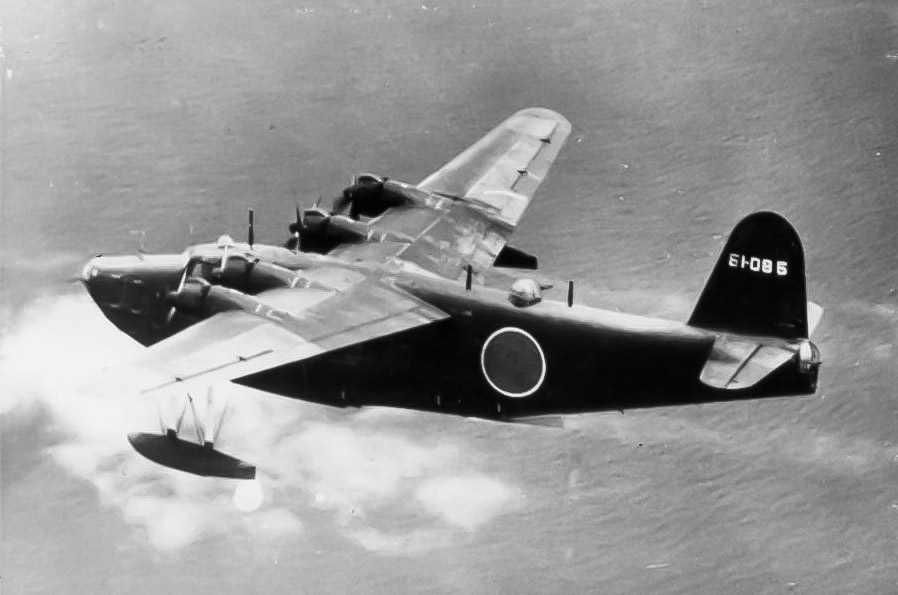
The Pacific during the Second World War was the largest battlefield in history, yet all but a tiny fraction of it was water. As a direct result the flying boat was of particular value in this realm, and the best flying boat fielded during the conflict was the superb Kawanishi H8K.

Back to top

The H8K was the most heavily defended and fastest flying boat serving with any of the combatants. Designed under a team led by Shizuo Kikuhara, the H8K featured a deep and slender hull and shoulder wing. The hull initially gave serious trouble, the prototype being prone to severe porpoising, and the spray thrown up by the bow completely inundated the two inner engines.


2: Kawanishi H8K

 Kawanishi H8K

Careful redesign eliminated these issues and the H8K’s hull was the most efficient fitted to a flying boat during the war. Primarily performing the same maritime patrol, reconnaissance and anti-submarine work as contemporary flying boats, the H8K was also expected to operate as a torpedo carrier and bomber.

Unlike most other Japanese aircraft, the H8K was a difficult target for Allied flyers. It was fast (for its size), well armoured, and well protected, possessing a highly innovative fire suppression system for its huge fuel tanks. It was also well-armed, bristling with five 20-mm cannon and five 7.7mm machine guns, Type 91 torpedoes or up to 4,409 lb (2,000kg) of bombs or mines.


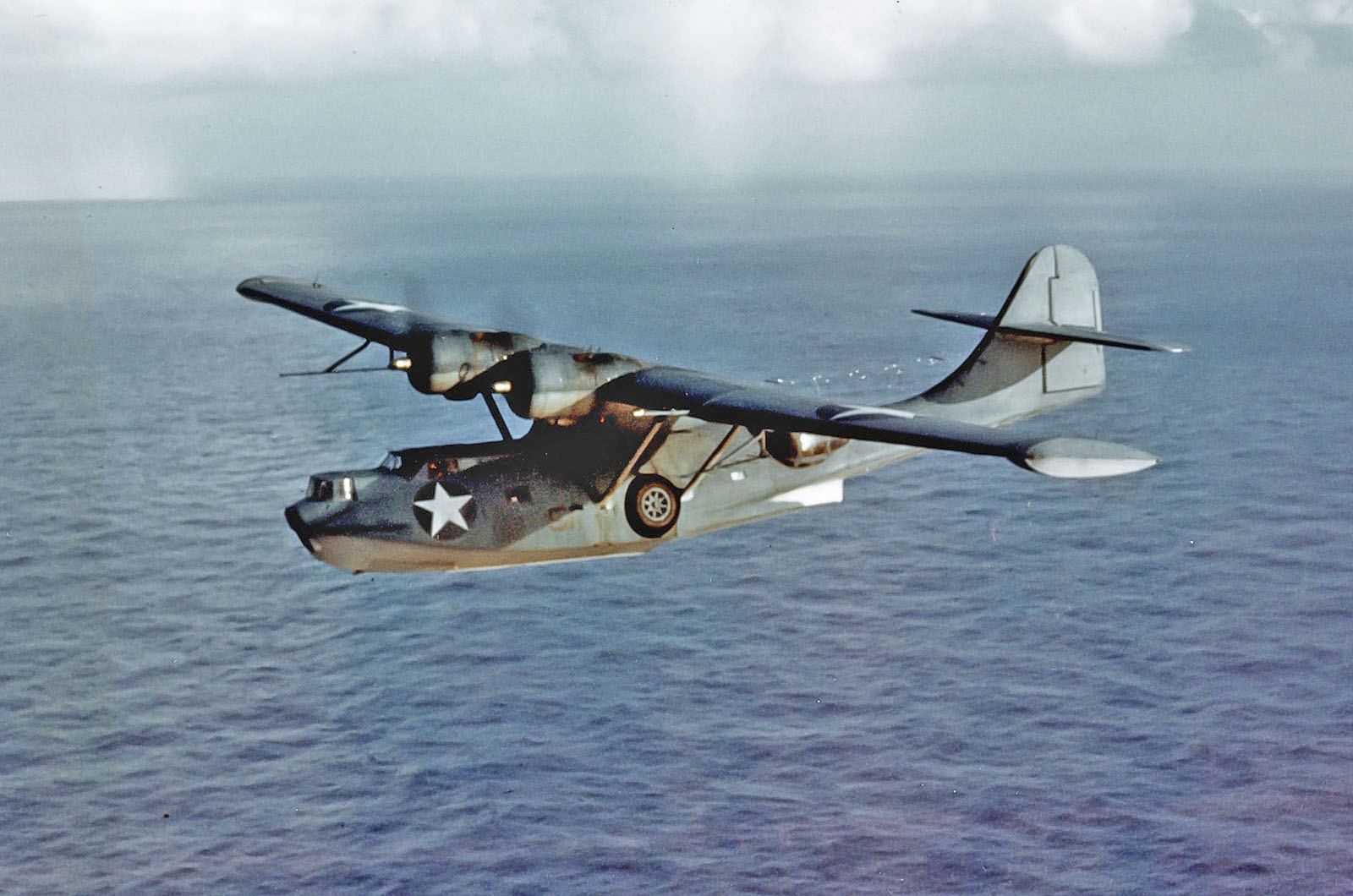
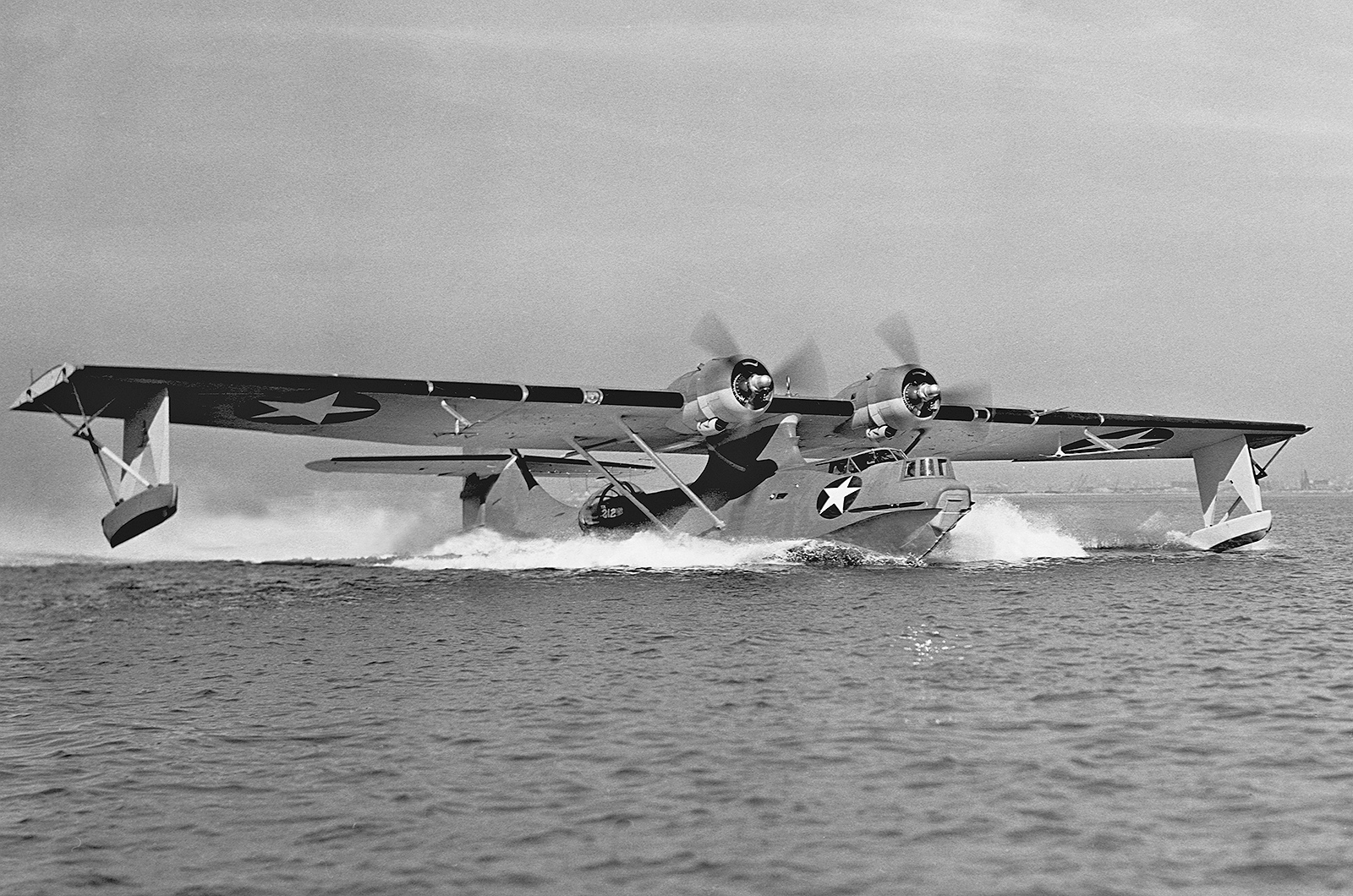
1: Consolidated PBY Catalina

 Consolidated PBY Catalina

Of the flying boats used for Antisubmarine Warfare in the Second World War, the Catalina was king. With a range of 2500 miles, it could take the fight far out into the Atlantic. Despite only having half the engines of the Sunderland, the Catalina could carry almost the same weapons load and had the advantage of also being able to use torpedoes, something it deployed in anger around Guadalcanal.

The first submarine sunk by a Catalina was U-452 which was attacked south of Iceland by the trawler HMS Vascama and an aircraft of the RAF’s 209 squadron in August 1941. In a twist of fate, the next U-boat sunk by a Catalina was in a similar location a year later by a US Navy aircraft.


1: Consolidated PBY Catalina

 Consolidated PBY Catalina

As patrol aircraft Catalinas were also responsible for sighting the Bismarck prior to her final battle, Japanese landings in Malaya, and the Japanese fleet prior to the battles of Ceylon and Midway.

Back to top

The Catalina was a submarine-killing monster: sinking a total of 40 submarines, 14 more than the Sunderland and equal second overall with the Avenger. It also had the first air-to-air kill by a US Navy aircraft in the Second World War, the bow gunner of an aircraft evacuating from the Philippines shooting down a Mitsubishi Zero on 10 December 1941.

Follow Joe Coles on Substack, Twitter X  or Blue Sky. His superb Hush-Kit Book of Warplanes is available here.

If you enjoyed this story, please click the Follow button above to see more like it from Autocar

Photo Licence: https://creativecommons.org/licenses/by/4.0/deed.en


Join our WhatsApp community and be the first to read about the latest news and reviews wowing the car world. Our community is the best, easiest and most direct place to tap into the minds of Autocar, and if you join you’ll also be treated to unique WhatsApp content. You can leave at any time after joining - check our full privacy policy here.

Add a comment…